Category: Tasting Insights

  • Don’t Judge a Grape by Its Cover

    Don’t Judge a Grape by Its Cover

    The case against knee-jerk wine snobbery.

    Let’s face it—most wine drinkers have a “never again” varietal. Maybe it was an overly oaked Chardonnay that tasted like suntan lotion and buttered popcorn. Maybe it was a flabby Merlot at your cousin’s wedding or a headache-inducing Pinot Grigio on a humid Tuesday. Whatever the offender, it left a mark—and now, any bottle bearing that grape’s name might as well come with a warning label.

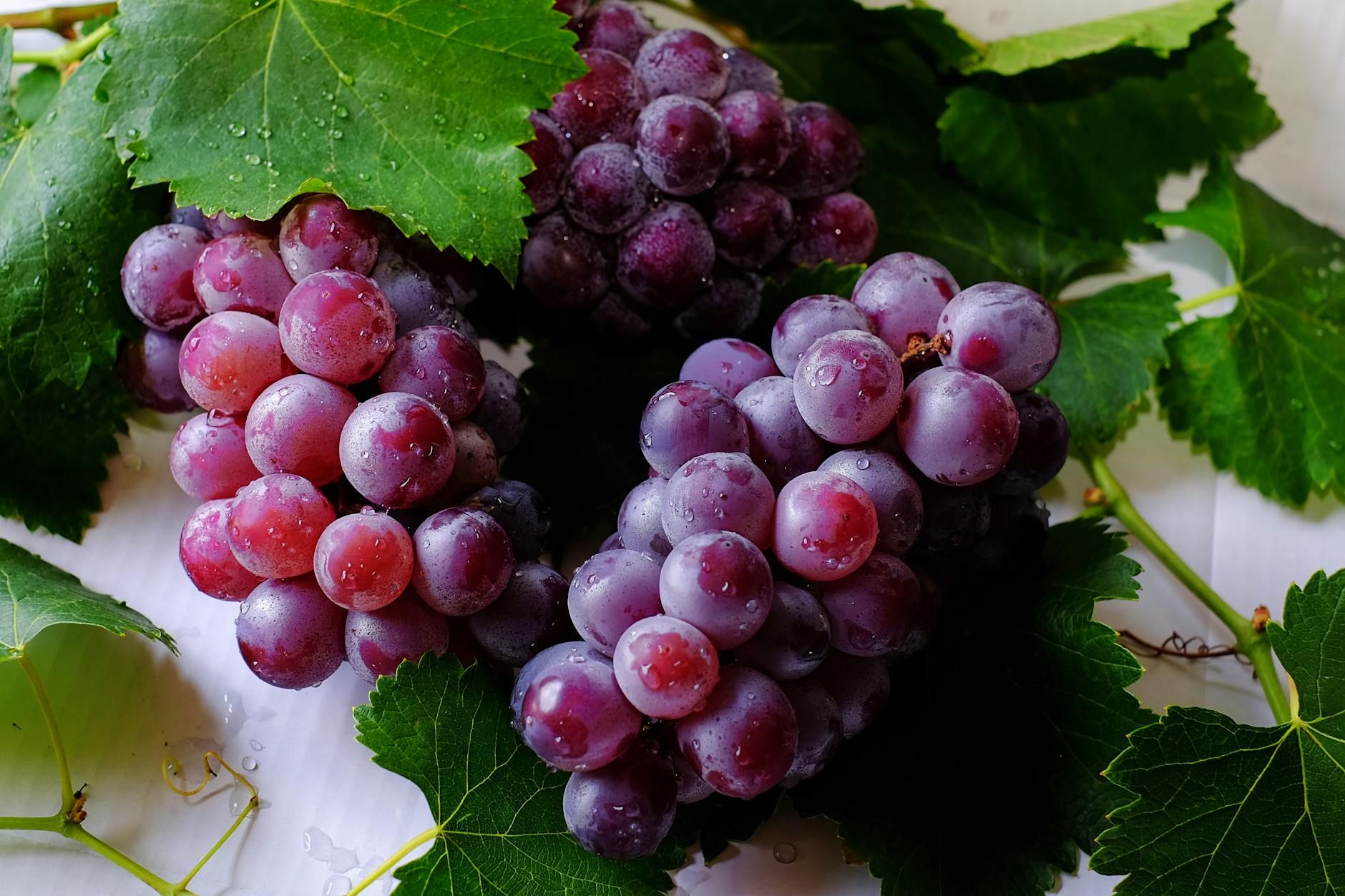
    Photo by Kai-Chieh Chan on Pexels.com

    But here’s the truth that every seasoned wine educator, sommelier, and grape grower knows: that snap judgement isn’t about the grape. It’s about the context.

    Welcome to the wild, wondrous, and sometimes misunderstood world of wine—where terroir, winemaking style, vintage, and even what you had for lunch can make the difference between “meh” and “magnificent.”

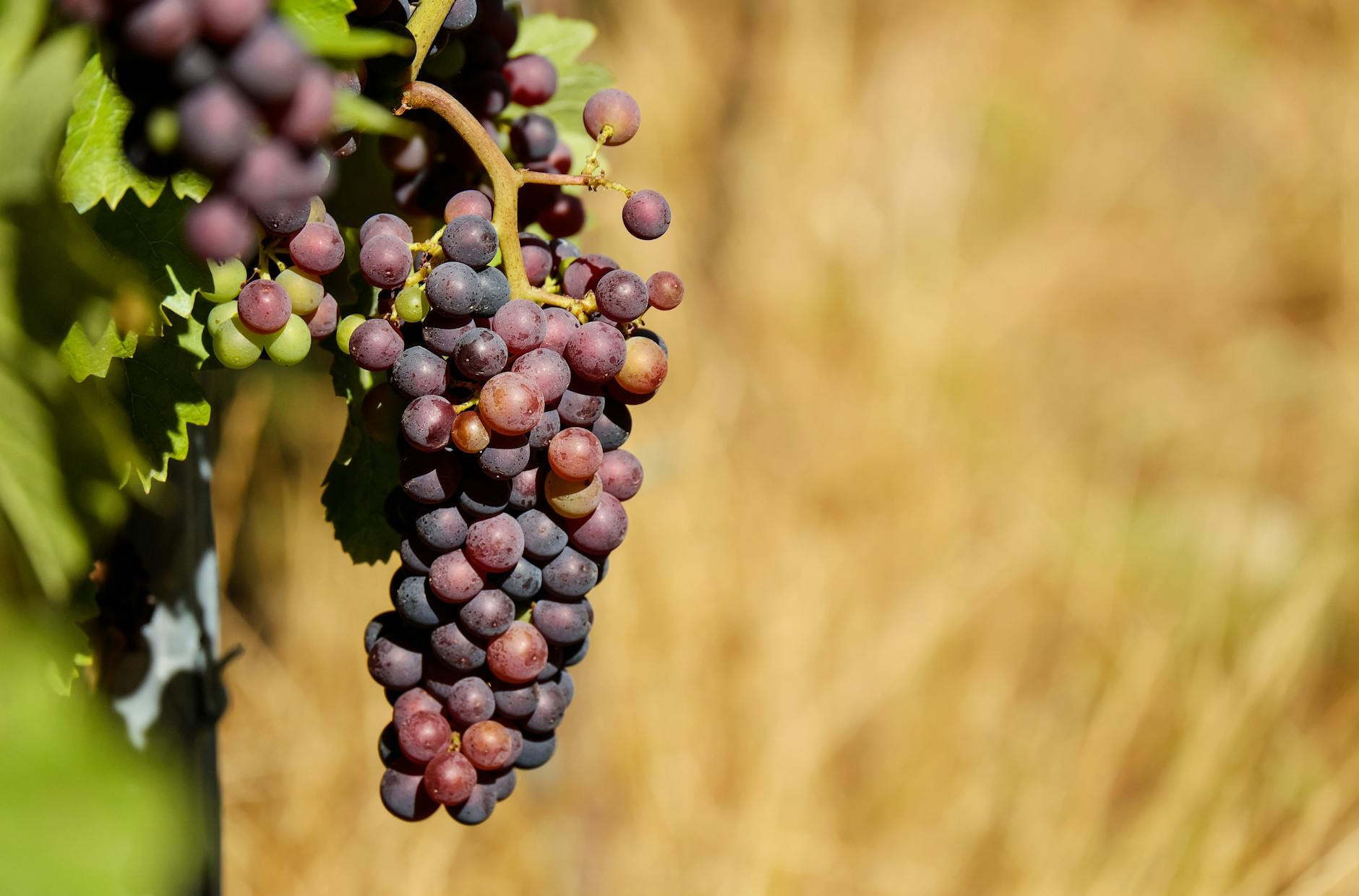
    Photo by Laker on Pexels.com

    One Grape, Infinite Possibilities

    Let’s start with the ultimate example: Chardonnay. No grape has been more misunderstood. Maligned for its over-the-top oak bombs of the ‘90s and early 2000s, this noble white grape has suffered an identity crisis for decades.

    But here’s what most people overlook: Chardonnay is a blank canvas. It’s like tofu for winemakers—it takes on the character of where it’s grown and how it’s treated in the cellar. A cool-climate, stainless steel-aged Chablis will taste like citrus, crushed oyster shells, and wet river stones. Meanwhile, a warm-climate, barrel-aged Napa Chardonnay might show ripe pineapple, vanilla, and toasted brioche. Same grape. Vastly different experience.

    If you’ve “written off” Chardonnay, chances are you’ve only met one of its many faces. I call this the Chardonnay Effect.

    Why Big Wine is Ruining Your Tastebuds

    Let’s talk about the elephant in the bottle: mass-produced, additive-heavy wines that are chemically engineered to be “smooth,” consistent, and shelf-stable. These wines are the Big Macs of the wine world. Are they drinkable? Sure. Are they expressive? Rarely. Do they teach your palate anything? Not really.

    If you drink only mass-market Cabernets that taste like cherry cola and vanilla extract, your palate can become dulled—conditioned to expect predictability instead of complexity. Worse, it can create quality blindness, where any deviation from the formula is considered “flawed” or “not good.”

    *steps onto the soapbox*

    Wine is supposed to be alive—a reflection of nature, not a carbon copy.

    SOMM&SOMM Related Article: Unveiling the Controversial World of Mega Purple and Grape Concentrates in Wine

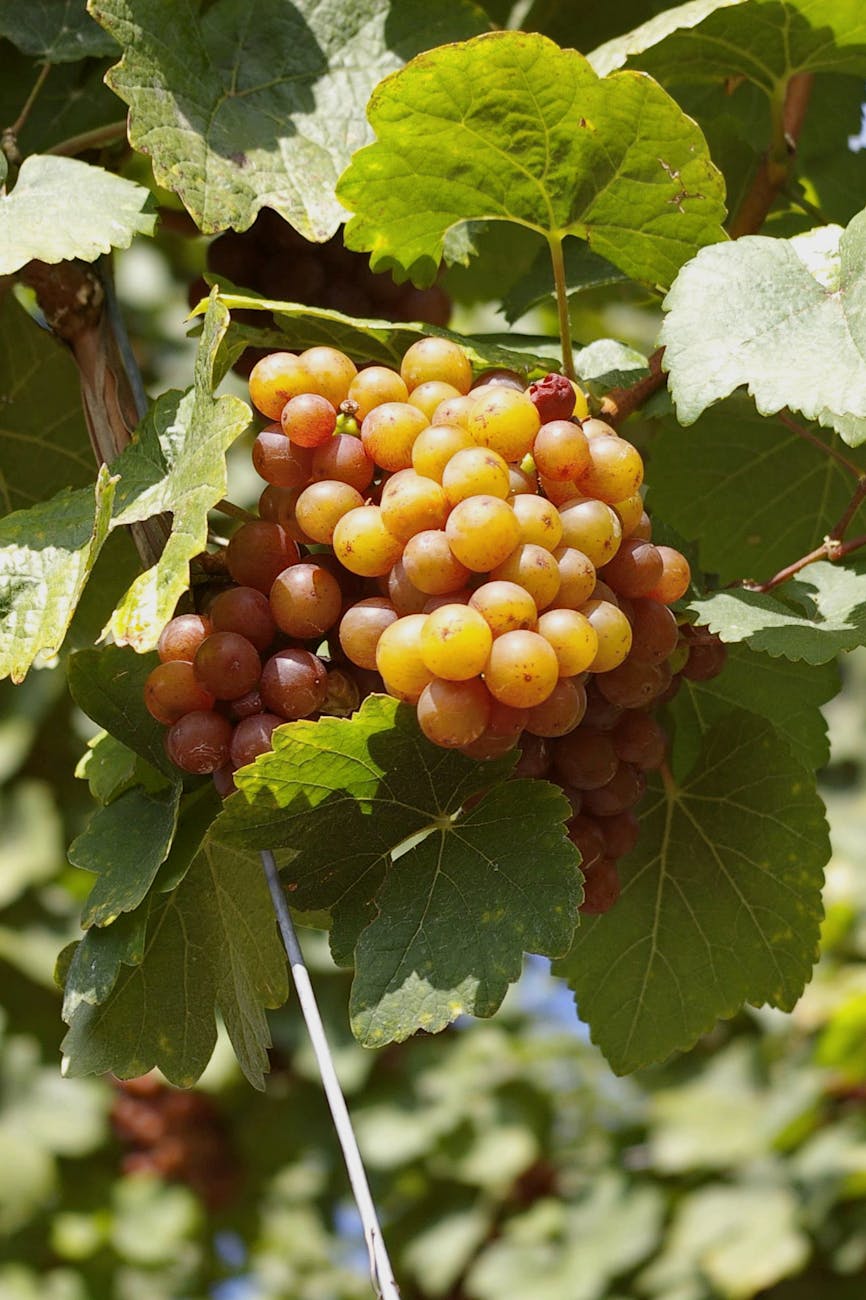
    Photo by Arthur Brognoli on Pexels.com

    Vintage Matters

    Here’s a radical idea: wines aren’t meant to taste the same every year. In fact, that’s the point.

    Weather changes. Soils evolve. Vines get older. The 2015 and 2020 versions of the same exact vineyard wine will show differences that reflect the time as much as the place. And that’s the soul of wine.

    Writing off a grape or producer based on one off-vintage bottle is like never watching a TV show again because of a single slow episode. Maybe the 2018 had too much rain. Maybe the 2022 was too hot. That doesn’t mean the 2016 wasn’t magic.

    SOMM&SOMM Related Article: How Modern Winemaking Sacrifices Soul for Consistency

    The Winemaker’s Paintbrush

    One of the biggest factors in the final wine you taste is the vessel it was made in. A grape like Sauvignon Blanc can range from zippy and citrusy (stainless steel) to round and creamy (neutral oak) to textured and savory (concrete eggs).

    Now add in other decisions: Did the winemaker use whole clusters for fermentation? Were the grapes crushed or gently pressed? Did they allow malolactic fermentation, which softens acids and adds buttery notes? Was the wine aged on the lees, stirring in dead yeast cells to create a creamy texture?

    SOMM&SOMM Related Article: The Craft of Secondary Notes in Wine

    It’s like asking a chef what kind of pan they used, whether they used clarified butter, and whether the sauce was reduced or emulsified. Details matter. I’ll type it louder for the folks in the back… DETAILS MATTER.

    First Run Juice vs. Later Pressings

    Imagine squeezing an orange. The first drop is bright, pure juice. Keep pressing and you’ll get more liquid—but also bitterness, pith, and pulp.

    Wine grapes work the same way. The finest wines often come from free-run juice—the first, gentlest pressings. Later pressings can add structure but sometimes sacrifice finesse. Understanding how a wine was pressed gives insight into its character—and helps explain why a cheap Pinot might feel harsh while a pricier one floats on your palate like silk.

    Photo by Nadin Sh on Pexels.com

    Sometimes, It’s Not the Wine—It’s the Food

    Here’s a scenario: You sip a bold, tannic Cabernet Sauvignon… with a spinach salad and vinaigrette. It tastes metallic and bitter. You blame the wine.

    But pair that same Cab with a grilled ribeye or blue cheese burger? Suddenly, the wine becomes luscious and smooth. The food made it better. The vinegar didn’t.

    Pairing matters. A lot. And judging a wine solo, without context, is like reviewing a soundtrack without watching the movie.

    I’ve watched more good wines get dismissed for not fitting someone’s expectations than bad wines get called out for having no soul. Taste widely, judge slowly, and never trust a wine that tastes the same across vintages, regions, etc..

    Gregory Dean, SOMM&SOMM
    Photo by Pavel Danilyuk on Pexels.com

    Open Your Mind, Open Your Mouth

    Wine is one of the few beverages in the world that tells a story of place, people, weather, soil, decisions, and time—all in a single glass. Dismissing an entire varietal, style, or region based on one bottle is not just closed-minded—it’s a missed opportunity.

    So the next time you find yourself wrinkling your nose at the thought of Zinfandel, Riesling, Syrah, or yes—even Chardonnay—pause and ask:

    • Where was it grown?
    • Who made it?
    • How was it made?
    • What year was it from?
    • What am I eating with it?

    Because that wine might not be bad. It might just be misunderstood.

    The Joy Is in the Journey

    Wine isn’t about finding “your grape” and sticking with it like a safe Spotify playlist. It’s about exploring, challenging, and surprising yourself. Try wines from unusual regions. Taste the same grape across continents. Ask your local wine shop for something outside your comfort zone.

    And above all—don’t write off a varietal just because you had a bad glass.

    You wouldn’t stop eating bread because of one stale bagel, would you?

    So swirl, sip, and stay curious.

    Cheers. 🍷

    Cover image credit: © Frank Schulenburg, CC BY-SA 3.0, via Wikimedia Commons

  • The Sugars Behind Your Sips

    The Sugars Behind Your Sips

    Let’s face it—sugar gets a bad rap these days. Whether it’s hiding in your cereal, lurking in sauces, or being dissected on nutrition labels, sugar has become a buzzword. But in the world of wine, sugar isn’t some evil saboteur. It’s the lifeblood of fermentation, the foundation of balance, and sometimes—just sometimes—the reason your wine sings with ripe peach or sassy cherry notes.

    Yet, sugar in wine is wildly misunderstood. Just because a wine tastes sweet doesn’t necessarily mean it’s sugary. And just because a wine is dry doesn’t mean sugar isn’t playing its part in the background. So let’s peel back the grape skin and dive into the sticky truth about sugar in wine.

    A.Savin, CC BY-SA 3.0, via Wikimedia Commons

    The Sugars in Wine Grapes

    Grapes are little chemistry labs on a vine, and their sugars are anything but simple. Here are the main players:

    • Glucose – A common simple sugar, and yeast’s favorite snack. Present in nearly equal amounts with fructose during grape ripening.
    • Fructose – The fruitier twin of glucose. It’s sweeter to taste and becomes dominant as grapes ripen and overripen.
    • Sucrose – Rare in grapes. It’s broken down into glucose and fructose almost immediately.
    • Galactose & Sorbitol – Present in tiny amounts and not very influential in fermentation, but still part of the biochemical crew.

    Fun fact: Only glucose and fructose are fermentable sugars. The others? They’re just hanging out in the background like flavor groupies.

    Sugar’s Purpose in Wine

    Let’s get one thing straight: Residual Sugar (RS) is not the same as perceived sweetness.

    RS is the sugar left behind after fermentation. This can be intentional (hello, Riesling!) or accidental (hi, stuck fermentation). But sweetness on the palate? That’s a combination of sugar, acidity, alcohol, tannin, and fruitiness. A dry wine can taste sweet if it’s loaded with ripe fruit and low in acid.

    Sugar’s role in winemaking is multifaceted:

    • It feeds the yeast, which convert sugar into alcohol, CO₂, and flavor compounds.
    • It influences mouthfeel and body—sweeter wines often feel fuller.
    • It helps balance acidity, especially in cool-climate wines.
    Photo by Pixabay on Pexels.com

    From Veraison to Harvest

    At the start of grape development, acids dominate. Think green, tart, mouth-puckering grapes. But as the grape matures (a process called veraison), chlorophyll fades and sugar floods in.

    Initially, glucose and fructose arrive in balance (1:1). But as ripening continues:

    • Fructose levels rise faster.
    • Glucose levels plateau or even decline slightly.

    By harvest, fructose becomes the dominant sugar, and that’s key—because fructose is about 1.5x sweeter than glucose. So a late-harvest wine? It’s richer in fructose, which contributes more to sweetness—especially if the wine is made to retain RS.

    Photo by Helmut Retsch on Pexels.com

    Why Some Wines Are Sweeter Than Others

    The reasons are delightfully diverse:

    1. Yeast Selection & Fermentation Control
      Some winemakers stop fermentation early—either by chilling the wine, adding sulfur, or filtering out the yeast—leaving unfermented sugar behind.
    2. Grape Ripeness
      Late harvest, botrytized (noble rot), and dried grapes (passito method) have sky-high sugar levels. Not all of it gets fermented, especially in high-alcohol environments.
    3. Fortification
      In wines like Port, fermentation is halted by adding brandy, locking in sugars and boosting alcohol.
    4. Winemaking Traditions
      German Kabinett vs. Auslese Riesling, Vouvray Sec vs. Moelleux—some regions embrace sugar as a stylistic hallmark.
    5. Intentional Back-Sweetening
      Yes, in some cases, especially in inexpensive wines or mass-market blends, sugar is added after fermentation to soften rough edges or mask imbalances. (We see you, off-dry Moscato.)

    A Lighthearted Guide to Residual Sugar

    StyleRS Range (g/L)Common WinesTaste Perception
    Bone Dry0–1Brut Champagne, MuscadetSharp, crisp, dry AF
    Dry1–10Sancerre, Chablis, ChiantiDry, but fruity is OK
    Off-Dry10–30Riesling Kabinett, VouvrayLight sweetness
    Medium Sweet30–60Moscato, GewürztraminerNoticeable but refreshing
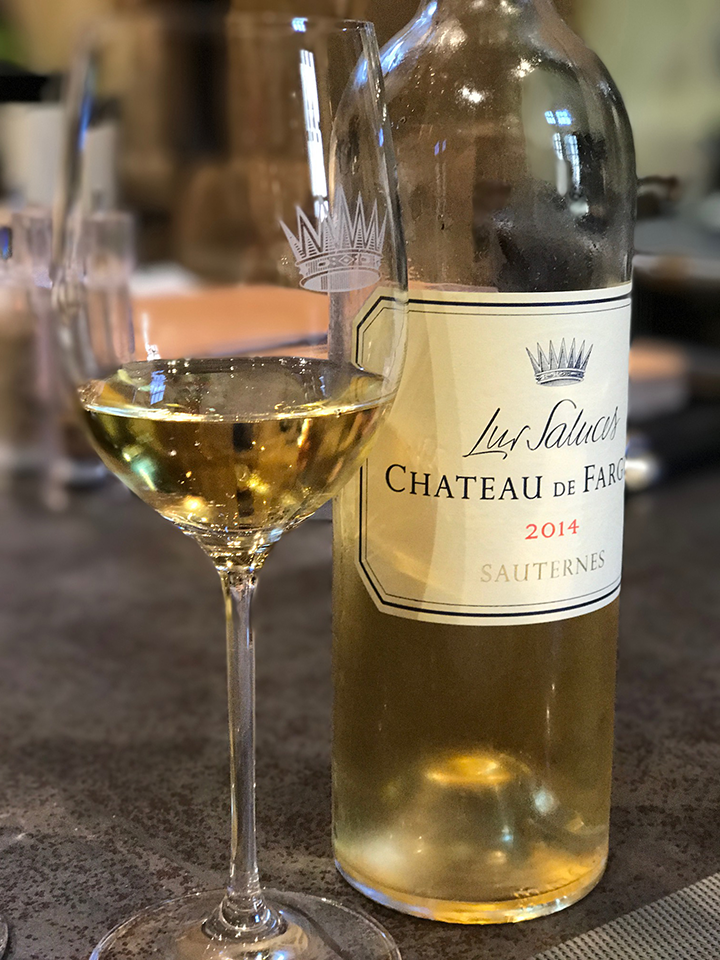
    Sweet60–120Port, SauternesDessert-level richness
    Lusciously Sweet120+Ice Wine, Tokaji Aszú 6 PuttonyosNectar of the gods

    Dessert, or Just a Sweet Moment?

    Here’s the big takeaway: Sweetness in wine isn’t always about sugar.

    That plush California Chardonnay that reminds you of a tropical smoothie? It might have almost no residual sugar but loads of ripe fruit and new oak.

    That Italian Brachetto you had on a patio last summer? Light in alcohol, fizzing with red berry notes, and low-key sugar? Yeah, that was actually sweet.

    Respect the Sugar

    Sugar is the unsung hero of wine. Without it, there’d be no fermentation, no alcohol, no balance. It’s the yeast’s playground, the winemaker’s tool, and the drinker’s delight.

    So next time someone scoffs at sweet wines, hand them a glass of well-made Spätlese or Tokaji and watch their misconceptions melt away like sorbet on a summer day.

    Because sometimes… life really is sweeter with wine. Cheers 🍷

    Bonus Sip: Sweet Surprises & Sugar Truths

    Now that we’ve unraveled the mysteries of sugar in wine, it’s time to sweeten the deal. Below you’ll find a curated list of exceptional sweet wines worth exploring, along with a breakdown of common misconceptions that often lead wine lovers astray. Whether you’re a die-hard dry drinker or a sweet wine skeptic, these bonus sips of knowledge might just change the way you see—and taste—wine. Cheers to keeping an open mind and an open palate!

    Misconceptions & Misinterpretations

    Let’s get this out of the way—sweet wine does not equal cheap wine, and dry wine does not always mean better wine. Somewhere along the way, the wine world developed a bit of snobbery around sugar. The modern palate, shaped by marketing and misunderstood wine rules, has come to associate sweetness with mass-produced, low-quality wines.

    That’s simply not true.

    Many of the world’s most prestigious wines are sweet—intentionally and artfully so. A bottle of Sauternes from Château d’Yquem can fetch thousands of dollars and age gracefully for decades. German Rieslings labeled Auslese or Trockenbeerenauslese are crafted with painstaking precision. Tokaji Aszú from Hungary was once called the “Wine of Kings, King of Wines” by Louis XIV, and for good reason.

    Related SOMM&SOMM Article: Wine Styles: Late Harvest Wines

    What’s really happening is that perceived sweetness is being mistaken for residual sugar. A juicy Malbec with ripe plum and chocolate notes might be totally dry (under 2 g/L RS), but your brain reads all that ripe fruit as “sweet.” Meanwhile, a high-acid Riesling with 25 g/L RS might come off as light, zippy, and almost dry due to the acidity balancing the sugar.

    So instead of treating sugar like a four-letter word, think of it like salt in food. Used well, it elevates everything.

    Best Intentionally Sweet Wines to Try

    If you’ve been living in the “dry only” camp, consider this your invitation to the sweet side of the cellar. These aren’t syrupy bottom-shelf bombs. These are masterful wines that showcase the balance between richness, acidity, aromatics, and craftsmanship.

    Riesling (Germany, Austria, Alsace)

    One of the most versatile and age-worthy white wines on earth. Styles range from off-dry Kabinett to decadently sweet Trockenbeerenauslese (TBA). Look for Mosel Rieslings with high acidity that keep sweetness refreshing, not cloying.

    Tokaji Aszú (Hungary)

    Made from botrytized Furmint grapes, Tokaji Aszú is honeyed, nutty, and complex. Labeled by “puttonyos,” which refer to the level of sweetness (3 to 6). The 5–6 Puttonyos level is where magic happens.

    Sauternes (France – Bordeaux)

    A noble rot wine made primarily from Sémillon and Sauvignon Blanc. Think candied citrus, saffron, honey, and apricot. The acidity is key—it balances the intense sweetness beautifully.

    Vin Santo (Italy – Tuscany)

    A luscious dessert wine made from dried Trebbiano and Malvasia grapes. Notes of caramel, toasted almond, and orange peel make it ideal with biscotti—or just on its own by a fire.

    Ice Wine / Eiswein (Germany, Canada)

    These grapes are harvested while frozen on the vine, concentrating the sugars and flavors. The result is intensely sweet, with bracing acidity. Canada’s Niagara region and Germany’s Rheinhessen make some of the best.

    Recioto della Valpolicella (Italy – Veneto)

    Made from partially dried Corvina grapes (the same ones used in Amarone), this red dessert wine is rich, raisiny, and chocolatey—perfect with dark chocolate cake or strong cheese.

    Muscat/Moscato d’Asti (Italy – Piedmont)

    Low in alcohol, lightly sparkling, and delicately sweet. This one’s your picnic or brunch buddy, best served cold and sipped with fruit tarts or creamy cheeses.

    Sweet wines—when done right—are a celebration of craft, patience, and nature. They aren’t just dessert wines; they’re experience wines, meant to be savored slowly, with food or without. So whether you’re a sweet wine skeptic or a seasoned sipper, the world of sugar in wine is worth a second look… and a generous pour.

    Now go forth and sweeten your wine wisdom! 🍷✨ Want more deep dives like this? Stay tuned at SOMM&SOMM, where curiosity and corks collide.

  • Gen Z and the Aperitif Revival

    Gen Z and the Aperitif Revival

    The clinking of ice, the soft fizz of tonic, the amber swirl of vermouth in a vintage glass—these are not just relics of an old-world European café culture. They’re back, and Gen Z is leading the charge. From TikTok-worthy Spritz recipes to obscure amari and local vermouths popping up in home bars, the aperitif is experiencing a full-fledged renaissance.

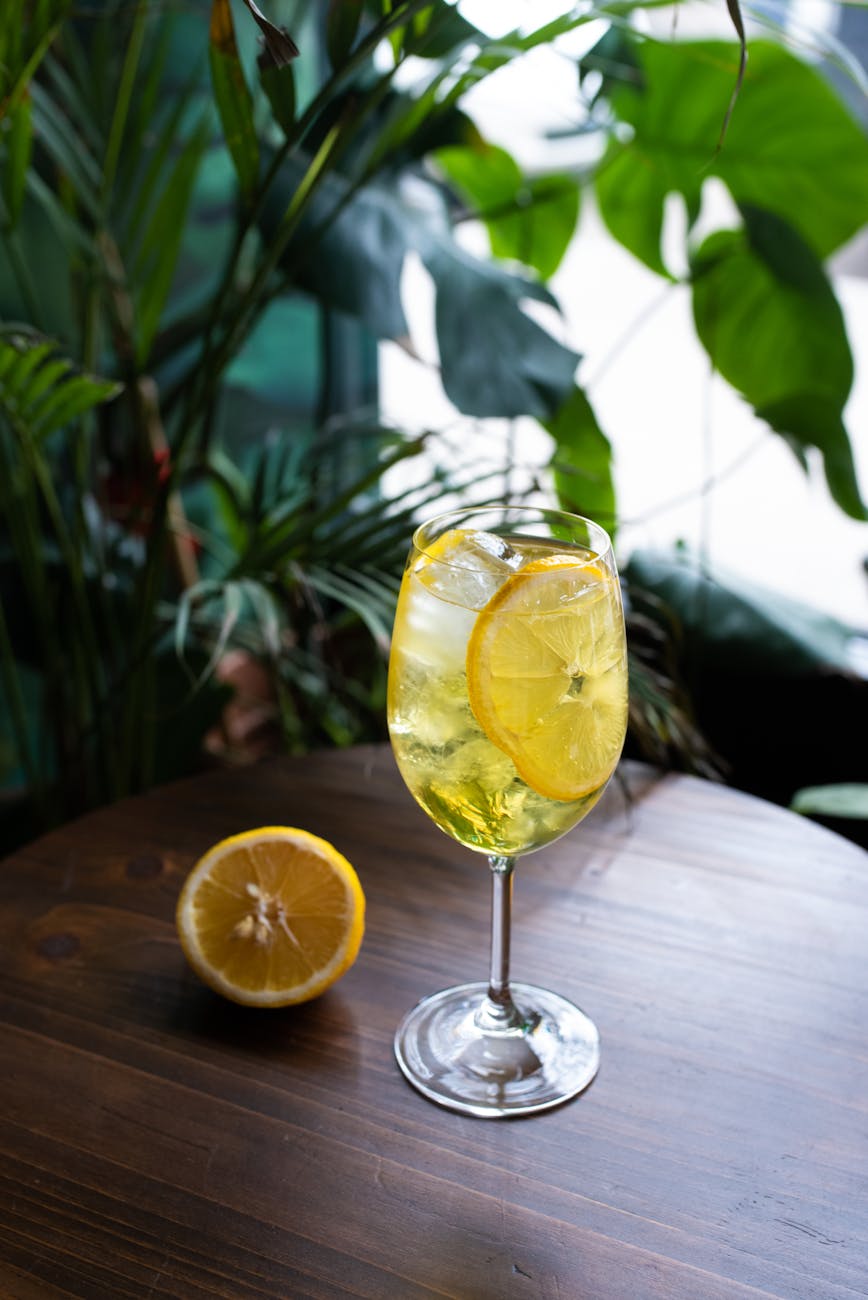
    Photo by Lazarus Ziridis on Pexels.com

    You may also like SOMM&SOMM article: The Rum Renaissance

    But is this resurgence just another fleeting trend or a lifestyle shift? And how can we—seasoned sippers and new enthusiasts alike—elevate this delicious ritual? Let’s dive into the heart of the modern aperitivo.

    What Is an Aperitif Anyway?

    Aperitifs are drinks traditionally served before a meal to stimulate the appetite. The term comes from the Latin aperire, meaning “to open.” These beverages are typically lower in alcohol (usually between 11-25%), often dry or bitter, and designed to awaken the senses rather than overwhelm them. They are cousins—but not twins—to digestifs, which are consumed after meals to aid digestion and are typically richer, stronger, and sweeter (think Cognac, Amaro, Port).

    Photo by Regina Tommasi on Pexels.com

    Common Types of Aperitifs:

    • Vermouth (dry or blanc) – fortified, aromatized wine; try Dolin Blanc or Carpano Dry
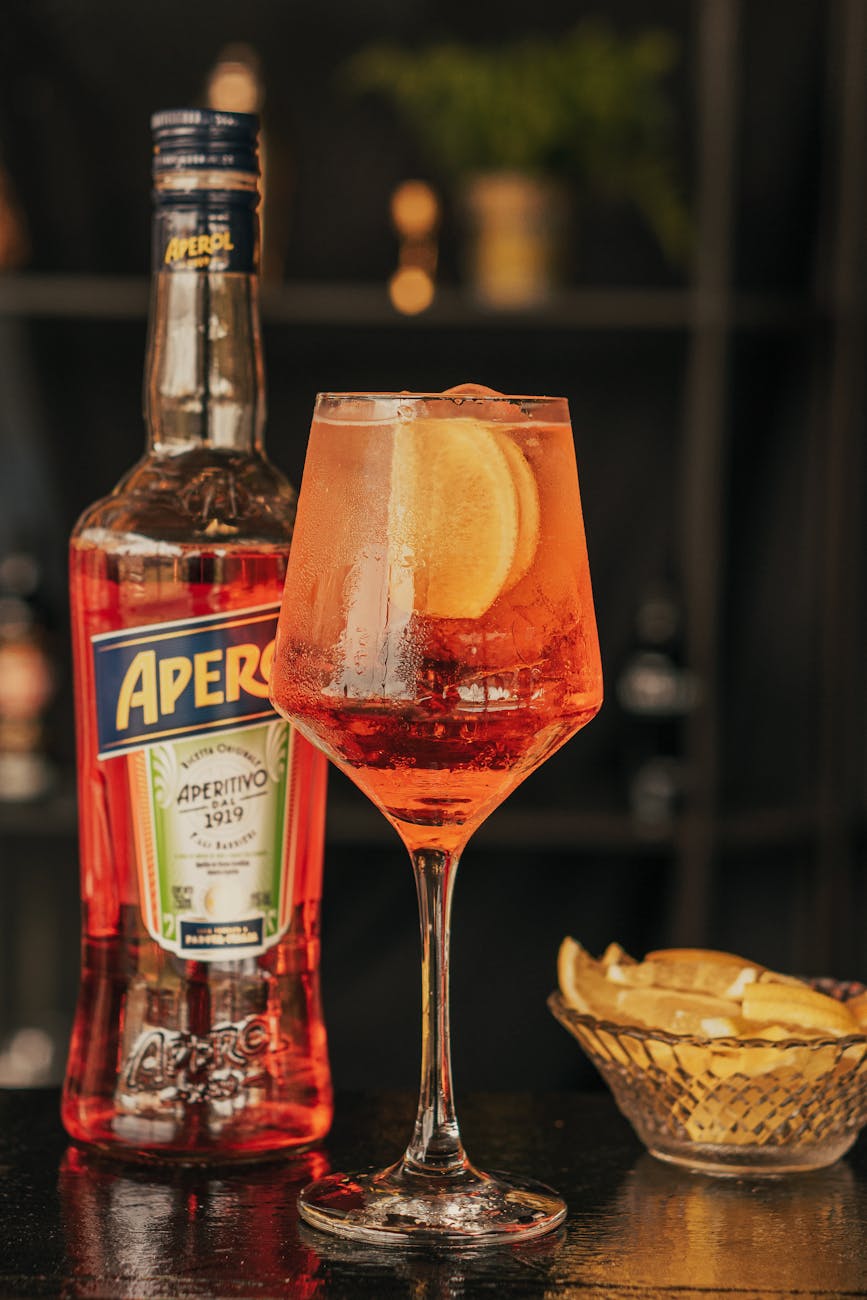
    • Aperitivo bitters – Campari, Aperol, Select, and obscure gems like Contratto or Cappelletti
    • Lillet Blanc, Rosé, and Rouge – French wine-based aperitifs infused with citrus and quinine
    • Sherry (Fino or Manzanilla) – bone-dry Spanish fortified wines, excellent with tapas
    • Dry sparkling wines – Prosecco, Cava, Crémant, or brut Champagne
    • Amaro (light styles) – While traditionally digestifs, some low-ABV amari like Amaro Nonino or Montenegro walk the aperitif line

    Gen Z and the Aperitivo Renaissance

    Why now? Why this category?

    But first—who is Gen Z?

    Gen Z, short for Generation Z, refers to people born roughly between 1997 and 2012. They are digital natives who grew up with smartphones, social media, and on-demand everything. Known for their creativity, inclusivity, and emphasis on mental health and authenticity, Gen Z values experiences over possessions and often challenges traditional norms—from career paths to how (and what) they drink. They’re shaping trends across fashion, tech, and even the food and beverage world—like reviving the aperitif hour with a modern, mindful twist.

    Low-ABV Lifestyle

    Health-conscious and moderation-minded, Gen Z tends to lean toward “sessionable” drinks that allow for social sipping without the aftershock. Aperitifs hit that sweet spot.

    Aesthetic and Ritual

    The modern aperitivo hour is as much about the look and feel as the liquid. Vintage glassware, tinned fish boards, playlists, and sun-drenched settings turn it into a lifestyle. It’s on every platform.

    Discovery Culture

    From rare vermouths to hyper-regional aperitivi like Rinomato or Mattei Cap Corse, Gen Z is less loyal to brands and more interested in storytelling. Aperitifs are steeped in history, botanicals, and place—perfect for exploration.

    Photo by Gonzalo Acuu00f1a on Pexels.com

    Spritz 2.0

    The Aperol Spritz may have been the gateway, but the new wave of spritzes is bold, bitter, herbaceous, and often customized. Think “Spritz 2.0.”

    Try These Modern Takes:

    • White Negroni Spritz – Suze, dry vermouth, tonic, grapefruit peel
    • Lavender Lillet Spritz – Lillet Blanc, lemon, lavender bitters, soda water
    • Cappelletti & Prosecco – A deeper, more complex take than Aperol
    • Sherry Spritz – Manzanilla sherry, lemon tonic, cucumber ribbon
    • Amaro Spritz – Montenegro with soda and a dash of orange bitters

    Want something totally different? Try a Sakura Spritz with Japanese umeshu, sparkling yuzu soda, and mint.

    The Aperitif as Ritual

    An aperitivo is not just a drink—it’s a moment. Here’s how to elevate the experience:

    The Setting

    Golden hour lighting, low music, and relaxed attire. Indoors or outdoors, the vibe matters.

    Glassware

    Use proper (or playfully mismatched) stemware. Coupe glasses, Nick & Noras, or vintage tumblers add gravitas.

    Ice Matters

    Use clear, large-format ice where possible. It melts slower, looks better, and keeps the drink crisp.

    Garnishes

    Citrus peels, herbs, edible flowers—small touches that engage the senses.

    Photo by David Melgar on Pexels.com

    Aperitif Pairings & Accompaniments

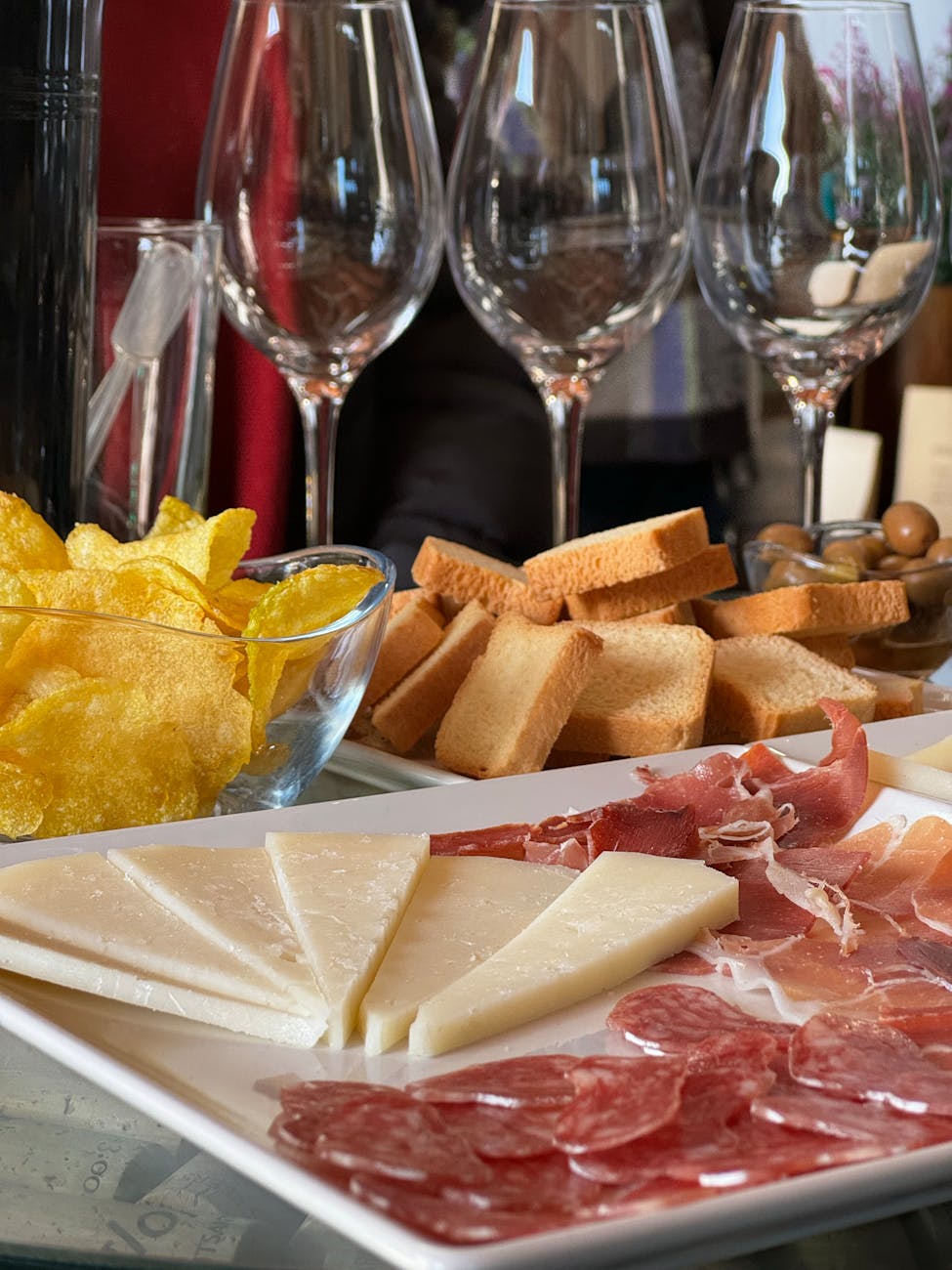
    Food is key. In Italy, you’d get olives, potato chips, and maybe a few nuts with your drink. But we can do better—and still keep it simple.

    Try Pairing With:

    • Marcona almonds and anchovy-stuffed olives – great with dry vermouth
    • Jamón Ibérico and Manchego – classic with fino sherry
    • Radishes with butter and sea salt – elegant with a Lillet Blanc spritz
    • White bean dip with lemon and rosemary – pairs well with a bitter amaro spritz
    • Crostini with ricotta, honey, and herbs – lovely with a rosé vermouth

    For something playful and Gen Z-approved? Tinned fish boards with smoked mussels, mackerel pâté, and crusty bread are all the rage. Pair with a crisp French Quinquina like Dubonnet Blanc or a coastal white vermouth from Galicia.

    Obscure Aperitifs Worth Discovering

    You’ve heard of Campari. But here are a few you should know:

    • Suze (France) – bitter gentian root liqueur; electric yellow and deeply earthy
    • Chinato (Italy) – Barolo aromatized with quinine and spices
    • Rinomato (Italy) – a balanced, bitter aperitivo with citrus and alpine herbs
    • Byrrh (France) – red wine-based quinquina with plum and spice notes
    • Mattei Cap Corse (Corsica) – white quinquina with citrus and wormwood
    • Uncouth Vermouth (USA) – seasonal Brooklyn-made vermouths with foraged ingredients
    Photo by Marcelo Verfe on Pexels.com

    Classic Aperitif Cocktails You Need to Know

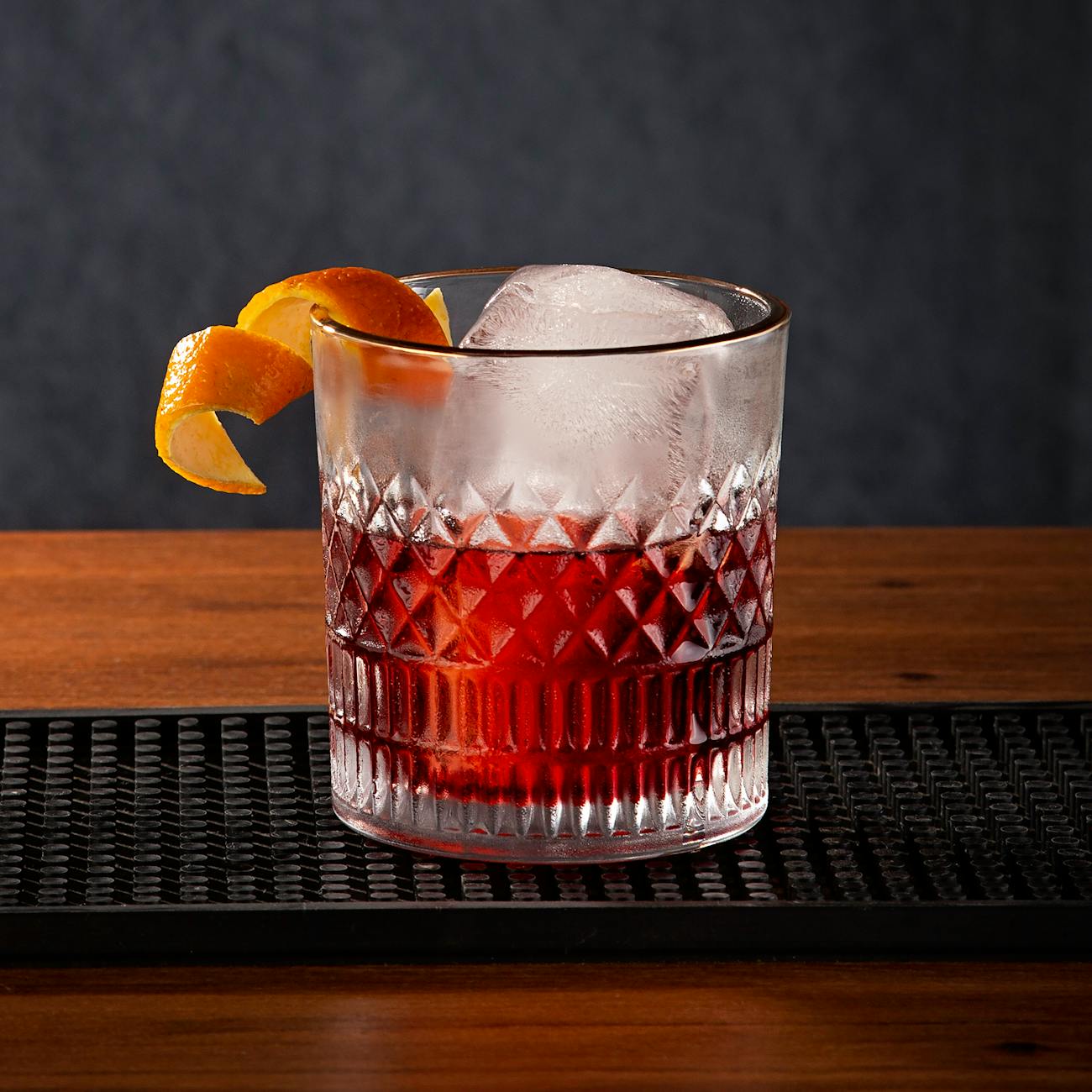
    • Negroni – Gin, Campari, sweet vermouth
    • Boulevardier – Bourbon, Campari, sweet vermouth
    • Americano – Campari, sweet vermouth, soda
    • Vesper Martini – Gin, vodka, Lillet Blanc
    • Adonis – Fino sherry, sweet vermouth, orange bitters
    • Bamboo – Dry sherry, dry vermouth, dash of bitters

    Unique Aperitif Recipes to Try

    The Garden Path

    • 1 oz Lillet Blanc
    • 1 oz Dolin Blanc Vermouth
    • 2 dashes celery bitters
    • 3 oz cucumber soda
    • Garnish: cucumber ribbon + mint

    Flavor: Cool, herbal, floral—a picnic in a glass.

    Sunset in Amalfi

    • 1 oz Cappelletti
    • 0.5 oz blood orange juice
    • 3 oz Prosecco
    • Splash soda
    • Garnish: thyme sprig and orange twist

    Flavor: Bitter, bright, citrus-forward.

    Basque Country Spritz

    • 1 oz Basque vermouth (e.g., Txurrut)
    • 1 oz manzanilla sherry
    • 3 oz tonic
    • Garnish: lemon wedge + cracked pepper

    Flavor: Saline, herbal, slightly funky.

    Fad or Here to Stay?

    The modern aperitivo hour is more than a fad. It’s a cultural correction—away from overproof, overdone cocktails and toward intentional, social, and stylish sipping. With sustainability, localism, and health all shaping Gen Z’s buying decisions, the aperitif’s lower ABV, European pedigree, and wide range of flavors make it uniquely relevant.

    It may have roots in the 19th century, but its soul fits perfectly into a 21st-century glass.

    The new aperitivo hour isn’t just a drink. It’s a declaration: slow down, sip something beautiful, snack thoughtfully, and toast to the joy of the in-between. Cheers 🥃

    Cover Photo by DC, CC BY-SA 3.0, via Wikimedia Commons

  • The Rise of the Tinned Fish Date Night

    The Rise of the Tinned Fish Date Night

    How to Elevate the Viral Trend into a Deliciously Sophisticated Affair.

    What once sat dusty on pantry shelves as an end-of-the-world staple is now having its glam moment: tinned fish. From chic coastal wine bars to TikTok and curated picnic boxes, conservas (as the Europeans call them) are making waves as the centerpiece of casual, romantic, and surprisingly elevated date nights.

    This isn’t your grandfather’s tuna sandwich filler. Think: Spanish octopus in olive oil, Portuguese sardines with piri piri, French mackerel in mustard sauce, and smoked mussels kissed with paprika. They come dressed to impress in artistic tins and are often as beautiful to look at as they are delicious.

    Photo by alleksana on Pexels.com

    So is this a fad or a lasting trend? Like charcuterie boards, we’re betting on the latter. Tinned fish taps into nostalgia, convenience, sustainability, and global culinary intrigue. It’s affordable luxury, and when paired with the right wines and accompaniments, it becomes an artful experience. Let’s explore how to turn this modest ingredient into a memorable date night.

    A Bit of Salty Lore

    Tinned fish dates back to the 19th century in France, when Nicolas Appert invented a method of preserving food in sealed containers, originally intended for Napoleon’s army. By the time it hit Spain and Portugal, however, it became gastronomically refined, particularly in Galicia and Basque country, where harvesting and preserving seafood became an artisanal craft.

    In Portugal, beautifully labeled tins of sardines and cod liver are displayed like jewelry. In Spain, vermouth bars serve berberechos (cockles) and anchovies as delicacies. Even Hemingway, while sipping vermouth in Pamplona, likely nibbled on anchovies in oil. This is no passing phase—this is a modern embrace of a deeply rooted tradition.

    Photo by alleksana on Pexels.com

    Planning the Ultimate Tinned Fish Date Night

    Set the Scene: Coastal Vibes at Home

    • Mood: Think European seaside café. Use linen napkins, ceramic tapas dishes, wood boards, and flickering candles.
    • Music: Bossa nova, French jazz, or Spanish guitar.
    • Setting: Indoors for cozy intimacy or alfresco if the weather allows.

    Choose Your Conservas Carefully

    Mix textures, flavors, and sea creatures. Aim for 3-5 tins for a full experience. Look for:

    • Briny & Bright: Spanish cockles or razor clams in brine.
    • Rich & Buttery: Portuguese sardines in olive oil or tomato.
    • Umami & Deep: Smoked mussels, mackerel in escabeche.
    • Decadent & Unique: Tuna belly (ventresca), sea urchin roe, or eel in soy.

    Pairing Accoutrements

    Elevate each tin with thoughtful accompaniments:

    • Breads: Baguette slices, crackers, or grilled sourdough.
    • Condiments: Dijon mustard, cornichons, lemon wedges, or chili oil.
    • Vegetables: Pickled red onions, olives, marinated peppers, or shaved fennel.
    • Cheese: Manchego or soft goat cheese for contrast.
    • Garnishes: Fresh dill, chives, or microgreens.

    Wine Pairing by Fish Type

    Sardines, Mackerel, & Anchovies

    These oily fish demand crisp acidity.

    Octopus & Squid in Olive Oil or Garlic

    Delicate textures need something clean and aromatic.

    Mussels, Clams, & Cockles

    Briny and oceanic—think “sea spray in a tin.”

    Tuna Belly or Eel in Sauce

    These are rich and indulgent, deserving of more structured pairings.

    You Choose the Vibe

    Casual Approach

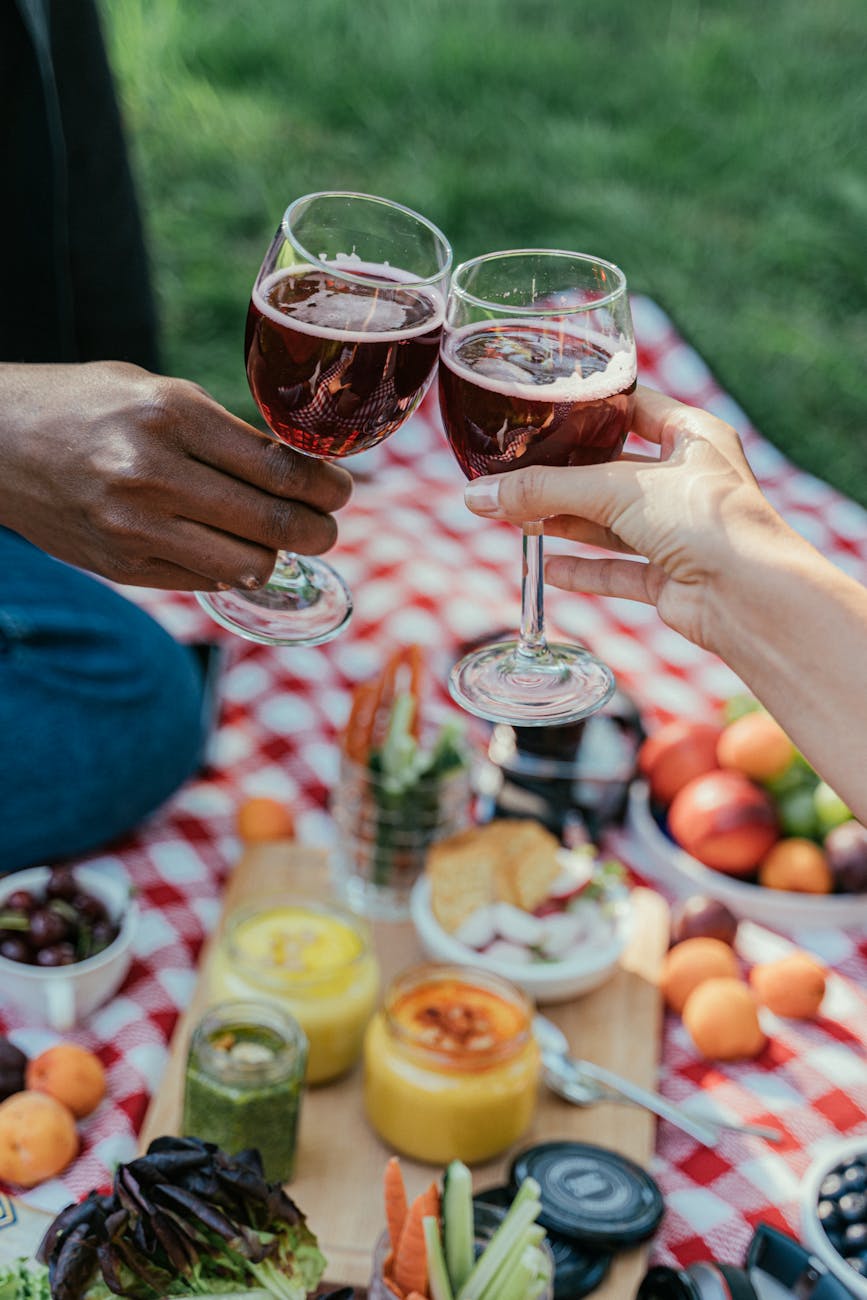
    Spread it out picnic-style. Use mismatched plates, pour wine from tumblers, and laugh while exploring flavor combinations. Perfect for rooftop dates or rainy-day movie nights.

    SOMM&SOMM Tip: Don’t overthink it. Serve cold, room temp, or straight from the tin with a smile.

    Elegant Affair

    Serve each conserva as a course. Create composed bites with garnishes. Pour wines in proper stems and describe the pairing like you’re hosting a private tasting.

    SOMM&SOMM Tip: Treat it like a seafood tasting menu. Make a printed card with fish origin and wine notes.

    Photo by Arina Krasnikova on Pexels.com

    A Sweet Finish

    After such an umami-laden experience, refresh the palate with something light:

    • Dessert Idea: Lemon olive oil cake or citrus sorbet.
    • Pair With: A chilled Moscato d’Asti or dry vermouth spritz.

    Try Tammy’s favorite… a Lillet Blanc Spritz!

    Tammy’s Lillet Lemon Dessert Spritz

    A soft, sparkling citrus-herb kiss to end a salty-sea affair

    • 2 oz Lillet Blanc
    • ¾ oz Lemon verbena syrup (or lemon balm simple syrup)*
    • ½ oz Fresh lemon juice
    • 2 oz Moscato d’Asti (or a demi-sec sparkling wine)
    • Splash of soda water
    • Expressed lemon twist, curled into the glass
    • Optional: Edible flower or sprig of lemon balm for garnish

    *To make lemon verbena syrup: Simmer 1 cup sugar, 1 cup water, and a handful of fresh lemon verbena leaves. Cool, strain, and refrigerate.

    1. In a stemmed glass filled with ice, combine Lillet Blanc, lemon syrup, and fresh lemon juice.
    2. Stir gently to chill and blend.
    3. Add Moscato d’Asti and a splash of soda water for balance.
    4. Express a lemon twist over the top and tuck into the glass.

    Garnish with an edible flower or a fragrant sprig of lemon balm.

    A Tinned Love Story

    Tinned fish date night is not just a trend—it’s a beautifully simple, globally inspired experience that invites creativity, romance, and a deep appreciation for how humble ingredients can shine with the right drink in hand.

    Whether you’re introducing someone to the world of conservas or deep-diving into your favorite fishy fare with a longtime partner, these tins of love are perfect vessels for flavor and connection.

    Photo by Towfiqu barbhuiya on Pexels.com

    So break out the fish forks, pop open that bottle of Albariño, and savor the sea—one elegant tin at a time.

    SOMM&SOMM Tip: For a splurge, try Spanish Bonito del Norte tuna in olive oil with a glass of vintage Champagne. Add shaved truffle if you’re feeling decadent. You won’t regret it.

    Here are a few suggestions on where to order conservas for your next (or very first) tinned fish date night:

    Lata (Premium Tinned Fish), FishNook Tinned Seafood Co., Patagonia Provisions

    Cover photo by Bex Walton from London, England, CC BY 2.0, via Wikimedia Commons

  • Pair This, Not That: Summer Edition

    Pair This, Not That: Summer Edition

    BBQ Wine & Spirits Swaps for Maximum Sunshine Sips & Crowd-Pleasers.

    Summer. The time of smoky grills, sticky fingers, and sun-kissed gatherings. But let’s be honest — most backyard BBQs are stuck in a rut when it comes to the drink menu. You’re likely to find the same predictable coolers stuffed with light beer, boxed rosé, and maybe a poorly mixed Margarita sloshing around in a red Solo cup.

    It’s time to level up.

    Welcome to Pair This, Not That: Summer Edition, where we take your go-to summer drinks and swap them for something better — more vibrant, more crowd-pleasing, and just a touch unexpected. We’re bringing new energy to your backyard bash, beach day, or rooftop hang by helping you rethink your pairings with intention and a splash of sophistication.

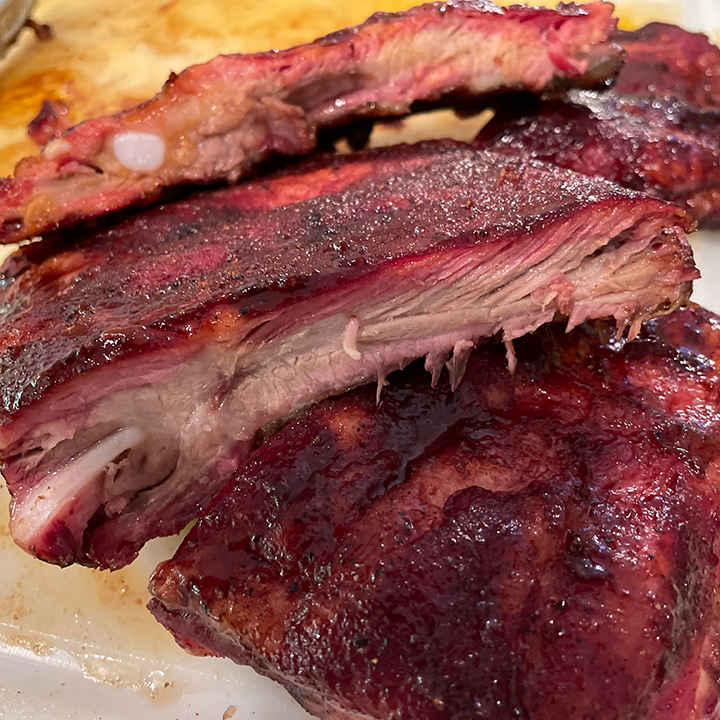
    Pair This: Lambrusco with Dry-Rubbed Baby Backs

    Zinfandel is a classic, sure — but it can feel sticky and sluggish on a sweltering day. Enter Lambrusco, the sparkling red from Italy’s Emilia-Romagna region. It’s fizzy, fruity, and just tannic enough to match the sweet-spicy bark on your ribs. Slightly chilled, it’s a revelation.

    Why it works: The bubbles cut the fat, the fruit complements the rub, and the acidity refreshes the palate between bites.

    Try This Pairing:
    Dish: Dry-rubbed pork ribs with a brown sugar, smoked paprika, and chipotle blend
    Wine: Cleto Chiarli Lambrusco Grasparossa di Castelvetro — vibrant, dark berries, and dry

    Photo by The Castlebar on Pexels.com

    Pair This: Mezcal Paloma with Smash Burgers

    IPAs are popular grill-side, but the bitterness can clash with the caramelization on your patty. The solution? A smoky Mezcal Paloma — just enough fire to echo the grill, with citrusy sparkle to lift every bite.

    Why it works: Mezcal’s smoky backbone loves char. The grapefruit and lime bring brightness, and bubbles make it refreshing — a perfect match for seared, juicy beef.

    Mezcal Paloma Recipe

    • 2 oz joven mezcal (we love Del Maguey Vida)
    • 1 oz fresh grapefruit juice
    • 0.5 oz fresh lime juice
    • 0.5 oz agave syrup
    • Pinch of sea salt
    • Top with grapefruit soda (Fever Tree or Jarritos preferred)
    • Serve over ice with a salted rim and a grilled grapefruit wedge
    Photo by Nano Erdozain on Pexels.com

    Pair This: Chilled Cru Beaujolais with Sticky Drumsticks

    We all love a crisp rosé — but sticky, charred BBQ chicken needs a bit more muscle and complexity. Cru Beaujolais, like Morgon or Fleurie, is juicy, earthy, and vibrant, with enough savory backbone to stand up to sweet BBQ sauce.

    Why it works: Gamay offers bright red fruit with silky tannins and a touch of minerality, which harmonizes with sticky sauces and caramelized skin.

    Try This Pairing:
    Dish: Grilled BBQ chicken drumsticks with peach-bourbon glaze
    Wine: Jean Foillard Morgon Côte du Py — a natural, elegant, chilled red that will blow minds

    Photo by Macourt Media on Pexels.com

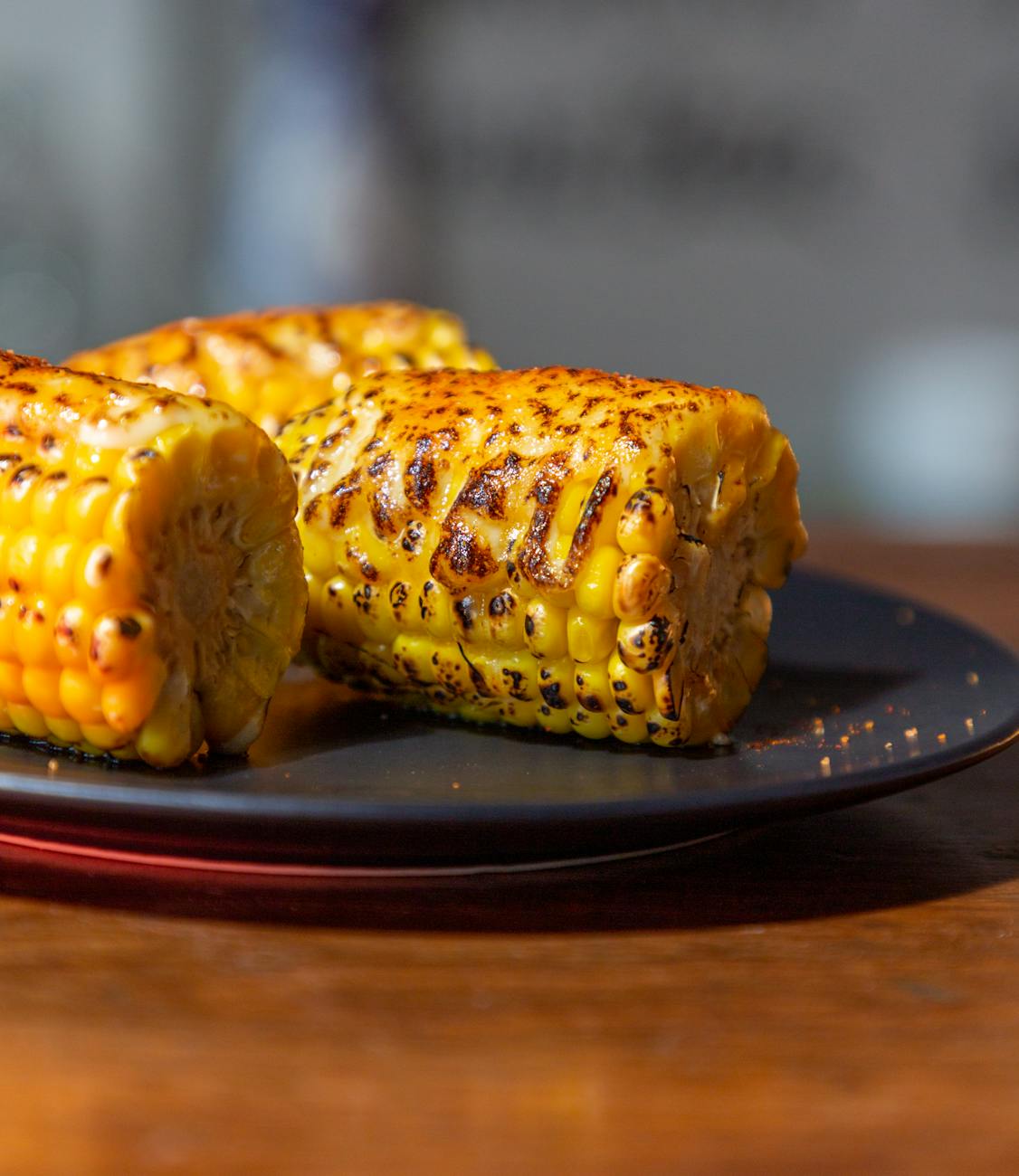
    Pair This: Dry Riesling with Elote

    Sauv Blanc is the obvious choice for grilled corn, but take it next level: grilled elote-style corn slathered with mayo, lime, cotija, and chili powder needs dry Riesling with nerve, not just zip.

    Why it works: Dry Riesling can handle spice, citrus, and creamy elements. Its petrol-mineral quality adds depth, and the acidity balances every bite.

    Try This Pairing:
    Dish: Mexican-style grilled corn with lime crema and tajín
    Wine: Dönnhoff Riesling Trocken — Germany’s clean, dry stunner with citrus and stone

    Photo by Airam Dato-on on Pexels.com

    Pair This: Txakolina with Spicy Shrimp Skewers

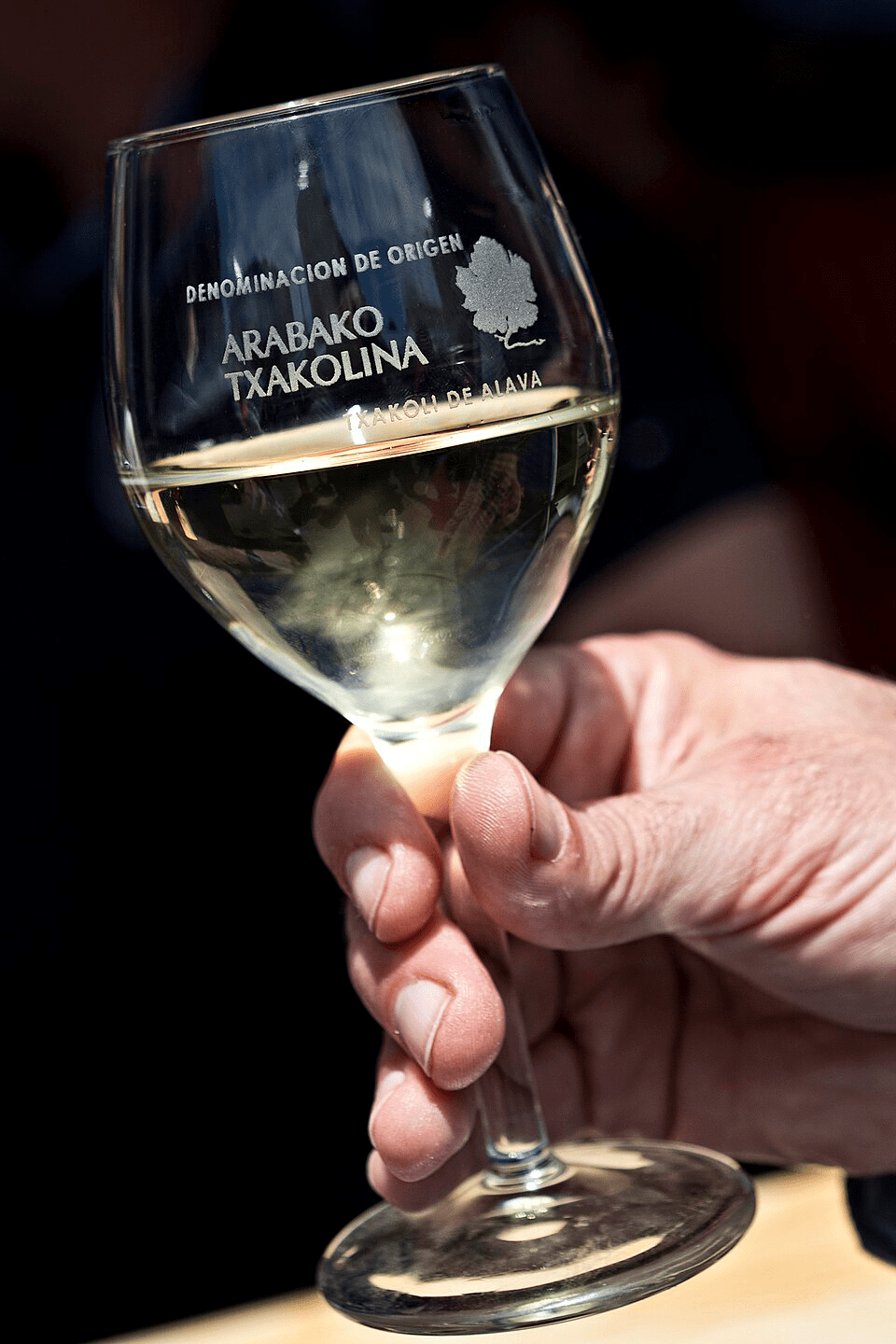
    Pinot Grigio often fades into the background. You need something with zing and a little sparkle. Enter Txakolina — the zingy, slightly spritzy Basque wine you’ve been missing.

    Why it works: High acidity, a touch of salinity, and effervescence = shrimp’s new best friend.

    Try This Pairing:
    Dish: Chili-lime grilled shrimp skewers
    Wine: Ameztoi Txakolina — crisp, citrusy, electric on the tongue

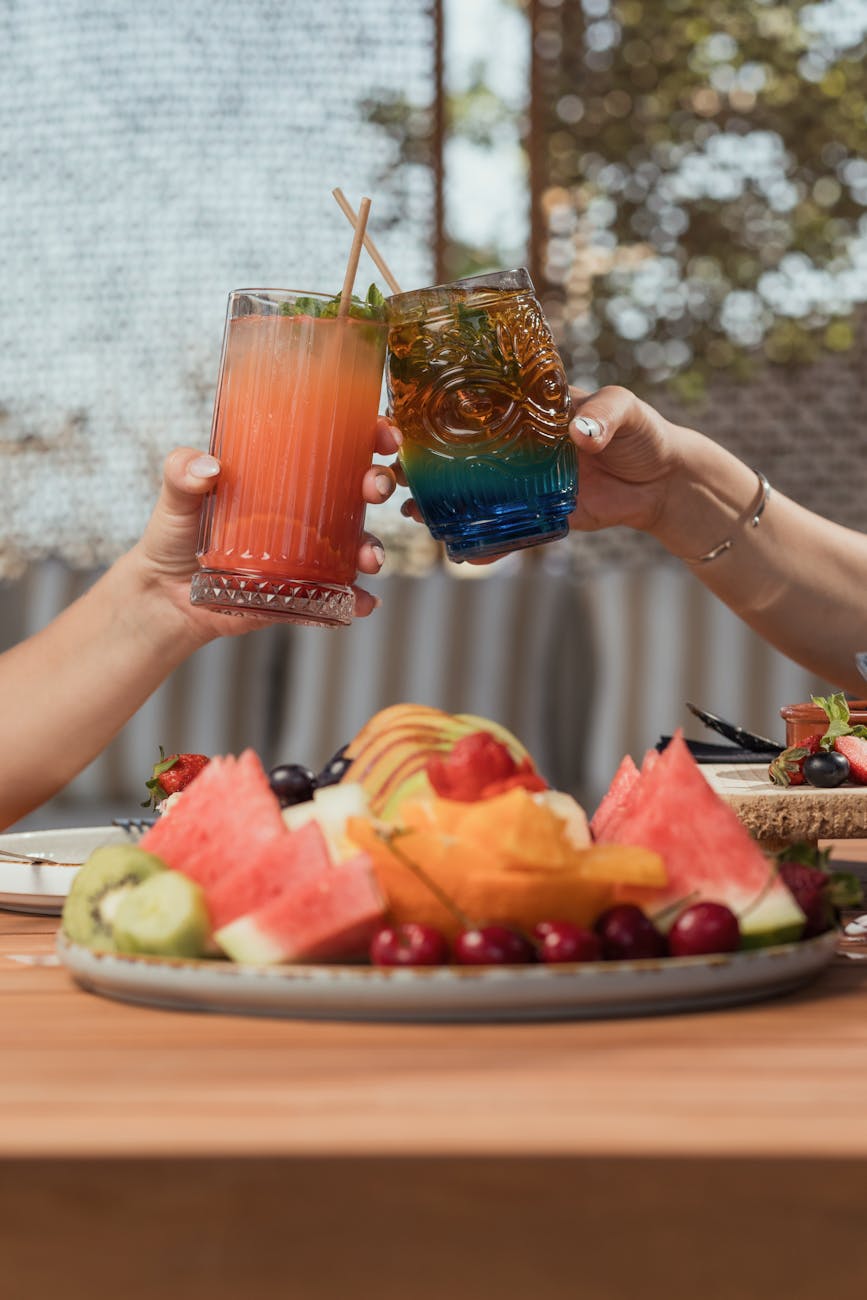
    Pair This: Watermelon & Basil Gin Fizz

    Instead of toothache-sweet slush, opt for something that feels like a frozen treat but keeps its structure. This Watermelon Basil Gin Fizz is light, herbaceous, and juicy — a cocktail that says picnic sophistication.

    Watermelon Basil Gin Fizz Recipe

    • 2 oz gin (we love Hendrick’s for its floral notes)
    • 1 oz fresh lime juice
    • 1 oz basil simple syrup (see below)
    • 2 oz fresh watermelon juice
    • Top with soda water
    • Shake, strain into a Collins glass with ice, and garnish with basil sprig

    Basil Simple Syrup:
    Simmer 1 cup sugar + 1 cup water + 1 cup fresh basil for 5 mins. Cool, strain, and bottle.

    Photo by Henrik Pfitzenmaier on Pexels.com

    Pair This: Peach Bourbon Smash with Grilled Stone Fruit

    Nothing says summer like stone fruit and bourbon, but ditch the neat pour for a Peach Smash that’s smoky, sweet, and made for golden hour sipping.

    Peach Bourbon Smash Recipe

    • 2 oz bourbon
    • 3 slices grilled peach
    • 0.75 oz lemon juice
    • 0.5 oz honey syrup (1:1)
    • Mint leaves
    • Muddle peach and mint, shake with ice, double strain over crushed ice
    • Garnish: grilled peach wedge + mint sprig

    Why it works: The grill’s caramelization meets bourbon’s vanilla warmth; mint and lemon bring brightness.

    Instead of: Marshmallow s’mores with sticky port
    Pair This: Toasted Coconut Ice Cream + Cream Sherry

    Summer deserves a cool, creamy ending. Toasted coconut gelato or ice cream with a pour of Amontillado or Cream Sherry hits nutty, buttery notes that mirror each other with elegance.

    Why it works: The oxidative aging of sherry delivers a toasted nut character that resonates with coconut, while the sweetness stays in balance.

    A Summer of Swaps

    The point of summer is fun, freedom, and freshness — so why stick with the same old wine and spirits? By making just a few creative swaps, you can surprise and delight your guests with unexpected pairings that enhance every grilled bite and sun-drenched laugh.

    Photo by Antoni Shkraba Studio on Pexels.com

    So go ahead — Pair This, Not That — and bring the same creativity to your backyard as you do to your glass. Cheers 🍷🍸☀️

    Cover Photo by Lazarus Ziridis on Pexels.com

  • Frozen Cocktails Are Back—With a Twist

    Frozen Cocktails Are Back—With a Twist

    Why Slushie Season Isn’t Just for College Spring Break Anymore.

    Memorial Day has come and gone, and with it, a not-so-subtle shift in our cravings—from brooding reds and stirred-and-strong classics to something frosty, fun, and wildly refreshing. Yes, friends, frozen cocktails are back—and they’ve gotten a glow-up.

    No longer confined to the realm of sugary, syrup-soaked blender bombs, today’s frozen drinks are culinary cocktails with balance, craft, and (dare we say) sophistication. Whether you’re chilling poolside, planning a backyard bash, or just dodging the Florida humidity, it’s time to fire up the blender and embrace slush season—with a twist.

    The Icy Origins

    Frozen cocktails have a richer history than most give them credit for. In fact, the first frozen cocktail machine wasn’t invented for piña coladas—it was a repurposed soft-serve machine, famously used by Mariano Martinez in 1971 to serve frozen margaritas at his Dallas restaurant. Legend has it that Mariano was inspired by a 7-Eleven Slurpee machine, and the rest is cocktail history.

    Photo by Kim van Vuuren on Pexels.com

    But long before that, bartenders in Havana were hand-shaking and blending frozen daiquiris for sweltering summer sippers. Ernest Hemingway—yes, that Hemingway—was a loyal customer at El Floridita, where his bartender, Constantino Ribalaigua, became legendary for his blended drinks (the “Hemingway Special,” frozen with grapefruit juice and maraschino liqueur, lives on today).

    By the 1980s and ‘90s, frozen drinks were more party than palate—think cloying piña coladas, neon blue hurricanes, and anything served in a yard glass. But today’s frozen renaissance is reclaiming the category with real spirits, fresh ingredients, and grown-up flair.

    The Modern Frozen Cocktail Movement

    What sets today’s frozen drinks apart? It’s all about balance and texture. Rather than leaning on artificial mixes and excess sugar, the modern frozen cocktail scene champions:

    • Fresh juices (no bottled lime here)
    • Real fruit purées (or even roasted fruit for depth)
    • Herbs and spices for complexity
    • Bitters, vermouths, and aperitifs to layer flavor
    • Creative bases, from frozen Champagne to botanical gin

    And the machines? We’ve evolved. High-powered blenders (think Vitamix or Ninja), countertop slushie makers, and even batch-friendly freezer techniques make frozen drinks easy to execute at home—no bartender degree required.

    Photo by Dominika Polu00e1kovu00e1 on Pexels.com

    🔥 Summer’s Must-Try Frozen Twists

    Here are some of our favorite next-gen frozen cocktails—perfect for your post-Memorial Day revelry:

    Frozen Negroni Slush

    What it is: A bitter-sweet, icy twist on the classic Negroni
    Recipe tip: Blend equal parts Campari, sweet vermouth, and gin with a splash of orange juice and a touch of simple syrup. Add ice. Garnish with an orange twist.
    Why it works: The bitterness cuts the richness of summer foods—perfect with charcuterie or grilled sausages.

    Basil-Lime Frosé

    What it is: A garden-inspired take on the pink wine classic
    Recipe tip: Freeze a bottle of rosé into cubes. Blend with fresh basil syrup, lime juice, and strawberries.
    Why it works: Herbaceous and citrusy with just enough fruit—serve it with Caprese skewers or grilled shrimp.

    Mango Mezcal Margarita Slush

    What it is: A smoky, tropical, south-of-the-border stunner
    Recipe tip: Blend ripe mango, lime juice, agave, and a mix of mezcal and blanco tequila. Rim glass with Tajín.
    Why it works: Smoke + sweet + heat = beach bonfire in a glass.

    Spiked Frozen Arnold Palmer

    What it is: Boozy iced tea + lemonade for grown-up porch sipping
    Recipe tip: Blend chilled black tea, fresh lemon juice, honey syrup, and bourbon. Add ice, freeze, or shake until slushy.
    Why it works: It’s the iced tea of your summer dreams—with a Southern drawl.

    Champagne Granita with Elderflower & Mint

    What it is: A fizzy, floral dessert cocktail
    Recipe tip: Combine Champagne (or a dry sparkling wine), St-Germain, mint syrup, and lemon zest. Freeze and scrape into flakes.
    Why it works: Light, bright, and so elegant after grilled peaches or lemon tarts.

    Pairing Frozen Cocktails with Summer Vibes

    Frozen cocktails aren’t just about cooling down—they’re an experience, a mood, and sometimes, a moment of nostalgia. Here’s how to pair them beyond food:

    • Poolside + Piña Colada with Coconut Cream Ice Cubes
    • Outdoor Movie Night + Frozen Espresso Martini
    • Post-Gardening Wind-Down + Cucumber-Gin Slushy with Dill
    • Tinned Fish Picnic + Frozen Sherry Cobbler

    Yes. Frozen Sherry Cobbler. It’s a thing. And you’re welcome.

    Fact: The Sherry Cobbler is a historic cocktail that’s criminally underrated—and refreshingly easy to love. It dates back to the early 1800s and was once the most popular cocktail in America, praised for its chilled simplicity and citrusy brightness.

    Here’s a classic version plus a frozen twist to beat the summer heat.

    Classic Sherry Cobbler

    Ingredients:

    • 3 oz Amontillado or Oloroso Sherry
    • ½ oz simple syrup (1:1 ratio)
    • 2–3 orange wheels, muddled
    • Optional: 1–2 fresh seasonal berries (strawberry, blackberry)

    Instructions:

    1. In a shaker, muddle the orange wheels and berries (if using).
    2. Add sherry and simple syrup.
    3. Fill the shaker with ice and shake well—until very cold.
    4. Strain over crushed ice in a tall Collins or julep glass.
    5. Garnish with a mint sprigpowdered sugar dust, and an extra berry or citrus wedge.

    Pair With:

    Charcuterie, grilled peaches, deviled eggs, or tinned fish tapas like smoked mussels and sardines.

    Frozen Sherry Cobbler (Slushy Style)

    Ingredients:

    • 3 oz Pedro Ximénez (for sweetness) or Amontillado (for a drier version)
    • ½ oz lemon juice
    • ½ oz orange juice
    • ½ oz simple syrup
    • ½ cup frozen mixed berries
    • 1–1½ cups ice

    Instructions:

    1. Add all ingredients to a blender.
    2. Blend until smooth and slushy.
    3. Pour into a chilled goblet or stemless wine glass.
    4. Garnish with a citrus twist, fresh berries, and a mint bouquet.

    Pair With:

    Grilled chicken skewers with chimichurri, summer salads with feta and berries, or lemony seafood pastas.

    Final Thoughts from the Freezer

    The frozen cocktail revival is here to stay—not because it’s trendy, but because it’s delightfully effective at turning ordinary moments into celebrations. It’s cocktail culture without the pretense. It’s hot weather salvation in a coupe, rocks glass, or even a beach tumbler.

    Photo by Rodrigo Ortega on Pexels.com

    So dust off your blender, raid your herb garden, and give your favorite classic a frosty facelift.

    Because frozen cocktails are back—and this time, they’re cool for the right reasons 🍹

    Cover Photo by Kseniya Kobi on Pexels.com

  • Varietal Spotlight: Gewürztraminer

    Varietal Spotlight: Gewürztraminer

    The Spicy Grape You’ll Love to Say–and Sip.

    Let’s be honest: just saying “Gewürztraminer” feels like a party trick. (It’s guh-VOORTS-trah-mee-ner, by the way.) But behind this tongue-twisting name lies one of the most expressive, aromatic, and misunderstood white grapes in the world of wine. As spring blooms and summer beckons, it’s time to clear a spot in your fridge—and your heart—for Gewürztraminer.

    This isn’t your average white wine. No, this is the electric silk scarf of the wine world—bright, bold, perfumed, and a little dramatic in all the best ways. It’s the grape equivalent of a jazz saxophone solo at a garden party: unexpected, sultry, and unforgettable.

    Marianne Casamance, CC BY-SA 4.0, via Wikimedia Commons

    Aromatic Origins and Spicy Roots

    Gewürztraminer literally means “spiced Traminer” in German, and its origins trace back to the ancient Traminer grape of the Alpine foothills, particularly the village of Tramin (Termeno) in northern Italy’s South Tyrol. While Gewürztraminer found its stylistic footing in the cool regions of Alsace, France, its true home is arguably the terroir itself—wherever it can show off its sultry perfume, spicy attitude, and plush texture.

    Today, Gewürztraminer is grown across the world—from the misty vineyards of Oregon and the Sonoma coast to the steep slopes of Germany’s Pfalz, the volcanic soils of New Zealand’s South Island, and even in Canada’s Okanagan Valley. Each region draws out a different side of its personality, like a well-traveled artist who learns a new dance in every country visited.

    Lychee, Roses, and a Hint of Sass

    Pop open a bottle and your nose will be greeted by a fragrant bouquet of rose petals, lychee fruit, ginger, and baking spices—often with tropical notes like passionfruit or mango dancing around the edges. On the palate, Gewürztraminer can range from dry to lusciously sweet, but it’s always full-bodied and plush with an unmissable sense of richness.

    Unlike your lean and zippy Sauvignon Blanc, Gewürztraminer is a white wine with curves. She lingers on the palate, smolders in the glass, and unapologetically commands your attention. Don’t expect high acidity—that’s not her thing. This is a low-acid grape with a velvet robe and a perfume bottle in hand.

    Same Grape, Different Groove

    • Alsace, France: The spiritual home of Gewürztraminer. Wines from Alsace (our personal favorite) are often off-dry to sweet, with intense aromatics, spice, and a rich mouthfeel. They pair beautifully with pungent cheeses, foie gras, and spiced dishes. Look for Grand Cru bottlings for age-worthy, structured versions.
    • Germany (Pfalz and Baden): Slightly cooler climate equals slightly more acidity. Expect floral elegance, stone fruits, and a drier style that pairs beautifully with grilled pork, sausages, or spaetzle.
    • Italy (Alto Adige/South Tyrol): Fresh, floral, and focused. The mountainous altitude and alpine air give a vibrant backbone to the wines. Think of this as a leaner, more mineral-driven interpretation with a spicy citrus twist.
    • United States (Sonoma, Mendocino, Finger Lakes): Ripe, full-bodied, and often a little drier than expected. These American Gewürztraminers can stand up to barbecue, Cajun shrimp, and even tacos al pastor.
    • New Zealand: Tropical fruit bomb with zingy ginger and a weighty texture. Great with Thai curry, poke bowls, or grilled pineapple and pork skewers.
    • Canada (Okanagan Valley): Crisp and aromatic with a delicate sweetness—perfect for pairing with Asian-fusion cuisine or rich pâté.

    Gewürztraminer Gets Weird (and Wins)

    This is a food lover’s wine—especially if you enjoy bold, fragrant, spicy, or umami-rich dishes. Gewürztraminer walks into a room where other wines fear to tread.

    • Spicy Thai and Indian cuisine – A classic. That lychee sweetness calms the fire while the aromatic intensity matches the herbs and spices.
    • Miso-glazed cod or tofu – Umami meets floral in this unexpected high-five of flavor.
    • Pungent cheeses – Think Munster, Taleggio, or a rind-washed affair. Gewürztraminer meets the challenge head-on.
    • Roast duck with apricot glaze – Rich meets richer, fruit meets spice, and your palate throws a party.
    • Charcuterie boards – Gewürztraminer stands tall beside prosciutto, pâté, and all your favorite pickled things.
    • Brunch – Yep. Poached eggs with smoked salmon and hollandaise, curried deviled eggs, or even a cinnamon roll and fresh fruit salad. It’s a brunch superstar.

    The Aromatic Rebel

    While Gewürztraminer lacks the vast PR machine of Chardonnay or the cult status of Pinot Noir, it holds a special place in the hearts of sommeliers and rebels alike. It’s a wine that refuses to be boxed in—stylistically flamboyant, regionally expressive, and endlessly fascinating.

    Legend has it that monks in Tramin cultivated early versions of the grape to match the aromatic intensity of their incense. Whether or not that’s true, there’s something undeniably sacred about its perfume. Each glass is a sensory blessing.

    So, Why Now?

    Because spring is here, and summer’s heat is just around the corner. Gewürztraminer, served chilled, offers refreshment and complexity in a single pour. It’s the wine for dinner on the patio, for spontaneous picnics, and for moments when life feels too short for boring wine.

    So here’s your mission: seek out a Gewürztraminer you’ve never tried before. Ask your local wine shop what’s new. Taste Alsace side-by-side with New Zealand. Host a Gewürz & Curry night. Or just pour a glass, breathe in those rose petals, and say the name out loud until you grin.

    Gewürztraminer. Spicy, aromatic, unforgettable.

    Just like you.

    Cover photo by Rolf Kranz, CC BY-SA 4.0, via Wikimedia Commons

  • Rosé All the Way

    Rosé All the Way

    The Art, Lore & Allure of the World’s Most Expressive Pink Wines.

    Rosé is more than a seasonal sipper—it’s a movement. From the windswept cliffs of Provence to the volcanic slopes of Sicily, rosé wine embodies culture, craftsmanship, and character. Whether you’re a pink wine purist or a curious explorer, this deep dive will take you through the history, styles, techniques, and pairings that make rosé one of the world’s most expressive wine styles.

    Regions Where Rosé is King

    Provence – The Icon

    Provence is where rosé earned its crown. Known for pale, dry, and crisp expressions, Provençal rosé is a staple on patios and pairings worldwide.

    Tavel – The Rhône Valley’s Pink Powerhouse

    Tavel is the only AOC in the Rhône dedicated solely to rosé—and it shows. These wines are deeper in color and richer in structure, with serious aging potential.

    Italy – Rosato Renaissance

    Italy delivers robust, food-loving rosati from Abruzzo and Sicily, full of local character and Mediterranean flair.

    Spain – Navarra & Rioja Rosado

    In northern Spain, old-vine Garnacha thrives in the rosado style—bright, structured, and ready for tapas.

    California – Innovation Meets Blush

    Rosé in California ranges from crisp Pinot Noir in Santa Barbara to bold, spicy Zinfandel rosé in Paso Robles.

    • Sommelier Pick: Bedrock Wine Co. “Ode to Lulu” (Mourvèdre-based)
    • Pair With: BBQ chicken, fried chicken, watermelon salad

    Around the World

    • Argentina: Malbec rosé—lush, dark-fruited, and food-friendly
    • Germany: Spätburgunder (Pinot Noir) rosé—delicate and mineral-driven
    • South Africa: Pinotage rosé—smoky, vibrant, unforgettable
    • Australia: Shiraz rosé—juicy and perfect for spicy fare
    Tavel – Prieuré de Montézargues Rosé – Véronique PAGNIER, CC BY-SA 3.0, via Wikimedia Commons
    How Rosé is Made

    Contrary to popular belief, rosé is not red and white wine blended together (except in Champagne). There are four primary techniques used to craft rosé:

    1. Direct Press (Vin Gris)

    • Minimal skin contact, delicate extraction
    • Lightest in color and body
    • Best For: Pinot Noir, Grenache

    2. Maceration

    • Skins soak with juice for 6–24 hours
    • Controlled color, flavor, and texture
    • Used In: Provence, Tavel, Spain

    3. Saignée (“Bleeding”)

    • Juice is bled from red wine fermentations
    • Rosé byproduct, often bold and structured
    • Common In: Napa, Sonoma

    4. Blending (Champagne Only)

    • Still red wine added to white base wine
    • Only legal in Champagne
    • Sommelier Pick: Billecart-Salmon Brut Rosé
    • Pair With: Sushi, duck confit, strawberry shortcake

    🍇 Grape Varietals That Make Rosé Shine

    VarietalNotesRegions
    GrenacheJuicy, spicy, versatileFrance, Spain, California
    Pinot NoirDelicate, floral, etherealFrance, Oregon, Germany
    MourvèdreSavory, structured, earthyBandol, Spain, California
    SangioveseCherry-forward, crisp acidityTuscany, Central Coast
    ZinfandelFruit-driven, peppery, energeticCalifornia
    SyrahDark-fruited, bold, spicedRhône, Australia
    TempranilloTomato leaf, strawberry, tobaccoSpain, Texas
    Cabernet FrancHerbal, leafy, medium-bodiedLoire, Finger Lakes
    Image by Sarah Stierch (CC BY 4.0), Creative Commons

    Perfect Rosé Pairings by Style

    Light & Crisp Rosé (Provence-style)

    • Niçoise salad
    • Goat cheese tart
    • Lemony grilled chicken
    • White anchovy crostini

    Bold & Structured Rosé (Tavel, Mourvèdre-based)

    • Duck confit
    • Lamb chops with rosemary
    • Mushroom risotto
    • Charred octopus

    Sparkling Rosé (Champagne & Beyond)

    • Fried chicken
    • Smoked salmon blinis
    • Fresh berries & cream
    • Sushi rolls

    New World Rosé (Zinfandel, Syrah, Sangiovese)

    • Pizza with prosciutto
    • Tacos al pastor
    • BBQ pork sliders
    • Spicy Thai noodles

    Must-Have Rosés to Try

    1. Château d’Esclans Whispering Angel – Provençal charm and elegance
    2. Domaine de la Mordorée Tavel Rosé – Serious structure and depth
    3. Domaine Tempier Bandol Rosé – Earthy, savory, age-worthy
    4. Billecart-Salmon Brut Rosé Champagne – Sparkling royalty
    5. Las Jaras Rosé (California) – Natural wine, balanced and vibrant
    6. Torre dei Beati Cerasuolo d’Abruzzo – Italian soul in a pink bottle

    Final Sip

    Rosé isn’t a novelty—it’s a winemaking philosophy that expresses a grape’s essence with delicacy and flair. Whether you’re serving tapas, sushi, or spicy wings, there’s a rosé out there to elevate the moment. Cheers 🩷

    Cover image: Missvain, CC BY 4.0, via Wikimedia Commons

  • How Modern Winemaking Sacrifices Soul for Consistency

    How Modern Winemaking Sacrifices Soul for Consistency

    In a world that celebrates convenience and uniformity, wine—once the purest expression of nature, time, and place—has increasingly become just another consumer good. Something repeatable. Predictable. Safe. It’s no longer shocking to find wines on supermarket shelves that taste exactly the same from one year to the next, regardless of vintage variation, weather catastrophes, or harvest conditions. But the question isn’t just how they do it. The question is why we let it happen.

    The answer lies in a complex web of regulatory loopholes, mass production incentives, and a calculated disregard for terroir in favor of branding.

    Let’s pull the cork on this bottle of truth.

    Photo by David on Pexels.com

    The Myth of Yearly Uniformity

    Vintage matters. Or at least, it should.

    Each year offers a different symphony of weather patterns, soil moisture, sunlight hours, and grape health. In the hands of a winemaker dedicated to authenticity, these variables are not burdens—they are stories. They are a vintage’s voice.

    But when a brand demands a Pinot Noir that tastes identical whether it’s 2019 or 2023, something must give. And that something is integrity.

    Mainstream wines that offer this seamless “sameness” do so by manipulating the very fabric of the wine itself—pushing, pulling, blending, and fining until any trace of vintage expression is bleached out, polished, and made palatable for the masses.

    Photo by Arthur Brognoli on Pexels.com

    What They Don’t Teach in Tasting Rooms

    Let’s talk technique. Below are just a few of the most common manipulations used to turn wine into a product, rather than a place.
    Cross-Regional and Cross-Vintage Blending

    Many large-scale producers legally blend grapes and wines from multiple regions and years—even if the bottle proudly proclaims a specific AVA or vintage.
    • In the U.S., for a wine to list a vintage on the label, only 85% of the wine needs to be from that year (if an AVA is listed, 95% of the wine must be from that year).
    • To list a varietal like Cabernet Sauvignon, just 75% of the wine must be that grape.
    • For AVA labeling (like Napa Valley), 85% of the grapes must come from that AVA, leaving 15% open to grapes from cheaper, less expressive areas.

    Reference: Wine Labeling: Appellation of Origin (TTB)

    That’s 15–25% wiggle room per bottle. Multiply that across millions of cases, and what you have is a flavor profile engineered through spreadsheets rather than soil.

    Fining and Filtering to Death

    Fining—originally intended to clarify wine and reduce unwanted elements—has become a blunt instrument of manipulation.

    Modern mass-market wines are heavily fined with substances like:

    • PVPP (polyvinylpolypyrrolidone) – a synthetic polymer that strips bitterness and browning pigments.
    • Gelatin, egg whites, isinglass – protein-based agents that strip tannins, texture, and character.
    • Bentonite clay – used to strip proteins but also body and nuance.

    The result? A wine stripped of its edges, its energy, its very fingerprint.

    Photo by MART PRODUCTION on Pexels.com

    Additive Alchemy

    Winemaking additives are the dirty little secret of the industry. In many countries (including the U.S.), wineries are not required to list additives on labels. This means consumers have no idea that their wine might contain:

    • Mega Purple – a concentrated grape juice colorant and sweetener that “corrects” wines lacking color or fruit.
    • Gum arabic – used to add “mouthfeel” to thin, insipid wines.
    • Tartaric acid or potassium bicarbonate – used to balance acid levels when nature doesn’t cooperate.
    • Oak chips, staves, powders, essences – injected to mimic barrel aging without the cost or time.

    What do these additives share? They mute the differences. They help standardize wines so that every bottle fits the brand’s flavor promise, regardless of vineyard or year.

    Related Article: Understanding Additives in Wine: A Comprehensive Guide

    Reverse Osmosis & Spinning Cone Technology

    These advanced (and expensive) tools are used to:

    • Remove alcohol (if it’s too high).
    • Concentrate flavors (if it’s too weak).
    • Adjust volatile acidity.
    • Strip out flaws—but along the way, also strip out nuance.

    What you’re left with is a Frankenstein wine… crafted not by the vineyard, but by a lab technician’s gentle dial-turn.

    Quantity Over Quality: Who Benefits?

    This isn’t an artisanal choice. It’s a business model.

    Major conglomerates (you know the ones) move wine by the millions of cases. To them, consistency is the product. Terroir is the enemy. A bad weather year in Sonoma? No problem—blend in juice from Lodi or even Australia. Acid too low? Add some. Tannin too coarse? Strip it out. Consumer doesn’t like the 2020 vintage? Make it taste like the 2019.

    This model rewards branding, not balance. Marketing, not mastery.

    And consumers, trained to expect sameness, continue to buy the bottles they recognize.

    But There Is Another Way…

    The antidote is not elitism or snobbery—it’s education. We owe it to the next generation of wine lovers to show them the beauty of vintage variation, the quirks of terroir, the soulful surprise of a wine that tells the truth.

    To the winemakers who listen to the land—who embrace the sun and the storms, the struggle and the soil. You bottle more than wine… you bottle truth.

    Gregory Dean, SOMM&SOMM

    We should be teaching people that it’s okay for a wine to be different each year. That’s what makes wine alive.

    Seek out producers who:

    • Farm sustainably or biodynamically.
    • Embrace vintage differences rather than hide them.
    • Make transparent wine, with minimal additives.
    • Are proud to tell you exactly what’s in the bottle.

    Sommelier’s Tip: How to Spot a Manipulated Wine

    Want to avoid mass-produced, overly manipulated wines? Here are a few sommelier-tested clues:

    • Too Consistent: If a wine tastes exactly the same every vintage, it’s probably blended or adjusted to meet a flavor profile—not to reflect nature.
    • Generic Origin: Look for vague labels like “California Red” or “American White.” These allow broad blending across states and years.
    • Missing Vintage or Varietal Details: No vintage? No specific vineyard or AVA? That’s usually a sign of high-volume blending.
    • Overly Glossy Tasting Notes: Descriptions like “smooth,” “jammy,” “silky,” and “velvety” are often marketing red flags, masking overuse of additives.
    • Ultra-Cheap Price with Oak Claims: If it says “barrel-aged” but costs under $10, you’re likely drinking oak flavoring—not true barrel character.

    When in doubt, trust your palate—and your curiosity. If a wine tastes oddly perfect, it may just be perfectly fake.

    Final Pour

    Mainstream wine has become a symphony of sameness, manipulated into palatable mediocrity for profit. But wine is not meant to be the same every year. It is meant to reflect a moment in time—of weather, of soil, of sweat and struggle and sunlight. When we sterilize that, we lose the poetry of it all.

    The next time you taste a wine that dares to be different, that speaks of rain in the vineyard or a scorching summer, raise your glass in gratitude.

    To those who honor terroir, vintage, and the story of every vine—your work reminds us that beauty lies in honesty. Here’s to the soul of real wine. Santé! 🍷

    Gregory Dean, SOMM&SOMM

    Because that’s not just wine.

    That’s truth in a bottle 🍷

    Cover Image: Photo by cottonbro studio on Pexels.com

  • What Wine Pairs with Cheerios? (And Why We Even Bother Pairing at All)

    What Wine Pairs with Cheerios? (And Why We Even Bother Pairing at All)

    We’ve heard the jokes.

    “What wine pairs best with Honey Nut Cheerios?”

    “Is it wrong to serve rosé with pizza rolls?”

    “Do sommeliers judge you if you mix boxed wine and SpaghettiOs?”

    First of all—no, we don’t judge you. Second, the right answer is Moscato d’Asti, but we’ll get to that.

    When we first started SOMM&SOMM, our goal wasn’t to turn your Tuesday night dinner into a Michelin-starred tasting menu. It was to help people get more out of their wine—whether they were swirling a $300 Bordeaux or cracking open a $7 screw cap while making mac and cheese in their pajamas.

    But somewhere along the way, “pairing” became a dirty word. People started thinking of wine pairing as elitist, overly complicated, or, worse—unnecessary. So today, let’s break it down. What IS the point of wine pairing? Why do we care so much about it? And yes, what wine actually does pair with Cheerios?

    The Method to Our Madness: Why We Talk About Pairings So Much

    Pairings Enhance the Wine (And the Food)

    At the core, pairing wine with food is about synergy. When done right, a great pairing makes both the wine and the dish taste better. It’s not about snobbery—it’s chemistry.

    Fat softens tannin. Acid cuts through richness. Sweet balances spice. Salt makes a wine pop like confetti in your mouth. That’s not fancy—that’s science. It’s also the reason you might find a crisp Sauvignon Blanc tastes brighter with goat cheese, or how a smoky Syrah can make barbecue ribs sing.

    Think of it like a duet. Alone, each performer is fine. But together? Magic.

    Wine is an Agricultural Product—So is Food

    Wine is made from grapes. Grapes come from the ground. Food comes from the ground. Boom. You already have something in common.

    For thousands of years, regional wines evolved with the local cuisine. Chianti with tomato-sauced pasta. Riesling with spicy sausage in Alsace. Sherry with Spanish tapas. It wasn’t curated—it just worked.

    By understanding pairings, you’re tapping into centuries of intuitive flavor-building. That’s not pretentious. That’s tradition.

    It’s About Experience, Not Perfection

    We’re not here to tell you there’s only one right answer. We’re here to help you discover what you like, why it works, and how to recreate that experience again and again. Pairing isn’t about rules—it’s about results.

    If you find out that a buttery Chardonnay makes your favorite fried chicken taste like crispy heaven on earth, then congratulations—you just paired. No white tablecloth required.

    Okay, But Seriously—What Wine Goes with Cheerios?

    Let’s do this. Why not?

    • Original Cheerios – Dry Champagne or Brut Nature Cava. The cereal is toasty and grainy, which mirrors the brioche notes in a good bottle of bubbles. Plus, the saltiness of the cereal (yes, there is salt in it) wakes up the acidity.
    • Honey Nut CheeriosMoscato d’Asti or a semi-dry German Riesling. Light fizz, gentle sweetness, and orchard fruit flavors meet the honey glaze like a breakfast dance party.
    • Fruity CheeriosLambrusco (semi-sweet) or Brachetto d’Acqui. You need fruit on fruit here, and the bright, berry-splashed bubbles of Lambrusco hit the nostalgia just right.
    • Multigrain CheeriosChenin Blanc. Why? It’s got enough backbone and apple/pear notes to highlight the mild sweetness and whole-grain depth without overpowering anything.
    • Chocolate CheeriosRuby Port. No, really. It’s dessert in a bowl. Treat it like one. Pour a splash of Port, raise your eyebrows, and pretend you planned this.

    Now, we’re not suggesting you open a 1982 Château Lafite and pour it next to your breakfast. But when someone says, “What’s the point of pairing?”—this is the point: Everything tastes better when you pay attention.

    What Happens When You Don’t Pair Thoughtfully?

    We’re glad you asked. You can absolutely drink red wine with oysters, but it’s going to taste like licking a battery. Ever tried a high-alcohol Cabernet with spicy curry? That burning sensation is real, folks.

    Bad pairings don’t just ruin the wine—they mute the dish, too. That silky, creamy brie turns rubbery with a tannic red. That delicate sushi roll gets bulldozed by Zinfandel. The idea isn’t that one is better than the other—it’s that they’re better together when you choose wisely.

    We’re Not Fancy—We’re Passionate

    At SOMM&SOMM, we’re not out here judging your Tuesday dinner or trying to shame your frozen lasagna. We’re out here saying, “Hey, that frozen lasagna? It could be awesome with a Barbera.”

    We want people to feel what we feel when a pairing sings. When a sip of Albariño makes your shrimp taco taste ten times zestier. When a tawny Port turns a spoonful of Stilton into a flavor epiphany. When your cheap Merlot suddenly tastes like velvet because you served it with roast duck instead of garlic hummus and regret.

    Pairing isn’t about status—it’s about satisfaction.

    To wine with purpose, food with flair,
    and cereal that finally found its soulmate.
    Here’s to pairing without pretension—
    and sipping with a smile. Cheers! 🥂

    Gregory Dean, SOMM&SOMM

    Why We Care (Even About Cereal)

    The next time someone asks us what wine goes with Cheerios, we’ll smile. Because we get it—it’s a cheeky question. But deep down, it’s also the question we love answering.

    Because if you’re asking, it means you’re curious. And curiosity? That’s the beginning of every great food and wine journey.

    So go ahead—pair that wine. Ask the question. Try the weird combo. Discover your preferences. Laugh when it’s wrong. Celebrate when it’s right.

    Wine is meant to bring joy, not judgment. And if we’ve helped even one person find a pairing that makes them go “WOW,” then all the Cheerios jokes and snarky remarks in the world are worth it.

    Stay curious. Stay playful. And if you really want to know what wine pairs with Cap’n Crunch? We’ve got thoughts. 🍷