Category: Sommelier Studies

  • Rosé All the Way

    Rosé All the Way

    The Art, Lore & Allure of the World’s Most Expressive Pink Wines.

    Rosé is more than a seasonal sipper—it’s a movement. From the windswept cliffs of Provence to the volcanic slopes of Sicily, rosé wine embodies culture, craftsmanship, and character. Whether you’re a pink wine purist or a curious explorer, this deep dive will take you through the history, styles, techniques, and pairings that make rosé one of the world’s most expressive wine styles.

    Regions Where Rosé is King

    Provence – The Icon

    Provence is where rosé earned its crown. Known for pale, dry, and crisp expressions, Provençal rosé is a staple on patios and pairings worldwide.

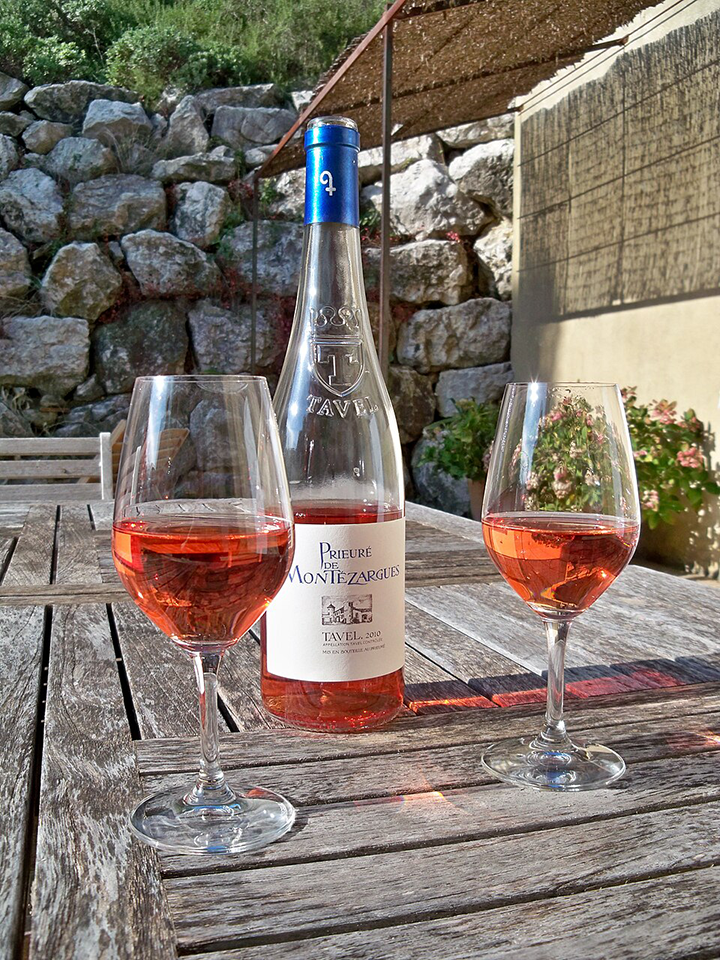
    Tavel – The Rhône Valley’s Pink Powerhouse

    Tavel is the only AOC in the Rhône dedicated solely to rosé—and it shows. These wines are deeper in color and richer in structure, with serious aging potential.

    Italy – Rosato Renaissance

    Italy delivers robust, food-loving rosati from Abruzzo and Sicily, full of local character and Mediterranean flair.

    Spain – Navarra & Rioja Rosado

    In northern Spain, old-vine Garnacha thrives in the rosado style—bright, structured, and ready for tapas.

    California – Innovation Meets Blush

    Rosé in California ranges from crisp Pinot Noir in Santa Barbara to bold, spicy Zinfandel rosé in Paso Robles.

    • Sommelier Pick: Bedrock Wine Co. “Ode to Lulu” (Mourvèdre-based)
    • Pair With: BBQ chicken, fried chicken, watermelon salad

    Around the World

    • Argentina: Malbec rosé—lush, dark-fruited, and food-friendly
    • Germany: Spätburgunder (Pinot Noir) rosé—delicate and mineral-driven
    • South Africa: Pinotage rosé—smoky, vibrant, unforgettable
    • Australia: Shiraz rosé—juicy and perfect for spicy fare
    Tavel – Prieuré de Montézargues Rosé – Véronique PAGNIER, CC BY-SA 3.0, via Wikimedia Commons

    How Rosé is Made

    Contrary to popular belief, rosé is not red and white wine blended together (except in Champagne). There are four primary techniques used to craft rosé:

    1. Direct Press (Vin Gris)

    • Minimal skin contact, delicate extraction
    • Lightest in color and body
    • Best For: Pinot Noir, Grenache

    2. Maceration

    • Skins soak with juice for 6–24 hours
    • Controlled color, flavor, and texture
    • Used In: Provence, Tavel, Spain

    3. Saignée (“Bleeding”)

    • Juice is bled from red wine fermentations
    • Rosé byproduct, often bold and structured
    • Common In: Napa, Sonoma

    4. Blending (Champagne Only)

    • Still red wine added to white base wine
    • Only legal in Champagne
    • Sommelier Pick: Billecart-Salmon Brut Rosé
    • Pair With: Sushi, duck confit, strawberry shortcake

    🍇 Grape Varietals That Make Rosé Shine

    VarietalNotesRegions
    GrenacheJuicy, spicy, versatileFrance, Spain, California
    Pinot NoirDelicate, floral, etherealFrance, Oregon, Germany
    MourvèdreSavory, structured, earthyBandol, Spain, California
    SangioveseCherry-forward, crisp acidityTuscany, Central Coast
    ZinfandelFruit-driven, peppery, energeticCalifornia
    SyrahDark-fruited, bold, spicedRhône, Australia
    TempranilloTomato leaf, strawberry, tobaccoSpain, Texas
    Cabernet FrancHerbal, leafy, medium-bodiedLoire, Finger Lakes
    Image by Sarah Stierch (CC BY 4.0), Creative Commons

    Perfect Rosé Pairings by Style

    Light & Crisp Rosé (Provence-style)

    • Niçoise salad
    • Goat cheese tart
    • Lemony grilled chicken
    • White anchovy crostini

    Bold & Structured Rosé (Tavel, Mourvèdre-based)

    • Duck confit
    • Lamb chops with rosemary
    • Mushroom risotto
    • Charred octopus

    Sparkling Rosé (Champagne & Beyond)

    • Fried chicken
    • Smoked salmon blinis
    • Fresh berries & cream
    • Sushi rolls

    New World Rosé (Zinfandel, Syrah, Sangiovese)

    • Pizza with prosciutto
    • Tacos al pastor
    • BBQ pork sliders
    • Spicy Thai noodles

    Must-Have Rosés to Try

    1. Château d’Esclans Whispering Angel – Provençal charm and elegance
    2. Domaine de la Mordorée Tavel Rosé – Serious structure and depth
    3. Domaine Tempier Bandol Rosé – Earthy, savory, age-worthy
    4. Billecart-Salmon Brut Rosé Champagne – Sparkling royalty
    5. Las Jaras Rosé (California) – Natural wine, balanced and vibrant
    6. Torre dei Beati Cerasuolo d’Abruzzo – Italian soul in a pink bottle

    Final Sip

    Rosé isn’t a novelty—it’s a winemaking philosophy that expresses a grape’s essence with delicacy and flair. Whether you’re serving tapas, sushi, or spicy wings, there’s a rosé out there to elevate the moment. Cheers 🩷

    Cover image: Missvain, CC BY 4.0, via Wikimedia Commons

  • How Modern Winemaking Sacrifices Soul for Consistency

    How Modern Winemaking Sacrifices Soul for Consistency

    In a world that celebrates convenience and uniformity, wine—once the purest expression of nature, time, and place—has increasingly become just another consumer good. Something repeatable. Predictable. Safe. It’s no longer shocking to find wines on supermarket shelves that taste exactly the same from one year to the next, regardless of vintage variation, weather catastrophes, or harvest conditions. But the question isn’t just how they do it. The question is why we let it happen.

    The answer lies in a complex web of regulatory loopholes, mass production incentives, and a calculated disregard for terroir in favor of branding.

    Let’s pull the cork on this bottle of truth.

    Photo by David on Pexels.com

    The Myth of Yearly Uniformity

    Vintage matters. Or at least, it should.

    Each year offers a different symphony of weather patterns, soil moisture, sunlight hours, and grape health. In the hands of a winemaker dedicated to authenticity, these variables are not burdens—they are stories. They are a vintage’s voice.

    But when a brand demands a Pinot Noir that tastes identical whether it’s 2019 or 2023, something must give. And that something is integrity.

    Mainstream wines that offer this seamless “sameness” do so by manipulating the very fabric of the wine itself—pushing, pulling, blending, and fining until any trace of vintage expression is bleached out, polished, and made palatable for the masses.

    Photo by Arthur Brognoli on Pexels.com

    What They Don’t Teach in Tasting Rooms

    Let’s talk technique. Below are just a few of the most common manipulations used to turn wine into a product, rather than a place.

    Cross-Regional and Cross-Vintage Blending

    Many large-scale producers legally blend grapes and wines from multiple regions and years—even if the bottle proudly proclaims a specific AVA or vintage.

    • In the U.S., for a wine to list a vintage on the label, only 85% of the wine needs to be from that year (if an AVA is listed, 95% of the wine must be from that year).
    • To list a varietal like Cabernet Sauvignon, just 75% of the wine must be that grape.
    • For AVA labeling (like Napa Valley), 85% of the grapes must come from that AVA, leaving 15% open to grapes from cheaper, less expressive areas.

    Reference: Wine Labeling: Appellation of Origin (TTB)

    That’s 15–25% wiggle room per bottle. Multiply that across millions of cases, and what you have is a flavor profile engineered through spreadsheets rather than soil.

    Fining and Filtering to Death

    Fining—originally intended to clarify wine and reduce unwanted elements—has become a blunt instrument of manipulation.

    Modern mass-market wines are heavily fined with substances like:

    • PVPP (polyvinylpolypyrrolidone) – a synthetic polymer that strips bitterness and browning pigments.
    • Gelatin, egg whites, isinglass – protein-based agents that strip tannins, texture, and character.
    • Bentonite clay – used to strip proteins but also body and nuance.

    The result? A wine stripped of its edges, its energy, its very fingerprint.

    Photo by MART PRODUCTION on Pexels.com

    Additive Alchemy

    Winemaking additives are the dirty little secret of the industry. In many countries (including the U.S.), wineries are not required to list additives on labels. This means consumers have no idea that their wine might contain:

    • Mega Purple – a concentrated grape juice colorant and sweetener that “corrects” wines lacking color or fruit.
    • Gum arabic – used to add “mouthfeel” to thin, insipid wines.
    • Tartaric acid or potassium bicarbonate – used to balance acid levels when nature doesn’t cooperate.
    • Oak chips, staves, powders, essences – injected to mimic barrel aging without the cost or time.

    What do these additives share? They mute the differences. They help standardize wines so that every bottle fits the brand’s flavor promise, regardless of vineyard or year.

    Related Article: Understanding Additives in Wine: A Comprehensive Guide

    Reverse Osmosis & Spinning Cone Technology

    These advanced (and expensive) tools are used to:

    • Remove alcohol (if it’s too high).
    • Concentrate flavors (if it’s too weak).
    • Adjust volatile acidity.
    • Strip out flaws—but along the way, also strip out nuance.

    What you’re left with is a Frankenstein wine… crafted not by the vineyard, but by a lab technician’s gentle dial-turn.

    Quantity Over Quality: Who Benefits?

    This isn’t an artisanal choice. It’s a business model.

    Major conglomerates (you know the ones) move wine by the millions of cases. To them, consistency is the product. Terroir is the enemy. A bad weather year in Sonoma? No problem—blend in juice from Lodi or even Australia. Acid too low? Add some. Tannin too coarse? Strip it out. Consumer doesn’t like the 2020 vintage? Make it taste like the 2019.

    This model rewards branding, not balance. Marketing, not mastery.

    And consumers, trained to expect sameness, continue to buy the bottles they recognize.

    But There Is Another Way…

    The antidote is not elitism or snobbery—it’s education. We owe it to the next generation of wine lovers to show them the beauty of vintage variation, the quirks of terroir, the soulful surprise of a wine that tells the truth.

    To the winemakers who listen to the land—who embrace the sun and the storms, the struggle and the soil. You bottle more than wine… you bottle truth.

    Gregory Dean, SOMM&SOMM

    We should be teaching people that it’s okay for a wine to be different each year. That’s what makes wine alive.

    Seek out producers who:

    • Farm sustainably or biodynamically.
    • Embrace vintage differences rather than hide them.
    • Make transparent wine, with minimal additives.
    • Are proud to tell you exactly what’s in the bottle.

    Sommelier’s Tip: How to Spot a Manipulated Wine

    Want to avoid mass-produced, overly manipulated wines? Here are a few sommelier-tested clues:

    • Too Consistent: If a wine tastes exactly the same every vintage, it’s probably blended or adjusted to meet a flavor profile—not to reflect nature.
    • Generic Origin: Look for vague labels like “California Red” or “American White.” These allow broad blending across states and years.
    • Missing Vintage or Varietal Details: No vintage? No specific vineyard or AVA? That’s usually a sign of high-volume blending.
    • Overly Glossy Tasting Notes: Descriptions like “smooth,” “jammy,” “silky,” and “velvety” are often marketing red flags, masking overuse of additives.
    • Ultra-Cheap Price with Oak Claims: If it says “barrel-aged” but costs under $10, you’re likely drinking oak flavoring—not true barrel character.

    When in doubt, trust your palate—and your curiosity. If a wine tastes oddly perfect, it may just be perfectly fake.

    Final Pour

    Mainstream wine has become a symphony of sameness, manipulated into palatable mediocrity for profit. But wine is not meant to be the same every year. It is meant to reflect a moment in time—of weather, of soil, of sweat and struggle and sunlight. When we sterilize that, we lose the poetry of it all.

    The next time you taste a wine that dares to be different, that speaks of rain in the vineyard or a scorching summer, raise your glass in gratitude.

    To those who honor terroir, vintage, and the story of every vine—your work reminds us that beauty lies in honesty. Here’s to the soul of real wine. Santé! 🍷

    Gregory Dean, SOMM&SOMM

    Because that’s not just wine.

    That’s truth in a bottle 🍷

    Cover Image: Photo by cottonbro studio on Pexels.com

  • Varietal Spotlight: Pinot Grigio

    Varietal Spotlight: Pinot Grigio

    A Chameleon of the Vine.

    Few grapes have worn as many masks or traveled so extensively across terroirs and tables as Pinot Grigio. Often stereotyped as a light and simple white wine, Pinot Grigio is, in truth, a varietal of complexity and contradiction. Its genetics, nomenclature, and expressive range offer a story as nuanced as its finest bottlings. Whether known as Pinot Gris in France, Grauburgunder in Germany, or Szürkebarát in Hungary, this grey-skinned grape holds a passport stamped with centuries of intrigue.

    A Grey Mutation with Noble Roots

    Pinot Grigio is a white wine grape, though its skins range from bluish-grey to pinkish-brown, hence the name grigio, meaning “grey” in Italian. It is a mutation of Pinot Noir, its noble Burgundian cousin. The Pinot family is notoriously prone to clonal variation, which has given us Pinot Blanc, Pinot Meunier, and Pinot Gris, among others.

    The earliest documented mentions of Pinot Gris (its original name) date back to the Middle Ages in Burgundy, France. By the 14th century, it had migrated to Hungary—beloved by monks—and then further east and north into Germany, Switzerland, and eventually Italy.

    In Italy, the grape found its most iconic modern identity as Pinot Grigio, particularly in the cooler regions of the northeast, such as Alto Adige, Friuli-Venezia Giulia, and Veneto.

    Photo by karelle mtgr on Pexels.com

    Cultural Names & Expressions of Pinot Grigio

    Pinot Grigio’s global footprint has led to a rich array of local names and stylistic interpretations:

    • France: Pinot Gris
      In Alsace, it produces rich, spicy, full-bodied wines with notable viscosity and aging potential. Often off-dry to sweet in style, Alsatian Pinot Gris may include noble rot (botrytis) influence.
    • Italy: Pinot Grigio
      Known for a light-bodied, crisp, and zesty expression, often with notes of lemon, green apple, and almond. However, producers in Friuli and Alto Adige have pushed for more serious expressions, showcasing texture and complexity.
    • Germany: Grauburgunder or Ruländer
      These wines range from dry and mineral-driven to rich and sweet, depending on region and winemaking intention. The Pfalz and Baden regions produce particularly compelling versions.
    • Hungary: Szürkebarát (literally “Grey Monk”)
      Tends to be rounder and more aromatic, a nod to its Hungarian monastic roots and volcanic soils.
    • United States: Both Pinot Grigio and Pinot Gris are used
      Oregon is famous for emulating the Alsace style, producing lush, peachy wines, while California often leans toward the Italian-style—lighter and more citrus-forward.
    • Austria & Switzerland: Known occasionally as Grauer Burgunder
      Styles tend to follow the German model, though with more restrained fruit and alpine freshness.

    Flavor Profiles & Winemaking Styles

    The grape’s thin skin and low phenolic content lend itself to a range of expressions based on:

    • Climate: Cool climates tend to yield high acidity and light body; warmer climates enhance stone fruit and honeyed richness.
    • Vinification: Skin-contact (“Ramato” style), oak aging, or lees stirring can impart significant texture and complexity.
    • Terroir: Volcanic soils (like in Hungary or parts of Alsace) add mineral tension, while marl and limestone (seen in parts of Germany and France) can enhance structure and ageability.

    The Forgotten Copper-Hued Expression

    A special shoutout is deserved for Ramato (Italian for “coppery”)—a traditional Venetian style of Pinot Grigio made with extended skin contact, resulting in a rosé-like or orange wine hue. It offers flavors of dried apricot, tea leaf, orange peel, and spice, and is a fabulous bridge between white and red wine experiences.

    Famous and Notable Producers

    🇮🇹 Italy

    • Livio Felluga – Friuli-Venezia Giulia: elegant and structured Pinot Grigio.
    • Alois Lageder – Alto Adige: biodynamic and expressive wines.
    • Santa Margherita – Veneto: the name that put Pinot Grigio on the map in the U.S., popularizing the crisp, clean style.

    🇫🇷 France (Alsace)

    🇺🇸 United States

    • King Estate (Oregon) – Organic, food-friendly Pinot Gris.
    • J Vineyards (California) – Crisp and fruity Pinot Grigio expressions.
    Glass of Pinot Grigio – cogdogblog, CC BY 2.0, via Wikimedia Commons

    Pairing Pinot Grigio

    Pinot Grigio is one of the most versatile food wines. Here’s how to play with its many faces:

    Complementary Pairings (Match body and texture)

    • Light Italian Pinot Grigio:
      Mozzarella, white fish ceviche, lemony chicken piccata, arugula salads with citrus vinaigrette.
    • Ramato-style Pinot Grigio:
      Mushroom risotto, shrimp and grits, caramelized onion tart, garlic-roasted vegetables.
    • Alsace Pinot Gris:
      Duck with cherry reduction, Munster cheese, pork with peach chutney, spicy Thai curry.
    • Grauburgunder from Germany:
      Smoked pork, aged gouda, cabbage rolls, herb-roasted chicken.

    Contrasting Pairings (Balance or elevate through opposition)

    • Pair dry Pinot Grigio with rich creamy sauces (like Scott’s Creamy Dreamy Alfredo) to cut through fat.
    • Pair aromatic Pinot Gris with spicy dishes to mellow heat.
    • Pair acidic Pinot Grigio with fried foods to cleanse the palate.
    • Pair Ramato styles with umami-heavy dishes like soy-glazed salmon or miso ramen.

    A Grape Worth Rediscovery

    Though often dismissed as a mass-market crowd-pleaser, Pinot Grigio is a shapeshifter that reflects its origin with remarkable fidelity. Whether you’re sipping a breezy Veneto bottling by the pool, enjoying an umami-rich Ramato with aged cheeses, or savoring a noble Alsace Pinot Gris in a candlelit bistro, this varietal offers something for every palate—and every plate.

    To overlook it is to miss a grape with the depth of a philosopher and the charisma of a traveler. It’s time to reintroduce yourself to Pinot Grigio—not as a wine list default, but as a cultural adventure in a glass ♥️

    Cover image: Mark Smith, CC BY 2.0, via Wikimedia Commons

  • April Fools’ Wine Myths

    April Fools’ Wine Myths

    Debunking Common Misconceptions.

    Every year on April 1st, pranksters take joy in fooling their friends with tall tales and clever tricks. But in the world of wine, myths and misconceptions persist far beyond April Fools’ Day. Some of these myths have been passed down for generations, shaping how people buy, store, and enjoy wine. It’s time to set the record straight! Here are some of the most common wine myths—debunked.

    Myth – Red Wine Should Always Be Served at Room Temperature

    Reality: Cooler is often better.

    The phrase “room temperature” originated centuries ago when indoor spaces were much cooler than they are today. Today’s heated homes often hover around 70–75°F, which is too warm for most reds. Lighter reds, like Pinot Noir and Gamay, shine at around 55–60°F, while fuller-bodied reds, like Cabernet Sauvignon and Syrah, perform best between 60–65°F. Storing and serving reds too warm can make the alcohol seem overpowering and the fruit flavors muddled.

    SOMM&SOMM Tip: If your red wine feels too warm, pop it in the fridge for 15–20 minutes before serving.

    Related Article: Wine Service: Proper Serving Temperatures

    Myth – White Wine Should Always Be Served Ice Cold

    Reality: Over-chilling mutes flavors.

    While a crisp, cold glass of white wine can be refreshing, serving it straight from the fridge (which is typically around 35–40°F) can dull its flavors and aromas. The ideal temperature for white wines varies—light whites, like Sauvignon Blanc and Pinot Grigio, should be served at 45–50°F, while richer whites, like Chardonnay and Viognier, are best around 50–55°F.

    SOMM&SOMM Tip: Take your white wine out of the fridge about 10–15 minutes before serving for the best balance of flavors.

    1977 Château Margaux

    Myth – Older Wine Is Always Better

    Reality: Most wines are meant to be enjoyed young.

    While aged Bordeaux or vintage Champagne can be exquisite, the vast majority of wines—roughly 90%—are meant to be consumed within a few years of release. Aging wine requires specific conditions, and not every bottle benefits from time in the cellar. Fresh, fruit-forward wines like Beaujolais, Sauvignon Blanc, and most rosés are best enjoyed young.

    SOMM&SOMM Tip: If you’re curious about aging potential, check the producer’s recommendations or consult a trusted wine expert.

    Myth – Screw Cap Wines Are Low Quality

    Reality: Screw caps can preserve wine better than cork.

    Many high-quality wines now use screw caps instead of corks, particularly in New Zealand, Australia, and the U.S. Screw caps can provide an excellent seal, reducing the risk of cork taint (TCA contamination) and ensuring freshness. They’re particularly beneficial for white wines and aromatic varietals that rely on vibrancy and purity.

    SOMM&SOMM Tip: Don’t judge a wine by its closure—judge it by what’s in the glass!

    Related Article: Exploring Wine Enclosures: Cork, Screw Cap, and Beyond

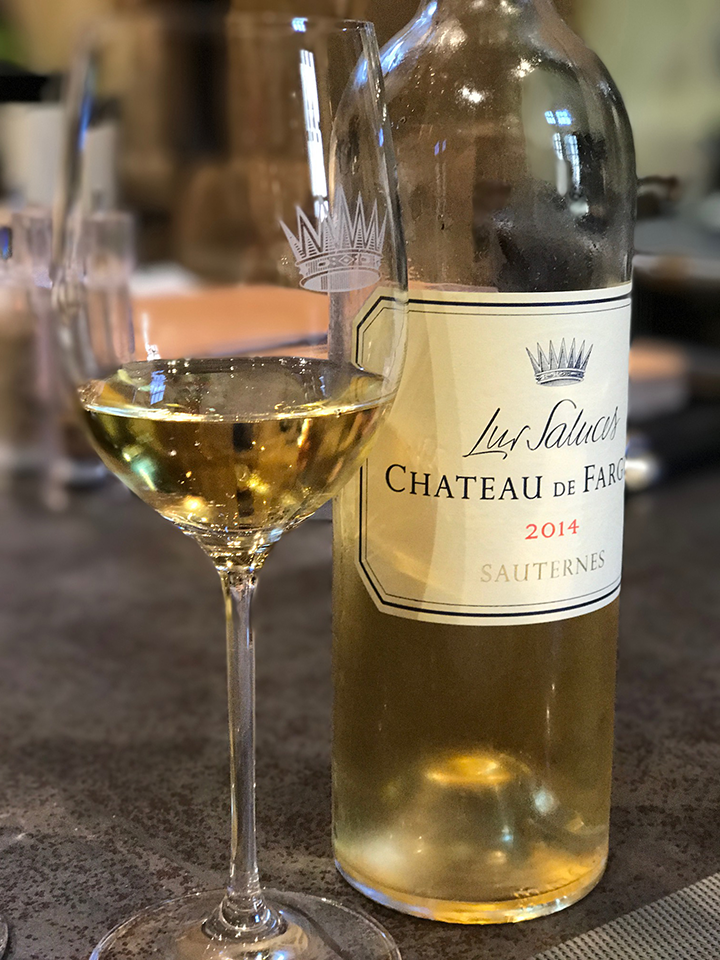
    Lur Saluces Chateau de Fargues – Photo Credit: Fred Swan, JJBuckley.com

    Myth – Sweet Wines Are Low Quality or “Just for Beginners”

    Reality: Some of the world’s finest wines are sweet.

    From Germany’s noble Rieslings to France’s Sauternes and Hungary’s Tokaji, some of the most revered and age-worthy wines are sweet. A well-made dessert wine balances sweetness with acidity, creating a complex and sophisticated drinking experience.

    SOMM&SOMM Tip: Try pairing a high-quality sweet wine with blue cheese, foie gras, or spicy foods for a mind-blowing contrast.

    Myth – Rosé Is Just a Summer Drink

    Reality: Rosé is great year-round.

    Rosé’s crisp and refreshing nature makes it perfect for warm weather, but its versatility extends far beyond summer. A fuller-bodied rosé, like a Tavel or Bandol, pairs beautifully with hearty dishes, including roasted meats, pasta, and even winter stews.

    SOMM&SOMM Tip: Treat rosé like a light red wine—it can complement a variety of foods throughout the year.

    Myth – You Must Let Red Wine Breathe for Hours

    Reality: Decanting depends on the wine.

    While some wines benefit from hours of aeration, most modern wines are ready to drink with just a little air exposure. Younger, tannic reds (like a bold Cabernet Sauvignon) can soften with decanting, but delicate wines (like older Pinot Noir or aged Barolo) can actually lose their aromas if over-aerated.

    SOMM&SOMM Tip: If in doubt, pour a small glass and taste it immediately. If it seems tight or closed-off, give it some air and check again after 15–30 minutes.

    Related Article: The Art and Science of Decanting Wine

    Myth – Expensive Wine Is Always Better

    Reality: Price does not always equal quality.

    While some expensive wines are exceptional, there are plenty of hidden gems at affordable price points. Price is influenced by factors like production scale, marketing, and branding—not just quality. Many boutique wineries and lesser-known regions produce fantastic wines that don’t break the bank.

    SOMM&SOMM Tip: Explore regions known for value wines, like Portugal’s Douro Valley, Spain’s Rioja, or Argentina’s Mendoza.

    Photo by Andrea Piacquadio on Pexels.com

    Enjoy Wine Without the Myths

    This April Fools’ Day, don’t be fooled by outdated wine myths! Whether it’s misconceptions about serving temperatures, closures, or aging potential, understanding the facts can help you enjoy wine to its fullest. The best way to learn? Keep tasting, exploring, and trusting your own palate.

    Cheers to debunking myths and discovering new wine experiences 🍷

  • The True Origins of Eiswein

    The True Origins of Eiswein

    Debunking Myths & Savoring the Nectar of Frozen Grapes.

    A picture is worth a thousand words, and the cover image of an Eiswein bottle nestled between a Beerenauslese and a Trockenbeerenauslese tells a rich story of craftsmanship, patience, and nature’s artistry. These three noble expressions of sweet wine share a lineage of late-harvest dedication, yet Eiswein stands apart—not touched by noble rot like its companions, but rather sculpted by winter’s chill.

    While Beerenauslese and Trockenbeerenauslese rely on botrytis to concentrate their sugars, Eiswein remains pure, its intensity derived from frozen grapes pressed at the peak of winter. Yet despite its unique identity, a growing misconception persists: that Eiswein is a Canadian invention, with Germany merely adopting the process. Let’s set the record straight and dive into the true origins of this winter-born nectar.

    1799 Cary Map of Franconia, Germany

    The True Origins of Eiswein

    The origins of Eiswein trace back to 1794 in Franconia, Germany, where an unexpected frost forced winemakers to either discard their frozen grapes or attempt vinification. Upon pressing, they discovered that the juice was intensely concentrated, yielding an extraordinary wine unlike anything they had produced before. This discovery led to a centuries-old tradition that remains one of the most challenging and rewarding styles of winemaking.

    While Germany pioneered this technique, Eiswein gained widespread acclaim in Canada, particularly in Ontario’s Niagara Peninsula, where conditions reliably produce ice wine nearly every year. However, Canada only became a major player in ice wine production in the 1970s, nearly two centuries after Germany’s initial discovery. The difference in spelling—Eiswein in Germany and ice wine in Canada—is simply a linguistic distinction rather than evidence of borrowed tradition.

    The Labor-Intensive Process of Eiswein

    Eiswein production requires an unwavering commitment to nature’s whims. Unlike late-harvest wines, Eiswein grapes must remain on the vine until temperatures plummet to at least -7°C (19°F), though some regions wait for even lower temperatures to intensify the concentration. These frozen grapes are harvested in the dead of night or early morning to prevent any thawing, then pressed while still frozen, ensuring that only the highly concentrated sugars and acids make it into the juice while the water content remains behind as ice crystals. The result? A vibrant, intensely sweet wine with electric acidity to balance its lusciousness.

    Mya, CC BY 2.0, via Wikimedia Commons

    Unlike noble rot-affected dessert wines, such as Sauternes or Tokaji, Eiswein grapes remain healthy and free from botrytis, preserving the purity of fruit flavors—think crisp apple, pear, and citrus with an elegant minerality.

    Cutting Corners: Cryoextraction & the Question of Authenticity

    Given the extreme conditions required to produce Eiswein, some producers resort to cryoextraction—artificially freezing grapes post-harvest to mimic the natural process. While this method may yield a similar concentration of sugars, it lacks the unpredictable magic of naturally frozen grapes, often resulting in wines that feel more syrupy than vibrantly fresh. Authentic Eiswein or ice wine will always indicate its natural freezing process on the label, while cryoextracted versions are often labeled as “iced wine” rather than true ice wine.

    Here’s to nature’s frozen gift, a testament to patience, precision, and the sweet rewards of time. May its golden nectar remind us that the best things in life come to those who wait. Prost!

    Gregory Dean, SOMM&SOMM

    Expressions of Eiswein: Terroir & Styles

    While Eiswein shares a common production method, regional differences bring unique expressions to the table:

    • Germany & Austria – The classic home of Eiswein, primarily made from Riesling, Gewürztraminer, or Grüner Veltliner. German Eiswein often showcases piercing acidity, honeyed stone fruit, and a crystalline minerality.
    • Canada (Niagara & British Columbia) – Canadian ice wines are dominated by Vidal Blanc, a hardy hybrid grape, as well as Riesling and Cabernet Franc. These wines often lean into tropical fruit flavors like mango, lychee, and pineapple.
    • United States (New York & Michigan) – Following the Canadian model, ice wine production here is small-scale but often impressive, featuring Vidal Blanc and Riesling.

    Pairing & Enjoying Eiswein

    A great Eiswein is a marvel of balance—its dazzling acidity prevents it from becoming cloying, making it a versatile companion to food. Here are some top pairing suggestions:

    • Blue Cheese & Pâté – The intense sweetness of Eiswein counterbalances the salty, umami richness of blue cheese or foie gras.
    • Spicy Asian Cuisine – Thai dishes, Szechuan flavors, or Indian curries contrast beautifully with the wine’s sweetness and acidity.
    • Fruit-Based Desserts – Apple tarts, poached pears, and citrus-infused desserts enhance the natural fruit notes in the wine.
    • Simple Sipping – Sometimes, Eiswein is best savored on its own, slightly chilled (about 8–10°C / 46–50°F), allowing its complexity to unfold slowly.

    A Testament to Patience & Nature’s Gifts

    Eiswein is one of the most challenging wines to produce, requiring patience, resilience, and a deep trust in nature. While Canada has mastered the art of ice wine production, Germany’s Franconian winemakers laid the foundation for this painstakingly crafted style centuries ago. Next time you sip a glass of this liquid gold, remember the dedication that went into each drop and savor the harmony of nature’s frozen masterpiece.

    Prost 🍷

  • Varietal Spotlight: Pinot Noir

    Varietal Spotlight: Pinot Noir

    The Ancient and Temperamental King of Red Grapes.

    Few grapes captivate the hearts of wine lovers and vintners quite like Pinot Noir. Revered for its ethereal elegance, complex flavors, and remarkable ability to reflect terroir, Pinot Noir is one of the oldest known grape varietals still cultivated today. This thin-skinned, temperamental grape has inspired obsession, frustration, and devotion in equal measure, from medieval monks in Burgundy to modern-day winemakers pushing the boundaries of its expression worldwide.

    Origins and Ancient History

    Pinot Noir’s history can be traced back over 2,000 years to the Roman occupation of Gaul (modern-day France).

    Map of Gaul (Britannica, T. Editors of Encyclopaedia (2010, August 25). Gaul summary. Encyclopedia Britannica)

    The grape likely descends from Vitis vinifera vines cultivated by the Romans and was first mentioned in historical records around the 1st century AD. However, its true prominence emerged in the Middle Ages when Cistercian and Benedictine monks meticulously cultivated vineyards in Burgundy, recognizing the grape’s unique ability to convey a sense of place. These monastic orders developed the first concept of terroir, dividing Burgundy’s vineyards into climats, which still define the region today.

    The name “Pinot Noir” is derived from the French words pin (pine) and noir (black), a reference to the grape’s tightly clustered, pinecone-shaped bunches and dark skin. Despite its noble heritage, Pinot Noir’s genetic instability has led to over a thousand known clones and mutations, making it one of the most diverse grape families in viticulture.

    The Many Faces of Pinot Noir

    Because Pinot Noir mutates so easily, countless clones have been developed, each exhibiting distinct characteristics. Some of the most famous clones include:

    • Pommard (Clone 4 & 5): Originally from Burgundy’s Pommard region, these clones produce structured, powerful wines with darker fruit flavors and firmer tannins.
    • Dijon Clones (113, 115, 667, 777): Developed in Burgundy, these clones offer more refined fruit profiles, with silky textures and notes of red cherry, raspberry, and floral aromatics.
    • Wädenswil (Clone 2A): Popular in Oregon, this Swiss clone thrives in cool climates and is known for its vibrant acidity and floral perfume.
    • Martini Clone: A historic clone from California, this variety is known for its bright fruit flavors and early ripening qualities, particularly in Carneros and Russian River Valley.

    Pinot Noir also has close relatives in the Pinot family, including Pinot Blanc, Pinot Gris, and Pinot Meunier. These varietals share the same genetic lineage but have evolved with distinct characteristics. Pinot Blanc tends to be full-bodied with crisp acidity and flavors of apple and pear, while Pinot Gris exhibits richer textures and stone fruit notes. Pinot Meunier, frequently used in Champagne blends, offers fresh fruitiness and a more rustic profile.

    Alternate Names and Related Regions

    Pinot Noir is known by several names in different parts of the world. Some of its alternate names include:

    • Spätburgunder (Germany)
    • Blauburgunder (Austria, Switzerland)
    • Pinot Nero (Italy)
    • Clevner (historical Alsace term)
    • Pinoz (Romania)

    Key regions where Pinot Noir thrives include:

    • France: Burgundy, Champagne, Alsace
    • United States: Oregon (Willamette Valley), California (Russian River Valley, Santa Lucia Highlands, Santa Barbara, Carneros)
    • Germany: Ahr, Baden, Pfalz
    • New Zealand: Central Otago, Martinborough
    • Italy: Alto Adige, Oltrepò Pavese
    • Switzerland: Valais, Graubünden
    • Australia: Yarra Valley, Tasmania
    Spätburgunder – Reinhold Möller, CC BY-SA 4.0, via Wikimedia Commons

    Pinot Noir’s Global Expressions

    Pinot Noir is often described as the most expressive varietal of terroir, meaning that it uniquely reflects the climate, soil, and winemaking techniques of its growing region. Let’s explore some of the most renowned Pinot Noir regions and their distinctive styles:

    Burgundy, France: The Benchmark

    Burgundy is the spiritual home of Pinot Noir, producing the world’s most revered expressions from Côte de Nuits and Côte de Beaune. Wines from these regions exhibit remarkable complexity, finesse, and age-worthiness. Grand Cru vineyards such as Romanée-Conti, La Tâche, and Chambertin produce wines of unparalleled depth and elegance, with layers of red and black fruit, earthy undertones, and a signature minerality that evolves beautifully over time.

    Oregon: The New-World Contender

    Oregon’s Willamette Valley has emerged as a premier Pinot Noir-producing region, often drawing comparisons to Burgundy. The cool, maritime climate fosters wines with vibrant acidity, red fruit dominance, and floral aromatics. Winemakers here prioritize sustainable and biodynamic farming, leading to some of the most expressive and terroir-driven New World Pinot Noirs.

    Related Article: Wine Experiences: A Taste of Adelsheim

    California: Bold and Fruit-Driven

    California’s diverse microclimates allow for multiple styles of Pinot Noir, ranging from the bright, elegant expressions of Sonoma’s Russian River Valley and Santa Lucia Highlands to the richer, more opulent styles of Santa Barbara and Carneros. Russian River Valley Pinot Noirs are known for their lush cherry and cola notes, while Santa Barbara wines often showcase baking spices and deep red fruit.

    New Zealand: The Rising Star

    New Zealand’s Pinot Noir, particularly from Central Otago and Martinborough, has gained international acclaim for its purity of fruit, bright acidity, and vibrant aromatics. Central Otago Pinot Noirs often exhibit dark cherry, plum, and spice notes, while Martinborough expressions lean towards a more earthy, structured profile.

    Germany: The Stealthy Powerhouse

    Known as Spätburgunder, German Pinot Noir has experienced a renaissance in recent years. Producers in the Ahr, Baden, and Pfalz regions are crafting elegant, cool-climate Pinot Noirs with floral aromatics, mineral-driven complexity, and refined tannins, rivaling some of the best from Burgundy.

    Pouring Pinot Noir – Prayitno, USA, CC BY 2.0, via Wikimedia Commons

    The Perfect Complement

    Pinot Noir’s versatility makes it an excellent companion to a wide range of dishes. Its bright acidity, moderate tannins, and complex flavor profile allow it to pair beautifully with:

    • Poultry: Roast duck, turkey, or chicken with herbs
    • Game Meats: Venison, quail, and pheasant
    • Pork: Pork tenderloin, glazed ham, or charcuterie
    • Mushroom Dishes: Truffle risotto, mushroom ravioli, or wild mushroom ragout
    • Salmon and Tuna: Grilled, poached, or seared preparations
    • Soft Cheeses: Brie, Camembert, and Gruyère

    Fun Lore and Stories of Pinot Noir

    Pinot Noir has inspired countless stories, myths, and even Hollywood films. One of the most famous legends is that of the 18th-century Burgundian monk Dom Giguier, who claimed to have divine visions instructing him to cultivate Pinot Noir in specific vineyard plots (Giguier, 1763). Whether divine intervention or astute observation, these climats remain some of the most prized in the world.

    In more modern times, the 2004 film Sideways sparked an explosion of Pinot Noir’s popularity in the U.S., while simultaneously tanking Merlot sales. The protagonist’s passionate monologue about the elegance and fragility of Pinot Noir led to a significant surge in demand, particularly in California and Oregon.

    The Enduring Allure of Pinot Noir

    Pinot Noir remains one of the most beloved and challenging varietals in the world of wine. Its delicate nature, susceptibility to disease, and finicky growing conditions make it a difficult grape to cultivate, yet its rewards are unparalleled. Whether from the legendary vineyards of Burgundy, the misty valleys of Oregon, or the sun-kissed hills of California, Pinot Noir continues to captivate winemakers and enthusiasts alike. Its ability to tell the story of its origin with elegance and nuance ensures that its legacy will endure for generations to come. Cheers 🍷

    Cover Photo Credit: Jim Fischer from Portland, Oregon, USA, CC BY 2.0, via Wikimedia Commons

    References

    Giguier, D. (1763). Vineyard Cultivation and Divine Insight. Dijon, France: Burgundian Press.

  • Spirits & Stuff: Tequila

    Spirits & Stuff: Tequila

    Mexico’s Liquid Gold and the Spirit of Rebellion.

    Few spirits carry the mystique, complexity, and cultural significance of tequila. Born from volcanic soil and centuries of tradition, tequila is more than just a drink—it’s a symbol of Mexico’s resilience, artistry, and heritage. From its storied origins to modern innovations like cristalino, tequila continues to evolve while remaining deeply rooted in its past. Whether sipped neat, mixed into a cocktail, or celebrated in folklore, this agave spirit commands a place of honor in the world of fine beverages.

    Photo by Isabella Mendes on Pexels.com

    From Spanish Prohibition to Mexican Pride

    Wine and tequila share an unexpected historical link, forged through the laws of colonial Spain. When the Spanish arrived in Mexico in the early 16th century, they brought with them a love for wine and the European grapevine. However, King Philip II, fearing competition with Spanish wines, banned winemaking in the New World—except for sacramental use by the church. Deprived of their ability to craft wine, locals turned to indigenous fermentation traditions, refining the distillation of fermented agave juice into what we now know as tequila.

    This ban inadvertently fueled the rise of tequila, as Mexicans, undeterred by Spanish restrictions, perfected their agave spirits. By the 18th century, tequila had cemented itself as Mexico’s national spirit, and its production became an art form passed down through generations. Today, tequila stands as a testament to Mexico’s ingenuity and defiance, much like wine does in Old World traditions.

    Jimador using a coa to cut a piña – Ernesto Catedral, CC BY-SA 4.0, via Wikimedia Commons

    The Making of Tequila: From Agave to Spirit

    True tequila begins its journey in the sun-drenched fields of Jalisco, where blue Weber agave plants grow for six to ten years before harvest. Jimadores, the skilled harvesters, use a coa (a specialized blade) to trim the plant down to its heart, or piña. These piñas are then slow-roasted in brick ovens or steamed in autoclaves to convert starches into fermentable sugars.

    Tequila is made from agave, agave is a plant, and that makes this drink a salad. So here’s to staying healthy—one shot at a time!

    Gregory Dean, SOMM&SOMM

    After roasting, the cooked agave is crushed—traditionally by a stone wheel called a tahona or by modern roller mills. The extracted juice, or aguamiel, is then fermented in open or closed vats, sometimes with wild yeasts to add complexity. The fermented liquid is distilled twice (or even three times in rare cases) in copper pot or stainless steel stills to reach the required alcohol content.

    Juan Carlos Fonseca Mata, CC BY-SA 4.0, via Wikimedia Commons

    The Styles of Tequila: Understanding the Variants

    Tequila comes in five primary styles, each with distinct characteristics based on aging and production methods:

    1. Blanco (Silver/Plata) – Unaged or aged for less than two months in stainless steel or neutral oak, blanco tequila captures the pure essence of agave. Expect bright, peppery, citrusy notes with a crisp, clean finish.
    2. Reposado (Rested) – Aged between two months and one year in oak barrels, reposado tequila gains depth, subtle caramel, vanilla, and spice notes while retaining agave’s fresh character.
    3. Añejo (Aged) – Aged between one and three years in small oak barrels, añejo tequila develops a richer, smoother profile, with pronounced notes of oak, chocolate, dried fruit, and baking spices.
    4. Extra Añejo (Ultra-Aged) – Aged for over three years, extra añejo tequila rivals fine cognacs and aged whiskies, offering deep, complex layers of wood, tobacco, leather, and dark chocolate.
    5. Cristalino (Clear Aged Tequila) – A relatively new category, cristalino tequila is aged like an añejo or extra añejo but then filtered through activated charcoal to remove color. This results in a spirit with the smoothness and complexity of an aged tequila but the clarity and lightness of a blanco.

    Cristalino: Trend or Fad?

    Cristalino has gained immense popularity in recent years, appealing to drinkers who love the refinement of aged tequila but prefer the aesthetic and mixability of a clear spirit. While some purists argue that stripping the color also removes some of the nuanced character, others appreciate the velvety texture and refined oak influence.

    Ultimately, cristalino’s staying power will depend on consumer tastes, but given its growing presence in premium bars and high-end tequila houses, it seems more than just a passing trend.

    Tequila Cocktails: Elevating the Spirit

    While tequila is often enjoyed neat, its versatility shines in cocktails. Here are three exceptional drinks that highlight its unique qualities:

    El Rey Old Fashioned

    A refined twist on a classic whiskey cocktail, perfect for showcasing añejo tequila.

    • 2 oz añejo tequila
    • 1/4 oz agave syrup
    • 2 dashes Angostura bitters
    • Orange peel for garnish
      Stir ingredients with ice and strain into a rocks glass over a large ice cube. Express orange peel oils over the glass and drop in as garnish.

    Smoky Paloma

    A mezcal-infused take on Mexico’s beloved Paloma, balancing citrus, smoke, and sweetness.

    • 1.5 oz tequila blanco
    • 0.5 oz mezcal
    • 2 oz fresh grapefruit juice
    • 0.5 oz lime juice
    • 0.5 oz agave syrup
    • Club soda to top
    • Grapefruit wheel for garnish
      Shake all ingredients except soda with ice, strain into a highball glass filled with fresh ice, and top with soda. Garnish with a grapefruit wheel.

    Verde Margarita

    A herbal, refreshing take on the classic Margarita with vibrant green flavors.

    • 2 oz tequila reposado
    • 1 oz fresh lime juice
    • 0.75 oz cilantro-jalapeño syrup (blend equal parts sugar and water with cilantro and jalapeño, then strain)
    • 0.5 oz Cointreau
      Shake with ice, strain into a salt-rimmed glass over fresh ice, and garnish with a lime wheel and cilantro sprig.

    Here’s to tonight—when tequila makes us fearless, our jokes funnier, and our dance moves legendary. And here’s to tomorrow—when coffee and regret remind us why we don’t do this every night!

    Gregory Dean, SOMM&SOMM
    Missvain, CC BY 4.0, via Wikimedia Commons

    A Spirit Worth Celebrating

    Tequila is not just a drink—it’s a story of innovation, resilience, and national pride. From its colonial-era roots as a wine replacement to its modern role as a sophisticated spirit, tequila continues to captivate and evolve. Whether you enjoy it neat, aged, in a cutting-edge cocktail, or as a conversation piece, there’s no denying tequila’s rightful place among the world’s finest spirits. Salud! 🥃

    Cover photo credit: Adrián Cerón, CC BY-SA 4.0, via Wikimedia Commons

  • Discovering the Elegance of Cortese di Gavi: A Northern Italian Treasure

    Discovering the Elegance of Cortese di Gavi: A Northern Italian Treasure

    Ah, the Province of Alessandria in Piedmont—home to one of Northern Italy’s crown jewels, the remarkable Cortese di Gavi. Gavi—a name synonymous with elegance and purity, yet it remains underappreciated in the shadow of more famous Italian white varietals. For a wine enthusiast, this is both a tragedy and an opportunity. Allow me to take you on a journey through the rolling hills of Gavi, where one of Italy’s finest white wines has been quietly defining finesse and charm for centuries.

    F Ceragioli, CC BY-SA 3.0, via Wikimedia Commons

    The Grape Behind the Magic

    Let’s begin with the grape itself: Cortese. This varietal is the very embodiment of Italian precision, producing wines that are crisp, aromatic, and vibrant. If wines could sing, Cortese di Gavi would be a soprano—its voice high, clear, and impossibly beautiful. Cultivated in Northern Italy since at least the 17th century, Cortese thrives in the marl and clay soils of Piedmont’s Gavi region, where the vineyards are blessed with an enviable mix of sun-drenched days and cooling maritime breezes. It’s a terroir-driven delight that effortlessly captures the spirit of its homeland.

    Gavi’s DOCG Status: A Badge of Honor

    Now, let’s talk DOCG—Denominazione di Origine Controllata e Garantita. Gavi earned this prestigious status in 1998, a well-deserved recognition of the region’s consistent quality and historical significance. DOCG isn’t just a shiny label; it’s a promise. A promise that every bottle meets the strictest standards and encapsulates the essence of its place of origin. For Gavi, this elevation marked a turning point, helping it stand shoulder-to-shoulder with Italy’s more celebrated white wines, like Soave and Verdicchio.

    Image Credit: Promesse de Fleurs – Cortese Grapes

    What Makes Cortese di Gavi Special?

    First, its style. Imagine a wine that greets your palate with a burst of lemon zest, green apple, and white peach, followed by whispers of almond and wildflowers. There’s an underlying minerality—a flinty backbone that provides structure and balance—making it the quintessential expression of elegance. Gavi isn’t just a refreshing summer sipper; it’s a wine with depth and sophistication, capable of enhancing any meal with its vibrant acidity and nuanced profile.

    A Sip of History

    Historically, Gavi has its fair share of lore. Did you know that Gavi’s wines were once a favorite at the royal courts of the House of Savoy? Even further back, the grape’s resilience was lauded by Piedmontese farmers who dubbed it “Cortese”—“courteous”—for its ability to consistently produce high-quality wines. This enduring reputation has carried through the centuries, culminating in its modern acclaim.

    Visit Sip & Feast and get James Delmage’s recipe for Spaghetti alle Vongole

    Perfect Pairings: Classic and Creative

    When it comes to food pairings, Cortese di Gavi is a sommelier’s playground. For the classics, you can’t go wrong with Ligurian cuisine. Think fresh seafood—grilled branzino, spaghetti alle vongole, or a delicate insalata di mare. The wine’s zippy acidity cuts through the richness of olive oil and enhances the natural sweetness of shellfish.

    But let’s get adventurous. Pair Gavi with Thai green curry, where its citrus notes complement the lime and lemongrass, or with sushi, particularly sashimi or a clean nigiri platter. Feeling bold? Try it with creamy chicken alfredo—the acidity acts as a palate cleanser, preventing the dish from becoming overly heavy.

    Versatility and Appeal

    What truly sets Gavi apart is its versatility. It’s a wine that can gracefully transition from aperitif to main course, adapting to a variety of flavors and textures without losing its charm. It’s no wonder that those in the know (sommeliers and wine enthusiasts alike) revere it as one of Italy’s most delightful surprises.

    A White Wine Powerhouse

    Northern Italy has long been a powerhouse of white wines, from the alpine clarity of Alto Adige’s Pinot Grigio to the creamy sophistication of Friuli’s Ribolla Gialla. Yet, Gavi holds its own with an understated confidence, proving that elegance doesn’t need to shout. Its story is one of quiet resilience and refinement—a reminder that sometimes the most extraordinary treasures are found off the beaten path.

    Fall Under Gavi’s Spell

    So, the next time you find yourself perusing the shelves, take a moment to consider the wines of Gavi. Pick up a bottle, pour yourself a glass, and savor the history, the terroir, and the craftsmanship. And when you taste that first sip of Cortese di Gavi, let yourself fall under its spell. Because trust me—this is one white wine that’s worth getting to know, sip by glorious sip. Saluti!

    Cover Image Credit: Jonathan Harker, CC BY-SA 4.0, via Wikimedia Commons

  • The Enchanting Wines of Entré-Deux-Mers

    The Enchanting Wines of Entré-Deux-Mers

    A Hidden Gem of French Viticulture

    In the illustrious tapestry of Bordeaux’s wine regions, few areas remain as underappreciated and misunderstood as Entré-Deux-Mers. Nestled between the Dordogne and Garonne rivers, this expanse of rolling hills, historic abbeys, and charming châteaux quietly produces some of the most intriguing wines in the world. Yet, it exists in the shadow of its prestigious neighbors: the Left Bank’s powerful Médoc reds and the Right Bank’s velvety Saint-Émilion and Pomerol blends (Tammy’s favorite). Entré-Deux-Mers, however, is a region of diversity, offering crisp whites, unique reds, and sweet treasures that deserve a place on your table and in your glass.

    SOMM&SOMM Related Article: Old World Regions: Bordeaux

    Where Monks and Merchants Shaped the Vines

    The name Entré-Deux-Mers, meaning “between two seas,” might seem misleading at first glance. Rather than seas, it references the two mighty rivers that define its geography. These waterways have long been trade routes, dating back to Roman times, when wine was already a cornerstone of local commerce. During the medieval period, monks played a pivotal role in cultivating the vineyards, leaving behind a legacy of meticulous viticulture that persists to this day.

    Local lore tells of wine-smuggling monks ferrying barrels of “fish wine” (a term used to describe crisp, acidic whites perfect for pairing with seafood) under the cover of night to avoid taxes imposed by Bordeaux merchants. Whether or not these tales are true, they capture the independent spirit of the region’s winemakers.

    The Styles of Entré-Deux-Mers

    Entré-Deux-Mers offers a spectrum of wines, from vibrant whites to robust reds and luscious sweet wines. Let’s explore these styles in greater detail.

    Photo by Oleksandr P on Pexels.com

    Entré-Deux-Mers Blanc

    This is the hallmark wine of the region, an aromatic, crisp white blend dominated by Sauvignon Blanc, Sémillon, and Muscadelle. These wines are often vinified in stainless steel to preserve their fresh, zesty character.

    • Tasting Notes: Expect notes of grapefruit, green apple, and white flowers with a minerally backbone.
    • Pairings: Perfect with oysters, grilled fish, goat cheese, or a fresh herbed salad.
    • Recommendation: Look for Château Bonnet’s Entré-Deux-Mers Blanc, an approachable, quintessential example of the style.

    Bordeaux Rouge and Bordeaux Supérieur

    While not labeled as Entré-Deux-Mers, red wines from the region fall under broader Bordeaux appellations. These blends often feature Merlot, Cabernet Sauvignon, and Cabernet Franc, offering approachable and food-friendly profiles.

    • Tasting Notes: Black cherry, plum, and earthy spice dominate, with soft tannins in younger wines.
    • Pairings: A natural fit for roasted meats, charcuterie, or hearty stews.
    • Recommendation: Seek out Château Thieuley Bordeaux Rouge for an elegant and well-structured red.
    Harvesting Botrytis affected grapes at Château Dauphiné Rondillon

    Sweet Wines (Loupiac, Sainte-Croix-du-Mont)

    On the southern edges of Entré-Deux-Mers, the misty banks of the Garonne create the perfect conditions for noble rot, producing stunning sweet wines reminiscent of Sauternes but at a fraction of the price.

    • Tasting Notes: Honeyed apricot, candied orange peel, and luscious marmalade.
    • Pairings: Pair with foie gras, blue cheese, or fruit tarts.
    • Recommendation: The Cuvée d’Or du Château Dauphiné Rondillon is a delightful and affordable indulgence.

    Varietals and Wine Laws

    Entré-Deux-Mers Blanc is governed by strict AOC rules that mandate blends of Sauvignon Blanc, Sémillon, and Muscadelle, though minor contributions from Ugni Blanc and Colombard are permitted. The region’s reds fall under the broader Bordeaux and Bordeaux Supérieur classifications, which offer greater flexibility in blending.

    An intriguing facet of Entré-Deux-Mers is its experimentation with lesser-known varietals like Malbec (locally called Côt) and Petit Verdot. These grapes add depth and complexity to blends, hinting at the region’s potential to craft truly distinctive wines.

    Why Entré-Deux-Mers Matters

    Entré-Deux-Mers represents the essence of Bordeaux: a commitment to quality, history, and innovation. Unlike the grand châteaux of the Left and Right Banks, this region’s producers often work on a smaller scale, focusing on craftsmanship rather than global acclaim. The result? Wines that overdeliver on value and character.

    Fun Anecdotes and Lore

    Did you know that during the Hundred Years’ War, Entré-Deux-Mers became a battleground for more than just soldiers? Vineyards were often caught in the crossfire, yet resilient locals replanted time and again, showing the enduring spirit of the region.

    Bringing Entré-Deux-Mers to Your Table

    If you’ve yet to explore the wines of Entré-Deux-Mers, now is the time. Whether it’s a crisp white for your next seafood feast or a luscious sweet wine to accompany dessert, this region offers something for everyone. And don’t forget the reds—they might just surprise you with their depth and versatility.

    So, next time you’re perusing the Bordeaux aisle, take a chance on Entré-Deux-Mers. You might just discover a new favorite—and a story to tell with every sip. Santé 🍷

    Cover Image Credit: Henry SALOMÉ, CC BY-SA 4.0, via Wikimedia Commons

  • Demystifying Sulfites in Wine

    Demystifying Sulfites in Wine

    Separating Fact from Fiction.

    The phrase “contains sulfites” on a wine label often stirs confusion and concern among consumers. Misconceptions abound, from the belief that sulfites are only present in low-quality wines to the idea that they are solely responsible for wine-induced headaches. These myths obscure the truth about sulfites and their essential role in winemaking. Let’s unpack the science, necessity, and reality of sulfur dioxide (SO2) in wine, shedding light on its role and addressing concerns for sulfite-sensitive individuals.

    What Are Sulfites?

    Sulfites, chemically known as sulfur dioxide (SO2), are compounds that occur naturally during fermentation. Yeast, the powerhouse behind turning grape juice into wine, produces a small amount of sulfites as a byproduct. These naturally occurring sulfites are present in all wines, even those labeled as “organic” or “natural.” However, many winemakers also add sulfites deliberately to stabilize and preserve their wines.

    Photo by ELEVATE on Pexels.com

    The Role of Sulfites in Winemaking

    Sulfites play several critical roles in winemaking, making them a trusted tool in a winemaker’s arsenal:

    1. Preservation: Sulfites act as an antioxidant, protecting wine from spoilage caused by oxygen exposure. This helps wines age gracefully and ensures they remain fresh from bottling to consumption.
    2. Microbial Stability: By suppressing unwanted bacteria and wild yeasts, sulfites ensure that the intended flavors of the wine shine through without interference.
    3. Color Retention: In white wines, sulfites help maintain clarity and vibrancy, preventing browning caused by oxidation.

    While sulfites are a valuable ally in winemaking, some producers, particularly in the natural wine movement, aim to minimize their use or omit them entirely. However, these wines may have shorter shelf lives and higher risks of spoilage.

    Photo by David Garrison on Pexels.com

    Debunking the Sulfite-Headache Myth

    One of the most persistent misconceptions is that sulfites in wine cause headaches. While it’s true that some people have sulfite sensitivities, these reactions are rare and often manifest as respiratory issues, such as asthma, rather than headaches. According to the FDA, only about 1% of the population is sensitive to sulfites.

    The real culprit behind wine-induced headaches is more likely histamines. Found naturally in grape skins, histamines are higher in red wines than whites. These compounds can trigger headaches in individuals sensitive to them, particularly if their bodies lack sufficient diamine oxidase, the enzyme responsible for breaking down histamines.

    Understanding ‘Contains Sulfites’

    The U.S. government requires any wine containing more than 10 parts per million (ppm) of sulfites to include “contains sulfites” on the label. This applies to almost all wines, given that naturally occurring sulfites alone often exceed this threshold. For comparison, dried fruits can contain up to 1,000 ppm of sulfites, making the levels in wine seem minimal by comparison.

    Choosing Wines for Sulfite Sensitivity

    For those genuinely sensitive to sulfites, understanding wine choices is key. While avoiding sulfites entirely is nearly impossible, low-sulfite options are available:

    • Organic Wines: Certified organic wines in the U.S. are made without added sulfites, though naturally occurring sulfites remain present.
    • Natural Wines: Often produced with minimal intervention, natural wines may contain lower levels of added sulfites.
    • Wines from Cooler Regions: Cooler climates often produce wines that require fewer sulfites due to their naturally higher acidity, which helps preserve freshness. Look for wines from Alsace, Germany, or the Loire Valley.
    • Certain Varietals: Try white wines like Riesling or Pinot Gris, which typically have lower sulfite levels than rich reds. For reds, consider Beaujolais (Gamay varietal), which is lighter in body and often made with minimal sulfites.
    Photo by Helena Lopes on Pexels.com

    The Takeaway: There’s a Wine for Everyone

    Sulfites are an integral part of winemaking, ensuring wines remain stable, flavorful, and safe for consumption. While myths about sulfites persist, the reality is they are unlikely to be the cause of your wine-related woes. For individuals with specific sensitivities, understanding what’s in the bottle and selecting wines thoughtfully can make all the difference.

    Ultimately, wine is a celebration of diversity—in grapes, styles, and preferences. There truly is a wine for everyone. By demystifying sulfites and making informed choices, you can enjoy your wine journey with confidence and curiosity. Cheers 🍷