Category: Sommelier Studies

  • Enthusiast to Sommelier: Wine Happens

    Enthusiast to Sommelier: Wine Happens

    As I’m learning the basics of vinification–in preparation for the first Court of Sommelier exam–it became evident that winemaking is as much an art as it is a science. Specifically, wine does not ‘happen.’ The Merriam-Webster dictionary defines vinification as “the conversion of fruit juices (such as grape juice) into wine by fermentation.” This definition, however, doesn’t even come close to describing the real-world of vinification. It just makes it seem as if somehow… wine happens.

    I am sure there are a few winemakers who simply pick-and-ferment, with little interest in leveraging the techniques of top-tier producers. In most cases, however, winemaking stems from deep pride and tradition. Reputable wine producers strive for consistency and quality, while working within the boundaries defined by local and regional wine laws. Certain regions’ laws are strict and highly regulated. The wine region of Bordeaux has some of the most complicated wine laws in the world, and the reputation of the entire region is affected by adherence to these laws.

    For wine to “happen,” there needs to be a clear vision of the desired outcome. There are many steps (and processes) along way that contribute to the style and quality of finished wines. The three main pre-fermentation processes of sorting, de-stemming and crushing have a huge impact on flavor and style of the finished wine (i.e. Two Buck Chuck). Unwanted bitterness and tannins can be introduced if care isn’t taken during this early stage of winemaking.

    The first few steps of winemaking are similar for a mainstream white, rose or red wine. From harvest through crushing, the process is consistent–with adjustments in support of a specific style. Approaches to fermentation, aging and maceration are in pursuit of a particular style, but are artfully altered to align with the vision of the winemaker. The result is a world of wines–varying in style–for us to enjoy 😉

    So much to learn (and appreciate). Back to the books!

    Next article in the series: Enthusiast to Sommelier: Sip, Sip Hurrah

    First article in this series: Enthusiast to Sommelier: Getting Started

  • Enthusiast to Sommelier: A New Appreciation

    Enthusiast to Sommelier: A New Appreciation

    I have always been all about California wine. But hey, that is what is most readily available and at least I have a little knowledge about the Napa and Sonoma areas. Faced with a challenge of choosing a wine off a menu in a restaurant, I could at least spot something I was familiar with or at least recognize the name of the vineyard. Now that I am reading and studying wine from around the world, I am getting excited by the effort of producing those wines, the climate, the different grapes and classifications.

    While studying Burgundy, I told Greg I wanted to try a Grand Cru, a Premier Cru, and a Village wine from the same area side by side. He set out to find the perfect combination. I have to say, previously I was not much of a Burgundy fan so I was excited to see if it was that I had just not had the right Burgundy wine. Sure enough, that was the case. I really enjoyed our little experiment. With the help of some wine loving friends, we polished off all three… and what a treat.

    Next article in the series: Enthusiast to Sommelier: Wine Happens

    First article in this series: Enthusiast to Sommelier: Getting Started

  • Enthusiast to Sommelier: Appreciating Viticulture

    Enthusiast to Sommelier: Appreciating Viticulture

    With only twelve short weeks remaining before the two-day Court of Sommelier course and exam, we have settled into a daily routine of reading, research and relentless quizzing. I asked Tammy to name the five ‘First Growths‘ of Bordeaux–and her answer (correct by the way) was followed by a question regarding viticulture. Specifically, the question was about terroir. As with most of these discussions, the conversation quickly evolved into all things viticulture.

    Viticulture is known in sommelier circles as the “art” and “science” of vine growing. This ideas expands far beyond my average knowledge of traditional farming. Each topic covered in the introductory course and exam study materials seems simple and straight-forward, but after a few paragraphs you quickly realize how much there is to learn. Viticulture was no exception. Tammy’s question was about terroir, and that conversation lead into all of the factors of production important to viticulture.

    The factors of production go beyond soil condition, terrain, climate and elevation. It extends far beyond the processes used to cultivate, grow and harvest. In fact, viniculture’s factors of production blend a rich history of best practices with strict standards and regional guidelines. The result provides consistency while protecting the well-earned reputation and rich history of the world’s best regions.

    Matching soil and climate to a specific varietal may seem like common sense, but there are some very interesting wines produced by winemakers not bound by regional wine laws. This entire process of reading, reviewing and discussing all of the region-specific factors of production has given me a stronger curiosity and desire to taste the really obscure lesser-known wines.

    So much left to learn and understand!

    Next article in the series: Enthusiast to Sommelier: A New Appreciation

    First article in this series: Enthusiast to Sommelier: Getting Started
  • Enthusiast to Sommelier: Getting Started
    Enthusiast to Sommelier: Getting Started
    Fueled by the restlessness of confinement, Tammy and I decided to take advantage of the unplanned stay-at-home new normal of 2020 and jump eagerly into the Court of Sommelier certification program. In late June, I enrolled in the closest 2-day Introductory Sommelier Course & Exam. It took Tammy a few weeks to decided whether or not she could rearrange her work schedule and join the pursuit of Sommelier Level 1. The classes and exam are scheduled to begin in just under three(3) months. This should be plenty of time to prepare–right?

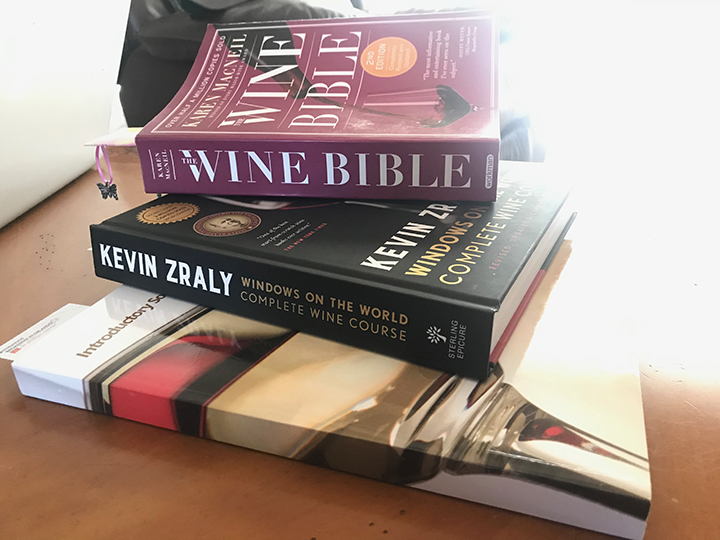
    In addition to the Introductory Sommelier Course Workbook necessary for the course and exam, The Court of Master Sommelier also prescribed additional study materials–including:

    Windows of the World – Complete Wine Course, Kevin Zraly

    The Wine Bible, Karen MacNeil

    With over 1700 pages of wine history, varietals, countries, regions, regulations, vintages, viticulture and vinification to study (and hopefully retain), this journey promises to be a labyrinth of learning and frustration. While the outcome is unknown, we am looking forward to sharing knowledge, ideas and opinions along the way.

    Here we go…

    Next article in the series: Enthusiast to Sommelier: Appreciating Viticulture

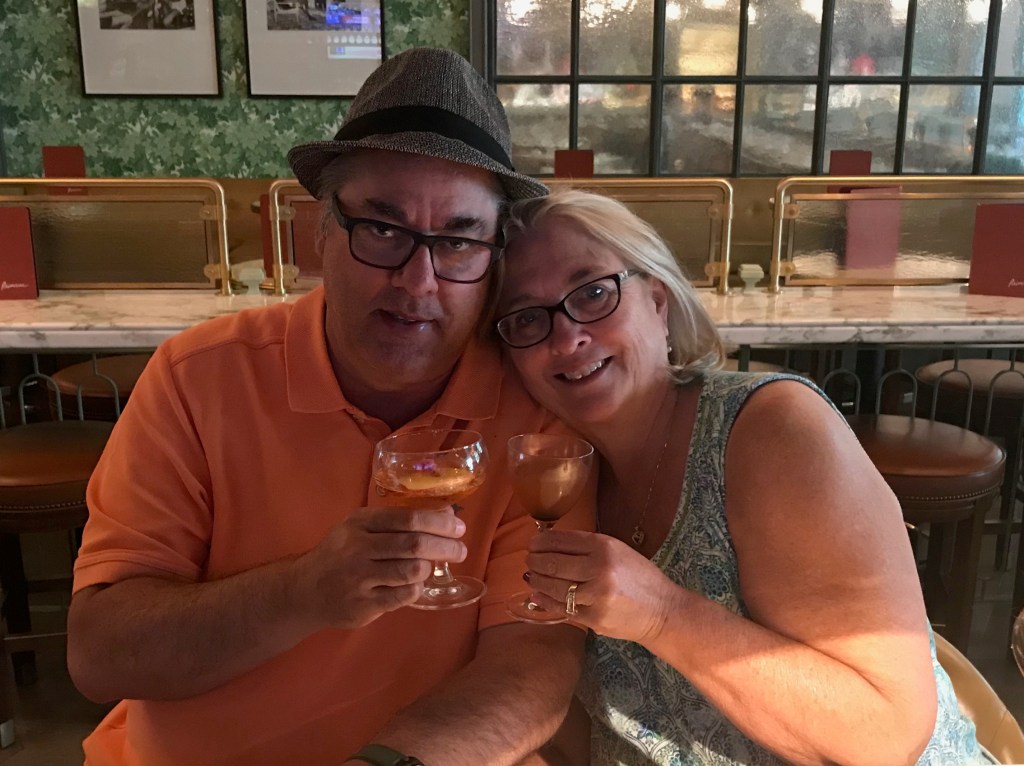
    Cocktails at the Primrose, Park MGM, Las Vegas
  • Learning To Recognize The Aromas of Wine

    Learning To Recognize The Aromas of Wine

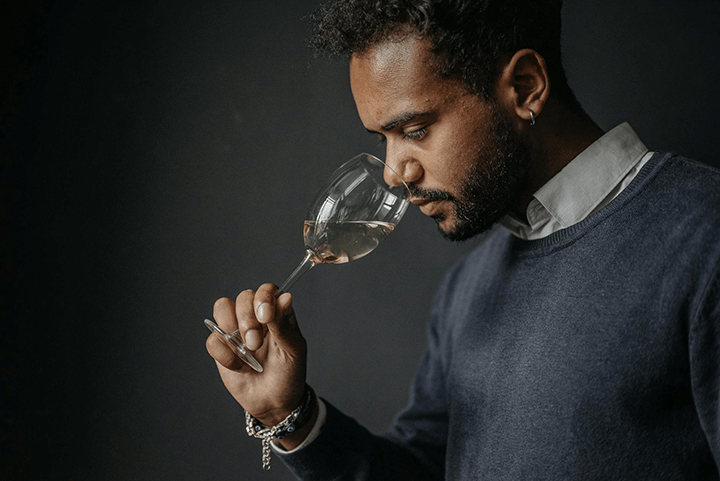
    Swirl and sniff swirl and sniff. What do you smell? The buzz words I hear are, fruit, floral, tobacco. Flint. What do you think of when someone says, I smell floral notes? I think, what do you mean, are you smelling roses, jasmine, carnations? Fruit…..black fruit or red fruit? Are we talking red apples here, strawberries, or raspberries? They all smell different, so what exactly are you trying to say? Currants, how many times have you heard, I smell currants. Quite frankly, I have never smelled a currant so how do I know what a currant smells like. Tobacco…what does that mean? A dirty ashtray, a pipe, tobacco growing in a field? Flint, what in the world does flint smell like?

    I can only imagine what comes next.

  • Where It All Began

    Where It All Began

    Just over three decades ago, we were invited to a friend’s house for a wine-tasting party. The host wasn’t really into wine, but was very interested in the hostess gift offered by the wine distributor…

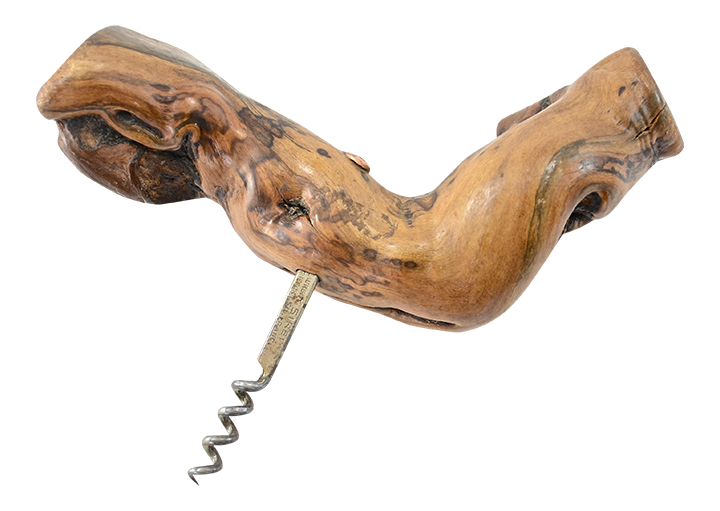
    laurent-siret-rochefort-grapevine-corkscrew-0561 copy

    I don’t believe that corkscrew made from a grapevine has ever been used to open a bottle of wine. It is, however, a reminder of our first wine tasting and education gathering.

    Several couples (all close friends) gathered in the hosts’ living room for what promised to be a introduction to wine. The wine distributor was carrying a large metal box containing six (6) entry-level wines. At the time, we were not opposed to drinking Liebfraumilch and Blue Nun. These wines were cheap and sweet–two important characteristics to a young couple new to the world of wine.

    “He described our pallet as typical, and one defined by Coke and Kool-Aid.”

    The wine distributor was gracious and accommodating. He described our pallet as typical, and one defined by Coke and Kool-Aid. “Germany makes wines that are sweet and fruity,” he said with excitement. “I brought several reds and whites for you to try.” He began to pour.

    That evening, we were introduced to Spatlese and Auslese wines of Germany from PRP International. These white wines were similar to the grocery store varietals we’ve enjoyed in the past. One of the biggest differences, however, is that we were taken on a journey beyond the label. The wine distributor explained every aspect of winemaking in Rheinhessen–from viticulture to vinification. We were hooked!

    Decades later… here we are. Still fascinated by all things wine, and eager to share our experiences.