Category: Recipes

  • A Spirited Christmas Carol

    A Spirited Christmas Carol

    Cocktails of the past, present, and future.

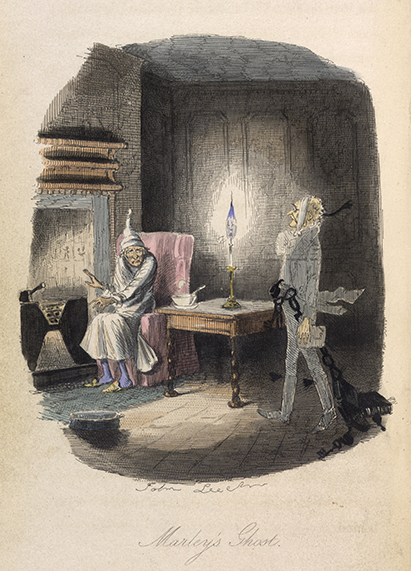
    There is no season so rich with memory, merriment, and hope as December. Dickens knew it well. In fact, he didn’t just write a moral tale—he wrote the greatest cocktail metaphor ever told (though he may not have realized it while scribbling with ink-stained fingers and a stiff glass of gin beside him).

    Marley’s Ghost – John Leech, Public domain, via Wikimedia Commons

    Because like the spirits that visit Ebenezer Scrooge, our holiday cocktail traditions exist in three forms: the drinks we cherishthe drinks we celebrate with now, and the creations that hint at where mixology is headed next.

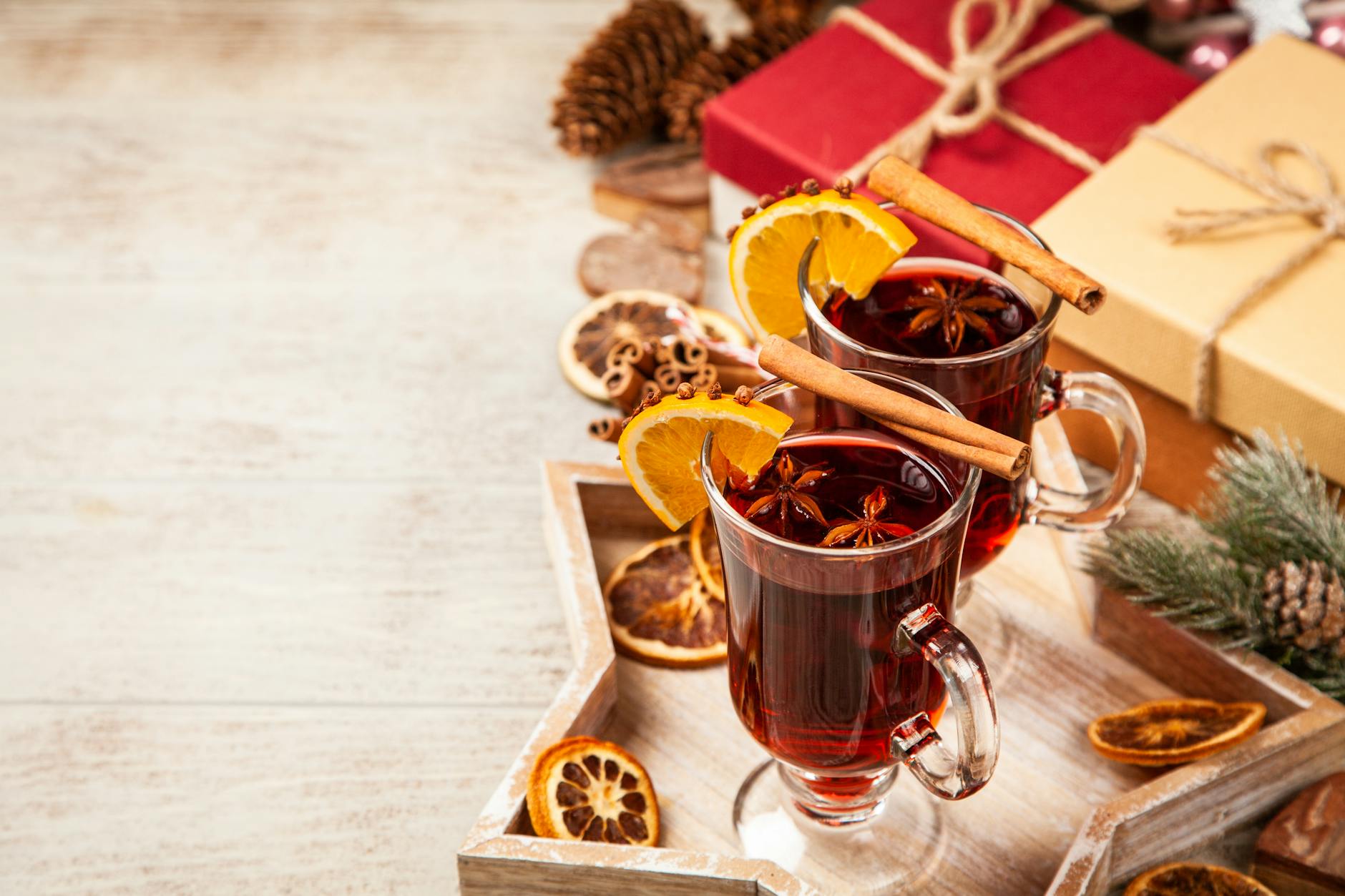
    Photo by picjumbo.com on Pexels.com

    So, slip into your warmest chair, cue the carolers in your imagination, and raise a glass to the spectral trio that defines the season.

    Mr. Fezziwig’s Ball – John Leech, CC0, via Wikimedia Commons

    The Ghost of Christmas Past — The Classic Spirit

    Before fancy garnishes and smoky showmanship, there were fireside ladles, communal mugs, and spirits strong enough to thaw London’s winter chill. The Ghost of Christmas Past isn’t showy. It favors warmth, depth, and a touch of history, inviting us to sip slowly and remember.

    Photo by George Dolgikh on Pexels.com

    Featured Cocktail: Hot Gin Punch

    A Victorian winter staple, Hot Gin Punch was ladled out at holiday gatherings and revelrous parties much like Fezziwig’s grand affair. Imagine citrus oils mingling with warming spices, dark sugars melting into juniper heat… it’s Dickens in a glass.

    Ingredients

    • London Dry Gin
    • Earl Grey tea
    • Brown sugar
    • Fresh lemon & orange slices
    • Clove, cinnamon, nutmeg
    • Dash of red wine (optional, but historically delightful)

    Method
    Warm all ingredients gently in a pot (never boiling—Scrooge would approve of restraint). Ladle into teacups or punch glasses, garnish with citrus studded with clove.

    Sip Story
    This is the drink that would have warmed Scrooge’s frozen heart long before Jacob Marley’s chains rattled through the door.

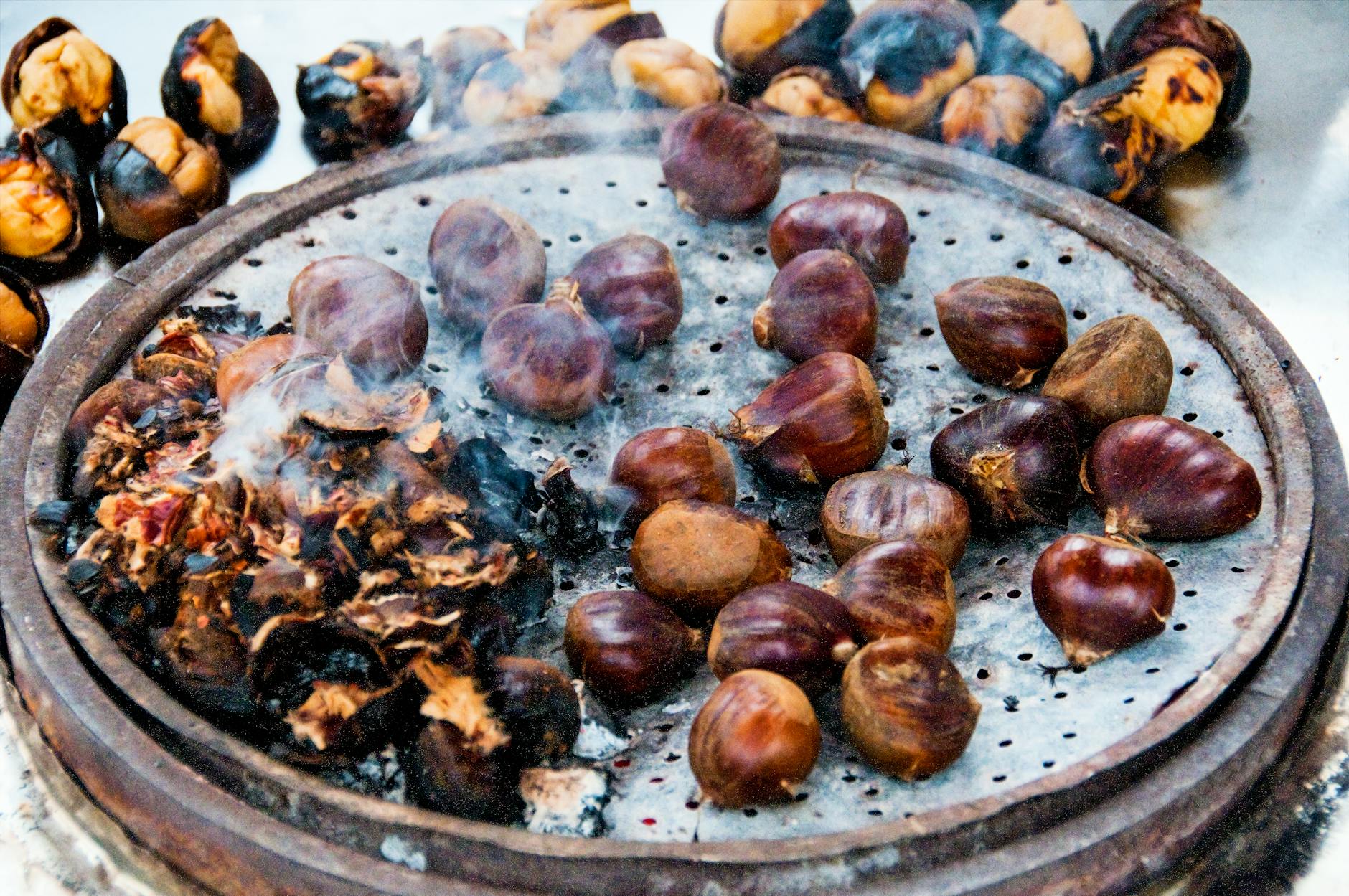
    Perfect Pairing: Roasted chestnuts or fig-pudding brownie bites.

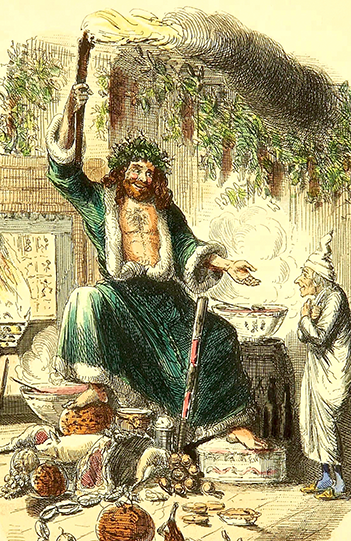
    Ghost of Christmas Present – John Leech (1843), Public domain, via Wikimedia Commons

    The Ghost of Christmas Present — The Festive Spirit

    This spirit bursts through the door with food in one hand and a goblet in the other. It laughs loudly. It believes in seconds—of dessert and cocktails. It delights in fresh cranberries, bright citrus, warm spices, and joyful excess. It’s the embodiment of Fezziwig, twirling until ribbons fly.

    Photo by Augustin Mazaud on Pexels.com
    Featured Cocktail: Spiced Cranberry Rum Sour

    A modern crowd-pleaser built for laughter, clinking glasses, and impromptu toasts from your favorite overly emotional uncle.

    Ingredients

    • Dark rum
    • Fresh lemon juice
    • Spiced cranberry syrup (cranberries + clove + orange peel + cinnamon)
    • Egg white (or aquafaba for a lighter, plant-based foam)
    • Orange bitters

    Method
    Shake all ingredients vigorously (the proper holiday shake is an elbow workout). Strain into a coupe and top with a dot or swirl of cranberry syrup.

    Sip Story
    This glass invites singing, dancing, and the sort of cheer that even Bob Cratchit wouldn’t dare water down.

    Perfect Pairing: Cranberry-orange baked brie crostini or candied pecans.

    The Ghost of Christmas Yet-to-Come — The Innovative Spirit

    Minimalist, mysterious, and a little thrilling—this ghost doesn’t reveal much. But its presence hints at the direction of cocktail culture: sustainability, global botanicals, unexpected flavor pairings, and dramatic presentation. Its message? The future is bold and intentional.

    Photo by Nestor Luis on Pexels.com
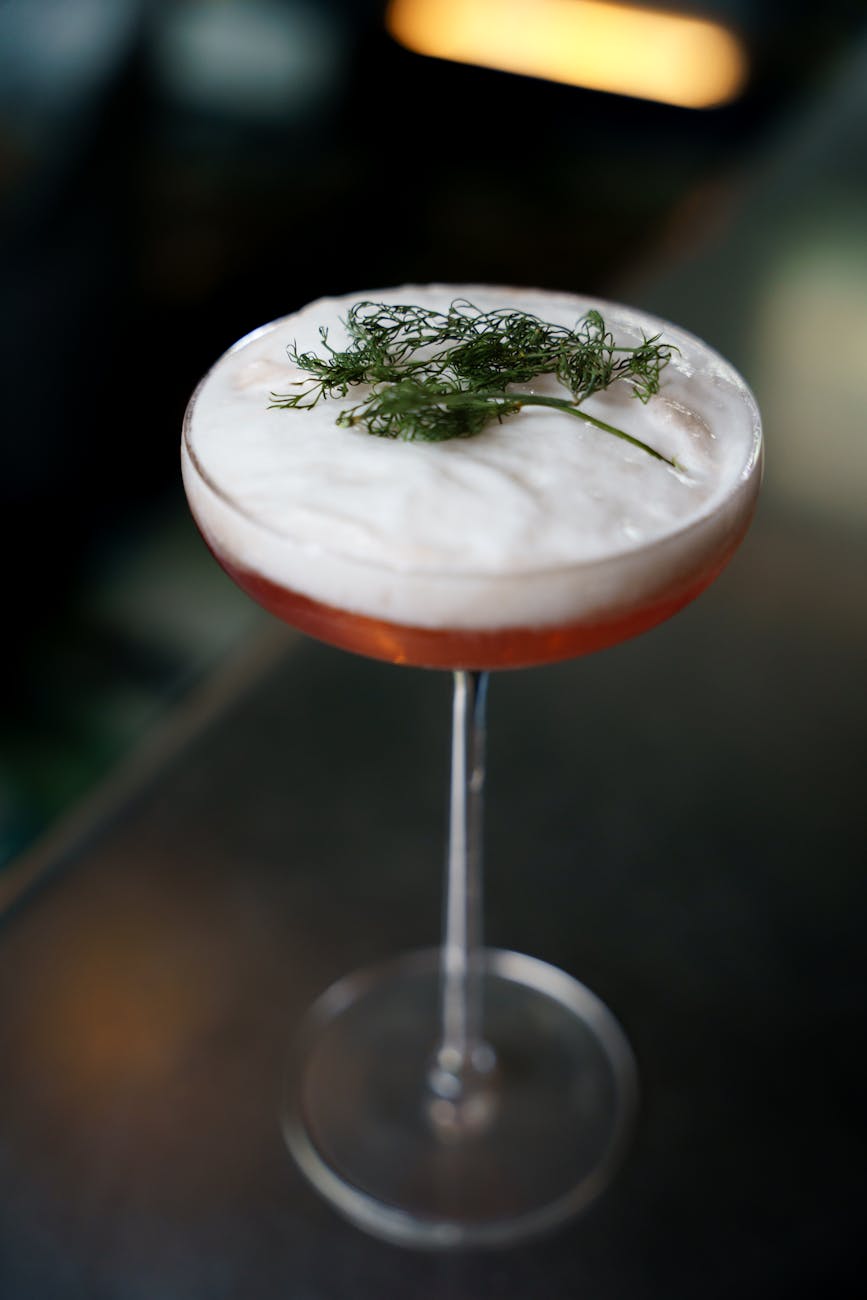
    Featured Cocktail: Smoked Herbal Aquavit Martini

    Aquavit, a caraway- and dill-driven spirit with centuries of Nordic heritage, is stepping into the modern spotlight. It speaks of a world where gin isn’t the only botanically expressive star in town.

    Ingredients

    • Aquavit
    • Dry vermouth
    • Dash of absinthe
    • Optional: smoked glass or rosemary smoke bubble

    Method
    Stir over ice until chilled and silky. Strain into a chilled martini glass. Add smoke theatrics if you feel like the Ghost is watching.

    Sip Story
    A drink that whispers more than it speaks—inviting curiosity about what cocktails we’ll be sharing a decade from now.

    Perfect Pairing: Sea-salt rye crisps with dill-cucumber cheese spread.

    A Small Pour for Scrooge

    When writing about spirits, we can’t ignore the man who changed his ways. He deserves a dessert cocktail to mark his redemption.

    Scrooge’s Walnut Flip

    Rich, velvety, nutty, and lightly sweet—proving that anyone, even a miser, can soften with enough holiday warmth.

    Key Notes

    • Amontillado sherry
    • Toasted walnut liqueur
    • Cream & egg yolk
    • Nutmeg finish

    A drink that starts stern and ends sweet. Sound familiar?

    Photo by ROMAN ODINTSOV on Pexels.com

    Raise a Glass to the Spirits That Visit Us

    We drink not just to celebrate, but to remember, and to imagine. The holidays deliver all three, wrapped like Scrooge’s journey—from memory, to gratitude, to possibility.

    So this season, sip the past with reverence, drink the present with joy, and toast to the future with curiosity.

    Cheers to the spirits who visit us—and the ones we pour. 🥂

    Inspired by Charles Dickens’ A Christmas Carol (1843). This article offers educational and interpretive commentary on classic literature through the lens of wine and spirits.

  • Trendy Cocktails: Hot Buttered Rum

    Trendy Cocktails: Hot Buttered Rum

    A Fireside Hug in a Mug.

    There’s a very specific moment each December when the cold doesn’t just feel chilly—it feels personal. Your fingertips sting, your breath turns into its own winter cloud, and suddenly every Christmas carol feels like it’s judging you for not wearing thicker socks. And it’s right in that moment—somewhere between “Let It Snow” and “Baby, It’s Cold Outside”—that the universe gently whispers: Hot Buttered Rum.

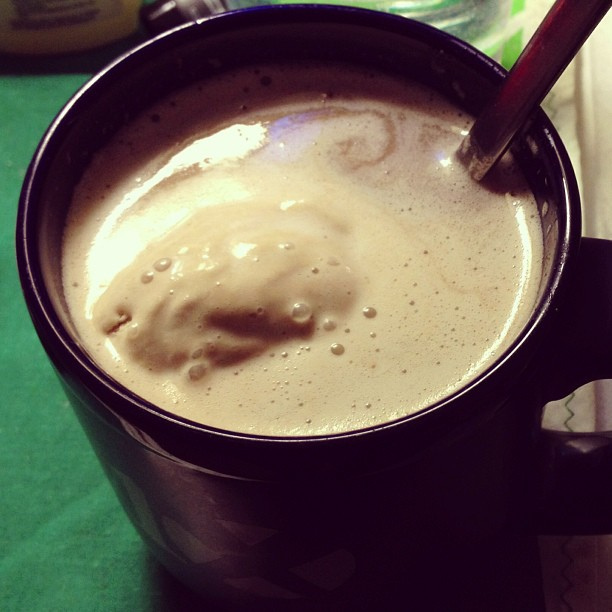
    Hot Buttered Rum – Jill Robidoux from beantown, CC BY 2.0

    This is the winter cocktail that doesn’t just warm your bones; it warms your feelings. It’s the culinary equivalent of pulling a wool blanket straight from the dryer and wrapping yourself in it like a smug burrito. Rich, spicy, sweet, buttery, and unapologetically cozy, Hot Buttered Rum has been soothing cold souls since the colonial era. But like all great classics—it benefits from a modern sommelier’s polish.

    Let’s stir up a little history, a little lore, a touch of swagger, and a very delicious twist.

    The Story of Hot Buttered Rum

    Hot Buttered Rum sits in the family of early American tavern drinks—alongside flips, nogs, and punches—that were created in a time when central heating wasn’t a thing, snow boots were made of questionable leather, and drinking something warm was a matter of survival, not indulgence.

    The drink’s rise can be traced to the triangular trade of the 1600s and 1700s, when New England ports were flooded with molasses and rum. Colonists quickly learned:

    1. Rum warms you up.
    2. Butter makes everything taste better.
    3. Spices make it feel festive rather than reckless.

    By the early 1800s, Hot Buttered Rum had become a winter staple—especially around Christmas. Lore suggests it was the unofficial beverage for colonial holiday gatherings, the chosen companion for hearthside storytelling, and the inspiration for more than a few questionable caroling decisions.

    Today, it remains a rich, nostalgic winter classic… though often made in massive batches or with pre-made “batter.” But you’re a sommelier-level drinker. You’re not scooping butter from a Tupperware. We’re elevating.

    Classic at Heart, Thoughtful in Execution

    Our version of Hot Buttered Rum doesn’t reinvent the wheel—it simply gives it a smoother ride. The foundation remains exactly as history intended: aged rum, butter, brown sugar, spice, and hot water. The only flourish is a barely perceptible pinch of cardamom, chosen not to modernize the drink, but to clarify it.

    Cardamon – Photo by Kim van Vuuren on Pexels.com

    Cardamom was traded alongside cinnamon and nutmeg during the same colonial spice routes that made Hot Buttered Rum possible in the first place. Its inclusion feels less like a twist and more like a long-overdue handshake with history. Softly citrusy, gently floral, and warming without heat, it brightens the butter and rum rather than competing with them.

    Subtle, intentional, and respectful of tradition.

    Classic Hot Buttered Rum (with a Gentle Spice Twist)

    • 2 oz aged dark rum (Demerara or rich Caribbean style preferred)
    • 1 tsp unsalted butter, softened
    • 1–2 tsp brown sugar (to taste)
    • 1 pinch ground cinnamon
    • 1 pinch freshly grated nutmeg
    • 1 very small pinch ground cardamom (the twist)
    • 4–5 oz hot water
    • Cinnamon stick or grated nutmeg, for garnish

    Instructions

    1. Warm the Mug
      Fill with hot water, swirl, and discard. (Your drink deserves a warm home.)
    2. Build the Base
      Add butter, brown sugar, cinnamon, nutmeg, and cardamom to the mug.
    3. Add the Rum
      Pour in the rum and stir until the butter melts and the sugar dissolves into a silky, fragrant base.
    4. Finish with Heat
      Top with hot water and stir gently to bring everything together.
    5. Garnish & Enjoy
      Finish with a cinnamon stick or a light dusting of nutmeg. Sip slowly.

    A Note on Rum Selection (Why It Matters Here)

    Without fruit liqueurs or additional sweetness, the rum takes center stage—and that’s exactly how this cocktail wants it.

    Look for:

    • Demerara rum for deep molasses, baking spice, and weight
    • Jamaican rum for a touch of funk and complexity
    • Aged Caribbean blends that lean round and rich rather than hot or sharp

    Avoid overly light or spiced rums—this drink already has enough character.

    This isn’t a reinvention of Hot Buttered Rum—it’s a reminder of why the original became a winter classic in the first place.

    Photo by Ioana Motoc on Pexels.com

    Pairings Built for Butter, Spice, and Rum

    With the cocktail firmly rooted in classic flavors, the food pairings follow suit—comforting, nostalgic, and holiday-driven.

    Ideal Pairings

    Gingerbread, molasses cookies, or spice cake
    The cardamom subtly enhances the baking spices without overpowering them.

    Shortbread or butter cookies
    Lean into the richness—sometimes simplicity wins.

    Aged cheddar, Comté, or Gruyère
    Sweet, salty, and nutty flavors play beautifully with the rum and butter.

    Roasted chestnuts or spiced nuts
    Echo the warmth of the drink while keeping things savory.

    Apple crisp or bread pudding
    Classic winter desserts that feel tailor-made for a warm rum cocktail.

    Moments Made for a Hot Buttered Rum

    • When the lights on the Christmas tree finally all work on the first try (or you simply stop caring).
    • After a long day holiday shopping when your feet (or fingers if you are a cybershopper) are waging a silent protest.
    • While wrapping gifts at midnight and pretending the tape isn’t actively hiding from you.
    • During your annual viewing of A Christmas Carol, making you emotionally overinvest in the Cratchit family.
    • On the porch during the rare, magical moment when it actually snows in the South (or Florida’s version: the temperature hits 52°).
    • Around the firepit with friends, where the drink becomes an unspoken agreement to linger a little longer.

    Hot Buttered Rum isn’t a cocktail—it’s a seasonal ritual. A warm, nostalgic reminder that the most wonderful time of the year deserves something richer than eggnog and more comforting than cocoa.

    Photo by u0415u0432u0433u0435u043du0438u0439 u0428u0443u0445u043cu0430u043d on Pexels.com
    So here’s to December nights, wool blankets, glowing trees, and the kind of cocktails that make even the chilliest season feel welcoming. May your rum be bold, your spices fragrant, and your spirits—holiday and otherwise—rise with every sip. Here’s to laughter that crackles like a fireplace, memories stirred gently in a warm mug, and the simple joy of savoring the season one comforting sip at a time.

    Cheers to warmth, wonder, and Hot Buttered Rum.

    Cover Photo by lil artsy on Pexels.com

  • Old World Regions: Veneto

    Old World Regions: Veneto

    Italy’s Northern Powerhouse of Wine, Culture & Quiet Brilliance.

    December is a reflective month — the harvest is done, cellars are buzzing with fermentations, and wine lovers around the world begin to ask a beautiful question: What did this year give us to drink?

    If there’s any region in Italy that deserves our attention during this season of pause and appreciation… it’s Veneto — a land where misty hills meet ancient canals, and where wine isn’t simply grown… it’s lived.

    Veneto isn’t a “wine region” — it’s twenty lifetimes of wine styles packed into one territory. From joyful Prosecco to profound Amarone. From crisp Soave to salty Lugana. From unknown grapes to international classics. Veneto is northern Italy’s quiet giant — and the more you explore it, the more it rewards you.

    Photo by Lizzie Prokhorova on Pexels.com
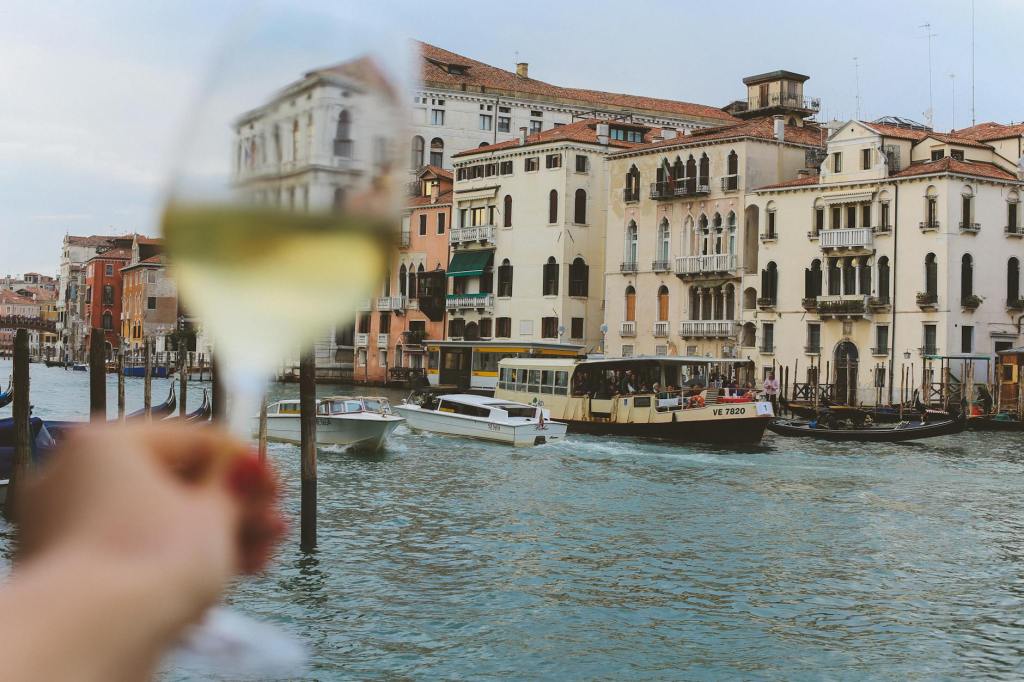
    A Glass-Shaped Map of Veneto

    Think of Veneto as three wine landscapes:

    AreaCharacterSignature Styles
    The Plains (Venice, Verona surroundings)Fresh, easy-drinkingProsecco, Pinot Grigio, Bardolino
    The Hills (Valpolicella, Soave, Conegliano)**Mineral-driven, structuredSoave, Valpolicella, Amarone, Recioto
    The Lakes (Garda area)**Saline, floral, softLugana, Chiaretto Rosé

    Veneto alone produces more wine than any other region in Italy — over 25% of the nation’s total production. But here’s the secret: quantity doesn’t overshadow quality. Some of the world’s most loved and most profound wines are born here.

    Classics of Veneto (Must-Know Wines)

    1. Prosecco DOC / DOCG — Italy’s Sparkling Smile

    • Grape: Glera
    • Profile: Pear, green apple, floral, light, friendly
    • Best With: Fried seafood, sushi, popcorn with truffle salt
    • Elevated Cocktail:
      Sgroppino — Prosecco + lemon sorbet + vodka. Yes… dreamy.

    2. Soave DOC / Soave Classico DOC — The Renaissance White

    • Grape: Garganega
    • Profile: Almonds, lemon zest, white peach, minerals
    • Why Sommeliers Love It: With age, it can taste like white Burgundy at a fraction of the price.
    • Pairing Idea:

    Try Soave Superiore if you want depth. Try Recioto di Soave if you want sweet bliss with blue cheese.

    3. Valpolicella Family — The Beating Heart of Veneto Reds

    Valpolicella isn’t a single wine — it is a ladder of complexity:

    StyleTechniqueFlavor Profile
    Valpolicella ClassicoFreshCherry, herbs
    Ripasso“Passed over” Amarone skinsDark fruit + spice
    Amarone della ValpolicellaDried grapesPowerful, intense
    Recioto della ValpolicellaSweet versionLuscious, velvety

    Somm Tip: This region invented appassimento — drying grapes to concentrate sugars & flavors. Amarone is an opus: raisins, chocolate, smoke, black cherry, licorice, leather. A winter fireplace wine.

    Food Pairings:

    Featured Wine Cocktail:
    👉 Amarone Manhattan – 1 oz Amarone, 1 oz Rye whiskey, dash of bitters, orange peel.

    4. Lugana DOC — Lake Garda’s Whisper

    • Grape: Turbiana (genetically related to Verdicchio)
    • Profile: Floral, saline, lemon curd, almond
    • Pairing Perfection:
      • Lake fish
      • Sushi
      • Caprese salad
      • Fresh mozzarella

    If you like Chablis or Pinot Grigio, try Lugana. You’ll find more flavor, more soul, and more story.

    5. Less Known… But So Worth Knowing

    RegionGrapeStyleWhy It Matters
    BreganzeVespaioloDry / sweetHidden gem. The sweet version with gorgonzola is legendary.
    Colli EuganeiMoscato GialloAromaticGreat with spicy Thai or Indian food.
    MontelloBordeaux blendsStructured redsItaly meets Bordeaux but still Italian in spirit.
    CustozaBlendCrisp whiteBetter alternative to mass Pinot Grigio.
    Photo by Enzo Iorio on Pexels.com

    The Veneto Pairing Table

    WineIdeal PairingMood
    ProseccoFried calamariCelebration or Sunday brunch
    Soave ClassicoSpring vegetablesFresh & reflective
    Valpolicella RipassoPizza or lasagnaCozy & casual
    AmaroneRoast meats, contemplationWinter fireside
    ReciotoDark chocolateDessert & decadence
    LuganaRaw seafoodCalm, lakeside evening
    Breganze TorcolatoBlue cheeseSweet & savory elegance
    Photo by Andrea Piacquadio on Pexels.com
    Wine Cocktails from Veneto

    Give your guests (or yourself) something unexpected:

    CocktailIngredientsServes With
    SgroppinoProsecco + lemon sorbet + vodkaBrunch
    Americano RosaChiaretto rosé + Campari + sodaSunset
    Amarone ManhattanAmarone + rye + bittersLate-night jazz
    Soave SpritzSoave + soda + basilGarden afternoons

    Add mint, rosemary or thyme for an aromatic lift. Veneto pairs beautifully with herbs.

    The Soul of Veneto

    Veneto doesn’t chase trends. It honors history and refines technique. From the Roman era to contemporary Michelin-starred tables, its wines remain rooted in place and focused on pleasure.

    It’s not loud. It’s not flashy. And that’s precisely why sommeliers adore it.

    👉 With every bottle from here, there’s space to pause, think, and feel.
    Perhaps, in December, that’s the kind of wine we need most.

    Wines to Try This Month

    • Pieropan Soave Classico
    • Tommasi Amarone della Valpolicella
    • Zenato Lugana
    • Masi Campofiorin (Ripasso-style)
    • Breganze Torcolato (if you can find it — worth the hunt)
    Photo by cottonbro studio on Pexels.com

    Final Pour

    The Veneto isn’t just Italy’s top producer — it is one of its most complicated and most rewarding. Familiar or obscure, sparkling or profound, its wines tell stories of mist-covered valleys, lake breezes, volcanic soils, and families who have made wine for centuries.

    The best way to understand Veneto is simple:
    Drink it slowly… and let it speak.

    Salute — to the North, and to December’s quiet reflections. 🍷✨

    Cover Photo by alleksana on Pexels.com

  • Sips of the Season: Christmas Songs & Wines That Share Their Soul

    Sips of the Season: Christmas Songs & Wines That Share Their Soul

    Because some memories need both lyrics and a glass.

    We’ve survived Black Friday. We’ve outsmarted Cyber Monday. The wrapping paper is still in the closet—but the spirit? The spirit has arrived.

    It’s time to dust off the classic Christmas records (or fine—open the streaming app), lower the lights, and pour something worthy of the season. Somewhere between the sip and the song… a truth emerges:

    Every classic Christmas song tastes like a different wine.
    Each holds a memory.
    Each deserves the right pour.

    So this year—don’t just listen. Pair.

    Photo by Street Donkey on Pexels.com
    🎵 “White Christmas” – Bing Crosby

    Wine Pairing: Chablis (Burgundy, France – Unoaked Chardonnay)

    The Vibe in the Glass

    Crisp. Elegant. Pure as freshly fallen snow. This wine doesn’t perform—it remembers. Like the song, it carries nostalgia with quiet grace.

    Set the Scene

    Dim lighting. A white candle. A slow sip in hand. The kind of evening where you begin to remember things you didn’t realize you forgot.

    Pair With:

    Photo by Frans van Heerden on Pexels.com

    🎵 “The Christmas Song (Chestnuts Roasting)” – Nat King Cole

    Wine Pairing: Aged Tawny Port

    The Story in the Sip

    This is the sound of slowing down. Toasted nuts, caramel warmth, soft edges—everything about this wine feels like turning the final page of a good year.

    Press Play, Close Your Eyes

    Fireplace optional. Reflection required. Let one memory find you tonight.

    Pair With:

    • Roasted chestnuts
    • Pecan pie or walnut tart
    • Blue cheese & fig jam

    • A journal and a pen 😉
    Photo by lil artsy on Pexels.com

    🎵 “All I Want for Christmas Is You” – Mariah Carey

    Wine Pairing: Prosecco Rosé (Veneto, Italy)

    This Pour Hits the Same Notes

    Fun. Flirty. Impossible to ignore. It’s the holiday anthem that arrives every year whether we ask for it or not—and secretly, we’re glad it does.

    Let the Moment Unfold

    Best with friends. Best with laughter. Volume high. Guilt low.

    Pair With:

    • Goat cheese & cranberry crostini
    • Spicy shrimp cocktail
    • Prosciutto-wrapped melon
    • The holiday playlist on shuffle 😉
    Photo by Alena Yanovich on Pexels.com

    🎵 “Silent Night” – Traditional

    Wine Pairing: German Riesling (Kabinett or Spätlese)

    Memory in a Bottle

    Soft sweetness. Reverent acidity. A hush in every sip. This wine isn’t just flavor—it’s peace, poured slowly.

    Sip Slowly Here

    Tree lights only. Maybe snowfall outside. This glass belongs to the quiet hour.

    Pair With:

    • Honey-baked ham
    • Baked brie
    • Apple tart
    • Instrumental carols (Yes, please)
    Photo by Syed Qaarif Andrabi on Pexels.com

    🎵 “Rockin’ Around the Christmas Tree” – Brenda Lee

    Wine Pairing: Beaujolais Nouveau

    Where This Wine Takes You

    Straight to the party. Bright fruit, lively acidity, and a touch of mischief—just like the song.

    Pour This When…

    The first guest arrives. The dancing begins. Or the kitchen becomes the dance floor.

    Pair With:

    Photo by Burak The Weekender on Pexels.com

    🎵 “Have Yourself a Merry Little Christmas” – Judy Garland

    Wine Pairing: Burgundy Pinot Noir

    The Story in the Sip

    Soft melancholy wrapped in warmth. Cherry, earth, and memory. A wine that listens while you speak.

    Your Christmas Slow-Motion Moment

    A blanket. A quiet room. A moment to admit this year meant something.

    Pair With:

    Photo by Karola G on Pexels.com

    🎵 “Feliz Navidad” – José Feliciano

    Wine Pairing: Albariño (Rías Baixas, Spain)

    The Vibe in the Glass

    Sunshine in December. Citrus, zest, laughter. It reminds us: not all Christmases are white—and joy comes in many languages.

    Press Play, Close Your Eyes

    Best enjoyed while cooking with people you love. Kitchen dancing encouraged.

    Pair With:

    Photo by Guilman on Pexels.com

    🎵 “O Holy Night” – Classic Choral or Celine Dion

    Wine Pairing: Vintage Blanc de Blancs Champagne

    Memory in a Bottle

    This wine awakens stillness. Fine bubbles, sacred silence, and a swell of emotion. A spiritual pour for a spiritual song.

    Set the Scene

    Stand. Face the tree. Let the final note linger.

    Pair With:

    Photo by Anna Shvets on Pexels.com

    🎵 “Jingle Bell Rock” – Bobby Helms

    Wine Pairing: California Zinfandel

    This Pour Hits the Same Notes

    Bold. Spicy. A little wild. This wine walks into the kitchen like it owns the place—and we love it for that.

    Let the Moment Unfold

    Turn the lights up. Turn the music louder. Cook with flair.

    Pair With:

    • BBQ wings
    • Black pepper steak
    • Bold cheddar
    • Cinnamon-spiced anything (Woo hoo)

    To the songs we grew up with,
    to the wines that help us remember,
    and to the quiet moments in between—
    cheers to Christmas in every sip. 🎄🍷

    Gregory Dean, SOMM&SOMM
    Photo by cottonbro studio on Pexels.com

    The Encore

    One final pairing—
    No lyrics.
    No melody.
    Just the sound of the season…
    and the last sip in your glass.

    That’s when the season really begins. Cheers 🍷

    If You Enjoyed This Pairing of Music & Wine…

    Pour another glass and explore how the senses connect across other art forms. These featured articles invite you to listen, read, and see wine in new ways:

    • Sipping the Notes — a jazz-inspired journey where saxophones, bass lines, and swing rhythms find their match in the glass.
    • An Intricate Dance Between Poetry & Wine — a lyrical exploration of how verses and varietals intertwine, revealing emotion through structure.
    • The Artistry of Wine — paint strokes, palettes, and regional expressions come together—an ode to the canvas found within a vineyard.

    Each article honors the same belief:
    Wine doesn’t just pair with food.
    It pairs with moments, movements, music, and meaning.

    Let your senses wander. Something memorable might be waiting in the next glass. 🍷🎷📜🖼️

    Cover Photo by Jill Wellington on Pexels.com

  • Part III: The Feast

    Part III: The Feast

    A Thanksgiving Table Worth Toasting.

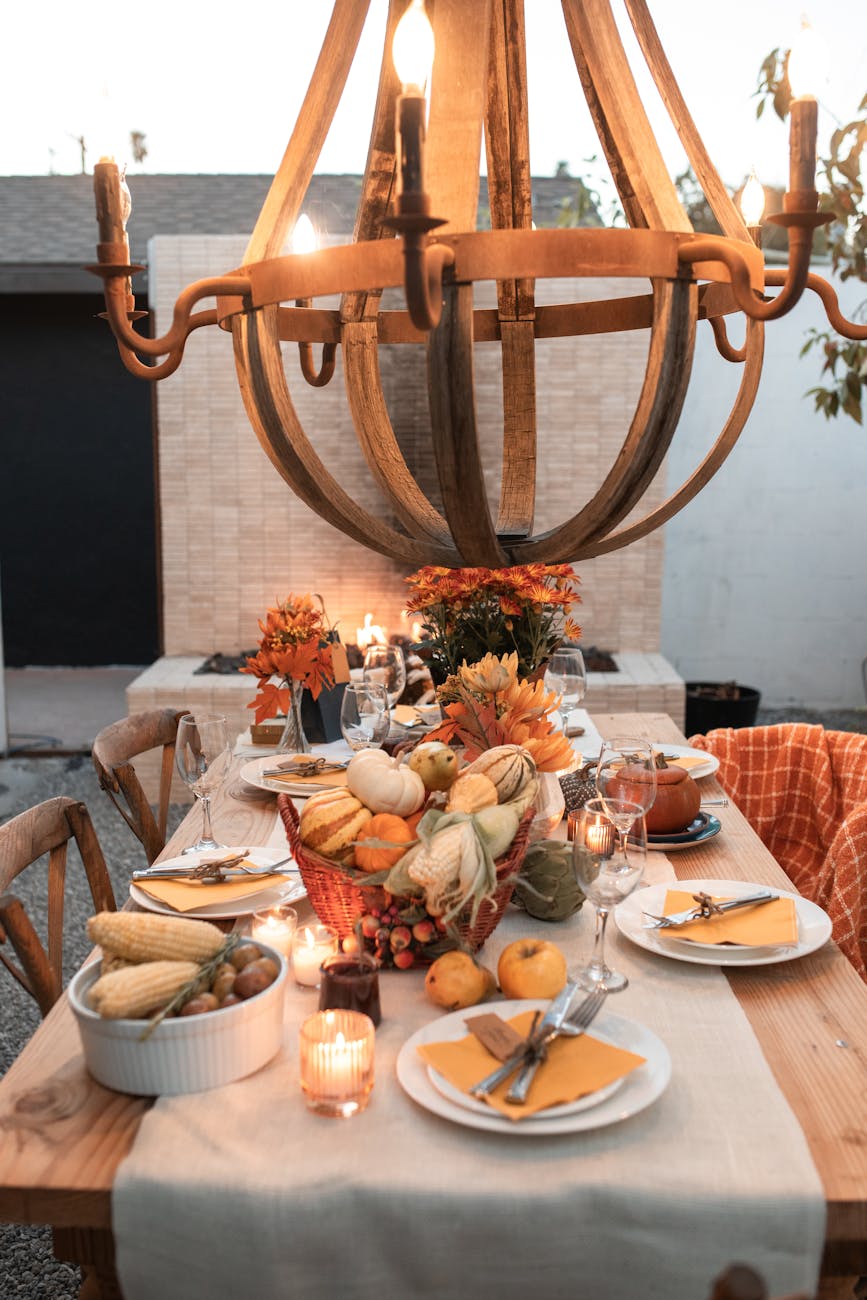
    Thanksgiving isn’t a performance — it’s a gathering. A coming together of stories, laughter, imperfections, and flavors that somehow always seem to fit. It’s the moment the whole season has been building toward, the quiet gratitude of the early November days giving way to the joyful noise of family and friends.

    And if you’ve savored the prelude — the week of reflection, cooking, and slow anticipation — you already know that Thanksgiving isn’t about rushing. It’s about tasting every note of the day, just as you would a well-crafted wine.

    Photo by RDNE Stock project on Pexels.com

    The Spirit of the Feast

    At its heart, Thanksgiving is an act of gratitude — a tradition born from the idea of sharing abundance and giving thanks for another year’s harvest. Before grocery stores and gadgets, before recipes were measured in cups and teaspoons, it was simply a meal shared between people who depended on one another.

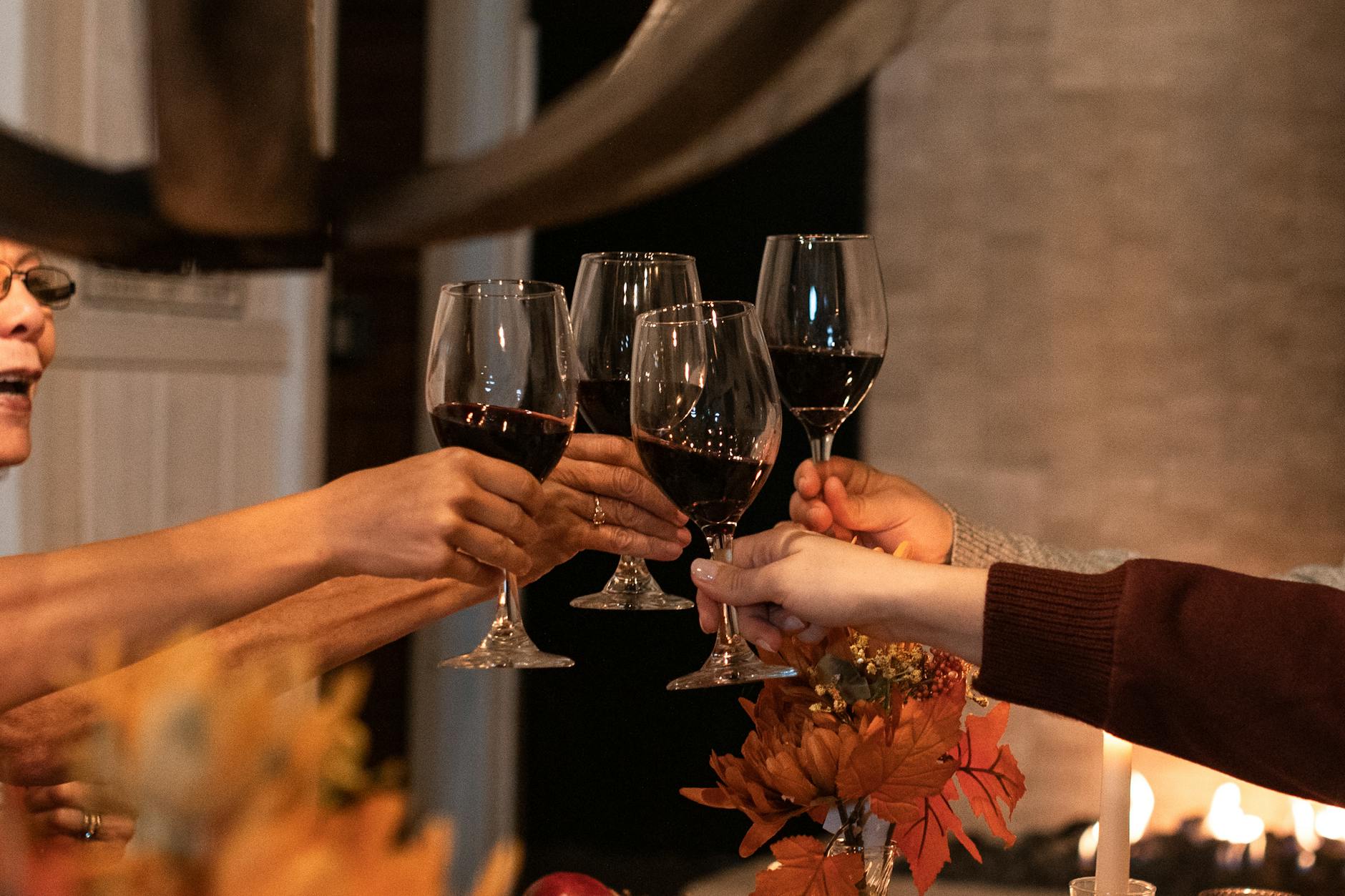
    In that sense, the Thanksgiving table isn’t just a feast — it’s a reminder that community and generosity are timeless. Every dish tells a story. Every bottle uncorked is an offering. Every toast is a small, shimmering act of appreciation.

    Photo by RDNE Stock project on Pexels.com

    The Wines of the Table

    Thanksgiving is famously one of the most wine-friendly meals of the year, but it’s also one of the most challenging. Sweet meets savory, spice meets butter, and no two plates look the same. The secret isn’t to find one perfect pairing — it’s to fill the table with wines that invite conversation and complement the diversity of flavors on every fork.

    Here’s how to think about the day, course by course.

    The Welcome Toast — Light and Lively

    The first pour sets the tone. Keep it bright, crisp, and full of energy — a gentle awakening for the palate and a nod to celebration itself.

    SOMM&SOMM Recommends:

    Pair with: Light bites — spiced nuts, baked brie, stuffed mushrooms, or shrimp cocktail.
    Sommelier’s notes: The bubbles cut through salt and richness, preparing the palate for the meal ahead while lifting spirits from the very first sip.

    The Starters — Texture and Warmth

    As the first plates appear — roasted squash soup, cranberry salads, caramelized root vegetables — it’s time for wines that echo autumn itself.

    SOMM&SOMM Recommends:

    • Riesling (off-dry from Mosel or Finger Lakes)
    • Chenin Blanc from Vouvray or South Africa

    Pair with: Sweet-savory starters like glazed carrots, roasted apples, or savory tarts.
    Sommelier’s notes: A touch of sweetness complements early-course flavors and balances any spice or tartness.

    The Main Event — Harmony Over Dominance

    Turkey is the canvas; the sides are the art. Between gravy, herbs, and stuffing, you’ll want wines that harmonize rather than compete.

    SOMM&SOMM Recommends:

    • Pinot Noir (Oregon, Burgundy, or Santa Barbara)
    • Grenache or GSM blends from the Rhône or Paso Robles
    • Chardonnay (unoaked for brightness, lightly oaked for comfort)

    Pair with: Turkey, stuffing, mashed potatoes, and all the trimmings.
    Sommelier’s notes: Pinot Noir’s bright acidity and soft tannins play well with almost every dish. Chardonnay, when balanced, provides the creamy bridge between rich and delicate flavors.

    The Unexpected Pairings — For the Adventurous

    Thanksgiving is also the perfect excuse to open something surprising.

    SOMM&SOMM Recommendations:

    • Dry Rosé from Provence or Bandol
    • Lambrusco (dry or off-dry)
    • Zinfandel from Lodi or Dry Creek Valley

    Pair with: Hearty sides, smoked meats, or sweet-savory stuffing.
    Sommelier’s notes: Rosé bridges red and white worlds beautifully. Lambrusco’s bubbles and berry notes bring fun to the table, while Zinfandel amplifies the warmth of holiday spices.

    Photo by Pixabay on Pexels.com

    The Sweet Finish — Grace in the Glass

    Dessert deserves its own quiet moment — the table calm, candles low, and the laughter softer now.

    SOMM&SOMM Recommends:

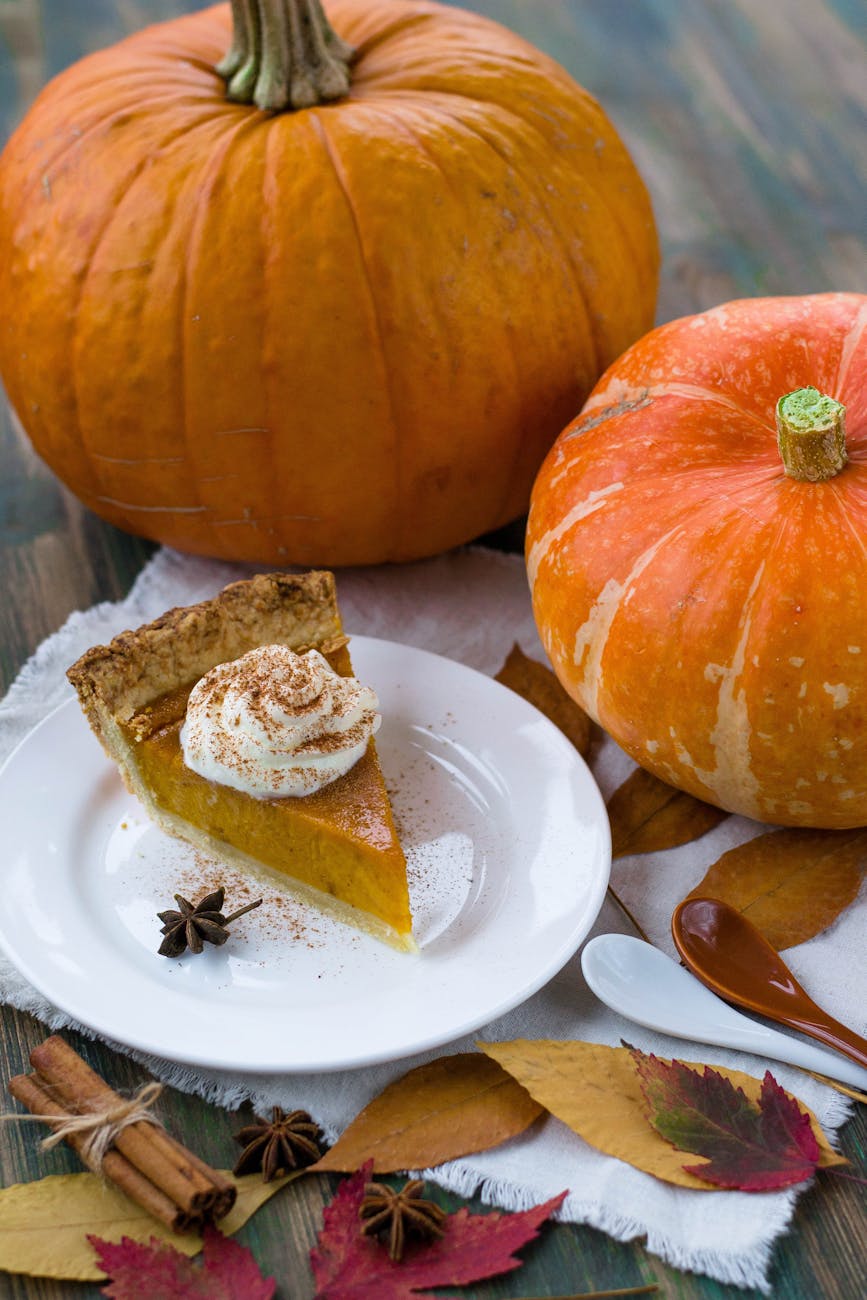
    Pair with: Pumpkin pie, pecan tart, apple crisp, or cheese boards with dried fruit.
    Sommelier’s notes: These wines mirror the season’s sweetness, adding depth to desserts without overwhelming them.

    Tammy’s Pumpkin Pie

    PASTRY FOR SINGLE-CRUST PIE

    • 1 ¼ cups All-Purpose Flour
    • ¼ tsp Salt
    • ½ cup (1 stick) Cold Unsalted Butter, cut into ½ inch pieces
    • 3 to 4 tablespoons Cold Water, as needed

    Combine flour, salt and butter in bowl.  Rub butter into flour mixture to resemble cornmeal. Add 3 tablespoons cold water and stir using fork or electric mixer, adding more water as needed, until dough is just hydrated and comes together. Shape the dough into a ball and flatten slightly. Wrap in wax paper and chill for 30 minutes. Roll dough into a circle about 1/8 inch thick. Lightly grease the pan. Place the rolled dough in the pan and crimp the edges. No need to pre-bake this crust.

    FILLING

    • 2 cups Mashed Cooked Pumpkin
    • 1 12 oz can Evaporated Milk
    • 2 Eggs
    • ¾ cup Packed Brown Sugar
    • ½ tsp Ground Cinnamon
    • ½ tsp Fresh Grated Nutmeg
    • ½ tsp Ground Ginger
    • ½ tsp Salt

    Preheat oven to 400 degrees

    Separate eggs and beat whites until soft peaks form.

    Beat the pumpkin, egg yolks, evaporated milk, eggs, brown sugar, and spices with an electric mixer until well blended. Fold in the beaten egg whites. Pour into the pie crust and bake for 40 minutes or until knife inserted comes out clean.

    Wine Beyond the Glass

    As the plates empty and the conversation lingers, you start to realize: Thanksgiving isn’t really about the food or the wine. It’s about the shared space between them — the way stories unfold between sips, how laughter softens over dessert, and how gratitude seems to fill every empty glass.

    Wine simply becomes the language of connection — a way to express joy, generosity, and the beauty of being together.

    Thanksgiving isn’t about getting to what’s next — it’s about honoring what’s now.

    Gregory Dean, SOMM&SOMM

    A Toast to What Matters

    In a world that moves too fast, Thanksgiving reminds us to slow down. It’s not the opening act of Christmas or the final note of fall. It’s its own moment — rich, deliberate, and full of heart.

    So pour the good bottle. Use the nice glasses. Light the candles and let the meal stretch long into the evening. Because Thanksgiving isn’t about getting to what’s next — it’s about honoring what’s now.

    Here’s to the people who fill your table, the stories that flavor your meal, and the wines that remind you why gratitude is best served slow.

    SOMM&SOMM Thanksgiving Series

    Photo by Craig Adderley on Pexels.com

    A Closing Note from SOMM&SOMM

    As we raise our glasses this Thanksgiving, it’s worth remembering that not every chair at the table will be filled. Some seats will stay empty — for loved ones who’ve passed, for those too far away, or for relationships still finding their way back to warmth.

    It’s in those quiet spaces — the pauses between laughter, the flicker of a candle beside an untouched plate — that Thanksgiving reveals its deeper meaning. Gratitude isn’t about perfection. It’s about presence. It’s about honoring both the joy and the ache, the abundance and the absence, and still finding reason to give thanks.

    Perhaps that’s why this holiday can feel overlooked or even avoided. It asks us to slow down, to feel, to remember. It doesn’t glitter like Christmas or thrill like Halloween — it simply invites us to be human. To gather, to share, to forgive, and to savor the fleeting beauty of now.

    So wherever you find yourself this season — whether surrounded by a crowd or holding close to a single memory — may your glass be full, your heart be open, and your gratitude unhurried.

    – With love and thanks,
    Greg & Tammy Dean, SOMM&SOMM

    Cover Photo by Monstera Production on Pexels.com

  • Part II: Pouring the Prelude

    Part II: Pouring the Prelude

    The Week Before Thanksgiving.

    By the week before Thanksgiving, excitement (and maybe a little anxiety) starts to bubble up. The fridge is slowly filling, the guest list keeps shifting, and the dining table looks more like a staging area than a place to eat.

    This is when the holiday starts to feel real — the point where anticipation meets aroma. And with a little planning (and the right bottle or two), this week can be just as enjoyable as the big day itself.

    Photo by RDNE Stock project on Pexels.com

    Monday: Lists and Light Wines

    Monday is the calm before the culinary storm. The fridge still has space, your to-do list is organized, and there’s time to think.

    Wine to sip while planning: Sancerre or Grüner Veltliner
    Bright, refreshing, and focused — they keep you alert while dreaming about the feast ahead.

    Easy pairing: Goat cheese and roasted beet salad or a quick apple and cheddar plate.

    It’s not a celebration yet — it’s about easing into the rhythm of the week, with a glass that says, “I’ve got this.”

    Photo by Daria Obymaha on Pexels.com

    Tuesday: Test Kitchen Tuesday

    This is the day for trial runs — those little recipe experiments or make-ahead dishes. Invite a friend over, open a bottle, and turn testing into a mini celebration.

    Wine pick: Beaujolais-Villages or Gamay Noir
    Playful and food-friendly, these reds match almost anything you might taste-test.

    Try with: Cranberry-glazed meatballs, stuffing muffins, or baked brie with herbs.

    These are wines that remind you cooking is supposed to be fun — not stressful.

    Photo by Nataliya Vaitkevich on Pexels.com

    Wednesday: The Night Before

    By Wednesday, the kitchen’s in full swing. The turkey’s thawed, the counters are covered, and someone’s already sampling the pie filling. This is when you need something comforting, easy, and familiar.

    Wine of choice: Chardonnay (unoaked or lightly oaked)
    It’s rich enough for a cozy meal but won’t weigh you down.

    Pair with: Herbed roast chicken, creamy soup, or even just buttered popcorn and a movie while the house fills with anticipation.

    This is the night to unwind — to exhale before the big day.

    Photo by yasminizm on Pexels.com

    Thursday Morning: A Sparkling Start

    There’s nothing like waking up on Thanksgiving morning to the smell of cinnamon and coffee, with the kitchen already humming. Before the chaos begins, take ten minutes to pause. Step outside, take in the crisp air, and toast to what’s ahead.

    Wine for the moment: Sparkling Rosé or Prosecco Superiore
    Bubbles have a way of marking a moment. They remind you this is a celebration — not just a meal.

    Pair with: Pumpkin muffins, cranberry scones, or fruit and cheese for a light breakfast spread.

    It’s the small rituals that make the day memorable.

    Wine and the Art of Anticipation

    Wine has a way of slowing time — it nudges us to notice the details: the warmth of the oven, the laughter drifting from another room, the comfort of familiar aromas. This week is about those details.

    Don’t wait for the big day to open something special. Celebrate the process — the prep, the planning, the people. Thanksgiving isn’t just about what’s on the table; it’s about what happens around it.

    Photo by cottonbro studio on Pexels.com

    Coming Next: The Feast

    In our final article — Part III: “The Feast — A Thanksgiving Table Worth Toasting” — we’ll sit down at the table together. Expect classic pairings, fresh ideas, and a few surprises for every stage of the meal — from appetizers to dessert wines.

    Until then, take this week slowly. Sip something seasonal. Laugh off the chaos. And remember: gratitude isn’t just for Thursday — it’s for every moment that leads up to it 🍷

    Cover Image: Photo by RDNE Stock project on Pexels.com

  • Trendy Cocktails: Apple Cider Whiskey Sour

    Trendy Cocktails: Apple Cider Whiskey Sour

    Autumn’s Perfect Pour.

    There’s something inherently comforting about autumn—the way the air sharpens, the evenings stretch a little longer, and the familiar scent of cinnamon, baked apples, and bonfire smoke begins to hang in the air. In the cocktail world, that shift in season invites us to rethink our staples—trading mint for spice, citrus for orchard fruit, and effervescence for warmth.

    Enter the Apple Cider Whiskey Sour—a modern twist on one of the oldest and most beloved cocktails in the canon.

    The Evolution of the Whiskey Sour

    The Whiskey Sour has been quenching thirsts and warming spirits since the mid-1800s. Its origins trace to sailors who blended citrus juice with spirits to stave off scurvy (and perhaps boredom) on long voyages. Eventually, bartenders refined the ratio of spirit, sugar, and acid into a formula so balanced it became a cornerstone of cocktail craftsmanship:
    2 parts spirit, 1 part sour, 1 part sweet.

    Our autumn adaptation doesn’t stray far from that golden ratio. Instead, it leans into the season, replacing part of the sweetness with fresh apple cider, a nod to harvest festivals, hayrides, and the comforting rhythm of fall.

    Photo by Sharefaith on Pexels.com

    The Art of the Twist

    The genius of a twist lies in evolution, not reinvention. You don’t abandon the foundation; you reinterpret it through a seasonal lens.

    In this version, apple cider adds more than sweetness—it adds texture and nuance. Its natural tannins echo those found in whiskey, creating harmony in every sip. A dash of Angostura bitters introduces a whisper of baking spice, enhancing the cider’s character while grounding the citrus brightness.

    Photo by Pixabay on Pexels.com

    Then there’s the garnish—a simple apple slice and cinnamon stick. It’s not just aesthetic; the cinnamon subtly infuses the drink as you sip, while the apple adds an aromatic cue that primes your palate for what’s to come.

    Photo by Kathrine Birch on Pexels.com

    The Science of Balance

    Behind every great cocktail lies a lesson in chemistry. The lemon juice provides the acid backbone—cutting through the cider’s sweetness and brightening the whiskey’s depth. The simple syrup rounds out the sharp edges, acting as the bridge between citrus and spirit.

    Choosing your whiskey determines the drink’s personality:

    • Bourbon brings caramel, vanilla, and a touch of sweetness.
    • Rye whiskey offers peppery spice and dry structure, elevating the drink with a little extra bite.

    A shaker of ice transforms this balanced mix into a symphony—chilling, aerating, and diluting just enough to let every note sing.

    Recipe Recap

    Apple Cider Whiskey Sour

    By Gregory & Tammy Dean, SOMM&SOMM
    From Sips & Stories: Twists on the Classics (Vol. I)


    (Yield: 1 cocktail)

    Ingredients

    • 2 oz whiskey (bourbon or rye)
    • 1 oz fresh lemon juice
    • 1 oz apple cider
    • ½ oz simple syrup (adjust to taste)
    • Dash of Angostura bitters (optional)
    • Apple slice and cinnamon stick (for garnish)
    1. Chill your glass. (Rocks or coupe—your choice.)
    2. Shake whiskey, lemon juice, cider, syrup, and bitters over ice for 15–20 seconds.
    3. Strain into your glass, neat or over ice.
    4. Garnish with an apple slice and cinnamon stick.

    Sip, savor, repeat.

    The Sensory Experience

    Take a moment before your first sip. Inhale the aroma—the citrus sparkle, the baked-apple warmth, the earthy wood of whiskey and spice. Then taste: a bright entry of lemon gives way to a rich, rounded mid-palate of apple and oak, finishing with a clean, dry whisper of cinnamon.

    This is a cocktail that evolves as it sits. The cinnamon garnish slowly releases its oils; the ice gently softens the acidity. Each sip becomes a slightly new expression of the season.

    Pairing Suggestions

    We often tell our readers that the Apple Cider Whiskey Sour is both a drink and a mood—but if you want to pair it, think rustic, autumnal, and cozy:

    • Food: roasted pork tenderloin with apples, maple-glazed carrots, or aged cheddar.
    • Cheese board: sharp white cheddar, smoked gouda, and a few candied pecans.
    • Dessert: apple crumble, spice cake, or a bourbon pecan pie (yes, please!).
    Photo by Regina Ferraz on Pexels.com

    It also plays beautifully with casual bites during a fall gathering—think caramel popcorn, roasted nuts, or applewood-smoked sausage.

    The Story Behind the Sip

    This cocktail started as a tribute to Tammy’s two great autumn loves—bourbon and apple cider. She’s a true Bourbon Girl, and when the first hint of fall hits, she dives headfirst into cider season like it’s a competitive sport. One evening, watching her savor a glass of bourbon while talking about the perfect cider blend, I had an idea: why not bring her favorites together in one glass?

    The result was the Apple Cider Whiskey Sour—bright, rich, and perfectly balanced, just like her. From that first shake and pour, I knew it would become our go-to signal that autumn had officially arrived. Now, every fall, I make the first round while she grabs the blanket and picks the movie. Some traditions just taste too good to change.

    The Season in a Glass

    The Apple Cider Whiskey Sour is more than a drink—it’s the intersection of tradition and creativity. It captures what makes cocktail culture timeless: the ability to tell new stories using familiar ingredients.

    In every sip, there’s a hint of nostalgia, a dash of innovation, and a celebration of balance—the same philosophy that inspires our entire Sips & Stories series.

    So as the nights cool and the cider flows, raise your glass.
    Here’s to tradition with a twist.
    Here’s to stories worth sipping.

    Cheers 🥃

  • Game Day Pairings

    Game Day Pairings

    Wine & Cocktails for the Armchair Quarterback.

    There’s something magical about football season. Whether it’s college Saturdays or NFL Sundays, friends and family gather around the big screen, jersey-clad and hungry, ready to cheer (and sometimes yell) at the TV. Beer has long been the default game-day drink of choice — frosty lagers with wings, hoppy IPAs with pizza, and maybe a stout with chili.

    Photo by Vitaly Gariev on Pexels.com

    But what if we took those classic pairings and gave them a sommelier’s twist? Enter wine and cocktails: unexpected, exciting, and surprisingly perfect with your favorite tailgate snacks. Here’s how to substitute your standard pint with a pour that takes game-day cuisine to new levels.

    Photo by Omar Mahmood on Pexels.com

    Wings & Chardonnay (or a Margarita Twist)

    Beer stand-in: Crisp Pilsner
    Upgrade: California Chardonnay or a Smoky Margarita

    Buffalo wings love beer — but they also love balance. A California Chardonnay with just the right oak brings a buttery backbone to tame the spice while citrus and apple notes cut through the richness. If you prefer cocktails, shake up a Smoky Margarita: mezcal for depth, lime for brightness, and a splash of orange liqueur for sweet relief against the heat.

    Smoky Margarita Recipe

    • 2 oz mezcal
    • 1 oz fresh lime juice
    • 0.5 oz Cointreau (or triple sec)
    • 0.5 oz agave nectar
    • Shake with ice, strain into a salt-rimmed glass, garnish with lime.

    Try also: SOMM&SOMM Classic Margarita Recipe

    Photo by cottonbro studio on Pexels.com

    Pizza & Chianti Classico (or Negroni Sbagliato)

    Beer stand-in: Hoppy IPA
    Upgrade: Chianti Classico or a Sparkling Negroni

    Pizza night is game day royalty. Instead of an IPA, pour a glass of Chianti Classico — the bright acidity of Sangiovese slices through gooey cheese while cherry and herbal notes sing with pepperoni or sausage. Want something more playful? A Negroni Sbagliato (with Prosecco instead of gin) is effervescent, bittersweet, and a nod to Italian flair.

    👉 “Pro tip: it’s pronounced ‘Spah-lee-AH-toh.’ If you fumble it, just smile — after a sip or two, nobody’s keeping score anyway.” 🏈🍹

    Negroni Sbagliato Recipe

    • 1 oz Campari
    • 1 oz sweet vermouth
    • 2 oz Prosecco
    • Build in a glass over ice, stir gently, garnish with an orange slice.
    Photo by Anthony Leong on Pexels.com

    Nachos & Riesling (or a Paloma)

    Beer stand-in: Mexican Lager
    Upgrade: Off-Dry Riesling or a Grapefruit Paloma

    Nachos are all about layers: salty chips, gooey cheese, spicy jalapeños, and maybe some pulled pork. An off-dry German Riesling brings zesty citrus, floral aromatics, and just enough sweetness to tame the spice. Or shake things up with a Paloma — tequila, grapefruit soda, and lime for a refreshing, citrus-driven counterpoint.

    Paloma Recipe

    • 2 oz tequila blanco
    • 0.5 oz lime juice
    • Top with grapefruit soda (Jarritos or Fresca work)
    • Salt rim optional, garnish with a grapefruit wedge.
    Photo by Piotr Arnoldes on Pexels.com

    Chili & Zinfandel (or Old Fashioned)

    Beer stand-in: Stout
    Upgrade: California Zinfandel or a Classic Old Fashioned

    Hearty, spicy chili is a Sunday staple. Instead of a stout, uncork a California Zinfandel — jammy black fruit and spice stand tall against smoky meats and heat. For cocktail fans, nothing beats an Old Fashioned: whiskey, bitters, sugar, and an orange twist. Its richness echoes the depth of the chili while keeping the palate refreshed.

    Old Fashioned Recipe

    • 2 oz bourbon or rye whiskey
    • 1 sugar cube (or 0.25 oz simple syrup)
    • 2 dashes Angostura bitters
    • Stir with ice, strain over a large cube, garnish with orange peel.
    Photo by Juan Santos on Pexels.com

    Sliders & Sparkling Rosé (or French 75)

    Beer stand-in: Amber Ale
    Upgrade: Sparkling Rosé or a French 75

    Sliders may be small, but they’re packed with flavor — especially when piled high with cheese, pickles, and sauce. Sparkling Rosé cuts the richness with bubbles while berry notes match the savory-sweet balance of the burger. For a cocktail play, the French 75 adds gin botanicals and Champagne sparkle to the mix.

    French 75 Recipe

    • 1 oz gin
    • 0.5 oz fresh lemon juice
    • 0.5 oz simple syrup
    • Shake, strain into flute, top with 2 oz Champagne, garnish with lemon twist.
    Photo by Alejandro Aznar on Pexels.com

    Final Play: Dessert & Port (or Espresso Martini)

    Don’t forget the fourth quarter sweet tooth. For brownies or cookies, swap milk stout for Ruby Port — sweet, fruity, and indulgent. Or kick into overtime with an Espresso Martini, a modern classic that blends vodka, coffee liqueur, and espresso — the perfect nightcap after a day of touchdowns.

    Espresso Martini Recipe

    • 2 oz vodka
    • 0.5 oz coffee liqueur (Kahlúa)
    • 1 oz freshly brewed espresso (cooled)
    • Shake hard with ice, strain into coupe, garnish with 3 coffee beans.

    Here’s to touchdowns and tailgates, rivalries and replays, wings and wine, cocktails and camaraderie. May your team win — and may your glass never be empty. 🍷🏈🍸

    Gregory and Tammy Dean, SOMM&SOMM

    Cover Photo by Jean-Daniel Francoeur on Pexels.com

  • Varietal Spotlight: Cabernet Franc

    Varietal Spotlight: Cabernet Franc

    The Unsung Hero of the Vineyard.

    When Cabernet Sauvignon and Merlot take the spotlight, it’s easy to forget the quiet genius standing in the wings: Cabernet Franc. Without this noble grape, the wine world would look very different. It’s the parent of both Cabernet Sauvignon and Merlot, yet it remains one of the most underrated varietals on the shelf.

    Cabernet Franc is the sommelier’s secret weapon—perfumed, versatile, food-friendly, and surprisingly age-worthy. Let’s explore its origins, where it shines, and why it belongs in your glass.

    Photo by Andrew Patrick Photo on Pexels.com

    Origins & History

    Cabernet Franc first appeared in 17th-century France. Cardinal Richelieu is said to have brought cuttings to the Loire Valley, where monks tended it carefully in Bourgueil and Chinon. The grape was affectionately called “Breton”, named after Abbot Breton, one of its earliest champions.

    Modern DNA profiling unlocked its true importance: Cabernet Franc is the parent of Cabernet Sauvignon (crossed with Sauvignon Blanc) and Merlot (crossed with Magdeleine Noire des Charentes). Without it, Bordeaux as we know it would not exist.

    Where Cabernet Franc Shines

    Loire Valley, France – The Spiritual Home

    Agne27, CC BY-SA 3.0, via Wikimedia Commons

    Pairing Tip: Loire Cab Franc is perfection with roast chicken, duck breast, or chèvre (goat cheese).

    Bordeaux, France – The Architect of Blends

    In the Right Bank (Pomerol & St-Émilion), Cabernet Franc adds aromatics and finesse to Merlot-driven blends.

    • Iconic Example: Château Cheval Blanc (St-Émilion), often 60% Cabernet Franc.
    • Flavor Profile: Black cherry, cedar, crushed gravel.
    • Best With: Lamb, venison, or a rich beef bourguignon.

    Italy – Rustic Charm Meets Power

    • Friuli-Venezia Giulia: Savory, herbal, and earthy.
    • Tuscany (Bolgheri): Super Tuscan producers use Cab Franc for power and polish.

    Must-Try Bottles:

    Food Match: Wild boar ragù, porcini risotto, or bistecca alla Fiorentina.

    New World – A Rising Star

    • United States: Napa, Sonoma, Washington, and New York’s Finger Lakes deliver everything from ripe berry-driven Cab Franc to Loire-inspired elegance.
    • Argentina (Uco Valley): Bold and mineral, with vibrant fruit. Try El Enemigo Cabernet Franc.
    • South Africa (Stellenbosch): Spice-driven, earthy examples from producers like Warwick Estate.
    Photo by ROMAN ODINTSOV on Pexels.com

    In the Glass: Tasting Profile

    • Aromas: Violet, graphite, raspberry, redcurrant, pencil shavings, pepper, and sometimes a signature green bell pepper note.
    • Palate: Medium body, moderate tannins, fresh acidity, with a spectrum from juicy red fruit to earthy spice.
    • Aging Potential: Excellent. With time, Cab Franc evolves into flavors of truffle, leather, and tobacco.

    Food Pairing Ideas

    Cabernet Franc’s elegance and acidity make it one of the most food-friendly red wines.

    •  Duck breast with cherry gastrique → Loire Cab Franc
    •  Goat cheese & charcuterie → Chinon
    •  Mushroom & lentil ragù → Saumur-Champigny
    •  Herb-marinated lamb chops → St-Émilion
    •  Stuffed peppers or mushroom stroganoff → Friuli Cab Franc

    Recipes to Try with Cabernet Franc

    Duck Breast with Cherry-Red Wine Sauce

    Pair With: Chinon or St-Émilion

    Ingredients (serves 2):

    • 2 duck breasts, skin scored
    • 1 cup pitted cherries
    • ½ cup Cabernet Franc
    • 1 tbsp balsamic vinegar
    • 1 tbsp butter
    • Salt & pepper
    1. Season duck, sear skin-side down until crisp (8 min). Flip, cook 3–4 more minutes. Rest.
    2. Deglaze pan with Cab Franc, add cherries & balsamic, reduce to syrup.
    3. Whisk in butter, slice duck, serve with sauce.

    Mushroom & Lentil Ragù (Vegetarian Comfort)

    Pair With: Saumur-Champigny or Friuli Cabernet Franc

    Ingredients (serves 4):

    • 1 cup green lentils, cooked
    • 2 tbsp olive oil
    • 1 onion, diced
    • 3 cloves garlic, minced
    • 1 lb mushrooms (mixed), chopped
    • 1 tsp thyme
    • 1 cup vegetable stock
    • ½ cup Cabernet Franc
    • Salt, pepper, parsley

    Method:

    1. Sauté onion & garlic in olive oil until golden. Add mushrooms & thyme, cook until browned.
    2. Deglaze with Cab Franc, reduce. Add lentils & stock, simmer until thick.
    3. Serve over creamy polenta or pasta.

    Fun Facts & Lore

    • Cabernet Franc is sometimes called “the poet’s grape” in the Loire.
    • Without Cab Franc, we wouldn’t have Cabernet Sauvignon, Merlot, or Carmenère.
    • Sommeliers often call it their desert island red—it pairs with nearly everything.
    • Cabernet Franc tends to ripen earlier than Cabernet Sauvignon, making it valuable in cooler climates.

    Final Pour

    Cabernet Franc may never command the fame of Cabernet Sauvignon, but it brings an elegance, fragrance, and food-friendliness all its own. Whether you’re sipping a Loire Valley Chinon (my favorite), a Tuscan Paleo Rosso, or an Argentine El Enemigo, you’re drinking history—and the soul of Bordeaux itself.

    Next time you’re browsing bottles, reach for the unsung hero. Your palate (and dinner table) will thank you. Cheers 🍷

    Cover photo by Ursula Brühl, Julius Kühn-Institut (JKI), Federal Research Centre for Cultivated Plants, Institute for Grapevine Breeding Geilweilerhof – 76833 Siebeldingen, GERMANY, CC BY-SA 4.0, via Wikimedia Commons

  • Portugal Uncorked

    Portugal Uncorked

    Exploring the Heart and Soul of Portuguese Wines.

    When people hear “Portugal,” their minds often jump to Port—those rich, fortified wines enjoyed by candlelight or at the end of a decadent meal. But to focus solely on Port is to miss the vast and vibrant wine world that Portugal offers. From crisp whites kissed by the Atlantic breeze to sultry reds born from sun-drenched valleys, Portugal is one of Europe’s most exciting, diverse, and underrated wine-producing countries.

    A Glimpse Into Portugal’s Wine Legacy

    Portugal’s winemaking history stretches back over 4,000 years. The Phoenicians, Romans, Moors, and even the Knights Templar played a part in shaping the country’s viticultural heritage. Unlike many European countries that focus heavily on international varietals, Portugal leans proudly into its indigenous grapes—with over 250 native varieties cultivated across a tapestry of microclimates and terroirs.

    The result? Wines that are authentically Portuguese—flavorful, food-friendly, and full of character.

    Key Portuguese Wine Regions & Their Distinctive Wines

    Photo by Olga Shenderova on Pexels.com

    Vinho Verde (Minho) – Crisp, Zesty, Youthful Whites

    Located in the lush, green northwest, Vinho Verde literally means “green wine,” but the name refers to the wine’s youthfulness rather than its color.

    • Signature Grapes: Alvarinho (Albariño in Spain), Loureiro, Arinto
    • Style: Light-bodied, often slightly effervescent with high acidity
    • Tasting Notes: Lime, green apple, melon, fresh herbs
    • Perfect Pairing: Grilled sardines, shrimp ceviche, Vietnamese spring rolls

    Recipe Pairing: Portuguese Shrimp Rice (Arroz de Marisco)
    A tomato-based seafood rice dish brimming with clams, mussels, and prawns. Vinho Verde cuts through the richness with zippy freshness.

    Douro Valley – Rugged Reds & Legendary Ports

    One of the oldest demarcated wine regions in the world (est. 1756), the Douro is home to breathtaking terraced vineyards carved into steep schist hillsides. Though known for Port, it also produces powerful dry red wines.

    • Signature Grapes: Touriga Nacional, Tinta Roriz (Tempranillo), Touriga Franca
    • Style: Bold, structured reds with dark fruit and floral elegance
    • Tasting Notes: Black cherry, violet, slate, cocoa
    • Perfect Pairing: Lamb stew, grilled ribeye, mushroom risotto
    Photo by Andrew McLeod on Pexels.com

    Recipe Pairing: Portuguese Lamb Stew (Ensopado de Borrego)
    Slow-cooked lamb with garlic, red wine, and bay leaves. A Douro red complements the intensity with grace and power.

    Dão – Elegant, Age-Worthy Reds

    Tucked inland, the Dão region is often dubbed the “Burgundy of Portugal” for its finesse and structure.

    • Signature Grapes: Touriga Nacional, Alfrocheiro, Jaen (Mencía)
    • Style: Earthy, medium- to full-bodied reds with freshness and ageability
    • Tasting Notes: Raspberry, leather, dried herbs, mineral
    • Perfect Pairing: Duck breast, truffle pasta, mushroom-lentil burgers

    Alentejo – Warm, Generous, Sun-Kissed Wines

    Covering nearly a third of the country, Alentejo’s sun-baked plains yield juicy, approachable reds and ripe whites. Often the gateway region for those new to Portuguese wines.

    • Signature Grapes: Antão Vaz, Aragonês (Tempranillo), Trincadeira
    • Style: Plush reds and full-bodied whites
    • Tasting Notes: Baked plum, vanilla, almond, honeysuckle
    • Perfect Pairing: BBQ chicken, pork tenderloin, creamy polenta

    Bairrada – Sparkling Gems and Baga’s Boldness

    Coastal Bairrada is the land of sparkling wines and the quirky red grape Baga, which produces tannic, high-acid reds that age magnificently.

    • Signature Grapes: Baga (red), Maria Gomes, Bical (white)
    • Style: Lean sparkling wines, and tannic, age-worthy reds
    • Tasting Notes: Cranberry, tobacco, tart cherry, wet earth
    • Perfect Pairing: Duck confit, aged Manchego (my favorite), Portuguese suckling pig (Leitão)

    Setúbal Peninsula – Fortified Muscat Magic

    Known for Moscatel de Setúbal, a fortified sweet wine made from Muscat of Alexandria.

    • Tasting Notes: Orange blossom, caramelized fig, spice
    • Pairing Tip: Enjoy with blue cheese, orange tart, or cinnamon custard pastries

    The Undiscovered Whites of Portugal

    Beyond Vinho Verde, Portugal’s white wines are fascinating and food-loving. Look for:

    • Encruzado (Dão): Balanced and age-worthy, similar to white Burgundy.
    • Antão Vaz (Alentejo): Rich, creamy whites with citrus and stone fruit.
    • Arinto (all over): High-acid, lemony whites with aging potential.

    These whites shine with shellfish, creamy cheeses, roast chicken, or herbed pork.

    Photo by Charlotte May on Pexels.com

    Sangria Portuguesa: A Rustic & Robust Red Sangria

    A summer favorite—this recipe puts a Portuguese twist on sangria by using a bold red from the Douro or Alentejo, and infusing it with the flavors of the Iberian countryside.

    Sangria do Douro

    • 1 bottle Douro Red Wine (Touriga Nacional blend)
    • 1/4 cup Aguardente (or brandy)
    • 1/4 cup orange liqueur (like Licor Beirão or Cointreau)
    • 1/4 cup fresh orange juice
    • 2 tablespoons brown sugar
    • 1 cinnamon stick
    • 1 sliced orange
    • 1 sliced apple
    • 1/2 cup sliced red grapes
    • 1/2 cup sparkling water (or tonic) for a refreshing fizz
    • Optional: fresh mint sprigs
    1. In a large pitcher, combine sugar, fruit, cinnamon, and juice. Muddle lightly.
    2. Add red wine, aguardente, and orange liqueur. Stir well.
    3. Chill for 4+ hours or overnight.
    4. Just before serving, add sparkling water and stir gently.
    5. Garnish with mint and serve over ice.

    Pair with:

    • Spicy grilled chorizo
    • Tapas-style cheeses and olives
    • Roast chicken with peri-peri seasoning

    Related Article: Sangria: A Storied Sip Through Time, Terroir, and Tradition

    Portuguese Cheese & Wine: A Match Made in the Douro

    • Queijo da Serra + Dão Red: Creamy, nutty sheep’s milk cheese with earthy reds.
    • Azeitão + Arinto: A rich, buttery cheese offset by citrusy freshness.
    • São Jorge + Alentejo Red: Hard cow’s milk cheese with meaty, bold reds.
    Photo by Maria das Dores on Pexels.com

    Why Portugal Deserves Your Glass

    Portuguese wines offer unmatched value, diversity, and authenticity. They bridge old-world charm with fresh energy, and speak proudly of their roots. Whether you’re sipping a chilled glass of Vinho Verde on the porch or pairing a brooding Douro red with grilled lamb, you’re experiencing centuries of history in a single glass.

    So the next time you’re exploring a wine shop, skip the predictable and say “sim” to Portugal. Saúde! 🍷

    SOMM&SOMM Recommended Wines to Try:

    Cover Photo by Kampus Production on Pexels.com