Category: Recipes

  • Beyond Bordeaux

    Beyond Bordeaux

    Emerging Regions and Grapes to Know.

    Bordeaux, Napa, Tuscany—we love them, we know them, we celebrate them. But what if I told you that some of the most exhilarating wines today are coming from volcanic islands, foggy valleys, or vineyards nestled between deserts and ocean? And what if I told you that grapes you’ve barely heard of are producing wines that rival—and in some cases outperform—the greats?

    Welcome to the vinous underworld of Assyrtiko, Chenin Blanc, and a global constellation of rising stars. This isn’t wine snobbery. This is wine discovery. This is beyond Bordeaux.

    Photo by gravity cut on Pexels.com

    Assyrtiko – Greece’s Salty, Sun-Kissed Secret

    Origin: Santorini, Greece
    Style: Bone-dry, citrus-driven white with volcanic minerality and thrilling acidity

    How to Pronounce Assyrtiko (Without Spitting Your Spanakopita):
    It’s Ah-SEER-tee-koh, not “A-sir-tick-oh,” “Ass-er-what-now,” or “A-sushi-taco” (yes, we’ve heard it all).

    Just remember:
    It’s crisp, not cryptic.
    Greek to you? Not anymore!

    Say it right and the bottle just might pour itself. 😄

    The Story

    Born on the sun-drenched, wind-scoured island of Santorini, Assyrtiko is a survivor. These ancient vines, many over 70 years old and ungrafted due to phylloxera-free volcanic soil, are trained in a unique “kouloura” (basket) shape to protect the grapes from fierce Aegean winds.

    In the Glass

    Imagine squeezing a lemon over a pile of wet rocks while standing on a Mediterranean cliffside 😂. That’s Assyrtiko. It’s bracing. Salty. Electric. A wine that doesn’t ask for your opinion—it commands your attention.

    Flavors: Lemon peel, flint, saline, white peach
    Pairings: Grilled octopus (I’m looking at you, Dima), oysters, feta-stuffed peppers, lemon chicken, or sushi with a citrus ponzu

    Where Else to Find It

    • Drama & Macedonia (Northern Greece): Rounder, fruitier expressions
    • Australia (Clare Valley, McLaren Vale): New World spice and texture
    • California (Paso Robles, Lodi): Experimental vineyards are testing the grape’s heat tolerance

    SOMM&SOMM Tip: Want to impress at your next seafood dinner? Bring an Assyrtiko. It’s the Chablis-lover’s Greek cousin.

    Agne27, CC BY-SA 3.0, via Wikimedia Commons

    Chenin Blanc – The Shape-Shifter from the Loire (and Beyond)

    Origin: Loire Valley, France
    Style: Anything from bone-dry to unctuously sweet to méthode traditionnelle sparkling

    The Story

    Once dismissed as a workhorse white in bulk wine, Chenin Blanc is having a renaissance. It’s the ultimate chameleon—able to take on almost any style and terroir. In the Loire, it’s noble and restrained. In South Africa, it’s exuberant and tropical. In California, it’s quietly staking its claim as the “next big thing.”

    In the Glass

    Chenin Blanc offers an orchestra of orchard fruit, flowers, acidity, and a waxy texture that makes sommeliers swoon. Dry or sweet, still or sparkling, there’s a Chenin for every mood.

    Flavors: Green apple, quince, lanolin, honeysuckle, citrus zest
    Pairings: Thai curry, pork chops with apples, roast duck, spicy ramen, goat cheese, or peach cobbler (for off-dry versions)

    Dean Family Recipe 😉

    Where It Shines

    • Loire Valley (Vouvray, Savennières): Regal and layered
    • South Africa (Stellenbosch, Swartland): Zesty, tropical, and textural
    • California (Clarksburg, Mendocino): Bright with honeysuckle and stone fruit
    • India (Nasik Valley): Light-bodied and floral, perfect with spicy dishes

    SOMM&SOMM Tip: Always check the label for sweetness level. A dry Savennières and a demi-sec Vouvray are two very different animals—but equally delicious in their own way.

    Beyond the Grapes – Global Terroirs You Need to Know

    Let’s go even further beyond the usual suspects. Here are four emerging wine regions—and their must-try grapes—that should be on every wine lover’s radar:

    Valle de Guadalupe, Mexico

    Signature Grapes: Nebbiolo, Tempranillo, Chenin Blanc
    Style: Bold reds and zesty whites with desert-meets-ocean personality
    Why It Matters: Baja California’s Valle de Guadalupe is like Napa in the 1970s—experimental, passionate, and still defining itself. Hot days, cool nights, and ocean breezes create a perfect storm of ripeness and elegance.

    Try: Monte Xanic Chenin Colombard blend – refreshing, floral, and great with fish tacos.

    Tokaj, Hungary (but Not Just for Sweet Wines!)

    Signature Grapes: Furmint, Hárslevelű
    Style: Bone-dry, mineral whites that can age for decades
    Why It Matters: While famous for its dessert wines, Tokaj is finally getting recognition for its dry styles—Furmint especially, which offers Riesling-like acidity with the texture of white Burgundy.

    Try: Dry Furmint with roast chicken or miso-glazed cod.

    Uruguay

    Signature Grapes: Tannat, Albariño
    Style: Structured reds, salty whites
    Why It Matters: This small South American country is quietly producing elegant Tannat (yes, the beastly grape from Madiran) with softer tannins, plus gorgeous coastal Albariño that rivals Galicia’s best.

    Try: Garzón Albariño with ceviche or grilled shrimp.

    England

    Signature Grapes: Chardonnay, Pinot Noir (Sparkling Wine)
    Style: Traditional method sparkling with high acidity and chalky minerality
    Why It Matters: English sparkling wine is no longer a joke—it’s a juggernaut. With chalk soils like Champagne and a warming climate, producers in Sussex and Kent are now winning international blind tastings.

    Photo by Petra Ryan on Pexels.com

    Try: Nyetimber or Gusbourne Brut with fish and chips (seriously).

    Why You Should Drink Beyond Bordeaux

    We’re not saying give up your Bordeaux blends, your Brunellos, or your Barolos. We’re saying your palate deserves a passport. There’s never been a better time to explore terroirs that aren’t bound by tradition. These regions and grapes—Assyrtiko, Chenin Blanc, Furmint, Tannat, Albariño, and beyond—are writing a new chapter in the world of wine. One where the map is still being drawn.

    Photo by cottonbro studio on Pexels.com

    So next time you shop or dine, go off the grid. Ask for something weird. Order something unpronounceable. And raise a glass to the next great classic.

    Cheers to the future of wine 🍷

    Gregory and Tammy Dean are sommeliers, wine educators, and co-creators of the SIPS & STORIES book series. When they’re not exploring emerging wine regions or debating whether Assyrtiko is better than Chablis (spoiler: sometimes it is), they’re helping wine lovers drink better, bolder, and beyond the expected.

    Cover photo by ongchinonn, CC0, via Wikimedia Commons
  • Varietal Spotlight: Txakoli

    Varietal Spotlight: Txakoli

    Spain’s Slightly Fizzy, Totally Zesty Coastal Secret.

    Picture this: You’re sitting on a seaside terrace in the Basque Country of northern Spain. A server approaches with a green bottle, lifts it shoulder-high, and pours a stream of white wine into your glass from a foot above. You hear a faint hiss, a subtle fizz, and then—boom—Txakoli (pronounced cha-koh-LEE) hits your palate with a zippy, citrusy splash like a wave crashing over coastal rocks.

    Txakoli isn’t just a wine. It’s a vibe. A ritual. A slightly spritzy, bone-dry, and utterly refreshing local treasure that, somehow, still flies under the radar internationally. But not for long. Because once you’ve tasted its brisk acidity and sea-salty tang, your palate will be hooked for life.

    Origins of Txakoli

    Txakoli hails from Basque Country, a region defined by rugged coastlines, lush green hills, and a fiercely proud culture that speaks its own language (Euskara). The wine has been made here for centuries, often by families for local consumption. For a long time, it was dismissed as rustic peasant wine—never meant to leave the village.

    But that’s changed dramatically. Modern producers have embraced quality winemaking techniques, and Txakoli (or Chacolí, in Spanish) is now one of the most exciting white wines in Europe, perfect for the modern drinker who’s over oaky butter bombs and sweet Rieslings.

    Euskaldunaa, CC BY-SA 4.0, via Wikimedia Commons

    Three Main Denominations of Txakoli

    Getariako Txakolina (DO Getaria):

    The most famous and classic style. Pale, slightly fizzy, green-apple fresh, and made primarily from the Hondarrabi Zuri grape. This is the one you’ve seen being aerated from a height at seaside pintxo bars.

    Bizkaiko Txakolina (DO Biscay):

    More inland. The wines tend to be rounder and more aromatic, with floral and stone fruit notes. Less spritzy but still very fresh.

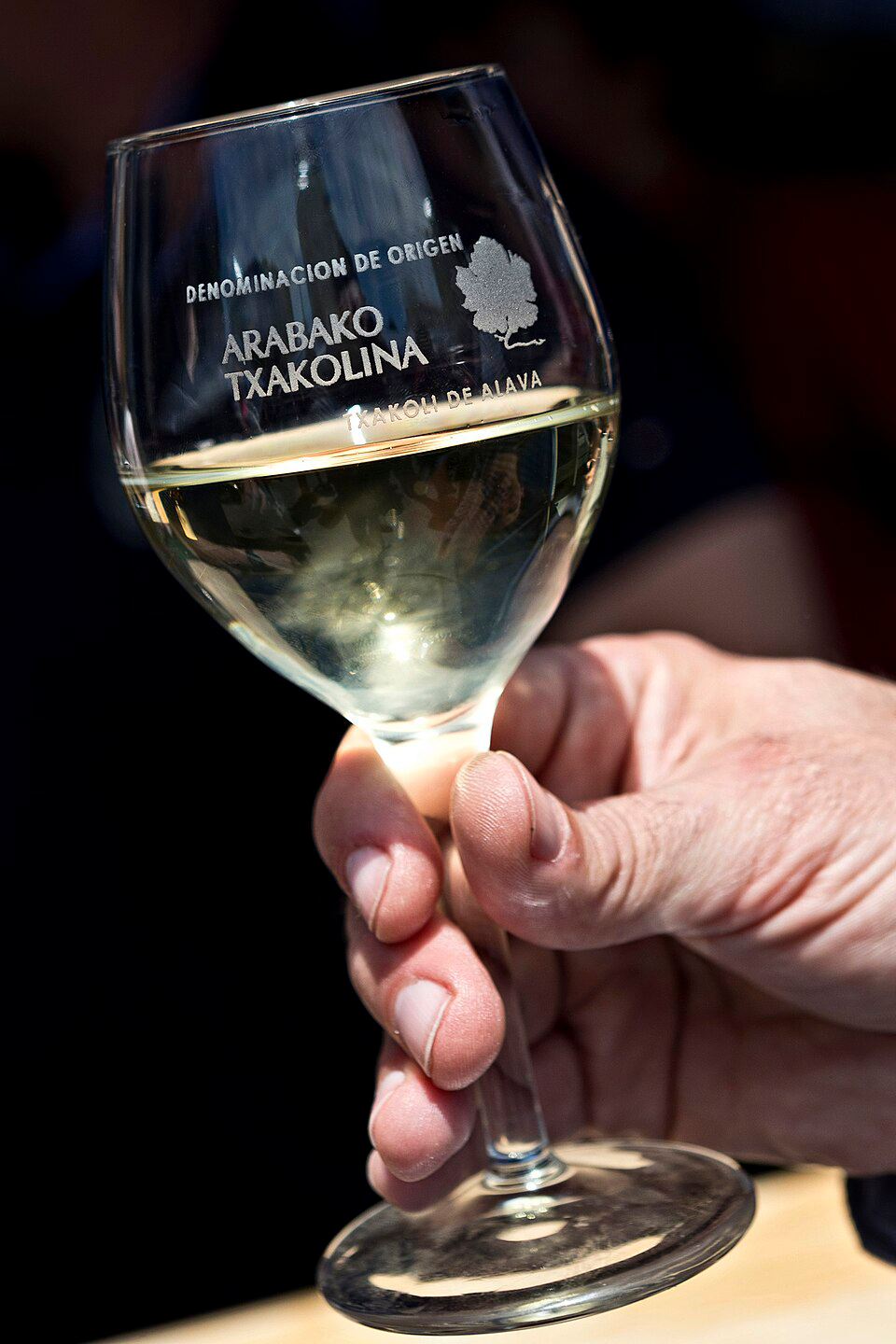
    Arabako Txakolina (DO Álava):

    The smallest and highest elevation region. Here, Txakoli can show more elegance and minerality. Perfect for those who appreciate wines with depth and structure.

    Image by Juan Carlos Latxaga, CC BY-SA 4.0, via Wikimedia Commons

    The Grapes of the Basque Gods

    Txakoli is typically made from indigenous Basque grape varieties:

    • Hondarrabi Zuri (white) – The star of the show. Produces crisp, high-acid whites with notes of lemon peel, green herbs, and sea salt.
    • Hondarrabi Beltza (red) – A rare red variety used in small quantities or for rosado (rosé). Think peppery, tart cherry reds with a coastal vibe.

    Some producers blend small amounts of Gros Manseng or Petit Courbu, but the best examples lean heavily on Hondarrabi Zuri for its unique character.

    Photo by Pavel Danilyuk on Pexels.com

    What to Expect in the Glass

    Txakoli is not your average white. It’s:

    • Pale straw to nearly green in color
    • Slightly effervescent (naturally fizzy—no bubbles added!)
    • Super dry and low in alcohol (usually 10.5–11.5%)
    • Zingy with acidity, citrus zest, and salinity

    Typical tasting notes:

    • Lemon peel, green apple, lime blossom
    • Fresh herbs, fennel, white flowers
    • Wet stone, sea spray, salty air

    Serve well chilled, in a white wine glass or tumbler. If you want to go full Basque, pour from high and don’t overfill the glass. You want that aeration to wake it up and soften the acidity.

    To the sea breeze in a bottle,
    the fizz that makes us giggle,
    and a wine that dances like it’s got tapas in its soul—
    Salud to Txakoli!” 🥂

    Gregory Dean, SOMM&SOMM
    MottaW, CC BY-SA 4.0, via Wikimedia Commons

    Txakoli Is a Match Made for Tapas

    This wine practically begs to be served with Basque bar snacks and fresh seafood. The slight fizz and bright acidity cut through oil, salt, and fat like a lemon-wielding ninja.

    Top Pairings:

    • Anchovies on toast with lemon and olive oil
    • Bacalao croquetas (salt cod fritters)
    • Grilled sardines with garlic and parsley
    • Marinated mussels or clams
    • Jamón Ibérico (yes, Txakoli can tango with cured ham!)
    • Cheese-stuffed piquillo peppers

    Simple Recipes to Sip Alongside

    Basque-Style Anchovy Toast (Gilda-Inspired)

    When we say a dish is “Gilda-inspired,” we’re paying homage to the original pintxo (small snack) from the Basque Country known as la Gilda (pronounced HEEL-dah).

    • 6 good-quality anchovy fillets (in olive oil)
    • 6 green olives (manzanilla or Castelvetrano)
    • 6 small pickled guindilla peppers
    • Crusty bread, sliced and toasted
    • Extra virgin olive oil
    1. Thread an olive, a guindilla, and an anchovy onto a toothpick.
    2. Place on toasted bread, drizzle with olive oil.
    3. Sip your Txakoli and feel like you’re in San Sebastián.

    Quick Grilled Octopus with Lemon & Paprika

    • 1 pre-cooked octopus tentacle (many stores carry this vacuum-packed)
    • 1 tbsp olive oil
    • 1/2 tsp smoked paprika
    • Juice of 1/2 lemon
    • Sea salt
    1. Heat a grill or cast iron pan. Brush the octopus with oil.
    2. Grill 2–3 minutes per side until charred.
    3. Sprinkle with paprika, squeeze lemon over, and add flaky salt.
    4. Serve hot with a glass of chilled Getariako Txakolina.

    Don’t Let Txakoli Stay a Secret

    In the world of white wines, Txakoli is the cool friend who brings the music to the party but doesn’t care if you notice. Light, lively, and a little wild, it embodies everything we love about non-mainstream varietals: history, identity, refreshment, and food-friendliness—all in one bottle.

    It’s time to put down that Pinot Grigio and pick up a bottle of Txakoli. Bonus points if you can pronounce Hondarrabi Zuri after your second glass. Salud 🥂

    Cover Image by Aiaraldea Gaur eta Hemen, CC BY-SA 2.0, via Wikimedia Commons

  • Varietal Spotlight: Assyrtiko

    Varietal Spotlight: Assyrtiko

    Greece’s White-Hot Secret That’s Been Hiding in Plain Sight.

    Ever get the feeling your palate is ready for a vacation? Somewhere bright, breezy, and kissed by sea spray? Let me introduce you to Assyrtiko (ah-SEER-tee-koh)—Greece’s fiercely fresh, gloriously gastronomic white grape that’s like a splash of Aegean sunlight in your glass. It’s been quietly thriving for centuries, but now it’s time to give this under-the-radar varietal the spotlight it deserves.

    Photo by Brett Jordan on Pexels.com

    If you think of Greek wine and your mind races to retsina or sweet dessert wines, get ready to reboot. Assyrtiko is the backbone of some of the most thrilling, mineral-driven white wines in the world—and it’s finally starting to get the global recognition it deserves.

    Born of Ash and Wind

    Assyrtiko is one of the few white grape varieties in the world that thrives in volcanic soil, and its true home—its soul, if you will—is the island of Santorini. A place where vines grow in ashen soil under the wrath of wind, sun, and salt, and yet yield wines of jaw-dropping acidity and structure.

    This grape has been cultivated in Santorini for more than 3,500 years, making it a direct descendant of ancient Greek viticulture. And here’s a mind-blower: thanks to the volcanic, phylloxera-resistant soil, many of the vines are centuries old and own-rooted, producing grapes with intense concentration and character.

    Kouloura Assyrtiko – AkatsukiKuro, CC0, via Wikimedia Commons

    In Santorini, vintners have developed a unique vine-training method called kouloura—basket-shaped wreaths of vines trained low to the ground, like leafy nests that cradle the grapes and protect them from fierce island winds. It’s not just functional; it’s poetic.

    The best wines don’t always come from the most obvious places.

    Gregory Dean, SOMM&SOMM

    Assyrtiko Beyond Santorini

    While Santorini remains the crown jewel of Assyrtiko production, the grape has spread to other parts of Greece—often with great success. Let’s explore a few standout regions:

    • Drama & Kavala (Northern Greece): Here, Assyrtiko displays more citrusy, orchard-fruit notes with balanced minerality and rounder texture.
    • Peloponnese: Often blended with other whites like Moschofilero or Roditis for fresh, floral-driven wines.
    • Attica & Epanomi: Produce fruitier and fuller-bodied Assyrtiko expressions that appeal to lovers of New World Chardonnay or Chenin Blanc.
    • Crete: Offers a juicy, softer version with stone fruit and herbal notes, perfect for everyday drinking.

    The grape has even migrated internationally—plantings exist in Australia (Clare Valley), South Africa, and even the U.S. (California’s Lodi AVA). But nowhere does it scream “home” quite like Santorini.

    Photo by Engin Akyurt on Pexels.com

    Flavor Profile & Styles

    What makes Assyrtiko so distinct is its ability to retain laser-sharp acidity even in searingly hot climates. This makes for whites that are electric yet complex—think of Chablis on a Mediterranean vacation.

    Typical Tasting Notes:

    • Lemon zest, lime, green apple, and underripe peach
    • Crushed seashells, wet stone, volcanic ash
    • Subtle herbal and saline notes (think thyme, sea breeze, and oyster shell)

    Styles of Assyrtiko:

    1. Unoaked, Dry: The purest expression—citrusy, mineral, and crisp. Perfect seafood companion.
    2. Oaked: Aged in acacia or French oak for added texture, body, and spice. Think grilled octopus and aged cheeses.
    3. Nykteri: Traditional Santorini style made from late-harvested grapes, often aged in oak. More alcohol, fuller body—perfect with roasted lamb or mushroom dishes.
    4. Sweet/Vinsanto-style: Made from sun-dried Assyrtiko grapes, aged for years. Honey, figs, dates—a dessert wine that rivals the best of Vin Santo or Sauternes.

    When the Wine Becomes a Greek Chorus

    If wine could speak, Assyrtiko would shout: “Give me salt! Give me lemon! Give me grilled things from the sea!”
    It’s an insanely food-friendly varietal—bright enough to cut through rich dishes, yet structured enough to handle bold flavors.

    Top Pairing Ideas:

    • Grilled octopus with olive oil, lemon & oregano
    • Whole roasted fish with capers and herbs
    • Dolmades (stuffed grape leaves) with avgolemono sauce
    • Lamb souvlaki with tzatziki and grilled pita
    • Feta & watermelon salad (Assyrtiko LOVES briny cheese and citrus fruits)

    Simple Greek Recipes to Pair with Assyrtiko

    Grilled Branzino with Lemon & Herbs

    • 2 whole branzino (cleaned and scaled)
    • 2 lemons (sliced into rounds)
    • 4 sprigs fresh oregano or thyme
    • 2 tbsp olive oil
    • Salt & pepper to taste
    1. Stuff fish cavity with lemon slices and herbs. Drizzle with olive oil and season generously.
    2. Grill over medium-high heat for 5–6 minutes per side until skin is crispy and flesh is opaque.
    3. Serve with lemon wedges and a chilled glass of unoaked Assyrtiko.

    Greek Zucchini Fritters (Kolokithokeftedes)

    • 2 medium zucchinis, grated
    • 1/2 cup crumbled feta
    • 2 tbsp chopped mint
    • 2 green onions, finely sliced
    • 1 egg
    • 1/4 cup flour
    • Salt & pepper
    • Olive oil for frying
    1. Salt grated zucchini and let sit for 10 mins. Squeeze out excess moisture.
    2. Mix with feta, mint, onion, egg, flour, and seasoning.
    3. Form small patties and pan-fry in olive oil until golden on both sides.
    4. Serve with tzatziki and a crisp glass of Santorini Assyrtiko.

    A Wine with a Past and a Future

    Assyrtiko is the wine equivalent of Greek myth—ancient, elemental, and just a little bit heroic. In a world full of over-hyped Sauvignon Blancs and cookie-cutter Chardonnays, this grape offers adventure in a glass. It’s proof that the best wines don’t always come from the most obvious places.

    So next time you want to impress your dinner guests, drop the word “Assyrtiko” into conversation, pour them a glass, and watch their eyebrows lift in pleasant surprise.

    Because once you’ve tasted this sun-soaked stunner, you’ll realize the secret’s too good to keep. Cheers 🍷

    Next in the Varietal Spotlight Series: “Txakoli: Spain’s Slightly Fizzy, Totally Zesty Coastal Secret”
    Stay tuned, and keep sipping off the beaten path.

  • Gen Z and the Aperitif Revival

    Gen Z and the Aperitif Revival

    The clinking of ice, the soft fizz of tonic, the amber swirl of vermouth in a vintage glass—these are not just relics of an old-world European café culture. They’re back, and Gen Z is leading the charge. From TikTok-worthy Spritz recipes to obscure amari and local vermouths popping up in home bars, the aperitif is experiencing a full-fledged renaissance.

    Photo by Lazarus Ziridis on Pexels.com

    You may also like SOMM&SOMM article: The Rum Renaissance

    But is this resurgence just another fleeting trend or a lifestyle shift? And how can we—seasoned sippers and new enthusiasts alike—elevate this delicious ritual? Let’s dive into the heart of the modern aperitivo.

    What Is an Aperitif Anyway?

    Aperitifs are drinks traditionally served before a meal to stimulate the appetite. The term comes from the Latin aperire, meaning “to open.” These beverages are typically lower in alcohol (usually between 11-25%), often dry or bitter, and designed to awaken the senses rather than overwhelm them. They are cousins—but not twins—to digestifs, which are consumed after meals to aid digestion and are typically richer, stronger, and sweeter (think Cognac, Amaro, Port).

    Photo by Regina Tommasi on Pexels.com

    Common Types of Aperitifs:

    • Vermouth (dry or blanc) – fortified, aromatized wine; try Dolin Blanc or Carpano Dry
    • Aperitivo bitters – Campari, Aperol, Select, and obscure gems like Contratto or Cappelletti
    • Lillet Blanc, Rosé, and Rouge – French wine-based aperitifs infused with citrus and quinine
    • Sherry (Fino or Manzanilla) – bone-dry Spanish fortified wines, excellent with tapas
    • Dry sparkling wines – Prosecco, Cava, Crémant, or brut Champagne
    • Amaro (light styles) – While traditionally digestifs, some low-ABV amari like Amaro Nonino or Montenegro walk the aperitif line

    Gen Z and the Aperitivo Renaissance

    Why now? Why this category?

    But first—who is Gen Z?

    Gen Z, short for Generation Z, refers to people born roughly between 1997 and 2012. They are digital natives who grew up with smartphones, social media, and on-demand everything. Known for their creativity, inclusivity, and emphasis on mental health and authenticity, Gen Z values experiences over possessions and often challenges traditional norms—from career paths to how (and what) they drink. They’re shaping trends across fashion, tech, and even the food and beverage world—like reviving the aperitif hour with a modern, mindful twist.

    Low-ABV Lifestyle

    Health-conscious and moderation-minded, Gen Z tends to lean toward “sessionable” drinks that allow for social sipping without the aftershock. Aperitifs hit that sweet spot.

    Aesthetic and Ritual

    The modern aperitivo hour is as much about the look and feel as the liquid. Vintage glassware, tinned fish boards, playlists, and sun-drenched settings turn it into a lifestyle. It’s #SpritzOClock on every platform.

    Discovery Culture

    From rare vermouths to hyper-regional aperitivi like Rinomato or Mattei Cap Corse, Gen Z is less loyal to brands and more interested in storytelling. Aperitifs are steeped in history, botanicals, and place—perfect for exploration.

    Photo by Gonzalo Acuu00f1a on Pexels.com

    Spritz 2.0

    The Aperol Spritz may have been the gateway, but the new wave of spritzes is bold, bitter, herbaceous, and often customized. Think “Spritz 2.0.”

    Try These Modern Takes:

    • White Negroni Spritz – Suze, dry vermouth, tonic, grapefruit peel
    • Lavender Lillet Spritz – Lillet Blanc, lemon, lavender bitters, soda water
    • Cappelletti & Prosecco – A deeper, more complex take than Aperol
    • Sherry Spritz – Manzanilla sherry, lemon tonic, cucumber ribbon
    • Amaro Spritz – Montenegro with soda and a dash of orange bitters

    Want something totally different? Try a Sakura Spritz with Japanese umeshu, sparkling yuzu soda, and mint.

    The Aperitif as Ritual

    An aperitivo is not just a drink—it’s a moment. Here’s how to elevate the experience:

    The Setting

    Golden hour lighting, low music, and relaxed attire. Indoors or outdoors, the vibe matters.

    Glassware

    Use proper (or playfully mismatched) stemware. Coupe glasses, Nick & Noras, or vintage tumblers add gravitas.

    Ice Matters

    Use clear, large-format ice where possible. It melts slower, looks better, and keeps the drink crisp.

    Garnishes

    Citrus peels, herbs, edible flowers—small touches that engage the senses.

    Photo by David Melgar on Pexels.com

    Aperitif Pairings & Accompaniments

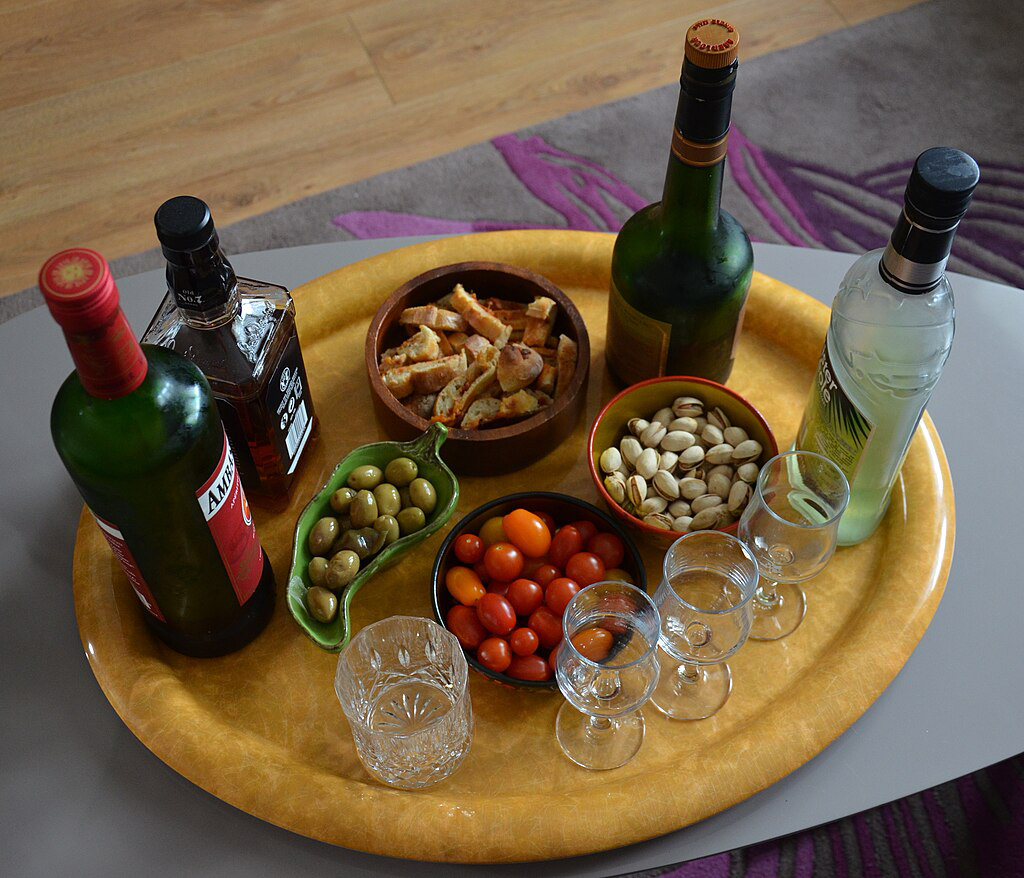
    Food is key. In Italy, you’d get olives, potato chips, and maybe a few nuts with your drink. But we can do better—and still keep it simple.

    Try Pairing With:

    • Marcona almonds and anchovy-stuffed olives – great with dry vermouth
    • Jamón Ibérico and Manchego – classic with fino sherry
    • Radishes with butter and sea salt – elegant with a Lillet Blanc spritz
    • White bean dip with lemon and rosemary – pairs well with a bitter amaro spritz
    • Crostini with ricotta, honey, and herbs – lovely with a rosé vermouth

    For something playful and Gen Z-approved? Tinned fish boards with smoked mussels, mackerel pâté, and crusty bread are all the rage. Pair with a crisp French Quinquina like Dubonnet Blanc or a coastal white vermouth from Galicia.

    Obscure Aperitifs Worth Discovering

    You’ve heard of Campari. But here are a few you should know:

    • Suze (France) – bitter gentian root liqueur; electric yellow and deeply earthy
    • Chinato (Italy) – Barolo aromatized with quinine and spices
    • Rinomato (Italy) – a balanced, bitter aperitivo with citrus and alpine herbs
    • Byrrh (France) – red wine-based quinquina with plum and spice notes
    • Mattei Cap Corse (Corsica) – white quinquina with citrus and wormwood
    • Uncouth Vermouth (USA) – seasonal Brooklyn-made vermouths with foraged ingredients
    Photo by Marcelo Verfe on Pexels.com

    Classic Aperitif Cocktails You Need to Know

    • Negroni – Gin, Campari, sweet vermouth
    • Boulevardier – Bourbon, Campari, sweet vermouth
    • Americano – Campari, sweet vermouth, soda
    • Vesper Martini – Gin, vodka, Lillet Blanc
    • Adonis – Fino sherry, sweet vermouth, orange bitters
    • Bamboo – Dry sherry, dry vermouth, dash of bitters

    Unique Aperitif Recipes to Try

    The Garden Path

    • 1 oz Lillet Blanc
    • 1 oz Dolin Blanc Vermouth
    • 2 dashes celery bitters
    • 3 oz cucumber soda
    • Garnish: cucumber ribbon + mint

    Flavor: Cool, herbal, floral—a picnic in a glass.

    Sunset in Amalfi

    • 1 oz Cappelletti
    • 0.5 oz blood orange juice
    • 3 oz Prosecco
    • Splash soda
    • Garnish: thyme sprig and orange twist

    Flavor: Bitter, bright, citrus-forward.

    Basque Country Spritz

    • 1 oz Basque vermouth (e.g., Txurrut)
    • 1 oz manzanilla sherry
    • 3 oz tonic
    • Garnish: lemon wedge + cracked pepper

    Flavor: Saline, herbal, slightly funky.

    Fad or Here to Stay?

    The modern aperitivo hour is more than a fad. It’s a cultural correction—away from overproof, overdone cocktails and toward intentional, social, and stylish sipping. With sustainability, localism, and health all shaping Gen Z’s buying decisions, the aperitif’s lower ABV, European pedigree, and wide range of flavors make it uniquely relevant.

    It may have roots in the 19th century, but its soul fits perfectly into a 21st-century glass.

    The new aperitivo hour isn’t just a drink. It’s a declaration: slow down, sip something beautiful, snack thoughtfully, and toast to the joy of the in-between. Cheers 🥃

    Cover Photo by DC, CC BY-SA 3.0, via Wikimedia Commons

  • The Rise of the Tinned Fish Date Night

    The Rise of the Tinned Fish Date Night

    How to Elevate the Viral Trend into a Deliciously Sophisticated Affair.

    What once sat dusty on pantry shelves as an end-of-the-world staple is now having its glam moment: tinned fish. From chic coastal wine bars to TikTok and curated picnic boxes, conservas (as the Europeans call them) are making waves as the centerpiece of casual, romantic, and surprisingly elevated date nights.

    This isn’t your grandfather’s tuna sandwich filler. Think: Spanish octopus in olive oil, Portuguese sardines with piri piri, French mackerel in mustard sauce, and smoked mussels kissed with paprika. They come dressed to impress in artistic tins and are often as beautiful to look at as they are delicious.

    Photo by alleksana on Pexels.com

    So is this a fad or a lasting trend? Like charcuterie boards, we’re betting on the latter. Tinned fish taps into nostalgia, convenience, sustainability, and global culinary intrigue. It’s affordable luxury, and when paired with the right wines and accompaniments, it becomes an artful experience. Let’s explore how to turn this modest ingredient into a memorable date night.

    A Bit of Salty Lore

    Tinned fish dates back to the 19th century in France, when Nicolas Appert invented a method of preserving food in sealed containers, originally intended for Napoleon’s army. By the time it hit Spain and Portugal, however, it became gastronomically refined, particularly in Galicia and Basque country, where harvesting and preserving seafood became an artisanal craft.

    In Portugal, beautifully labeled tins of sardines and cod liver are displayed like jewelry. In Spain, vermouth bars serve berberechos (cockles) and anchovies as delicacies. Even Hemingway, while sipping vermouth in Pamplona, likely nibbled on anchovies in oil. This is no passing phase—this is a modern embrace of a deeply rooted tradition.

    Photo by alleksana on Pexels.com

    Planning the Ultimate Tinned Fish Date Night

    Set the Scene: Coastal Vibes at Home

    • Mood: Think European seaside café. Use linen napkins, ceramic tapas dishes, wood boards, and flickering candles.
    • Music: Bossa nova, French jazz, or Spanish guitar.
    • Setting: Indoors for cozy intimacy or alfresco if the weather allows.

    Choose Your Conservas Carefully

    Mix textures, flavors, and sea creatures. Aim for 3-5 tins for a full experience. Look for:

    • Briny & Bright: Spanish cockles or razor clams in brine.
    • Rich & Buttery: Portuguese sardines in olive oil or tomato.
    • Umami & Deep: Smoked mussels, mackerel in escabeche.
    • Decadent & Unique: Tuna belly (ventresca), sea urchin roe, or eel in soy.

    Pairing Accoutrements

    Elevate each tin with thoughtful accompaniments:

    • Breads: Baguette slices, crackers, or grilled sourdough.
    • Condiments: Dijon mustard, cornichons, lemon wedges, or chili oil.
    • Vegetables: Pickled red onions, olives, marinated peppers, or shaved fennel.
    • Cheese: Manchego or soft goat cheese for contrast.
    • Garnishes: Fresh dill, chives, or microgreens.

    Wine Pairing by Fish Type

    Sardines, Mackerel, & Anchovies

    These oily fish demand crisp acidity.

    Octopus & Squid in Olive Oil or Garlic

    Delicate textures need something clean and aromatic.

    Mussels, Clams, & Cockles

    Briny and oceanic—think “sea spray in a tin.”

    Tuna Belly or Eel in Sauce

    These are rich and indulgent, deserving of more structured pairings.

    You Choose the Vibe

    Casual Approach

    Spread it out picnic-style. Use mismatched plates, pour wine from tumblers, and laugh while exploring flavor combinations. Perfect for rooftop dates or rainy-day movie nights.

    SOMM&SOMM Tip: Don’t overthink it. Serve cold, room temp, or straight from the tin with a smile.

    Elegant Affair

    Serve each conserva as a course. Create composed bites with garnishes. Pour wines in proper stems and describe the pairing like you’re hosting a private tasting.

    SOMM&SOMM Tip: Treat it like a seafood tasting menu. Make a printed card with fish origin and wine notes.

    Photo by Arina Krasnikova on Pexels.com

    A Sweet Finish

    After such an umami-laden experience, refresh the palate with something light:

    • Dessert Idea: Lemon olive oil cake or citrus sorbet.
    • Pair With: A chilled Moscato d’Asti or dry vermouth spritz.

    Try Tammy’s favorite… a Lillet Blanc Spritz!

    Tammy’s Lillet Lemon Dessert Spritz

    A soft, sparkling citrus-herb kiss to end a salty-sea affair

    • 2 oz Lillet Blanc
    • ¾ oz Lemon verbena syrup (or lemon balm simple syrup)*
    • ½ oz Fresh lemon juice
    • 2 oz Moscato d’Asti (or a demi-sec sparkling wine)
    • Splash of soda water
    • Expressed lemon twist, curled into the glass
    • Optional: Edible flower or sprig of lemon balm for garnish

    *To make lemon verbena syrup: Simmer 1 cup sugar, 1 cup water, and a handful of fresh lemon verbena leaves. Cool, strain, and refrigerate.

    1. In a stemmed glass filled with ice, combine Lillet Blanc, lemon syrup, and fresh lemon juice.
    2. Stir gently to chill and blend.
    3. Add Moscato d’Asti and a splash of soda water for balance.
    4. Express a lemon twist over the top and tuck into the glass.

    Garnish with an edible flower or a fragrant sprig of lemon balm.

    A Tinned Love Story

    Tinned fish date night is not just a trend—it’s a beautifully simple, globally inspired experience that invites creativity, romance, and a deep appreciation for how humble ingredients can shine with the right drink in hand.

    Whether you’re introducing someone to the world of conservas or deep-diving into your favorite fishy fare with a longtime partner, these tins of love are perfect vessels for flavor and connection.

    Photo by Towfiqu barbhuiya on Pexels.com

    So break out the fish forks, pop open that bottle of Albariño, and savor the sea—one elegant tin at a time.

    SOMM&SOMM Tip: For a splurge, try Spanish Bonito del Norte tuna in olive oil with a glass of vintage Champagne. Add shaved truffle if you’re feeling decadent. You won’t regret it.

    Here are a few suggestions on where to order conservas for your next (or very first) tinned fish date night:

    Lata (Premium Tinned Fish), FishNook Tinned Seafood Co., Patagonia Provisions

    Cover photo by Bex Walton from London, England, CC BY 2.0, via Wikimedia Commons

  • The Rum Renaissance

    The Rum Renaissance

    Terroir, Tradition, and Tiki.

    Welcome to the Rum Renaissance. For years, rum stood in the shadow of whiskey and tequila—either trapped in syrupy cola combos or buried in blender drinks at beach resorts. But no more. Rum is having a moment. A big one. We are in the midst of a Rum Renaissance, where the world is finally recognizing what islanders, pirates, distillers, and cocktail aficionados have known all along: rum is wildly complex, deeply traditional, and incredibly expressive of terroir.

    From the agricole fields of Martinique to the molasses stills of Barbados, from navy-style overproofs to funky pot-stilled hogo bombs from Jamaica, rum is rewriting its story. And we’re drinking it all in—neat, stirred, shaken, and smoked.

    Photo by Alex P on Pexels.com

    Terroir in a Glass

    Unlike other spirits, rum can be made anywhere sugarcane grows—and even where it doesn’t. This gives rum its greatest gift: variety. Each region has its own techniques, laws, traditions, and signature profiles. Let’s explore:

    1. Agricole Rhum (France’s Caribbean Legacy)

    • Where: Martinique, Guadeloupe
    • What: Made from fresh-pressed sugarcane juice, not molasses
    • Taste: Grassy, vegetal, earthy, often dry and structured

    Featured RumRhum J.M Blanc (Martinique)
    A pristine example of agricole: fresh cut grass, lime zest, sea spray.

    Pairing Idea:
    Ceviche with Coconut Cream and Cilantro
    The rhum’s herbal notes elevate the citrus and herbs; the coconut softens the sharper edges.

    2. English-Style Rums (Colonial Depth)

    • Where: Jamaica, Barbados, Guyana
    • What: Usually pot-stilled, molasses-based, deeply flavored
    • Taste: Bold, funky (think overripe banana, petrol, leather), spicy

    Featured RumSmith & Cross Traditional Jamaica Rum
    This overproof beast is unapologetically funky, rich with esters.

    Funky Kingston Daiquiri

    • 2 oz Smith & Cross
    • 0.75 oz fresh lime juice
    • 0.5 oz Demerara syrup (2:1)
      Shake hard, strain into coupe. Garnish with lime zest.

    Food Pairing:
    Jerk Chicken Tacos with Mango Salsa
    The spice loves the funk. The mango calms the heat.

    3. Spanish-Style Rums (Clean & Smooth)

    • Where: Cuba, Panama, Nicaragua, Dominican Republic
    • What: Column-distilled, molasses-based, often aged in solera systems
    • Taste: Round, vanilla-laced, approachable, sometimes sweetened

    Featured RumRon Diplomático Reserva Exclusiva (Venezuela)
    Creamy, dessert-like with notes of toffee, fig, and orange peel.

    Pairing Idea:
    Dark Chocolate Tart with Sea Salt & Orange Zest
    The rum mimics the dessert’s flavors and adds a silky finish.

    4. Navy & Overproof Rums (Bold & Historical)

    • Where: Blends from multiple islands
    • What: Strong, often high-proof, originally designed for sailors
    • Taste: Dark, molasses-heavy, burnt sugar, barrel spice

    Featured RumPusser’s British Navy Rum
    Historically the rum ration of the Royal Navy. Still punches at 54.5% ABV.

    Smoke & Oak

    A brooding, stirred rum cocktail that honors the dark, barrel-aged legacy of navy rums—perfect for sipping slowly alongside robust food.

    • 2 oz Pusser’s British Navy Rum
    • 0.5 oz Amaro Averna (or another herbal amaro)
    • 0.25 oz PX Sherry or sweet vermouth
    • 2 dashes Angostura bitters
    • Orange peel, for garnish
    • Optional: small puff of hickory smoke (if available, for presentation)

    Add all ingredients to a mixing glass with ice.

    Stir until well chilled and diluted (about 20–25 seconds).

    Strain into a rocks glass over a large cube.

    Express orange peel over the top, then garnish.

    Optional: briefly smoke the glass with hickory wood using a smoker lid or handheld gun before pouring.

    Why It Works:
    This stirred sipper keeps the boldness of Pusser’s but adds complexity and elegance through the herbal and dried fruit elements of the amaro and sherry. Think of it as a rum-based sibling of a Boulevardier or Old Fashioned—with nautical swagger.

    Pairing:
    Spiced Lamb Chops with Pomegranate Molasses
    The cocktail’s smoky, bitter-sweet balance cuts through the rich lamb and enhances the molasses glaze with dark fruit undertones.

    Photo by Augustinus Martinus Noppu00e9 on Pexels.com

    Tiki: The Theatrical Resurgence

    Tiki is more than flaming pineapples and plastic leis. It’s a deep, post-Prohibition movement rooted in escapism and complex cocktail craft. Rum is its lifeblood.

    Classic Tiki:

    The Mai Tai (Trader Vic Style)

    • 1 oz aged Jamaican rum
    • 1 oz Martinique rhum agricole
    • 0.75 oz lime juice
    • 0.5 oz dry curaçao
    • 0.25 oz orgeat
      Shake and serve over crushed ice in a rocks glass with a spent lime shell and mint.

    Pairing:
    Pork Belly Bao Buns with Pickled Pineapple Slaw
    The rich meat loves the bright citrus and almond note of the Mai Tai.

    Modern Tiki Twist:

    Banana Republic

    • 1.5 oz aged Guatemalan rum (like Ron Zacapa 23)
    • 0.5 oz Giffard Banane du Brésil
    • 0.5 oz lime juice
    • 0.25 oz cinnamon syrup
    • Dash chocolate bitters
      Shake, strain over large ice sphere. Garnish with brûléed banana slice.

    Pairing:
    Banana Leaf Steamed Snapper with Coconut Rice
    Rum’s sweet notes mirror the tropical dish while the acidity lifts the fatty fish.

    SOMM&SOMM Related Article: The Art of Island Cocktails

    Rum & Food Pairing Matrix

    Rum StyleFlavor NotesFood Pairing Idea
    AgricoleGrassy, herbal, earthyThai papaya salad, ceviche, goat cheese
    Jamaican Pot StillFunky, estery, boldJerk chicken, plantain chips, grilled pineapple
    Spanish SoleraCaramel, vanilla, light spiceChocolate desserts, roasted pork, flan
    Overproof NavyDark, molasses, high alcoholBarbecue brisket, sticky ribs, mole poblano
    Aged Caribbean BlendDried fruit, baking spiceDuck breast, spiced nuts, roasted squash

    🏴‍☠️ One Fact, One Fiction — You Decide Which is Which

    Rum is soaked in stories—some true, some twisted through time and tide. Here are two tales from the deep barrels of history and lore. One is factual. One is pure (delicious) fiction. Can you tell them apart?

    🗡️ Tale #1: The Cursed Cask of Port Royal
    In 1692, after a devastating earthquake sank much of Port Royal, Jamaica into the sea, divers later recovered an intact rum cask from the sunken taverns. Locals claimed anyone who drank from it was cursed with endless drunken visions of ghost pirates demanding “just one more pour.”

    🎖️ Tale #2: The Rum Ration that Sparked a Mutiny
    For over 300 years, British sailors received a daily ration of rum—until July 31, 1970, when the Royal Navy ended the tradition in what became known as Black Tot Day. Some sailors protested so fiercely that one destroyer’s crew reportedly staged a 24-hour “rum strike,” refusing orders until their drams were reinstated. They weren’t.

    Guess which one’s real? Which one’s rum-soaked legend? We’ll reveal the truth at the bottom of this article.

    End on a Sweet Note

    Cane & Cream

    • 1.5 oz El Dorado 12 Year
    • 0.5 oz Amaro Averna
    • 0.5 oz vanilla syrup
    • 1 oz heavy cream
      Shake hard with ice, strain into coupe. Top with shaved dark chocolate.

    Pairing:
    Rum-Soaked Tres Leches Cake
    The cocktail mirrors and magnifies the dessert while staying balanced.

    Drink Globally, Pair Locally

    To wines aged with wisdom, to rums kissed by the sea—
    May yer palate find treasure, and yer glass never be empty!
    Drink deep, me hearties, for the tannins be fair,
    And the finish be long as a siren’s stare!

    Captain Sommelier (Greg), Keeper of the Sacred Corkscrew 🏴‍☠️🍷

    The rum category is a playground of discovery. Whether you prefer the finesse of French agricole, the bombast of Jamaican funk, or the dessert-like smoothness of Spanish styles, there’s a rum—and a pairing—for you. Let this be your invitation to go beyond the Daiquiri (though that’s a perfect drink) and explore terroir, tradition, and tiki with every pour.

    Raise your glass to rum’s rebirth. And when you do—pair it with something unexpected. Something delicious. Something unforgettable. Cheers 🍹

    ✅ Truth Revealed: Tale #2 is Fact!

    The Rum Ration that Sparked a Mutiny
    Yes, it’s true! For over three centuries, the British Royal Navy issued daily rum rations to sailors—a practice known as the “tot.” On July 31, 1970, the tradition ended, a day still remembered as Black Tot Day. Sailors wore black armbands, held mock funerals, and in some cases, even staged minor revolts or refused duties in protest of the decision. Though the rumored “rum strike” on a destroyer remains unconfirmed in official records, the outrage was real. Some sailors believed the end of the tot marked the decline of naval morale.

    ❌ Tale #1? Pure Rum-Soaked Fiction.

    While Port Royal did sink into the sea during a catastrophic earthquake in 1692, and rum was certainly flowing in the taverns before it happened, no cursed cask has ever been recovered—and no spectral pirates have officially been reported demanding more pours (at least none soberly documented). But admit it: you wanted that one to be true, didn’t you? 😎

    #RumRenaissance #SipCuriously #PairThisNotThat #SommLife

    Cover Photo by Wolrider YURTSEVEN on Pexels.com

  • Pair This, Not That: Summer Edition

    Pair This, Not That: Summer Edition

    BBQ Wine & Spirits Swaps for Maximum Sunshine Sips & Crowd-Pleasers.

    Summer. The time of smoky grills, sticky fingers, and sun-kissed gatherings. But let’s be honest — most backyard BBQs are stuck in a rut when it comes to the drink menu. You’re likely to find the same predictable coolers stuffed with light beer, boxed rosé, and maybe a poorly mixed Margarita sloshing around in a red Solo cup.

    It’s time to level up.

    Welcome to Pair This, Not That: Summer Edition, where we take your go-to summer drinks and swap them for something better — more vibrant, more crowd-pleasing, and just a touch unexpected. We’re bringing new energy to your backyard bash, beach day, or rooftop hang by helping you rethink your pairings with intention and a splash of sophistication.

    Pair This: Lambrusco with Dry-Rubbed Baby Backs

    Zinfandel is a classic, sure — but it can feel sticky and sluggish on a sweltering day. Enter Lambrusco, the sparkling red from Italy’s Emilia-Romagna region. It’s fizzy, fruity, and just tannic enough to match the sweet-spicy bark on your ribs. Slightly chilled, it’s a revelation.

    Why it works: The bubbles cut the fat, the fruit complements the rub, and the acidity refreshes the palate between bites.

    Try This Pairing:
    Dish: Dry-rubbed pork ribs with a brown sugar, smoked paprika, and chipotle blend
    Wine: Cleto Chiarli Lambrusco Grasparossa di Castelvetro — vibrant, dark berries, and dry

    Photo by The Castlebar on Pexels.com

    Pair This: Mezcal Paloma with Smash Burgers

    IPAs are popular grill-side, but the bitterness can clash with the caramelization on your patty. The solution? A smoky Mezcal Paloma — just enough fire to echo the grill, with citrusy sparkle to lift every bite.

    Why it works: Mezcal’s smoky backbone loves char. The grapefruit and lime bring brightness, and bubbles make it refreshing — a perfect match for seared, juicy beef.

    Mezcal Paloma Recipe

    • 2 oz joven mezcal (we love Del Maguey Vida)
    • 1 oz fresh grapefruit juice
    • 0.5 oz fresh lime juice
    • 0.5 oz agave syrup
    • Pinch of sea salt
    • Top with grapefruit soda (Fever Tree or Jarritos preferred)
    • Serve over ice with a salted rim and a grilled grapefruit wedge
    Photo by Nano Erdozain on Pexels.com

    Pair This: Chilled Cru Beaujolais with Sticky Drumsticks

    We all love a crisp rosé — but sticky, charred BBQ chicken needs a bit more muscle and complexity. Cru Beaujolais, like Morgon or Fleurie, is juicy, earthy, and vibrant, with enough savory backbone to stand up to sweet BBQ sauce.

    Why it works: Gamay offers bright red fruit with silky tannins and a touch of minerality, which harmonizes with sticky sauces and caramelized skin.

    Try This Pairing:
    Dish: Grilled BBQ chicken drumsticks with peach-bourbon glaze
    Wine: Jean Foillard Morgon Côte du Py — a natural, elegant, chilled red that will blow minds

    Photo by Macourt Media on Pexels.com

    Pair This: Dry Riesling with Elote

    Sauv Blanc is the obvious choice for grilled corn, but take it next level: grilled elote-style corn slathered with mayo, lime, cotija, and chili powder needs dry Riesling with nerve, not just zip.

    Why it works: Dry Riesling can handle spice, citrus, and creamy elements. Its petrol-mineral quality adds depth, and the acidity balances every bite.

    Try This Pairing:
    Dish: Mexican-style grilled corn with lime crema and tajín
    Wine: Dönnhoff Riesling Trocken — Germany’s clean, dry stunner with citrus and stone

    Photo by Airam Dato-on on Pexels.com

    Pair This: Txakolina with Spicy Shrimp Skewers

    Pinot Grigio often fades into the background. You need something with zing and a little sparkle. Enter Txakolina — the zingy, slightly spritzy Basque wine you’ve been missing.

    Why it works: High acidity, a touch of salinity, and effervescence = shrimp’s new best friend.

    Try This Pairing:
    Dish: Chili-lime grilled shrimp skewers
    Wine: Ameztoi Txakolina — crisp, citrusy, electric on the tongue

    Pair This: Watermelon & Basil Gin Fizz

    Instead of toothache-sweet slush, opt for something that feels like a frozen treat but keeps its structure. This Watermelon Basil Gin Fizz is light, herbaceous, and juicy — a cocktail that says picnic sophistication.

    Watermelon Basil Gin Fizz Recipe

    • 2 oz gin (we love Hendrick’s for its floral notes)
    • 1 oz fresh lime juice
    • 1 oz basil simple syrup (see below)
    • 2 oz fresh watermelon juice
    • Top with soda water
    • Shake, strain into a Collins glass with ice, and garnish with basil sprig

    Basil Simple Syrup:
    Simmer 1 cup sugar + 1 cup water + 1 cup fresh basil for 5 mins. Cool, strain, and bottle.

    Photo by Henrik Pfitzenmaier on Pexels.com

    Pair This: Peach Bourbon Smash with Grilled Stone Fruit

    Nothing says summer like stone fruit and bourbon, but ditch the neat pour for a Peach Smash that’s smoky, sweet, and made for golden hour sipping.

    Peach Bourbon Smash Recipe

    • 2 oz bourbon
    • 3 slices grilled peach
    • 0.75 oz lemon juice
    • 0.5 oz honey syrup (1:1)
    • Mint leaves
    • Muddle peach and mint, shake with ice, double strain over crushed ice
    • Garnish: grilled peach wedge + mint sprig

    Why it works: The grill’s caramelization meets bourbon’s vanilla warmth; mint and lemon bring brightness.

    Instead of: Marshmallow s’mores with sticky port
    Pair This: Toasted Coconut Ice Cream + Cream Sherry

    Summer deserves a cool, creamy ending. Toasted coconut gelato or ice cream with a pour of Amontillado or Cream Sherry hits nutty, buttery notes that mirror each other with elegance.

    Why it works: The oxidative aging of sherry delivers a toasted nut character that resonates with coconut, while the sweetness stays in balance.

    A Summer of Swaps

    The point of summer is fun, freedom, and freshness — so why stick with the same old wine and spirits? By making just a few creative swaps, you can surprise and delight your guests with unexpected pairings that enhance every grilled bite and sun-drenched laugh.

    Photo by Antoni Shkraba Studio on Pexels.com

    So go ahead — Pair This, Not That — and bring the same creativity to your backyard as you do to your glass. Cheers 🍷🍸☀️

    Cover Photo by Lazarus Ziridis on Pexels.com

  • How to Taste Wine Like a Somm (Even at a BBQ)

    How to Taste Wine Like a Somm (Even at a BBQ)

    Your casual guide to sipping smarter, grilling better, and chilling harder.

    There’s something undeniably joyful about a summer BBQ. The sizzle of meat, the scent of smoke, the laughter of friends, and the clink of glasses raised to the sky. But if you’re like most backyard BBQ warriors, you’re probably cracking open a beer or grabbing whatever rosé is cold. That’s fine, but what if we told you that the world of wine—yes, even at a BBQ—can elevate your entire experience?

    You don’t need a suit, a wine cave, or a master’s pin to taste wine like a sommelier. You just need curiosity, a few simple techniques, and an open mind (plus, a grill doesn’t hurt). Whether you’re smoking ribs or flipping veggie burgers, this guide will help you sip with style and pair like a pro.

    Photo by RDNE Stock project on Pexels.com

    First, Let’s Break Down “How to Taste Wine Like a Somm”

    Professional sommeliers use a technique called deductive tasting—fancy words for really paying attention. Here’s how to do it, BBQ-style:

    See

    Tilt your glass over a white surface and take a look. Is the wine pale and straw-colored (like a Sauvignon Blanc)? Or inky and opaque (like a Petite Sirah)? Color gives clues about age, grape variety, and style.

    SOMM&SOMM Tip: Older white wines deepen in color. Older reds tend to lighten and turn brick color at the rim.

    Smell

    Swirl the wine to release the aromas. Then take a moment—nose in, soft inhale. What do you smell? Fruit? Herbs? Smoke? Oak? Barbecue aromas will compete here, so step aside for a second if you need to.

    Sip

    Take a sip, swirl it in your mouth, and let it coat your palate. Is it tart? Juicy? Bitter? Dry? Pay attention to acidity, tannins, alcohol, body, and finish.

    SOMM&SOMM Tip: Try a bite of food, then a sip of wine. Then reverse it. Which brings out more flavor? That’s your pairing insight.

    Photo by Luis Quintero on Pexels.com

    Classic BBQ & Wine Pairings (With a Spin)

    🍔 Burgers + Syrah

    Forget the light Pinot this time—go bold. Syrah (or Shiraz from Australia) has black pepper, black fruit, and smoky notes that mirror char-grilled patties beautifully.

    Somm Spin: Add blue cheese and caramelized onions to your burger. Watch that Syrah sing.

    Smoky Blue Burgers

    • 1 lb ground chuck (80/20)
    • Salt, pepper, garlic powder
    • Crumbled blue cheese
    • Caramelized onions
    • Arugula and Dijon mustard

    Grill burgers to medium. Rest, then top with blue cheese and onions. Serve on brioche.

    🍗 Grilled Chicken Thighs + Chilled Beaujolais

    Beaujolais (made from the Gamay grape) is light, fruity, and best slightly chilled. Its acidity cuts through rich dark meat and BBQ sauce.

    Somm Spin: Try with a slightly spicy peach glaze.

    Quick Peach BBQ Glaze

    • 1 cup peach preserves
    • 1 tbsp apple cider vinegar
    • 1 tsp cayenne
    • Salt & pepper

    Brush onto chicken thighs halfway through grilling.

    🌽 Grilled Corn + Albariño

    Corn is sweet, smoky, and rich. Albariño, especially from Spain’s Rías Baixas region, offers zippy citrus, saline minerality, and stone fruit. This pairing feels like sunshine in a bottle.

    Somm Spin: Top corn with chili-lime butter and cotija cheese.

    Unexpected But Perfect Pairings

    🥓 Candied Bacon Skewers + Off-Dry Riesling

    This is the flavor bomb: salty, sweet, smoky, and spicy. Riesling’s crisp acidity and touch of residual sugar balance the salty-fatty goodness.

    Candied Bacon

    • Thick-cut bacon
    • Brown sugar
    • Black pepper
    • Cayenne

    Roll bacon strips in sugar and spice mix. Skewer and grill until caramelized.

    🍉 Grilled Watermelon + Lambrusco

    You heard that right. Grill slices of watermelon to concentrate their flavor and serve with lightly fizzy Lambrusco, which has a touch of sweetness, berries, and bubbles.

    Fun Fact: Lambrusco was once considered cheap and sweet, but today’s dry, artisanal versions from Emilia-Romagna are some of Italy’s best-kept secrets.

    🍥 Veggie Skewers + Dry Rosé

    Bell peppers, zucchini, mushrooms—these soak up grill flavor like pros. Pair with a Provence-style rosé for red berry brightness and herbal notes.

    Somm Spin: Sprinkle skewers with za’atar or herbes de Provence before grilling.

    Chillin’ with Chillable Reds

    BBQs are hot. Your wine shouldn’t be. Chill your reds. Not ice cold—just 55–60°F. Lighter reds like:

    • Gamay (Beaujolais)
    • Frappato (Sicily)
    • Zweigelt (Austria)
    • Cinsault (South Africa)

    These grapes give you bright fruit, low tannins, and that refreshing ahhhh you want in summer.

    Lore Alert: Ancient Romans chilled their wine with snow stored in underground pits. They knew how to throw a party, too.

    The BBQ Somm’s Tool Kit

    1. Acrylic stemware (so you’re not crying over broken glass)
    2. Wine chiller or ice bucket (because lukewarm reds = sadness)
    3. Decanter or wide carafe (aerate those young, tannic wines)
    4. Wine key (yes, bring a backup)
    5. Tasting notepad or app (optional, but fun)
    Photo by Jeremy Bishop on Pexels.com

    Hosting Tips from the Firepit

    • Start light, go bold: Begin with bubbly, white, or rosé, move to reds as the grill gets hotter.
    • Serve wine like beer: Keep things casual—don’t fuss. Pour, pass, share.
    • Label the bottles: Add handwritten tags with “Great with chicken!” or “Try with sausage!”
    • Mix in Magnums: More wine, more fun, and less refilling.

    BBQ + Wine = Shared Stories

    At the heart of every great BBQ isn’t just the food or the wine. It’s the stories we tell between bites. The laughter over spilled rosé. The new bottle someone brought. The neighbor who surprises everyone with a homemade salsa. The quiet sip you take at sunset, listening to cicadas.

    Wine shouldn’t just be good. It should be memorable.

    Gregory Dean, SOMM&SOMM

    Tasting wine like a somm doesn’t mean taking things too seriously. It means noticing more. Being present. Asking, “What does this remind me of?” and answering with a smile.

    So fire up the grill. Pop a cork. Swirl, sip, and share.

    Cheers to the summer of flavor.🍷

    Cover Photo by Pixabay on Pexels.com

  • Equal Parts, Endless Magic

    Equal Parts, Endless Magic

    Celebrating the timeless art of the perfectly balanced cocktail.

    When it comes to the eternal dance between wine and cocktails, wine often takes center stage — with its terroir-driven complexity and built-in pairing charm. But there are moments when a cocktail, not wine, is the star the evening deserves (hard to believe–right?). Especially when it comes to a rare and beautiful class of drinks: the Equal Parts Cocktails.

    Simple to remember. Sophisticated to sip. This family of cocktails has fueled iconic moments from smoky speakeasies to the most refined brunches. And when the right dish meets the right glass? Pure magic.

    Today, we dive deep into the history, lore, recipes, and perfect pairings of the most celebrated equal-part cocktails — plus, we’ll uncover when and why cocktails trump wine at the table.

    Photo by Bianca Jelezniac on Pexels.com

    Why Choose a Cocktail Over Wine?

    Before we jump into shaker tins and coupe glasses, let’s get one thing clear: wine is incredible — but cocktails can offer precision, intensity, and immediate vibrancy that wine sometimes cannot.

    • Complexity in One Sip: Equal-part cocktails are built to showcase bold, diverse flavors in perfect harmony.
    • Palate Awakener: Their vivid acidity, herbal notes, and bittersweet elements “wake up” the palate, making them the perfect aperitif or pairing for bold foods.
    • Timing Matters: Brunches, cocktail hours, sultry late-night soirées — these are moments when a lively cocktail enhances the occasion more than a glass of wine ever could.

    The History of Equal-Part Cocktails

    The equal-parts formula finds its roots in the early 20th century, during the golden age of cocktails. The Prohibition Era (1920-1933) challenged bartenders to create drinks that masked rough spirits with a symphony of harmonious ingredients. The solution? Recipes that used precision balance — often, simply equal measures of four ingredients.

    This style exploded with classic cocktails like the Corpse Reviver No. 2 and later evolved into the Last Word, a legendary pre-Prohibition concoction that made its roaring comeback in the craft cocktail renaissance of the early 2000s.

    Equal parts = artistic freedom + foolproof structure.

    Classic Equal-Part Cocktails You Need to Know

    The Last Word

    History & Lore:
    Born at the Detroit Athletic Club in the 1920s, the Last Word was almost lost to history until Seattle bartender Murray Stenson resurrected it in the early 2000s. Now? It’s a cult classic among bartenders and cocktail nerds alike.

    Recipe:

    • ¾ oz Gin
    • ¾ oz Green Chartreuse
    • ¾ oz Maraschino Liqueur
    • ¾ oz Fresh Lime Juice

    Shake with ice and strain into a chilled coupe. Garnish with a cherry or a lime twist.

    Perfect Time to Serve:
    An adventurous aperitif to kick off dinner parties or to open a late summer garden gathering.

    Perfect Pairing:

    • Prosciutto-Wrapped Melon: Sweetness and salt balance the herbal Chartreuse and tart lime.
    • Goat Cheese Crostini: The creamy tang cuts through the cocktail’s high-toned complexity.
    Photo by Helena Lopes on Pexels.com

    Corpse Reviver No. 2

    History & Lore:
    The “Corpse Revivers” were intended as hangover cures, with the No. 2 being the most famous — a bright, zesty tonic to jolt you back to life. Harry Craddock immortalized it in The Savoy Cocktail Book (1930), with the delightful note: “Four of these taken in swift succession will unrevive the corpse again.”

    Recipe:

    • ¾ oz Gin
    • ¾ oz Cointreau (or another triple sec)
    • ¾ oz Lillet Blanc (or Cocchi Americano)
    • ¾ oz Fresh Lemon Juice
    • Dash of Absinthe (rinse the glass or add a couple drops)

    Shake well with ice, strain into an absinthe-rinsed coupe.

    Perfect Time to Serve:
    At a luxurious brunch (post-celebration) or before a decadent seafood dinner.

    Perfect Pairing:

    • Oysters on the Half Shell: The clean brine meets the cocktail’s citrus brightness beautifully.
    • Lobster Salad: Creamy, lemony shellfish dishes sing alongside this refreshing classic.

    Paper Plane

    History & Lore:
    Created in 2007 by Sam Ross (of Milk & Honey fame), the Paper Plane is a modern equal-parts marvel, riffing on the Last Word with bourbon warmth and bittersweet Amaro Nonino.

    Recipe:

    • ¾ oz Bourbon
    • ¾ oz Amaro Nonino
    • ¾ oz Aperol
    • ¾ oz Fresh Lemon Juice

    Shake with ice, strain into a coupe glass. No garnish needed — the color alone is gorgeous.

    Perfect Time to Serve:
    Fall evenings, cozy cocktail parties, or after a hearty autumn dinner.

    Perfect Pairing:

    • Charcuterie Board: Salty meats, funky cheeses, nuts, and dried fruits make perfect companions.
    • Duck Confit Tacos: Rich, gamey flavors balanced by the Paper Plane’s bittersweet lift.

    Honorable Mentions

    • Boulevardier: Equal parts bourbon, sweet vermouth, and Campari. (Think of it as the Negroni’s American cousin.)
    • Naked & Famous: Equal parts mezcal, yellow Chartreuse, Aperol, and lime juice. Smoky, herbal, and tangy.
    • White Negroni: Equal parts gin, Lillet Blanc, and Suze. Lightly bitter and stunningly elegant (featured in our second book: Sips & Stories: Cocktails of the Garden (2025)).
    Photo by Antoni Shkraba Studio on Pexels.com

    Tips for Serving Equal-Part Cocktails

    Always measure precisely — even 1/8 oz matters when balancing strong flavors.

    Serve in a pre-chilled coupe or Nick & Nora glass to maintain temperature and elegance.

    Small bites are ideal companions — these cocktails pack flavor that needs food with texture and fat to harmonize.

    When Balance is Bliss

    Equal-part cocktails embody the soul of perfect balance — between simplicity and sophistication, between power and poise. They’re a sommelier’s dream when the dish demands brightness, precision, or boldness that wine alone cannot deliver.

    So next time you’re planning a gathering, a date night, or simply need a reason to shake up something extraordinary, remember:
    Equal parts create unequaled moments.

    Cheers, friends!

    Cover Photo by ROMAN ODINTSOV on Pexels.com

  • Trendy Cocktails: The Martini

    Trendy Cocktails: The Martini

    Elegance in a glass.

    Few cocktails carry the mystique, elegance, and sheer cinematic cool of the Martini. It’s a drink that whispers power in boardrooms and purrs seduction in smoky lounges. Whether served bone-dry, extra dirty, or with a citrus twist, the Martini is less a cocktail and more a lifestyle—a reflection of taste, confidence, and unapologetic flair.

    Let’s take a proper dive into the history, culture, variations, and irresistible appeal of this liquid legend.

    A Spirited Mystery

    Like many classic cocktails, the Martini’s exact origin is murky—like a shaken one, some would say.

    The most popular theory traces it to the late 19th century with the Martinez, a sweeter precursor that included Old Tom gin, sweet vermouth, maraschino liqueur, and orange bitters. Others point to the Knickerbocker Hotel in New York, where bartender Martini di Arma di Taggia is said to have served the first dry gin Martini in the early 1900s to John D. Rockefeller.

    Regardless of who poured the first, one thing is clear: by the 1920s, the Martini had become the go-to drink for flappers, bootleggers, and high society alike.

    Photo by Taryn Elliott on Pexels.com

    Shaken vs. Stirred: The Great Divide

    Ah yes, the eternal debate.

    Stirred (Greg’s Favorite)

    • Pro: A properly stirred Martini is silky, crystal-clear, and elegant. Stirring gently chills and dilutes without bruising the gin or introducing air bubbles.
    • Con: Requires finesse and a bar spoon.

    Shaken (Tammy’s Favorite)

    • Pro: Quicker and sexier. Thanks, Bond. The resulting drink is colder, with ice shards and a cloudier appearance—some say it has more bite.
    • Con: “Bruises” the gin (read: aerates and dilutes it more), altering its nuanced aromas.

    Verdict? Both are valid. If you’re sipping a gin Martini with a reverence for botanicals, stir it. If you’re feeling cinematic or want a colder, rougher edge, shake away.

    Photo by Taryn Elliott on Pexels.com

    Martini Variations You Must Know

    Classic Dry Martini

    • 2½ oz London Dry Gin
    • ½ oz Dry Vermouth
    • Stir with ice. Strain into a chilled coupe. Garnish with a lemon twist or olive.
      (Note: Ratios can vary—some go 5:1, others 15:1. Adjust to taste.)

    Dirty Martini

    • 2½ oz Gin or Vodka
    • ½ oz Dry Vermouth
    • ½ oz Olive Brine (or more if you’re a savage)
    • Shake or stir. Strain into a coupe or Martini glass. Garnish with olives.

    Vesper Martini (Bond’s Favorite)

    • 3 oz Gin
    • 1 oz Vodka
    • ½ oz Lillet Blanc (or Cocchi Americano)
    • Shake until ice-cold. Strain and serve with a lemon twist.
      (“Shaken, not stirred,” just like Ian Fleming ordered in Casino Royale.)

    Martinis in Pop Culture

    The Martini is as much a character in books and film as any leading man or femme fatale.

    • James Bond may be the most famous Martini drinker, though purists scoff at his vodka-laden, shaken approach.
    • Dorothy Parker, ever the wit, quipped: “I like to have a Martini, two at the very most. After three I’m under the table, after four I’m under my host.”
    • In Mad Men, it was the official beverage of existential crises and Manhattan charm as the focus and fuel of the show’s iconic three-martini lunches.
    • Artists from Picasso to Hopper have alluded to Martini glasses in works capturing modernity, solitude, and sophistication.

    Even today, a Martini in hand telegraphs timeless cool, whether in a hipster bar in Brooklyn or a penthouse soirée in Paris.

    The Martini remains as crisp as a tailored tuxedo and as iconic as the figures who have sipped it. But no lore is more entertaining (or more debated) than the notoriously dry preferences of Winston Churchill.

    The British Bulldog was said to have such an aversion to vermouth that when mixing his Martini, he’d simply glance at an unopened bottle from across the room—or, more theatrically, bow in the direction of France—then proceed to pour nothing but gin into his glass. Whether truth or tall tale, Churchill’s “recipe” became the stuff of cocktail legend, a tongue-in-cheek protest against adulterating a proper gin with anything less than pure botanical might.

    Churchill wasn’t alone in his dry convictions. Ernest Hemingway preferred his Martinis icy cold and incredibly dry—famously favoring a version called the Montgomery, with a 15:1 gin-to-vermouth ratio (named for British Field Marshal Bernard Montgomery, who supposedly wouldn’t attack unless the odds were 15 to 1).

    The Martini has long inspired theatricality and ritual, from Noël Coward‘s quip that “a perfect Martini should be made by filling a glass with gin and waving it in the general direction of Italy,” to Alfred Hitchcock’s claim that a Martini only required a bottle of vermouth in the same room. In the world of Martinis, it’s not just what’s in the glass that matters—it’s the story that swirls around it.

    How to Enjoy a Martini (Without Regret)

    1. Glassware matters – A chilled coupe or classic Martini glass elevates the experience.
    2. Ice is your friend – Use large, fresh cubes to avoid over-dilution.
    3. Fresh vermouth – Keep it refrigerated. Oxidized vermouth is the graveyard of good Martinis.
    4. One is classy, two is daring, three is… questionable.
    5. Set the mood – Jazz. Dim lighting. Linen napkins. That smug sense of superiority? Optional.

    What to Eat With a Martini

    A Martini begs for something salty, briny, or umami-rich. Here are some slam dunks:

    • Oysters on the half shell – Raw and dressed simply with lemon or mignonette.
    • Blue cheese-stuffed olives – Or Castelvetrano olives, chilled.
    • Smoked salmon or gravlax – On rye toast with crème fraîche.
    • Caviar – If you’re feeling grandiose.
    • Prosciutto-wrapped melon – Sweet, salty, and clean.
    • Sushi – Especially tuna or yellowtail sashimi.

    And for dessert? Try a lemon posset or olive oil cake—subtle, citrusy treats that don’t overwhelm the palate.

    Modern Twists & Martini Mania

    The Martini has inspired a whole universe of spin-offs. The Espresso Martini (yes, it’s a Martini in name only), the Appletini, the French Martini (vodka, pineapple, Chambord), and countless other “-tinis” were born from its iconic shape and swagger.

    Yet, nothing beats the stripped-back, elegant structure of a real Martini. The way it hits your tongue and unlocks your senses. The way it makes any room feel like the final scene of a noir film.

    Why the Martini Still Matters

    The Martini is a paradox. It’s minimalist and maximalist. Fiercely traditional and endlessly customizable. It’s a drink of precision—measured, stirred, strained, and styled. Yet it invites improvisation, variation, and attitude.

    It’s the drink you order when you’re not just thirsty… you’re making a statement.

    So whether you’re a Bond aficionado, a vermouth nerd, or someone just discovering the magic of gin and glass, remember: the Martini isn’t just a cocktail. It’s a ritual.

    Cheers—and may your olives be chilled, your gin top-shelf, and your decisions as crisp as your drink.

    Gregory Dean, SOMM&SOMM

    Cover Photo by Tim Durand on Pexels.com