Category: Pairings

  • Varietal Spotlight: Palomino

    Varietal Spotlight: Palomino

    A Deep Dive into Spain’s Iconic White Varietal.

    The Palomino grape holds a unique place in the world of wine, particularly as the star of Spain’s Jerez (Sherry) region. Known for producing some of the world’s most complex fortified wines, Palomino (known as Listán Blanco in other parts of Spain) boasts a fascinating history, unique viticultural challenges, and the ability to create versatile, highly nuanced wine styles. Despite its relative neutrality as a table wine grape, its true potential is unlocked through the influence of terroir and distinctive vinification techniques.

    Origins and History of Palomino

    The Palomino grape is indigenous to Andalusia, Spain, and its cultivation dates back centuries. Named after 13th-century Spanish knight Fernán Yáñez Palomino, who was honored for his role in reclaiming Andalusia from the Moors, the grape has a storied past that mirrors the history of Spanish winemaking itself. By the 17th and 18th centuries, Palomino had become the primary varietal used in Jerez winemaking, as its neutral profile allowed it to adapt beautifully to the solera and flor processes unique to Sherry production.

    Palomino’s renown grew as Sherry became a coveted export across Europe. English merchants played a critical role in its rise, as they imported large quantities to the UK and beyond, transforming Sherry into a staple of British society. Today, Palomino’s importance endures as the foundation for Fino, Manzanilla, Amontillado, Oloroso, and Palo Cortado Sherries, as well as a few still wines and emerging experimental styles.

    Characteristics of the Palomino Vine and Grape

    Palomino vines are characterized by their resilience and adaptability to dry, chalky soils, particularly in Jerez’s famed albariza soils. These calcium-rich, white chalk soils have excellent water retention, crucial in Andalusia’s arid climate. The vines produce large, tightly packed clusters of pale, yellow-green grapes that mature to high sugar levels, providing a relatively neutral flavor profile with low acidity.

    The neutrality of Palomino, often seen as a drawback for producing single-varietal wines, is transformed in the vinification process. In the right hands, it becomes an expressive vehicle for terroir. Its low acidity and lack of intense aromatics make it a blank canvas—one that, under the influence of flor yeast or oxidative aging, reveals an astonishing range of complex characteristics.

    Challenges of Viticulture and Vinification

    The viticultural challenges of Palomino lie in its sensitivity to soil type, susceptibility to rot in wetter climates, and the need for careful harvest timing. Albariza soils are essential, as they not only prevent drought stress but also regulate temperature. The dry climate of Jerez, with cool Atlantic breezes, supports the delicate balance required for healthy Palomino grapes.

    Vinification presents another set of challenges. The majority of Palomino’s value is realized in the Sherry production process, where it undergoes a unique journey. For Fino and Manzanilla styles, the flor (a special yeast layer) thrives in high temperatures and high humidity, feeding on glycerol, alcohol, and oxygen to produce a range of nutty, bready, and saline notes. Oxidative aging techniques yield darker, richer styles like Amontillado and Oloroso. Both techniques require the solera system, where younger wines are progressively blended with older ones, creating consistency and depth over years or even decades.

    Expressions of Palomino: Terroir and Styles

    • Fino and Manzanilla (Jerez and Sanlúcar de Barrameda): Bright, saline, and dry, with a pronounced aroma of almonds, dough, and green apples. Manzanilla, grown in Sanlúcar’s coastal climate, carries a distinct marine saltiness.
    • Amontillado: Begins as a Fino or Manzanilla but undergoes oxidative aging, creating a copper-hued wine with a complex profile of hazelnuts, dried fruits, and leather.
    • Oloroso: Fully oxidative from the start, resulting in a robust, amber wine with deep notes of toffee, figs, and spice.
    • Palo Cortado: Rare and enigmatic, bridging the finesse of Amontillado with the richness of Oloroso. Its production depends on whether flor spontaneously dies off, leading to oxidative aging.
    • Still wines: Occasionally produced in Jerez but with minimal influence outside of Spain. They are typically light, with subtle minerality and saline hints but lack the depth found in fortified expressions.

    Food Pairing Recommendations

    Palomino-based Sherries are ideal for both traditional pairings and creative culinary experimentation.

    1. Fino and Manzanilla: Perfect with tapas, almonds, Iberico ham, and oysters. Unconventional pairings include sushi, ceviche, or goat cheese salads, where their briny freshness accentuates the dishes’ flavors.
    2. Amontillado: Enhances flavors of roasted chicken, mushrooms, and nutty dishes like risotto with Parmesan. For an offbeat pairing, try it with umami-rich Asian dishes, like miso soup or stir-fried shiitakes.
    3. Oloroso: With its richness, it pairs beautifully with braised meats, barbecue, and dishes with complex spices, like Moroccan lamb tagine. For a surprising twist, serve it with beef pho, where its spiced undertones complement the broth’s depth.
    4. Palo Cortado: Its versatility makes it excellent with charcuterie, hard cheeses, and patés, but it can also handle richer seafood dishes. For an unexpected match, try it with roasted duck in a honey and spice glaze or Thai red curry.
    5. Still Palomino Wines: These are delicate but can pair well with light salads, grilled white fish, and soft cheeses. Their saline and mineral qualities also work with raw shellfish like clams or scallops.

    SOMM&SOMM Related Article: Demystifying Wine: Sherry

    Final Thoughts

    Palomino may seem unremarkable as a varietal, yet it is capable of producing some of the most complex and rewarding wines in the world. Its magic lies not in its raw fruit but in its transformation under the unique methods developed in Jerez. Whether savored with traditional Spanish fare or explored in bold, modern pairings, Palomino-based wines offer a remarkable range for the curious sommelier and the adventurous diner alike.

    Cover Image Credit: Michal Osmenda from Brussels, Belgium, CC BY 2.0, via Wikimedia Commons
  • Effervescent Charm or Fizzing Fad?

    Effervescent Charm or Fizzing Fad?

    I am speaking, of course, about Pet Nat—the bubbly darling of the natural wine movement. If you’ve been to a trendy wine bar or scrolled through the feeds of wine influencers, you’ve likely encountered these playful, unfiltered bottles of fizz. But what exactly is Pet Nat, and why has it captured the imagination of wine enthusiasts? Let’s dive in to uncover its origins, purpose, myths, tasting notes, and most importantly, how to savor it with the perfect dish.

    What Is Pet Nat?

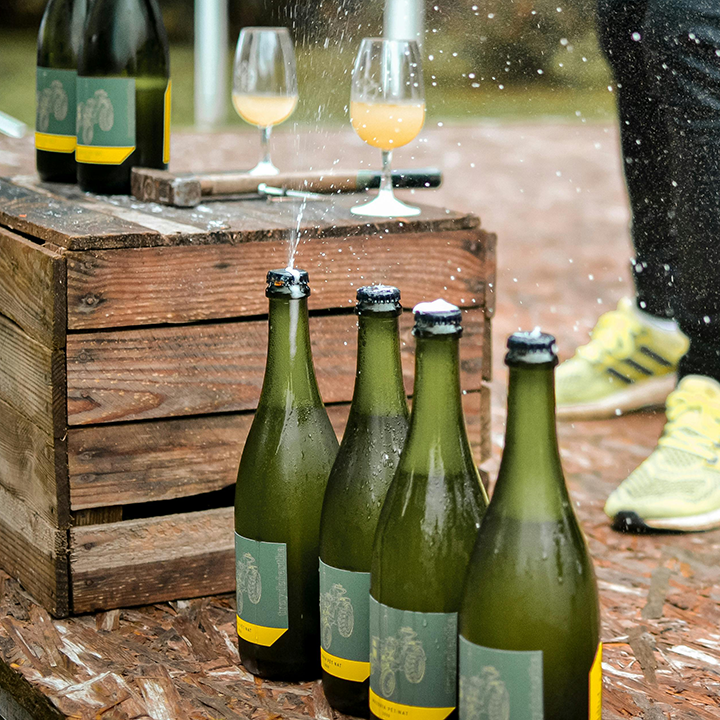
    Short for Pétillant Naturel (French for “naturally sparkling”), Pet Nat is the oldest known method of making sparkling wine, predating the Champagne method by centuries. It’s crafted using the méthode ancestrale, where the wine is bottled before fermentation is complete. This creates a gentle fizz as carbon dioxide is trapped during fermentation. Unlike Champagne, Pet Nat is often unfiltered, capped with a crown cap (like a beer bottle), and may carry a sediment that reflects its raw, unpolished nature.

    Photo by Susanne Jutzeler, suju-foto on Pexels.com

    A Brief Origin Story

    Pet Nat’s roots trace back to rural France, where farmers embraced this simpler, low-tech approach to sparkling wine. The Loire Valley is often credited as its modern spiritual home, though it’s now produced worldwide. For centuries, this “happy accident” fizz was a rustic treat enjoyed by winemakers themselves. Today, Pet Nat has evolved into a global trend, celebrated for its authenticity and artisanal charm.

    Purpose and Personality

    At its heart, Pet Nat is about capturing the essence of nature and spontaneity. Winemakers embrace minimal intervention, letting terroir and vintage variation shine. This results in wines that are alive, vibrant, and sometimes a bit unpredictable—an allure for adventurous drinkers.

    Myths and Lore

    1. Myth: Pet Nat is just poorly made sparkling wine.
      Truth: While it’s less polished than Champagne, good Pet Nat is thoughtfully crafted and represents the winemaker’s intent to embrace imperfections.
    2. Myth: It’s always funky and cloudy.
      Truth: Not all Pet Nats are wild or cloudy. Styles range from clean and crisp to earthy and funky.
    3. Lore: Opening a bottle is like opening a treasure chest—no two are exactly the same. There’s a delightful unpredictability to every pour.

    Tasting Notes and Styles

    Pet Nat can be made from any grape, so the flavor spectrum is vast. Common characteristics include:

    • Color: Clear to hazy, white to deep rosé, and even orange.
    • Bubbles: Gentle fizz rather than aggressive effervescence.
    • Aroma and Flavor: Expect bright fruit notes—green apple, pear, stone fruit, or berries—with herbal undertones, minerality, or a slight yeasty funk. Each bottle tells its own story.

    Here’s to the unexpected—
    To the wine that keeps us guessing,
    To the gentle fizz that feels like laughter in a glass,
    To the imperfections that make life beautifully real.

    May each sip of this lively, untamed wine remind us to embrace the unpredictable, savor the spontaneous, and celebrate the journey over the destination.

    To Pet Nat and the adventures it inspires—
    Cheers!

    Gregory Dean, SOMM&SOMM

    Food Pairings

    Pet Nat’s versatility and vibrancy make it a sommelier’s dream for food pairing. Here are some standout matches:

    • Light & Citrusy Pet Nats: Pair with oysters, sushi, or ceviche.
    • Rosé Pet Nats: Perfect with charcuterie, roasted veggies, or creamy cheeses.
    • Funky & Earthy Styles: Excellent with fried chicken, barbecue, or mushroom risotto.
    Image by Stacy, CC BY 2.0, via Wikimedia Commons

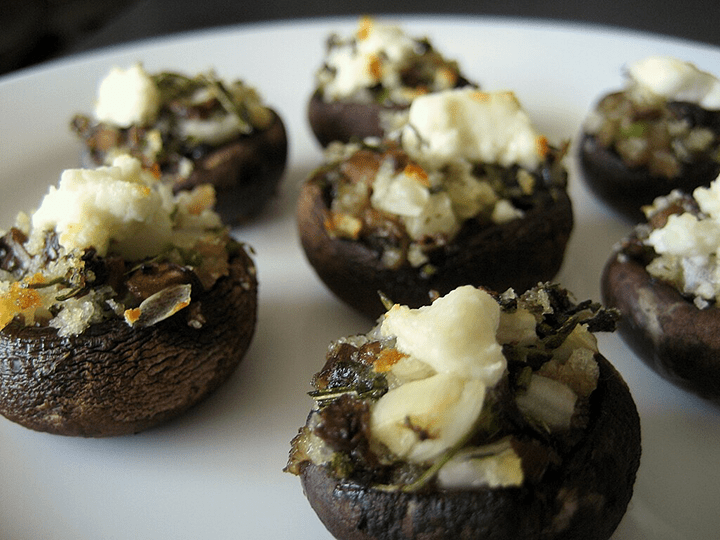
    Recommended pairing: Goat Cheese and Herb-Stuffed Mushrooms. The creamy, tangy goat cheese enhances the bright acidity of a citrusy Pet Nat, while the earthy mushrooms echo the wine’s natural, unfiltered character.

    Pet Nat isn’t just a fad—it’s a revival of a historic style with a modern twist. Whether it’s here to stay or fades into obscurity remains to be seen, but for now, its charm, authenticity, and sheer fun make it worth exploring. Grab a bottle, pair it with a dish, and let the fizz work its magic! Cheers 🥂

  • Thanksgiving Through the Glass

    Thanksgiving Through the Glass

    Wine Pairings from Morning Mimosas to Midnight Leftovers.

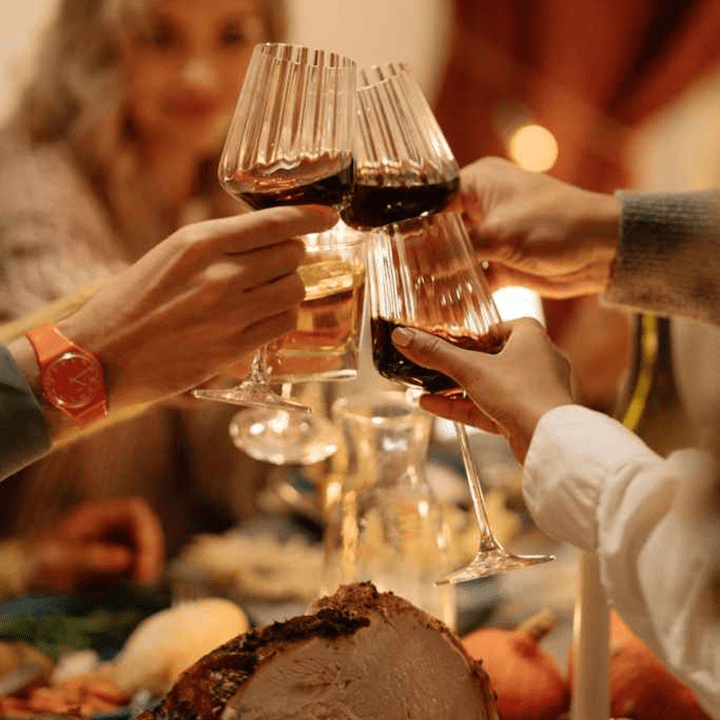
    Thanksgiving isn’t just about gathering around a table for a big dinner—it’s a day full of moments, from the morning preparations to the late-night desserts and those highly anticipated leftovers. As traditions evolve, the trend of pairing wines that enhance both classic and modern dishes continues to grow. Here’s an updated look at the best wine pairings from morning through midnight—and well into the days of leftovers.

    Tammy Dean and Bonnie Cooper, Thanksgiving preparations 2018

    Morning Preparations

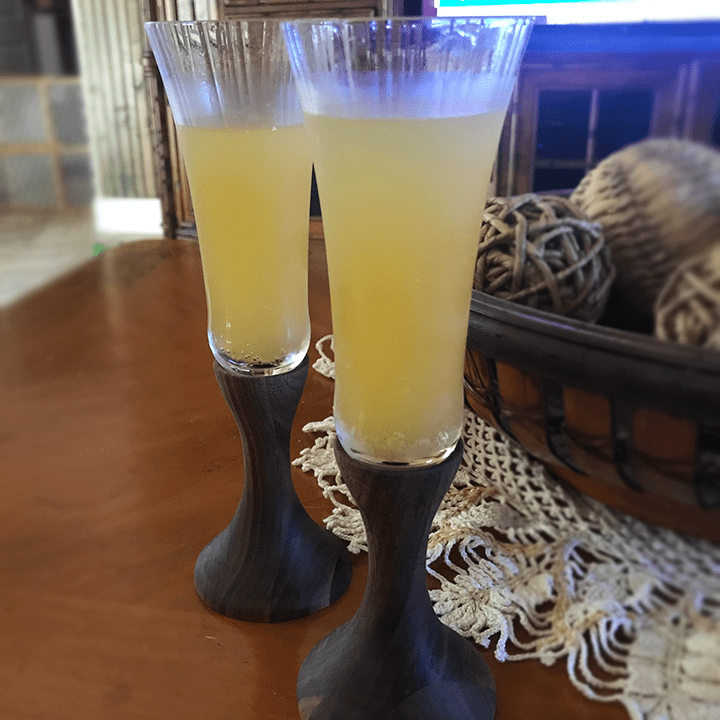
    Classic Mimosas in glasses handcrafted by Mike Weber

    Thanksgiving morning buzzes with the aromas of roasting and simmering, and there’s nothing like a glass of sparkling wine to add a celebratory touch. This year, mimosas get a refresh by pairing them with non-traditional juices like blood orange or pear. A quality Prosecco or Cava keeps these cocktails crisp and lively, balancing the richness of pre-dinner snacks and light breakfast pastries.

    For a more classic sparkling option, consider a Brut Rosé. Its subtle berry flavors add depth to lighter foods like smoked salmon and goat cheese on toast. For an elevated twist, the Iron Horse Wedding Cuvée (a Napa favorite) offers a vibrant start with rich strawberry notes that will carry you through the morning as the main dishes prepare.

    Here’s to Thanksgiving: where the glasses are as full as our hearts, the wines as varied as our favorite dishes, and the memories as rich as a perfect vintage. May each sip bring gratitude, laughter, and the joy of being together. Cheers to family, friends, and a feast worth savoring—sláinte!

    Gregory Dean, SOMM&SOMM

    The Main Event

    The Thanksgiving meal is a balancing act of savory, sweet, and sometimes bold flavors. This year, an emphasis on versatile wines is trending, along with the rise of lesser-known varieties that surprise and delight.

    Appetizers and Starters

    For appetizers, go with an off-dry Riesling or a Sauvignon Blanc to complement lighter bites and acidic dressings. Eroica Riesling or Grgich Hills Estate Sauvignon Blanc offers fresh acidity and mineral notes that won’t overwhelm the palate before the main meal. Riesling’s slight sweetness matches well with salty starters like mixed nuts, cheese plates, or charcuterie, while Sauvignon Blanc’s zest cuts through heavier, creamier dips.

    Photo by Monstera Production on Pexels.com

    Turkey and Sides

    Turkey is a natural canvas for wine, but the variety of sides can complicate things. For a red, the Pinot Noir is the reigning star, especially if it’s from Oregon or Burgundy. These wines bring a perfect combination of red fruit and earthiness that complements both dark and white meat. The acidity of Pinot Noir also brightens up rich sides like stuffing, mushroom gravy, and roasted Brussels sprouts.

    Related Article: Tasting Experiences: A Taste of Adelsheim

    If you’re in the mood for white, Chardonnay offers flexibility, but consider choosing a less oaked variety, like those from Chablis, or a Napa classic like Chateau Montelena Chardonnay, known for its minerality. These wines bring out the buttery notes in mashed potatoes while providing a lively contrast to tart cranberry sauce.

    The New Favorites: Red Blends

    Many guests have a favorite red blend they reach for during holidays, and the Trinchero Napa Red Blend is a standout. It’s fruit-forward with just enough tannic structure to handle heavier dishes. The rise in popularity of red blends showcases a preference for wines that blend approachable flavors with enough complexity to match a wide variety of dishes.

    Photo by Element5 Digital on Pexels.com

    Sweet Endings Paired Perfectly

    For dessert, late-harvest wines bring out the best in pumpkin and pecan pies. The Far Niente Dolce Late Harvest from Napa, with its lush notes of apricot and honey, pairs beautifully with spiced pumpkin pie, while the nutty undertones of pecan pie harmonize with a tawny port or Pedro Ximénez sherry.

    An increasingly popular dessert option is a cheese course with dark chocolate, paired with a rich Port or Demi-Sec sparkling wine. The Demi-Sec is particularly versatile, adding a touch of sweetness without overpowering the dessert course.

    Leftovers and The Day After

    Thanksgiving leftovers have earned a special place in the holiday, and wine pairings here can turn even the most casual meal into a refined experience. Turkey sandwiches with cranberry sauce are delightful with a chilled Beaujolais-Villages or a lighter Gamay. If you’re making turkey soup or a casserole, opt for an unoaked Chardonnay or a crisp Sancerre—the acidity will cut through creamy textures without overwhelming subtle flavors.

    For those who love to continue the celebration, sparkling wine is the perfect reset, bringing freshness to rich dishes and reminding everyone that Thanksgiving is more than just one meal.

    This day, this moment, is a gift—let’s make the most of it, together. Happy Thanksgiving!

    Greg and Tammy Dean, SOMM&SOMM

    A special message to our friends and family

    As the last sips of wine are savored and the final remnants of Thanksgiving leftovers are enjoyed, remember that this day is about far more than the food on our plates or the wines in our glasses. It’s about the moments that fill our hearts—those imperfect, fleeting, sometimes challenging moments that we share with the people we call family. Life, in all its unpredictability, doesn’t come with guarantees. Grievances and misunderstandings pale in comparison to the warmth of laughter around the table, the shared stories, and the joy of simply being together. So, this Thanksgiving, let’s set aside the weight of past disagreements and come together with open hearts. Cherish the people around you, for the memories you create today are the ones you’ll hold dear long after the wine glasses are emptied and the dishes are put away. This day, this moment, is a gift—let’s make the most of it, together. Happy Thanksgiving 🍷

    Cover photo by cottonbro studio on Pexels.com

  • A Sommelier’s Guide to Date Night Wine Pairings

    A Sommelier’s Guide to Date Night Wine Pairings

    From First Dates to Friday Night Takeout.

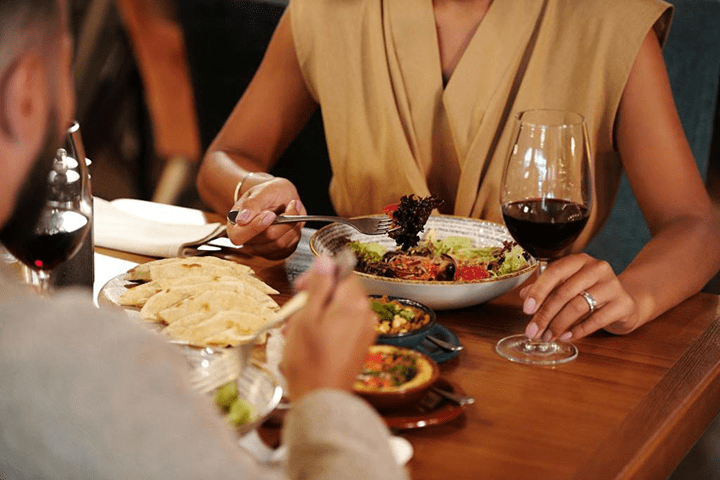
    Date night is sacred—a chance to connect, escape the routine, and indulge a little. Whether it’s a first date or a long-standing weekly tradition, a thoughtful wine choice can elevate the experience, even if the “cuisine” comes with a drive-thru option. Here’s a guide for various types of dates, with a wine pairing to match the mood, cuisine, and charm of each occasion.

    Photo by Jep Gambardella on Pexels.com

    The First Date: Breaking the Ice with a Hint of Romance

    The Vibe: Nerves, excitement, and the hope for a little spark.

    Cuisine: Tapas or small plates are perfect; they’re easy to share and provide plenty of variety. For a more relaxed vibe, consider street food-style Mexican fare or a cozy Italian trattoria.

    Wine Pairing:

    • For Spanish Tapas: Go with an Albariño from Rías Baixas. This wine is bright, refreshing, and versatile, with citrus and mineral notes that complement classic tapas like patatas bravas, gambas al ajillo (garlic shrimp), and jamón serrano.
    • For Tacos and Street Food Mexican: Try a chilled, fruity Grenache. It pairs beautifully with the spice and bold flavors of Mexican dishes without overwhelming them.
    • For Italian: If pasta is in the mix, a glass of Chianti Classico offers enough acidity to cut through rich tomato sauces, making it a great companion for lasagna, meatballs, or bruschetta.
    Photo by Snappr on Pexels.com

    The Weekly Date: Taco Tuesday (or Pizza Friday) – It’s Tradition

    The Vibe: A laid-back ritual where you both know what’s on the menu.

    Cuisine: Takeout or homemade staples—Taco Tuesday or pizza night are classics.

    Wine Pairing:

    • For Tacos: A zesty, crisp Sauvignon Blanc is an unexpected but perfect match for most tacos, especially fish or veggie. For heartier carne asada or al pastor, try a Tempranillo—its earthy flavors balance the smoky, savory profile of the meats.
    • For Pizza: A classic pairing would be an Italian Barbera or Chianti with tomato-based pizzas. However, if you’re enjoying something adventurous like a BBQ chicken pizza, go with a fruit-forward Zinfandel, which can handle the smoky, sweet flavors.

    Pro Tip: Even if it’s takeout night, pour that wine into proper glasses to elevate the vibe!

    The Anniversary Date: A Special Occasion with a Touch of Elegance

    The Vibe: Celebrating milestones and memories together, perhaps with a hint of nostalgia.

    Cuisine: Go all out with a French-inspired bistro dinner or a multi-course menu from a favorite fine-dining spot.

    Anniversary Date – Greg and Tammy, SOMM&SOMM

    Wine Pairing:

    • French Cuisine: For dishes like duck confit or beef bourguignon, reach for a classic Burgundy Pinot Noir or Bordeaux blend. If seafood is on the menu, a Chablis or Champagne makes an unforgettable pairing.
    • Multi-Course Pairing Adventure: For a true experience, start with a sparkling wine (Champagne or a quality American sparkling), transition to a rich white like an aged Chardonnay for the main course, and finish with a sweet, decadent wine for dessert, like a Sauternes or Late Harvest Riesling.

    Casual Takeout Date: Elevating Fast Food

    The Vibe: Unpretentious, low-key, but with an unexpected twist of sophistication.

    Cuisine: Burgers, fried chicken, or sushi takeout.

    Wine Pairing:

    • For Burgers: A juicy, full-bodied Merlot or a rich Cabernet Sauvignon pairs perfectly with a classic cheeseburger. If you’re opting for something spicier, like a pepper jack burger, a Zinfandel works wonders.
    • For Fried Chicken: A chilled, crisp Champagne or Prosecco cuts through the richness of fried chicken and adds a touch of elegance.
    • For Sushi: For classic nigiri or sashimi, a dry Riesling or sake is traditional, but a Sauvignon Blanc or even a dry rosé adds a fun twist.
    Photo by Dziana Hasanbekava on Pexels.com

    Outdoor Adventure Date: Picnic Perfect

    The Vibe: Fresh air, beautiful scenery, and a sense of exploration.

    Cuisine: Simple picnic fare like sandwiches, cheeses, fruit, and charcuterie.

    Wine Pairing:

    • For a Picnic Spread: Rosé is a picnic classic because it pairs well with a range of foods. Look for a Provence Rosé if you want something light and floral. If your picnic has heartier items like aged cheeses or cured meats, a Pinot Noir or a light-bodied Gamay would complement the flavors well.
    • For Sandwiches and Cheese: A Chardonnay pairs beautifully with most sandwiches, especially chicken or turkey. For cheese-focused picnics, try a Grenache-based wine for a balance of fruit and earthiness.

    Date night is about setting the mood, and wine can be your secret weapon. It’s not about being fancy or expensive—it’s about being thoughtful. A carefully chosen wine, even with the simplest dishes, can make any night special. So next time you grab that burger, sushi roll, or Tuesday taco, pour yourself a glass, toast to each other, and savor the little moments. Cheers 🥂

  • Celebrating 36 Years of Love & Legacy: A Mondavi Affair

    Celebrating 36 Years of Love & Legacy: A Mondavi Affair

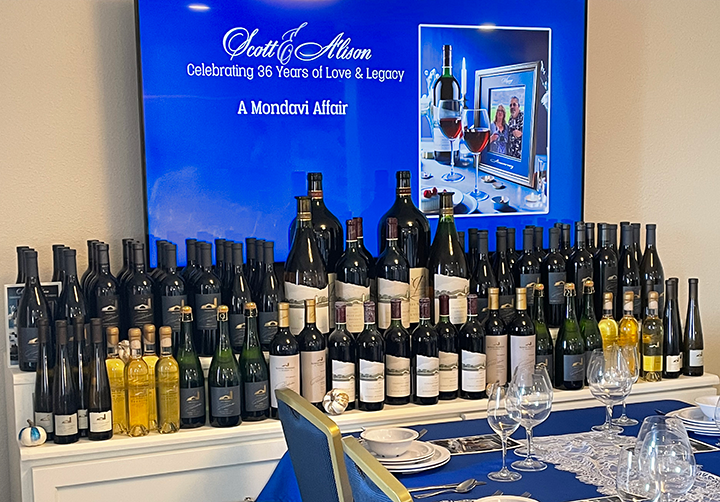
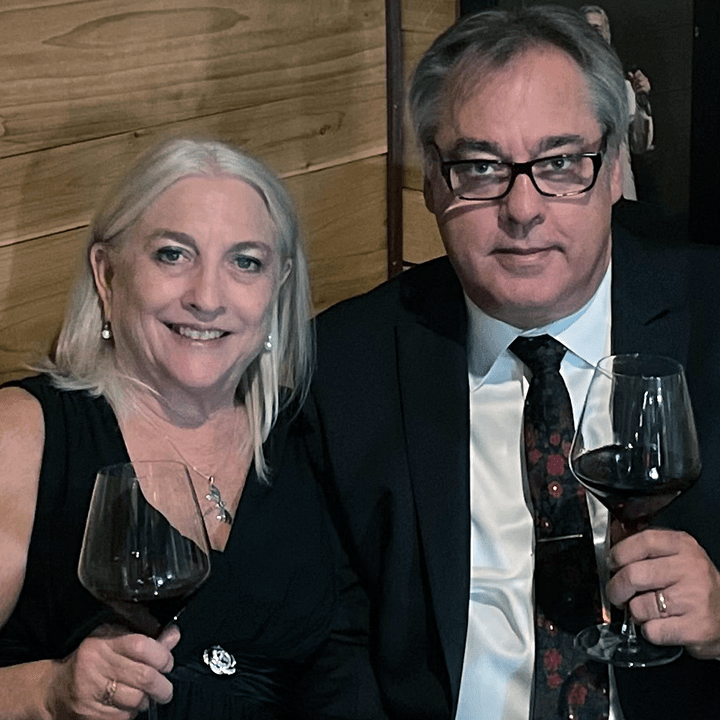
    In the world of wine, few stories intertwine celebration and life as deeply as that of Robert Mondavi. Reflecting this spirit, Scott and Alison White meticulously prepared every dish for their 36th anniversary celebration, a night that was as much about love and legacy as it was about Mondavi’s finest wines. It wasn’t just an evening of food and wine; it was a testament to the care, thought, and dedication that goes into creating something truly memorable—both in the kitchen and in life.

    We were honored to attend this grand affair, not only as guests but as fellow sommeliers, with a shared admiration for Robert Mondavi’s vision. The Whites’ attention to detail was evident in every course and pairing, their thoughtful preparation embodying Mondavi’s belief that “wine is part of the meal, part of life.” The elegant setting, draped in calming blue hues, was the perfect backdrop for an evening dedicated to celebrating love, friendship, and fine wine.

    Here’s to Scott and Alison, to 36 years of love, laughter, and legacy. Tonight, we raise our glasses not only to their enduring bond but to the friendships and memories that have grown alongside it. Just as a fine wine ages gracefully, deepening in complexity and richness, so too has their love—something we all cherish and celebrate. To many more years of shared joy, unforgettable moments, and, of course, incredible wine. Cheers!

    Gregory and Tammy Dean, SOMM&SOMM
    The lineup of Mondavi wines for the evening

    Welcome Appetizers: Hackleback Caviar, and Seared Ahi Tuna

    The evening began with an artfully curated selection of appetizers, each thoughtfully prepared by Scott and Alison. The briny Hackleback Caviar and the savory depth of Seared Ahi Tuna set the tone for the night. Zarmeena Khan, Wine Club and DTC Manager at Robert Mondavi Winery, introduced the 2021 The Estates Sparkling Wine from Napa Valley. Crisp, lively bubbles lifted the delicate brininess of the caviar, while its citrus and mineral backbone refreshed the palate after each bite of bruschetta and tuna. The Sparkling Wine, with its purity and precision, paid homage to Mondavi’s commitment to wines that speak to their terroir.

    First Course: Goat Cheese Salad

    Next came the Goat Cheese Salad—a delightful juxtaposition of creamy goat cheese, candied walnuts, and dried cranberries atop fresh field greens. Paired with the 2021 The Estates Fumé Blanc, the wine’s bright citrus and grassy aromatics danced beautifully with the tangy richness of the cheese. The salad brought out the best in the wine, which showcased Mondavi’s masterful touch in crafting Sauvignon Blanc. The acidity was a perfect foil to the creaminess, while its herbal notes mirrored the freshness of the greens. Scott and Alison’s careful attention to the balance of flavors and textures was on full display here, showcasing their passion for bringing out the best in every bite.

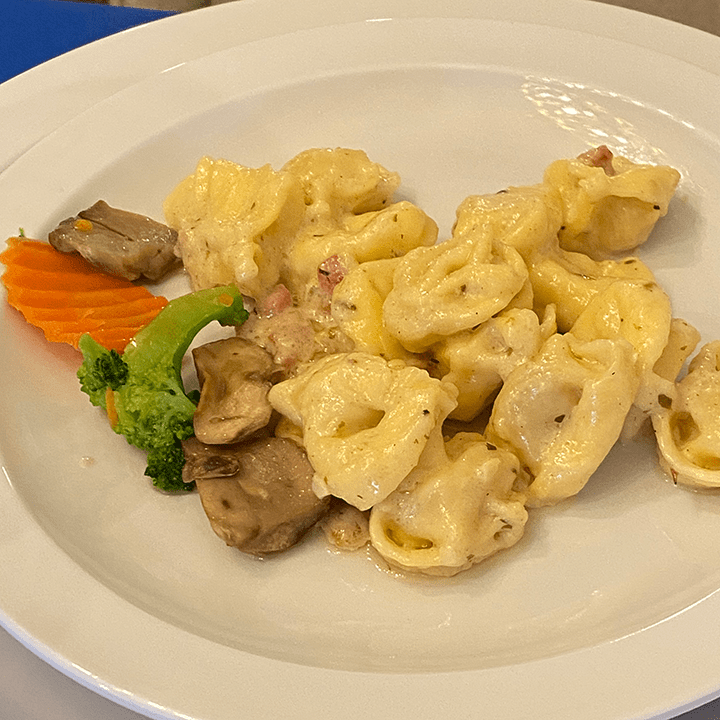
    Second Course: Tortellini Alfredo

    The richness of the Tortellini Alfredo, adorned with crumbled carrots, mushrooms, and broccoli, was a creamy indulgence. What elevated this dish to new heights was the pairing with the 1998 Mondavi Reserve Chardonnay from Carneros. Aged gracefully, this Chardonnay was an experience in itself—its nutty, buttery layers complementing the Alfredo’s creamy sauce, while a subtle acidity cut through the richness, leaving a balanced and refined finish. This wine is a testament to the longevity and evolution of Mondavi’s Chardonnays, as it still held onto a vibrancy that belied its years. Here’s Scott’s recipe (real-time commentary included 🙂

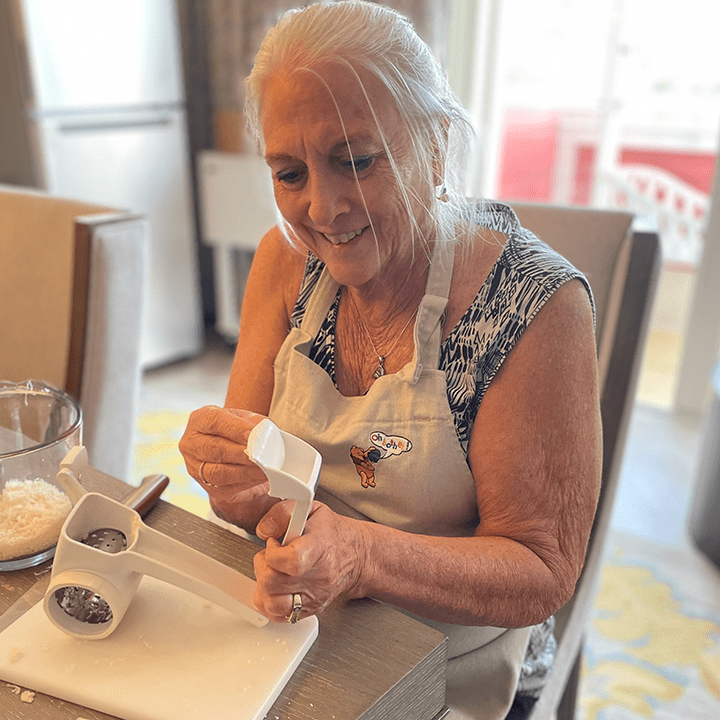
    Scott’s Creamy Dreamy Alfredo

    Pro Tip: If you’re adding veggies or protein (chicken, shrimp, etc.), cook those up first and set them aside. You’ll thank me later!

    • Olive oil (a drizzle—enough to make things sizzle)
    • ½ cup pancetta (finely minced—because pancetta makes everything better)
    • 8 large garlic cloves (minced super fine—seriously, garlic is life)
    • ½ cup butter (because we’re not counting calories today)
    • 1½ cups heavy cream (go big or go home)
    • 2 cups freshly grated Parmesan cheese (the good stuff—no shaky cans)
    • ½ teaspoon white pepper (for a subtle kick)
    • ½ teaspoon dried parsley (for that herby goodness)
    • ½ teaspoon Italian seasoning (because Italy, duh)
    • ¼ teaspoon nutmeg (adds a surprising twist)
    • ½ teaspoon garlic powder (yes, more garlic)

    Drizzle some olive oil in your favorite pan and toss in the pancetta. Cook it until it’s brown and crispy, like pancetta confetti. The smell? Heavenly.

    Add your minced garlic to the pan and let it brown a bit. Not too much—we want it golden, not burnt! This is where the magic happens. Toss in all those dried seasonings and give it a good stir. Set this mixture aside—it’s the soul of your Alfredo.

    In the same pan (don’t you dare wash it yet, all those flavors are gold!), melt that glorious butter. Once it’s melted and dreamy, slowly pour in the cream. Warm it up, but don’t let it boil—just a gentle simmer will do.

    Now, blend in that pancetta and garlic mixture you set aside. Stir it into the cream and butter until everything’s mingling beautifully.

    Slowly add in the Parmesan, stirring until it melts into the sauce like a cheesy hug. Keep stirring until the whole thing is smooth, creamy, and oh-so-inviting.

    Pro Serving Tip: Toss this with your favorite pasta (fettuccine is classic, but you do you!). Or pour it over sautéed veggies, grilled chicken, or shrimp. Finish with a little extra Parm on top, and maybe a sprinkle of parsley for that fancy touch.

    And voilà—Scott’s Alfredo, the perfect mix of creamy, garlicky goodness. You’re going to want seconds. Maybe thirds.

    Third Course: Lobster Bisque or Butternut Squash Soup

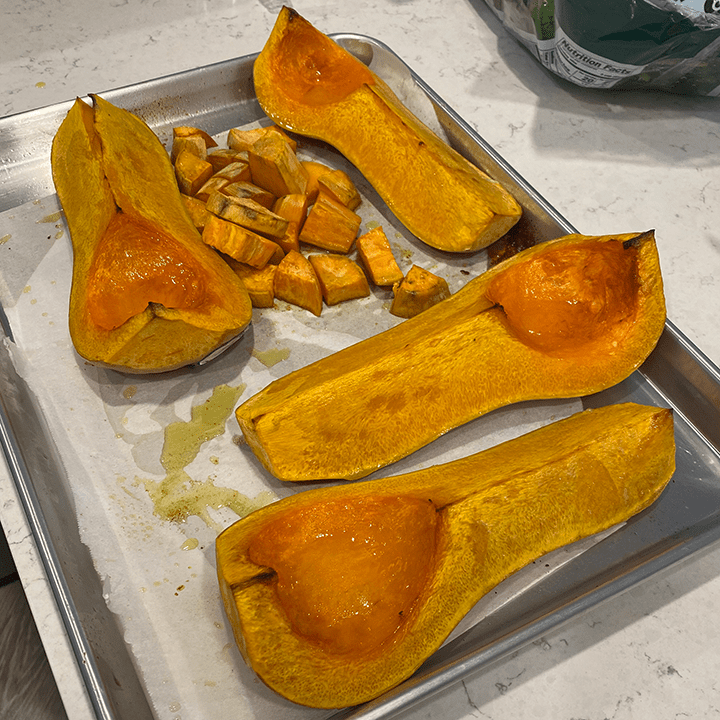
    As the third course was served, guests were given the option between an indulgent Lobster Bisque (prepared by Scott) or the comforting sweetness of Butternut Squash Soup (prepared by Russ Ahrens (Instagram: @drunkenchef82)). Both dishes were paired with the 2020 The Estates Chardonnay, a wine that stood confidently between the richness of the lobster and the subtle sweetness of the squash. Its balance of tropical fruit, creaminess, and acidity made it a versatile companion, harmonizing with both soups without overpowering the delicate flavors.

    Robert Mondavi’s legacy of elevating Chardonnay to an art form was ever-present in this pairing.

    Gregory Dean, SOMM&SOMM

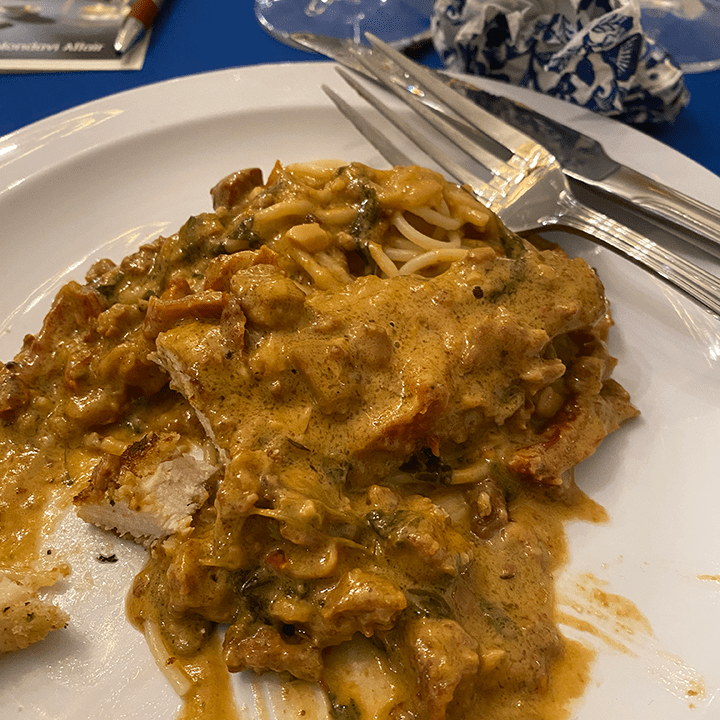
    Fourth Course: Tuscan Chicken with Spaghetti

    Rustic yet elegant, the Tuscan Chicken with sausage, sun-dried tomatoes, spinach, and mushrooms was bold, hearty, and packed with flavor. The wine selected for this course was the 2021 The Estates Merlot from Oak Knoll. Known for producing beautifully structured Merlots, Oak Knoll gave this wine a ripe red fruit profile, complemented by soft tannins and earthy depth. Together, the dish and the wine became a duet—each bite of the savory chicken brought out the wine’s complexity, while the wine’s fruit-forward character rounded out the richness of the dish.

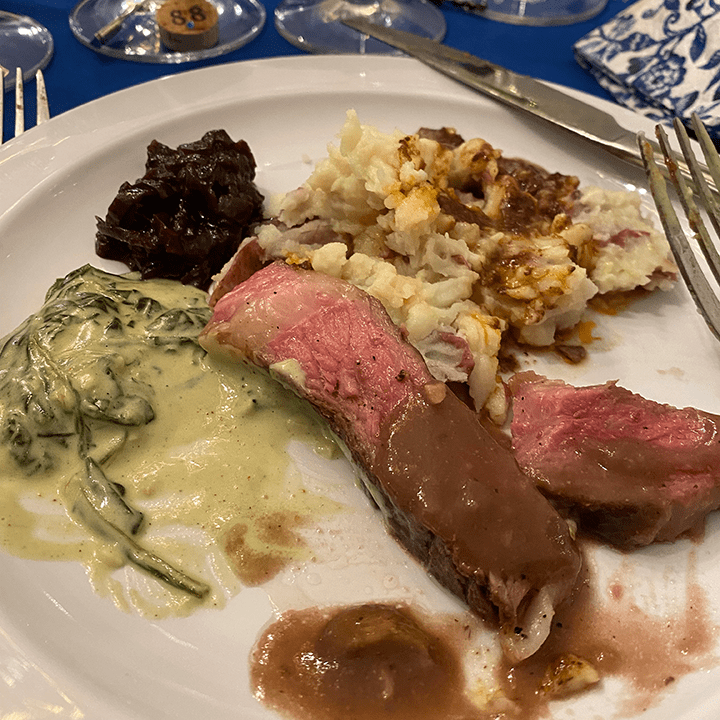
    Fifth Course: Charred Ribeye with Garlic Parmesan Mashed Potatoes

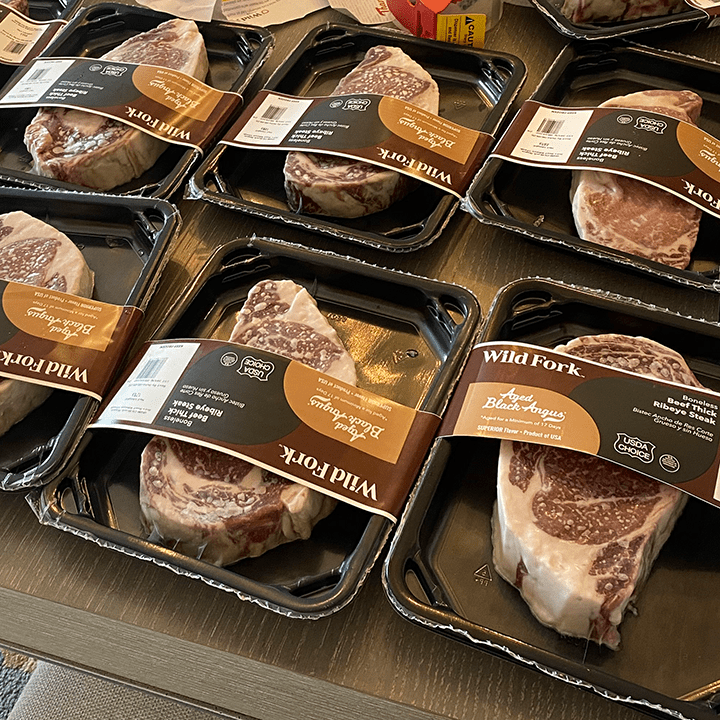
    For many, the charred ribeye was the highlight of the evening—a testament to Scott’s prowess and Russ’ skill in the kitchen. Served with garlic parmesan mashed potatoes, caramelized onions, and creamed spinach, this dish was a true labor of love. To honor such a decadent dish, we were treated to a vertical tasting of two Mondavi Cabernets—an exquisite 1988 Napa Valley Cabernet Sauvignon and a 1998 Oakville Cabernet Sauvignon. The 1988 vintage showcased dark fruit, leather, and earth, while the 1998 brought a more developed cedar and tobacco profile. Both wines, despite their differences, elevated the ribeye, with their structure and layered complexity enhancing the meat’s char and the rich bordelaise sauce. This pairing was a reminder of Robert Mondavi’s belief that “wine should bring out the best in food, just as food should bring out the best in wine.”

    Dessert Medley: Cannoli Cake & Caramel Apple Pecan Cake

    The dessert medley was a celebration in its own right. The Cannoli Cake, creamy and sweet, was paired with the 2020 Moscato d’Oro—a wine that shimmered with floral and vibrant citrus notes. The wine’s sweetness balanced the richness of the cake, offering a light, refreshing finish to each bite. Meanwhile, the Caramel Apple Pecan Cake, spiced with warm caramel flavors, found its match in the 2018 Sauvito Sauvignon Blanc from Oakville. This wine, with its ripe fruit and honeyed tones, mirrored the caramel and pecan notes in the cake, making for a harmonious, indulgent end to the meal.

    Here’s to 36 more years of love, legacy, and Mondavi magic!

    Gregory and Tammy Dean, SOMM&SOMM

    As the night drew to a close, it was impossible not to reflect on the thoughtful preparation that had gone into every dish and wine pairing. Scott and Alison’s 36th anniversary was a celebration not only of their enduring love but also of the art and care they bring to every meal. It’s evenings like these that remind us why we gather around the table—to share stories, laughter, and, most importantly… to celebrate life’s greatest moments. 🍷

    Alison, Scott, and Alyssa White

    Be sure to check out the 35th Anniversary extravaganza featuring Chateau Montelena wines!

  • A Lobster Boil Extravaganza

    A Lobster Boil Extravaganza

    Night Two of Scott and Alison White’s 36th Anniversary Celebration.

    Following the sparkling excitement of the previous evening, Scott and Alison White hosted a classic lobster boil, a feast fit for both food lovers and wine enthusiasts alike. Paired with the refined and storied Chardonnays of Chateau Montelena, this second night celebrated the richness of California’s wine legacy alongside the timeless joy of a seafood feast.

    Tammy alongside the 9-liter bottle of 2015 Chateau Montelena Chardonnay

    The Grand Opening: Chateau Montelena Chardonnay

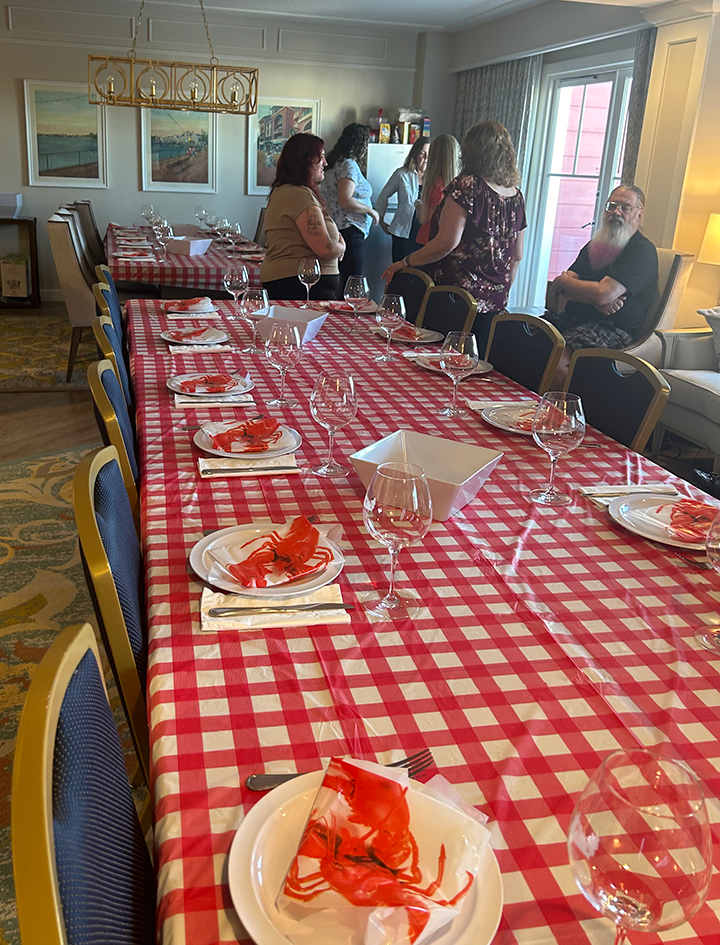
    The evening began with a spectacular sight: a 9-liter bottle of 2015 Chateau Montelena Chardonnay displayed in a custom mechanical wine cradle, lovingly known as “the rocket launcher.” This impressive vessel was racked and poured, allowing the room to be filled with the elegance and character of the 2015 vintage. Guests were seated at tables stretching the length of the suite’s common area, creating a warm communal ambiance as glasses were filled.

    A Culinary Labor of Love

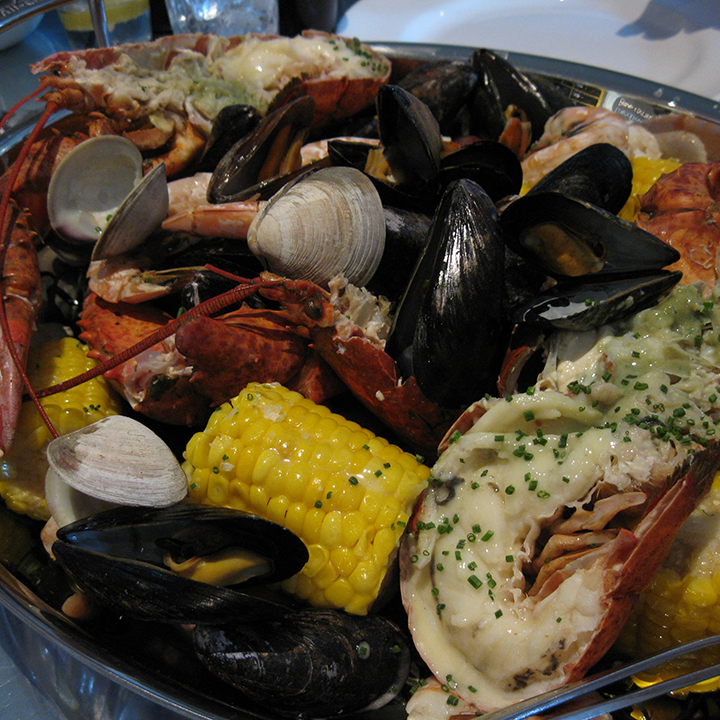
    Scott and Alison, along with the renowned Russ Ahrens (Instagram: @drunkenchef82), spent the entire day in the kitchen to prepare the lobster boil’s main attractions. The result was an extraordinary spread, with over 120 lobster tails, cheese-filled bratwursts, tender potatoes, succulent shrimp, corn on the cob, fresh clams, mussels, and cheddar bay biscuits—each element adding to the bounty and flavor of the evening.

    As guests indulged in the feast, the 2015 Chateau Montelena Chardonnay’s balanced acidity and rich, citrusy notes complemented the buttery lobster tails and briny seafood with finesse. The flavors melded beautifully, with the Chardonnay’s hints of stone fruit and subtle oak rounding out each bite.

    A Vintage Comparison: The 2015 and 2010 Chateau Montelena Chardonnay

    After the 2015 was savored and the 9-liter bottle emptied, Scott introduced a five-liter bottle of the 2010 Chateau Montelena Chardonnay. This vintage, with slightly more age, offered a glimpse into how Chateau Montelena wines evolve over time, displaying richer textures and deeper complexity. Spirited discussions ensued, as guests compared the vintages’ qualities—the 2010 bringing forth mellow oak notes, balanced with a lively acidity that contrasted with the younger 2015.

    Though both vintages had their fans, the 2015 emerged as the overall favorite. Scott, always prepared, uncorked a 750 ml bottle of the 2015 to confirm the consensus, and the wine’s balance and versatility secured its place as the perfect pairing for the lobster boil.

    Sweet Celebrations: October Birthdays and Dessert Wines

    Adding a personal touch, the evening’s desserts honored October birthdays for Alyssa, Scott and Alison’s daughter, and Jay, Scott’s brother. Two classic white birthday cakes graced the table, one with a smooth buttercream frosting and the other with a rich chocolate buttercream. The wine pairings were equally thoughtful, featuring the caramelized depth of Bodegas Alvear Pedro Ximénez Solera 1927, the berry-rich notes of a 2016 St. Francis Port, and the Domaine Carneros Demi-Sec sparkling wine from the previous night.

    Russ Ahrens (Instagram: @drunkenchef82) enjoying a New York Sour

    A Perfect Finish: Armagnac and Classic Cocktails

    As the night wound down, guests enjoyed a few final toasts with Armagnac and carefully crafted cocktails, each a fitting finale to a night of laughter, good food, and extraordinary wines. Scott enjoyed an Old Fashioned, while Russ savored a New York Sour, closing the evening with the warmth of shared stories and an appreciation for another unforgettable night.

    Left to Right: 375 ml, 750 ml, 750 ml, 5 liter, 6 liter, and 9 liter bottles

    To the bounty before us, the friends beside us, and the wines that elevate every bite. May our glasses stay full, our laughter ring loud, and our memories grow richer with each passing year. Cheers to good food, great wine, and even better company!

    Gregory Dean, SOMM&SOMM

    This lobster boil celebration, a beautiful blend of food, wine, and friendship, set a high standard for the week’s festivities and served as a reminder of the beauty in celebrating life’s moments with those we hold dear. Cheers 🍷

    Cover photo by: inuyaki.com, CC BY-SA 2.0, via Wikimedia Commons
  • Pairing the Perfect Wine with Mediterranean-Inspired Mahi Mahi

    Pairing the Perfect Wine with Mediterranean-Inspired Mahi Mahi

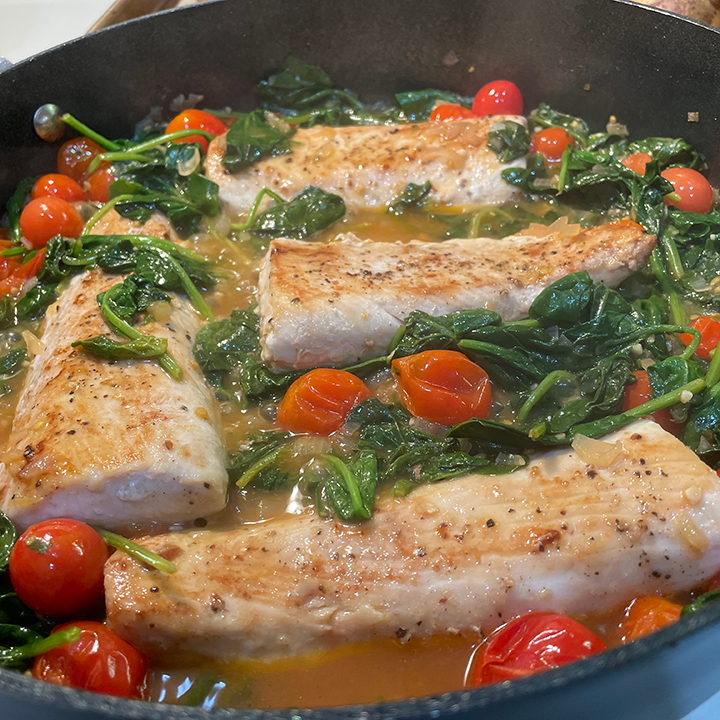
    As a sommelier and wine educator, one of the greatest joys is the process of finding that perfect wine pairing—a marriage of flavors that elevates both the dish and the wine to new heights. Recently, I found myself in the SOMM&SOMM kitchen creating a Mediterranean-inspired Mahi Mahi dish, a vibrant, refreshing plate that marries the richness of seared Mahi with the brightness of tomatoes, garlic, lemon, and herbs. While the dish itself was flawless, it lacked one key component—a wine pairing to complete the culinary experience.

    Finding a wine that compliments the complex flavor profile of Mediterranean-inspired Mahi is no small task. The challenge is to enhance the delicate yet meaty texture of the fish while balancing the brightness of lemon, the earthiness of spinach, and the slight tang from the rice wine vinegar. Here’s the approach I took in seeking the perfect wine, with emphasis on harmony and contrast.

    Fresh Mahi (Coryphaena hippurus) – Bernard DUPONT from FRANCE, CC BY-SA 2 via Wikimedia Commons

    Understanding the Flavor Profile of Mahi Mahi

    Mahi Mahi is a mild, firm-textured fish, often compared to swordfish, but with a slightly sweeter note. When seared, it develops a wonderful crust that lends a subtle richness without overpowering its delicate natural flavor. In this recipe, the Mahi is complemented by fresh Mediterranean elements like spinach, cherry tomatoes, and basil. A burst of acidity from the lemon juice and rice wine vinegar adds brightness, while garlic and shallots contribute a subtle, savory depth.

    The key to this dish lies in the balance between the buttery, seared fish and the fresh, acidic sauce. The spinach, with its earthy notes, also adds a slight bitterness to round out the dish. When thinking about wine, we want to match this profile with something that has enough acidity to complement the lemon and vinegar while being gentle enough not to overpower the delicate fish.

    Choosing the Wine Based on Structure

    To find the perfect wine pairing, I first considered the structural elements of the dish:

    1. Acidity: The lemon juice, rice wine vinegar, and tomatoes introduce a vibrant acidity that brightens the dish. A wine with similar or higher acidity is crucial for balance. This eliminates wines that are too rich or too low in acid, such as heavily oaked Chardonnays or some New World reds.
    2. Body: Mahi Mahi is meaty but not overly fatty. A light- to medium-bodied wine would pair best, ensuring the fish remains the star. This points toward white wines or light reds that offer structure without overwhelming the plate.
    3. Flavor Intensity: The mild flavors of the fish and the herbaceous, savory notes from the basil, garlic, and shallots call for a wine that mirrors these flavors. We want herbal or citrus-forward whites, or even rosés, that will enhance these elements rather than compete with them.

    Considering Specific Pairings

    Based on the structure and flavors, the wine shortlist becomes more focused. Let’s explore some options.

    1. Vermentino – The Ideal Mediterranean Match

    Vermentino, a grape found in Italy’s Liguria and Sardinia as well as southern France (where it’s called Rolle), is an exceptional choice for this Mahi dish. It naturally offers bright acidity and minerality, which mirrors the fresh, coastal nature of the Mediterranean. With notes of citrus, herbs, and sometimes even a hint of salinity, Vermentino would enhance the lemon, basil, and garlic in the sauce. Its zippy acidity keeps it refreshing, while its medium body holds up to the richness of the seared fish.

    In particular, a Sardinian Vermentino, with its slight salinity and bracing minerality, would create a seamless connection with the coastal roots of the dish.

    SOMM&SOMM Recommends: 2022 Deperu Holler Fria Vermentino di Gallura Superiore

    2. Assyrtiko – A Greek Twist

    For those looking to explore less common wines, Assyrtiko from Santorini is another stellar option. This Greek varietal is known for its high acidity, crispness, and mineral-driven flavors. With notes of citrus, green apple, and a slight smokiness, it would harmonize beautifully with the acidity in the dish while offering enough backbone to stand up to the Mahi’s meaty texture.

    The volcanic soils of Santorini lend Assyrtiko an unmistakable minerality, reminiscent of the ocean breeze, which would echo the subtle salinity of the fish itself.

    SOMM&SOMM Recommends: 2023 Sigalas Santorini Assyrtiko

    3. Sauvignon Blanc – For a Herbaceous Touch

    A classic pairing for dishes with green, herb-driven elements, Sauvignon Blanc, particularly from the Loire Valley, offers both crisp acidity and aromatic complexity. The grassy, citrus-driven profile of Sauvignon Blanc would play beautifully with the basil, parsley, and spinach in the dish, while its clean, bright finish cuts through the butter and oil in the seared fish.

    Sancerre, from the Loire, with its precise minerality and racy acidity, would be a top pick in this category, although a New Zealand Sauvignon Blanc would offer a more tropical, fruit-forward option for those who enjoy more pronounced flavors.

    SOMM&SOMM Recommends: 2023 Pascal Jolivet Sancerre

    4. Dry Rosé – A Fresh, Versatile Option

    For a more playful, yet equally complementary pairing, a dry Provençal rosé would be an excellent choice. With a balance of red fruit, herbal notes, and crisp acidity, rosé offers a bridge between the freshness of the tomatoes and the heartier elements of the fish and spinach. Its versatility makes it an approachable option, especially for a more casual date night setting.

    A rosé with hints of citrus, melon, and herbs would bring out the complexity of the dish without overwhelming its delicate balance.

    SOMM&SOMM Recommends: 2022 Domaines Ott Chateau Romassan Bandol Rose

    5. Albariño – A Spanish Take on Seafood

    Known for its seafood-friendly nature, Albariño from Spain’s Rías Baixas region is another ideal partner. With vibrant acidity, floral aromas, and flavors of lemon, green apple, and stone fruits, Albariño would heighten the citrusy elements in the dish while offering enough minerality to keep the palate refreshed. Its subtle salinity would also complement the fish’s natural flavor, creating a seamless blend of flavors from the sea and land.

    SOMM&SOMM Recommends: 2023 Bodegas Fillaboa Rias Baixas Albarino

    Experimenting with Contrasts

    While matching the wine to the dish’s flavor profile is the most common approach, contrasting pairings can also be quite rewarding. For this Mediterranean Mahi, a lightly chilled, red Pinot Noir or Gamay from Beaujolais could work surprisingly well. These wines are light-bodied enough not to overpower the fish but offer red fruit and earthy notes that would contrast and enhance the sweetness of the cherry tomatoes and the earthiness of the spinach. The low tannin structure in both wines would ensure that they don’t clash with the delicate fish, but the slight chill adds freshness and lift to the pairing.

    The Art of the Perfect Pairing

    At its core, pairing wine with food is an art, an ever-evolving exploration of flavors, textures, and sensations. The Mediterranean-inspired Mahi dish presents a beautiful canvas, one that can be enhanced by a range of wines depending on the mood of the evening or the personal preferences of the diner. Whether you opt for the crisp minerality of Vermentino, the herbal elegance of Sauvignon Blanc, or the versatility of rosé, the key lies in understanding the balance of acidity, body, and flavor intensity.

    For your next date-night meal, take the time to savor the exploration. Whether you choose a wine that mirrors the flavors of the dish or one that introduces a delightful contrast, the joy is in the discovery—an experience that, as a sommelier, I find endlessly rewarding. Cheers 🍷

    Want the recipe for this dish? Drop me a line greg@sommandsomm.com

  • Game Day Grub and Grapes

    Game Day Grub and Grapes

    Winning Wine and Cocktail Pairings for Your October Tailgate.

    October is here, and so are the cravings for heartier dishes that match the brisk air, camaraderie, and weekend football gatherings. As tailgaters fire up their grills and slow-cookers, classic fare like chili, wings, ribs, and stews become the go-to choices for feeding a crowd. But let’s take these crowd-pleasers to the next level with the perfect wine pairings and a couple of cocktails sure to score big at your next tailgate.

    Wine and Food Pairings for Hearty Tailgate Dishes

    Spicy Chili + Zinfandel or Off-Dry Riesling
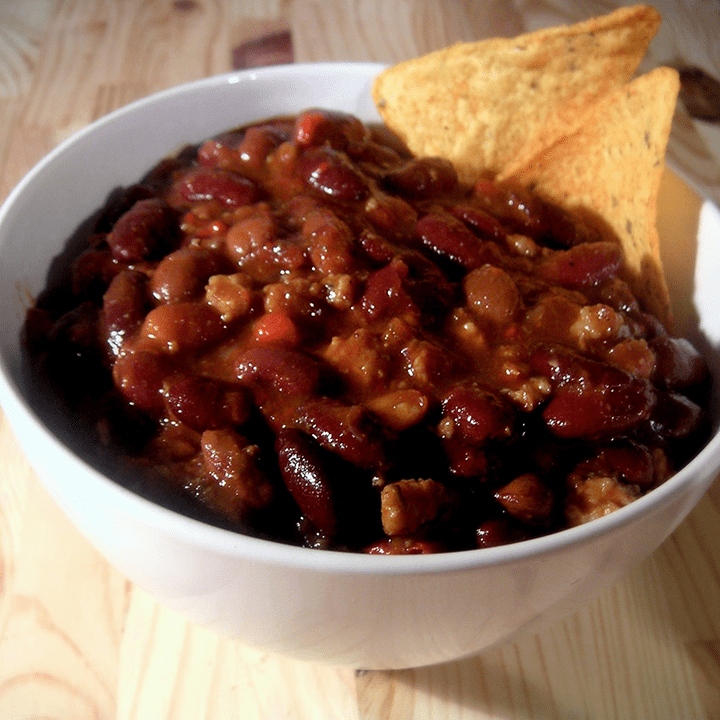
    Few things warm the soul like a steaming bowl of chili on a crisp October afternoon. Whether you’re loading up on beef, beans, or going for a veggie version, chili’s complex layers of flavor (and spice) call for a wine that can keep pace.

    • Zinfandel: The go-to for those who love bold, fruity reds. Zinfandel’s ripe blackberries, raspberries, and touch of sweet spice tame the heat and complement chili’s smoky notes from cumin, paprika, and charred peppers. Avoid the overly jammy versions; seek out ones with balanced acidity to cut through the richness.
    • Off-Dry Riesling: For those craving a white, Riesling’s delicate sweetness and vibrant acidity act as a cooling agent for chili’s heat. The natural sugars help counterbalance the spice, while the lime zest and apricot flavors offer a refreshing contrast.

    SOMM&SOMM Recommends: 2021 Seghesio Cortina Zinfandel

    SOMM&SOMM Recommends: 2021 Dr. Loosen Erdener Treppchen Riesling Spatlese

    Pulled Pork – Thogru, CC BY-SA 3.0 via Wikimedia Commons
    BBQ Pulled Pork + Syrah
    Pulled pork, whether slathered in a tangy BBQ sauce or slow-cooked with a hint of smokiness, begs for a wine with enough depth to match the savory goodness.

    • Syrah: This bold red offers the structure and body to complement the layers of flavors in pulled pork. Syrah’s black pepper, smoky bacon, and dark fruit notes accentuate the savory spices and richness of the meat. If you’re using a sweeter sauce, pick a Syrah with less oak and more fruit-forward notes to balance the flavors.

    SOMM&SOMM Recommends: 2021 Chateau de Saint Cosme Crozes-Hermitage

    Beef Stew – jeffreyw, CC BY 2.0 via Wikimedia Commons

    Hearty Beef Stew + Malbec
    A tailgate classic, beef stew’s hearty, comforting qualities demand a wine that can stand up to the richness of slow-cooked beef, root vegetables, and herbs.

    • Malbec: With its deep plum, black cherry, and cocoa flavors, Malbec’s tannins help cut through the richness, while the wine’s inherent juiciness complements the stew’s savory profile. Argentine Malbec, in particular, works wonders here with its earthy undertones and subtle hints of spice.

    SOMM&SOMM Recommends: 2020 Catena Alta Malbec

    Photo by Sergio Arreola on Pexels.com

    Spicy Buffalo Wings + Sparkling Wine
    Buffalo wings are a game-day favorite, but pairing these spicy bites with alcohol can be tricky. Higher-alcohol wines or cocktails can intensify the heat, leaving your mouth on fire instead of enjoying the flavors. So, what’s the solution?

    • Sparkling Wine: The crisp bubbles in a dry sparkling wine or Prosecco serve as a delightful counterpoint to the fiery sauce. The acidity and effervescence cleanse the palate, while a hint of fruit sweetness from the wine helps balance the heat. Plus, let’s face it: bubbles make everything more festive.

    SOMM&SOMM Recommends: LaLuca Valdobbiadene Prosecco Superiore

    The Challenge of Pairing Wine with Spicy Foods

    Spicy game day favorites like Buffalo wings, hot sausages, and jalapeño-laden nachos can make pairing a challenge because alcohol intensifies the sensation of heat. Wines with high tannins or elevated alcohol content (think Cabernet Sauvignon or Shiraz) can exacerbate the burn, turning what should be a delightful pairing into a flavor clash. That’s why it’s essential to look for wines with lower alcohol, higher acidity, and a touch of sweetness to help balance the heat. When in doubt, sparkling wines or slightly off-dry whites are safe bets.

    Tailgate-Ready Cocktails

    Spicy Margarita
    No tailgate is complete without a margarita twist. This Spicy Margarita brings the heat but balances it with zesty citrus and a touch of sweetness.

    Ingredients:

    • 2 oz silver tequila (or mezcal for a smoky twist)
    • 1 oz lime juice
    • 1 oz orange liqueur (Cointreau or triple sec)
    • ½ oz agave syrup (adjust to taste)
    • 2 slices jalapeño
    • Tajín seasoning for the rim (optional)

    Instructions:

    • Rub a lime wedge around the rim of your glass and dip in Tajín seasoning.
    • Muddle the jalapeño slices in a shaker.
    • Add tequila, lime juice, orange liqueur, and agave syrup. Shake with ice until well-chilled.
    • Strain into a glass with ice and garnish with a slice of jalapeño.

    The spicy kick pairs beautifully with anything from wings to grilled sausages, while the citrusy tang provides a refreshing balance to richer dishes.

    Autumn Bourbon Cider
    For a cozy cocktail that’s sure to please, this bourbon-based concoction pairs beautifully with tailgate classics like BBQ or burgers.

    Ingredients:

    • 2 oz bourbon
    • 4 oz apple cider (preferably fresh)
    • ½ oz lemon juice
    • Dash of cinnamon or nutmeg
    • Apple slice for garnish

    Instructions:

    • In a shaker, combine bourbon, apple cider, lemon juice, and cinnamon with ice.
    • Shake well and strain into a glass with ice.
    • Garnish with an apple slice and a cinnamon stick.

    The warm flavors of bourbon and spiced apple are perfect for cooler weather and pair effortlessly with fall favorites like pulled pork sandwiches or chili.

    Final Play: What Not to Do

    Avoid pairing your spicy wings, chili, or sausage with high-alcohol wines or spirits unless you enjoy setting your mouth on fire! Alcohol intensifies capsaicin—the active ingredient in chili peppers—which can make already spicy dishes unbearable. So, when serving dishes with a lot of heat, think low alcohol, high flavor—your palate will thank you.

    Whether it’s bold, fruity Zinfandels for chili or refreshing bubbles for wings, pairing the right wine or cocktail can take your tailgate game to the next level. Here’s to cooler weather, warmer food, and winning combinations🍷

  • A Sommelier’s Guide to Elevating Plant-Based Cuisine

    A Sommelier’s Guide to Elevating Plant-Based Cuisine

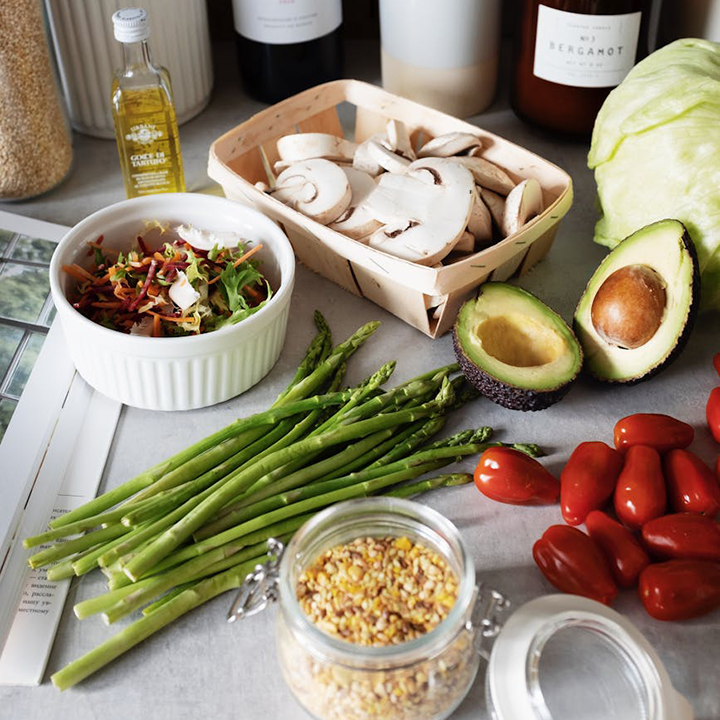
    Pairing wine with vegan dishes presents unique challenges, primarily due to the absence of animal-derived ingredients like fat, proteins, and umami-rich components such as cheese or meat, which traditionally enhance the mouthfeel and balance of certain wines. However, with a scientific understanding of flavor chemistry and a sommelier’s intuition, we can create pairings that elevate the vegan dining experience, balancing acidity, tannins, sweetness, and texture in ways that complement plant-based dishes.

    Lack of Fat and Proteins

    Animal proteins and fats help soften the perception of tannins in wine, creating a smoother mouthfeel. Without these components, high-tannin wines can feel overly astringent when paired with vegan dishes. Therefore, lower-tannin reds or those with softer, more integrated tannins are preferable.

    Recommended Wine: Pinot Noir (Vegan-certified)

    • Reasoning: Pinot Noir’s lower tannin structure and bright acidity make it a versatile partner for many vegan dishes, especially those with earthy components.
    • Dish Pairing: Roasted Beet and Walnut Salad with Balsamic Reduction. The earthiness of beets and walnuts echoes the subtle complexity of the Pinot Noir, while the acidity of the balsamic reduction aligns with the wine’s vibrant structure.

    SOMM&SOMM Recommends: 2022 Hahn Founder’s Pinot Noir V22

    Umami Deficiency

    Animal-based dishes often contain high levels of umami, which balances out tannins and acidity. Vegan dishes, while lower in umami, can still develop it through ingredients like mushrooms, miso, soy sauce, and fermented foods.

    Recommended Wine: Chianti Classico (Sangiovese) (Vegan-certified)

    • Reasoning: Chianti Classico offers moderate tannins and bright acidity, with notes of cherry and tomato that complement umami-rich plant-based foods. Its savory character matches well with the umami derived from mushrooms or soy-based dishes.
    • Dish Pairing: Miso-glazed Grilled Portobello Mushrooms. The umami from the miso and mushrooms harmonizes with the rustic, earthy notes of Sangiovese, while the wine’s acidity cuts through the richness of the glaze.

    SOMM&SOMM Recommends: 2021 Querciabella Chianti Classico

    Acidity and Freshness

    Many vegan dishes are vegetable-forward, emphasizing fresh, raw, or lightly cooked ingredients with high acidity. Wines with balanced acidity are crucial to avoid overwhelming these delicate flavors.

    Recommended Wine: Sauvignon Blanc (Vegan-certified)

    • Reasoning: Sauvignon Blanc is known for its crisp, zesty acidity, which matches well with the fresh, green flavors often found in vegan dishes. Its herbal notes also complement dishes that feature herbs, citrus, or green vegetables.
    • Dish Pairing: Avocado and Citrus Salad with Arugula and Mint. The bright, tangy flavors in this dish are mirrored in the Sauvignon Blanc’s lime and green apple notes, while its acidity contrasts the richness of avocado.

    SOMM&SOMM Recommends: 2023 Justin Sauvignon Blanc

    Spice and Heat

    Many plant-based dishes feature spices, which can be challenging for wine pairings. Spice amplifies the perception of alcohol, so lower-alcohol, fruit-forward wines with a touch of sweetness often work best with spicier vegan dishes.

    Recommended Wine: Riesling (Off-dry) (Vegan-certified)

    • Reasoning: Off-dry Riesling has just enough sweetness to counterbalance the heat in spicy dishes while offering bright acidity to keep the palate refreshed. Its fruit-forward profile softens the impact of spices.
    • Dish Pairing: Spicy Thai Green Curry with Tofu. The slight sweetness and acidity in Riesling tame the curry’s heat while enhancing its complex flavors of lemongrass, coconut, and lime.

    SOMM&SOMM Recommends: 2022 Dr. Loosen Erdener Treppchen Riesling Kabinett

    Texture and Body

    Many vegan dishes, especially those using grains, legumes, or root vegetables, have substantial texture but lack the rich body of animal-based fats. Wines with texture and body are necessary to complement these heartier components without overwhelming them.

    Recommended Wine: Chenin Blanc (Sec) (Vegan-certified)

    • Reasoning: Chenin Blanc can have a rich, creamy texture while maintaining refreshing acidity. This makes it ideal for pairing with hearty vegan dishes that have substantial texture but are lower in fat.
    • Dish Pairing: Butternut Squash Risotto with Sage and Cashew Cream. The creaminess of the dish is enhanced by the wine’s textured body, while its acidity keeps the pairing from feeling overly rich.

    SOMM&SOMM Recommends: 2023 Domaine Vigneau Chevreau Vouvray Cuvee Silex Sec

    Sweetness and Dessert Pairings

    Vegan desserts often use natural sweeteners, and the absence of dairy can make them feel lighter. Pairing vegan desserts with wine requires a delicate balance, ensuring the wine is sweeter than the dish to avoid bitter or sour clashes.

    Recommended Wine: Moscato d’Asti (Vegan-certified)

    • Reasoning: Moscato d’Asti is a lightly sparkling, sweet wine with low alcohol content, making it ideal for pairing with fruit-based or lightly sweet vegan desserts. Its bright acidity prevents the pairing from feeling cloying.
    • Dish Pairing: Almond Milk Panna Cotta with Fresh Berries. The delicate sweetness of Moscato complements the panna cotta, while the wine’s effervescence adds an element of freshness to balance the richness.

    SOMM&SOMM Recommends: 2022 Saracco Moscato d’Asti

    What Makes Vegan-certified Wine… well, Vegan?

    Vegan-certified wine is distinct from conventional wine in its production process, specifically during clarification and fining, where traditional animal-derived agents are avoided. Most wines go through a fining process to remove unwanted particles, proteins, and other compounds that can cloud the wine or affect its flavor. Traditionally, winemakers have used substances like egg whites (albumin), casein (milk protein), gelatin (animal protein), and isinglass (fish bladder) as fining agents. These substances bind to the unwanted particles and help filter them out, but since they are derived from animals, they render the wine unsuitable for vegans.

    In vegan-certified wine, plant-based or mineral fining agents are used instead. These include materials like bentonite (a type of clay), activated charcoal, pea protein, and silica gel, which effectively clarify the wine without the use of animal by-products. Some winemakers may even skip the fining process entirely, opting for a natural sedimentation approach that allows particles to settle over time, leading to unfiltered, often more complex wines that still meet vegan standards.

    To ensure that a wine is truly vegan, it must be certified by organizations that confirm no animal products were used in any part of the production process. This extends beyond fining to include other elements, such as ensuring animal-derived materials weren’t used in vineyard fertilizers or in the production of additives like colorants. Vegan-certified wines allow consumers to enjoy a high-quality product while staying true to their ethical or dietary choices.

    Photo by Valeria Boltneva on Pexels.com

    Pairing vegan dishes with wine is a delicate dance of balancing acidity, texture, and flavor, compensating for the absence of animal fats and proteins by focusing on the structure and nuances of both food and wine. By understanding the scientific interactions between these elements, you can create harmonious pairings that elevate both the vegan dish and the wine. Cheers 🍷

    Cover photo credit: Photo by ready made on Pexels.com

  • Why Cabernet Sauvignon Pairs Perfectly with Steak

    Why Cabernet Sauvignon Pairs Perfectly with Steak

    The Science and Art of a Classic Pairing.

    Cabernet Sauvignon is known for its robust structure, high tannins, and full-bodied nature, which makes it a perfect pairing for steak. The science behind this lies in how the components of both the wine and the meat interact:

    • Tannins and Fat: Tannins, naturally occurring polyphenols in wine, bind to proteins. In a bold Cabernet Sauvignon, the high tannin content interacts with the rich fat of a steak, essentially softening the perception of tannins. Fat coats the mouth and mitigates the drying or astringent sensation of tannins, making the wine taste smoother.
    • Acidity and Protein: The acidity of Cabernet Sauvignon also plays a key role. A well-balanced Cabernet often has enough acidity to cut through the richness of the meat, particularly with fattier cuts like ribeye. This creates a harmonious balance where the wine refreshes the palate between bites, amplifying the savory flavors of the meat.
    • Intensity of Flavors: Cabernet Sauvignon, especially those from warmer climates, exhibits strong black fruit flavors (blackberry, cassis) along with earthy, herbaceous, and sometimes even smoky notes. Steak, especially when grilled or charred, mirrors this intensity with caramelized and umami-rich flavors, resulting in an elevation of both the food and wine.
    Photo by Jep Gambardella on Pexels.com

    Leveraging the Experience of Others

    Keeping an open mind when exploring wine pairings is essential, as it fosters a deeper appreciation for the diversity of flavors and combinations available. Discussions and debates about pairings often arise because everyone’s palate and experiences are unique. What works for one person might not resonate with another, and that’s the beauty of food and wine.

    Including perspectives like Scott White’s in this article highlights the value of differing viewpoints. His expertise with California Cabernets, for example, brings a unique lens to the table, reminding us that experimentation can uncover unexpected and delightful pairings. Scott and Alison White’s wine pairing dinners are epic. The Five Decade Chateau Montelena Wine Pairing Dinner was over the top.

    This diversity of thought enriches the overall understanding of the science and art of pairing.

    Gregory Dean, SOMM&SOMM

    Specific Cuts of Steak and Cabernet Pairings

    Photo by Nano Erdozain on Pexels.com
    Ribeye
    • Characteristics: A ribeye is richly marbled with fat, making it one of the most flavorful and tender cuts. The high fat content is perfectly suited to the strong tannins of Cabernet Sauvignon, particularly a bold Napa Cab.
    • Why It Works: The fat cuts the astringency of the wine, while the wine’s acidity and bold flavors counterbalance the richness of the steak. The char from grilling also complements the smoky, spicy, and earthy undertones of the wine.
    • Recommendation: Choose a Cabernet with some age on it to soften the tannins further and allow the wine’s tertiary characteristics (like leather and cedar) to pair with the steak’s charred exterior.

    SOMM&SOMM Recommends: 2019 Nickel & Nickel Quicksilver Vineyard Cabernet Sauvignon, Rutherford

    Scott White Recommends: 2021 Central Park West Cabernet Sauvignon

    Scott's Notes: "For me wine pairing is often all about the sauce. 

    But in the case of big flavored beef like ribeye or even NY strip the sauce is secondary. The beef usually is still the dominant flavor profile.

    For me its more about the fat content.

    So ribeye or NY strip needs a big, high tannin + acid cab... Like Trinchero Central Park West or St Francis Lagomarsino"
    New York Strip
    • Characteristics: A New York Strip has less fat than a ribeye but is still marbled enough to provide a good balance between tenderness and flavor.
    • Why It Works: With its slightly leaner profile, this cut benefits from a Cabernet Sauvignon with firm tannins and a more pronounced fruit-forward profile. A younger, fruit-driven Cab can bring out the savory qualities of the meat while still taming the wine’s tannins.
    • Recommendation: A fruit-forward Cab from a region like Paso Robles with more pronounced black cherry and plum notes will enhance the meat’s natural sweetness while balancing the firmness of the cut.

    SOMM&SOMM Recommends: 2021 DAOU Soul of a Lion Cabernet Sauvignon

    Scott White Recommends: 2018 St Francis Lagomarsino Russian River Valley

    Filet Mignon
    • Characteristics: Known for its tenderness rather than its flavor, filet mignon has very little fat and a more subtle beefy profile.
    • Why It Works (or Doesn’t): The lean nature of filet mignon requires a different approach. A high-tannin wine can overpower the delicacy of this cut. Instead, a softer Cabernet Sauvignon, perhaps one with some Merlot blended in or one that has been aged to mellow out the tannins, can provide enough structure without overwhelming the meat.
    • Recommendation: Consider a Bordeaux-style Cabernet blend where the softer fruit and mellow tannins complement the lean nature of the filet without overpowering it.

    SOMM&SOMM Recommends: 2021 Chateau Lecuyer Pomerol

    Scott White Recommends: 2019 Mondavi PNX Pinot Noir Carneros

    Scott's Notes: "Filet and to lesser extent sirloin has to be more subtle. Maybe some herbaceous notes like your old friend Silver Oak Alexander Valley. Especially with a chimichurri type sauce.  

    I would lean more to pinot for filet. I know thats a safer bet. I'm ok with traditional pairings."
    Sommelier and host, Scott White, serving sparkling wine from a Methuselah (6-liter bottle)

    When to Consider Other Wines

    While Cabernet Sauvignon works beautifully with most steaks, certain situations call for different wines:

    • Lean Cuts: For leaner cuts like a flank steak or sirloin, consider a wine with lower tannins and more acidity, such as a Zinfandel or Syrah. These wines bring more fruit and spice to the pairing, complementing leaner, tougher cuts that benefit from a little more juiciness in the glass.
    • Delicate Preparations: If your steak is served with a light sauce or prepared sous vide, the boldness of Cabernet may overpower the dish. Opt for a more restrained wine like a Pinot Noir or even a Tempranillo, which offers depth but with a lighter touch on the palate.

    Hypothetical Pairings for the Adventurous Foodie

    Seared Duck Breast – Navin75, CC BY-SA 2.0 via Wikimedia Commons

    Seared Duck Breast with Cabernet Sauvignon

    • Why It Works: Duck breast is rich and flavorful, similar to steak but with a gamier profile. A high-tannin Cabernet will cut through the duck’s fattiness, and the wine’s dark fruit (blackberry, plum) will highlight the duck’s inherent sweetness. The charred crust from searing complements the wine’s earthy, smoky undertones.
    • Twist: Add a cherry reduction sauce to echo the wine’s fruit character, creating an enhanced balance between the dish and the glass.

    Braised Short Ribs with Cabernet Franc

    • Why It Works: Short ribs are deeply flavorful and benefit from slow braising. Cabernet Franc, while less tannic than Cabernet Sauvignon, still provides enough structure to stand up to the richness of the meat. Its herbal and green pepper notes will contrast beautifully with the umami richness of the short ribs.
    • Twist: Consider serving the short ribs with a dark chocolate mole sauce to play off the wine’s earthy and cocoa-like finish.

    Lamb Shoulder with Cabernet Sauvignon

    • Why It Works: Lamb, especially a well-marbled shoulder, is rich, earthy, and slightly gamey, which pairs excellently with the tannins of a Cabernet Sauvignon. The wine’s herbal notes (like sage or thyme) echo the common herb seasonings of lamb.
    • Twist: Serve the lamb with a mint pesto or herbaceous chimichurri to highlight the green, herbal elements in the wine, creating a refreshing balance with the richness of the meat.

    SOMM&SOMM Recommends: 2020 Silver Oak Alexander Valley

    Scott White Recommends: 2019 Chateau Montelena Estate Cabernet Sauvignon

    Spicy Korean BBQ Beef Short Ribs with Syrah

    • Why It Works: The bold, spicy, and umami-rich flavors of Korean BBQ (gochujang, soy sauce, sesame oil) can overpower a typical Cabernet. Instead, Syrah’s spiciness, smoky undertones, and black fruit character make it a perfect match for the dish’s intense flavors.
    • Twist: The slight pepperiness of Syrah complements the heat of the BBQ, while its softer tannins keep the pairing from becoming overwhelming.
    Five Decade Chateau Montelena Wine Pairing Dinner

    Special thanks to fellow wine enthusiast, Scott White, for his unique perspective and insight into the art of the perfect pairing. These adventurous pairings demonstrate the interplay between fat, tannins, acidity, and flavor intensity. Understanding the science behind food and wine interactions allows sommeliers to push boundaries and craft unique, delicious experiences for the curious palate. Cheers🍷
    Cover photo credit: Photo by Farhad Ibrahimzade on Pexels.com