Category: Pairings

  • Floral & Herbaceous Wines for the Season

    Floral & Herbaceous Wines for the Season

    As the days grow longer and the first hints of warmth dance through the air, our palates begin to crave fresh, vibrant flavors that celebrate the awakening of spring. The crisp snap of asparagus, the delicate sweetness of peas, and the bright zing of lemon zest all signal the arrival of a new season—one that calls for wines that are just as lively and refreshing.

    This is the time to explore wines with floral and herbaceous notes that mirror the beauty of blooming gardens and fresh greenery. From aromatic whites like Muscat, Torrontés, Gewürztraminer, and Grüner Veltliner to elegant reds like Gamay and Pinot Noir, these selections capture the essence of spring in every sip.

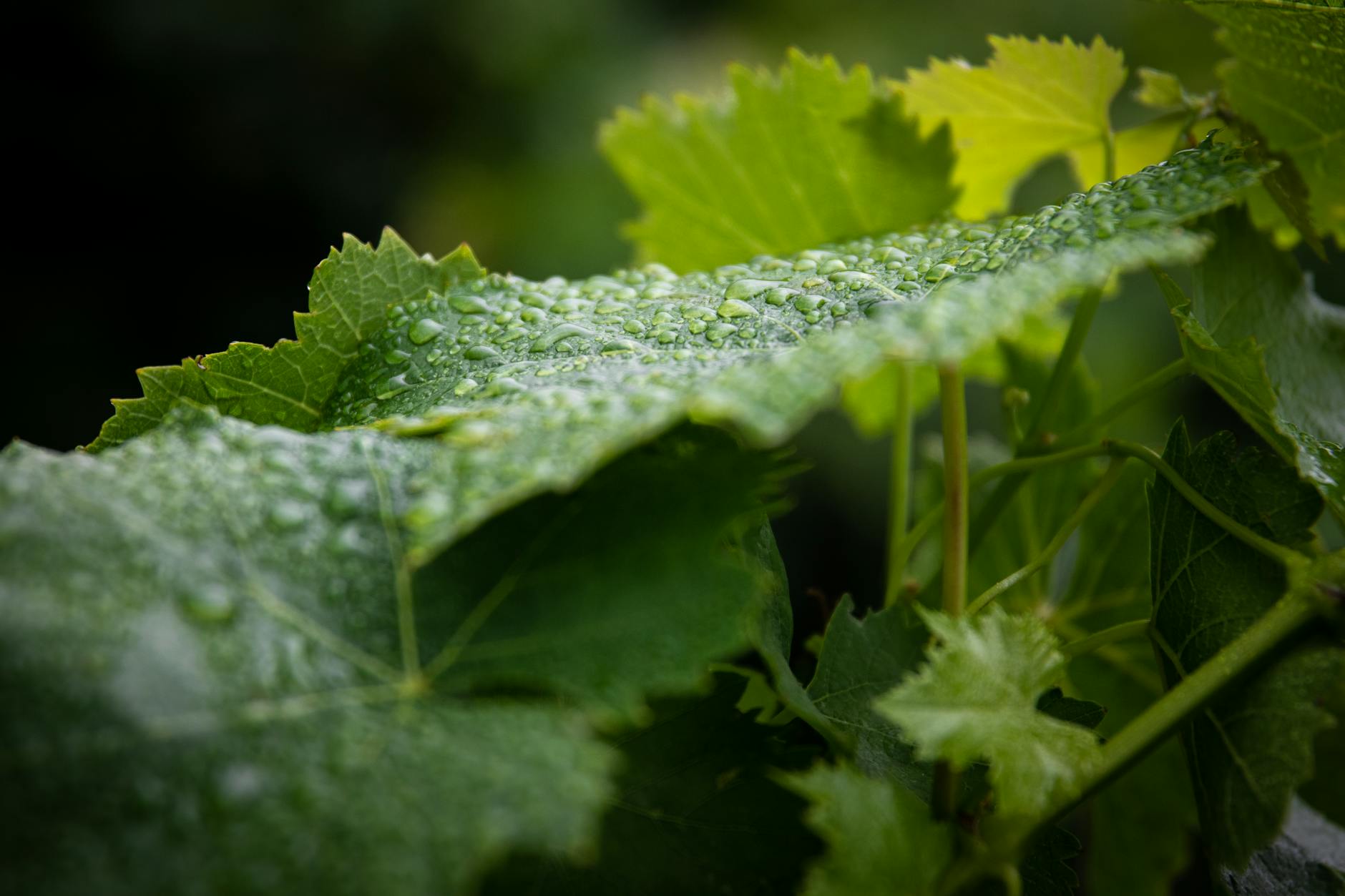
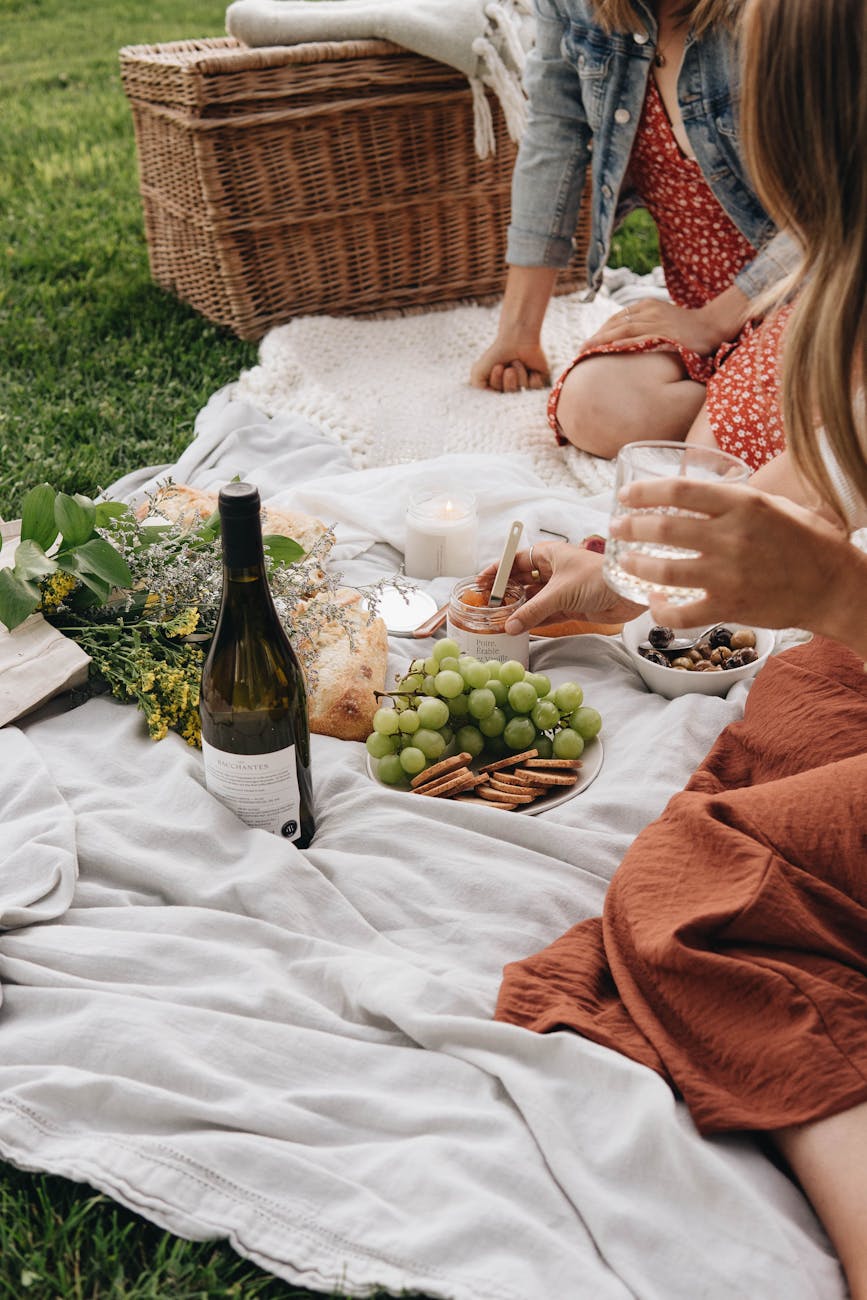
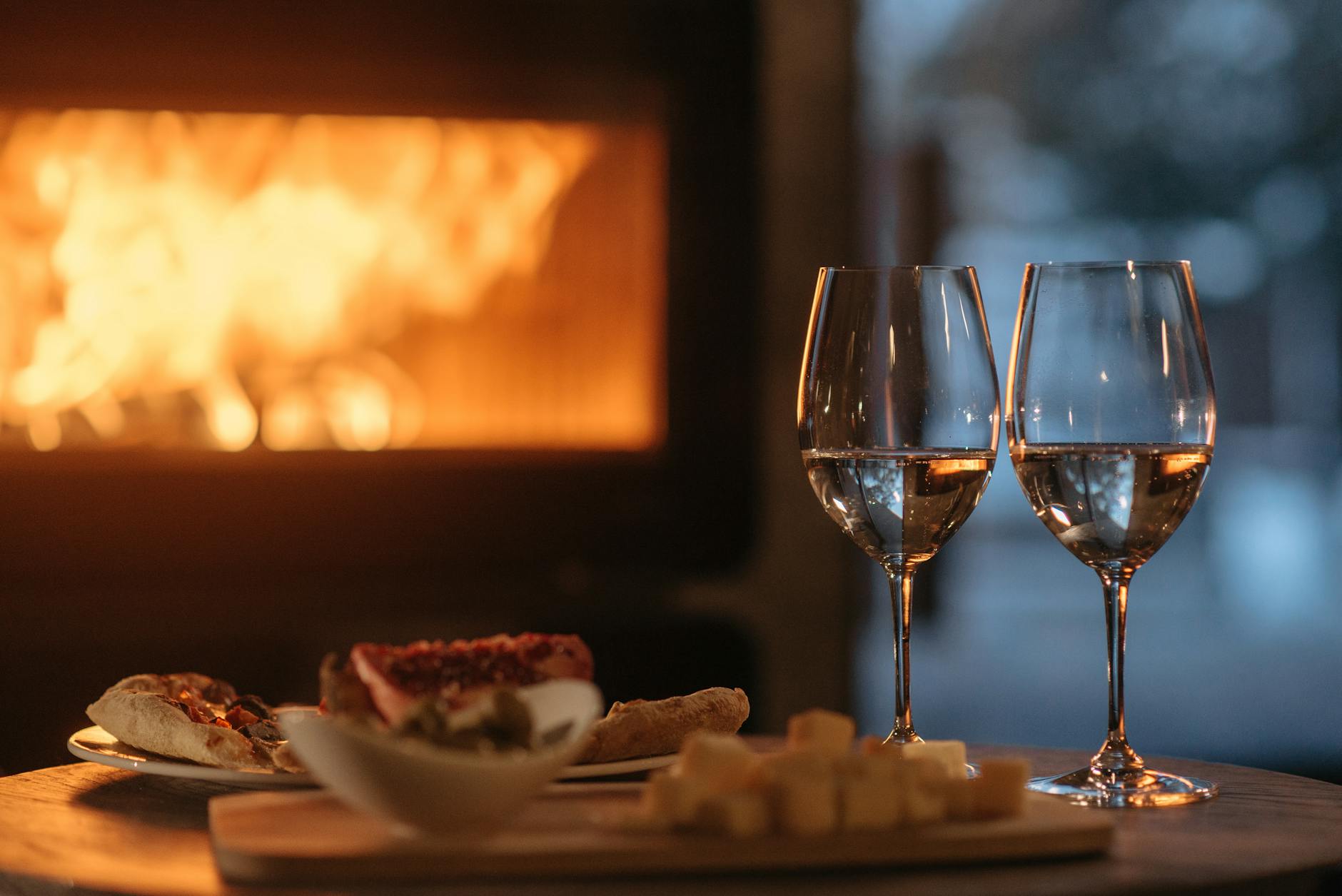
    Photo by Mathilde Langevin on Pexels.com

    Floral & Herbaceous Whites for Spring

    Muscat: The Essence of Spring Blossoms

    Muscat is one of the most perfumed grape varieties, bursting with floral aromas of orange blossom, honeysuckle, and jasmine. It often carries a touch of sweetness, making it an excellent match for lightly spiced dishes and fresh spring salads.

    Pair with: A spring pea and mint risotto, or a citrusy shrimp ceviche with orange and grapefruit segments.

    Torrontés: Argentina’s Aromatic Gem

    This highly aromatic white wine from Argentina is known for its striking floral notes of rose petal and geranium, balanced by zesty citrus and herbal undertones. With its refreshing acidity, Torrontés is perfect for pairing with light, aromatic dishes.

    Pair with: Grilled asparagus drizzled with lemon-infused olive oil or a Thai-inspired coconut and lemongrass soup.

    Tom Kha Gai Soup image from 40 Aprons published recipe

    Gewürztraminer: A Perfumed and Spicy Delight

    Gewürztraminer is an exotic and intensely perfumed white wine, often exuding aromas of lychee, rose, and ginger. Its slight oiliness on the palate makes it a great match for flavorful, slightly spicy dishes.

    Pair with: A fresh goat cheese and honey tart with edible flowers or a fragrant Moroccan tagine with apricots and almonds.

    Grüner Veltliner: A Herbal & Peppery Classic

    Austria’s beloved white wine, Grüner Veltliner, is an herbaceous powerhouse with notes of white pepper, green apple, and fresh herbs. Its crisp acidity makes it an ideal match for the green flavors of spring.

    Pair with: A classic spring asparagus salad with lemon zest and shaved Parmesan or a light, herb-crusted fish dish with dill and tarragon.

    Light and Lush Reds for Spring

    Gamay: The Ultimate Spring Red

    Gamay, best known from Beaujolais, is a bright, fruit-forward red with floral notes of violets and wildflowers, underscored by soft red berry flavors. With its light body and juicy acidity, Gamay is a versatile food-pairing wine.

    Pair with: A fresh herb and mushroom tart or a spring vegetable stir-fry with soy and sesame.

    Pinot Noir: A Delicate and Earthy Companion

    Pinot Noir is a classic springtime red, offering elegant floral aromas of rose and peony, combined with earthy undertones of forest floor and fresh strawberries. It has a silky texture and lively acidity, making it a fantastic choice for lighter spring fare.

    Pair with: Lemon-herb roasted chicken with spring peas or a fennel and citrus salad with toasted almonds.

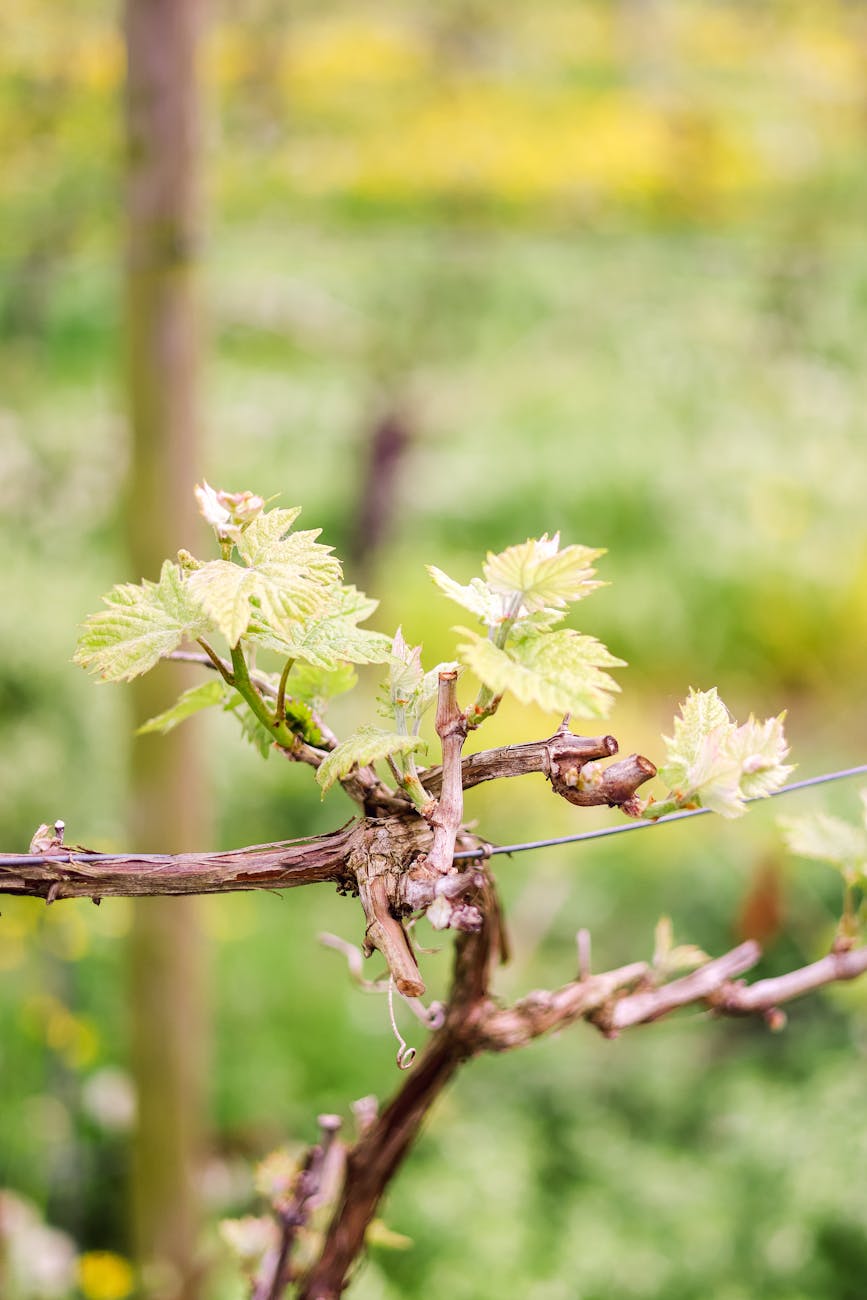
    Photo by Filipp Romanovski on Pexels.com

    Bringing Spring to Your Glass and Plate

    Spring is a time of renewal, and your wine selection should reflect the freshness and energy of the season. Whether you’re sipping on a floral Torrontés alongside a citrusy seafood dish or enjoying the bright fruit of Gamay with a spring vegetable tart, these wines elevate the flavors of the season and invite you to fully embrace the beauty of spring.

    So, gather your fresh herbs, crisp greens, and floral aromatics, and let these wines awaken your senses as you toast to the season of renewal! Cheers to spring 🍷
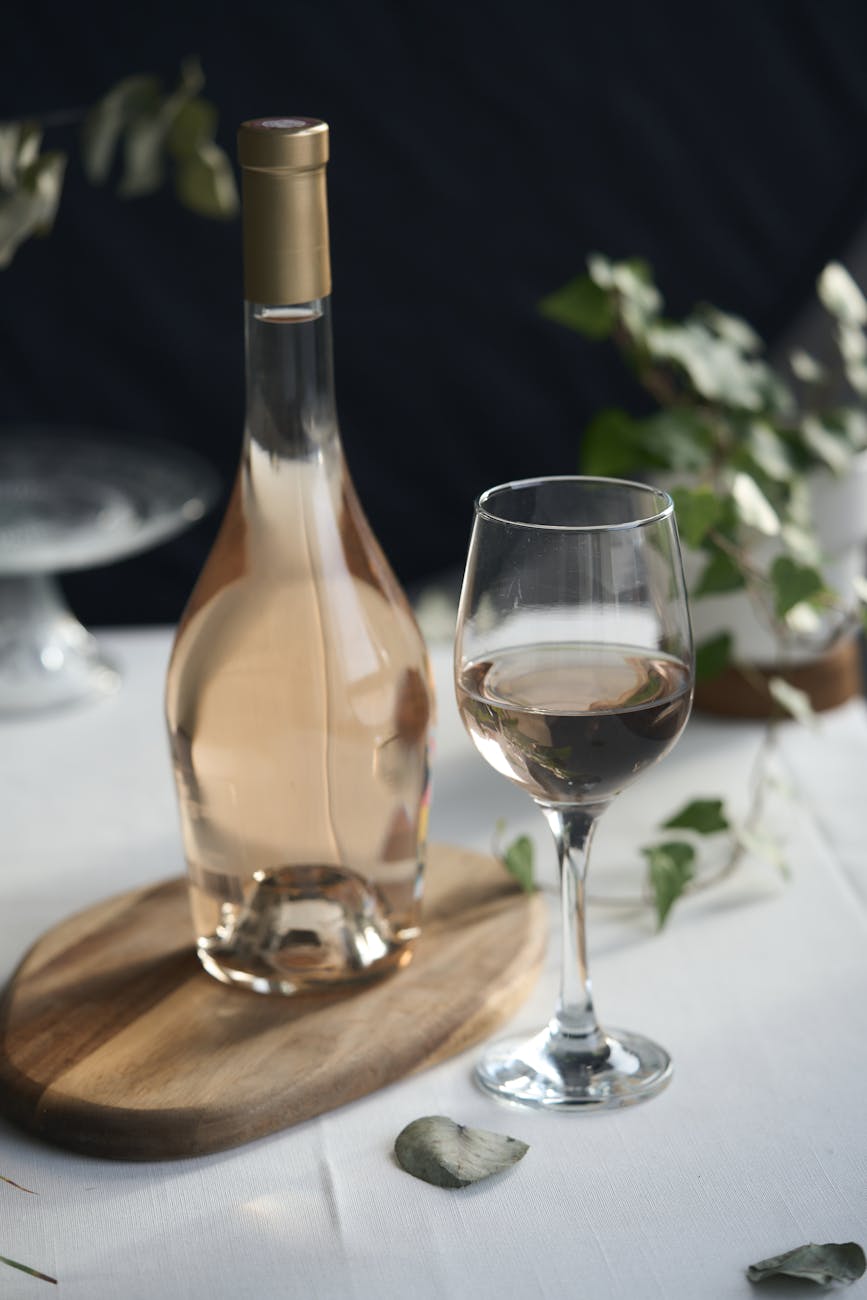
    Cover image credit: Photo by Manuel Mouzo on Pexels.com

  • A Feast of Revelry, History, and Unforgettable Pairings

    A Feast of Revelry, History, and Unforgettable Pairings

    Laissez les bons temps rouler! As beads fly through the air and jazz trumpets wail through the streets, it’s easy to get lost in the revelry of Mardi Gras. But how did this dazzling, over-the-top celebration begin? More importantly, how can we pair the best wines and cocktails with the rich, decadent cuisine that defines this feast of indulgence?

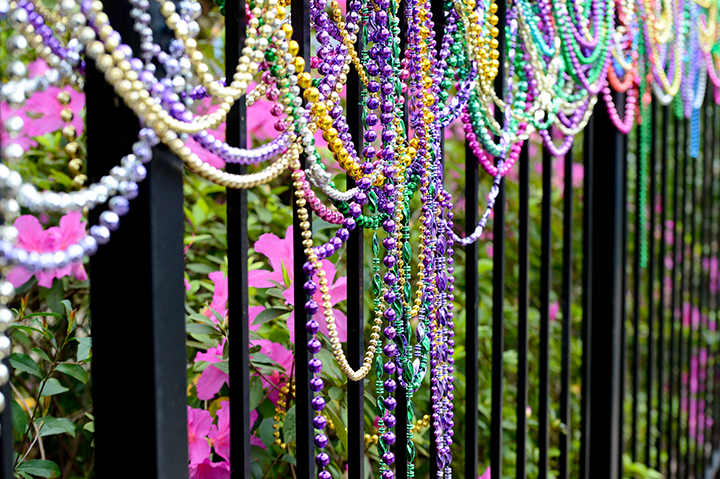
    Photo by Polina u2800 on Pexels.com

    The Origins of Mardi Gras: More Than Just Beads and Beignets

    Mardi Gras, or “Fat Tuesday,” has roots that stretch deep into medieval Europe, evolving from ancient Roman festivals celebrating the arrival of spring. As Christianity spread, these raucous festivals became intertwined with the pre-Lenten feasting season. French settlers brought the tradition to Louisiana in the 17th century, and by the 19th century, Mardi Gras had evolved into the colorful, masked celebration we know today.

    The official colors—purple for justice, green for faith, and gold for power—were chosen in 1872 by the Rex Organization, one of New Orleans’ most famous Mardi Gras krewes. Today, Mardi Gras isn’t just a party—it’s a cultural phenomenon, a last hurrah before the austerity of Lent, and a culinary extravaganza deserving of spectacular wine pairings.

    Wine Pairings for Classic Mardi Gras Fare

    Mardi Gras cuisine is as bold as the festival itself, featuring an array of Cajun and Creole delights. Here’s how to pair wines with some of the most iconic dishes:

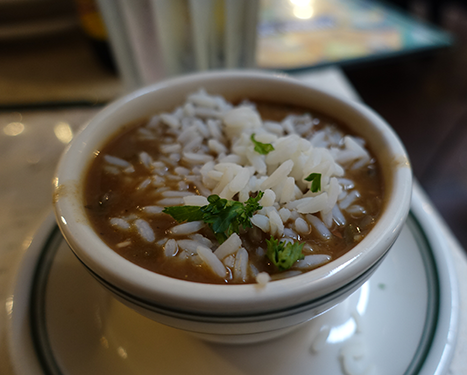
    Jeremy Thompson, CC BY 2.0, via Wikimedia Commons

    Gumbo & White Rhône Blend

    A steaming bowl of gumbo, thick with seafood, sausage, and the holy trinity (onion, bell pepper, celery), needs a wine with enough weight to stand up to its smoky, spicy complexity. A white Rhône blend—like a Marsanne-Roussanne-Viognier mix—offers richness, spice, and just enough acidity to balance the roux’s depth.

    Jambalaya & Cru Beaujolais

    The spice-laden, tomato-based jambalaya, packed with shrimp, chicken, and andouille sausage, demands a wine that won’t clash with its boldness. A fruity yet structured Cru Beaujolais, such as Morgon or Fleurie, brings juicy red fruit notes with just the right touch of earthiness to complement the dish’s smoky kick.

    Crawfish Étouffée & Chenin Blanc

    This buttery, smothered crawfish dish pairs beautifully with a dry or off-dry Chenin Blanc from Vouvray or South Africa. The wine’s bright acidity cuts through the richness, while its notes of pear and honeysuckle enhance the natural sweetness of the crawfish.

    King Cake & Sauternes

    No Mardi Gras is complete without King Cake, that sugary, cinnamon-laced pastry crowned with glittering icing in purple, green, and gold. A luxurious glass of Sauternes (or even a late-harvest Gewürztraminer) complements the cake’s sweetness with its own honeyed richness and vibrant acidity.

    The Voodoo Queen: A Mardi Gras Cocktail to Remember

    To truly embrace the spirit of the season, let’s craft a cocktail as colorful and mystical as Mardi Gras itself: The Voodoo Queen. This spellbinding sipper blends Caribbean spice, Creole flair, and just the right amount of voodoo magic.

    The Voodoo Queen
    Ingredients:

    • 2 oz dark rum
    • ¾ oz passion fruit liqueur
    • ½ oz lime juice
    • ½ oz falernum
    • ¼ oz absinthe rinse
    • ½ oz orgeat syrup
    • 2 dashes Peychaud’s bitters
    • Crushed ice
    • Lime wheel & edible purple orchid for garnish

    Instructions:

    1. Rinse a tiki glass or coupe with absinthe and discard the excess.
    2. In a shaker, combine rum, passion fruit liqueur, lime juice, falernum, orgeat, and bitters.
    3. Shake vigorously with ice, then strain into the prepared glass over crushed ice.
    4. Garnish with a lime wheel and an edible purple orchid.
    5. Raise your glass and prepare to toast!

    Laugh Loud, Feast Well, and Dance On

    Here’s to beads that don’t break, hurricanes that don’t knock us down, and a feast so grand it makes even Bacchus blush! May our glasses stay full, our laughter stay loud, and may we all find the baby in the King Cake—just not in our drink! Santé, y’all!

    Gregory Dean, SOMM&SOMM

    So go forth, celebrate, and pair boldly. Mardi Gras is a time of indulgence, joy, and culinary adventure. Whether you’re sipping a Beaujolais with your jambalaya or letting the Voodoo Queen cast her cocktail magic, let the good times roll!

    Cover photo credit: Tulane Public Relations, CC BY 2.0, via Wikimedia Commons

  • The Rise of Irish Whiskey Cocktails

    The Rise of Irish Whiskey Cocktails

    Irish whiskey has been experiencing a renaissance, reclaiming its place among the world’s finest spirits. Once the most popular whiskey in the world before the decline of the 20th century, Irish whiskey has made a stunning comeback, thanks to a new generation of distillers reviving traditional methods while embracing modern innovation. This resurgence has sparked a renewed interest in Irish whiskey cocktails, going far beyond the beloved Irish Coffee and introducing a diverse array of sophisticated and creative drinks.

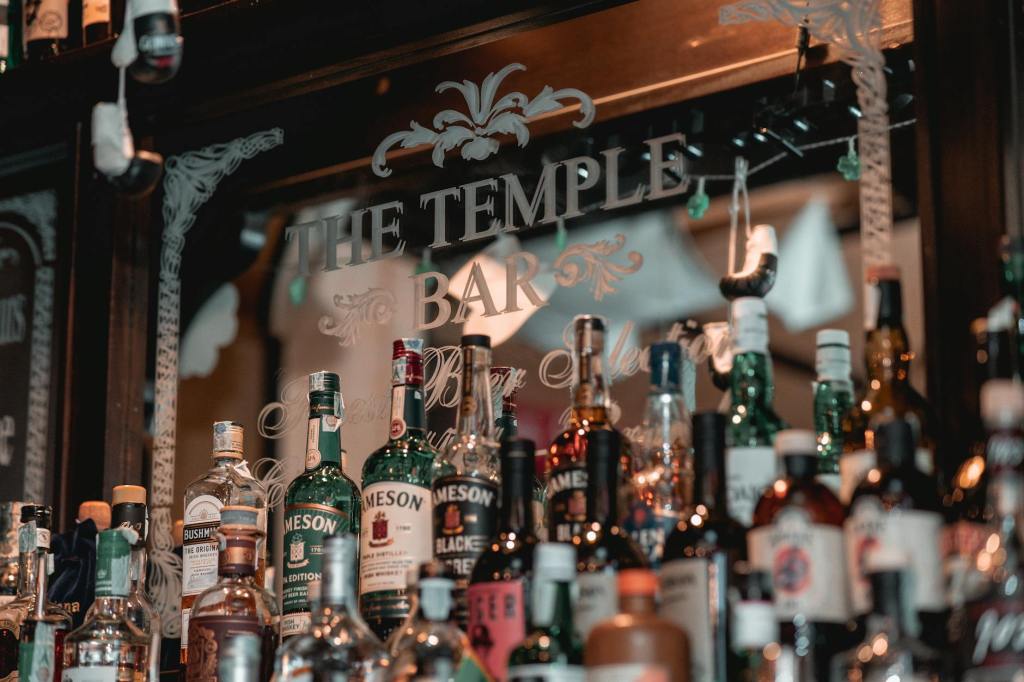
    Photo by The OurWhisky Foundation ud83eudd43 on Pexels.com

    The History and Styles of Irish Whiskey

    Irish whiskey dates back to at least the 12th century, when monks first began distilling a spirit they called uisce beatha, or “water of life.” By the 18th and 19th centuries, Ireland had hundreds of distilleries producing smooth, triple-distilled whiskey, setting it apart from the bolder, often smokier Scotch whisky. However, political and economic struggles, including Prohibition in the U.S. and trade wars with Britain, led to a dramatic decline, leaving only a handful of distilleries operational by the mid-20th century.

    Today, Irish whiskey is thriving again, with a variety of styles that offer versatility in cocktails:

    • Single Malt: Made from 100% malted barley and distilled in pot stills, offering rich and complex flavors.
    • Pot Still: Unique to Ireland, this style combines malted and unmalted barley for a creamy, spicy character.
    • Blended: A mix of different styles, offering balance and approachability.
    • Grain: Typically lighter and used in blends, but increasingly bottled on its own for a delicate, smooth profile.
    • Peated Irish Whiskey: While not as common as in Scotland, some distilleries are experimenting with peat for a smoky twist.

    With this diversity, Irish whiskey is becoming a staple in craft cocktail culture. Let’s explore some of the exciting drinks making waves today.

    Trendy Irish Whiskey Cocktails (Beyond Irish Coffee)

    The Tipperary

    A classic yet underappreciated Irish whiskey cocktail, the Tipperary is a beautifully balanced drink that combines the herbal complexity of Green Chartreuse with the sweetness of vermouth.

    Recipe:

    • 1.5 oz Irish whiskey (try Redbreast 12-Year)
    • 0.75 oz sweet vermouth
    • 0.5 oz Green Chartreuse
    • 2 dashes orange bitters
    • Stir with ice and strain into a chilled coupe glass.
    • Garnish with an orange twist.

    Food Pairing: Serve with a charcuterie board featuring aged cheddar, dried fruits, and dark chocolate.

    The Emerald

    Often called the “Irish Manhattan,” the Emerald swaps rye or bourbon for Irish whiskey, creating a softer, more floral version of the classic cocktail.

    Recipe:

    • 2 oz Irish whiskey (try Powers Gold Label)
    • 1 oz sweet vermouth
    • 2 dashes Angostura bitters
    • Stir with ice and strain into a coupe glass.
    • Garnish with a cherry or orange peel.

    Food Pairing: This cocktail pairs beautifully with beef stew or shepherd’s pie, complementing rich, savory flavors.

    Photo by The OurWhisky Foundation ud83eudd43 on Pexels.com

    Irish Old Fashioned

    A simple yet effective twist on the traditional Old Fashioned, this cocktail brings out the vanilla, honey, and spice notes in Irish whiskey.

    Recipe:

    • 2 oz Irish whiskey (try Jameson Black Barrel or Teeling Small Batch)
    • 0.25 oz simple syrup (or 1 sugar cube)
    • 2 dashes Angostura bitters
    • 1 dash orange bitters
    • Stir with ice and strain over a large ice cube in a rocks glass.
    • Garnish with an orange twist.

    Food Pairing: The rich yet smooth character of this cocktail complements roasted pork, glazed carrots, and nutty desserts like pecan pie.

    The Shamrock Sour

    A creative riff on the Whiskey Sour, this green-hued drink adds herbal complexity with a touch of basil.

    Recipe:

    • 2 oz Irish whiskey (try Bushmills 10-Year Single Malt)
    • 0.75 oz fresh lemon juice
    • 0.5 oz simple syrup
    • 0.5 oz green Chartreuse
    • 1 egg white (optional, for texture)
    • Dry shake (without ice), then shake again with ice and strain into a coupe glass.
    • Garnish with a basil leaf or lemon twist.

    Food Pairing: Serve with light seafood dishes like grilled shrimp or smoked salmon crostini.

    Irish Gold Rush

    A honey-forward cocktail that highlights the smoothness of Irish whiskey while adding a citrusy zing.

    Recipe:

    • 2 oz Irish whiskey (try Tullamore D.E.W.)
    • 0.75 oz honey syrup (equal parts honey and warm water)
    • 0.75 oz fresh lemon juice
    • Shake with ice and strain into a rocks glass over fresh ice.
    • Garnish with a lemon wedge.

    Food Pairing: Perfect with fried chicken, honey-glazed ham, or buttermilk biscuits.

    The Future of Irish Whiskey in Cocktails

    As bartenders and home mixologists continue to explore Irish whiskey, the spirit is finding its way into an ever-expanding repertoire of drinks. From herbal and floral-infused creations to bold, spirit-forward twists on classics, Irish whiskey cocktails are proving that the category is far more than just Irish Coffee. Whether you’re a seasoned whiskey drinker or a newcomer looking for something fresh, these cocktails invite you to explore the rich flavors of Ireland’s finest spirit.

    So, grab your favorite bottle of Irish whiskey, shake (or stir) up something new, and toast to the exciting future of Irish whiskey cocktails. Sláinte!

  • “You Had Me at Merlot” – A Guide to the Perfect Valentine’s Day Wine Pairing

    “You Had Me at Merlot” – A Guide to the Perfect Valentine’s Day Wine Pairing

    Valentine’s Day is more than a holiday; it’s a chance to celebrate love and shared moments, often over a romantic dinner for two. Whether you’re newly smitten or a couple of 43 years like Tammy and me, creating the perfect pairing of wine and food is a language of love all its own. This year, let’s elevate your Valentine’s dinner with a themed menu inspired by playful sommelier twists on classic candy heart sayings.

    If the Quotes on Candy Hearts Were Written by a Sommelier… They Would Say…

    “Be My Rosé” – Start with Sparkling Rosé

    Begin your evening with bubbles to set the mood. A sparkling rosé, like Domaine Carneros Brut Rosé from California or Ruinart Rosé Champagne from France, is vibrant and festive. Pair it with an appetizer of smoked salmon mousse on cucumber rounds or strawberry-goat cheese crostini. The delicate bubbles and crisp acidity cleanse the palate while the fruitiness complements the richness of these bites.

    “You’re My Main Squeeze” – Move to Mediterranean Magic

    For the main course, travel to the sun-soaked Mediterranean with a Greek-inspired lamb moussaka or Moroccan-spiced roasted chicken. Pair these dishes with a Grenache-Syrah-Mourvèdre (GSM) blend from the Rhône Valley, such as Châteauneuf-du-Pape, or a bold yet elegant Agiorgitiko from Nemea, Greece. These wines’ ripe red fruit and herbal undertones mirror the spices and savory depth of the dishes, creating a harmonious match.

    “Let’s Get Saucy” – An Italian Interlude

    Valentine’s Day is also the perfect excuse for a nostalgic classic. Tammy and I often indulge in spaghetti and meatballs, a dish that symbolizes love and comfort. A Chianti Classico Riserva, like Castello di Ama or Felsina, is the quintessential pairing. Its bright acidity cuts through the rich tomato sauce, while its earthy, cherry notes complement the meatballs.

    “You’re Berry Sweet” – End with Chocolate and Port

    Finish your meal with a decadent dessert of dark chocolate lava cake or chocolate-covered strawberries. Pair this indulgence with a vintage Port, such as Taylor Fladgate 20-Year-Old Tawny or a ruby Port like Graham’s Six Grapes. The sweet richness of the wine mirrors the chocolate’s depth, while the red berry notes add a luscious counterpoint.

    “Sip Happens” – A Cozy Nightcap

    To wind down, linger by the fire with a glass of Armagnac or a bold, aged Rioja Gran Reserva. These wines or spirits invite conversation and quiet reflection—perfect for savoring the evening and your time together. Serve with a small cheese board featuring Manchego and Marcona almonds to enhance the experience.

    Photo by Loe Moshkovska on Pexels.com

    Tips for Success:

    • Set the Mood: Use soft lighting, candles, and romantic music to create an intimate atmosphere. Serve each course slowly to savor the meal and the company.
    • Glassware Matters: Use the proper wine glasses to enhance the aromas and flavors of your chosen wines.
    • Personalize the Pairings: Tailor the menu to your partner’s favorite dishes or wines for an extra thoughtful touch.
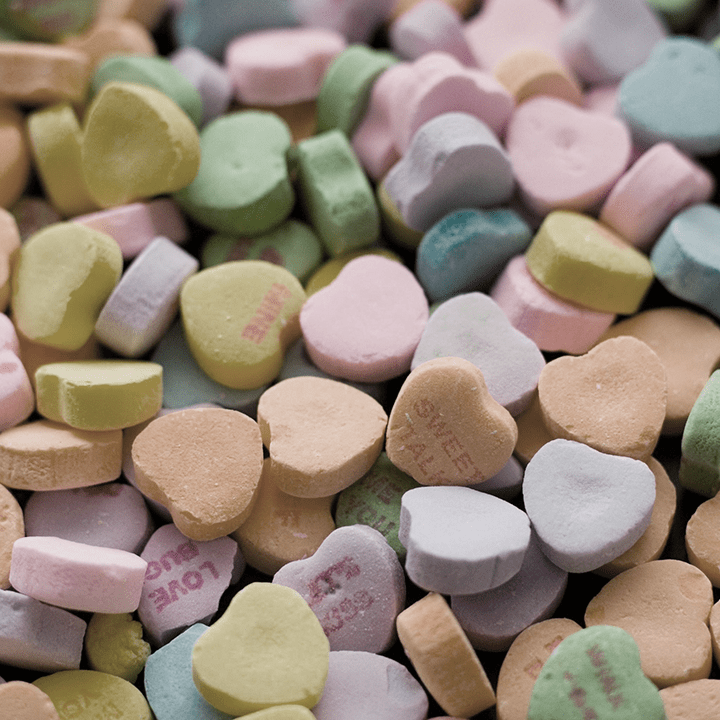
    Photo by Emily Ranquist on Pexels.com (adjusted for affect)

    A Little Less Dye… a Little More Wine?

    In case you were wondering why your candy hearts are looking a little pale this year, blame the recent ban on Red Dye Number 3 (Erythrosine). That’s right—our beloved neon-pink confections are facing an identity crisis. But don’t worry, while the candy industry scrambles for a replacement, we sommeliers are more than happy to step in with a rosé or ruby port to keep your Valentine’s Day looking (and tasting) just as sweet!

    Photo by Pavel Danilyuk on Pexels.com

    Valentine’s Day is a time to celebrate your love story—and there’s no better way to do that than with an unforgettable wine dinner. Cheers to love, laughter, and perfect pairings! ♥️

  • A Toast to the Cold Season

    A Toast to the Cold Season

    The assumption that winter is exclusively for red wines and summer for whites and rosés is a notion best left to those who haven’t yet discovered the joys of year-round wine exploration. While it’s true that a robust red feels like a warm hug on a cold evening, there’s a world of winter-worthy whites and even a few rosés that can stand up to hearty fare and frosty nights.

    Photo by Elina Sazonova on Pexels.com

    Red Wines – Warming the Soul

    Winter fare calls for reds with structure, depth, and a bit of spice to match rich and slow-cooked meals. Here are some of the best reds to savor during the colder months:

    Barolo & Barbaresco (Piedmont, Italy) – These Nebbiolo-based wines bring a balance of tannin, acidity, and earthy depth, perfect for braised short ribs or wild mushroom risotto.

    Cabernet Sauvignon (Napa Valley, California) – The classic choice for grilled steak or prime rib, its bold fruit and firm tannins stand up to even the richest dishes.

    Syrah/Shiraz (Rhône Valley, France & Barossa Valley, Australia) – Rhône Syrah’s peppery, smoky notes enhance dishes like coq au vin, while Barossa Shiraz pairs wonderfully with smoky BBQ ribs.

    Zinfandel (California) – Spicy and fruit-forward, it’s a match made in heaven for hearty stews, lamb shanks, or even a winter chili.

    Malbec (Mendoza, Argentina) – With its velvety dark fruit flavors, it pairs exceptionally well with grilled sausages or a hearty beef bourguignon.

    A winter without red wine is like a fireplace without wood—technically possible, but why would you?

    Gregory Dean, SOMM&SOMM
    Photo by Kenneth on Pexels.com

    White Wines – Brightening Winter’s Depths

    The best winter whites have enough body and acidity to complement richer dishes and hold their own against the chill.

    Chardonnay (Burgundy, France & California) – Buttery, oak-aged versions are perfect with roasted chicken, creamy pastas, or lobster bisque.

    Riesling (Germany & Alsace, France) – Aged Rieslings with their honeyed, petrol notes pair beautifully with duck, pork belly, or spicy Thai curries.

    Viognier (Rhône Valley, France & California) – Rich and floral, it complements roasted root vegetables and creamy cheeses.

    Gewürztraminer (Alsace, France) – Spicy and aromatic, it’s a delightful pairing with hearty winter fare like sausage and sauerkraut or Moroccan tagines.

    Savagnin (Jura, France) – For the adventurous, this oxidized white is spectacular with fondue or roast chicken.

    What good is the warmth of summer, without the cold of winter to give it sweetness? (and we’d argue, what good is summer wine without a winter contrast?)

    John Steinbeck
    Photo by Anastasia Shuraeva on Pexels.com

    Rosé – Not Just for Sunshine

    While rosé is often pigeonholed as a summer sipper, certain styles shine in the winter months.

    Tavel (Rhône Valley, France) – This deep, robust rosé stands up to roasted meats, winter greens, and even cassoulet.

    Bandol Rosé (Provence, France) – Mourvèdre-based, it pairs wonderfully with roasted duck or bouillabaisse.

    Sparkling Rosé (Champagne, France & Crémant d’Alsace) – Bubbles bring brightness to rich winter dishes, from truffle risotto to baked brie.

    Snow falls, wine pours, and suddenly, winter isn’t so bad

    Gregory Dean, SOMM&SOMM

    Winter Wine Rituals

    • Temperature Matters – Reds should be served slightly cooler than room temperature (60-65°F), and whites should not be ice-cold (50-55°F). A slight chill brings out complexity.
    • Glassware Counts – Use larger glasses for bold reds to allow them to breathe, and smaller glasses for high-acid whites to focus aromas.
    • Decanting is Key – Many winter reds benefit from decanting to soften tannins and enhance aromas.
    • Pair with Cozy Moments – Enjoy a glass by the fire, with a book, or paired with hearty, slow-cooked meals.
    Photo by Pavel Danilyuk on Pexels.com

    Surviving the Cold in Style

    To those who embrace the chill with a full glass, warm food, and good company, we raise our glasses to you. Winter may be long, but with the right wine, it’s a season of rich flavors, cozy nights, and joyful toasts.

    Greg and Tammy Dean, SOMM&SOMM

    Cheers to winter wines and the warmth they bring! 🍷
    Cover Photo Credit: Photo by Mirek Kielar on Pexels.com

  • Varietal Spotlight: Pinot Noir

    Varietal Spotlight: Pinot Noir

    The Ancient and Temperamental King of Red Grapes.

    Few grapes captivate the hearts of wine lovers and vintners quite like Pinot Noir. Revered for its ethereal elegance, complex flavors, and remarkable ability to reflect terroir, Pinot Noir is one of the oldest known grape varietals still cultivated today. This thin-skinned, temperamental grape has inspired obsession, frustration, and devotion in equal measure, from medieval monks in Burgundy to modern-day winemakers pushing the boundaries of its expression worldwide.

    Origins and Ancient History

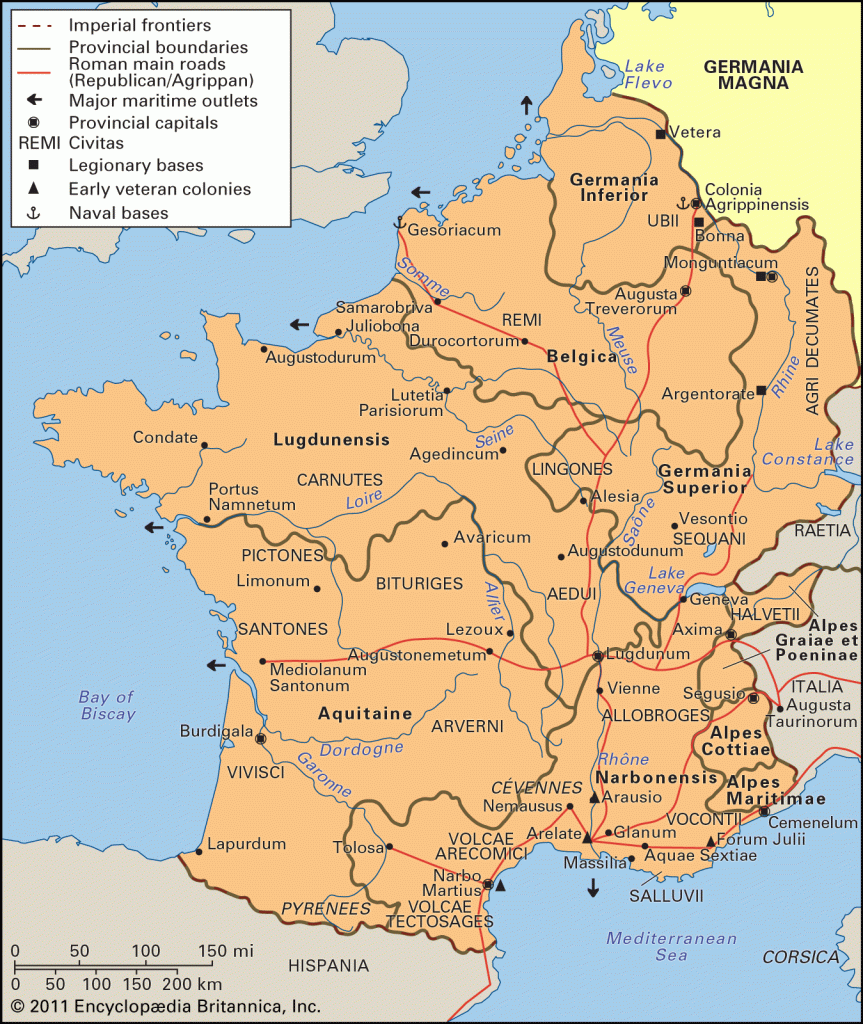
    Pinot Noir’s history can be traced back over 2,000 years to the Roman occupation of Gaul (modern-day France).

    Map of Gaul (Britannica, T. Editors of Encyclopaedia (2010, August 25). Gaul summary. Encyclopedia Britannica)

    The grape likely descends from Vitis vinifera vines cultivated by the Romans and was first mentioned in historical records around the 1st century AD. However, its true prominence emerged in the Middle Ages when Cistercian and Benedictine monks meticulously cultivated vineyards in Burgundy, recognizing the grape’s unique ability to convey a sense of place. These monastic orders developed the first concept of terroir, dividing Burgundy’s vineyards into climats, which still define the region today.

    The name “Pinot Noir” is derived from the French words pin (pine) and noir (black), a reference to the grape’s tightly clustered, pinecone-shaped bunches and dark skin. Despite its noble heritage, Pinot Noir’s genetic instability has led to over a thousand known clones and mutations, making it one of the most diverse grape families in viticulture.

    The Many Faces of Pinot Noir

    Because Pinot Noir mutates so easily, countless clones have been developed, each exhibiting distinct characteristics. Some of the most famous clones include:

    • Pommard (Clone 4 & 5): Originally from Burgundy’s Pommard region, these clones produce structured, powerful wines with darker fruit flavors and firmer tannins.
    • Dijon Clones (113, 115, 667, 777): Developed in Burgundy, these clones offer more refined fruit profiles, with silky textures and notes of red cherry, raspberry, and floral aromatics.
    • Wädenswil (Clone 2A): Popular in Oregon, this Swiss clone thrives in cool climates and is known for its vibrant acidity and floral perfume.
    • Martini Clone: A historic clone from California, this variety is known for its bright fruit flavors and early ripening qualities, particularly in Carneros and Russian River Valley.

    Pinot Noir also has close relatives in the Pinot family, including Pinot Blanc, Pinot Gris, and Pinot Meunier. These varietals share the same genetic lineage but have evolved with distinct characteristics. Pinot Blanc tends to be full-bodied with crisp acidity and flavors of apple and pear, while Pinot Gris exhibits richer textures and stone fruit notes. Pinot Meunier, frequently used in Champagne blends, offers fresh fruitiness and a more rustic profile.

    Alternate Names and Related Regions

    Pinot Noir is known by several names in different parts of the world. Some of its alternate names include:

    • Spätburgunder (Germany)
    • Blauburgunder (Austria, Switzerland)
    • Pinot Nero (Italy)
    • Clevner (historical Alsace term)
    • Pinoz (Romania)

    Key regions where Pinot Noir thrives include:

    • France: Burgundy, Champagne, Alsace
    • United States: Oregon (Willamette Valley), California (Russian River Valley, Santa Lucia Highlands, Santa Barbara, Carneros)
    • Germany: Ahr, Baden, Pfalz
    • New Zealand: Central Otago, Martinborough
    • Italy: Alto Adige, Oltrepò Pavese
    • Switzerland: Valais, Graubünden
    • Australia: Yarra Valley, Tasmania
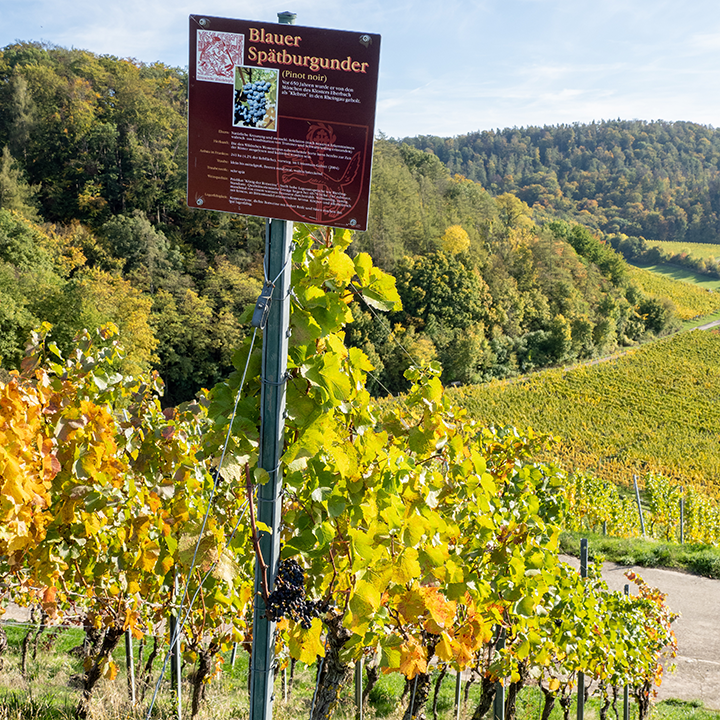
    Spätburgunder – Reinhold Möller, CC BY-SA 4.0, via Wikimedia Commons

    Pinot Noir’s Global Expressions

    Pinot Noir is often described as the most expressive varietal of terroir, meaning that it uniquely reflects the climate, soil, and winemaking techniques of its growing region. Let’s explore some of the most renowned Pinot Noir regions and their distinctive styles:

    Burgundy, France: The Benchmark

    Burgundy is the spiritual home of Pinot Noir, producing the world’s most revered expressions from Côte de Nuits and Côte de Beaune. Wines from these regions exhibit remarkable complexity, finesse, and age-worthiness. Grand Cru vineyards such as Romanée-Conti, La Tâche, and Chambertin produce wines of unparalleled depth and elegance, with layers of red and black fruit, earthy undertones, and a signature minerality that evolves beautifully over time.

    Oregon: The New-World Contender

    Oregon’s Willamette Valley has emerged as a premier Pinot Noir-producing region, often drawing comparisons to Burgundy. The cool, maritime climate fosters wines with vibrant acidity, red fruit dominance, and floral aromatics. Winemakers here prioritize sustainable and biodynamic farming, leading to some of the most expressive and terroir-driven New World Pinot Noirs.

    Related Article: Wine Experiences: A Taste of Adelsheim

    California: Bold and Fruit-Driven

    California’s diverse microclimates allow for multiple styles of Pinot Noir, ranging from the bright, elegant expressions of Sonoma’s Russian River Valley and Santa Lucia Highlands to the richer, more opulent styles of Santa Barbara and Carneros. Russian River Valley Pinot Noirs are known for their lush cherry and cola notes, while Santa Barbara wines often showcase baking spices and deep red fruit.

    New Zealand: The Rising Star

    New Zealand’s Pinot Noir, particularly from Central Otago and Martinborough, has gained international acclaim for its purity of fruit, bright acidity, and vibrant aromatics. Central Otago Pinot Noirs often exhibit dark cherry, plum, and spice notes, while Martinborough expressions lean towards a more earthy, structured profile.

    Germany: The Stealthy Powerhouse

    Known as Spätburgunder, German Pinot Noir has experienced a renaissance in recent years. Producers in the Ahr, Baden, and Pfalz regions are crafting elegant, cool-climate Pinot Noirs with floral aromatics, mineral-driven complexity, and refined tannins, rivaling some of the best from Burgundy.

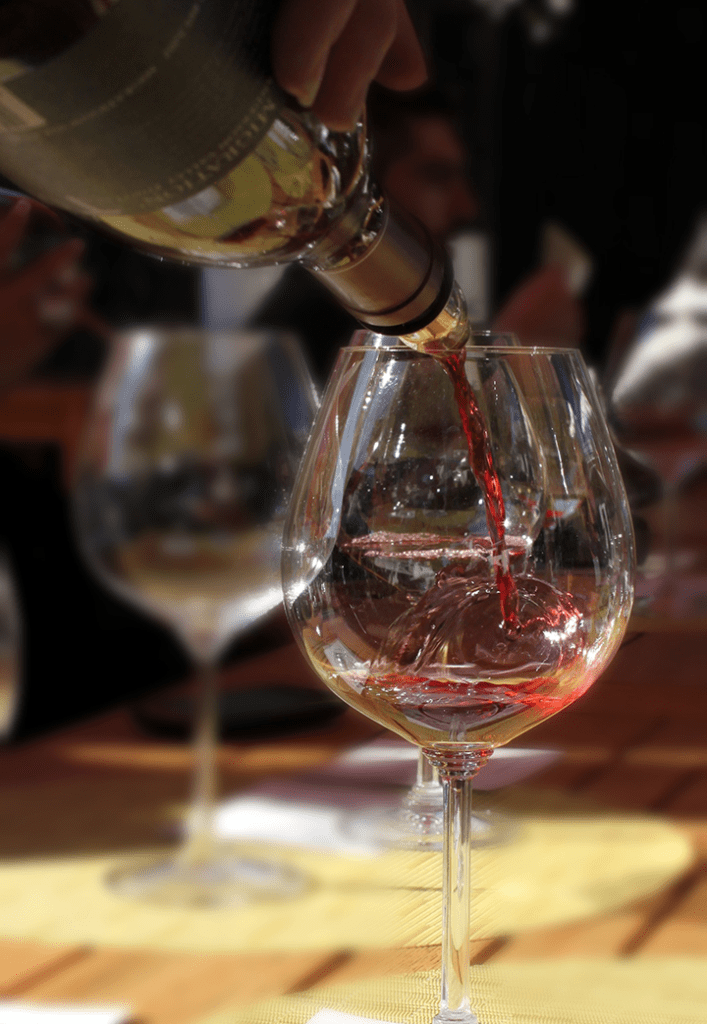
    Pouring Pinot Noir – Prayitno, USA, CC BY 2.0, via Wikimedia Commons

    The Perfect Complement

    Pinot Noir’s versatility makes it an excellent companion to a wide range of dishes. Its bright acidity, moderate tannins, and complex flavor profile allow it to pair beautifully with:

    • Poultry: Roast duck, turkey, or chicken with herbs
    • Game Meats: Venison, quail, and pheasant
    • Pork: Pork tenderloin, glazed ham, or charcuterie
    • Mushroom Dishes: Truffle risotto, mushroom ravioli, or wild mushroom ragout
    • Salmon and Tuna: Grilled, poached, or seared preparations
    • Soft Cheeses: Brie, Camembert, and Gruyère

    Fun Lore and Stories of Pinot Noir

    Pinot Noir has inspired countless stories, myths, and even Hollywood films. One of the most famous legends is that of the 18th-century Burgundian monk Dom Giguier, who claimed to have divine visions instructing him to cultivate Pinot Noir in specific vineyard plots (Giguier, 1763). Whether divine intervention or astute observation, these climats remain some of the most prized in the world.

    In more modern times, the 2004 film Sideways sparked an explosion of Pinot Noir’s popularity in the U.S., while simultaneously tanking Merlot sales. The protagonist’s passionate monologue about the elegance and fragility of Pinot Noir led to a significant surge in demand, particularly in California and Oregon.

    The Enduring Allure of Pinot Noir

    Pinot Noir remains one of the most beloved and challenging varietals in the world of wine. Its delicate nature, susceptibility to disease, and finicky growing conditions make it a difficult grape to cultivate, yet its rewards are unparalleled. Whether from the legendary vineyards of Burgundy, the misty valleys of Oregon, or the sun-kissed hills of California, Pinot Noir continues to captivate winemakers and enthusiasts alike. Its ability to tell the story of its origin with elegance and nuance ensures that its legacy will endure for generations to come. Cheers 🍷

    Cover Photo Credit: Jim Fischer from Portland, Oregon, USA, CC BY 2.0, via Wikimedia Commons

    References

    Giguier, D. (1763). Vineyard Cultivation and Divine Insight. Dijon, France: Burgundian Press.

  • A Sherry-Lover’s Guide to the Feast of Seven Fishes

    A Sherry-Lover’s Guide to the Feast of Seven Fishes

    Seven Perfect Pairings for Seven Seafood Courses.

    The Feast of Seven Fishes is a rich Italian-American tradition celebrated on Christmas Eve, featuring an abundant spread of seafood dishes. This tradition pairs beautifully with the versatility and depth of Sherry, a fortified wine from Jerez, Spain, that spans an array of styles from light and dry to dark and sweet. Here’s a course-by-course pairing, each showcasing a unique Sherry style that enhances the flavors of our favorite Feast of Seven Fishes dishes.

    This version of the Feast of Seven Fishes is a sensory journey through seven different seafood dishes, each paired with a distinct Sherry style, culminating with a dessert course. The natural progression from dry to sweet Sherries makes this a balanced and complex tasting experience that respects each course’s flavors.

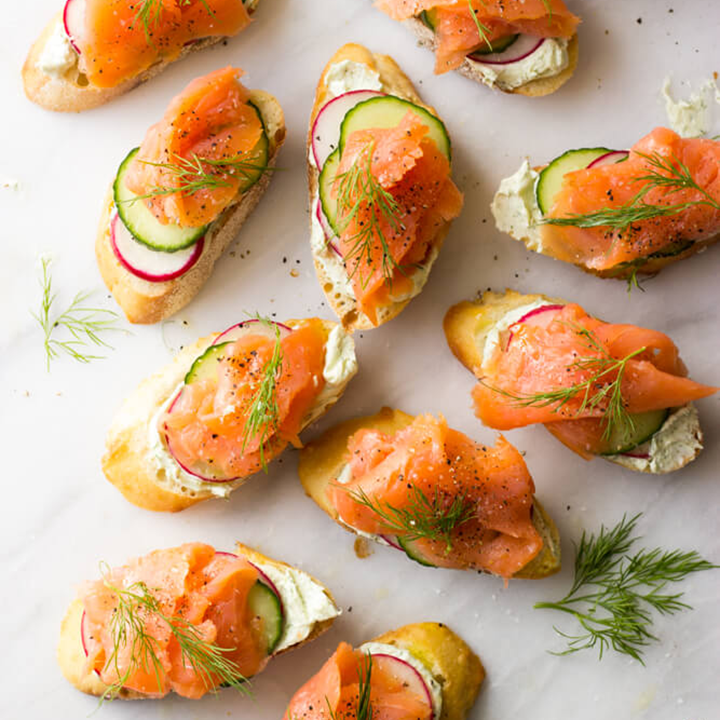
    Image from Little Broken – Smoked Salmon Crostini with Herb Cheese recipe

    Amuse-Bouche: Smoked Salmon Crostini

    • Sherry Pairing: Manzanilla
    • Tasting Notes: Manzanilla is a bright, briny, and delicate Sherry with subtle green apple and sea breeze notes.
    • Why It Works: This pairing highlights Manzanilla’s salty, coastal character, which mirrors the salmons’ smokiness. The Sherry’s light body complements the dish’s herb cheese and cucumber, creating a refreshing, palate-awakening amuse-bouche.

    Recipe (Little Broken): Smoked Salmon Crostini

    SOMM&SOMM Recommends: Lustau Papirusa Manzanilla Sherry

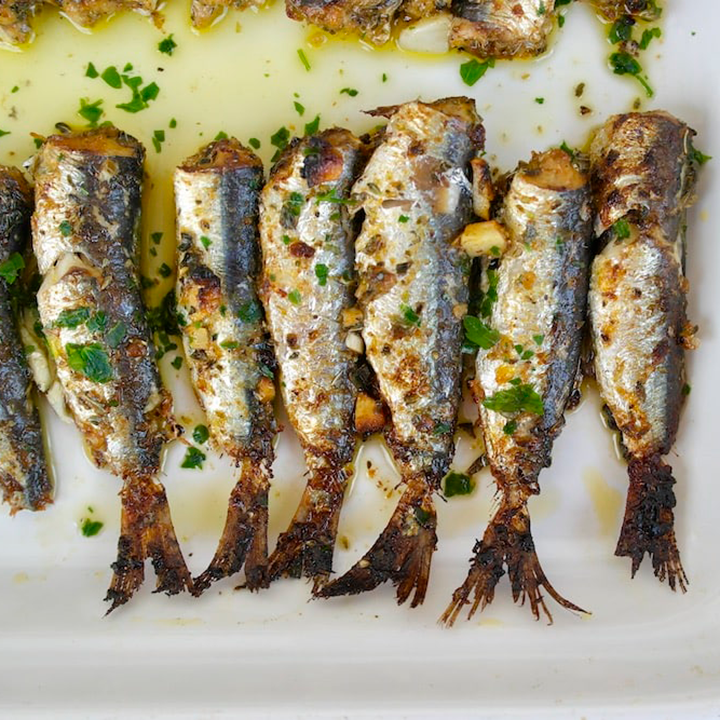
    Image from Olive Tomato – Roasted Sardines with Garlic and Herb Crust recipe

    First Course: Roasted Sardines with Garlic and Herb Crust

    • Sherry Pairing: Fino
    • Tasting Notes: Fino, dry and crisp with almond and fresh dough notes, has a subtle umami quality that matches well with sardines.
    • Why It Works: Fino’s delicate nutty and saline notes enhance the sardines’ richness without overwhelming the flavor. Its acidity and dry profile cut through the fish’s oil, balancing out the texture while emphasizing the freshness of the herbs.

    Recipe (Olive Tomato): Roasted Sardines with Garlic and Herb Crust

    SOMM&SOMM Recommends: Lustau Jarana Fino Sherry

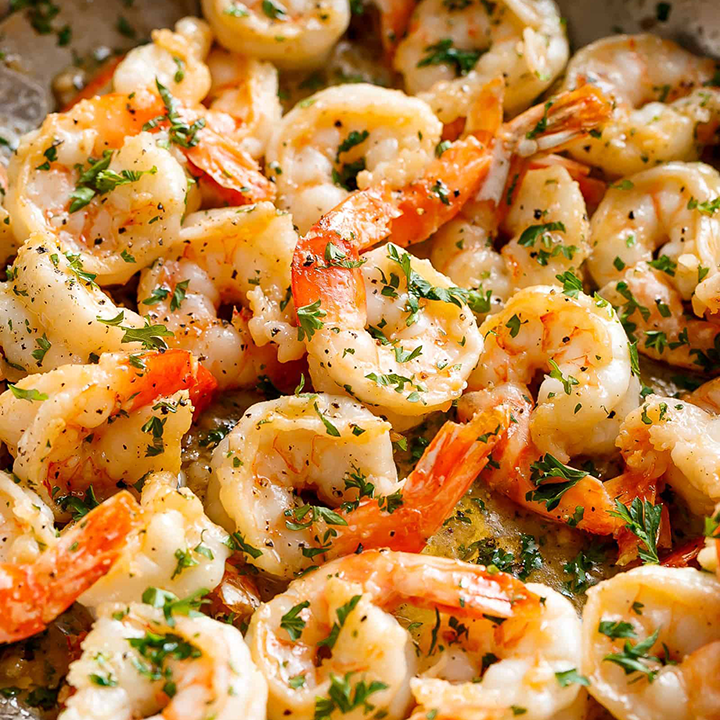
    Image from Cafe Delites – Garlic Butter Shrimp Scampi recipe

    Second Course: Shrimp Scampi with Garlic Butter Sauce

    • Sherry Pairing: Amontillado
    • Tasting Notes: Amontillado Sherry is characterized by toasted hazelnut, caramel, and a touch of dried apricot, offering a balanced, nutty depth with medium acidity.
    • Why It Works: Amontillado’s complexity complements the buttery garlic sauce, enhancing the shrimp’s delicate sweetness. The Sherry’s depth pairs seamlessly with the richness of the dish, providing a touch of nutty savoriness and elevating the umami flavors.

    Recipe (Cafe Delites): Garlic Butter Shrimp Scampi

    SOMM&SOMM Recommends: Alvaro Domecq “1730” Amontillado

    Image from Little Ferraro Kitchen – Steamed Clams with White Wine and Garlic recipe

    Third Course: Clams with White Wine, Garlic, and Herbs

    • Sherry Pairing: Palo Cortado
    • Tasting Notes: Known for its rare combination of freshness and richness, Palo Cortado has roasted hazelnut, orange peel, and subtle toffee flavors.
    • Why It Works: Palo Cortado’s layered complexity matches well with the briny, herbal clams. Its depth amplifies the dish’s savory notes, while its slightly fuller body and acidity balance the richness of the sauce, creating a refined harmony.

    Recipe (Little Ferraro Kitchen): Steamed Clams with White Wine and Garlic

    SOMM&SOMM Recommends: Fernando de Castilla Antique Palo Cortado

    Image from My Gorgeous Recipes – Saffron Risotto with Lobster recipe

    Fourth Course: Lobster Risotto with Saffron and Parmesan

    • Sherry Pairing: Oloroso
    • Tasting Notes: Oloroso Sherry is a rich, full-bodied style with flavors of caramel, walnut, and dried orange zest. Its warming alcohol and slight sweetness add depth.
    • Why It Works: The luxurious texture of Oloroso complements the creamy risotto, and its nutty, caramelized character enhances the lobster’s natural sweetness and the richness of saffron and Parmesan.

    Recipe (My Gorgeous Recipes): Saffron Risotto with Lobster

    SOMM&SOMM Recommends: Bodegas Yuste Aurora Oloroso Sherry

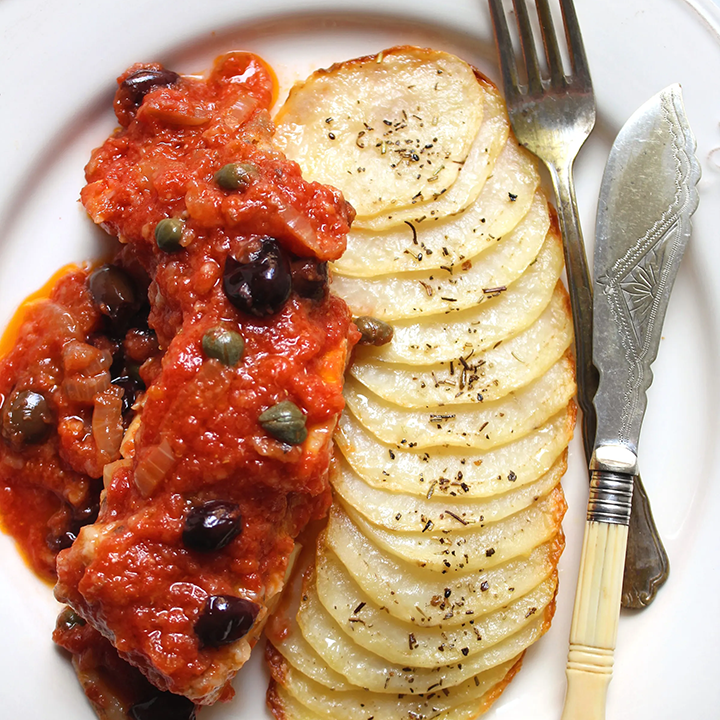
    Image from Toni Brancatisano’s – Bacalla – Salted Cod with Tomatoes, Olives and Capers recipe

    Fifth Course: Baccala (Salted Cod) with Tomato, Olives, and Capers

    • Sherry Pairing: Medium Sherry (Blend of Amontillado and PX)
    • Tasting Notes: A Medium Sherry offers a mild sweetness with hints of dried fig, dates, and a touch of caramel, striking a balance between richness and sweetness.
    • Why It Works: This pairing softens the saltiness of the cod and melds with the acidity of tomatoes. The sweetness of Medium Sherry brings out the savory elements of the capers and olives, achieving a delightful sweet-salty balance.

    Recipe (Toni Brancatisano’s version is our favorite): Baccala with Tomatoes, Olives and Capers

    SOMM&SOMM Recommends: Valdespino Amontillado Medium Contrabandista Sherry

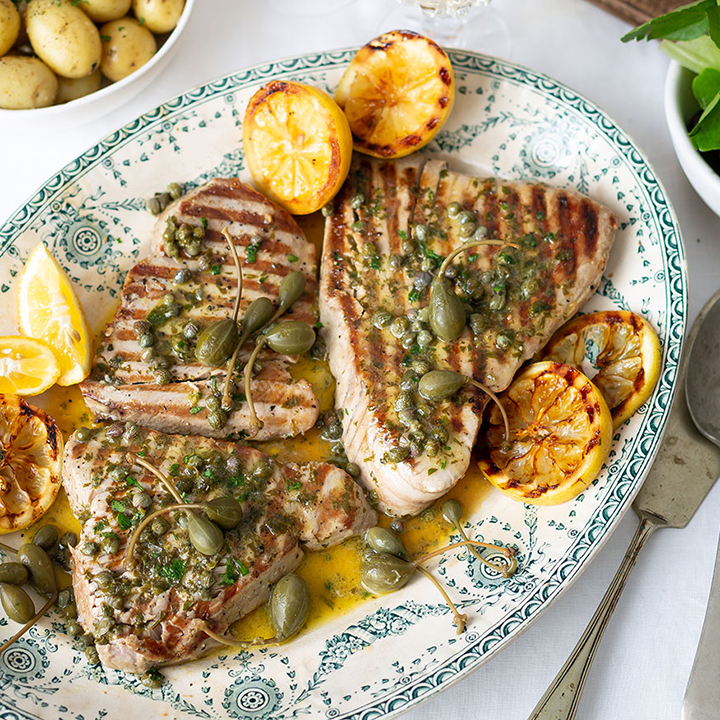
    Image from Drizzle&Dip – Seared Tuna Steaks with Lemon, Capers and Parsley Butter

    Sixth Course: Seared Tuna with Capers and Lemon

    • Sherry Pairing: Cream Sherry
    • Tasting Notes: Cream Sherry, a blend of Oloroso with a touch of PX, has lush flavors of figs, dates, and toffee with a rounded sweetness.
    • Why It Works: The Cream Sherry’s sweetness complements the seared tuna’s umami flavors and contrasts with the salty capers, while its fuller body holds up to the tuna’s meatiness. The citrus provides a refreshing finish that cuts through the richness.

    Recipe (Drizzle&Dip): Seared Tuna Steaks with Lemon, Capers and Parsley Butter

    SOMM&SOMM Recommends: Emilio Hidalgo Morenita Cream Sherry

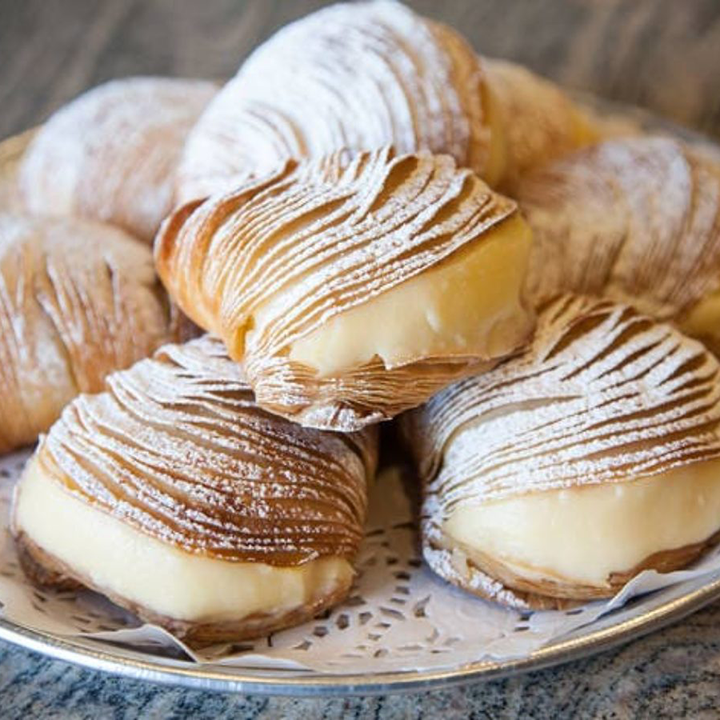
    Image from Nonna Box – Authentic Italian Sfogliatelle recipe

    Dessert Course: Sfogliatelle with Citrus Ricotta Filling

    • Sherry Pairing: Pedro Ximénez (PX)
    • Tasting Notes: Pedro Ximénez is syrupy and luscious, with intense flavors of raisins, molasses, and caramelized figs.
    • Why It Works: PX’s decadent sweetness mirrors the richness of the ricotta, and its dried fruit notes pair beautifully with the pastry’s citrus flavors, offering a satisfying and indulgent finale.

    Recipe (Nonna Box): Authentic Italian Sfogliatelle by Guido Pedrelli

    SOMM&SOMM Recommends: Alvear Pedro Ximenez Solera 1927

    The Final Toast

    After the final dessert course, consider offering a tiny sip of Amontillado or Oloroso to cleanse the palate, allowing guests to end the feast with lingering flavors of dried nuts and spices. This brings balance to the overall tasting journey, and with the broad spectrum of Sherry styles, each course in the Feast of Seven Fishes becomes an intricate and memorable experience. Cheers 🍷

    Cover image credit: Nicole Michalou on Pexels.com

  • Varietal Spotlight: Palomino

    Varietal Spotlight: Palomino

    A Deep Dive into Spain’s Iconic White Varietal.

    The Palomino grape holds a unique place in the world of wine, particularly as the star of Spain’s Jerez (Sherry) region. Known for producing some of the world’s most complex fortified wines, Palomino (known as Listán Blanco in other parts of Spain) boasts a fascinating history, unique viticultural challenges, and the ability to create versatile, highly nuanced wine styles. Despite its relative neutrality as a table wine grape, its true potential is unlocked through the influence of terroir and distinctive vinification techniques.

    Origins and History of Palomino

    The Palomino grape is indigenous to Andalusia, Spain, and its cultivation dates back centuries. Named after 13th-century Spanish knight Fernán Yáñez Palomino, who was honored for his role in reclaiming Andalusia from the Moors, the grape has a storied past that mirrors the history of Spanish winemaking itself. By the 17th and 18th centuries, Palomino had become the primary varietal used in Jerez winemaking, as its neutral profile allowed it to adapt beautifully to the solera and flor processes unique to Sherry production.

    Palomino’s renown grew as Sherry became a coveted export across Europe. English merchants played a critical role in its rise, as they imported large quantities to the UK and beyond, transforming Sherry into a staple of British society. Today, Palomino’s importance endures as the foundation for Fino, Manzanilla, Amontillado, Oloroso, and Palo Cortado Sherries, as well as a few still wines and emerging experimental styles.

    Characteristics of the Palomino Vine and Grape

    Palomino vines are characterized by their resilience and adaptability to dry, chalky soils, particularly in Jerez’s famed albariza soils. These calcium-rich, white chalk soils have excellent water retention, crucial in Andalusia’s arid climate. The vines produce large, tightly packed clusters of pale, yellow-green grapes that mature to high sugar levels, providing a relatively neutral flavor profile with low acidity.

    The neutrality of Palomino, often seen as a drawback for producing single-varietal wines, is transformed in the vinification process. In the right hands, it becomes an expressive vehicle for terroir. Its low acidity and lack of intense aromatics make it a blank canvas—one that, under the influence of flor yeast or oxidative aging, reveals an astonishing range of complex characteristics.

    Challenges of Viticulture and Vinification

    The viticultural challenges of Palomino lie in its sensitivity to soil type, susceptibility to rot in wetter climates, and the need for careful harvest timing. Albariza soils are essential, as they not only prevent drought stress but also regulate temperature. The dry climate of Jerez, with cool Atlantic breezes, supports the delicate balance required for healthy Palomino grapes.

    Vinification presents another set of challenges. The majority of Palomino’s value is realized in the Sherry production process, where it undergoes a unique journey. For Fino and Manzanilla styles, the flor (a special yeast layer) thrives in high temperatures and high humidity, feeding on glycerol, alcohol, and oxygen to produce a range of nutty, bready, and saline notes. Oxidative aging techniques yield darker, richer styles like Amontillado and Oloroso. Both techniques require the solera system, where younger wines are progressively blended with older ones, creating consistency and depth over years or even decades.

    Expressions of Palomino: Terroir and Styles

    • Fino and Manzanilla (Jerez and Sanlúcar de Barrameda): Bright, saline, and dry, with a pronounced aroma of almonds, dough, and green apples. Manzanilla, grown in Sanlúcar’s coastal climate, carries a distinct marine saltiness.
    • Amontillado: Begins as a Fino or Manzanilla but undergoes oxidative aging, creating a copper-hued wine with a complex profile of hazelnuts, dried fruits, and leather.
    • Oloroso: Fully oxidative from the start, resulting in a robust, amber wine with deep notes of toffee, figs, and spice.
    • Palo Cortado: Rare and enigmatic, bridging the finesse of Amontillado with the richness of Oloroso. Its production depends on whether flor spontaneously dies off, leading to oxidative aging.
    • Still wines: Occasionally produced in Jerez but with minimal influence outside of Spain. They are typically light, with subtle minerality and saline hints but lack the depth found in fortified expressions.

    Food Pairing Recommendations

    Palomino-based Sherries are ideal for both traditional pairings and creative culinary experimentation.

    1. Fino and Manzanilla: Perfect with tapas, almonds, Iberico ham, and oysters. Unconventional pairings include sushi, ceviche, or goat cheese salads, where their briny freshness accentuates the dishes’ flavors.
    2. Amontillado: Enhances flavors of roasted chicken, mushrooms, and nutty dishes like risotto with Parmesan. For an offbeat pairing, try it with umami-rich Asian dishes, like miso soup or stir-fried shiitakes.
    3. Oloroso: With its richness, it pairs beautifully with braised meats, barbecue, and dishes with complex spices, like Moroccan lamb tagine. For a surprising twist, serve it with beef pho, where its spiced undertones complement the broth’s depth.
    4. Palo Cortado: Its versatility makes it excellent with charcuterie, hard cheeses, and patés, but it can also handle richer seafood dishes. For an unexpected match, try it with roasted duck in a honey and spice glaze or Thai red curry.
    5. Still Palomino Wines: These are delicate but can pair well with light salads, grilled white fish, and soft cheeses. Their saline and mineral qualities also work with raw shellfish like clams or scallops.

    SOMM&SOMM Related Article: Demystifying Wine: Sherry

    Final Thoughts

    Palomino may seem unremarkable as a varietal, yet it is capable of producing some of the most complex and rewarding wines in the world. Its magic lies not in its raw fruit but in its transformation under the unique methods developed in Jerez. Whether savored with traditional Spanish fare or explored in bold, modern pairings, Palomino-based wines offer a remarkable range for the curious sommelier and the adventurous diner alike.

    Cover Image Credit: Michal Osmenda from Brussels, Belgium, CC BY 2.0, via Wikimedia Commons

  • Effervescent Charm or Fizzing Fad?

    Effervescent Charm or Fizzing Fad?

    I am speaking, of course, about Pet Nat—the bubbly darling of the natural wine movement. If you’ve been to a trendy wine bar or scrolled through the feeds of wine influencers, you’ve likely encountered these playful, unfiltered bottles of fizz. But what exactly is Pet Nat, and why has it captured the imagination of wine enthusiasts? Let’s dive in to uncover its origins, purpose, myths, tasting notes, and most importantly, how to savor it with the perfect dish.

    What Is Pet Nat?

    Short for Pétillant Naturel (French for “naturally sparkling”), Pet Nat is the oldest known method of making sparkling wine, predating the Champagne method by centuries. It’s crafted using the méthode ancestrale, where the wine is bottled before fermentation is complete. This creates a gentle fizz as carbon dioxide is trapped during fermentation. Unlike Champagne, Pet Nat is often unfiltered, capped with a crown cap (like a beer bottle), and may carry a sediment that reflects its raw, unpolished nature.

    Photo by Susanne Jutzeler, suju-foto on Pexels.com

    A Brief Origin Story

    Pet Nat’s roots trace back to rural France, where farmers embraced this simpler, low-tech approach to sparkling wine. The Loire Valley is often credited as its modern spiritual home, though it’s now produced worldwide. For centuries, this “happy accident” fizz was a rustic treat enjoyed by winemakers themselves. Today, Pet Nat has evolved into a global trend, celebrated for its authenticity and artisanal charm.

    Purpose and Personality

    At its heart, Pet Nat is about capturing the essence of nature and spontaneity. Winemakers embrace minimal intervention, letting terroir and vintage variation shine. This results in wines that are alive, vibrant, and sometimes a bit unpredictable—an allure for adventurous drinkers.

    Myths and Lore

    1. Myth: Pet Nat is just poorly made sparkling wine.
      Truth: While it’s less polished than Champagne, good Pet Nat is thoughtfully crafted and represents the winemaker’s intent to embrace imperfections.
    2. Myth: It’s always funky and cloudy.
      Truth: Not all Pet Nats are wild or cloudy. Styles range from clean and crisp to earthy and funky.
    3. Lore: Opening a bottle is like opening a treasure chest—no two are exactly the same. There’s a delightful unpredictability to every pour.

    Tasting Notes and Styles

    Pet Nat can be made from any grape, so the flavor spectrum is vast. Common characteristics include:

    • Color: Clear to hazy, white to deep rosé, and even orange.
    • Bubbles: Gentle fizz rather than aggressive effervescence.
    • Aroma and Flavor: Expect bright fruit notes—green apple, pear, stone fruit, or berries—with herbal undertones, minerality, or a slight yeasty funk. Each bottle tells its own story.

    Here’s to the unexpected—
    To the wine that keeps us guessing,
    To the gentle fizz that feels like laughter in a glass,
    To the imperfections that make life beautifully real.

    May each sip of this lively, untamed wine remind us to embrace the unpredictable, savor the spontaneous, and celebrate the journey over the destination.

    To Pet Nat and the adventures it inspires—
    Cheers!

    Gregory Dean, SOMM&SOMM

    Food Pairings

    Pet Nat’s versatility and vibrancy make it a sommelier’s dream for food pairing. Here are some standout matches:

    • Light & Citrusy Pet Nats: Pair with oysters, sushi, or ceviche.
    • Rosé Pet Nats: Perfect with charcuterie, roasted veggies, or creamy cheeses.
    • Funky & Earthy Styles: Excellent with fried chicken, barbecue, or mushroom risotto.
    Image by Stacy, CC BY 2.0, via Wikimedia Commons

    Recommended pairing: Goat Cheese and Herb-Stuffed Mushrooms. The creamy, tangy goat cheese enhances the bright acidity of a citrusy Pet Nat, while the earthy mushrooms echo the wine’s natural, unfiltered character.

    Pet Nat isn’t just a fad—it’s a revival of a historic style with a modern twist. Whether it’s here to stay or fades into obscurity remains to be seen, but for now, its charm, authenticity, and sheer fun make it worth exploring. Grab a bottle, pair it with a dish, and let the fizz work its magic! Cheers 🥂

  • Thanksgiving Through the Glass

    Thanksgiving Through the Glass

    Wine Pairings from Morning Mimosas to Midnight Leftovers.

    Thanksgiving isn’t just about gathering around a table for a big dinner—it’s a day full of moments, from the morning preparations to the late-night desserts and those highly anticipated leftovers. As traditions evolve, the trend of pairing wines that enhance both classic and modern dishes continues to grow. Here’s an updated look at the best wine pairings from morning through midnight—and well into the days of leftovers.

    Tammy Dean and Bonnie Cooper, Thanksgiving preparations 2018

    Morning Preparations

    Classic Mimosas in glasses handcrafted by Mike Weber

    Thanksgiving morning buzzes with the aromas of roasting and simmering, and there’s nothing like a glass of sparkling wine to add a celebratory touch. This year, mimosas get a refresh by pairing them with non-traditional juices like blood orange or pear. A quality Prosecco or Cava keeps these cocktails crisp and lively, balancing the richness of pre-dinner snacks and light breakfast pastries.

    For a more classic sparkling option, consider a Brut Rosé. Its subtle berry flavors add depth to lighter foods like smoked salmon and goat cheese on toast. For an elevated twist, the Iron Horse Wedding Cuvée (a Napa favorite) offers a vibrant start with rich strawberry notes that will carry you through the morning as the main dishes prepare.

    Here’s to Thanksgiving: where the glasses are as full as our hearts, the wines as varied as our favorite dishes, and the memories as rich as a perfect vintage. May each sip bring gratitude, laughter, and the joy of being together. Cheers to family, friends, and a feast worth savoring—sláinte!

    Gregory Dean, SOMM&SOMM

    The Main Event

    The Thanksgiving meal is a balancing act of savory, sweet, and sometimes bold flavors. This year, an emphasis on versatile wines is trending, along with the rise of lesser-known varieties that surprise and delight.

    Appetizers and Starters

    For appetizers, go with an off-dry Riesling or a Sauvignon Blanc to complement lighter bites and acidic dressings. Eroica Riesling or Grgich Hills Estate Sauvignon Blanc offers fresh acidity and mineral notes that won’t overwhelm the palate before the main meal. Riesling’s slight sweetness matches well with salty starters like mixed nuts, cheese plates, or charcuterie, while Sauvignon Blanc’s zest cuts through heavier, creamier dips.

    Photo by Monstera Production on Pexels.com

    Turkey and Sides

    Turkey is a natural canvas for wine, but the variety of sides can complicate things. For a red, the Pinot Noir is the reigning star, especially if it’s from Oregon or Burgundy. These wines bring a perfect combination of red fruit and earthiness that complements both dark and white meat. The acidity of Pinot Noir also brightens up rich sides like stuffing, mushroom gravy, and roasted Brussels sprouts.

    Related Article: Tasting Experiences: A Taste of Adelsheim

    If you’re in the mood for white, Chardonnay offers flexibility, but consider choosing a less oaked variety, like those from Chablis, or a Napa classic like Chateau Montelena Chardonnay, known for its minerality. These wines bring out the buttery notes in mashed potatoes while providing a lively contrast to tart cranberry sauce.

    The New Favorites: Red Blends

    Many guests have a favorite red blend they reach for during holidays, and the Trinchero Napa Red Blend is a standout. It’s fruit-forward with just enough tannic structure to handle heavier dishes. The rise in popularity of red blends showcases a preference for wines that blend approachable flavors with enough complexity to match a wide variety of dishes.

    Photo by Element5 Digital on Pexels.com

    Sweet Endings Paired Perfectly

    For dessert, late-harvest wines bring out the best in pumpkin and pecan pies. The Far Niente Dolce Late Harvest from Napa, with its lush notes of apricot and honey, pairs beautifully with spiced pumpkin pie, while the nutty undertones of pecan pie harmonize with a tawny port or Pedro Ximénez sherry.

    An increasingly popular dessert option is a cheese course with dark chocolate, paired with a rich Port or Demi-Sec sparkling wine. The Demi-Sec is particularly versatile, adding a touch of sweetness without overpowering the dessert course.

    Leftovers and The Day After

    Thanksgiving leftovers have earned a special place in the holiday, and wine pairings here can turn even the most casual meal into a refined experience. Turkey sandwiches with cranberry sauce are delightful with a chilled Beaujolais-Villages or a lighter Gamay. If you’re making turkey soup or a casserole, opt for an unoaked Chardonnay or a crisp Sancerre—the acidity will cut through creamy textures without overwhelming subtle flavors.

    For those who love to continue the celebration, sparkling wine is the perfect reset, bringing freshness to rich dishes and reminding everyone that Thanksgiving is more than just one meal.

    This day, this moment, is a gift—let’s make the most of it, together. Happy Thanksgiving!

    Greg and Tammy Dean, SOMM&SOMM

    A special message to our friends and family

    As the last sips of wine are savored and the final remnants of Thanksgiving leftovers are enjoyed, remember that this day is about far more than the food on our plates or the wines in our glasses. It’s about the moments that fill our hearts—those imperfect, fleeting, sometimes challenging moments that we share with the people we call family. Life, in all its unpredictability, doesn’t come with guarantees. Grievances and misunderstandings pale in comparison to the warmth of laughter around the table, the shared stories, and the joy of simply being together. So, this Thanksgiving, let’s set aside the weight of past disagreements and come together with open hearts. Cherish the people around you, for the memories you create today are the ones you’ll hold dear long after the wine glasses are emptied and the dishes are put away. This day, this moment, is a gift—let’s make the most of it, together. Happy Thanksgiving 🍷

    Cover photo by cottonbro studio on Pexels.com