Category: Pairings

  • Pair This, Not That: Summer Edition

    Pair This, Not That: Summer Edition

    BBQ Wine & Spirits Swaps for Maximum Sunshine Sips & Crowd-Pleasers.

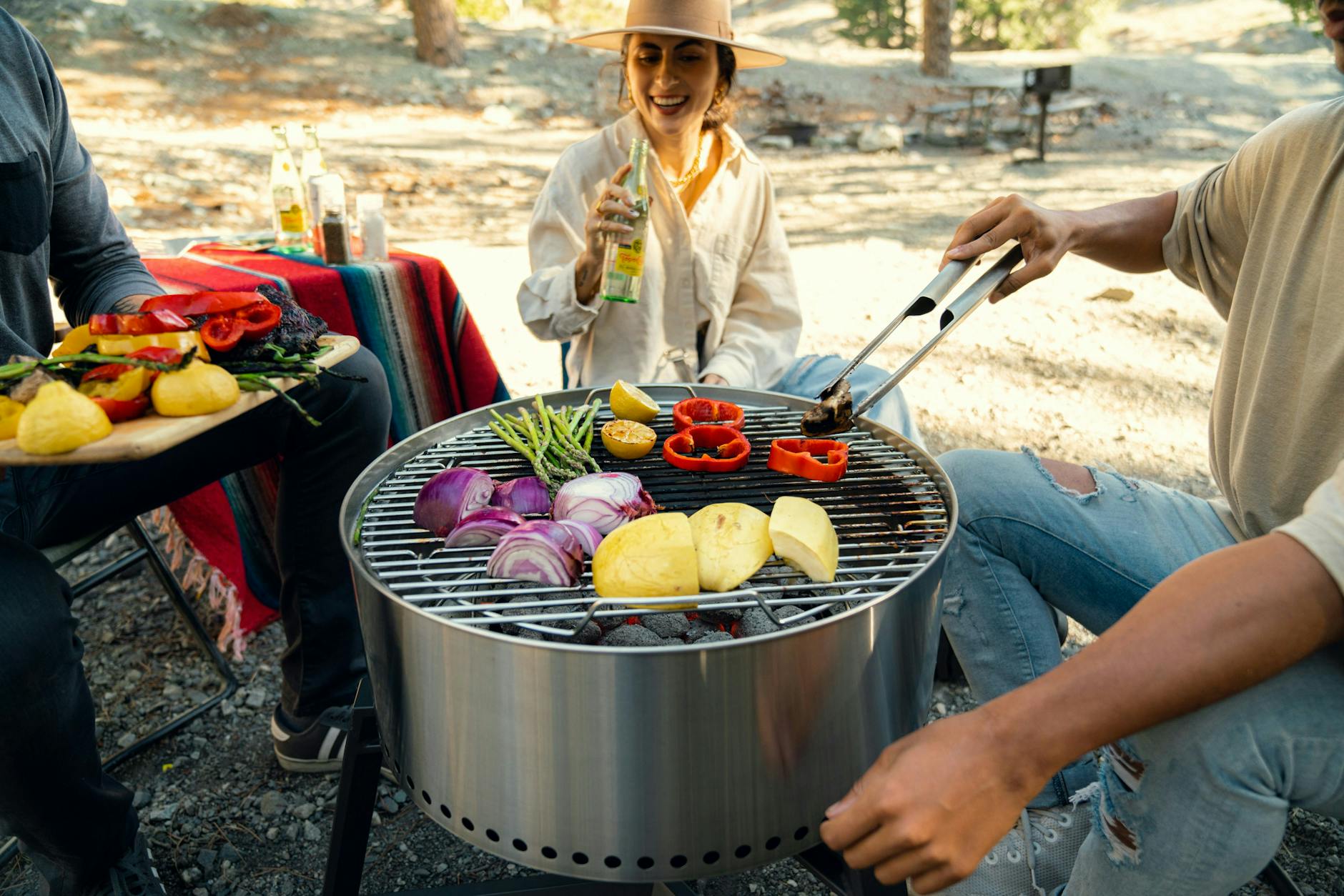
    Summer. The time of smoky grills, sticky fingers, and sun-kissed gatherings. But let’s be honest — most backyard BBQs are stuck in a rut when it comes to the drink menu. You’re likely to find the same predictable coolers stuffed with light beer, boxed rosé, and maybe a poorly mixed Margarita sloshing around in a red Solo cup.

    It’s time to level up.

    Welcome to Pair This, Not That: Summer Edition, where we take your go-to summer drinks and swap them for something better — more vibrant, more crowd-pleasing, and just a touch unexpected. We’re bringing new energy to your backyard bash, beach day, or rooftop hang by helping you rethink your pairings with intention and a splash of sophistication.

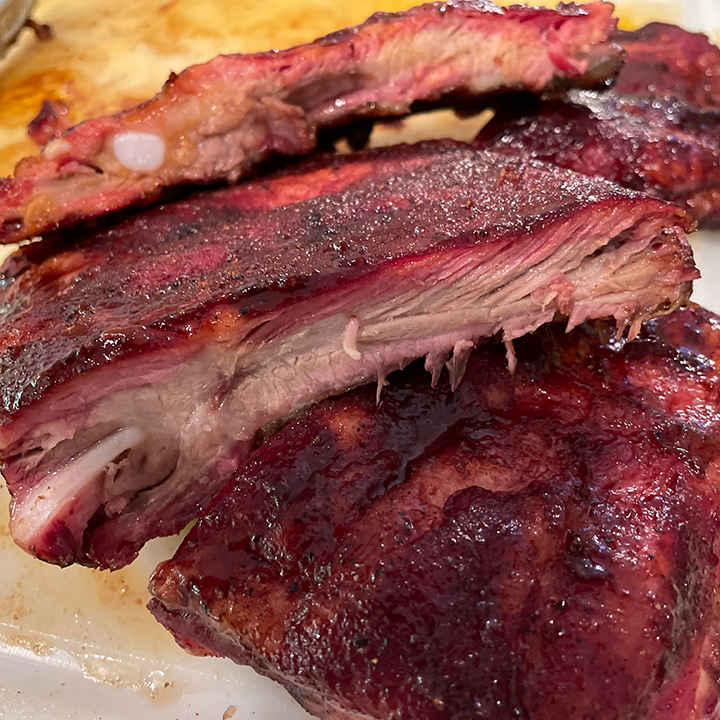
    Pair This: Lambrusco with Dry-Rubbed Baby Backs

    Zinfandel is a classic, sure — but it can feel sticky and sluggish on a sweltering day. Enter Lambrusco, the sparkling red from Italy’s Emilia-Romagna region. It’s fizzy, fruity, and just tannic enough to match the sweet-spicy bark on your ribs. Slightly chilled, it’s a revelation.

    Why it works: The bubbles cut the fat, the fruit complements the rub, and the acidity refreshes the palate between bites.

    Try This Pairing:
    Dish: Dry-rubbed pork ribs with a brown sugar, smoked paprika, and chipotle blend
    Wine: Cleto Chiarli Lambrusco Grasparossa di Castelvetro — vibrant, dark berries, and dry

    Photo by The Castlebar on Pexels.com

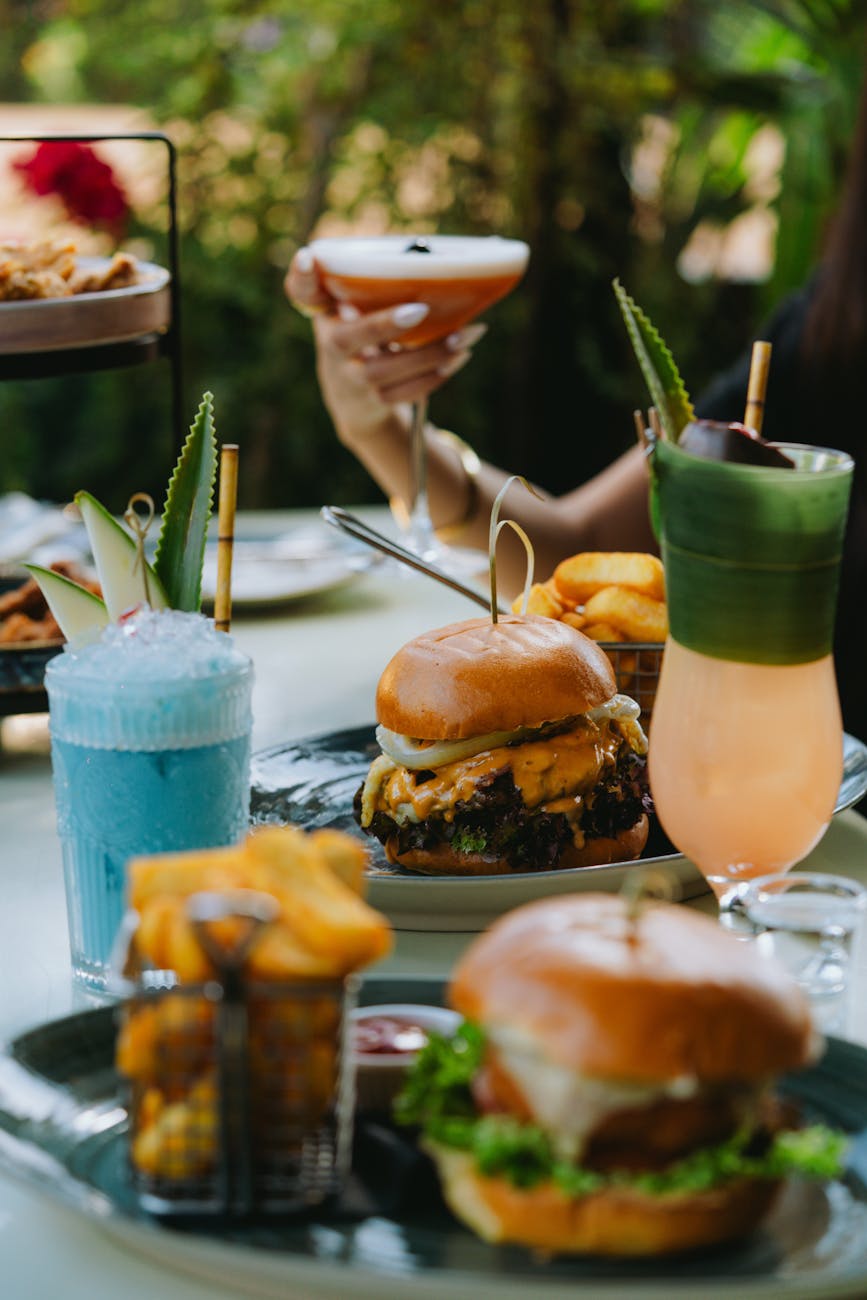
    Pair This: Mezcal Paloma with Smash Burgers

    IPAs are popular grill-side, but the bitterness can clash with the caramelization on your patty. The solution? A smoky Mezcal Paloma — just enough fire to echo the grill, with citrusy sparkle to lift every bite.

    Why it works: Mezcal’s smoky backbone loves char. The grapefruit and lime bring brightness, and bubbles make it refreshing — a perfect match for seared, juicy beef.

    Mezcal Paloma Recipe

    • 2 oz joven mezcal (we love Del Maguey Vida)
    • 1 oz fresh grapefruit juice
    • 0.5 oz fresh lime juice
    • 0.5 oz agave syrup
    • Pinch of sea salt
    • Top with grapefruit soda (Fever Tree or Jarritos preferred)
    • Serve over ice with a salted rim and a grilled grapefruit wedge
    Photo by Nano Erdozain on Pexels.com

    Pair This: Chilled Cru Beaujolais with Sticky Drumsticks

    We all love a crisp rosé — but sticky, charred BBQ chicken needs a bit more muscle and complexity. Cru Beaujolais, like Morgon or Fleurie, is juicy, earthy, and vibrant, with enough savory backbone to stand up to sweet BBQ sauce.

    Why it works: Gamay offers bright red fruit with silky tannins and a touch of minerality, which harmonizes with sticky sauces and caramelized skin.

    Try This Pairing:
    Dish: Grilled BBQ chicken drumsticks with peach-bourbon glaze
    Wine: Jean Foillard Morgon Côte du Py — a natural, elegant, chilled red that will blow minds

    Photo by Macourt Media on Pexels.com

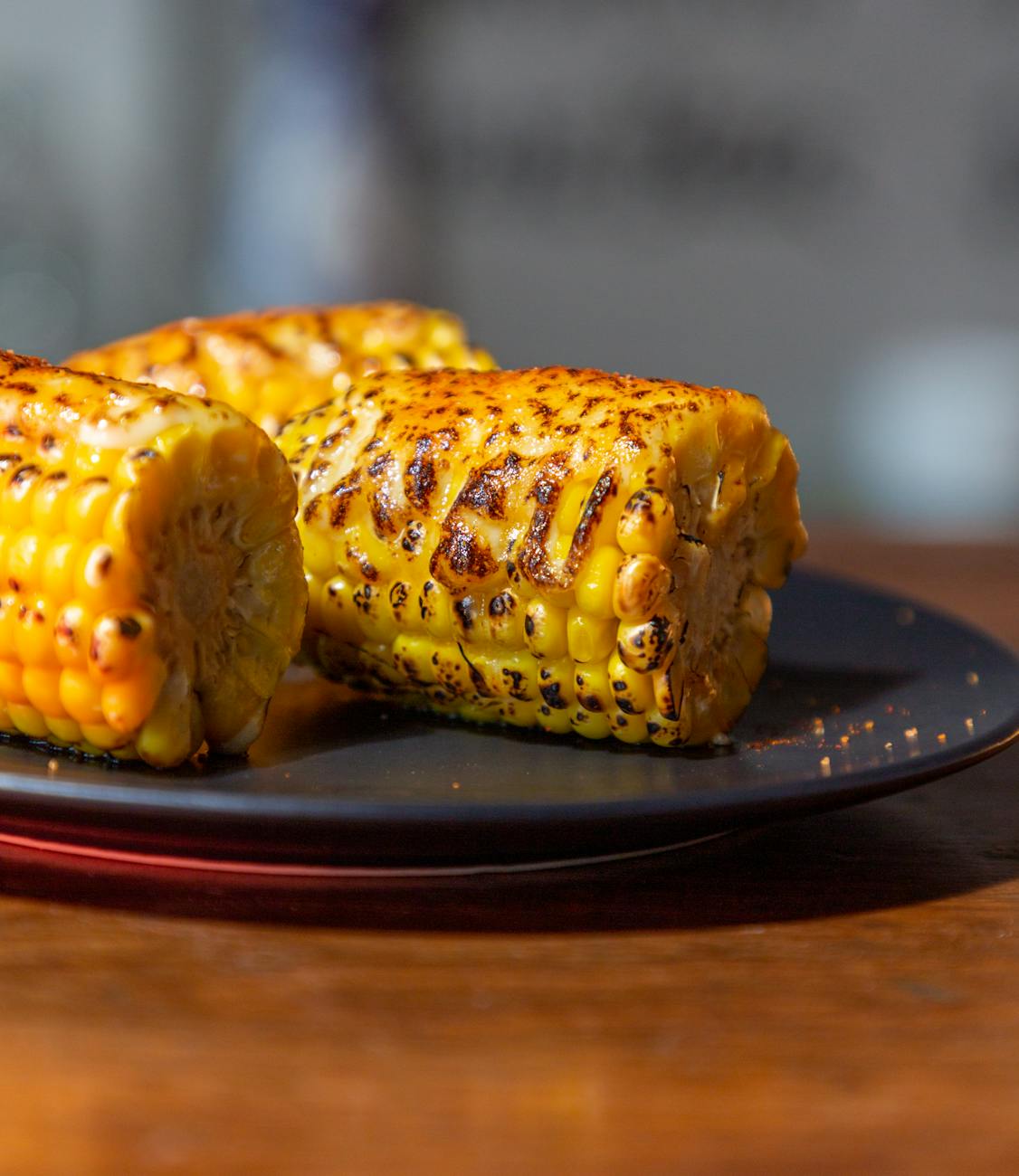
    Pair This: Dry Riesling with Elote

    Sauv Blanc is the obvious choice for grilled corn, but take it next level: grilled elote-style corn slathered with mayo, lime, cotija, and chili powder needs dry Riesling with nerve, not just zip.

    Why it works: Dry Riesling can handle spice, citrus, and creamy elements. Its petrol-mineral quality adds depth, and the acidity balances every bite.

    Try This Pairing:
    Dish: Mexican-style grilled corn with lime crema and tajín
    Wine: Dönnhoff Riesling Trocken — Germany’s clean, dry stunner with citrus and stone

    Photo by Airam Dato-on on Pexels.com

    Pair This: Txakolina with Spicy Shrimp Skewers

    Pinot Grigio often fades into the background. You need something with zing and a little sparkle. Enter Txakolina — the zingy, slightly spritzy Basque wine you’ve been missing.

    Why it works: High acidity, a touch of salinity, and effervescence = shrimp’s new best friend.

    Try This Pairing:
    Dish: Chili-lime grilled shrimp skewers
    Wine: Ameztoi Txakolina — crisp, citrusy, electric on the tongue

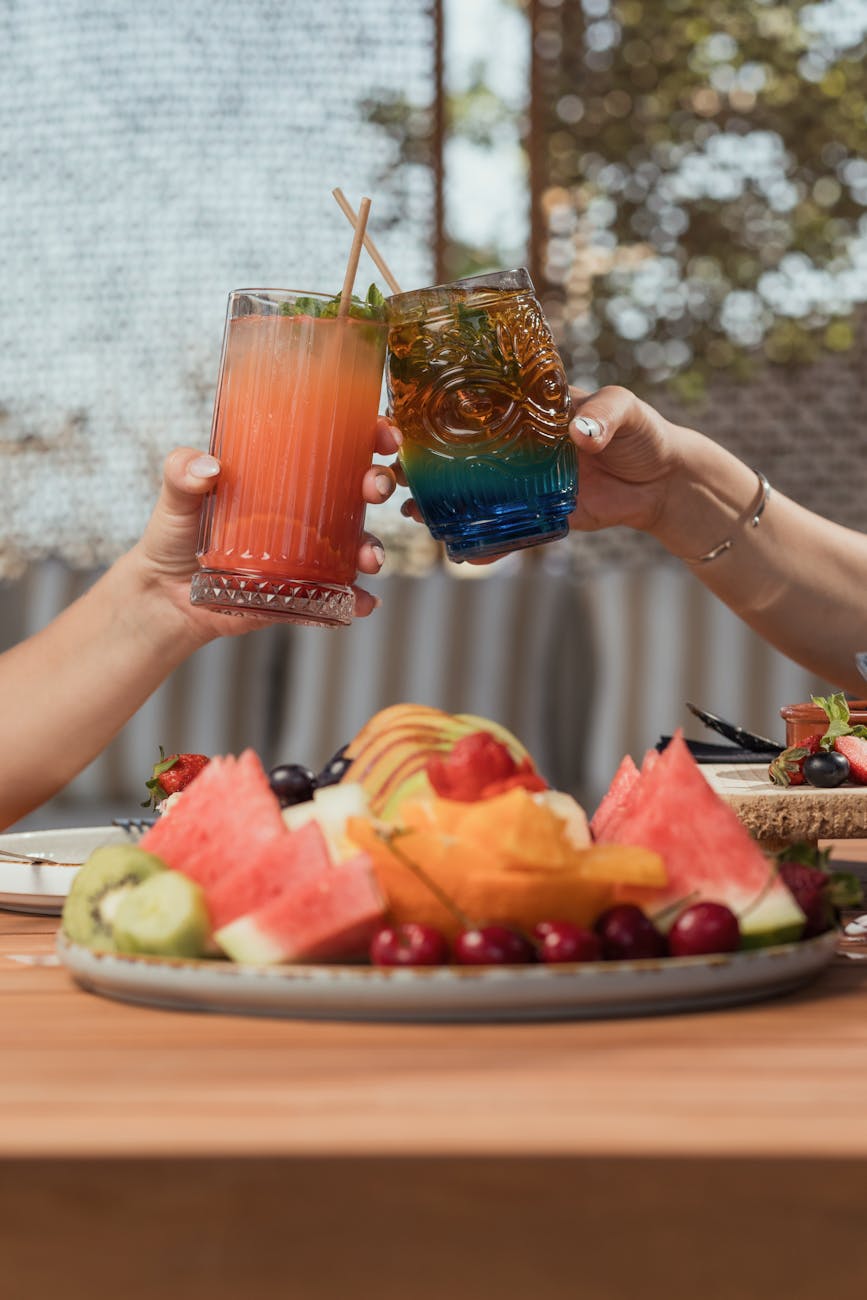
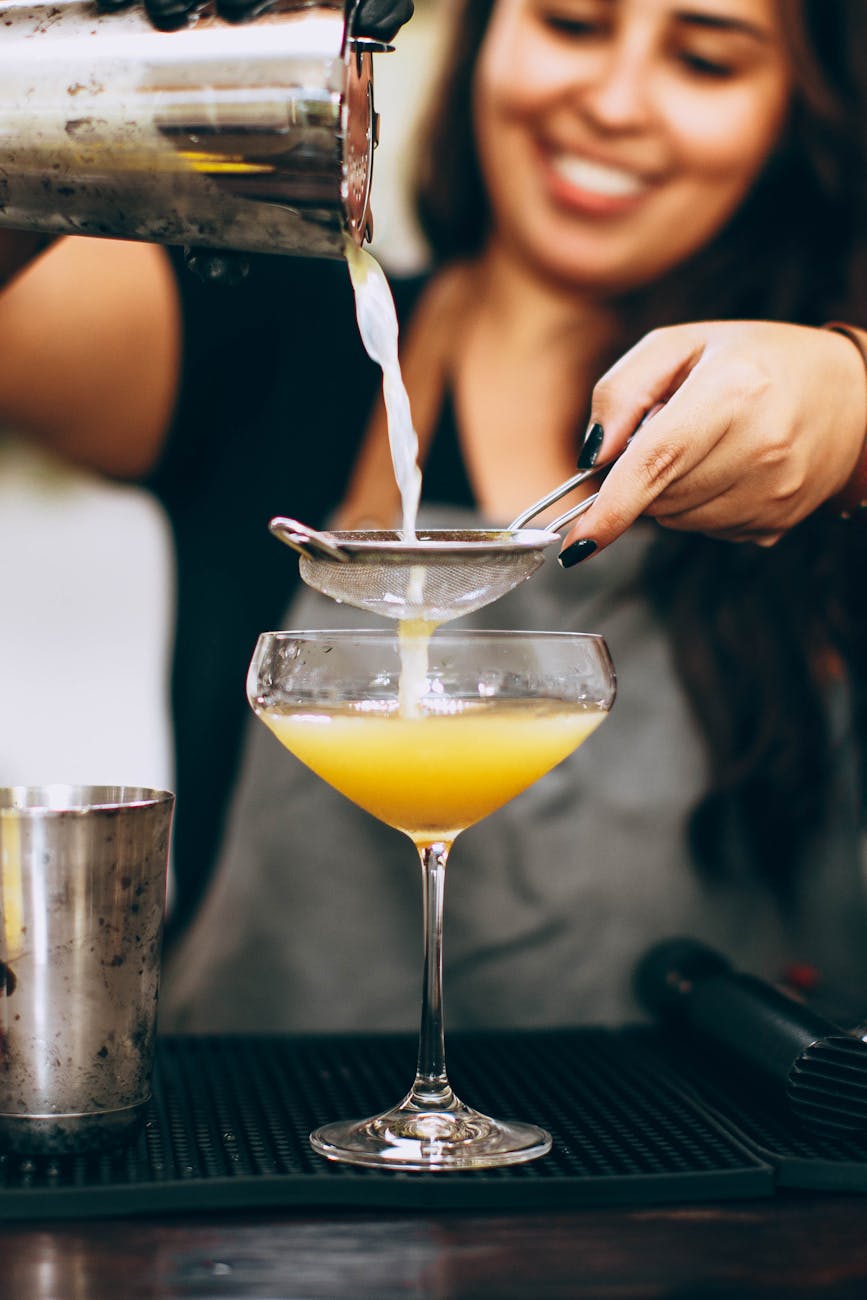
    Pair This: Watermelon & Basil Gin Fizz

    Instead of toothache-sweet slush, opt for something that feels like a frozen treat but keeps its structure. This Watermelon Basil Gin Fizz is light, herbaceous, and juicy — a cocktail that says picnic sophistication.

    Watermelon Basil Gin Fizz Recipe

    • 2 oz gin (we love Hendrick’s for its floral notes)
    • 1 oz fresh lime juice
    • 1 oz basil simple syrup (see below)
    • 2 oz fresh watermelon juice
    • Top with soda water
    • Shake, strain into a Collins glass with ice, and garnish with basil sprig

    Basil Simple Syrup:
    Simmer 1 cup sugar + 1 cup water + 1 cup fresh basil for 5 mins. Cool, strain, and bottle.

    Photo by Henrik Pfitzenmaier on Pexels.com

    Pair This: Peach Bourbon Smash with Grilled Stone Fruit

    Nothing says summer like stone fruit and bourbon, but ditch the neat pour for a Peach Smash that’s smoky, sweet, and made for golden hour sipping.

    Peach Bourbon Smash Recipe

    • 2 oz bourbon
    • 3 slices grilled peach
    • 0.75 oz lemon juice
    • 0.5 oz honey syrup (1:1)
    • Mint leaves
    • Muddle peach and mint, shake with ice, double strain over crushed ice
    • Garnish: grilled peach wedge + mint sprig

    Why it works: The grill’s caramelization meets bourbon’s vanilla warmth; mint and lemon bring brightness.

    Instead of: Marshmallow s’mores with sticky port
    Pair This: Toasted Coconut Ice Cream + Cream Sherry

    Summer deserves a cool, creamy ending. Toasted coconut gelato or ice cream with a pour of Amontillado or Cream Sherry hits nutty, buttery notes that mirror each other with elegance.

    Why it works: The oxidative aging of sherry delivers a toasted nut character that resonates with coconut, while the sweetness stays in balance.

    A Summer of Swaps

    The point of summer is fun, freedom, and freshness — so why stick with the same old wine and spirits? By making just a few creative swaps, you can surprise and delight your guests with unexpected pairings that enhance every grilled bite and sun-drenched laugh.

    Photo by Antoni Shkraba Studio on Pexels.com

    So go ahead — Pair This, Not That — and bring the same creativity to your backyard as you do to your glass. Cheers 🍷🍸☀️

    Cover Photo by Lazarus Ziridis on Pexels.com

  • How to Taste Wine Like a Somm (Even at a BBQ)

    How to Taste Wine Like a Somm (Even at a BBQ)

    Your casual guide to sipping smarter, grilling better, and chilling harder.

    There’s something undeniably joyful about a summer BBQ. The sizzle of meat, the scent of smoke, the laughter of friends, and the clink of glasses raised to the sky. But if you’re like most backyard BBQ warriors, you’re probably cracking open a beer or grabbing whatever rosé is cold. That’s fine, but what if we told you that the world of wine—yes, even at a BBQ—can elevate your entire experience?

    You don’t need a suit, a wine cave, or a master’s pin to taste wine like a sommelier. You just need curiosity, a few simple techniques, and an open mind (plus, a grill doesn’t hurt). Whether you’re smoking ribs or flipping veggie burgers, this guide will help you sip with style and pair like a pro.

    Photo by RDNE Stock project on Pexels.com

    First, Let’s Break Down “How to Taste Wine Like a Somm”

    Professional sommeliers use a technique called deductive tasting—fancy words for really paying attention. Here’s how to do it, BBQ-style:

    See

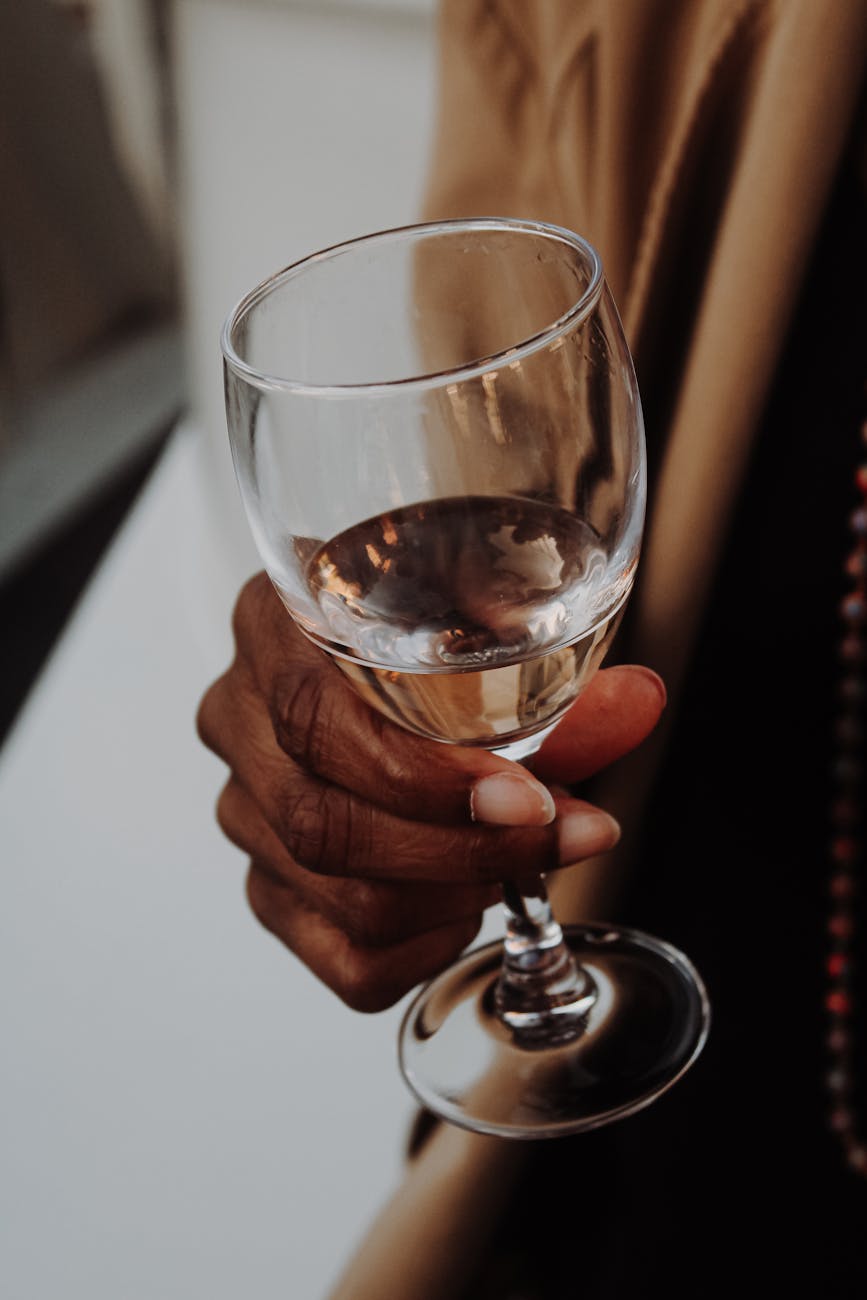
    Tilt your glass over a white surface and take a look. Is the wine pale and straw-colored (like a Sauvignon Blanc)? Or inky and opaque (like a Petite Sirah)? Color gives clues about age, grape variety, and style.

    SOMM&SOMM Tip: Older white wines deepen in color. Older reds tend to lighten and turn brick color at the rim.

    Smell

    Swirl the wine to release the aromas. Then take a moment—nose in, soft inhale. What do you smell? Fruit? Herbs? Smoke? Oak? Barbecue aromas will compete here, so step aside for a second if you need to.

    Sip

    Take a sip, swirl it in your mouth, and let it coat your palate. Is it tart? Juicy? Bitter? Dry? Pay attention to acidity, tannins, alcohol, body, and finish.

    SOMM&SOMM Tip: Try a bite of food, then a sip of wine. Then reverse it. Which brings out more flavor? That’s your pairing insight.

    Photo by Luis Quintero on Pexels.com

    Classic BBQ & Wine Pairings (With a Spin)

    🍔 Burgers + Syrah

    Forget the light Pinot this time—go bold. Syrah (or Shiraz from Australia) has black pepper, black fruit, and smoky notes that mirror char-grilled patties beautifully.

    Somm Spin: Add blue cheese and caramelized onions to your burger. Watch that Syrah sing.

    Smoky Blue Burgers

    • 1 lb ground chuck (80/20)
    • Salt, pepper, garlic powder
    • Crumbled blue cheese
    • Caramelized onions
    • Arugula and Dijon mustard

    Grill burgers to medium. Rest, then top with blue cheese and onions. Serve on brioche.

    🍗 Grilled Chicken Thighs + Chilled Beaujolais

    Beaujolais (made from the Gamay grape) is light, fruity, and best slightly chilled. Its acidity cuts through rich dark meat and BBQ sauce.

    Somm Spin: Try with a slightly spicy peach glaze.

    Quick Peach BBQ Glaze

    • 1 cup peach preserves
    • 1 tbsp apple cider vinegar
    • 1 tsp cayenne
    • Salt & pepper

    Brush onto chicken thighs halfway through grilling.

    🌽 Grilled Corn + Albariño

    Corn is sweet, smoky, and rich. Albariño, especially from Spain’s Rías Baixas region, offers zippy citrus, saline minerality, and stone fruit. This pairing feels like sunshine in a bottle.

    Somm Spin: Top corn with chili-lime butter and cotija cheese.

    Unexpected But Perfect Pairings

    🥓 Candied Bacon Skewers + Off-Dry Riesling

    This is the flavor bomb: salty, sweet, smoky, and spicy. Riesling’s crisp acidity and touch of residual sugar balance the salty-fatty goodness.

    Candied Bacon

    • Thick-cut bacon
    • Brown sugar
    • Black pepper
    • Cayenne

    Roll bacon strips in sugar and spice mix. Skewer and grill until caramelized.

    🍉 Grilled Watermelon + Lambrusco

    You heard that right. Grill slices of watermelon to concentrate their flavor and serve with lightly fizzy Lambrusco, which has a touch of sweetness, berries, and bubbles.

    Fun Fact: Lambrusco was once considered cheap and sweet, but today’s dry, artisanal versions from Emilia-Romagna are some of Italy’s best-kept secrets.

    🍥 Veggie Skewers + Dry Rosé

    Bell peppers, zucchini, mushrooms—these soak up grill flavor like pros. Pair with a Provence-style rosé for red berry brightness and herbal notes.

    Somm Spin: Sprinkle skewers with za’atar or herbes de Provence before grilling.

    Chillin’ with Chillable Reds

    BBQs are hot. Your wine shouldn’t be. Chill your reds. Not ice cold—just 55–60°F. Lighter reds like:

    • Gamay (Beaujolais)
    • Frappato (Sicily)
    • Zweigelt (Austria)
    • Cinsault (South Africa)

    These grapes give you bright fruit, low tannins, and that refreshing ahhhh you want in summer.

    Lore Alert: Ancient Romans chilled their wine with snow stored in underground pits. They knew how to throw a party, too.

    The BBQ Somm’s Tool Kit

    1. Acrylic stemware (so you’re not crying over broken glass)
    2. Wine chiller or ice bucket (because lukewarm reds = sadness)
    3. Decanter or wide carafe (aerate those young, tannic wines)
    4. Wine key (yes, bring a backup)
    5. Tasting notepad or app (optional, but fun)
    Photo by Jeremy Bishop on Pexels.com

    Hosting Tips from the Firepit

    • Start light, go bold: Begin with bubbly, white, or rosé, move to reds as the grill gets hotter.
    • Serve wine like beer: Keep things casual—don’t fuss. Pour, pass, share.
    • Label the bottles: Add handwritten tags with “Great with chicken!” or “Try with sausage!”
    • Mix in Magnums: More wine, more fun, and less refilling.

    BBQ + Wine = Shared Stories

    At the heart of every great BBQ isn’t just the food or the wine. It’s the stories we tell between bites. The laughter over spilled rosé. The new bottle someone brought. The neighbor who surprises everyone with a homemade salsa. The quiet sip you take at sunset, listening to cicadas.

    Wine shouldn’t just be good. It should be memorable.

    Gregory Dean, SOMM&SOMM

    Tasting wine like a somm doesn’t mean taking things too seriously. It means noticing more. Being present. Asking, “What does this remind me of?” and answering with a smile.

    So fire up the grill. Pop a cork. Swirl, sip, and share.

    Cheers to the summer of flavor.🍷

    Cover Photo by Pixabay on Pexels.com

  • Equal Parts, Endless Magic

    Equal Parts, Endless Magic

    Celebrating the timeless art of the perfectly balanced cocktail.

    When it comes to the eternal dance between wine and cocktails, wine often takes center stage — with its terroir-driven complexity and built-in pairing charm. But there are moments when a cocktail, not wine, is the star the evening deserves (hard to believe–right?). Especially when it comes to a rare and beautiful class of drinks: the Equal Parts Cocktails.

    Simple to remember. Sophisticated to sip. This family of cocktails has fueled iconic moments from smoky speakeasies to the most refined brunches. And when the right dish meets the right glass? Pure magic.

    Today, we dive deep into the history, lore, recipes, and perfect pairings of the most celebrated equal-part cocktails — plus, we’ll uncover when and why cocktails trump wine at the table.

    Photo by Bianca Jelezniac on Pexels.com

    Why Choose a Cocktail Over Wine?

    Before we jump into shaker tins and coupe glasses, let’s get one thing clear: wine is incredible — but cocktails can offer precision, intensity, and immediate vibrancy that wine sometimes cannot.

    • Complexity in One Sip: Equal-part cocktails are built to showcase bold, diverse flavors in perfect harmony.
    • Palate Awakener: Their vivid acidity, herbal notes, and bittersweet elements “wake up” the palate, making them the perfect aperitif or pairing for bold foods.
    • Timing Matters: Brunches, cocktail hours, sultry late-night soirées — these are moments when a lively cocktail enhances the occasion more than a glass of wine ever could.

    The History of Equal-Part Cocktails

    The equal-parts formula finds its roots in the early 20th century, during the golden age of cocktails. The Prohibition Era (1920-1933) challenged bartenders to create drinks that masked rough spirits with a symphony of harmonious ingredients. The solution? Recipes that used precision balance — often, simply equal measures of four ingredients.

    This style exploded with classic cocktails like the Corpse Reviver No. 2 and later evolved into the Last Word, a legendary pre-Prohibition concoction that made its roaring comeback in the craft cocktail renaissance of the early 2000s.

    Equal parts = artistic freedom + foolproof structure.

    Classic Equal-Part Cocktails You Need to Know

    The Last Word

    History & Lore:
    Born at the Detroit Athletic Club in the 1920s, the Last Word was almost lost to history until Seattle bartender Murray Stenson resurrected it in the early 2000s. Now? It’s a cult classic among bartenders and cocktail nerds alike.

    Recipe:

    • ¾ oz Gin
    • ¾ oz Green Chartreuse
    • ¾ oz Maraschino Liqueur
    • ¾ oz Fresh Lime Juice

    Shake with ice and strain into a chilled coupe. Garnish with a cherry or a lime twist.

    Perfect Time to Serve:
    An adventurous aperitif to kick off dinner parties or to open a late summer garden gathering.

    Perfect Pairing:

    • Prosciutto-Wrapped Melon: Sweetness and salt balance the herbal Chartreuse and tart lime.
    • Goat Cheese Crostini: The creamy tang cuts through the cocktail’s high-toned complexity.
    Photo by Helena Lopes on Pexels.com

    Corpse Reviver No. 2

    History & Lore:
    The “Corpse Revivers” were intended as hangover cures, with the No. 2 being the most famous — a bright, zesty tonic to jolt you back to life. Harry Craddock immortalized it in The Savoy Cocktail Book (1930), with the delightful note: “Four of these taken in swift succession will unrevive the corpse again.”

    Recipe:

    • ¾ oz Gin
    • ¾ oz Cointreau (or another triple sec)
    • ¾ oz Lillet Blanc (or Cocchi Americano)
    • ¾ oz Fresh Lemon Juice
    • Dash of Absinthe (rinse the glass or add a couple drops)

    Shake well with ice, strain into an absinthe-rinsed coupe.

    Perfect Time to Serve:
    At a luxurious brunch (post-celebration) or before a decadent seafood dinner.

    Perfect Pairing:

    • Oysters on the Half Shell: The clean brine meets the cocktail’s citrus brightness beautifully.
    • Lobster Salad: Creamy, lemony shellfish dishes sing alongside this refreshing classic.

    Paper Plane

    History & Lore:
    Created in 2007 by Sam Ross (of Milk & Honey fame), the Paper Plane is a modern equal-parts marvel, riffing on the Last Word with bourbon warmth and bittersweet Amaro Nonino.

    Recipe:

    • ¾ oz Bourbon
    • ¾ oz Amaro Nonino
    • ¾ oz Aperol
    • ¾ oz Fresh Lemon Juice

    Shake with ice, strain into a coupe glass. No garnish needed — the color alone is gorgeous.

    Perfect Time to Serve:
    Fall evenings, cozy cocktail parties, or after a hearty autumn dinner.

    Perfect Pairing:

    • Charcuterie Board: Salty meats, funky cheeses, nuts, and dried fruits make perfect companions.
    • Duck Confit Tacos: Rich, gamey flavors balanced by the Paper Plane’s bittersweet lift.

    Honorable Mentions

    • Boulevardier: Equal parts bourbon, sweet vermouth, and Campari. (Think of it as the Negroni’s American cousin.)
    • Naked & Famous: Equal parts mezcal, yellow Chartreuse, Aperol, and lime juice. Smoky, herbal, and tangy.
    • White Negroni: Equal parts gin, Lillet Blanc, and Suze. Lightly bitter and stunningly elegant (featured in our second book: Sips & Stories: Cocktails of the Garden (2025)).
    Photo by Antoni Shkraba Studio on Pexels.com

    Tips for Serving Equal-Part Cocktails

    Always measure precisely — even 1/8 oz matters when balancing strong flavors.

    Serve in a pre-chilled coupe or Nick & Nora glass to maintain temperature and elegance.

    Small bites are ideal companions — these cocktails pack flavor that needs food with texture and fat to harmonize.

    When Balance is Bliss

    Equal-part cocktails embody the soul of perfect balance — between simplicity and sophistication, between power and poise. They’re a sommelier’s dream when the dish demands brightness, precision, or boldness that wine alone cannot deliver.

    So next time you’re planning a gathering, a date night, or simply need a reason to shake up something extraordinary, remember:
    Equal parts create unequaled moments.

    Cheers, friends!

    Cover Photo by ROMAN ODINTSOV on Pexels.com

  • Varietal Spotlight: Gewürztraminer

    Varietal Spotlight: Gewürztraminer

    The Spicy Grape You’ll Love to Say–and Sip.

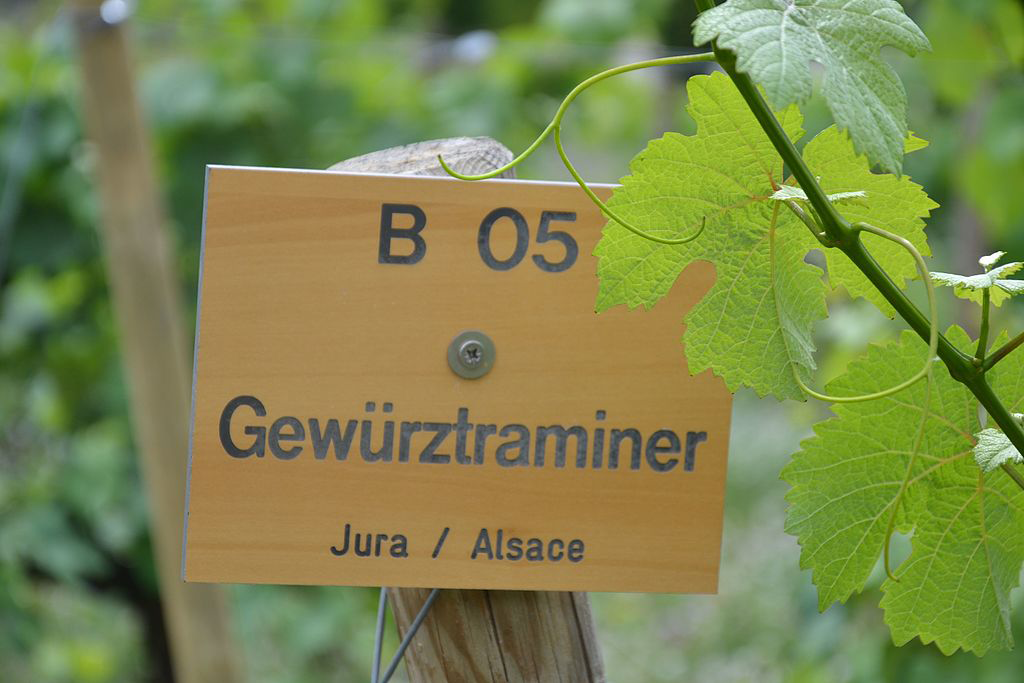
    Let’s be honest: just saying “Gewürztraminer” feels like a party trick. (It’s guh-VOORTS-trah-mee-ner, by the way.) But behind this tongue-twisting name lies one of the most expressive, aromatic, and misunderstood white grapes in the world of wine. As spring blooms and summer beckons, it’s time to clear a spot in your fridge—and your heart—for Gewürztraminer.

    This isn’t your average white wine. No, this is the electric silk scarf of the wine world—bright, bold, perfumed, and a little dramatic in all the best ways. It’s the grape equivalent of a jazz saxophone solo at a garden party: unexpected, sultry, and unforgettable.

    Marianne Casamance, CC BY-SA 4.0, via Wikimedia Commons

    Aromatic Origins and Spicy Roots

    Gewürztraminer literally means “spiced Traminer” in German, and its origins trace back to the ancient Traminer grape of the Alpine foothills, particularly the village of Tramin (Termeno) in northern Italy’s South Tyrol. While Gewürztraminer found its stylistic footing in the cool regions of Alsace, France, its true home is arguably the terroir itself—wherever it can show off its sultry perfume, spicy attitude, and plush texture.

    Today, Gewürztraminer is grown across the world—from the misty vineyards of Oregon and the Sonoma coast to the steep slopes of Germany’s Pfalz, the volcanic soils of New Zealand’s South Island, and even in Canada’s Okanagan Valley. Each region draws out a different side of its personality, like a well-traveled artist who learns a new dance in every country visited.

    Lychee, Roses, and a Hint of Sass

    Pop open a bottle and your nose will be greeted by a fragrant bouquet of rose petals, lychee fruit, ginger, and baking spices—often with tropical notes like passionfruit or mango dancing around the edges. On the palate, Gewürztraminer can range from dry to lusciously sweet, but it’s always full-bodied and plush with an unmissable sense of richness.

    Unlike your lean and zippy Sauvignon Blanc, Gewürztraminer is a white wine with curves. She lingers on the palate, smolders in the glass, and unapologetically commands your attention. Don’t expect high acidity—that’s not her thing. This is a low-acid grape with a velvet robe and a perfume bottle in hand.

    Same Grape, Different Groove

    • Alsace, France: The spiritual home of Gewürztraminer. Wines from Alsace (our personal favorite) are often off-dry to sweet, with intense aromatics, spice, and a rich mouthfeel. They pair beautifully with pungent cheeses, foie gras, and spiced dishes. Look for Grand Cru bottlings for age-worthy, structured versions.
    • Germany (Pfalz and Baden): Slightly cooler climate equals slightly more acidity. Expect floral elegance, stone fruits, and a drier style that pairs beautifully with grilled pork, sausages, or spaetzle.
    • Italy (Alto Adige/South Tyrol): Fresh, floral, and focused. The mountainous altitude and alpine air give a vibrant backbone to the wines. Think of this as a leaner, more mineral-driven interpretation with a spicy citrus twist.
    • United States (Sonoma, Mendocino, Finger Lakes): Ripe, full-bodied, and often a little drier than expected. These American Gewürztraminers can stand up to barbecue, Cajun shrimp, and even tacos al pastor.
    • New Zealand: Tropical fruit bomb with zingy ginger and a weighty texture. Great with Thai curry, poke bowls, or grilled pineapple and pork skewers.
    • Canada (Okanagan Valley): Crisp and aromatic with a delicate sweetness—perfect for pairing with Asian-fusion cuisine or rich pâté.

    Gewürztraminer Gets Weird (and Wins)

    This is a food lover’s wine—especially if you enjoy bold, fragrant, spicy, or umami-rich dishes. Gewürztraminer walks into a room where other wines fear to tread.

    • Spicy Thai and Indian cuisine – A classic. That lychee sweetness calms the fire while the aromatic intensity matches the herbs and spices.
    • Miso-glazed cod or tofu – Umami meets floral in this unexpected high-five of flavor.
    • Pungent cheeses – Think Munster, Taleggio, or a rind-washed affair. Gewürztraminer meets the challenge head-on.
    • Roast duck with apricot glaze – Rich meets richer, fruit meets spice, and your palate throws a party.
    • Charcuterie boards – Gewürztraminer stands tall beside prosciutto, pâté, and all your favorite pickled things.
    • Brunch – Yep. Poached eggs with smoked salmon and hollandaise, curried deviled eggs, or even a cinnamon roll and fresh fruit salad. It’s a brunch superstar.

    The Aromatic Rebel

    While Gewürztraminer lacks the vast PR machine of Chardonnay or the cult status of Pinot Noir, it holds a special place in the hearts of sommeliers and rebels alike. It’s a wine that refuses to be boxed in—stylistically flamboyant, regionally expressive, and endlessly fascinating.

    Legend has it that monks in Tramin cultivated early versions of the grape to match the aromatic intensity of their incense. Whether or not that’s true, there’s something undeniably sacred about its perfume. Each glass is a sensory blessing.

    So, Why Now?

    Because spring is here, and summer’s heat is just around the corner. Gewürztraminer, served chilled, offers refreshment and complexity in a single pour. It’s the wine for dinner on the patio, for spontaneous picnics, and for moments when life feels too short for boring wine.

    So here’s your mission: seek out a Gewürztraminer you’ve never tried before. Ask your local wine shop what’s new. Taste Alsace side-by-side with New Zealand. Host a Gewürz & Curry night. Or just pour a glass, breathe in those rose petals, and say the name out loud until you grin.

    Gewürztraminer. Spicy, aromatic, unforgettable.

    Just like you.

    Cover photo by Rolf Kranz, CC BY-SA 4.0, via Wikimedia Commons

  • Sangria: A Storied Sip Through Time, Terroir, and Tradition

    Sangria: A Storied Sip Through Time, Terroir, and Tradition

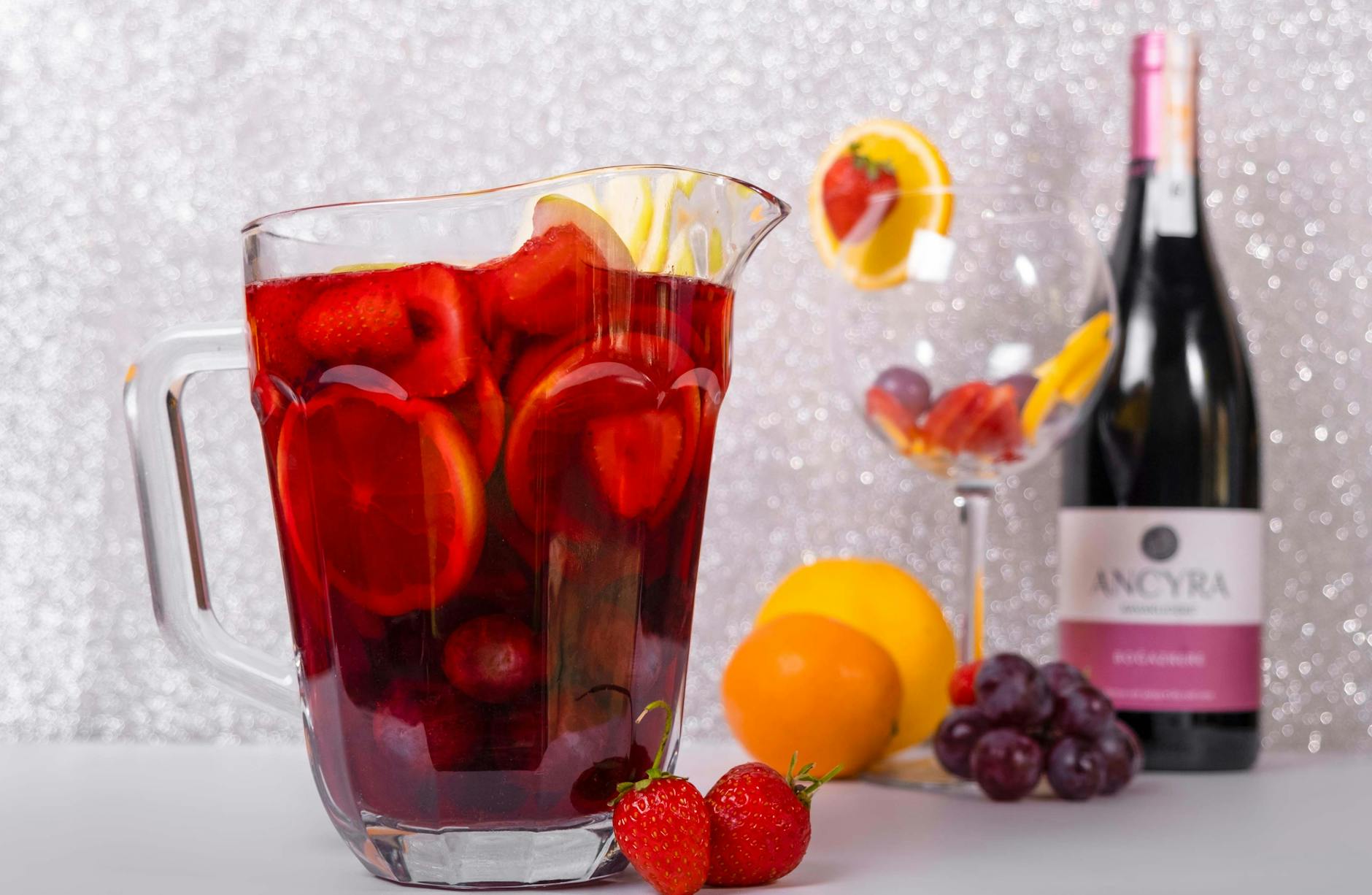
    Sangria isn’t just a fruity summer sipper—it’s a centuries-old wine tradition that’s steeped in history, shaped by terroir, and endlessly customizable. This refreshing wine punch has evolved from ancient practices into a beloved warm-weather drink enjoyed around the world.

    In this post, we’ll explore Sangria’s history, grape varietals, cultural cousins, and offer you a few vibrant recipes and pairings to make your own unforgettable pitcher this season.

    A Brief History of Sangria

    Roman Origins

    The roots of Sangria trace back to 200 B.C., when the Romans planted vineyards throughout the Iberian Peninsula. They often mixed wine with water, herbs, and fruits to improve flavor and ensure safe drinking. This laid the foundation for fruit-infused wine traditions across Europe.

    Moorish Influence & Medieval Spices

    In the Middle Ages, wine-based drinks like hippocras (wine spiced with cinnamon, ginger, and clove) became popular. The Moors introduced distillation to Spain, paving the way for brandy—now a key Sangria ingredient.

    The Rise of Sangria

    By the 18th century, Spain had embraced a red wine punch known as Sangria, named after sangre (Spanish for “blood”) due to its deep red hue. It gained popularity in the Americas in the 19th century and skyrocketed into global stardom after being served at the 1964 World’s Fair in New York.

    Photo by Aida Shukuhi on Pexels.com

    Wines & Grape Varietals Used in Sangria

    A great Sangria starts with good wine. Here are the key grapes to know:

    Red Wines for Classic Sangria

    • Garnacha (Grenache): Juicy, low-tannin, strawberry-forward
    • Tempranillo: Earthy, structured, with subtle spice and red fruit

    White Wines for Sangria Blanca

    • Albariño: Citrus-zesty, coastal, floral
    • Verdejo: Crisp, melon-like, herbal
    • Cava (Sparkling): Spain’s dry bubbly—adds zest and elegance

    Rosé Wines

    • Dry Spanish or Provençal rosés offer bright berry notes and beautiful color, perfect for spring and summer takes.

    Sangria’s Global Cousins: Wine-Based Refreshers Around the World

    🇪🇸 Tinto de Verano (Spain)

    Red wine + lemon soda. Simple, refreshing, less sweet than Sangria.

    🇪🇸 Kalimotxo (Basque Country)

    Red wine + cola with a twist of lime. Bold and unexpectedly delicious.

    🇺🇾 Clericó (Argentina, Uruguay)

    White wine-based punch with tropical fruits. Often served during holidays.

    🇩🇪 May Wine (Germany)

    White wine with sweet woodruff and strawberries—sipped in springtime.

    🇪🇸 Zurra (Spain)

    A richer, brandied variation of Sangria with stone fruits and sometimes fortified wines.

    Sangria Styles & Variations

    1. Traditional Red Sangria

    • Base: Garnacha or Tempranillo
    • Add: Oranges, apples, lemons, brandy, sugar
    • Taste: Juicy, bright, slightly spiced

    2. White Peach Sangria

    • Base: Albariño or dry Riesling
    • Add: Peaches, apples, pears, elderflower liqueur
    • Taste: Light, floral, elegant

    3. Rosé Berry Sangria

    • Base: Dry Rosé
    • Add: Strawberries, raspberries, orange slices, Aperol
    • Taste: Fruity, citrusy, vibrant pink hue

    4. Sparkling Sangria

    • Base: Cava or Prosecco
    • Add: Berries, citrus, mint, Grand Marnier
    • Taste: Effervescent and celebratory
    Photo by Charlotte May on Pexels.com

    How to Serve Sangria Like a Pro

    • Glassware: Stemless wine glasses or goblets
    • Presentation: Serve in clear pitchers to show off the fruit
    • Garnish: Fresh mint, basil, citrus wheels, edible flowers
    • Tip: Add ice to individual glasses, not the pitcher, to prevent dilution

    Perfect Pairings for Warm Weather Sangria

    • Classic Red Sangria: Tapas, grilled meats, Manchego cheese
    • White Peach Sangria: Shrimp ceviche, summer salads, goat cheese crostini
    • Rosé Sangria: Charcuterie, watermelon & feta salad, berry tarts
    • Sparkling Sangria: Brunch fare, fried appetizers, picnic plates

    Three Sangria Recipes to Try This Season

    🍊 Classic Red Sangria

    Ingredients:

    • 1 bottle Garnacha or Tempranillo
    • 1 orange, sliced
    • 1 lemon, sliced
    • 1 apple, diced
    • 2 oz Spanish brandy
    • 2 tbsp sugar
    • Splash of soda water (optional)

    Instructions:
    Macerate fruit and sugar for 15 minutes. Add wine and brandy. Chill 2–4 hours. Serve over ice.

    🍑 White Peach Sangria

    Ingredients:

    • 1 bottle Albariño or dry Riesling
    • 2 peaches, sliced
    • 1 green apple, sliced
    • 1 pear, sliced
    • 1 oz elderflower liqueur
    • 1 oz brandy
    • 1 tbsp honey

    Instructions:
    Combine all, stir well, and chill 4 hours. Garnish with fresh mint before serving.

    🍓 Rosé Berry Sangria

    Ingredients:

    • 1 bottle dry rosé
    • 1 cup strawberries, halved
    • 1/2 cup raspberries
    • 1 orange, sliced
    • 2 oz Aperol
    • Splash of lemon-lime soda

    Instructions:
    Combine ingredients, chill for 2 hours, and serve cold over ice.

    Raise a Glass to Spring & Summer

    Sangria is more than a drink—it’s a celebration of wine, fruit, and fellowship. It reflects the soul of the regions that created it and adapts effortlessly to fresh fruit, seasonal vibes, and local wines.

    Whether you’re hosting a brunch, planning a beach picnic, or simply relaxing on the porch, Sangria is your invitation to slow down, sip, and savor.

    Salud! 🍷

    🔗 Want more wine knowledge, pairing tips, and cocktail stories?

    Subscribe and/or follow us on Instagram @SOMMandSOMM for more recipes, regional wine deep-dives, and seasonal pairing guides.

    Cover Photo by Alec Adriano on Pexels.com

  • Rosé All the Way

    Rosé All the Way

    The Art, Lore & Allure of the World’s Most Expressive Pink Wines.

    Rosé is more than a seasonal sipper—it’s a movement. From the windswept cliffs of Provence to the volcanic slopes of Sicily, rosé wine embodies culture, craftsmanship, and character. Whether you’re a pink wine purist or a curious explorer, this deep dive will take you through the history, styles, techniques, and pairings that make rosé one of the world’s most expressive wine styles.

    Regions Where Rosé is King

    Provence – The Icon

    Provence is where rosé earned its crown. Known for pale, dry, and crisp expressions, Provençal rosé is a staple on patios and pairings worldwide.

    Tavel – The Rhône Valley’s Pink Powerhouse

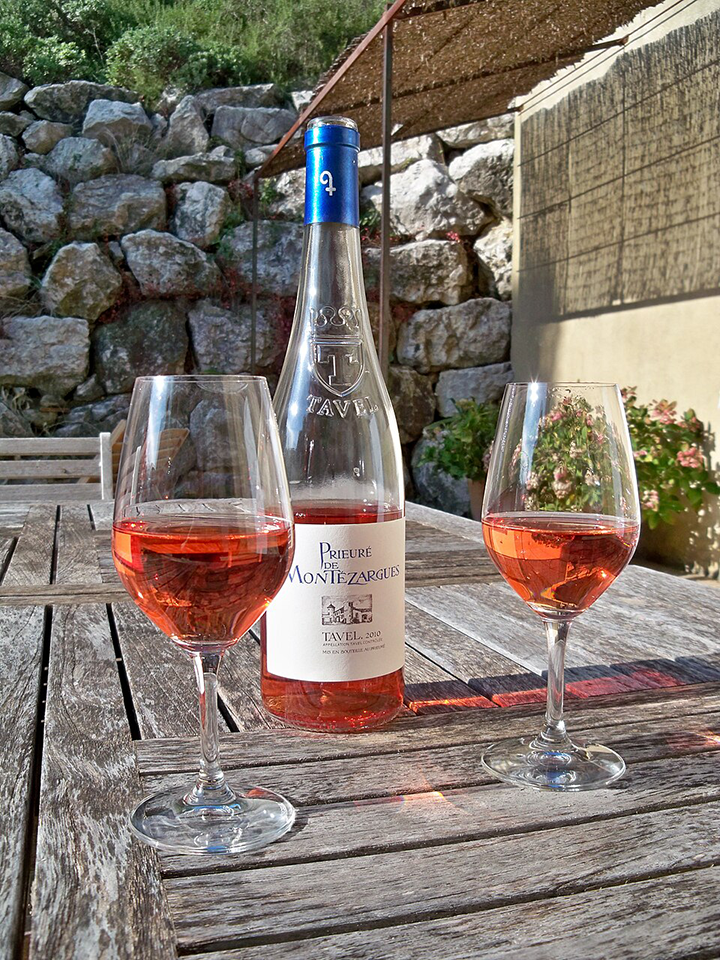
    Tavel is the only AOC in the Rhône dedicated solely to rosé—and it shows. These wines are deeper in color and richer in structure, with serious aging potential.

    Italy – Rosato Renaissance

    Italy delivers robust, food-loving rosati from Abruzzo and Sicily, full of local character and Mediterranean flair.

    Spain – Navarra & Rioja Rosado

    In northern Spain, old-vine Garnacha thrives in the rosado style—bright, structured, and ready for tapas.

    California – Innovation Meets Blush

    Rosé in California ranges from crisp Pinot Noir in Santa Barbara to bold, spicy Zinfandel rosé in Paso Robles.

    • Sommelier Pick: Bedrock Wine Co. “Ode to Lulu” (Mourvèdre-based)
    • Pair With: BBQ chicken, fried chicken, watermelon salad

    Around the World

    • Argentina: Malbec rosé—lush, dark-fruited, and food-friendly
    • Germany: Spätburgunder (Pinot Noir) rosé—delicate and mineral-driven
    • South Africa: Pinotage rosé—smoky, vibrant, unforgettable
    • Australia: Shiraz rosé—juicy and perfect for spicy fare
    Tavel – Prieuré de Montézargues Rosé – Véronique PAGNIER, CC BY-SA 3.0, via Wikimedia Commons

    How Rosé is Made

    Contrary to popular belief, rosé is not red and white wine blended together (except in Champagne). There are four primary techniques used to craft rosé:

    1. Direct Press (Vin Gris)

    • Minimal skin contact, delicate extraction
    • Lightest in color and body
    • Best For: Pinot Noir, Grenache

    2. Maceration

    • Skins soak with juice for 6–24 hours
    • Controlled color, flavor, and texture
    • Used In: Provence, Tavel, Spain

    3. Saignée (“Bleeding”)

    • Juice is bled from red wine fermentations
    • Rosé byproduct, often bold and structured
    • Common In: Napa, Sonoma

    4. Blending (Champagne Only)

    • Still red wine added to white base wine
    • Only legal in Champagne
    • Sommelier Pick: Billecart-Salmon Brut Rosé
    • Pair With: Sushi, duck confit, strawberry shortcake

    🍇 Grape Varietals That Make Rosé Shine

    VarietalNotesRegions
    GrenacheJuicy, spicy, versatileFrance, Spain, California
    Pinot NoirDelicate, floral, etherealFrance, Oregon, Germany
    MourvèdreSavory, structured, earthyBandol, Spain, California
    SangioveseCherry-forward, crisp acidityTuscany, Central Coast
    ZinfandelFruit-driven, peppery, energeticCalifornia
    SyrahDark-fruited, bold, spicedRhône, Australia
    TempranilloTomato leaf, strawberry, tobaccoSpain, Texas
    Cabernet FrancHerbal, leafy, medium-bodiedLoire, Finger Lakes
    Image by Sarah Stierch (CC BY 4.0), Creative Commons

    Perfect Rosé Pairings by Style

    Light & Crisp Rosé (Provence-style)

    • Niçoise salad
    • Goat cheese tart
    • Lemony grilled chicken
    • White anchovy crostini

    Bold & Structured Rosé (Tavel, Mourvèdre-based)

    • Duck confit
    • Lamb chops with rosemary
    • Mushroom risotto
    • Charred octopus

    Sparkling Rosé (Champagne & Beyond)

    • Fried chicken
    • Smoked salmon blinis
    • Fresh berries & cream
    • Sushi rolls

    New World Rosé (Zinfandel, Syrah, Sangiovese)

    • Pizza with prosciutto
    • Tacos al pastor
    • BBQ pork sliders
    • Spicy Thai noodles

    Must-Have Rosés to Try

    1. Château d’Esclans Whispering Angel – Provençal charm and elegance
    2. Domaine de la Mordorée Tavel Rosé – Serious structure and depth
    3. Domaine Tempier Bandol Rosé – Earthy, savory, age-worthy
    4. Billecart-Salmon Brut Rosé Champagne – Sparkling royalty
    5. Las Jaras Rosé (California) – Natural wine, balanced and vibrant
    6. Torre dei Beati Cerasuolo d’Abruzzo – Italian soul in a pink bottle

    Final Sip

    Rosé isn’t a novelty—it’s a winemaking philosophy that expresses a grape’s essence with delicacy and flair. Whether you’re serving tapas, sushi, or spicy wings, there’s a rosé out there to elevate the moment. Cheers 🩷

    Cover image: Missvain, CC BY 4.0, via Wikimedia Commons

  • Varietal Spotlight: Pinot Grigio

    Varietal Spotlight: Pinot Grigio

    A Chameleon of the Vine.

    Few grapes have worn as many masks or traveled so extensively across terroirs and tables as Pinot Grigio. Often stereotyped as a light and simple white wine, Pinot Grigio is, in truth, a varietal of complexity and contradiction. Its genetics, nomenclature, and expressive range offer a story as nuanced as its finest bottlings. Whether known as Pinot Gris in France, Grauburgunder in Germany, or Szürkebarát in Hungary, this grey-skinned grape holds a passport stamped with centuries of intrigue.

    A Grey Mutation with Noble Roots

    Pinot Grigio is a white wine grape, though its skins range from bluish-grey to pinkish-brown, hence the name grigio, meaning “grey” in Italian. It is a mutation of Pinot Noir, its noble Burgundian cousin. The Pinot family is notoriously prone to clonal variation, which has given us Pinot Blanc, Pinot Meunier, and Pinot Gris, among others.

    The earliest documented mentions of Pinot Gris (its original name) date back to the Middle Ages in Burgundy, France. By the 14th century, it had migrated to Hungary—beloved by monks—and then further east and north into Germany, Switzerland, and eventually Italy.

    In Italy, the grape found its most iconic modern identity as Pinot Grigio, particularly in the cooler regions of the northeast, such as Alto Adige, Friuli-Venezia Giulia, and Veneto.

    Photo by karelle mtgr on Pexels.com

    Cultural Names & Expressions of Pinot Grigio

    Pinot Grigio’s global footprint has led to a rich array of local names and stylistic interpretations:

    • France: Pinot Gris
      In Alsace, it produces rich, spicy, full-bodied wines with notable viscosity and aging potential. Often off-dry to sweet in style, Alsatian Pinot Gris may include noble rot (botrytis) influence.
    • Italy: Pinot Grigio
      Known for a light-bodied, crisp, and zesty expression, often with notes of lemon, green apple, and almond. However, producers in Friuli and Alto Adige have pushed for more serious expressions, showcasing texture and complexity.
    • Germany: Grauburgunder or Ruländer
      These wines range from dry and mineral-driven to rich and sweet, depending on region and winemaking intention. The Pfalz and Baden regions produce particularly compelling versions.
    • Hungary: Szürkebarát (literally “Grey Monk”)
      Tends to be rounder and more aromatic, a nod to its Hungarian monastic roots and volcanic soils.
    • United States: Both Pinot Grigio and Pinot Gris are used
      Oregon is famous for emulating the Alsace style, producing lush, peachy wines, while California often leans toward the Italian-style—lighter and more citrus-forward.
    • Austria & Switzerland: Known occasionally as Grauer Burgunder
      Styles tend to follow the German model, though with more restrained fruit and alpine freshness.

    Flavor Profiles & Winemaking Styles

    The grape’s thin skin and low phenolic content lend itself to a range of expressions based on:

    • Climate: Cool climates tend to yield high acidity and light body; warmer climates enhance stone fruit and honeyed richness.
    • Vinification: Skin-contact (“Ramato” style), oak aging, or lees stirring can impart significant texture and complexity.
    • Terroir: Volcanic soils (like in Hungary or parts of Alsace) add mineral tension, while marl and limestone (seen in parts of Germany and France) can enhance structure and ageability.

    The Forgotten Copper-Hued Expression

    A special shoutout is deserved for Ramato (Italian for “coppery”)—a traditional Venetian style of Pinot Grigio made with extended skin contact, resulting in a rosé-like or orange wine hue. It offers flavors of dried apricot, tea leaf, orange peel, and spice, and is a fabulous bridge between white and red wine experiences.

    Famous and Notable Producers

    🇮🇹 Italy

    • Livio Felluga – Friuli-Venezia Giulia: elegant and structured Pinot Grigio.
    • Alois Lageder – Alto Adige: biodynamic and expressive wines.
    • Santa Margherita – Veneto: the name that put Pinot Grigio on the map in the U.S., popularizing the crisp, clean style.

    🇫🇷 France (Alsace)

    🇺🇸 United States

    • King Estate (Oregon) – Organic, food-friendly Pinot Gris.
    • J Vineyards (California) – Crisp and fruity Pinot Grigio expressions.
    Glass of Pinot Grigio – cogdogblog, CC BY 2.0, via Wikimedia Commons
    Pairing Pinot Grigio

    Pinot Grigio is one of the most versatile food wines. Here’s how to play with its many faces:

    Complementary Pairings (Match body and texture)

    • Light Italian Pinot Grigio:
      Mozzarella, white fish ceviche, lemony chicken piccata, arugula salads with citrus vinaigrette.
    • Ramato-style Pinot Grigio:
      Mushroom risotto, shrimp and grits, caramelized onion tart, garlic-roasted vegetables.
    • Alsace Pinot Gris:
      Duck with cherry reduction, Munster cheese, pork with peach chutney, spicy Thai curry.
    • Grauburgunder from Germany:
      Smoked pork, aged gouda, cabbage rolls, herb-roasted chicken.

    Contrasting Pairings (Balance or elevate through opposition)

    • Pair dry Pinot Grigio with rich creamy sauces (like Scott’s Creamy Dreamy Alfredo) to cut through fat.
    • Pair aromatic Pinot Gris with spicy dishes to mellow heat.
    • Pair acidic Pinot Grigio with fried foods to cleanse the palate.
    • Pair Ramato styles with umami-heavy dishes like soy-glazed salmon or miso ramen.

    A Grape Worth Rediscovery

    Though often dismissed as a mass-market crowd-pleaser, Pinot Grigio is a shapeshifter that reflects its origin with remarkable fidelity. Whether you’re sipping a breezy Veneto bottling by the pool, enjoying an umami-rich Ramato with aged cheeses, or savoring a noble Alsace Pinot Gris in a candlelit bistro, this varietal offers something for every palate—and every plate.

    To overlook it is to miss a grape with the depth of a philosopher and the charisma of a traveler. It’s time to reintroduce yourself to Pinot Grigio—not as a wine list default, but as a cultural adventure in a glass ♥️

    Cover image: Mark Smith, CC BY 2.0, via Wikimedia Commons

  • What Wine Pairs with Cheerios? (And Why We Even Bother Pairing at All)

    What Wine Pairs with Cheerios? (And Why We Even Bother Pairing at All)

    We’ve heard the jokes.

    “What wine pairs best with Honey Nut Cheerios?”

    “Is it wrong to serve rosé with pizza rolls?”

    “Do sommeliers judge you if you mix boxed wine and SpaghettiOs?”

    First of all—no, we don’t judge you. Second, the right answer is Moscato d’Asti, but we’ll get to that.

    When we first started SOMM&SOMM, our goal wasn’t to turn your Tuesday night dinner into a Michelin-starred tasting menu. It was to help people get more out of their wine—whether they were swirling a $300 Bordeaux or cracking open a $7 screw cap while making mac and cheese in their pajamas.

    But somewhere along the way, “pairing” became a dirty word. People started thinking of wine pairing as elitist, overly complicated, or, worse—unnecessary. So today, let’s break it down. What IS the point of wine pairing? Why do we care so much about it? And yes, what wine actually does pair with Cheerios?

    The Method to Our Madness: Why We Talk About Pairings So Much

    Pairings Enhance the Wine (And the Food)

    At the core, pairing wine with food is about synergy. When done right, a great pairing makes both the wine and the dish taste better. It’s not about snobbery—it’s chemistry.

    Fat softens tannin. Acid cuts through richness. Sweet balances spice. Salt makes a wine pop like confetti in your mouth. That’s not fancy—that’s science. It’s also the reason you might find a crisp Sauvignon Blanc tastes brighter with goat cheese, or how a smoky Syrah can make barbecue ribs sing.

    Think of it like a duet. Alone, each performer is fine. But together? Magic.

    Wine is an Agricultural Product—So is Food

    Wine is made from grapes. Grapes come from the ground. Food comes from the ground. Boom. You already have something in common.

    For thousands of years, regional wines evolved with the local cuisine. Chianti with tomato-sauced pasta. Riesling with spicy sausage in Alsace. Sherry with Spanish tapas. It wasn’t curated—it just worked.

    By understanding pairings, you’re tapping into centuries of intuitive flavor-building. That’s not pretentious. That’s tradition.

    It’s About Experience, Not Perfection

    We’re not here to tell you there’s only one right answer. We’re here to help you discover what you like, why it works, and how to recreate that experience again and again. Pairing isn’t about rules—it’s about results.

    If you find out that a buttery Chardonnay makes your favorite fried chicken taste like crispy heaven on earth, then congratulations—you just paired. No white tablecloth required.

    Okay, But Seriously—What Wine Goes with Cheerios?

    Let’s do this. Why not?

    • Original Cheerios – Dry Champagne or Brut Nature Cava. The cereal is toasty and grainy, which mirrors the brioche notes in a good bottle of bubbles. Plus, the saltiness of the cereal (yes, there is salt in it) wakes up the acidity.
    • Honey Nut CheeriosMoscato d’Asti or a semi-dry German Riesling. Light fizz, gentle sweetness, and orchard fruit flavors meet the honey glaze like a breakfast dance party.
    • Fruity CheeriosLambrusco (semi-sweet) or Brachetto d’Acqui. You need fruit on fruit here, and the bright, berry-splashed bubbles of Lambrusco hit the nostalgia just right.
    • Multigrain CheeriosChenin Blanc. Why? It’s got enough backbone and apple/pear notes to highlight the mild sweetness and whole-grain depth without overpowering anything.
    • Chocolate CheeriosRuby Port. No, really. It’s dessert in a bowl. Treat it like one. Pour a splash of Port, raise your eyebrows, and pretend you planned this.

    Now, we’re not suggesting you open a 1982 Château Lafite and pour it next to your breakfast. But when someone says, “What’s the point of pairing?”—this is the point: Everything tastes better when you pay attention.

    What Happens When You Don’t Pair Thoughtfully?

    We’re glad you asked. You can absolutely drink red wine with oysters, but it’s going to taste like licking a battery. Ever tried a high-alcohol Cabernet with spicy curry? That burning sensation is real, folks.

    Bad pairings don’t just ruin the wine—they mute the dish, too. That silky, creamy brie turns rubbery with a tannic red. That delicate sushi roll gets bulldozed by Zinfandel. The idea isn’t that one is better than the other—it’s that they’re better together when you choose wisely.

    We’re Not Fancy—We’re Passionate

    At SOMM&SOMM, we’re not out here judging your Tuesday dinner or trying to shame your frozen lasagna. We’re out here saying, “Hey, that frozen lasagna? It could be awesome with a Barbera.”

    We want people to feel what we feel when a pairing sings. When a sip of Albariño makes your shrimp taco taste ten times zestier. When a tawny Port turns a spoonful of Stilton into a flavor epiphany. When your cheap Merlot suddenly tastes like velvet because you served it with roast duck instead of garlic hummus and regret.

    Pairing isn’t about status—it’s about satisfaction.

    To wine with purpose, food with flair,
    and cereal that finally found its soulmate.
    Here’s to pairing without pretension—
    and sipping with a smile. Cheers! 🥂

    Gregory Dean, SOMM&SOMM

    Why We Care (Even About Cereal)

    The next time someone asks us what wine goes with Cheerios, we’ll smile. Because we get it—it’s a cheeky question. But deep down, it’s also the question we love answering.

    Because if you’re asking, it means you’re curious. And curiosity? That’s the beginning of every great food and wine journey.

    So go ahead—pair that wine. Ask the question. Try the weird combo. Discover your preferences. Laugh when it’s wrong. Celebrate when it’s right.

    Wine is meant to bring joy, not judgment. And if we’ve helped even one person find a pairing that makes them go “WOW,” then all the Cheerios jokes and snarky remarks in the world are worth it.

    Stay curious. Stay playful. And if you really want to know what wine pairs with Cap’n Crunch? We’ve got thoughts. 🍷

  • The Sound of Rain and the Pour of Wine

    The Sound of Rain and the Pour of Wine

    April is here, draped in a mist of expectation. Rain is no longer a threat to plans but a gift to the world, saturating the soil, feeding life, and inspiring poets to ink their thoughts with delight. As the gentle drum of droplets taps against the windowpane, it’s an invitation to reflect, relax, and recharge.

    Rain plays its part in the vineyards, a necessary yet delicate dance. In the early stages of the growing season, moderate rainfall nourishes the soil, promoting healthy vine growth and preparing the plants for fruitful harvests to come. But too much rain, particularly close to harvest, can dilute grape flavors and cause rot. Balance, as with all things wine-related, is key.

    Photo by Magda Ehlers on Pexels.com

    To the vintner, rain can be a blessing or a curse. To the wine lover, however, rain is often pure serenity—a tranquil backdrop that heightens the sensory experience of a good glass of wine. There’s something inherently soothing about cradling a glass of Pinot Noir while gazing at the misty horizon, the air cool and crisp, the world slowed down.

    The Art of Pairing Wine with Rain

    The mood of rain varies, from the soft drizzle that barely kisses the earth to the torrential downpour that leaves the world drenched. Each type of rain, much like each style of wine, has its own character.

    • Light Drizzle: The kind of rain that leaves droplets clinging to flower petals and grass blades. This gentle rain calls for a crisp, aromatic white wine—something bright and floral, like a Riesling from Mosel or a Sauvignon Blanc from Sancerre. The vibrant acidity and fresh citrus notes mirror the revitalization occurring outside. Pair these wines with goat cheese crostini, lemon-dressed arugula salad, or smoked salmon canapés.
    • Steady Rain: When rain patters consistently against rooftops and pools along sidewalks, it’s time for a wine that complements the comforting rhythm. A Chardonnay from Burgundy—especially a lightly oaked expression—offers just enough roundness to provide comfort without overwhelming the senses. Alternatively, a Loire Valley Chenin Blanc with its luscious texture and honeyed undertones can be a cozy companion. Pair these wines with buttery garlic shrimp, roasted chicken with thyme, or creamy mushroom risotto.
    • Thunderstorm: When the sky darkens and the storm rolls in, there’s a raw intensity that calls for a wine with equal presence. A bold Syrah from Northern Rhône or a Cabernet Sauvignon from Napa Valley offers depth, spice, and structure—something to huddle around as lightning illuminates the sky. Pair these wines with slow-braised short ribs, rich charcuterie boards, or dark chocolate truffles.
    • Soft Mist: Rare and ethereal, a misty day is best paired with something delicate and nuanced. A Pinot Noir from Oregon’s Willamette Valley delivers red fruit notes with a graceful finish, perfect for slow sipping while the fog lingers. Pair this wine with herb-roasted vegetables, duck breast with cherry glaze, or earthy beet and goat cheese salad.
    Photo by Pixabay on Pexels.com

    The Soundtrack of Rain

    Rainfall has an unmatched ability to soften the edges of the world. Its sound is hypnotic, a natural metronome that invites reflection. Whether the rain is a whisper or a roar, it enhances the experience of enjoying wine—each sip becomes deeper, more contemplative, more cherished.

    The sensory experience of rain and wine paired together creates a meditative moment, free from the constant hum of societal noise. It’s a reminder to pause and reflect, to savor simplicity over complexity.

    Stay Hydrated and Enjoy the Quiet Moments

    April showers remind us that rejuvenation often comes in cycles. Just as the rain nourishes the vineyards, moments of calm feed the soul. The art of pairing wine with rain is less about rules and more about mindfulness, embracing the atmosphere and your emotions.

    Photo by Lisa from Pexels on Pexels.com

    So, the next time the skies darken and the rain begins to fall, pour yourself a glass that matches the mood and let yourself be swept away by the gentle cadence of the world outside. After all, the rain is simply nature’s way of reminding us to slow down and savor.

    Stay hydrated, and we’ll all get through. 😉

  • The True Origins of Eiswein

    The True Origins of Eiswein

    Debunking Myths & Savoring the Nectar of Frozen Grapes.

    A picture is worth a thousand words, and the cover image of an Eiswein bottle nestled between a Beerenauslese and a Trockenbeerenauslese tells a rich story of craftsmanship, patience, and nature’s artistry. These three noble expressions of sweet wine share a lineage of late-harvest dedication, yet Eiswein stands apart—not touched by noble rot like its companions, but rather sculpted by winter’s chill.

    While Beerenauslese and Trockenbeerenauslese rely on botrytis to concentrate their sugars, Eiswein remains pure, its intensity derived from frozen grapes pressed at the peak of winter. Yet despite its unique identity, a growing misconception persists: that Eiswein is a Canadian invention, with Germany merely adopting the process. Let’s set the record straight and dive into the true origins of this winter-born nectar.

    1799 Cary Map of Franconia, Germany

    The True Origins of Eiswein

    The origins of Eiswein trace back to 1794 in Franconia, Germany, where an unexpected frost forced winemakers to either discard their frozen grapes or attempt vinification. Upon pressing, they discovered that the juice was intensely concentrated, yielding an extraordinary wine unlike anything they had produced before. This discovery led to a centuries-old tradition that remains one of the most challenging and rewarding styles of winemaking.

    While Germany pioneered this technique, Eiswein gained widespread acclaim in Canada, particularly in Ontario’s Niagara Peninsula, where conditions reliably produce ice wine nearly every year. However, Canada only became a major player in ice wine production in the 1970s, nearly two centuries after Germany’s initial discovery. The difference in spelling—Eiswein in Germany and ice wine in Canada—is simply a linguistic distinction rather than evidence of borrowed tradition.

    The Labor-Intensive Process of Eiswein

    Eiswein production requires an unwavering commitment to nature’s whims. Unlike late-harvest wines, Eiswein grapes must remain on the vine until temperatures plummet to at least -7°C (19°F), though some regions wait for even lower temperatures to intensify the concentration. These frozen grapes are harvested in the dead of night or early morning to prevent any thawing, then pressed while still frozen, ensuring that only the highly concentrated sugars and acids make it into the juice while the water content remains behind as ice crystals. The result? A vibrant, intensely sweet wine with electric acidity to balance its lusciousness.

    Mya, CC BY 2.0, via Wikimedia Commons
    Unlike noble rot-affected dessert wines, such as Sauternes or Tokaji, Eiswein grapes remain healthy and free from botrytis, preserving the purity of fruit flavors—think crisp apple, pear, and citrus with an elegant minerality.

    Cutting Corners: Cryoextraction & the Question of Authenticity

    Given the extreme conditions required to produce Eiswein, some producers resort to cryoextraction—artificially freezing grapes post-harvest to mimic the natural process. While this method may yield a similar concentration of sugars, it lacks the unpredictable magic of naturally frozen grapes, often resulting in wines that feel more syrupy than vibrantly fresh. Authentic Eiswein or ice wine will always indicate its natural freezing process on the label, while cryoextracted versions are often labeled as “iced wine” rather than true ice wine.

    Here’s to nature’s frozen gift, a testament to patience, precision, and the sweet rewards of time. May its golden nectar remind us that the best things in life come to those who wait. Prost!

    Gregory Dean, SOMM&SOMM

    Expressions of Eiswein: Terroir & Styles

    While Eiswein shares a common production method, regional differences bring unique expressions to the table:

    • Germany & Austria – The classic home of Eiswein, primarily made from Riesling, Gewürztraminer, or Grüner Veltliner. German Eiswein often showcases piercing acidity, honeyed stone fruit, and a crystalline minerality.
    • Canada (Niagara & British Columbia) – Canadian ice wines are dominated by Vidal Blanc, a hardy hybrid grape, as well as Riesling and Cabernet Franc. These wines often lean into tropical fruit flavors like mango, lychee, and pineapple.
    • United States (New York & Michigan) – Following the Canadian model, ice wine production here is small-scale but often impressive, featuring Vidal Blanc and Riesling.

    Pairing & Enjoying Eiswein

    A great Eiswein is a marvel of balance—its dazzling acidity prevents it from becoming cloying, making it a versatile companion to food. Here are some top pairing suggestions:

    • Blue Cheese & Pâté – The intense sweetness of Eiswein counterbalances the salty, umami richness of blue cheese or foie gras.
    • Spicy Asian Cuisine – Thai dishes, Szechuan flavors, or Indian curries contrast beautifully with the wine’s sweetness and acidity.
    • Fruit-Based Desserts – Apple tarts, poached pears, and citrus-infused desserts enhance the natural fruit notes in the wine.
    • Simple Sipping – Sometimes, Eiswein is best savored on its own, slightly chilled (about 8–10°C / 46–50°F), allowing its complexity to unfold slowly.

    A Testament to Patience & Nature’s Gifts

    Eiswein is one of the most challenging wines to produce, requiring patience, resilience, and a deep trust in nature. While Canada has mastered the art of ice wine production, Germany’s Franconian winemakers laid the foundation for this painstakingly crafted style centuries ago. Next time you sip a glass of this liquid gold, remember the dedication that went into each drop and savor the harmony of nature’s frozen masterpiece.

    Prost 🍷