
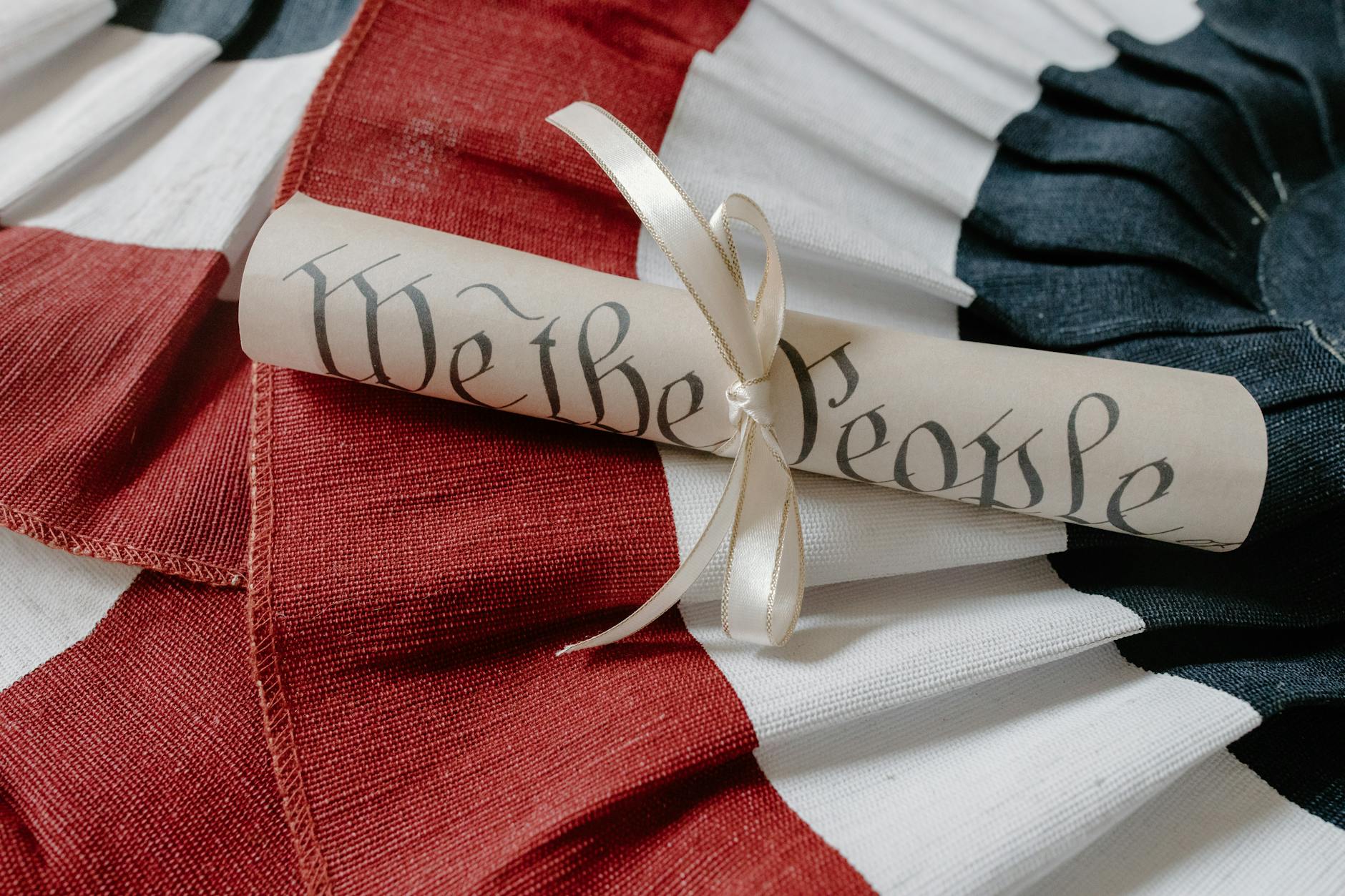
The Drinks That Fueled a Revolution.
In 2026, America celebrates a milestone few nations ever reach: 250 years since the signing of the Declaration of Independence.
Two and a half centuries have passed since a group of colonists challenged the most powerful empire on earth and declared that people possessed rights that governments could not simply take away. Today, many of those freedoms are woven so deeply into daily life that they can seem ordinary. Freedom of speech. Freedom of religion. The right to participate in self-government. These ideas were anything but ordinary in 1776.

As America marks its Semiquincentennial—yes, that’s the official term for a 250th anniversary—it is worth remembering that history was not made by statues and portraits. It was made by people.
People who gathered around tables.
People who debated politics over meals.
People who shared drinks while discussing the future of a nation that did not yet exist.
For wine and spirits enthusiasts, America’s founding offers a fascinating glimpse into the beverages that accompanied one of history’s greatest political transformations.
Not because wine and spirits caused the Revolution.
But because they help tell its story.

The Original Social Network
Long before social media, podcasts, and twenty-four-hour news channels, there were taverns.
Colonial taverns were not merely places to drink. They served as restaurants, hotels, meeting halls, post offices, and community centers. News spread from table to table. Business deals were struck. Political movements gained momentum.
If you wanted to know what was happening in Boston, Philadelphia, Williamsburg, or Charleston, you often started at the local tavern.
Many of the conversations that shaped the American Revolution occurred in these establishments.
The founders may be remembered for their speeches and writings, but countless discussions that influenced those ideas took place over tankards, punch bowls, and glasses of wine.

The King’s Tax and the Colonists’ Thirst
Taxes played a central role in the growing tensions between Britain and the colonies.
While Americans often remember taxes on tea, many forget that imported wines and spirits were also caught in the web of imperial regulation and taxation. Trade restrictions and customs duties became symbols of a broader struggle over representation and self-determination.
The issue was never simply the cost of a beverage.
It was the principle.
Who had the authority to impose taxes?
Who had a voice in government?
Who determined the future of the colonies?
These questions eventually became larger than commerce and led directly to demands for independence.

The Revolutionary Wine
If one wine deserves the title of “America’s Revolutionary Wine,” it is Madeira.
Produced on a small Portuguese island in the Atlantic Ocean, Madeira possessed a remarkable ability to survive long ocean voyages. In an age before refrigeration and modern transportation, this made it a prized import throughout the colonies.
The wine appeared at celebrations, public gatherings, and private dinners. It was enjoyed by merchants, politicians, military officers, and wealthy landowners.
Legend holds that Madeira was used to toast the signing of the Declaration of Independence. Whether every detail of that story is perfectly accurate matters less than the broader truth: Madeira had become deeply woven into colonial life.
It was more than a beverage.
It was part of the culture that surrounded the nation’s birth.
Today’s wine lovers can still experience that connection. A glass of quality Madeira offers flavors of roasted nuts, dried fruits, caramel, citrus peel, and spice that have captivated drinkers for centuries.
Few wines allow you to taste history quite so literally.

Rum and the Atlantic World
Before bourbon became America’s signature spirit, rum held that distinction.
Colonial America consumed vast quantities of rum, much of it produced from Caribbean molasses. Distilleries operated throughout the colonies, particularly in New England, where rum became an important component of trade and daily life.
Rum punch appeared at social gatherings large and small. Sailors drank it. Merchants traded it. Taverns poured it.
The spirit became so intertwined with colonial commerce that disruptions to trade reverberated throughout the economy.
In many ways, understanding rum helps explain how interconnected the colonies had become with the wider Atlantic world.

The Birth of American Whiskey
The Revolution did not merely create a new nation.
It also accelerated the development of uniquely American traditions.
As settlers pushed westward, transporting grain to distant markets proved difficult. Converting grain into whiskey made practical sense. The resulting spirit was easier to transport, easier to store, and often more valuable than the grain itself.
Over time, those frontier distilling traditions evolved into what would eventually become bourbon and rye whiskey.
The roots of America’s most iconic spirit can be traced directly to the generations who built the young republic.
Every bottle tells a small part of that story.

Raising a Glass to Perspective
Anniversary celebrations often focus on accomplishments, and America certainly has many worth celebrating.
But 250 years of history also include mistakes, contradictions, struggles, and unfinished work.
The founders were neither flawless heroes nor villains. They were complex human beings navigating challenges that would shape generations to come.
Understanding that complexity does not diminish their achievements.
It strengthens our appreciation for them.
The freedoms many Americans enjoy today were not inevitable. They emerged through debate, sacrifice, courage, compromise, and perseverance.
That is worth remembering.
And perhaps that is the most appropriate toast of all.
Whether your glass contains Madeira, rum, bourbon, wine, beer, or simply water, America’s 250th Anniversary offers an opportunity to reflect on the people who came before us, the principles they fought for, and the responsibilities that come with preserving them.
Two hundred and fifty years later, the conversation continues.
Thankfully, there is still room at the table 🥃
Cover Photo by Tara Winstead on Pexels.com
Leave a Reply