
The act of enjoying wine is deeply intertwined with the vessels from which it is consumed. Throughout history, wine drinking vessels have evolved alongside human civilization, reflecting cultural practices, technological advancements, and aesthetic sensibilities. As a sommelier, understanding the history and nuances of wine glasses is paramount to enhancing the wine-tasting experience. Let’s embarks on a historical journey through time, exploring the evolution of wine drinking vessels and elucidating the significance of different styles of wine glasses.
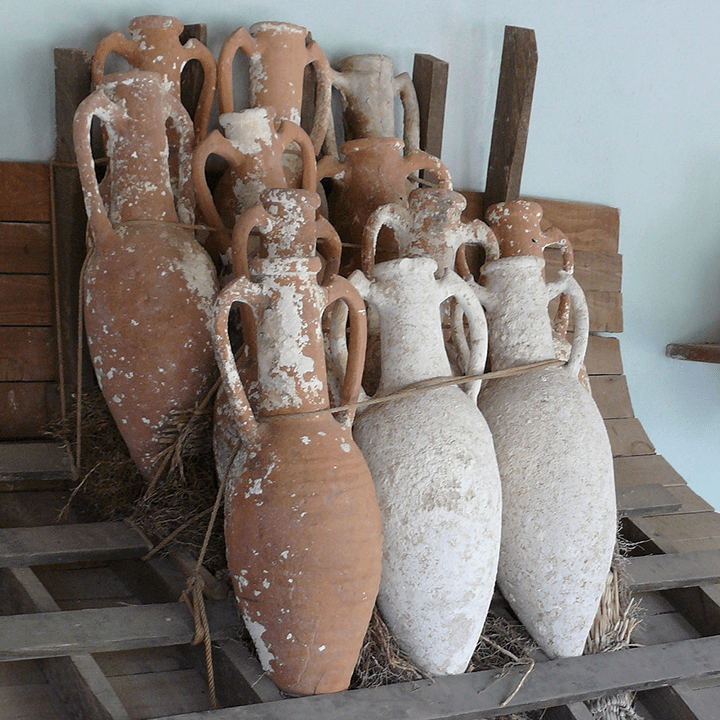
The origins of wine drinking vessels can be traced back to ancient civilizations such as Mesopotamia, Egypt, and Greece. In these early cultures, wine was revered as a symbol of divine nectar, and vessels used for its consumption were often crafted with intricate designs and symbolic motifs. Clay amphorae, rudimentary cups, and goblets made from materials like pottery, bronze, and precious metals were among the earliest vessels employed for drinking wine. These vessels served not only as functional tools but also as status symbols and expressions of cultural identity.
Medieval Era to Renaissance
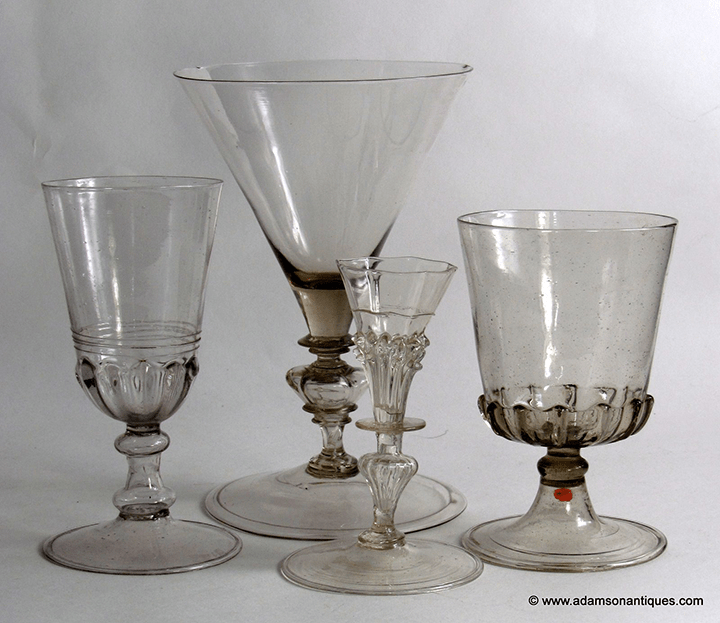
During the medieval era, wine drinking vessels continued to evolve, influenced by the spread of Christianity and the refinement of glassmaking techniques. The chalice emerged as a prominent vessel for wine consumption, especially within religious ceremonies. With the advent of the Renaissance, a newfound appreciation for aesthetics and scientific inquiry spurred innovations in glassware production. Venetian glassmakers pioneered the art of crafting delicate, translucent glasses, paving the way for the emergence of the modern wine glass.
18th Century Enlightenment
The Enlightenment period marked a significant shift in wine culture, as scientific principles began to inform the design of drinking vessels. The development of crystal glassware by English and German artisans allowed for greater clarity and refinement in wine glasses. The shape and size of wine glasses became increasingly standardized, with specific designs tailored to enhance the aromas and flavors of different wine varietals.
Modern Era
In the modern era, the diversity of wine glasses has expanded to accommodate the nuances of various wine styles. Stemware, characterized by a long stem and a bowl-shaped cup, has become the preferred choice for wine enthusiasts and professionals alike. Different styles of wine glasses, such as Bordeaux, Burgundy, and Champagne flutes, are designed to optimize the tasting experience by directing the flow of wine to specific areas of the palate. Additionally, innovations such as the ISO (International Standards Organization) wine tasting glass have sought to establish a universal standard for wine tasting competitions and evaluations.
Like a finely crafted instrument, the right wine glass harmonizes with the nuances of each varietal, elevating every sip into a symphony of flavor and aroma.
Gregory Dean, SOMM&SOMM
Proper Use of Wine Glasses
Understanding the proper use of wine glasses is essential for maximizing the sensory experience of wine. Each style of wine glass is meticulously designed to accentuate the unique characteristics of specific wine varietals. For example, a Bordeaux glass with a tall, narrow bowl is ideal for red wines with complex aromas and tannic structure, allowing the wine to aerate and concentrate the aromas towards the nose. In contrast, a Champagne flute with a narrow, elongated shape preserves the effervescence and enhances the aroma of sparkling wines.
The history of wine drinking vessels is a testament to humanity’s enduring fascination with wine and its cultural significance. From humble clay cups to exquisite crystal stemware, the evolution of wine glasses mirrors the evolution of human civilization itself. As a wine enthusiast, appreciating the diversity of wine glasses and understanding their proper usage is essential for elevating the wine-tasting experience. By embracing the rich history and craftsmanship behind wine drinking vessels, one can embark on a sensory journey that transcends time and taste. Cheers 🍷


We welcome feedback…