

Gamay made the iniquitous journey from Burgundy’s past to Beaujolais’ future. Burgundy, renowned for its exquisite Pinot Noir and Chardonnay wines, has a lesser-known grape variety in its history that once played a prominent role but was ultimately removed from the region’s vineyards. This grape is none other than Gamay, which found a new home and a fresh lease on life in the neighboring Beaujolais region. I’ve always been fascinated with the history of Gamay and specifically why it was expelled from Burgundy.
A Complicated Love Affair
Gamay’s presence in Burgundy dates back to the 14th century. It was planted widely in the region, particularly in the southern part of Burgundy, known as the Mâconnais. Gamay quickly gained popularity for its ease of cultivation, generous yields, and fruity, approachable character.
However, Gamay’s success came with its share of controversies. The grape’s prolific nature often led to overproduction, diluting the quality of Burgundy wines. Winemakers in the heart of Burgundy, particularly in the Côte d’Or, where Pinot Noir was the star, viewed Gamay with disdain. They believed that its presence threatened the reputation and potential of their beloved Pinot Noir.
we solemnly command you…all who have said vines of Gameez to cut them down or have them cut down, wherever they may be in our country, within five months.
Duke Philip the Bold – July 31, 1395
The 1395 Edict
In 1395, Duke Philip the Bold of Burgundy (apparently, a relentless wine critic) issued an edict that essentially banished Gamay from the region. This decree prohibited the cultivation of Gamay in the Côte d’Or, the heartland of Burgundy’s wine production. The Duke’s motivations were multifaceted. He aimed to protect the image of Burgundy wines, emphasizing Pinot Noir and Chardonnay as the region’s noble grapes. Additionally, he sought to curb overproduction and maintain quality control.
A Resilient Grape Finds a New Home
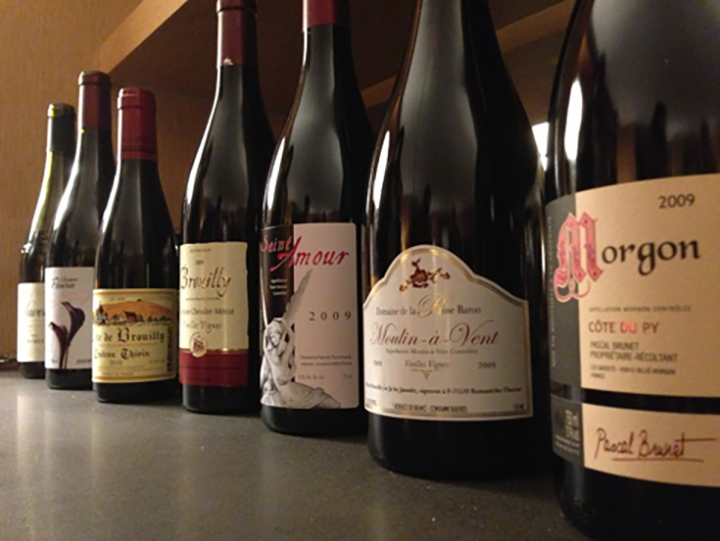
While Gamay faced exile from Burgundy, it found a welcoming home in the neighboring region of Beaujolais. Beaujolais embraced Gamay and developed its own distinct style of wine, characterized by bright red fruit flavors and an emphasis on freshness. The region even created a unique winemaking technique called carbonic maceration, which enhances Gamay’s fruity and floral qualities.
Today, Beaujolais is celebrated for its diverse range of Gamay wines, including Beaujolais Nouveau, Beaujolais-Villages, and the ten Crus of Beaujolais, each showcasing the grape’s potential in various terroirs.
A Grape’s Journey and Redemption
Gamay’s expulsion from Burgundy might have seemed like a tragic ending, but it led to a remarkable rebirth in Beaujolais. The grape’s history is a testament to the dynamic and ever-evolving world of wine. Today, Gamay wines from Beaujolais are beloved for their charming, fruit-forward character, offering a delightful contrast to the more serious and complex Pinot Noirs and Chardonnays of Burgundy.
While Gamay’s presence may have been erased from Burgundy’s vineyards, its legacy endures as a symbol of resilience and adaptability in the world of viticulture, reminding us that sometimes, a change of scenery can lead to a grape’s true potential being fully realized. Gamay is currently allowed to be grown in Côte d’Or. Confusingly, however, Gamay is not allowed in wines produced within its namesake region ‘Saint Aubin sur Gamay’ 😉
Give this peasant varietal a try. It pairs perfectly with roast chicken, garlicky sausages, or soft cheeses!


Leave a reply to Part II: Pouring the Prelude – SOMM&SOMM Cancel reply