
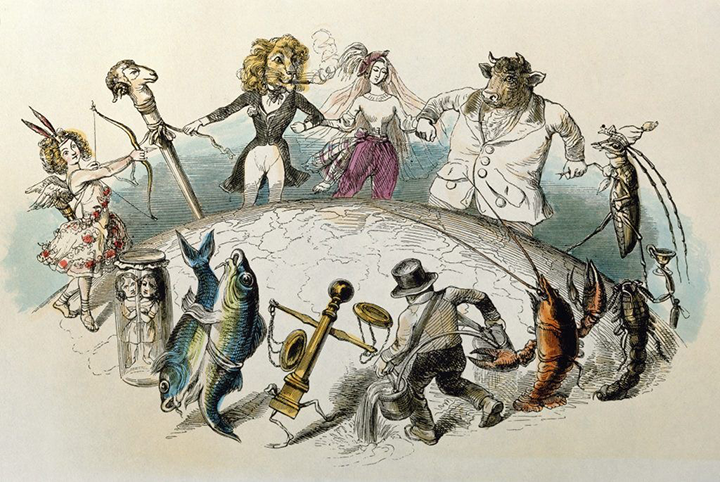
March is a month of contrasts—ferocious in its arrival, gentle in its departure. It’s the bridge between winter’s final roar and spring’s first whisper. The old proverb, “In like a lion, out like a lamb,” perfectly captures this transitional moment in the calendar, and what better way to explore these shifting moods than through the lens of wine?
The Lion’s Roar: Bold Wines for the Start of March
The beginning of March is often unpredictable—blustery winds, lingering frosts, and the occasional storm. This is a time for wines with power and presence, bottles that command attention much like the lion that heralds the month’s entrance.
Barolo – The King of Wines
Hailing from Italy’s Piedmont region, Barolo is a wine with a fierce reputation. Made from Nebbiolo grapes, it boasts high tannins, robust acidity, and flavors of dark cherry, leather, and rose petals. Barolo’s intensity matches the raw energy of early March, a time when winter refuses to surrender without a fight.
Northern Rhône Syrah – Storm in a Glass
The wild winds of early March echo the untamed spirit of Syrah from France’s Northern Rhône Valley. Wines from appellations like Côte-Rôtie and Hermitage showcase bold blackberry, black pepper, and smoky meat notes—an ideal counterpart to the tempestuous start of the month.
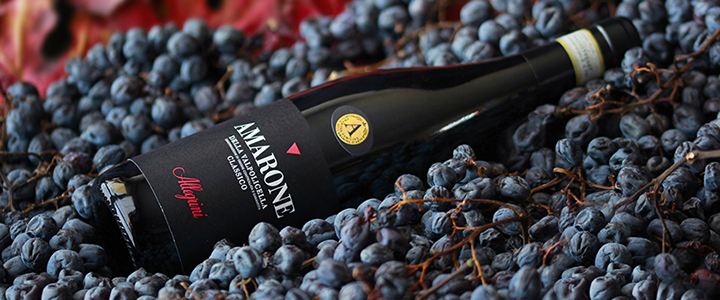
Amarone della Valpolicella – Winter’s Last Stand
This opulent Italian wine, crafted from dried Corvina grapes, delivers deep, dried fruit flavors with a rich, velvety texture. It’s a decadent farewell to winter’s hearty cuisine, pairing beautifully with slow-braised meats and aged cheeses.
The Ides of March: A Historical Pause
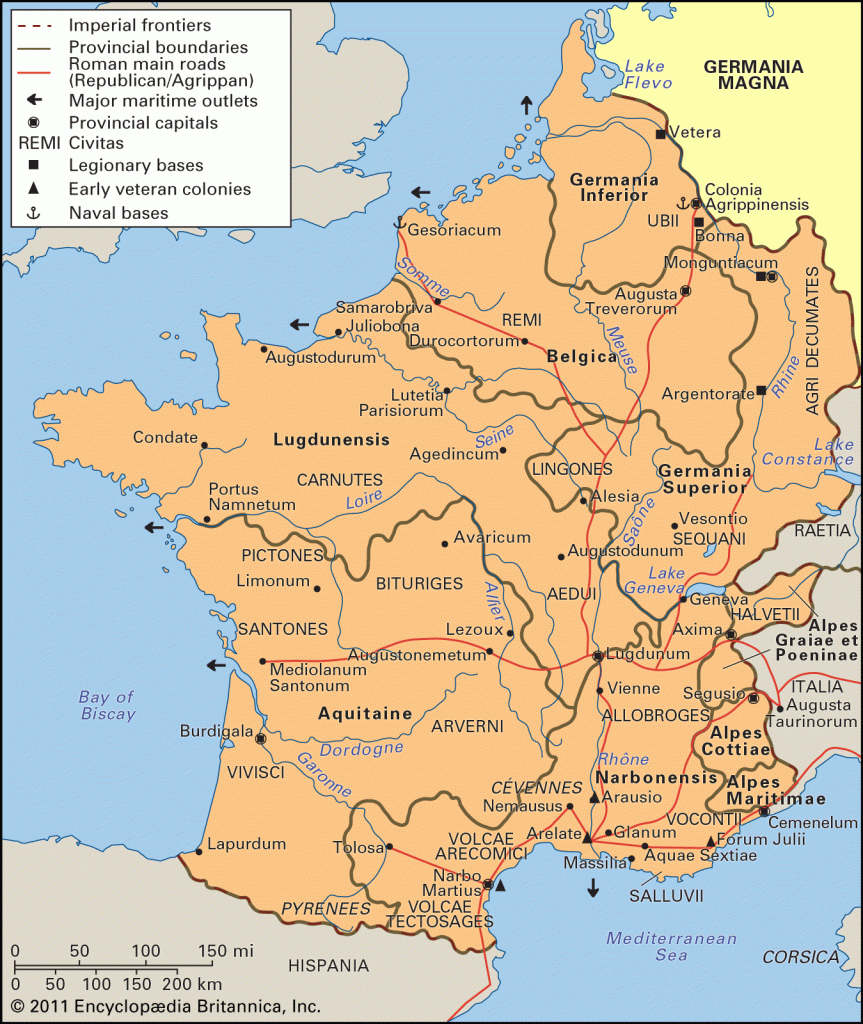
March is also famous for its literary and historical drama, none more ominous than the Ides of March. This date, March 15th, was immortalized in Shakespeare’s Julius Caesar when a soothsayer warned, “Beware the Ides of March.” It marked the assassination of Caesar and a turning point in Roman history.
For a toast to history, uncork a bottle of Falerno del Massico, a wine with ancient Roman roots. This Campanian gem, praised by Pliny the Elder, was once considered the nectar of emperors. With its structured tannins and layered flavors of dark berries and spice, it’s a wine worthy of an imperial banquet—or a clandestine plot.
Read more about the interesting history of Falernian wine.
The Lamb’s Whisper: Soft Wines for the End of March
As March softens and spring’s first blooms appear, our palates crave something lighter, fresher, and more delicate. The transition to milder weather calls for wines that reflect the gentle nature of March’s departure.
Loire Valley Chenin Blanc – The Spring Awakening
With bright acidity and notes of quince, honeysuckle, and fresh pear, Chenin Blanc from Vouvray or Savennières is like the first warm breeze of the season. It pairs effortlessly with lighter fare like fresh salads, goat cheese, and seafood.
Beaujolais – The Joyful Bloom
Made from Gamay, Beaujolais offers vibrant red fruit flavors and a silky texture, making it a perfect choice for the transition into spring. Enjoy it slightly chilled with charcuterie, roasted chicken, or a picnic under the first sunny skies of the season.
Provence Rosé – The Sunset Wine
March’s final days bring us closer to the rosé-drenched afternoons of spring and summer. A crisp, pale pink Provence Rosé, with notes of wild strawberries and herbs, mirrors the gentle fading of the lion’s roar into the lamb’s peaceful retreat.
The Vineyards in March: A Time of Renewal
In the vineyards, March is a time of awakening. The quiet dormancy of winter gives way to the first signs of bud break, where tiny green shoots emerge from the vines. In the Southern Hemisphere, harvest is in full swing, with winemakers carefully selecting grapes at their peak ripeness. It’s a time of both preparation and celebration—a moment to reflect on the past while embracing the promise of what’s to come.
Related article: Winemaking in the Spring: From Bud Break to Flowering
March in Art, Music, and Literature
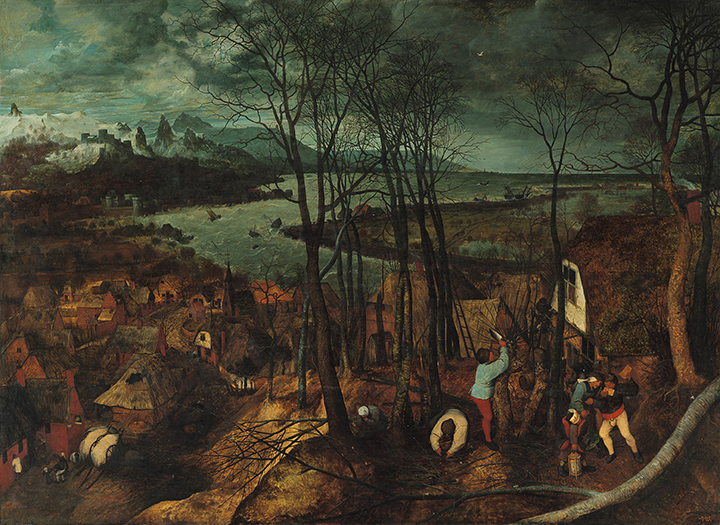
March has long inspired artists and musicians. From Tchaikovsky’s The Seasons: March—a lively, galloping piano piece—to paintings like Pieter Bruegel’s The Gloomy Day, which captures the raw transition from winter to spring, this month has been immortalized through many creative lenses. In literature, the Brontë sisters often used March’s wild and unpredictable nature as a metaphor for emotional turmoil and transformation.
A Month to Savor
March is a journey—a transformation from bold to delicate, from stormy to serene. It’s a month that calls for wines to match its shifting moods, from the commanding presence of Barolo to the gentle embrace of Provence Rosé. So, whether you’re braving the last chill of winter or toasting to the first warm rays of spring, there’s a perfect glass waiting to accompany you through this marvelous, mercurial month. Cheers 🍷



















 SOMM&SOMM
You must be logged in to post a comment.