Tag: Wine Blog

  • What Wine Pairs with Cheerios? (And Why We Even Bother Pairing at All)

    What Wine Pairs with Cheerios? (And Why We Even Bother Pairing at All)

    We’ve heard the jokes.

    “What wine pairs best with Honey Nut Cheerios?”

    “Is it wrong to serve rosé with pizza rolls?”

    “Do sommeliers judge you if you mix boxed wine and SpaghettiOs?”

    First of all—no, we don’t judge you. Second, the right answer is Moscato d’Asti, but we’ll get to that.

    When we first started SOMM&SOMM, our goal wasn’t to turn your Tuesday night dinner into a Michelin-starred tasting menu. It was to help people get more out of their wine—whether they were swirling a $300 Bordeaux or cracking open a $7 screw cap while making mac and cheese in their pajamas.

    But somewhere along the way, “pairing” became a dirty word. People started thinking of wine pairing as elitist, overly complicated, or, worse—unnecessary. So today, let’s break it down. What IS the point of wine pairing? Why do we care so much about it? And yes, what wine actually does pair with Cheerios?

    The Method to Our Madness: Why We Talk About Pairings So Much

    Pairings Enhance the Wine (And the Food)

    At the core, pairing wine with food is about synergy. When done right, a great pairing makes both the wine and the dish taste better. It’s not about snobbery—it’s chemistry.

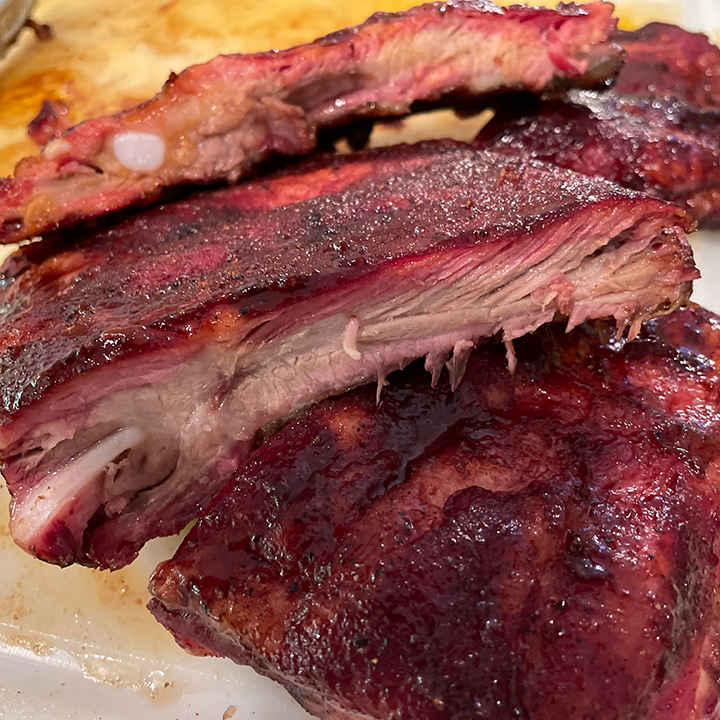
    Fat softens tannin. Acid cuts through richness. Sweet balances spice. Salt makes a wine pop like confetti in your mouth. That’s not fancy—that’s science. It’s also the reason you might find a crisp Sauvignon Blanc tastes brighter with goat cheese, or how a smoky Syrah can make barbecue ribs sing.

    Think of it like a duet. Alone, each performer is fine. But together? Magic.

    Wine is an Agricultural Product—So is Food

    Wine is made from grapes. Grapes come from the ground. Food comes from the ground. Boom. You already have something in common.

    For thousands of years, regional wines evolved with the local cuisine. Chianti with tomato-sauced pasta. Riesling with spicy sausage in Alsace. Sherry with Spanish tapas. It wasn’t curated—it just worked.

    By understanding pairings, you’re tapping into centuries of intuitive flavor-building. That’s not pretentious. That’s tradition.

    It’s About Experience, Not Perfection

    We’re not here to tell you there’s only one right answer. We’re here to help you discover what you like, why it works, and how to recreate that experience again and again. Pairing isn’t about rules—it’s about results.

    If you find out that a buttery Chardonnay makes your favorite fried chicken taste like crispy heaven on earth, then congratulations—you just paired. No white tablecloth required.

    Okay, But Seriously—What Wine Goes with Cheerios?

    Let’s do this. Why not?

    • Original Cheerios – Dry Champagne or Brut Nature Cava. The cereal is toasty and grainy, which mirrors the brioche notes in a good bottle of bubbles. Plus, the saltiness of the cereal (yes, there is salt in it) wakes up the acidity.
    • Honey Nut CheeriosMoscato d’Asti or a semi-dry German Riesling. Light fizz, gentle sweetness, and orchard fruit flavors meet the honey glaze like a breakfast dance party.
    • Fruity CheeriosLambrusco (semi-sweet) or Brachetto d’Acqui. You need fruit on fruit here, and the bright, berry-splashed bubbles of Lambrusco hit the nostalgia just right.
    • Multigrain CheeriosChenin Blanc. Why? It’s got enough backbone and apple/pear notes to highlight the mild sweetness and whole-grain depth without overpowering anything.
    • Chocolate CheeriosRuby Port. No, really. It’s dessert in a bowl. Treat it like one. Pour a splash of Port, raise your eyebrows, and pretend you planned this.

    Now, we’re not suggesting you open a 1982 Château Lafite and pour it next to your breakfast. But when someone says, “What’s the point of pairing?”—this is the point: Everything tastes better when you pay attention.

    What Happens When You Don’t Pair Thoughtfully?

    We’re glad you asked. You can absolutely drink red wine with oysters, but it’s going to taste like licking a battery. Ever tried a high-alcohol Cabernet with spicy curry? That burning sensation is real, folks.

    Bad pairings don’t just ruin the wine—they mute the dish, too. That silky, creamy brie turns rubbery with a tannic red. That delicate sushi roll gets bulldozed by Zinfandel. The idea isn’t that one is better than the other—it’s that they’re better together when you choose wisely.

    We’re Not Fancy—We’re Passionate

    At SOMM&SOMM, we’re not out here judging your Tuesday dinner or trying to shame your frozen lasagna. We’re out here saying, “Hey, that frozen lasagna? It could be awesome with a Barbera.”

    We want people to feel what we feel when a pairing sings. When a sip of Albariño makes your shrimp taco taste ten times zestier. When a tawny Port turns a spoonful of Stilton into a flavor epiphany. When your cheap Merlot suddenly tastes like velvet because you served it with roast duck instead of garlic hummus and regret.

    Pairing isn’t about status—it’s about satisfaction.

    To wine with purpose, food with flair,
    and cereal that finally found its soulmate.
    Here’s to pairing without pretension—
    and sipping with a smile. Cheers! 🥂

    Gregory Dean, SOMM&SOMM

    Why We Care (Even About Cereal)

    The next time someone asks us what wine goes with Cheerios, we’ll smile. Because we get it—it’s a cheeky question. But deep down, it’s also the question we love answering.

    Because if you’re asking, it means you’re curious. And curiosity? That’s the beginning of every great food and wine journey.

    So go ahead—pair that wine. Ask the question. Try the weird combo. Discover your preferences. Laugh when it’s wrong. Celebrate when it’s right.

    Wine is meant to bring joy, not judgment. And if we’ve helped even one person find a pairing that makes them go “WOW,” then all the Cheerios jokes and snarky remarks in the world are worth it.

    Stay curious. Stay playful. And if you really want to know what wine pairs with Cap’n Crunch? We’ve got thoughts. 🍷

  • The Sound of Rain and the Pour of Wine

    The Sound of Rain and the Pour of Wine

    April is here, draped in a mist of expectation. Rain is no longer a threat to plans but a gift to the world, saturating the soil, feeding life, and inspiring poets to ink their thoughts with delight. As the gentle drum of droplets taps against the windowpane, it’s an invitation to reflect, relax, and recharge.

    Rain plays its part in the vineyards, a necessary yet delicate dance. In the early stages of the growing season, moderate rainfall nourishes the soil, promoting healthy vine growth and preparing the plants for fruitful harvests to come. But too much rain, particularly close to harvest, can dilute grape flavors and cause rot. Balance, as with all things wine-related, is key.

    Photo by Magda Ehlers on Pexels.com

    To the vintner, rain can be a blessing or a curse. To the wine lover, however, rain is often pure serenity—a tranquil backdrop that heightens the sensory experience of a good glass of wine. There’s something inherently soothing about cradling a glass of Pinot Noir while gazing at the misty horizon, the air cool and crisp, the world slowed down.

    The Art of Pairing Wine with Rain

    The mood of rain varies, from the soft drizzle that barely kisses the earth to the torrential downpour that leaves the world drenched. Each type of rain, much like each style of wine, has its own character.

    • Light Drizzle: The kind of rain that leaves droplets clinging to flower petals and grass blades. This gentle rain calls for a crisp, aromatic white wine—something bright and floral, like a Riesling from Mosel or a Sauvignon Blanc from Sancerre. The vibrant acidity and fresh citrus notes mirror the revitalization occurring outside. Pair these wines with goat cheese crostini, lemon-dressed arugula salad, or smoked salmon canapés.
    • Steady Rain: When rain patters consistently against rooftops and pools along sidewalks, it’s time for a wine that complements the comforting rhythm. A Chardonnay from Burgundy—especially a lightly oaked expression—offers just enough roundness to provide comfort without overwhelming the senses. Alternatively, a Loire Valley Chenin Blanc with its luscious texture and honeyed undertones can be a cozy companion. Pair these wines with buttery garlic shrimp, roasted chicken with thyme, or creamy mushroom risotto.
    • Thunderstorm: When the sky darkens and the storm rolls in, there’s a raw intensity that calls for a wine with equal presence. A bold Syrah from Northern Rhône or a Cabernet Sauvignon from Napa Valley offers depth, spice, and structure—something to huddle around as lightning illuminates the sky. Pair these wines with slow-braised short ribs, rich charcuterie boards, or dark chocolate truffles.
    • Soft Mist: Rare and ethereal, a misty day is best paired with something delicate and nuanced. A Pinot Noir from Oregon’s Willamette Valley delivers red fruit notes with a graceful finish, perfect for slow sipping while the fog lingers. Pair this wine with herb-roasted vegetables, duck breast with cherry glaze, or earthy beet and goat cheese salad.
    Photo by Pixabay on Pexels.com

    The Soundtrack of Rain

    Rainfall has an unmatched ability to soften the edges of the world. Its sound is hypnotic, a natural metronome that invites reflection. Whether the rain is a whisper or a roar, it enhances the experience of enjoying wine—each sip becomes deeper, more contemplative, more cherished.

    The sensory experience of rain and wine paired together creates a meditative moment, free from the constant hum of societal noise. It’s a reminder to pause and reflect, to savor simplicity over complexity.

    Stay Hydrated and Enjoy the Quiet Moments

    April showers remind us that rejuvenation often comes in cycles. Just as the rain nourishes the vineyards, moments of calm feed the soul. The art of pairing wine with rain is less about rules and more about mindfulness, embracing the atmosphere and your emotions.

    Photo by Lisa from Pexels on Pexels.com

    So, the next time the skies darken and the rain begins to fall, pour yourself a glass that matches the mood and let yourself be swept away by the gentle cadence of the world outside. After all, the rain is simply nature’s way of reminding us to slow down and savor.

    Stay hydrated, and we’ll all get through. 😉

  • April Fools’ Wine Myths

    April Fools’ Wine Myths

    Debunking Common Misconceptions.

    Every year on April 1st, pranksters take joy in fooling their friends with tall tales and clever tricks. But in the world of wine, myths and misconceptions persist far beyond April Fools’ Day. Some of these myths have been passed down for generations, shaping how people buy, store, and enjoy wine. It’s time to set the record straight! Here are some of the most common wine myths—debunked.

    Myth – Red Wine Should Always Be Served at Room Temperature

    Reality: Cooler is often better.

    The phrase “room temperature” originated centuries ago when indoor spaces were much cooler than they are today. Today’s heated homes often hover around 70–75°F, which is too warm for most reds. Lighter reds, like Pinot Noir and Gamay, shine at around 55–60°F, while fuller-bodied reds, like Cabernet Sauvignon and Syrah, perform best between 60–65°F. Storing and serving reds too warm can make the alcohol seem overpowering and the fruit flavors muddled.

    SOMM&SOMM Tip: If your red wine feels too warm, pop it in the fridge for 15–20 minutes before serving.

    Related Article: Wine Service: Proper Serving Temperatures

    Myth – White Wine Should Always Be Served Ice Cold

    Reality: Over-chilling mutes flavors.

    While a crisp, cold glass of white wine can be refreshing, serving it straight from the fridge (which is typically around 35–40°F) can dull its flavors and aromas. The ideal temperature for white wines varies—light whites, like Sauvignon Blanc and Pinot Grigio, should be served at 45–50°F, while richer whites, like Chardonnay and Viognier, are best around 50–55°F.

    SOMM&SOMM Tip: Take your white wine out of the fridge about 10–15 minutes before serving for the best balance of flavors.

    1977 Château Margaux

    Myth – Older Wine Is Always Better

    Reality: Most wines are meant to be enjoyed young.

    While aged Bordeaux or vintage Champagne can be exquisite, the vast majority of wines—roughly 90%—are meant to be consumed within a few years of release. Aging wine requires specific conditions, and not every bottle benefits from time in the cellar. Fresh, fruit-forward wines like Beaujolais, Sauvignon Blanc, and most rosés are best enjoyed young.

    SOMM&SOMM Tip: If you’re curious about aging potential, check the producer’s recommendations or consult a trusted wine expert.

    Myth – Screw Cap Wines Are Low Quality

    Reality: Screw caps can preserve wine better than cork.

    Many high-quality wines now use screw caps instead of corks, particularly in New Zealand, Australia, and the U.S. Screw caps can provide an excellent seal, reducing the risk of cork taint (TCA contamination) and ensuring freshness. They’re particularly beneficial for white wines and aromatic varietals that rely on vibrancy and purity.

    SOMM&SOMM Tip: Don’t judge a wine by its closure—judge it by what’s in the glass!

    Related Article: Exploring Wine Enclosures: Cork, Screw Cap, and Beyond

    Lur Saluces Chateau de Fargues – Photo Credit: Fred Swan, JJBuckley.com

    Myth – Sweet Wines Are Low Quality or “Just for Beginners”

    Reality: Some of the world’s finest wines are sweet.

    From Germany’s noble Rieslings to France’s Sauternes and Hungary’s Tokaji, some of the most revered and age-worthy wines are sweet. A well-made dessert wine balances sweetness with acidity, creating a complex and sophisticated drinking experience.

    SOMM&SOMM Tip: Try pairing a high-quality sweet wine with blue cheese, foie gras, or spicy foods for a mind-blowing contrast.

    Myth – Rosé Is Just a Summer Drink

    Reality: Rosé is great year-round.

    Rosé’s crisp and refreshing nature makes it perfect for warm weather, but its versatility extends far beyond summer. A fuller-bodied rosé, like a Tavel or Bandol, pairs beautifully with hearty dishes, including roasted meats, pasta, and even winter stews.

    SOMM&SOMM Tip: Treat rosé like a light red wine—it can complement a variety of foods throughout the year.

    Myth – You Must Let Red Wine Breathe for Hours

    Reality: Decanting depends on the wine.

    While some wines benefit from hours of aeration, most modern wines are ready to drink with just a little air exposure. Younger, tannic reds (like a bold Cabernet Sauvignon) can soften with decanting, but delicate wines (like older Pinot Noir or aged Barolo) can actually lose their aromas if over-aerated.

    SOMM&SOMM Tip: If in doubt, pour a small glass and taste it immediately. If it seems tight or closed-off, give it some air and check again after 15–30 minutes.

    Related Article: The Art and Science of Decanting Wine

    Myth – Expensive Wine Is Always Better

    Reality: Price does not always equal quality.

    While some expensive wines are exceptional, there are plenty of hidden gems at affordable price points. Price is influenced by factors like production scale, marketing, and branding—not just quality. Many boutique wineries and lesser-known regions produce fantastic wines that don’t break the bank.

    SOMM&SOMM Tip: Explore regions known for value wines, like Portugal’s Douro Valley, Spain’s Rioja, or Argentina’s Mendoza.

    Photo by Andrea Piacquadio on Pexels.com

    Enjoy Wine Without the Myths

    This April Fools’ Day, don’t be fooled by outdated wine myths! Whether it’s misconceptions about serving temperatures, closures, or aging potential, understanding the facts can help you enjoy wine to its fullest. The best way to learn? Keep tasting, exploring, and trusting your own palate.

    Cheers to debunking myths and discovering new wine experiences 🍷

  • The True Origins of Eiswein

    The True Origins of Eiswein

    Debunking Myths & Savoring the Nectar of Frozen Grapes.

    A picture is worth a thousand words, and the cover image of an Eiswein bottle nestled between a Beerenauslese and a Trockenbeerenauslese tells a rich story of craftsmanship, patience, and nature’s artistry. These three noble expressions of sweet wine share a lineage of late-harvest dedication, yet Eiswein stands apart—not touched by noble rot like its companions, but rather sculpted by winter’s chill.

    While Beerenauslese and Trockenbeerenauslese rely on botrytis to concentrate their sugars, Eiswein remains pure, its intensity derived from frozen grapes pressed at the peak of winter. Yet despite its unique identity, a growing misconception persists: that Eiswein is a Canadian invention, with Germany merely adopting the process. Let’s set the record straight and dive into the true origins of this winter-born nectar.

    1799 Cary Map of Franconia, Germany

    The True Origins of Eiswein

    The origins of Eiswein trace back to 1794 in Franconia, Germany, where an unexpected frost forced winemakers to either discard their frozen grapes or attempt vinification. Upon pressing, they discovered that the juice was intensely concentrated, yielding an extraordinary wine unlike anything they had produced before. This discovery led to a centuries-old tradition that remains one of the most challenging and rewarding styles of winemaking.

    While Germany pioneered this technique, Eiswein gained widespread acclaim in Canada, particularly in Ontario’s Niagara Peninsula, where conditions reliably produce ice wine nearly every year. However, Canada only became a major player in ice wine production in the 1970s, nearly two centuries after Germany’s initial discovery. The difference in spelling—Eiswein in Germany and ice wine in Canada—is simply a linguistic distinction rather than evidence of borrowed tradition.

    The Labor-Intensive Process of Eiswein

    Eiswein production requires an unwavering commitment to nature’s whims. Unlike late-harvest wines, Eiswein grapes must remain on the vine until temperatures plummet to at least -7°C (19°F), though some regions wait for even lower temperatures to intensify the concentration. These frozen grapes are harvested in the dead of night or early morning to prevent any thawing, then pressed while still frozen, ensuring that only the highly concentrated sugars and acids make it into the juice while the water content remains behind as ice crystals. The result? A vibrant, intensely sweet wine with electric acidity to balance its lusciousness.

    Mya, CC BY 2.0, via Wikimedia Commons
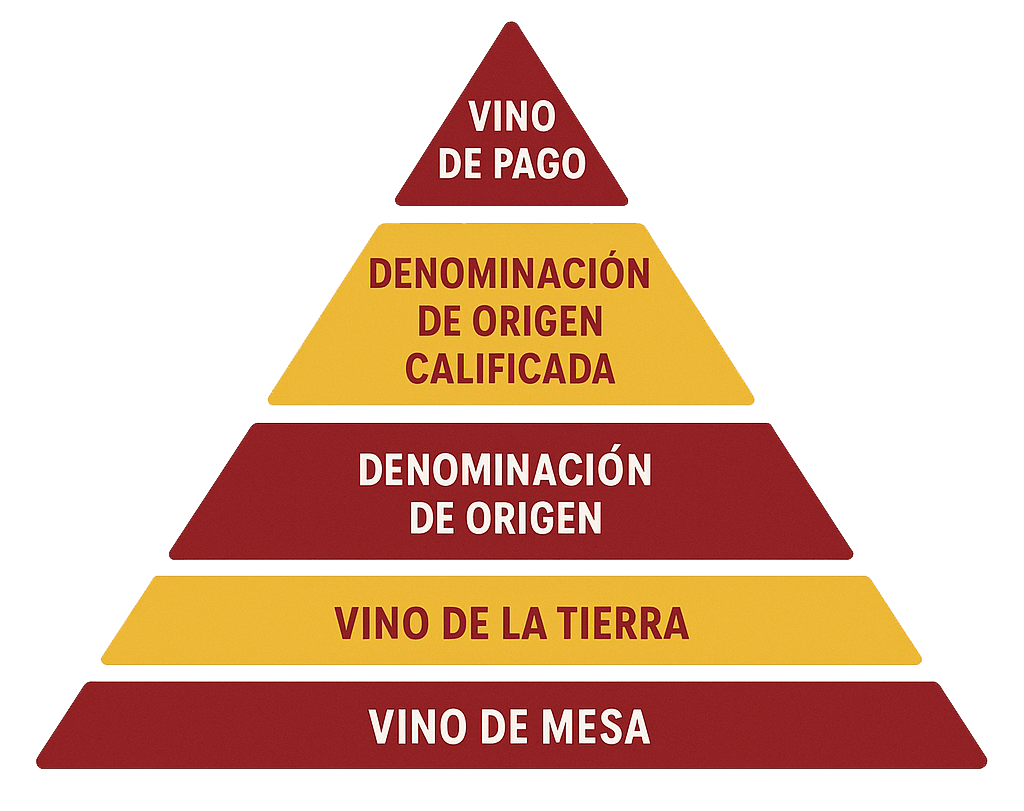
    Unlike noble rot-affected dessert wines, such as Sauternes or Tokaji, Eiswein grapes remain healthy and free from botrytis, preserving the purity of fruit flavors—think crisp apple, pear, and citrus with an elegant minerality.

    Cutting Corners: Cryoextraction & the Question of Authenticity

    Given the extreme conditions required to produce Eiswein, some producers resort to cryoextraction—artificially freezing grapes post-harvest to mimic the natural process. While this method may yield a similar concentration of sugars, it lacks the unpredictable magic of naturally frozen grapes, often resulting in wines that feel more syrupy than vibrantly fresh. Authentic Eiswein or ice wine will always indicate its natural freezing process on the label, while cryoextracted versions are often labeled as “iced wine” rather than true ice wine.

    Here’s to nature’s frozen gift, a testament to patience, precision, and the sweet rewards of time. May its golden nectar remind us that the best things in life come to those who wait. Prost!

    Gregory Dean, SOMM&SOMM

    Expressions of Eiswein: Terroir & Styles

    While Eiswein shares a common production method, regional differences bring unique expressions to the table:

    • Germany & Austria – The classic home of Eiswein, primarily made from Riesling, Gewürztraminer, or Grüner Veltliner. German Eiswein often showcases piercing acidity, honeyed stone fruit, and a crystalline minerality.
    • Canada (Niagara & British Columbia) – Canadian ice wines are dominated by Vidal Blanc, a hardy hybrid grape, as well as Riesling and Cabernet Franc. These wines often lean into tropical fruit flavors like mango, lychee, and pineapple.
    • United States (New York & Michigan) – Following the Canadian model, ice wine production here is small-scale but often impressive, featuring Vidal Blanc and Riesling.

    Pairing & Enjoying Eiswein

    A great Eiswein is a marvel of balance—its dazzling acidity prevents it from becoming cloying, making it a versatile companion to food. Here are some top pairing suggestions:

    • Blue Cheese & Pâté – The intense sweetness of Eiswein counterbalances the salty, umami richness of blue cheese or foie gras.
    • Spicy Asian Cuisine – Thai dishes, Szechuan flavors, or Indian curries contrast beautifully with the wine’s sweetness and acidity.
    • Fruit-Based Desserts – Apple tarts, poached pears, and citrus-infused desserts enhance the natural fruit notes in the wine.
    • Simple Sipping – Sometimes, Eiswein is best savored on its own, slightly chilled (about 8–10°C / 46–50°F), allowing its complexity to unfold slowly.

    A Testament to Patience & Nature’s Gifts

    Eiswein is one of the most challenging wines to produce, requiring patience, resilience, and a deep trust in nature. While Canada has mastered the art of ice wine production, Germany’s Franconian winemakers laid the foundation for this painstakingly crafted style centuries ago. Next time you sip a glass of this liquid gold, remember the dedication that went into each drop and savor the harmony of nature’s frozen masterpiece.

    Prost 🍷

  • Floral & Herbaceous Wines for the Season

    Floral & Herbaceous Wines for the Season

    As the days grow longer and the first hints of warmth dance through the air, our palates begin to crave fresh, vibrant flavors that celebrate the awakening of spring. The crisp snap of asparagus, the delicate sweetness of peas, and the bright zing of lemon zest all signal the arrival of a new season—one that calls for wines that are just as lively and refreshing.

    This is the time to explore wines with floral and herbaceous notes that mirror the beauty of blooming gardens and fresh greenery. From aromatic whites like Muscat, Torrontés, Gewürztraminer, and Grüner Veltliner to elegant reds like Gamay and Pinot Noir, these selections capture the essence of spring in every sip.

    Photo by Mathilde Langevin on Pexels.com

    Floral & Herbaceous Whites for Spring

    Muscat: The Essence of Spring Blossoms

    Muscat is one of the most perfumed grape varieties, bursting with floral aromas of orange blossom, honeysuckle, and jasmine. It often carries a touch of sweetness, making it an excellent match for lightly spiced dishes and fresh spring salads.

    Pair with: A spring pea and mint risotto, or a citrusy shrimp ceviche with orange and grapefruit segments.

    Torrontés: Argentina’s Aromatic Gem

    This highly aromatic white wine from Argentina is known for its striking floral notes of rose petal and geranium, balanced by zesty citrus and herbal undertones. With its refreshing acidity, Torrontés is perfect for pairing with light, aromatic dishes.

    Pair with: Grilled asparagus drizzled with lemon-infused olive oil or a Thai-inspired coconut and lemongrass soup.

    Tom Kha Gai Soup image from 40 Aprons published recipe

    Gewürztraminer: A Perfumed and Spicy Delight

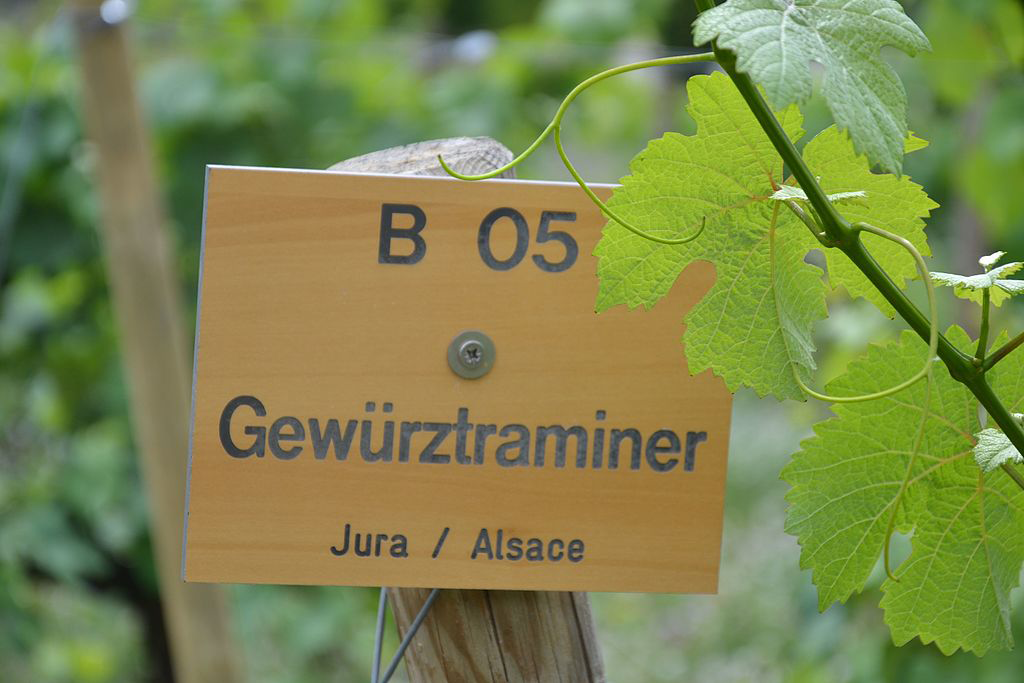
    Gewürztraminer is an exotic and intensely perfumed white wine, often exuding aromas of lychee, rose, and ginger. Its slight oiliness on the palate makes it a great match for flavorful, slightly spicy dishes.

    Pair with: A fresh goat cheese and honey tart with edible flowers or a fragrant Moroccan tagine with apricots and almonds.

    Grüner Veltliner: A Herbal & Peppery Classic

    Austria’s beloved white wine, Grüner Veltliner, is an herbaceous powerhouse with notes of white pepper, green apple, and fresh herbs. Its crisp acidity makes it an ideal match for the green flavors of spring.

    Pair with: A classic spring asparagus salad with lemon zest and shaved Parmesan or a light, herb-crusted fish dish with dill and tarragon.

    Light and Lush Reds for Spring

    Gamay: The Ultimate Spring Red

    Gamay, best known from Beaujolais, is a bright, fruit-forward red with floral notes of violets and wildflowers, underscored by soft red berry flavors. With its light body and juicy acidity, Gamay is a versatile food-pairing wine.

    Pair with: A fresh herb and mushroom tart or a spring vegetable stir-fry with soy and sesame.

    Pinot Noir: A Delicate and Earthy Companion

    Pinot Noir is a classic springtime red, offering elegant floral aromas of rose and peony, combined with earthy undertones of forest floor and fresh strawberries. It has a silky texture and lively acidity, making it a fantastic choice for lighter spring fare.

    Pair with: Lemon-herb roasted chicken with spring peas or a fennel and citrus salad with toasted almonds.

    Photo by Filipp Romanovski on Pexels.com

    Bringing Spring to Your Glass and Plate

    Spring is a time of renewal, and your wine selection should reflect the freshness and energy of the season. Whether you’re sipping on a floral Torrontés alongside a citrusy seafood dish or enjoying the bright fruit of Gamay with a spring vegetable tart, these wines elevate the flavors of the season and invite you to fully embrace the beauty of spring.

    So, gather your fresh herbs, crisp greens, and floral aromatics, and let these wines awaken your senses as you toast to the season of renewal! Cheers to spring 🍷

    Cover image credit: Photo by Manuel Mouzo on Pexels.com

  • Green Wines & Winemaking

    Green Wines & Winemaking

    A Sustainable Sip for St. Patty’s Day.

    St. Patrick’s Day is synonymous with shamrocks, lively celebrations, and, of course, the infamous green beer. But what if we could embrace the spirit of the holiday in a more refined and eco-conscious way? Enter green wines—not in color, but in practice! These wines are crafted with sustainability, biodiversity, and environmental responsibility at their core. This St. Patrick’s Day, let’s raise a glass to wines that are as kind to the planet as they are to our palates.

    Photo by Pressmaster on Pexels.com

    What Makes a Wine “Green”?

    Green winemaking isn’t about adding food coloring to your Chardonnay. Instead, it refers to a commitment to environmentally friendly vineyard management and production methods. Winemakers who embrace this philosophy often follow organic, biodynamic, and sustainable practices, ensuring that their vineyards thrive for generations to come.

    Organic Winemaking

    Organic wines are produced without synthetic pesticides, herbicides, or fertilizers. Instead, winemakers use natural compost, cover crops, and beneficial insects to maintain vineyard health. Certification varies by country, but all organic wines must meet strict regulations to ensure purity in both the vineyard and the winery.

    Biodynamic Winemaking

    Biodynamic winemaking takes organic practices a step further, incorporating holistic, almost mystical elements into viticulture. Inspired by the teachings of Rudolf Steiner, biodynamic farming follows a lunar calendar, uses natural composts like cow horn manure, and embraces a self-sustaining ecosystem. The result? Vibrant wines that express the true essence of their terroir.

    Sustainable Winemaking

    Sustainable winemaking is about reducing environmental impact while maintaining economic viability and social responsibility. These wineries focus on water conservation, renewable energy, reduced carbon footprints, and habitat preservation. While not always certified organic or biodynamic, sustainable wineries take measurable steps to protect the environment.

    Wineries Leading the Charge in Responsible Viticulture

    Photo by Elle Hughes on Pexels.com

    Frog’s Leap (Napa Valley, California)

    Frog’s Leap is a shining example of sustainable and organic winemaking. Their dry-farming techniques reduce water waste, and their solar-powered winery runs on 100% renewable energy.

    Domaine Leflaive (Burgundy, France)

    A pioneer in biodynamic winemaking, Domaine Leflaive has been practicing organic and biodynamic methods for decades, producing some of the finest white Burgundies in the world.

    Related Article: Old World Regions: Burgundy

    Tablas Creek Vineyard (Paso Robles, California)

    This Rhône-style producer is an industry leader in sustainability, with certified organic and biodynamic vineyards, as well as regenerative agriculture practices that improve soil health and biodiversity.

    Yealands Estate (Marlborough, New Zealand)

    Yealands Estate is renowned for its commitment to carbon-neutral winemaking, employing wind and solar power, and even using babydoll sheep to naturally mow the vineyard grass. Although the Sauvignon Blanc Rosé has me a little perplexed, the wines of Yealands Estate are vegan-friendly and gluten free.

    St. Patrick’s Day Green Wine Pairings

    Now that you’re ready to swap green beer for green wine, let’s talk pairings! Whether you’re indulging in classic Irish fare or experimenting with plant-based options, these eco-friendly wines will complement your feast perfectly.

    Image of Corned Beef and Cabbage from The Wooden Skillet website (thewoodenskillet.com)

    Corned Beef & CabbageZinfandel or Organic Malbec

    A juicy, fruit-forward Zinfandel or an organic Malbec provides the perfect balance to the saltiness of corned beef, while complementing the earthiness of cabbage.

    Recipe: Corned Beef and Cabbage (The Wooden Skillet)

    Irish Lamb StewBiodynamic Syrah or Cabernet Franc

    A rich, hearty lamb stew calls for a robust yet balanced red, like a biodynamic Syrah or an herbaceous Cabernet Franc.

    Colcannon (Mashed Potatoes with Cabbage & Leeks)Sustainable Chardonnay or Grüner Veltliner

    A creamy, buttery Chardonnay or a zippy, mineral-driven Grüner Veltliner adds contrast to the richness of this traditional Irish side dish.

    Recipe: Traditional Irish Colcannon (The Spruce Eats)

    Smoked Salmon on Brown BreadOrganic Sauvignon Blanc or Albariño

    The crisp acidity of an organic Sauvignon Blanc or the saline notes of an Albariño perfectly cut through the smoky, oily texture of Irish smoked salmon.

    Irish Soda Bread – Jim Lukach, CC BY 2.0,via Wikimedia Commons

    Irish Soda Bread with Irish CheddarNatural Sparkling Wine or Pet-Nat

    A natural sparkling wine, like a pétillant naturel (Pet-Nat), brings lively bubbles and a yeasty character that enhances the rustic flavors of soda bread and sharp cheddar.

    Photo by KoolShooters on Pexels.com

    Raise a Glass to a Greener Future

    This St. Patrick’s Day, let’s move beyond the gimmicks and embrace wines that truly honor the green spirit. By choosing organic, biodynamic, and sustainable wines, we celebrate not only our love for great wine but also our commitment to a healthier planet. So go ahead, pour yourself a ‘green’ glass, toast to sustainability, and may the luck of the Irish (and the vintner) be with you!

    Sláinte!

    Photo by Darlene Alderson on Pexels.com
  • In Like a Lion, Out Like a Lamb: The Wines of March

    In Like a Lion, Out Like a Lamb: The Wines of March

    March is a month of contrasts—ferocious in its arrival, gentle in its departure. It’s the bridge between winter’s final roar and spring’s first whisper. The old proverb, “In like a lion, out like a lamb,” perfectly captures this transitional moment in the calendar, and what better way to explore these shifting moods than through the lens of wine?

    The Lion’s Roar: Bold Wines for the Start of March

    The beginning of March is often unpredictable—blustery winds, lingering frosts, and the occasional storm. This is a time for wines with power and presence, bottles that command attention much like the lion that heralds the month’s entrance.

    Barolo – The King of Wines
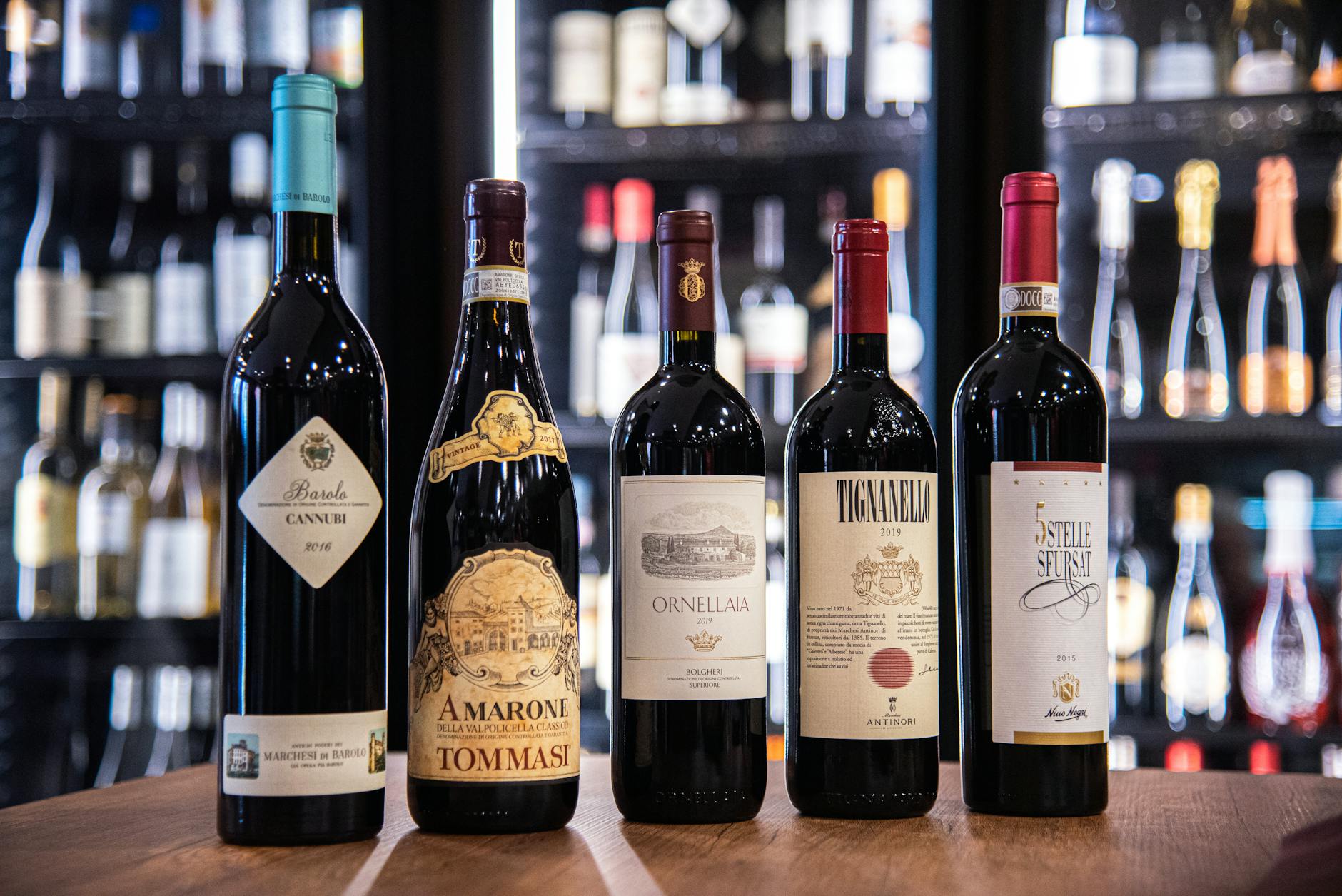
    Hailing from Italy’s Piedmont region, Barolo is a wine with a fierce reputation. Made from Nebbiolo grapes, it boasts high tannins, robust acidity, and flavors of dark cherry, leather, and rose petals. Barolo’s intensity matches the raw energy of early March, a time when winter refuses to surrender without a fight.

    Northern Rhône Syrah – Storm in a Glass
    The wild winds of early March echo the untamed spirit of Syrah from France’s Northern Rhône Valley. Wines from appellations like Côte-Rôtie and Hermitage showcase bold blackberry, black pepper, and smoky meat notes—an ideal counterpart to the tempestuous start of the month.

    Amarone della Valpolicella – Winter’s Last Stand
    This opulent Italian wine, crafted from dried Corvina grapes, delivers deep, dried fruit flavors with a rich, velvety texture. It’s a decadent farewell to winter’s hearty cuisine, pairing beautifully with slow-braised meats and aged cheeses.

    The Ides of March: A Historical Pause

    March is also famous for its literary and historical drama, none more ominous than the Ides of March. This date, March 15th, was immortalized in Shakespeare’s Julius Caesar when a soothsayer warned, “Beware the Ides of March.” It marked the assassination of Caesar and a turning point in Roman history.

    For a toast to history, uncork a bottle of Falerno del Massico, a wine with ancient Roman roots. This Campanian gem, praised by Pliny the Elder, was once considered the nectar of emperors. With its structured tannins and layered flavors of dark berries and spice, it’s a wine worthy of an imperial banquet—or a clandestine plot.

    Read more about the interesting history of Falernian wine.

    The Lamb’s Whisper: Soft Wines for the End of March

    As March softens and spring’s first blooms appear, our palates crave something lighter, fresher, and more delicate. The transition to milder weather calls for wines that reflect the gentle nature of March’s departure.

    Loire Valley Chenin Blanc – The Spring Awakening
    With bright acidity and notes of quince, honeysuckle, and fresh pear, Chenin Blanc from Vouvray or Savennières is like the first warm breeze of the season. It pairs effortlessly with lighter fare like fresh salads, goat cheese, and seafood.

    Beaujolais – The Joyful Bloom
    Made from Gamay, Beaujolais offers vibrant red fruit flavors and a silky texture, making it a perfect choice for the transition into spring. Enjoy it slightly chilled with charcuterie, roasted chicken, or a picnic under the first sunny skies of the season.

    Provence Rosé – The Sunset Wine
    March’s final days bring us closer to the rosé-drenched afternoons of spring and summer. A crisp, pale pink Provence Rosé, with notes of wild strawberries and herbs, mirrors the gentle fading of the lion’s roar into the lamb’s peaceful retreat.

    The Vineyards in March: A Time of Renewal

    In the vineyards, March is a time of awakening. The quiet dormancy of winter gives way to the first signs of bud break, where tiny green shoots emerge from the vines. In the Southern Hemisphere, harvest is in full swing, with winemakers carefully selecting grapes at their peak ripeness. It’s a time of both preparation and celebration—a moment to reflect on the past while embracing the promise of what’s to come.

    Related article: Winemaking in the Spring: From Bud Break to Flowering

    Pieter Brueghel the Elder, Public domain, via Wikimedia Commons

    March in Art, Music, and Literature

    March has long inspired artists and musicians. From Tchaikovsky’s The Seasons: March—a lively, galloping piano piece—to paintings like Pieter Bruegel’s The Gloomy Day, which captures the raw transition from winter to spring, this month has been immortalized through many creative lenses. In literature, the Brontë sisters often used March’s wild and unpredictable nature as a metaphor for emotional turmoil and transformation.

    A Month to Savor

    March is a journey—a transformation from bold to delicate, from stormy to serene. It’s a month that calls for wines to match its shifting moods, from the commanding presence of Barolo to the gentle embrace of Provence Rosé. So, whether you’re braving the last chill of winter or toasting to the first warm rays of spring, there’s a perfect glass waiting to accompany you through this marvelous, mercurial month. Cheers 🍷

  • A Feast of Revelry, History, and Unforgettable Pairings

    A Feast of Revelry, History, and Unforgettable Pairings

    Laissez les bons temps rouler! As beads fly through the air and jazz trumpets wail through the streets, it’s easy to get lost in the revelry of Mardi Gras. But how did this dazzling, over-the-top celebration begin? More importantly, how can we pair the best wines and cocktails with the rich, decadent cuisine that defines this feast of indulgence?

    Photo by Polina u2800 on Pexels.com

    The Origins of Mardi Gras: More Than Just Beads and Beignets

    Mardi Gras, or “Fat Tuesday,” has roots that stretch deep into medieval Europe, evolving from ancient Roman festivals celebrating the arrival of spring. As Christianity spread, these raucous festivals became intertwined with the pre-Lenten feasting season. French settlers brought the tradition to Louisiana in the 17th century, and by the 19th century, Mardi Gras had evolved into the colorful, masked celebration we know today.

    The official colors—purple for justice, green for faith, and gold for power—were chosen in 1872 by the Rex Organization, one of New Orleans’ most famous Mardi Gras krewes. Today, Mardi Gras isn’t just a party—it’s a cultural phenomenon, a last hurrah before the austerity of Lent, and a culinary extravaganza deserving of spectacular wine pairings.

    Wine Pairings for Classic Mardi Gras Fare

    Mardi Gras cuisine is as bold as the festival itself, featuring an array of Cajun and Creole delights. Here’s how to pair wines with some of the most iconic dishes:

    Jeremy Thompson, CC BY 2.0, via Wikimedia Commons
    Gumbo & White Rhône Blend

    A steaming bowl of gumbo, thick with seafood, sausage, and the holy trinity (onion, bell pepper, celery), needs a wine with enough weight to stand up to its smoky, spicy complexity. A white Rhône blend—like a Marsanne-Roussanne-Viognier mix—offers richness, spice, and just enough acidity to balance the roux’s depth.

    Jambalaya & Cru Beaujolais

    The spice-laden, tomato-based jambalaya, packed with shrimp, chicken, and andouille sausage, demands a wine that won’t clash with its boldness. A fruity yet structured Cru Beaujolais, such as Morgon or Fleurie, brings juicy red fruit notes with just the right touch of earthiness to complement the dish’s smoky kick.

    Crawfish Étouffée & Chenin Blanc

    This buttery, smothered crawfish dish pairs beautifully with a dry or off-dry Chenin Blanc from Vouvray or South Africa. The wine’s bright acidity cuts through the richness, while its notes of pear and honeysuckle enhance the natural sweetness of the crawfish.

    King Cake & Sauternes

    No Mardi Gras is complete without King Cake, that sugary, cinnamon-laced pastry crowned with glittering icing in purple, green, and gold. A luxurious glass of Sauternes (or even a late-harvest Gewürztraminer) complements the cake’s sweetness with its own honeyed richness and vibrant acidity.

    The Voodoo Queen: A Mardi Gras Cocktail to Remember

    To truly embrace the spirit of the season, let’s craft a cocktail as colorful and mystical as Mardi Gras itself: The Voodoo Queen. This spellbinding sipper blends Caribbean spice, Creole flair, and just the right amount of voodoo magic.

    The Voodoo Queen
    Ingredients:

    • 2 oz dark rum
    • ¾ oz passion fruit liqueur
    • ½ oz lime juice
    • ½ oz falernum
    • ¼ oz absinthe rinse
    • ½ oz orgeat syrup
    • 2 dashes Peychaud’s bitters
    • Crushed ice
    • Lime wheel & edible purple orchid for garnish

    Instructions:

    1. Rinse a tiki glass or coupe with absinthe and discard the excess.
    2. In a shaker, combine rum, passion fruit liqueur, lime juice, falernum, orgeat, and bitters.
    3. Shake vigorously with ice, then strain into the prepared glass over crushed ice.
    4. Garnish with a lime wheel and an edible purple orchid.
    5. Raise your glass and prepare to toast!

    Laugh Loud, Feast Well, and Dance On

    Here’s to beads that don’t break, hurricanes that don’t knock us down, and a feast so grand it makes even Bacchus blush! May our glasses stay full, our laughter stay loud, and may we all find the baby in the King Cake—just not in our drink! Santé, y’all!

    Gregory Dean, SOMM&SOMM

    So go forth, celebrate, and pair boldly. Mardi Gras is a time of indulgence, joy, and culinary adventure. Whether you’re sipping a Beaujolais with your jambalaya or letting the Voodoo Queen cast her cocktail magic, let the good times roll!

    Cover photo credit: Tulane Public Relations, CC BY 2.0, via Wikimedia Commons
  • The Rise of Irish Whiskey Cocktails

    The Rise of Irish Whiskey Cocktails

    Irish whiskey has been experiencing a renaissance, reclaiming its place among the world’s finest spirits. Once the most popular whiskey in the world before the decline of the 20th century, Irish whiskey has made a stunning comeback, thanks to a new generation of distillers reviving traditional methods while embracing modern innovation. This resurgence has sparked a renewed interest in Irish whiskey cocktails, going far beyond the beloved Irish Coffee and introducing a diverse array of sophisticated and creative drinks.

    Photo by The OurWhisky Foundation ud83eudd43 on Pexels.com

    The History and Styles of Irish Whiskey

    Irish whiskey dates back to at least the 12th century, when monks first began distilling a spirit they called uisce beatha, or “water of life.” By the 18th and 19th centuries, Ireland had hundreds of distilleries producing smooth, triple-distilled whiskey, setting it apart from the bolder, often smokier Scotch whisky. However, political and economic struggles, including Prohibition in the U.S. and trade wars with Britain, led to a dramatic decline, leaving only a handful of distilleries operational by the mid-20th century.

    Today, Irish whiskey is thriving again, with a variety of styles that offer versatility in cocktails:

    • Single Malt: Made from 100% malted barley and distilled in pot stills, offering rich and complex flavors.
    • Pot Still: Unique to Ireland, this style combines malted and unmalted barley for a creamy, spicy character.
    • Blended: A mix of different styles, offering balance and approachability.
    • Grain: Typically lighter and used in blends, but increasingly bottled on its own for a delicate, smooth profile.
    • Peated Irish Whiskey: While not as common as in Scotland, some distilleries are experimenting with peat for a smoky twist.

    With this diversity, Irish whiskey is becoming a staple in craft cocktail culture. Let’s explore some of the exciting drinks making waves today.

    Trendy Irish Whiskey Cocktails (Beyond Irish Coffee)

    The Tipperary

    A classic yet underappreciated Irish whiskey cocktail, the Tipperary is a beautifully balanced drink that combines the herbal complexity of Green Chartreuse with the sweetness of vermouth.

    Recipe:

    • 1.5 oz Irish whiskey (try Redbreast 12-Year)
    • 0.75 oz sweet vermouth
    • 0.5 oz Green Chartreuse
    • 2 dashes orange bitters
    • Stir with ice and strain into a chilled coupe glass.
    • Garnish with an orange twist.

    Food Pairing: Serve with a charcuterie board featuring aged cheddar, dried fruits, and dark chocolate.

    The Emerald

    Often called the “Irish Manhattan,” the Emerald swaps rye or bourbon for Irish whiskey, creating a softer, more floral version of the classic cocktail.

    Recipe:

    • 2 oz Irish whiskey (try Powers Gold Label)
    • 1 oz sweet vermouth
    • 2 dashes Angostura bitters
    • Stir with ice and strain into a coupe glass.
    • Garnish with a cherry or orange peel.

    Food Pairing: This cocktail pairs beautifully with beef stew or shepherd’s pie, complementing rich, savory flavors.

    Photo by The OurWhisky Foundation ud83eudd43 on Pexels.com

    Irish Old Fashioned

    A simple yet effective twist on the traditional Old Fashioned, this cocktail brings out the vanilla, honey, and spice notes in Irish whiskey.

    Recipe:

    • 2 oz Irish whiskey (try Jameson Black Barrel or Teeling Small Batch)
    • 0.25 oz simple syrup (or 1 sugar cube)
    • 2 dashes Angostura bitters
    • 1 dash orange bitters
    • Stir with ice and strain over a large ice cube in a rocks glass.
    • Garnish with an orange twist.

    Food Pairing: The rich yet smooth character of this cocktail complements roasted pork, glazed carrots, and nutty desserts like pecan pie.

    The Shamrock Sour

    A creative riff on the Whiskey Sour, this green-hued drink adds herbal complexity with a touch of basil.

    Recipe:

    • 2 oz Irish whiskey (try Bushmills 10-Year Single Malt)
    • 0.75 oz fresh lemon juice
    • 0.5 oz simple syrup
    • 0.5 oz green Chartreuse
    • 1 egg white (optional, for texture)
    • Dry shake (without ice), then shake again with ice and strain into a coupe glass.
    • Garnish with a basil leaf or lemon twist.

    Food Pairing: Serve with light seafood dishes like grilled shrimp or smoked salmon crostini.

    Irish Gold Rush

    A honey-forward cocktail that highlights the smoothness of Irish whiskey while adding a citrusy zing.

    Recipe:

    • 2 oz Irish whiskey (try Tullamore D.E.W.)
    • 0.75 oz honey syrup (equal parts honey and warm water)
    • 0.75 oz fresh lemon juice
    • Shake with ice and strain into a rocks glass over fresh ice.
    • Garnish with a lemon wedge.

    Food Pairing: Perfect with fried chicken, honey-glazed ham, or buttermilk biscuits.

    The Future of Irish Whiskey in Cocktails

    As bartenders and home mixologists continue to explore Irish whiskey, the spirit is finding its way into an ever-expanding repertoire of drinks. From herbal and floral-infused creations to bold, spirit-forward twists on classics, Irish whiskey cocktails are proving that the category is far more than just Irish Coffee. Whether you’re a seasoned whiskey drinker or a newcomer looking for something fresh, these cocktails invite you to explore the rich flavors of Ireland’s finest spirit.

    So, grab your favorite bottle of Irish whiskey, shake (or stir) up something new, and toast to the exciting future of Irish whiskey cocktails. Sláinte!

  • Wine & Spirits of the Zodiac

    Wine & Spirits of the Zodiac

    A Cosmic Guide to Your Perfect Pour.

    We love finding connections between personalities, traits, styles, and experiences with the various expressions of wine and spirits. This passion has been on full display in our recent articles The Artistry of Wine, An Intricate Dance Between Poetry and Wine, and Sipping the Notes. Exploring how flavors, textures, and aromas intertwine with personality and emotion is a journey that never ceases to fascinate us.

    Pearson Scott Foresman, Public domain, via Wikimedia Commons

    The stars have guided sailors, farmers, and romantics alike, but have you ever let them guide your wine or cocktail selection? Astrology has long been associated with personality traits, fortunes, and fate, so why not extend that celestial insight to our drink choices? With the Chinese New Year recently celebrated, there’s a fascinating parallel between Western zodiac signs and the symbolic significance of the lunar calendar. Both systems influence celebrations, personality interpretations, and even what flavors we gravitate toward.

    The zodiac in a round dance around the world, from Les etoilles animées, by J.J. Grandville, 1847, coloured engraving

    Let’s journey through the twelve astrological signs, uncovering their origins and pairing each with a wine or spirit that perfectly complements its traits. Plus, we’ve included an interactive cocktail recipe for each sign—because the best way to embrace your celestial self is with a perfectly paired drink in hand.

    Capricorn (December 22 – January 19) – Ambitious, Disciplined, and Refined

    Wine Pairing: Bordeaux – Structured, elegant, and built to age.
    Spirit Pairing: Scotch – Complex, refined, and timeless.
    Cocktail: The Classic Capricorn (inspired by the Rob Roy)
    Ingredients:

    • 2 oz Scotch
    • 0.5 oz sweet vermouth
    • 2 dashes Angostura bitters
      Stir with ice and strain into a coupe. Garnish with a cherry.

    Aquarius (January 20 – February 18) – Innovative, Free-Spirited, and Unique

    Wine Pairing: Orange Wine – Unconventional, thought-provoking, and distinctive.
    Spirit Pairing: Absinthe – Visionary, artistic, and ahead of its time.
    Cocktail: The Electric Aquarius (inspired by the Corpse Reviver #2)
    Ingredients:

    • 1 oz absinthe
    • 1 oz elderflower liqueur
    • 2 oz tonic water
      Build over ice in a highball glass and garnish with a lemon wheel.

    Pisces (February 19 – March 20) – Dreamy, Romantic, and Intuitive

    Wine Pairing: Riesling – Lush, poetic, and expressive.
    Spirit Pairing: Lavender Gin – Ethereal and enchanting.
    Cocktail: The Mystic Mermaid (inspired by the Bees Knees)
    Ingredients:

    • 2 oz lavender gin
    • 0.5 oz lemon juice
    • 0.5 oz honey syrup
      Shake with ice and strain into a coupe. Garnish with edible flowers.

    Aries (March 21 – April 19) – Bold, Fiery, and Adventurous

    Wine Pairing: Zinfandel – Robust, spicy, and energetic, just like Aries.
    Spirit Pairing: Mezcal – Smoky, intense, and unapologetically bold.
    Cocktail: Spicy Aries Smash (inspired by the Mezcal Mule)
    Ingredients:

    • 2 oz mezcal
    • 1 oz lime juice
    • 0.5 oz honey syrup
    • 2 slices jalapeño
    • 2 dashes orange bitters
      Muddle jalapeño in a shaker, add all ingredients, shake with ice, and strain into a rocks glass over fresh ice. Garnish with a lime wheel.

    Taurus (April 20 – May 20) – Sensual, Earthy, and Indulgent

    Wine Pairing: Cabernet Sauvignon – Luxurious, full-bodied, and grounded.
    Spirit Pairing: Cognac – Refined and complex with deep, earthy undertones.
    Cocktail: Velvet Bull (inspired by the Brandy Alexander)
    Ingredients:

    • 1.5 oz Cognac
    • 0.5 oz crème de cacao
    • 1 oz heavy cream
    • Grated nutmeg for garnish
      Shake all ingredients with ice and strain into a chilled coupe. Garnish with grated nutmeg.

    Gemini (May 21 – June 20) – Playful, Curious, and Witty

    Wine Pairing: Sauvignon Blanc – Crisp, zesty, and ever-changing.
    Spirit Pairing: Gin – Botanical, versatile, and endlessly creative.
    Cocktail: The Gemini Spritz (inspired by the French 75)
    Ingredients:

    • 1.5 oz gin
    • 0.5 oz elderflower liqueur
    • 2 oz sparkling wine
    • 1 oz soda water
      Build in a wine glass over ice, stir gently, and garnish with a lemon twist.

    Cancer (June 21 – July 22) – Nurturing, Sentimental, and Comforting

    Wine Pairing: Chardonnay – Warm, inviting, and soothing.
    Spirit Pairing: Rum – Sweet, nostalgic, and full of depth.
    Cocktail: The Cozy Crab (inspired by the Painkiller)
    Ingredients:

    • 2 oz aged rum
    • 1 oz coconut cream
    • 0.5 oz lime juice
      Shake with ice and strain into a chilled coupe. Garnish with grated cinnamon.

    Leo (July 23 – August 22) – Charismatic, Bold, and Regal

    Wine Pairing: Champagne – Effervescent, luxurious, and always the center of attention.
    Spirit Pairing: Bourbon – Strong, commanding, and unforgettable.
    Cocktail: The Golden Lion (inspired by the Gold Rush)
    Ingredients:

    • 2 oz bourbon
    • 0.5 oz honey syrup
    • 0.5 oz lemon juice
    • Champagne top-off
      Shake bourbon, honey syrup, and lemon juice with ice, strain into a coupe, and top with Champagne.

    Virgo (August 23 – September 22) – Practical, Detail-Oriented, and Sophisticated

    Wine Pairing: Grüner Veltliner – Crisp, precise, and refreshingly complex.
    Spirit Pairing: Vodka – Clean, structured, and classic.
    Cocktail: The Meticulous Martini (inspired by the Vodka Martini)
    Ingredients:

    • 2 oz vodka
    • 0.5 oz dry vermouth
    • 2 dashes orange bitters
      Stir with ice and strain into a chilled coupe. Garnish with a lemon twist.

    Libra (September 23 – October 22) – Charming, Balanced, and Sophisticated

    Wine Pairing: Pinot Noir – Elegant, harmonious, and effortlessly balanced.
    Spirit Pairing: Amaretto – Smooth, sweet, and socially engaging.
    Cocktail: The Libra Harmony (inspired by the Amaretto Sour)
    Ingredients:

    • 1.5 oz amaretto
    • 1 oz lemon juice
    • 0.5 oz simple syrup
    • Club soda
      Build in a highball glass over ice and top with club soda. Garnish with a lemon wheel.

    Scorpio (October 23 – November 21) – Intense, Mysterious, and Passionate

    Wine Pairing: Syrah – Deep, smoky, and enigmatic.
    Spirit Pairing: Amaro – Dark, brooding, and complex.
    Cocktail: The Dark Scorpion (inspired by the Black Manhattan)
    Ingredients:

    • 1.5 oz amaro
    • 1 oz rye whiskey
    • 0.5 oz black walnut liqueur
      Stir with ice and strain into a rocks glass. Garnish with an orange peel.

    Sagittarius (November 22 – December 21) – Adventurous, Free-Spirited, and Optimistic

    Wine Pairing: Malbec – Bold, vibrant, and full of life.
    Spirit Pairing: Tequila – Fun-loving, daring, and celebratory.
    Cocktail: The Wanderlust Paloma (inspired by the Paloma)
    Ingredients:

    • 2 oz tequila
    • 1 oz grapefruit juice
    • 0.5 oz lime juice
    • 0.5 oz agave syrup
    • Club soda
      Build over ice in a highball glass and top with club soda. Garnish with a grapefruit wedge.
    Photo by Tahir Osman on Pexels.com

    A Toast to the Stars

    Whether you’re an assertive Aries sipping a Spicy Smash or a dreamy Pisces enjoying an ethereal lavender gin ‘tini, the zodiac offers a celestial guide to enhancing your drinking experience. While astrology and wine pairings may not be scientific, they are undeniably fun—so why not embrace the cosmic influence on your next drink choice? Cheers to exploring the stars, one sip at a time!

    Which zodiac pairing is your favorite? Let us know in the comments, and don’t forget to tag us on social media with your cosmic cocktails!