

Navigating the Unexpected with Grace and Respect.
Prologue – In recent months, I’ve had the pleasure of attending several beautifully orchestrated private events that left lasting memories—yet each one also included moments where a few guests struggled with appropriate etiquette during minor delays or unexpected changes. These situations highlighted how crucial guest conduct is, not only to the enjoyment of the hosts but to the overall atmosphere and experience for everyone present. Inspired by these recent events, this article outlines key etiquette practices for private invitation-only gatherings, helping guests understand how best to respond to unforeseen situations respectfully. By observing these simple guidelines, guests can elevate both their own experience and that of everyone around them, ensuring a gracious and memorable event.

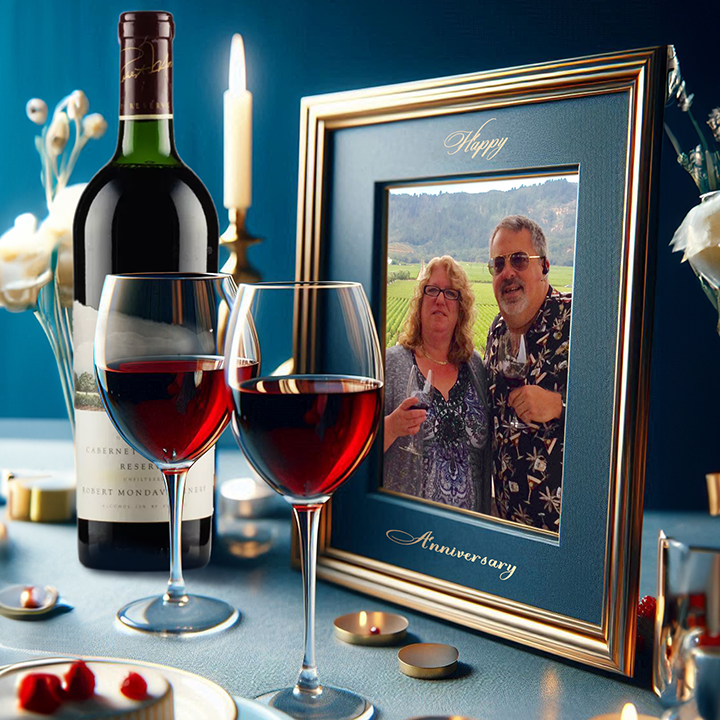
When you’re invited to an exclusive, meticulously planned private event—be it a themed wine tasting, anniversary celebration, or multi-course dinner—a lot of time, effort, and thought has gone into creating an unforgettable experience. However, even in the best-planned scenarios, things can occasionally go awry. Perhaps a wine has corked, a dish is delayed, or the host needs to adjust due to a kitchen mishap. How should you, as an invited guest, respond during these unexpected pauses? Let’s delve into the nuances of proper etiquette that ensure you remain both respectful and gracious while honoring the intention and spirit of the event.
Understand the Unique Setting of a Private Invitation-Only Event
Private events are, by nature, more intimate and personal than public ticketed events. The hosts often have carefully crafted every aspect, from the wine pairings and menu to the décor, making them an extension of the hosts’ personality and passions. As such, the expectations for guest behavior are elevated. Your presence signifies a personal connection and your respect for the effort and sentiment behind the event. The rule of thumb here is simple: If in doubt, act with the utmost respect and courtesy, putting the enjoyment of the group and the intent of the celebration above individual preferences.

Maintain Focus and Stay Engaged with the Event
During private wine or dining events, pausing to check messages or watching the game on a smartphone is disrespectful to both the host and fellow guests. Imagine, for instance, a guest attending a seated anniversary dinner who, upon an unexpected delay, disengages to check their phone or catch up on sports. Or worse, turn on the large screen flat screen TV in the room. This behavior disrupts the intimate ambiance, diminishes the significance of the gathering, and can make others feel less engaged as well.
Instead, use pauses as an opportunity to immerse yourself in the experience:
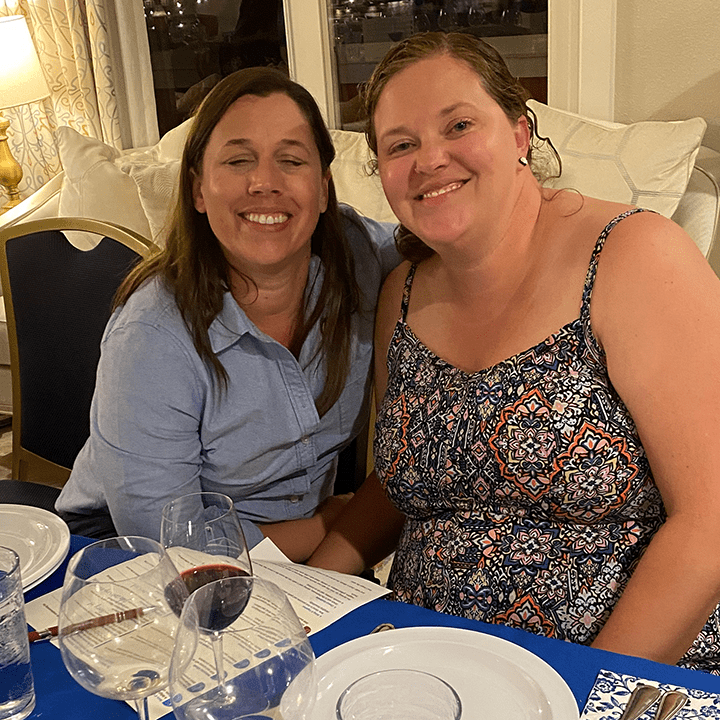
- Engage in Conversation: Often, pauses provide a chance to deepen connections with other guests. Inquiring about each other’s experiences with wines, travel stories, or family traditions related to food and wine can spark memorable conversations.
- Reflect on Previous Courses: If there has already been a course or two, discuss your thoughts on the pairings, flavors, or the chef’s approach to each dish. This keeps the focus on the event and showcases your appreciation for the host’s choices.
- Discuss the Host’s Choices: Highlighting aspects you appreciate—whether it’s a wine selection, a beautifully set table, or a unique food and wine pairing—shows respect for the thought and effort that went into the planning.
These small gestures can enhance the experience for both you and those around you while keeping the momentum of the event alive.
Appreciate the Host’s Efforts and Be Ready for Flexible Alternatives
For events involving food and wine, unforeseen issues are sometimes inevitable. When you notice the hosts making adjustments, remain calm and understanding; they may be discreetly working with the kitchen or making substitutions to maintain the flow of the event. As a guest, it’s essential to appreciate their adaptability and refrain from drawing attention to the delay or issue.
- Handle Wine Substitutions with Grace: If the host switches a wine due to corking or other issues, express enthusiasm for the alternate selection. Hosts appreciate guests who are flexible and open to exploring something new.
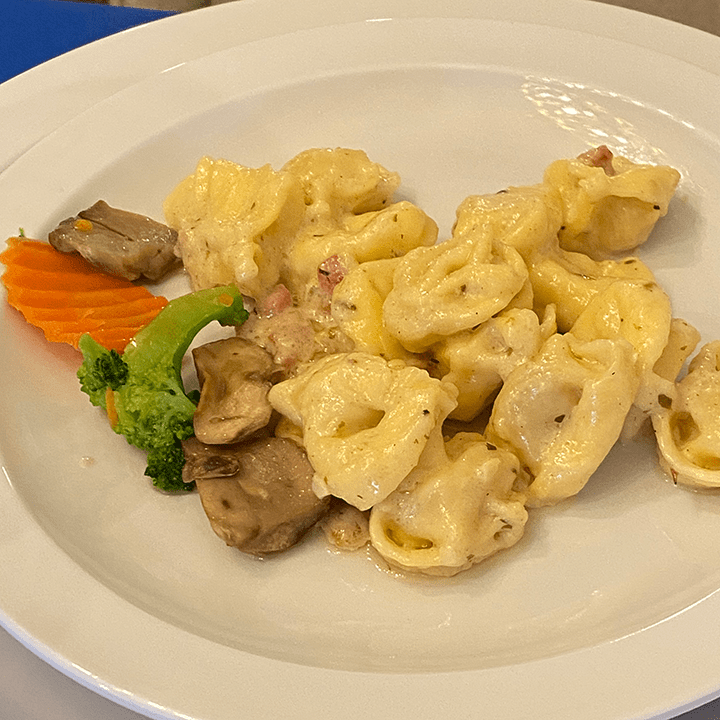
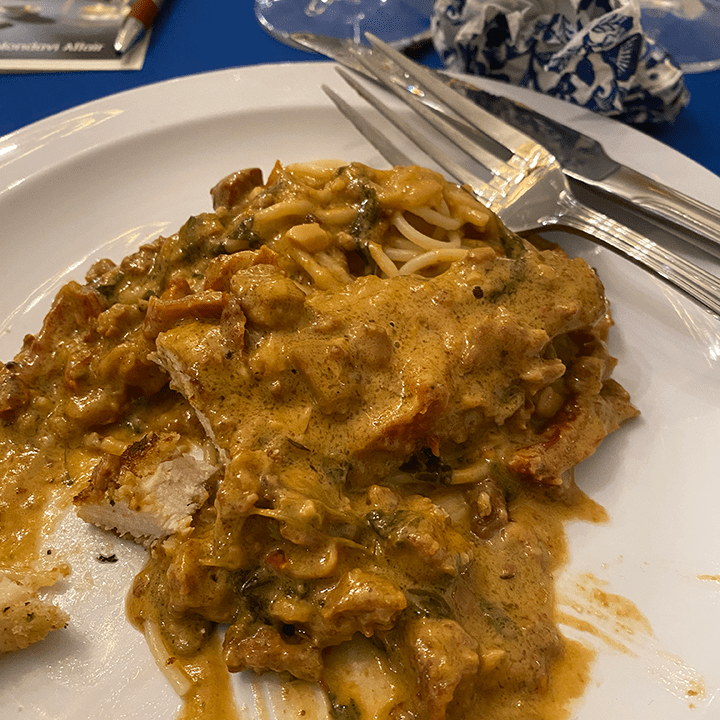
- Adapt with the Hosts: Sometimes, food courses may be served out of the intended order, or a dish may differ slightly from what was planned. Embrace these moments as part of the evening’s unique experience and enjoy the improvisational nature of the service.
- Keep the Mood Light: If the hosts make light of the situation, follow their lead. However, if they seem stressed, maintain a calm and positive demeanor, showing them that you’re there to support them.
Avoid Overstepping with Unsolicited Opinions or Critiques
In the case of a private event, hosts tend to put immense care into every detail, and casual remarks or critiques—especially during a disruption—can be discouraging or even offensive. While public events may allow for some flexibility in feedback or commentary, private events warrant more sensitivity.
- Refrain from Criticizing Substitutions: If an alternate wine or dish doesn’t quite match your personal preference, keep that opinion private. Remember that the hosts likely made the substitution under challenging circumstances, and voicing disappointment can undermine their efforts.
- Stay Positive About the Experience: If a dish doesn’t come out exactly as planned, find something enjoyable about it, whether it’s a surprising flavor, texture, or plating. Your positive outlook will help the host feel at ease, even when things don’t go according to plan.
Express Genuine Appreciation for the Event’s Intention
At invitation-only private events, gestures of gratitude and appreciation are crucial. A thoughtful host has created a one-of-a-kind experience, not only to celebrate the occasion but to share a part of themselves with the guests.
- Acknowledge the Occasion: If it’s an anniversary or birthday, express your well wishes and reflect on your appreciation for being included. Mentioning the host’s efforts in creating the evening’s ambiance, selecting wines, and curating the menu helps highlight your enjoyment of the experience.
- Offer a Toast or Thank You at the End of the Evening: A heartfelt toast or kind words directed at the host can go a long way, especially if they had to navigate unexpected challenges throughout the evening. For example, you might say, “Thank you for an incredible evening. The wine pairings were delightful, and every detail made the night so special. I’m grateful to have shared this memorable evening with you.”
When in Doubt, Follow the Host’s Lead
At private events, let the host set the tone. If they engage in casual conversation during a delay, follow their lead. If they attempt to smooth over a mishap with humor or grace, respond with light-heartedness. Respecting the host’s cues shows sensitivity to their efforts and respect for the moment. Similarly, if the host politely addresses the guests about the delay, offer understanding and encouragement.
By aligning yourself with the host’s approach, you contribute to a cohesive and supportive atmosphere.

While unexpected pauses or disruptions may be unavoidable, they’re often minor when handled with grace, patience, and respect. Private invitation-only events are crafted with love and care, and your behavior should reflect that. By staying engaged, adapting with flexibility, expressing appreciation, and taking cues from the host, you ensure that these occasions remain a celebration of connection, honor, and shared enjoyment. As a guest, remember that your role is as much about enjoying the experience as it is about celebrating and supporting the hosts who have invited you into their world. Cheers 🍷
Epilogue – Acting entitled or pretentious toward your hosts is not only rude but fundamentally misses the spirit of a private invitation. When you’re invited to share in an experience, it’s on equal footing with everyone else attending, regardless of who’s pouring the wine or setting the table. Treating hosts as “inferior” for taking on any role during the event—whether they’re refilling glasses, plating dishes, or ensuring everyone’s comfort—is especially disrespectful, as it disregards the personal investment they’ve made to create a memorable evening. Entitlement shows ingratitude, turning what should be a celebration of shared enjoyment into a display of poor manners. Embrace the experience as a collaborative and appreciative guest, honoring the hosts’ efforts rather than elevating yourself above them.


















































 SOMM&SOMM
You must be logged in to post a comment.