Tag: travel

  • Unveiling Franciacorta: Italy’s Best-Kept Sparkling Wine Secret

    Unveiling Franciacorta: Italy’s Best-Kept Sparkling Wine Secret

    When it comes to sparkling wines, most people think of Champagne from France or Prosecco from Italy. However, there’s a hidden gem in the world of bubbly that deserves your attention—Franciacorta. Hailing from the Lombardy region in northern Italy, Franciacorta is a sparkling wine that combines tradition, elegance, and a touch of Italian charm. As a professional sommelier and wine educator, I’m excited to introduce you to this under-appreciated delight just in time for the holidays and New Year’s celebrations.

    Lombardy Region in Northern Italy

    The Origin of Franciacorta

    Franciacorta is produced in the picturesque hills of the Franciacorta zone, situated between the southern shore of Lake Iseo and the city of Brescia. Unlike many other sparkling wines, Franciacorta is made using the traditional method, similar to Champagne. The region’s unique terroir, characterized by its clay-limestone soil and a mild climate, imparts distinctive characteristics to the grapes used in its production.

    Chardonnay in Franciacorta

    Grapes and Styles

    The principal grape varieties used in Franciacorta are Chardonnay, Pinot Noir, and Pinot Blanc. The region offers a range of styles, including Franciacorta Brut, Franciacorta Extra Brut, Franciacorta Satèn, and Franciacorta Rosé. Each style presents a different facet of the region’s winemaking expertise, from the crisp and refreshing Brut to the velvety smoothness of a Satèn.

    Controlled and guaranteed designation “Franciacorta” Satèn wine shall be obtained from grapes grown in each estate from the following varietals: Chardonnay min. 50%. Pinot bianco grapes can be used to produce the aforesaid wine up to a maximum proportion of 50%.

    Article 2.1 – Production Rulebook of the Controlled and Guaranteed
    “Franciacorta” Designation Wines

    Exceptional Quality

    One of the hallmarks of Franciacorta is its commitment to quality. The wine undergoes a secondary fermentation in the bottle, contributing to its fine and persistent perlage (bubbles) and complex flavor profile. With a minimum aging period of 18 months for non-vintage and 30 months for vintage Franciacorta, these wines boast a level of maturity and depth that rivals some of the best sparkling wines in the world.

    Perfect for Celebrations

    As the holiday season approaches, Franciacorta is an ideal choice for toasts and celebrations. Its versatility makes it suitable for pairing with a variety of dishes, from appetizers to main courses. The crisp acidity and effervescence of Franciacorta cleanse the palate, making it a wonderful accompaniment to rich and savory holiday fare.

    New Year’s Elegance

    When the clock strikes midnight on New Year’s Eve, raise your glass with a sparkling wine that embodies the spirit of celebration. Franciacorta’s fine bubbles and refined taste make it the perfect choice for toasting to new beginnings. Whether you’re hosting a small gathering or attending a grand party, Franciacorta adds a touch of Italian sophistication to the festivities.

    Ladies and Gentlemen, esteemed connoisseurs of life,

    As we stand on the cusp of a brand new year, let us raise our glasses high, filled with the effervescent joy of Franciacorta, a sparkling elixir as bright as the possibilities that await us in the coming days.

    Let us savor this moment, relish the company of those around us, and toast to the beautiful journey that lies ahead. Happy New Year! May it be as splendid and sparkling as this glass of Franciacorta in our hands. Cheers! 🥂✨

    Gregory Dean, SOMM&SOMM

    Discover the Hidden Gem
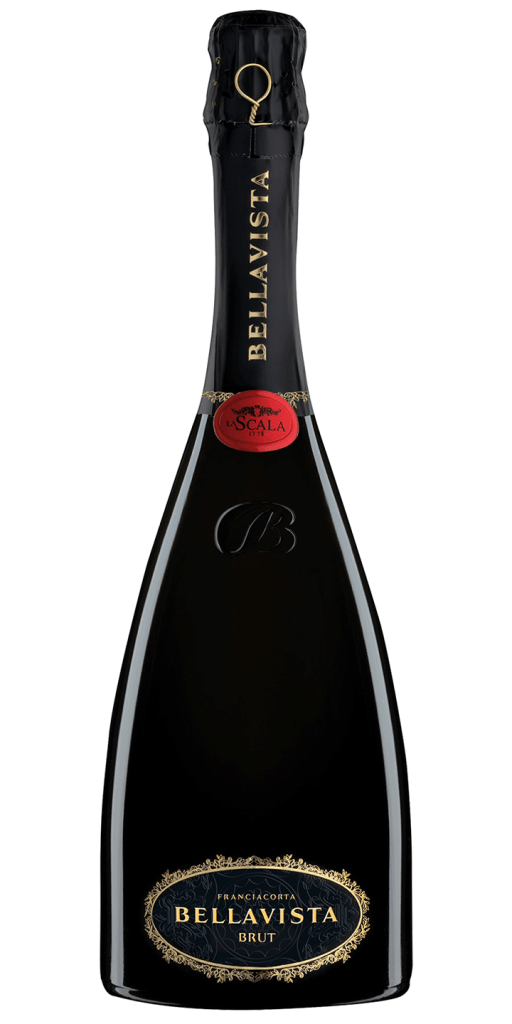
    2018 Bellavista Franciacorta Teatro La Scala Brut

    While Champagne and Prosecco often take the spotlight, Franciacorta quietly awaits discovery by those seeking something truly exceptional. As a wine educator, I encourage you to explore the world of Franciacorta and experience the magic of this Italian sparkling wine. Whether you’re a seasoned wine enthusiast or a curious newcomer, Franciacorta offers a delightful journey for your taste buds.

    Here are a few of our favorite Franciacorta wines:

    2018 Bellavista Franciacorta Teatro La Scala Brut

    Bellavista Franciacorta Alma Cuvee Brut

    In conclusion, this holiday season and New Year’s, consider elevating your celebrations with Franciacorta. It’s time to unveil the well-kept secret of Italian sparkling wine and savor the craftsmanship, tradition, and elegance that make Franciacorta a hidden gem in the world of bubbly. Cheers to new discoveries and unforgettable moments!

    Reference: Production Rulebook of the Controlled and Guaranteed
    “Franciacorta” Designation Wines

  • The Art and Science of Decanting Wine

    The Art and Science of Decanting Wine

    Decanting wine is a centuries-old practice that fuses artistry and science to elevate the drinking experience. As a sommelier and wine educator, I am often asked about the mysteries surrounding this ritual. In this comprehensive exploration, we will unravel the essence of decanting, debunk myths surrounding the process, and delve into specific examples of wines that truly blossom when given the chance to breathe.

    The Purpose of Decanting

    At its core, decanting serves two primary purposes: aeration and sediment separation. Aeration involves exposing the wine to oxygen, which allows it to open up and release its full bouquet of aromas and flavors. This is particularly beneficial for young, tannic red wines that may initially be tight and closed. Sediment separation is relevant for aged wines, as it helps remove any accumulated sediment that can form in the bottle over time.

    When to Decant

    One common myth is that only red wines benefit from decanting. While red wines generally stand to gain more from the process due to their tannin structure, certain white wines, such as older vintage Chardonnays and oxidative styles like aged Rieslings, can also benefit from aeration.

    Another misconception is that only old wines need decanting. While it’s true that older wines often contain sediment, young and robust red wines can also benefit from decanting. For example, a bold Cabernet Sauvignon or a structured Barolo can soften and reveal additional layers of complexity when exposed to air.

    How to Decant

    Decanting is a simple yet deliberate process. Start by standing the bottle upright for several hours to allow any sediment to settle at the bottom. When ready to decant, gently pour the wine into a decanter in one smooth motion, leaving the sediment in the bottle.

    For older wines, it is important to not disturb the wine. The traditional process is to pull the wine from the cellar rack and place it in a wine cradle or basket at the same orientation it was stored. Don’t rotate the bottle because the sediment will have already settled to the side facing down while in the cellar (thanks gravity). Remove the foil and open the bottle while in the basket and proceed to decant while watching for sediment to reach the shoulder. When the sediment reaches the neck, stop decanting.

    Examples of Wines that Benefit from Decanting

    1. Young Tannic Reds: Barolo (e.g., Barolo, Serralunga d’Alba, Vintage 2015)

    The high tannin content in young Barolo wines can be softened through aeration, revealing the intricate layers of flavors and aromas that may be initially subdued.

    2. Mature Reds with Sediment: Bordeaux (e.g., Château Margaux, Pauillac, Vintage 1990)

    Older Bordeaux wines often develop sediment over time. Decanting not only separates the sediment but also allows the wine to breathe, showcasing the delicate nuances that come with age.

    3. Full-Bodied Whites: Aged Chardonnay (e.g., Kistler Vineyards, Sonoma Coast, Vintage 2010)

    Aged Chardonnays can benefit from decanting to enhance their texture and reveal the secondary and tertiary aromas that have developed over time.

    4. Bold and Robust Young Whites: Condrieu (e.g., E. Guigal, La Doriane, Vintage 2018)

    While less common, certain bold and full-bodied white wines, such as Condrieu, can benefit from decanting to allow the aromas and flavors to unfold.

    Riedel Mamba Decanter

    Decanter Shapes and Styles

    Decanters come in a variety of shapes and styles, each designed to accentuate specific characteristics of different wines. Choosing the right decanter can enhance the overall decanting experience, but it’s essential to understand the advantages and potential disadvantages associated with various designs.

    1. Classic Wine Decanter

    Advantages:

       – Aeration: The wide base and long neck allow for ample surface area exposure, promoting effective aeration.

       – Sediment Separation: The wide bowl facilitates a smooth pour, aiding in the separation of sediment.

    Disadvantages:

       – Limited Oxygen Exchange: Some classic decanters may not provide as much aeration as more modern designs, potentially limiting the wine’s exposure to oxygen.

    2. U-Shaped Decanter

    Advantages:

       – Improved Aeration: The wide bowl at the bottom enhances aeration, while the narrow neck minimizes excessive oxygen exposure, suitable for delicate wines.

    Disadvantages:

       – Sediment Management: While effective for aeration, the narrow neck may make sediment separation more challenging compared to wider-necked decanters.

    3. Duck or Swan-Shaped Decanter

    Advantages:

       – Aeration and Presentation: The curved design allows for aeration, and the elegant shape serves both functional and aesthetic purposes.

    Disadvantages:

       – Sediment Concerns: Similar to U-shaped decanters, sediment separation may be a bit more challenging due to the narrow neck.

    4. Modern or Artistic Decanter

    Advantages:

       – Aesthetic Appeal: These decanters often serve as both functional vessels and pieces of art, adding a visual dimension to the wine experience.

       – Aeration: Depending on the design, some modern decanters can offer effective aeration.

    Disadvantages:

       – Practicality: Some artistic designs may prioritize aesthetics over functionality, potentially impacting the aeration process or ease of pouring.

    5. Dual-Chamber or Two-Stage Decanter

    Advantages:

       – Separate Aeration and Serving Chambers: Enables aeration in one chamber while keeping sediment in another, providing the best of both worlds.

       – Precision Pouring: The design often includes a spout, allowing for controlled pouring and minimizing the risk of dripping.

    Disadvantages:

       – Complex Cleaning: The dual-chamber design can make cleaning more intricate than with simpler decanters.

    Decanting wine is both an art and a science, requiring a delicate balance between patience and precision. By understanding the unique characteristics of different wines and debunking common myths, wine enthusiasts can unlock the full potential of their favorite bottles. Whether indulging in a young, robust red or savoring the nuances of a gracefully aged white, the act of decanting is a timeless ritual that enhances the enjoyment of this elixir of the gods. Cheers to the journey of discovering the symphony of aromas and flavors that await within every decanted bottle!

  • Champagne Unveiled: A Journey through Bubbles, Elegance, and Celebration

    Champagne Unveiled: A Journey through Bubbles, Elegance, and Celebration

    Champagne, often synonymous with celebrations and luxury, stands as the epitome of sparkling wine craftsmanship. Originating from the picturesque Champagne region in France, this effervescent elixir has woven itself into the fabric of joyous occasions worldwide. As a professional sommelier and wine educator, I invite you on a journey to discover the nuances of Champagne, explore its historical roots, distinguish it from other sparkling wines, and indulge in the art of serving and toasting.

    Champagne Vineyards

    Historical Roots of Champagne

    The captivating tale of Champagne’s origin dates back to the 17th century. Legend has it that the Benedictine monk Dom Pérignon discovered the method to capture the bubbles in wine, turning a potential winemaking disaster into a delightful revelation. While this story adds a touch of romance to the narrative, historical records attribute the development of the traditional method of sparkling wine production to multiple contributors in the Champagne region.

    In the early 19th century, Champagne houses such as Veuve Clicquot and Moët et Chandon played pivotal roles in refining the méthode champenoise, which involves a secondary fermentation in the bottle. This technique became the hallmark of Champagne production, distinguishing it from other sparkling wines.

    Distinguishing Champagne from Other Sparkling Wines

    While Champagne is the undisputed star, various other sparkling wines offer distinctive profiles and styles. Prosecco (created using the Charmat Method), hailing from Italy, is known for its fresh and fruity character. One of our favorite sparkling wines from Italy, also made using the traditional method (metodo classico), is the Lombardy region’s own Franciacorta. Spain’s Cava, crafted using the traditional method, exhibits citrusy and toasty notes. The German Sekt often showcases a delicate sweetness, while English sparkling wines gain recognition for their quality, influenced by the cool climate and chalky soils.

    What sets Champagne apart is the rigorous production standards outlined by the AOC (Appellation d’Origine Contrôlée) regulations. Grapes, primarily Chardonnay, Pinot Noir, and Pinot Meunier, must come from the Champagne region, and production follows strict guidelines to ensure consistency and excellence.

    Photo by JESHOOTS.com on Pexels.com

    Tips on Serving Sparkling Wine for the Holidays

    As the holiday season approaches, serving sparkling wine with finesse can elevate the festivities. Here are some tips to enhance your sparkling wine experience:

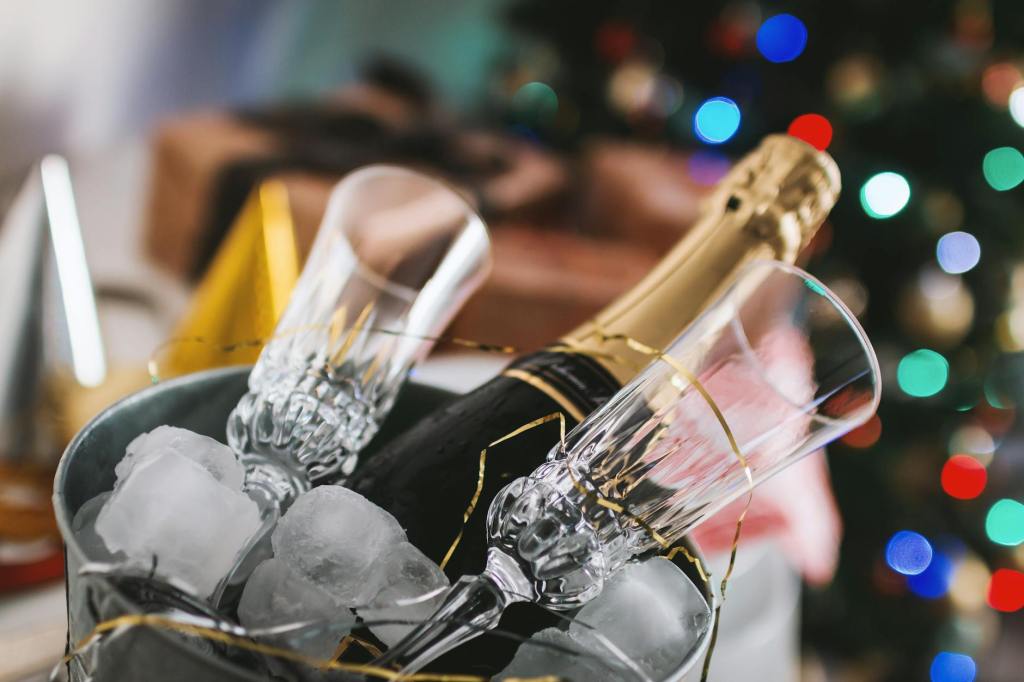
    1. Temperature Matters: Serve Champagne chilled, ideally between 45°F to 48°F (7°C to 9°C). An ice bucket filled with water and ice is an excellent way to keep it at the perfect temperature.

    2. Choosing the Right Glassware: Opt for a flute or tulip-shaped glass to preserve the effervescence and concentrate the aromas. The narrow design helps maintain the bubbles and showcases the wine’s complexity.

    3. Gentle Pouring: To preserve the bubbles, pour sparkling wine down the side of the glass. Hold the glass at an angle and let the liquid glide gently into the flute.

    Popular Champagne Cocktails and Recipes

    Champagne isn’t confined to celebratory toasts; it’s a versatile libation that can be crafted into delightful cocktails. Here are a few popular recipes to elevate your Champagne experience:

    1. Classic Champagne Cocktail:

    Ingredients:

    •    1 sugar cube
    •    Angostura bitters
    •    Champagne
    •    Lemon twist (for garnish)

    Instructions: Soak the sugar cube in a few dashes of Angostura bitters. Drop the cube into a Champagne flute. Pour chilled Champagne over the sugar cube. Garnish with a lemon twist.

    2. French 75:

    Ingredients:

    • 1 oz gin
    • 0.5 oz simple syrup
    • 0.5 oz lemon juice
    • Champagne
    • Lemon twist (for garnish)

    Instructions: Shake gin, simple syrup, and lemon juice with ice. Strain into a Champagne flute. Top with Champagne. Garnish with a lemon twist.

    3. Mimosa:

    Ingredients:

    • 2 oz orange juice
    • Champagne

     Instructions: Pour orange juice into a Champagne flute. Top with chilled Champagne.

    Photo by cottonbro studio on Pexels.com

    Proper Approach to a Classic Champagne Toast

    A Champagne toast is a timeless tradition that brings people together in celebration. To ensure a memorable and elegant toast, consider the following:

    1. Selecting the Right Champagne: Choose a quality Champagne that suits the occasion. A brut or extra brut is a safe choice for toasting, offering a balance of sweetness and acidity.

    2. Chilled to Perfection: Ensure the Champagne is appropriately chilled. A cold glass of bubbly is not only refreshing but enhances the effervescence.

    3. Hold the Glass Correctly: Grasp the Champagne flute by the stem to prevent the transfer of heat from your hand to the wine. This helps maintain the ideal serving temperature.

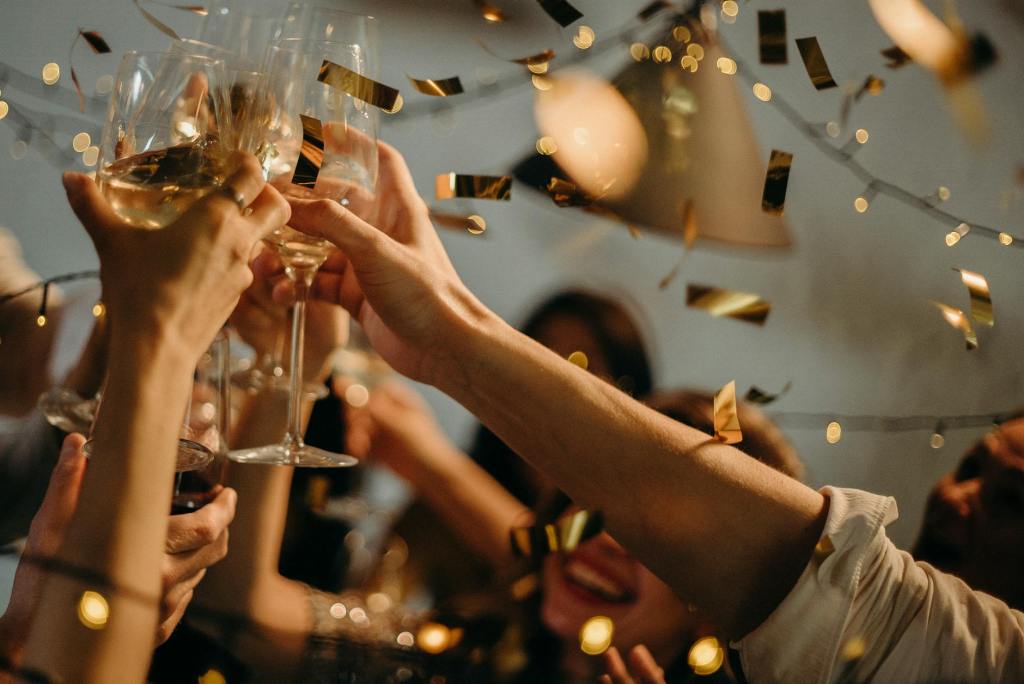
    4. Raise, Clink, and Sip: Raise your glass, make eye contact, and gently clink glasses with others. Take a moment to express your sentiments before taking a sip.

    Let us raise our glasses high in celebration of this joyous moment. Here’s to love that knows no bounds, to friendships that stand the test of time, and to the adventures that await us in the coming years. May our hearts be filled with gratitude, our days with laughter, and our glasses with the effervescent elixir of life. Cheers to the past, the present, and the future – may it be as sparkling and delightful as the bubbles dancing in this champagne. Cheers!

    Gregory Dean, SOMM&SOMM

    In conclusion, Champagne is a beverage of celebration, history, and craftsmanship. From its humble beginnings in the Champagne region to its global acclaim, this effervescent wine continues to captivate enthusiasts. Whether sipped on its own, blended into cocktails, or used for toasts, Champagne remains a symbol of elegance and festivity, enriching moments both grand and intimate. 🥂

  • Wine Styles: Late Harvest Wines

    Wine Styles: Late Harvest Wines

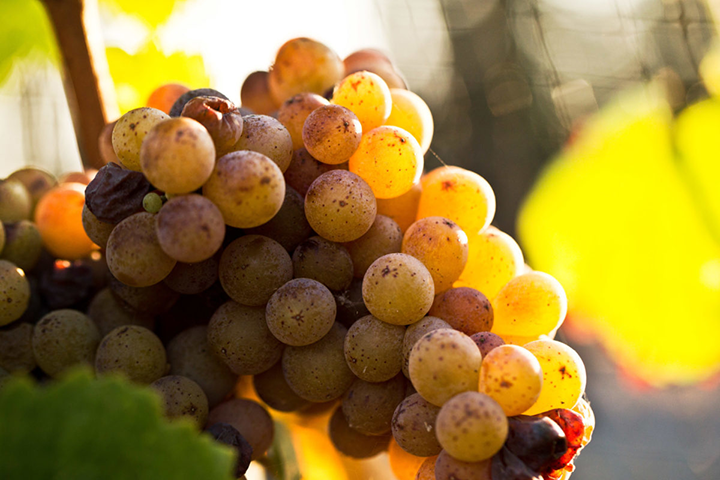
    Late harvest wines represent a pinnacle of winemaking craftsmanship, showcasing the artful balance between sweetness and acidity. These wines are crafted from grapes left on the vine longer than usual, allowing them to ripen further and intensify their flavors. Late harvest wines come in various styles, each offering a unique tasting experience. Among them, the influence of noble rot (botrytis) on certain grapes adds an extra layer of complexity and richness.

    Styles of Late Harvest Wines

    Lur Saluces Chateau de Fargues – Photo Credit: Fred Swan, JJBuckley.com

    Sauternes (France)

    Sauternes is an iconic late harvest wine from the Bordeaux region of France. It is primarily made from Semillon, Sauvignon Blanc, and Muscadelle grapes. The grapes are affected by botrytis cinerea, a fungus that concentrates the sugars and flavors, resulting in a luscious, honeyed wine with vibrant acidity. Château d’Yquem is the most renowned producer of Sauternes.

    SOMM&SOMM recommends: Chateau Suduiraut Sauternes

    Trockenbeerenauslese (Germany)

    In Germany, Trockenbeerenauslese (TBA) wines are produced from individually selected, overripe grapes affected by noble rot. These wines are intensely sweet, with high levels of sugar and acidity. Riesling is the predominant grape variety, and TBAs are often considered some of the finest expressions of German winemaking.

    SOMM&SOMM recommends: 2019 Alois Kracher Trockenbeerenauslese No. 4 Zweigelt

    Eiswein (Canada and Germany)

    Ice wine (Canada) is made from grapes that have naturally frozen on the vine. The grapes are harvested and pressed while still frozen, extracting only the concentrated sugars. Canadian Ice Wine, particularly from the Niagara Peninsula, is renowned for its balanced sweetness and acidity. Germany also produces Eiswein using a similar method.

    SOMM&SOMM recommends: Dr. Loosen Riesling Eiswein

    Vin Santo (Italy)

    In Italy, Vin Santo is a traditional Tuscan late harvest wine made from white grapes like Trebbiano and Malvasia. The grapes are dried on straw mats before pressing, leading to a rich and nutty wine. Vin Santo is often enjoyed as a dessert wine, accompanied by biscotti. On a related note, Vin Santo is the traditional wine used in a classic Tuscany-style Tiramisù.

    Botrytis Cinerea and Its Impact

    Botrytis cinerea, commonly known as noble rot, plays a crucial role in the production of some of the world’s finest sweet wines. This beneficial fungus pierces the grape skin, allowing water to evaporate and concentrating sugars and flavors. In addition to enhancing sweetness, noble rot imparts distinctive honey, apricot, and botrytized character to the wine.

    Dessert Pairings for Late Harvest Wines

    Roquefort Cheese – Photo by Towfiqu barbhuiya on Pexels.com

    Sauternes: Foie Gras and Roquefort Cheese

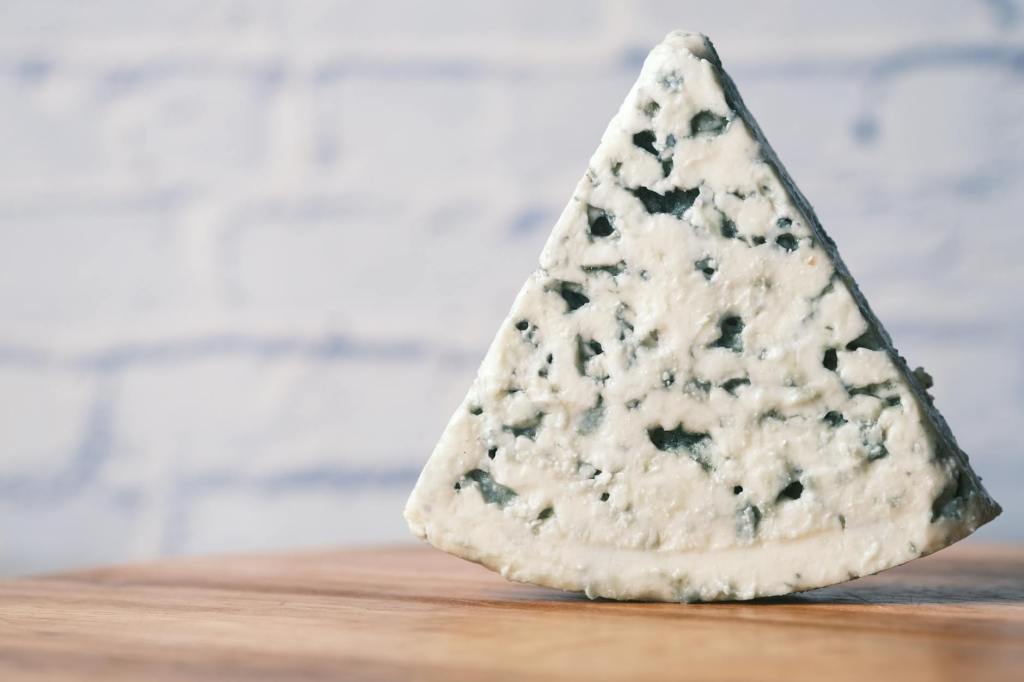
    Sauternes pairs wonderfully with rich and savory flavors. Foie gras, with its buttery texture and complex taste, complements the sweetness of Sauternes. Roquefort, a blue cheese with a bold flavor profile, creates a delightful contrast that highlights the wine’s acidity.

       Recipe: Foie Gras with Sauternes Reduction

       – Sear foie gras slices in a hot pan until golden.

       – Deglaze the pan with Sauternes, reducing it to a syrupy consistency.

       – Drizzle the reduction over the foie gras and serve with toasted brioche.

    Trockenbeerenauslese: Peach Melba

    The vibrant acidity of Trockenbeerenauslese cuts through the richness of a classic Peach Melba. The combination of poached peaches, vanilla ice cream, and raspberry sauce creates a harmonious blend of flavors.

       Recipe: Trockenbeerenauslese Poached Peaches

       – Poach peaches in Trockenbeerenauslese, sugar, and vanilla.

       – Serve the peaches over vanilla ice cream and drizzle with a raspberry sauce.

    Ice Wine: Apple Tarte Tatin

    The natural sweetness of Ice Wine complements the caramelized apples in a classic Tarte Tatin. The acidity in the wine balances the dish, creating a delightful contrast.

       Recipe: Ice Wine Caramel Sauce

       – Reduce Ice Wine in a pan until syrupy.

       – Combine with melted butter and brown sugar for a decadent caramel sauce.

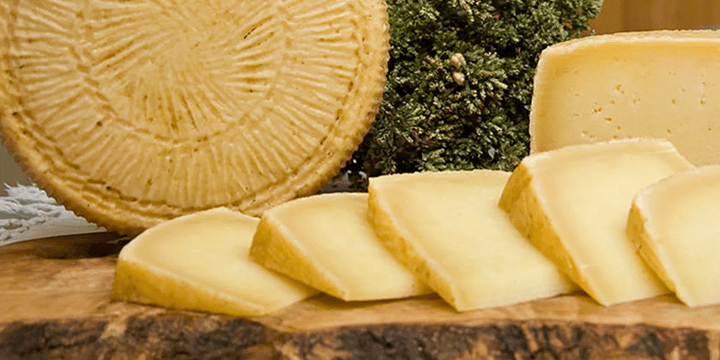
    Pecorino Cheese – Rlucia, CC BY 3.0, via Wikimedia Commons

    Vin Santo: Cantuccini and Pecorino Cheese

    Vin Santo’s nutty and caramelized notes find a perfect match in the crunchy sweetness of Cantuccini (Italian almond biscuits). Pair it with Pecorino cheese for a delightful Tuscan experience.

       Recipe: Homemade Cantuccini

       – Mix almonds, flour, sugar, and eggs to form a dough.

       – Shape into logs, bake, and slice into biscotti. Serve with Vin Santo.

    Late harvest wines, with their diverse styles and intricate flavors, offer a captivating journey for wine enthusiasts. Whether it’s the noble rot-infused complexity of Sauternes or the intense sweetness of Trockenbeerenauslese, these wines are a testament to the artistry of winemakers. Paired with classic desserts, the experience becomes a symphony of taste, revealing the cultural and culinary richness that surrounds these exceptional wines. Cheers to the indulgence of late harvest wines and the delightful moments they create! 🍷