Night Two of Scott and Alison White’s 36th Anniversary Celebration.
Following the sparkling excitement of the previous evening, Scott and Alison White hosted a classic lobster boil, a feast fit for both food lovers and wine enthusiasts alike. Paired with the refined and storied Chardonnays of Chateau Montelena, this second night celebrated the richness of California’s wine legacy alongside the timeless joy of a seafood feast.
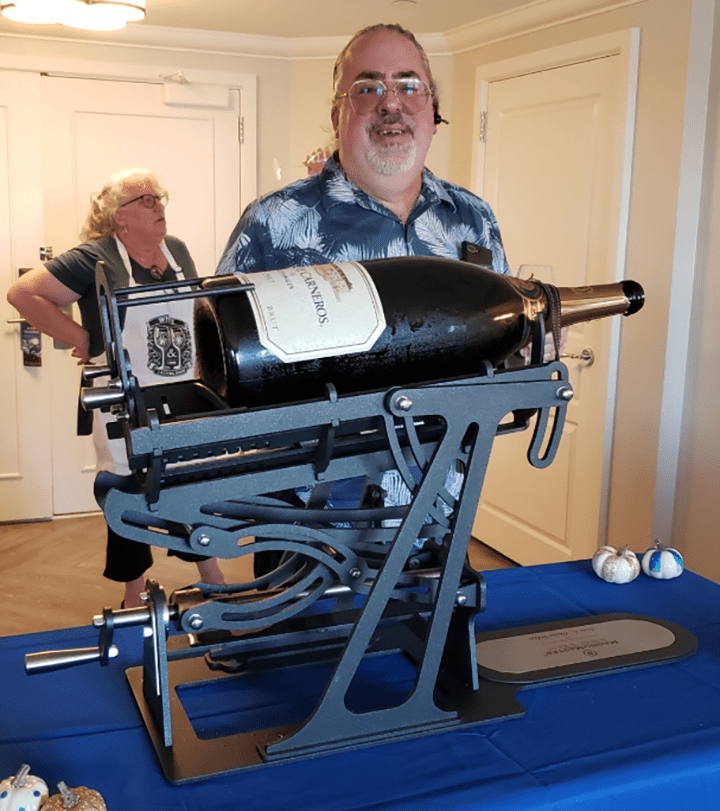
Tammy alongside the 9-liter bottle of 2015 Chateau Montelena Chardonnay
The Grand Opening: Chateau Montelena Chardonnay
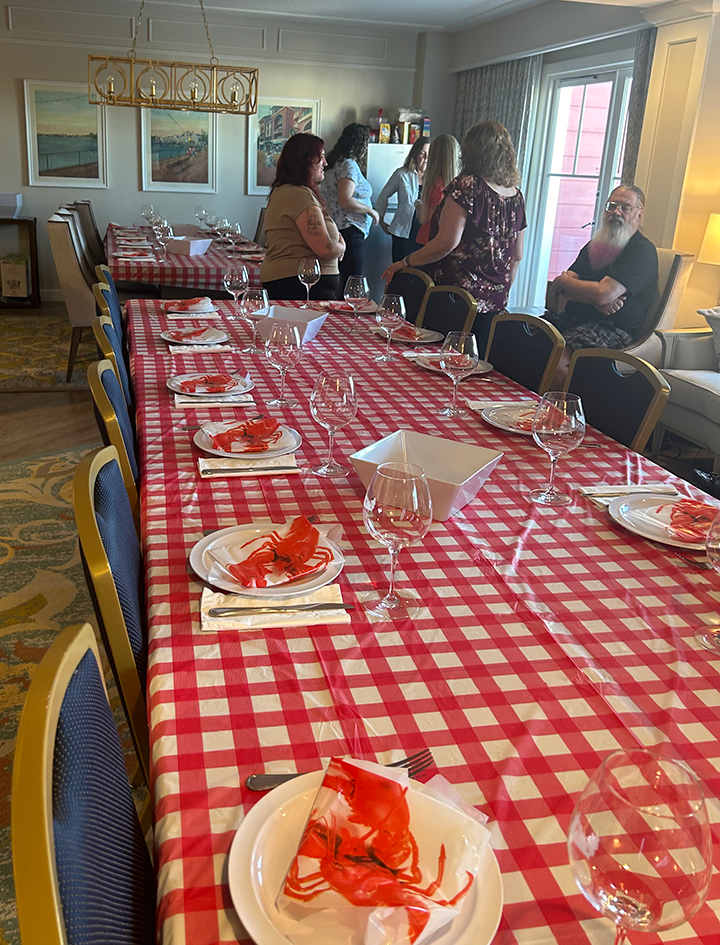
The evening began with a spectacular sight: a 9-liter bottle of 2015 Chateau Montelena Chardonnay displayed in a custom mechanical wine cradle, lovingly known as “the rocket launcher.” This impressive vessel was racked and poured, allowing the room to be filled with the elegance and character of the 2015 vintage. Guests were seated at tables stretching the length of the suite’s common area, creating a warm communal ambiance as glasses were filled.
A Culinary Labor of Love
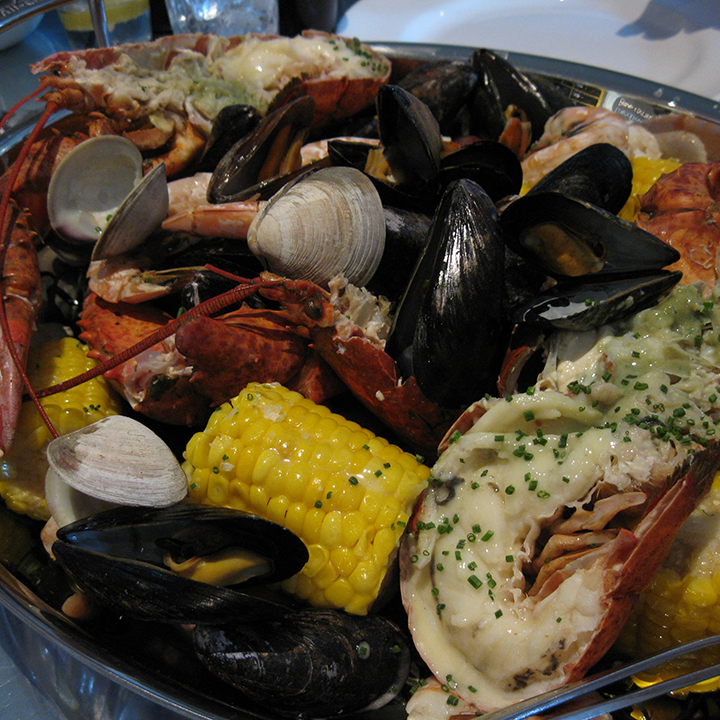
Scott and Alison, along with the renowned Russ Ahrens (Instagram: @drunkenchef82), spent the entire day in the kitchen to prepare the lobster boil’s main attractions. The result was an extraordinary spread, with over 120 lobster tails, cheese-filled bratwursts, tender potatoes, succulent shrimp, corn on the cob, fresh clams, mussels, and cheddar bay biscuits—each element adding to the bounty and flavor of the evening.
As guests indulged in the feast, the 2015 Chateau Montelena Chardonnay’s balanced acidity and rich, citrusy notes complemented the buttery lobster tails and briny seafood with finesse. The flavors melded beautifully, with the Chardonnay’s hints of stone fruit and subtle oak rounding out each bite.
A Vintage Comparison: The 2015 and 2010 Chateau Montelena Chardonnay
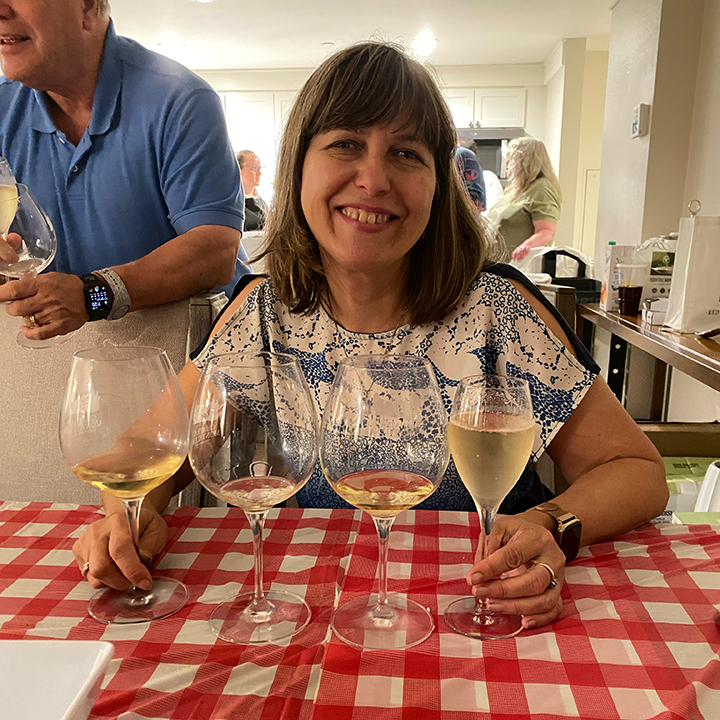
After the 2015 was savored and the 9-liter bottle emptied, Scott introduced a five-liter bottle of the 2010 Chateau Montelena Chardonnay. This vintage, with slightly more age, offered a glimpse into how Chateau Montelena wines evolve over time, displaying richer textures and deeper complexity. Spirited discussions ensued, as guests compared the vintages’ qualities—the 2010 bringing forth mellow oak notes, balanced with a lively acidity that contrasted with the younger 2015.
Though both vintages had their fans, the 2015 emerged as the overall favorite. Scott, always prepared, uncorked a 750 ml bottle of the 2015 to confirm the consensus, and the wine’s balance and versatility secured its place as the perfect pairing for the lobster boil.
Sweet Celebrations: October Birthdays and Dessert Wines
Adding a personal touch, the evening’s desserts honored October birthdays for Alyssa, Scott and Alison’s daughter, and Jay, Scott’s brother. Two classic white birthday cakes graced the table, one with a smooth buttercream frosting and the other with a rich chocolate buttercream. The wine pairings were equally thoughtful, featuring the caramelized depth of Bodegas AlvearPedro Ximénez Solera 1927, the berry-rich notes of a 2016 St. Francis Port, and the Domaine Carneros Demi-Sec sparkling wine from the previous night.
Russ Ahrens (Instagram: @drunkenchef82) enjoying a New York Sour
A Perfect Finish: Armagnac and Classic Cocktails
As the night wound down, guests enjoyed a few final toasts with Armagnac and carefully crafted cocktails, each a fitting finale to a night of laughter, good food, and extraordinary wines. Scott enjoyed an Old Fashioned, while Russ savored a New York Sour, closing the evening with the warmth of shared stories and an appreciation for another unforgettable night.
Left to Right: 375 ml, 750 ml, 750 ml, 5 liter, 6 liter, and 9 liter bottles
To the bounty before us, the friends beside us, and the wines that elevate every bite. May our glasses stay full, our laughter ring loud, and our memories grow richer with each passing year. Cheers to good food, great wine, and even better company!
Gregory Dean, SOMM&SOMM
This lobster boil celebration, a beautiful blend of food, wine, and friendship, set a high standard for the week’s festivities and served as a reminder of the beauty in celebrating life’s moments with those we hold dear. Cheers 🍷
As a grand kickoff to Scott and Alison White’s week-long 36th-anniversary festivities, this year’s Sparkling Party brought together family and friends at Disney’s Boardwalk Resort for an evening overflowing with camaraderie, exquisite food, and the celebrated Domaine Carneros sparkling wines. This year’s feature: three impressive six-liter bottles of the 2017 Taittinger Domaine Carneros Brut, each bottle holding the lively energy and character that made it the evening’s “magic elixir.”
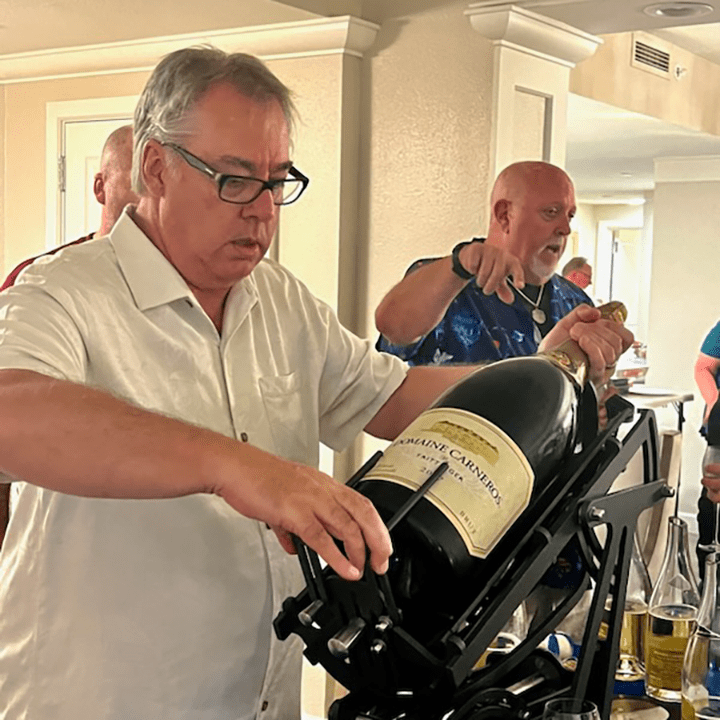
Scott White sabers a bottle of Domaine Carneros
Sabering the Sparkling: A Celebration in Every Strike
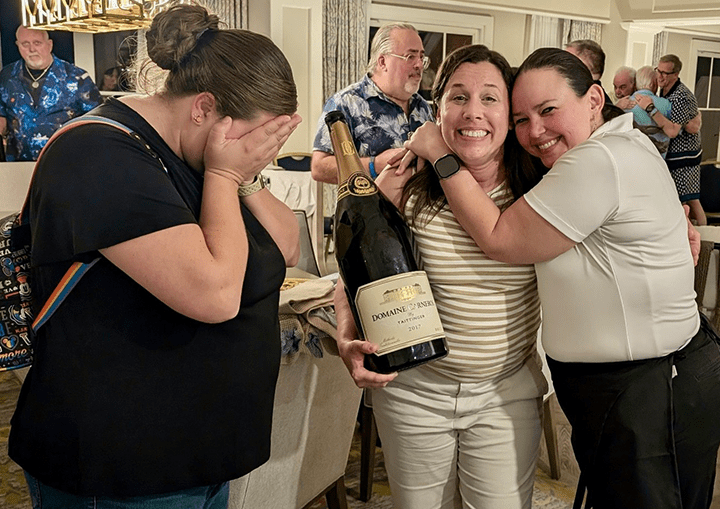
Scott White, an aficionado of Napa’s finest wines, proudly opened the evening with a daring sabering of the first large-format bottle, a feat he performed for the first time, thrilling his guests. With Scott’s deft, confident strike, a burst of effervescence flowed as the cork and neck were swept away, marking a spirited beginning to the evening. Following in Scott’s footsteps were Brian Toung and Dima Semenski, who each took up the saber with both excitement and skill, making clean cuts that set the night’s festive tone. Their efforts epitomized the camaraderie and celebration that this party—and the art of sabering itself—so beautifully embody.
The Domaine Carneros Brut, from the esteemed 2017 vintage, poured with an elegance that complemented the gathering’s lively spirit. Its fine mousse and balanced acidity elevated every bite, pairing especially well with the variety of appetizers thoughtfully prepared for the event. The Brut’s light brioche, citrus, and apple notes mingled with the menu, enhancing every pairing as each course was unveiled.
A Feast for the Ages
This year’s menu was a true banquet, carefully curated to pair harmoniously with the sparkling wines. The cold plates—shrimp cocktail, lump crab, and salmon crackers—offered a fresh, clean introduction, perfectly suited to the Brut’s zesty minerality. A charcuterie and cheese plate was rich in flavor, providing a range of textures and tastes that beautifully highlighted the wine’s toasty notes.
The fruit platter, with ripe strawberries, juicy pears, and the indulgent blue cheese and candied walnut pairings, was a refreshing contrast to the sparkling wine’s crisp acidity. Caprese skewers and veggie plates kept the palate lively, while deviled eggs added a creamy, savory delight.
The hot dishes were a masterpiece in their own right, showcasing beloved classics and a few surprises. Bacon-wrapped scallops, a crowd favorite, brought out the subtle smokiness in the Domaine Carneros Brut, while mini quiches with bacon and Swiss and savory onion and goat cheese phylo cups matched the wine’s complexity sip for sip. Brie and fig phylo cups, with their luxurious combination of creamy brie and sweet fig, proved to be another highlight alongside the sparkling wine’s effervescence.
The Pompon sandwiches, featuring Argentinian sausage, and Pizza Piena, an Italian-style pie, added rich heartiness to the mix, a delightful pairing with the structured yet delicate bubbles of the Brut. Abundantly flavored dishes, such as stuffed mushrooms, pot stickers, and Spanish albondigas (meatballs), held their own next to the sparkling wine, creating a symphony of flavors that each sip of Domaine Carneros only heightened.
Dessert and the Perfect Pairing
To bring the evening to a sweet close, a stunning array of desserts was served alongside the Domaine Carneros Demi-Sec. The Demi-Sec, with its slight sweetness and softer acidity, was the ideal match for the variety of treats on offer. Each bite, from rich pastries to light fruit-based desserts, found its perfect complement in the Demi-Sec’s balanced sweetness, with flavors that lingered delicately on the palate.
A Toast to the Sparkling Party
As the night wound down, a few guests enjoyed glasses of Armagnac, raising a final toast to friendship, to Scott and Alison’s enduring love, and to the memories shared and created anew. With Domaine Carneros sparkling wine in hand and laughter filling the air, the evening was a testament to tradition, good company, and the pure joy of savoring exceptional wine and food in celebration of life’s finest moments. Cheers 🥂
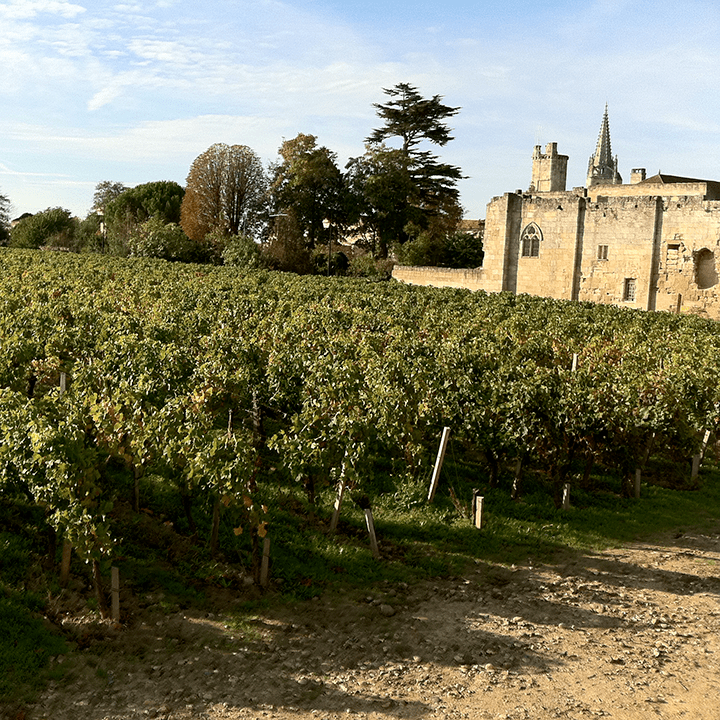
Ah, the joys of being a sommelier. You walk into a tasting event, confident in your knowledge, fully armed with years of wine education. You’ve mastered the intricacies of the Médoc’s growths, can identify a Bordeaux blend just by its nose, and could recite, in order, the prestigious First Growths of the Left Bank even after a few glasses. But then, the moment strikes—a fellow wine lover looks you square in the eye and asks: “What are the remaining Grande Classe ‘A’ wineries of Saint-Émilion?”
Cue blank stare. The mental Rolodex is spinning, searching for answers, but all that comes up is a faint memory of Château Pavie and Château Angélus. Then… nothing. Not a flicker. Suddenly, the mind is playing tricks, and you’re left wondering if your years of dedication to wine knowledge have been vanquished by a mere swirl and sniff.
It happens to the best of us—especially when wine is involved 😉
Even if your memory temporarily betrays you, there’s always the glass in hand to bring you back to the essence of it all—experiencing the beauty of wine.
Gregory Dean, SOMM&SOMM
When the Mind Goes Blank
Being a sommelier means juggling a lot of information—appellations, classifications, grape varieties, winemaking methods, soil types, vintages, and wine laws from every nook and cranny of the world’s great wine regions. We pride ourselves on our expertise, yet sometimes, in the haze of swirling glasses and gentle tannins, the simplest facts can elude us.
Now, this wouldn’t be so embarrassing if it was something arcane, like obscure subregions in Uruguay, but Saint-Émilion? Grande Classe ‘A’? One of the most celebrated and debated regions of Bordeaux? This is common knowledge!
The truth is, even the most seasoned professionals can falter. Whether it’s the excitement of the moment, the friendly banter, or perhaps a few sips too many, our brains are prone to the occasional misfire. In this particular case, Saint-Émilion’s classification system does have a habit of making things slightly more complicated than other Bordeaux regions.
Unlike the Left Bank’s rigid 1855 classification, Saint-Émilion’s system is… a bit of a moving target. Every 10 years or so, the classification is revised. This sounds great on paper—wineries are rewarded for their efforts to improve their wines. However, in practice, this has led to quite a bit of controversy.
Wineries move up, others move down, and lawsuits abound. To top it off, some châteaux have even started rejecting their rankings altogether! For example, in the most recent shuffle, both Château Angélus and Château Ausone bowed out of the classification system after years of disputes, leaving only Château Pavie and Château Figeac as the remaining Grande Classe ‘A’ wineries.
It’s no wonder I had a momentary lapse! Keeping track of the shifting players in this drama can be like trying to navigate a maze.
The Current State of Saint-Émilion’s Classifications
Let’s take a moment to redeem ourselves. Saint-Émilion’s classification was first introduced in 1955, with the goal of providing more dynamism and rewarding quality improvements over time. It’s revised approximately every decade, a factor that keeps things both interesting and, well, confusing.
The classification has three main tiers:
Premier Grand Cru Classé A (the top tier)
Premier Grand Cru Classé B
Grand Cru Classé
The 2022 classification, which stirred up a bit of controversy, left us with only two Premier Grand Cru Classé A wines: Château Pavie and Château Figeac—a reduction from four, following the voluntary withdrawal of Château Angélus and Château Ausone from the ranking system.
At the next level, Premier Grand Cru Classé B, you’ll find well-respected names such as:
Château Troplong Mondot
Château Canon
Château La Gaffelière
Château Beau-Séjour Bécot
These producers consistently create wines of incredible depth, structure, and aging potential.
Then, there’s the broader Grand Cru Classé category, with over 60 producers representing a wide spectrum of styles. These wines are celebrated for their quality, but they don’t quite reach the lofty heights of the Premier Grand Cru Classé estates.
When In Doubt, Enjoy the Moment
Saint-Émilion is not just about the status or classifications, it’s about a love of the vine and the passion that goes into each bottle. The wines from this region, especially the Merlot-dominant blends, express a deep sense of place.
So next time someone asks about Saint-Émilion’s Grande Classe ‘A’ estates and your mind draws a blank, take comfort in knowing that even a sommelier’s brain can be clouded by the grape. Just don’t forget to refill your glass and enjoy the journey back through the vineyards of Bordeaux. Cheers🍷
Winning Wine and Cocktail Pairings for Your October Tailgate.
October is here, and so are the cravings for heartier dishes that match the brisk air, camaraderie, and weekend football gatherings. As tailgaters fire up their grills and slow-cookers, classic fare like chili, wings, ribs, and stews become the go-to choices for feeding a crowd. But let’s take these crowd-pleasers to the next level with the perfect wine pairings and a couple of cocktails sure to score big at your next tailgate.
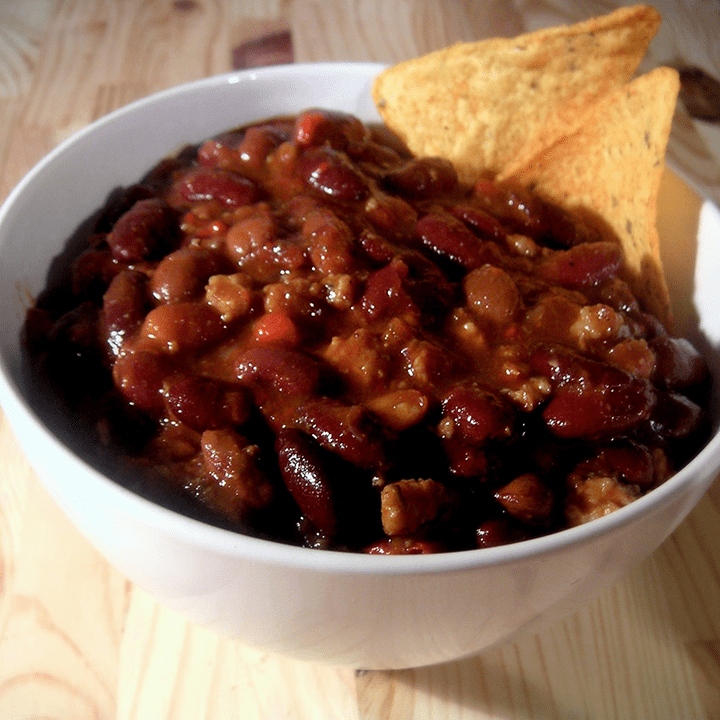
Spicy Chili + Zinfandel or Off-Dry Riesling Few things warm the soul like a steaming bowl of chili on a crisp October afternoon. Whether you’re loading up on beef, beans, or going for a veggie version, chili’s complex layers of flavor (and spice) call for a wine that can keep pace.
Zinfandel: The go-to for those who love bold, fruity reds. Zinfandel’s ripe blackberries, raspberries, and touch of sweet spice tame the heat and complement chili’s smoky notes from cumin, paprika, and charred peppers. Avoid the overly jammy versions; seek out ones with balanced acidity to cut through the richness.
Off-Dry Riesling: For those craving a white, Riesling’s delicate sweetness and vibrant acidity act as a cooling agent for chili’s heat. The natural sugars help counterbalance the spice, while the lime zest and apricot flavors offer a refreshing contrast.
BBQ Pulled Pork + Syrah Pulled pork, whether slathered in a tangy BBQ sauce or slow-cooked with a hint of smokiness, begs for a wine with enough depth to match the savory goodness.
Syrah: This bold red offers the structure and body to complement the layers of flavors in pulled pork. Syrah’s black pepper, smoky bacon, and dark fruit notes accentuate the savory spices and richness of the meat. If you’re using a sweeter sauce, pick a Syrah with less oak and more fruit-forward notes to balance the flavors.
Hearty Beef Stew + Malbec A tailgate classic, beef stew’s hearty, comforting qualities demand a wine that can stand up to the richness of slow-cooked beef, root vegetables, and herbs.
Malbec: With its deep plum, black cherry, and cocoa flavors, Malbec’s tannins help cut through the richness, while the wine’s inherent juiciness complements the stew’s savory profile. Argentine Malbec, in particular, works wonders here with its earthy undertones and subtle hints of spice.
Spicy Buffalo Wings + Sparkling Wine Buffalo wings are a game-day favorite, but pairing these spicy bites with alcohol can be tricky. Higher-alcohol wines or cocktails can intensify the heat, leaving your mouth on fire instead of enjoying the flavors. So, what’s the solution?
Sparkling Wine: The crisp bubbles in a dry sparkling wine or Prosecco serve as a delightful counterpoint to the fiery sauce. The acidity and effervescence cleanse the palate, while a hint of fruit sweetness from the wine helps balance the heat. Plus, let’s face it: bubbles make everything more festive.
Spicy game day favorites like Buffalo wings, hot sausages, and jalapeño-laden nachos can make pairing a challenge because alcohol intensifies the sensation of heat. Wines with high tannins or elevated alcohol content (think Cabernet Sauvignon or Shiraz) can exacerbate the burn, turning what should be a delightful pairing into a flavor clash. That’s why it’s essential to look for wines with lower alcohol, higher acidity, and a touch of sweetness to help balance the heat. When in doubt, sparkling wines or slightly off-dry whites are safe bets.
Tailgate-Ready Cocktails
Spicy Margarita No tailgate is complete without a margarita twist. This Spicy Margarita brings the heat but balances it with zesty citrus and a touch of sweetness.
Ingredients:
2 oz silver tequila (or mezcal for a smoky twist)
1 oz lime juice
1 oz orange liqueur (Cointreau or triple sec)
½ oz agave syrup (adjust to taste)
2 slices jalapeño
Tajín seasoning for the rim (optional)
Instructions:
Rub a lime wedge around the rim of your glass and dip in Tajín seasoning.
Muddle the jalapeño slices in a shaker.
Add tequila, lime juice, orange liqueur, and agave syrup. Shake with ice until well-chilled.
Strain into a glass with ice and garnish with a slice of jalapeño.
The spicy kick pairs beautifully with anything from wings to grilled sausages, while the citrusy tang provides a refreshing balance to richer dishes.
Autumn Bourbon Cider For a cozy cocktail that’s sure to please, this bourbon-based concoction pairs beautifully with tailgate classics like BBQ or burgers.
Ingredients:
2 oz bourbon
4 oz apple cider (preferably fresh)
½ oz lemon juice
Dash of cinnamon or nutmeg
Apple slice for garnish
Instructions:
In a shaker, combine bourbon, apple cider, lemon juice, and cinnamon with ice.
Shake well and strain into a glass with ice.
Garnish with an apple slice and a cinnamon stick.
The warm flavors of bourbon and spiced apple are perfect for cooler weather and pair effortlessly with fall favorites like pulled pork sandwiches or chili.
Final Play: What Not to Do
Avoid pairing your spicy wings, chili, or sausage with high-alcohol wines or spirits unless you enjoy setting your mouth on fire! Alcohol intensifies capsaicin—the active ingredient in chili peppers—which can make already spicy dishes unbearable. So, when serving dishes with a lot of heat, think low alcohol, high flavor—your palate will thank you.
Whether it’s bold, fruity Zinfandels for chili or refreshing bubbles for wings, pairing the right wine or cocktail can take your tailgate game to the next level. Here’s to cooler weather, warmer food, and winning combinations🍷
Third article in the series–The Seasons of Winemaking.
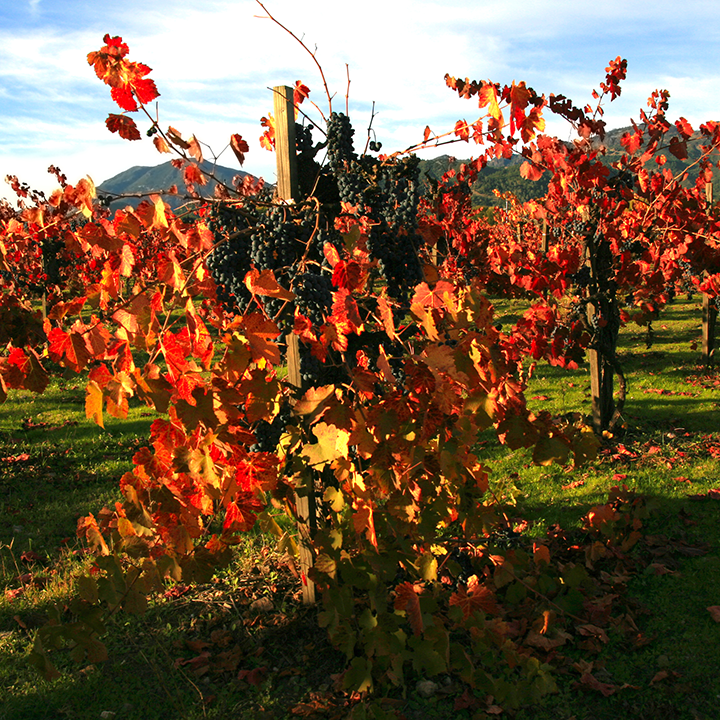
As the leaves begin to turn, the excitement in the vineyard is palpable. Autumn is the season most commonly associated with winemaking, often evoking images of grapes being hand-harvested and clusters piled high in baskets. While harvest may indeed be the centerpiece of the season, there are numerous other tasks that play equally critical roles in ensuring the quality of the wine and the sustainability of the vineyard. This article delves into not only the harvest but also the less glamorous yet essential activities that take place in the vineyard and winery during the fall.
Harvesting grapes is the most anticipated event of the winemaking calendar. It’s a race against time, as winemakers must decide the exact moment to pick the grapes based on their sugar, acid, and tannin levels. This decision is a combination of careful science—using refractometers to measure sugar (Brix) and pH meters to gauge acidity—and deep experience, where tasting the grapes is just as important as the metrics.
For most winemakers, harvest is staggered. White wine grapes like Chardonnay and Sauvignon Blanc often ripen earlier than red varieties such as Cabernet Sauvignon or Syrah. Each grape variety, and indeed each vineyard block, requires unique attention, as factors like slope, soil composition, and sun exposure lead to different ripening times. As a result, harvest can stretch over several weeks, with winemakers and vineyard managers working around the clock to ensure that each grape is picked at its peak.
However, beyond simply picking grapes, winemakers must also deal with logistical hurdles, such as organizing teams of workers, securing harvest machinery, and ensuring that the winery is ready to receive the influx of fruit.
Once grapes are harvested, they head straight to the sorting table. Sorting is a less romantic but absolutely critical process. Here, vineyard workers meticulously sift through the clusters to remove underripe, overripe, or damaged fruit, along with leaves, stems, or any other debris. This ensures that only the healthiest grapes make it to the fermentation tanks. A little-known fact is that, for some premium wines, winemakers may even opt for a second sorting, this time focusing on individual berries to further refine the quality of the final product.
A Controlled Chaos
Depending on the type of wine being made, pressing happens at different stages. For white wines, the grapes are usually pressed immediately after sorting, separating the juice from the skins and seeds before fermentation. In contrast, red wines undergo fermentation with their skins to extract color, tannin, and flavor, after which they are pressed.
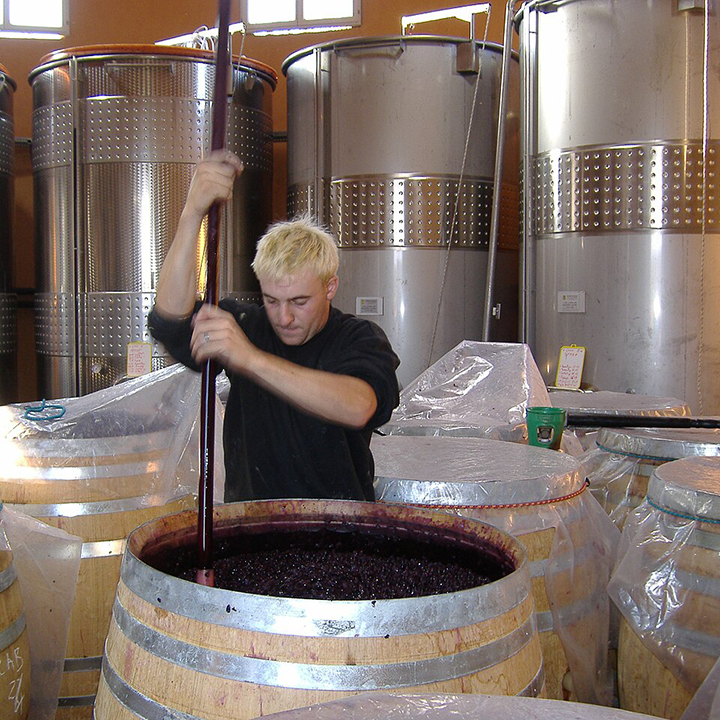
Fermentation, though a naturally occurring process, is far from hands-off. Winemakers must closely monitor temperature, sugar levels, and fermentation activity. In many cases, they may also punch down the cap (the layer of grape skins that rises to the top during red wine fermentation) or pump over the juice to ensure maximum extraction of color and flavor. All the while, cleanliness is paramount, as any contamination can lead to unwanted bacterial or yeast activity, jeopardizing the entire batch.
Post-Harvest Tasks
While the grapes may have been picked, the vineyard itself still requires attention. After harvest, winemakers and vineyard managers focus on preparing the vines for winter dormancy.
Cover Crops: Many vineyards plant cover crops—such as legumes or grasses—between the rows of vines. These crops serve multiple purposes: they help prevent soil erosion during the rainy season, add nutrients to the soil, and encourage beneficial insects that control pests.
Post-Harvest Irrigation: Although the vines are entering dormancy, they still need a final round of irrigation after the harvest. This helps the plants store the necessary carbohydrates for the following growing season.
Disease Control: As the temperatures drop, there’s an increased risk of fungal diseases like botrytis. Spraying for these diseases before the onset of heavy rains helps to maintain the health of the vineyard.
Soil Analysis and Amendments: Autumn is also the time for soil sampling. Winemakers test for pH levels, nutrient content, and overall health, and then amend the soil as needed, incorporating compost or other organic materials to restore balance before winter.
Preparing for Aging
Once fermentation is complete, the wine is transferred to barrels or tanks for aging. This is where a winemaker’s vision really begins to take shape. The choice of oak, stainless steel, or even concrete vessels is deliberate, as each medium imparts different characteristics to the wine. Some winemakers also add fining agents to clarify the wine at this stage or conduct blending trials to experiment with how different lots can be combined to create the final product.
For many wineries, autumn also marks the beginning of bottling for wines that are not meant for extended aging. White wines or rosés from the previous harvest, which may have been aging in tanks over the summer, are typically bottled during this time.
Preparing for Winter
After the frenzy of harvest, the winery itself needs attention. Deep cleaning is essential to prevent any residual grape matter from spoiling the next vintage. All equipment—fermentation tanks, presses, sorting tables, pumps, hoses—undergo thorough sanitization. Additionally, barrels that are not in use must be properly cleaned and stored to prevent mold or other issues during the colder months.
Pruning and Training
Autumn is also a time for reflection and planning. While pruning primarily happens in the winter, autumn gives vineyard managers an opportunity to assess the overall structure and health of the vines. Observing how the vines performed during the growing season allows them to make informed decisions about which canes to prune and how to shape the vine’s growth for the following year.
Additionally, autumn is a good time to inspect and repair the vineyard’s trellising systems. Any broken posts or wires need to be fixed before the winter storms set in, as these structural components are crucial for supporting the vines through the next growing season.
Autumn is a season of transition in the vineyard and winery. While the harvest is undoubtedly the focal point, winemakers and vineyard managers must juggle a myriad of tasks to ensure that the vines are properly prepared for dormancy and that the wine begins its journey from fermentation to bottle. From the invisible maintenance of soil and vine health to the meticulous work inside the winery, autumn lays the groundwork for the success of the next vintage, proving that there’s far more to this season than simply picking grapes. Cheers 🍷
Pairing wine with vegan dishes presents unique challenges, primarily due to the absence of animal-derived ingredients like fat, proteins, and umami-rich components such as cheese or meat, which traditionally enhance the mouthfeel and balance of certain wines. However, with a scientific understanding of flavor chemistry and a sommelier’s intuition, we can create pairings that elevate the vegan dining experience, balancing acidity, tannins, sweetness, and texture in ways that complement plant-based dishes.
Animal proteins and fats help soften the perception of tannins in wine, creating a smoother mouthfeel. Without these components, high-tannin wines can feel overly astringent when paired with vegan dishes. Therefore, lower-tannin reds or those with softer, more integrated tannins are preferable.
Recommended Wine: Pinot Noir (Vegan-certified)
Reasoning: Pinot Noir’s lower tannin structure and bright acidity make it a versatile partner for many vegan dishes, especially those with earthy components.
Dish Pairing: Roasted Beet and Walnut Salad with Balsamic Reduction. The earthiness of beets and walnuts echoes the subtle complexity of the Pinot Noir, while the acidity of the balsamic reduction aligns with the wine’s vibrant structure.
Animal-based dishes often contain high levels of umami, which balances out tannins and acidity. Vegan dishes, while lower in umami, can still develop it through ingredients like mushrooms, miso, soy sauce, and fermented foods.
Reasoning: Chianti Classico offers moderate tannins and bright acidity, with notes of cherry and tomato that complement umami-rich plant-based foods. Its savory character matches well with the umami derived from mushrooms or soy-based dishes.
Dish Pairing: Miso-glazed Grilled Portobello Mushrooms. The umami from the miso and mushrooms harmonizes with the rustic, earthy notes of Sangiovese, while the wine’s acidity cuts through the richness of the glaze.
Many vegan dishes are vegetable-forward, emphasizing fresh, raw, or lightly cooked ingredients with high acidity. Wines with balanced acidity are crucial to avoid overwhelming these delicate flavors.
Reasoning: Sauvignon Blanc is known for its crisp, zesty acidity, which matches well with the fresh, green flavors often found in vegan dishes. Its herbal notes also complement dishes that feature herbs, citrus, or green vegetables.
Dish Pairing: Avocado and Citrus Salad with Arugula and Mint. The bright, tangy flavors in this dish are mirrored in the Sauvignon Blanc’s lime and green apple notes, while its acidity contrasts the richness of avocado.
Many plant-based dishes feature spices, which can be challenging for wine pairings. Spice amplifies the perception of alcohol, so lower-alcohol, fruit-forward wines with a touch of sweetness often work best with spicier vegan dishes.
Reasoning: Off-dry Riesling has just enough sweetness to counterbalance the heat in spicy dishes while offering bright acidity to keep the palate refreshed. Its fruit-forward profile softens the impact of spices.
Dish Pairing: Spicy Thai Green Curry with Tofu. The slight sweetness and acidity in Riesling tame the curry’s heat while enhancing its complex flavors of lemongrass, coconut, and lime.
Many vegan dishes, especially those using grains, legumes, or root vegetables, have substantial texture but lack the rich body of animal-based fats. Wines with texture and body are necessary to complement these heartier components without overwhelming them.
Reasoning: Chenin Blanc can have a rich, creamy texture while maintaining refreshing acidity. This makes it ideal for pairing with hearty vegan dishes that have substantial texture but are lower in fat.
Vegan desserts often use natural sweeteners, and the absence of dairy can make them feel lighter. Pairing vegan desserts with wine requires a delicate balance, ensuring the wine is sweeter than the dish to avoid bitter or sour clashes.
Reasoning: Moscato d’Asti is a lightly sparkling, sweet wine with low alcohol content, making it ideal for pairing with fruit-based or lightly sweet vegan desserts. Its bright acidity prevents the pairing from feeling cloying.
Dish Pairing: Almond Milk Panna Cotta with Fresh Berries. The delicate sweetness of Moscato complements the panna cotta, while the wine’s effervescence adds an element of freshness to balance the richness.
Vegan-certified wine is distinct from conventional wine in its production process, specifically during clarification and fining, where traditional animal-derived agents are avoided. Most wines go through a fining process to remove unwanted particles, proteins, and other compounds that can cloud the wine or affect its flavor. Traditionally, winemakers have used substances like egg whites (albumin), casein (milk protein), gelatin (animal protein), and isinglass (fish bladder) as fining agents. These substances bind to the unwanted particles and help filter them out, but since they are derived from animals, they render the wine unsuitable for vegans.
In vegan-certified wine, plant-based or mineral fining agents are used instead. These include materials like bentonite (a type of clay), activated charcoal, pea protein, and silica gel, which effectively clarify the wine without the use of animal by-products. Some winemakers may even skip the fining process entirely, opting for a natural sedimentation approach that allows particles to settle over time, leading to unfiltered, often more complex wines that still meet vegan standards.
To ensure that a wine is truly vegan, it must be certified by organizations that confirm no animal products were used in any part of the production process. This extends beyond fining to include other elements, such as ensuring animal-derived materials weren’t used in vineyard fertilizers or in the production of additives like colorants. Vegan-certified wines allow consumers to enjoy a high-quality product while staying true to their ethical or dietary choices.
Pairing vegan dishes with wine is a delicate dance of balancing acidity, texture, and flavor, compensating for the absence of animal fats and proteins by focusing on the structure and nuances of both food and wine. By understanding the scientific interactions between these elements, you can create harmonious pairings that elevate both the vegan dish and the wine. Cheers 🍷
Cover photo credit: Photo by ready made on Pexels.com
A Deep Dive into this Important Process for Wine Classification.
Organoleptic screening, a sensory evaluation involving sight, smell, taste, and sometimes texture, is one of the most crucial and fascinating steps in the classification of top-tier wines. This process plays a vital role in determining a wine’s eligibility for prestigious labels such as Italy’s Denominazione di Origine Controllata e Garantita (DOCG) and Spain’s Denominación de Origen Calificada (DOCa). Through rigorous sensory testing, these wines are evaluated not just for adherence to technical standards but for their ability to embody the qualities expected from their appellation and vintage.
The term “organoleptic” stems from the Greek words “organon” (organ) and “leptikos” (sensitive). In essence, it refers to the human sensory faculties used to perceive and evaluate products like wine. This process has roots in early agricultural societies, where farmers and winemakers relied on their senses to judge the quality of their products.
However, it wasn’t until the 20th century that formal regulatory frameworks began incorporating organoleptic screening into legal systems governing wine classifications. Today, this subjective sensory evaluation complements objective chemical analysis, offering a holistic assessment of wine quality.
Countries and Regions Using Organoleptic Testing
Several prominent wine-producing countries use organoleptic screening as part of their classification systems. These include:
Italy – DOCG
Italy’s Denominazione di Origine Controllata e Garantita (DOCG) is the highest classification for Italian wines. Before receiving the DOCG label, wines must pass rigorous organoleptic testing to ensure they meet the sensory standards expected of their region and vintage. Key regions include Barolo and Brunello di Montalcino, where producers must submit samples for sensory evaluation by a panel of experts before release.
Spain – DOCa (Rioja and Priorat)
In Spain, the Denominación de Origen Calificada (DOCa) is a step above the regular DO classification. Currently, only Rioja and Priorat hold the DOCa designation. Wines from these regions are subject to organoleptic screening to confirm they meet the stringent quality standards for flavor profile, aroma, balance, and typicity.
France – AOC (Appellation d’Origine Contrôlée)
Though not officially named “organoleptic” testing, France’s Appellation d’Origine Contrôlée (AOC) system employs similar sensory evaluation protocols. Regions like Burgundy and Bordeaux have regulatory bodies that conduct tastings to ensure the wines reflect the terroir and meet the stylistic expectations associated with their appellation.
Portugal – Tawny Port
One of the most interesting applications of organoleptic screening occurs with tawny ports in Portugal. Here, the process is used to determine the perceived age of the port (e.g., 10 years, 20 years, 30 years, 40 years). This assessment is highly subjective, relying on the expert palates of a tasting panel to judge the port’s maturity, complexity, and aging characteristics. While chemical analysis can help, it is the organoleptic judgment that ultimately determines if a tawny port can be labeled as a specific age.
The organoleptic screening typically consists of several key steps:
Sensory Evaluation:
Wine samples are subjected to a sensory analysis that evaluates four key characteristics:
Sight: Appearance and clarity of the wine, including color, viscosity, and any potential faults.
Smell: Aromatic profile, including intensity and complexity of fruit, floral, earthy, and other scents.
Taste: Balance of flavors, acidity, sweetness, tannins, alcohol, and the overall harmony of the wine.
Mouthfeel/Texture: How the wine feels in the mouth, including body, weight, and structure.
Panel Composition:
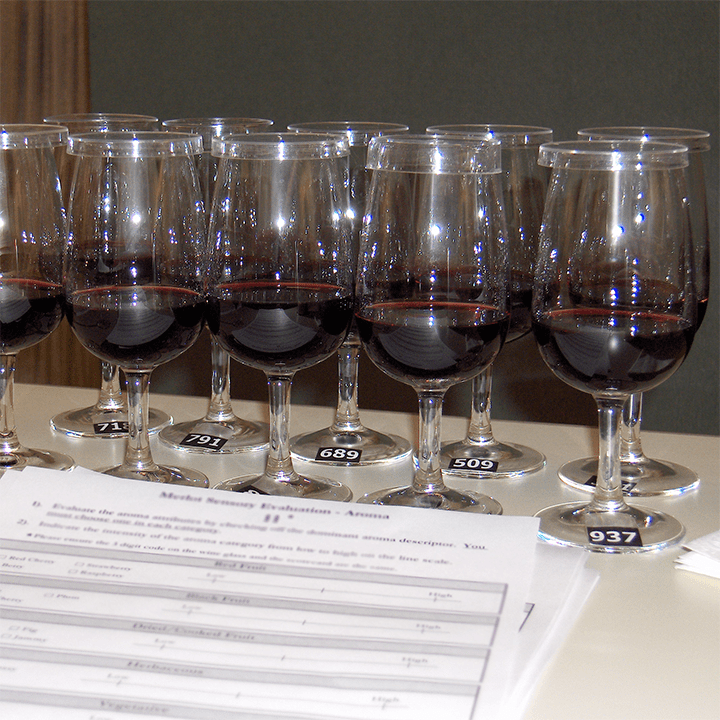
Organoleptic evaluations are typically conducted by panels of trained wine tasters. These committees often consist of winemakers, sommeliers, wine educators, and occasionally oenologists. They bring a blend of expertise and practical experience to the process. The panel size can vary but often includes 5 to 10 individuals, ensuring a range of perspectives while maintaining consistency.
Standardized Protocols:
To minimize subjectivity, these panels follow standardized tasting protocols. Wines are usually tasted blind, with no information on the producer or vintage, ensuring an unbiased evaluation. The panel uses score sheets to rate the wine on various sensory dimensions, with threshold scores required for the wine to pass.
The Importance of Organoleptic Screening
Organoleptic testing serves several critical functions in the wine classification process:
Upholding Regional Identity
The primary purpose of organoleptic screening is to ensure that a wine accurately reflects the qualities expected from its appellation. This is particularly important for prestigious regions like Barolo or Rioja, where consumers expect a certain flavor profile and stylistic consistency across vintages.
Ensuring Quality Control
Organoleptic testing adds a human element to quality control that complements chemical analysis. While laboratory testing can confirm technical aspects like alcohol content or sulfite levels, it cannot assess the overall sensory experience of the wine. Human tasters can identify subtle faults or imbalances that a machine might miss.
Protecting the Consumer
Consumers rely on labels like DOCG or DOCa as markers of quality. Organoleptic screening ensures that wines carrying these labels meet the high standards associated with them, protecting consumers from subpar products that may damage the reputation of an entire region.
Tawny Port – Jon Sullivan, Public domain, via Wikimedia Commons
Tawny Port: Organoleptic Evaluation for Perceived Age
Tawny port, a style of aged fortified wine from Portugal, provides a fascinating case study in the use of organoleptic testing. Unlike vintage ports, which are made from a single year’s harvest and aged in the bottle, tawny ports are aged in wooden barrels. As they age, tawny ports develop complex flavors and aromas, including notes of caramel, dried fruit, nuts, and spice.
One of the defining features of tawny port is its labeled age designation—commonly 10 years, 20 years, 30 years, or 40 years. These age designations do not refer to the exact age of the wine, but rather the perceived average age based on the sensory experience of the taster.
During organoleptic screening, tasters evaluate the tawny port for its:
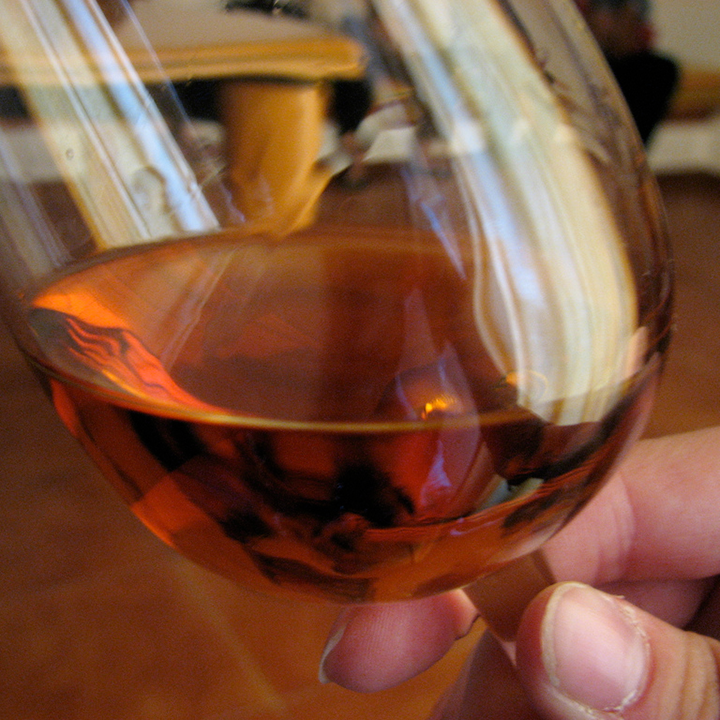
Color: Aged tawny ports tend to shift from ruby hues to amber or brown.
Aroma: As tawny ports age, they lose primary fruit aromas and develop more oxidative, nutty, and caramelized notes.
Flavor Profile: The complexity of the wine increases with age, with older tawny ports displaying greater depth, balance, and a lingering finish.
The panel’s subjective assessment of the wine’s age is based on how these sensory factors evolve over time. For example, a tawny port labeled as “30 Years” must present the characteristics expected of a port with three decades of aging.
The qualifications of the individuals on these panels are critical to the success of the organoleptic process. Members typically possess deep experience in the wine industry, often holding roles as winemakers, oenologists, sommeliers, or wine educators. Many have undergone formal sensory training to hone their tasting skills. In some cases, panelists must pass certification exams or undergo additional training specific to the appellation or classification system they are evaluating.
Panelists are expected to be:
Objective: Able to set aside personal preferences and judge the wine according to its typicity and quality.
Experienced: Years of tasting experience are essential to develop the ability to detect subtle nuances in the wine.
Calibrated: Panel members often taste wines together before formal evaluations to calibrate their senses and ensure consistent judgments.
The organoleptic process is a cornerstone of the world’s top wine classification systems. It ensures that wines carrying labels such as DOCG, DOCa, and AOC reflect the qualities expected from their appellation and meet rigorous quality standards. In the case of tawny port, organoleptic screening is used to determine the perceived age of the wine, adding a layer of complexity to the evaluation process. Ultimately, this subjective testing plays a critical role in preserving the integrity of prestigious wine regions and providing consumers with confidence in the wines they choose. Cheers 🍷
Cabernet Sauvignon is known for its robust structure, high tannins, and full-bodied nature, which makes it a perfect pairing for steak. The science behind this lies in how the components of both the wine and the meat interact:
Tannins and Fat: Tannins, naturally occurring polyphenols in wine, bind to proteins. In a bold Cabernet Sauvignon, the high tannin content interacts with the rich fat of a steak, essentially softening the perception of tannins. Fat coats the mouth and mitigates the drying or astringent sensation of tannins, making the wine taste smoother.
Acidity and Protein: The acidity of Cabernet Sauvignon also plays a key role. A well-balanced Cabernet often has enough acidity to cut through the richness of the meat, particularly with fattier cuts like ribeye. This creates a harmonious balance where the wine refreshes the palate between bites, amplifying the savory flavors of the meat.
Intensity of Flavors: Cabernet Sauvignon, especially those from warmer climates, exhibits strong black fruit flavors (blackberry, cassis) along with earthy, herbaceous, and sometimes even smoky notes. Steak, especially when grilled or charred, mirrors this intensity with caramelized and umami-rich flavors, resulting in an elevation of both the food and wine.
Keeping an open mind when exploring wine pairings is essential, as it fosters a deeper appreciation for the diversity of flavors and combinations available. Discussions and debates about pairings often arise because everyone’s palate and experiences are unique. What works for one person might not resonate with another, and that’s the beauty of food and wine.
Including perspectives like Scott White’s in this article highlights the value of differing viewpoints. His expertise with California Cabernets, for example, brings a unique lens to the table, reminding us that experimentation can uncover unexpected and delightful pairings. Scott and Alison White’s wine pairing dinners are epic. The Five Decade Chateau Montelena Wine Pairing Dinner was over the top.
This diversity of thought enriches the overall understanding of the science and art of pairing.
Characteristics: A ribeye is richly marbled with fat, making it one of the most flavorful and tender cuts. The high fat content is perfectly suited to the strong tannins of Cabernet Sauvignon, particularly a bold Napa Cab.
Why It Works: The fat cuts the astringency of the wine, while the wine’s acidity and bold flavors counterbalance the richness of the steak. The char from grilling also complements the smoky, spicy, and earthy undertones of the wine.
Recommendation: Choose a Cabernet with some age on it to soften the tannins further and allow the wine’s tertiary characteristics (like leather and cedar) to pair with the steak’s charred exterior.
Scott's Notes: "For me wine pairing is often all about the sauce.

But in the case of big flavored beef like ribeye or even NY strip the sauce is secondary. The beef usually is still the dominant flavor profile.

For me its more about the fat content.

So ribeye or NY strip needs a big, high tannin + acid cab... Like Trinchero Central Park West or St Francis Lagomarsino"
New York Strip
Characteristics: A New York Strip has less fat than a ribeye but is still marbled enough to provide a good balance between tenderness and flavor.
Why It Works: With its slightly leaner profile, this cut benefits from a Cabernet Sauvignon with firm tannins and a more pronounced fruit-forward profile. A younger, fruit-driven Cab can bring out the savory qualities of the meat while still taming the wine’s tannins.
Recommendation: A fruit-forward Cab from a region like Paso Robles with more pronounced black cherry and plum notes will enhance the meat’s natural sweetness while balancing the firmness of the cut.
Characteristics: Known for its tenderness rather than its flavor, filet mignon has very little fat and a more subtle beefy profile.
Why It Works (or Doesn’t): The lean nature of filet mignon requires a different approach. A high-tannin wine can overpower the delicacy of this cut. Instead, a softer Cabernet Sauvignon, perhaps one with some Merlot blended in or one that has been aged to mellow out the tannins, can provide enough structure without overwhelming the meat.
Recommendation: Consider a Bordeaux-style Cabernet blend where the softer fruit and mellow tannins complement the lean nature of the filet without overpowering it.
Scott's Notes: "Filet and to lesser extent sirloin has to be more subtle. Maybe some herbaceous notes like your old friend Silver Oak Alexander Valley. Especially with a chimichurri type sauce.

I would lean more to pinot for filet. I know thats a safer bet.  I'm ok with traditional pairings."
Sommelier and host, Scott White, serving sparkling wine from a Methuselah (6-liter bottle)
When to Consider Other Wines
While Cabernet Sauvignon works beautifully with most steaks, certain situations call for different wines:
Lean Cuts: For leaner cuts like a flank steak or sirloin, consider a wine with lower tannins and more acidity, such as a Zinfandel or Syrah. These wines bring more fruit and spice to the pairing, complementing leaner, tougher cuts that benefit from a little more juiciness in the glass.
Delicate Preparations: If your steak is served with a light sauce or prepared sous vide, the boldness of Cabernet may overpower the dish. Opt for a more restrained wine like a Pinot Noir or even a Tempranillo, which offers depth but with a lighter touch on the palate.
Why It Works: Duck breast is rich and flavorful, similar to steak but with a gamier profile. A high-tannin Cabernet will cut through the duck’s fattiness, and the wine’s dark fruit (blackberry, plum) will highlight the duck’s inherent sweetness. The charred crust from searing complements the wine’s earthy, smoky undertones.
Twist: Add a cherry reduction sauce to echo the wine’s fruit character, creating an enhanced balance between the dish and the glass.
Braised Short Ribs with Cabernet Franc
Why It Works: Short ribs are deeply flavorful and benefit from slow braising. Cabernet Franc, while less tannic than Cabernet Sauvignon, still provides enough structure to stand up to the richness of the meat. Its herbal and green pepper notes will contrast beautifully with the umami richness of the short ribs.
Twist: Consider serving the short ribs with a dark chocolate mole sauce to play off the wine’s earthy and cocoa-like finish.
Lamb Shoulder with Cabernet Sauvignon
Why It Works: Lamb, especially a well-marbled shoulder, is rich, earthy, and slightly gamey, which pairs excellently with the tannins of a Cabernet Sauvignon. The wine’s herbal notes (like sage or thyme) echo the common herb seasonings of lamb.
Twist: Serve the lamb with a mint pesto or herbaceous chimichurri to highlight the green, herbal elements in the wine, creating a refreshing balance with the richness of the meat.
Why It Works: The bold, spicy, and umami-rich flavors of Korean BBQ (gochujang, soy sauce, sesame oil) can overpower a typical Cabernet. Instead, Syrah’s spiciness, smoky undertones, and black fruit character make it a perfect match for the dish’s intense flavors.
Twist: The slight pepperiness of Syrah complements the heat of the BBQ, while its softer tannins keep the pairing from becoming overwhelming.
Special thanks to fellow wine enthusiast, Scott White, for his unique perspective and insight into the art of the perfect pairing. These adventurous pairings demonstrate the interplay between fat, tannins, acidity, and flavor intensity. Understanding the science behind food and wine interactions allows sommeliers to push boundaries and craft unique, delicious experiences for the curious palate. Cheers🍷
Cover photo credit: Photo by Farhad Ibrahimzade on Pexels.com
When it comes to pairing wine with food, many people stick to traditional rules: red wine with red meat, white wine with fish, and so on. But the world of wine and food pairing is vast and exciting, with endless possibilities for adventurous pairings that can elevate both the wine and the food. In this article, we’ll explore unconventional pairings, delve into the art of contrasting vs. complementing flavors, and provide practical recommendations for different budgets and scenarios where individuals at a single table are enjoying different dishes (always a challenge).
When pairing wine with food, there are two primary approaches:
Complementing Pairings: This method involves matching the flavors and textures of the wine and the dish to create harmony. For instance, a buttery Chardonnay complements a creamy lobster bisque because the wine’s texture mirrors the richness of the soup.
Contrasting Pairings: This approach brings together opposing flavors to create a delightful balance. A classic example is pairing a crisp, acidic Sauvignon Blanc with a rich goat cheese salad. The acidity of the wine cuts through the creaminess of the cheese, creating a refreshing contrast.
Both methods have their merits, and the choice between them often depends on the desired dining experience. Complementing pairings offer a sense of unity, while contrasting pairings provide dynamic tension and complexity.
Unconventional Pairings with Ethnic Cuisines and Comfort Foods
Let’s explore some unexpected pairings that bring out the best in both the wine and the dish.
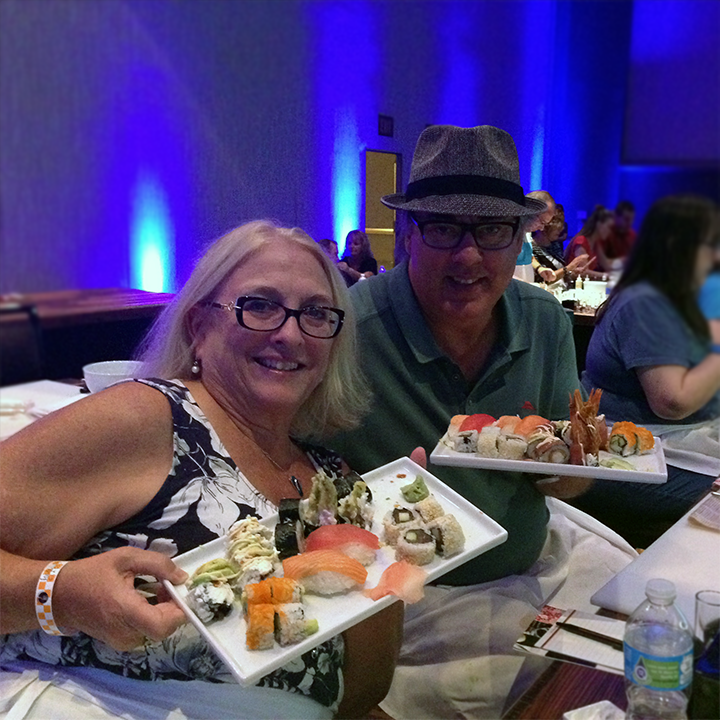
Sushi Class at the 2016 Swan and Dolphin Food & Wine Classic
Sushi and Sake’s Surprising Substitute: Riesling
While sake is often the go-to beverage for sushi, a semi-dry Riesling can offer a delightful twist. The wine’s acidity and hint of sweetness balance the umami flavors of fresh fish, soy sauce, and wasabi. A German Riesling with bright citrus notes and a touch of minerality can enhance the delicate flavors of sashimi, while the slight sweetness can tame the heat of wasabi and ginger.
Budget Tip: Look for a Kabinett or Feinherb Riesling from the Mosel region, which offers excellent quality at a reasonable price.
Thai cuisine is known for its complex balance of sweet, sour, salty, and spicy flavors. An off-dry Gewürztraminer with its aromatic profile of lychee, rose petal, and spice can complement the sweetness of coconut milk and counterbalance the spiciness of Thai curries. The slight sweetness in the wine also pairs well with dishes featuring fresh herbs like cilantro and mint.
Budget Tip: Gewürztraminer from Alsace or even from regions like California or New Zealand can offer good value while maintaining the wine’s signature aromatic profile.
Sparkling wine, particularly a Rosé, is an unexpected yet fantastic match for Indian curries. The bubbles help cleanse the palate, while the wine’s acidity cuts through the richness of the curry sauce. A dry or semi-dry sparkling Rosé can complement both mild dishes, like butter chicken, and spicier ones, like vindaloo. The red fruit notes in the Rosé add a layer of flavor that enhances the spices without overpowering them.
Budget Tip: Cava from Spain or a Prosecco Rosé from Italy offers a cost-effective alternative to Champagne, bringing bubbles and acidity that work wonders with curry dishes.
Pairing wine with pizza is an adventure in itself, given the endless variety of toppings. A slightly sparkling red wine like Lambrusco is a fantastic partner, especially for pizzas with tomato-based sauces. This brings back great memories of date nights from our younger (ok, much younger) days 🙂 The bubbles and acidity cut through the richness of the cheese while complementing the tomato’s acidity. Lambrusco’s slight sweetness and tannins balance salty cured meats like pepperoni or prosciutto, while its fruitiness complements vegetable toppings like mushrooms and olives.
Budget Tip: Lambrusco from the Emilia-Romagna region is often very affordable and versatile enough for a range of pizzas.
For those who love a good burger, consider pairing it with a bold Zinfandel. The wine’s juicy, ripe fruit flavors, peppery spice, and medium tannins pair wonderfully with a burger’s charred exterior and savory toppings. The slight sweetness of Zinfandel can complement barbecue sauce, caramelized onions, or even a slice of cheddar cheese.
Budget Tip: Look for Zinfandel from California’s Lodi region, known for offering great wines at reasonable prices.
Pairing Strategies for Diverse Dishes at the Same Table
When diners at a single table are ordering different dishes, finding a wine that complements all of them can be a challenge. Here are a few strategies:
Opt for Versatile Wines
Choose a wine known for its versatility, such as a sparkling wine, rosé, or a medium-bodied white like Chenin Blanc. Sparkling wines’ acidity and bubbles cleanse the palate, making them a good choice for a range of flavors. Rosés, especially those from Provence, offer freshness and a balance of fruit and acidity, which pairs well with various dishes, from seafood to grilled meats. Chenin Blanc, particularly from the Loire Valley, can have a combination of bright acidity, fruit, and minerality that pairs with both lighter fare and richer dishes.
Focus on Flavor Intensity
When selecting a wine to suit different dishes, consider the intensity of flavors. If most dishes are light, like salads or seafood, a light-bodied white wine such as Pinot Grigio or Albariño could work. For heartier dishes, a medium-bodied red like Pinot Noir or Grenache could provide enough structure to pair well without overpowering lighter dishes.
Pinot Grigio (Pinot Gris, Grauburgunder) – Mark Smith, CC BY 2.0, via Wikimedia Commons
Choose a High-Acidity Wine
High-acidity wines are food-friendly because they cleanse the palate and refresh the senses between bites. A Sauvignon Blanc from New Zealand, with its herbaceous notes, pairs well with salads, seafood, and even dishes with tomato sauce. For red wine lovers, a Barbera from Italy, with its bright acidity and moderate tannins, pairs well with a range of dishes from pizza to poultry.
Navigating Varying Budgets
Not everyone wants or is able to spend a lot on a bottle of wine. Here are a few tips for finding great pairings on a budget:
Explore Lesser-Known Regions: Wines from lesser-known regions, such as Portuguese Vinho Verde or Chilean Carménère, offer excellent quality at a fraction of the price of more famous regions.
Look for Young Wines: Younger wines are often more affordable than aged wines and offer bright, fresh flavors that can be great for pairing with various dishes.
Go for Wine Styles Rather than Specific Labels: Focus on the style of wine rather than the specific label. For example, an unoaked Chardonnay from any region will likely have the crisp acidity needed to pair with lighter dishes.
Pairing wine with food should be fun and exploratory, not rigid or intimidating. Whether you choose to complement or contrast flavors, the key is to understand the underlying principles of balance, intensity, and flavor harmony. For mixed tables, versatile and high-acidity wines are your best bet. Always consider the personal preferences of your diners and be willing to experiment. With a little knowledge and creativity, you can turn every meal into a memorable wine and food pairing adventure. Cheers 🍷
Cover photo credit: Photo by Ziu015fan u00d6zdemir on Pexels.com
The magical journey of wine begins in the vineyard, where the marriage of grape varietals and terroir sets the stage for a unique expression of flavor, aroma, and texture. As a professional sommelier and wine educator, I find endless fascination in comparing and contrasting grape varietals from regions around the world that share the same latitude. The 30 to 50 degrees latitude range, often referred to as the “wine belt,” is where the vast majority of the world’s wine-producing grapes are grown. Within this band, diverse climates and terroirs give rise to an extraordinary array of wine styles, even when the same varietal is planted. Let’s explore several mainstream grape varietals, their parallel regions across the globe, and the nuanced differences in the wines they produce.
The Wine Belt – SOMM&SOMM Illustration
Pinot Noir: Burgundy vs. Oregon vs. New Zealand
Latitude Parallel: ~45°N (Burgundy, France; Willamette Valley, Oregon, USA) | ~45°S (Central Otago, New Zealand)
Burgundy, France: The legendary home of Pinot Noir, Burgundy is often considered the benchmark against which all other Pinot Noirs are measured. The cool continental climate, coupled with the region’s limestone-rich soils, gives rise to wines of unparalleled elegance and complexity. Burgundian Pinot Noirs are known for their subtlety—think delicate red fruit aromas of cherry and raspberry, intertwined with earthy undertones of forest floor, mushroom, and a hint of minerality. The palate often reveals a silken texture with fine-grained tannins and a lingering, refined finish. The expression here is one of finesse, with a balance that allows the terroir to shine through.
Willamette Valley, Oregon: At a similar latitude but across the Atlantic and a continent, Oregon’s Willamette Valley produces Pinot Noir that is both distinctive and reminiscent of its Burgundian counterparts. The maritime climate, with its cool, wet winters and dry, warm summers, creates ideal conditions for this temperamental grape. Oregon Pinot Noirs tend to showcase more vibrant fruit character—ripe red berries, plum, and even hints of blueberry. There’s often a spicy, herbal quality to the wines, with notes of clove, cinnamon, and sometimes a touch of cola. The texture is plush, with a slightly fuller body than Burgundy, yet still retaining that signature Pinot Noir elegance.
Central Otago, New Zealand: On the other side of the globe, Central Otago offers a completely different expression of Pinot Noir, despite sharing a similar latitude. The region’s unique combination of intense sunlight, high altitude, and cool climate results in wines that are bolder and more fruit-forward. Central Otago Pinot Noirs burst with dark cherry, blackberry, and plum flavors, often accompanied by a distinctive minerality and a touch of wild herbaceousness. The wines tend to have a more robust structure, with firmer tannins and higher alcohol levels, giving them a richer, more powerful presence on the palate.
Chardonnay: Chablis vs. Margaret River vs. Mendoza
Latitude Parallel: ~47°N (Chablis, France) | ~34°S (Margaret River, Australia) | ~32°S (Mendoza, Argentina)
Chablis, France: In the northernmost part of Burgundy, Chablis is renowned for its steely, mineral-driven Chardonnay. The cool climate and Kimmeridgian limestone soils imbue these wines with a racy acidity and a distinct flinty character. Chablis is the epitome of an unoaked Chardonnay, where the fruit takes a backseat to the sharp, precise expression of terroir. Expect flavors of green apple, lemon zest, and a subtle saline quality that speaks to the marine origins of the soil. The finish is clean, crisp, and refreshingly austere—a true reflection of the Chablisien terroir.
Margaret River, Australia: Traveling southward, the Margaret River region of Western Australia offers a warmer, maritime-influenced take on Chardonnay. Here, the wines are richer and more opulent, often with a judicious use of oak to add complexity. Margaret River Chardonnays are known for their creamy texture, with ripe stone fruit flavors of peach, nectarine, and apricot, layered with notes of cashew, buttered toast, and a hint of vanilla. Despite the warmer climate, the wines maintain a lively acidity that balances the lush fruit, making them both generous and refreshing.
Mendoza, Argentina: Further up in the Andes, Mendoza’s high-altitude vineyards produce Chardonnays that are both powerful and nuanced. The intense sunlight at these elevations allows for full ripeness, while the cool nights preserve acidity, creating a dynamic interplay in the wines. Mendoza Chardonnays often exhibit ripe tropical fruit flavors—pineapple, mango, and banana—alongside more traditional citrus and green apple notes. Oak is used to varying degrees, adding layers of spice, smoke, and a creamy texture. The wines have a broad, mouth-filling quality, with a finish that often reveals a touch of minerality from the mountain soils.
Syrah/Shiraz: Rhône Valley vs. Barossa Valley vs. Washington State
Latitude Parallel: ~45°N (Rhône Valley, France) | ~34°S (Barossa Valley, Australia) | ~46°N (Walla Walla, Washington, USA)
Rhône Valley, France: Syrah finds its most classical expression in the northern Rhône, particularly in appellations like Hermitage and Côte-Rôtie. The continental climate, with its hot summers and cold winters, combined with steep, granite-laden slopes, produces wines of immense complexity and longevity. Rhône Syrahs are marked by dark fruit—blackberry, blackcurrant, and plum—complemented by savory notes of black olive, smoked meat, and pepper. The tannins are firm yet well-integrated, providing a sturdy backbone for the wine’s concentrated flavors. As they age, these wines develop additional layers of earth, leather, and truffle, becoming even more profound and intricate.
Barossa Valley, Australia: In contrast, Australia’s Barossa Valley offers a warmer, sun-drenched take on Syrah, known locally as Shiraz. The Barossa’s hot climate and ancient, iron-rich soils result in wines that are rich, ripe, and full-bodied. Barossa Shiraz is often characterized by its bold fruit flavors—ripe blackberry, blueberry, and dark cherry—coupled with sweet spice notes of cinnamon, clove, and chocolate. The tannins are plush and velvety, creating a wine that is immediately approachable, yet capable of aging. There’s an inherent warmth and generosity to Barossa Shiraz, making it a favorite for those who enjoy robust, fruit-driven wines.
Walla Walla, Washington, USA: Moving back to the northern hemisphere, Washington State’s Walla Walla Valley offers yet another expression of Syrah. The region’s diverse soils and unique climate—marked by hot, dry summers and cool nights—produce wines that are somewhere between the Rhône and Barossa in style. Walla Walla Syrahs often exhibit a mix of dark fruit and savory characteristics, with blackberry, plum, and blueberry flavors sitting alongside notes of black pepper, olive tapenade, and tobacco. The wines tend to have a firm structure, with a balance of acidity and tannin that lends itself to aging. There’s often a touch of minerality and earthiness that adds complexity, reflecting the varied terroir of the region.
Exploring wines from regions that share the same latitude is a journey through the intricacies of terroir, climate, and winemaking philosophy. While latitude plays a significant role in shaping the character of a wine, it is the combination of factors—soil composition, altitude, sunlight, and the winemaker’s touch—that ultimately defines the final product. Each of these regions, despite their shared latitude, offers a unique expression of the same grape varietal, showcasing the endless diversity and richness of the world of wine. Whether it’s the elegance of a Burgundian Pinot Noir, the richness of a Barossa Shiraz, or the crispness of a Chablis, there is always something new to discover in the glass.
































 SOMM&SOMM
You must be logged in to post a comment.