Tag: red-wine

  • Varietal Spotlight: Cabernet Franc

    Varietal Spotlight: Cabernet Franc

    The Unsung Hero of the Vineyard.

    When Cabernet Sauvignon and Merlot take the spotlight, it’s easy to forget the quiet genius standing in the wings: Cabernet Franc. Without this noble grape, the wine world would look very different. It’s the parent of both Cabernet Sauvignon and Merlot, yet it remains one of the most underrated varietals on the shelf.

    Cabernet Franc is the sommelier’s secret weapon—perfumed, versatile, food-friendly, and surprisingly age-worthy. Let’s explore its origins, where it shines, and why it belongs in your glass.

    Photo by Andrew Patrick Photo on Pexels.com

    Origins & History

    Cabernet Franc first appeared in 17th-century France. Cardinal Richelieu is said to have brought cuttings to the Loire Valley, where monks tended it carefully in Bourgueil and Chinon. The grape was affectionately called “Breton”, named after Abbot Breton, one of its earliest champions.

    Modern DNA profiling unlocked its true importance: Cabernet Franc is the parent of Cabernet Sauvignon (crossed with Sauvignon Blanc) and Merlot (crossed with Magdeleine Noire des Charentes). Without it, Bordeaux as we know it would not exist.

    Where Cabernet Franc Shines

    Loire Valley, France – The Spiritual Home

    Agne27, CC BY-SA 3.0, via Wikimedia Commons

    Pairing Tip: Loire Cab Franc is perfection with roast chicken, duck breast, or chèvre (goat cheese).

    Bordeaux, France – The Architect of Blends

    In the Right Bank (Pomerol & St-Émilion), Cabernet Franc adds aromatics and finesse to Merlot-driven blends.

    • Iconic Example: Château Cheval Blanc (St-Émilion), often 60% Cabernet Franc.
    • Flavor Profile: Black cherry, cedar, crushed gravel.
    • Best With: Lamb, venison, or a rich beef bourguignon.

    Italy – Rustic Charm Meets Power

    • Friuli-Venezia Giulia: Savory, herbal, and earthy.
    • Tuscany (Bolgheri): Super Tuscan producers use Cab Franc for power and polish.

    Must-Try Bottles:

    Food Match: Wild boar ragù, porcini risotto, or bistecca alla Fiorentina.

    New World – A Rising Star

    • United States: Napa, Sonoma, Washington, and New York’s Finger Lakes deliver everything from ripe berry-driven Cab Franc to Loire-inspired elegance.
    • Argentina (Uco Valley): Bold and mineral, with vibrant fruit. Try El Enemigo Cabernet Franc.
    • South Africa (Stellenbosch): Spice-driven, earthy examples from producers like Warwick Estate.
    Photo by ROMAN ODINTSOV on Pexels.com

    In the Glass: Tasting Profile

    • Aromas: Violet, graphite, raspberry, redcurrant, pencil shavings, pepper, and sometimes a signature green bell pepper note.
    • Palate: Medium body, moderate tannins, fresh acidity, with a spectrum from juicy red fruit to earthy spice.
    • Aging Potential: Excellent. With time, Cab Franc evolves into flavors of truffle, leather, and tobacco.

    Food Pairing Ideas

    Cabernet Franc’s elegance and acidity make it one of the most food-friendly red wines.

    •  Duck breast with cherry gastrique → Loire Cab Franc
    •  Goat cheese & charcuterie → Chinon
    •  Mushroom & lentil ragù → Saumur-Champigny
    •  Herb-marinated lamb chops → St-Émilion
    •  Stuffed peppers or mushroom stroganoff → Friuli Cab Franc

    Recipes to Try with Cabernet Franc

    Duck Breast with Cherry-Red Wine Sauce

    Pair With: Chinon or St-Émilion

    Ingredients (serves 2):

    • 2 duck breasts, skin scored
    • 1 cup pitted cherries
    • ½ cup Cabernet Franc
    • 1 tbsp balsamic vinegar
    • 1 tbsp butter
    • Salt & pepper
    1. Season duck, sear skin-side down until crisp (8 min). Flip, cook 3–4 more minutes. Rest.
    2. Deglaze pan with Cab Franc, add cherries & balsamic, reduce to syrup.
    3. Whisk in butter, slice duck, serve with sauce.

    Mushroom & Lentil Ragù (Vegetarian Comfort)

    Pair With: Saumur-Champigny or Friuli Cabernet Franc

    Ingredients (serves 4):

    • 1 cup green lentils, cooked
    • 2 tbsp olive oil
    • 1 onion, diced
    • 3 cloves garlic, minced
    • 1 lb mushrooms (mixed), chopped
    • 1 tsp thyme
    • 1 cup vegetable stock
    • ½ cup Cabernet Franc
    • Salt, pepper, parsley

    Method:

    1. Sauté onion & garlic in olive oil until golden. Add mushrooms & thyme, cook until browned.
    2. Deglaze with Cab Franc, reduce. Add lentils & stock, simmer until thick.
    3. Serve over creamy polenta or pasta.

    Fun Facts & Lore

    • Cabernet Franc is sometimes called “the poet’s grape” in the Loire.
    • Without Cab Franc, we wouldn’t have Cabernet Sauvignon, Merlot, or Carmenère.
    • Sommeliers often call it their desert island red—it pairs with nearly everything.
    • Cabernet Franc tends to ripen earlier than Cabernet Sauvignon, making it valuable in cooler climates.

    Final Pour

    Cabernet Franc may never command the fame of Cabernet Sauvignon, but it brings an elegance, fragrance, and food-friendliness all its own. Whether you’re sipping a Loire Valley Chinon (my favorite), a Tuscan Paleo Rosso, or an Argentine El Enemigo, you’re drinking history—and the soul of Bordeaux itself.

    Next time you’re browsing bottles, reach for the unsung hero. Your palate (and dinner table) will thank you. Cheers 🍷

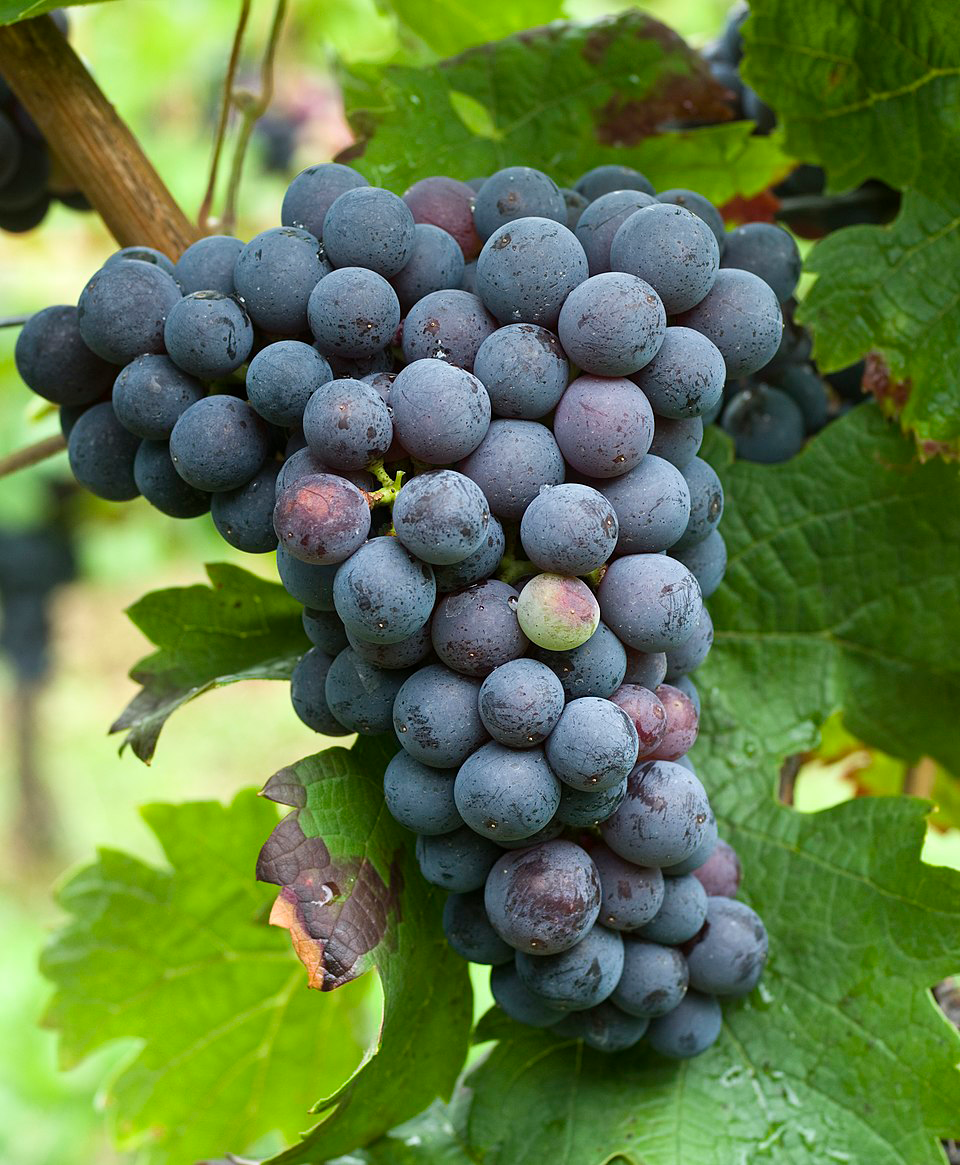
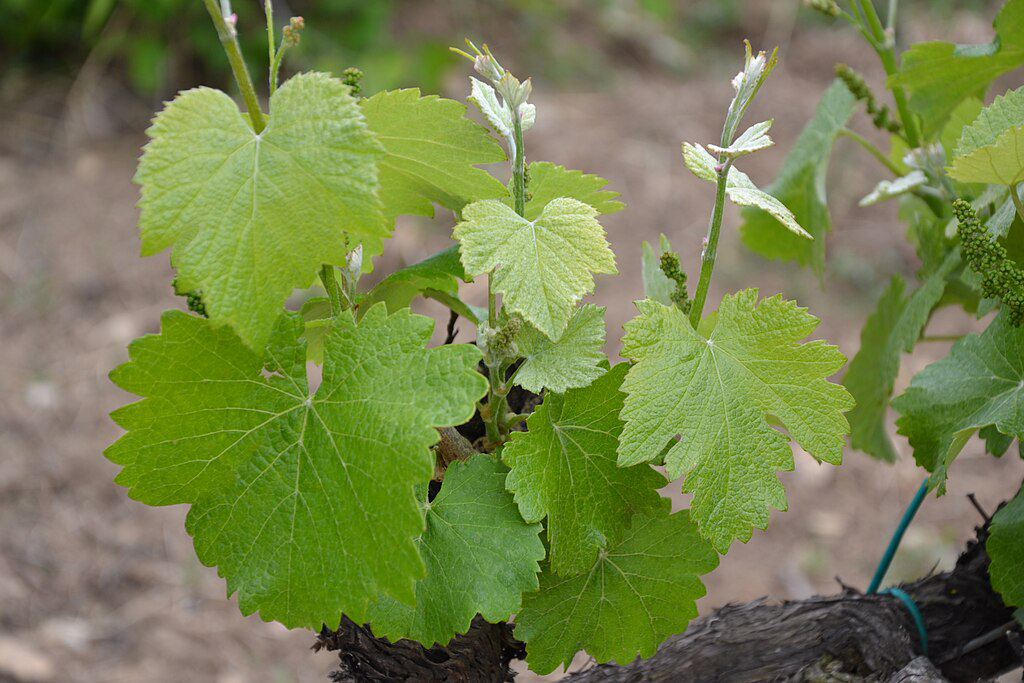
    Cover photo by Ursula Brühl, Julius Kühn-Institut (JKI), Federal Research Centre for Cultivated Plants, Institute for Grapevine Breeding Geilweilerhof – 76833 Siebeldingen, GERMANY, CC BY-SA 4.0, via Wikimedia Commons

  • The Art of Blending Wine Varietals

    The Art of Blending Wine Varietals

    Blending wine is one of the most romantic and yet technical aspects of winemaking. It’s where science kisses art, and where individual grape varietals—like characters in a novel—bring their own personalities to the glass, playing leading roles or quietly stealing scenes. In the right hands, blending can elevate a good wine into a great one, smoothing rough edges, boosting aroma, balancing acidity, deepening color, and extending the finish.

    But which grapes are the true soulmates? Which ones are better together than they are apart? And are there any surprising flings—say, a red grape that cozies up with a white in the same bottle? Let’s swirl into the world of perfect matches—wine blends that just work.

    Photo by Jep Gambardella on Pexels.com

    Why Blend in the First Place?

    Before we dive into grape couples therapy, let’s clarify why winemakers blend at all:

    • Balance: A soft Merlot might need a tannic backbone from Cabernet Sauvignon. A juicy Grenache may need a splash of Syrah to add color and spice.
    • Complexity: Different grapes contribute layers of flavor, aroma, and mouthfeel.
    • Consistency: Vintage variation happens. A weaker year for one grape might be rescued by another.

    • Structure & Aging Potential: Some grapes age better than others. Adding a more structured variety can extend cellar life.
    • Expression of Terroir: Blending local varietals creates wines that reflect a region’s unique fingerprint.

    The Classic Duos (And Trios, and Quartets…)

    Merlot + Cabernet Franc + Cabernet Sauvignon (Right Bank Bordeaux Style)

    • Why It Works: Merlot brings plush red fruits and a silky texture. Cabernet Franc adds aromatic lift—think violet, sage, and pepper—and acidity. Cabernet Sauvignon lends structure, black fruit, and ageability.
    • Appeal to Winemakers: This is elegance meeting muscle. Each variety contributes something essential: flesh, fragrance, and frame.
    • Where to Find It: Saint-Émilion and Pomerol in Bordeaux, and inspired blends across Napa, Washington State, and South Africa.

    Syrah + Grenache + Mourvèdre (aka GSM Blend)

    • Why It Works: Grenache is juicy and aromatic, Syrah adds dark fruit and smoky spice, and Mourvèdre contributes tannin, earthy depth, and longevity.
    • Appeal to Winemakers: It’s a harmonious triangle. Grenache can lack color and tannin, which Syrah and Mourvèdre correct beautifully.
    • Where to Find It: Southern Rhône (like Châteauneuf-du-Pape), Languedoc, Australia (especially Barossa), and increasingly in Paso Robles, California.

    🍷 Cabernet Sauvignon + Merlot (Left Bank Bordeaux Style)

    • Why It Works: Cabernet’s rigid tannins and dark fruit meet Merlot’s soft texture and plummy roundness.
    • Appeal to Winemakers: Like an arranged marriage that becomes a love story, Merlot tames Cabernet’s austerity and makes it more accessible.
    • Bonus: Add a little Petit Verdot or Malbec for color and spice, or Cabernet Franc for elegance.

    Tempranillo + Garnacha (Spain’s Dynamic Duo)

    • Why It Works: Tempranillo is savory, structured, and elegant, while Garnacha is ripe, sweet-fruited, and juicy.
    • Appeal to Winemakers: Garnacha makes Tempranillo more generous and fruit-forward, particularly in Rioja and Navarra.
    • Flavor Profile: Think cherries, leather, spice, and sunbaked earth.
    Photo by Nadin Sh on Pexels.com

    Obscure but Magical Blends

    Sagrantino + Sangiovese (Italy, Umbria)

    • Why It Works: Sagrantino is brutally tannic and powerful. Sangiovese softens it with cherry brightness and acidity.
    • Appeal to Winemakers: It’s like turning down the volume without losing the melody.
    • Where to Find It: Montefalco Rosso DOC.

    Touriga Nacional + Tinta Roriz + Touriga Franca (Portugal)

    • Why It Works: These are the powerhouse grapes of Port, but also make incredible dry reds.
    • Touriga Nacional brings floral aromas and concentration, Tinta Roriz (Tempranillo) adds spice and structure, and Touriga Franca offers softness and elegance.
    • Appeal to Winemakers: They allow for complex, bold wines with excellent aging potential—Port or not.
    Négrette Leaves – Marianne Casamance, CC BY-SA 4.0, via Wikimedia Commons

    Négrette + Malbec + Fer Servadou (Southwest France)

    • Why It Works: Négrette is floral and lush, Malbec adds depth and meatiness, and Fer Servadou (aka Braucol) brings pepper and rustic tannins.
    • Where to Find It: Fronton and Gaillac, where winemakers blend local heritage grapes to craft expressive, terroir-driven wines.

    Wait… Red and White Grapes Together? Oh Yes.

    Côte-Rôtie’s Secret Ingredient: Viognier

    • Why Add a White to Red? In Côte-Rôtie (Northern Rhône), up to 20% Viognier can be co-fermented with Syrah. The Viognier stabilizes color, lifts the aromatics, and adds an exotic perfume of apricot and florals.
    • Flavor Bonus: The result is a hauntingly elegant red with ethereal aromatics and surprising finesse.

    Chianti’s Old School White Grapes

    • Did You Know? Until recently, traditional Chianti recipes included white grapes like Trebbiano and Malvasia. While now largely phased out, they helped soften the wine and add brightness.
    • Modern Take: Many winemakers now skip this for purity of Sangiovese, but a few holdouts cherish the old way.
    Petit Verdot – Eric 先魁 Hwang, CC BY 2.0, via Wikimedia Commons

    Petit Verdot: The Spice Cabinet Grape

    • Why Winemakers Use It: Petit Verdot is the saffron of the blend world—a little goes a long way. It adds inky colortannic structureblack fruit, and violet aromas.
    • When It’s Added: Usually less than 10%, it’s used to boost a blend’s aging potential or fill out a mid-palate that feels hollow.
    • Hidden Superpower: In warm vintages or climates, it can step into a leading role (see: Australia or Napa Valley).

    Cabernet Franc: The Unsung Hero

    • Why Add It to Merlot? Cabernet Franc is often added to lift aromatics (herb, floral, pencil shavings) and acidity. Merlot can be plush but flabby on its own; Franc provides a frame.
    • Appeal to Winemakers: It “brightens the room” without overpowering the other guests.
    • Where to See It Shine: Pomerol and Saint-Émilion blends; also a solo star in Loire (Chinon, Saumur-Champigny).
    Photo by Grape Things on Pexels.com

    Some Grapes Just Prefer Company

    These varietals are often better together than alone:

    VarietalOften Blended WithWhy
    GrenacheSyrah, MourvèdreLacks tannin & color but brings ripe fruit
    MalbecCabernet Sauvignon, MerlotAdds color and juicy plum fruit
    CarignanGrenache, SyrahRustic alone, but boosts acidity and color
    CinsaultGrenache, SyrahDelicate, floral, and fruity—great supporting actor
    ZinfandelPetite Sirah, Alicante BouschetAdds color, depth, and longevity
    RoussanneMarsanne, ViognierComplex, waxy texture balanced by fruit and lift

    The Winemaker’s Palette

    Blending is like composing music or painting a landscape. The goal is harmony—but not homogeneity. Each grape is chosen for its role:

    • The Bass Line (Structure): Cabernet Sauvignon, Tannat, Sagrantino
    • The Melody (Fruit & Brightness): Merlot, Tempranillo, Grenache
    • The Harmony (Aromatics): Cabernet Franc, Viognier, Touriga Franca
    • The Spice (Accent & Complexity): Petit Verdot, Mourvèdre, Malbec

    Try This at Home!

    Want to explore blends for yourself?

    Host a blending party:

    1. Taste each alone.
    2. Buy three single-varietal wines (like Merlot, Cabernet Sauvignon, and Petit Verdot).
    3. Start blending! Try 60/30/10 or 70/20/10 splits and taste the difference.
    4. Have fun naming your creations!
    Photo by ROMAN ODINTSOV on Pexels.com

    Final Pour

    In the end, blending is about more than just grape chemistry—it’s about telling a story. Some grapes sing solo arias, but others form choirs. When blended thoughtfully, they become greater than the sum of their parts. Whether classic or obscure, structured or aromatic, red or white, the world of wine blends is a symphony waiting to be sipped.

    So next time you swirl a glass of Bordeaux, Rhône, Rioja—or something more exotic—raise a toast to the perfect matches inside.

    Cheers to the blend! 🍷

    Cover photo by yashima, CC BY-SA 2.0, via Wikimedia Commons

  • How to Taste Wine Like a Somm (Even at a BBQ)

    How to Taste Wine Like a Somm (Even at a BBQ)

    Your casual guide to sipping smarter, grilling better, and chilling harder.

    There’s something undeniably joyful about a summer BBQ. The sizzle of meat, the scent of smoke, the laughter of friends, and the clink of glasses raised to the sky. But if you’re like most backyard BBQ warriors, you’re probably cracking open a beer or grabbing whatever rosé is cold. That’s fine, but what if we told you that the world of wine—yes, even at a BBQ—can elevate your entire experience?

    You don’t need a suit, a wine cave, or a master’s pin to taste wine like a sommelier. You just need curiosity, a few simple techniques, and an open mind (plus, a grill doesn’t hurt). Whether you’re smoking ribs or flipping veggie burgers, this guide will help you sip with style and pair like a pro.

    Photo by RDNE Stock project on Pexels.com

    First, Let’s Break Down “How to Taste Wine Like a Somm”

    Professional sommeliers use a technique called deductive tasting—fancy words for really paying attention. Here’s how to do it, BBQ-style:

    See

    Tilt your glass over a white surface and take a look. Is the wine pale and straw-colored (like a Sauvignon Blanc)? Or inky and opaque (like a Petite Sirah)? Color gives clues about age, grape variety, and style.

    SOMM&SOMM Tip: Older white wines deepen in color. Older reds tend to lighten and turn brick color at the rim.

    Smell

    Swirl the wine to release the aromas. Then take a moment—nose in, soft inhale. What do you smell? Fruit? Herbs? Smoke? Oak? Barbecue aromas will compete here, so step aside for a second if you need to.

    Sip

    Take a sip, swirl it in your mouth, and let it coat your palate. Is it tart? Juicy? Bitter? Dry? Pay attention to acidity, tannins, alcohol, body, and finish.

    SOMM&SOMM Tip: Try a bite of food, then a sip of wine. Then reverse it. Which brings out more flavor? That’s your pairing insight.

    Photo by Luis Quintero on Pexels.com

    Classic BBQ & Wine Pairings (With a Spin)

    🍔 Burgers + Syrah

    Forget the light Pinot this time—go bold. Syrah (or Shiraz from Australia) has black pepper, black fruit, and smoky notes that mirror char-grilled patties beautifully.

    Somm Spin: Add blue cheese and caramelized onions to your burger. Watch that Syrah sing.

    Smoky Blue Burgers

    • 1 lb ground chuck (80/20)
    • Salt, pepper, garlic powder
    • Crumbled blue cheese
    • Caramelized onions
    • Arugula and Dijon mustard

    Grill burgers to medium. Rest, then top with blue cheese and onions. Serve on brioche.

    🍗 Grilled Chicken Thighs + Chilled Beaujolais

    Beaujolais (made from the Gamay grape) is light, fruity, and best slightly chilled. Its acidity cuts through rich dark meat and BBQ sauce.

    Somm Spin: Try with a slightly spicy peach glaze.

    Quick Peach BBQ Glaze

    • 1 cup peach preserves
    • 1 tbsp apple cider vinegar
    • 1 tsp cayenne
    • Salt & pepper

    Brush onto chicken thighs halfway through grilling.

    🌽 Grilled Corn + Albariño

    Corn is sweet, smoky, and rich. Albariño, especially from Spain’s Rías Baixas region, offers zippy citrus, saline minerality, and stone fruit. This pairing feels like sunshine in a bottle.

    Somm Spin: Top corn with chili-lime butter and cotija cheese.

    Unexpected But Perfect Pairings

    🥓 Candied Bacon Skewers + Off-Dry Riesling

    This is the flavor bomb: salty, sweet, smoky, and spicy. Riesling’s crisp acidity and touch of residual sugar balance the salty-fatty goodness.

    Candied Bacon

    • Thick-cut bacon
    • Brown sugar
    • Black pepper
    • Cayenne

    Roll bacon strips in sugar and spice mix. Skewer and grill until caramelized.

    🍉 Grilled Watermelon + Lambrusco

    You heard that right. Grill slices of watermelon to concentrate their flavor and serve with lightly fizzy Lambrusco, which has a touch of sweetness, berries, and bubbles.

    Fun Fact: Lambrusco was once considered cheap and sweet, but today’s dry, artisanal versions from Emilia-Romagna are some of Italy’s best-kept secrets.

    🍥 Veggie Skewers + Dry Rosé

    Bell peppers, zucchini, mushrooms—these soak up grill flavor like pros. Pair with a Provence-style rosé for red berry brightness and herbal notes.

    Somm Spin: Sprinkle skewers with za’atar or herbes de Provence before grilling.

    Chillin’ with Chillable Reds

    BBQs are hot. Your wine shouldn’t be. Chill your reds. Not ice cold—just 55–60°F. Lighter reds like:

    • Gamay (Beaujolais)
    • Frappato (Sicily)
    • Zweigelt (Austria)
    • Cinsault (South Africa)

    These grapes give you bright fruit, low tannins, and that refreshing ahhhh you want in summer.

    Lore Alert: Ancient Romans chilled their wine with snow stored in underground pits. They knew how to throw a party, too.

    The BBQ Somm’s Tool Kit

    1. Acrylic stemware (so you’re not crying over broken glass)
    2. Wine chiller or ice bucket (because lukewarm reds = sadness)
    3. Decanter or wide carafe (aerate those young, tannic wines)
    4. Wine key (yes, bring a backup)
    5. Tasting notepad or app (optional, but fun)
    Photo by Jeremy Bishop on Pexels.com

    Hosting Tips from the Firepit

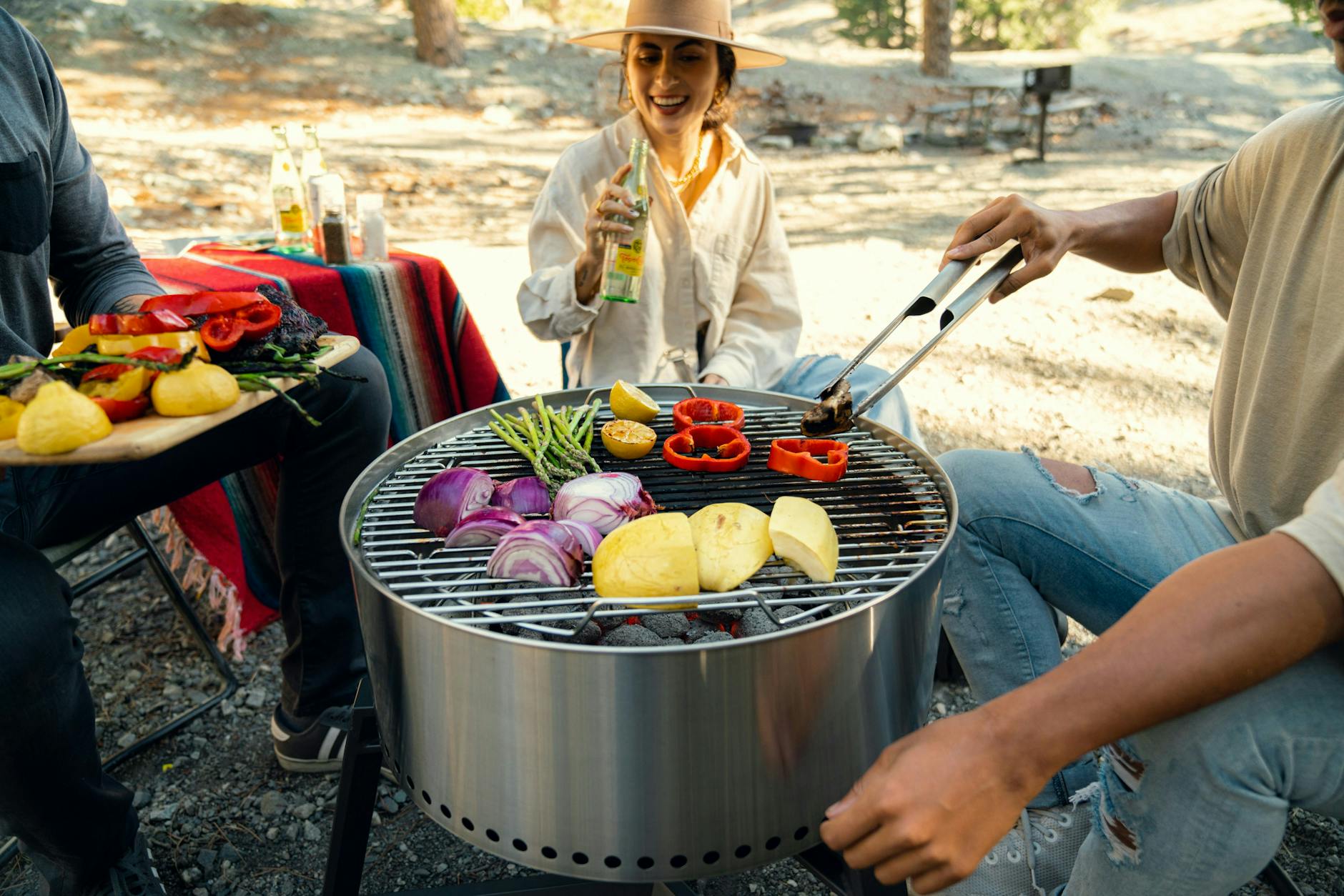
    • Start light, go bold: Begin with bubbly, white, or rosé, move to reds as the grill gets hotter.
    • Serve wine like beer: Keep things casual—don’t fuss. Pour, pass, share.
    • Label the bottles: Add handwritten tags with “Great with chicken!” or “Try with sausage!”
    • Mix in Magnums: More wine, more fun, and less refilling.

    BBQ + Wine = Shared Stories

    At the heart of every great BBQ isn’t just the food or the wine. It’s the stories we tell between bites. The laughter over spilled rosé. The new bottle someone brought. The neighbor who surprises everyone with a homemade salsa. The quiet sip you take at sunset, listening to cicadas.

    Wine shouldn’t just be good. It should be memorable.

    Gregory Dean, SOMM&SOMM

    Tasting wine like a somm doesn’t mean taking things too seriously. It means noticing more. Being present. Asking, “What does this remind me of?” and answering with a smile.

    So fire up the grill. Pop a cork. Swirl, sip, and share.

    Cheers to the summer of flavor.🍷

    Cover Photo by Pixabay on Pexels.com

  • Sangria: A Storied Sip Through Time, Terroir, and Tradition

    Sangria: A Storied Sip Through Time, Terroir, and Tradition

    Sangria isn’t just a fruity summer sipper—it’s a centuries-old wine tradition that’s steeped in history, shaped by terroir, and endlessly customizable. This refreshing wine punch has evolved from ancient practices into a beloved warm-weather drink enjoyed around the world.

    In this post, we’ll explore Sangria’s history, grape varietals, cultural cousins, and offer you a few vibrant recipes and pairings to make your own unforgettable pitcher this season.

    A Brief History of Sangria

    Roman Origins

    The roots of Sangria trace back to 200 B.C., when the Romans planted vineyards throughout the Iberian Peninsula. They often mixed wine with water, herbs, and fruits to improve flavor and ensure safe drinking. This laid the foundation for fruit-infused wine traditions across Europe.

    Moorish Influence & Medieval Spices

    In the Middle Ages, wine-based drinks like hippocras (wine spiced with cinnamon, ginger, and clove) became popular. The Moors introduced distillation to Spain, paving the way for brandy—now a key Sangria ingredient.

    The Rise of Sangria

    By the 18th century, Spain had embraced a red wine punch known as Sangria, named after sangre (Spanish for “blood”) due to its deep red hue. It gained popularity in the Americas in the 19th century and skyrocketed into global stardom after being served at the 1964 World’s Fair in New York.

    Photo by Aida Shukuhi on Pexels.com

    Wines & Grape Varietals Used in Sangria

    A great Sangria starts with good wine. Here are the key grapes to know:

    Red Wines for Classic Sangria

    • Garnacha (Grenache): Juicy, low-tannin, strawberry-forward
    • Tempranillo: Earthy, structured, with subtle spice and red fruit

    White Wines for Sangria Blanca

    • Albariño: Citrus-zesty, coastal, floral
    • Verdejo: Crisp, melon-like, herbal
    • Cava (Sparkling): Spain’s dry bubbly—adds zest and elegance

    Rosé Wines

    • Dry Spanish or Provençal rosés offer bright berry notes and beautiful color, perfect for spring and summer takes.

    Sangria’s Global Cousins: Wine-Based Refreshers Around the World

    🇪🇸 Tinto de Verano (Spain)

    Red wine + lemon soda. Simple, refreshing, less sweet than Sangria.

    🇪🇸 Kalimotxo (Basque Country)

    Red wine + cola with a twist of lime. Bold and unexpectedly delicious.

    🇺🇾 Clericó (Argentina, Uruguay)

    White wine-based punch with tropical fruits. Often served during holidays.

    🇩🇪 May Wine (Germany)

    White wine with sweet woodruff and strawberries—sipped in springtime.

    🇪🇸 Zurra (Spain)

    A richer, brandied variation of Sangria with stone fruits and sometimes fortified wines.

    Sangria Styles & Variations

    1. Traditional Red Sangria

    • Base: Garnacha or Tempranillo
    • Add: Oranges, apples, lemons, brandy, sugar
    • Taste: Juicy, bright, slightly spiced

    2. White Peach Sangria

    • Base: Albariño or dry Riesling
    • Add: Peaches, apples, pears, elderflower liqueur
    • Taste: Light, floral, elegant

    3. Rosé Berry Sangria

    • Base: Dry Rosé
    • Add: Strawberries, raspberries, orange slices, Aperol
    • Taste: Fruity, citrusy, vibrant pink hue

    4. Sparkling Sangria

    • Base: Cava or Prosecco
    • Add: Berries, citrus, mint, Grand Marnier
    • Taste: Effervescent and celebratory
    Photo by Charlotte May on Pexels.com

    How to Serve Sangria Like a Pro

    • Glassware: Stemless wine glasses or goblets
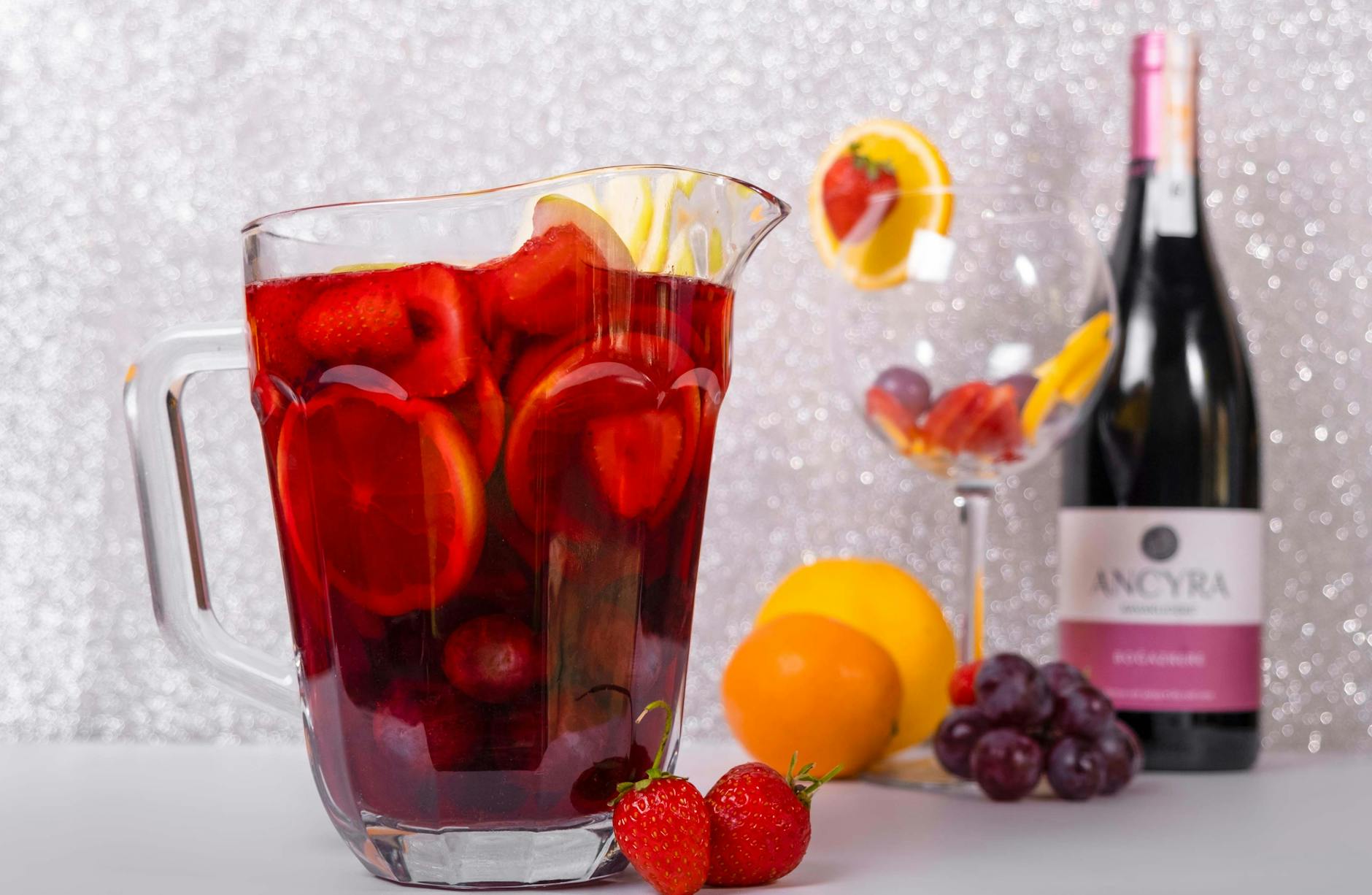
    • Presentation: Serve in clear pitchers to show off the fruit
    • Garnish: Fresh mint, basil, citrus wheels, edible flowers
    • Tip: Add ice to individual glasses, not the pitcher, to prevent dilution

    Perfect Pairings for Warm Weather Sangria

    • Classic Red Sangria: Tapas, grilled meats, Manchego cheese
    • White Peach Sangria: Shrimp ceviche, summer salads, goat cheese crostini
    • Rosé Sangria: Charcuterie, watermelon & feta salad, berry tarts
    • Sparkling Sangria: Brunch fare, fried appetizers, picnic plates

    Three Sangria Recipes to Try This Season

    🍊 Classic Red Sangria

    Ingredients:

    • 1 bottle Garnacha or Tempranillo
    • 1 orange, sliced
    • 1 lemon, sliced
    • 1 apple, diced
    • 2 oz Spanish brandy
    • 2 tbsp sugar
    • Splash of soda water (optional)

    Instructions:
    Macerate fruit and sugar for 15 minutes. Add wine and brandy. Chill 2–4 hours. Serve over ice.

    🍑 White Peach Sangria

    Ingredients:

    • 1 bottle Albariño or dry Riesling
    • 2 peaches, sliced
    • 1 green apple, sliced
    • 1 pear, sliced
    • 1 oz elderflower liqueur
    • 1 oz brandy
    • 1 tbsp honey

    Instructions:
    Combine all, stir well, and chill 4 hours. Garnish with fresh mint before serving.

    🍓 Rosé Berry Sangria

    Ingredients:

    • 1 bottle dry rosé
    • 1 cup strawberries, halved
    • 1/2 cup raspberries
    • 1 orange, sliced
    • 2 oz Aperol
    • Splash of lemon-lime soda

    Instructions:
    Combine ingredients, chill for 2 hours, and serve cold over ice.

    Raise a Glass to Spring & Summer

    Sangria is more than a drink—it’s a celebration of wine, fruit, and fellowship. It reflects the soul of the regions that created it and adapts effortlessly to fresh fruit, seasonal vibes, and local wines.

    Whether you’re hosting a brunch, planning a beach picnic, or simply relaxing on the porch, Sangria is your invitation to slow down, sip, and savor.

    Salud! 🍷

    🔗 Want more wine knowledge, pairing tips, and cocktail stories?

    Subscribe and/or follow us on Instagram @SOMMandSOMM for more recipes, regional wine deep-dives, and seasonal pairing guides.

    Cover Photo by Alec Adriano on Pexels.com

  • In Like a Lion, Out Like a Lamb: The Wines of March

    In Like a Lion, Out Like a Lamb: The Wines of March

    March is a month of contrasts—ferocious in its arrival, gentle in its departure. It’s the bridge between winter’s final roar and spring’s first whisper. The old proverb, “In like a lion, out like a lamb,” perfectly captures this transitional moment in the calendar, and what better way to explore these shifting moods than through the lens of wine?

    The Lion’s Roar: Bold Wines for the Start of March

    The beginning of March is often unpredictable—blustery winds, lingering frosts, and the occasional storm. This is a time for wines with power and presence, bottles that command attention much like the lion that heralds the month’s entrance.

    Barolo – The King of Wines
    Hailing from Italy’s Piedmont region, Barolo is a wine with a fierce reputation. Made from Nebbiolo grapes, it boasts high tannins, robust acidity, and flavors of dark cherry, leather, and rose petals. Barolo’s intensity matches the raw energy of early March, a time when winter refuses to surrender without a fight.

    Northern Rhône Syrah – Storm in a Glass
    The wild winds of early March echo the untamed spirit of Syrah from France’s Northern Rhône Valley. Wines from appellations like Côte-Rôtie and Hermitage showcase bold blackberry, black pepper, and smoky meat notes—an ideal counterpart to the tempestuous start of the month.

    Amarone della Valpolicella – Winter’s Last Stand
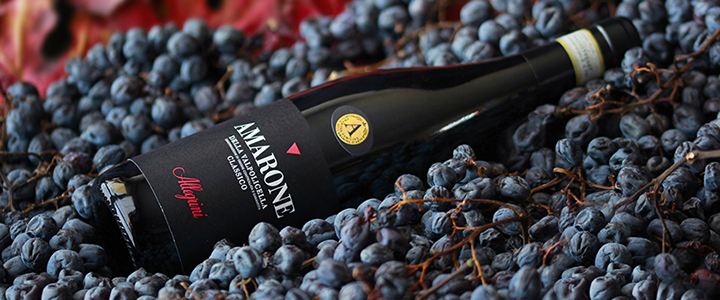
    This opulent Italian wine, crafted from dried Corvina grapes, delivers deep, dried fruit flavors with a rich, velvety texture. It’s a decadent farewell to winter’s hearty cuisine, pairing beautifully with slow-braised meats and aged cheeses.

    The Ides of March: A Historical Pause

    March is also famous for its literary and historical drama, none more ominous than the Ides of March. This date, March 15th, was immortalized in Shakespeare’s Julius Caesar when a soothsayer warned, “Beware the Ides of March.” It marked the assassination of Caesar and a turning point in Roman history.

    For a toast to history, uncork a bottle of Falerno del Massico, a wine with ancient Roman roots. This Campanian gem, praised by Pliny the Elder, was once considered the nectar of emperors. With its structured tannins and layered flavors of dark berries and spice, it’s a wine worthy of an imperial banquet—or a clandestine plot.

    Read more about the interesting history of Falernian wine.

    The Lamb’s Whisper: Soft Wines for the End of March

    As March softens and spring’s first blooms appear, our palates crave something lighter, fresher, and more delicate. The transition to milder weather calls for wines that reflect the gentle nature of March’s departure.

    Loire Valley Chenin Blanc – The Spring Awakening
    With bright acidity and notes of quince, honeysuckle, and fresh pear, Chenin Blanc from Vouvray or Savennières is like the first warm breeze of the season. It pairs effortlessly with lighter fare like fresh salads, goat cheese, and seafood.

    Beaujolais – The Joyful Bloom
    Made from Gamay, Beaujolais offers vibrant red fruit flavors and a silky texture, making it a perfect choice for the transition into spring. Enjoy it slightly chilled with charcuterie, roasted chicken, or a picnic under the first sunny skies of the season.

    Provence Rosé – The Sunset Wine
    March’s final days bring us closer to the rosé-drenched afternoons of spring and summer. A crisp, pale pink Provence Rosé, with notes of wild strawberries and herbs, mirrors the gentle fading of the lion’s roar into the lamb’s peaceful retreat.

    The Vineyards in March: A Time of Renewal

    In the vineyards, March is a time of awakening. The quiet dormancy of winter gives way to the first signs of bud break, where tiny green shoots emerge from the vines. In the Southern Hemisphere, harvest is in full swing, with winemakers carefully selecting grapes at their peak ripeness. It’s a time of both preparation and celebration—a moment to reflect on the past while embracing the promise of what’s to come.

    Related article: Winemaking in the Spring: From Bud Break to Flowering

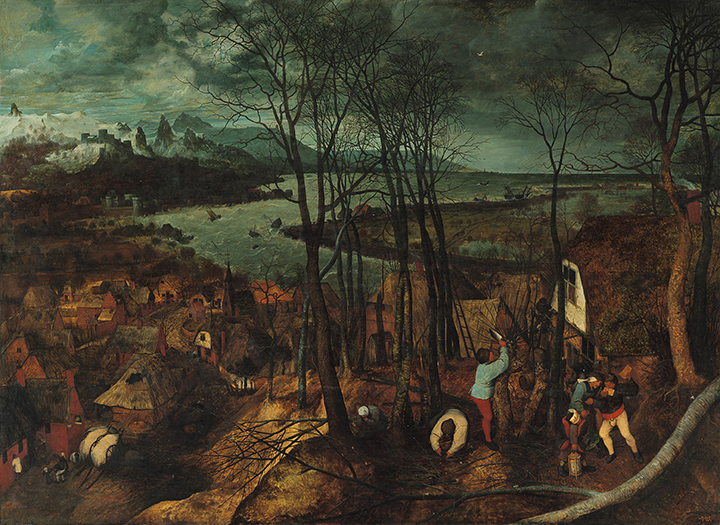
    Pieter Brueghel the Elder, Public domain, via Wikimedia Commons

    March in Art, Music, and Literature

    March has long inspired artists and musicians. From Tchaikovsky’s The Seasons: March—a lively, galloping piano piece—to paintings like Pieter Bruegel’s The Gloomy Day, which captures the raw transition from winter to spring, this month has been immortalized through many creative lenses. In literature, the Brontë sisters often used March’s wild and unpredictable nature as a metaphor for emotional turmoil and transformation.

    A Month to Savor

    March is a journey—a transformation from bold to delicate, from stormy to serene. It’s a month that calls for wines to match its shifting moods, from the commanding presence of Barolo to the gentle embrace of Provence Rosé. So, whether you’re braving the last chill of winter or toasting to the first warm rays of spring, there’s a perfect glass waiting to accompany you through this marvelous, mercurial month. Cheers 🍷

  • How to Enjoy a Wine-Driven Evening Without Regretting It the Next Day

    How to Enjoy a Wine-Driven Evening Without Regretting It the Next Day

    We’ve all been there. One moment, you’re swirling a beautifully aged Bordeaux, eloquently waxing poetic about its terroir. The next, you wake up feeling like your head was used as a drum in a street parade. Ah, the perils of a well-lived evening. But fear not, fellow oenophiles! You don’t have to choose between indulgence and misery. With a little strategy and a touch of discipline (yes, you have it in you), you can enjoy every sip without paying the price. Let’s dive into the art of pacing yourself, staying hydrated, and recovering like a pro.

    Photo by Pavel Danilyuk on Pexels.com

    The Art of Moderation

    The slow sip wins the race. Wine is meant to be savored, not guzzled. If it were meant to be chugged, it’d come in a pint glass. Here are some ways to keep your evening elegant and your morning pain-free:

    1. Follow the One-to-One Rule: For every glass of wine, drink a glass of water. This will slow your pace, keep you hydrated, and trick your brain into thinking you’re indulging more than you actually are. (Bonus: It makes you look responsible without ruining the fun.)
    2. Eat Like You Mean It: Drinking on an empty stomach is like trying to row a boat with a tennis racket—it’s not going to end well. Load up on protein, healthy fats, and carbs before and during the evening. Think cheese boards, charcuterie, and anything that soaks up alcohol but still feels sophisticated.
    3. Choose Your Pours Wisely: If you’re at a wine tasting event, don’t feel obligated to finish every pour. The spit bucket isn’t a sign of weakness; it’s a sign of wisdom (and longevity).
    4. Mind the ABV: A light, crisp Vinho Verde is going to treat you much differently than a bold 15% ABV Napa Cab. If you’re settling in for a long evening, balance your choices with lower-alcohol options.

    Hydration is Your Best Friend

    Wine may be mostly water, but that doesn’t mean it hydrates. In fact, it does the opposite. To keep yourself feeling fresh:

    • Electrolytes Are Magic: Coconut water, sports drinks, or electrolyte tablets can work wonders. Alternating a glass of wine with a glass of something electrolyte-rich is an excellent way to sneak hydration into your night.
    • Herbal Tea Before Bed: Chamomile or ginger tea can help settle your stomach and prep your body for restful sleep. (You’re still getting a ‘drink’ in, just without consequences.)
    • Drink Water Before You Sleep: Even if it means a midnight bathroom trip, your future self will thank you. Bonus points if you add a pinch of sea salt for extra hydration benefits.
    Photo by cottonbro studio on Pexels.com

    The Day After: The Art of the Comeback

    If, despite your best efforts, you wake up feeling like you lost a wrestling match with a bottle of Syrah, here’s how to bounce back:

    1. Water. Then More Water. The moment you wake up, drink a full glass. Follow it with another. Yes, you may feel like a bloated water balloon, but it’s better than feeling like a desiccated raisin.
    2. Coffee (But Not Too Much). A small cup can help, but too much caffeine can further dehydrate you. Pair it with a banana or toast to keep your blood sugar stable.
    3. Eggs, Avocado, and Toast: Eggs contain cysteine, which helps break down acetaldehyde (the nasty chemical behind your hangover). Avocado replenishes lost potassium. Toast is just comforting.
    4. Get Moving (Even If It Hurts). A short walk and fresh air can help jumpstart your recovery. You don’t have to run a marathon—just convince your body you haven’t given up on it entirely.
    Photo by Askar Abayev on Pexels.com

    Final Thoughts: It’s All About Enjoyment

    Wine should be a pleasure, not a punishment. The key to a successful wine evening is balance—between indulgence and restraint, hydration and celebration, sipping and savoring. Whether you’re at a grand tasting event, a cozy dinner party, or a backyard soirée, remember: the best memories are made when you’re fully present (and fully functional the next day).

    A Toast to Moderation (and Survival!)

    Here’s to good wine, great friends, and a morning where we still feel like ourselves. May our glasses be full, our conversations rich, and our headaches non-existent. Cheers to sipping smart!

    Gregory Dean, SOMM&SOMM

    Quick note about the cover image: Henri de Toulouse-Lautrec’s Gueule de bois (“Hangover”) perfectly captures that all-too-familiar morning-after regret—pale, slumped, and questioning every life choice that led to this moment. Inspired by his bohemian adventures in Montmartre, Lautrec paints a picture (literally) of indulgence meeting its inevitable fate. Just like this article on surviving the day after, this particular piece reminds me that while the night may be full of champagne and questionable decisions, the morning always demands payment—with interest 😉

    Cover Image Credit: Henri de Toulouse-Lautrec, Public domain, via Wikimedia Commons

  • Varietal Spotlight: Pinot Noir

    Varietal Spotlight: Pinot Noir

    The Ancient and Temperamental King of Red Grapes.

    Few grapes captivate the hearts of wine lovers and vintners quite like Pinot Noir. Revered for its ethereal elegance, complex flavors, and remarkable ability to reflect terroir, Pinot Noir is one of the oldest known grape varietals still cultivated today. This thin-skinned, temperamental grape has inspired obsession, frustration, and devotion in equal measure, from medieval monks in Burgundy to modern-day winemakers pushing the boundaries of its expression worldwide.

    Origins and Ancient History

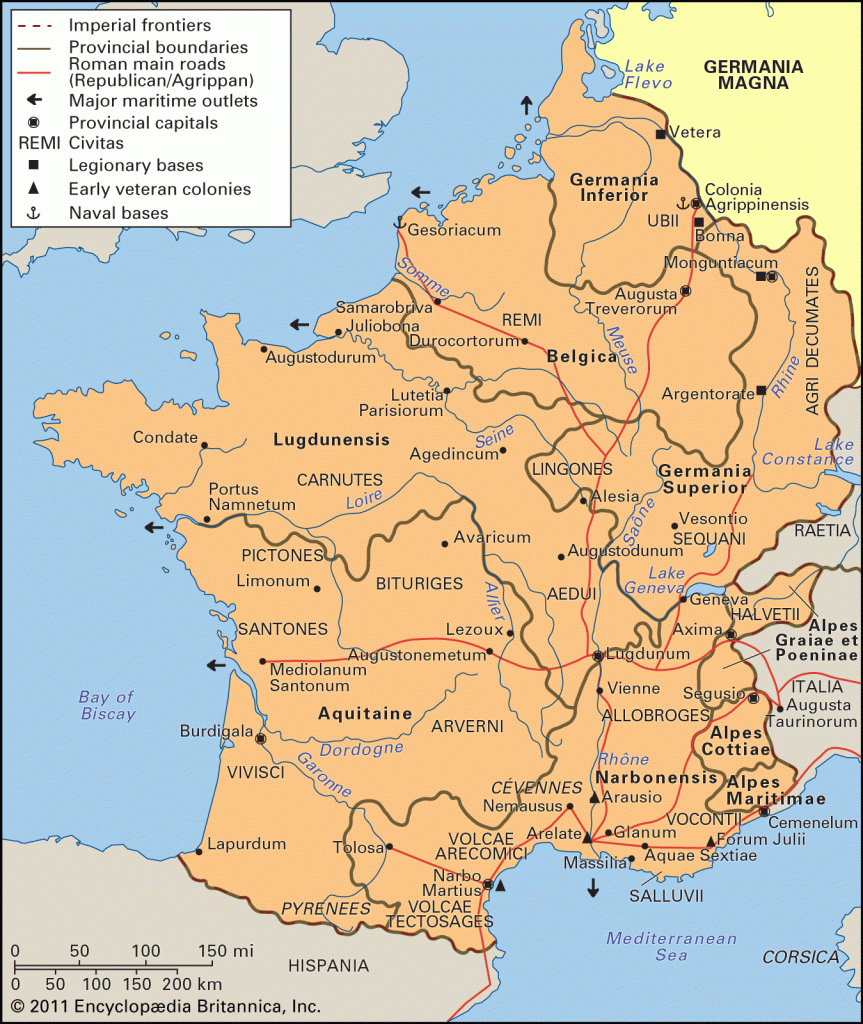
    Pinot Noir’s history can be traced back over 2,000 years to the Roman occupation of Gaul (modern-day France).

    Map of Gaul (Britannica, T. Editors of Encyclopaedia (2010, August 25). Gaul summary. Encyclopedia Britannica)

    The grape likely descends from Vitis vinifera vines cultivated by the Romans and was first mentioned in historical records around the 1st century AD. However, its true prominence emerged in the Middle Ages when Cistercian and Benedictine monks meticulously cultivated vineyards in Burgundy, recognizing the grape’s unique ability to convey a sense of place. These monastic orders developed the first concept of terroir, dividing Burgundy’s vineyards into climats, which still define the region today.

    The name “Pinot Noir” is derived from the French words pin (pine) and noir (black), a reference to the grape’s tightly clustered, pinecone-shaped bunches and dark skin. Despite its noble heritage, Pinot Noir’s genetic instability has led to over a thousand known clones and mutations, making it one of the most diverse grape families in viticulture.

    The Many Faces of Pinot Noir

    Because Pinot Noir mutates so easily, countless clones have been developed, each exhibiting distinct characteristics. Some of the most famous clones include:

    • Pommard (Clone 4 & 5): Originally from Burgundy’s Pommard region, these clones produce structured, powerful wines with darker fruit flavors and firmer tannins.
    • Dijon Clones (113, 115, 667, 777): Developed in Burgundy, these clones offer more refined fruit profiles, with silky textures and notes of red cherry, raspberry, and floral aromatics.
    • Wädenswil (Clone 2A): Popular in Oregon, this Swiss clone thrives in cool climates and is known for its vibrant acidity and floral perfume.
    • Martini Clone: A historic clone from California, this variety is known for its bright fruit flavors and early ripening qualities, particularly in Carneros and Russian River Valley.

    Pinot Noir also has close relatives in the Pinot family, including Pinot Blanc, Pinot Gris, and Pinot Meunier. These varietals share the same genetic lineage but have evolved with distinct characteristics. Pinot Blanc tends to be full-bodied with crisp acidity and flavors of apple and pear, while Pinot Gris exhibits richer textures and stone fruit notes. Pinot Meunier, frequently used in Champagne blends, offers fresh fruitiness and a more rustic profile.

    Alternate Names and Related Regions

    Pinot Noir is known by several names in different parts of the world. Some of its alternate names include:

    • Spätburgunder (Germany)
    • Blauburgunder (Austria, Switzerland)
    • Pinot Nero (Italy)
    • Clevner (historical Alsace term)
    • Pinoz (Romania)

    Key regions where Pinot Noir thrives include:

    • France: Burgundy, Champagne, Alsace
    • United States: Oregon (Willamette Valley), California (Russian River Valley, Santa Lucia Highlands, Santa Barbara, Carneros)
    • Germany: Ahr, Baden, Pfalz
    • New Zealand: Central Otago, Martinborough
    • Italy: Alto Adige, Oltrepò Pavese
    • Switzerland: Valais, Graubünden
    • Australia: Yarra Valley, Tasmania
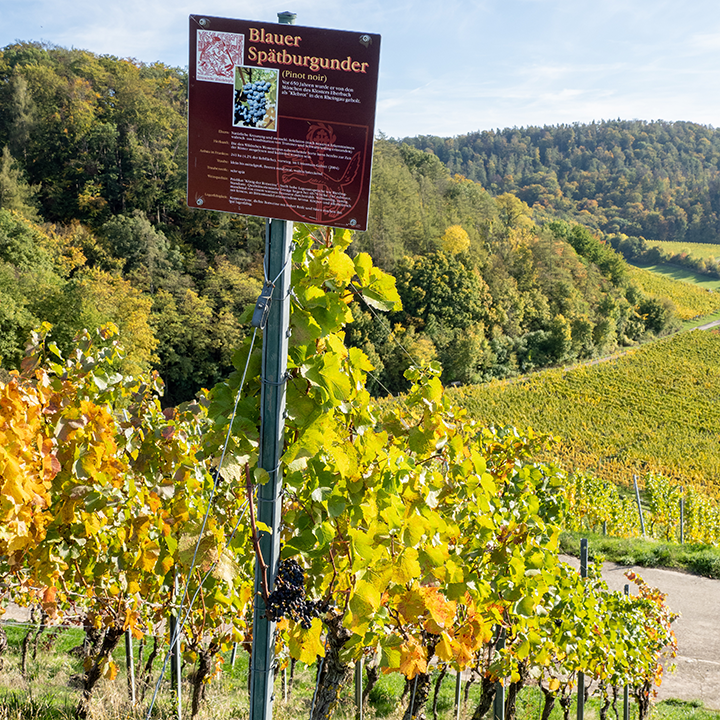
    Spätburgunder – Reinhold Möller, CC BY-SA 4.0, via Wikimedia Commons

    Pinot Noir’s Global Expressions

    Pinot Noir is often described as the most expressive varietal of terroir, meaning that it uniquely reflects the climate, soil, and winemaking techniques of its growing region. Let’s explore some of the most renowned Pinot Noir regions and their distinctive styles:

    Burgundy, France: The Benchmark

    Burgundy is the spiritual home of Pinot Noir, producing the world’s most revered expressions from Côte de Nuits and Côte de Beaune. Wines from these regions exhibit remarkable complexity, finesse, and age-worthiness. Grand Cru vineyards such as Romanée-Conti, La Tâche, and Chambertin produce wines of unparalleled depth and elegance, with layers of red and black fruit, earthy undertones, and a signature minerality that evolves beautifully over time.

    Oregon: The New-World Contender

    Oregon’s Willamette Valley has emerged as a premier Pinot Noir-producing region, often drawing comparisons to Burgundy. The cool, maritime climate fosters wines with vibrant acidity, red fruit dominance, and floral aromatics. Winemakers here prioritize sustainable and biodynamic farming, leading to some of the most expressive and terroir-driven New World Pinot Noirs.

    Related Article: Wine Experiences: A Taste of Adelsheim

    California: Bold and Fruit-Driven

    California’s diverse microclimates allow for multiple styles of Pinot Noir, ranging from the bright, elegant expressions of Sonoma’s Russian River Valley and Santa Lucia Highlands to the richer, more opulent styles of Santa Barbara and Carneros. Russian River Valley Pinot Noirs are known for their lush cherry and cola notes, while Santa Barbara wines often showcase baking spices and deep red fruit.

    New Zealand: The Rising Star

    New Zealand’s Pinot Noir, particularly from Central Otago and Martinborough, has gained international acclaim for its purity of fruit, bright acidity, and vibrant aromatics. Central Otago Pinot Noirs often exhibit dark cherry, plum, and spice notes, while Martinborough expressions lean towards a more earthy, structured profile.

    Germany: The Stealthy Powerhouse

    Known as Spätburgunder, German Pinot Noir has experienced a renaissance in recent years. Producers in the Ahr, Baden, and Pfalz regions are crafting elegant, cool-climate Pinot Noirs with floral aromatics, mineral-driven complexity, and refined tannins, rivaling some of the best from Burgundy.

    Pouring Pinot Noir – Prayitno, USA, CC BY 2.0, via Wikimedia Commons

    The Perfect Complement

    Pinot Noir’s versatility makes it an excellent companion to a wide range of dishes. Its bright acidity, moderate tannins, and complex flavor profile allow it to pair beautifully with:

    • Poultry: Roast duck, turkey, or chicken with herbs
    • Game Meats: Venison, quail, and pheasant
    • Pork: Pork tenderloin, glazed ham, or charcuterie
    • Mushroom Dishes: Truffle risotto, mushroom ravioli, or wild mushroom ragout
    • Salmon and Tuna: Grilled, poached, or seared preparations
    • Soft Cheeses: Brie, Camembert, and Gruyère

    Fun Lore and Stories of Pinot Noir

    Pinot Noir has inspired countless stories, myths, and even Hollywood films. One of the most famous legends is that of the 18th-century Burgundian monk Dom Giguier, who claimed to have divine visions instructing him to cultivate Pinot Noir in specific vineyard plots (Giguier, 1763). Whether divine intervention or astute observation, these climats remain some of the most prized in the world.

    In more modern times, the 2004 film Sideways sparked an explosion of Pinot Noir’s popularity in the U.S., while simultaneously tanking Merlot sales. The protagonist’s passionate monologue about the elegance and fragility of Pinot Noir led to a significant surge in demand, particularly in California and Oregon.

    The Enduring Allure of Pinot Noir

    Pinot Noir remains one of the most beloved and challenging varietals in the world of wine. Its delicate nature, susceptibility to disease, and finicky growing conditions make it a difficult grape to cultivate, yet its rewards are unparalleled. Whether from the legendary vineyards of Burgundy, the misty valleys of Oregon, or the sun-kissed hills of California, Pinot Noir continues to captivate winemakers and enthusiasts alike. Its ability to tell the story of its origin with elegance and nuance ensures that its legacy will endure for generations to come. Cheers 🍷

    Cover Photo Credit: Jim Fischer from Portland, Oregon, USA, CC BY 2.0, via Wikimedia Commons

    References

    Giguier, D. (1763). Vineyard Cultivation and Divine Insight. Dijon, France: Burgundian Press.

  • Demystifying Sulfites in Wine

    Demystifying Sulfites in Wine

    Separating Fact from Fiction.

    The phrase “contains sulfites” on a wine label often stirs confusion and concern among consumers. Misconceptions abound, from the belief that sulfites are only present in low-quality wines to the idea that they are solely responsible for wine-induced headaches. These myths obscure the truth about sulfites and their essential role in winemaking. Let’s unpack the science, necessity, and reality of sulfur dioxide (SO2) in wine, shedding light on its role and addressing concerns for sulfite-sensitive individuals.

    What Are Sulfites?

    Sulfites, chemically known as sulfur dioxide (SO2), are compounds that occur naturally during fermentation. Yeast, the powerhouse behind turning grape juice into wine, produces a small amount of sulfites as a byproduct. These naturally occurring sulfites are present in all wines, even those labeled as “organic” or “natural.” However, many winemakers also add sulfites deliberately to stabilize and preserve their wines.

    Photo by ELEVATE on Pexels.com

    The Role of Sulfites in Winemaking

    Sulfites play several critical roles in winemaking, making them a trusted tool in a winemaker’s arsenal:

    1. Preservation: Sulfites act as an antioxidant, protecting wine from spoilage caused by oxygen exposure. This helps wines age gracefully and ensures they remain fresh from bottling to consumption.
    2. Microbial Stability: By suppressing unwanted bacteria and wild yeasts, sulfites ensure that the intended flavors of the wine shine through without interference.
    3. Color Retention: In white wines, sulfites help maintain clarity and vibrancy, preventing browning caused by oxidation.

    While sulfites are a valuable ally in winemaking, some producers, particularly in the natural wine movement, aim to minimize their use or omit them entirely. However, these wines may have shorter shelf lives and higher risks of spoilage.

    Photo by David Garrison on Pexels.com

    Debunking the Sulfite-Headache Myth

    One of the most persistent misconceptions is that sulfites in wine cause headaches. While it’s true that some people have sulfite sensitivities, these reactions are rare and often manifest as respiratory issues, such as asthma, rather than headaches. According to the FDA, only about 1% of the population is sensitive to sulfites.

    The real culprit behind wine-induced headaches is more likely histamines. Found naturally in grape skins, histamines are higher in red wines than whites. These compounds can trigger headaches in individuals sensitive to them, particularly if their bodies lack sufficient diamine oxidase, the enzyme responsible for breaking down histamines.

    Understanding ‘Contains Sulfites’

    The U.S. government requires any wine containing more than 10 parts per million (ppm) of sulfites to include “contains sulfites” on the label. This applies to almost all wines, given that naturally occurring sulfites alone often exceed this threshold. For comparison, dried fruits can contain up to 1,000 ppm of sulfites, making the levels in wine seem minimal by comparison.

    Choosing Wines for Sulfite Sensitivity

    For those genuinely sensitive to sulfites, understanding wine choices is key. While avoiding sulfites entirely is nearly impossible, low-sulfite options are available:

    • Organic Wines: Certified organic wines in the U.S. are made without added sulfites, though naturally occurring sulfites remain present.
    • Natural Wines: Often produced with minimal intervention, natural wines may contain lower levels of added sulfites.
    • Wines from Cooler Regions: Cooler climates often produce wines that require fewer sulfites due to their naturally higher acidity, which helps preserve freshness. Look for wines from Alsace, Germany, or the Loire Valley.
    • Certain Varietals: Try white wines like Riesling or Pinot Gris, which typically have lower sulfite levels than rich reds. For reds, consider Beaujolais (Gamay varietal), which is lighter in body and often made with minimal sulfites.
    Photo by Helena Lopes on Pexels.com

    The Takeaway: There’s a Wine for Everyone

    Sulfites are an integral part of winemaking, ensuring wines remain stable, flavorful, and safe for consumption. While myths about sulfites persist, the reality is they are unlikely to be the cause of your wine-related woes. For individuals with specific sensitivities, understanding what’s in the bottle and selecting wines thoughtfully can make all the difference.

    Ultimately, wine is a celebration of diversity—in grapes, styles, and preferences. There truly is a wine for everyone. By demystifying sulfites and making informed choices, you can enjoy your wine journey with confidence and curiosity. Cheers 🍷

  • Wines for Late Autumn and Early Winter

    Wines for Late Autumn and Early Winter

    Sipping Through the Seasons–The Holidays and Beyond.

    As the vibrant hues of autumn leaves fade into the frost-kissed landscapes of early winter, it’s time to embrace wines that embody the coziness of the season. From family gatherings to fireside chats, this time of year calls for rich, warming wines that bring people together. Here’s a lighthearted guide to selecting wines perfectly suited to late autumn and early winter vibes.

    Photo by Taryn Elliott on Pexels.com

    The Cozy Corner: Reds That Warm the Soul

    The cooler months are synonymous with robust red wines that feel like a warm hug. These wines pair effortlessly with hearty dishes, wool blankets, and crackling fires.

    Cabernet Sauvignon

    • Perfect for: Slow-cooked roasts, braised short ribs, or a rich lasagna.
    • With its bold tannins and dark fruit notes, Cabernet Sauvignon feels right at home during chilly nights. Try one from Napa Valley for a classic experience or experiment with South American options for an earthy twist.

    Syrah/Shiraz

    • Perfect for: Grilled lamb, smoked brisket, or venison stew.
    • Bursting with black pepper, plum, and smoky undertones, Syrah matches the rugged charm of late autumn.

    Zinfandel

    • Perfect for: BBQ meats, spicy chili, or glazed ham.
    • Its jammy fruit flavors and spicy kick make Zinfandel a crowd-pleaser for festive gatherings.
    No machine-readable author provided. Hoffkar assumed (based on copyright claims)., CC BY-SA 3.0, via Wikimedia Commons

    Florida’s Early Winter: Tropical Hints with Holiday Cheer

    For those basking in the mild 70°F “winters” of Florida (or similar climates), lighter wines with tropical vibes but seasonal depth strike the right balance.

    Viognier

    • Perfect for: Shrimp scampi, citrus-glazed chicken, or mango salsa.
    • This aromatic white wine bridges the gap between summery zest and cozy richness, perfect for coastal holiday parties.

    Chenin Blanc

    • Perfect for: A poolside turkey sandwich or a festive charcuterie board.
    • Opt for a South African Chenin Blanc for a slightly off-dry profile that suits Florida’s seasonal flair.

    Light Pinot Noir

    • Perfect for: Cedar-plank salmon or grilled turkey legs.
    • Bright red fruit with a touch of spice makes Pinot Noir versatile enough for Florida’s unique winter vibe.

    Fireside Chats & Relaxed Evenings: The Best Sippers

    Nothing beats a glass of something special when unwinding by the fire. Here are top picks for contemplative sipping:

    Port – Rich, sweet, and warming, a ruby or tawny Port is the ultimate fireside companion. Pair it with blue cheese or toasted nuts for a cozy treat.

    Madeira – With its caramelized nuttiness, Madeira feels luxurious. Opt for a medium-sweet Bual style, paired with roasted chestnuts or gingerbread cookies.

    Amarone della Valpolicella – This velvety Italian red has dried fruit flavors and a hint of cocoa, making it an indulgent pairing for dark chocolate or aged Parmesan.

    Family Gatherings: Classic Pairings for Festive Feasts

    Holiday tables brimming with traditional dishes demand wines that enhance the flavors without overpowering them.

    Turkey and Trimmings

    • Go for a Chardonnay (try a buttery Sonoma option) or Riesling (a semi-dry German Riesling for balance).
    • For reds, a Beaujolais Cru or Pinot Noir adds enough complexity without stealing the spotlight.

    Ham or Pork Roast

    • A fruity Grenache or a full-bodied Malbec pairs beautifully with the sweet and savory nature of ham.
    • For whites, try a bold Gewürztraminer, especially if there’s a honey glaze involved.

    Vegetarian Delights

    • Mushroom dishes and roasted root vegetables pair exquisitely with Barbera or Tempranillo.
    • For whites, a nutty Roussanne or White Burgundy elevates earthy flavors.
    Photo by Photo By: Kaboompics.com on Pexels.com

    Seasonal Activities & Their Perfect Pairings

    Every seasonal pastime has a wine that fits like a glove. Here’s a list to inspire your next bottle:

    • Tree Trimming: Prosecco or Cava. Light, fizzy, and celebratory, these sparkling wines keep spirits bright.
    • Pumpkin Pie Baking: Moscato d’Asti. Its sweetness and citrusy zing make pie-prepping festive.
    • Holiday Movie Marathons: Mulled wine or a spiced Glühwein. Curl up with a steaming mug of wine infused with cinnamon, cloves, and orange zest.

    Choose What Feels Right

    Whether you’re embracing early winter in Florida with a chilled Chenin Blanc or braving the Northeast cold with a bold Cabernet Sauvignon, the season is about warmth, comfort, and connection. Raise a glass to the season’s charm, and remember: the best wine is the one you enjoy most with the people you love. Cheers! 🥂

    Cover Photo Credit: Reinhold Möller, CC BY-SA 4.0, via Wikimedia Commons

  • The Good, the Bag, and the Corkless

    The Good, the Bag, and the Corkless

    Box Wine – An Honest Sommelier’s Guide.

    When it comes to wine, the shape of the container often stirs as much conversation as what’s inside. There’s the stately glass bottle, a symbol of elegance and heritage, the trendy can for quick convenience, and then… there’s the box. For many wine enthusiasts, bag-in-a-box wines are the embodiment of heresy—a shortcut, a compromise, or even a betrayal to the sacred tradition of corks and glass. Yet, the reality is that box wines are becoming a fixture in the market, with roughly 5% of global wine sales being attributed to this format. So, let’s take a deep, aerated breath, set aside the corkscrew for a moment, and uncork the facts, fables, and myths about box wine… beginning with a quick toast!

    To our beloved friend and neighbor, the queen of the cardboard vintage, whose love of box wine reminds us all that true wine appreciation isn’t about the bottle, but the joy it brings! Here’s to the convenience, the never-ending pour, and the courage to sip without snobbery. May your glass always be full, your box never run dry, and your taste buds remain blissfully unbothered by tradition. Cheers to drinking what you love and never judging a wine by its packaging!

    Greg and Tammy Dean, SOMM&SOMM

    The Positives: A Fresh Take on Wine

    1. Cost-Effective for the Casual Sipper
      One undeniable strength of box wine is its affordability. Without the cost of glass bottles, corks, and fancy labels, wineries can save money, and so can you. This makes it easier to buy wine in larger quantities, perfect for casual gatherings, barbecues, or that book club meeting where finishing a three-liter box might not be a challenge but a rite of passage.
    2. Eco-Friendliness & Lower Carbon Footprint
      Box wines often come in recyclable materials, and because they’re lighter and more compact than traditional bottles, they’re more eco-friendly. Fewer emissions are involved in transporting them, and the packaging has a smaller carbon footprint overall. Plus, the wine inside is housed in an airtight bag, which collapses as it’s emptied, reducing oxidation and keeping the wine fresher for longer once opened.
    3. Extended Shelf Life Once Opened
      Speaking of freshness, box wines hold another hidden gem: they stay fresh for weeks, sometimes up to a month, after opening! This is a win for casual drinkers who don’t want to commit to finishing an entire bottle in a single sitting. Unlike glass bottles, the vacuum-sealed bag inside the box helps to minimize air exposure—one of wine’s worst enemies—extending the life of your favorite everyday sipper.
    Photo by Valeria Boltneva on Pexels.com

    The Negatives: Box Wine’s Not-So-Secret Flaws

    1. Taste & Material Concerns
      The wine in a box is housed in a bag made from polyolefinic films. These materials are generally food-safe, but they can influence the taste, especially if the wine sits for too long. Some palates notice subtle chemical notes or alterations—like a “plastic tinge”—as the polyolefinic materials slowly interact with the liquid inside. This isn’t a problem for those who finish the box quickly, but it’s something for the discerning drinker to be aware of.
    2. Higher Sugar Content & Sulfites
      Box wines, particularly the inexpensive and mass-produced varieties, tend to have a higher sugar content compared to many bottled wines. This not only makes them more appealing to a broader audience (hey, a little sweetness never hurt anyone), but it also necessitates a higher level of sulfites for preservation. Sulfites help prevent unwanted fermentation and spoilage, but some wine lovers find that they can contribute to headaches or allergic reactions. If you’re sensitive to sulfites, consider checking the label carefully or choosing box wines that emphasize lower sulfite levels.
    3. Limited Selection & Quality Concerns
      Box wines usually offer less variety when it comes to premium and rare options. While the quality of box wine has improved over the years, with some brands now offering respectable reds, whites, and rosés, don’t expect to find complex Bordeaux, vintage Barolo, or an aged Napa Cabernet in a box. The typical box wine experience is geared towards light, fruity, and easy-drinking wines without the nuance of their bottled counterparts.

    Box vs. Bottle vs. Can: A Comparative Sip

    • Bottle: The gold standard for collectors and connoisseurs. Glass is inert, meaning it doesn’t interfere with the wine’s taste, and bottles are often the go-to choice for wines meant to age. There’s also something ritualistic about uncorking a bottle, whether you’re popping a Champagne or pulling the cork on a classic Rioja.
    • Can: The ultimate in convenience, cans are perfect for picnics, festivals, and when you just need a glass (or two) of wine without opening an entire bottle. The aluminum can slightly affects the wine’s flavor, but most canned wines are designed to be consumed fresh and young, making this negligible.
    • Box: The champion of quantity, affordability, and longevity once opened. While lacking in prestige and complexity, it makes up for it in practicality. Box wines are the unsung heroes of low-key barbecues, camping trips, and no-fuss weeknight dinners. The packaging isn’t great for aging or preserving delicate flavors, but it’s a brilliant solution for the “I-just-want-a-glass” wine drinker.

    Common Myths About Box Wine: Busting the Baggage

    1. Myth: All Box Wines Are Low Quality.
      Fact: Not true! While the bulk of box wines focus on easy-drinking and affordable styles, some producers are starting to embrace the format with higher-quality offerings. Seek out brands that prioritize winemaking and varietal expression. There’s even been a rise in organic and biodynamic box wines.
    2. Myth: Box Wine Has to Be Finished Immediately.
      Fact: Nope! Unlike bottled wine, which can go bad within a few days of opening, box wine’s sealed bag keeps it drinkable for up to four weeks. It’s one of the best formats for those who sip slowly.
    3. Myth: Only Sweet Wines Come in Boxes.
      Fact: Though sweet and semi-sweet wines dominate the box wine market, there are plenty of dry options available. Explore beyond the well-known brands, and you may find a decent dry Chardonnay or a snappy Cabernet Sauvignon that rivals some bottled versions.

    The Verdict: Unboxing the Truth

    So, should you dive into the world of box wine? It depends on what you’re looking for. If you’re a wine lover who enjoys a glass every now and then, or if you’re hosting a larger crowd, box wine is a fantastic, budget-friendly option. For more discerning tastes or special occasions, traditional bottles still reign supreme.

    Ultimately, wine is about enjoyment, not about being judged for the vessel it comes in.

    Gregory Dean, SOMM&SOMM

    Whether it’s a three-liter bag-in-a-box, a slim aluminum can, or a dusty bottle of aged Bordeaux, what matters most is that you’re sipping something you love, surrounded by people who make the experience worthwhile.

    So the next time you catch yourself eyeing a box on the shelf, don’t grimace—embrace the corkless adventure. Who knows? You might just find your next go-to sipper sealed away in cardboard, nestled in a bag, and ready to be tapped at your convenience. Cheers to trying something new and keeping your palate open—just don’t forget to keep your corkscrew handy for the next bottle! Cheers 🍷

    References

    Thompson-Witrick, K. A., Pitts, E. R., Nemenyi, J. L., & Budner, D. (2021). The Impact Packaging Type Has on the Flavor of Wine. Beverages, 7(2), 36. https://doi.org/10.3390/beverages7020036