Tag: Learning Wine

  • Old World Regions: Burgundy

    Old World Regions: Burgundy

    Revised 4/20/2025.

    In eastern France, where rolling hills meet ancient limestone escarpments, Burgundy unfolds like a living manuscript of wine history—written in vine rows and aged in cellars carved by monks. Here, winemaking is not merely a craft; it’s a centuries-old dialogue between land, grape, and soul. Burgundy’s greatness is etched into its terroir, refined by monastic hands, and immortalized through Pinot Noir and Chardonnay.

    Burgundy’s Historical Tapestry

    Though the Romans first planted vines here, it was the devotion of medieval monks—particularly the Cistercians and Benedictines—that truly shaped Burgundy’s wine culture. These devoted stewards mapped the land like viticultural cartographers, identifying climats (individual vineyard sites) and meticulously observing how every slope and soil nuance altered the wine. Their legacy gave birth to Burgundy’s intricate classification system, still revered today.

    By the 15th century, Burgundy had become liquid royalty. The wines of the Dukes of Burgundy graced the courts of Europe, their reputation carried by whispers of elegance and depth.
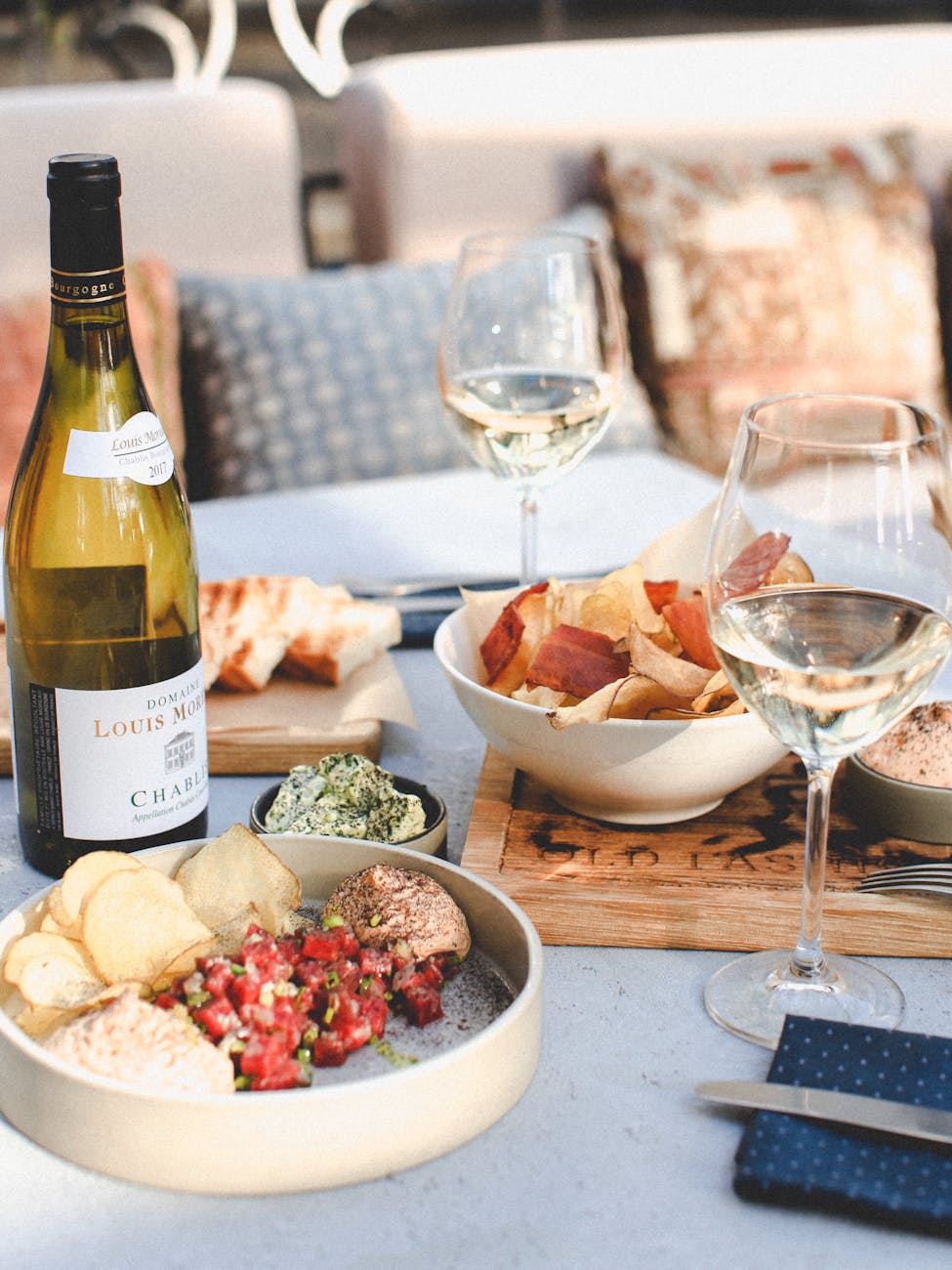
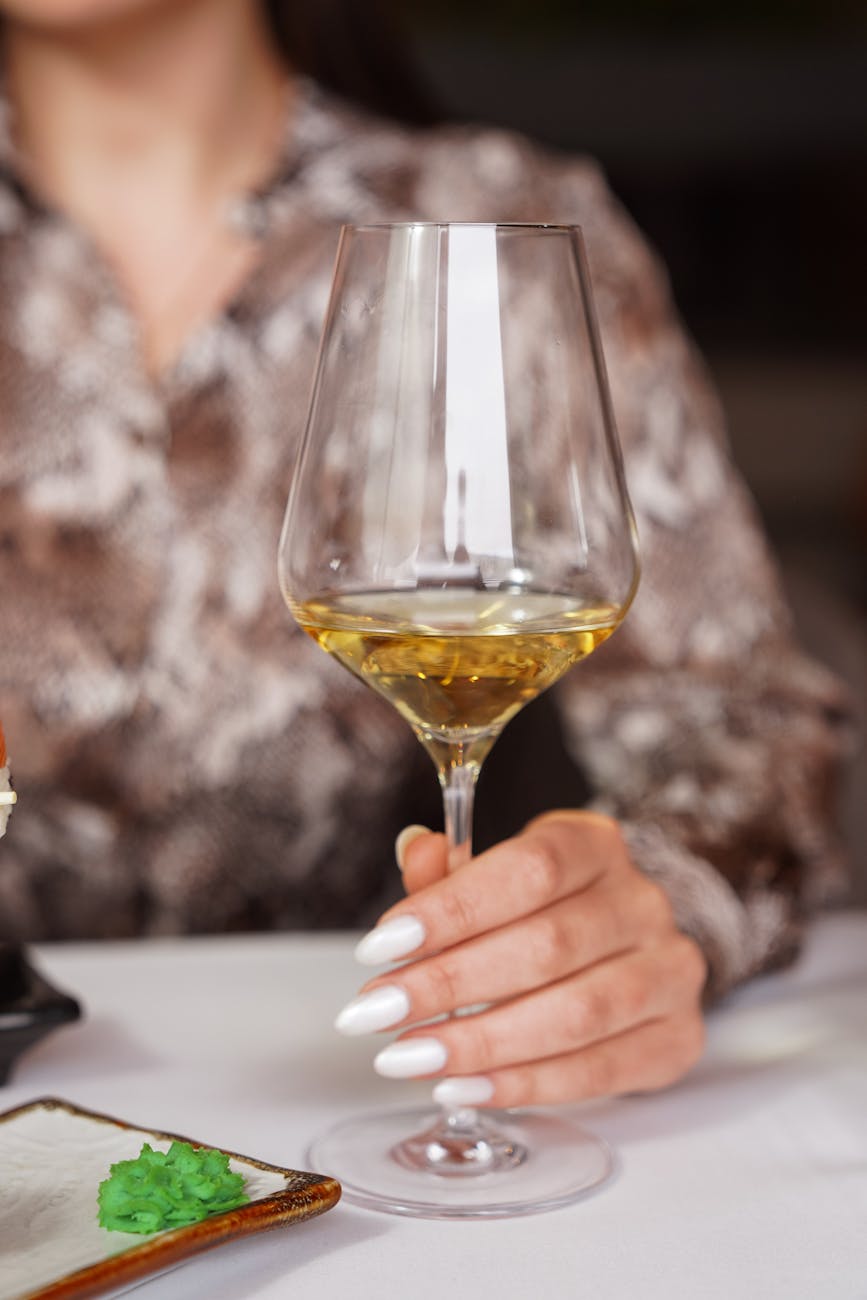
    Photo by ROMAN ODINTSOV on Pexels.com

    Chablis

    In Burgundy’s northern reaches lies Chablis, a land where Chardonnay sheds its oaky costume and reveals its truest self—tense, mineral, and vibrantly alive. The town’s quiet charm belies its global renown for producing wines of razor-sharp clarity and poise.

    What gives Chablis its unmistakable signature?

    • Kimmeridgian Soil: Layers of ancient limestone laced with fossilized oyster shells create a mineral core that defines the wine. You can almost taste the prehistoric sea.
    • Cool Continental Climate: Slow ripening preserves acidity and finesse, crafting wines that are bright, steely, and bracing.
    • The Serein River: This quiet ribbon of water softens spring frosts and helps moderate the region’s microclimate.

    Appellations of Chablis:

    • Chablis AOC: Crisp and direct, with citrus, green apple, and that flinty edge that defines the region.
    • Premier Cru: More complex, with structure and elegance. Forty designated climats bring subtlety and layered depth.
    • Grand Cru: Just seven vineyard sites, perched on the sunniest slopes above the town. These wines are dense, refined, and age-worthy, showing a Chardonnay of regal stature.

    Chablis producers typically avoid overt oak influence. Stainless steel or neutral oak lets terroir take center stage. Grapes are often hand-harvested, a nod to the region’s reverence for precision.

    Côte d’Or

    Divided into Côte de Nuits and Côte de Beaune, the Côte d’Or is Burgundy’s vinous heartland—a golden slope of vines that has birthed some of the most sought-after wines on Earth. Here, the word “climat” holds power, denoting micro-plots of land so revered that UNESCO granted them World Heritage status.

    Côte de Nuits

    Running south from Dijon, this slender ribbon of vineyards is hallowed ground for Pinot Noir. It’s where the grape achieves its most ethereal expressions—silken yet structured, earthy yet floral.

    • Gevrey-Chambertin: Bold and muscular, with dark fruit and spice. A favorite of Napoleon.
    • Vosne-Romanée: Perfumed, haunting, and impossibly elegant. Home to Romanée-Conti, the holy grail of Pinot.
    • Chambolle-Musigny: Ethereal and silky, like satin laced with violets.

    The land is a mosaic of limestone, marl, and clay, with east-facing slopes catching the gentle morning sun. Each vineyard has its own personality—its own voice in the Pinot Noir choir.

    Côte de Beaune

    Head further south, and the reds soften while the whites begin to shine with crystalline brilliance. Côte de Beaune is the birthplace of iconic Chardonnay—wines that dance between richness and elegance, lifted by acidity and grounded by mineral depth.

    • Meursault: Creamy and nutty, with golden orchard fruit and a whisper of oak.
    • Puligny-Montrachet: Precision and grace. Citrus, chalk, and white flowers.
    • Chassagne-Montrachet: Fuller-bodied, sometimes smoky, always refined.

    For reds, Volnay offers delicate and floral Pinot Noir with a silk-threaded structure, while Pommard brings a more muscular edge.

    Côte Chalonnaise

    South of the Côte d’Or, the Côte Chalonnaise is often overlooked—and unfairly so. This region offers authenticity, value, and wines with character that punches well above their appellation status.

    The landscape opens up, the climate warms slightly, and the diversity of soils (limestone, marl, and clay) creates ideal conditions for both Chardonnay and Pinot Noir.

    • Rully & Montagny: Vibrant whites with citrus zest, white peach, and a touch of saline minerality.
    • Mercurey & Givry: Energetic reds with red fruit, spice, and subtle earthy undertones.

    These are wines that reflect place, not prestige—and that’s exactly their magic. For sommeliers and seekers, it’s a playground of discovery.

    Mâconnais

    Traveling further south, the Mâconnais greets you with warmth—in both climate and character. This is where Chardonnay loosens its collar a bit, showing a rounder, riper side that’s no less expressive.

    Sun-drenched slopes and varied soils—from granite to limestone—produce wines that are generous and fruit-driven yet still rooted in mineral elegance.

    • Mâcon-Villages: An approachable, floral, and fruit-forward introduction to the region.
    • Saint-Véran & Viré-Clessé: Elegant, fresh, and subtly creamy Chardonnays with a whisper of stone fruit.
    • Pouilly-Fuissé: The star of the south. Rich but focused, often aged in oak, delivering finesse and depth without losing its Burgundian soul.

    Burgundy as a State of Mind

    To study Burgundy is to embrace complexity, patience, and nuance. It is not a region that gives up its secrets easily. But for those willing to walk its vineyard paths, taste its terroir, and listen to its whispering vines, Burgundy offers more than just wine—it offers a deeper understanding of harmony between man, grape, and earth.

    Cheers 🍷
  • Varietal Spotlight: Chardonnay

    Varietal Spotlight: Chardonnay

    The Canvas of the Winemaker.

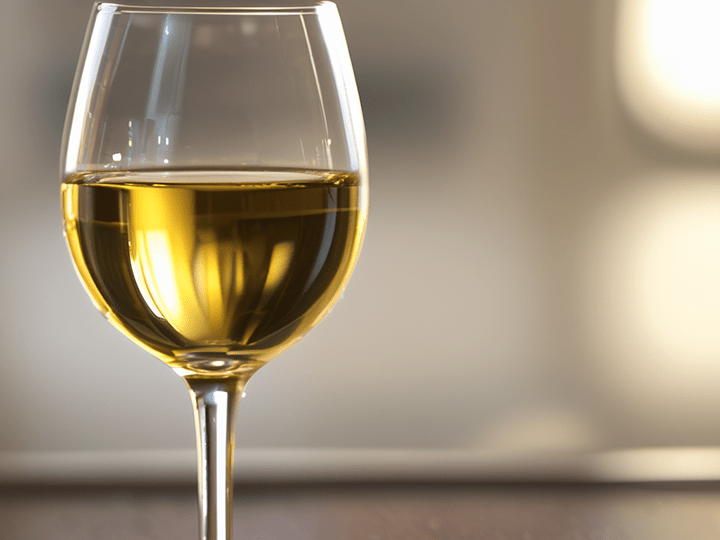
    Few grape varieties offer as much versatility and expressive potential as Chardonnay. Within the Vitis vinifera family, it stands as one of the most adaptable varietals—capable of producing everything from zesty, mineral-driven wines to rich, barrel-aged expressions. Winemakers often call it the “blank canvas” grape, not because it lacks character, but because it reflects the sum of choices made in the cellar: oak or stainless steel, malolactic conversion or crisp acidity, extended lees aging or youthful freshness. Chardonnay mirrors technique—and that is precisely why professionals revere it.

    Photo by Nadin Sh on Pexels.com

    A Brief History of a Global Classic

    The name Chardonnay originates from a small village in the Mâconnais subregion of Burgundy, France. While legends once traced its ancestry to medieval crusades or poetic tales from Cyprus, modern science has provided a far clearer understanding.

    Thanks to genetic research—most notably by Dr. Carole Meredith of the University of California—we now know that Chardonnay is a natural cross between Pinot Noir and Gouais Blanc. That lineage is meaningful: Pinot Noir has long been considered the noble grape of Burgundy, while Gouais Blanc was historically grown for everyday table wine. Their close proximity in vineyards centuries ago allowed for cross-pollination that ultimately produced the varietal we recognize today.

    Interestingly, Gouais Blanc has been known by more than 140 different names—proof of its widespread cultivation—and yet it has all but disappeared today. Chardonnay, on the other hand, has become one of the most celebrated and widely planted grapes in the world.

    Chardonnay and Terroir: A Natural Translator

    Chardonnay is uniquely sensitive to terroir—the combination of soil, climate, altitude, water access, and topography that shape a wine’s character. For this reason, many Old World labels emphasize geographic origin more than grape variety.

    Photo by Kate Filatova on Pexels.com

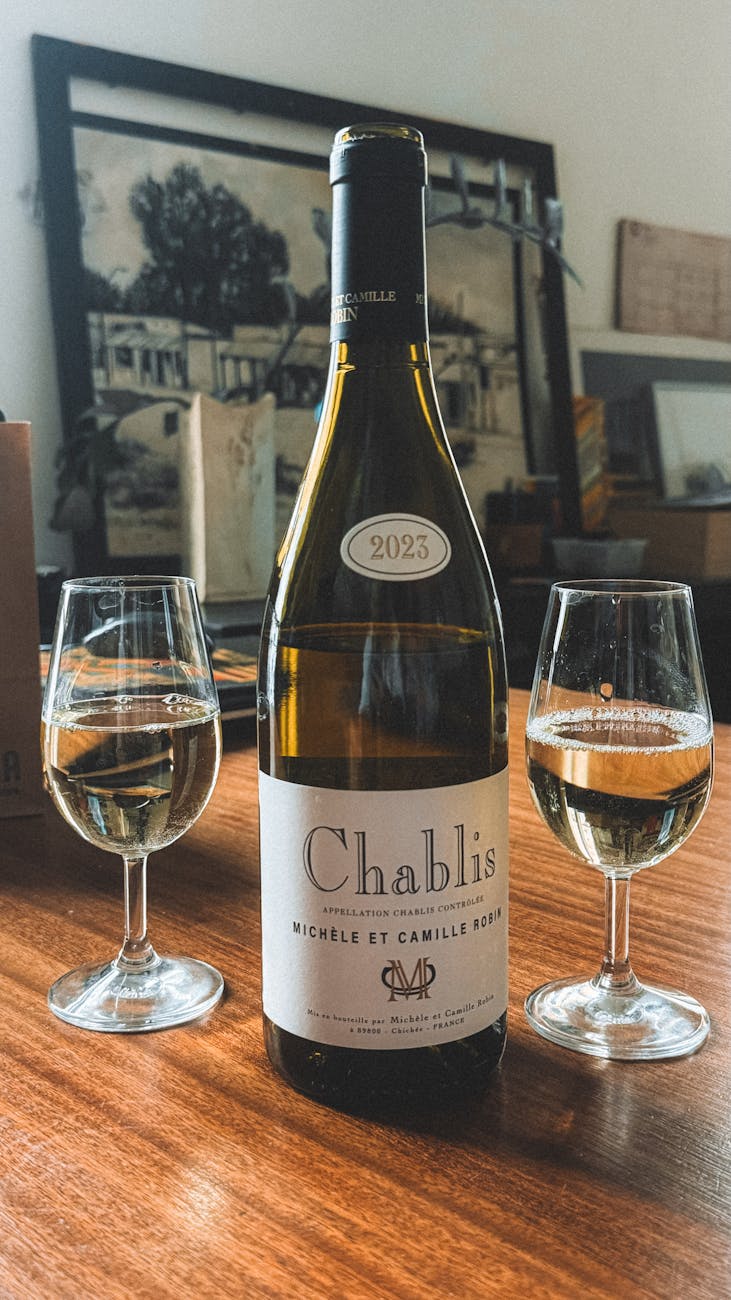
    Take Chablis, for example. It is not a synonym for Chardonnay, yet every wine labeled Chablis must be made from Chardonnay. The region’s cool climate and Kimmeridgian limestone soils produce wines that are lean, flinty, and mineral-driven—quite different from the fuller styles of, say, Sonoma or Margaret River. Thus:

    All Chablis are Chardonnay, but not all Chardonnays are Chablis.

    Gregory Dean, SOMM&SOMM

    In Burgundy’s Côte de Beaune, names like Montrachet (pronounced “Mon-ra-shay”) represent some of the most prestigious—and expensive—Chardonnays on earth. Further south, Pouilly-Fuissé in the Mâconnais region is known for producing ripe, elegant Chardonnays that balance fruit with structure. Nearly every Old World country—France, Italy, Spain, Germany, Austria, Portugal, Greece, Hungary, Croatia, and others—produces unique expressions shaped by specific terroir.

    Old World generally refers to European, Middle Eastern, and North African wine-producing countries.

    New World Chardonnay: Sunshine in the Glass

    In contrast, New World regions such as California, Australia, South Africa, Chile, and Argentina typically experience warmer growing conditions. More sunlight means longer hang time, which increases sugar levels in the grapes. Higher sugar translates into higher alcohol during fermentation—one reason New World Chardonnays tend to be richer, fuller-bodied, and more fruit-forward.

    Photo by Manuel Muu00f1oz on Pexels.com

    Serving temperature matters:

    • Unoaked, youthful styles: 48–50°F (9–10°C)
    • Oaked or older vintages: 52–54°F (11–12°C)

    These subtle temperature differences allow either the fruit or the influence of oak and lees to take the spotlight.

    What About ‘Buttery’ Chardonnay?

    The often-discussed buttery texture comes from malolactic conversion—a natural process where sharper malic acid (like that in green apples) is transformed into softer lactic acid (found in milk and cream). This adds texture and roundness while reducing acidity. Not all winemakers choose this technique; some prefer the crisp purity of a non-malo Chardonnay. Again—the grape simply mirrors the choice.

    Photo by Heather Smith on Pexels.com

    Chardonnay in Champagne

    Chardonnay is also one of only three permitted grapes in Champagne—the sole white varietal allowed. In fact, when you see Blanc de Blancs on a Champagne label, it indicates the wine is made from 100% Chardonnay. Its elegance and aging potential make it highly prized in sparkling wine production around the world.

    Stylistic Tools of the Winemaker

    Chardonnay can express a wide range of styles depending on the methods used:

    • Stainless steel fermentation – preserves freshness and acidity
    • Oak aging – adds spice, texture, and complexity
    • Concrete eggs – enhance mouthfeel without imparting flavor
    • Malolactic conversion – softens acidity and adds creaminess
    • Lees stirring (bâtonnage) – contributes body and aromatic depth

    Chardonnay, perhaps more than any other grape, tells the story of the cellar.

    SOMM&SOMM Recommendations

    A few standout examples worth exploring:

    Too many to list—but each one showcases a different voice of the same grape.

    A Final Thought

    The best way to understand Chardonnay is to taste it across regions, styles, and techniques. In a gallery, we use our eyes to interpret a painting. With wine, we have the luxury of using three senses instead of one—sight, smell, and taste. Each glass reveals the winemaker’s intention and the land’s identity.

    Next time you pour a Chardonnay, ask yourself:
    What story is the winemaker telling… and what is the vineyard whispering in the background? Cheers ❤️

    Edited: Original post was written and published 2/18/2023. Refreshed and updated 11/29/2025

  • Wine Education: WSET Level 2

    Wine Education: WSET Level 2

    While many (or most) individuals choose a wine education and certification path specific to their goals–such as hospitality/service, consultant, distributor, etc.–I thirst for a broad yet detailed knowledge of all things wine. So, it just makes sense to add the award-winning WSET courses and curriculum to my perpetual wine-knowledge-seeking journey 😉

    The Wine & Spirit Education Trust (WSET) offers four wine-focused courses and qualifications–including WSET Level 1 Award in Wines, WSET Level 2 Award in Wines, WSET Level 3 Award in Wines, and the prestigious WSET Level 4 Diploma in Wines. As expected, each subsequent course is more demanding than its predecessor. From the very first level, individuals are introduced to a systematic approach to tasting and evaluating wine. Throughout all the courses, this approach evolves into a very important methodology required for successful blind-tasting during the exams and beyond.

    Having first-hand knowledge of the tasting science taught by The Society of Wine Educators and the deductive tasting methodology of The Court of Master Sommeliers, I can appreciate the sometimes-not-so-subtle differences between these two and WSET’s Systematic Approach to Tasting (SAT). WSET’s approach to tasting is easier to grasp than the others, but they all use the same three core steps–individually describe and evaluate the wine by sight, smell and taste.

    I chose the Napa Valley Wine Academy for my WSET courses. While there are several options, I liked the reputation of this organization. The WSET Level 2 Award in Wines course was online (also available in person), and fit my busy schedule. The online course consists of a five-week structured program including four live video conferences with an instructor. Traditionally, at the conclusion of the five-week program, you sit for a proctored timed exam. The student has one hour to answer 50 questions. The exam questions reinforce the information learned during the previous five weeks. For me, however, the timing between course completion and exam was greatly compressed.

    While selecting all of the options during enrollment, and thinking the course was “self-paced,” I scheduled the exam with ProctorU roughly two-and-a-half weeks from my start date. So… as soon as the course materials arrived I began. Just after the second week, I sat for the exam 🙂

    Now… onto Level 3 (10-week course). Only this time it is a requirement to take the exam in-person. Cheers!

  • Wine Education: Much to Learn

    Wine Education: Much to Learn

    Wasting no time, I decided to jump right into the deep end of the wine-education pool. The study materials from our recent completion of The Court of Master SommeliersIntroductory Course and Examination had just had time to cool down before a new set of study materials arrived. At first glance, I knew there was much to learn in preparation for the Certified Specialist of Wine (CSW) exam 😉

    The Society of Wine Educators offer a variety of courses and exams leading to certifications for wine and spirits. The first step in my pursuit of a Society of Wine Educators Certified Wine Educator status is the highly respected Certified Specialist of Wine (CSW). The course collateral includes a textbook and workbook filled with information required to pass the 100-question timed exam.

    With the holidays just around the corner, the study-time window is closing. The level of detail in the course materials goes well beyond the Court of Master Sommeliers Introduction Course and Exam—as expected. This will be no walk-in-the-park. Regardless, there is much to learn and it is all very fascinating.

    I absolutely love the deep dive into the chemistry of wine, the nuances of viticulture and the most obscure wine regions of the world. This curriculum provides the level of detail you would expect someone who is preparing for a career in wine education to know. As with the previous courses, there are also requirements for tasting, evaluating and identifying wines. Here we go 😉

  • Enthusiast to Sommelier: Just the Beginning

    Enthusiast to Sommelier: Just the Beginning

    The best things happen outside your comfort zone. The first few months of this journey left Tammy and me mentally exhausted, but at the same time energized. Keeping this journey of oenology and viticulture a secret was an enormous challenge. Every interaction with our friends and family was an opportunity to reveal our plans, but somehow we kept it under wraps–at least for a minute or two 😉 One reason to keep it hush hush was to save ourselves from embarrassment in the event something went terribly wrong.

    We have attended (and hosted) many wine-centric events over the past fifteen months–during which time we shared some incredible wines paired with amazing cuisine–all contributing to our journey from enthusiasts to sommeliers. Our friends’ and family’s shared passion for wine was the inspiration needed to forge ahead with the first-step to becoming a certified sommelier. We are, in fact, eternally grateful to everyone who knowingly and unknowingly contributed to our success.

    Special thanks to Scott and Alison White

    Our friends Scott and Alison White have made us feel like there was nothing we couldn’t accomplish with a little hard work, and a lot of liquid courage (wine). Scott blazed the trail by being the first to jump into the deep-end of the wine knowledge pool. We embrace every opportunity to participate in his relentless pursuit of the perfect wine pairing dinner. We are in awe of his extensive collection of wine, and have cherished every moment of traveling, dining, and attending events with Scott and Alison.

    Special thanks to Dima and Oksana Semenski

    Dima and Oksana are responsible for our involvement in several local wine enthusiast clubs. They are good friends, gracious hosts (see Wine Experiences: A Taste of Adelsheim), and natural oenologist with a passion for robust old world reds and obscure whites. From the first time we met–at a local wine bar–to the many wine-related events and special occasions, Dima and Oksana have shared our love of wine and appreciation of wine knowledge.

    Special thanks to Mike and Patti Weber

    Mike and Patti are without a doubt two of the most fun-loving, life-embracing people we’ve ever met. We feel fortunate to be on their exhaustive list of friends. There have been countless events in their home–including Wine Experiences: The Debate–and each one somehow rivals past events. This is also true with casual get-togethers and spontaneous outings, where there are usually a bottle or three of Bordeaux making its way to our glasses 😉

    While it is important to note that I am now on a first name basis with the FedEx guy–because of all the hard-to-find wines we’ve acquired and tasted along the way–the two local venues (95 and Vine and The Chalice Off Canal) played an important part in our journey. These wine bars both provided sanctuary and much needed escape from the textbooks. Not to mention an amazing selection of wines and wine-friendly food. Yes, please.

    As mentioned in the title, this is just the beginning. There is so much to learn (and appreciate) as it relates to oenology and viticulture, it can truly be never-ending (in a good way). The Court of Master Sommeliers online courses were organized very well, and the instructors were engaging and professional. While not the same experience as the in-person Introductory Sommelier Course & Examination, we definitely gained tremendous knowledge. I’ve already started researching enrollment in the next level CMS course, as well as Wine & Spirits Education Trust (WSET) courses.

    The journey continues 😉

  • Demystifying Wine: Amarone della Valpolicella

    Demystifying Wine: Amarone della Valpolicella

    Amarone (pronounced aa-muh-row-nay) is one of the most intriguing and mystic wines you’ll ever experience. It hails from the Valpolicella, Veneto region in north-east Italy, and is deeply steeped in tradition. No… Amarone is not a grape variety. It is a specific style of wine unique to this region. The three main grape varieties used to produce Amarone include Corvina, Rondinella and Molinara (up to 15%). Most Amarone produced today use between 60% and 80% Corvina as the primary grape in the blend–contributing to its signature flavor. Other varietals are used alongside Covina, Rondinella and Molinara for basic Valpolicella wines. These include: Pelara, Negrara, Forsellina and Oseleta.

    There are actually four (4) styles of distinct wines that come from the Valpolicella region. Recioto, Valpolicella, Ripasso and Amarone. Each uses a different blend of the local grape varietals mentioned earlier. The basic Valpolicella is light bodied and typically served slightly chilled. Some compare this wine to a traditional Beaujolais. I am yet to make this connection 😉 The remaining three styles, Amarone, Ripasso and Recioto all have something in common… dried grapes. That’s right, dried grapes! While according to legend, Amarone is a fairly recent discovery (1936), it has been around and vastly under appreciated for centuries.

    To appreciate Amarone, we need to understand its connection to Recioto. Fashionable early Romans preferred their wines sweet. Very sweet. Recioto wines (or at least variations of) date back to 234 BC. Immediately following harvest, grapes are placed in racks to dry. This method, called Appassimento (grape drying), allows time for the water to mostly evaporate and sugars become concentrated. The resulting must (grape juice) is fermented into this hyper-sweet nectar of the Gods we call Recioto. The winemaker determined the level of sweetness by stopping fermentation before the yeast converts all the sugar to alcohol.

    In the early days of Recioto production, the yeast sometimes remained active and continued to feed off the sugars. As a result, the wines were no longer sweet and much higher in alcohol. This style of wine did not resonate with the Romans, and was sold for cheap and used for cooking. Tastes changed over the years, and bitter recioto became Amarone–one of the most famous (albeit misunderstood) expensive wines in the world. Today Amarone wine is made through a deliberate process, not a result of unintentional extended fermentation.

    Amarone della Valpolicella is now a recognized DOCG (Denominazione di Origine Controllata e Garantita). This is the certification bestowed on regions of Italy indicating wines produced with the highest level of quality. Amarone wine begins as a garnet color with a ruby red rim (slight variation). Over time, the color of the wine gets lighter with reddish-brown brick tones. Every young red wine expresses fruit. The signature black cherry nose and palate of young Amarone takes on spicy notes as well as leather, old wood and even violet potpourri as it ages. Regardless, it is an amazing wine to serve with braised meats and mature cheeses. The biggest challenge with pairing this wine is understanding the impact a 15% alcohol wine can have on a particular dish.

    If this sounds intimidating, perhaps you would rather start with a “Baby Amarone.” Ripasso, as it turns out, is made from the same grapes as its big brother–Amarone. And while the initial wine isn’t made from dried grapes (yes, I mentioned Ripasso and dried grapes above), it goes through a second fermentation with used Amarone dried grapes. This process produces an amazing wine with all of the pure characteristics of the ripe Covina, Rondinella and Molinara grapes with the added intensity of the previously used Amarone grapes. This is certainly a wine worth seeking out!

    Cheers!

    Next article in the series: Enthusiast to Sommelier: Final Countdown

    First article in this series: Enthusiast to Sommelier: Getting Started

  • Enthusiast to Sommelier: A Glimmer of Hope

    Enthusiast to Sommelier: A Glimmer of Hope

    The pandemic has certainly created additional challenges no one could have predicted. We are wrapping up our eighth month of study and preparation for the Introductory Sommelier Course & Examination., with no scheduled testing date(s). The Education and Examination Committees are working diligently to keep everyone informed of new program changes and schedules. In the most recent communication, there was mention of an online classroom and testing option being developed. This news provides the much needed glimmer of hope to help us stay focused on achieving our goals.

    We first started our journey to #sommlife with much enthusiasm, no idea what to expect, and excited to participate in the program(s) developed by The Court of Master Sommeliers. There are a few articles and blogs from individuals who have participated in the various programs, but most information simply describes the overall experience. The details surrounding each program is a well-kept secret–and rightly so. Not knowing exactly what’s ahead makes it even more important to study all of the materials in depth. At this point, we have made multiple passes through the Introductory Sommelier Course 2019 Workbook by the Court of Master Sommeliers. There is always something that becomes more clear every time it is read and discussed.

    Given the challenges of 2020-2021, we are very happy with the responsiveness transparency of The Court of Master Sommeliers. Can’t wait to put this first challenge behind us and continue our journey.

    Back to the books 😉

    Next article in this series: Enthusiast to Sommelier: Parallel Studies

    First article in this series: Enthusiast to Sommelier: Getting Started

  • Enthusiast to Sommelier: ‘Tis the Season

    Enthusiast to Sommelier: ‘Tis the Season

    The Holidays are a time for giving. It is also the season for appreciating family, friends, and of course… wine. The holidays seem to bring people closer together–albeit a challenge during this pandemic–to reflect on all the events of the year. We celebrate some new beginnings, and remember those important traditions we’ve adopted along the way. The Holiday Season is an all-encompassing rollercoaster of emotion. While no two holidays are alike, we are all striving for a season of celebration reminiscent of a Norman Rockwell painting.

    We host a few and also attend several holiday-themed events during Holiday Season. Wine and wine knowledge is always shared at these events. There is never a shortage of spirited conversation and debate about varietals, vintage and proper pairing. For us… these conversations are equally as important as the formal book training for the Introductory Sommelier Course & Examination. It also provides the perfect opportunity to take the new wine knowledge out for a spin 😉

    The two-day Introductory Sommelier Course & Examination, hosted by The Court of Master Sommeliers, recommends advance study of the ‘official’ workbook as well as other prescribed reading material. These materials include:  

    Introductory Sommelier Course 2019 Workbook by the Court of Master Sommeliers

    The Wine Bible by Karen MacNeil

    Windows of the World– Complete Wine Course by Kevin Zraly

    I’ve had discussions with individuals who have taken this first course, and they all agree with the recommendation of knowing the material inside and out before attending the two-day course. Others have reinforced the importance of having an active wine-centric dialog as often as possible. Talking (and listening) in detail about what makes Amarone della Valpolicella so special, for example, provides the opportunity to work on your memory recall while also learning something new. Remember… experience goes far beyond textbooks. And, speaking of textbooks…

    Time to study. February will be here before we know it!

    Next article in the series: Enthusiast to Sommelier: No End in Sight

    First article in this series: Enthusiast to Sommelier: Getting Started

  • Enthusiast to Sommelier: Study Fatigue

    Enthusiast to Sommelier: Study Fatigue

    With the unexpected rescheduling of our Introductory Sommelier Course & Examination event hosted by The Court of Master Sommeliers, we are finding ourselves spending less time in the books and other study materials. And while it is nice to take a break (along with a few deep breaths), it is becoming more and more difficult to stay focused. One thing I’ve noticed, however, is how easily the information we’ve acquired over the past five (5) months is retrieved. Even the most obscure information seems to be available on-demand 😉

    Perhaps it’s because our brains aren’t busy calculating all the ways we could fail. With the new test date moved back four (4) months, we can slowly ingest and mentally absorb the information as opposed to cramming for a final exam. It doesn’t mean that the curriculum is any less difficult. It does prove how pressure and stress can affect learning. Removing pressure, as in this case, relieved our learning and cognition related stress… but also introduced a new challenge. Study fatigue.

    To put it into perspective… imagine running a short sprint that suddenly becomes a marathon. As a result, the finish line (achievable at your current pace) has moved very far away. Would you have the stamina to keep pace and cross the new finish line? Perhaps. Given the fact that you didn’t train for a marathon… would you question your ability? Definitely. So what’s the solution? Since everyone’s approach to learning is different, there isn’t a single remedy for all. For us… we’ve temporarily slowed the pace and intensity of our studying.

    The trick is to not lose focus on the end result or goals, but to become more immersed in the journey. Instead of memorizing all of the necessary facts about viticulture, vinification, the art (and science) of food and wine pairing, and the seamlessly infinite wine regions of the world, dive into the details. Question why oak is used in barriques or how some white grapes along with certain winemaking techniques can produce very dark wines–such as Pedro Ximenez Sherry.

    Above all… stay focused!

    Next article in the series: Enthusiast to Sommelier: ‘Tis the Season

    First article in this series: Enthusiast to Sommelier: Getting Started