Tag: italy

  • Italy in the Glass

    Italy in the Glass

    Unlocking the 77 DOCGs, 330 DOCs, and the Curious Case of IGT.

    When it comes to wine, Italy is both a gift and a glorious puzzle. With 20 distinct regions, more than 2,000 native grape varieties, and a labyrinth of wine laws, it’s no wonder sommeliers get giddy at the mere sight of a hand-drawn Italian wine map. At the center of this puzzle are Italy’s quality classifications: DOCGDOC, and IGT—three little acronyms that carry centuries of tradition, rebellion, pride, and plenty of good vino.

    In this article, we’ll demystify the 77 (or is it 78?) Denominazioni di Origine Controllata e Garantita (DOCG) and 330 Denominazioni di Origine Controllata (DOC) appellations spread across Italy’s 20 wine regions. We’ll explore how the Indicazione Geografica Tipica (IGT) came to be, why it still matters today, and whether these labels are wine laws or wine lore. Spoiler: it’s a bit of both.
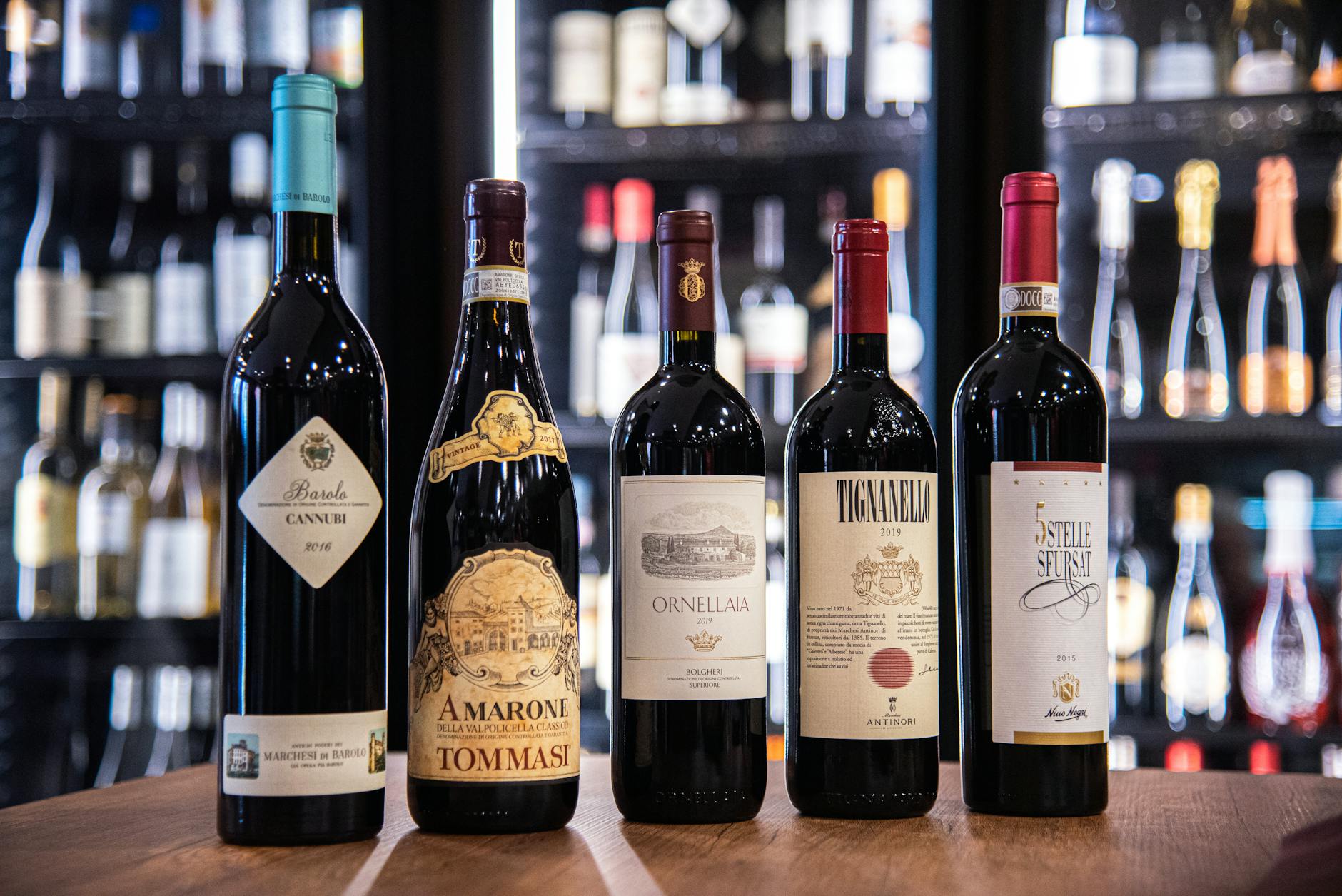
    Photo by Vincenzo Iorio on Pexels.com

    The Pyramid of Quality: DOCG vs. DOC vs. IGT

    Italy’s wine classification system forms a three-tiered pyramid introduced formally with the 1963 wine law, which was heavily inspired by France’s AOC system but with that uniquely Italian flair (and bureaucracy). Here’s the breakdown:

    DOCG – Denominazione di Origine Controllata e Garantita

    • Top-tier designation, introduced in 1980
    • Wines must meet the strictest regulations: grape type, yield, alcohol, aging, and geography
    • Subject to government tasting panels before release
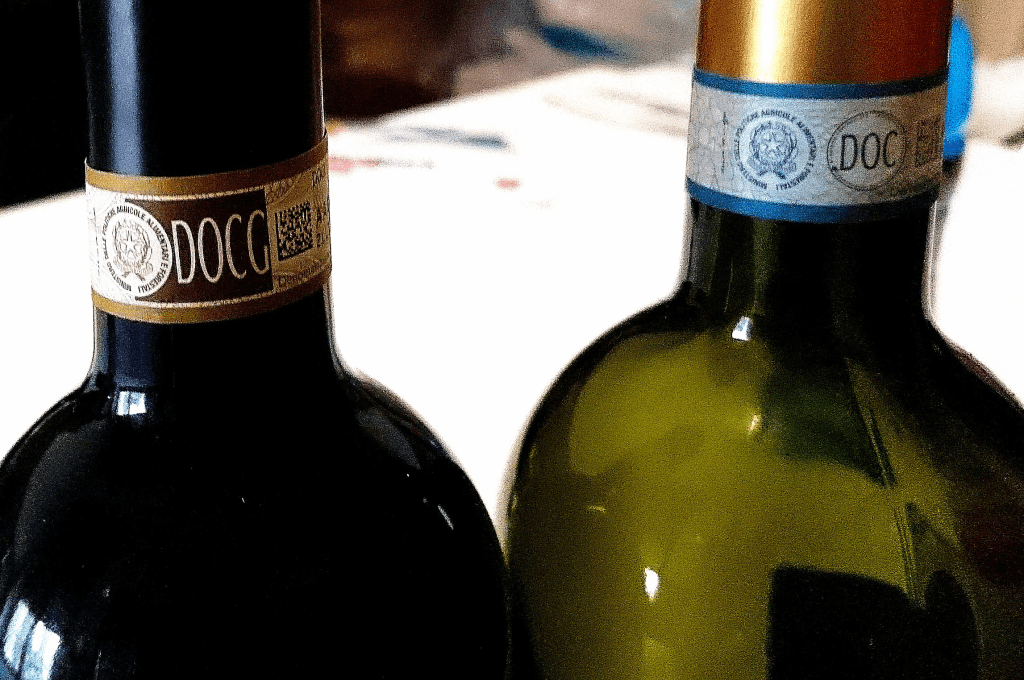
    • Guarantee seal on the neck of each bottle
    • There are currently 77 DOCGs, though some lists include 78 depending on how you count shared or overlapping appellations (we’re looking at you, Cannellino di Frascati and Frascati Superiore)

    Examples:

    • Barolo DOCG (Piedmont) – 100% Nebbiolo, aged minimum 38 months
    • Brunello di Montalcino DOCG (Tuscany) – 100% Sangiovese Grosso, 5 years of aging
    • Amarone della Valpolicella DOCG (Veneto) – dried grape process (appassimento), powerful and rich

    DOC – Denominazione di Origine Controllata

    • Middle-tier, first established in 1966
    • Still regulated but slightly more flexible than DOCG
    • Also enforces rules on production zones, grapes, yields, and winemaking techniques
    • Includes many long-established regions or subregions not yet elevated to DOCG

    There are around 330 DOCs, which evolve frequently as regions apply for DOCG status or boundaries are adjusted.

    Examples:

    • Chianti DOC (Tuscany) – distinct from Chianti Classico DOCG
    • Etna DOC (Sicily) – volcanic reds and whites from Nerello Mascalese and Carricante
    • Lugana DOC (Lombardy/Veneto) – crisp whites from the Turbiana grape near Lake Garda

    IGT – Indicazione Geografica Tipica

    • Introduced in 1992 to acknowledge high-quality wines outside the rigid DOC/DOCG systems
    • Flexible in grape usage, blending, and winemaking—ideal for experimentation
    • Geographic indication is the main requirement
    • Originally a reaction to Super Tuscan wines that didn’t fit DOC rules despite exceptional quality

    Examples:

    • Toscana IGT – the birthplace of Super Tuscans like Sassicaia, Tignanello, and Ornellaia
    • Veneto IGT – widely used for innovative blends or single varietals like Merlot and Chardonnay
    • Sicilia IGT – often used for international grapes or modern styles of Nero d’Avola

    How Did We Get Here? A Sip of History

    Italy’s wine laws evolved from a country of regional customs into a unified classification system. In the early 20th century, counterfeit wines and inconsistent quality were widespread, leading to the 1963 law that created DOC and laid the groundwork for DOCG. But even that wasn’t enough.

    In the 1970s, innovative winemakers in Tuscany grew frustrated by the limitations of DOC laws. They began producing bold, Bordeaux-style blends with Cabernet and Merlot, aging them in French oak, and labeling them simply as “vino da tavola” (table wine). These “Super Tuscans”—once rebels—outshone many DOC wines and gained international fame.

    Italy responded in 1992 by creating the IGT category, legitimizing these high-quality outliers and restoring some order to the chaos.
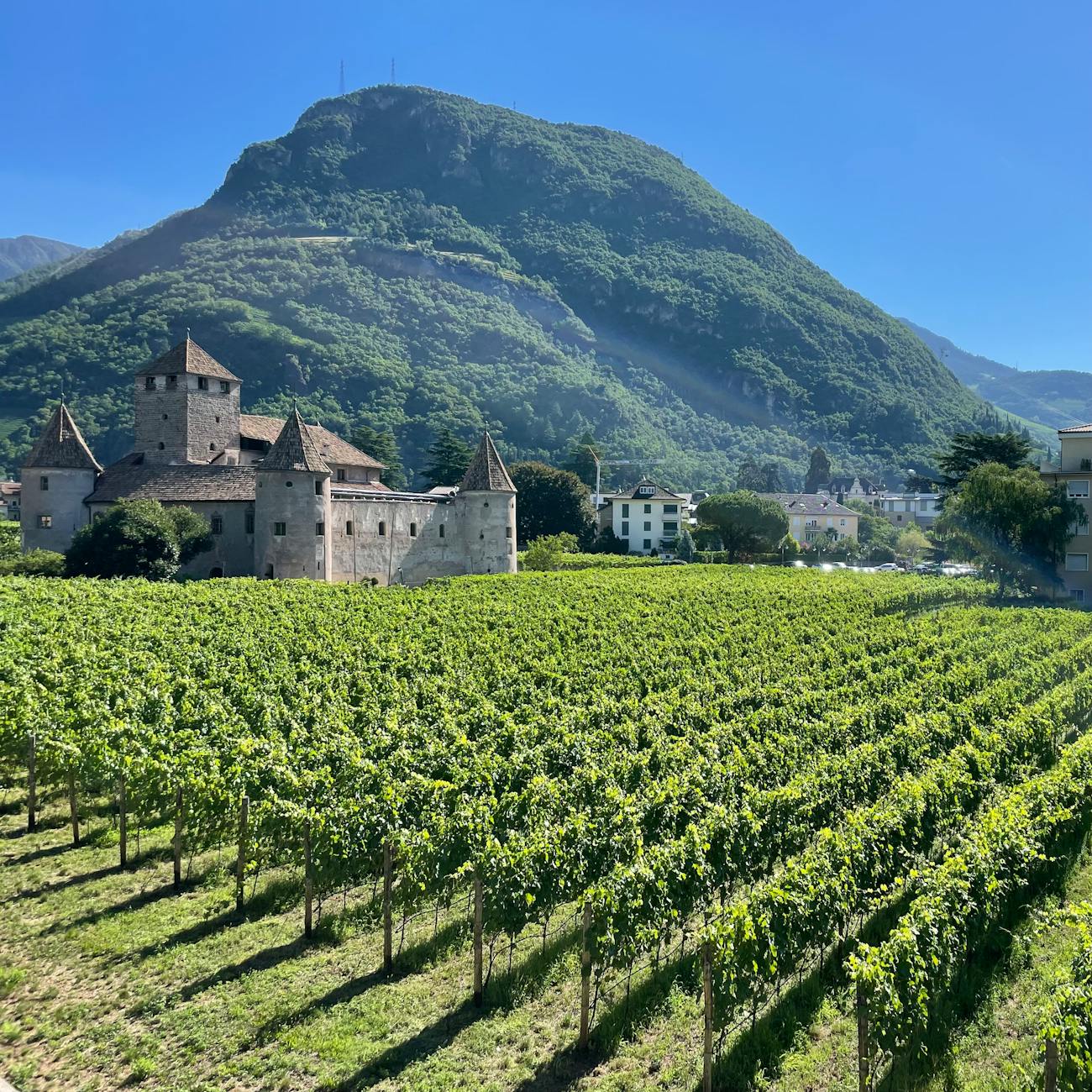
    Photo by Riccardo Mazza on Pexels.com

    The 20 Wine Regions – A Brief Look

    Italy’s wine regions align with its administrative regions. Here are the 20 wine regions of Italy (North to South)

    RegionFamous For
    Valle d’AostaTiny production, alpine Nebbiolo (called Picotendro), Prié Blanc
    Piedmont (Piemonte)Barolo, Barbaresco, Dolcetto, Barbera, Moscato d’Asti
    LiguriaVermentino, Pigato, wines from terraced coastal vineyards
    Lombardy (Lombardia)Franciacorta (traditional method sparkling), Nebbiolo in Valtellina
    Trentino-Alto AdigeElegant whites (Gewürztraminer, Pinot Grigio), Germanic influence
    VenetoAmarone, Valpolicella, Soave, Prosecco
    Friuli-Venezia GiuliaOrange wines, Ribolla Gialla, Sauvignon Blanc, skin-contact whites
    Emilia-RomagnaLambrusco, Sangiovese, sparkling reds, food-friendly wines
    Tuscany (Toscana)Chianti, Brunello, Vino Nobile, Super Tuscans
    UmbriaSagrantino di Montefalco, Grechetto, Orvieto
    MarcheVerdicchio, Rosso Conero, Montepulciano blends
    LazioFrascati, Cesanese, ancient Roman white wine zones
    AbruzzoMontepulciano d’Abruzzo, Trebbiano
    MoliseSmall production, Biferno DOC, Tintilia grape revival
    CampaniaTaurasi, Fiano di Avellino, Greco di Tufo, Falanghina
    BasilicataAglianico del Vulture, high-altitude volcanic reds
    Puglia (Apulia)Primitivo, Negroamaro, full-bodied value reds
    CalabriaGaglioppo-based Cirò, Greco Bianco
    Sicily (Sicilia)Nero d’Avola, Etna wines, Grillo, Cerasuolo di Vittoria DOCG
    Sardinia (Sardegna)Vermentino di Gallura DOCG, Cannonau (Grenache)
    Photo by Brett Jordan on Pexels.com

    Is the Stamp of Quality a Marketing Ploy?

    Let’s be honest: a neck label with “DOCG” in shiny gold doesn’t guarantee your world will change with one sip. But it does serve a purpose.

    Benefits to Consumers:

    • Trust & transparency – You know where the wine is from and what’s inside
    • Production standards – DOCG wines are lab-tested and taste-tested
    • Cultural value – These labels preserve traditional winemaking and protect local identity

    But Don’t Be Fooled…

    • Some DOCs and IGTs outperform DOCGs in quality
    • DOCG upgrades are sometimes politically driven
    • Great wine can come from outside the system

    So yes, there’s a marketing angle—but it’s rooted in protecting regional identity, improving quality, and guiding consumers. Like any guide, it’s useful but not absolute.

    SOMM&SOMM TIP: How to Use the Pyramid When Buying Wine

    1. For traditionalists: Start with DOCG, especially Barolo, Brunello, Amarone.
    2. For adventurers: Explore DOCs in less-known regions like Umbria, Marche, or Molise.
    3. For rebels & innovators: Dive into IGTs—you’ll find unusual blends, single vineyard gems, and creative winemaking at great value.
    4. For budget-conscious buyers: DOC wines often strike the best balance between structure, tradition, and price.

    Embrace the Chaos with a Glass in Hand

    Italy’s wine classifications can seem maddening, but they’re part of the country’s charm. Each DOCG and DOC tells a story—of place, people, and pride. IGT reminds us that some rules are made to be broken. The pyramid isn’t perfect, but it’s a powerful lens through which to explore one of the world’s most diverse wine-producing nations.

    So the next time you pick up a bottle of Barolo or a renegade IGT Syrah from Sicily, remember: you’re not just drinking wine—you’re tasting history, rebellion, and a little bit of bureaucracy in a bottle.

    Cin cin, amici 🍷

    Cover photo by Pava, CC BY-SA 3.0 IT, via Wikimedia Commons
  • Exploring the History and Tradition of Vin Santo Wine

    Exploring the History and Tradition of Vin Santo Wine

    In the rolling hills of Tuscany, amidst the golden vineyards and centuries-old traditions, lies a treasure deeply rooted in history and culture—the enchanting Vin Santo wine. With its rich amber hues and complex flavors, Vin Santo embodies the essence of Italy’s winemaking heritage, weaving together centuries of tradition into each precious drop.

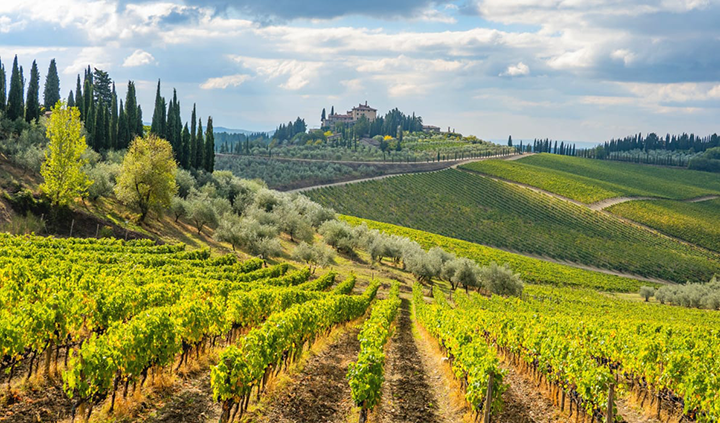
    Beautiful rolling hills of Tuscany

    A Journey Through Time: Origins of Vin Santo

    The origins of Vin Santo can be traced back to medieval times, where its story intertwines with the religious and cultural tapestry of Italy. Legend has it that Vin Santo, meaning “holy wine” in Italian, was first crafted by monks in the Tuscan hillsides. These devout custodians of viticulture discovered that by allowing grapes to dry on straw mats in warm attics, the sugars concentrated, resulting in a sweet, luscious wine.

    The process of making Vin Santo is deeply intertwined with the concept of ‘appassimento,’ a traditional method of drying grapes to concentrate their sugars and flavors. This technique, which originated in ancient Rome, was revived and perfected by Tuscan winemakers, leading to the creation of Vin Santo’s signature style.

    The Art of Vinification: Crafting Vin Santo

    Vin Santo is primarily crafted from white grape varieties such as Trebbiano and Malvasia, although red grape varieties like Sangiovese are also used in some regions. The grapes are harvested at optimal ripeness before being carefully laid out on straw mats or hung in well-ventilated lofts to dry. This drying process, known as ‘appassimento,’ can last for several months, allowing the grapes to gradually shrivel and concentrate their sugars.

    Once sufficiently dried, the grapes are gently pressed, yielding a highly concentrated juice with elevated sugar levels. This luscious must is then transferred to small oak barrels, known as caratelli or ‘little barrels,’ where it undergoes a slow and patient fermentation. Unlike most wines, Vin Santo is left to ferment naturally, relying on ambient yeasts to work their magic over the course of several years.

    The aging process is a hallmark of Vin Santo production, with the wine maturing in small barrels for a minimum of three to five years, though some examples age for much longer. During this time, the wine develops its distinctive aromas and flavors, evolving from vibrant fruitiness to complex notes of dried fruits, nuts, honey, and spices.

    The Variations of Vin Santo: Tradition and Terroir

    While Vin Santo is most commonly associated with Tuscany, its production extends to other regions of Italy, each with its own unique interpretation of this revered wine. In addition to the classic Vin Santo di Chianti, which hails from the heart of Tuscany, other notable variations include Vin Santo del Chianti Classico, Vin Santo di Montepulciano, and Vin Santo di Carmignano.

    These variations reflect not only regional differences in grape varieties and winemaking techniques but also the influence of terroir—the unique combination of soil, climate, and geography that shapes each wine’s character. For example, Vin Santo del Chianti Classico is celebrated for its elegance and balance, while Vin Santo di Montepulciano boasts a more robust and structured profile.

    The Ritual of Enjoyment: Serving Vin Santo

    Vin Santo is more than just a wine; it’s a symbol of conviviality and tradition, often shared during special occasions and festive gatherings. The ritual of serving Vin Santo is as important as the wine itself, with time-honored customs dictating its presentation and enjoyment.

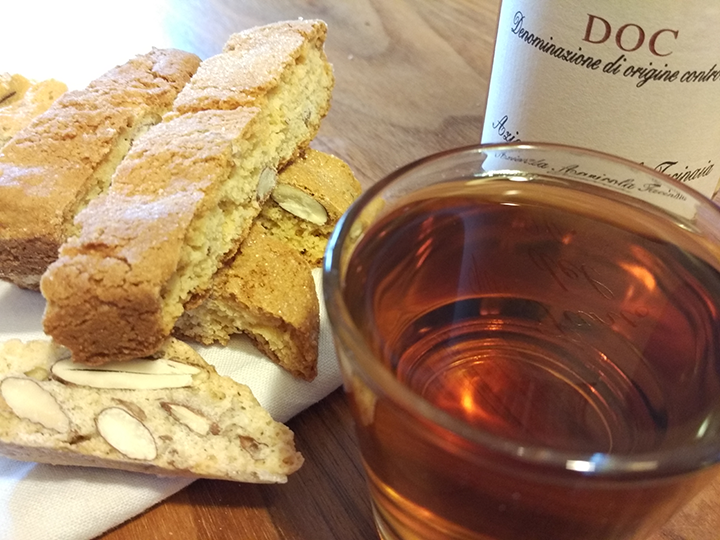
    Vin Santo and Biscotti

    Traditionally served in small, tulip-shaped glasses, Vin Santo is accompanied by biscotti or ‘cantucci,’ almond biscuits specifically designed to complement its sweetness. The ritual of dipping the biscotti into the wine, allowing them to soak up its ambrosial nectar, is a sensory experience that enhances the wine’s flavors and textures.

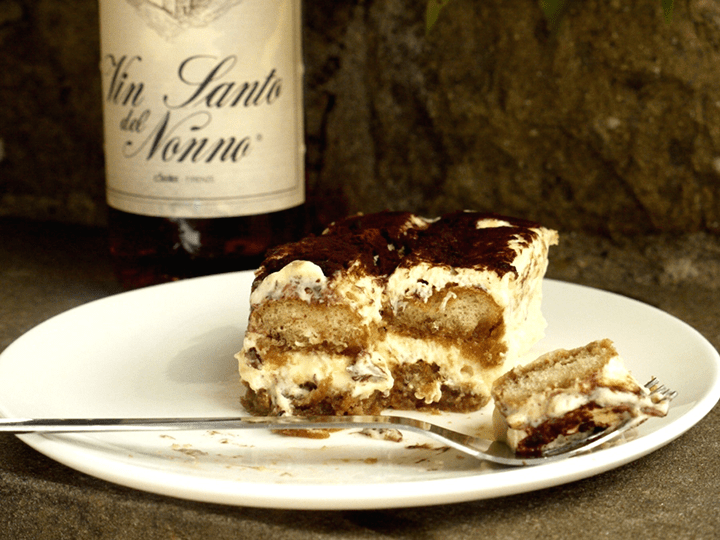
    Vin Santo is also a versatile wine that pairs beautifully with a variety of foods, from aged cheeses and foie gras to desserts such as panna cotta and almond cakes. Its natural sweetness and complex aromas make it a delightful accompaniment to both savory and sweet dishes, earning it a place of honor on tables around the world. Vin Santo is the wine traditionally used in tiramisu 🙂

    Tiramisu with Vin Santo

    Preserving Tradition: The Future of Vin Santo

    In an era of rapidly changing tastes and trends, the tradition of Vin Santo remains a steadfast beacon of Italy’s winemaking heritage. While modern advancements have brought innovations to the production process, the essence of Vin Santo—its connection to the land, its reverence for tradition, and its timeless allure—remains unchanged.

    As we raise our glasses to toast the legacy of Vin Santo, we honor not only the craftsmanship of generations past but also the promise of generations to come. In each sip of this sacred elixir, we taste the history, the tradition, and the timeless beauty of Italian winemaking—a legacy that continues to inspire and enchant wine lovers around the world.

    Cheers🍷

  • Exploring Tuscan Elegance: A Journey through Cantine Guidi’s Wine Portfolio

    Exploring Tuscan Elegance: A Journey through Cantine Guidi’s Wine Portfolio

    In the heart of Tuscany, amidst the rolling hills and historic vineyards, lies a hidden gem known as Cantine Guidi. Under the guidance of their father, Avio Guidi, and led by fourth-generation winemakers Giacomo and Nicola Guidi, this esteemed winery has been crafting exceptional wines that encapsulate the essence of the region for decades. Recently, I had the privilege of attending a special wine tasting event hosted by WineNot? orchestrated by the gracious owners and sommeliers, Mike and Lorale Mullins. This intimate gathering, limited to just 20 individuals, offered an unparalleled opportunity to delve into the world of Cantine Guidi and immerse ourselves in the artistry of winemaking.

    We want to make our wines drink all over the world and that every person drinking them can discover the soul of our family and of Tuscany

    Nicola Guida
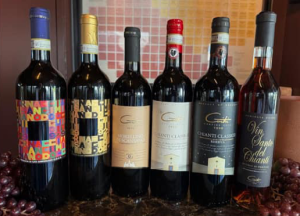
    Cantine Guidi Tasting Lineup

    Nicola Guidi began our tasting journey with the Cantine Guidi Vernaccia di San Gimignano D.O.C.G., a crisp and refreshing white wine that immediately captivated the senses. With its delicate floral aromas and vibrant citrus notes, this wine embodies the essence of Tuscan terroir. The limestone-rich soils of San Gimignano impart a distinctive minerality, while the cool climate ensures optimal acidity. Paired with fresh seafood or light pasta dishes, this Vernaccia di San Gimignano is a true delight.

    Next on the lineup was the Cantine Guidi Vernaccia di San Gimignano Riserva D.O.C.G., a step above its predecessor in terms of complexity and depth. Aged to perfection, this wine boasts layers of ripe stone fruit, honeyed undertones, and a subtle hint of almonds. The extended oak aging adds a touch of richness and texture, making it an ideal companion to creamy risottos or poultry dishes.

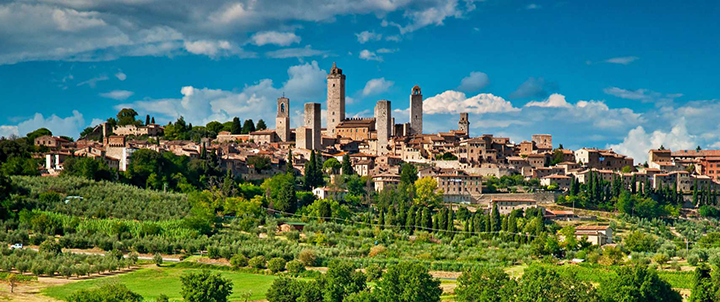
    San Gimignano is often referred to as Tuscany’s “Medieval Manhattan”

    Transitioning to reds, we savored the Morellino di Scansano D.O.C.G., a wine that showcases the versatility of Sangiovese grapes in the Maremma region. With its medium body and velvety tannins, this Morellino di Scansano offers an array of red berry flavors, accented by hints of herbs and spices. Its vibrant acidity makes it a versatile pairing for a variety of dishes, from grilled meats to hearty stews.

    Moving on to the Cantine Guidi Chianti Classico D.O.C.G., we were treated to a quintessential expression of Tuscan red wine. Crafted from Sangiovese grapes grown in the historic Chianti Classico region, this wine exudes elegance and finesse. Bursting with ripe cherry and plum flavors, complemented by notes of violet and earth, it is a true testament to the terroir of Tuscany. Pair it with classic Italian dishes such as pasta with tomato-based sauces (Greg’s Marinara Sauce) or aged cheeses for an unforgettable dining experience.

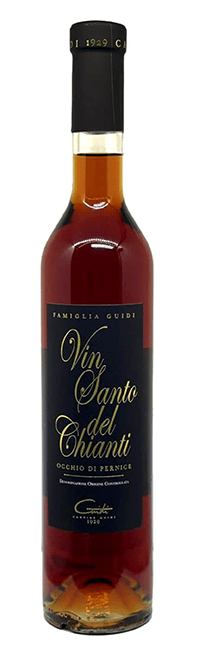
    Vin Santo

    The tasting culminated with the Cantine Guidi Chianti Riserva D.O.C.G., a wine of exceptional depth and complexity. Made from carefully selected grapes and aged in oak barrels, this Chianti Riserva offers an enticing bouquet of dark fruit, tobacco, and leather. Its velvety texture and lingering finish make it a perfect match for hearty meat dishes or aged cheeses.

    Last but certainly not least, we indulged in the Vin Santo del Chianti D.O.C., a true Tuscan treasure. This sweet dessert wine, made from sun-dried grapes, captivated our palates with its luscious notes of caramelized nuts, dried fruits, and honey. Sipped slowly, it served as a fitting finale to our tasting journey, leaving a lasting impression of Tuscan hospitality and craftsmanship.

    We strongly believe that we start from the origins and along the way we grow and change based on the needs of our land; in fact, it is sustainability and ethics that motivate the choices we make every day.

    Cantine Guidi 1929

    Throughout the tasting, Nicola Guidi’s passion for winemaking shone through, as he shared insights into his family’s legacy and the unique terroir of each wine. From the sun-drenched vineyards of San Gimignano to the rugged hills of Chianti, every bottle tells a story of tradition, innovation, and dedication to quality.

    WineNot? West – 1108 W Granada Blvd, Ormond Beach, FL 32174

    As we bid farewell to WineNot? and its gracious hosts, Mike and Lorale Mullins, I couldn’t help but reflect on the unforgettable experience we had shared. Through the artistry of Cantine Guidi’s wines, we had embarked on a sensory journey through the timeless landscapes of Tuscany, savoring each moment and leaving with a newfound appreciation for the beauty of Italian winemaking. Saluti 🍷

  • Unveiling Franciacorta: Italy’s Best-Kept Sparkling Wine Secret

    Unveiling Franciacorta: Italy’s Best-Kept Sparkling Wine Secret

    When it comes to sparkling wines, most people think of Champagne from France or Prosecco from Italy. However, there’s a hidden gem in the world of bubbly that deserves your attention—Franciacorta. Hailing from the Lombardy region in northern Italy, Franciacorta is a sparkling wine that combines tradition, elegance, and a touch of Italian charm. As a professional sommelier and wine educator, I’m excited to introduce you to this under-appreciated delight just in time for the holidays and New Year’s celebrations.

    Lombardy Region in Northern Italy

    The Origin of Franciacorta

    Franciacorta is produced in the picturesque hills of the Franciacorta zone, situated between the southern shore of Lake Iseo and the city of Brescia. Unlike many other sparkling wines, Franciacorta is made using the traditional method, similar to Champagne. The region’s unique terroir, characterized by its clay-limestone soil and a mild climate, imparts distinctive characteristics to the grapes used in its production.

    Chardonnay in Franciacorta

    Grapes and Styles

    The principal grape varieties used in Franciacorta are Chardonnay, Pinot Noir, and Pinot Blanc. The region offers a range of styles, including Franciacorta Brut, Franciacorta Extra Brut, Franciacorta Satèn, and Franciacorta Rosé. Each style presents a different facet of the region’s winemaking expertise, from the crisp and refreshing Brut to the velvety smoothness of a Satèn.

    Controlled and guaranteed designation “Franciacorta” Satèn wine shall be obtained from grapes grown in each estate from the following varietals: Chardonnay min. 50%. Pinot bianco grapes can be used to produce the aforesaid wine up to a maximum proportion of 50%.

    Article 2.1 – Production Rulebook of the Controlled and Guaranteed
    “Franciacorta” Designation Wines

    Exceptional Quality

    One of the hallmarks of Franciacorta is its commitment to quality. The wine undergoes a secondary fermentation in the bottle, contributing to its fine and persistent perlage (bubbles) and complex flavor profile. With a minimum aging period of 18 months for non-vintage and 30 months for vintage Franciacorta, these wines boast a level of maturity and depth that rivals some of the best sparkling wines in the world.

    Perfect for Celebrations

    As the holiday season approaches, Franciacorta is an ideal choice for toasts and celebrations. Its versatility makes it suitable for pairing with a variety of dishes, from appetizers to main courses. The crisp acidity and effervescence of Franciacorta cleanse the palate, making it a wonderful accompaniment to rich and savory holiday fare.

    New Year’s Elegance

    When the clock strikes midnight on New Year’s Eve, raise your glass with a sparkling wine that embodies the spirit of celebration. Franciacorta’s fine bubbles and refined taste make it the perfect choice for toasting to new beginnings. Whether you’re hosting a small gathering or attending a grand party, Franciacorta adds a touch of Italian sophistication to the festivities.

    Ladies and Gentlemen, esteemed connoisseurs of life,

    As we stand on the cusp of a brand new year, let us raise our glasses high, filled with the effervescent joy of Franciacorta, a sparkling elixir as bright as the possibilities that await us in the coming days.

    Let us savor this moment, relish the company of those around us, and toast to the beautiful journey that lies ahead. Happy New Year! May it be as splendid and sparkling as this glass of Franciacorta in our hands. Cheers! 🥂✨

    Gregory Dean, SOMM&SOMM

    Discover the Hidden Gem

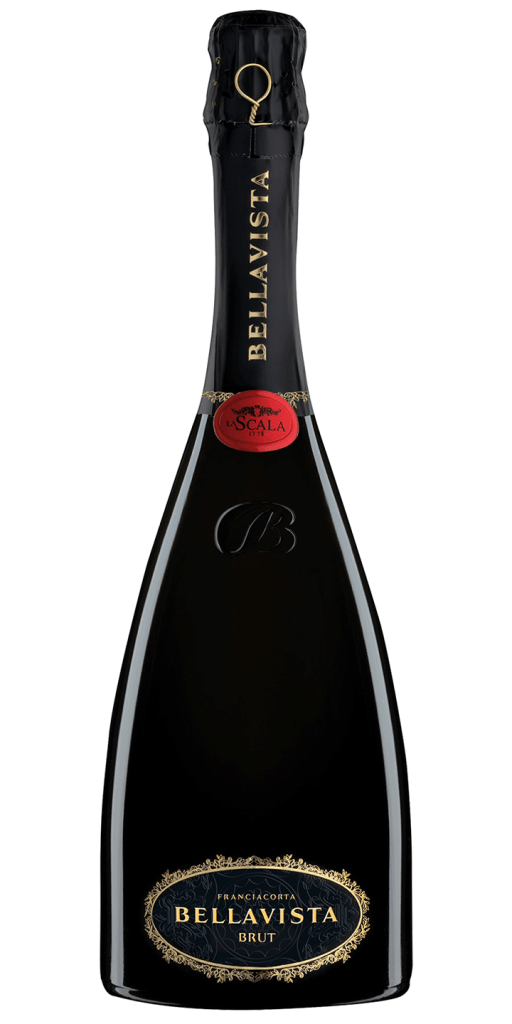
    2018 Bellavista Franciacorta Teatro La Scala Brut

    While Champagne and Prosecco often take the spotlight, Franciacorta quietly awaits discovery by those seeking something truly exceptional. As a wine educator, I encourage you to explore the world of Franciacorta and experience the magic of this Italian sparkling wine. Whether you’re a seasoned wine enthusiast or a curious newcomer, Franciacorta offers a delightful journey for your taste buds.

    Here are a few of our favorite Franciacorta wines:

    2018 Bellavista Franciacorta Teatro La Scala Brut

    Bellavista Franciacorta Alma Cuvee Brut

    In conclusion, this holiday season and New Year’s, consider elevating your celebrations with Franciacorta. It’s time to unveil the well-kept secret of Italian sparkling wine and savor the craftsmanship, tradition, and elegance that make Franciacorta a hidden gem in the world of bubbly. Cheers to new discoveries and unforgettable moments!

    Reference: Production Rulebook of the Controlled and Guaranteed
    “Franciacorta” Designation Wines