Tag: food

  • Teinturier Grapes: A Deep Dive into Rarity and Richness

    Teinturier Grapes: A Deep Dive into Rarity and Richness

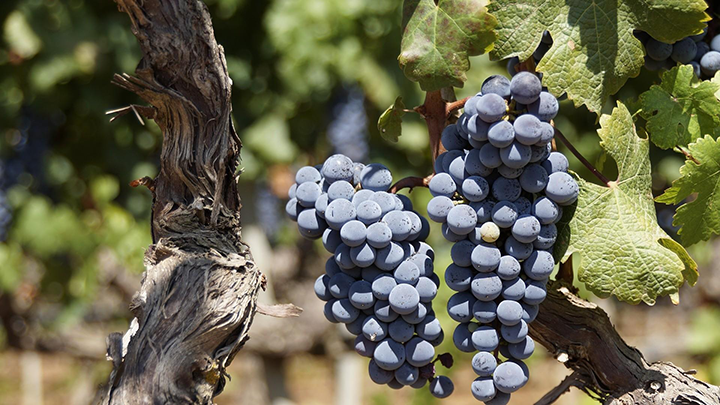
    In the vast and intricate world of wine, there exists a category of grapes that is shrouded in mystery and rarity: the teinturier (pronounced teen-TOUR-ee-er) grapes. These unique varieties stand out among their counterparts due to their distinct characteristic of having red-colored flesh, which sets them apart from the majority of grape varieties whose flesh is typically clear or lightly pigmented. In this exploration, we embark on a journey to uncover the enigmatic nature of teinturier grapes, delving into their origins, unique characteristics, varieties, tasting notes, and the stories that surround them.

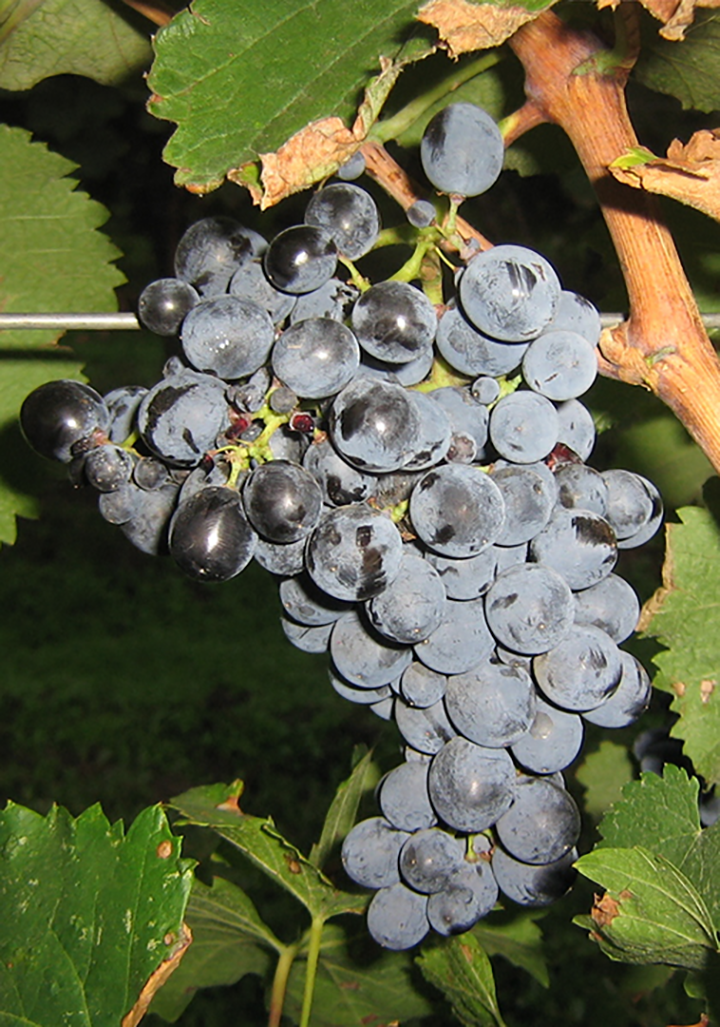
    Cover photo credits: Lebowskyclone, CC BY-SA 3.0 https://creativecommons.org/licenses/by-sa/3.0, via Wikimedia Commons

    Origins and Characteristics

    The term “teinturier” is derived from the French word for “dyer,” which aptly describes the intense coloration these grapes impart to wine. Unlike most red grape varieties, where the color comes primarily from the skins during fermentation, teinturier grapes possess deeply pigmented flesh, resulting in wines with exceptionally rich coloration and depth.

    One of the most notable characteristics of teinturier grapes is their rarity. While there are thousands of grape varieties cultivated worldwide, only a small fraction belong to the teinturier category. This rarity adds to their allure and intrigue among wine enthusiasts and connoisseurs.

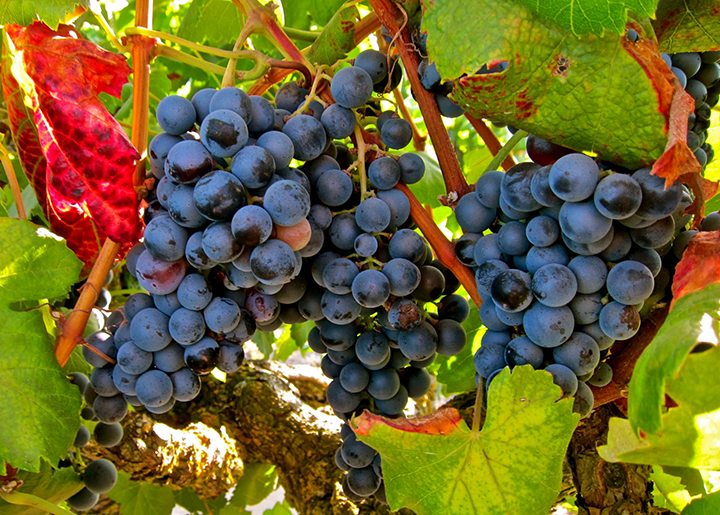
    Alicante Bouschet (photo: Good Food Revolution)

    Varieties of Teinturier Grapes

    Several grape varieties fall into the category of teinturier grapes, each offering its own unique characteristics and flavor profiles. Some of the most prominent varieties include:

    1. Alicante Bouschet: Among the most well-known teinturier grapes, Alicante Bouschet boasts deep red flesh and intense coloration. Originating in France in the late 19th century, this grape is prized for its robust flavors of dark fruits, such as blackberry and plum, coupled with firm tannins and a full-bodied structure.

    2. Saperavi: Hailing from the country of Georgia, Saperavi is a teinturier grape renowned for its inky color and bold, complex flavors. This variety often exhibits notes of black cherry, black pepper, and hints of smoke, with a velvety texture and a long, lingering finish.

    3. Rubired: Developed in California, Rubired is a teinturier grape widely used in winemaking for its deep color extraction and rich flavor profile. Wines made from Rubired grapes are characterized by their plush texture, ripe berry flavors, and a touch of spice, making them ideal for blending or as standalone varietal wines.

    4. Graciano: While not exclusively a teinturier grape, Graciano is known for its deeply pigmented juice, which contributes to the intense coloration of wines when blended with other grape varieties. Originating in Spain, Graciano imparts wines with vibrant acidity, notes of dark fruits, and a savory, herbal undertone.

    Tasting Notes and Pairings

    Teinturier wines are prized for their deep color, bold flavors, and distinctive characteristics. When tasting wines made from teinturier grapes, one can expect to encounter a spectrum of flavors and aromas, ranging from dark fruits and spices to savory notes and earthy undertones.

    Alicante Bouschet wines often exhibit flavors of ripe blackberry, plum, and dark chocolate, with firm tannins and a robust structure. Pairing these wines with grilled meats, hearty stews, or aged cheeses complements their bold flavors and enhances the overall dining experience.

    Saperavi wines boast a complex profile of black cherry, black pepper, and smoky notes, with a velvety texture and well-integrated tannins. These wines pair beautifully with dishes such as lamb tagine, roasted duck, or mushroom risotto, where their depth of flavor can shine.

    Rubired wines are characterized by their plush texture, ripe berry flavors, and hints of spice, making them versatile for pairing with a variety of cuisines. Whether enjoyed alongside barbecue ribs, spicy chili, or creamy pasta dishes, Rubired wines add a layer of richness and depth to the dining experience.

    Graciano Varietal from Rioja

    Graciano wines offer vibrant acidity, dark fruit flavors, and a savory, herbal character, making them ideal companions for dishes such as grilled steak, paella, or roasted vegetable medleys. The wine’s acidity cuts through rich flavors, while its earthy undertones complement a wide range of ingredients.

    Beyond their exceptional qualities in winemaking, teinturier grapes are also steeped in stories, myths, and quips that add an element of fascination to their narrative. Legend has it that Alicante Bouschet was created by a French viticulturist who sought to develop a grape variety with intense coloration during a time when blending wines was a common practice. Similarly, the origins of Saperavi trace back to ancient Georgia, where it is believed to have been cultivated for over 8,000 years, earning its status as one of the oldest grape varieties in existence.

    As we delve deeper into the world of teinturier grapes, we uncover not only their rare and unique characteristics but also the rich tapestry of history, culture, and tradition that surrounds them. From the sun-drenched vineyards of Spain to the lush landscapes of California, these grapes continue to captivate and inspire winemakers and enthusiasts alike, offering a glimpse into the extraordinary diversity and complexity of the wine world.

    Teinturier grapes stand as a testament to the endless possibilities and wonders of winemaking, showcasing the artistry and ingenuity of those who cultivate and craft them into the exquisite wines that grace our tables and tantalize our palates. As we raise our glasses to toast to these remarkable grapes, let us savor the richness of their flavors, the depth of their colors, and the stories that surround them, celebrating the beauty and complexity of the world of wine. Salute! 🍷

  • Unveiling the Art of Vine Training: Crafting Fine Wines through Precision

    Unveiling the Art of Vine Training: Crafting Fine Wines through Precision

    The world of winemaking is an intricate dance between nature and human intervention. Among the many factors that vintners meticulously consider, vine training stands out as a critical element in shaping the destiny of grapevines and, consequently, the wines they produce. In this exploration, we delve into some common vine training approaches, unraveling the reasons behind winemakers’ choices, and uncovering the correlations between vine training methods and wine regions or traditions.

    Guyot System of Vine Training

    Guyot System: A Classic Elegance

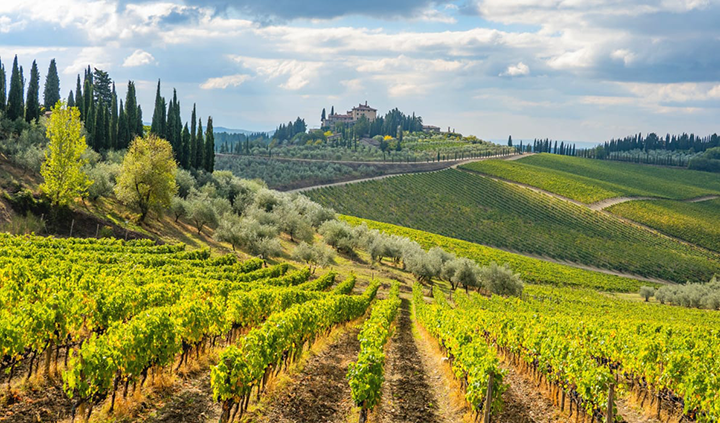
    The Guyot system, with its single or double horizontal arms and vertical shoot positioning, exudes classic elegance. Often favored for its simplicity, it allows for efficient sunlight exposure and air circulation, promoting grape ripening and reducing the risk of diseases. Found in regions like Bordeaux, the Guyot system is associated with the structured and age-worthy red wines that have become synonymous with the area.

    Description: The Guyot system involves training the grapevines with one or two fruiting canes and a spur.

    Reasons for Adoption: Efficient in balancing vine vigor and controlling yields. It is adaptable to various climates and provides good fruit exposure.

    Popularity: Widely used in regions like Tuscany and parts of Australia.

    Impact of Weather and Location: Guyot is versatile and suitable for both cool and warm climates. It allows for adaptation based on vineyard conditions.

    Varietals: Cabernet Franc and Sangiovese thrive under Guyot, benefiting from the controlled vine growth.

    Machine Harvesting: Guyot is compatible with machine harvesting, contributing to its popularity.

    Cordon-trained Spur Pruned Vineyard

    Spur Pruning: Precision in Pinot Noir

    Particularly popular in Burgundy, the home of Pinot Noir, spur pruning involves short, lateral branches that produce the grape clusters. This method allows for precise control over the grape yield, ensuring concentration of flavors. The resulting wines are known for their delicacy, complexity, and a distinct expression of terroir.

    Trellis Systems: Adapting to Modern Demands

    Trellis systems, including Vertical Shoot Positioning (VSP) and Smart-Dyson, are common in regions with high humidity and vigorous vine growth. VSP, for instance, is widely used in New Zealand. These systems facilitate air circulation, reducing the risk of mold and mildew. The wines from these regions often exhibit vibrant fruit flavors and crisp acidity.

    Vertical Shoot Positioned Trellis System

    1. Vertical Shoot Positioning (VSP):

       – Description: VSP involves training the grapevines vertically, with shoots growing upward. It is a widely adopted method, especially in cooler climates. Canes are typically tied to wires, allowing for better sunlight exposure and air circulation.

       – Reasons for Adoption: VSP is favored for its efficiency in managing canopy growth, which aids in sunlight penetration, essential for even ripening. This method also facilitates mechanized vineyard operations and harvesting.

       – Popularity: VSP is highly popular, particularly in regions with cool climates, such as Burgundy and Oregon.

       – Impact of Weather and Location: VSP is well-suited for areas with moderate climates, as it helps maximize sun exposure. In cooler regions, it helps mitigate the risk of frost damage by elevating buds above potential frost pockets.

       – Varietals: Pinot Noir and Chardonnay thrive under VSP due to the controlled canopy and improved ripening conditions.

       – Machine Harvesting: VSP is compatible with machine harvesting, making it a preferred choice for large-scale vineyards.

    2. Smart-Dyson:

       – Description: This method involves training the vines in a circular fashion, resembling an open umbrella. It was developed to address challenges in canopy management.

       – Reasons for Adoption: Smart-Dyson aims to optimize sunlight exposure and air circulation while minimizing disease pressure. It allows for better control over yields and grape quality.

       – Popularity: Commonly used in regions like Bordeaux and parts of California, where Bordeaux varietals are predominant.

       – Impact of Weather and Location: Smart-Dyson can be adapted to different climates, but it is particularly useful in regions with warm temperatures, as it helps prevent sunburn on grapes.

       – Varietals: Cabernet Sauvignon and Merlot are often trained using the Smart-Dyson method, benefiting from the balanced canopy.

       – Machine Harvesting: While possible, machine harvesting might be more challenging due to the unique canopy structure.

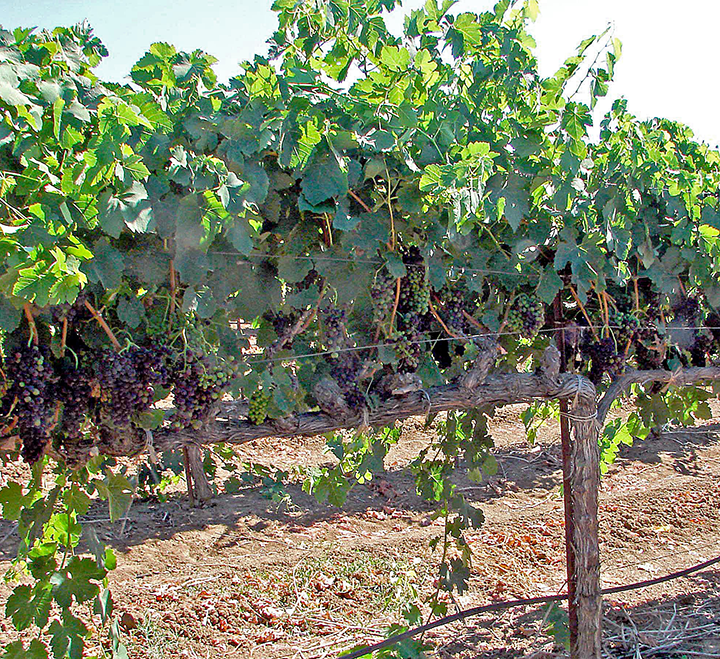
    Pergola Training in the Vineyard

    Pergola System: Embracing Tradition in Italy

    Italy, known for its rich winemaking history, often embraces the traditional pergola system. With vines trained overhead in a canopy-like fashion, this method protects grapes from excessive sunlight and enhances air circulation. Wines from regions like Valpolicella reflect the tradition, offering a unique combination of richness and freshness.

    Espalier: Artistry in Elegance

    Espalier, a technique that involves training vines along a flat, vertical surface, is a testament to the artistry in winemaking. Commonly found in Champagne, this method allows for precise control over grape exposure to sunlight. Champagnes crafted with espalier-trained vines showcase finesse, delicate bubbles, and nuanced flavors.

    Correlation between Vine Training and Wine Characteristics

    The correlation between vine training and wine characteristics is profound. The architecture of the vine directly influences factors such as sunlight exposure, air circulation, and grape ripening, which, in turn, shape the flavor profile, structure, and aging potential of the wines. Regions with specific climate conditions often adopt vine training approaches that mitigate challenges unique to their environment, leading to distinct wine styles.

    In the intricate tapestry of winemaking, vine training emerges as a pivotal brushstroke, allowing winemakers to paint a canvas of flavors, aromas, and textures. The careful selection of vine training approaches reflects a deep understanding of the interplay between nature and craftsmanship. As wine enthusiasts, exploring the connection between vine training and the wines we cherish enhances our appreciation for the artistry behind each bottle.

  • Crafting the Perfect Wine Tasting Experience

    Crafting the Perfect Wine Tasting Experience

    A well-curated wine tasting event is an exquisite journey that engages the senses and allows participants to appreciate the complexities of different varietals. Having hosted (and participated in) a few tasting events, SOMM&SOMM is here to guide you through the science behind choosing the order in which wines should be served to enhance the overall tasting experience.

    Disclosure: This post includes some affiliate links. Should you click an affiliate link and make a purchase, we may receive a small commission at no extra cost to you.

    Photo by liis piirmets on Pexels.com

    The basic principles (3 rules)

    Sommelier Rule #1: Start with Whites before Reds – The general rule of thumb is to begin with white wines before moving on to reds. White wines are typically lighter and crisper, allowing the palate to acclimate to the subtleties of flavors without overwhelming it with bold tannins and robust characteristics. This progression ensures a smooth transition from lighter to fuller-bodied wines.

    Sommelier Rule #2: Consider Alcohol Content – When selecting the order of wines, it is essential to take alcohol content into account. Starting with lower alcohol wines helps prevent palate fatigue, allowing participants to fully appreciate the nuances of each wine. Gradually progressing towards higher alcohol wines ensures a balanced tasting experience.

    Sommelier Rule #3: Sweet vs. Dry – Another factor to consider is the sweetness level of the wines. Begin with dry wines and progress towards sweeter ones. Sweet wines can leave a lingering impression on the palate, making it challenging to appreciate the subtleties of drier varietals if served later in the lineup.

    Best Practices for Creating a Proper Lineup

    • Light to Full-Bodied – Arrange the wines from light to full-bodied. This helps participants ease into the tasting, preventing palate fatigue and ensuring that the more delicate characteristics of lighter wines are not overshadowed by bolder counterparts.

    • Consider Regional Variations – If you have a selection of wines from different regions, consider the traditional order of service for that region. For example, if showcasing French wines, follow the classic progression of Champagne, white Burgundy, red Burgundy, Bordeaux, and so on.

    • Mind the Oak Influence – If your selection includes oaked and unoaked wines, start with unoaked varieties. Oak can leave a lasting impression on the palate, and beginning with unoaked wines allows for a more nuanced tasting experience.

    Westgarth Wines

    Spotlight: Westgarth Wines is a great source for hard-to-find varietals and vintages. Whether building your wine portfolio or planning a themed wine tasting, check out Westgarth Wines Extensive Fine Wine Collection.

    Adjusting for Food and Wine Dinners

    When planning a food and wine dinner, the dynamics change slightly. Consider the following:

    1. Pairing Dynamics: Align the wine lineup with the progression of the courses. Lighter wines work well with appetizers and delicate dishes, while fuller-bodied wines complement heartier mains.
    2. Consider the Dominant Flavors: If a specific dish has dominant flavors, choose a wine that compliments or balances those flavors. For example, a buttery Chardonnay pairs well with creamy pasta dishes (Coquillettes Ham Tartufata).
    Photo by Pavel Danilyuk on Pexels.com

    Proper Etiquette for a Tasting

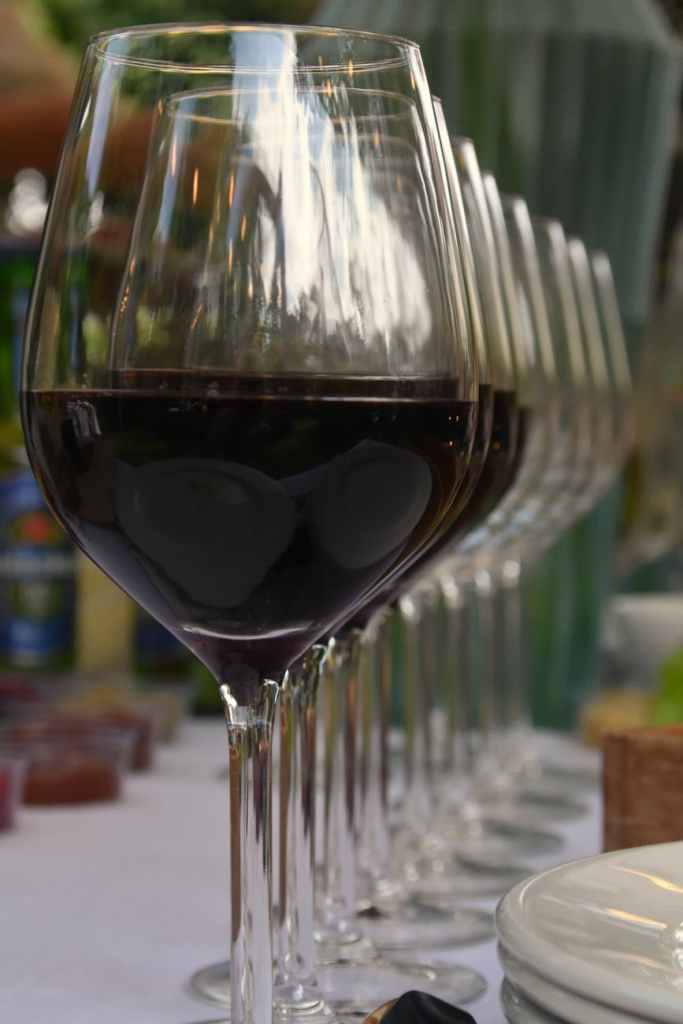
    Sip, don’t swallow. Encourage participants to take small sips and savor the flavors without swallowing immediately. This allows for a more comprehensive tasting experience. Use the right glassware. Provide appropriate glassware for each wine. The shape and size of the glass can significantly impact the perception of aromas and flavors. Provide water and neutral snacks. Have water available to cleanse the palate between tastings. Neutral snacks like crackers or bread can also help reset the palate.

    In conclusion, crafting the perfect wine tasting experience involves a thoughtful consideration of the order in which wines are served. By understanding the science behind this process and incorporating best practices, you can elevate any tasting event to a memorable and enjoyable occasion.

    Cheers 🥂

  • The Art and Science of Decanting Wine

    The Art and Science of Decanting Wine

    Decanting wine is a centuries-old practice that fuses artistry and science to elevate the drinking experience. As a sommelier and wine educator, I am often asked about the mysteries surrounding this ritual. In this comprehensive exploration, we will unravel the essence of decanting, debunk myths surrounding the process, and delve into specific examples of wines that truly blossom when given the chance to breathe.

    The Purpose of Decanting

    At its core, decanting serves two primary purposes: aeration and sediment separation. Aeration involves exposing the wine to oxygen, which allows it to open up and release its full bouquet of aromas and flavors. This is particularly beneficial for young, tannic red wines that may initially be tight and closed. Sediment separation is relevant for aged wines, as it helps remove any accumulated sediment that can form in the bottle over time.

    When to Decant

    One common myth is that only red wines benefit from decanting. While red wines generally stand to gain more from the process due to their tannin structure, certain white wines, such as older vintage Chardonnays and oxidative styles like aged Rieslings, can also benefit from aeration.

    Another misconception is that only old wines need decanting. While it’s true that older wines often contain sediment, young and robust red wines can also benefit from decanting. For example, a bold Cabernet Sauvignon or a structured Barolo can soften and reveal additional layers of complexity when exposed to air.

    How to Decant

    Decanting is a simple yet deliberate process. Start by standing the bottle upright for several hours to allow any sediment to settle at the bottom. When ready to decant, gently pour the wine into a decanter in one smooth motion, leaving the sediment in the bottle.

    For older wines, it is important to not disturb the wine. The traditional process is to pull the wine from the cellar rack and place it in a wine cradle or basket at the same orientation it was stored. Don’t rotate the bottle because the sediment will have already settled to the side facing down while in the cellar (thanks gravity). Remove the foil and open the bottle while in the basket and proceed to decant while watching for sediment to reach the shoulder. When the sediment reaches the neck, stop decanting.

    Examples of Wines that Benefit from Decanting

    1. Young Tannic Reds: Barolo (e.g., Barolo, Serralunga d’Alba, Vintage 2015)

    The high tannin content in young Barolo wines can be softened through aeration, revealing the intricate layers of flavors and aromas that may be initially subdued.

    2. Mature Reds with Sediment: Bordeaux (e.g., Château Margaux, Pauillac, Vintage 1990)

    Older Bordeaux wines often develop sediment over time. Decanting not only separates the sediment but also allows the wine to breathe, showcasing the delicate nuances that come with age.

    3. Full-Bodied Whites: Aged Chardonnay (e.g., Kistler Vineyards, Sonoma Coast, Vintage 2010)

    Aged Chardonnays can benefit from decanting to enhance their texture and reveal the secondary and tertiary aromas that have developed over time.

    4. Bold and Robust Young Whites: Condrieu (e.g., E. Guigal, La Doriane, Vintage 2018)

    While less common, certain bold and full-bodied white wines, such as Condrieu, can benefit from decanting to allow the aromas and flavors to unfold.

    Riedel Mamba Decanter

    Decanter Shapes and Styles

    Decanters come in a variety of shapes and styles, each designed to accentuate specific characteristics of different wines. Choosing the right decanter can enhance the overall decanting experience, but it’s essential to understand the advantages and potential disadvantages associated with various designs.

    1. Classic Wine Decanter

    Advantages:

       – Aeration: The wide base and long neck allow for ample surface area exposure, promoting effective aeration.

       – Sediment Separation: The wide bowl facilitates a smooth pour, aiding in the separation of sediment.

    Disadvantages:

       – Limited Oxygen Exchange: Some classic decanters may not provide as much aeration as more modern designs, potentially limiting the wine’s exposure to oxygen.

    2. U-Shaped Decanter

    Advantages:

       – Improved Aeration: The wide bowl at the bottom enhances aeration, while the narrow neck minimizes excessive oxygen exposure, suitable for delicate wines.

    Disadvantages:

       – Sediment Management: While effective for aeration, the narrow neck may make sediment separation more challenging compared to wider-necked decanters.

    3. Duck or Swan-Shaped Decanter

    Advantages:

       – Aeration and Presentation: The curved design allows for aeration, and the elegant shape serves both functional and aesthetic purposes.

    Disadvantages:

       – Sediment Concerns: Similar to U-shaped decanters, sediment separation may be a bit more challenging due to the narrow neck.

    4. Modern or Artistic Decanter

    Advantages:

       – Aesthetic Appeal: These decanters often serve as both functional vessels and pieces of art, adding a visual dimension to the wine experience.

       – Aeration: Depending on the design, some modern decanters can offer effective aeration.

    Disadvantages:

       – Practicality: Some artistic designs may prioritize aesthetics over functionality, potentially impacting the aeration process or ease of pouring.

    5. Dual-Chamber or Two-Stage Decanter

    Advantages:

       – Separate Aeration and Serving Chambers: Enables aeration in one chamber while keeping sediment in another, providing the best of both worlds.

       – Precision Pouring: The design often includes a spout, allowing for controlled pouring and minimizing the risk of dripping.

    Disadvantages:

       – Complex Cleaning: The dual-chamber design can make cleaning more intricate than with simpler decanters.

    Decanting wine is both an art and a science, requiring a delicate balance between patience and precision. By understanding the unique characteristics of different wines and debunking common myths, wine enthusiasts can unlock the full potential of their favorite bottles. Whether indulging in a young, robust red or savoring the nuances of a gracefully aged white, the act of decanting is a timeless ritual that enhances the enjoyment of this elixir of the gods. Cheers to the journey of discovering the symphony of aromas and flavors that await within every decanted bottle!

  • Champagne Unveiled: A Journey through Bubbles, Elegance, and Celebration

    Champagne Unveiled: A Journey through Bubbles, Elegance, and Celebration

    Champagne, often synonymous with celebrations and luxury, stands as the epitome of sparkling wine craftsmanship. Originating from the picturesque Champagne region in France, this effervescent elixir has woven itself into the fabric of joyous occasions worldwide. As a professional sommelier and wine educator, I invite you on a journey to discover the nuances of Champagne, explore its historical roots, distinguish it from other sparkling wines, and indulge in the art of serving and toasting.

    Champagne Vineyards

    Historical Roots of Champagne

    The captivating tale of Champagne’s origin dates back to the 17th century. Legend has it that the Benedictine monk Dom Pérignon discovered the method to capture the bubbles in wine, turning a potential winemaking disaster into a delightful revelation. While this story adds a touch of romance to the narrative, historical records attribute the development of the traditional method of sparkling wine production to multiple contributors in the Champagne region.

    In the early 19th century, Champagne houses such as Veuve Clicquot and Moët et Chandon played pivotal roles in refining the méthode champenoise, which involves a secondary fermentation in the bottle. This technique became the hallmark of Champagne production, distinguishing it from other sparkling wines.

    Distinguishing Champagne from Other Sparkling Wines

    While Champagne is the undisputed star, various other sparkling wines offer distinctive profiles and styles. Prosecco (created using the Charmat Method), hailing from Italy, is known for its fresh and fruity character. One of our favorite sparkling wines from Italy, also made using the traditional method (metodo classico), is the Lombardy region’s own Franciacorta. Spain’s Cava, crafted using the traditional method, exhibits citrusy and toasty notes. The German Sekt often showcases a delicate sweetness, while English sparkling wines gain recognition for their quality, influenced by the cool climate and chalky soils.

    What sets Champagne apart is the rigorous production standards outlined by the AOC (Appellation d’Origine Contrôlée) regulations. Grapes, primarily Chardonnay, Pinot Noir, and Pinot Meunier, must come from the Champagne region, and production follows strict guidelines to ensure consistency and excellence.

    Photo by JESHOOTS.com on Pexels.com

    Tips on Serving Sparkling Wine for the Holidays

    As the holiday season approaches, serving sparkling wine with finesse can elevate the festivities. Here are some tips to enhance your sparkling wine experience:

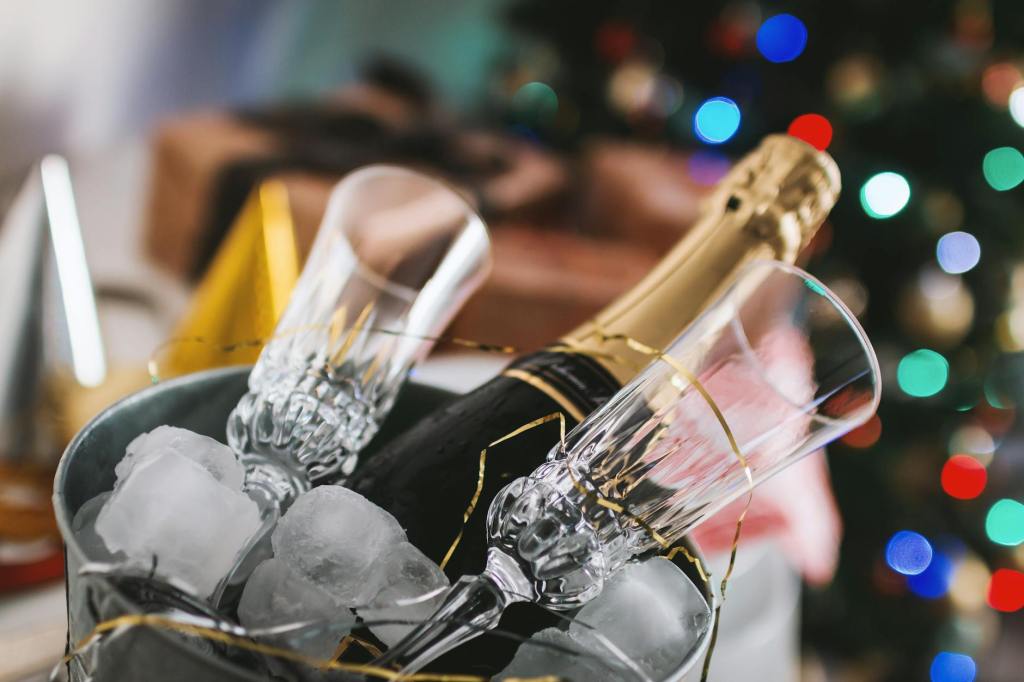
    1. Temperature Matters: Serve Champagne chilled, ideally between 45°F to 48°F (7°C to 9°C). An ice bucket filled with water and ice is an excellent way to keep it at the perfect temperature.

    2. Choosing the Right Glassware: Opt for a flute or tulip-shaped glass to preserve the effervescence and concentrate the aromas. The narrow design helps maintain the bubbles and showcases the wine’s complexity.

    3. Gentle Pouring: To preserve the bubbles, pour sparkling wine down the side of the glass. Hold the glass at an angle and let the liquid glide gently into the flute.

    Popular Champagne Cocktails and Recipes

    Champagne isn’t confined to celebratory toasts; it’s a versatile libation that can be crafted into delightful cocktails. Here are a few popular recipes to elevate your Champagne experience:

    1. Classic Champagne Cocktail:

    Ingredients:

    •    1 sugar cube
    •    Angostura bitters
    •    Champagne
    •    Lemon twist (for garnish)

    Instructions: Soak the sugar cube in a few dashes of Angostura bitters. Drop the cube into a Champagne flute. Pour chilled Champagne over the sugar cube. Garnish with a lemon twist.

    2. French 75:

    Ingredients:

    • 1 oz gin
    • 0.5 oz simple syrup
    • 0.5 oz lemon juice
    • Champagne
    • Lemon twist (for garnish)

    Instructions: Shake gin, simple syrup, and lemon juice with ice. Strain into a Champagne flute. Top with Champagne. Garnish with a lemon twist.

    3. Mimosa:

    Ingredients:

    • 2 oz orange juice
    • Champagne

     Instructions: Pour orange juice into a Champagne flute. Top with chilled Champagne.

    Photo by cottonbro studio on Pexels.com

    Proper Approach to a Classic Champagne Toast

    A Champagne toast is a timeless tradition that brings people together in celebration. To ensure a memorable and elegant toast, consider the following:

    1. Selecting the Right Champagne: Choose a quality Champagne that suits the occasion. A brut or extra brut is a safe choice for toasting, offering a balance of sweetness and acidity.

    2. Chilled to Perfection: Ensure the Champagne is appropriately chilled. A cold glass of bubbly is not only refreshing but enhances the effervescence.

    3. Hold the Glass Correctly: Grasp the Champagne flute by the stem to prevent the transfer of heat from your hand to the wine. This helps maintain the ideal serving temperature.

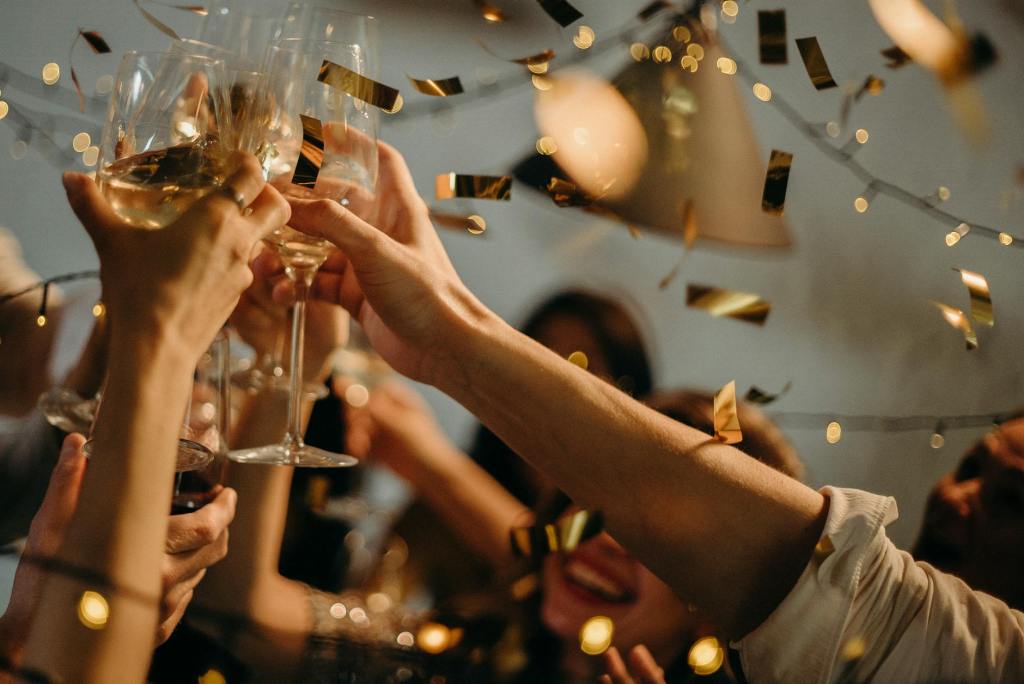
    4. Raise, Clink, and Sip: Raise your glass, make eye contact, and gently clink glasses with others. Take a moment to express your sentiments before taking a sip.

    Let us raise our glasses high in celebration of this joyous moment. Here’s to love that knows no bounds, to friendships that stand the test of time, and to the adventures that await us in the coming years. May our hearts be filled with gratitude, our days with laughter, and our glasses with the effervescent elixir of life. Cheers to the past, the present, and the future – may it be as sparkling and delightful as the bubbles dancing in this champagne. Cheers!

    Gregory Dean, SOMM&SOMM

    In conclusion, Champagne is a beverage of celebration, history, and craftsmanship. From its humble beginnings in the Champagne region to its global acclaim, this effervescent wine continues to captivate enthusiasts. Whether sipped on its own, blended into cocktails, or used for toasts, Champagne remains a symbol of elegance and festivity, enriching moments both grand and intimate. 🥂

  • Wine Styles: Late Harvest Wines

    Wine Styles: Late Harvest Wines

    Late harvest wines represent a pinnacle of winemaking craftsmanship, showcasing the artful balance between sweetness and acidity. These wines are crafted from grapes left on the vine longer than usual, allowing them to ripen further and intensify their flavors. Late harvest wines come in various styles, each offering a unique tasting experience. Among them, the influence of noble rot (botrytis) on certain grapes adds an extra layer of complexity and richness.

    Styles of Late Harvest Wines

    Lur Saluces Chateau de Fargues – Photo Credit: Fred Swan, JJBuckley.com

    Sauternes (France)

    Sauternes is an iconic late harvest wine from the Bordeaux region of France. It is primarily made from Semillon, Sauvignon Blanc, and Muscadelle grapes. The grapes are affected by botrytis cinerea, a fungus that concentrates the sugars and flavors, resulting in a luscious, honeyed wine with vibrant acidity. Château d’Yquem is the most renowned producer of Sauternes.

    SOMM&SOMM recommends: Chateau Suduiraut Sauternes

    Trockenbeerenauslese (Germany)

    In Germany, Trockenbeerenauslese (TBA) wines are produced from individually selected, overripe grapes affected by noble rot. These wines are intensely sweet, with high levels of sugar and acidity. Riesling is the predominant grape variety, and TBAs are often considered some of the finest expressions of German winemaking.

    SOMM&SOMM recommends: 2019 Alois Kracher Trockenbeerenauslese No. 4 Zweigelt

    Eiswein (Canada and Germany)

    Ice wine (Canada) is made from grapes that have naturally frozen on the vine. The grapes are harvested and pressed while still frozen, extracting only the concentrated sugars. Canadian Ice Wine, particularly from the Niagara Peninsula, is renowned for its balanced sweetness and acidity. Germany also produces Eiswein using a similar method.

    SOMM&SOMM recommends: Dr. Loosen Riesling Eiswein

    Vin Santo (Italy)

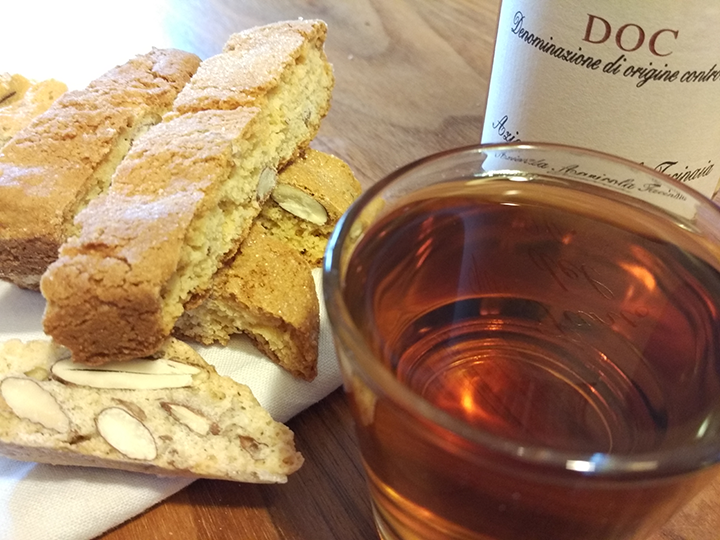
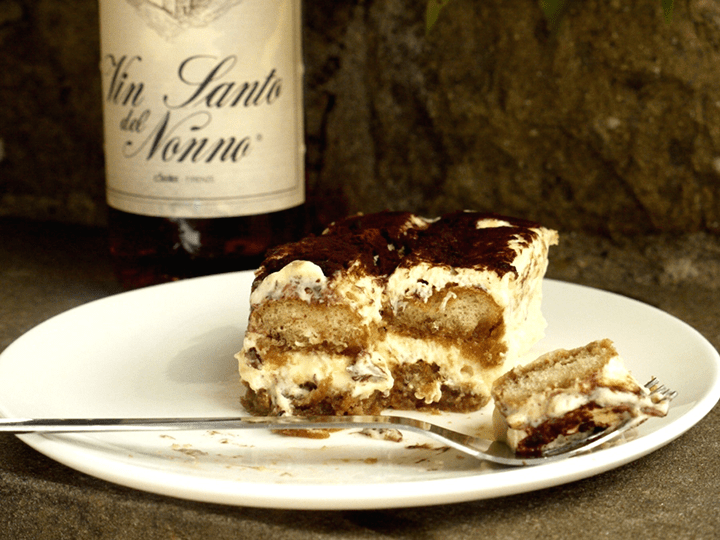
    In Italy, Vin Santo is a traditional Tuscan late harvest wine made from white grapes like Trebbiano and Malvasia. The grapes are dried on straw mats before pressing, leading to a rich and nutty wine. Vin Santo is often enjoyed as a dessert wine, accompanied by biscotti. On a related note, Vin Santo is the traditional wine used in a classic Tuscany-style Tiramisù.

    Botrytis Cinerea and Its Impact

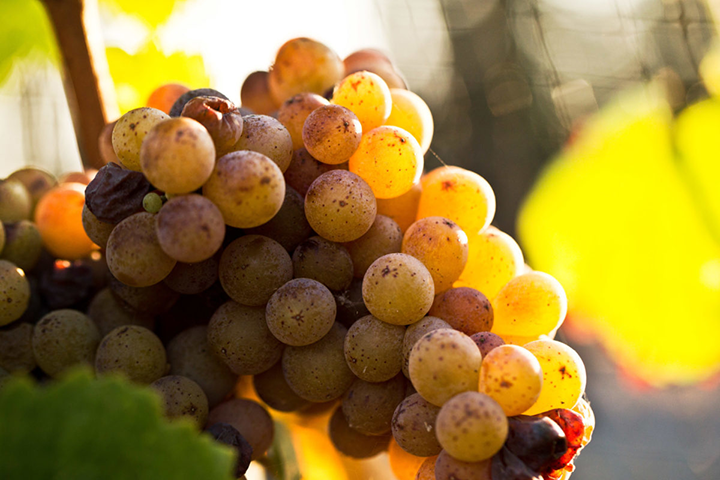
    Botrytis cinerea, commonly known as noble rot, plays a crucial role in the production of some of the world’s finest sweet wines. This beneficial fungus pierces the grape skin, allowing water to evaporate and concentrating sugars and flavors. In addition to enhancing sweetness, noble rot imparts distinctive honey, apricot, and botrytized character to the wine.

    Dessert Pairings for Late Harvest Wines

    Roquefort Cheese – Photo by Towfiqu barbhuiya on Pexels.com

    Sauternes: Foie Gras and Roquefort Cheese

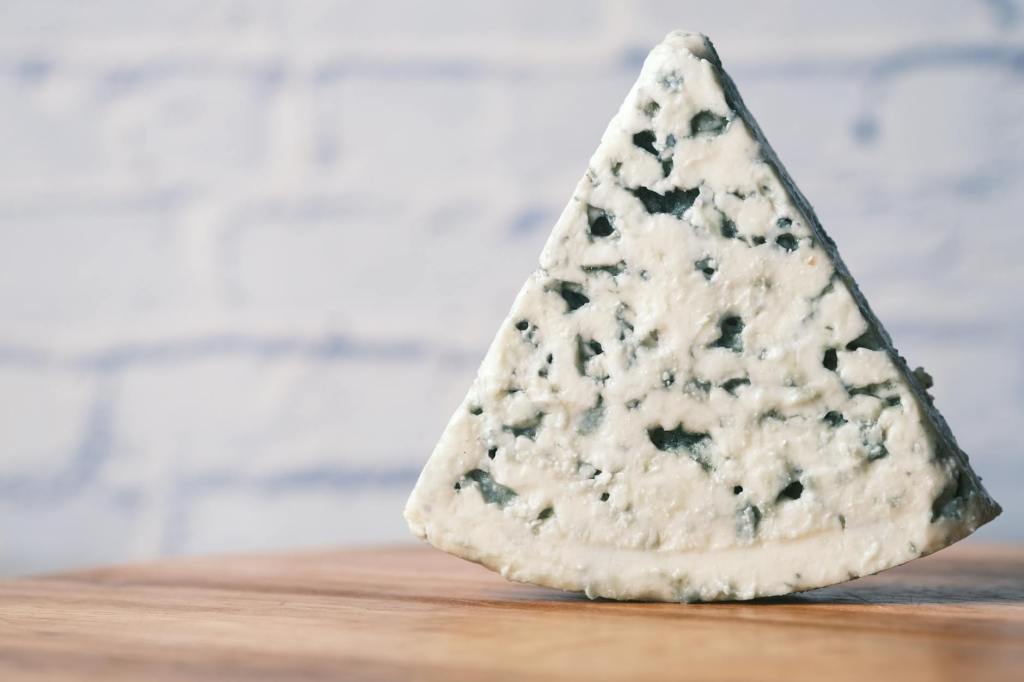
    Sauternes pairs wonderfully with rich and savory flavors. Foie gras, with its buttery texture and complex taste, complements the sweetness of Sauternes. Roquefort, a blue cheese with a bold flavor profile, creates a delightful contrast that highlights the wine’s acidity.

       Recipe: Foie Gras with Sauternes Reduction

       – Sear foie gras slices in a hot pan until golden.

       – Deglaze the pan with Sauternes, reducing it to a syrupy consistency.

       – Drizzle the reduction over the foie gras and serve with toasted brioche.

    Trockenbeerenauslese: Peach Melba

    The vibrant acidity of Trockenbeerenauslese cuts through the richness of a classic Peach Melba. The combination of poached peaches, vanilla ice cream, and raspberry sauce creates a harmonious blend of flavors.

       Recipe: Trockenbeerenauslese Poached Peaches

       – Poach peaches in Trockenbeerenauslese, sugar, and vanilla.

       – Serve the peaches over vanilla ice cream and drizzle with a raspberry sauce.

    Ice Wine: Apple Tarte Tatin

    The natural sweetness of Ice Wine complements the caramelized apples in a classic Tarte Tatin. The acidity in the wine balances the dish, creating a delightful contrast.

       Recipe: Ice Wine Caramel Sauce

       – Reduce Ice Wine in a pan until syrupy.

       – Combine with melted butter and brown sugar for a decadent caramel sauce.

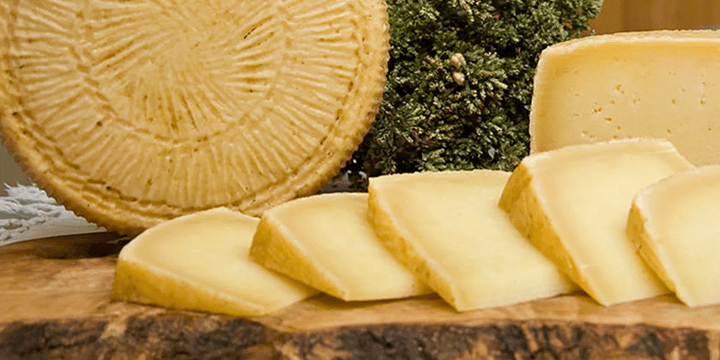
    Pecorino Cheese – Rlucia, CC BY 3.0, via Wikimedia Commons

    Vin Santo: Cantuccini and Pecorino Cheese

    Vin Santo’s nutty and caramelized notes find a perfect match in the crunchy sweetness of Cantuccini (Italian almond biscuits). Pair it with Pecorino cheese for a delightful Tuscan experience.

       Recipe: Homemade Cantuccini

       – Mix almonds, flour, sugar, and eggs to form a dough.

       – Shape into logs, bake, and slice into biscotti. Serve with Vin Santo.

    Late harvest wines, with their diverse styles and intricate flavors, offer a captivating journey for wine enthusiasts. Whether it’s the noble rot-infused complexity of Sauternes or the intense sweetness of Trockenbeerenauslese, these wines are a testament to the artistry of winemakers. Paired with classic desserts, the experience becomes a symphony of taste, revealing the cultural and culinary richness that surrounds these exceptional wines. Cheers to the indulgence of late harvest wines and the delightful moments they create! 🍷