Category: Wine Style

  • Varietal Spotlight: Palomino

    Varietal Spotlight: Palomino

    A Deep Dive into Spain’s Iconic White Varietal.

    The Palomino grape holds a unique place in the world of wine, particularly as the star of Spain’s Jerez (Sherry) region. Known for producing some of the world’s most complex fortified wines, Palomino (known as Listán Blanco in other parts of Spain) boasts a fascinating history, unique viticultural challenges, and the ability to create versatile, highly nuanced wine styles. Despite its relative neutrality as a table wine grape, its true potential is unlocked through the influence of terroir and distinctive vinification techniques.

    Origins and History of Palomino

    The Palomino grape is indigenous to Andalusia, Spain, and its cultivation dates back centuries. Named after 13th-century Spanish knight Fernán Yáñez Palomino, who was honored for his role in reclaiming Andalusia from the Moors, the grape has a storied past that mirrors the history of Spanish winemaking itself. By the 17th and 18th centuries, Palomino had become the primary varietal used in Jerez winemaking, as its neutral profile allowed it to adapt beautifully to the solera and flor processes unique to Sherry production.

    Palomino’s renown grew as Sherry became a coveted export across Europe. English merchants played a critical role in its rise, as they imported large quantities to the UK and beyond, transforming Sherry into a staple of British society. Today, Palomino’s importance endures as the foundation for Fino, Manzanilla, Amontillado, Oloroso, and Palo Cortado Sherries, as well as a few still wines and emerging experimental styles.

    Characteristics of the Palomino Vine and Grape

    Palomino vines are characterized by their resilience and adaptability to dry, chalky soils, particularly in Jerez’s famed albariza soils. These calcium-rich, white chalk soils have excellent water retention, crucial in Andalusia’s arid climate. The vines produce large, tightly packed clusters of pale, yellow-green grapes that mature to high sugar levels, providing a relatively neutral flavor profile with low acidity.

    The neutrality of Palomino, often seen as a drawback for producing single-varietal wines, is transformed in the vinification process. In the right hands, it becomes an expressive vehicle for terroir. Its low acidity and lack of intense aromatics make it a blank canvas—one that, under the influence of flor yeast or oxidative aging, reveals an astonishing range of complex characteristics.

    Challenges of Viticulture and Vinification

    The viticultural challenges of Palomino lie in its sensitivity to soil type, susceptibility to rot in wetter climates, and the need for careful harvest timing. Albariza soils are essential, as they not only prevent drought stress but also regulate temperature. The dry climate of Jerez, with cool Atlantic breezes, supports the delicate balance required for healthy Palomino grapes.

    Vinification presents another set of challenges. The majority of Palomino’s value is realized in the Sherry production process, where it undergoes a unique journey. For Fino and Manzanilla styles, the flor (a special yeast layer) thrives in high temperatures and high humidity, feeding on glycerol, alcohol, and oxygen to produce a range of nutty, bready, and saline notes. Oxidative aging techniques yield darker, richer styles like Amontillado and Oloroso. Both techniques require the solera system, where younger wines are progressively blended with older ones, creating consistency and depth over years or even decades.

    Expressions of Palomino: Terroir and Styles

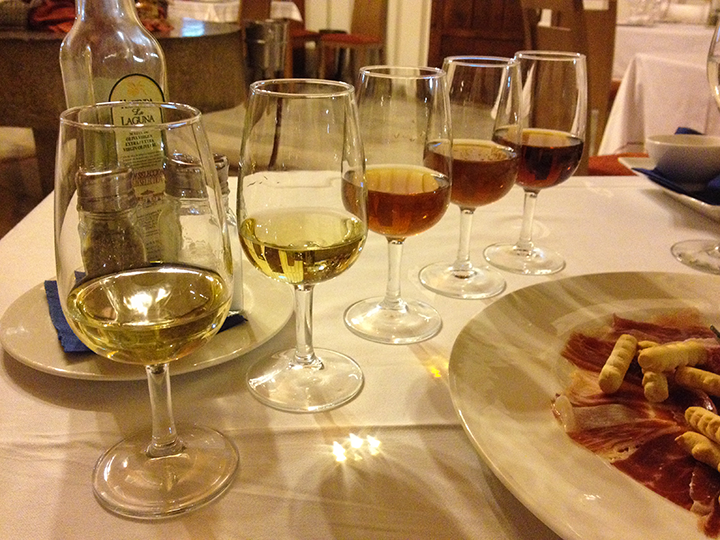
    • Fino and Manzanilla (Jerez and Sanlúcar de Barrameda): Bright, saline, and dry, with a pronounced aroma of almonds, dough, and green apples. Manzanilla, grown in Sanlúcar’s coastal climate, carries a distinct marine saltiness.
    • Amontillado: Begins as a Fino or Manzanilla but undergoes oxidative aging, creating a copper-hued wine with a complex profile of hazelnuts, dried fruits, and leather.
    • Oloroso: Fully oxidative from the start, resulting in a robust, amber wine with deep notes of toffee, figs, and spice.
    • Palo Cortado: Rare and enigmatic, bridging the finesse of Amontillado with the richness of Oloroso. Its production depends on whether flor spontaneously dies off, leading to oxidative aging.
    • Still wines: Occasionally produced in Jerez but with minimal influence outside of Spain. They are typically light, with subtle minerality and saline hints but lack the depth found in fortified expressions.

    Food Pairing Recommendations

    Palomino-based Sherries are ideal for both traditional pairings and creative culinary experimentation.

    1. Fino and Manzanilla: Perfect with tapas, almonds, Iberico ham, and oysters. Unconventional pairings include sushi, ceviche, or goat cheese salads, where their briny freshness accentuates the dishes’ flavors.
    2. Amontillado: Enhances flavors of roasted chicken, mushrooms, and nutty dishes like risotto with Parmesan. For an offbeat pairing, try it with umami-rich Asian dishes, like miso soup or stir-fried shiitakes.
    3. Oloroso: With its richness, it pairs beautifully with braised meats, barbecue, and dishes with complex spices, like Moroccan lamb tagine. For a surprising twist, serve it with beef pho, where its spiced undertones complement the broth’s depth.
    4. Palo Cortado: Its versatility makes it excellent with charcuterie, hard cheeses, and patés, but it can also handle richer seafood dishes. For an unexpected match, try it with roasted duck in a honey and spice glaze or Thai red curry.
    5. Still Palomino Wines: These are delicate but can pair well with light salads, grilled white fish, and soft cheeses. Their saline and mineral qualities also work with raw shellfish like clams or scallops.

    SOMM&SOMM Related Article: Demystifying Wine: Sherry

    Final Thoughts

    Palomino may seem unremarkable as a varietal, yet it is capable of producing some of the most complex and rewarding wines in the world. Its magic lies not in its raw fruit but in its transformation under the unique methods developed in Jerez. Whether savored with traditional Spanish fare or explored in bold, modern pairings, Palomino-based wines offer a remarkable range for the curious sommelier and the adventurous diner alike.

    Cover Image Credit: Michal Osmenda from Brussels, Belgium, CC BY 2.0, via Wikimedia Commons

  • Effervescent Charm or Fizzing Fad?

    Effervescent Charm or Fizzing Fad?

    I am speaking, of course, about Pet Nat—the bubbly darling of the natural wine movement. If you’ve been to a trendy wine bar or scrolled through the feeds of wine influencers, you’ve likely encountered these playful, unfiltered bottles of fizz. But what exactly is Pet Nat, and why has it captured the imagination of wine enthusiasts? Let’s dive in to uncover its origins, purpose, myths, tasting notes, and most importantly, how to savor it with the perfect dish.

    What Is Pet Nat?

    Short for Pétillant Naturel (French for “naturally sparkling”), Pet Nat is the oldest known method of making sparkling wine, predating the Champagne method by centuries. It’s crafted using the méthode ancestrale, where the wine is bottled before fermentation is complete. This creates a gentle fizz as carbon dioxide is trapped during fermentation. Unlike Champagne, Pet Nat is often unfiltered, capped with a crown cap (like a beer bottle), and may carry a sediment that reflects its raw, unpolished nature.

    Photo by Susanne Jutzeler, suju-foto on Pexels.com

    A Brief Origin Story

    Pet Nat’s roots trace back to rural France, where farmers embraced this simpler, low-tech approach to sparkling wine. The Loire Valley is often credited as its modern spiritual home, though it’s now produced worldwide. For centuries, this “happy accident” fizz was a rustic treat enjoyed by winemakers themselves. Today, Pet Nat has evolved into a global trend, celebrated for its authenticity and artisanal charm.

    Purpose and Personality

    At its heart, Pet Nat is about capturing the essence of nature and spontaneity. Winemakers embrace minimal intervention, letting terroir and vintage variation shine. This results in wines that are alive, vibrant, and sometimes a bit unpredictable—an allure for adventurous drinkers.

    Myths and Lore

    1. Myth: Pet Nat is just poorly made sparkling wine.
      Truth: While it’s less polished than Champagne, good Pet Nat is thoughtfully crafted and represents the winemaker’s intent to embrace imperfections.
    2. Myth: It’s always funky and cloudy.
      Truth: Not all Pet Nats are wild or cloudy. Styles range from clean and crisp to earthy and funky.
    3. Lore: Opening a bottle is like opening a treasure chest—no two are exactly the same. There’s a delightful unpredictability to every pour.

    Tasting Notes and Styles

    Pet Nat can be made from any grape, so the flavor spectrum is vast. Common characteristics include:

    • Color: Clear to hazy, white to deep rosé, and even orange.
    • Bubbles: Gentle fizz rather than aggressive effervescence.
    • Aroma and Flavor: Expect bright fruit notes—green apple, pear, stone fruit, or berries—with herbal undertones, minerality, or a slight yeasty funk. Each bottle tells its own story.

    Here’s to the unexpected—
    To the wine that keeps us guessing,
    To the gentle fizz that feels like laughter in a glass,
    To the imperfections that make life beautifully real.

    May each sip of this lively, untamed wine remind us to embrace the unpredictable, savor the spontaneous, and celebrate the journey over the destination.

    To Pet Nat and the adventures it inspires—
    Cheers!

    Gregory Dean, SOMM&SOMM

    Food Pairings

    Pet Nat’s versatility and vibrancy make it a sommelier’s dream for food pairing. Here are some standout matches:

    • Light & Citrusy Pet Nats: Pair with oysters, sushi, or ceviche.
    • Rosé Pet Nats: Perfect with charcuterie, roasted veggies, or creamy cheeses.
    • Funky & Earthy Styles: Excellent with fried chicken, barbecue, or mushroom risotto.
    Image by Stacy, CC BY 2.0, via Wikimedia Commons

    Recommended pairing: Goat Cheese and Herb-Stuffed Mushrooms. The creamy, tangy goat cheese enhances the bright acidity of a citrusy Pet Nat, while the earthy mushrooms echo the wine’s natural, unfiltered character.

    Pet Nat isn’t just a fad—it’s a revival of a historic style with a modern twist. Whether it’s here to stay or fades into obscurity remains to be seen, but for now, its charm, authenticity, and sheer fun make it worth exploring. Grab a bottle, pair it with a dish, and let the fizz work its magic! Cheers 🥂

  • The Good, the Bag, and the Corkless

    The Good, the Bag, and the Corkless

    Box Wine – An Honest Sommelier’s Guide.

    When it comes to wine, the shape of the container often stirs as much conversation as what’s inside. There’s the stately glass bottle, a symbol of elegance and heritage, the trendy can for quick convenience, and then… there’s the box. For many wine enthusiasts, bag-in-a-box wines are the embodiment of heresy—a shortcut, a compromise, or even a betrayal to the sacred tradition of corks and glass. Yet, the reality is that box wines are becoming a fixture in the market, with roughly 5% of global wine sales being attributed to this format. So, let’s take a deep, aerated breath, set aside the corkscrew for a moment, and uncork the facts, fables, and myths about box wine… beginning with a quick toast!

    To our beloved friend and neighbor, the queen of the cardboard vintage, whose love of box wine reminds us all that true wine appreciation isn’t about the bottle, but the joy it brings! Here’s to the convenience, the never-ending pour, and the courage to sip without snobbery. May your glass always be full, your box never run dry, and your taste buds remain blissfully unbothered by tradition. Cheers to drinking what you love and never judging a wine by its packaging!

    Greg and Tammy Dean, SOMM&SOMM

    The Positives: A Fresh Take on Wine

    1. Cost-Effective for the Casual Sipper
      One undeniable strength of box wine is its affordability. Without the cost of glass bottles, corks, and fancy labels, wineries can save money, and so can you. This makes it easier to buy wine in larger quantities, perfect for casual gatherings, barbecues, or that book club meeting where finishing a three-liter box might not be a challenge but a rite of passage.
    2. Eco-Friendliness & Lower Carbon Footprint
      Box wines often come in recyclable materials, and because they’re lighter and more compact than traditional bottles, they’re more eco-friendly. Fewer emissions are involved in transporting them, and the packaging has a smaller carbon footprint overall. Plus, the wine inside is housed in an airtight bag, which collapses as it’s emptied, reducing oxidation and keeping the wine fresher for longer once opened.
    3. Extended Shelf Life Once Opened
      Speaking of freshness, box wines hold another hidden gem: they stay fresh for weeks, sometimes up to a month, after opening! This is a win for casual drinkers who don’t want to commit to finishing an entire bottle in a single sitting. Unlike glass bottles, the vacuum-sealed bag inside the box helps to minimize air exposure—one of wine’s worst enemies—extending the life of your favorite everyday sipper.
    Photo by Valeria Boltneva on Pexels.com

    The Negatives: Box Wine’s Not-So-Secret Flaws

    1. Taste & Material Concerns
      The wine in a box is housed in a bag made from polyolefinic films. These materials are generally food-safe, but they can influence the taste, especially if the wine sits for too long. Some palates notice subtle chemical notes or alterations—like a “plastic tinge”—as the polyolefinic materials slowly interact with the liquid inside. This isn’t a problem for those who finish the box quickly, but it’s something for the discerning drinker to be aware of.
    2. Higher Sugar Content & Sulfites
      Box wines, particularly the inexpensive and mass-produced varieties, tend to have a higher sugar content compared to many bottled wines. This not only makes them more appealing to a broader audience (hey, a little sweetness never hurt anyone), but it also necessitates a higher level of sulfites for preservation. Sulfites help prevent unwanted fermentation and spoilage, but some wine lovers find that they can contribute to headaches or allergic reactions. If you’re sensitive to sulfites, consider checking the label carefully or choosing box wines that emphasize lower sulfite levels.
    3. Limited Selection & Quality Concerns
      Box wines usually offer less variety when it comes to premium and rare options. While the quality of box wine has improved over the years, with some brands now offering respectable reds, whites, and rosés, don’t expect to find complex Bordeaux, vintage Barolo, or an aged Napa Cabernet in a box. The typical box wine experience is geared towards light, fruity, and easy-drinking wines without the nuance of their bottled counterparts.

    Box vs. Bottle vs. Can: A Comparative Sip

    • Bottle: The gold standard for collectors and connoisseurs. Glass is inert, meaning it doesn’t interfere with the wine’s taste, and bottles are often the go-to choice for wines meant to age. There’s also something ritualistic about uncorking a bottle, whether you’re popping a Champagne or pulling the cork on a classic Rioja.
    • Can: The ultimate in convenience, cans are perfect for picnics, festivals, and when you just need a glass (or two) of wine without opening an entire bottle. The aluminum can slightly affects the wine’s flavor, but most canned wines are designed to be consumed fresh and young, making this negligible.
    • Box: The champion of quantity, affordability, and longevity once opened. While lacking in prestige and complexity, it makes up for it in practicality. Box wines are the unsung heroes of low-key barbecues, camping trips, and no-fuss weeknight dinners. The packaging isn’t great for aging or preserving delicate flavors, but it’s a brilliant solution for the “I-just-want-a-glass” wine drinker.

    Common Myths About Box Wine: Busting the Baggage

    1. Myth: All Box Wines Are Low Quality.
      Fact: Not true! While the bulk of box wines focus on easy-drinking and affordable styles, some producers are starting to embrace the format with higher-quality offerings. Seek out brands that prioritize winemaking and varietal expression. There’s even been a rise in organic and biodynamic box wines.
    2. Myth: Box Wine Has to Be Finished Immediately.
      Fact: Nope! Unlike bottled wine, which can go bad within a few days of opening, box wine’s sealed bag keeps it drinkable for up to four weeks. It’s one of the best formats for those who sip slowly.
    3. Myth: Only Sweet Wines Come in Boxes.
      Fact: Though sweet and semi-sweet wines dominate the box wine market, there are plenty of dry options available. Explore beyond the well-known brands, and you may find a decent dry Chardonnay or a snappy Cabernet Sauvignon that rivals some bottled versions.

    The Verdict: Unboxing the Truth

    So, should you dive into the world of box wine? It depends on what you’re looking for. If you’re a wine lover who enjoys a glass every now and then, or if you’re hosting a larger crowd, box wine is a fantastic, budget-friendly option. For more discerning tastes or special occasions, traditional bottles still reign supreme.

    Ultimately, wine is about enjoyment, not about being judged for the vessel it comes in.

    Gregory Dean, SOMM&SOMM

    Whether it’s a three-liter bag-in-a-box, a slim aluminum can, or a dusty bottle of aged Bordeaux, what matters most is that you’re sipping something you love, surrounded by people who make the experience worthwhile.

    So the next time you catch yourself eyeing a box on the shelf, don’t grimace—embrace the corkless adventure. Who knows? You might just find your next go-to sipper sealed away in cardboard, nestled in a bag, and ready to be tapped at your convenience. Cheers to trying something new and keeping your palate open—just don’t forget to keep your corkscrew handy for the next bottle! Cheers 🍷

    References

    Thompson-Witrick, K. A., Pitts, E. R., Nemenyi, J. L., & Budner, D. (2021). The Impact Packaging Type Has on the Flavor of Wine. Beverages, 7(2), 36. https://doi.org/10.3390/beverages7020036

  • Thanksgiving: A Holiday of Tradition, Tolerance, and Tannins

    Thanksgiving: A Holiday of Tradition, Tolerance, and Tannins

    Warning: The following article may cause unexpected feelings of warmth, nostalgia, and a case of “something in my eye.” Proceed with tissues at the ready, and a glass of wine close by—it pairs well with heartfelt moments and a touch of holiday magic!

    Thanksgiving has long been a holiday that pulls us into the comforting embrace of tradition, with the tantalizing aroma of roast turkey and the cozy chaos of family dynamics. But if you look back at the origins of Thanksgiving, you’ll notice a curious inconsistency—the date itself isn’t set in stone. Let’s uncork the history of this holiday, savor its flavors, and reflect on how to navigate the complexities of a family gathering while ensuring the wine flows smoothly.

    The Original Thanksgiving: A Shifting Feast

    The first Thanksgiving wasn’t quite the yearly autumnal celebration we know today. The “original” Thanksgiving dates back to 1621, when the Pilgrims and the Wampanoag shared a three-day feast, celebrating the harvest and giving thanks for survival. This wasn’t an annual event but rather a one-time gathering. The notion of Thanksgiving as a regular holiday took shape much later, morphing through various proclamations and dates until 1863, when President Abraham Lincoln declared the final Thursday of November a national day of “Thanksgiving and Praise.”

    However, it wasn’t until 1941 that the U.S. Congress officially settled on the fourth Thursday of November as the official holiday—ensuring Thanksgiving would always fall on a Thursday but allowing for the exact date to shift year by year. This decision had practical roots, allowing more time for Christmas shopping (and what better excuse for an extra bottle of wine at dinner?).

    Traditions with a Side of Turkey

    Thanksgiving traditions revolve around food—bountiful platters of turkey, stuffing, sweet potatoes, and pies. But the true core of the holiday lies in its purpose: to gather, reflect, and give thanks. Every family has its unique customs, from passing heirloom dishes to debating the best way to prepare the cranberry sauce (whole berries or smooth jelly?). The table itself, set with the finest (or most festive) tableware, symbolizes more than just a meal; it’s about unity, continuity, and sharing the bounty of the year.

    Photo by RDNE Stock project on Pexels.com

    When it comes to the wines that elevate this annual feast, a sommelier’s advice is to let the meal be your guide. Start with a sparkling wine, like a refreshing Prosecco or a fuller-bodied Franciacorta, to cleanse the palate and set a festive tone. For the turkey, nothing beats a Pinot Noir—its light body and cherry notes complement both white and dark meat without overpowering the sides. If you’re craving a white, Viognier or Chardonnay are fantastic companions, with the former offering floral notes that enhance herb stuffing and the latter providing a buttery richness that pairs wonderfully with mashed potatoes and gravy.

    SOMM&SOMM Related Article: Old World Regions: Burgundy

    As the dessert course arrives—laden with pumpkin pie, pecan pie, or apple crisp—consider a luscious Late Harvest Riesling or a Tawny Port to bring out the sweetness and toast the end of the meal.

    Family, Feasts, and Finding Harmony

    The food and wine are easy enough to handle—it’s the family dynamics that tend to complicate things. We’ve all heard the jokes about Thanksgiving dinners devolving into debates over politics, decades-old grievances resurfacing, or the inevitable tension that follows someone’s ill-timed comment. While these moments have become a lighthearted cliché, the reality is often far less amusing. For some families, these conflicts run so deep that they create divides too wide to bridge, leaving loved ones dining in separate corners instead of coming together around the same table.

    There’s a delicate balance between grieving and celebrating, honoring traditions and embracing change, connecting with family and respecting the distance we sometimes need.

    GREGORY DEAN, SOMM&SOMM

    The irony is that Thanksgiving, a day meant to celebrate gratitude and togetherness, often becomes a reflection of what’s missing. Petty disputes and stubborn pride can overshadow shared memories and accomplishments, turning what could be a time of joy into a painful reminder of fractured relationships. But what if we shifted the focus? What if, instead of rehashing old arguments, we used this day to honor those we’ve lost and to strengthen the bonds with those still here? There’s a delicate balance between grieving and celebrating, honoring traditions and embracing change, connecting with family and respecting the distance we sometimes need.

    Photo by RDNE Stock project on Pexels.com

    Here’s where tolerance, empathy, and perhaps a well-timed glass of wine come into play. Over the years, I’ve found that the right pairing of patience and perspective—much like the perfect wine with a meal—can be a bridge to reconciliation. After all, isn’t the heart of Thanksgiving about putting aside differences, pulling up a chair, and reflecting on the things that truly matter?

    Start with Gratitude, Literally
    Begin the meal with a toast to something positive. It doesn’t need to be a grand gesture, but a simple “cheers” to good food, shared moments, or a fond memory can set a warm tone. Choose a gentle, crowd-pleasing wine like a Sauvignon Blanc—light, crisp, and unlikely to provoke strong reactions.

    Pace Yourself and the Pourings
    Wine is meant to be enjoyed, not used as a shield or sword in family disputes. Encourage moderate consumption by serving in smaller glasses and offering water breaks between courses. A light-bodied red like Beaujolais Nouveau, which is released just in time for Thanksgiving, is a friendly choice that keeps things bright without going overboard.

    Be the Buffer, Not the Barrel
    If you see a conversation heading toward dangerous territory, redirect with something lighthearted or anecdotal—ideally something wine-related. “Did you know that wine pairing was practically invented to solve disputes? Imagine the 19th-century French debating terroir over a bottle!” A little humor goes a long way, especially if paired with a versatile crowd-pleaser like Zinfandel or Merlot.

    Acknowledge Losses Gently
    Thanksgiving is a time when empty chairs at the table are more intensely felt. If the subject arises, don’t shy away—acknowledge the grief. Raising a glass to absent friends and family with a rich and contemplative wine like a Cabernet Sauvignon can turn a potentially somber moment into a collective act of remembrance, binding everyone together in a quiet, shared reflection.

    Here’s to the chairs that are filled, and to those that are empty. To the laughter we’ve shared and the tears we’ve shed. For the moments we hold close and the loved ones who couldn’t be here tonight, but remain forever in our hearts. May we cherish each other a little more, forgive a little quicker, and never take for granted the time we have. Let’s raise a glass to the beauty of this moment—imperfect, fleeting, and exactly enough. To family, to friends, to memories, and to love that endures. Cheers!

    Gregory Dean, SOMM&SOMM

    Let the Wine Lead to Conversations, Not Arguments
    Use wine as a talking point. Discuss the meal’s pairing choices, reminisce about past holiday gatherings, or share a funny story involving a cork mishap (e.g. the time Tammy hit a pedestrian with a Champagne cork). Engaging your guests in a shared experience of tasting encourages connection, whether they’re aficionados or casual drinkers. A dessert wine like a Port or Sauternes is a delightful way to close the evening, accompanied by nostalgic stories rather than heated debates.

    Pouring Gratitude and Grace

    Thanksgiving is more than just a day—it’s a dance of old traditions and new experiences, food and family, joy and loss. It’s a reminder that even the most challenging gatherings can be softened by the simple act of sharing a meal and raising a glass. The wine you choose can enhance the flavors of the day, but more importantly, it can offer moments of pause, connection, and understanding.

    This year, as you plan your feast, remember that the date may shift, the menu may change, and the faces around the table may not be the same as years past. But the spirit of Thanksgiving—much like a well-aged bottle—is enduring, resilient, and best enjoyed with a little patience, a lot of love, and the perfect glass of wine. Cheers 🍷

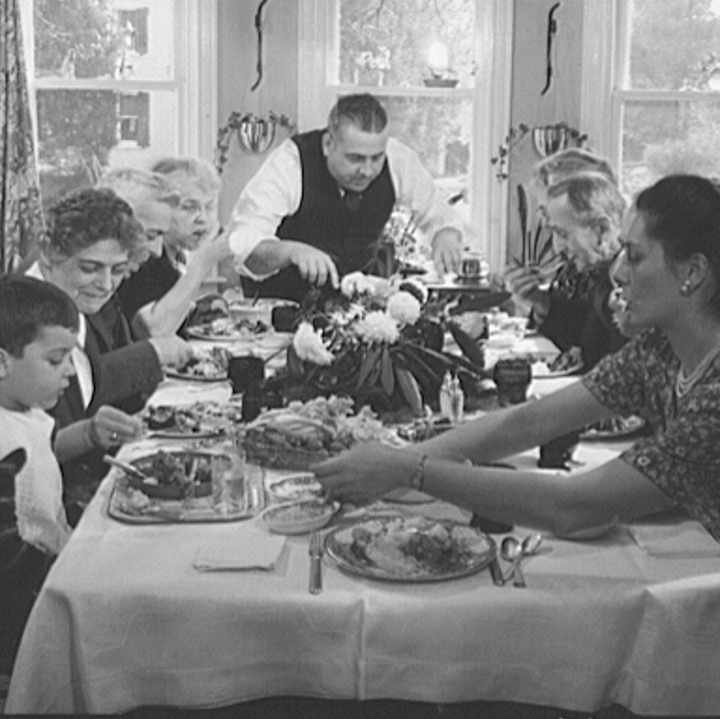
    Cover Photo Credit: Marjory Collins, Public domain, via Wikimedia Commons

  • Exploring the World of Fortified and Oxidative Wines

    Exploring the World of Fortified and Oxidative Wines

    A Deeper Look at Six Pillars of the Style.

    Fortified wines, often overlooked or misinterpreted, carry centuries of craftsmanship, trade, and innovation. This article examines the six mainstream fortified and oxidative wines—Sherry, Port, Madeira, Marsala, Vermouth, and Rancio—exploring their histories, production methods, and cultural significance.

    Classic fortified wines with dessert – Photo by Benny Stu00e6hr on Pexels.com

    Sherry

    Spain’s Gift to the World

    Sherry, from Spain’s Andalusian region of Jerez, evolved from a local wine into a global phenomenon. The production process, under the watchful eye of a complex solera system, integrates new and old wines, lending Sherry its distinct, oxidative character. Sherry is traditionally classified into seven main styles: Fino, Manzanilla, Amontillado, Oloroso, Palo Cortado, Cream, and Pedro Ximénez, each unique in flavor and aging methods.

    The Phoenicians first brought vines to Jerez around 1100 BC, and the wine became famous under the Moors, who fermented the grapes and distilled the resulting wines. Sherry’s popularity peaked in the 16th century when British sailors returned from the Battle of Cádiz with barrels, introducing it to English nobility. The lore of Sherry includes the belief that some soleras contain remnants from centuries past, connecting each bottle to a vibrant history of winemaking.

    SOMM&SOMM Related Article: Demystifying Wine: Sherry

    Port

    Portugal’s Legacy of Power and Complexity
    liz west from Boxborough, MA, CC BY 2.0, via Wikimedia Commons

    Port, originating in Portugal’s Douro Valley, became popular in England during the 1700s when English merchants, avoiding French wine, fortified their imports from Portugal. The production process involves adding aguardente (grape spirit) to halt fermentation and preserve natural sugars, creating a rich, full-bodied wine. Port comes in several styles, including Ruby, Tawny, Vintage, Late Bottled Vintage (LBV), and White Port, each with unique aging techniques.

    Port’s narrative includes the discovery of a legendary “blackstrap” port by English traders, who, having mistakenly over-fortified a shipment, found it sweeter and more robust. This unplanned discovery set the stage for Port’s sweet, fortified profile, which pairs seamlessly with blue cheeses and rich desserts.

    SOMM&SOMM Related Article: The History, Tradition, and Elegance of Port Wine

    Madeira

    An Island’s Fortuitous Wine

    Madeira’s story is one of survival and adaptability. Hailing from the island of Madeira, this wine was initially transported to tropical climates aboard ships, where the high temperatures “cooked” the wine. Instead of spoiling, it developed rich, complex flavors that fascinated European merchants. Modern Madeira winemaking replicates this process with the estufagem method, heating the wine to impart a caramelized complexity.

    Madeira wines – Frank Papenbroock, CC BY-SA 3.0, via Wikimedia Commons

    Madeira styles range from Sercial (dry) to Malvasia (sweet), with Bual and Verdelho falling in between. The island’s volcanic soils and distinctive grape varieties create wines with flavors of dried fruits, caramel, and smoky nuts. Madeira’s resilience is legendary; it remains one of the few wines capable of enduring centuries of aging, with bottles from the 18th century still drinkable today.

    Marsala

    Sicily’s Sweet and Dry Treasure

    Marsala, named after the coastal town of Marsala in Sicily, gained international fame in the late 1700s when English merchant John Woodhouse fortified the local wine, preserving it for long voyages. Marsala production typically involves adding grape spirit to a wine blend and aging it in wooden casks. Marsala is classified into dry, semi-sweet, and sweet styles and further divided by aging categories such as Fine, Superiore, Vergine, and Riserva.

    Marsala lineup – Dedda71, CC BY-SA 3.0, via Wikimedia Commons

    Marsala’s fame rose in the 19th century when it became a culinary staple, particularly in dishes like Chicken Marsala. Though overshadowed by its kitchen counterpart, fine Marsala wines offer complex notes of dried apricot, vanilla, and baking spices and can be enjoyed on their own as dessert wines.

    Vermouth

    Europe’s Aromatic Aperitif

    Vermouth, first created in 1786 by Antonio Benedetto Carpano in Turin, Italy, is an aromatized, fortified wine infused with botanicals like herbs, roots, and spices. Originally medicinal, vermouth evolved into a fashionable aperitif. The wine base is fortified with grape spirit and flavored with a unique blend of botanicals, which differ by brand and region. Sweet (red) and dry (white) are the primary styles, with modern variations including extra dry, amber, and rose.

    Vermouth and Quinquina bottles – Will Shenton, CC BY-SA 3.0, via Wikimedia Commons

    Vermouth has become integral to cocktails such as the Martini and Manhattan, but it’s also enjoyed neat, served with a citrus twist. Its versatility is its charm, as it complements flavors across a range of dishes, from appetizers to rich desserts.

    SOMM&SOMM Related Article: Trendy Cocktails: The Manhattan

    Rancio Sec

    Catalonia’s Hidden Gem

    Rancio Sec, hailing from Catalonia and France’s Roussillon region, is an ancient, oxidative-style non-fortified wine aged in barrels exposed to sunlight, creating intense, nutty flavors. Rancio wines gain their distinct profile from long aging and exposure to air, often with traditional winemaking methods, including aging in open vats or glass demijohns.

    Domaine de Rombeau Rancio Sec aging outside in glass bonbonnes

    Aged between 5 and 100 years, Rancio Sec is not for the faint-hearted; it boasts concentrated flavors of roasted nuts, dark chocolate, and leather. The wine’s robust, rustic character pairs well with charcuterie and strong cheeses, and its rarity makes it a prized addition to any wine cellar.

    Here’s to the fortified and oxidative—those brave, enduring wines that weather time and hold their ground. In their layers of complexity and whispers of faraway lands, they remind us that beauty often lies in patience, character, and the willingness to age with grace. Raise a glass to the unsung alchemists of the wine world, whose depth and warmth bring history to the table with every sip!

    Gregory Dean, SOMM&SOMM

    Each of these fortified and oxidative wines carries the essence of its place, heritage, and historical journey. Rediscovering fortified wines reveals a world where winemaking and alchemy meet, offering layers of flavor that speak to their unique origins and cultural stories. Whether you’re savoring a glass of Sherry with tapas or exploring the bold, oxidative notes of Rancio Sec, fortified wines are a journey through history, tradition, and flavor awaiting deeper exploration. Cheers 🍷

    Cover photo by Christina Snyder, CC BY 2.0, via Wikimedia Commons
  • Uncorking the Wine Lovers of the World

    Uncorking the Wine Lovers of the World

    A Few Fun Personas.

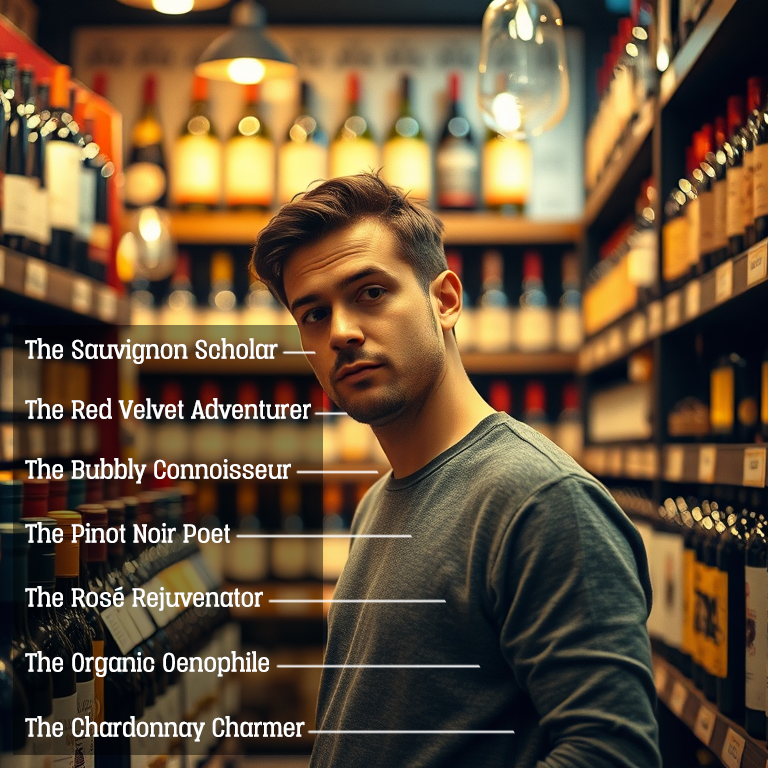
    Ever wondered what your wine of choice says about you? Based on years of observing the nuances and quirks of wine drinkers and merging that with the persona-building precision of marketing (my day job for years 🙂), here’s a toast to the charming (and possibly recognizable) personas behind the glass. This is a lighthearted look at who you might be, based on the wines that make you swoon. Grab a glass, relax, and find yourself in these delightful characters!

    The Sauvignon Scholar

    Favorite Wines: Crisp Sauvignon Blancs, especially from New Zealand and California.

    These are the intrepid thinkers with an enthusiasm for data, facts, and just the right bit of zest. Much like their wine of choice, they’re sharp, refreshing, and (perhaps unknowingly) a little bit enlightening. The Sauvignon Scholar often relishes lively debates—think Socrates meets Martha Stewart, only with a cheese platter in hand.

    A Day in the Life:
    Mornings are organized to perfection. By 8 a.m., their coffee is measured to the gram, and a neatly lined spreadsheet tracks their to-dos. By lunchtime, they’re tackling the New York Times crossword (in ink, naturally). Evening? Time to uncork a bottle of Sauvignon Blanc and dive into a crime thriller—preferably one set in the vineyards of Marlborough. They dream of starting a true-crime podcast… if only their schedule allowed it.

    The Red Velvet Adventurer

    Favorite Wines: Rich, bold Cabernet Sauvignons and smooth Malbecs.

    The Red Velvet Adventurer is a lover of bold flavors and even bolder experiences. They might seem a bit mysterious at first (especially with that cabernet-colored scarf), but peel back a layer, and they’re the life of any gathering. Known to indulge in fascinating tales about “that one time in Argentina,” they’re passionate and deeply invested in everything they do.

    A Day in the Life:
    They’re up early, powering through a workout—HIIT or bust—before setting off on the day’s adventure. By 3 p.m., they’re browsing an art gallery or maybe booking a weekend escape to Napa. When evening arrives, they savor a Cabernet Sauvignon, pondering their next venture: skydiving? A pottery class? Either way, they’ll have a glass in hand and a story to tell.

    The Bubbly Connoisseur

    Favorite Wines: Champagne, Prosecco, and all things sparkling.

    The Bubbly Connoisseur brings lightness and enthusiasm wherever they go. Life is a celebration, and every day deserves a little sparkle—whether it’s a Tuesday evening or New Year’s Eve. Often the connector in a group, they’re everyone’s favorite person to sit next to at dinner because their laughter is as effervescent as their drink.

    A Day in the Life:
    9 a.m., they’re cheerfully greeting everyone at their Pilates class, followed by a jaunt to the farmers’ market for fresh blooms. By noon, they’re planning their next soiree—charcuterie boards, vintage glassware, the works. Come 5 p.m., they’re sipping Prosecco and FaceTiming their friends, insisting on “just one more glass!” because life, after all, should be filled with bubbles.

    The Pinot Noir Poet

    Favorite Wines: Delicate, nuanced Pinot Noirs, particularly those from Oregon or Burgundy.

    This gentle soul finds beauty in the subtle things and knows the magic of a perfectly aged vintage. They’re reflective, artistic, and a bit romantic, savoring life at a slower pace and appreciating the complexity of a Pinot as if it were a piece of art. Often seen journaling or strumming an acoustic guitar, they know how to bring calm to any storm.

    A Day in the Life:
    They start the day in contemplation, meditating with their rescue dog and journaling intentions for the day. Afternoons involve browsing a used bookstore or walking along a misty coast, enveloped in thoughts about the interconnectedness of life. By evening, they’re savoring a glass of Pinot Noir while working on their poetry collection. They’re convinced the wine tastes a bit better with jazz playing softly in the background.

    The Rosé Rejuvenator

    Favorite Wines: Refreshing rosés from Provence, but also curious about other light, vibrant varieties.

    With a well-developed knack for enjoying life’s simpler moments, the Rosé Rejuvenator is always on the hunt for “rosé all day” vibes. Effortlessly cool, they’re known for balancing work and play, and they’re often spotted brunching with friends or wandering in nature. They’re optimists with a talent for finding silver linings.

    A Day in the Life:
    Their morning begins with a matcha latte (iced, even in winter), a session of yoga, and a scroll through travel inspirations. Come afternoon, they’re making plans for a sunset picnic by the water, complete with a cooler stocked with their favorite rosé. They’re the friend who insists on taking a selfie with everyone, holding up a glass of rosé to capture the “golden hour” glow.

    The Organic Oenophile

    Favorite Wines: Biodynamic and natural wines, favoring unfiltered or small-batch varieties.

    A purist at heart, the Organic Oenophile values authenticity and transparency, whether it’s in their wine or their friendships. They’re well-versed in phrases like “zero-zero” and know the exact coordinates of their favorite vineyard. Earthy yet refined, they’re often mistaken for a philosopher or an off-duty vintner.

    A Day in the Life:
    The day begins with green juice and a stroll to the local co-op. Their afternoons involve perusing rare plant shops or making sourdough starter from scratch. As evening falls, they’re sipping on a cloudy orange wine, waxing poetic about sustainability. You’ll often find them hosting low-waste dinner parties where the only thing more interesting than the conversation is the wine.

    The Chardonnay Charmer

    Favorite Wines: Big, bold, buttery Chardonnays from Napa, but they’re not opposed to an unoaked Chablis either.

    The Chardonnay Charmer is warm, welcoming, and confident in their tastes. They’re often at the center of any group, offering wisdom, wit, and a knack for turning strangers into friends. At home, they have a cozy reading nook and an impressive assortment of stemware.

    A Day in the Life:
    They start their day by lighting a candle and enjoying a leisurely breakfast, even on weekdays. By 2 p.m., they’re organizing the book club or planning a brunch, complete with buttery Chardonnay pairings. When evening comes, they’re curled up with their favorite memoir and a glass of oaked Chardonnay, fully embracing each sip like a warm hug.

    Here’s to celebrating the wide world of wine lovers! Whether you’re a Sauvignon Scholar or a Rosé Rejuvenator, may your glass always be full, and may you continue to savor the little things that make each sip uniquely you. Cheers 🍷

    Gregory Dean, SOMM&SOMM
  • Demystifying Wine: Sherry

    Demystifying Wine: Sherry

    The Forgotten Gem: Understanding the Seven Types of Sherry Wine.

    Sherry wine, one of the world’s oldest and most storied styles, hails from the Jerez region in southern Spain. Known for its diversity and complex flavor profiles, Sherry has a bit of a reputation problem—often relegated to dusty shelves or seen as “grandma’s wine.” But for those in the know, Sherry offers a wide spectrum of styles, from bone-dry and briny to lusciously sweet, making it a remarkably versatile option for food pairings.

    Six types of Sherry (missing Cream Sherry): Fino, Manzanilla, Amontillado, Palo Cortado, Oloroso, Pedro Ximénez (PX)

    The Seven Styles of Sherry

    The beauty of Sherry lies in its remarkable range, produced under strict legal classifications that determine how the wine is aged, blended, and finished. Each type showcases distinct characteristics that can surprise even seasoned wine enthusiasts.

    Fino

    • Key Notes: Pale straw color, bone dry, light, and fresh.
    • Aging: Biological aging under flor.
    • Varietals: Palomino.
    • Characteristics: Fino is the lightest of the Sherries, with an alcohol content around 15-16%. It develops a unique layer of yeast called flor, which shields the wine from oxygen and gives it a tangy, almond-like flavor with a saline finish.
    • Food Pairing: Tapas, olives, almonds, and seafood like shrimp or oysters.

    Manzanilla

    • Key Notes: Similar to Fino but with a coastal brininess.
    • Aging: Biological aging under flor in the coastal town of Sanlúcar de Barrameda.
    • Varietals: Palomino.
    • Characteristics: While technically a subset of Fino, Manzanilla has a distinct salty tang from the maritime influence, making it a touch lighter and zestier.
    • Food Pairing: Anchovies, salted fish, fried seafood, or sushi.

    Amontillado

    • Key Notes: Nutty, oxidative, and complex.
    • Aging: Starts under flor, then moves to oxidative aging.
    • Varietals: Palomino.
    • Characteristics: Amontillado begins its life as a Fino, aged under flor for a few years, but the yeast eventually dies off, allowing oxygen to interact with the wine. This adds layers of nuttiness, caramel, and dried fruit flavors.
    • Food Pairing: Grilled meats, mushrooms, or hard cheeses like aged Manchego.

    Palo Cortado

    • Key Notes: Mysterious blend of Fino and Amontillado characteristics.
    • Aging: Starts under flor, but undergoes early oxidative aging.
    • Varietals: Palomino.
    • Characteristics: Palo Cortado is the enigma of Sherry, often starting as a Fino or Amontillado but then evolving into something unique. It combines the finesse of Fino with the depth of Amontillado, offering flavors of hazelnuts, orange peel, and toffee.
    • Food Pairing: Duck, game birds, or rich stews.

    Oloroso

    • Key Notes: Bold, rich, and intensely oxidative.
    • Aging: Oxidative from the start.
    • Varietals: Palomino.
    • Characteristics: Oloroso Sherry is aged entirely without flor, allowing for complete exposure to oxygen. It is deeper in color with flavors of roasted nuts, toffee, leather, and dried fruits. With a higher alcohol content (17-20%), it’s one of the bolder Sherry styles.
    • Food Pairing: Lamb, aged cheeses, or roasted vegetables.

    Pedro Ximénez (PX)

    • Key Notes: Lusciously sweet, syrupy, with intense dried fruit flavors.
    • Aging: Oxidative aging.
    • Varietals: Pedro Ximénez.
    • Characteristics: PX Sherry is made from sun-dried Pedro Ximénez grapes, which concentrate the sugars and produce a deeply sweet, raisin-like wine. The wine is rich, with notes of figs, dates, molasses, and chocolate.
    • Food Pairing: Blue cheese, rich desserts, or even poured over vanilla ice cream.

    Cream Sherry

    • Key Notes: Sweet, smooth, often a blend of Oloroso with sweetened PX.
    • Aging: Oxidative aging, with blending.
    • Varietals: Palomino and Pedro Ximénez.
    • Characteristics: Cream Sherry is an approachable, sweetened version of Oloroso, designed to balance sweetness and nuttiness. It’s rich and smooth, often seen as a dessert wine.
    • Food Pairing: Chocolate cake, custards, or with fruit tarts.

    SOMM&SOMM Recommends: Sherry Tasting Trio with Tasting Video

    Solera at Bodegas Tío Pepe – El Pantera, CC BY-SA 3.0, via Wikimedia Commons

    The Solera System: The Art of Aging

    What sets Sherry apart from other wines is the Solera system, a fractional blending method that ensures consistency and complexity across vintages. In the Solera system, older wines are systematically blended with younger wines, creating a continuous aging process. Each year, a portion of the oldest wine is drawn off for bottling, while younger wines replenish the barrels, allowing the character of the wine to evolve gradually.

    This process creates a remarkable depth in Sherry, where wines are often aged for decades, taking on complex, layered flavors that reflect both the region’s history and the patience of its winemakers.

    Flor Aging – El Pantera, CC BY-SA 3.0, via Wikimedia Commons

    Flor: A Yeast Like No Other

    The role of flor in Sherry production is critical, especially in lighter styles like Fino and Manzanilla. This yeast floats on the surface of the wine, protecting it from oxidation while contributing to the wine’s distinctive flavor profile. The salty, yeasty notes often associated with these styles are direct results of this biological aging. This technique is somewhat similar to the sur lie aging in Champagne, where wine is aged on the dead yeast cells, although sur lie focuses more on enhancing texture and brioche-like flavors.

    Sherry’s Image Problem

    So why is Sherry often overlooked? Part of the issue lies in its old-fashioned reputation. For years, Sherry has been pigeonholed as an “old person’s drink,” especially with the perception of sweet, cloying Cream Sherries that once dominated the market. But the dry styles, especially Fino, Manzanilla, and Amontillado, have so much more to offer. The complexity, versatility, and food-friendliness of these wines are woefully underappreciated.

    There’s also the fact that Sherry doesn’t fit neatly into most wine drinkers’ expectations. It’s not a light, easy-drinking white, nor is it a robust red. It occupies a unique space, which requires a more adventurous palate to fully appreciate.

    Sherry in Pairings: Rediscovering a Lost Art

    If you want to experiment with Sherry in your next wine pairing, consider going beyond the obvious. Here are some fresh ideas:

    • Fino or Manzanilla: These bone-dry, saline wines are fantastic with charcuterie, shellfish, and even sushi. The briny character complements the umami richness of seafood.
    • Amontillado: Try it with earthy mushroom dishes or rich pork belly. The nuttiness and depth of flavor create a fascinating interplay with these savory ingredients.
    • PX: Dessert wines often steal the show, but PX takes it to another level. Serve it with blue cheese or use it to top off a vanilla ice cream sundae for a memorable finish.

    The next time you’re hosting a pairing dinner, don’t shy away from including a Sherry. It’s a conversation starter, and with its range of flavors and styles, you can find a bottle that complements just about any dish. Maybe, just maybe, Sherry will finally earn the spotlight it deserves. Cheers 🍷

  • A Sommelier’s Guide to Date Night Wine Pairings

    A Sommelier’s Guide to Date Night Wine Pairings

    From First Dates to Friday Night Takeout.

    Date night is sacred—a chance to connect, escape the routine, and indulge a little. Whether it’s a first date or a long-standing weekly tradition, a thoughtful wine choice can elevate the experience, even if the “cuisine” comes with a drive-thru option. Here’s a guide for various types of dates, with a wine pairing to match the mood, cuisine, and charm of each occasion.

    Photo by Jep Gambardella on Pexels.com

    The First Date: Breaking the Ice with a Hint of Romance

    The Vibe: Nerves, excitement, and the hope for a little spark.

    Cuisine: Tapas or small plates are perfect; they’re easy to share and provide plenty of variety. For a more relaxed vibe, consider street food-style Mexican fare or a cozy Italian trattoria.

    Wine Pairing:

    • For Spanish Tapas: Go with an Albariño from Rías Baixas. This wine is bright, refreshing, and versatile, with citrus and mineral notes that complement classic tapas like patatas bravas, gambas al ajillo (garlic shrimp), and jamón serrano.
    • For Tacos and Street Food Mexican: Try a chilled, fruity Grenache. It pairs beautifully with the spice and bold flavors of Mexican dishes without overwhelming them.
    • For Italian: If pasta is in the mix, a glass of Chianti Classico offers enough acidity to cut through rich tomato sauces, making it a great companion for lasagna, meatballs, or bruschetta.
    Photo by Snappr on Pexels.com

    The Weekly Date: Taco Tuesday (or Pizza Friday) – It’s Tradition

    The Vibe: A laid-back ritual where you both know what’s on the menu.

    Cuisine: Takeout or homemade staples—Taco Tuesday or pizza night are classics.

    Wine Pairing:

    • For Tacos: A zesty, crisp Sauvignon Blanc is an unexpected but perfect match for most tacos, especially fish or veggie. For heartier carne asada or al pastor, try a Tempranillo—its earthy flavors balance the smoky, savory profile of the meats.
    • For Pizza: A classic pairing would be an Italian Barbera or Chianti with tomato-based pizzas. However, if you’re enjoying something adventurous like a BBQ chicken pizza, go with a fruit-forward Zinfandel, which can handle the smoky, sweet flavors.

    Pro Tip: Even if it’s takeout night, pour that wine into proper glasses to elevate the vibe!

    The Anniversary Date: A Special Occasion with a Touch of Elegance

    The Vibe: Celebrating milestones and memories together, perhaps with a hint of nostalgia.

    Cuisine: Go all out with a French-inspired bistro dinner or a multi-course menu from a favorite fine-dining spot.

    Anniversary Date – Greg and Tammy, SOMM&SOMM

    Wine Pairing:

    • French Cuisine: For dishes like duck confit or beef bourguignon, reach for a classic Burgundy Pinot Noir or Bordeaux blend. If seafood is on the menu, a Chablis or Champagne makes an unforgettable pairing.
    • Multi-Course Pairing Adventure: For a true experience, start with a sparkling wine (Champagne or a quality American sparkling), transition to a rich white like an aged Chardonnay for the main course, and finish with a sweet, decadent wine for dessert, like a Sauternes or Late Harvest Riesling.

    Casual Takeout Date: Elevating Fast Food

    The Vibe: Unpretentious, low-key, but with an unexpected twist of sophistication.

    Cuisine: Burgers, fried chicken, or sushi takeout.

    Wine Pairing:

    • For Burgers: A juicy, full-bodied Merlot or a rich Cabernet Sauvignon pairs perfectly with a classic cheeseburger. If you’re opting for something spicier, like a pepper jack burger, a Zinfandel works wonders.
    • For Fried Chicken: A chilled, crisp Champagne or Prosecco cuts through the richness of fried chicken and adds a touch of elegance.
    • For Sushi: For classic nigiri or sashimi, a dry Riesling or sake is traditional, but a Sauvignon Blanc or even a dry rosé adds a fun twist.
    Photo by Dziana Hasanbekava on Pexels.com

    Outdoor Adventure Date: Picnic Perfect

    The Vibe: Fresh air, beautiful scenery, and a sense of exploration.

    Cuisine: Simple picnic fare like sandwiches, cheeses, fruit, and charcuterie.

    Wine Pairing:

    • For a Picnic Spread: Rosé is a picnic classic because it pairs well with a range of foods. Look for a Provence Rosé if you want something light and floral. If your picnic has heartier items like aged cheeses or cured meats, a Pinot Noir or a light-bodied Gamay would complement the flavors well.
    • For Sandwiches and Cheese: A Chardonnay pairs beautifully with most sandwiches, especially chicken or turkey. For cheese-focused picnics, try a Grenache-based wine for a balance of fruit and earthiness.

    Date night is about setting the mood, and wine can be your secret weapon. It’s not about being fancy or expensive—it’s about being thoughtful. A carefully chosen wine, even with the simplest dishes, can make any night special. So next time you grab that burger, sushi roll, or Tuesday taco, pour yourself a glass, toast to each other, and savor the little moments. Cheers 🥂

  • Domaine Carneros Sparkling Party

    Domaine Carneros Sparkling Party

    A Toast to Tradition and Togetherness.

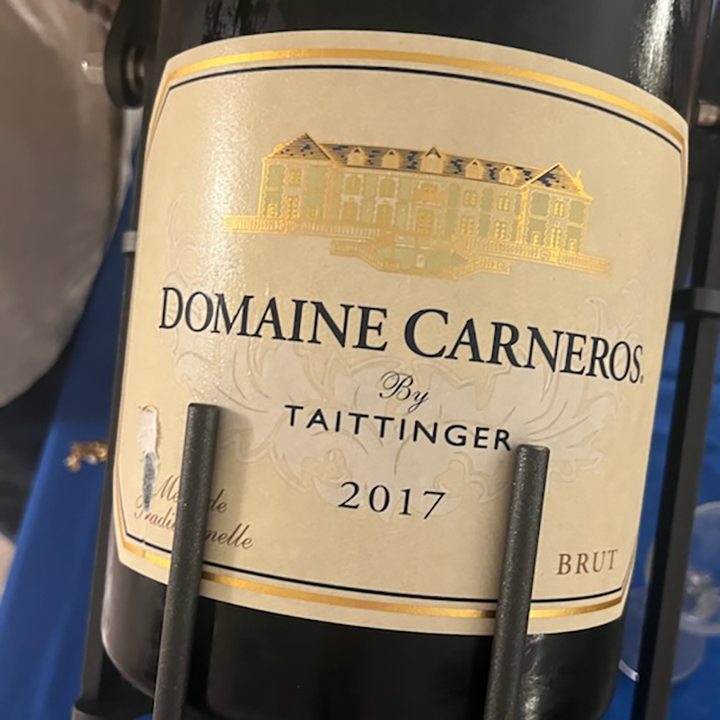
    As a grand kickoff to Scott and Alison White’s week-long 36th-anniversary festivities, this year’s Sparkling Party brought together family and friends at Disney’s Boardwalk Resort for an evening overflowing with camaraderie, exquisite food, and the celebrated Domaine Carneros sparkling wines. This year’s feature: three impressive six-liter bottles of the 2017 Taittinger Domaine Carneros Brut, each bottle holding the lively energy and character that made it the evening’s “magic elixir.”

    Scott White sabers a bottle of Domaine Carneros

    Sabering the Sparkling: A Celebration in Every Strike

    Scott White, an aficionado of Napa’s finest wines, proudly opened the evening with a daring sabering of the first large-format bottle, a feat he performed for the first time, thrilling his guests. With Scott’s deft, confident strike, a burst of effervescence flowed as the cork and neck were swept away, marking a spirited beginning to the evening. Following in Scott’s footsteps were Brian Toung and Dima Semenski, who each took up the saber with both excitement and skill, making clean cuts that set the night’s festive tone. Their efforts epitomized the camaraderie and celebration that this party—and the art of sabering itself—so beautifully embody.

    Read about these three sabertiers: The Art and Ritual of Sabering Sparkling Wine: A Master Class

    A Sparkling Legacy

    The Domaine Carneros Brut, from the esteemed 2017 vintage, poured with an elegance that complemented the gathering’s lively spirit. Its fine mousse and balanced acidity elevated every bite, pairing especially well with the variety of appetizers thoughtfully prepared for the event. The Brut’s light brioche, citrus, and apple notes mingled with the menu, enhancing every pairing as each course was unveiled.

    A Feast for the Ages

    This year’s menu was a true banquet, carefully curated to pair harmoniously with the sparkling wines. The cold plates—shrimp cocktail, lump crab, and salmon crackers—offered a fresh, clean introduction, perfectly suited to the Brut’s zesty minerality. A charcuterie and cheese plate was rich in flavor, providing a range of textures and tastes that beautifully highlighted the wine’s toasty notes.

    The fruit platter, with ripe strawberries, juicy pears, and the indulgent blue cheese and candied walnut pairings, was a refreshing contrast to the sparkling wine’s crisp acidity. Caprese skewers and veggie plates kept the palate lively, while deviled eggs added a creamy, savory delight.

    The hot dishes were a masterpiece in their own right, showcasing beloved classics and a few surprises. Bacon-wrapped scallops, a crowd favorite, brought out the subtle smokiness in the Domaine Carneros Brut, while mini quiches with bacon and Swiss and savory onion and goat cheese phylo cups matched the wine’s complexity sip for sip. Brie and fig phylo cups, with their luxurious combination of creamy brie and sweet fig, proved to be another highlight alongside the sparkling wine’s effervescence.

    The Pompon sandwiches, featuring Argentinian sausage, and Pizza Piena, an Italian-style pie, added rich heartiness to the mix, a delightful pairing with the structured yet delicate bubbles of the Brut. Abundantly flavored dishes, such as stuffed mushrooms, pot stickers, and Spanish albondigas (meatballs), held their own next to the sparkling wine, creating a symphony of flavors that each sip of Domaine Carneros only heightened.

    Dessert and the Perfect Pairing

    To bring the evening to a sweet close, a stunning array of desserts was served alongside the Domaine Carneros Demi-Sec. The Demi-Sec, with its slight sweetness and softer acidity, was the ideal match for the variety of treats on offer. Each bite, from rich pastries to light fruit-based desserts, found its perfect complement in the Demi-Sec’s balanced sweetness, with flavors that lingered delicately on the palate.

    A Toast to the Sparkling Party

    As the night wound down, a few guests enjoyed glasses of Armagnac, raising a final toast to friendship, to Scott and Alison’s enduring love, and to the memories shared and created anew. With Domaine Carneros sparkling wine in hand and laughter filling the air, the evening was a testament to tradition, good company, and the pure joy of savoring exceptional wine and food in celebration of life’s finest moments. Cheers 🥂

  • Pairing the Perfect Wine with Mediterranean-Inspired Mahi Mahi

    Pairing the Perfect Wine with Mediterranean-Inspired Mahi Mahi

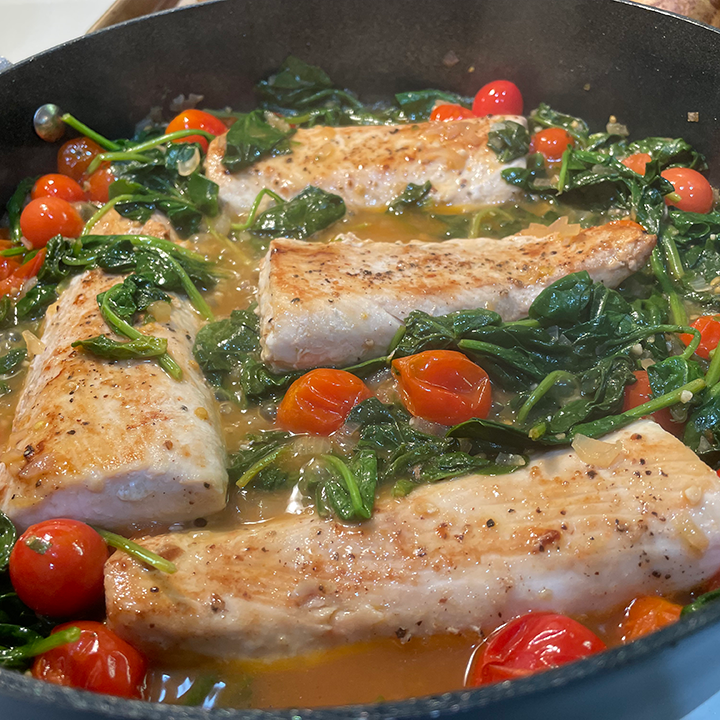
    As a sommelier and wine educator, one of the greatest joys is the process of finding that perfect wine pairing—a marriage of flavors that elevates both the dish and the wine to new heights. Recently, I found myself in the SOMM&SOMM kitchen creating a Mediterranean-inspired Mahi Mahi dish, a vibrant, refreshing plate that marries the richness of seared Mahi with the brightness of tomatoes, garlic, lemon, and herbs. While the dish itself was flawless, it lacked one key component—a wine pairing to complete the culinary experience.

    Finding a wine that compliments the complex flavor profile of Mediterranean-inspired Mahi is no small task. The challenge is to enhance the delicate yet meaty texture of the fish while balancing the brightness of lemon, the earthiness of spinach, and the slight tang from the rice wine vinegar. Here’s the approach I took in seeking the perfect wine, with emphasis on harmony and contrast.

    Fresh Mahi (Coryphaena hippurus) – Bernard DUPONT from FRANCE, CC BY-SA 2 via Wikimedia Commons

    Understanding the Flavor Profile of Mahi Mahi

    Mahi Mahi is a mild, firm-textured fish, often compared to swordfish, but with a slightly sweeter note. When seared, it develops a wonderful crust that lends a subtle richness without overpowering its delicate natural flavor. In this recipe, the Mahi is complemented by fresh Mediterranean elements like spinach, cherry tomatoes, and basil. A burst of acidity from the lemon juice and rice wine vinegar adds brightness, while garlic and shallots contribute a subtle, savory depth.

    The key to this dish lies in the balance between the buttery, seared fish and the fresh, acidic sauce. The spinach, with its earthy notes, also adds a slight bitterness to round out the dish. When thinking about wine, we want to match this profile with something that has enough acidity to complement the lemon and vinegar while being gentle enough not to overpower the delicate fish.

    Choosing the Wine Based on Structure

    To find the perfect wine pairing, I first considered the structural elements of the dish:

    1. Acidity: The lemon juice, rice wine vinegar, and tomatoes introduce a vibrant acidity that brightens the dish. A wine with similar or higher acidity is crucial for balance. This eliminates wines that are too rich or too low in acid, such as heavily oaked Chardonnays or some New World reds.
    2. Body: Mahi Mahi is meaty but not overly fatty. A light- to medium-bodied wine would pair best, ensuring the fish remains the star. This points toward white wines or light reds that offer structure without overwhelming the plate.
    3. Flavor Intensity: The mild flavors of the fish and the herbaceous, savory notes from the basil, garlic, and shallots call for a wine that mirrors these flavors. We want herbal or citrus-forward whites, or even rosés, that will enhance these elements rather than compete with them.

    Considering Specific Pairings

    Based on the structure and flavors, the wine shortlist becomes more focused. Let’s explore some options.

    1. Vermentino – The Ideal Mediterranean Match

    Vermentino, a grape found in Italy’s Liguria and Sardinia as well as southern France (where it’s called Rolle), is an exceptional choice for this Mahi dish. It naturally offers bright acidity and minerality, which mirrors the fresh, coastal nature of the Mediterranean. With notes of citrus, herbs, and sometimes even a hint of salinity, Vermentino would enhance the lemon, basil, and garlic in the sauce. Its zippy acidity keeps it refreshing, while its medium body holds up to the richness of the seared fish.

    In particular, a Sardinian Vermentino, with its slight salinity and bracing minerality, would create a seamless connection with the coastal roots of the dish.

    SOMM&SOMM Recommends: 2022 Deperu Holler Fria Vermentino di Gallura Superiore

    2. Assyrtiko – A Greek Twist

    For those looking to explore less common wines, Assyrtiko from Santorini is another stellar option. This Greek varietal is known for its high acidity, crispness, and mineral-driven flavors. With notes of citrus, green apple, and a slight smokiness, it would harmonize beautifully with the acidity in the dish while offering enough backbone to stand up to the Mahi’s meaty texture.

    The volcanic soils of Santorini lend Assyrtiko an unmistakable minerality, reminiscent of the ocean breeze, which would echo the subtle salinity of the fish itself.

    SOMM&SOMM Recommends: 2023 Sigalas Santorini Assyrtiko

    3. Sauvignon Blanc – For a Herbaceous Touch

    A classic pairing for dishes with green, herb-driven elements, Sauvignon Blanc, particularly from the Loire Valley, offers both crisp acidity and aromatic complexity. The grassy, citrus-driven profile of Sauvignon Blanc would play beautifully with the basil, parsley, and spinach in the dish, while its clean, bright finish cuts through the butter and oil in the seared fish.

    Sancerre, from the Loire, with its precise minerality and racy acidity, would be a top pick in this category, although a New Zealand Sauvignon Blanc would offer a more tropical, fruit-forward option for those who enjoy more pronounced flavors.

    SOMM&SOMM Recommends: 2023 Pascal Jolivet Sancerre

    4. Dry Rosé – A Fresh, Versatile Option

    For a more playful, yet equally complementary pairing, a dry Provençal rosé would be an excellent choice. With a balance of red fruit, herbal notes, and crisp acidity, rosé offers a bridge between the freshness of the tomatoes and the heartier elements of the fish and spinach. Its versatility makes it an approachable option, especially for a more casual date night setting.

    A rosé with hints of citrus, melon, and herbs would bring out the complexity of the dish without overwhelming its delicate balance.

    SOMM&SOMM Recommends: 2022 Domaines Ott Chateau Romassan Bandol Rose

    5. Albariño – A Spanish Take on Seafood

    Known for its seafood-friendly nature, Albariño from Spain’s Rías Baixas region is another ideal partner. With vibrant acidity, floral aromas, and flavors of lemon, green apple, and stone fruits, Albariño would heighten the citrusy elements in the dish while offering enough minerality to keep the palate refreshed. Its subtle salinity would also complement the fish’s natural flavor, creating a seamless blend of flavors from the sea and land.

    SOMM&SOMM Recommends: 2023 Bodegas Fillaboa Rias Baixas Albarino

    Experimenting with Contrasts

    While matching the wine to the dish’s flavor profile is the most common approach, contrasting pairings can also be quite rewarding. For this Mediterranean Mahi, a lightly chilled, red Pinot Noir or Gamay from Beaujolais could work surprisingly well. These wines are light-bodied enough not to overpower the fish but offer red fruit and earthy notes that would contrast and enhance the sweetness of the cherry tomatoes and the earthiness of the spinach. The low tannin structure in both wines would ensure that they don’t clash with the delicate fish, but the slight chill adds freshness and lift to the pairing.

    The Art of the Perfect Pairing

    At its core, pairing wine with food is an art, an ever-evolving exploration of flavors, textures, and sensations. The Mediterranean-inspired Mahi dish presents a beautiful canvas, one that can be enhanced by a range of wines depending on the mood of the evening or the personal preferences of the diner. Whether you opt for the crisp minerality of Vermentino, the herbal elegance of Sauvignon Blanc, or the versatility of rosé, the key lies in understanding the balance of acidity, body, and flavor intensity.

    For your next date-night meal, take the time to savor the exploration. Whether you choose a wine that mirrors the flavors of the dish or one that introduces a delightful contrast, the joy is in the discovery—an experience that, as a sommelier, I find endlessly rewarding. Cheers 🍷

    Want the recipe for this dish? Drop me a line greg@sommandsomm.com