Category: Wine Style

  • Sip Into Summer

    Sip Into Summer

    A Guide to Refreshing Wines for Late Spring and Early Summer

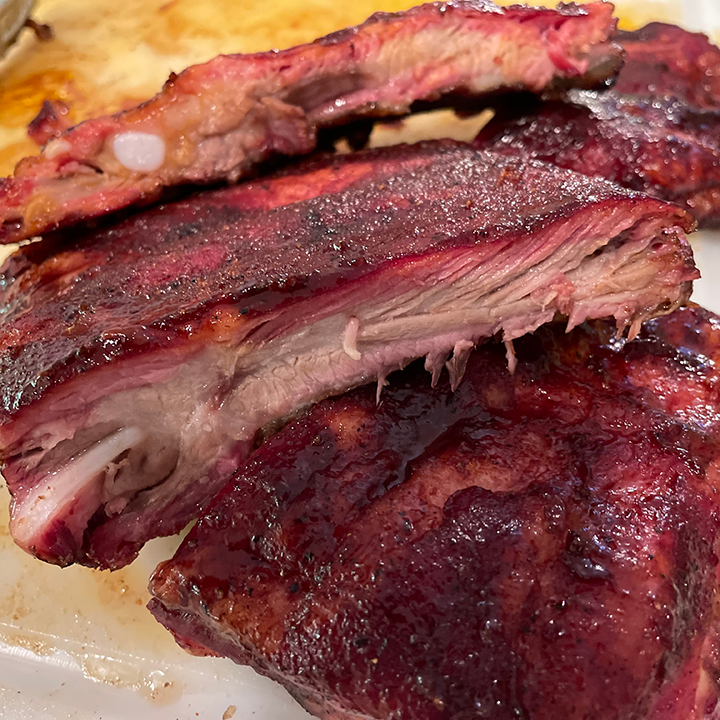
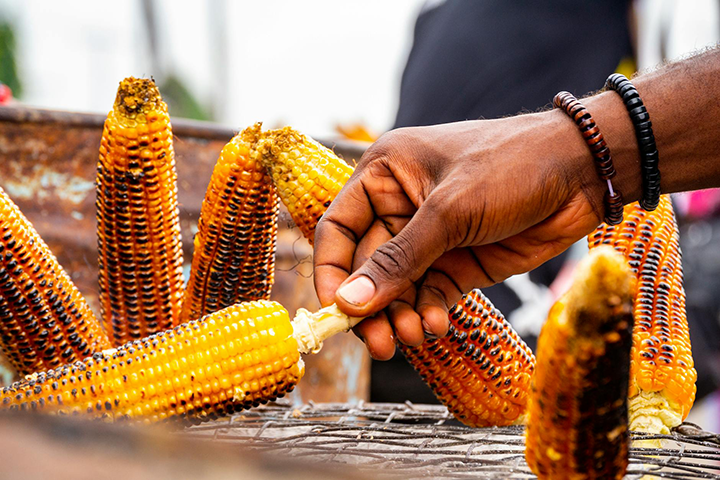
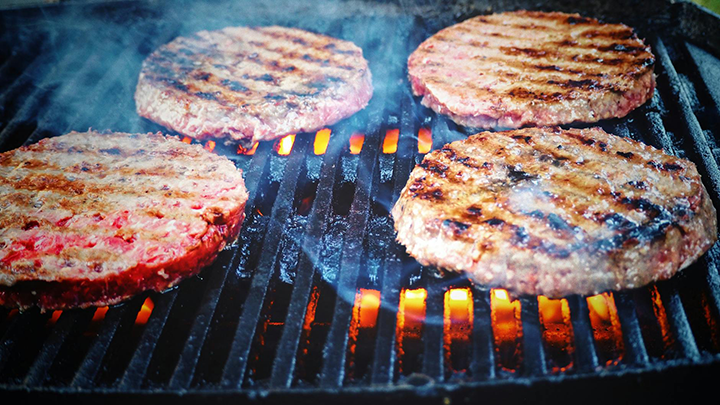
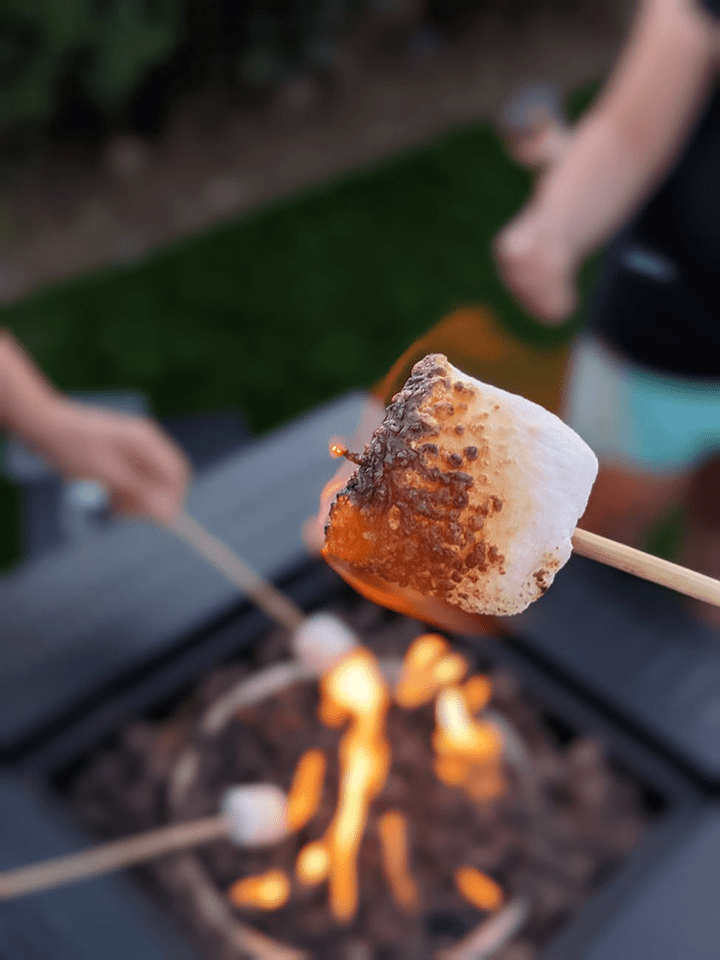
    As the days grow longer and the sun shines brighter, it’s time to embrace the vibrant flavors of late spring and early summer. With the season bringing forth an abundance of fresh produce and lighter fare, it’s the perfect time to explore a variety of wines that complement the delightful dishes served at events during this time of year. From picnics in the park to backyard barbecues, let’s dive into the world of wines that are perfectly suited for the warmer months ahead.

    Crisp Whites for Sunny Days

    One cannot think of summer without envisioning a chilled glass of refreshing white wine. From crisp Sauvignon Blancs to zesty Pinot Grigios, the options are endless. These wines are characterized by their bright acidity, citrus notes, and refreshing minerality, making them an ideal choice to pair with lighter fare such as salads, seafood, and grilled vegetables. Consider serving a Sauvignon Blanc alongside a fresh Caprese salad or a seafood ceviche for a delightful summer pairing.

    SOMM&SOMM Recommends: 2022 Henri Bourgeois Pouilly Fume La Porte De L’Abbaye

    SOMM&SOMM Recommends: 2021 Armani Pinot Grigio Colle Ara

    Rosé All Day

    Rosé has become synonymous with summer sipping, and for good reason. This versatile wine strikes the perfect balance between the crispness of a white wine and the fruitiness of a red, making it a crowd-pleaser at any summer gathering. Whether it’s a Provence-style Rosé with notes of strawberry and melon or a Spanish Rosado with hints of citrus and stone fruit, there’s a Rosé to suit every palate. Pair it with charcuterie boards, grilled chicken, or even fruity desserts for a refreshing and elegant accompaniment.

    Light Reds for Chilled Evenings

    While red wine might not be the first choice for warm weather, there are plenty of lighter-bodied reds that are well-suited for summer sipping. Look for wines such as Pinot Noir, Gamay, or Grenache, which offer bright fruit flavors, soft tannins, and a refreshing acidity. These wines pair beautifully with grilled salmon, roasted vegetables, or even a classic barbecue spread. Serve them slightly chilled to enhance their refreshing qualities and enjoy the taste of summer in every sip.

    SOMM&SOMM Recommends: 2021 Crossbarn Sonoma Coast Pinot Noir

    SOMM&SOMM Recommends: 2018 Mas De Mancuso Garnacha Single Vineyard

    Summer Sangria

    No summer gathering is complete without a pitcher of refreshing sangria. Whether you prefer the classic red sangria or the lighter white sangria, the options for customization are endless. Start with a base of fruity wine such as Tempranillo for red sangria or Sauvignon Blanc for white sangria. Add your favorite seasonal fruits such as oranges, strawberries, and peaches, along with a splash of citrus juice and a touch of sweetness from sugar or honey. Let it chill for a few hours to allow the flavors to meld together, and serve over ice for a refreshing and festive summer drink.

    SOMM&SOMM Recommends: 2020 Asua Rioja Crianza

    Red Sangria Recipe

    – 1 bottle of Tempranillo or your favorite red wine

    – 1 orange, sliced

    – 1 lemon, sliced

    – 1 lime, sliced

    – 1/4 cup orange juice

    – 2 tablespoons sugar

    – 1/4 cup brandy

    – Club soda, for topping

    – Fresh mint leaves, for garnish

    SOMM&SOMM Recommends: 2022 Angeline Sauvignon Blanc Reserve

    White Sangria Recipe

    – 1 bottle of Sauvignon Blanc or your favorite white wine

    – 1 peach, sliced

    – 1 cup strawberries, sliced

    – 1/4 cup lemon juice

    – 2 tablespoons honey

    – 1/4 cup peach schnapps

    – Club soda, for topping

    – Fresh basil leaves, for garnish

    Grilled Shrimp with Lemon Aioli (The Spruce Eats)

    Pairing the perfect wine with the right snacks can elevate your summer gatherings to a whole new level. Consider serving light and refreshing appetizers such as bruschetta with tomatoes and basil, grilled shrimp skewers with lemon aioli, or a platter of assorted cheeses and fresh fruit. These snacks complement the flavors of summer wines and provide the perfect accompaniment for leisurely outdoor gatherings.

    As the temperatures rise and the days grow longer, it’s time to embrace the flavors of late spring and early summer with a selection of refreshing wines. From crisp whites to fruity rosés and light reds, there’s a wine to suit every palate and occasion. Whether you’re enjoying a picnic in the park or hosting a backyard barbecue, let these wines be the perfect pairing for your summer festivities. Cheers to a season filled with sunshine, good company, and delicious wines 🍷

  • The Artistry of Wine

    The Artistry of Wine

    A Comparative Exploration of Rare Wines and Famous Paintings

    In the illustrious realm where the finest wines and most celebrated paintings converge, history intertwines with opulence, creating an exquisite tapestry of sensory delight. Let us delve deeper into this captivating parallel, exploring the stories behind both the rarest wines and the most iconic artworks, while shedding light on the misconceptions that often surround them.

    At the pinnacle of vinicultural artistry stands Château Lafite Rothschild, a Bordeaux First Growth whose legacy dates back to the 17th century. The visionary behind this enological masterpiece was none other than Baron James de Rothschild, whose passion for wine (specifically this wine) transformed the estate into a beacon of excellence. Similarly, the enigmatic smile of the “Mona Lisa” finds its roots in the Renaissance genius of Leonardo da Vinci, whose meticulous brushstrokes immortalized this iconic portrait in the annals of art history.

    Wine fact: While Baron James de Rothschild is credited for the well-deserved notoriety of Château Lafite [Rothschild], he didn’t purchase the estate until 13 years after the 1855 Bordeaux Classification.

    Disclosure: This post includes some affiliate links. Should you click an affiliate link and make a purchase, we may receive a small commission at no extra cost to you.

    1971 Château Lafite Rothschild from the cellar of Club 10 member, Brian Toung. Opened in January 2019

    Reflecting on my own experiences… tasting a sip of a 1971 Château Lafite Rothschild is akin to standing before the ‘Mona Lisa’ in person – a moment of profound humility and privilege. It’s as if time stands still, and you find yourself enveloped in the sheer greatness of centuries-old craftsmanship, where each drop of wine or stroke of the brush whispers secrets of the past.

    In those fleeting moments, one feels not only the weight of history but also the immense privilege of bearing witness to such timeless magnificence.

    Gregory Dean, SOMM&SOMM
    Westgarth Wines

    Spotlight: Westgarth Wines is a great source for hard-to-find varietals and vintages. Whether building your wine portfolio or planning a special evening, check out Westgarth Wines Extensive Fine Wine Collection.

    On the other hand, the ethereal elixir of Domaine de la Romanée-Conti traces its origins to the esteemed vineyards of Burgundy, where generations of vignerons have toiled to produce the quintessential Pinot Noir. The guardians of this hallowed terroir, the Leroy and de Villaine families, have upheld a tradition of excellence that rivals the timeless beauty of Vincent van Gogh‘s “Starry Night.” Just as van Gogh’s swirling cosmos mesmerize viewers with their transcendent beauty, so too does the intricate tapestry of flavors in Domaine de la Romanée-Conti transport the imbiber to celestial realms of sensory delight.

    Yet, amidst the rarified air of exclusivity, lies a misconception that often plagues the world of wine: the notion of the wine snob. This caricature, with its airs of superiority and exclusivity, fails to capture the true essence of wine appreciation. In reality, a genuine wine aficionado possesses a deep appreciation for the craftsmanship and artistry that goes into every bottle, much like an art connoisseur admires the brushstrokes of a master painter. Both seek to unravel the mysteries and complexities that lie within their chosen medium, finding joy in the journey of discovery.

    In contrast, the world of more accessible wines parallels the realm of mainstream art, where familiar classics reign supreme. Wines such as Napa Valley Cabernet Sauvignon or Italian Chianti embody widespread appeal and approachability, much like the iconic works of Pablo Picasso or Claude Monet. Just as art aficionados find solace in the timeless beauty of a Van Gogh or a Monet, wine enthusiasts take pleasure in the familiar embrace of a well-crafted Merlot or Sauvignon Blanc.

    SOMM&SOMM Recommends: Napa Valley Silver Oak

    SOMM&SOMM Recommends: Chateau Montelena Cabernet Sauvignon

    In conclusion, whether indulging in the rarefied elixirs of Château Lafite Rothschild or savoring the everyday pleasures of a Napa Valley Cabernet, both wine and art serve as conduits to a world of sensory delight. Through their boundless beauty and infinite complexity, they enrich our lives, inviting us to explore the depths of human creativity and expression. Cheers 🍷

  • The Lore of Aging Wine in Barrels

    The Lore of Aging Wine in Barrels

    Wine, that timeless elixir, has been intertwined with human history for millennia. From ancient amphorae to modern stainless steel tanks, winemaking techniques have evolved, but one tradition remains as steadfast as the vines themselves: aging wine in barrels. This practice is not merely functional but holds a mystical allure, enhancing the flavors, aromas, and textures of wine in ways that transcend mere storage vessels. Let’s dive into the history, craftsmanship, and magic of aging wine in barrels.

    Photo by Yesim G. Ozdemir on Pexels.com

    Historical Roots

    The art of barrel aging dates back to ancient civilizations, where wooden vessels were used to transport and store liquids. The Romans, in particular, recognized the transformative power of wood on wine, using barrels made from oak to age and transport their precious vintages across their vast empire. Over time, this practice spread throughout Europe, becoming synonymous with the finest wines produced in regions such as Bordeaux, Burgundy, and Rioja.

    Barrel aging, the silent maestro of wine evolution, weaves a tapestry of complexity, infusing wines with nuances of oak, whispers of spice, and the symphony of time, crafting bottles of elegance and depth.

    Gregory Dean, SOMM&SOMM

    Types of Wood

    While oak remains the predominant choice for wine barrels, different species and sources of wood impart distinct characteristics to the wine. French oak, known for its subtle flavors of vanilla, spice, and toast, is favored by many winemakers for its elegance and finesse. American oak, on the other hand, tends to impart more pronounced flavors of coconut, dill, and sweet spices, making it a popular choice for bold, fruit-forward wines.

    Other types of wood, such as Hungarian oak, Slovenian oak, and chestnut, offer their own unique profiles, adding layers of complexity to the wines they age. Each wood has its own distinct grain, density, and porosity, influencing how it interacts with the wine and shapes its final character.

    Various barrel sizes and shapes waiting to be delivered

    Barrel Sizes and Shapes

    Barrels come in a variety of sizes, from the diminutive barrique to the towering foudre. The standard barrique holds approximately 225 liters (59 gallons) of wine and is commonly used in regions like Bordeaux and Burgundy. Larger formats, such as the puncheon and the foudre, are favored for their reduced surface-to-volume ratio, allowing for slower aging and gentler extraction of flavors.

    The shape of the barrel also plays a crucial role in aging wine. Taller, narrower barrels promote more gradual oxidation and evaporation, while shorter, wider barrels encourage faster integration of flavors and textures. Additionally, the toasting level of the barrel—ranging from light to heavy—can be customized to suit the winemaker’s desired style and intensity of oak influence.

    Craftsmanship and Cooperage

    The art of barrel making, or cooperage, is a centuries-old tradition that requires skill, precision, and patience. Cooperages source the finest oak staves, carefully shaping and toasting them to exact specifications. Master coopers employ time-honored techniques, passed down through generations, to construct barrels that are both functional and beautiful.

    Cooperages offer winemakers a range of options, from the type of wood and toast level to the size and shape of the barrel. Customization allows winemakers to tailor their barrels to the specific needs of each wine, ensuring optimal aging and expression of terroir.

    Impact on Wine and Cost

    The impact of barrel aging on wine is profound, influencing its color, aroma, flavor, and texture in myriad ways. Oak imparts flavors of vanilla, spice, toast, and caramel, while also softening tannins and enhancing mouthfeel. Oxygen slowly permeates the barrel, allowing the wine to evolve and develop complexity over time.

    The cost of barrel aging varies depending on factors such as the type of wood, size of the barrel, and quality of craftsmanship. French oak barrels, prized for their elegance and finesse, are among the most expensive, while American oak and other alternatives offer more affordable options. The cost of barrel aging can account for a significant portion of a wine’s production expenses, particularly for premium and ultra-premium wines that require extended aging in oak.

    Famous Burgundian Grand Cru (Pinot Noir)

    Regional and Varietal Characteristics

    Certain countries, regions, and varietals are renowned for the unique characteristics imparted by barrel aging. In Bordeaux, Cabernet Sauvignon and Merlot blends mature in oak barrels, gaining complexity and structure over time. Burgundian Pinot Noir and Chardonnay benefit from aging in French oak, acquiring nuances of spice, toast, and vanilla.

    Spanish Tempranillo finds its soulmate in American oak, with Rioja and Ribera del Duero wines showcasing flavors of coconut, dill, and sweet spices. Italian Sangiovese, aged in large Slavonian oak casks, develops savory notes of leather, tobacco, and earth.

    While barrel aging remains the gold standard for many winemakers, alternative methods offer creative ways to achieve similar results. Stainless steel tanks provide a neutral environment for aging wine, preserving fruit purity and freshness. Concrete eggs and amphorae impart subtle texture and minerality, enhancing the wine’s sense of place.

    Some winemakers utilize oak alternatives, such as chips, staves, or spirals, to infuse wine with oak flavors without the expense or commitment of traditional barrel aging. While these methods can produce compelling results, they often lack the complexity and integration achieved through prolonged aging in oak.

    Barrels, like fine wine, have a finite lifespan, with each one imparting its unique imprint on the wines it ages. The number of times a barrel can be used depends on factors such as the type of wood, thickness of the staves, and care taken during maintenance. French oak barrels, with their tighter grain and slower oxidation rate, can be reused for several vintages before losing their efficacy.

    After a barrel has reached the end of its useful life for aging wine, it may find new purpose as furniture, planters, or even firewood. Some adventurous souls repurpose old barrels as aging vessels for beer, spirits, or vinegar, continuing the cycle of transformation and innovation.

    Here’s to the artistry of barrel aging, where time becomes the master craftsman, transforming grapes into liquid poetry. Cheers to the magic of oak, the alchemy of time, and the enduring allure of beautifully aged wines. Salud!

    Gregory Dean, SOMM&SOMM

    Aging wine in barrels is a time-honored tradition that marries craftsmanship with alchemy, transforming humble grapes into liquid poetry. From the forests of France to the vineyards of Napa Valley, the story of barrel aging is one of passion, innovation, and reverence for the past. As we raise our glasses to toast the fruits of the vine, let us also raise a toast to the humble barrel, the silent guardian of wine’s journey through time and wood. Cheers 🍷

  • Exploring the History and Tradition of Vin Santo Wine

    Exploring the History and Tradition of Vin Santo Wine

    In the rolling hills of Tuscany, amidst the golden vineyards and centuries-old traditions, lies a treasure deeply rooted in history and culture—the enchanting Vin Santo wine. With its rich amber hues and complex flavors, Vin Santo embodies the essence of Italy’s winemaking heritage, weaving together centuries of tradition into each precious drop.

    Beautiful rolling hills of Tuscany

    A Journey Through Time: Origins of Vin Santo

    The origins of Vin Santo can be traced back to medieval times, where its story intertwines with the religious and cultural tapestry of Italy. Legend has it that Vin Santo, meaning “holy wine” in Italian, was first crafted by monks in the Tuscan hillsides. These devout custodians of viticulture discovered that by allowing grapes to dry on straw mats in warm attics, the sugars concentrated, resulting in a sweet, luscious wine.

    The process of making Vin Santo is deeply intertwined with the concept of ‘appassimento,’ a traditional method of drying grapes to concentrate their sugars and flavors. This technique, which originated in ancient Rome, was revived and perfected by Tuscan winemakers, leading to the creation of Vin Santo’s signature style.

    The Art of Vinification: Crafting Vin Santo

    Vin Santo is primarily crafted from white grape varieties such as Trebbiano and Malvasia, although red grape varieties like Sangiovese are also used in some regions. The grapes are harvested at optimal ripeness before being carefully laid out on straw mats or hung in well-ventilated lofts to dry. This drying process, known as ‘appassimento,’ can last for several months, allowing the grapes to gradually shrivel and concentrate their sugars.

    Once sufficiently dried, the grapes are gently pressed, yielding a highly concentrated juice with elevated sugar levels. This luscious must is then transferred to small oak barrels, known as caratelli or ‘little barrels,’ where it undergoes a slow and patient fermentation. Unlike most wines, Vin Santo is left to ferment naturally, relying on ambient yeasts to work their magic over the course of several years.

    The aging process is a hallmark of Vin Santo production, with the wine maturing in small barrels for a minimum of three to five years, though some examples age for much longer. During this time, the wine develops its distinctive aromas and flavors, evolving from vibrant fruitiness to complex notes of dried fruits, nuts, honey, and spices.

    The Variations of Vin Santo: Tradition and Terroir

    While Vin Santo is most commonly associated with Tuscany, its production extends to other regions of Italy, each with its own unique interpretation of this revered wine. In addition to the classic Vin Santo di Chianti, which hails from the heart of Tuscany, other notable variations include Vin Santo del Chianti Classico, Vin Santo di Montepulciano, and Vin Santo di Carmignano.

    These variations reflect not only regional differences in grape varieties and winemaking techniques but also the influence of terroir—the unique combination of soil, climate, and geography that shapes each wine’s character. For example, Vin Santo del Chianti Classico is celebrated for its elegance and balance, while Vin Santo di Montepulciano boasts a more robust and structured profile.

    The Ritual of Enjoyment: Serving Vin Santo

    Vin Santo is more than just a wine; it’s a symbol of conviviality and tradition, often shared during special occasions and festive gatherings. The ritual of serving Vin Santo is as important as the wine itself, with time-honored customs dictating its presentation and enjoyment.

    Vin Santo and Biscotti

    Traditionally served in small, tulip-shaped glasses, Vin Santo is accompanied by biscotti or ‘cantucci,’ almond biscuits specifically designed to complement its sweetness. The ritual of dipping the biscotti into the wine, allowing them to soak up its ambrosial nectar, is a sensory experience that enhances the wine’s flavors and textures.

    Vin Santo is also a versatile wine that pairs beautifully with a variety of foods, from aged cheeses and foie gras to desserts such as panna cotta and almond cakes. Its natural sweetness and complex aromas make it a delightful accompaniment to both savory and sweet dishes, earning it a place of honor on tables around the world. Vin Santo is the wine traditionally used in tiramisu 🙂

    Tiramisu with Vin Santo

    Preserving Tradition: The Future of Vin Santo

    In an era of rapidly changing tastes and trends, the tradition of Vin Santo remains a steadfast beacon of Italy’s winemaking heritage. While modern advancements have brought innovations to the production process, the essence of Vin Santo—its connection to the land, its reverence for tradition, and its timeless allure—remains unchanged.

    As we raise our glasses to toast the legacy of Vin Santo, we honor not only the craftsmanship of generations past but also the promise of generations to come. In each sip of this sacred elixir, we taste the history, the tradition, and the timeless beauty of Italian winemaking—a legacy that continues to inspire and enchant wine lovers around the world.

    Cheers🍷

  • Unveiling the Controversial World of MegaPurple and Grape Concentrates in Wine

    Unveiling the Controversial World of MegaPurple and Grape Concentrates in Wine

    Lately, I have found myself in conversations about a controversial yet widely used tool known as MegaPurple, along with similar grape concentrates. These additives have sparked debates within the industry, raising questions about their impact on wine quality, authenticity, and consumer trust. As a sommelier dedicated to unraveling the intricacies of wine, it is imperative to delve into this contentious topic, shedding light on its origins, purpose, and implications.

    What is MegaPurple and Grape Concentrate?

    MegaPurple is a proprietary blend of concentrated grape juice derived from red grape varieties, primarily used in winemaking to enhance color, body, and sweetness. Currently produced by Vie-Del Company, this product gained popularity in the early 2000s (originally owned by Constellation Brands) as a cost-effective solution for wineries facing challenges in achieving desired characteristics in their wines.

    Similar grape concentrates, although not as widely recognized as MegaPurple, are utilized by winemakers globally. These concentrates are typically obtained through the process of reducing grape juice, thereby intensifying flavors, sugars, and color compounds.

    Purpose and Usage

    The primary purpose of MegaPurple and grape concentrates lies in their ability to rectify deficiencies in wine, particularly those arising from unfavorable growing conditions, suboptimal grape ripening, or stylistic preferences of winemakers. These additives serve multiple functions:

    Color Enhancement

    MegaPurple and grape concentrates are revered for their capability to intensify the hue of red wines, imparting a deep, rich color that appeals to consumers’ visual senses. This is particularly valuable in regions where grape ripening conditions may not yield optimal pigment development.

    Body and Mouthfeel

    By boosting sugar levels, these additives contribute to a fuller body and enhanced mouthfeel in wines, thereby masking potential thinness or lack of structure.

    Sweetness Adjustment

    Winemakers utilize MegaPurple and grape concentrates to achieve desired levels of sweetness in their wines, catering to varying consumer preferences, from bone dry to lusciously sweet.

    Cost Efficiency

    From an economic standpoint, these additives offer a cost-effective solution for wineries, allowing them to rectify wine deficiencies without resorting to expensive vineyard management practices or additional barrel aging.

    Controversy and Criticism

    Despite their widespread usage, MegaPurple and grape concentrates have garnered significant criticism from various quarters within the wine community:

    Like an overbearing conductor drowning out the subtleties of a symphony, artificial flavors and concentrates in wine obscure the terroir-driven nuances, leaving behind a hollow echo of authenticity

    Gregory Dean – SOMM&SOMM

    Authenticity Concerns – Opponents argue that the use of these additives compromises the authenticity and integrity of wines, blurring the distinction between naturally crafted wines and those manipulated through artificial means.

    Impact on Terroir – Advocates for terroir-driven winemaking express apprehensions about the influence of MegaPurple and grape concentrates on the expression of terroir, fearing that these additives may overshadow the unique characteristics imparted by vineyard site and microclimate.

    Health and Transparency – Consumer advocacy groups have raised concerns regarding the transparency of labeling practices, advocating for clear disclosure of the use of additives such as MegaPurple and grape concentrates to enable informed consumer choices. Moreover, questions about potential health implications associated with these additives have also been raised, prompting further scrutiny.

    Market Perception – The use of MegaPurple and grape concentrates has contributed to debates surrounding market perception and consumer education, highlighting the need for transparency and dialogue within the wine industry.

    Lesser-Known Ingredients and Processes

    In addition to MegaPurple and grape concentrates, several lesser-known ingredients and processes are employed in winemaking, each with its own implications:

    Photo by cottonbro studio on Pexels.com

    Mega-Reduction – This technique involves the reduction of grape juice through heating, concentrating sugars, flavors, and color compounds. While similar to the production of MegaPurple, mega-reduction offers winemakers a customized approach to adjusting wine characteristics.

    Maceration Techniques – Winemakers employ various maceration techniques, such as extended skin contact or cold soaking, to extract color, tannins, and flavor compounds from grape skins. These methods play a crucial role in shaping the sensory profile of wines, contributing to complexity and structure.

    Microbial Additions – Yeast and bacterial cultures are utilized in winemaking to initiate fermentation, impart specific flavor profiles, or promote microbial stability. While commonly accepted, the selection of microbial additives can influence the sensory attributes and aging potential of wines.

    Oak Alternatives – In lieu of traditional oak barrels, winemakers may employ oak alternatives such as chips, staves, or powders to impart oak-derived flavors and aromas to wines. This practice offers flexibility in flavor profile manipulation while mitigating costs and production time.

    The use of MegaPurple and grape concentrates in winemaking remains a contentious subject, reflecting broader debates surrounding authenticity, transparency, and market perception within the wine industry. As a sommelier committed to advancing wine education and fostering appreciation for the artistry of winemaking, it is imperative to navigate these complexities with discernment and critical inquiry. By fostering dialogue, transparency, and a deeper understanding of winemaking practices, we can empower consumers to make informed choices while preserving the rich diversity and heritage of wines worldwide.

    Cheers🍷

  • Teinturier Grapes: A Deep Dive into Rarity and Richness

    Teinturier Grapes: A Deep Dive into Rarity and Richness

    In the vast and intricate world of wine, there exists a category of grapes that is shrouded in mystery and rarity: the teinturier (pronounced teen-TOUR-ee-er) grapes. These unique varieties stand out among their counterparts due to their distinct characteristic of having red-colored flesh, which sets them apart from the majority of grape varieties whose flesh is typically clear or lightly pigmented. In this exploration, we embark on a journey to uncover the enigmatic nature of teinturier grapes, delving into their origins, unique characteristics, varieties, tasting notes, and the stories that surround them.

    Cover photo credits: Lebowskyclone, CC BY-SA 3.0 https://creativecommons.org/licenses/by-sa/3.0, via Wikimedia Commons

    Origins and Characteristics

    The term “teinturier” is derived from the French word for “dyer,” which aptly describes the intense coloration these grapes impart to wine. Unlike most red grape varieties, where the color comes primarily from the skins during fermentation, teinturier grapes possess deeply pigmented flesh, resulting in wines with exceptionally rich coloration and depth.

    One of the most notable characteristics of teinturier grapes is their rarity. While there are thousands of grape varieties cultivated worldwide, only a small fraction belong to the teinturier category. This rarity adds to their allure and intrigue among wine enthusiasts and connoisseurs.

    Alicante Bouschet (photo: Good Food Revolution)

    Varieties of Teinturier Grapes

    Several grape varieties fall into the category of teinturier grapes, each offering its own unique characteristics and flavor profiles. Some of the most prominent varieties include:

    1. Alicante Bouschet: Among the most well-known teinturier grapes, Alicante Bouschet boasts deep red flesh and intense coloration. Originating in France in the late 19th century, this grape is prized for its robust flavors of dark fruits, such as blackberry and plum, coupled with firm tannins and a full-bodied structure.

    2. Saperavi: Hailing from the country of Georgia, Saperavi is a teinturier grape renowned for its inky color and bold, complex flavors. This variety often exhibits notes of black cherry, black pepper, and hints of smoke, with a velvety texture and a long, lingering finish.

    3. Rubired: Developed in California, Rubired is a teinturier grape widely used in winemaking for its deep color extraction and rich flavor profile. Wines made from Rubired grapes are characterized by their plush texture, ripe berry flavors, and a touch of spice, making them ideal for blending or as standalone varietal wines.

    4. Graciano: While not exclusively a teinturier grape, Graciano is known for its deeply pigmented juice, which contributes to the intense coloration of wines when blended with other grape varieties. Originating in Spain, Graciano imparts wines with vibrant acidity, notes of dark fruits, and a savory, herbal undertone.

    Tasting Notes and Pairings

    Teinturier wines are prized for their deep color, bold flavors, and distinctive characteristics. When tasting wines made from teinturier grapes, one can expect to encounter a spectrum of flavors and aromas, ranging from dark fruits and spices to savory notes and earthy undertones.

    Alicante Bouschet wines often exhibit flavors of ripe blackberry, plum, and dark chocolate, with firm tannins and a robust structure. Pairing these wines with grilled meats, hearty stews, or aged cheeses complements their bold flavors and enhances the overall dining experience.

    Saperavi wines boast a complex profile of black cherry, black pepper, and smoky notes, with a velvety texture and well-integrated tannins. These wines pair beautifully with dishes such as lamb tagine, roasted duck, or mushroom risotto, where their depth of flavor can shine.

    Rubired wines are characterized by their plush texture, ripe berry flavors, and hints of spice, making them versatile for pairing with a variety of cuisines. Whether enjoyed alongside barbecue ribs, spicy chili, or creamy pasta dishes, Rubired wines add a layer of richness and depth to the dining experience.

    Graciano Varietal from Rioja

    Graciano wines offer vibrant acidity, dark fruit flavors, and a savory, herbal character, making them ideal companions for dishes such as grilled steak, paella, or roasted vegetable medleys. The wine’s acidity cuts through rich flavors, while its earthy undertones complement a wide range of ingredients.

    Beyond their exceptional qualities in winemaking, teinturier grapes are also steeped in stories, myths, and quips that add an element of fascination to their narrative. Legend has it that Alicante Bouschet was created by a French viticulturist who sought to develop a grape variety with intense coloration during a time when blending wines was a common practice. Similarly, the origins of Saperavi trace back to ancient Georgia, where it is believed to have been cultivated for over 8,000 years, earning its status as one of the oldest grape varieties in existence.

    As we delve deeper into the world of teinturier grapes, we uncover not only their rare and unique characteristics but also the rich tapestry of history, culture, and tradition that surrounds them. From the sun-drenched vineyards of Spain to the lush landscapes of California, these grapes continue to captivate and inspire winemakers and enthusiasts alike, offering a glimpse into the extraordinary diversity and complexity of the wine world.

    Teinturier grapes stand as a testament to the endless possibilities and wonders of winemaking, showcasing the artistry and ingenuity of those who cultivate and craft them into the exquisite wines that grace our tables and tantalize our palates. As we raise our glasses to toast to these remarkable grapes, let us savor the richness of their flavors, the depth of their colors, and the stories that surround them, celebrating the beauty and complexity of the world of wine. Salute! 🍷

  • Winemaking in Spring: From Bud Break to Flowering

    Winemaking in Spring: From Bud Break to Flowering

    First article in the series–The Seasons of Winemaking.

    Spring is a crucial season for winemaking, as it marks the beginning of the annual growth cycle of the grapevines. During this time, the vines awaken from their winter dormancy and start to produce new shoots, leaves, and flowers. The viticulturists and winemakers have to monitor and manage the vineyard carefully to ensure the health and quality of the grapes that will be harvested in the fall.

    Bud break at Jordan Winery, Alexander Valley

    Bud Break

    Bud break is the first visible sign of growth in the vineyard, usually occurring in March or April in the Northern Hemisphere, and September or October in the Southern Hemisphere. It happens when the buds on the dormant canes swell and burst, revealing tiny green shoots that will eventually become branches. Bud break is influenced by several factors, such as the grape variety, the climate, the soil, and the pruning method. Some varieties, such as Chardonnay and Pinot Noir, tend to bud earlier than others, such as Cabernet Sauvignon and Syrah. This means that they are more susceptible to frost damage, which can kill the young shoots and reduce the yield.

    To prevent frost damage, viticulturists may use various techniques, such as heaters, wind machines, sprinklers, or helicopters, to circulate warm air or water around the vines. They may also delay pruning until late winter or early spring, to avoid stimulating early bud break. Pruning is an essential task that involves cutting off excess or unwanted wood from the previous year, to shape the vine and control its vigor. Pruning also determines the number and position of the buds that will produce the grapes, and thus affects the quantity and quality of the harvest.

    Bud break is celebrated in different ways around the world, often with religious or spiritual ceremonies. For example, in Burgundy, France, the monks of the Clos de Vougeot monastery used to bless the vines and pray for a good harvest on the day of bud break. In Chile, the Fiesta de la Vendimia (Harvest Festival) begins with a mass and a blessing of the first must (grape juice) by the local priest. In Napa Valley, California, some wineries host bud break parties and tastings for their club members and guests.

    Shoot Growth

    After bud break, the shoots grow rapidly, reaching up to a meter in length by the end of spring. They develop leaves, tendrils, and lateral branches, forming the canopy of the vine. The leaves are the main source of energy for the vine, as they capture sunlight and perform photosynthesis, converting carbon dioxide and water into sugars and oxygen. The sugars are stored in the roots, trunk, and canes, and are used for growth and ripening. The tendrils are curly structures that help the vine cling to the trellis or support system, and maintain its vertical position. The lateral branches are secondary shoots that emerge from the leaf axils, and may produce additional clusters of grapes.

    The viticulturists and winemakers have to manage the canopy carefully, to balance the amount of sunlight, air, and moisture that reaches the grapes. Too much shade can reduce the sugar and flavor development, and increase the risk of fungal diseases. Too much sun can cause sunburn or dehydration, and affect the color and aroma of the grapes. To achieve the optimal canopy, they may use various techniques, such as:

    – Tying or tucking the shoots to the trellis wires, to keep them upright and organized.

    – Thinning or removing excess shoots, leaves, or lateral branches, to reduce overcrowding and improve ventilation.

    – Topping or trimming the tips of the shoots, to limit their growth and redirect the energy to the grapes.

    – Spraying or dusting the vines with organic or synthetic substances, to protect them from pests and diseases.

    Flowering stage of the grapevine

    Flowering

    Flowering is the next major stage in the vineyard, usually occurring in May or June in the Northern Hemisphere, and November or December in the Southern Hemisphere. It happens when the tiny green clusters of flowers on the shoots open and release pollen. The flowers are hermaphroditic, meaning that they have both male and female parts, and can self-pollinate. However, they may also rely on wind or insects to transfer pollen from one flower to another. The pollination process leads to fertilization, which results in the formation of seeds and berries. The berries are initially hard and green, and contain high levels of acidity and tannins.

    Flowering is celebrated in various ways around the world, often with music and dancing. For example, in Germany, the Blütenfest (Flower Festival) is held in several wine regions, featuring parades, concerts, and wine tastings. In Italy, the Festa dei Fiori (Flower Festival) is celebrated in many towns and villages, with floral decorations, folk performances, and local delicacies. In Argentina, the Fiesta Nacional de la Flor (National Flower Festival) is held in Escobar, a town known for its flower production and nurseries. The festival includes a flower parade, a queen contest, and a display of regional wines.

    Flowering is a critical and delicate phase, as it determines the potential crop size and quality. The number of flowers that successfully pollinate and set fruit is called the fruit set, and it can vary from 30% to 70% depending on the grape variety and the weather conditions. Warm, dry, and calm weather is ideal for flowering, as it facilitates pollination and prevents shattering or falling off of the flowers. Cold, wet, or windy weather can hinder flowering, and cause poor fruit set, uneven ripening, or coulure (the failure of the berries to develop after fertilization).

    Important fruit set stage in the growth cycle

    To ensure a good fruit set, viticulturists and winemakers may use various techniques, such as:

    – Choosing grape varieties that are suited to the climate and soil of the region, and that have consistent and reliable flowering behavior.

    – Adjusting the pruning and canopy management practices, to influence the timing and duration of flowering, and to expose the flowers to optimal sunlight and air circulation.

    – Applying plant hormones or biostimulants, to enhance the flowering and fruit set process, and to correct any deficiencies or imbalances in the vine.

    In summary, spring is a vital season for winemaking, as it marks the start of the grapevine’s growth cycle. From bud break to flowering, the viticulturists and winemakers have to monitor and manage the vineyard carefully, to ensure the health and quality of the grapes. They have to deal with various challenges, such as frost, pests, diseases, and weather fluctuations, and use various techniques, such as pruning, canopy management, and plant hormones, to influence the flowering and fruit set process.

    This article is the first in a series of four articles that dives into the seasons and stages of winemaking, from blossom to bottle and everything in between. In the next article, we will explore the summer season, when the grapes undergo veraison and ripening, and the viticulturists and winemakers prepare for the harvest. Stay tuned for more insights into the fascinating world of winemaking. 🍇🍷

  • Crafting a Romantic Food and Wine Experience for Valentine’s Day

    Crafting a Romantic Food and Wine Experience for Valentine’s Day

    As Valentine’s Day approaches, love is in the air, and what better way to celebrate romance than with a carefully curated food and wine experience? As a sommelier deeply passionate about creating memorable moments through the art of pairing, I invite you on a journey to tantalize your taste buds and ignite your senses with a selection of wines that complement intimate dishes and decadent desserts.

    Sparkling Wine Says Romance on Valentine’s Day

    While sparkling wines often take the spotlight during romantic occasions, there’s a plethora of red and white wines waiting to enhance the culinary symphony of your evening. Let’s delve into the heart of romance with classic pairings and venture into uncharted territory with some unconventional options to keep the sparks flying.

    Disclosure: This post includes some affiliate links. Should you click an affiliate link and make a purchase, we may receive a small commission at no extra cost to you.

    Classic Pairings

    Red Wine and Chocolate – A timeless duo, red wine and chocolate evoke feelings of indulgence and passion. Opt for a velvety smooth Merlot or a bold Cabernet Sauvignon to accompany rich dark chocolate desserts. The interplay of fruity notes and tannins creates a symphony of flavors that dance on the palate, leaving a lingering sensation of warmth and satisfaction.

    Cafe Delites Shrimp Scampi

    White Wine and Seafood – For a lighter yet equally enchanting pairing, consider a crisp Chardonnay or a vibrant Sauvignon Blanc with seafood dishes. Whether it’s succulent lobster tails drizzled with butter or delicate shrimp scampi, the refreshing acidity of these white wines balances the brininess of the sea, elevating each bite into a celestial experience.

    SOMM&SOMM Recommends: Cafe Delites Shrimp Scampi Recipe

    Rosé and Cheese – Rosé wines, with their delicate blush hues and refreshing acidity, harmonize beautifully with an array of cheeses. From creamy brie to tangy goat cheese, the versatility of rosé allows for a playful exploration of flavors. Let the soft, fruity notes of a Provencal rosé entwine with the creamy texture of cheese, creating a delightful contrast that tantalizes the senses.

    Orange WIne

    Out-of-the-Box Options

    Orange Wine and Spicy Cuisine – Step outside the conventional and embrace the bold flavors of spicy cuisine with an unexpected partner – orange wine. Crafted from white grapes with extended skin contact, orange wine boasts complex aromas and a rich, textured palate. Pair it with fiery dishes like Thai curry or Mexican mole for a fiery fusion of flavors that ignites passion and adventure.

    Lambrusco and Charcuterie – Break away from tradition and embrace the effervescent charm of Lambrusco paired with a rustic charcuterie board. This Italian sparkling red wine, with its vibrant red fruit flavors and lively bubbles, complements the salty richness of cured meats and the earthy notes of aged cheeses. Let the symphony of flavors unfold as you explore the diverse textures and aromas, creating a tapestry of indulgence.

    Westgarth Wines

    Spotlight: Westgarth Wines is a great source for hard-to-find varietals and vintages. Whether building your wine portfolio or planning a special evening, check out Westgarth Wines Extensive Fine Wine Collection.

    Romantically-Inspired Wines and Foods

    In the realm of romantically-inspired wines, few evoke the passion of love stories like Amarone della Valpolicella. Crafted in the Veneto region of Italy, this full-bodied red wine is made from dried grapes, resulting in a luxurious elixir bursting with flavors of dried fruit, spice, and dark chocolate. Pair it with a decadent chocolate fondue for an unforgettable finale to your Valentine’s Day feast, indulging in the timeless allure of love and indulgence.

    Perfect Valentine’s Day Atmosphere

    As the evening unfolds and glasses clink in celebration of love, remember that the true magic lies in the connection shared over a table adorned with exquisite food and wine. Whether you choose to embrace classic pairings or embark on a culinary adventure with unconventional choices, let each sip and bite be a testament to the romance that blossoms when flavors intertwine, creating moments that linger in the heart long after the last drop is savored. And… speaking of blossoms, don’t forget the flowers!

    SOMM&SOMM Recommends: 1-800-FLORALS – ‘Say I Love You‘ bouquet

    In the world of food and wine, every pairing is a love story waiting to be told, and on Valentine’s Day, let your palate be the narrator of a tale woven with passion, indulgence, and the timeless allure of romance.

    Cheers to love, laughter, and unforgettable moments shared over a table set for two. 🥂

  • Unveiling the Art of Vine Training: Crafting Fine Wines through Precision

    Unveiling the Art of Vine Training: Crafting Fine Wines through Precision

    The world of winemaking is an intricate dance between nature and human intervention. Among the many factors that vintners meticulously consider, vine training stands out as a critical element in shaping the destiny of grapevines and, consequently, the wines they produce. In this exploration, we delve into some common vine training approaches, unraveling the reasons behind winemakers’ choices, and uncovering the correlations between vine training methods and wine regions or traditions.

    Guyot System of Vine Training

    Guyot System: A Classic Elegance

    The Guyot system, with its single or double horizontal arms and vertical shoot positioning, exudes classic elegance. Often favored for its simplicity, it allows for efficient sunlight exposure and air circulation, promoting grape ripening and reducing the risk of diseases. Found in regions like Bordeaux, the Guyot system is associated with the structured and age-worthy red wines that have become synonymous with the area.

    Description: The Guyot system involves training the grapevines with one or two fruiting canes and a spur.

    Reasons for Adoption: Efficient in balancing vine vigor and controlling yields. It is adaptable to various climates and provides good fruit exposure.

    Popularity: Widely used in regions like Tuscany and parts of Australia.

    Impact of Weather and Location: Guyot is versatile and suitable for both cool and warm climates. It allows for adaptation based on vineyard conditions.

    Varietals: Cabernet Franc and Sangiovese thrive under Guyot, benefiting from the controlled vine growth.

    Machine Harvesting: Guyot is compatible with machine harvesting, contributing to its popularity.

    Cordon-trained Spur Pruned Vineyard

    Spur Pruning: Precision in Pinot Noir

    Particularly popular in Burgundy, the home of Pinot Noir, spur pruning involves short, lateral branches that produce the grape clusters. This method allows for precise control over the grape yield, ensuring concentration of flavors. The resulting wines are known for their delicacy, complexity, and a distinct expression of terroir.

    Trellis Systems: Adapting to Modern Demands

    Trellis systems, including Vertical Shoot Positioning (VSP) and Smart-Dyson, are common in regions with high humidity and vigorous vine growth. VSP, for instance, is widely used in New Zealand. These systems facilitate air circulation, reducing the risk of mold and mildew. The wines from these regions often exhibit vibrant fruit flavors and crisp acidity.

    Vertical Shoot Positioned Trellis System

    1. Vertical Shoot Positioning (VSP):

       – Description: VSP involves training the grapevines vertically, with shoots growing upward. It is a widely adopted method, especially in cooler climates. Canes are typically tied to wires, allowing for better sunlight exposure and air circulation.

       – Reasons for Adoption: VSP is favored for its efficiency in managing canopy growth, which aids in sunlight penetration, essential for even ripening. This method also facilitates mechanized vineyard operations and harvesting.

       – Popularity: VSP is highly popular, particularly in regions with cool climates, such as Burgundy and Oregon.

       – Impact of Weather and Location: VSP is well-suited for areas with moderate climates, as it helps maximize sun exposure. In cooler regions, it helps mitigate the risk of frost damage by elevating buds above potential frost pockets.

       – Varietals: Pinot Noir and Chardonnay thrive under VSP due to the controlled canopy and improved ripening conditions.

       – Machine Harvesting: VSP is compatible with machine harvesting, making it a preferred choice for large-scale vineyards.

    2. Smart-Dyson:

       – Description: This method involves training the vines in a circular fashion, resembling an open umbrella. It was developed to address challenges in canopy management.

       – Reasons for Adoption: Smart-Dyson aims to optimize sunlight exposure and air circulation while minimizing disease pressure. It allows for better control over yields and grape quality.

       – Popularity: Commonly used in regions like Bordeaux and parts of California, where Bordeaux varietals are predominant.

       – Impact of Weather and Location: Smart-Dyson can be adapted to different climates, but it is particularly useful in regions with warm temperatures, as it helps prevent sunburn on grapes.

       – Varietals: Cabernet Sauvignon and Merlot are often trained using the Smart-Dyson method, benefiting from the balanced canopy.

       – Machine Harvesting: While possible, machine harvesting might be more challenging due to the unique canopy structure.

    Pergola Training in the Vineyard

    Pergola System: Embracing Tradition in Italy

    Italy, known for its rich winemaking history, often embraces the traditional pergola system. With vines trained overhead in a canopy-like fashion, this method protects grapes from excessive sunlight and enhances air circulation. Wines from regions like Valpolicella reflect the tradition, offering a unique combination of richness and freshness.

    Espalier: Artistry in Elegance

    Espalier, a technique that involves training vines along a flat, vertical surface, is a testament to the artistry in winemaking. Commonly found in Champagne, this method allows for precise control over grape exposure to sunlight. Champagnes crafted with espalier-trained vines showcase finesse, delicate bubbles, and nuanced flavors.

    Correlation between Vine Training and Wine Characteristics

    The correlation between vine training and wine characteristics is profound. The architecture of the vine directly influences factors such as sunlight exposure, air circulation, and grape ripening, which, in turn, shape the flavor profile, structure, and aging potential of the wines. Regions with specific climate conditions often adopt vine training approaches that mitigate challenges unique to their environment, leading to distinct wine styles.

    In the intricate tapestry of winemaking, vine training emerges as a pivotal brushstroke, allowing winemakers to paint a canvas of flavors, aromas, and textures. The careful selection of vine training approaches reflects a deep understanding of the interplay between nature and craftsmanship. As wine enthusiasts, exploring the connection between vine training and the wines we cherish enhances our appreciation for the artistry behind each bottle.

  • Exploring Italy’s IGT Wines: A Journey into History, Innovation, and Flavor

    Exploring Italy’s IGT Wines: A Journey into History, Innovation, and Flavor

    Italy’s rich winemaking tradition is celebrate globally, and its diverse classifications reflect the unique terroirs and grape varieties that define each region. Among these classifications, IGT, or Indicazione Geografica Tipica, stands as a symbol of innovation, blending tradition with modernity in the world of Italian wine.

    History of IGT

    The IGT classification was introduced in 1992 as a response to the rigid regulations of DOC (Denominazione di Origine Controllata) and DOCG (Denominazione di Origine Controllata e Garantita). While DOC and DOCG focus on preserving traditional winemaking practices and specific grape varieties, IGT provides winemakers with more flexibility, allowing for experimentation and the use of non-traditional grape varieties.

    Italian Wine Classifications

    Alignment With Other Classifications

    IGT wines fall between DOC and Vino da Tavola (table wine) in terms of regulations. While DOC and DOCG wines adhere to strict geographical and varietal guidelines, IGT wines offer a more expansive canvas for winemakers, allowing them to explore new grape varieties and winemaking techniques.

    Disclosure: This post includes some affiliate links. Should you click an affiliate link and make a purchase, we may receive a small commission at no extra cost to you.

    Super Tuscans from the Wine Cellar of BOCCANEGRA

    Super Tuscan Wines within the IGT Category

    One of the most famous innovations within the IGT classification is the creation of “Super Tuscan” wines. These wines challenged the traditional norms by blending indigenous and international grape varieties, often using Cabernet Sauvignon, Merlot, or Syrah alongside Sangiovese. Some leading-edge Super Tuscans within the IGT classification include:

    • Sassicaia: Hailing from the Bolgheri region, Sassicaia is a pioneer in the Super Tuscan movement. This Cabernet Sauvignon-dominant wine boasts intense black fruit, elegant tannins, and a long, lingering finish.
    • Ornellaia: A blend of Cabernet Sauvignon, Merlot, and Cabernet Franc, Ornellaia showcases a harmonious marriage of power and finesse. Notes of dark berries, spice, and a velvety texture make it a standout IGT wine.
    • Tignanello: Produced by Antinori, Tignanello is a groundbreaking Super Tuscan featuring Sangiovese, Cabernet Sauvignon, and Cabernet Franc. It exudes ripe red fruit, supple tannins, and a well-balanced structure.

    SOMM&SOMM Recommends: 2012 Bolgheri Sassicaia

    SOMM&SOMM Recommends: 2012 Ornellaia

    Westgarth Wines

    Tasting Notes and Evaluation

    Super Tuscan IGT wines are known for their bold and complex profiles. Expect aromas of dark fruits, such as blackberry and cherry, intertwined with nuances of spice, leather, and tobacco. The palate often reveals a robust body, firm tannins, and a persistent finish.

    Wild Boar Ragu over Pappardelle

    Food Pairing Recommendations

    Pairing IGT wines with the right dishes enhances the overall dining experience. Given their robust nature, Super Tuscan IGT wines complement rich and flavorful dishes, such as:

     – Grilled T-bone steak with rosemary-infused olive oil

    Wild boar ragu served over pappardelle pasta

    – Aged Pecorino cheese with truffle honey

    Photo by Alex Staudinger on Pexels.com

    Italy’s IGT classification has not only allowed winemakers to push boundaries but has also given birth to iconic Super Tuscan wines. Embracing a fusion of tradition and innovation, these wines continue to captivate wine enthusiasts worldwide, offering a taste of the rich diversity and creativity that defines Italian winemaking.

    Salute! 🍷