
Category: Wine Service

  • Coming Back to the Glass

    Coming Back to the Glass

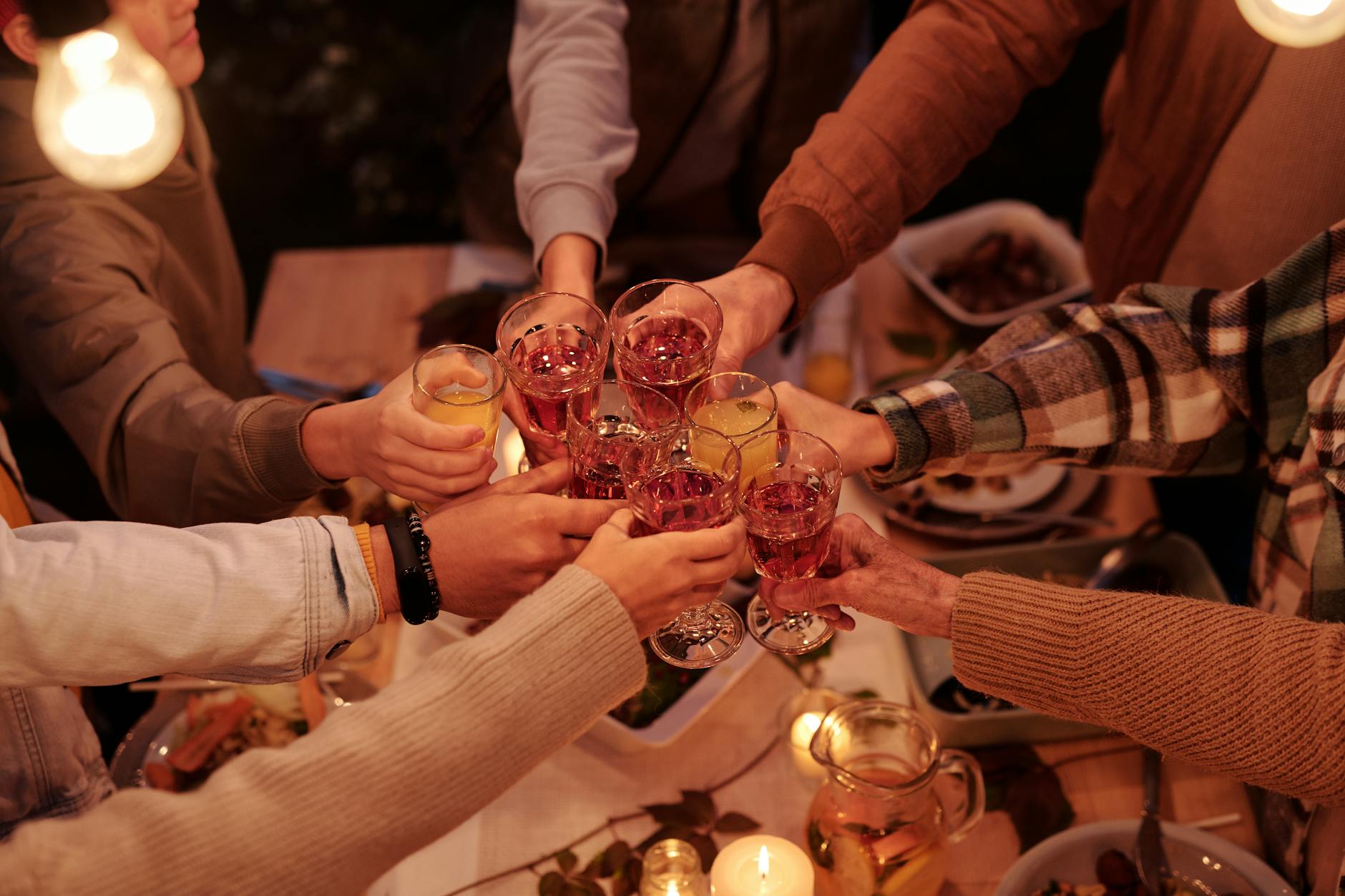
    Reintroducing Wine & Cocktails After Dry January.

    Dry January asks us to pause. Not just from drinking, but from routine. From habit. From the automatic pour at the end of the day. Whether you completed all thirty-one days or simply drank far less than usual, taking a break from alcohol is a meaningful act of self-awareness. It gives your body time to reset and your mind a chance to notice how alcohol fits into your life.

    As January comes to a close, many people are ready to welcome wine and cocktails back into social gatherings. The key is remembering that your tolerance has changed, and that change is a positive thing.

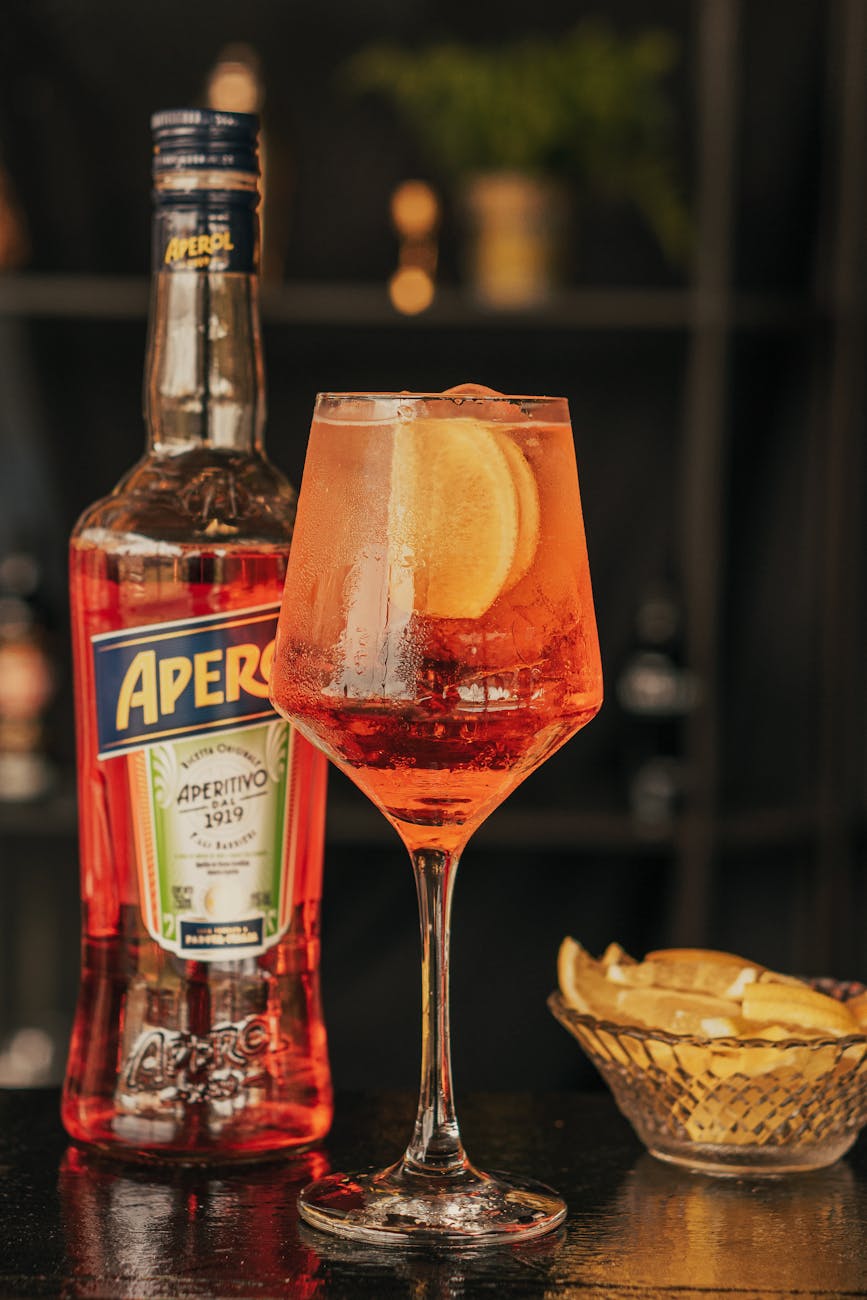
    Photo by cottonbro studio on Pexels.com

    What a Break Gives You

    Most people notice tangible benefits after a few weeks without alcohol. Better sleep. Clearer mornings. Improved focus. Less inflammation. There is also a subtler shift that matters just as much: a renewed sense of intention.

    When you step away, you realize how often drinking can be automatic rather than deliberate. Coming back with awareness allows wine and cocktails to return to their proper place, not as background noise, but as part of an experience.

    That awareness is something worth keeping.
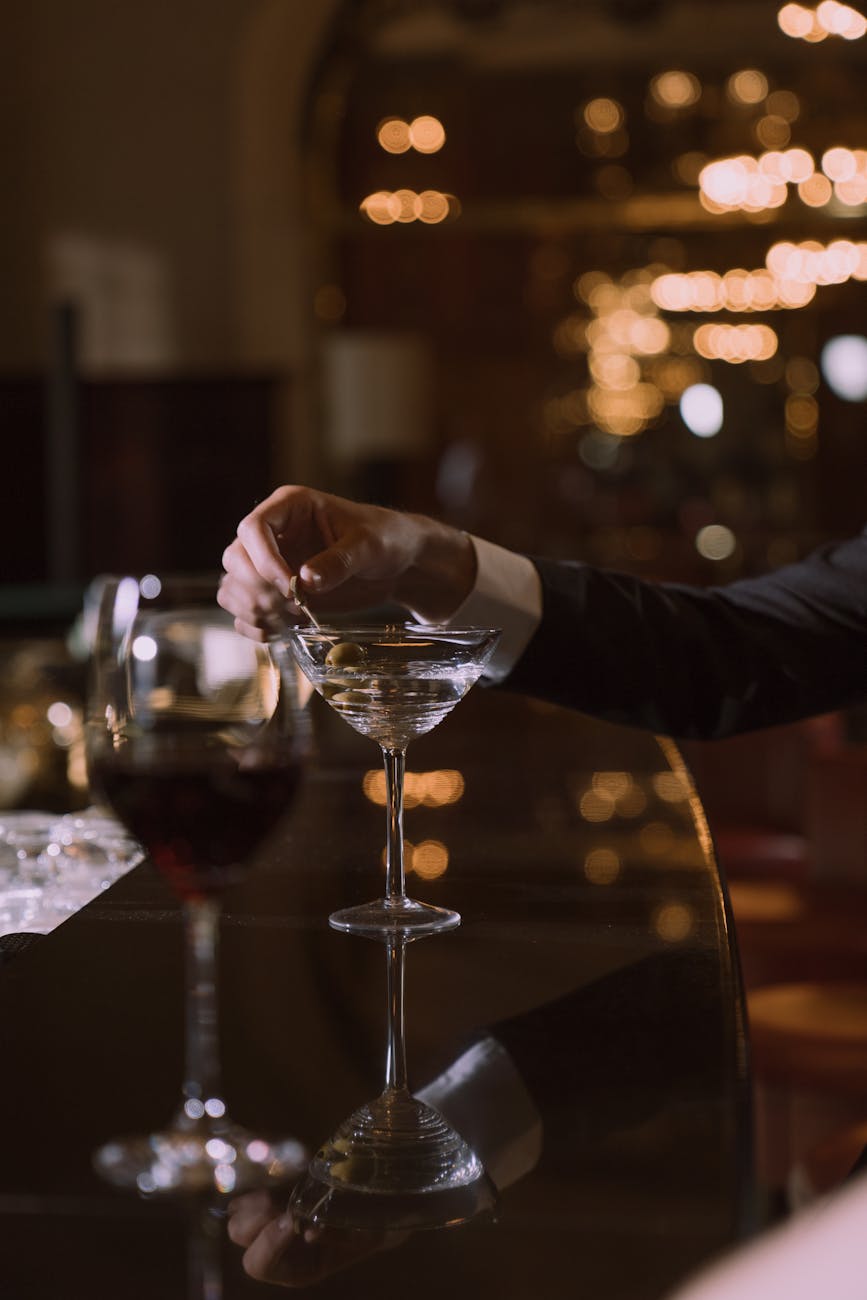
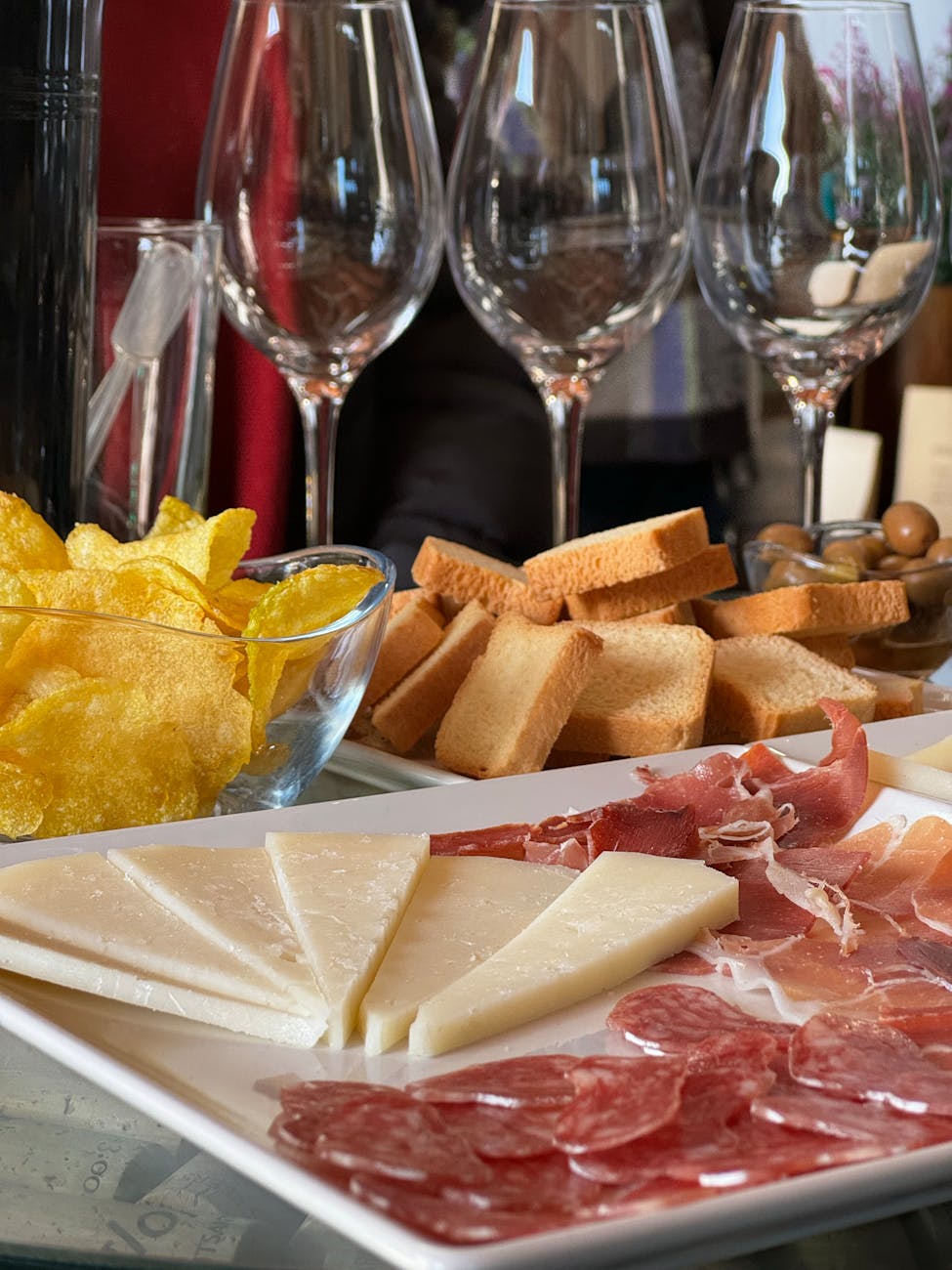
    Photo by cottonbro studio on Pexels.com

    Ease Back In

    After a month off, it takes fewer sips to feel the effects. That surprises people, and sometimes catches them off guard. The solution is simple and enjoyable.

    Pour a smaller glass. Sip more slowly. Drink water alongside your wine or cocktail. Focus on how the drink tastes rather than how quickly it disappears. One well-chosen glass often delivers more pleasure than several poured without thought.

    This approach does not diminish enjoyment. It heightens it.

    Let Flavor Lead

    With a refreshed palate, subtlety becomes more noticeable. This is a great time to lean toward wines and cocktails that emphasize balance and character over power.

    In wine, this might mean crisp whites, fresh sparkling wines, or reds that favor elegance and lift. In cocktails, it can mean lower-proof options, classic recipes made well, or spirit-forward drinks enjoyed slowly rather than aggressively.

    When flavor leads, moderation follows naturally.

    Responsibility Is Part of Hospitality

    Drinking responsibly is not a disclaimer. It is a cornerstone of good hospitality and good living.

    Knowing your limits, respecting how alcohol affects you now, and choosing when to stop are all signs of confidence, not restriction. Dry January does not end in February; its lessons carry forward into how and why you drink the rest of the year.

    Wine and spirits should enhance moments, not overwhelm them.

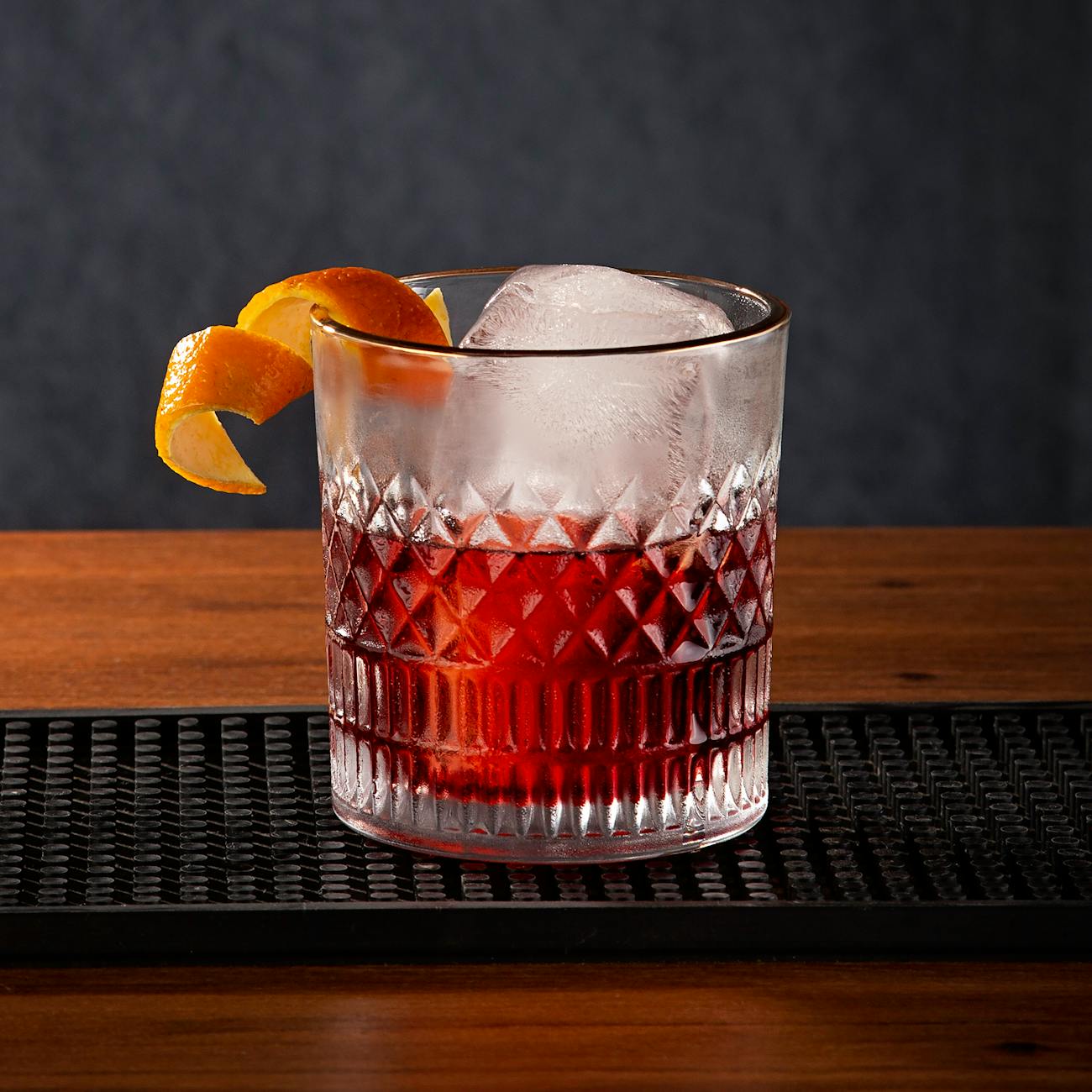
    Photo by Any Lane on Pexels.com

    Why Wine Still Matters

    Wine has always been more than what’s in the glass. It invites conversation. It encourages people to linger. It gives strangers something in common and friends something to share. In a world that feels increasingly divided, wine still brings people to the same table.

    A bottle opened with intention creates space for listening, laughter, and connection. Those moments matter.

    Cocktails and the Social Table

    Cocktails play a similar role. They mark occasions. They signal welcome. Even one thoughtfully prepared drink can change the energy of a gathering. The ritual of ice, glassware, and balance creates a shared experience before the first sip is taken.

    Cocktails work best when they are part of the evening, not the focus of it.

    A Thoughtful Return

    Reintroducing wine and spirits after Dry January is not about returning to old habits. It is about choosing new ones with clarity. Drink a little less. Enjoy a little more. Pay attention to how you feel. Share good bottles with good people.

    That balance is where wine and cocktails belong.

    And that is where they shine. Cheers 🍷

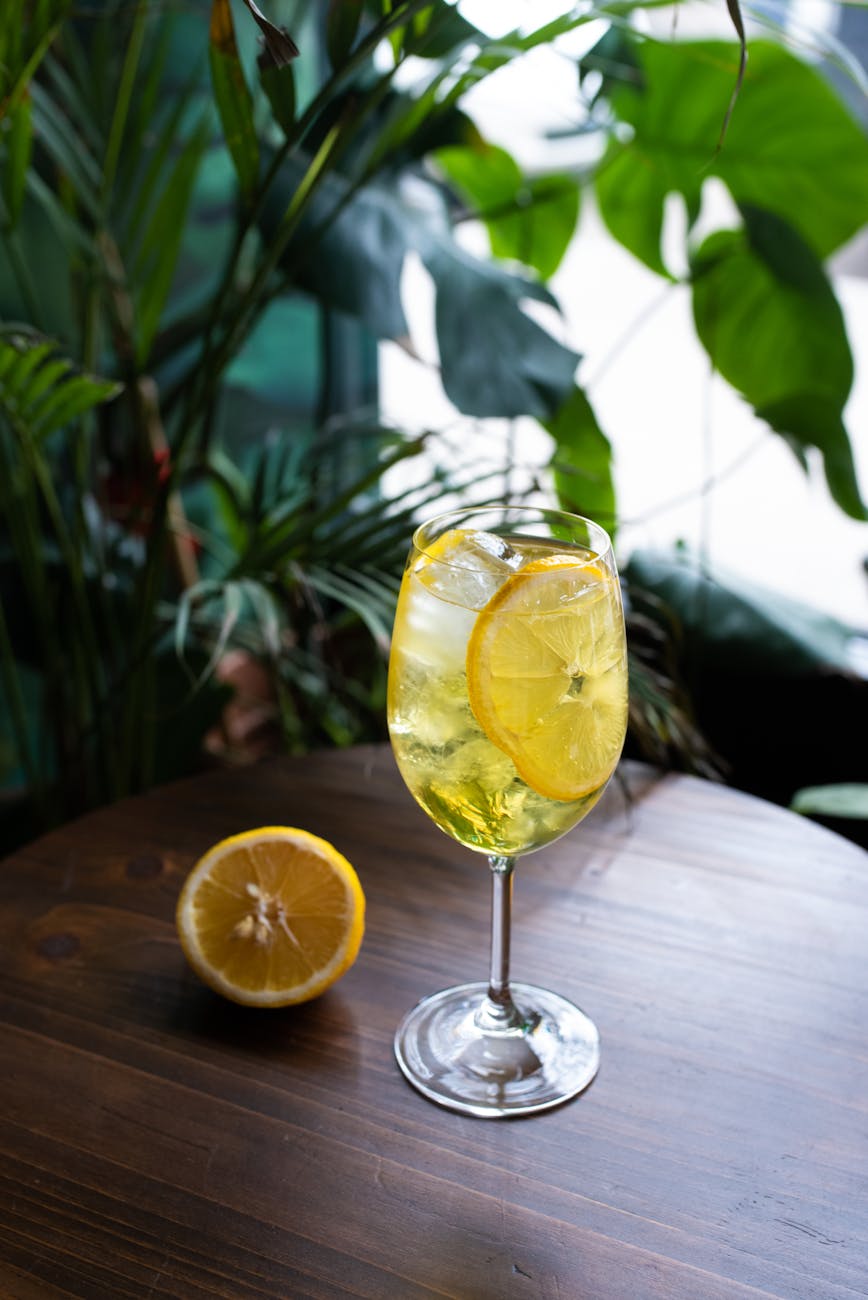
    Photo by MART PRODUCTION on Pexels.com

    Important Tip: Water Is the Quiet MVP

    One of the most valuable habits people carry forward after Dry January is drinking more water, and it remains just as important once wine and cocktails return. Alcohol is dehydrating by nature, and after a break, your body feels that effect more quickly.

    Drinking water alongside alcohol slows consumption, sharpens your awareness, and helps your body process what you are enjoying. It keeps your palate fresh, reduces fatigue, and supports better sleep later in the evening. From a social standpoint, it also extends the experience. You stay present longer, engage more clearly in conversation, and wake up the next morning without regret.

    A simple rule works well: one glass of water for every drink, enjoyed at your own pace. It is not a restriction. It is a form of care.

    Good hydration allows wine and cocktails to remain what they are meant to be: companions to connection, not competitors for attention.

    Cover Photo by Jayant Kulkarni on Pexels.com
  • Finding the Sweet Spot

    Finding the Sweet Spot

    When to Hold Wine–and When to Open It.

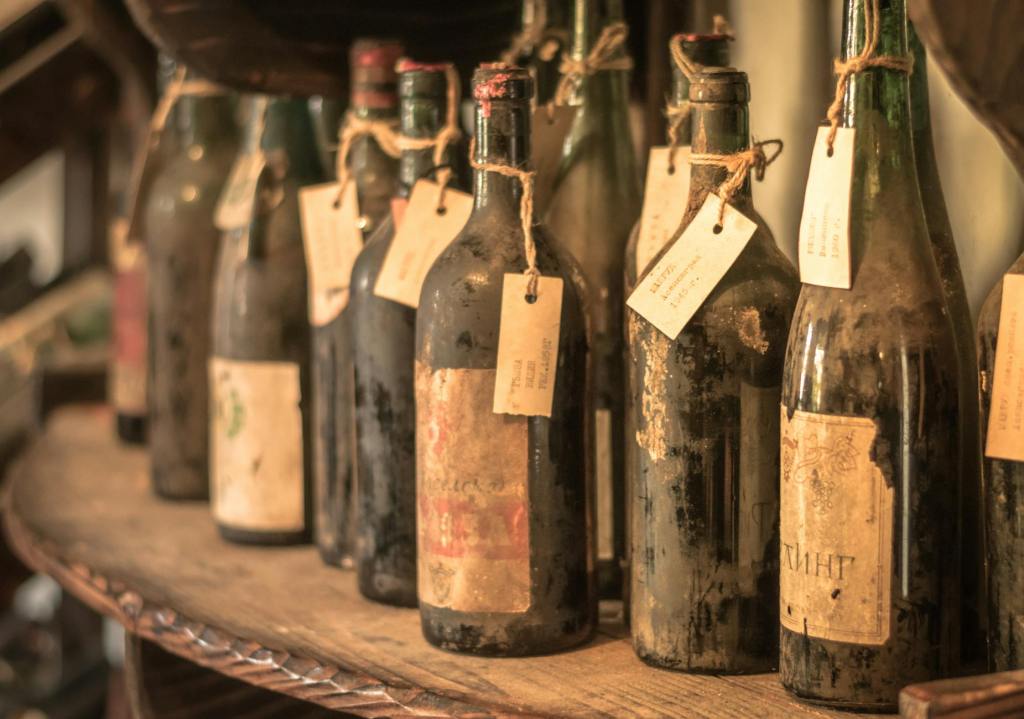
    There’s a romantic notion in the wine world that older is always better. Cellars lined with dusty bottles, handwritten tags dangling from necks, and the quiet confidence that someday—someday—each bottle will reach a transcendent peak.

    Sometimes that’s true.

    Often, it’s not.

    As serious oenophiles, we spend far less time preaching patience and far more time chasing something subtler and more rewarding: a wine’s sweet spot—that fleeting, glorious window when a wine tastes exactly as it should. Balanced. Expressive. Alive.

    Understanding when to hold and when to open is one of the most misunderstood aspects of wine enjoyment. Let’s uncork the myths, mistakes, and realities of aging wine—and have a little fun along the way.

    Photo by Ayberk Mirza on Pexels.com

    What Does “Aging Wine” Really Mean?

    Aging wine isn’t about hoarding bottles for decades just to prove restraint. It’s about chemical evolution.

    Over time, wine changes as:

    • Tannins polymerize, becoming smoother and silkier
    • Primary fruit flavors (fresh fruit) give way to secondary (oak, spice) and tertiary notes (leather, mushroom, earth, dried fruit)
    • Acidity integrates, creating harmony rather than sharpness

    But here’s the critical truth:

    Every wine has a sweet spot—open it before and it’s still forming, open it after and the magic has already passed.

    And that peak is not universal.

    Photo by cottonbro studio on Pexels.com

    The Winemaker’s Intent

    Many people assume that aging a wine is about achieving the winemaker’s intended tasting experience.

    Sometimes that intent includes aging potential.
    Sometimes it does not.

    Most wines on the market today—especially under $30—are crafted to be approachable upon release. The winemaker expects you to drink them within a few years, not babysit them through your next mortgage cycle.

    Winemakers design wines based on:

    • Grape variety
    • Structure (tannin, acid, alcohol)
    • Region and climate
    • Oak usage
    • Market expectations

    A Napa Cabernet and a Beaujolais Nouveau may both be red wines—but they are built for entirely different lifespans.

    Photo by Cup of Couple on Pexels.com

    The Sweet Spot (Our Favorite Moment)

    The sweet spot is when:

    • Fruit is still present, but not dominant
    • Tannins are resolved, not stripped
    • Acidity lifts the wine instead of biting
    • Complexity feels layered, not muddled

    Miss it on either side and you lose something.

    Too young:

    • Harsh tannins
    • Disjointed flavors
    • Oak overpowering fruit

    Too old:

    • Faded fruit
    • Flat acidity
    • Oxidation and bitterness

    The tragedy? Many wines are opened after their sweet spot—not before.

    Photo by Jana Ohajdova on Pexels.com

    The Biggest Myth We Hear Every Day: “All Wine Gets Better with Age”

    Let’s put a cork in this right now:

    The vast majority of wine does NOT improve with age.

    Estimates vary, but roughly 90% of wine produced globally is meant to be consumed within 1–3 years of release.

    That includes:

    • Most Sauvignon Blanc
    • Pinot Grigio
    • Prosecco
    • Rosé
    • Everyday Chardonnay
    • Entry-level reds

    Aging these wines doesn’t make them better.
    It makes them older.

    And old is not a tasting note.

    Photo by Hobi Photography on Pexels.com

    Wines That Do Benefit from Aging (When Stored Properly—and Thoughtfully)

    Certain wines are structurally built to evolve:

    Reds with Aging Potential

    • Cabernet Sauvignon
    • Nebbiolo (Barolo, Barbaresco)
    • Syrah/Shiraz (especially Rhône)
    • Tempranillo (Rioja, Ribera del Duero)
    • Sangiovese (Brunello di Montalcino)

    Whites That Can Age Beautifully

    • Riesling (especially German and Alsatian)
    • Chenin Blanc (Loire)
    • High-quality Chardonnay (Burgundy, select New World)
    • White Rhône blends

    Fortified & Sweet Wines

    • Vintage Port
    • Madeira
    • Sauternes
    • Tokaji

    Even then, aging is not guaranteed. Structure matters more than reputation.

    When Aging Goes Too Far

    Every wine eventually declines.

    Signs you’ve missed the sweet spot:

    • Muted aromas
    • Brownish color in whites
    • Brick-orange edges in reds (not always bad—but telling)
    • Sourness without freshness
    • Bitter or hollow finishes

    This doesn’t mean the wine is “bad.”

    It means it’s past its moment.

    Wine is alive—just like us. And just like us, it doesn’t peak forever.

    Photo by u041du0430u0442u0430u043bu044cu044f u041cu0430u0440u043au0438u043du0430 on Pexels.com

    Storage Mistakes We See All the Time (That Kill Wine Dreams)

    1. Overestimating Home Storage

    A kitchen rack is décor—not a cellar.

    Wine hates:

    • Heat
    • Light
    • Temperature swings

    That “I’ll just keep it in the closet” plan? Risky at best.

    2. Saving Wine for the Wrong Occasion

    “I’ll open this someday.”

    Someday becomes never.

    Wine is meant to be shared—not inherited.

    3. Confusing Price with Aging Ability

    An expensive wine can still be meant for early drinking.

    Structure—not price tag—determines longevity.

    4. Blind Faith in Vintage Charts

    Vintage charts are guidelines, not gospel.

    Bottle variation, storage conditions, and personal taste all matter.

    Is Finding the Sweet Spot an Exact Science? (Of Course Not.)

    Absolutely not.

    It’s a blend of:

    • Knowledge
    • Experience
    • Storage conditions
    • Personal preference
    • A little luck

    Two identical bottles stored differently can taste worlds apart.

    That uncertainty isn’t a flaw—it’s part of wine’s magic.

    Photo by Pavel Danilyuk on Pexels.com

    Drink with Curiosity, Not Fear

    We don’t chase perfection—we chase connection.

    We open wines young to understand their promise.
    We open them aged to appreciate their journey.

    And sometimes we open them simply because the moment feels right.

    The true sweet spot isn’t just in the bottle.

    It’s at the table.

    So if you’re ever wondering whether to hold or open, remember:

    Wine enjoyed slightly early is a lesson.
    Wine opened too late is a regret.

    Choose the lesson.

    Pop the cork.

    Cheers 🍷

    Cover Photo by Hunt on Photos Studio on Pexels.com

  • The World of Sake

    The World of Sake

    History, Styles, and Pairings Beyond Rice.

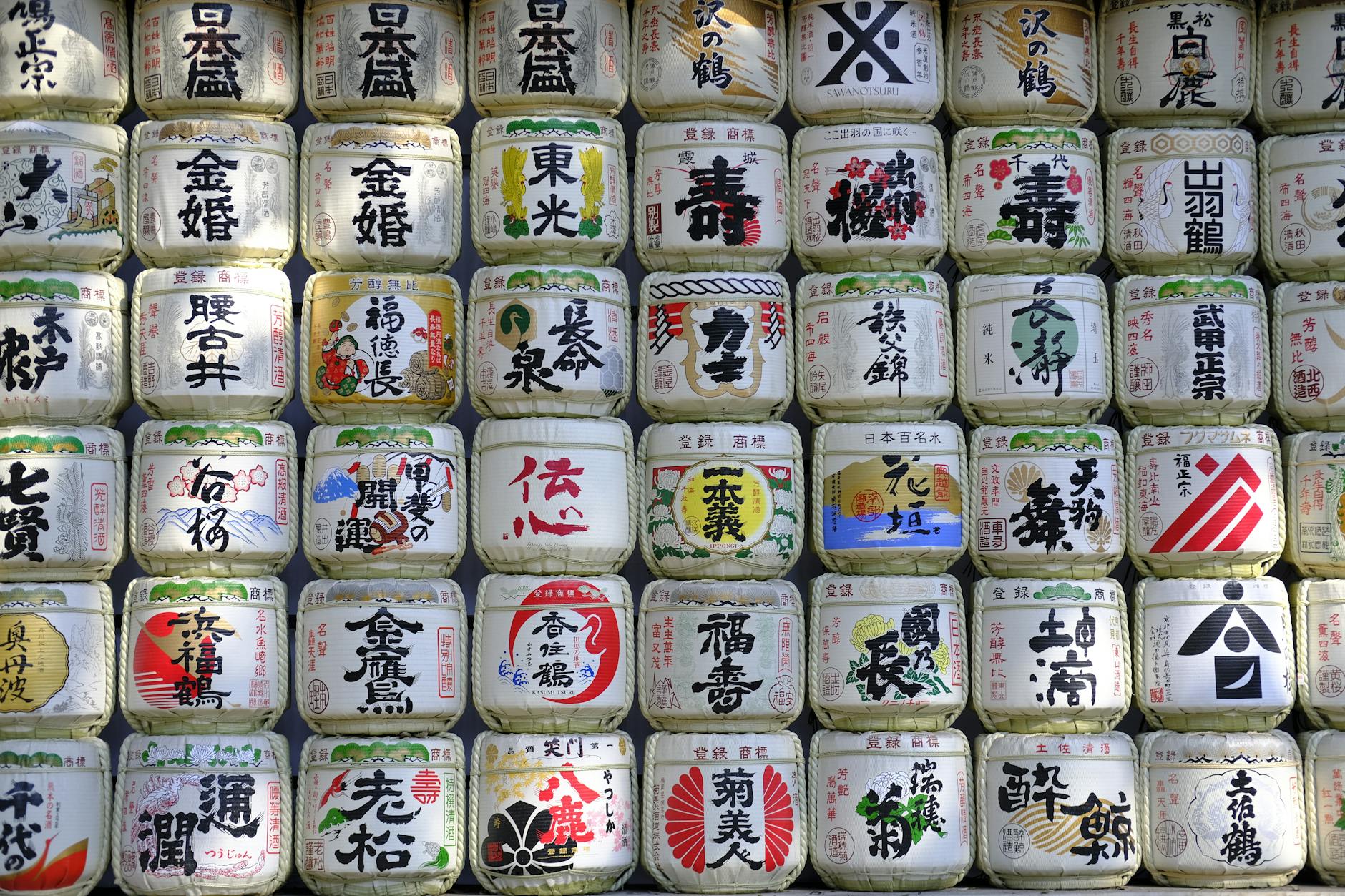
    Sake is one of those beverages that sparks curiosity the moment it’s poured. Often described as “rice wine,” it sits in a category all its own—neither wine, beer, nor spirit, but a unique fermented drink with an ancient heritage. For sommeliers, wine educators, and enthusiasts alike, sake offers an opportunity to explore tradition, craftsmanship, and unexpected food pairings.

    The Origins of Sake

    The story of sake begins over 2,000 years ago in Japan. Early rice cultivation techniques—likely borrowed from China—allowed rice to be grown in abundance, and fermentation soon followed.

    The earliest forms of sake were very different from what we know today. One of the oldest methods was kuchikami-no-sake, literally “mouth-chewed sake,” in which villagers chewed rice and nuts, then spit the mash into communal vessels. The enzymes in saliva helped convert starches into sugars, and natural yeast performed the fermentation. (Thankfully, brewing techniques evolved.)

    By the 8th century, sake had become a central part of Shinto rituals and court ceremonies. Shrines brewed sake as offerings to the gods, and it became a symbol of purity and community. In fact, even today, sake is still deeply tied to spiritual traditions—shared at weddings, festivals, and new year celebrations as a blessing for harmony and prosperity.

    The artistry lies in the brewer’s choices: how much rice to polish, what yeast strain to use, whether to pasteurize, and how to balance purity with umami.

    Photo by Mike Gonzu00e1lez on Pexels.com

    The Art of Brewing Sake

    Though often called a rice wine, sake production is actually closer to brewing beer, since starch must be converted into sugar before fermentation. The process is meticulous, and every step influences the final flavor:

    1. Rice polishing (Seimai-buai) – Special sake rice (shuzō-kōtekimai) is milled to remove outer layers of protein and fat, leaving a starchy core. The more the rice is polished, the cleaner and more delicate the flavor.
      • Example: Ginjo and Daiginjo styles require at least 40–50% of the rice to be milled away.
    2. Washing, soaking, steaming – The polished rice is carefully hydrated and steamed, ensuring the right texture for fermentation.
    3. Koji-making – The soul of sake. A portion of rice is inoculated with Aspergillus oryzae mold, which produces enzymes to break starch into sugar. This process is done in a hot, humid room, with brewers tending the rice around the clock.

    Beyond Sake: Aspergillus oryzae and the Magic of Soy Sauce

    The same humble mold that transforms rice into the foundation for sake—Aspergillus oryzae—also plays a starring role in one of Japan’s most iconic seasonings: soy sauce. In soy sauce production, A. oryzae is cultivated on a mixture of steamed soybeans and roasted wheat, creating what’s known as koji. The enzymes produced by the mold break down proteins into amino acids and starches into simple sugars.

    This enzymatic alchemy is what gives soy sauce its deep savory quality, rich umami, and characteristic complexity. After koji preparation, the mixture ferments slowly in brine for months or even years, developing the layered flavors that make soy sauce a cornerstone of Japanese cuisine—and an indispensable partner to sake at the dinner table.

    Just as with sake, the artistry lies in balancing time, fermentation, and microbial activity to coax out flavors both bold and nuanced. The presence of A. oryzae in both beverages and condiments highlights Japan’s centuries-long mastery of fermentation as a way of elevating simple grains and beans into cultural treasures.

    1. Shubo (starter culture) – Koji rice, water, yeast, and more steamed rice form the fermentation starter, which builds yeast strength and flavor precursors.
    2. Moromi (main mash) – Over four days, rice, water, and koji are added in stages. This results in a simultaneous saccharification and fermentation—unique to sake.
    3. Pressing, filtering, pasteurization, aging – Once fermentation is complete, sake is pressed to separate the liquid, filtered, pasteurized, and aged (typically for 6–12 months).
    Photo by Tianwang Xiao on Pexels.com

    Types of Sake

    The classification of sake often comes down to rice polishing and whether alcohol is added. Here are the key categories:

    • Junmai – Pure rice sake (no distilled alcohol added). Bold, savory, often higher in umami.
    • Honjozo – A touch of distilled alcohol is added to enhance aroma and texture. Lighter and more fragrant.
    • Ginjo – Rice polished to at least 60%. Aromatic, elegant, fruit-driven.
    • Daiginjo – Rice polished to at least 50%. Luxurious, delicate, highly aromatic.
    • Tokubetsu (“special”) – Indicates a special brewing technique or higher-than-required polishing.
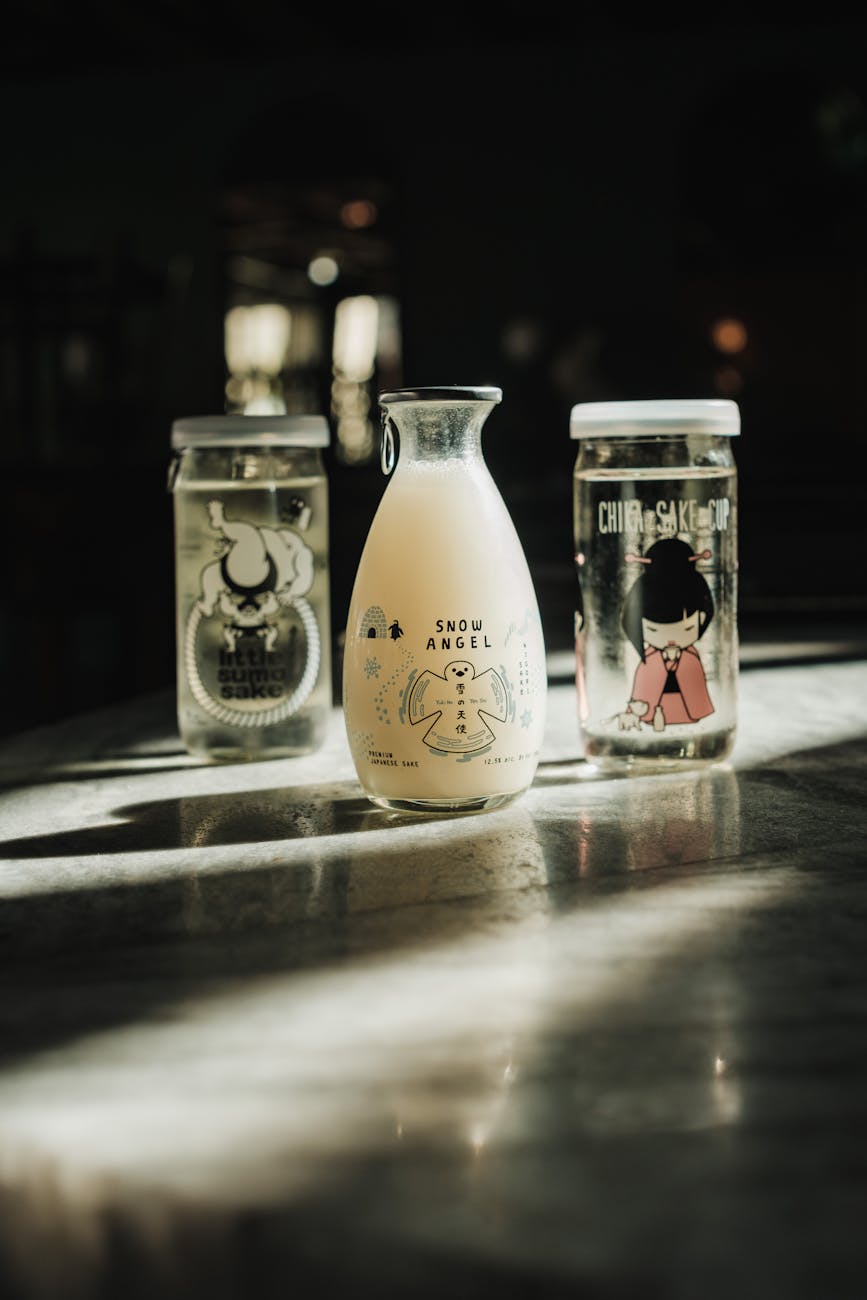
    • Nigori – Cloudy, unfiltered sake with a creamy texture and hint of sweetness.
    • Namazake – Unpasteurized sake. Fresh, lively, must be kept refrigerated.
    • Koshu – Aged sake. Amber-hued with oxidative notes like sherry or Madeira.
    • Sparkling sake – Carbonated, refreshing, often slightly sweet.
    Photo by Nadin Sh on Pexels.com

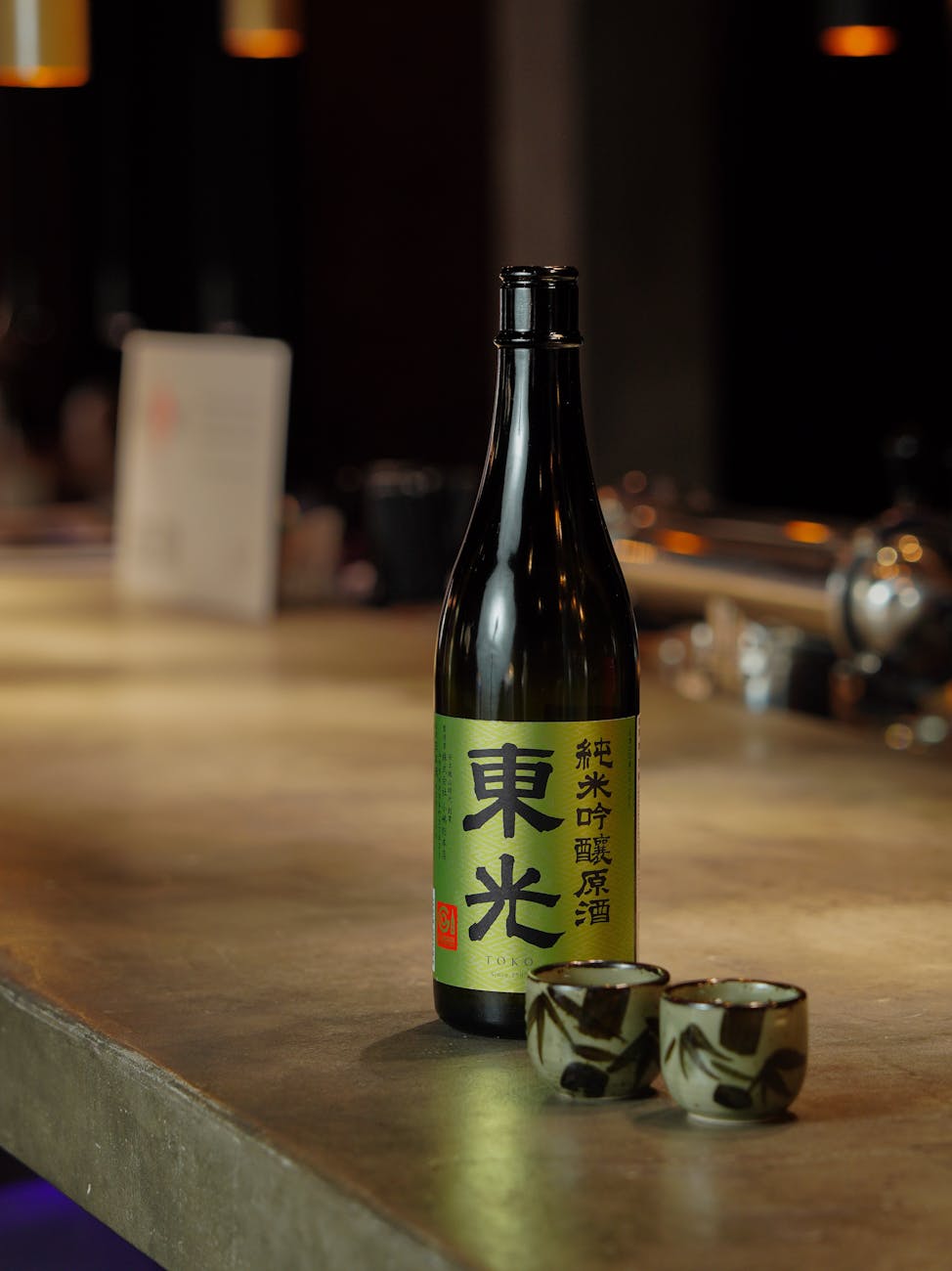
    Terminology on a Bottle

    When choosing sake, a few key terms help decode what’s inside:

    • Seimai-buai – Rice polishing ratio (% of rice remaining after milling).
    • Nihonshu-do – Sake meter value (SMV). Indicates sweetness or dryness: negative = sweeter, positive = drier.
    • Acidity (San-do) – Higher acidity makes sake crisp and food-friendly.
    • Nama – Unpasteurized. Must be chilled.
    • Genshu – Undiluted. Higher alcohol, often rich and bold.

    Temperature and Glassware

    One of the joys of sake is its versatility in temperature:

    • Chilled (5–10°C / 40–50°F) – Best for delicate, aromatic styles (Ginjo, Daiginjo, Namazake).
    • Room temperature – Junmai and Honjozo shine here, showing full flavor and umami.
    • Warm (40–55°C / 104–131°F) – Brings comfort and amplifies savory notes in robust Junmai or Honjozo. Avoid heating aromatic Ginjo/Daiginjo—heat will mute their elegance.
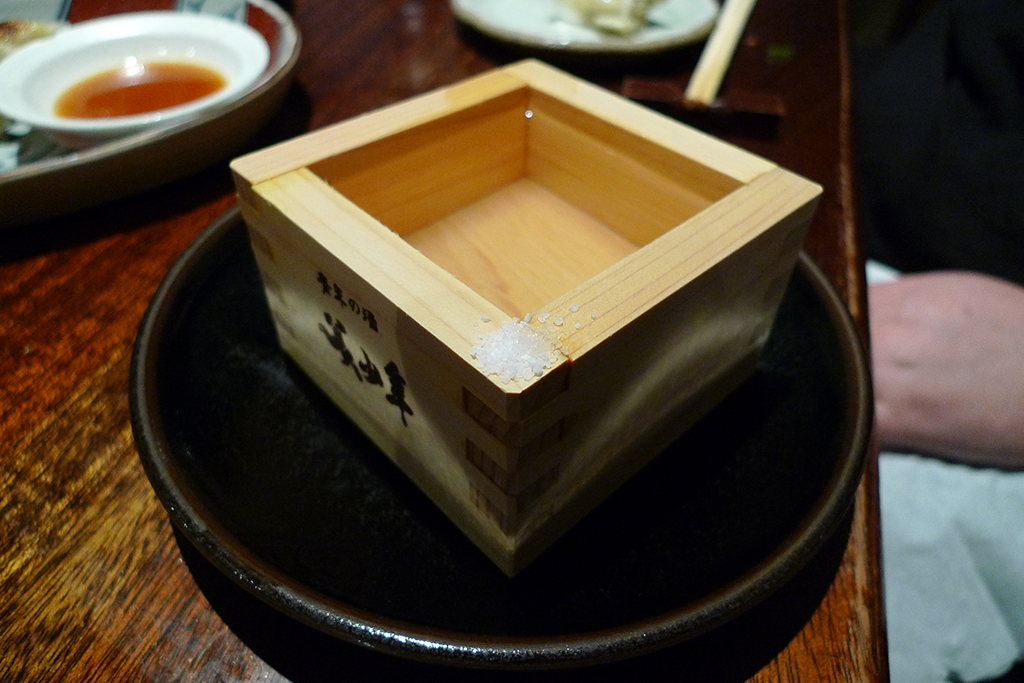
    Masu box – Ewan Munro from London, UK, CC BY-SA 2.0, via Wikimedia Commons

    Glassware also plays a role:

    • Traditional: small ceramic ochoko cups or wooden masu boxes.
    • Modern: wine glasses, which allow aromatic styles to blossom. Sommeliers often recommend using white wine glasses for premium Ginjo/Daiginjo.

    Classic Pairings

    Sake is famously versatile with food—its low acidity and umami-friendly profile make it shine where wine can struggle.

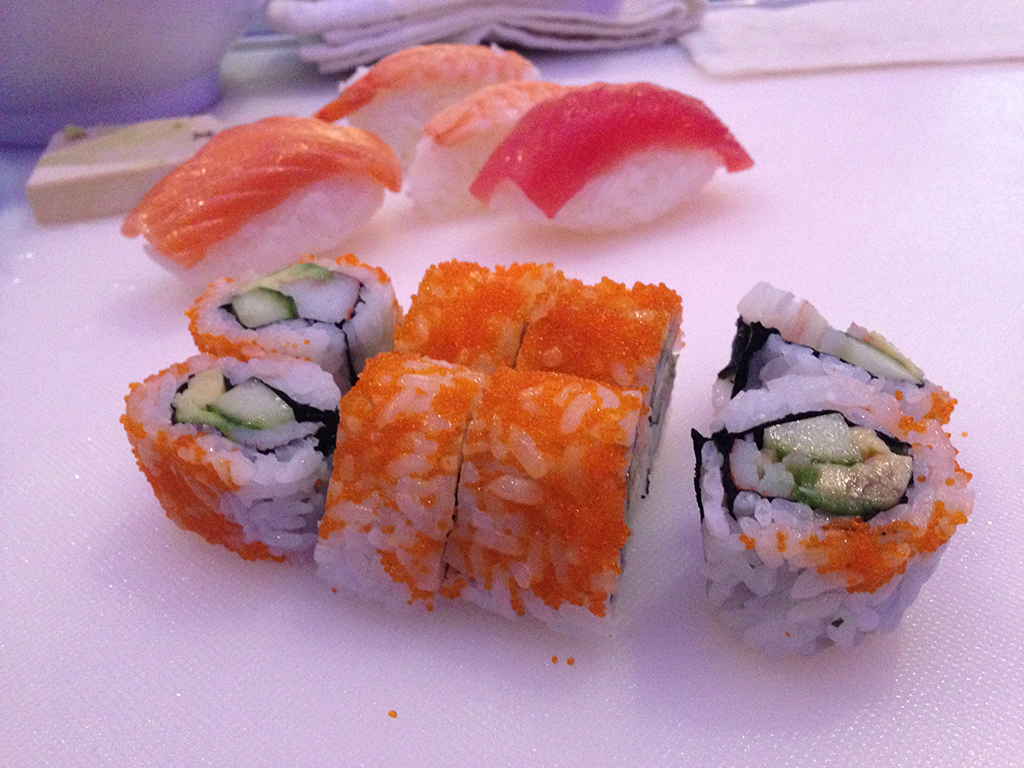
    • Sushi and sashimi (classic)
    • Tempura (light, crisp styles)
    • Grilled yakitori (umami-rich Junmai)
    • Hot pot dishes (nabe)

    Surprise Pairings

    Sake doesn’t stop at Japanese cuisine. With its balance of umami, sweetness, and subtle acidity, it pairs beautifully with international dishes:

    • Cheese – Creamy Brie with Daiginjo, blue cheese with aged Koshu.
    • Steak – Rich Junmai or Genshu cuts through the fat as well as Cabernet.
    • Spicy Thai or Indian – Nigori or lightly sweet sake balances heat.
    • BBQ – Smoky grilled pork or brisket with Honjozo or Koshu.
    • Chocolate desserts – Nigori sake works as a sweet complement.
    Original and flavored Soju – Photo by Nguyu1ec5n Mu1eabn on Pexels.com

    Soju vs. Sake: What’s the Difference?

    It’s easy to confuse sake with soju, but they’re distinct:

    • Sake – Japanese, brewed, 12–16% ABV, made from rice and water, enjoyed like wine.
    • Soju – Korean, distilled, 16–25% ABV (sometimes higher), traditionally made from rice, sweet potato, or barley. Similar to vodka but softer and often lightly sweet.

    Think of sake as closer to wine/beer, and soju as a spirit. Both, however, share cultural importance and are designed for communal enjoyment.

    Photo by Josu00e9 luis Rivera correa on Pexels.com

    Final Pour

    Sake is more than an exotic curiosity—it’s a reflection of Japan’s culture, history, and artistry. From the precision of rice polishing to the warmth of shared rituals, sake continues to evolve while staying deeply rooted in tradition.

    For sommeliers and enthusiasts alike, sake is an essential part of the conversation when guiding guests through beverage choices. Whether served chilled in a wine glass with sushi, warmed in an ochoko with grilled meats, or poured alongside cheese and chocolate, sake has earned its place on the global table.

    Kanpai! 🍶

    Worth Mentioning: Sake in the Sommelier’s Journey

    One of the distinctions in wine education is how different organizations approach beverages beyond wine. The Court of Master Sommeliers (CMS) places strong emphasis on a broad understanding of not only wine, but also beer, spirits, and sake. This reflects the reality of the dining room, where guests often seek diverse options. By contrast, programs such as the WSET or Society of Wine Educators remain more wine-centric, with limited exploration of sake.

    We were fortunate to dive deep into the world of sake during our CMS studies—learning not just its history and classifications, but how to serve, pair, and present it with confidence. That education continues to enrich our work today, allowing us to share sake’s beauty and versatility with guests who might otherwise overlook this extraordinary beverage.

    Cover photo by Airam Dato-on on Pexels.com

  • How One Hotel Restaurant Made Our 44th Anniversary Unforgettable

    How One Hotel Restaurant Made Our 44th Anniversary Unforgettable

    Tammy and I travel for food and drink the way others chase sunsets — with an agenda, a notebook, and an appetite for the unexpected. On a three-day jaunt to St. Augustine to celebrate our 44th wedding anniversary we found plenty to love, but one evening at Castillo Craft Bar + Kitchen quietly rearranged the star chart: this was not simply a nice hotel meal. It was a masterclass in what service, craft cocktails, and properly thought-out cooking can do when they cooperate.

    The Prosecco Welcome — and a Thoughtful Surprise

    Earlier that afternoon, we discovered a chilled bottle of Prosecco waiting in our room’s refrigerator — a quiet gesture from the team that set the tone before we even stepped into the restaurant. When we did arrive (an hour ahead of our reservation), we were greeted with a fresh glass of Prosecco, introduced to the staff, and seated by the window.

    Then came the moment that sealed Castillo’s reputation in our minds: shortly after we were seated, a lively family of 13 or 14 adults and children was placed nearby. The children, understandably, vied for attention while the adults settled into animated conversation. Within minutes, the restaurant manager, Daniel, intervened with effortless class. He moved us to a private dining room with a single table for twelve — effectively giving us the most private, romantic setting in the house. It was an astute and gracious move, and one we will never forget.

    Cocktails with Gravitas

    We decided to begin with classics: Tammy ordered an Aviation, I a Paper Plane. Both were mixed with respect for tradition. The Aviation balanced lemon’s tart brightness with the nutty-cherry note of maraschino and a whisper of crème de violette — floral but never perfumey. The Paper Plane, a test of proportion, was taut and bittersweet, bourbon’s warmth underpinning Aperol’s orange bitterness and amaro’s herbal pull. Two classics rendered with conviction.

    Quick Sidebar… you know we love craft cocktails! Our books are now available on Amazon

    Amazon: SIPS & STORIES: Twists on the Classics

    Amazon: SIPS & STORIES: Botanical Wonders

    Starters with Intention

    • Spanish Onion Soup (Castillo’s twist): Dry sherry lifted the base of caramelized onions, Manchego added a salty sheep’s-milk edge, and Gruyère brought nutty depth. The bread held texture rather than sinking into soggy oblivion. Purposeful, not gimmicky.
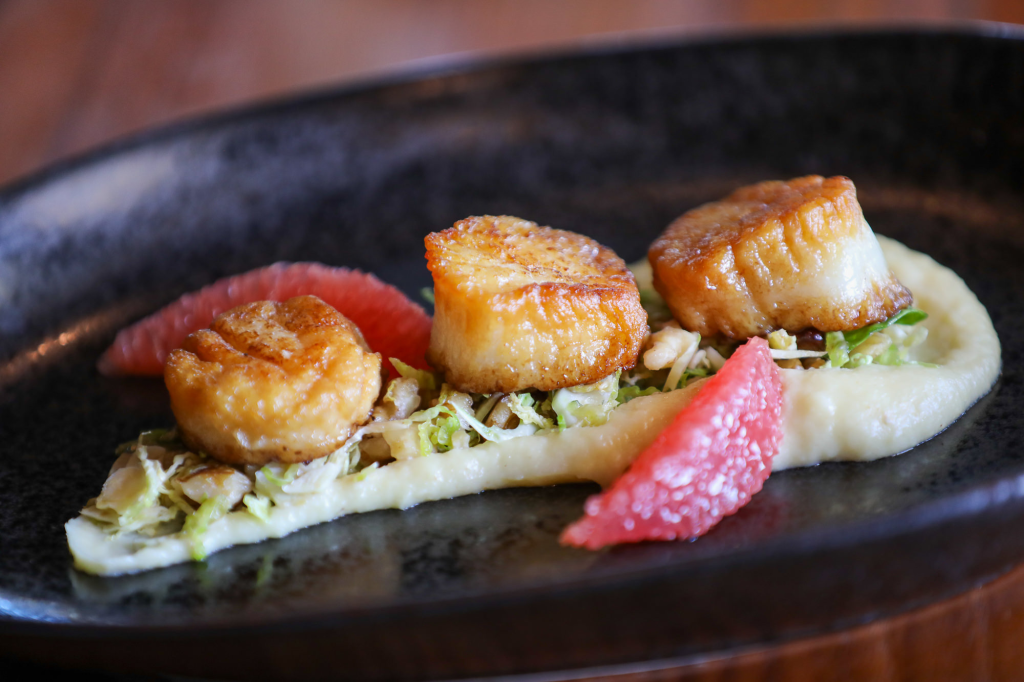
    • Pan-Seared Scallops: Golden exterior, luminous center — textbook scallops. Grapefruit and Brussels slaw delivered acid and bitterness; toasted walnuts brought texture and a subtle caramelized edge; parsnip purée offered a sweet earthiness. A dish of balance and contrast.

    The Mains — Precision and Poise

    We ordered separately and shared:

    • Dry-Aged Duck Breast — with confit, potato purée, seared tomato and mushrooms, and a cherry-coffee demi-glace. The duck was properly seared and the fat rendered cleanly. The demi-glace married classic cherry with a clever roasted coffee bitterness that harmonized with the mushrooms. A modern, inventive take that never felt like a stunt.
    • 6-oz Filet Mignon — with potato purée, root vegetables, charred mushrooms, and a blackberry-port demi. Filet is mild by nature; the demi provided fruit depth without over-reduction. Charred mushrooms contributed savory grounding.

    The Wine Choice

    We chose a Burgundy Pinot Noir. Its red cherry and earthy underbrush notes paired seamlessly with the duck’s cherry-coffee sauce, while its acidity and gentle tannins refreshed each bite of filet and demi. A Cabernet would have bullied the plates; Pinot offered conversation instead of domination.

    Sweet Farewell and Spirited Encore

    Dessert arrived in the form of raspberry-filled chocolate truffles — tartness wrapped in richness, a refined way to close. But the evening wasn’t over. Daniel and his team drew us into conversation about mixology, inviting us to sample cocktails destined for the next menu. To be trusted with in-progress creations, to taste and talk shop with equal enthusiasm, was the rarest gift of all: inclusion.

    A Recommendation from a Picky Pair

    Castillo Craft Bar + Kitchen may technically be a hotel restaurant, but that label undersells it. Here, cocktails are crafted with reverence, dishes are built on contrasts and precision, and service is the invisible framework that allows it all to shine. The thoughtful surprise of Prosecco, Angelica’s professional warmth, Daniel’s extraordinary attentiveness in relocating us to a private space, and the invitation to taste what’s to come all combined to turn our 44th anniversary into a celebration of craft and care.

    For those who care about detail, timing, and the artistry behind both food and drink, Castillo Craft Bar + Kitchen is not just a place to dine — it’s a destination to remember. Cheers 🥂

    Note on images: We were so engaged with the staff and enamored by the experience that we didn’t stop to take photos during our anniversary dinner. Fortunately, the images featured throughout this article are sourced from Castillo Craft Bar + Kitchen’s website, which offers up-to-date visuals that accurately reflect the atmosphere, cuisine, and presentation we enjoyed.

  • Gen Z and the Aperitif Revival

    Gen Z and the Aperitif Revival

    The clinking of ice, the soft fizz of tonic, the amber swirl of vermouth in a vintage glass—these are not just relics of an old-world European café culture. They’re back, and Gen Z is leading the charge. From TikTok-worthy Spritz recipes to obscure amari and local vermouths popping up in home bars, the aperitif is experiencing a full-fledged renaissance.

    Photo by Lazarus Ziridis on Pexels.com

    You may also like SOMM&SOMM article: The Rum Renaissance

    But is this resurgence just another fleeting trend or a lifestyle shift? And how can we—seasoned sippers and new enthusiasts alike—elevate this delicious ritual? Let’s dive into the heart of the modern aperitivo.

    What Is an Aperitif Anyway?

    Aperitifs are drinks traditionally served before a meal to stimulate the appetite. The term comes from the Latin aperire, meaning “to open.” These beverages are typically lower in alcohol (usually between 11-25%), often dry or bitter, and designed to awaken the senses rather than overwhelm them. They are cousins—but not twins—to digestifs, which are consumed after meals to aid digestion and are typically richer, stronger, and sweeter (think Cognac, Amaro, Port).

    Photo by Regina Tommasi on Pexels.com

    Common Types of Aperitifs:

    • Vermouth (dry or blanc) – fortified, aromatized wine; try Dolin Blanc or Carpano Dry
    • Aperitivo bitters – Campari, Aperol, Select, and obscure gems like Contratto or Cappelletti
    • Lillet Blanc, Rosé, and Rouge – French wine-based aperitifs infused with citrus and quinine
    • Sherry (Fino or Manzanilla) – bone-dry Spanish fortified wines, excellent with tapas
    • Dry sparkling wines – Prosecco, Cava, Crémant, or brut Champagne
    • Amaro (light styles) – While traditionally digestifs, some low-ABV amari like Amaro Nonino or Montenegro walk the aperitif line

    Gen Z and the Aperitivo Renaissance

    Why now? Why this category?

    But first—who is Gen Z?

    Gen Z, short for Generation Z, refers to people born roughly between 1997 and 2012. They are digital natives who grew up with smartphones, social media, and on-demand everything. Known for their creativity, inclusivity, and emphasis on mental health and authenticity, Gen Z values experiences over possessions and often challenges traditional norms—from career paths to how (and what) they drink. They’re shaping trends across fashion, tech, and even the food and beverage world—like reviving the aperitif hour with a modern, mindful twist.

    Low-ABV Lifestyle

    Health-conscious and moderation-minded, Gen Z tends to lean toward “sessionable” drinks that allow for social sipping without the aftershock. Aperitifs hit that sweet spot.

    Aesthetic and Ritual

    The modern aperitivo hour is as much about the look and feel as the liquid. Vintage glassware, tinned fish boards, playlists, and sun-drenched settings turn it into a lifestyle. It’s on every platform.

    Discovery Culture

    From rare vermouths to hyper-regional aperitivi like Rinomato or Mattei Cap Corse, Gen Z is less loyal to brands and more interested in storytelling. Aperitifs are steeped in history, botanicals, and place—perfect for exploration.

    Photo by Gonzalo Acuu00f1a on Pexels.com

    Spritz 2.0

    The Aperol Spritz may have been the gateway, but the new wave of spritzes is bold, bitter, herbaceous, and often customized. Think “Spritz 2.0.”

    Try These Modern Takes:

    • White Negroni Spritz – Suze, dry vermouth, tonic, grapefruit peel
    • Lavender Lillet Spritz – Lillet Blanc, lemon, lavender bitters, soda water
    • Cappelletti & Prosecco – A deeper, more complex take than Aperol
    • Sherry Spritz – Manzanilla sherry, lemon tonic, cucumber ribbon
    • Amaro Spritz – Montenegro with soda and a dash of orange bitters

    Want something totally different? Try a Sakura Spritz with Japanese umeshu, sparkling yuzu soda, and mint.

    The Aperitif as Ritual

    An aperitivo is not just a drink—it’s a moment. Here’s how to elevate the experience:

    The Setting

    Golden hour lighting, low music, and relaxed attire. Indoors or outdoors, the vibe matters.

    Glassware

    Use proper (or playfully mismatched) stemware. Coupe glasses, Nick & Noras, or vintage tumblers add gravitas.

    Ice Matters

    Use clear, large-format ice where possible. It melts slower, looks better, and keeps the drink crisp.

    Garnishes

    Citrus peels, herbs, edible flowers—small touches that engage the senses.

    Photo by David Melgar on Pexels.com

    Aperitif Pairings & Accompaniments

    Food is key. In Italy, you’d get olives, potato chips, and maybe a few nuts with your drink. But we can do better—and still keep it simple.

    Try Pairing With:

    • Marcona almonds and anchovy-stuffed olives – great with dry vermouth
    • Jamón Ibérico and Manchego – classic with fino sherry
    • Radishes with butter and sea salt – elegant with a Lillet Blanc spritz
    • White bean dip with lemon and rosemary – pairs well with a bitter amaro spritz
    • Crostini with ricotta, honey, and herbs – lovely with a rosé vermouth

    For something playful and Gen Z-approved? Tinned fish boards with smoked mussels, mackerel pâté, and crusty bread are all the rage. Pair with a crisp French Quinquina like Dubonnet Blanc or a coastal white vermouth from Galicia.

    Obscure Aperitifs Worth Discovering

    You’ve heard of Campari. But here are a few you should know:

    • Suze (France) – bitter gentian root liqueur; electric yellow and deeply earthy
    • Chinato (Italy) – Barolo aromatized with quinine and spices
    • Rinomato (Italy) – a balanced, bitter aperitivo with citrus and alpine herbs
    • Byrrh (France) – red wine-based quinquina with plum and spice notes
    • Mattei Cap Corse (Corsica) – white quinquina with citrus and wormwood
    • Uncouth Vermouth (USA) – seasonal Brooklyn-made vermouths with foraged ingredients
    Photo by Marcelo Verfe on Pexels.com

    Classic Aperitif Cocktails You Need to Know

    • Negroni – Gin, Campari, sweet vermouth
    • Boulevardier – Bourbon, Campari, sweet vermouth
    • Americano – Campari, sweet vermouth, soda
    • Vesper Martini – Gin, vodka, Lillet Blanc
    • Adonis – Fino sherry, sweet vermouth, orange bitters
    • Bamboo – Dry sherry, dry vermouth, dash of bitters

    Unique Aperitif Recipes to Try

    The Garden Path

    • 1 oz Lillet Blanc
    • 1 oz Dolin Blanc Vermouth
    • 2 dashes celery bitters
    • 3 oz cucumber soda
    • Garnish: cucumber ribbon + mint

    Flavor: Cool, herbal, floral—a picnic in a glass.

    Sunset in Amalfi

    • 1 oz Cappelletti
    • 0.5 oz blood orange juice
    • 3 oz Prosecco
    • Splash soda
    • Garnish: thyme sprig and orange twist

    Flavor: Bitter, bright, citrus-forward.

    Basque Country Spritz

    • 1 oz Basque vermouth (e.g., Txurrut)
    • 1 oz manzanilla sherry
    • 3 oz tonic
    • Garnish: lemon wedge + cracked pepper

    Flavor: Saline, herbal, slightly funky.

    Fad or Here to Stay?

    The modern aperitivo hour is more than a fad. It’s a cultural correction—away from overproof, overdone cocktails and toward intentional, social, and stylish sipping. With sustainability, localism, and health all shaping Gen Z’s buying decisions, the aperitif’s lower ABV, European pedigree, and wide range of flavors make it uniquely relevant.

    It may have roots in the 19th century, but its soul fits perfectly into a 21st-century glass.

    The new aperitivo hour isn’t just a drink. It’s a declaration: slow down, sip something beautiful, snack thoughtfully, and toast to the joy of the in-between. Cheers 🥃

    Cover Photo by DC, CC BY-SA 3.0, via Wikimedia Commons

  • The Rise of the Tinned Fish Date Night

    The Rise of the Tinned Fish Date Night

    How to Elevate the Viral Trend into a Deliciously Sophisticated Affair.

    What once sat dusty on pantry shelves as an end-of-the-world staple is now having its glam moment: tinned fish. From chic coastal wine bars to TikTok and curated picnic boxes, conservas (as the Europeans call them) are making waves as the centerpiece of casual, romantic, and surprisingly elevated date nights.

    This isn’t your grandfather’s tuna sandwich filler. Think: Spanish octopus in olive oil, Portuguese sardines with piri piri, French mackerel in mustard sauce, and smoked mussels kissed with paprika. They come dressed to impress in artistic tins and are often as beautiful to look at as they are delicious.

    Photo by alleksana on Pexels.com

    So is this a fad or a lasting trend? Like charcuterie boards, we’re betting on the latter. Tinned fish taps into nostalgia, convenience, sustainability, and global culinary intrigue. It’s affordable luxury, and when paired with the right wines and accompaniments, it becomes an artful experience. Let’s explore how to turn this modest ingredient into a memorable date night.

    A Bit of Salty Lore

    Tinned fish dates back to the 19th century in France, when Nicolas Appert invented a method of preserving food in sealed containers, originally intended for Napoleon’s army. By the time it hit Spain and Portugal, however, it became gastronomically refined, particularly in Galicia and Basque country, where harvesting and preserving seafood became an artisanal craft.

    In Portugal, beautifully labeled tins of sardines and cod liver are displayed like jewelry. In Spain, vermouth bars serve berberechos (cockles) and anchovies as delicacies. Even Hemingway, while sipping vermouth in Pamplona, likely nibbled on anchovies in oil. This is no passing phase—this is a modern embrace of a deeply rooted tradition.

    Photo by alleksana on Pexels.com

    Planning the Ultimate Tinned Fish Date Night

    Set the Scene: Coastal Vibes at Home

    • Mood: Think European seaside café. Use linen napkins, ceramic tapas dishes, wood boards, and flickering candles.
    • Music: Bossa nova, French jazz, or Spanish guitar.
    • Setting: Indoors for cozy intimacy or alfresco if the weather allows.

    Choose Your Conservas Carefully

    Mix textures, flavors, and sea creatures. Aim for 3-5 tins for a full experience. Look for:

    • Briny & Bright: Spanish cockles or razor clams in brine.
    • Rich & Buttery: Portuguese sardines in olive oil or tomato.
    • Umami & Deep: Smoked mussels, mackerel in escabeche.
    • Decadent & Unique: Tuna belly (ventresca), sea urchin roe, or eel in soy.

    Pairing Accoutrements

    Elevate each tin with thoughtful accompaniments:

    • Breads: Baguette slices, crackers, or grilled sourdough.
    • Condiments: Dijon mustard, cornichons, lemon wedges, or chili oil.
    • Vegetables: Pickled red onions, olives, marinated peppers, or shaved fennel.
    • Cheese: Manchego or soft goat cheese for contrast.
    • Garnishes: Fresh dill, chives, or microgreens.

    Wine Pairing by Fish Type

    Sardines, Mackerel, & Anchovies

    These oily fish demand crisp acidity.

    Octopus & Squid in Olive Oil or Garlic

    Delicate textures need something clean and aromatic.

    Mussels, Clams, & Cockles

    Briny and oceanic—think “sea spray in a tin.”

    Tuna Belly or Eel in Sauce

    These are rich and indulgent, deserving of more structured pairings.

    You Choose the Vibe

    Casual Approach

    Spread it out picnic-style. Use mismatched plates, pour wine from tumblers, and laugh while exploring flavor combinations. Perfect for rooftop dates or rainy-day movie nights.

    SOMM&SOMM Tip: Don’t overthink it. Serve cold, room temp, or straight from the tin with a smile.

    Elegant Affair

    Serve each conserva as a course. Create composed bites with garnishes. Pour wines in proper stems and describe the pairing like you’re hosting a private tasting.

    SOMM&SOMM Tip: Treat it like a seafood tasting menu. Make a printed card with fish origin and wine notes.

    Photo by Arina Krasnikova on Pexels.com

    A Sweet Finish

    After such an umami-laden experience, refresh the palate with something light:

    • Dessert Idea: Lemon olive oil cake or citrus sorbet.
    • Pair With: A chilled Moscato d’Asti or dry vermouth spritz.

    Try Tammy’s favorite… a Lillet Blanc Spritz!

    Tammy’s Lillet Lemon Dessert Spritz

    A soft, sparkling citrus-herb kiss to end a salty-sea affair

    • 2 oz Lillet Blanc
    • ¾ oz Lemon verbena syrup (or lemon balm simple syrup)*
    • ½ oz Fresh lemon juice
    • 2 oz Moscato d’Asti (or a demi-sec sparkling wine)
    • Splash of soda water
    • Expressed lemon twist, curled into the glass
    • Optional: Edible flower or sprig of lemon balm for garnish

    *To make lemon verbena syrup: Simmer 1 cup sugar, 1 cup water, and a handful of fresh lemon verbena leaves. Cool, strain, and refrigerate.

    1. In a stemmed glass filled with ice, combine Lillet Blanc, lemon syrup, and fresh lemon juice.
    2. Stir gently to chill and blend.
    3. Add Moscato d’Asti and a splash of soda water for balance.
    4. Express a lemon twist over the top and tuck into the glass.

    Garnish with an edible flower or a fragrant sprig of lemon balm.

    A Tinned Love Story

    Tinned fish date night is not just a trend—it’s a beautifully simple, globally inspired experience that invites creativity, romance, and a deep appreciation for how humble ingredients can shine with the right drink in hand.

    Whether you’re introducing someone to the world of conservas or deep-diving into your favorite fishy fare with a longtime partner, these tins of love are perfect vessels for flavor and connection.

    Photo by Towfiqu barbhuiya on Pexels.com

    So break out the fish forks, pop open that bottle of Albariño, and savor the sea—one elegant tin at a time.

    SOMM&SOMM Tip: For a splurge, try Spanish Bonito del Norte tuna in olive oil with a glass of vintage Champagne. Add shaved truffle if you’re feeling decadent. You won’t regret it.

    Here are a few suggestions on where to order conservas for your next (or very first) tinned fish date night:

    Lata (Premium Tinned Fish), FishNook Tinned Seafood Co., Patagonia Provisions

    Cover photo by Bex Walton from London, England, CC BY 2.0, via Wikimedia Commons

  • April Fools’ Wine Myths

    April Fools’ Wine Myths

    Debunking Common Misconceptions.

    Every year on April 1st, pranksters take joy in fooling their friends with tall tales and clever tricks. But in the world of wine, myths and misconceptions persist far beyond April Fools’ Day. Some of these myths have been passed down for generations, shaping how people buy, store, and enjoy wine. It’s time to set the record straight! Here are some of the most common wine myths—debunked.

    Myth – Red Wine Should Always Be Served at Room Temperature

    Reality: Cooler is often better.

    The phrase “room temperature” originated centuries ago when indoor spaces were much cooler than they are today. Today’s heated homes often hover around 70–75°F, which is too warm for most reds. Lighter reds, like Pinot Noir and Gamay, shine at around 55–60°F, while fuller-bodied reds, like Cabernet Sauvignon and Syrah, perform best between 60–65°F. Storing and serving reds too warm can make the alcohol seem overpowering and the fruit flavors muddled.

    SOMM&SOMM Tip: If your red wine feels too warm, pop it in the fridge for 15–20 minutes before serving.

    Related Article: Wine Service: Proper Serving Temperatures

    Myth – White Wine Should Always Be Served Ice Cold

    Reality: Over-chilling mutes flavors.

    While a crisp, cold glass of white wine can be refreshing, serving it straight from the fridge (which is typically around 35–40°F) can dull its flavors and aromas. The ideal temperature for white wines varies—light whites, like Sauvignon Blanc and Pinot Grigio, should be served at 45–50°F, while richer whites, like Chardonnay and Viognier, are best around 50–55°F.

    SOMM&SOMM Tip: Take your white wine out of the fridge about 10–15 minutes before serving for the best balance of flavors.

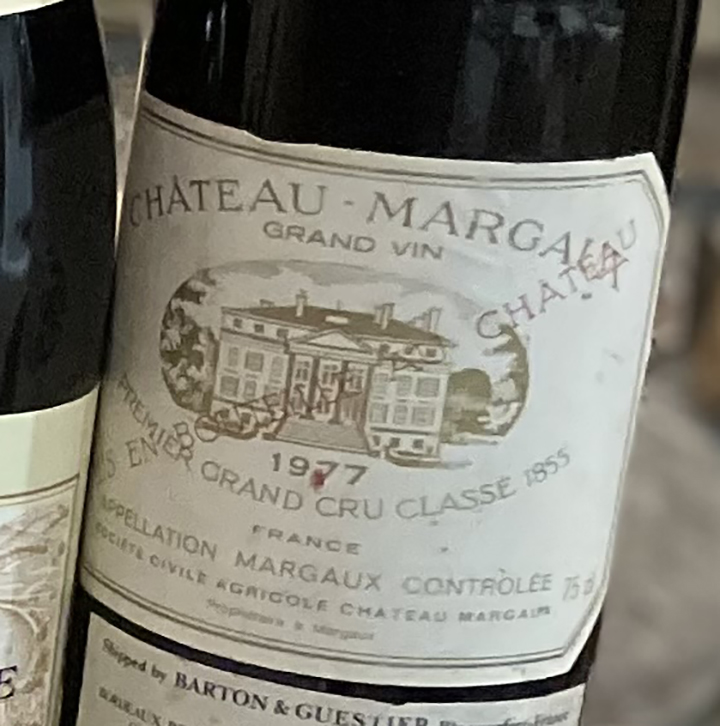
    1977 Château Margaux

    Myth – Older Wine Is Always Better

    Reality: Most wines are meant to be enjoyed young.

    While aged Bordeaux or vintage Champagne can be exquisite, the vast majority of wines—roughly 90%—are meant to be consumed within a few years of release. Aging wine requires specific conditions, and not every bottle benefits from time in the cellar. Fresh, fruit-forward wines like Beaujolais, Sauvignon Blanc, and most rosés are best enjoyed young.

    SOMM&SOMM Tip: If you’re curious about aging potential, check the producer’s recommendations or consult a trusted wine expert.

    Myth – Screw Cap Wines Are Low Quality

    Reality: Screw caps can preserve wine better than cork.

    Many high-quality wines now use screw caps instead of corks, particularly in New Zealand, Australia, and the U.S. Screw caps can provide an excellent seal, reducing the risk of cork taint (TCA contamination) and ensuring freshness. They’re particularly beneficial for white wines and aromatic varietals that rely on vibrancy and purity.

    SOMM&SOMM Tip: Don’t judge a wine by its closure—judge it by what’s in the glass!

    Related Article: Exploring Wine Enclosures: Cork, Screw Cap, and Beyond

    Lur Saluces Chateau de Fargues – Photo Credit: Fred Swan, JJBuckley.com

    Myth – Sweet Wines Are Low Quality or “Just for Beginners”

    Reality: Some of the world’s finest wines are sweet.

    From Germany’s noble Rieslings to France’s Sauternes and Hungary’s Tokaji, some of the most revered and age-worthy wines are sweet. A well-made dessert wine balances sweetness with acidity, creating a complex and sophisticated drinking experience.

    SOMM&SOMM Tip: Try pairing a high-quality sweet wine with blue cheese, foie gras, or spicy foods for a mind-blowing contrast.

    Myth – Rosé Is Just a Summer Drink

    Reality: Rosé is great year-round.

    Rosé’s crisp and refreshing nature makes it perfect for warm weather, but its versatility extends far beyond summer. A fuller-bodied rosé, like a Tavel or Bandol, pairs beautifully with hearty dishes, including roasted meats, pasta, and even winter stews.

    SOMM&SOMM Tip: Treat rosé like a light red wine—it can complement a variety of foods throughout the year.

    Myth – You Must Let Red Wine Breathe for Hours

    Reality: Decanting depends on the wine.

    While some wines benefit from hours of aeration, most modern wines are ready to drink with just a little air exposure. Younger, tannic reds (like a bold Cabernet Sauvignon) can soften with decanting, but delicate wines (like older Pinot Noir or aged Barolo) can actually lose their aromas if over-aerated.

    SOMM&SOMM Tip: If in doubt, pour a small glass and taste it immediately. If it seems tight or closed-off, give it some air and check again after 15–30 minutes.

    Related Article: The Art and Science of Decanting Wine

    Myth – Expensive Wine Is Always Better

    Reality: Price does not always equal quality.

    While some expensive wines are exceptional, there are plenty of hidden gems at affordable price points. Price is influenced by factors like production scale, marketing, and branding—not just quality. Many boutique wineries and lesser-known regions produce fantastic wines that don’t break the bank.

    SOMM&SOMM Tip: Explore regions known for value wines, like Portugal’s Douro Valley, Spain’s Rioja, or Argentina’s Mendoza.

    Photo by Andrea Piacquadio on Pexels.com

    Enjoy Wine Without the Myths

    This April Fools’ Day, don’t be fooled by outdated wine myths! Whether it’s misconceptions about serving temperatures, closures, or aging potential, understanding the facts can help you enjoy wine to its fullest. The best way to learn? Keep tasting, exploring, and trusting your own palate.

    Cheers to debunking myths and discovering new wine experiences 🍷

  • How to Enjoy a Wine-Driven Evening Without Regretting It the Next Day

    How to Enjoy a Wine-Driven Evening Without Regretting It the Next Day

    We’ve all been there. One moment, you’re swirling a beautifully aged Bordeaux, eloquently waxing poetic about its terroir. The next, you wake up feeling like your head was used as a drum in a street parade. Ah, the perils of a well-lived evening. But fear not, fellow oenophiles! You don’t have to choose between indulgence and misery. With a little strategy and a touch of discipline (yes, you have it in you), you can enjoy every sip without paying the price. Let’s dive into the art of pacing yourself, staying hydrated, and recovering like a pro.

    Photo by Pavel Danilyuk on Pexels.com

    The Art of Moderation

    The slow sip wins the race. Wine is meant to be savored, not guzzled. If it were meant to be chugged, it’d come in a pint glass. Here are some ways to keep your evening elegant and your morning pain-free:

    1. Follow the One-to-One Rule: For every glass of wine, drink a glass of water. This will slow your pace, keep you hydrated, and trick your brain into thinking you’re indulging more than you actually are. (Bonus: It makes you look responsible without ruining the fun.)
    2. Eat Like You Mean It: Drinking on an empty stomach is like trying to row a boat with a tennis racket—it’s not going to end well. Load up on protein, healthy fats, and carbs before and during the evening. Think cheese boards, charcuterie, and anything that soaks up alcohol but still feels sophisticated.
    3. Choose Your Pours Wisely: If you’re at a wine tasting event, don’t feel obligated to finish every pour. The spit bucket isn’t a sign of weakness; it’s a sign of wisdom (and longevity).
    4. Mind the ABV: A light, crisp Vinho Verde is going to treat you much differently than a bold 15% ABV Napa Cab. If you’re settling in for a long evening, balance your choices with lower-alcohol options.

    Hydration is Your Best Friend

    Wine may be mostly water, but that doesn’t mean it hydrates. In fact, it does the opposite. To keep yourself feeling fresh:

    • Electrolytes Are Magic: Coconut water, sports drinks, or electrolyte tablets can work wonders. Alternating a glass of wine with a glass of something electrolyte-rich is an excellent way to sneak hydration into your night.
    • Herbal Tea Before Bed: Chamomile or ginger tea can help settle your stomach and prep your body for restful sleep. (You’re still getting a ‘drink’ in, just without consequences.)
    • Drink Water Before You Sleep: Even if it means a midnight bathroom trip, your future self will thank you. Bonus points if you add a pinch of sea salt for extra hydration benefits.
    Photo by cottonbro studio on Pexels.com

    The Day After: The Art of the Comeback

    If, despite your best efforts, you wake up feeling like you lost a wrestling match with a bottle of Syrah, here’s how to bounce back:

    1. Water. Then More Water. The moment you wake up, drink a full glass. Follow it with another. Yes, you may feel like a bloated water balloon, but it’s better than feeling like a desiccated raisin.
    2. Coffee (But Not Too Much). A small cup can help, but too much caffeine can further dehydrate you. Pair it with a banana or toast to keep your blood sugar stable.
    3. Eggs, Avocado, and Toast: Eggs contain cysteine, which helps break down acetaldehyde (the nasty chemical behind your hangover). Avocado replenishes lost potassium. Toast is just comforting.
    4. Get Moving (Even If It Hurts). A short walk and fresh air can help jumpstart your recovery. You don’t have to run a marathon—just convince your body you haven’t given up on it entirely.
    Photo by Askar Abayev on Pexels.com

    Final Thoughts: It’s All About Enjoyment

    Wine should be a pleasure, not a punishment. The key to a successful wine evening is balance—between indulgence and restraint, hydration and celebration, sipping and savoring. Whether you’re at a grand tasting event, a cozy dinner party, or a backyard soirée, remember: the best memories are made when you’re fully present (and fully functional the next day).

    A Toast to Moderation (and Survival!)

    Here’s to good wine, great friends, and a morning where we still feel like ourselves. May our glasses be full, our conversations rich, and our headaches non-existent. Cheers to sipping smart!

    Gregory Dean, SOMM&SOMM

    Quick note about the cover image: Henri de Toulouse-Lautrec’s Gueule de bois (“Hangover”) perfectly captures that all-too-familiar morning-after regret—pale, slumped, and questioning every life choice that led to this moment. Inspired by his bohemian adventures in Montmartre, Lautrec paints a picture (literally) of indulgence meeting its inevitable fate. Just like this article on surviving the day after, this particular piece reminds me that while the night may be full of champagne and questionable decisions, the morning always demands payment—with interest 😉

    Cover Image Credit: Henri de Toulouse-Lautrec, Public domain, via Wikimedia Commons

  • Pop, Fizz, Clink! The Art (and Science) of Opening Sparkling Wine Without a Flying Cork

    Pop, Fizz, Clink! The Art (and Science) of Opening Sparkling Wine Without a Flying Cork

    Ah, Champagne! The ultimate symbol of celebration, glamour, and joy—until it becomes a projectile aimed at your chandelier, your friend’s forehead, or your unsuspecting dog. Opening a bottle of bubbly can be thrilling, but it’s not a party trick unless you’re wielding a saber (more on that later). Let’s break down the proper, safe, and stylish way to pop that cork like a pro.

    Step 1: Chill Out (Literally!)

    Temperature is everything. Too warm, and your sparkling wine will gush like a fountain; too cold, and the nuanced flavors and bubbles won’t shine. Aim for 43-50°F (6-10°C). This means a couple of hours in the fridge or 30 minutes in an ice bucket filled with half water and half ice. Remember: calm bubbles are happy bubbles.

    Cork Dork Tip: If your sparkling wine is too warm and you’re in a pinch, wrap the bottle in a damp towel and pop it in the freezer for 15 minutes. But set a timer—we’re chilling wine, not making Champagne slushies.

    Photo by Moran Avni on Pexels.com
    Step 2: The Tools of the Trade

    Let’s talk glassware. While a flute may look classic, it’s not ideal for appreciating the wine’s aromas. A tulip-shaped glass or a standard white wine glass works wonders. If all you’ve got is a coffee mug…well, let’s pretend I didn’t hear that.

    Cork Dork Tip: Invest in proper glassware. It’s like giving your wine a stage to perform on instead of relegating it to karaoke night at the dive bar.

    Step 3: Unleash the Cage (Gently!)

    Now for the fun part. Remove the foil and locate the wire cage (officially called the muselet). Keep your thumb firmly on the cork while you untwist the cage—six half-turns, in case you’re counting. Leave the cage on the cork for better control. It’s your first line of defense against unintentional popping.

    Cork Dork Tip: If you’re feeling fancy, use this moment to drop a fun fact: the pressure inside a bottle of sparkling wine is equivalent to the tire pressure of a double-decker bus. That’s why the cork deserves your respect!

    Step 4: The Twist-Off (No Drama, Please)

    Here’s where many a cork dork shines. Tilt the bottle to a 45-degree angle, gripping the cork with one hand (and a towel, if you’re feeling fancy) and the base of the bottle with the other. Slowly twist the bottle—not the cork—while applying gentle counter-pressure. Listen for the “pffft” sound of escaping gas, not the party-popping “boom” of disaster.

    Cork Dork Tip: If the cork refuses to budge, don’t panic. A quick wrap of the cork in a warm towel can help loosen things up. Consider it wine’s version of a spa day.

    Photo by Rene Terp on Pexels.com
    Step 5: Pouring Perfection

    Pour in two stages to prevent overflow. A small amount first to let the foam settle, then top up to about two-thirds full. Bonus points if you can pour with a slight flair without spilling on Aunt Henrietta’s carpet.

    Cork Dork Tip: Tilt the glass at an angle while pouring to preserve those precious bubbles. Straight-on pouring is for amateurs (or soda).

    For the Extra (and Extra Formal) Moments

    For formal occasions, present the bottle label-forward before opening. This gives your guests a chance to admire your impeccable taste. Oh, and never—I repeat, never—point the cork at anyone. A Champagne cork can travel up to 50 miles per hour; this is a bottle of wine, not a weapon.

    Cork Dork Tip: Bonus style points for draping a napkin or towel over your pouring arm. It’s the sommelier’s version of a superhero cape.

    The Saber Method (For Show-offs and Special Occasions)

    Want to impress your guests? Saber that bottle like a true connoisseur with a flair for the dramatic. Using a dull blade or the blunt side of a chef’s knife, slide the blade along the seam of the bottle toward the lip with a firm, confident stroke. The cork and glass lip should break off cleanly. This method is best practiced outdoors—and away from your mother-in-law’s priceless crystal collection.

    Cork Dork Tip: Make sure your audience knows this isn’t just about bravado. Sabering has historical roots in Napoleonic France. When you’re done, casually drop the phrase, “Vive l’Empereur!” for dramatic effect.

    A Few More Cork Dork Pro Tips

    • Storage: Keep your sparkling wine stored horizontally and away from heat or light.
    • Pairing: Sparkling wine pairs beautifully with almost anything, from oysters and caviar to fried chicken and popcorn. Yes, really.
    • Serving: Keep an extra bottle or two chilled. One bottle for every two guests is a good rule of thumb.

    Cork Dork Tip: If you’re running out of Champagne, have a stash of Crémant (French), Cava (Spanish) or Prosecco (Italian) as a backup. They’re budget-friendly lifesavers.

    Bottom Line: Celebrate Safely and Stylishly

    Whether you’re popping a Prosecco on the couch, sabering a Cava in the backyard, or serving vintage Champagne at a black-tie event, the key is respect for the wine and your guests. A well-opened bottle sets the tone for the celebration, and nothing—nothing—beats the sound of a perfectly controlled “pffft” as you usher in a new year or toast to life’s moments big and small.

    So go forth, my fellow cork dorks, and conquer the art of bubbly with confidence, style, and perhaps just a little mischief. Cheers 🥂

    Disclaimer: Proceed With CautionSabering and opening sparkling wine may look glamorous, but they require attention and care. Always ensure bottles are properly chilled to reduce pressure, point them away from people or valuables, and handle with steady hands. Sabering, in particular, should only be attempted outdoors with the right tools and protective eyewear. This isn’t a TikTok challenge—safety comes first. If in doubt, leave the sabering to professionals and stick to the classic “pffft” opening method. Celebrate responsibly, and may your bubbles always be joyful!

  • Guest Etiquette at Private Wine and Dining Events

    Guest Etiquette at Private Wine and Dining Events

    Navigating the Unexpected with Grace and Respect.

    Prologue – In recent months, I’ve had the pleasure of attending several beautifully orchestrated private events that left lasting memories—yet each one also included moments where a few guests struggled with appropriate etiquette during minor delays or unexpected changes. These situations highlighted how crucial guest conduct is, not only to the enjoyment of the hosts but to the overall atmosphere and experience for everyone present. Inspired by these recent events, this article outlines key etiquette practices for private invitation-only gatherings, helping guests understand how best to respond to unforeseen situations respectfully. By observing these simple guidelines, guests can elevate both their own experience and that of everyone around them, ensuring a gracious and memorable event.

    When you’re invited to an exclusive, meticulously planned private event—be it a themed wine tasting, anniversary celebration, or multi-course dinner—a lot of time, effort, and thought has gone into creating an unforgettable experience. However, even in the best-planned scenarios, things can occasionally go awry. Perhaps a wine has corked, a dish is delayed, or the host needs to adjust due to a kitchen mishap. How should you, as an invited guest, respond during these unexpected pauses? Let’s delve into the nuances of proper etiquette that ensure you remain both respectful and gracious while honoring the intention and spirit of the event.

    Understand the Unique Setting of a Private Invitation-Only Event

    Private events are, by nature, more intimate and personal than public ticketed events. The hosts often have carefully crafted every aspect, from the wine pairings and menu to the décor, making them an extension of the hosts’ personality and passions. As such, the expectations for guest behavior are elevated. Your presence signifies a personal connection and your respect for the effort and sentiment behind the event. The rule of thumb here is simple: If in doubt, act with the utmost respect and courtesy, putting the enjoyment of the group and the intent of the celebration above individual preferences.

    Maintain Focus and Stay Engaged with the Event

    During private wine or dining events, pausing to check messages or watching the game on a smartphone is disrespectful to both the host and fellow guests. Imagine, for instance, a guest attending a seated anniversary dinner who, upon an unexpected delay, disengages to check their phone or catch up on sports. Or worse, turn on the large screen flat screen TV in the room. This behavior disrupts the intimate ambiance, diminishes the significance of the gathering, and can make others feel less engaged as well.

    Instead, use pauses as an opportunity to immerse yourself in the experience:

    • Engage in Conversation: Often, pauses provide a chance to deepen connections with other guests. Inquiring about each other’s experiences with wines, travel stories, or family traditions related to food and wine can spark memorable conversations.
    • Reflect on Previous Courses: If there has already been a course or two, discuss your thoughts on the pairings, flavors, or the chef’s approach to each dish. This keeps the focus on the event and showcases your appreciation for the host’s choices.
    • Discuss the Host’s Choices: Highlighting aspects you appreciate—whether it’s a wine selection, a beautifully set table, or a unique food and wine pairing—shows respect for the thought and effort that went into the planning.

    These small gestures can enhance the experience for both you and those around you while keeping the momentum of the event alive.

    Appreciate the Host’s Efforts and Be Ready for Flexible Alternatives

    For events involving food and wine, unforeseen issues are sometimes inevitable. When you notice the hosts making adjustments, remain calm and understanding; they may be discreetly working with the kitchen or making substitutions to maintain the flow of the event. As a guest, it’s essential to appreciate their adaptability and refrain from drawing attention to the delay or issue.

    • Handle Wine Substitutions with Grace: If the host switches a wine due to corking or other issues, express enthusiasm for the alternate selection. Hosts appreciate guests who are flexible and open to exploring something new.
    • Adapt with the Hosts: Sometimes, food courses may be served out of the intended order, or a dish may differ slightly from what was planned. Embrace these moments as part of the evening’s unique experience and enjoy the improvisational nature of the service.
    • Keep the Mood Light: If the hosts make light of the situation, follow their lead. However, if they seem stressed, maintain a calm and positive demeanor, showing them that you’re there to support them.

    Avoid Overstepping with Unsolicited Opinions or Critiques

    In the case of a private event, hosts tend to put immense care into every detail, and casual remarks or critiques—especially during a disruption—can be discouraging or even offensive. While public events may allow for some flexibility in feedback or commentary, private events warrant more sensitivity.

    • Refrain from Criticizing Substitutions: If an alternate wine or dish doesn’t quite match your personal preference, keep that opinion private. Remember that the hosts likely made the substitution under challenging circumstances, and voicing disappointment can undermine their efforts.
    • Stay Positive About the Experience: If a dish doesn’t come out exactly as planned, find something enjoyable about it, whether it’s a surprising flavor, texture, or plating. Your positive outlook will help the host feel at ease, even when things don’t go according to plan.

    Express Genuine Appreciation for the Event’s Intention

    At invitation-only private events, gestures of gratitude and appreciation are crucial. A thoughtful host has created a one-of-a-kind experience, not only to celebrate the occasion but to share a part of themselves with the guests.

    • Acknowledge the Occasion: If it’s an anniversary or birthday, express your well wishes and reflect on your appreciation for being included. Mentioning the host’s efforts in creating the evening’s ambiance, selecting wines, and curating the menu helps highlight your enjoyment of the experience.
    • Offer a Toast or Thank You at the End of the Evening: A heartfelt toast or kind words directed at the host can go a long way, especially if they had to navigate unexpected challenges throughout the evening. For example, you might say, “Thank you for an incredible evening. The wine pairings were delightful, and every detail made the night so special. I’m grateful to have shared this memorable evening with you.”

    When in Doubt, Follow the Host’s Lead

    At private events, let the host set the tone. If they engage in casual conversation during a delay, follow their lead. If they attempt to smooth over a mishap with humor or grace, respond with light-heartedness. Respecting the host’s cues shows sensitivity to their efforts and respect for the moment. Similarly, if the host politely addresses the guests about the delay, offer understanding and encouragement.

    By aligning yourself with the host’s approach, you contribute to a cohesive and supportive atmosphere.

    While unexpected pauses or disruptions may be unavoidable, they’re often minor when handled with grace, patience, and respect. Private invitation-only events are crafted with love and care, and your behavior should reflect that. By staying engaged, adapting with flexibility, expressing appreciation, and taking cues from the host, you ensure that these occasions remain a celebration of connection, honor, and shared enjoyment. As a guest, remember that your role is as much about enjoying the experience as it is about celebrating and supporting the hosts who have invited you into their world. Cheers 🍷

    Epilogue Acting entitled or pretentious toward your hosts is not only rude but fundamentally misses the spirit of a private invitation. When you’re invited to share in an experience, it’s on equal footing with everyone else attending, regardless of who’s pouring the wine or setting the table. Treating hosts as “inferior” for taking on any role during the event—whether they’re refilling glasses, plating dishes, or ensuring everyone’s comfort—is especially disrespectful, as it disregards the personal investment they’ve made to create a memorable evening. Entitlement shows ingratitude, turning what should be a celebration of shared enjoyment into a display of poor manners. Embrace the experience as a collaborative and appreciative guest, honoring the hosts’ efforts rather than elevating yourself above them.