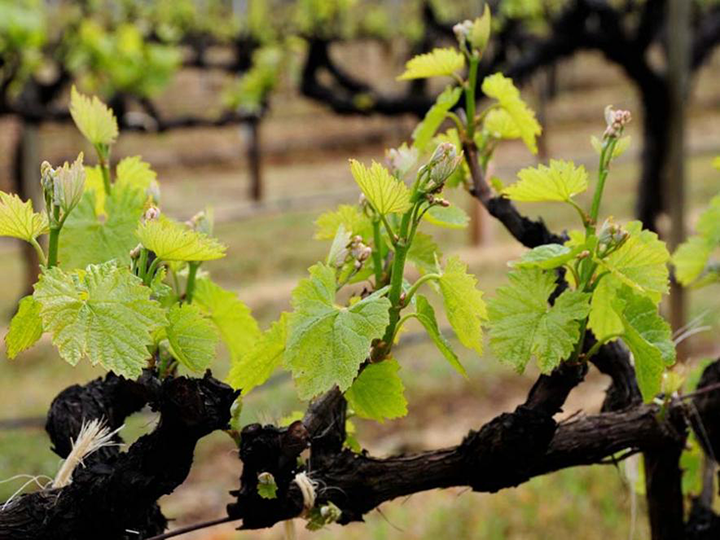
Category: Wine Seasons

  • Winemaking in Autumn: Harvest, Vine Preparation, and the Hidden Tasks of the Season

    Winemaking in Autumn: Harvest, Vine Preparation, and the Hidden Tasks of the Season

    Third article in the series–The Seasons of Winemaking.

    As the leaves begin to turn, the excitement in the vineyard is palpable. Autumn is the season most commonly associated with winemaking, often evoking images of grapes being hand-harvested and clusters piled high in baskets. While harvest may indeed be the centerpiece of the season, there are numerous other tasks that play equally critical roles in ensuring the quality of the wine and the sustainability of the vineyard. This article delves into not only the harvest but also the less glamorous yet essential activities that take place in the vineyard and winery during the fall.

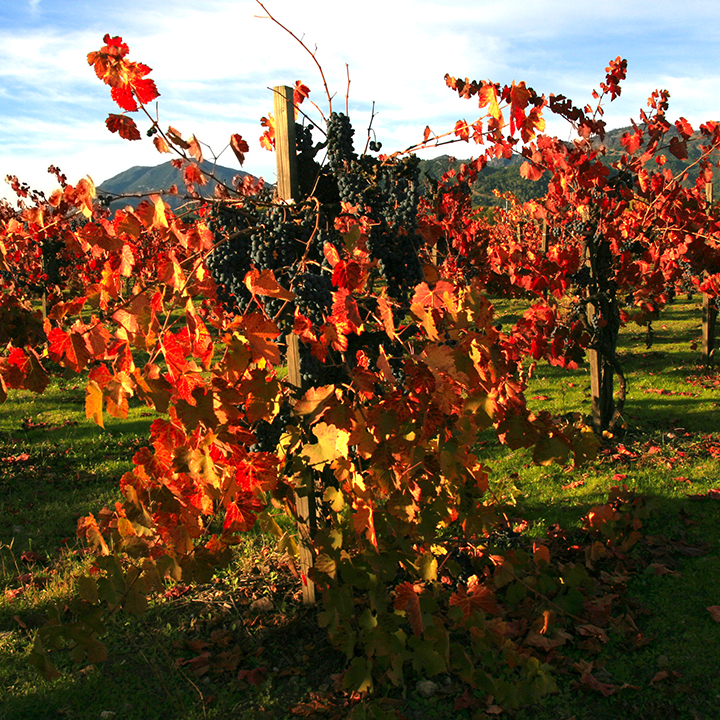
    Vineyard in October, Lower Austria – © Karl Gruber / Wikimedia Commons
    A Delicate Balance of Science and Instinct

    Harvesting grapes is the most anticipated event of the winemaking calendar. It’s a race against time, as winemakers must decide the exact moment to pick the grapes based on their sugar, acid, and tannin levels. This decision is a combination of careful science—using refractometers to measure sugar (Brix) and pH meters to gauge acidity—and deep experience, where tasting the grapes is just as important as the metrics.

    For most winemakers, harvest is staggered. White wine grapes like Chardonnay and Sauvignon Blanc often ripen earlier than red varieties such as Cabernet Sauvignon or Syrah. Each grape variety, and indeed each vineyard block, requires unique attention, as factors like slope, soil composition, and sun exposure lead to different ripening times. As a result, harvest can stretch over several weeks, with winemakers and vineyard managers working around the clock to ensure that each grape is picked at its peak.

    However, beyond simply picking grapes, winemakers must also deal with logistical hurdles, such as organizing teams of workers, securing harvest machinery, and ensuring that the winery is ready to receive the influx of fruit.

    Sorting Merlot Grapes at Chateau Kirwan – Ryan O’Connell, CC BY-SA 2.0 via Wikimedia Commons
    Precision Matters

    Once grapes are harvested, they head straight to the sorting table. Sorting is a less romantic but absolutely critical process. Here, vineyard workers meticulously sift through the clusters to remove underripe, overripe, or damaged fruit, along with leaves, stems, or any other debris. This ensures that only the healthiest grapes make it to the fermentation tanks. A little-known fact is that, for some premium wines, winemakers may even opt for a second sorting, this time focusing on individual berries to further refine the quality of the final product.

    A Controlled Chaos

    Depending on the type of wine being made, pressing happens at different stages. For white wines, the grapes are usually pressed immediately after sorting, separating the juice from the skins and seeds before fermentation. In contrast, red wines undergo fermentation with their skins to extract color, tannin, and flavor, after which they are pressed.

    Punching Down the Wine Cap – Ryan O’Connell, CC BY-SA 2.0 via Wikimedia Commons

    Fermentation, though a naturally occurring process, is far from hands-off. Winemakers must closely monitor temperature, sugar levels, and fermentation activity. In many cases, they may also punch down the cap (the layer of grape skins that rises to the top during red wine fermentation) or pump over the juice to ensure maximum extraction of color and flavor. All the while, cleanliness is paramount, as any contamination can lead to unwanted bacterial or yeast activity, jeopardizing the entire batch.

    Post-Harvest Tasks

    While the grapes may have been picked, the vineyard itself still requires attention. After harvest, winemakers and vineyard managers focus on preparing the vines for winter dormancy.

    1. Cover Crops: Many vineyards plant cover crops—such as legumes or grasses—between the rows of vines. These crops serve multiple purposes: they help prevent soil erosion during the rainy season, add nutrients to the soil, and encourage beneficial insects that control pests.
    2. Post-Harvest Irrigation: Although the vines are entering dormancy, they still need a final round of irrigation after the harvest. This helps the plants store the necessary carbohydrates for the following growing season.
    3. Disease Control: As the temperatures drop, there’s an increased risk of fungal diseases like botrytis. Spraying for these diseases before the onset of heavy rains helps to maintain the health of the vineyard.
    4. Soil Analysis and Amendments: Autumn is also the time for soil sampling. Winemakers test for pH levels, nutrient content, and overall health, and then amend the soil as needed, incorporating compost or other organic materials to restore balance before winter.
    Preparing for Aging

    Once fermentation is complete, the wine is transferred to barrels or tanks for aging. This is where a winemaker’s vision really begins to take shape. The choice of oak, stainless steel, or even concrete vessels is deliberate, as each medium imparts different characteristics to the wine. Some winemakers also add fining agents to clarify the wine at this stage or conduct blending trials to experiment with how different lots can be combined to create the final product.

    Oak Barrels at Robert Mondavi – Sanjay Acharya, CC BY-SA 3.0 via Wikimedia Commons

    For many wineries, autumn also marks the beginning of bottling for wines that are not meant for extended aging. White wines or rosés from the previous harvest, which may have been aging in tanks over the summer, are typically bottled during this time.

    Preparing for Winter

    After the frenzy of harvest, the winery itself needs attention. Deep cleaning is essential to prevent any residual grape matter from spoiling the next vintage. All equipment—fermentation tanks, presses, sorting tables, pumps, hoses—undergo thorough sanitization. Additionally, barrels that are not in use must be properly cleaned and stored to prevent mold or other issues during the colder months.

    Pruning and Training

    Autumn is also a time for reflection and planning. While pruning primarily happens in the winter, autumn gives vineyard managers an opportunity to assess the overall structure and health of the vines. Observing how the vines performed during the growing season allows them to make informed decisions about which canes to prune and how to shape the vine’s growth for the following year.

    Additionally, autumn is a good time to inspect and repair the vineyard’s trellising systems. Any broken posts or wires need to be fixed before the winter storms set in, as these structural components are crucial for supporting the vines through the next growing season.

    Related Article: Winemaking in Spring: From Bud Break to Flowering

    Related Article: Winemaking in Summer: How to Manage the Vines and Grapes

    Ready for Harvest – © Karl Gruber / Wikimedia Commons
    More Than Just the Harvest

    Autumn is a season of transition in the vineyard and winery. While the harvest is undoubtedly the focal point, winemakers and vineyard managers must juggle a myriad of tasks to ensure that the vines are properly prepared for dormancy and that the wine begins its journey from fermentation to bottle. From the invisible maintenance of soil and vine health to the meticulous work inside the winery, autumn lays the groundwork for the success of the next vintage, proving that there’s far more to this season than simply picking grapes. Cheers 🍷

    Cover photo credit: Brocken Inaglory, CC BY-SA 3.0 via Wikimedia Commons
  • Winemaking in Summer: How to Manage the Vines and the Grapes

    Winemaking in Summer: How to Manage the Vines and the Grapes

    Second article in the series–The Seasons of Winemaking.

    Summer is a crucial season for winemaking, as it is the time when the vines grow rapidly and the grapes start to ripen. In this article, we will explore what happens in the vineyard in summer, and how viticulturists and winemakers can ensure the best quality of the grapes and the wine.

    Flowering Stage – Jordan Vineyard and Winery

    The Vine Growth Cycle in Summer

    The vine growth cycle in summer can be divided into three main stages: flowering, fruit set, and veraison.

    – Flowering: This is when the tiny buds on the vine burst into clusters of flowers, usually in late spring or early summer. The flowers are self-pollinating, meaning they do not need insects or wind to fertilize them. However, the weather can have a significant impact on the flowering process. If it is too cold, rainy, or windy, the flowers may not pollinate properly, resulting in fewer or smaller berries. This is called coulure or shatter. On the other hand, if it is too hot or dry, the flowers may dry out and fall off, resulting in no berries at all. This is called millerandage or shot berries. Ideally, the weather should be warm, sunny, and calm during the flowering period, which lasts for about 10 days.

    – Fruit set: This is when the fertilized flowers develop into tiny green berries, usually in early or mid-summer. The berries are hard, sour, and high in acidity and tannins. They are also vulnerable to diseases and pests, such as powdery mildew, botrytis, birds, and insects. Viticulturists need to monitor the health of the vines and the grapes, and apply treatments or protections as needed. They may also thin out some of the clusters or leaves to improve the air circulation and sunlight exposure of the grapes, and to balance the yield and the quality of the wine. This is called green harvesting or crop thinning.

    Veraison Stage – Silver Oak Winery

    – Veraison: This is when the grapes change color and start to ripen, usually in late summer or early fall. The color change depends on the grape variety, from green to yellow for white grapes, and from green to red or purple for black grapes. The ripening process involves a series of chemical changes in the grapes, such as the accumulation of sugars, the reduction of acidity, the development of aromas and flavors, and the softening of the skins and seeds. The ripening rate and duration vary depending on the grape variety, the climate, and the terroir. Viticulturists need to measure the sugar level, the acidity level, and the phenolic maturity of the grapes, and decide when to harvest them. This is called picking decision or harvest date.

    Previous article: Winemaking in Spring: From Bud Break to Flowering

    The Winemaking Practices in Summer

    The winemaking practices in summer are mainly focused on managing the vineyard and preparing for the harvest. Here are some of the common practices that viticulturists and winemakers may perform in summer:

    – Canopy management: This is the manipulation of the vine leaves, shoots, and branches to optimize the microclimate of the grapes. Canopy management can affect the photosynthesis, the respiration, the transpiration, and the shading of the grapes, which in turn can affect their ripening, their quality, and their susceptibility to diseases and pests. Some of the canopy management techniques include pruning, trellising, hedging, leaf removal, shoot positioning, and cluster thinning.

    – Irrigation: This is the application of water to the vines to supplement the natural rainfall and soil moisture. Irrigation can influence the vine growth, the grape yield, and the grape quality. Irrigation can be done by different methods, such as drip irrigation, sprinkler irrigation, or flood irrigation. Irrigation can be scheduled by different criteria, such as soil moisture, vine water status, or climate data. Irrigation can be beneficial or detrimental to the vines and the grapes, depending on the timing, the frequency, and the amount of water applied.

    – Fertilization: This is the addition of nutrients to the soil or the vines to enhance their growth and productivity. Fertilization can affect the vine vigor, the grape yield, and the grape quality. Fertilization can be done by different sources, such as organic fertilizers, synthetic fertilizers, or compost. Fertilization can be applied by different methods, such as soil application, foliar application, or fertigation. Fertilization can be beneficial or detrimental to the vines and the grapes, depending on the type, the rate, and the timing of the nutrients applied.

    – Pest and disease control: This is the prevention and treatment of the biotic and abiotic factors that can harm the vines and the grapes. Pest and disease control can affect the vine health, the grape yield, and the grape quality. Pest and disease control can be done by different strategies, such as cultural practices, biological control, chemical control, or integrated pest management. Pest and disease control can be beneficial or detrimental to the vines and the grapes, depending on the target, the efficacy, and the side effects of the control measures.

    – Harvest preparation: This is the planning and organization of the activities and resources needed for the harvest. Harvest preparation can affect the efficiency, the cost, and the quality of the harvest. Harvest preparation can involve different aspects, such as picking decision, harvesting method, harvesting equipment, harvesting team, harvesting logistics, and harvesting hygiene.

    Summer is a busy and important season for winemaking, as it is the time when the vines and the grapes undergo significant changes and challenges. Viticulturists and winemakers need to monitor and manage the vineyard carefully and skillfully, and to prepare for the harvest efficiently and effectively, to ensure the best results for the wine. In the next article, we will explore what happens in the winery in fall, and how viticulturists and winemakers can transform the grapes into wine. Cheers 🍷

  • Sip Into Summer

    Sip Into Summer

    A Guide to Refreshing Wines for Late Spring and Early Summer

    As the days grow longer and the sun shines brighter, it’s time to embrace the vibrant flavors of late spring and early summer. With the season bringing forth an abundance of fresh produce and lighter fare, it’s the perfect time to explore a variety of wines that complement the delightful dishes served at events during this time of year. From picnics in the park to backyard barbecues, let’s dive into the world of wines that are perfectly suited for the warmer months ahead.

    Crisp Whites for Sunny Days

    One cannot think of summer without envisioning a chilled glass of refreshing white wine. From crisp Sauvignon Blancs to zesty Pinot Grigios, the options are endless. These wines are characterized by their bright acidity, citrus notes, and refreshing minerality, making them an ideal choice to pair with lighter fare such as salads, seafood, and grilled vegetables. Consider serving a Sauvignon Blanc alongside a fresh Caprese salad or a seafood ceviche for a delightful summer pairing.

    SOMM&SOMM Recommends: 2022 Henri Bourgeois Pouilly Fume La Porte De L’Abbaye

    SOMM&SOMM Recommends: 2021 Armani Pinot Grigio Colle Ara

    Rosé All Day

    Rosé has become synonymous with summer sipping, and for good reason. This versatile wine strikes the perfect balance between the crispness of a white wine and the fruitiness of a red, making it a crowd-pleaser at any summer gathering. Whether it’s a Provence-style Rosé with notes of strawberry and melon or a Spanish Rosado with hints of citrus and stone fruit, there’s a Rosé to suit every palate. Pair it with charcuterie boards, grilled chicken, or even fruity desserts for a refreshing and elegant accompaniment.

    Light Reds for Chilled Evenings

    While red wine might not be the first choice for warm weather, there are plenty of lighter-bodied reds that are well-suited for summer sipping. Look for wines such as Pinot Noir, Gamay, or Grenache, which offer bright fruit flavors, soft tannins, and a refreshing acidity. These wines pair beautifully with grilled salmon, roasted vegetables, or even a classic barbecue spread. Serve them slightly chilled to enhance their refreshing qualities and enjoy the taste of summer in every sip.

    SOMM&SOMM Recommends: 2021 Crossbarn Sonoma Coast Pinot Noir

    SOMM&SOMM Recommends: 2018 Mas De Mancuso Garnacha Single Vineyard

    Summer Sangria

    No summer gathering is complete without a pitcher of refreshing sangria. Whether you prefer the classic red sangria or the lighter white sangria, the options for customization are endless. Start with a base of fruity wine such as Tempranillo for red sangria or Sauvignon Blanc for white sangria. Add your favorite seasonal fruits such as oranges, strawberries, and peaches, along with a splash of citrus juice and a touch of sweetness from sugar or honey. Let it chill for a few hours to allow the flavors to meld together, and serve over ice for a refreshing and festive summer drink.

    SOMM&SOMM Recommends: 2020 Asua Rioja Crianza

    Red Sangria Recipe

    – 1 bottle of Tempranillo or your favorite red wine

    – 1 orange, sliced

    – 1 lemon, sliced

    – 1 lime, sliced

    – 1/4 cup orange juice

    – 2 tablespoons sugar

    – 1/4 cup brandy

    – Club soda, for topping

    – Fresh mint leaves, for garnish

    SOMM&SOMM Recommends: 2022 Angeline Sauvignon Blanc Reserve

    White Sangria Recipe

    – 1 bottle of Sauvignon Blanc or your favorite white wine

    – 1 peach, sliced

    – 1 cup strawberries, sliced

    – 1/4 cup lemon juice

    – 2 tablespoons honey

    – 1/4 cup peach schnapps

    – Club soda, for topping

    – Fresh basil leaves, for garnish

    Grilled Shrimp with Lemon Aioli (The Spruce Eats)

    Pairing the perfect wine with the right snacks can elevate your summer gatherings to a whole new level. Consider serving light and refreshing appetizers such as bruschetta with tomatoes and basil, grilled shrimp skewers with lemon aioli, or a platter of assorted cheeses and fresh fruit. These snacks complement the flavors of summer wines and provide the perfect accompaniment for leisurely outdoor gatherings.

    As the temperatures rise and the days grow longer, it’s time to embrace the flavors of late spring and early summer with a selection of refreshing wines. From crisp whites to fruity rosés and light reds, there’s a wine to suit every palate and occasion. Whether you’re enjoying a picnic in the park or hosting a backyard barbecue, let these wines be the perfect pairing for your summer festivities. Cheers to a season filled with sunshine, good company, and delicious wines 🍷

  • Winemaking in Spring: From Bud Break to Flowering

    Winemaking in Spring: From Bud Break to Flowering

    First article in the series–The Seasons of Winemaking.

    Spring is a crucial season for winemaking, as it marks the beginning of the annual growth cycle of the grapevines. During this time, the vines awaken from their winter dormancy and start to produce new shoots, leaves, and flowers. The viticulturists and winemakers have to monitor and manage the vineyard carefully to ensure the health and quality of the grapes that will be harvested in the fall.

    Bud break at Jordan Winery, Alexander Valley

    Bud Break

    Bud break is the first visible sign of growth in the vineyard, usually occurring in March or April in the Northern Hemisphere, and September or October in the Southern Hemisphere. It happens when the buds on the dormant canes swell and burst, revealing tiny green shoots that will eventually become branches. Bud break is influenced by several factors, such as the grape variety, the climate, the soil, and the pruning method. Some varieties, such as Chardonnay and Pinot Noir, tend to bud earlier than others, such as Cabernet Sauvignon and Syrah. This means that they are more susceptible to frost damage, which can kill the young shoots and reduce the yield.

    To prevent frost damage, viticulturists may use various techniques, such as heaters, wind machines, sprinklers, or helicopters, to circulate warm air or water around the vines. They may also delay pruning until late winter or early spring, to avoid stimulating early bud break. Pruning is an essential task that involves cutting off excess or unwanted wood from the previous year, to shape the vine and control its vigor. Pruning also determines the number and position of the buds that will produce the grapes, and thus affects the quantity and quality of the harvest.

    Bud break is celebrated in different ways around the world, often with religious or spiritual ceremonies. For example, in Burgundy, France, the monks of the Clos de Vougeot monastery used to bless the vines and pray for a good harvest on the day of bud break. In Chile, the Fiesta de la Vendimia (Harvest Festival) begins with a mass and a blessing of the first must (grape juice) by the local priest. In Napa Valley, California, some wineries host bud break parties and tastings for their club members and guests.

    Shoot Growth

    After bud break, the shoots grow rapidly, reaching up to a meter in length by the end of spring. They develop leaves, tendrils, and lateral branches, forming the canopy of the vine. The leaves are the main source of energy for the vine, as they capture sunlight and perform photosynthesis, converting carbon dioxide and water into sugars and oxygen. The sugars are stored in the roots, trunk, and canes, and are used for growth and ripening. The tendrils are curly structures that help the vine cling to the trellis or support system, and maintain its vertical position. The lateral branches are secondary shoots that emerge from the leaf axils, and may produce additional clusters of grapes.

    The viticulturists and winemakers have to manage the canopy carefully, to balance the amount of sunlight, air, and moisture that reaches the grapes. Too much shade can reduce the sugar and flavor development, and increase the risk of fungal diseases. Too much sun can cause sunburn or dehydration, and affect the color and aroma of the grapes. To achieve the optimal canopy, they may use various techniques, such as:

    – Tying or tucking the shoots to the trellis wires, to keep them upright and organized.

    – Thinning or removing excess shoots, leaves, or lateral branches, to reduce overcrowding and improve ventilation.

    – Topping or trimming the tips of the shoots, to limit their growth and redirect the energy to the grapes.

    – Spraying or dusting the vines with organic or synthetic substances, to protect them from pests and diseases.

    Flowering stage of the grapevine

    Flowering

    Flowering is the next major stage in the vineyard, usually occurring in May or June in the Northern Hemisphere, and November or December in the Southern Hemisphere. It happens when the tiny green clusters of flowers on the shoots open and release pollen. The flowers are hermaphroditic, meaning that they have both male and female parts, and can self-pollinate. However, they may also rely on wind or insects to transfer pollen from one flower to another. The pollination process leads to fertilization, which results in the formation of seeds and berries. The berries are initially hard and green, and contain high levels of acidity and tannins.

    Flowering is celebrated in various ways around the world, often with music and dancing. For example, in Germany, the Blütenfest (Flower Festival) is held in several wine regions, featuring parades, concerts, and wine tastings. In Italy, the Festa dei Fiori (Flower Festival) is celebrated in many towns and villages, with floral decorations, folk performances, and local delicacies. In Argentina, the Fiesta Nacional de la Flor (National Flower Festival) is held in Escobar, a town known for its flower production and nurseries. The festival includes a flower parade, a queen contest, and a display of regional wines.

    Flowering is a critical and delicate phase, as it determines the potential crop size and quality. The number of flowers that successfully pollinate and set fruit is called the fruit set, and it can vary from 30% to 70% depending on the grape variety and the weather conditions. Warm, dry, and calm weather is ideal for flowering, as it facilitates pollination and prevents shattering or falling off of the flowers. Cold, wet, or windy weather can hinder flowering, and cause poor fruit set, uneven ripening, or coulure (the failure of the berries to develop after fertilization).

    Important fruit set stage in the growth cycle

    To ensure a good fruit set, viticulturists and winemakers may use various techniques, such as:

    – Choosing grape varieties that are suited to the climate and soil of the region, and that have consistent and reliable flowering behavior.

    – Adjusting the pruning and canopy management practices, to influence the timing and duration of flowering, and to expose the flowers to optimal sunlight and air circulation.

    – Applying plant hormones or biostimulants, to enhance the flowering and fruit set process, and to correct any deficiencies or imbalances in the vine.

    In summary, spring is a vital season for winemaking, as it marks the start of the grapevine’s growth cycle. From bud break to flowering, the viticulturists and winemakers have to monitor and manage the vineyard carefully, to ensure the health and quality of the grapes. They have to deal with various challenges, such as frost, pests, diseases, and weather fluctuations, and use various techniques, such as pruning, canopy management, and plant hormones, to influence the flowering and fruit set process.

    This article is the first in a series of four articles that dives into the seasons and stages of winemaking, from blossom to bottle and everything in between. In the next article, we will explore the summer season, when the grapes undergo veraison and ripening, and the viticulturists and winemakers prepare for the harvest. Stay tuned for more insights into the fascinating world of winemaking. 🍇🍷