Category: Wine Seasons

  • A Spirited Christmas Carol

    A Spirited Christmas Carol

    Cocktails of the past, present, and future.

    There is no season so rich with memory, merriment, and hope as December. Dickens knew it well. In fact, he didn’t just write a moral tale—he wrote the greatest cocktail metaphor ever told (though he may not have realized it while scribbling with ink-stained fingers and a stiff glass of gin beside him).

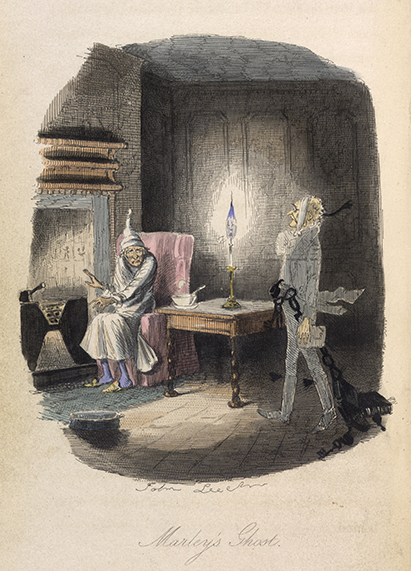
    Marley’s Ghost – John Leech, Public domain, via Wikimedia Commons

    Because like the spirits that visit Ebenezer Scrooge, our holiday cocktail traditions exist in three forms: the drinks we cherishthe drinks we celebrate with now, and the creations that hint at where mixology is headed next.

    Photo by picjumbo.com on Pexels.com

    So, slip into your warmest chair, cue the carolers in your imagination, and raise a glass to the spectral trio that defines the season.

    Mr. Fezziwig’s Ball – John Leech, CC0, via Wikimedia Commons

    The Ghost of Christmas Past — The Classic Spirit

    Before fancy garnishes and smoky showmanship, there were fireside ladles, communal mugs, and spirits strong enough to thaw London’s winter chill. The Ghost of Christmas Past isn’t showy. It favors warmth, depth, and a touch of history, inviting us to sip slowly and remember.

    Photo by George Dolgikh on Pexels.com

    Featured Cocktail: Hot Gin Punch

    A Victorian winter staple, Hot Gin Punch was ladled out at holiday gatherings and revelrous parties much like Fezziwig’s grand affair. Imagine citrus oils mingling with warming spices, dark sugars melting into juniper heat… it’s Dickens in a glass.

    Ingredients

    • London Dry Gin
    • Earl Grey tea
    • Brown sugar
    • Fresh lemon & orange slices
    • Clove, cinnamon, nutmeg
    • Dash of red wine (optional, but historically delightful)

    Method
    Warm all ingredients gently in a pot (never boiling—Scrooge would approve of restraint). Ladle into teacups or punch glasses, garnish with citrus studded with clove.

    Sip Story
    This is the drink that would have warmed Scrooge’s frozen heart long before Jacob Marley’s chains rattled through the door.

    Perfect Pairing: Roasted chestnuts or fig-pudding brownie bites.

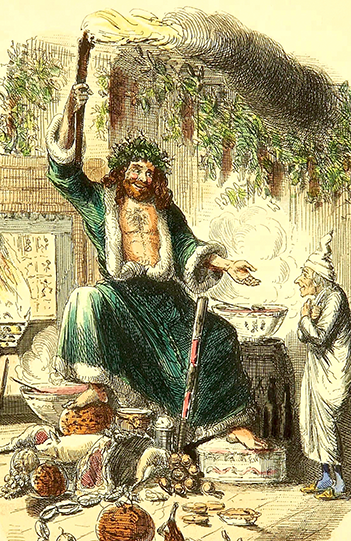
    Ghost of Christmas Present – John Leech (1843), Public domain, via Wikimedia Commons

    The Ghost of Christmas Present — The Festive Spirit

    This spirit bursts through the door with food in one hand and a goblet in the other. It laughs loudly. It believes in seconds—of dessert and cocktails. It delights in fresh cranberries, bright citrus, warm spices, and joyful excess. It’s the embodiment of Fezziwig, twirling until ribbons fly.

    Photo by Augustin Mazaud on Pexels.com

    Featured Cocktail: Spiced Cranberry Rum Sour

    A modern crowd-pleaser built for laughter, clinking glasses, and impromptu toasts from your favorite overly emotional uncle.

    Ingredients

    • Dark rum
    • Fresh lemon juice
    • Spiced cranberry syrup (cranberries + clove + orange peel + cinnamon)
    • Egg white (or aquafaba for a lighter, plant-based foam)
    • Orange bitters

    Method
    Shake all ingredients vigorously (the proper holiday shake is an elbow workout). Strain into a coupe and top with a dot or swirl of cranberry syrup.

    Sip Story
    This glass invites singing, dancing, and the sort of cheer that even Bob Cratchit wouldn’t dare water down.

    Perfect Pairing: Cranberry-orange baked brie crostini or candied pecans.

    The Ghost of Christmas Yet-to-Come — The Innovative Spirit

    Minimalist, mysterious, and a little thrilling—this ghost doesn’t reveal much. But its presence hints at the direction of cocktail culture: sustainability, global botanicals, unexpected flavor pairings, and dramatic presentation. Its message? The future is bold and intentional.

    Photo by Nestor Luis on Pexels.com
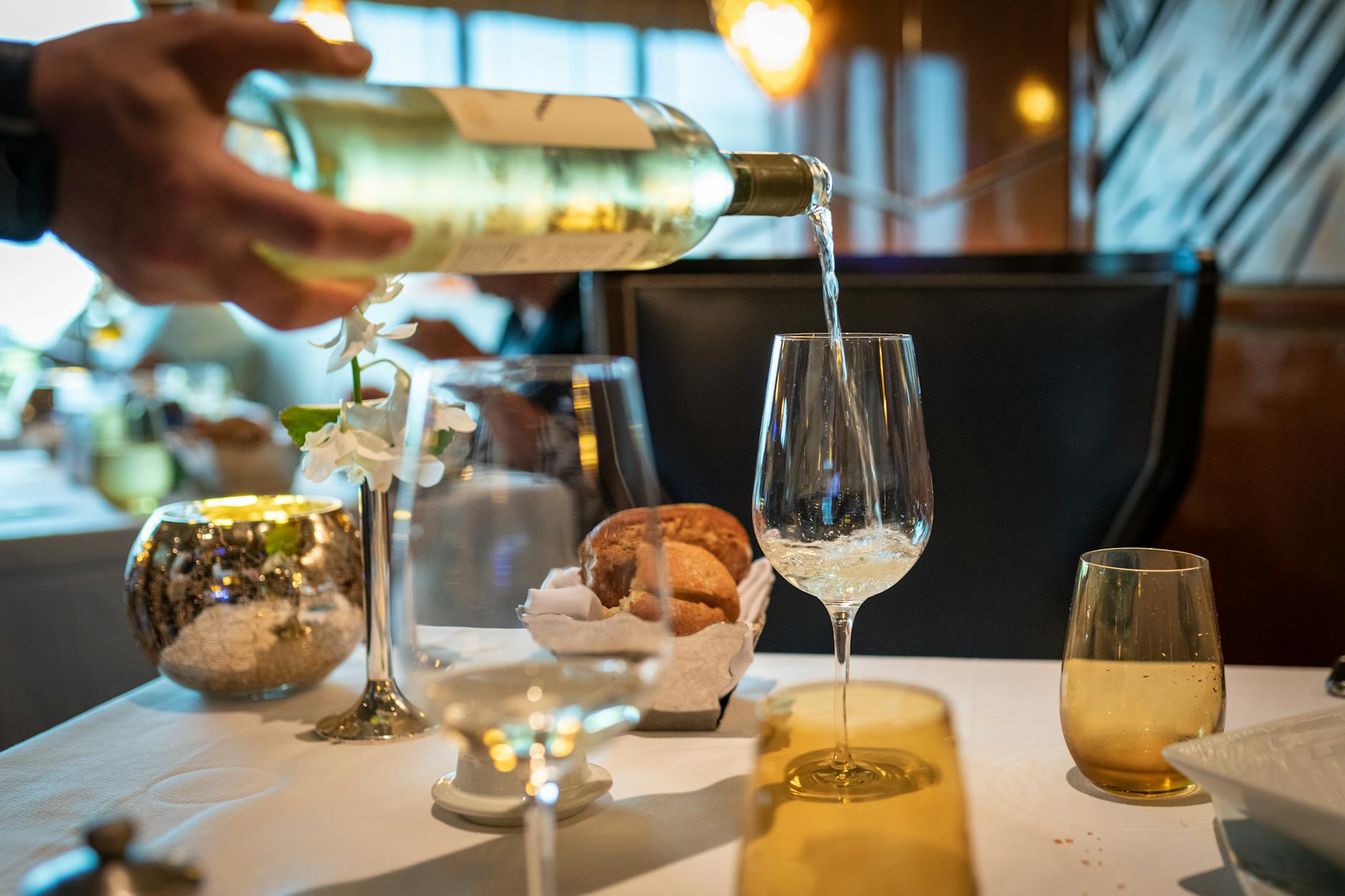
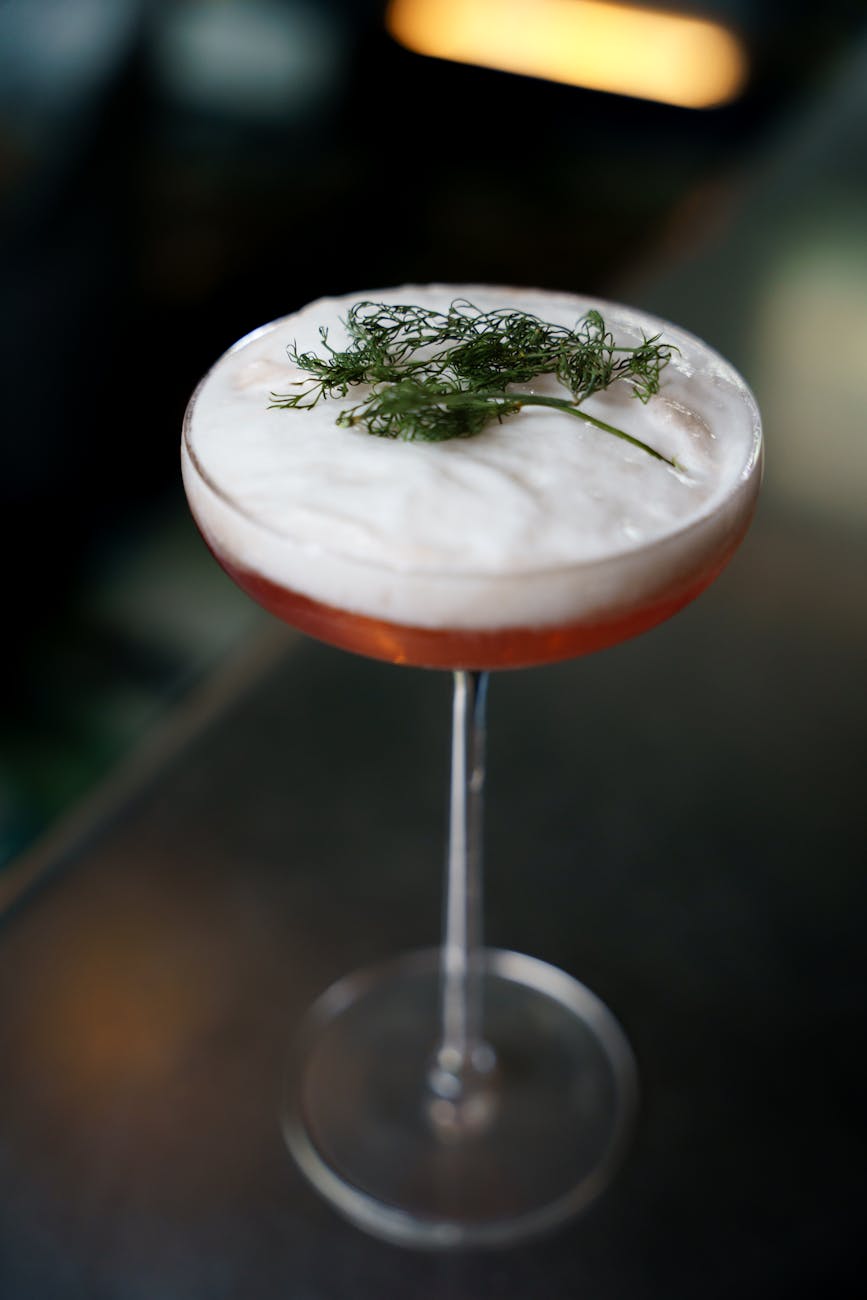
    Featured Cocktail: Smoked Herbal Aquavit Martini

    Aquavit, a caraway- and dill-driven spirit with centuries of Nordic heritage, is stepping into the modern spotlight. It speaks of a world where gin isn’t the only botanically expressive star in town.

    Ingredients

    • Aquavit
    • Dry vermouth
    • Dash of absinthe
    • Optional: smoked glass or rosemary smoke bubble

    Method
    Stir over ice until chilled and silky. Strain into a chilled martini glass. Add smoke theatrics if you feel like the Ghost is watching.

    Sip Story
    A drink that whispers more than it speaks—inviting curiosity about what cocktails we’ll be sharing a decade from now.

    Perfect Pairing: Sea-salt rye crisps with dill-cucumber cheese spread.

    A Small Pour for Scrooge

    When writing about spirits, we can’t ignore the man who changed his ways. He deserves a dessert cocktail to mark his redemption.

    Scrooge’s Walnut Flip

    Rich, velvety, nutty, and lightly sweet—proving that anyone, even a miser, can soften with enough holiday warmth.

    Key Notes

    • Amontillado sherry
    • Toasted walnut liqueur
    • Cream & egg yolk
    • Nutmeg finish

    A drink that starts stern and ends sweet. Sound familiar?

    Photo by ROMAN ODINTSOV on Pexels.com
    Raise a Glass to the Spirits That Visit Us

    We drink not just to celebrate, but to remember, and to imagine. The holidays deliver all three, wrapped like Scrooge’s journey—from memory, to gratitude, to possibility.

    So this season, sip the past with reverence, drink the present with joy, and toast to the future with curiosity.

    Cheers to the spirits who visit us—and the ones we pour. 🥂

    Inspired by Charles Dickens’ A Christmas Carol (1843). This article offers educational and interpretive commentary on classic literature through the lens of wine and spirits.

  • The Black Friday Wine Gift Survival Guide

    The Black Friday Wine Gift Survival Guide

    For the enthusiasts who already have everything—and know it.

    Black Friday doesn’t just test your patience—it challenges your creativity, especially when you’re buying for wine lovers. These are the people who swirl with intention, own three different styles of decanters “for specific varietals,” and somehow pronounce Gewürztraminer with complete confidence.

    Some drink casually, some study tannins like theology, and others already have far more stemware than cupboard space—but all of them have one thing in common: they’re notoriously difficult to shop for. That’s where this guide comes in—to help you navigate the chaos, avoid the generic, and choose gifts that feel personal, intentional, and worthy of their palate.

    Photo by Yelena from Pexels on Pexels.com
    Emotional Triage

    Ask yourself: Who are you shopping for… and what are they like after two glasses?

    Wine PersonalityRelationship ExampleDo Not BuyGreat Gift
    The Casual SipperNeighbor, coworkerGeneric “wine set” from aisle 9Small producer wine or fun cocktail kit
    The CollectorParent, boss, mentorOver-marketed “luxury” brandsLibrary vintage, French cork key, wine history book
    The Hobby SommelierFriend, siblingBottle they can get at TargetBlind tasting kit / map of terroirs
    The Champagne LoyalistPartner, best friendFlutes with sayings on themGrower Champagne / sabering knife
    The Wine + Food RomanticSignificant otherInstant potWine-pairing cookbook & artisan spices
    The Tech LoverBrother-in-lawGeneric wine openerBlue-tooth temp monitor / Coravin system
    The Secret Box Wine DefenderAunt, neighborFancy BordeauxHigh-end boxed wine / aeration tool
    Photo by MEUM MARE on Pexels.com

    Understand Their Psyche


    The “Wine Is My Therapy” Drinker

    They uncork feelings.
    Gift: Luxe bath salts + soft Pinot Noir from Oregon.
    Why: They want rituals, not gadgets.


    The Wine Scholar

    They say “malolactic fermentation” at dinner.
    Gift: Atlas of wine regions / MasterClass subscription / vineyard journal.
    Pair it with: A rare book or tasting grid.


    The Cellar Guardian

    They own a label printer and refer to vintages as “children.”
    Gift: Digital cellar tracker, professional wine racking system, or limited library release.
    Reminder: NEVER guess their favorite region. Ask. Casually.


    The Celebration Purist

    Every bottle is for an occasion. Every occasion becomes a bottle.
    Gift: Grower Champagne (RM), Champagne stopper, sabering knife.
    Bonus: Add a handwritten “To Be Opened When…” note.

    SOMM&SOMM tip: RM stands for Récoltant-Manipulant — a classification given to grower Champagnes, meaning the same estate grows the grapes and produces the wine themselves.


    The Food & Wine Romantic

    They cook with jazz and pour with soul.
    Gift Ideas:

    • Chef collab spices + wine pairing guide
    • Ceramic olive dish & Sicilian Nero d’Avola
    • PDF of pairing suggestions you wrote yourself

    Photo by Pavel Danilyuk on Pexels.com

    Match Gift to Relationship

    RelationshipBest AngleWhat Works
    CoworkerEffort without intimacyLocal bottle + tear-off food pairing list
    SiblingPlayful competitionBlind tasting kit or “challenge bottle”
    PartnerThoughtful + sensoryDual tasting night kit / engraved stemware
    BossRespect & subtle luxurySingle-vineyard magnum OR Coravin
    NeighborCasual gratitudeWine flight pack / wine & cheese night invite
    ParentsExperience over stuffWinery tour voucher / vintage video message
    Photo by ROMAN ODINTSOV on Pexels.com
    EXPERIENCES > THINGS

    Wine lovers treasure moments, stories, and good company. Consider these:

    Gift TypeExamples
    Wine AdventureLocal tasting tour / vineyard Airbnb escape
    Handwritten Pairing MenuCreate a 3-course menu w/ wine pairings for them
    SubscriptionBoutique wine club, curated by sommelier
    The “Open When” Wine Kit3 bottles w/ envelopes: “Open when you succeed,” “Open when it’s raining,” “Open when you doubt.”
    Photo by Nasty Fotografia on Pexels.com
    GEAR GIFT IDEAS (That Won’t Collect Dust)

    Price PointSurefire Winners
    Under $50Wine glass polishing cloths, Chilean Carménère, tasting journal
    $50–$100Electric cellar thermometer, aerator, region-focused wine flights
    $100–$250Coravin Pivot, Champagne gift pack, vineyard map wall art
    $250+Sommelier courses, cellar design consultation, vintage allocation
    Photo by The OurWhisky Foundation ud83eudd43 on Pexels.com
    Remember This

    Black Friday isn’t about the rush. It’s about the reveal.
    When the wrapping paper drops, what wine lovers really want is a gift that says:

    “I see you. I know how you feel. I chose this for a reason.”

    Cheers 🍷

    🍂 Don’t miss out — shop now, save big, and let’s make this holiday season a little more “grape” together! 🍂

    👉 Visit our SOMM&SOMM merch shop today and sip in style!

    For the Cocktail Enthusiasts in Your Life!

    SIPS & STORIES – Twists on the Classics (Amazon)

    SIPS & STORIES – Botanical Wonders (Amazon)

    Cover Photo by cottonbro studio on Pexels.com
  • A Toast to the Cold Season

    A Toast to the Cold Season

    The assumption that winter is exclusively for red wines and summer for whites and rosés is a notion best left to those who haven’t yet discovered the joys of year-round wine exploration. While it’s true that a robust red feels like a warm hug on a cold evening, there’s a world of winter-worthy whites and even a few rosés that can stand up to hearty fare and frosty nights.

    Photo by Elina Sazonova on Pexels.com
    Red Wines – Warming the Soul

    Winter fare calls for reds with structure, depth, and a bit of spice to match rich and slow-cooked meals. Here are some of the best reds to savor during the colder months:

    Barolo & Barbaresco (Piedmont, Italy) – These Nebbiolo-based wines bring a balance of tannin, acidity, and earthy depth, perfect for braised short ribs or wild mushroom risotto.

    Cabernet Sauvignon (Napa Valley, California) – The classic choice for grilled steak or prime rib, its bold fruit and firm tannins stand up to even the richest dishes.

    Syrah/Shiraz (Rhône Valley, France & Barossa Valley, Australia) – Rhône Syrah’s peppery, smoky notes enhance dishes like coq au vin, while Barossa Shiraz pairs wonderfully with smoky BBQ ribs.

    Zinfandel (California) – Spicy and fruit-forward, it’s a match made in heaven for hearty stews, lamb shanks, or even a winter chili.

    Malbec (Mendoza, Argentina) – With its velvety dark fruit flavors, it pairs exceptionally well with grilled sausages or a hearty beef bourguignon.

    A winter without red wine is like a fireplace without wood—technically possible, but why would you?

    Gregory Dean, SOMM&SOMM
    Photo by Kenneth on Pexels.com
    White Wines – Brightening Winter’s Depths

    The best winter whites have enough body and acidity to complement richer dishes and hold their own against the chill.

    Chardonnay (Burgundy, France & California) – Buttery, oak-aged versions are perfect with roasted chicken, creamy pastas, or lobster bisque.

    Riesling (Germany & Alsace, France) – Aged Rieslings with their honeyed, petrol notes pair beautifully with duck, pork belly, or spicy Thai curries.

    Viognier (Rhône Valley, France & California) – Rich and floral, it complements roasted root vegetables and creamy cheeses.

    Gewürztraminer (Alsace, France) – Spicy and aromatic, it’s a delightful pairing with hearty winter fare like sausage and sauerkraut or Moroccan tagines.

    Savagnin (Jura, France) – For the adventurous, this oxidized white is spectacular with fondue or roast chicken.

    What good is the warmth of summer, without the cold of winter to give it sweetness? (and we’d argue, what good is summer wine without a winter contrast?)

    John Steinbeck
    Photo by Anastasia Shuraeva on Pexels.com
    Rosé – Not Just for Sunshine

    While rosé is often pigeonholed as a summer sipper, certain styles shine in the winter months.

    Tavel (Rhône Valley, France) – This deep, robust rosé stands up to roasted meats, winter greens, and even cassoulet.

    Bandol Rosé (Provence, France) – Mourvèdre-based, it pairs wonderfully with roasted duck or bouillabaisse.

    Sparkling Rosé (Champagne, France & Crémant d’Alsace) – Bubbles bring brightness to rich winter dishes, from truffle risotto to baked brie.
    Snow falls, wine pours, and suddenly, winter isn’t so bad

    Gregory Dean, SOMM&SOMM

    Winter Wine Rituals

    • Temperature Matters – Reds should be served slightly cooler than room temperature (60-65°F), and whites should not be ice-cold (50-55°F). A slight chill brings out complexity.
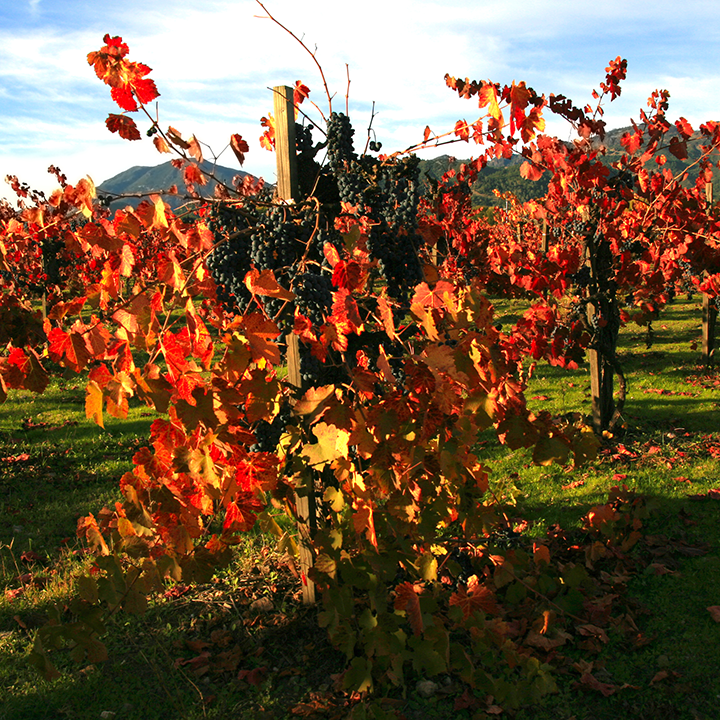
    • Glassware Counts – Use larger glasses for bold reds to allow them to breathe, and smaller glasses for high-acid whites to focus aromas.
    • Decanting is Key – Many winter reds benefit from decanting to soften tannins and enhance aromas.
    • Pair with Cozy Moments – Enjoy a glass by the fire, with a book, or paired with hearty, slow-cooked meals.
    Photo by Pavel Danilyuk on Pexels.com

    Surviving the Cold in Style

    To those who embrace the chill with a full glass, warm food, and good company, we raise our glasses to you. Winter may be long, but with the right wine, it’s a season of rich flavors, cozy nights, and joyful toasts.

    Greg and Tammy Dean, SOMM&SOMM

    Cheers to winter wines and the warmth they bring! 🍷

    Cover Photo Credit: Photo by Mirek Kielar on Pexels.com

  • Wines for Late Autumn and Early Winter

    Wines for Late Autumn and Early Winter

    Sipping Through the Seasons–The Holidays and Beyond.

    As the vibrant hues of autumn leaves fade into the frost-kissed landscapes of early winter, it’s time to embrace wines that embody the coziness of the season. From family gatherings to fireside chats, this time of year calls for rich, warming wines that bring people together. Here’s a lighthearted guide to selecting wines perfectly suited to late autumn and early winter vibes.

    Photo by Taryn Elliott on Pexels.com

    The Cozy Corner: Reds That Warm the Soul

    The cooler months are synonymous with robust red wines that feel like a warm hug. These wines pair effortlessly with hearty dishes, wool blankets, and crackling fires.

    Cabernet Sauvignon

    • Perfect for: Slow-cooked roasts, braised short ribs, or a rich lasagna.
    • With its bold tannins and dark fruit notes, Cabernet Sauvignon feels right at home during chilly nights. Try one from Napa Valley for a classic experience or experiment with South American options for an earthy twist.

    Syrah/Shiraz

    • Perfect for: Grilled lamb, smoked brisket, or venison stew.
    • Bursting with black pepper, plum, and smoky undertones, Syrah matches the rugged charm of late autumn.

    Zinfandel

    • Perfect for: BBQ meats, spicy chili, or glazed ham.
    • Its jammy fruit flavors and spicy kick make Zinfandel a crowd-pleaser for festive gatherings.
    No machine-readable author provided. Hoffkar assumed (based on copyright claims)., CC BY-SA 3.0, via Wikimedia Commons

    Florida’s Early Winter: Tropical Hints with Holiday Cheer

    For those basking in the mild 70°F “winters” of Florida (or similar climates), lighter wines with tropical vibes but seasonal depth strike the right balance.

    Viognier

    • Perfect for: Shrimp scampi, citrus-glazed chicken, or mango salsa.
    • This aromatic white wine bridges the gap between summery zest and cozy richness, perfect for coastal holiday parties.

    Chenin Blanc

    • Perfect for: A poolside turkey sandwich or a festive charcuterie board.
    • Opt for a South African Chenin Blanc for a slightly off-dry profile that suits Florida’s seasonal flair.

    Light Pinot Noir

    • Perfect for: Cedar-plank salmon or grilled turkey legs.
    • Bright red fruit with a touch of spice makes Pinot Noir versatile enough for Florida’s unique winter vibe.

    Fireside Chats & Relaxed Evenings: The Best Sippers

    Nothing beats a glass of something special when unwinding by the fire. Here are top picks for contemplative sipping:

    Port – Rich, sweet, and warming, a ruby or tawny Port is the ultimate fireside companion. Pair it with blue cheese or toasted nuts for a cozy treat.

    Madeira – With its caramelized nuttiness, Madeira feels luxurious. Opt for a medium-sweet Bual style, paired with roasted chestnuts or gingerbread cookies.

    Amarone della Valpolicella – This velvety Italian red has dried fruit flavors and a hint of cocoa, making it an indulgent pairing for dark chocolate or aged Parmesan.

    Family Gatherings: Classic Pairings for Festive Feasts

    Holiday tables brimming with traditional dishes demand wines that enhance the flavors without overpowering them.

    Turkey and Trimmings

    • Go for a Chardonnay (try a buttery Sonoma option) or Riesling (a semi-dry German Riesling for balance).
    • For reds, a Beaujolais Cru or Pinot Noir adds enough complexity without stealing the spotlight.

    Ham or Pork Roast

    • A fruity Grenache or a full-bodied Malbec pairs beautifully with the sweet and savory nature of ham.
    • For whites, try a bold Gewürztraminer, especially if there’s a honey glaze involved.

    Vegetarian Delights

    • Mushroom dishes and roasted root vegetables pair exquisitely with Barbera or Tempranillo.
    • For whites, a nutty Roussanne or White Burgundy elevates earthy flavors.
    Photo by Photo By: Kaboompics.com on Pexels.com

    Seasonal Activities & Their Perfect Pairings

    Every seasonal pastime has a wine that fits like a glove. Here’s a list to inspire your next bottle:

    • Tree Trimming: Prosecco or Cava. Light, fizzy, and celebratory, these sparkling wines keep spirits bright.
    • Pumpkin Pie Baking: Moscato d’Asti. Its sweetness and citrusy zing make pie-prepping festive.
    • Holiday Movie Marathons: Mulled wine or a spiced Glühwein. Curl up with a steaming mug of wine infused with cinnamon, cloves, and orange zest.

    Choose What Feels Right

    Whether you’re embracing early winter in Florida with a chilled Chenin Blanc or braving the Northeast cold with a bold Cabernet Sauvignon, the season is about warmth, comfort, and connection. Raise a glass to the season’s charm, and remember: the best wine is the one you enjoy most with the people you love. Cheers! 🥂

    Cover Photo Credit: Reinhold Möller, CC BY-SA 4.0, via Wikimedia Commons

  • Thanksgiving: A Holiday of Tradition, Tolerance, and Tannins

    Thanksgiving: A Holiday of Tradition, Tolerance, and Tannins

    Warning: The following article may cause unexpected feelings of warmth, nostalgia, and a case of “something in my eye.” Proceed with tissues at the ready, and a glass of wine close by—it pairs well with heartfelt moments and a touch of holiday magic!

    Thanksgiving has long been a holiday that pulls us into the comforting embrace of tradition, with the tantalizing aroma of roast turkey and the cozy chaos of family dynamics. But if you look back at the origins of Thanksgiving, you’ll notice a curious inconsistency—the date itself isn’t set in stone. Let’s uncork the history of this holiday, savor its flavors, and reflect on how to navigate the complexities of a family gathering while ensuring the wine flows smoothly.

    The Original Thanksgiving: A Shifting Feast

    The first Thanksgiving wasn’t quite the yearly autumnal celebration we know today. The “original” Thanksgiving dates back to 1621, when the Pilgrims and the Wampanoag shared a three-day feast, celebrating the harvest and giving thanks for survival. This wasn’t an annual event but rather a one-time gathering. The notion of Thanksgiving as a regular holiday took shape much later, morphing through various proclamations and dates until 1863, when President Abraham Lincoln declared the final Thursday of November a national day of “Thanksgiving and Praise.”

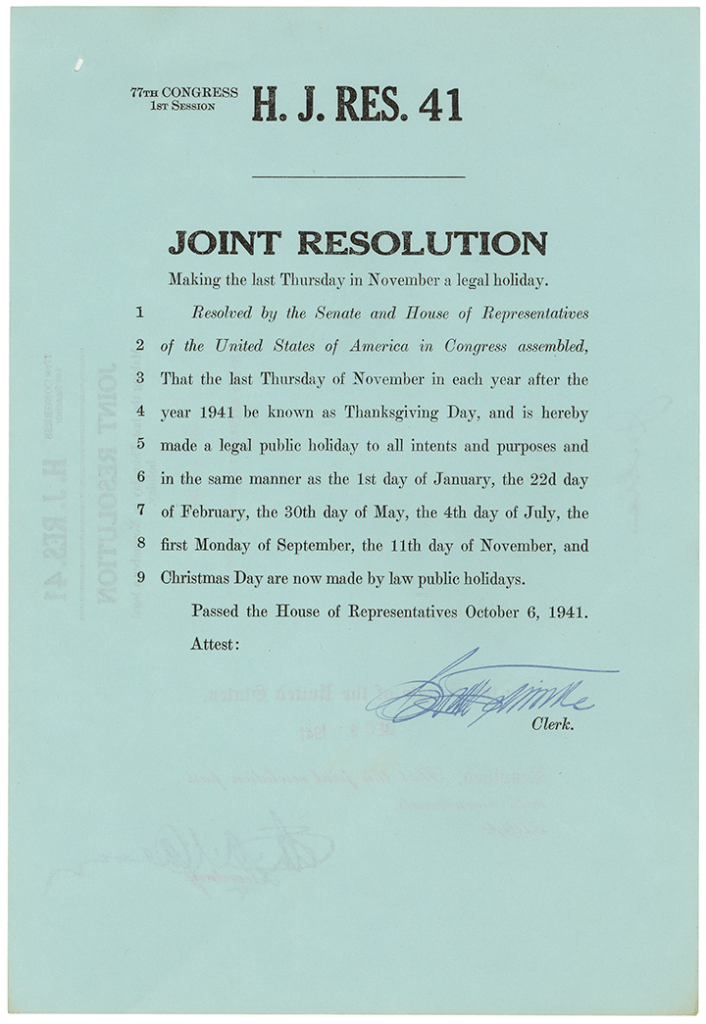
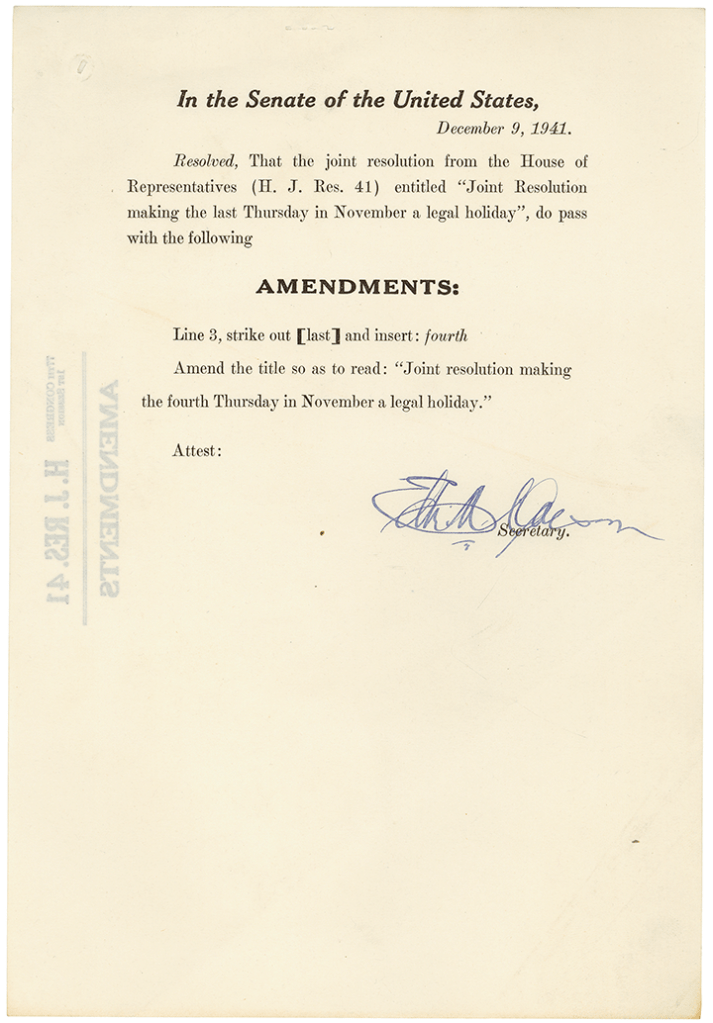
    However, it wasn’t until 1941 that the U.S. Congress officially settled on the fourth Thursday of November as the official holiday—ensuring Thanksgiving would always fall on a Thursday but allowing for the exact date to shift year by year. This decision had practical roots, allowing more time for Christmas shopping (and what better excuse for an extra bottle of wine at dinner?).

    Traditions with a Side of Turkey

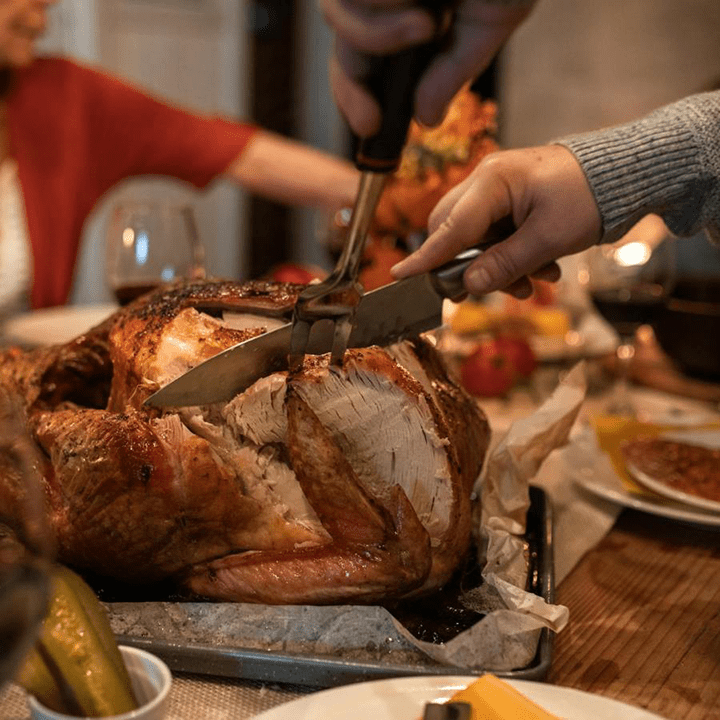
    Thanksgiving traditions revolve around food—bountiful platters of turkey, stuffing, sweet potatoes, and pies. But the true core of the holiday lies in its purpose: to gather, reflect, and give thanks. Every family has its unique customs, from passing heirloom dishes to debating the best way to prepare the cranberry sauce (whole berries or smooth jelly?). The table itself, set with the finest (or most festive) tableware, symbolizes more than just a meal; it’s about unity, continuity, and sharing the bounty of the year.

    Photo by RDNE Stock project on Pexels.com

    When it comes to the wines that elevate this annual feast, a sommelier’s advice is to let the meal be your guide. Start with a sparkling wine, like a refreshing Prosecco or a fuller-bodied Franciacorta, to cleanse the palate and set a festive tone. For the turkey, nothing beats a Pinot Noir—its light body and cherry notes complement both white and dark meat without overpowering the sides. If you’re craving a white, Viognier or Chardonnay are fantastic companions, with the former offering floral notes that enhance herb stuffing and the latter providing a buttery richness that pairs wonderfully with mashed potatoes and gravy.

    SOMM&SOMM Related Article: Old World Regions: Burgundy

    As the dessert course arrives—laden with pumpkin pie, pecan pie, or apple crisp—consider a luscious Late Harvest Riesling or a Tawny Port to bring out the sweetness and toast the end of the meal.

    Family, Feasts, and Finding Harmony

    The food and wine are easy enough to handle—it’s the family dynamics that tend to complicate things. We’ve all heard the jokes about Thanksgiving dinners devolving into debates over politics, decades-old grievances resurfacing, or the inevitable tension that follows someone’s ill-timed comment. While these moments have become a lighthearted cliché, the reality is often far less amusing. For some families, these conflicts run so deep that they create divides too wide to bridge, leaving loved ones dining in separate corners instead of coming together around the same table.

    There’s a delicate balance between grieving and celebrating, honoring traditions and embracing change, connecting with family and respecting the distance we sometimes need.

    GREGORY DEAN, SOMM&SOMM

    The irony is that Thanksgiving, a day meant to celebrate gratitude and togetherness, often becomes a reflection of what’s missing. Petty disputes and stubborn pride can overshadow shared memories and accomplishments, turning what could be a time of joy into a painful reminder of fractured relationships. But what if we shifted the focus? What if, instead of rehashing old arguments, we used this day to honor those we’ve lost and to strengthen the bonds with those still here? There’s a delicate balance between grieving and celebrating, honoring traditions and embracing change, connecting with family and respecting the distance we sometimes need.

    Photo by RDNE Stock project on Pexels.com

    Here’s where tolerance, empathy, and perhaps a well-timed glass of wine come into play. Over the years, I’ve found that the right pairing of patience and perspective—much like the perfect wine with a meal—can be a bridge to reconciliation. After all, isn’t the heart of Thanksgiving about putting aside differences, pulling up a chair, and reflecting on the things that truly matter?

    Start with Gratitude, Literally
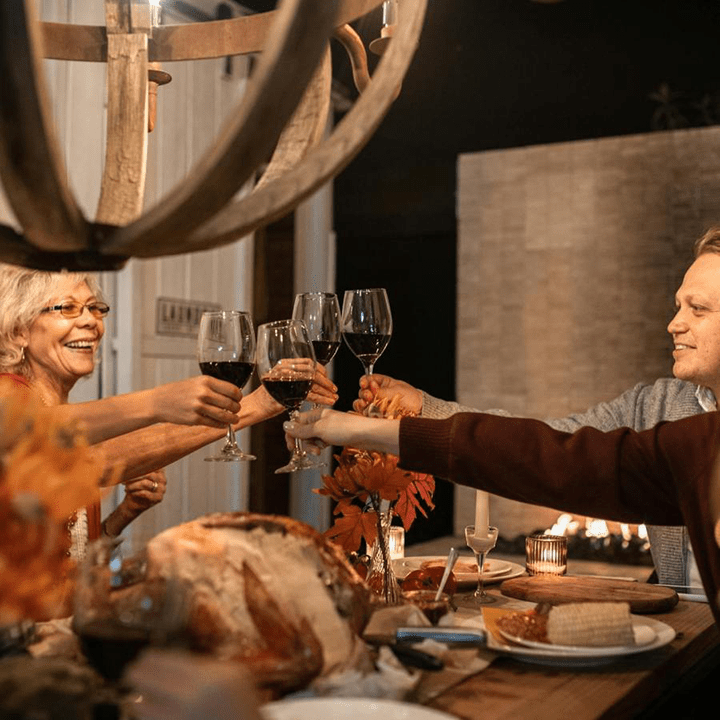
    Begin the meal with a toast to something positive. It doesn’t need to be a grand gesture, but a simple “cheers” to good food, shared moments, or a fond memory can set a warm tone. Choose a gentle, crowd-pleasing wine like a Sauvignon Blanc—light, crisp, and unlikely to provoke strong reactions.

    Pace Yourself and the Pourings
    Wine is meant to be enjoyed, not used as a shield or sword in family disputes. Encourage moderate consumption by serving in smaller glasses and offering water breaks between courses. A light-bodied red like Beaujolais Nouveau, which is released just in time for Thanksgiving, is a friendly choice that keeps things bright without going overboard.

    Be the Buffer, Not the Barrel
    If you see a conversation heading toward dangerous territory, redirect with something lighthearted or anecdotal—ideally something wine-related. “Did you know that wine pairing was practically invented to solve disputes? Imagine the 19th-century French debating terroir over a bottle!” A little humor goes a long way, especially if paired with a versatile crowd-pleaser like Zinfandel or Merlot.

    Acknowledge Losses Gently
    Thanksgiving is a time when empty chairs at the table are more intensely felt. If the subject arises, don’t shy away—acknowledge the grief. Raising a glass to absent friends and family with a rich and contemplative wine like a Cabernet Sauvignon can turn a potentially somber moment into a collective act of remembrance, binding everyone together in a quiet, shared reflection.

    Here’s to the chairs that are filled, and to those that are empty. To the laughter we’ve shared and the tears we’ve shed. For the moments we hold close and the loved ones who couldn’t be here tonight, but remain forever in our hearts. May we cherish each other a little more, forgive a little quicker, and never take for granted the time we have. Let’s raise a glass to the beauty of this moment—imperfect, fleeting, and exactly enough. To family, to friends, to memories, and to love that endures. Cheers!

    Gregory Dean, SOMM&SOMM

    Let the Wine Lead to Conversations, Not Arguments
    Use wine as a talking point. Discuss the meal’s pairing choices, reminisce about past holiday gatherings, or share a funny story involving a cork mishap (e.g. the time Tammy hit a pedestrian with a Champagne cork). Engaging your guests in a shared experience of tasting encourages connection, whether they’re aficionados or casual drinkers. A dessert wine like a Port or Sauternes is a delightful way to close the evening, accompanied by nostalgic stories rather than heated debates.

    Pouring Gratitude and Grace

    Thanksgiving is more than just a day—it’s a dance of old traditions and new experiences, food and family, joy and loss. It’s a reminder that even the most challenging gatherings can be softened by the simple act of sharing a meal and raising a glass. The wine you choose can enhance the flavors of the day, but more importantly, it can offer moments of pause, connection, and understanding.

    This year, as you plan your feast, remember that the date may shift, the menu may change, and the faces around the table may not be the same as years past. But the spirit of Thanksgiving—much like a well-aged bottle—is enduring, resilient, and best enjoyed with a little patience, a lot of love, and the perfect glass of wine. Cheers 🍷

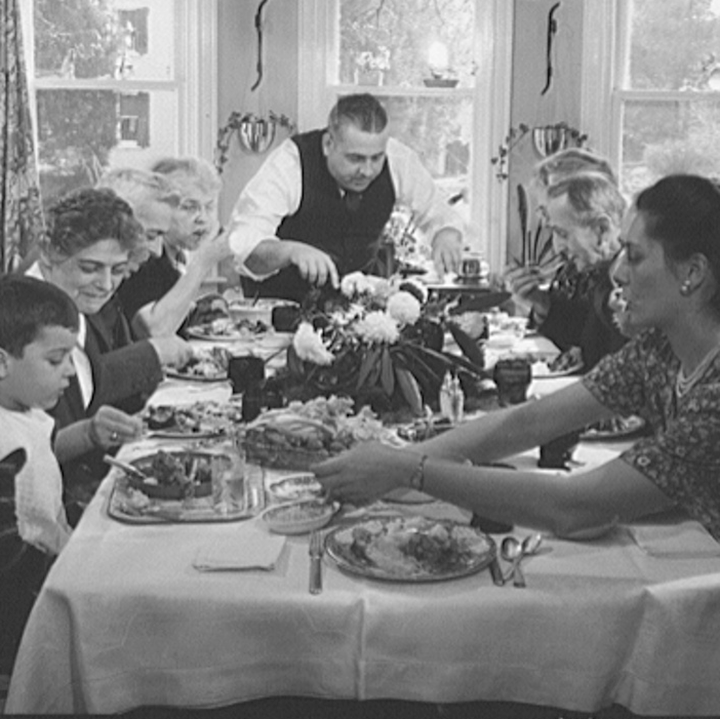
    Cover Photo Credit: Marjory Collins, Public domain, via Wikimedia Commons

  • Winemaking in Autumn: Harvest, Vine Preparation, and the Hidden Tasks of the Season

    Winemaking in Autumn: Harvest, Vine Preparation, and the Hidden Tasks of the Season

    Third article in the series–The Seasons of Winemaking.

    As the leaves begin to turn, the excitement in the vineyard is palpable. Autumn is the season most commonly associated with winemaking, often evoking images of grapes being hand-harvested and clusters piled high in baskets. While harvest may indeed be the centerpiece of the season, there are numerous other tasks that play equally critical roles in ensuring the quality of the wine and the sustainability of the vineyard. This article delves into not only the harvest but also the less glamorous yet essential activities that take place in the vineyard and winery during the fall.

    Vineyard in October, Lower Austria – © Karl Gruber / Wikimedia Commons
    A Delicate Balance of Science and Instinct

    Harvesting grapes is the most anticipated event of the winemaking calendar. It’s a race against time, as winemakers must decide the exact moment to pick the grapes based on their sugar, acid, and tannin levels. This decision is a combination of careful science—using refractometers to measure sugar (Brix) and pH meters to gauge acidity—and deep experience, where tasting the grapes is just as important as the metrics.

    For most winemakers, harvest is staggered. White wine grapes like Chardonnay and Sauvignon Blanc often ripen earlier than red varieties such as Cabernet Sauvignon or Syrah. Each grape variety, and indeed each vineyard block, requires unique attention, as factors like slope, soil composition, and sun exposure lead to different ripening times. As a result, harvest can stretch over several weeks, with winemakers and vineyard managers working around the clock to ensure that each grape is picked at its peak.

    However, beyond simply picking grapes, winemakers must also deal with logistical hurdles, such as organizing teams of workers, securing harvest machinery, and ensuring that the winery is ready to receive the influx of fruit.

    Sorting Merlot Grapes at Chateau Kirwan – Ryan O’Connell, CC BY-SA 2.0 via Wikimedia Commons
    Precision Matters

    Once grapes are harvested, they head straight to the sorting table. Sorting is a less romantic but absolutely critical process. Here, vineyard workers meticulously sift through the clusters to remove underripe, overripe, or damaged fruit, along with leaves, stems, or any other debris. This ensures that only the healthiest grapes make it to the fermentation tanks. A little-known fact is that, for some premium wines, winemakers may even opt for a second sorting, this time focusing on individual berries to further refine the quality of the final product.

    A Controlled Chaos

    Depending on the type of wine being made, pressing happens at different stages. For white wines, the grapes are usually pressed immediately after sorting, separating the juice from the skins and seeds before fermentation. In contrast, red wines undergo fermentation with their skins to extract color, tannin, and flavor, after which they are pressed.

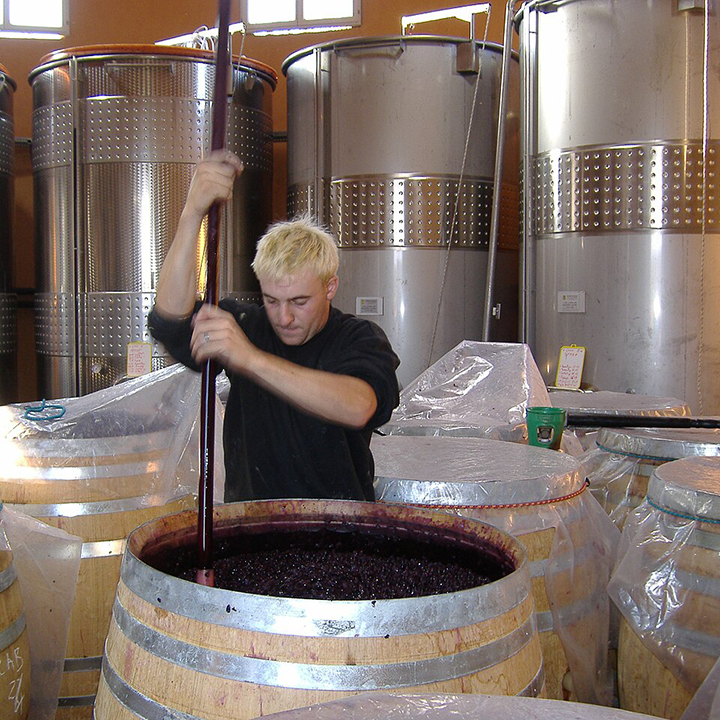
    Punching Down the Wine Cap – Ryan O’Connell, CC BY-SA 2.0 via Wikimedia Commons

    Fermentation, though a naturally occurring process, is far from hands-off. Winemakers must closely monitor temperature, sugar levels, and fermentation activity. In many cases, they may also punch down the cap (the layer of grape skins that rises to the top during red wine fermentation) or pump over the juice to ensure maximum extraction of color and flavor. All the while, cleanliness is paramount, as any contamination can lead to unwanted bacterial or yeast activity, jeopardizing the entire batch.

    Post-Harvest Tasks

    While the grapes may have been picked, the vineyard itself still requires attention. After harvest, winemakers and vineyard managers focus on preparing the vines for winter dormancy.

    1. Cover Crops: Many vineyards plant cover crops—such as legumes or grasses—between the rows of vines. These crops serve multiple purposes: they help prevent soil erosion during the rainy season, add nutrients to the soil, and encourage beneficial insects that control pests.
    2. Post-Harvest Irrigation: Although the vines are entering dormancy, they still need a final round of irrigation after the harvest. This helps the plants store the necessary carbohydrates for the following growing season.
    3. Disease Control: As the temperatures drop, there’s an increased risk of fungal diseases like botrytis. Spraying for these diseases before the onset of heavy rains helps to maintain the health of the vineyard.
    4. Soil Analysis and Amendments: Autumn is also the time for soil sampling. Winemakers test for pH levels, nutrient content, and overall health, and then amend the soil as needed, incorporating compost or other organic materials to restore balance before winter.
    Preparing for Aging

    Once fermentation is complete, the wine is transferred to barrels or tanks for aging. This is where a winemaker’s vision really begins to take shape. The choice of oak, stainless steel, or even concrete vessels is deliberate, as each medium imparts different characteristics to the wine. Some winemakers also add fining agents to clarify the wine at this stage or conduct blending trials to experiment with how different lots can be combined to create the final product.

    Oak Barrels at Robert Mondavi – Sanjay Acharya, CC BY-SA 3.0 via Wikimedia Commons

    For many wineries, autumn also marks the beginning of bottling for wines that are not meant for extended aging. White wines or rosés from the previous harvest, which may have been aging in tanks over the summer, are typically bottled during this time.

    Preparing for Winter

    After the frenzy of harvest, the winery itself needs attention. Deep cleaning is essential to prevent any residual grape matter from spoiling the next vintage. All equipment—fermentation tanks, presses, sorting tables, pumps, hoses—undergo thorough sanitization. Additionally, barrels that are not in use must be properly cleaned and stored to prevent mold or other issues during the colder months.

    Pruning and Training

    Autumn is also a time for reflection and planning. While pruning primarily happens in the winter, autumn gives vineyard managers an opportunity to assess the overall structure and health of the vines. Observing how the vines performed during the growing season allows them to make informed decisions about which canes to prune and how to shape the vine’s growth for the following year.

    Additionally, autumn is a good time to inspect and repair the vineyard’s trellising systems. Any broken posts or wires need to be fixed before the winter storms set in, as these structural components are crucial for supporting the vines through the next growing season.

    Related Article: Winemaking in Spring: From Bud Break to Flowering

    Related Article: Winemaking in Summer: How to Manage the Vines and Grapes

    Ready for Harvest – © Karl Gruber / Wikimedia Commons
    More Than Just the Harvest

    Autumn is a season of transition in the vineyard and winery. While the harvest is undoubtedly the focal point, winemakers and vineyard managers must juggle a myriad of tasks to ensure that the vines are properly prepared for dormancy and that the wine begins its journey from fermentation to bottle. From the invisible maintenance of soil and vine health to the meticulous work inside the winery, autumn lays the groundwork for the success of the next vintage, proving that there’s far more to this season than simply picking grapes. Cheers 🍷

    Cover photo credit: Brocken Inaglory, CC BY-SA 3.0 via Wikimedia Commons

  • Winemaking in Summer: How to Manage the Vines and the Grapes

    Winemaking in Summer: How to Manage the Vines and the Grapes

    Second article in the series–The Seasons of Winemaking.

    Summer is a crucial season for winemaking, as it is the time when the vines grow rapidly and the grapes start to ripen. In this article, we will explore what happens in the vineyard in summer, and how viticulturists and winemakers can ensure the best quality of the grapes and the wine.

    Flowering Stage – Jordan Vineyard and Winery

    The Vine Growth Cycle in Summer

    The vine growth cycle in summer can be divided into three main stages: flowering, fruit set, and veraison.

    – Flowering: This is when the tiny buds on the vine burst into clusters of flowers, usually in late spring or early summer. The flowers are self-pollinating, meaning they do not need insects or wind to fertilize them. However, the weather can have a significant impact on the flowering process. If it is too cold, rainy, or windy, the flowers may not pollinate properly, resulting in fewer or smaller berries. This is called coulure or shatter. On the other hand, if it is too hot or dry, the flowers may dry out and fall off, resulting in no berries at all. This is called millerandage or shot berries. Ideally, the weather should be warm, sunny, and calm during the flowering period, which lasts for about 10 days.

    – Fruit set: This is when the fertilized flowers develop into tiny green berries, usually in early or mid-summer. The berries are hard, sour, and high in acidity and tannins. They are also vulnerable to diseases and pests, such as powdery mildew, botrytis, birds, and insects. Viticulturists need to monitor the health of the vines and the grapes, and apply treatments or protections as needed. They may also thin out some of the clusters or leaves to improve the air circulation and sunlight exposure of the grapes, and to balance the yield and the quality of the wine. This is called green harvesting or crop thinning.

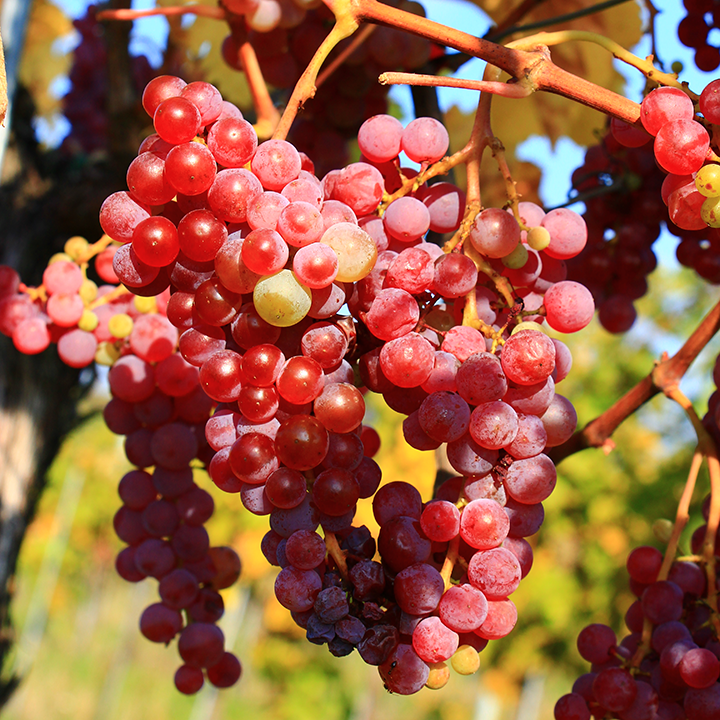
    Veraison Stage – Silver Oak Winery

    – Veraison: This is when the grapes change color and start to ripen, usually in late summer or early fall. The color change depends on the grape variety, from green to yellow for white grapes, and from green to red or purple for black grapes. The ripening process involves a series of chemical changes in the grapes, such as the accumulation of sugars, the reduction of acidity, the development of aromas and flavors, and the softening of the skins and seeds. The ripening rate and duration vary depending on the grape variety, the climate, and the terroir. Viticulturists need to measure the sugar level, the acidity level, and the phenolic maturity of the grapes, and decide when to harvest them. This is called picking decision or harvest date.

    Previous article: Winemaking in Spring: From Bud Break to Flowering

    The Winemaking Practices in Summer

    The winemaking practices in summer are mainly focused on managing the vineyard and preparing for the harvest. Here are some of the common practices that viticulturists and winemakers may perform in summer:

    – Canopy management: This is the manipulation of the vine leaves, shoots, and branches to optimize the microclimate of the grapes. Canopy management can affect the photosynthesis, the respiration, the transpiration, and the shading of the grapes, which in turn can affect their ripening, their quality, and their susceptibility to diseases and pests. Some of the canopy management techniques include pruning, trellising, hedging, leaf removal, shoot positioning, and cluster thinning.

    – Irrigation: This is the application of water to the vines to supplement the natural rainfall and soil moisture. Irrigation can influence the vine growth, the grape yield, and the grape quality. Irrigation can be done by different methods, such as drip irrigation, sprinkler irrigation, or flood irrigation. Irrigation can be scheduled by different criteria, such as soil moisture, vine water status, or climate data. Irrigation can be beneficial or detrimental to the vines and the grapes, depending on the timing, the frequency, and the amount of water applied.

    – Fertilization: This is the addition of nutrients to the soil or the vines to enhance their growth and productivity. Fertilization can affect the vine vigor, the grape yield, and the grape quality. Fertilization can be done by different sources, such as organic fertilizers, synthetic fertilizers, or compost. Fertilization can be applied by different methods, such as soil application, foliar application, or fertigation. Fertilization can be beneficial or detrimental to the vines and the grapes, depending on the type, the rate, and the timing of the nutrients applied.

    – Pest and disease control: This is the prevention and treatment of the biotic and abiotic factors that can harm the vines and the grapes. Pest and disease control can affect the vine health, the grape yield, and the grape quality. Pest and disease control can be done by different strategies, such as cultural practices, biological control, chemical control, or integrated pest management. Pest and disease control can be beneficial or detrimental to the vines and the grapes, depending on the target, the efficacy, and the side effects of the control measures.

    – Harvest preparation: This is the planning and organization of the activities and resources needed for the harvest. Harvest preparation can affect the efficiency, the cost, and the quality of the harvest. Harvest preparation can involve different aspects, such as picking decision, harvesting method, harvesting equipment, harvesting team, harvesting logistics, and harvesting hygiene.

    Summer is a busy and important season for winemaking, as it is the time when the vines and the grapes undergo significant changes and challenges. Viticulturists and winemakers need to monitor and manage the vineyard carefully and skillfully, and to prepare for the harvest efficiently and effectively, to ensure the best results for the wine. In the next article, we will explore what happens in the winery in fall, and how viticulturists and winemakers can transform the grapes into wine. Cheers 🍷

  • Sip Into Summer

    Sip Into Summer

    A Guide to Refreshing Wines for Late Spring and Early Summer

    As the days grow longer and the sun shines brighter, it’s time to embrace the vibrant flavors of late spring and early summer. With the season bringing forth an abundance of fresh produce and lighter fare, it’s the perfect time to explore a variety of wines that complement the delightful dishes served at events during this time of year. From picnics in the park to backyard barbecues, let’s dive into the world of wines that are perfectly suited for the warmer months ahead.

    Crisp Whites for Sunny Days

    One cannot think of summer without envisioning a chilled glass of refreshing white wine. From crisp Sauvignon Blancs to zesty Pinot Grigios, the options are endless. These wines are characterized by their bright acidity, citrus notes, and refreshing minerality, making them an ideal choice to pair with lighter fare such as salads, seafood, and grilled vegetables. Consider serving a Sauvignon Blanc alongside a fresh Caprese salad or a seafood ceviche for a delightful summer pairing.

    SOMM&SOMM Recommends: 2022 Henri Bourgeois Pouilly Fume La Porte De L’Abbaye

    SOMM&SOMM Recommends: 2021 Armani Pinot Grigio Colle Ara

    Rosé All Day

    Rosé has become synonymous with summer sipping, and for good reason. This versatile wine strikes the perfect balance between the crispness of a white wine and the fruitiness of a red, making it a crowd-pleaser at any summer gathering. Whether it’s a Provence-style Rosé with notes of strawberry and melon or a Spanish Rosado with hints of citrus and stone fruit, there’s a Rosé to suit every palate. Pair it with charcuterie boards, grilled chicken, or even fruity desserts for a refreshing and elegant accompaniment.

    Light Reds for Chilled Evenings

    While red wine might not be the first choice for warm weather, there are plenty of lighter-bodied reds that are well-suited for summer sipping. Look for wines such as Pinot Noir, Gamay, or Grenache, which offer bright fruit flavors, soft tannins, and a refreshing acidity. These wines pair beautifully with grilled salmon, roasted vegetables, or even a classic barbecue spread. Serve them slightly chilled to enhance their refreshing qualities and enjoy the taste of summer in every sip.

    SOMM&SOMM Recommends: 2021 Crossbarn Sonoma Coast Pinot Noir

    SOMM&SOMM Recommends: 2018 Mas De Mancuso Garnacha Single Vineyard

    Summer Sangria

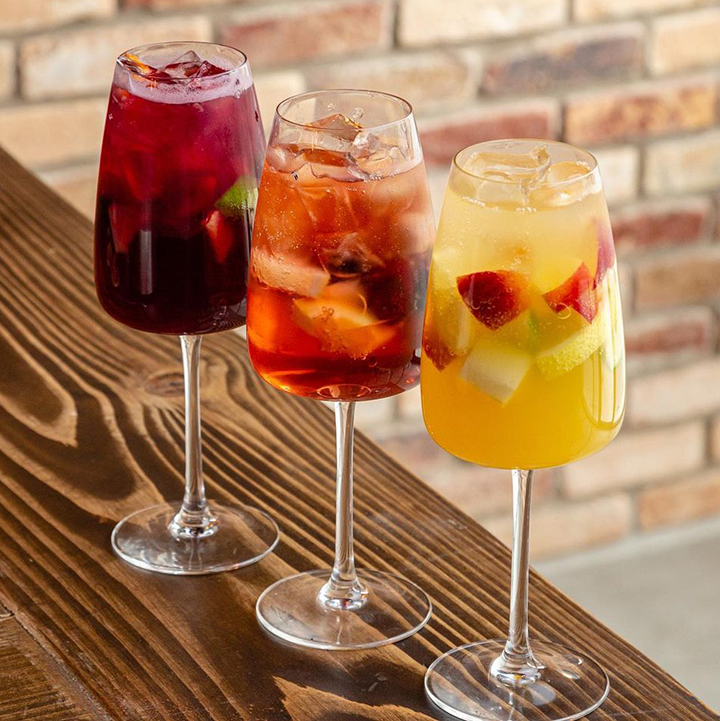
    No summer gathering is complete without a pitcher of refreshing sangria. Whether you prefer the classic red sangria or the lighter white sangria, the options for customization are endless. Start with a base of fruity wine such as Tempranillo for red sangria or Sauvignon Blanc for white sangria. Add your favorite seasonal fruits such as oranges, strawberries, and peaches, along with a splash of citrus juice and a touch of sweetness from sugar or honey. Let it chill for a few hours to allow the flavors to meld together, and serve over ice for a refreshing and festive summer drink.

    SOMM&SOMM Recommends: 2020 Asua Rioja Crianza

    Red Sangria Recipe

    – 1 bottle of Tempranillo or your favorite red wine

    – 1 orange, sliced

    – 1 lemon, sliced

    – 1 lime, sliced

    – 1/4 cup orange juice

    – 2 tablespoons sugar

    – 1/4 cup brandy

    – Club soda, for topping

    – Fresh mint leaves, for garnish

    SOMM&SOMM Recommends: 2022 Angeline Sauvignon Blanc Reserve

    White Sangria Recipe

    – 1 bottle of Sauvignon Blanc or your favorite white wine

    – 1 peach, sliced

    – 1 cup strawberries, sliced

    – 1/4 cup lemon juice

    – 2 tablespoons honey

    – 1/4 cup peach schnapps

    – Club soda, for topping

    – Fresh basil leaves, for garnish

    Grilled Shrimp with Lemon Aioli (The Spruce Eats)

    Pairing the perfect wine with the right snacks can elevate your summer gatherings to a whole new level. Consider serving light and refreshing appetizers such as bruschetta with tomatoes and basil, grilled shrimp skewers with lemon aioli, or a platter of assorted cheeses and fresh fruit. These snacks complement the flavors of summer wines and provide the perfect accompaniment for leisurely outdoor gatherings.

    As the temperatures rise and the days grow longer, it’s time to embrace the flavors of late spring and early summer with a selection of refreshing wines. From crisp whites to fruity rosés and light reds, there’s a wine to suit every palate and occasion. Whether you’re enjoying a picnic in the park or hosting a backyard barbecue, let these wines be the perfect pairing for your summer festivities. Cheers to a season filled with sunshine, good company, and delicious wines 🍷

  • Winemaking in Spring: From Bud Break to Flowering

    Winemaking in Spring: From Bud Break to Flowering

    First article in the series–The Seasons of Winemaking.

    Spring is a crucial season for winemaking, as it marks the beginning of the annual growth cycle of the grapevines. During this time, the vines awaken from their winter dormancy and start to produce new shoots, leaves, and flowers. The viticulturists and winemakers have to monitor and manage the vineyard carefully to ensure the health and quality of the grapes that will be harvested in the fall.

    Bud break at Jordan Winery, Alexander Valley

    Bud Break

    Bud break is the first visible sign of growth in the vineyard, usually occurring in March or April in the Northern Hemisphere, and September or October in the Southern Hemisphere. It happens when the buds on the dormant canes swell and burst, revealing tiny green shoots that will eventually become branches. Bud break is influenced by several factors, such as the grape variety, the climate, the soil, and the pruning method. Some varieties, such as Chardonnay and Pinot Noir, tend to bud earlier than others, such as Cabernet Sauvignon and Syrah. This means that they are more susceptible to frost damage, which can kill the young shoots and reduce the yield.

    To prevent frost damage, viticulturists may use various techniques, such as heaters, wind machines, sprinklers, or helicopters, to circulate warm air or water around the vines. They may also delay pruning until late winter or early spring, to avoid stimulating early bud break. Pruning is an essential task that involves cutting off excess or unwanted wood from the previous year, to shape the vine and control its vigor. Pruning also determines the number and position of the buds that will produce the grapes, and thus affects the quantity and quality of the harvest.

    Bud break is celebrated in different ways around the world, often with religious or spiritual ceremonies. For example, in Burgundy, France, the monks of the Clos de Vougeot monastery used to bless the vines and pray for a good harvest on the day of bud break. In Chile, the Fiesta de la Vendimia (Harvest Festival) begins with a mass and a blessing of the first must (grape juice) by the local priest. In Napa Valley, California, some wineries host bud break parties and tastings for their club members and guests.

    Shoot Growth

    After bud break, the shoots grow rapidly, reaching up to a meter in length by the end of spring. They develop leaves, tendrils, and lateral branches, forming the canopy of the vine. The leaves are the main source of energy for the vine, as they capture sunlight and perform photosynthesis, converting carbon dioxide and water into sugars and oxygen. The sugars are stored in the roots, trunk, and canes, and are used for growth and ripening. The tendrils are curly structures that help the vine cling to the trellis or support system, and maintain its vertical position. The lateral branches are secondary shoots that emerge from the leaf axils, and may produce additional clusters of grapes.

    The viticulturists and winemakers have to manage the canopy carefully, to balance the amount of sunlight, air, and moisture that reaches the grapes. Too much shade can reduce the sugar and flavor development, and increase the risk of fungal diseases. Too much sun can cause sunburn or dehydration, and affect the color and aroma of the grapes. To achieve the optimal canopy, they may use various techniques, such as:

    – Tying or tucking the shoots to the trellis wires, to keep them upright and organized.

    – Thinning or removing excess shoots, leaves, or lateral branches, to reduce overcrowding and improve ventilation.

    – Topping or trimming the tips of the shoots, to limit their growth and redirect the energy to the grapes.

    – Spraying or dusting the vines with organic or synthetic substances, to protect them from pests and diseases.

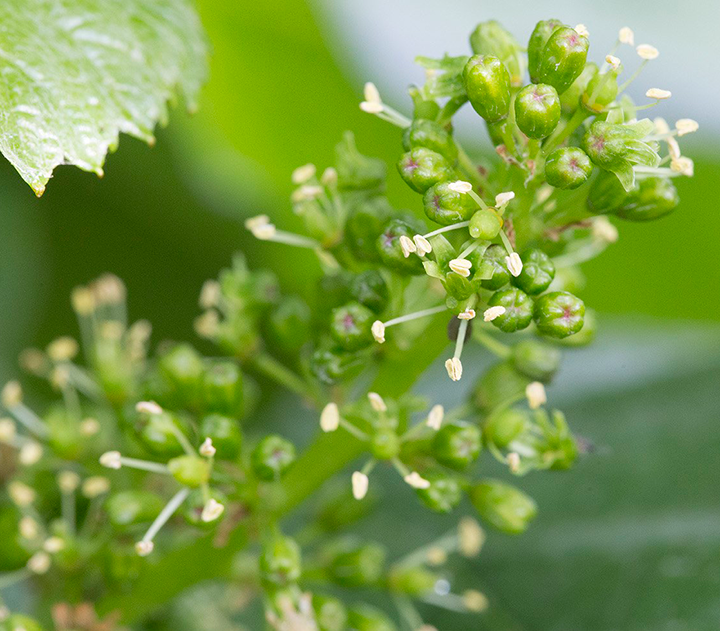
    Flowering stage of the grapevine

    Flowering

    Flowering is the next major stage in the vineyard, usually occurring in May or June in the Northern Hemisphere, and November or December in the Southern Hemisphere. It happens when the tiny green clusters of flowers on the shoots open and release pollen. The flowers are hermaphroditic, meaning that they have both male and female parts, and can self-pollinate. However, they may also rely on wind or insects to transfer pollen from one flower to another. The pollination process leads to fertilization, which results in the formation of seeds and berries. The berries are initially hard and green, and contain high levels of acidity and tannins.

    Flowering is celebrated in various ways around the world, often with music and dancing. For example, in Germany, the Blütenfest (Flower Festival) is held in several wine regions, featuring parades, concerts, and wine tastings. In Italy, the Festa dei Fiori (Flower Festival) is celebrated in many towns and villages, with floral decorations, folk performances, and local delicacies. In Argentina, the Fiesta Nacional de la Flor (National Flower Festival) is held in Escobar, a town known for its flower production and nurseries. The festival includes a flower parade, a queen contest, and a display of regional wines.

    Flowering is a critical and delicate phase, as it determines the potential crop size and quality. The number of flowers that successfully pollinate and set fruit is called the fruit set, and it can vary from 30% to 70% depending on the grape variety and the weather conditions. Warm, dry, and calm weather is ideal for flowering, as it facilitates pollination and prevents shattering or falling off of the flowers. Cold, wet, or windy weather can hinder flowering, and cause poor fruit set, uneven ripening, or coulure (the failure of the berries to develop after fertilization).

    Important fruit set stage in the growth cycle

    To ensure a good fruit set, viticulturists and winemakers may use various techniques, such as:

    – Choosing grape varieties that are suited to the climate and soil of the region, and that have consistent and reliable flowering behavior.

    – Adjusting the pruning and canopy management practices, to influence the timing and duration of flowering, and to expose the flowers to optimal sunlight and air circulation.

    – Applying plant hormones or biostimulants, to enhance the flowering and fruit set process, and to correct any deficiencies or imbalances in the vine.

    In summary, spring is a vital season for winemaking, as it marks the start of the grapevine’s growth cycle. From bud break to flowering, the viticulturists and winemakers have to monitor and manage the vineyard carefully, to ensure the health and quality of the grapes. They have to deal with various challenges, such as frost, pests, diseases, and weather fluctuations, and use various techniques, such as pruning, canopy management, and plant hormones, to influence the flowering and fruit set process.

    This article is the first in a series of four articles that dives into the seasons and stages of winemaking, from blossom to bottle and everything in between. In the next article, we will explore the summer season, when the grapes undergo veraison and ripening, and the viticulturists and winemakers prepare for the harvest. Stay tuned for more insights into the fascinating world of winemaking. 🍇🍷