Category: Wine Experiences

  • How to Enjoy White Wines After Labor Day

    How to Enjoy White Wines After Labor Day

    There’s an old saying in fashion that you shouldn’t wear white after Labor Day. Somewhere along the line, people got it into their heads that wine followed the same rule. As if a glass of Sauvignon Blanc had to be packed away with the linen pants and straw hats, waiting patiently in the cellar until Memorial Day gave it permission to come back out.

    The truth is far simpler: wine doesn’t read calendars. White wines, in particular, have far too much personality, versatility, and downright charm to be relegated to a single season. If anything, they may be at their most interesting in the cooler months, when the foods on the table get heartier, the evenings stretch longer, and we start looking for comfort in every sip.

    Sidebar: The Origins of the “No White After Labor Day” Rule

    This curious rule wasn’t really about fashion at all. In the late 1800s and early 1900s, America’s old-money elite used it as a sneaky way to separate themselves from the newly wealthy. White clothing was linked to summer vacations and leisure, and the social code dictated that once Labor Day passed, you swapped white linen for darker fabrics. It was less about “style” and more about “status.”

    Fast-forward to today, and nobody cares if you wear white jeans in November—but somehow poor Chardonnay got lumped in with linen suits, as if it too had to go into storage. The good news? Wine never signed that contract.

    Photo by cottonbro studio on Pexels.com

    Whites That Warm the Soul

    The crisp, chilled whites of summer can feel like a plunge into the pool, refreshing but fleeting. After Labor Day, our palates start to crave something more grounding. Enter the fuller-bodied whites—think oaked Chardonnay, Viognier, and white Rhône blends—that carry a little more weight, a little more texture, and just enough richness to match heartier seasonal meals.

    Sommelier’s Note: Temperature Matters

    When the weather cools, let your whites warm up too. Serve that Chardonnay at 50–55°F instead of a frosty 40°F—you’ll notice the texture broadens, the oak shows more finesse, and the wine feels downright cozy.

    Pairing Whites with Fall Flavors

    The real fun of white wines in autumn is discovering how beautifully they play with fall’s pantry: roasted squashes, sage-laced stuffing, buttery mashed potatoes, and slow-braised poultry. While red wines often steal the stage, whites bring a freshness and aromatic lift that can make rich dishes feel balanced instead of heavy.

    Think Gewürztraminer with spiced pumpkin soup, or Riesling with roast pork and apples. A Chenin Blanc’s gentle orchard fruit notes practically beg for roasted root vegetables.

    Sommelier’s Note: Why It Works

    Acidity in white wine is your secret seasoning. Just as a squeeze of lemon brightens roasted chicken, a sip of Riesling or Chenin cuts through richness and lifts the entire dish.

    Related article on wine pairing: Demystifying Wine+Food for Real-Life Moments
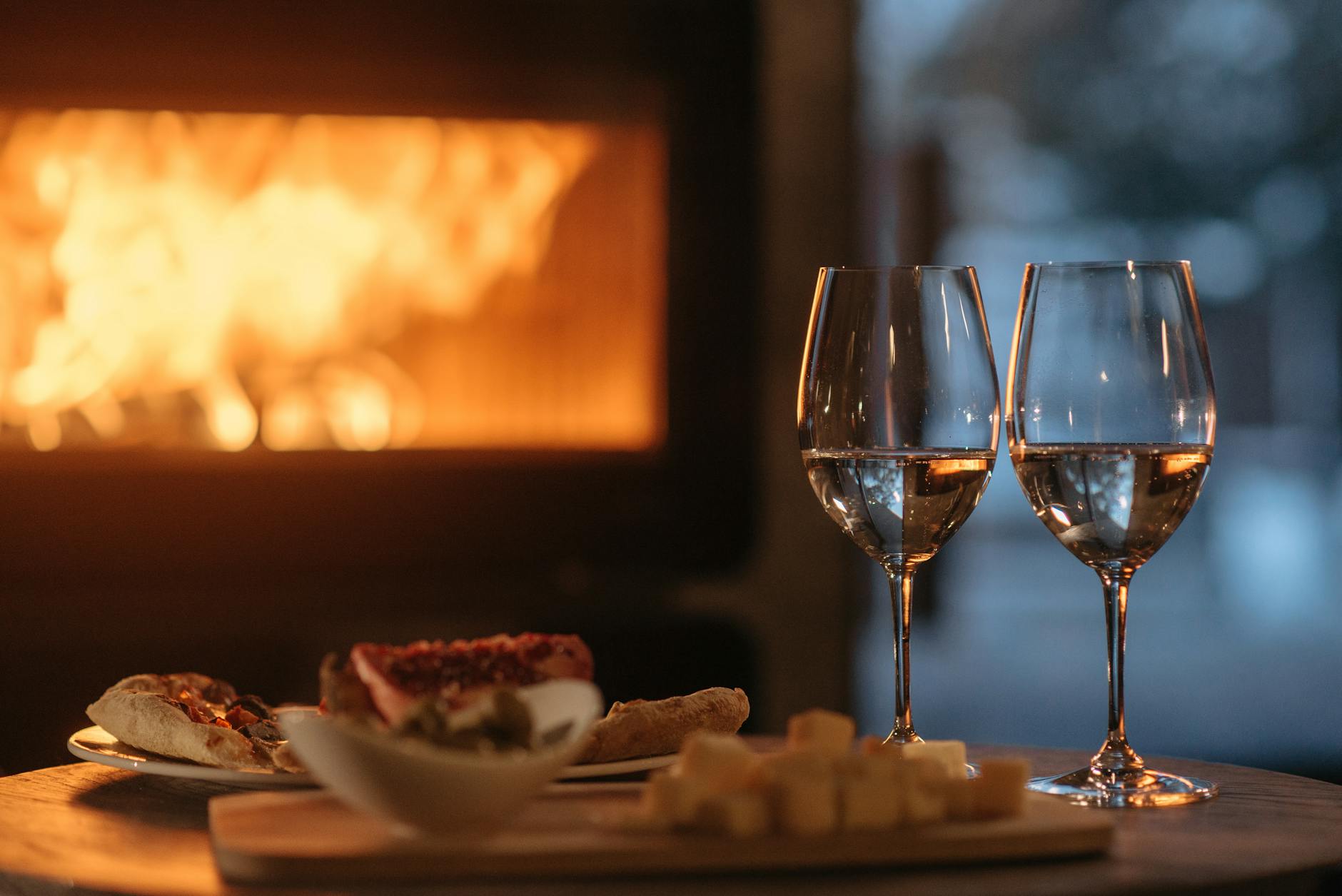
    Photo by Pavel Danilyuk on Pexels.com

    White Wines by the Fireside

    Imagine a glass of oaked California Chardonnay or an Alsatian Pinot Gris alongside a crackling fireplace. These wines carry subtle notes of vanilla, baking spice, and roasted nuts—flavors that feel at home in a wool blanket as much as at a dinner table. Unlike summer’s poolside pours, these whites encourage you to linger, sip slowly, and enjoy the warmth of their depth.

    Sommelier’s Note: Glassware Swap

    Don’t be afraid to serve richer whites in a Burgundy bowl (the same glass you’d use for Pinot Noir). The wide bowl lets the wine breathe and amplifies those toasty, autumnal aromatics.

    Holiday Whites Worth Celebrating

    From Thanksgiving to New Year’s Eve, white wines bring an elegance to the table that reds sometimes bulldoze. A white Burgundy can dance with turkey and gravy; a sparkling Chenin or Blanc de Blancs can carry a celebration from appetizers through dessert.

    The beauty of whites during the holidays is their ability to flex—they’re bright enough to cut through decadent dishes, but sophisticated enough to hold court in a room full of reds.

    Sommelier’s Note: A Thanksgiving Trick

    Skip the Cabernet with turkey—it’s too tannic and dries out the bird. Instead, reach for Gewürztraminer, Viognier, or Chenin Blanc. Their aromatics and round texture echo the herbs and savory sides, making them symphonic with the meal.
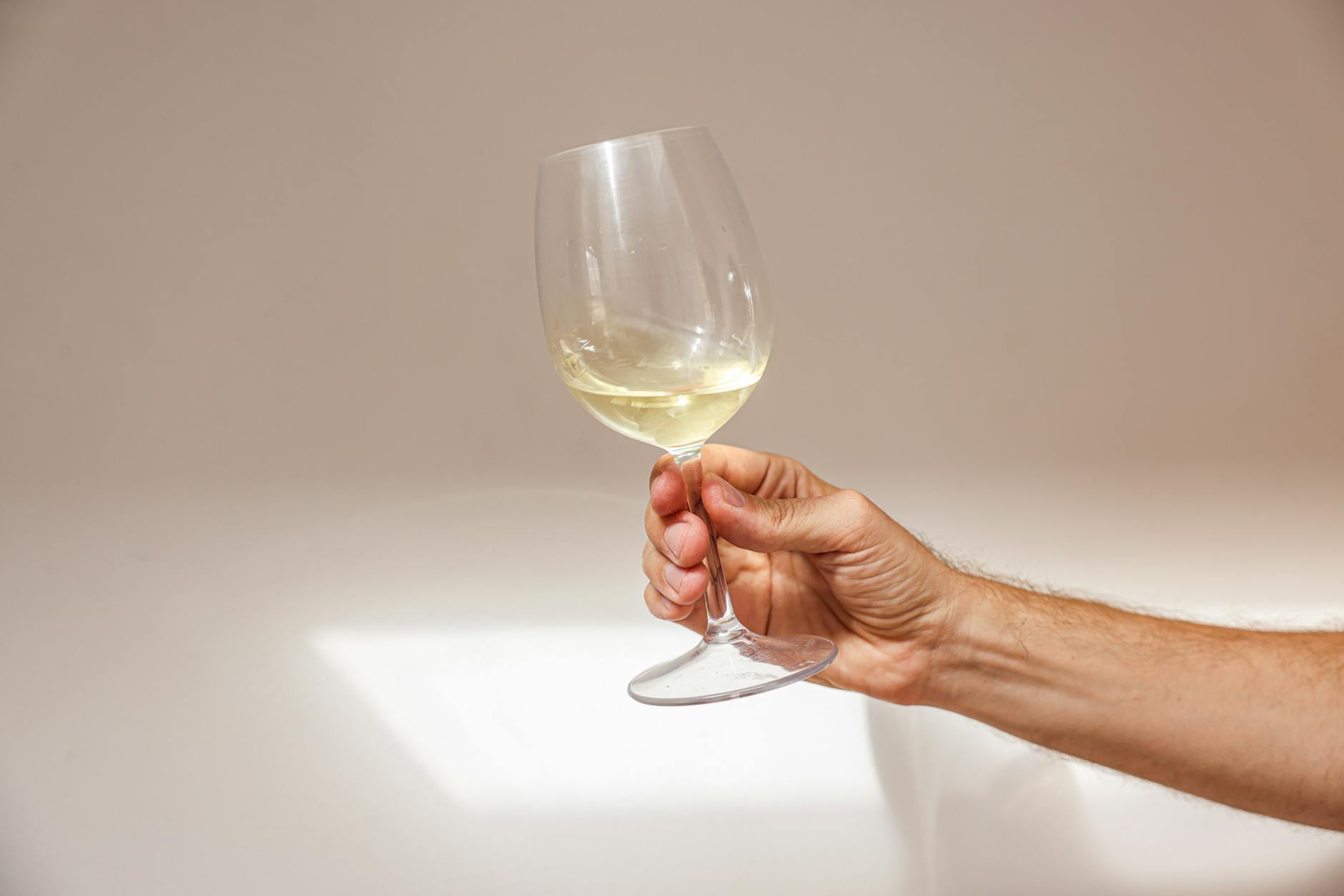
    Photo by Cup of Couple on Pexels.com

    A Toast Beyond the Calendar

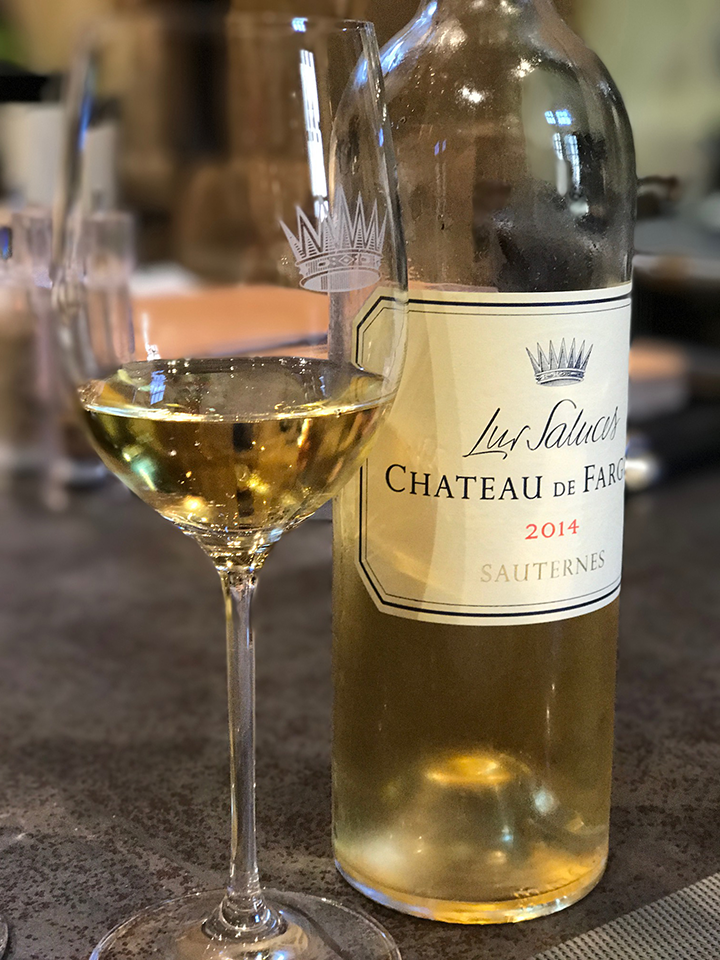
    So here’s the secret every sommelier knows: white wine doesn’t care what month it is, and neither should you. A glass of Chenin Blanc can be as cozy as a knitted sweater when paired with roasted squash. A golden, honeyed Sauternes can feel like a holiday carol in liquid form. And yes, a crisp Sauvignon Blanc can cut through the richness of Thanksgiving turkey just as neatly as it slices through a summer salad.

    If anything, cooler months invite us to lean into whites more deeply—to serve them a little warmer, pair them a little bolder, and let them shine against the hearty, savory dishes of autumn and winter. The next time someone wrinkles their nose at your glass of Riesling in October, just smile and remind them: the old “rules” were made for clothes, not for cellars.

    Raise your glass, lean into the season, and enjoy whites all year long. After all, wine is meant to be shared, savored, and celebrated—not shelved with the summer wardrobe.

    Cheers 🍷

    Sommelier’s Final Note: The best rule in wine is this: drink what you love, when you love it. Pair with heart, pour with joy, and you’ll always be in season.

    You might also like this article: Celebrating Labor Day

  • Beyond Bordeaux

    Beyond Bordeaux

    Emerging Regions and Grapes to Know.

    Bordeaux, Napa, Tuscany—we love them, we know them, we celebrate them. But what if I told you that some of the most exhilarating wines today are coming from volcanic islands, foggy valleys, or vineyards nestled between deserts and ocean? And what if I told you that grapes you’ve barely heard of are producing wines that rival—and in some cases outperform—the greats?
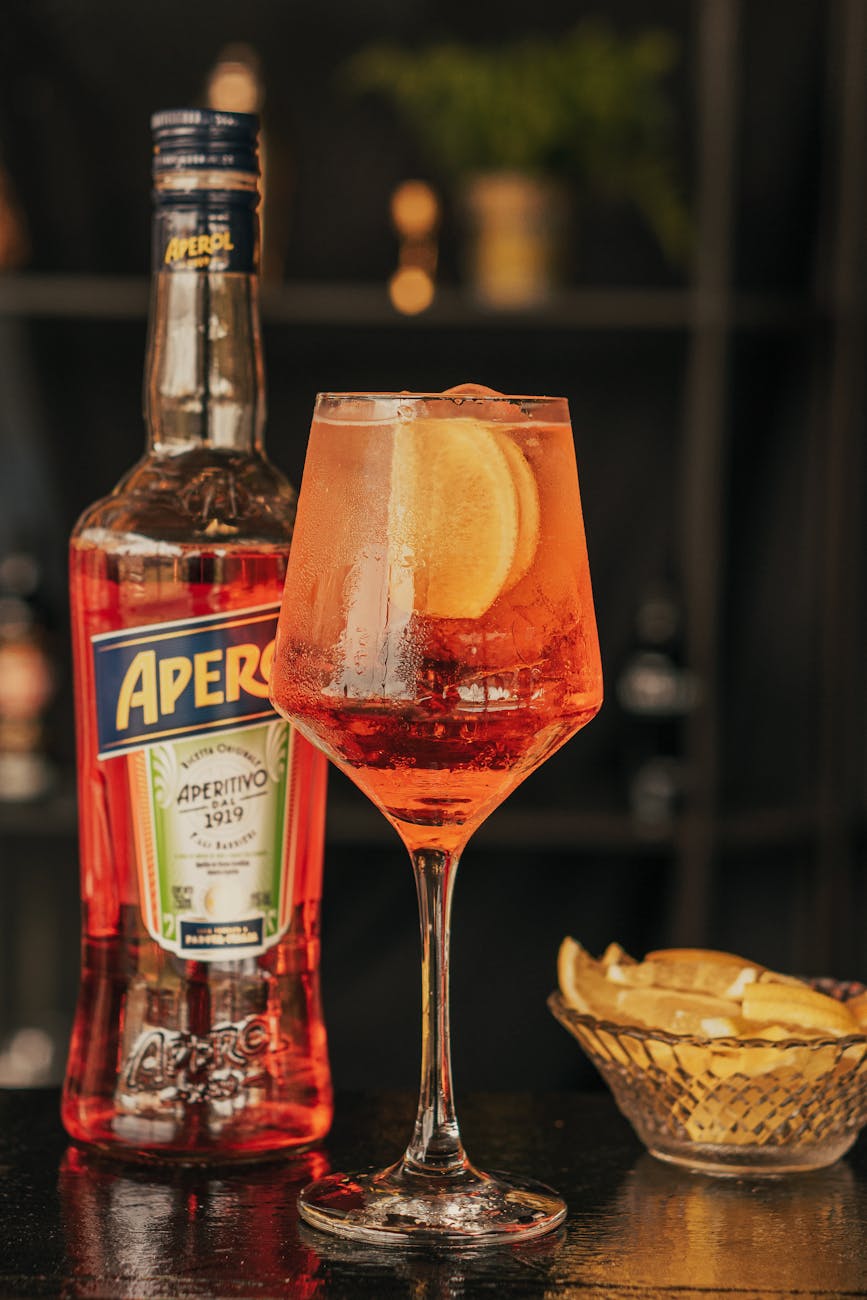
    Welcome to the vinous underworld of Assyrtiko, Chenin Blanc, and a global constellation of rising stars. This isn’t wine snobbery. This is wine discovery. This is beyond Bordeaux.

    Photo by gravity cut on Pexels.com

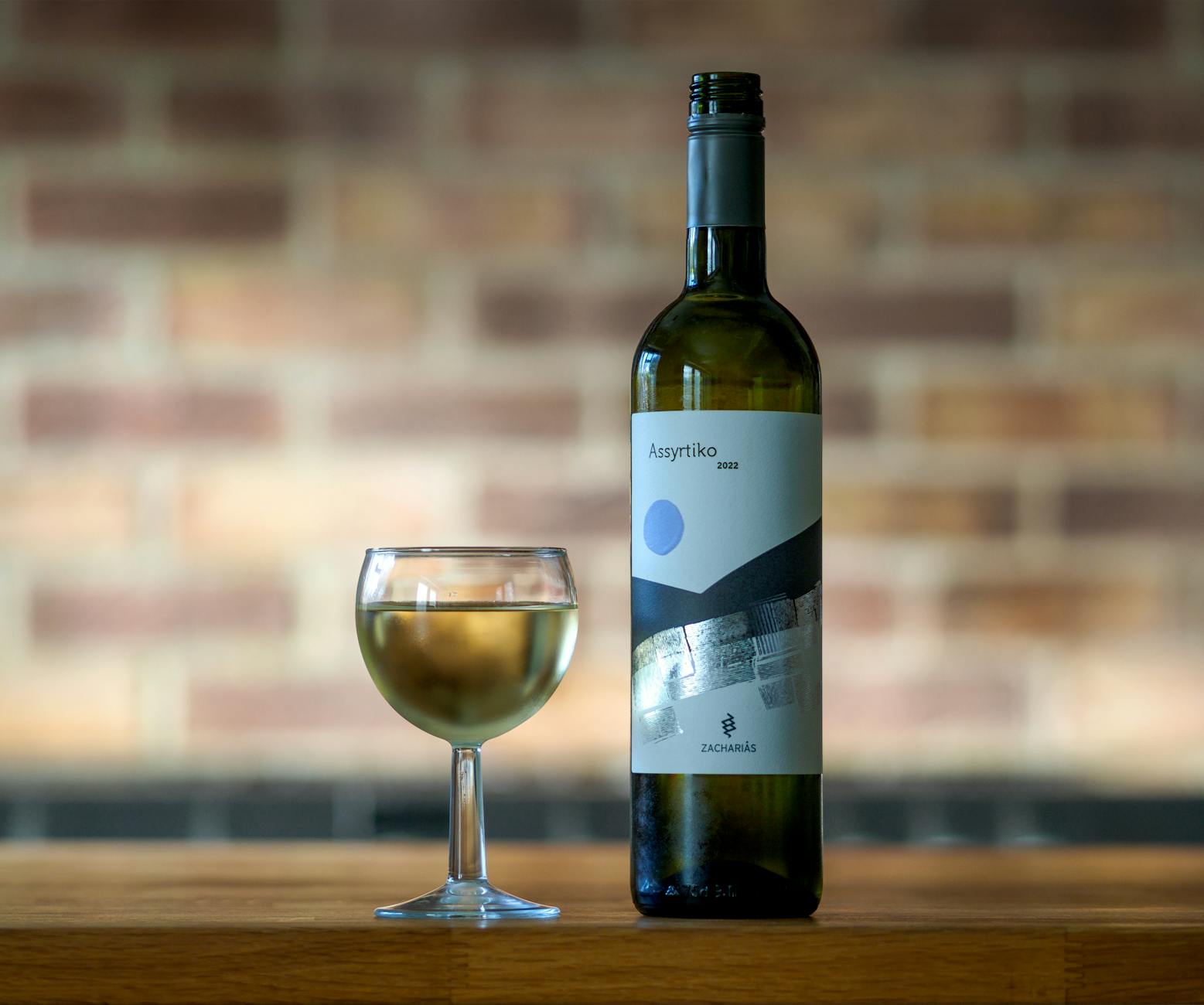
    Assyrtiko – Greece’s Salty, Sun-Kissed Secret

    Origin: Santorini, Greece
    Style: Bone-dry, citrus-driven white with volcanic minerality and thrilling acidity

    How to Pronounce Assyrtiko (Without Spitting Your Spanakopita):
    It’s Ah-SEER-tee-koh, not “A-sir-tick-oh,” “Ass-er-what-now,” or “A-sushi-taco” (yes, we’ve heard it all).

    Just remember:
    It’s crisp, not cryptic.
    Greek to you? Not anymore!

    Say it right and the bottle just might pour itself. 😄

    The Story

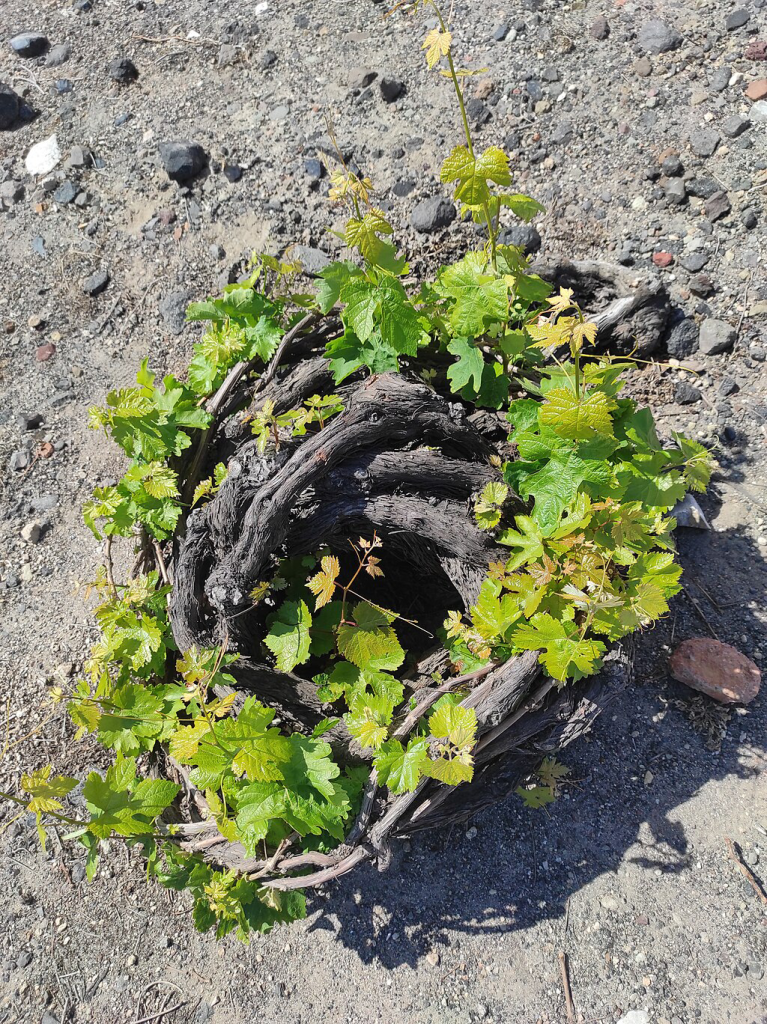
    Born on the sun-drenched, wind-scoured island of Santorini, Assyrtiko is a survivor. These ancient vines, many over 70 years old and ungrafted due to phylloxera-free volcanic soil, are trained in a unique “kouloura” (basket) shape to protect the grapes from fierce Aegean winds.

    In the Glass

    Imagine squeezing a lemon over a pile of wet rocks while standing on a Mediterranean cliffside 😂. That’s Assyrtiko. It’s bracing. Salty. Electric. A wine that doesn’t ask for your opinion—it commands your attention.

    Flavors: Lemon peel, flint, saline, white peach
    Pairings: Grilled octopus (I’m looking at you, Dima), oysters, feta-stuffed peppers, lemon chicken, or sushi with a citrus ponzu

    Where Else to Find It

    • Drama & Macedonia (Northern Greece): Rounder, fruitier expressions
    • Australia (Clare Valley, McLaren Vale): New World spice and texture
    • California (Paso Robles, Lodi): Experimental vineyards are testing the grape’s heat tolerance

    SOMM&SOMM Tip: Want to impress at your next seafood dinner? Bring an Assyrtiko. It’s the Chablis-lover’s Greek cousin.

    Agne27, CC BY-SA 3.0, via Wikimedia Commons

    Chenin Blanc – The Shape-Shifter from the Loire (and Beyond)

    Origin: Loire Valley, France
    Style: Anything from bone-dry to unctuously sweet to méthode traditionnelle sparkling

    The Story

    Once dismissed as a workhorse white in bulk wine, Chenin Blanc is having a renaissance. It’s the ultimate chameleon—able to take on almost any style and terroir. In the Loire, it’s noble and restrained. In South Africa, it’s exuberant and tropical. In California, it’s quietly staking its claim as the “next big thing.”

    In the Glass

    Chenin Blanc offers an orchestra of orchard fruit, flowers, acidity, and a waxy texture that makes sommeliers swoon. Dry or sweet, still or sparkling, there’s a Chenin for every mood.

    Flavors: Green apple, quince, lanolin, honeysuckle, citrus zest
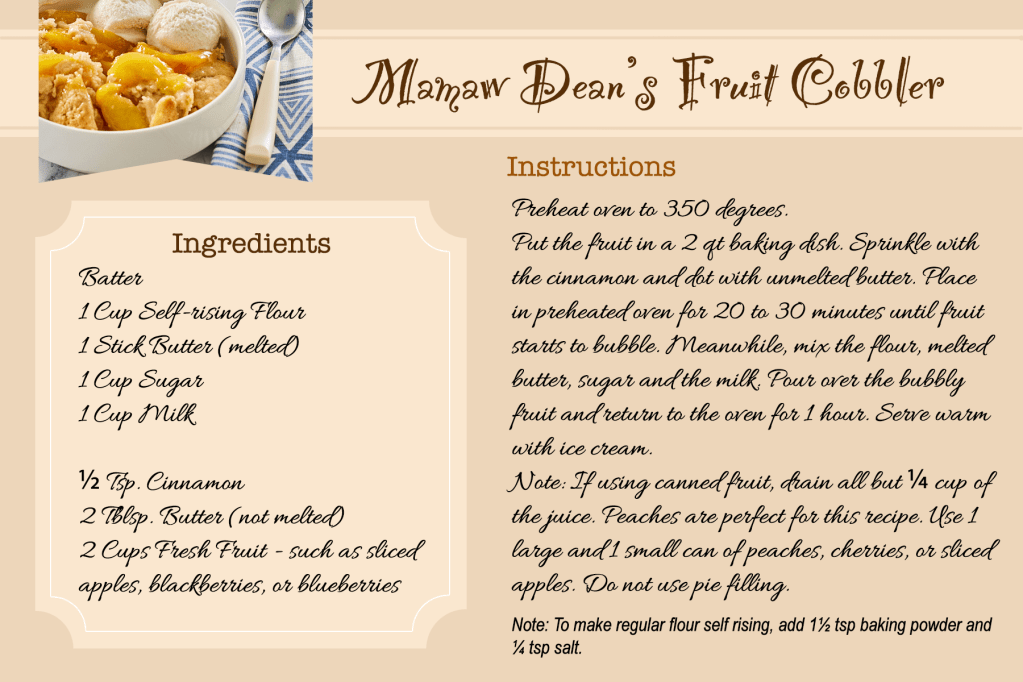
    Pairings: Thai curry, pork chops with apples, roast duck, spicy ramen, goat cheese, or peach cobbler (for off-dry versions)

    Dean Family Recipe 😉

    Where It Shines

    • Loire Valley (Vouvray, Savennières): Regal and layered
    • South Africa (Stellenbosch, Swartland): Zesty, tropical, and textural
    • California (Clarksburg, Mendocino): Bright with honeysuckle and stone fruit
    • India (Nasik Valley): Light-bodied and floral, perfect with spicy dishes

    SOMM&SOMM Tip: Always check the label for sweetness level. A dry Savennières and a demi-sec Vouvray are two very different animals—but equally delicious in their own way.

    Beyond the Grapes – Global Terroirs You Need to Know

    Let’s go even further beyond the usual suspects. Here are four emerging wine regions—and their must-try grapes—that should be on every wine lover’s radar:

    Valle de Guadalupe, Mexico

    Signature Grapes: Nebbiolo, Tempranillo, Chenin Blanc
    Style: Bold reds and zesty whites with desert-meets-ocean personality
    Why It Matters: Baja California’s Valle de Guadalupe is like Napa in the 1970s—experimental, passionate, and still defining itself. Hot days, cool nights, and ocean breezes create a perfect storm of ripeness and elegance.

    Try: Monte Xanic Chenin Colombard blend – refreshing, floral, and great with fish tacos.

    Tokaj, Hungary (but Not Just for Sweet Wines!)

    Signature Grapes: Furmint, Hárslevelű
    Style: Bone-dry, mineral whites that can age for decades
    Why It Matters: While famous for its dessert wines, Tokaj is finally getting recognition for its dry styles—Furmint especially, which offers Riesling-like acidity with the texture of white Burgundy.

    Try: Dry Furmint with roast chicken or miso-glazed cod.

    Uruguay

    Signature Grapes: Tannat, Albariño
    Style: Structured reds, salty whites
    Why It Matters: This small South American country is quietly producing elegant Tannat (yes, the beastly grape from Madiran) with softer tannins, plus gorgeous coastal Albariño that rivals Galicia’s best.

    Try: Garzón Albariño with ceviche or grilled shrimp.

    England

    Signature Grapes: Chardonnay, Pinot Noir (Sparkling Wine)
    Style: Traditional method sparkling with high acidity and chalky minerality
    Why It Matters: English sparkling wine is no longer a joke—it’s a juggernaut. With chalk soils like Champagne and a warming climate, producers in Sussex and Kent are now winning international blind tastings.

    Photo by Petra Ryan on Pexels.com

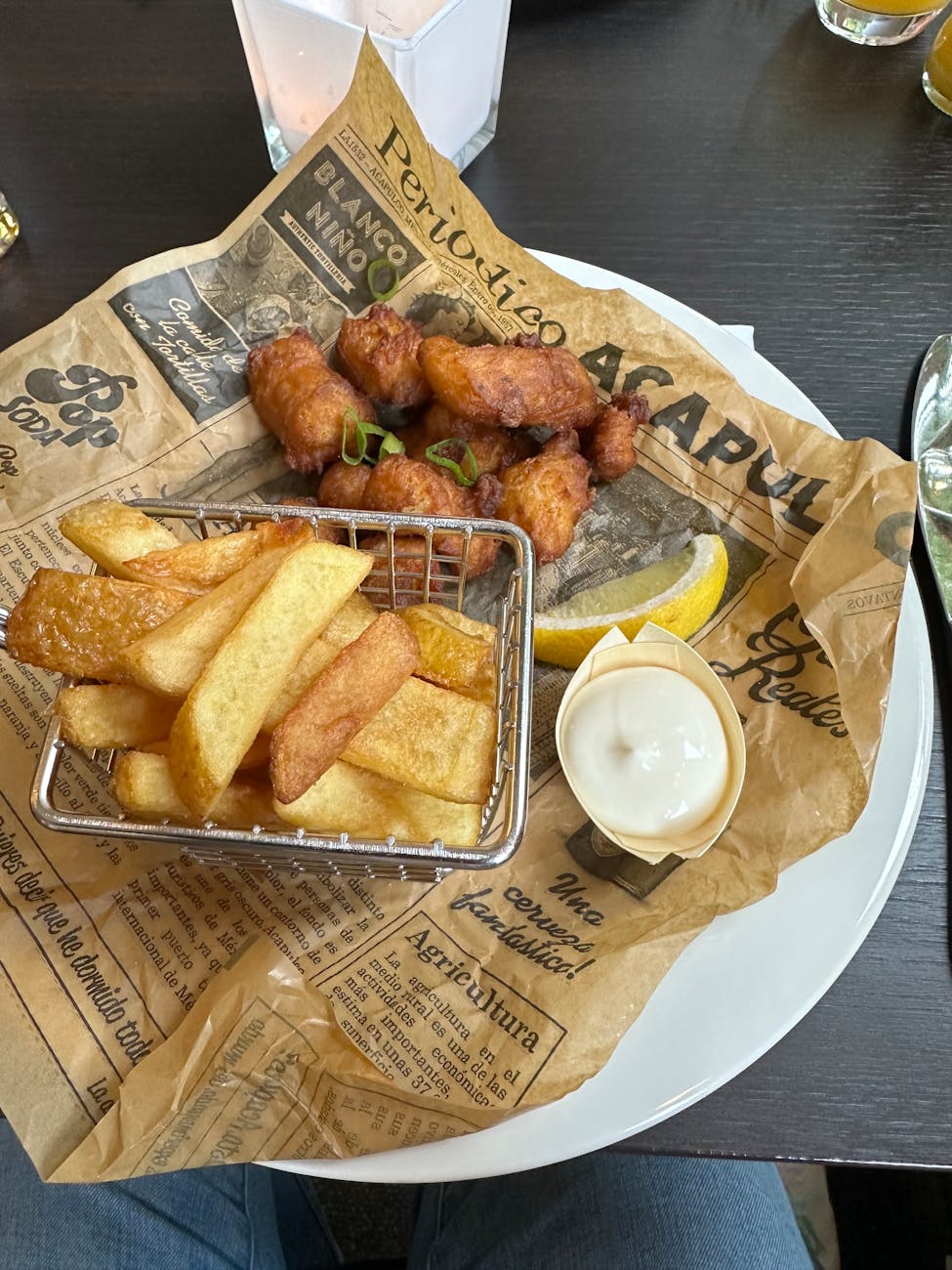
    Try: Nyetimber or Gusbourne Brut with fish and chips (seriously).

    Why You Should Drink Beyond Bordeaux

    We’re not saying give up your Bordeaux blends, your Brunellos, or your Barolos. We’re saying your palate deserves a passport. There’s never been a better time to explore terroirs that aren’t bound by tradition. These regions and grapes—Assyrtiko, Chenin Blanc, Furmint, Tannat, Albariño, and beyond—are writing a new chapter in the world of wine. One where the map is still being drawn.

    Photo by cottonbro studio on Pexels.com

    So next time you shop or dine, go off the grid. Ask for something weird. Order something unpronounceable. And raise a glass to the next great classic.

    Cheers to the future of wine 🍷

    Gregory and Tammy Dean are sommeliers, wine educators, and co-creators of the SIPS & STORIES book series. When they’re not exploring emerging wine regions or debating whether Assyrtiko is better than Chablis (spoiler: sometimes it is), they’re helping wine lovers drink better, bolder, and beyond the expected.

    Cover photo by ongchinonn, CC0, via Wikimedia Commons

  • The Art of Blending Wine Varietals

    The Art of Blending Wine Varietals

    Blending wine is one of the most romantic and yet technical aspects of winemaking. It’s where science kisses art, and where individual grape varietals—like characters in a novel—bring their own personalities to the glass, playing leading roles or quietly stealing scenes. In the right hands, blending can elevate a good wine into a great one, smoothing rough edges, boosting aroma, balancing acidity, deepening color, and extending the finish.

    But which grapes are the true soulmates? Which ones are better together than they are apart? And are there any surprising flings—say, a red grape that cozies up with a white in the same bottle? Let’s swirl into the world of perfect matches—wine blends that just work.

    Photo by Jep Gambardella on Pexels.com

    Why Blend in the First Place?

    Before we dive into grape couples therapy, let’s clarify why winemakers blend at all:

    • Balance: A soft Merlot might need a tannic backbone from Cabernet Sauvignon. A juicy Grenache may need a splash of Syrah to add color and spice.
    • Complexity: Different grapes contribute layers of flavor, aroma, and mouthfeel.
    • Consistency: Vintage variation happens. A weaker year for one grape might be rescued by another.
    • Structure & Aging Potential: Some grapes age better than others. Adding a more structured variety can extend cellar life.
    • Expression of Terroir: Blending local varietals creates wines that reflect a region’s unique fingerprint.

    The Classic Duos (And Trios, and Quartets…)

    Merlot + Cabernet Franc + Cabernet Sauvignon (Right Bank Bordeaux Style)

    • Why It Works: Merlot brings plush red fruits and a silky texture. Cabernet Franc adds aromatic lift—think violet, sage, and pepper—and acidity. Cabernet Sauvignon lends structure, black fruit, and ageability.
    • Appeal to Winemakers: This is elegance meeting muscle. Each variety contributes something essential: flesh, fragrance, and frame.
    • Where to Find It: Saint-Émilion and Pomerol in Bordeaux, and inspired blends across Napa, Washington State, and South Africa.

    Syrah + Grenache + Mourvèdre (aka GSM Blend)

    • Why It Works: Grenache is juicy and aromatic, Syrah adds dark fruit and smoky spice, and Mourvèdre contributes tannin, earthy depth, and longevity.
    • Appeal to Winemakers: It’s a harmonious triangle. Grenache can lack color and tannin, which Syrah and Mourvèdre correct beautifully.
    • Where to Find It: Southern Rhône (like Châteauneuf-du-Pape), Languedoc, Australia (especially Barossa), and increasingly in Paso Robles, California.

    🍷 Cabernet Sauvignon + Merlot (Left Bank Bordeaux Style)

    • Why It Works: Cabernet’s rigid tannins and dark fruit meet Merlot’s soft texture and plummy roundness.
    • Appeal to Winemakers: Like an arranged marriage that becomes a love story, Merlot tames Cabernet’s austerity and makes it more accessible.
    • Bonus: Add a little Petit Verdot or Malbec for color and spice, or Cabernet Franc for elegance.

    Tempranillo + Garnacha (Spain’s Dynamic Duo)

    • Why It Works: Tempranillo is savory, structured, and elegant, while Garnacha is ripe, sweet-fruited, and juicy.
    • Appeal to Winemakers: Garnacha makes Tempranillo more generous and fruit-forward, particularly in Rioja and Navarra.
    • Flavor Profile: Think cherries, leather, spice, and sunbaked earth.
    Photo by Nadin Sh on Pexels.com

    Obscure but Magical Blends

    Sagrantino + Sangiovese (Italy, Umbria)

    • Why It Works: Sagrantino is brutally tannic and powerful. Sangiovese softens it with cherry brightness and acidity.
    • Appeal to Winemakers: It’s like turning down the volume without losing the melody.
    • Where to Find It: Montefalco Rosso DOC.

    Touriga Nacional + Tinta Roriz + Touriga Franca (Portugal)

    • Why It Works: These are the powerhouse grapes of Port, but also make incredible dry reds.
    • Touriga Nacional brings floral aromas and concentration, Tinta Roriz (Tempranillo) adds spice and structure, and Touriga Franca offers softness and elegance.
    • Appeal to Winemakers: They allow for complex, bold wines with excellent aging potential—Port or not.
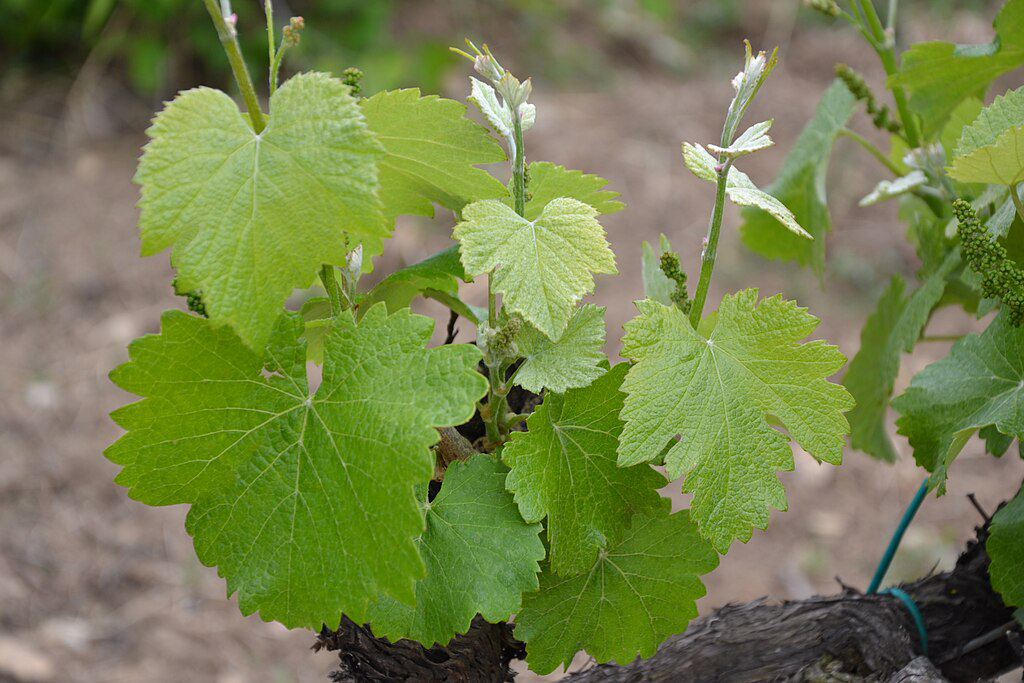
    Négrette Leaves – Marianne Casamance, CC BY-SA 4.0, via Wikimedia Commons

    Négrette + Malbec + Fer Servadou (Southwest France)

    • Why It Works: Négrette is floral and lush, Malbec adds depth and meatiness, and Fer Servadou (aka Braucol) brings pepper and rustic tannins.
    • Where to Find It: Fronton and Gaillac, where winemakers blend local heritage grapes to craft expressive, terroir-driven wines.

    Wait… Red and White Grapes Together? Oh Yes.

    Côte-Rôtie’s Secret Ingredient: Viognier

    • Why Add a White to Red? In Côte-Rôtie (Northern Rhône), up to 20% Viognier can be co-fermented with Syrah. The Viognier stabilizes color, lifts the aromatics, and adds an exotic perfume of apricot and florals.
    • Flavor Bonus: The result is a hauntingly elegant red with ethereal aromatics and surprising finesse.

    Chianti’s Old School White Grapes

    • Did You Know? Until recently, traditional Chianti recipes included white grapes like Trebbiano and Malvasia. While now largely phased out, they helped soften the wine and add brightness.
    • Modern Take: Many winemakers now skip this for purity of Sangiovese, but a few holdouts cherish the old way.
    Petit Verdot – Eric 先魁 Hwang, CC BY 2.0, via Wikimedia Commons

    Petit Verdot: The Spice Cabinet Grape

    • Why Winemakers Use It: Petit Verdot is the saffron of the blend world—a little goes a long way. It adds inky colortannic structureblack fruit, and violet aromas.
    • When It’s Added: Usually less than 10%, it’s used to boost a blend’s aging potential or fill out a mid-palate that feels hollow.
    • Hidden Superpower: In warm vintages or climates, it can step into a leading role (see: Australia or Napa Valley).

    Cabernet Franc: The Unsung Hero

    • Why Add It to Merlot? Cabernet Franc is often added to lift aromatics (herb, floral, pencil shavings) and acidity. Merlot can be plush but flabby on its own; Franc provides a frame.
    • Appeal to Winemakers: It “brightens the room” without overpowering the other guests.
    • Where to See It Shine: Pomerol and Saint-Émilion blends; also a solo star in Loire (Chinon, Saumur-Champigny).
    Photo by Grape Things on Pexels.com

    Some Grapes Just Prefer Company

    These varietals are often better together than alone:

    VarietalOften Blended WithWhy
    GrenacheSyrah, MourvèdreLacks tannin & color but brings ripe fruit
    MalbecCabernet Sauvignon, MerlotAdds color and juicy plum fruit
    CarignanGrenache, SyrahRustic alone, but boosts acidity and color
    CinsaultGrenache, SyrahDelicate, floral, and fruity—great supporting actor
    ZinfandelPetite Sirah, Alicante BouschetAdds color, depth, and longevity
    RoussanneMarsanne, ViognierComplex, waxy texture balanced by fruit and lift

    The Winemaker’s Palette

    Blending is like composing music or painting a landscape. The goal is harmony—but not homogeneity. Each grape is chosen for its role:

    • The Bass Line (Structure): Cabernet Sauvignon, Tannat, Sagrantino
    • The Melody (Fruit & Brightness): Merlot, Tempranillo, Grenache
    • The Harmony (Aromatics): Cabernet Franc, Viognier, Touriga Franca
    • The Spice (Accent & Complexity): Petit Verdot, Mourvèdre, Malbec

    Try This at Home!

    Want to explore blends for yourself?

    Host a blending party:

    1. Taste each alone.
    2. Buy three single-varietal wines (like Merlot, Cabernet Sauvignon, and Petit Verdot).
    3. Start blending! Try 60/30/10 or 70/20/10 splits and taste the difference.
    4. Have fun naming your creations!
    Photo by ROMAN ODINTSOV on Pexels.com

    Final Pour

    In the end, blending is about more than just grape chemistry—it’s about telling a story. Some grapes sing solo arias, but others form choirs. When blended thoughtfully, they become greater than the sum of their parts. Whether classic or obscure, structured or aromatic, red or white, the world of wine blends is a symphony waiting to be sipped.

    So next time you swirl a glass of Bordeaux, Rhône, Rioja—or something more exotic—raise a toast to the perfect matches inside.

    Cheers to the blend! 🍷

    Cover photo by yashima, CC BY-SA 2.0, via Wikimedia Commons

  • Demystifying Wine + Food for Real-Life Moments

    Demystifying Wine + Food for Real-Life Moments

    The Art & Science of Perfect Pairings.

    Wine and food pairing is one of the most celebrated and misunderstood arts in the culinary world. It’s where science meets instinct, and where a great meal becomes unforgettable. If you’ve ever panicked while choosing a wine for a dinner party with mismatched dishes, you’re not alone. I’ve been there—grilled lamb on one plate, Thai curry on another, someone asking for Chardonnay, and someone else who’s allergic to sulfites.

    In my journey through the Court of Master Sommeliers (CMS), Wine & Spirit Education Trust (WSET), and the Society of Wine Educators (SWE), I found each program offers gems of pairing wisdom, yet no single one gives you the full toolbox. That’s why I’ve stitched together the best parts of all three—and then some—to help you master the magic of pairing food and wine like a seasoned pro (without needing a diploma or a decanter shaped like a swan).

    First, the Science

    At its core, food and wine pairing is all about balancecontrast, and harmony. Think of it like composing a song—each flavor, texture, and temperature is an instrument, and your goal is a well-orchestrated experience.

    Let’s break down the key components that matter when pairing wine with food:

    Acidity

    Wines with high acidity (like Sauvignon Blanc, Riesling, Champagne, or Chianti) can cut through richness, refresh the palate, and balance fat.
    ✔ Perfect with: Goat cheese, fried chicken, oysters, butter sauces, vinaigrettes.

    SOMM&SOMM Tip (WSET): Acid balances acid. A tomato-based dish needs a wine with matching acidity—or the wine will taste flat.

    Sweetness

    Sweetness in wine can tame heat and offset spice, but it can also clash with salty or bitter foods.
    ✔ Perfect with: Spicy Thai, Indian curries, blue cheese, or desserts that are less sweet than the wine.

    SOMM&SOMM Insight (CMS): Always ensure the wine is sweeter than the dish when pairing with dessert. Otherwise, the wine will taste bitter or sour.

    Tannin

    Tannin is the astringent compound from grape skins and oak that creates a drying sensation. It loves fat and protein.
    ✔ Perfect with: Steak, duck, hard cheeses, anything umami-rich.

    SOMM&SOMM Wisdom (SWE): Tannin clashes with spicy or acidic foods. Avoid pairing big reds with vinegary dressings or chili heat.

    Alcohol

    Higher alcohol amplifies heat. Use with caution when spicy food is involved.
    ✔ Perfect with: Hearty fare (e.g., barbecue, roasted meats), not ideal for hot peppers or wasabi.

    SOMM&SOMM Caution (CMS): Beware the “burn”—pairing a 15% ABV Shiraz with Sichuan noodles can be a one-way ticket to regret.

    Body

    The weight or texture of the wine should match the weight of the food.
    ✔ Light with light, bold with bold.

    SOMM&SOMM Rule of Thumb (WSET): Pinot Noir with salmon = yes, please. Cabernet Sauvignon with sole meunière = culinary crime.

    Photo by Elina Sazonova on Pexels.com

    The Challenge: One Table, Many Dishes, Many People

    The biggest headache isn’t foie gras vs. Muscat or sushi vs. Sancerre—it’s what do I serve when everyone’s eating something different?

    The Solution: Go for Versatile Wines.
    These crowd-pleasers have enough acidity, fruit, and balance to play well with a wide range of foods.

    • Sparkling Wine (Champagne, Cava, Crémant): High acid, low tannin, bubbles = perfect with everything from fried chicken to sushi to triple cream cheese.
    • Riesling (Off-dry): Sweetness + acid = curry whisperer, pork tenderloin’s best friend, amazing with tacos al pastor.
    • Pinot Noir: Low tannin, high acid, earthy red fruit = mushrooms, roast poultry, salmon, lentils.
    • Rosé (dry): Works with charcuterie, grilled veggies, seafood, and awkward potluck moments.

    What Is Umami—and Why Does It Matter?

    Umami is the “fifth taste”—a savory, meaty richness found in aged cheese, mushrooms, soy sauce, tomatoes, cured meats, seaweed, etc. It enhances bitterness and astringency in wine while dulling fruit and sweetness.

    Pairing Tip: Wines with high tannin or oak clash with umami-rich foods.
    ✔ Good Matches: Pinot Noir, Beaujolais, Grüner Veltliner, dry Riesling, aged Champagne.
    ✘ Avoid: Young, heavily oaked Cabernet or Syrah.

    Example: That truffle risotto screams for a mature Barolo or Burgundy—not a new world Shiraz.

    What About Spicy Food?

    Heat changes everything. Chili compounds (capsaicin) magnify tannin, oak, and alcohol. That’s a recipe for a fiery disaster.

    Top Tips for Pairing with Heat:

    • Low alcohol, off-dry white wines = best friends
      ✔ Riesling (Kabinett), Gewürztraminer, Chenin Blanc, Lambrusco.
    • Chillable, fruity reds: Gamay, Zweigelt, chilled Grenache.
    • Sparkling wines: Carbonation + touch of sugar = magic with spicy fried chicken.

    Avoid: High alcohol, high tannin, heavily oaked wines.

    Photo by Valeria Boltneva on Pexels.com

    And Fried Food?

    Fried food is fatty, crispy, salty, and usually hot. You need a wine that can cut through the oil and refresh the palate.

    ✔ Best Pairings:

    • Champagne / Sparkling wines (yes, again) – the bubbles cleanse the palate.
    • Dry Riesling – zingy, bright, and citrusy.
    • Albariño or Vermentino – light-bodied, slightly saline, perfect with fish ‘n chips.
    • Lambrusco (dry or off-dry) – excellent with fried chicken or tempura.

    Real-World Pairing Shortcuts

    Here are a few real-world hacks and examples I use all the time with guests, family, and friends:

    Pizza Night

    • Red Sauce + Cheese Pizza: Chianti, Barbera, or Dolcetto.
    • White Pizza with Garlic + Mushrooms: Pinot Grigio or aged Chardonnay.
    • Meat Lovers: Zinfandel or Syrah.

    Sushi or Sashimi

    • Dry RieslingGrüner Veltliner, or Ginjo Sake.
    • Toro or richer rolls? Try Champagne or even a soft Chablis.

    Burgers

    • Beef + Cheddar: Merlot, Zinfandel, or Malbec.
    • Mushroom Swiss: Pinot Noir or Syrah.
    • Spicy Jalapeño Burger: Off-dry Riesling or chilled Lambrusco.

    Final Thoughts from a Sommelier’s Mindset

    If you remember nothing else, remember this:

    When in doubt, match the intensity and aim for balance. Then serve what you love.

    Gregory Dean, SOMM&SOMM

    Every formal wine education program agrees on the why of pairing. They just disagree on how to describe it. Whether it’s CMS’s “structure-based pairing,” WSET’s “systematic approach,” or SWE’s “practical consumer translation,” the goal is the same: Elevate the experience.

    My Golden Rules

    1. Match acid with acid.
    2. Sweet food needs sweeter wine.
    3. Tannin loves fat and protein.
    4. Spice needs sweetness, not strength.
    5. Sparkling wine goes with almost everything (and makes people happy).
    Photo by Julia Kuzenkov on Pexels.com

    🥂 A Toast to You, Brave Pairing Adventurer

    “May your reds never clash, your whites always refresh,
    Your pairings delight, and your guests say ‘Oh YES!’
    To the spicy, the fried, the funky, the bold—
    May your wine pairings always be gold.”

    Cheers! 🍷

    Choosing Your Wine Education Path: Which Program Fits You Best?

    Court of Master Sommeliers (CMS):
    Best for: Hospitality pros, service-minded sommeliers, and those working the floor.
    Why it shines: Strong focus on deductive blind tasting, food & wine pairing in real-time, and tableside service. Great for restaurant wine directors and those who thrive in high-pressure, fast-paced environments.

    Wine & Spirit Education Trust (WSET):
    Best for: Academics, structured learners, and wine marketers or importers.
    Why it shines: Methodical, globally recognized framework focused on theory, tasting technique, and global wine business. Ideal if you love organized study, exams, and a deep dive into theory over service.

    Society of Wine Educators (SWE):
    Best for: Educators, writers, and wine communicators.
    Why it shines: Emphasis on teaching, knowledge sharing, and approachable education. Great for those leading classes, writing content, or creating wine programs with a consumer-first mindset.

    💡Quick Tip: If you’re torn—start with WSET for the theory, add CMS if you’re service-focused, and consider SWE if you want to teach or create content.

    Still unsure? Think about where you want to use your knowledge—and let your glass (and goals) guide you! 🥂

  • Varietal Spotlight: Assyrtiko

    Varietal Spotlight: Assyrtiko

    Greece’s White-Hot Secret That’s Been Hiding in Plain Sight.

    Ever get the feeling your palate is ready for a vacation? Somewhere bright, breezy, and kissed by sea spray? Let me introduce you to Assyrtiko (ah-SEER-tee-koh)—Greece’s fiercely fresh, gloriously gastronomic white grape that’s like a splash of Aegean sunlight in your glass. It’s been quietly thriving for centuries, but now it’s time to give this under-the-radar varietal the spotlight it deserves.

    Photo by Brett Jordan on Pexels.com

    If you think of Greek wine and your mind races to retsina or sweet dessert wines, get ready to reboot. Assyrtiko is the backbone of some of the most thrilling, mineral-driven white wines in the world—and it’s finally starting to get the global recognition it deserves.

    Born of Ash and Wind

    Assyrtiko is one of the few white grape varieties in the world that thrives in volcanic soil, and its true home—its soul, if you will—is the island of Santorini. A place where vines grow in ashen soil under the wrath of wind, sun, and salt, and yet yield wines of jaw-dropping acidity and structure.

    This grape has been cultivated in Santorini for more than 3,500 years, making it a direct descendant of ancient Greek viticulture. And here’s a mind-blower: thanks to the volcanic, phylloxera-resistant soil, many of the vines are centuries old and own-rooted, producing grapes with intense concentration and character.

    Kouloura Assyrtiko – AkatsukiKuro, CC0, via Wikimedia Commons

    In Santorini, vintners have developed a unique vine-training method called kouloura—basket-shaped wreaths of vines trained low to the ground, like leafy nests that cradle the grapes and protect them from fierce island winds. It’s not just functional; it’s poetic.

    The best wines don’t always come from the most obvious places.

    Gregory Dean, SOMM&SOMM

    Assyrtiko Beyond Santorini

    While Santorini remains the crown jewel of Assyrtiko production, the grape has spread to other parts of Greece—often with great success. Let’s explore a few standout regions:

    • Drama & Kavala (Northern Greece): Here, Assyrtiko displays more citrusy, orchard-fruit notes with balanced minerality and rounder texture.
    • Peloponnese: Often blended with other whites like Moschofilero or Roditis for fresh, floral-driven wines.
    • Attica & Epanomi: Produce fruitier and fuller-bodied Assyrtiko expressions that appeal to lovers of New World Chardonnay or Chenin Blanc.
    • Crete: Offers a juicy, softer version with stone fruit and herbal notes, perfect for everyday drinking.

    The grape has even migrated internationally—plantings exist in Australia (Clare Valley), South Africa, and even the U.S. (California’s Lodi AVA). But nowhere does it scream “home” quite like Santorini.

    Photo by Engin Akyurt on Pexels.com

    Flavor Profile & Styles

    What makes Assyrtiko so distinct is its ability to retain laser-sharp acidity even in searingly hot climates. This makes for whites that are electric yet complex—think of Chablis on a Mediterranean vacation.

    Typical Tasting Notes:

    • Lemon zest, lime, green apple, and underripe peach
    • Crushed seashells, wet stone, volcanic ash
    • Subtle herbal and saline notes (think thyme, sea breeze, and oyster shell)

    Styles of Assyrtiko:

    1. Unoaked, Dry: The purest expression—citrusy, mineral, and crisp. Perfect seafood companion.
    2. Oaked: Aged in acacia or French oak for added texture, body, and spice. Think grilled octopus and aged cheeses.
    3. Nykteri: Traditional Santorini style made from late-harvested grapes, often aged in oak. More alcohol, fuller body—perfect with roasted lamb or mushroom dishes.
    4. Sweet/Vinsanto-style: Made from sun-dried Assyrtiko grapes, aged for years. Honey, figs, dates—a dessert wine that rivals the best of Vin Santo or Sauternes.

    When the Wine Becomes a Greek Chorus

    If wine could speak, Assyrtiko would shout: “Give me salt! Give me lemon! Give me grilled things from the sea!”
    It’s an insanely food-friendly varietal—bright enough to cut through rich dishes, yet structured enough to handle bold flavors.

    Top Pairing Ideas:

    • Grilled octopus with olive oil, lemon & oregano
    • Whole roasted fish with capers and herbs
    • Dolmades (stuffed grape leaves) with avgolemono sauce
    • Lamb souvlaki with tzatziki and grilled pita
    • Feta & watermelon salad (Assyrtiko LOVES briny cheese and citrus fruits)

    Simple Greek Recipes to Pair with Assyrtiko

    Grilled Branzino with Lemon & Herbs

    • 2 whole branzino (cleaned and scaled)
    • 2 lemons (sliced into rounds)
    • 4 sprigs fresh oregano or thyme
    • 2 tbsp olive oil
    • Salt & pepper to taste
    1. Stuff fish cavity with lemon slices and herbs. Drizzle with olive oil and season generously.
    2. Grill over medium-high heat for 5–6 minutes per side until skin is crispy and flesh is opaque.
    3. Serve with lemon wedges and a chilled glass of unoaked Assyrtiko.

    Greek Zucchini Fritters (Kolokithokeftedes)

    • 2 medium zucchinis, grated
    • 1/2 cup crumbled feta
    • 2 tbsp chopped mint
    • 2 green onions, finely sliced
    • 1 egg
    • 1/4 cup flour
    • Salt & pepper
    • Olive oil for frying
    1. Salt grated zucchini and let sit for 10 mins. Squeeze out excess moisture.
    2. Mix with feta, mint, onion, egg, flour, and seasoning.
    3. Form small patties and pan-fry in olive oil until golden on both sides.
    4. Serve with tzatziki and a crisp glass of Santorini Assyrtiko.

    A Wine with a Past and a Future

    Assyrtiko is the wine equivalent of Greek myth—ancient, elemental, and just a little bit heroic. In a world full of over-hyped Sauvignon Blancs and cookie-cutter Chardonnays, this grape offers adventure in a glass. It’s proof that the best wines don’t always come from the most obvious places.

    So next time you want to impress your dinner guests, drop the word “Assyrtiko” into conversation, pour them a glass, and watch their eyebrows lift in pleasant surprise.

    Because once you’ve tasted this sun-soaked stunner, you’ll realize the secret’s too good to keep. Cheers 🍷

    Next in the Varietal Spotlight Series: “Txakoli: Spain’s Slightly Fizzy, Totally Zesty Coastal Secret”
    Stay tuned, and keep sipping off the beaten path.

  • Don’t Judge a Grape by Its Cover

    Don’t Judge a Grape by Its Cover

    The case against knee-jerk wine snobbery.

    Let’s face it—most wine drinkers have a “never again” varietal. Maybe it was an overly oaked Chardonnay that tasted like suntan lotion and buttered popcorn. Maybe it was a flabby Merlot at your cousin’s wedding or a headache-inducing Pinot Grigio on a humid Tuesday. Whatever the offender, it left a mark—and now, any bottle bearing that grape’s name might as well come with a warning label.

    Photo by Kai-Chieh Chan on Pexels.com

    But here’s the truth that every seasoned wine educator, sommelier, and grape grower knows: that snap judgement isn’t about the grape. It’s about the context.

    Welcome to the wild, wondrous, and sometimes misunderstood world of wine—where terroir, winemaking style, vintage, and even what you had for lunch can make the difference between “meh” and “magnificent.”

    Photo by Laker on Pexels.com

    One Grape, Infinite Possibilities

    Let’s start with the ultimate example: Chardonnay. No grape has been more misunderstood. Maligned for its over-the-top oak bombs of the ‘90s and early 2000s, this noble white grape has suffered an identity crisis for decades.

    But here’s what most people overlook: Chardonnay is a blank canvas. It’s like tofu for winemakers—it takes on the character of where it’s grown and how it’s treated in the cellar. A cool-climate, stainless steel-aged Chablis will taste like citrus, crushed oyster shells, and wet river stones. Meanwhile, a warm-climate, barrel-aged Napa Chardonnay might show ripe pineapple, vanilla, and toasted brioche. Same grape. Vastly different experience.

    If you’ve “written off” Chardonnay, chances are you’ve only met one of its many faces. I call this the Chardonnay Effect.

    Why Big Wine is Ruining Your Tastebuds

    Let’s talk about the elephant in the bottle: mass-produced, additive-heavy wines that are chemically engineered to be “smooth,” consistent, and shelf-stable. These wines are the Big Macs of the wine world. Are they drinkable? Sure. Are they expressive? Rarely. Do they teach your palate anything? Not really.

    If you drink only mass-market Cabernets that taste like cherry cola and vanilla extract, your palate can become dulled—conditioned to expect predictability instead of complexity. Worse, it can create quality blindness, where any deviation from the formula is considered “flawed” or “not good.”

    *steps onto the soapbox*

    Wine is supposed to be alive—a reflection of nature, not a carbon copy.

    SOMM&SOMM Related Article: Unveiling the Controversial World of Mega Purple and Grape Concentrates in Wine

    Photo by Arthur Brognoli on Pexels.com

    Vintage Matters

    Here’s a radical idea: wines aren’t meant to taste the same every year. In fact, that’s the point.

    Weather changes. Soils evolve. Vines get older. The 2015 and 2020 versions of the same exact vineyard wine will show differences that reflect the time as much as the place. And that’s the soul of wine.

    Writing off a grape or producer based on one off-vintage bottle is like never watching a TV show again because of a single slow episode. Maybe the 2018 had too much rain. Maybe the 2022 was too hot. That doesn’t mean the 2016 wasn’t magic.

    SOMM&SOMM Related Article: How Modern Winemaking Sacrifices Soul for Consistency

    The Winemaker’s Paintbrush

    One of the biggest factors in the final wine you taste is the vessel it was made in. A grape like Sauvignon Blanc can range from zippy and citrusy (stainless steel) to round and creamy (neutral oak) to textured and savory (concrete eggs).

    Now add in other decisions: Did the winemaker use whole clusters for fermentation? Were the grapes crushed or gently pressed? Did they allow malolactic fermentation, which softens acids and adds buttery notes? Was the wine aged on the lees, stirring in dead yeast cells to create a creamy texture?

    SOMM&SOMM Related Article: The Craft of Secondary Notes in Wine

    It’s like asking a chef what kind of pan they used, whether they used clarified butter, and whether the sauce was reduced or emulsified. Details matter. I’ll type it louder for the folks in the back… DETAILS MATTER.

    First Run Juice vs. Later Pressings

    Imagine squeezing an orange. The first drop is bright, pure juice. Keep pressing and you’ll get more liquid—but also bitterness, pith, and pulp.

    Wine grapes work the same way. The finest wines often come from free-run juice—the first, gentlest pressings. Later pressings can add structure but sometimes sacrifice finesse. Understanding how a wine was pressed gives insight into its character—and helps explain why a cheap Pinot might feel harsh while a pricier one floats on your palate like silk.

    Photo by Nadin Sh on Pexels.com

    Sometimes, It’s Not the Wine—It’s the Food

    Here’s a scenario: You sip a bold, tannic Cabernet Sauvignon… with a spinach salad and vinaigrette. It tastes metallic and bitter. You blame the wine.

    But pair that same Cab with a grilled ribeye or blue cheese burger? Suddenly, the wine becomes luscious and smooth. The food made it better. The vinegar didn’t.

    Pairing matters. A lot. And judging a wine solo, without context, is like reviewing a soundtrack without watching the movie.

    I’ve watched more good wines get dismissed for not fitting someone’s expectations than bad wines get called out for having no soul. Taste widely, judge slowly, and never trust a wine that tastes the same across vintages, regions, etc..

    Gregory Dean, SOMM&SOMM
    Photo by Pavel Danilyuk on Pexels.com

    Open Your Mind, Open Your Mouth

    Wine is one of the few beverages in the world that tells a story of place, people, weather, soil, decisions, and time—all in a single glass. Dismissing an entire varietal, style, or region based on one bottle is not just closed-minded—it’s a missed opportunity.

    So the next time you find yourself wrinkling your nose at the thought of Zinfandel, Riesling, Syrah, or yes—even Chardonnay—pause and ask:

    • Where was it grown?
    • Who made it?
    • How was it made?
    • What year was it from?
    • What am I eating with it?

    Because that wine might not be bad. It might just be misunderstood.

    The Joy Is in the Journey

    Wine isn’t about finding “your grape” and sticking with it like a safe Spotify playlist. It’s about exploring, challenging, and surprising yourself. Try wines from unusual regions. Taste the same grape across continents. Ask your local wine shop for something outside your comfort zone.

    And above all—don’t write off a varietal just because you had a bad glass.

    You wouldn’t stop eating bread because of one stale bagel, would you?

    So swirl, sip, and stay curious.

    Cheers. 🍷

    Cover image credit: © Frank Schulenburg, CC BY-SA 3.0, via Wikimedia Commons

  • The Sugars Behind Your Sips

    The Sugars Behind Your Sips

    Let’s face it—sugar gets a bad rap these days. Whether it’s hiding in your cereal, lurking in sauces, or being dissected on nutrition labels, sugar has become a buzzword. But in the world of wine, sugar isn’t some evil saboteur. It’s the lifeblood of fermentation, the foundation of balance, and sometimes—just sometimes—the reason your wine sings with ripe peach or sassy cherry notes.

    Yet, sugar in wine is wildly misunderstood. Just because a wine tastes sweet doesn’t necessarily mean it’s sugary. And just because a wine is dry doesn’t mean sugar isn’t playing its part in the background. So let’s peel back the grape skin and dive into the sticky truth about sugar in wine.

    A.Savin, CC BY-SA 3.0, via Wikimedia Commons

    The Sugars in Wine Grapes

    Grapes are little chemistry labs on a vine, and their sugars are anything but simple. Here are the main players:

    • Glucose – A common simple sugar, and yeast’s favorite snack. Present in nearly equal amounts with fructose during grape ripening.
    • Fructose – The fruitier twin of glucose. It’s sweeter to taste and becomes dominant as grapes ripen and overripen.
    • Sucrose – Rare in grapes. It’s broken down into glucose and fructose almost immediately.
    • Galactose & Sorbitol – Present in tiny amounts and not very influential in fermentation, but still part of the biochemical crew.

    Fun fact: Only glucose and fructose are fermentable sugars. The others? They’re just hanging out in the background like flavor groupies.

    Sugar’s Purpose in Wine

    Let’s get one thing straight: Residual Sugar (RS) is not the same as perceived sweetness.

    RS is the sugar left behind after fermentation. This can be intentional (hello, Riesling!) or accidental (hi, stuck fermentation). But sweetness on the palate? That’s a combination of sugar, acidity, alcohol, tannin, and fruitiness. A dry wine can taste sweet if it’s loaded with ripe fruit and low in acid.

    Sugar’s role in winemaking is multifaceted:

    • It feeds the yeast, which convert sugar into alcohol, CO₂, and flavor compounds.
    • It influences mouthfeel and body—sweeter wines often feel fuller.
    • It helps balance acidity, especially in cool-climate wines.
    Photo by Pixabay on Pexels.com

    From Veraison to Harvest

    At the start of grape development, acids dominate. Think green, tart, mouth-puckering grapes. But as the grape matures (a process called veraison), chlorophyll fades and sugar floods in.

    Initially, glucose and fructose arrive in balance (1:1). But as ripening continues:

    • Fructose levels rise faster.
    • Glucose levels plateau or even decline slightly.

    By harvest, fructose becomes the dominant sugar, and that’s key—because fructose is about 1.5x sweeter than glucose. So a late-harvest wine? It’s richer in fructose, which contributes more to sweetness—especially if the wine is made to retain RS.

    Photo by Helmut Retsch on Pexels.com

    Why Some Wines Are Sweeter Than Others

    The reasons are delightfully diverse:

    1. Yeast Selection & Fermentation Control
      Some winemakers stop fermentation early—either by chilling the wine, adding sulfur, or filtering out the yeast—leaving unfermented sugar behind.
    2. Grape Ripeness
      Late harvest, botrytized (noble rot), and dried grapes (passito method) have sky-high sugar levels. Not all of it gets fermented, especially in high-alcohol environments.
    3. Fortification
      In wines like Port, fermentation is halted by adding brandy, locking in sugars and boosting alcohol.
    4. Winemaking Traditions
      German Kabinett vs. Auslese Riesling, Vouvray Sec vs. Moelleux—some regions embrace sugar as a stylistic hallmark.
    5. Intentional Back-Sweetening
      Yes, in some cases, especially in inexpensive wines or mass-market blends, sugar is added after fermentation to soften rough edges or mask imbalances. (We see you, off-dry Moscato.)

    A Lighthearted Guide to Residual Sugar

    StyleRS Range (g/L)Common WinesTaste Perception
    Bone Dry0–1Brut Champagne, MuscadetSharp, crisp, dry AF
    Dry1–10Sancerre, Chablis, ChiantiDry, but fruity is OK
    Off-Dry10–30Riesling Kabinett, VouvrayLight sweetness
    Medium Sweet30–60Moscato, GewürztraminerNoticeable but refreshing
    Sweet60–120Port, SauternesDessert-level richness
    Lusciously Sweet120+Ice Wine, Tokaji Aszú 6 PuttonyosNectar of the gods

    Dessert, or Just a Sweet Moment?

    Here’s the big takeaway: Sweetness in wine isn’t always about sugar.

    That plush California Chardonnay that reminds you of a tropical smoothie? It might have almost no residual sugar but loads of ripe fruit and new oak.

    That Italian Brachetto you had on a patio last summer? Light in alcohol, fizzing with red berry notes, and low-key sugar? Yeah, that was actually sweet.

    Respect the Sugar

    Sugar is the unsung hero of wine. Without it, there’d be no fermentation, no alcohol, no balance. It’s the yeast’s playground, the winemaker’s tool, and the drinker’s delight.

    So next time someone scoffs at sweet wines, hand them a glass of well-made Spätlese or Tokaji and watch their misconceptions melt away like sorbet on a summer day.

    Because sometimes… life really is sweeter with wine. Cheers 🍷

    Bonus Sip: Sweet Surprises & Sugar Truths

    Now that we’ve unraveled the mysteries of sugar in wine, it’s time to sweeten the deal. Below you’ll find a curated list of exceptional sweet wines worth exploring, along with a breakdown of common misconceptions that often lead wine lovers astray. Whether you’re a die-hard dry drinker or a sweet wine skeptic, these bonus sips of knowledge might just change the way you see—and taste—wine. Cheers to keeping an open mind and an open palate!

    Misconceptions & Misinterpretations

    Let’s get this out of the way—sweet wine does not equal cheap wine, and dry wine does not always mean better wine. Somewhere along the way, the wine world developed a bit of snobbery around sugar. The modern palate, shaped by marketing and misunderstood wine rules, has come to associate sweetness with mass-produced, low-quality wines.

    That’s simply not true.

    Many of the world’s most prestigious wines are sweet—intentionally and artfully so. A bottle of Sauternes from Château d’Yquem can fetch thousands of dollars and age gracefully for decades. German Rieslings labeled Auslese or Trockenbeerenauslese are crafted with painstaking precision. Tokaji Aszú from Hungary was once called the “Wine of Kings, King of Wines” by Louis XIV, and for good reason.

    Related SOMM&SOMM Article: Wine Styles: Late Harvest Wines

    What’s really happening is that perceived sweetness is being mistaken for residual sugar. A juicy Malbec with ripe plum and chocolate notes might be totally dry (under 2 g/L RS), but your brain reads all that ripe fruit as “sweet.” Meanwhile, a high-acid Riesling with 25 g/L RS might come off as light, zippy, and almost dry due to the acidity balancing the sugar.

    So instead of treating sugar like a four-letter word, think of it like salt in food. Used well, it elevates everything.

    Best Intentionally Sweet Wines to Try

    If you’ve been living in the “dry only” camp, consider this your invitation to the sweet side of the cellar. These aren’t syrupy bottom-shelf bombs. These are masterful wines that showcase the balance between richness, acidity, aromatics, and craftsmanship.

    Riesling (Germany, Austria, Alsace)

    One of the most versatile and age-worthy white wines on earth. Styles range from off-dry Kabinett to decadently sweet Trockenbeerenauslese (TBA). Look for Mosel Rieslings with high acidity that keep sweetness refreshing, not cloying.

    Tokaji Aszú (Hungary)

    Made from botrytized Furmint grapes, Tokaji Aszú is honeyed, nutty, and complex. Labeled by “puttonyos,” which refer to the level of sweetness (3 to 6). The 5–6 Puttonyos level is where magic happens.

    Sauternes (France – Bordeaux)

    A noble rot wine made primarily from Sémillon and Sauvignon Blanc. Think candied citrus, saffron, honey, and apricot. The acidity is key—it balances the intense sweetness beautifully.

    Vin Santo (Italy – Tuscany)

    A luscious dessert wine made from dried Trebbiano and Malvasia grapes. Notes of caramel, toasted almond, and orange peel make it ideal with biscotti—or just on its own by a fire.

    Ice Wine / Eiswein (Germany, Canada)

    These grapes are harvested while frozen on the vine, concentrating the sugars and flavors. The result is intensely sweet, with bracing acidity. Canada’s Niagara region and Germany’s Rheinhessen make some of the best.

    Recioto della Valpolicella (Italy – Veneto)

    Made from partially dried Corvina grapes (the same ones used in Amarone), this red dessert wine is rich, raisiny, and chocolatey—perfect with dark chocolate cake or strong cheese.

    Muscat/Moscato d’Asti (Italy – Piedmont)

    Low in alcohol, lightly sparkling, and delicately sweet. This one’s your picnic or brunch buddy, best served cold and sipped with fruit tarts or creamy cheeses.

    Sweet wines—when done right—are a celebration of craft, patience, and nature. They aren’t just dessert wines; they’re experience wines, meant to be savored slowly, with food or without. So whether you’re a sweet wine skeptic or a seasoned sipper, the world of sugar in wine is worth a second look… and a generous pour.

    Now go forth and sweeten your wine wisdom! 🍷✨ Want more deep dives like this? Stay tuned at SOMM&SOMM, where curiosity and corks collide.

  • Gen Z and the Aperitif Revival

    Gen Z and the Aperitif Revival

    The clinking of ice, the soft fizz of tonic, the amber swirl of vermouth in a vintage glass—these are not just relics of an old-world European café culture. They’re back, and Gen Z is leading the charge. From TikTok-worthy Spritz recipes to obscure amari and local vermouths popping up in home bars, the aperitif is experiencing a full-fledged renaissance.

    Photo by Lazarus Ziridis on Pexels.com

    You may also like SOMM&SOMM article: The Rum Renaissance

    But is this resurgence just another fleeting trend or a lifestyle shift? And how can we—seasoned sippers and new enthusiasts alike—elevate this delicious ritual? Let’s dive into the heart of the modern aperitivo.

    What Is an Aperitif Anyway?

    Aperitifs are drinks traditionally served before a meal to stimulate the appetite. The term comes from the Latin aperire, meaning “to open.” These beverages are typically lower in alcohol (usually between 11-25%), often dry or bitter, and designed to awaken the senses rather than overwhelm them. They are cousins—but not twins—to digestifs, which are consumed after meals to aid digestion and are typically richer, stronger, and sweeter (think Cognac, Amaro, Port).

    Photo by Regina Tommasi on Pexels.com

    Common Types of Aperitifs:

    • Vermouth (dry or blanc) – fortified, aromatized wine; try Dolin Blanc or Carpano Dry
    • Aperitivo bitters – Campari, Aperol, Select, and obscure gems like Contratto or Cappelletti
    • Lillet Blanc, Rosé, and Rouge – French wine-based aperitifs infused with citrus and quinine
    • Sherry (Fino or Manzanilla) – bone-dry Spanish fortified wines, excellent with tapas
    • Dry sparkling wines – Prosecco, Cava, Crémant, or brut Champagne
    • Amaro (light styles) – While traditionally digestifs, some low-ABV amari like Amaro Nonino or Montenegro walk the aperitif line

    Gen Z and the Aperitivo Renaissance

    Why now? Why this category?

    But first—who is Gen Z?

    Gen Z, short for Generation Z, refers to people born roughly between 1997 and 2012. They are digital natives who grew up with smartphones, social media, and on-demand everything. Known for their creativity, inclusivity, and emphasis on mental health and authenticity, Gen Z values experiences over possessions and often challenges traditional norms—from career paths to how (and what) they drink. They’re shaping trends across fashion, tech, and even the food and beverage world—like reviving the aperitif hour with a modern, mindful twist.

    Low-ABV Lifestyle

    Health-conscious and moderation-minded, Gen Z tends to lean toward “sessionable” drinks that allow for social sipping without the aftershock. Aperitifs hit that sweet spot.

    Aesthetic and Ritual

    The modern aperitivo hour is as much about the look and feel as the liquid. Vintage glassware, tinned fish boards, playlists, and sun-drenched settings turn it into a lifestyle. It’s #SpritzOClock on every platform.

    Discovery Culture

    From rare vermouths to hyper-regional aperitivi like Rinomato or Mattei Cap Corse, Gen Z is less loyal to brands and more interested in storytelling. Aperitifs are steeped in history, botanicals, and place—perfect for exploration.

    Photo by Gonzalo Acuu00f1a on Pexels.com

    Spritz 2.0

    The Aperol Spritz may have been the gateway, but the new wave of spritzes is bold, bitter, herbaceous, and often customized. Think “Spritz 2.0.”

    Try These Modern Takes:

    • White Negroni Spritz – Suze, dry vermouth, tonic, grapefruit peel
    • Lavender Lillet Spritz – Lillet Blanc, lemon, lavender bitters, soda water
    • Cappelletti & Prosecco – A deeper, more complex take than Aperol
    • Sherry Spritz – Manzanilla sherry, lemon tonic, cucumber ribbon
    • Amaro Spritz – Montenegro with soda and a dash of orange bitters

    Want something totally different? Try a Sakura Spritz with Japanese umeshu, sparkling yuzu soda, and mint.

    The Aperitif as Ritual

    An aperitivo is not just a drink—it’s a moment. Here’s how to elevate the experience:

    The Setting

    Golden hour lighting, low music, and relaxed attire. Indoors or outdoors, the vibe matters.

    Glassware

    Use proper (or playfully mismatched) stemware. Coupe glasses, Nick & Noras, or vintage tumblers add gravitas.

    Ice Matters

    Use clear, large-format ice where possible. It melts slower, looks better, and keeps the drink crisp.

    Garnishes

    Citrus peels, herbs, edible flowers—small touches that engage the senses.

    Photo by David Melgar on Pexels.com

    Aperitif Pairings & Accompaniments

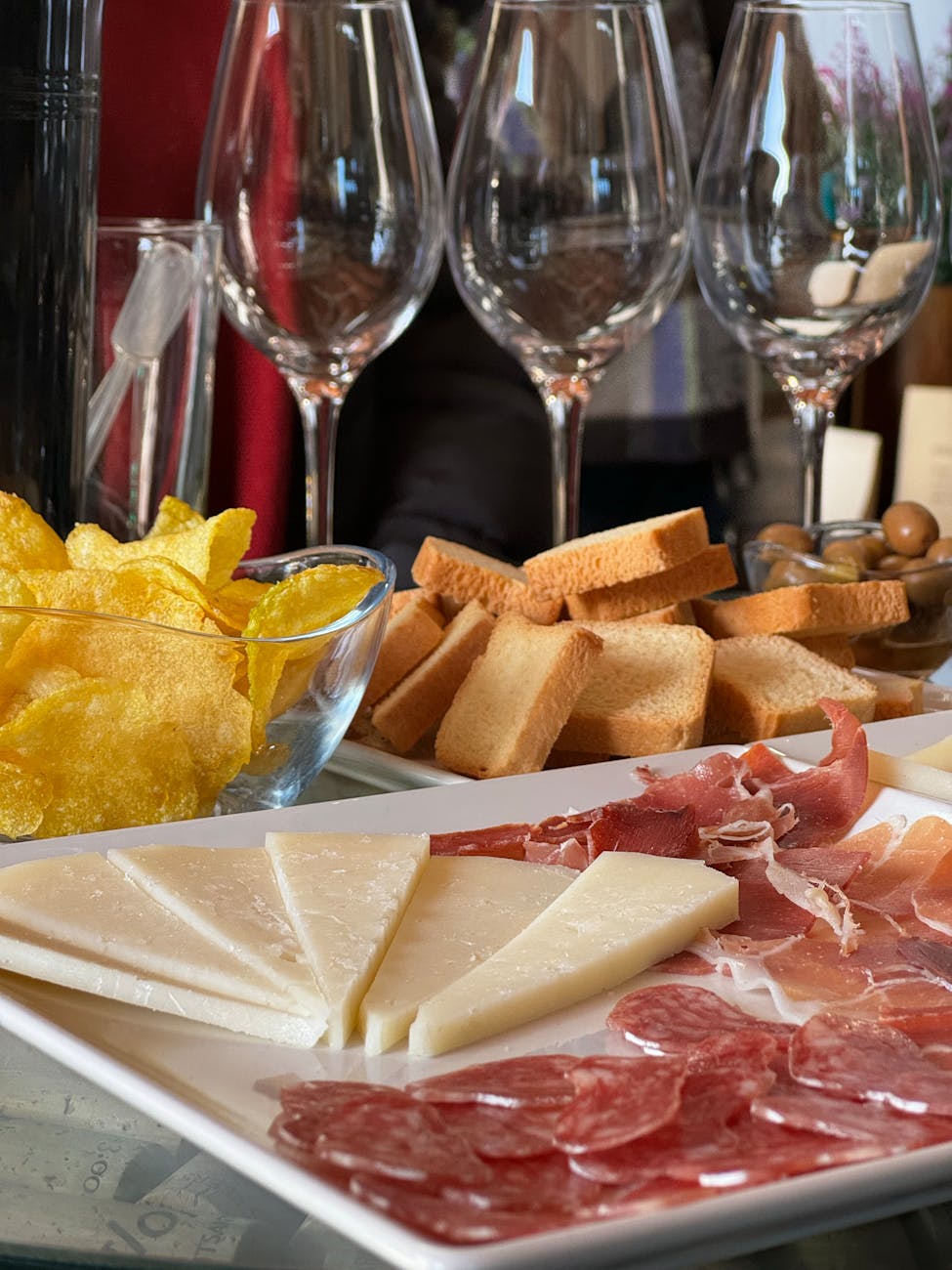
    Food is key. In Italy, you’d get olives, potato chips, and maybe a few nuts with your drink. But we can do better—and still keep it simple.

    Try Pairing With:

    • Marcona almonds and anchovy-stuffed olives – great with dry vermouth
    • Jamón Ibérico and Manchego – classic with fino sherry
    • Radishes with butter and sea salt – elegant with a Lillet Blanc spritz
    • White bean dip with lemon and rosemary – pairs well with a bitter amaro spritz
    • Crostini with ricotta, honey, and herbs – lovely with a rosé vermouth

    For something playful and Gen Z-approved? Tinned fish boards with smoked mussels, mackerel pâté, and crusty bread are all the rage. Pair with a crisp French Quinquina like Dubonnet Blanc or a coastal white vermouth from Galicia.

    Obscure Aperitifs Worth Discovering

    You’ve heard of Campari. But here are a few you should know:

    • Suze (France) – bitter gentian root liqueur; electric yellow and deeply earthy
    • Chinato (Italy) – Barolo aromatized with quinine and spices
    • Rinomato (Italy) – a balanced, bitter aperitivo with citrus and alpine herbs
    • Byrrh (France) – red wine-based quinquina with plum and spice notes
    • Mattei Cap Corse (Corsica) – white quinquina with citrus and wormwood
    • Uncouth Vermouth (USA) – seasonal Brooklyn-made vermouths with foraged ingredients
    Photo by Marcelo Verfe on Pexels.com

    Classic Aperitif Cocktails You Need to Know

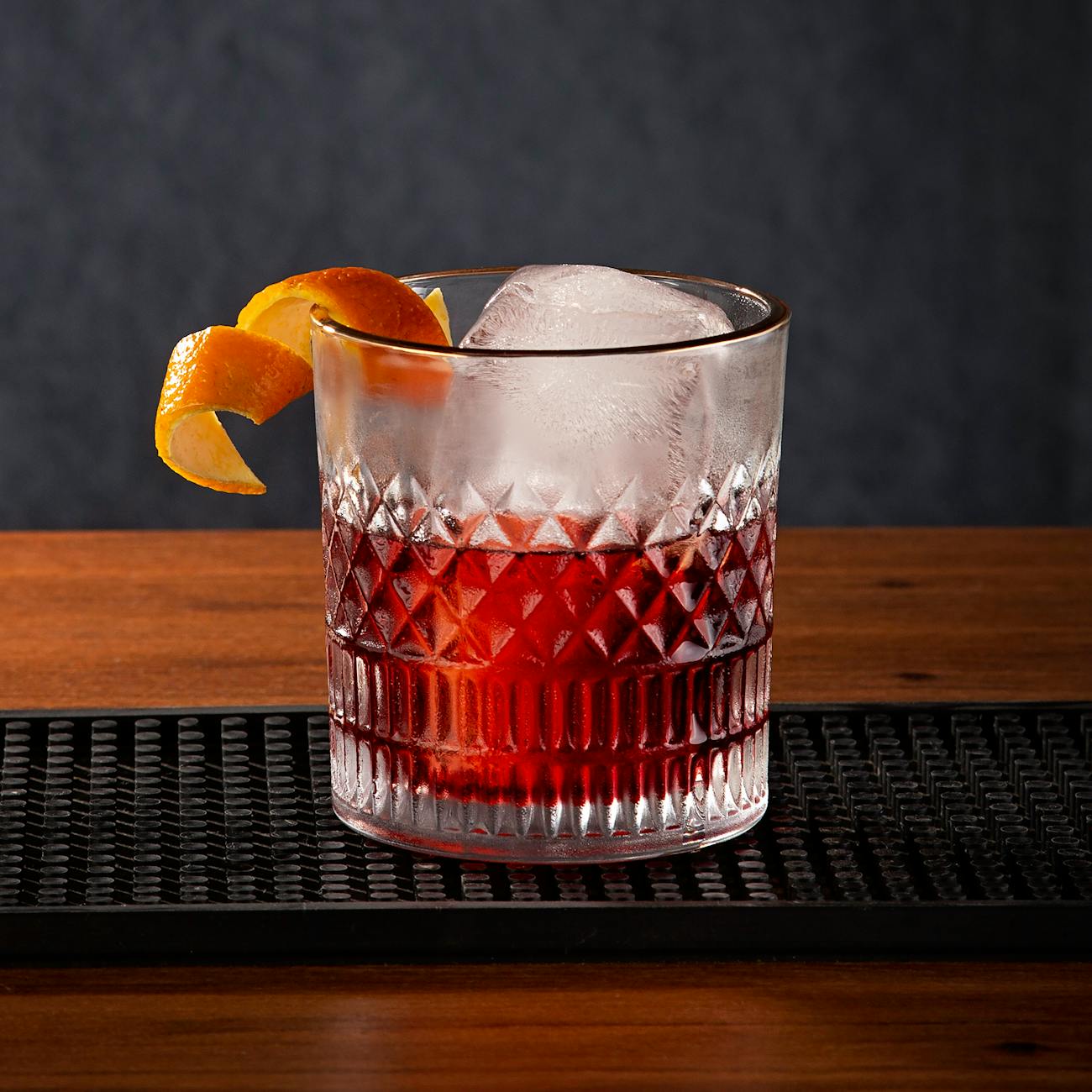
    • Negroni – Gin, Campari, sweet vermouth
    • Boulevardier – Bourbon, Campari, sweet vermouth
    • Americano – Campari, sweet vermouth, soda
    • Vesper Martini – Gin, vodka, Lillet Blanc
    • Adonis – Fino sherry, sweet vermouth, orange bitters
    • Bamboo – Dry sherry, dry vermouth, dash of bitters

    Unique Aperitif Recipes to Try

    The Garden Path

    • 1 oz Lillet Blanc
    • 1 oz Dolin Blanc Vermouth
    • 2 dashes celery bitters
    • 3 oz cucumber soda
    • Garnish: cucumber ribbon + mint

    Flavor: Cool, herbal, floral—a picnic in a glass.

    Sunset in Amalfi

    • 1 oz Cappelletti
    • 0.5 oz blood orange juice
    • 3 oz Prosecco
    • Splash soda
    • Garnish: thyme sprig and orange twist

    Flavor: Bitter, bright, citrus-forward.

    Basque Country Spritz

    • 1 oz Basque vermouth (e.g., Txurrut)
    • 1 oz manzanilla sherry
    • 3 oz tonic
    • Garnish: lemon wedge + cracked pepper

    Flavor: Saline, herbal, slightly funky.

    Fad or Here to Stay?

    The modern aperitivo hour is more than a fad. It’s a cultural correction—away from overproof, overdone cocktails and toward intentional, social, and stylish sipping. With sustainability, localism, and health all shaping Gen Z’s buying decisions, the aperitif’s lower ABV, European pedigree, and wide range of flavors make it uniquely relevant.

    It may have roots in the 19th century, but its soul fits perfectly into a 21st-century glass.

    The new aperitivo hour isn’t just a drink. It’s a declaration: slow down, sip something beautiful, snack thoughtfully, and toast to the joy of the in-between. Cheers 🥃

    Cover Photo by DC, CC BY-SA 3.0, via Wikimedia Commons

  • The Rise of the Tinned Fish Date Night

    The Rise of the Tinned Fish Date Night

    How to Elevate the Viral Trend into a Deliciously Sophisticated Affair.

    What once sat dusty on pantry shelves as an end-of-the-world staple is now having its glam moment: tinned fish. From chic coastal wine bars to TikTok and curated picnic boxes, conservas (as the Europeans call them) are making waves as the centerpiece of casual, romantic, and surprisingly elevated date nights.

    This isn’t your grandfather’s tuna sandwich filler. Think: Spanish octopus in olive oil, Portuguese sardines with piri piri, French mackerel in mustard sauce, and smoked mussels kissed with paprika. They come dressed to impress in artistic tins and are often as beautiful to look at as they are delicious.

    Photo by alleksana on Pexels.com

    So is this a fad or a lasting trend? Like charcuterie boards, we’re betting on the latter. Tinned fish taps into nostalgia, convenience, sustainability, and global culinary intrigue. It’s affordable luxury, and when paired with the right wines and accompaniments, it becomes an artful experience. Let’s explore how to turn this modest ingredient into a memorable date night.

    A Bit of Salty Lore

    Tinned fish dates back to the 19th century in France, when Nicolas Appert invented a method of preserving food in sealed containers, originally intended for Napoleon’s army. By the time it hit Spain and Portugal, however, it became gastronomically refined, particularly in Galicia and Basque country, where harvesting and preserving seafood became an artisanal craft.

    In Portugal, beautifully labeled tins of sardines and cod liver are displayed like jewelry. In Spain, vermouth bars serve berberechos (cockles) and anchovies as delicacies. Even Hemingway, while sipping vermouth in Pamplona, likely nibbled on anchovies in oil. This is no passing phase—this is a modern embrace of a deeply rooted tradition.

    Photo by alleksana on Pexels.com

    Planning the Ultimate Tinned Fish Date Night

    Set the Scene: Coastal Vibes at Home

    • Mood: Think European seaside café. Use linen napkins, ceramic tapas dishes, wood boards, and flickering candles.
    • Music: Bossa nova, French jazz, or Spanish guitar.
    • Setting: Indoors for cozy intimacy or alfresco if the weather allows.

    Choose Your Conservas Carefully

    Mix textures, flavors, and sea creatures. Aim for 3-5 tins for a full experience. Look for:

    • Briny & Bright: Spanish cockles or razor clams in brine.
    • Rich & Buttery: Portuguese sardines in olive oil or tomato.
    • Umami & Deep: Smoked mussels, mackerel in escabeche.
    • Decadent & Unique: Tuna belly (ventresca), sea urchin roe, or eel in soy.

    Pairing Accoutrements

    Elevate each tin with thoughtful accompaniments:

    • Breads: Baguette slices, crackers, or grilled sourdough.
    • Condiments: Dijon mustard, cornichons, lemon wedges, or chili oil.
    • Vegetables: Pickled red onions, olives, marinated peppers, or shaved fennel.
    • Cheese: Manchego or soft goat cheese for contrast.
    • Garnishes: Fresh dill, chives, or microgreens.

    Wine Pairing by Fish Type

    Sardines, Mackerel, & Anchovies

    These oily fish demand crisp acidity.

    Octopus & Squid in Olive Oil or Garlic

    Delicate textures need something clean and aromatic.

    Mussels, Clams, & Cockles

    Briny and oceanic—think “sea spray in a tin.”

    Tuna Belly or Eel in Sauce

    These are rich and indulgent, deserving of more structured pairings.

    You Choose the Vibe

    Casual Approach

    Spread it out picnic-style. Use mismatched plates, pour wine from tumblers, and laugh while exploring flavor combinations. Perfect for rooftop dates or rainy-day movie nights.

    SOMM&SOMM Tip: Don’t overthink it. Serve cold, room temp, or straight from the tin with a smile.

    Elegant Affair

    Serve each conserva as a course. Create composed bites with garnishes. Pour wines in proper stems and describe the pairing like you’re hosting a private tasting.

    SOMM&SOMM Tip: Treat it like a seafood tasting menu. Make a printed card with fish origin and wine notes.

    Photo by Arina Krasnikova on Pexels.com

    A Sweet Finish

    After such an umami-laden experience, refresh the palate with something light:

    • Dessert Idea: Lemon olive oil cake or citrus sorbet.
    • Pair With: A chilled Moscato d’Asti or dry vermouth spritz.

    Try Tammy’s favorite… a Lillet Blanc Spritz!

    Tammy’s Lillet Lemon Dessert Spritz

    A soft, sparkling citrus-herb kiss to end a salty-sea affair

    • 2 oz Lillet Blanc
    • ¾ oz Lemon verbena syrup (or lemon balm simple syrup)*
    • ½ oz Fresh lemon juice
    • 2 oz Moscato d’Asti (or a demi-sec sparkling wine)
    • Splash of soda water
    • Expressed lemon twist, curled into the glass
    • Optional: Edible flower or sprig of lemon balm for garnish

    *To make lemon verbena syrup: Simmer 1 cup sugar, 1 cup water, and a handful of fresh lemon verbena leaves. Cool, strain, and refrigerate.

    1. In a stemmed glass filled with ice, combine Lillet Blanc, lemon syrup, and fresh lemon juice.
    2. Stir gently to chill and blend.
    3. Add Moscato d’Asti and a splash of soda water for balance.
    4. Express a lemon twist over the top and tuck into the glass.

    Garnish with an edible flower or a fragrant sprig of lemon balm.

    A Tinned Love Story

    Tinned fish date night is not just a trend—it’s a beautifully simple, globally inspired experience that invites creativity, romance, and a deep appreciation for how humble ingredients can shine with the right drink in hand.

    Whether you’re introducing someone to the world of conservas or deep-diving into your favorite fishy fare with a longtime partner, these tins of love are perfect vessels for flavor and connection.

    Photo by Towfiqu barbhuiya on Pexels.com

    So break out the fish forks, pop open that bottle of Albariño, and savor the sea—one elegant tin at a time.

    SOMM&SOMM Tip: For a splurge, try Spanish Bonito del Norte tuna in olive oil with a glass of vintage Champagne. Add shaved truffle if you’re feeling decadent. You won’t regret it.

    Here are a few suggestions on where to order conservas for your next (or very first) tinned fish date night:

    Lata (Premium Tinned Fish), FishNook Tinned Seafood Co., Patagonia Provisions

    Cover photo by Bex Walton from London, England, CC BY 2.0, via Wikimedia Commons

  • Pair This, Not That: Summer Edition

    Pair This, Not That: Summer Edition

    BBQ Wine & Spirits Swaps for Maximum Sunshine Sips & Crowd-Pleasers.

    Summer. The time of smoky grills, sticky fingers, and sun-kissed gatherings. But let’s be honest — most backyard BBQs are stuck in a rut when it comes to the drink menu. You’re likely to find the same predictable coolers stuffed with light beer, boxed rosé, and maybe a poorly mixed Margarita sloshing around in a red Solo cup.

    It’s time to level up.

    Welcome to Pair This, Not That: Summer Edition, where we take your go-to summer drinks and swap them for something better — more vibrant, more crowd-pleasing, and just a touch unexpected. We’re bringing new energy to your backyard bash, beach day, or rooftop hang by helping you rethink your pairings with intention and a splash of sophistication.

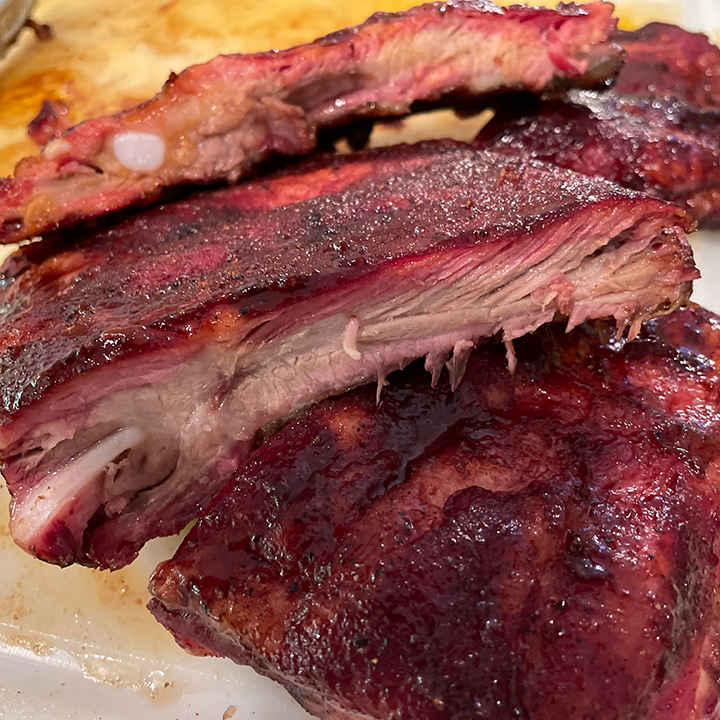
    Pair This: Lambrusco with Dry-Rubbed Baby Backs

    Zinfandel is a classic, sure — but it can feel sticky and sluggish on a sweltering day. Enter Lambrusco, the sparkling red from Italy’s Emilia-Romagna region. It’s fizzy, fruity, and just tannic enough to match the sweet-spicy bark on your ribs. Slightly chilled, it’s a revelation.

    Why it works: The bubbles cut the fat, the fruit complements the rub, and the acidity refreshes the palate between bites.

    Try This Pairing:
    Dish: Dry-rubbed pork ribs with a brown sugar, smoked paprika, and chipotle blend
    Wine: Cleto Chiarli Lambrusco Grasparossa di Castelvetro — vibrant, dark berries, and dry

    Photo by The Castlebar on Pexels.com

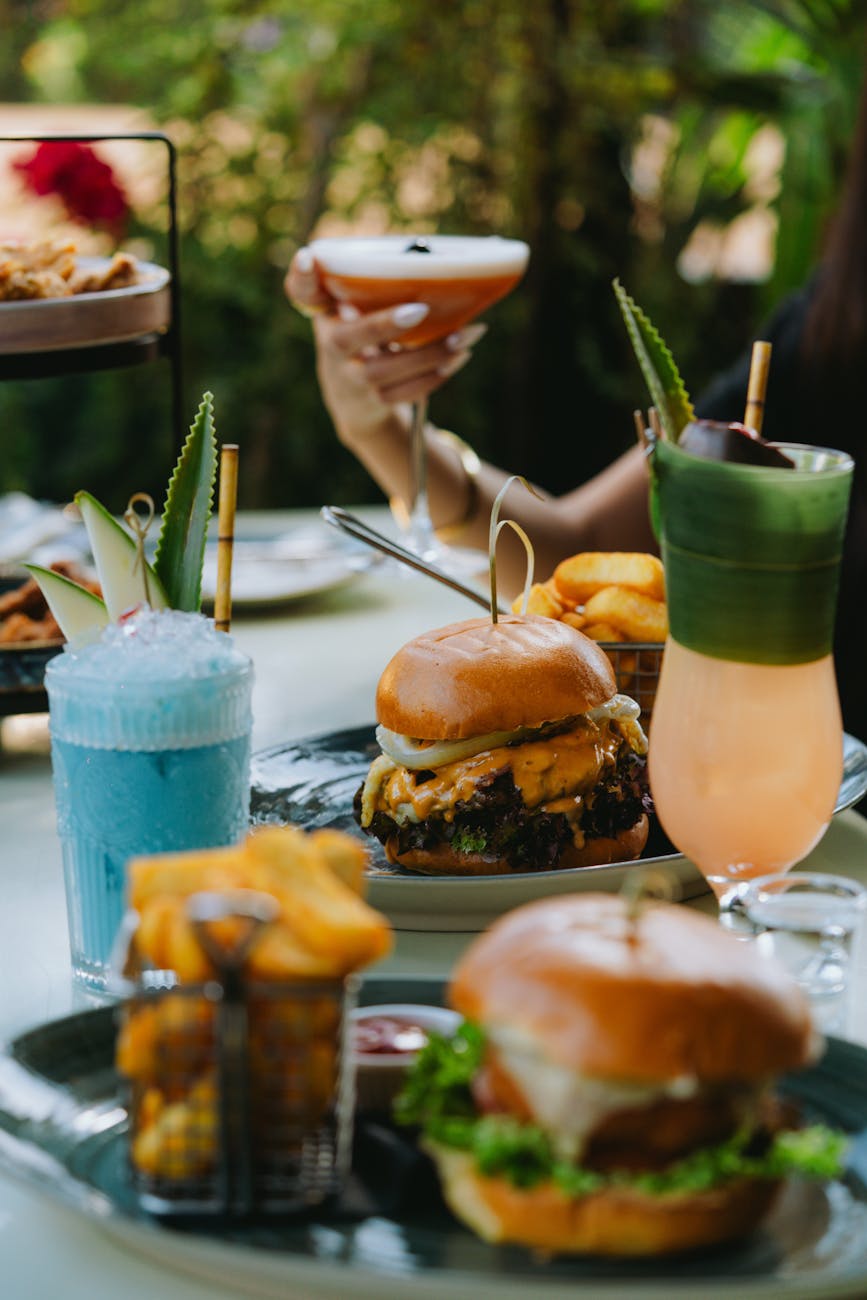
    Pair This: Mezcal Paloma with Smash Burgers

    IPAs are popular grill-side, but the bitterness can clash with the caramelization on your patty. The solution? A smoky Mezcal Paloma — just enough fire to echo the grill, with citrusy sparkle to lift every bite.

    Why it works: Mezcal’s smoky backbone loves char. The grapefruit and lime bring brightness, and bubbles make it refreshing — a perfect match for seared, juicy beef.

    Mezcal Paloma Recipe

    • 2 oz joven mezcal (we love Del Maguey Vida)
    • 1 oz fresh grapefruit juice
    • 0.5 oz fresh lime juice
    • 0.5 oz agave syrup
    • Pinch of sea salt
    • Top with grapefruit soda (Fever Tree or Jarritos preferred)
    • Serve over ice with a salted rim and a grilled grapefruit wedge
    Photo by Nano Erdozain on Pexels.com

    Pair This: Chilled Cru Beaujolais with Sticky Drumsticks

    We all love a crisp rosé — but sticky, charred BBQ chicken needs a bit more muscle and complexity. Cru Beaujolais, like Morgon or Fleurie, is juicy, earthy, and vibrant, with enough savory backbone to stand up to sweet BBQ sauce.

    Why it works: Gamay offers bright red fruit with silky tannins and a touch of minerality, which harmonizes with sticky sauces and caramelized skin.

    Try This Pairing:
    Dish: Grilled BBQ chicken drumsticks with peach-bourbon glaze
    Wine: Jean Foillard Morgon Côte du Py — a natural, elegant, chilled red that will blow minds

    Photo by Macourt Media on Pexels.com

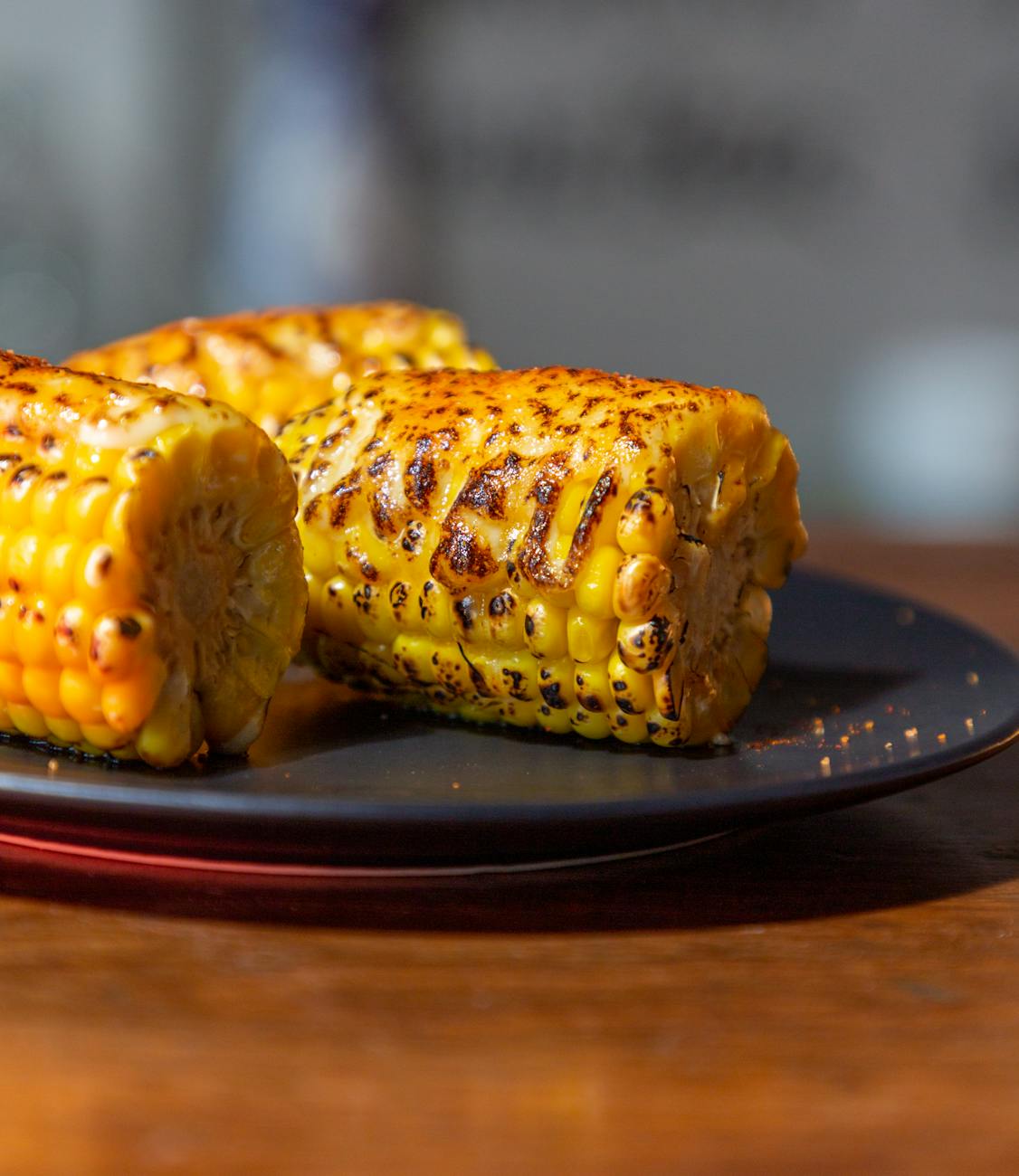
    Pair This: Dry Riesling with Elote

    Sauv Blanc is the obvious choice for grilled corn, but take it next level: grilled elote-style corn slathered with mayo, lime, cotija, and chili powder needs dry Riesling with nerve, not just zip.

    Why it works: Dry Riesling can handle spice, citrus, and creamy elements. Its petrol-mineral quality adds depth, and the acidity balances every bite.

    Try This Pairing:
    Dish: Mexican-style grilled corn with lime crema and tajín
    Wine: Dönnhoff Riesling Trocken — Germany’s clean, dry stunner with citrus and stone

    Photo by Airam Dato-on on Pexels.com

    Pair This: Txakolina with Spicy Shrimp Skewers

    Pinot Grigio often fades into the background. You need something with zing and a little sparkle. Enter Txakolina — the zingy, slightly spritzy Basque wine you’ve been missing.

    Why it works: High acidity, a touch of salinity, and effervescence = shrimp’s new best friend.

    Try This Pairing:
    Dish: Chili-lime grilled shrimp skewers
    Wine: Ameztoi Txakolina — crisp, citrusy, electric on the tongue

    Pair This: Watermelon & Basil Gin Fizz

    Instead of toothache-sweet slush, opt for something that feels like a frozen treat but keeps its structure. This Watermelon Basil Gin Fizz is light, herbaceous, and juicy — a cocktail that says picnic sophistication.

    Watermelon Basil Gin Fizz Recipe

    • 2 oz gin (we love Hendrick’s for its floral notes)
    • 1 oz fresh lime juice
    • 1 oz basil simple syrup (see below)
    • 2 oz fresh watermelon juice
    • Top with soda water
    • Shake, strain into a Collins glass with ice, and garnish with basil sprig

    Basil Simple Syrup:
    Simmer 1 cup sugar + 1 cup water + 1 cup fresh basil for 5 mins. Cool, strain, and bottle.

    Photo by Henrik Pfitzenmaier on Pexels.com

    Pair This: Peach Bourbon Smash with Grilled Stone Fruit

    Nothing says summer like stone fruit and bourbon, but ditch the neat pour for a Peach Smash that’s smoky, sweet, and made for golden hour sipping.

    Peach Bourbon Smash Recipe

    • 2 oz bourbon
    • 3 slices grilled peach
    • 0.75 oz lemon juice
    • 0.5 oz honey syrup (1:1)
    • Mint leaves
    • Muddle peach and mint, shake with ice, double strain over crushed ice
    • Garnish: grilled peach wedge + mint sprig

    Why it works: The grill’s caramelization meets bourbon’s vanilla warmth; mint and lemon bring brightness.

    Instead of: Marshmallow s’mores with sticky port
    Pair This: Toasted Coconut Ice Cream + Cream Sherry

    Summer deserves a cool, creamy ending. Toasted coconut gelato or ice cream with a pour of Amontillado or Cream Sherry hits nutty, buttery notes that mirror each other with elegance.

    Why it works: The oxidative aging of sherry delivers a toasted nut character that resonates with coconut, while the sweetness stays in balance.

    A Summer of Swaps

    The point of summer is fun, freedom, and freshness — so why stick with the same old wine and spirits? By making just a few creative swaps, you can surprise and delight your guests with unexpected pairings that enhance every grilled bite and sun-drenched laugh.

    Photo by Antoni Shkraba Studio on Pexels.com

    So go ahead — Pair This, Not That — and bring the same creativity to your backyard as you do to your glass. Cheers 🍷🍸☀️

    Cover Photo by Lazarus Ziridis on Pexels.com