A well-curated wine tasting event is an exquisite journey that engages the senses and allows participants to appreciate the complexities of different varietals. Having hosted (and participated in) a few tasting events, SOMM&SOMM is here to guide you through the science behind choosing the order in which wines should be served to enhance the overall tasting experience.
Disclosure: This post includes some affiliate links. Should you click an affiliate link and make a purchase, we may receive a small commission at no extra cost to you.
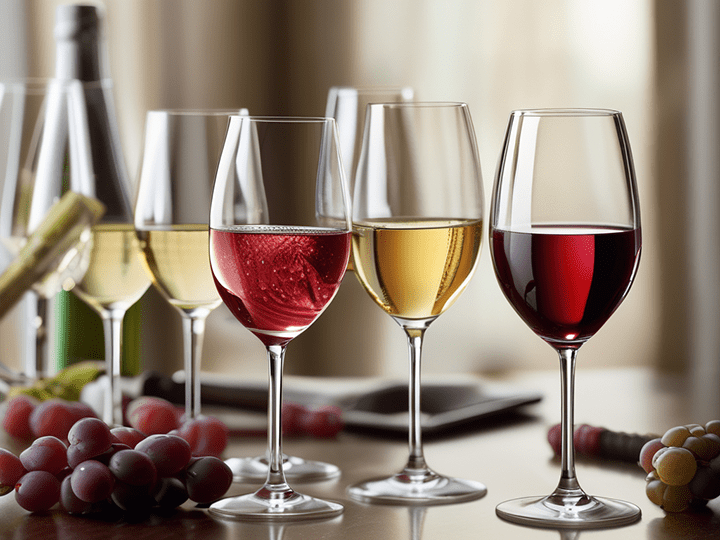
Sommelier Rule #1: Start with Whites before Reds – The general rule of thumb is to begin with white wines before moving on to reds. White wines are typically lighter and crisper, allowing the palate to acclimate to the subtleties of flavors without overwhelming it with bold tannins and robust characteristics. This progression ensures a smooth transition from lighter to fuller-bodied wines.
Sommelier Rule #2: Consider Alcohol Content – When selecting the order of wines, it is essential to take alcohol content into account. Starting with lower alcohol wines helps prevent palate fatigue, allowing participants to fully appreciate the nuances of each wine. Gradually progressing towards higher alcohol wines ensures a balanced tasting experience.
Sommelier Rule #3: Sweet vs. Dry – Another factor to consider is the sweetness level of the wines. Begin with dry wines and progress towards sweeter ones. Sweet wines can leave a lingering impression on the palate, making it challenging to appreciate the subtleties of drier varietals if served later in the lineup.
Best Practices for Creating a Proper Lineup
• Light to Full-Bodied – Arrange the wines from light to full-bodied. This helps participants ease into the tasting, preventing palate fatigue and ensuring that the more delicate characteristics of lighter wines are not overshadowed by bolder counterparts.
• Consider Regional Variations – If you have a selection of wines from different regions, consider the traditional order of service for that region. For example, if showcasing French wines, follow the classic progression of Champagne, white Burgundy, red Burgundy, Bordeaux, and so on.
• Mind the Oak Influence – If your selection includes oaked and unoaked wines, start with unoaked varieties. Oak can leave a lasting impression on the palate, and beginning with unoaked wines allows for a more nuanced tasting experience.
Spotlight: Westgarth Wines is a great source for hard-to-find varietals and vintages. Whether building your wine portfolio or planning a themed wine tasting, check out Westgarth Wines Extensive Fine Wine Collection.
Adjusting for Food and Wine Dinners
When planning a food and wine dinner, the dynamics change slightly. Consider the following:
Pairing Dynamics: Align the wine lineup with the progression of the courses. Lighter wines work well with appetizers and delicate dishes, while fuller-bodied wines complement heartier mains.
Consider the Dominant Flavors: If a specific dish has dominant flavors, choose a wine that compliments or balances those flavors. For example, a buttery Chardonnay pairs well with creamy pasta dishes (Coquillettes Ham Tartufata).
Sip, don’t swallow. Encourage participants to take small sips and savor the flavors without swallowing immediately. This allows for a more comprehensive tasting experience. Use the right glassware. Provide appropriate glassware for each wine. The shape and size of the glass can significantly impact the perception of aromas and flavors. Provide water and neutral snacks. Have water available to cleanse the palate between tastings. Neutral snacks like crackers or bread can also help reset the palate.
In conclusion, crafting the perfect wine tasting experience involves a thoughtful consideration of the order in which wines are served. By understanding the science behind this process and incorporating best practices, you can elevate any tasting event to a memorable and enjoyable occasion.
Austria, a country nestled in the heart of Europe, boasts a winemaking history that dates back centuries. With its diverse terroir, unique grape varieties, and a commitment to quality, Austrian wines have been gaining international acclaim. In this exploration, we will delve into the main wine regions, native varietals, distinctive styles, and noteworthy vintages that make Austria a captivating destination for wine enthusiasts.
Wine Regions of Austria
Austria is divided into four primary wine regions, each characterized by its distinct terroir and grape varieties:
Grüner Veltliner
Niederösterreich (Lower Austria): This expansive region along the Danube River is home to renowned sub-regions like Wachau, Kamptal, and Kremstal. Grüner Veltliner and Riesling are the stars here, thriving in the cool climate and diverse soils, from loess to primary rock.
Burgenland: Located in the eastern part of Austria, Burgenland is known for its red wines, particularly those produced from the indigenous grape variety Blaufränkisch. Neusiedlersee, a large lake in the region, influences the climate, creating ideal conditions for sweet wines like Trockenbeerenauslese.
Steiermark (Styria): This southern region is recognized for its Sauvignon Blanc and Morillon (Chardonnay). The landscape is diverse, with vineyards ranging from steep slopes to rolling hills. Steiermark’s wines are often characterized by a vibrant acidity and minerality.
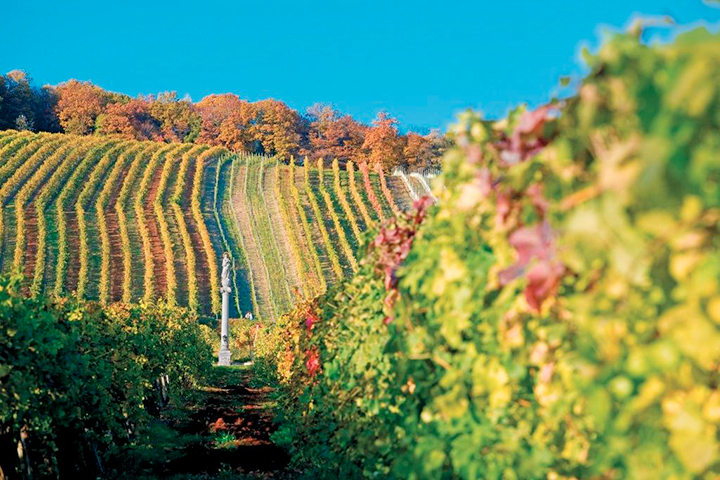
Gemischter Satz – Photo by Lois Lammerhuber, Weintourismus
Wien (Vienna): The Austrian capital, Vienna, has its own unique wine region within the city limits. The local Gemischter Satz, a field blend of different grape varieties, is a traditional Viennese wine style that reflects the city’s multicultural history.
Sankt Laurent
Native Varietals
Austria takes pride in its native grape varieties, which contribute to the country’s distinctive wine identity. The most notable include:
Grüner Veltliner: Often considered Austria’s flagship white grape, Grüner Veltliner produces crisp, aromatic wines with flavors ranging from green apple to white pepper. It is the most widely planted grape variety in the country.
Riesling: Known for its elegance and age-worthiness, Austrian Riesling showcases a beautiful balance of acidity and fruitiness. The Wachau region, in particular, is celebrated for its Riesling expressions.
Blaufränkisch: A red grape variety that thrives in Burgenland, Blaufränkisch produces wines with dark fruit flavors, spice, and a distinctive earthy character. It is the backbone of many of the region’s powerful red blends.
Sankt Laurent: Another red variety, Sankt Laurent, is valued for its velvety texture and red fruit notes. It is often used to create elegant, age-worthy red wines.
Sankt Laurent was named after St. Lawrence’s Day – the 10th of August – the day on which the grapes begin to change color
Austria offers a wide range of wine styles, from dry whites to luscious sweet wines. Some unique styles to explore include:
Gelber Muskateller (Yellow Muscat): This aromatic grape variety produces floral and perfumed wines with a captivating bouquet. It is often vinified into dry, aromatic whites.
Eiswein (Ice Wine): In exceptional years, Austrian winemakers craft Eiswein from grapes naturally frozen on the vine. These sweet wines are a true delicacy, balancing intense sweetness with acidity.
Gemischter Satz: As mentioned earlier, this traditional Viennese style involves planting and harvesting different grape varieties together. The resulting wines are complex, reflecting the diversity of the vineyard.
When it comes to vintages, Austrian wines are known for their consistency and age-worthiness. However, the standout years, such as 2015, 2017, and 2019, have produced wines with exceptional balance and concentration.
Sacher-Torte
Austrian Wine and Culinary Pairings
Pairing Austrian wines with local dishes is a delightful experience that enhances the flavors of both the food and the wine. Here are some recommendations:
Grüner Veltliner with Wiener Schnitzel: The crisp acidity and citrus notes of Grüner Veltliner complement the fried goodness of Wiener Schnitzel, Austria’s iconic breaded veal cutlet.
Blaufränkisch with Game Meat: The robust and spicy character of Blaufränkisch pairs wonderfully with game dishes, bringing out the rich flavors of venison or wild boar.
Sankt Laurent with Duck: The velvety texture and red fruit profile of Sankt Laurent harmonize beautifully with the succulence of roasted duck.
Eiswein with Desserts: The intense sweetness and acidity of Eiswein make it a perfect match for desserts like Sacher-Torte or apple strudel.
Austria’s Winemaking Heritage
Austria’s winemaking history dates back to Roman times, with monasteries playing a crucial role in preserving and advancing viticultural practices. In recent decades, Austrian winemakers have embraced modern techniques while maintaining a deep respect for tradition. This balance has contributed to the country’s success on the international stage.
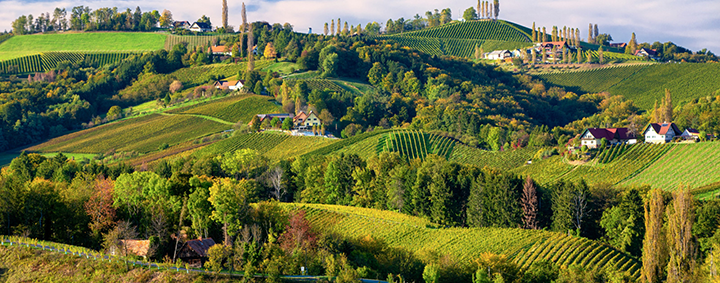
South Styrian Wine Road in Austria. Image Credit: Julius Silver/Courtesy of Austrian Tourism
A Unique Wine Landscape
Surrounded by wine-producing heavyweights like Germany, Italy, and France, Austria holds its own with its distinctive terroir and grape varieties. The country’s commitment to quality, sustainable viticulture, and expressive winemaking have earned it a respected place among its European counterparts.
Austria’s wines are a treasure trove of diversity, offering something for every palate. Whether you are drawn to the zesty Grüner Veltliners of Niederösterreich, the robust reds of Burgenland, or the unique Gemischter Satz of Vienna, Austrian wines are sure to captivate and leave a lasting impression. So, embark on a journey through the vineyards of Austria and savor the terroir, tradition, and innovation that define this remarkable wine-producing nation. Prost!
When it comes to sparkling wines, most people think of Champagne from France or Prosecco from Italy. However, there’s a hidden gem in the world of bubbly that deserves your attention—Franciacorta. Hailing from the Lombardy region in northern Italy, Franciacorta is a sparkling wine that combines tradition, elegance, and a touch of Italian charm. As a professional sommelier and wine educator, I’m excited to introduce you to this under-appreciated delight just in time for the holidays and New Year’s celebrations.
Lombardy Region in Northern Italy
The Origin of Franciacorta
Franciacorta is produced in the picturesque hills of the Franciacorta zone, situated between the southern shore of Lake Iseo and the city of Brescia. Unlike many other sparkling wines, Franciacorta is made using the traditional method, similar to Champagne. The region’s unique terroir, characterized by its clay-limestone soil and a mild climate, imparts distinctive characteristics to the grapes used in its production.
Chardonnay in Franciacorta
Grapes and Styles
The principal grape varieties used in Franciacorta are Chardonnay, Pinot Noir, and Pinot Blanc. The region offers a range of styles, including Franciacorta Brut, Franciacorta Extra Brut, Franciacorta Satèn, and Franciacorta Rosé. Each style presents a different facet of the region’s winemaking expertise, from the crisp and refreshing Brut to the velvety smoothness of a Satèn.
Controlled and guaranteed designation “Franciacorta” Satèn wine shall be obtained from grapes grown in each estate from the following varietals: Chardonnay min. 50%. Pinot bianco grapes can be used to produce the aforesaid wine up to a maximum proportion of 50%.
Article 2.1 – Production Rulebook of the Controlled and Guaranteed “Franciacorta” Designation Wines
Exceptional Quality
One of the hallmarks of Franciacorta is its commitment to quality. The wine undergoes a secondary fermentation in the bottle, contributing to its fine and persistent perlage (bubbles) and complex flavor profile. With a minimum aging period of 18 months for non-vintage and 30 months for vintage Franciacorta, these wines boast a level of maturity and depth that rivals some of the best sparkling wines in the world.
Perfect for Celebrations
As the holiday season approaches, Franciacorta is an ideal choice for toasts and celebrations. Its versatility makes it suitable for pairing with a variety of dishes, from appetizers to main courses. The crisp acidity and effervescence of Franciacorta cleanse the palate, making it a wonderful accompaniment to rich and savory holiday fare.
New Year’s Elegance
When the clock strikes midnight on New Year’s Eve, raise your glass with a sparkling wine that embodies the spirit of celebration. Franciacorta’s fine bubbles and refined taste make it the perfect choice for toasting to new beginnings. Whether you’re hosting a small gathering or attending a grand party, Franciacorta adds a touch of Italian sophistication to the festivities.
Ladies and Gentlemen, esteemed connoisseurs of life,
As we stand on the cusp of a brand new year, let us raise our glasses high, filled with the effervescent joy of Franciacorta, a sparkling elixir as bright as the possibilities that await us in the coming days.
Let us savor this moment, relish the company of those around us, and toast to the beautiful journey that lies ahead. Happy New Year! May it be as splendid and sparkling as this glass of Franciacorta in our hands. Cheers! 🥂✨
Gregory Dean, SOMM&SOMM
Discover the Hidden Gem
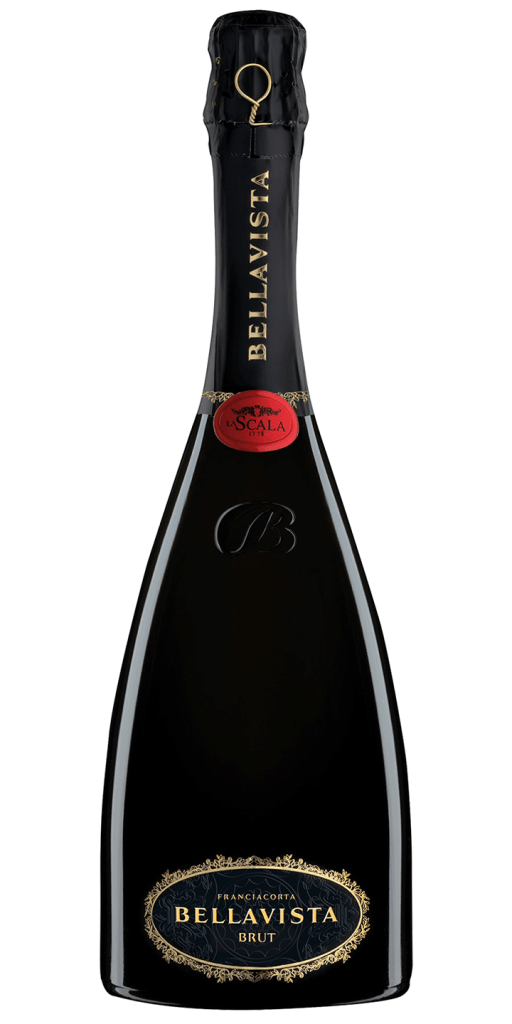
2018 Bellavista Franciacorta Teatro La Scala Brut
While Champagne and Prosecco often take the spotlight, Franciacorta quietly awaits discovery by those seeking something truly exceptional. As a wine educator, I encourage you to explore the world of Franciacorta and experience the magic of this Italian sparkling wine. Whether you’re a seasoned wine enthusiast or a curious newcomer, Franciacorta offers a delightful journey for your taste buds.
Here are a few of our favorite Franciacorta wines:
In conclusion, this holiday season and New Year’s, consider elevating your celebrations with Franciacorta. It’s time to unveil the well-kept secret of Italian sparkling wine and savor the craftsmanship, tradition, and elegance that make Franciacorta a hidden gem in the world of bubbly. Cheers to new discoveries and unforgettable moments!
The holiday season is a time for joy, celebration, and, of course, the clinking of glasses filled with delightful wines. As sommeliers and wine educators, we understand the importance of creating a welcoming atmosphere for all wine enthusiasts, regardless of their level of expertise. In the spirit of the holidays, let’s explore some essential etiquette tips for bringing, drinking, and commenting on wine at festive gatherings.
One of the fundamental principles of wine appreciation is acknowledging the diversity of palates
Gregory Dean, SOMM&SOMM
Respect Diverse Tastes
People’s tastes vary widely, influenced by personal preferences, experiences, and cultural backgrounds. When bringing wine to a holiday party, opt for crowd-pleasers—versatile wines that can appeal to a range of preferences. However, it’s crucial to recognize that not everyone will adore the wines you’ve selected, and that’s perfectly acceptable.
Be open-minded and appreciate that individuals may have different taste sensitivities. Avoid taking offense if someone doesn’t particularly enjoy a wine you’ve chosen. Instead, focus on the shared enjoyment of the holiday season and the joy of coming together.
Commenting with Grace
Engaging in conversations about wine and food pairings requires finesse, especially when differing opinions arise. If you find yourself faced with a wine or dish that doesn’t align with your personal taste, resist the urge to express outright criticism. Instead, employ diplomatic language to share your thoughts.
For instance, you might say, “While I personally prefer a crisper white wine with seafood, this red wine offers a unique perspective that I can appreciate,” or “I find the bold flavors in this dish a bit overpowering for my taste, but I can see how it complements the wine for others.”
The key is to express your preferences without diminishing others’ enjoyment. Remember, everyone’s palate is unique, and the beauty of wine lies in its subjective nature.
Appreciate the Entire Experience
Graciousness in Hosting
If you are the host and someone brings a bottle of wine that doesn’t align with your planned menu, embrace the opportunity to showcase your hospitality. Thank them sincerely for the thoughtful gesture and find a moment to share the wine. You might even discover a hidden gem that enhances the overall experience for your guests.
Encourage open dialogue about the wines being served, fostering an environment where guests feel comfortable sharing their thoughts. Emphasize the joy of exploration and the chance to broaden everyone’s understanding of different wine styles.
As we raise our glasses to celebrate the holidays, let us also raise our awareness of the diverse world of wine and the varied tastes that accompany it. By approaching wine with an open heart and an open mind, we can create a holiday atmosphere that is inclusive, gracious, and memorable for all. Cheers to a season filled with joy, appreciation, and the shared love of good company and good wine!
Champagne, often synonymous with celebrations and luxury, stands as the epitome of sparkling wine craftsmanship. Originating from the picturesque Champagne region in France, this effervescent elixir has woven itself into the fabric of joyous occasions worldwide. As a professional sommelier and wine educator, I invite you on a journey to discover the nuances of Champagne, explore its historical roots, distinguish it from other sparkling wines, and indulge in the art of serving and toasting.
Champagne Vineyards
Historical Roots of Champagne
The captivating tale of Champagne’s origin dates back to the 17th century. Legend has it that the Benedictine monk Dom Pérignon discovered the method to capture the bubbles in wine, turning a potential winemaking disaster into a delightful revelation. While this story adds a touch of romance to the narrative, historical records attribute the development of the traditional method of sparkling wine production to multiple contributors in the Champagne region.
In the early 19th century, Champagne houses such as Veuve Clicquot and Moët et Chandon played pivotal roles in refining the méthode champenoise, which involves a secondary fermentation in the bottle. This technique became the hallmark of Champagne production, distinguishing it from other sparkling wines.
Distinguishing Champagne from Other Sparkling Wines
While Champagne is the undisputed star, various other sparkling wines offer distinctive profiles and styles. Prosecco (created using the Charmat Method), hailing from Italy, is known for its fresh and fruity character. One of our favorite sparkling wines from Italy, also made using the traditional method (metodo classico), is the Lombardy region’s own Franciacorta. Spain’s Cava, crafted using the traditional method, exhibits citrusy and toasty notes. The German Sekt often showcases a delicate sweetness, while English sparkling wines gain recognition for their quality, influenced by the cool climate and chalky soils.
What sets Champagne apart is the rigorous production standards outlined by the AOC (Appellation d’Origine Contrôlée) regulations. Grapes, primarily Chardonnay, Pinot Noir, and Pinot Meunier, must come from the Champagne region, and production follows strict guidelines to ensure consistency and excellence.
As the holiday season approaches, serving sparkling wine with finesse can elevate the festivities. Here are some tips to enhance your sparkling wine experience:
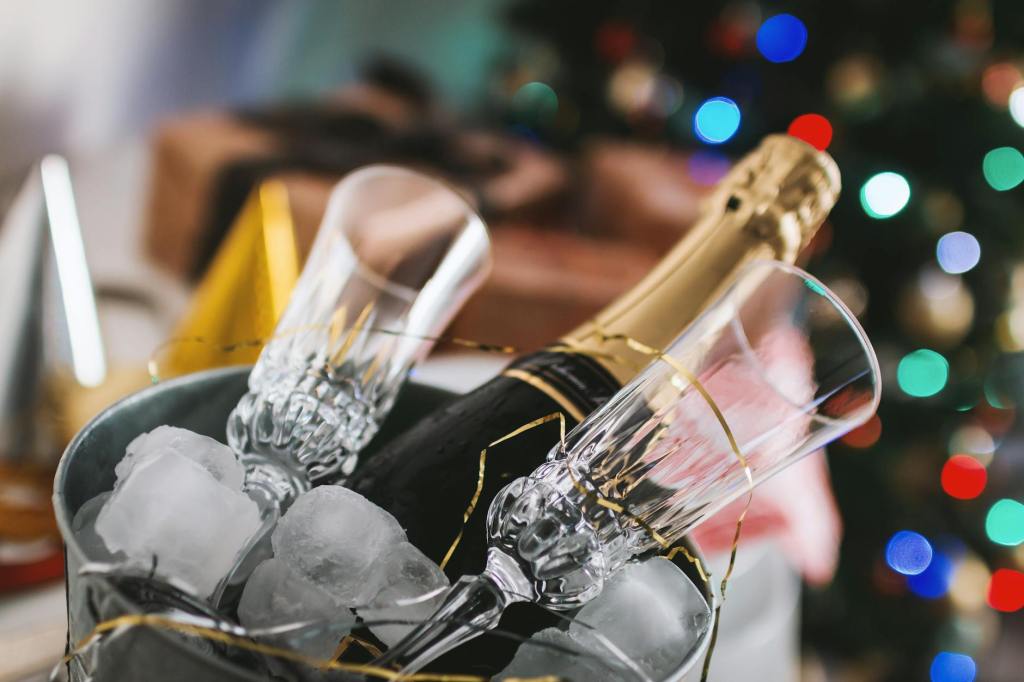
1. Temperature Matters: Serve Champagne chilled, ideally between 45°F to 48°F (7°C to 9°C). An ice bucket filled with water and ice is an excellent way to keep it at the perfect temperature.
2. Choosing the Right Glassware: Opt for a flute or tulip-shaped glass to preserve the effervescence and concentrate the aromas. The narrow design helps maintain the bubbles and showcases the wine’s complexity.
3. Gentle Pouring: To preserve the bubbles, pour sparkling wine down the side of the glass. Hold the glass at an angle and let the liquid glide gently into the flute.
Popular Champagne Cocktails and Recipes
Champagne isn’t confined to celebratory toasts; it’s a versatile libation that can be crafted into delightful cocktails. Here are a few popular recipes to elevate your Champagne experience:
Instructions: Soak the sugar cube in a few dashes of Angostura bitters. Drop the cube into a Champagne flute. Pour chilled Champagne over the sugar cube. Garnish with a lemon twist.
2. French 75:
Ingredients:
1 oz gin
0.5 oz simple syrup
0.5 oz lemon juice
Champagne
Lemon twist (for garnish)
Instructions: Shake gin, simple syrup, and lemon juice with ice. Strain into a Champagne flute. Top with Champagne. Garnish with a lemon twist.
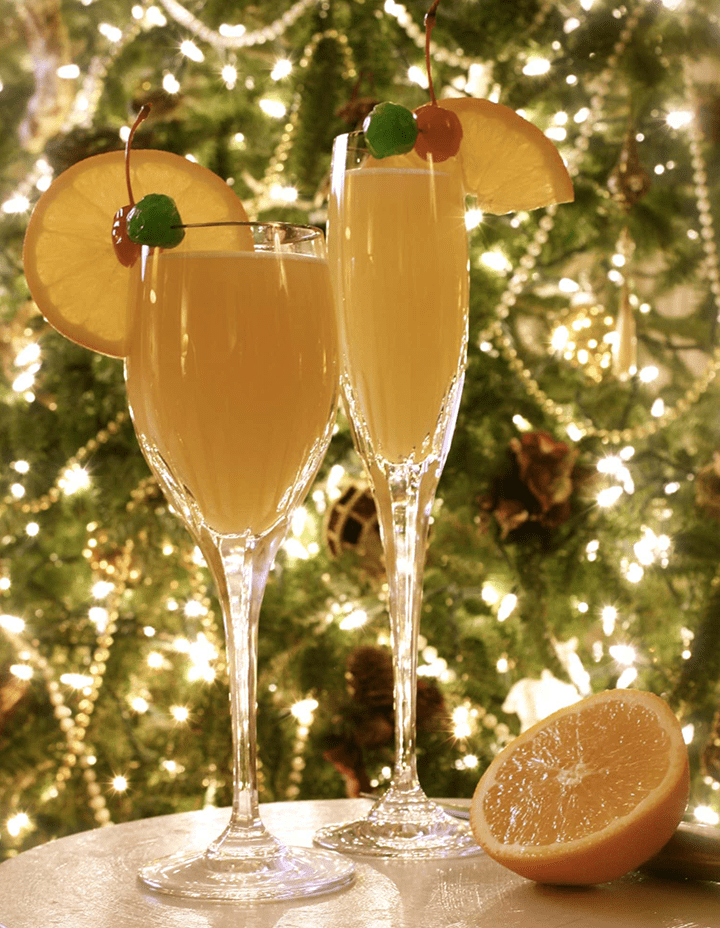
3. Mimosa:
Ingredients:
2 oz orange juice
Champagne
Instructions: Pour orange juice into a Champagne flute. Top with chilled Champagne.
A Champagne toast is a timeless tradition that brings people together in celebration. To ensure a memorable and elegant toast, consider the following:
1. Selecting the Right Champagne: Choose a quality Champagne that suits the occasion. A brut or extra brut is a safe choice for toasting, offering a balance of sweetness and acidity.
2. Chilled to Perfection: Ensure the Champagne is appropriately chilled. A cold glass of bubbly is not only refreshing but enhances the effervescence.
3. Hold the Glass Correctly: Grasp the Champagne flute by the stem to prevent the transfer of heat from your hand to the wine. This helps maintain the ideal serving temperature.
4. Raise, Clink, and Sip: Raise your glass, make eye contact, and gently clink glasses with others. Take a moment to express your sentiments before taking a sip.
Let us raise our glasses high in celebration of this joyous moment. Here’s to love that knows no bounds, to friendships that stand the test of time, and to the adventures that await us in the coming years. May our hearts be filled with gratitude, our days with laughter, and our glasses with the effervescent elixir of life. Cheers to the past, the present, and the future – may it be as sparkling and delightful as the bubbles dancing in this champagne. Cheers!
Gregory Dean, SOMM&SOMM
In conclusion, Champagne is a beverage of celebration, history, and craftsmanship. From its humble beginnings in the Champagne region to its global acclaim, this effervescent wine continues to captivate enthusiasts. Whether sipped on its own, blended into cocktails, or used for toasts, Champagne remains a symbol of elegance and festivity, enriching moments both grand and intimate. 🥂
The holiday season is upon us, and what better way to celebrate than with a glass of wine in hand? Whether you’re hosting a festive gathering or cozying up by the fireplace, red, white, and sparkling wines offer a versatile canvas for crafting delightful holiday libations. Let’s explore the characteristics of each type of wine and discover some whimsical holiday toasts to elevate your celebration.
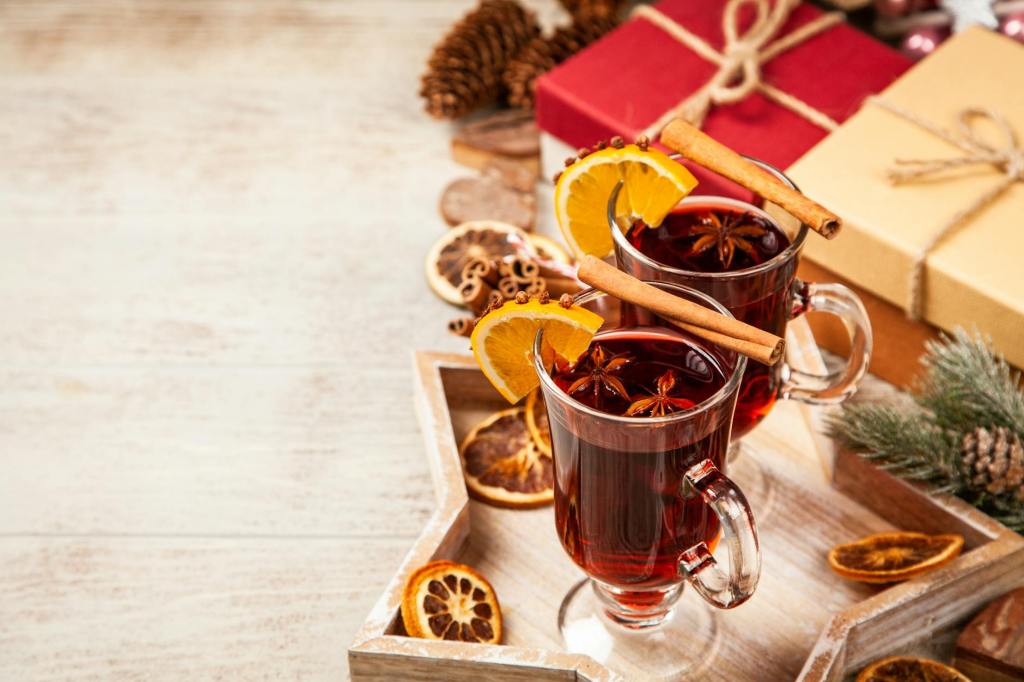
Red Wine Revelry: Mulled Wine Magic – Photo by George Dolgikh on Pexels.com
Red Wine
Red wine, with its robust flavors and warming qualities, is a natural choice for creating cozy holiday drinks. One classic concoction is Mulled Wine, a spiced and heated red wine that fills the air with delightful aromas. To make this festive brew, combine red wine with spices like cinnamon, cloves, and orange peel. Serve it warm in mugs, and garnish with a cinnamon stick for an extra touch of holiday spirit. It’s worth taking a look at this classic Vin Chaud recipe!
To mulled wine and fireside tales, may warmth fill our hearts as the holiday spirit prevails!
White wine, known for its crisp and refreshing profile, can be transformed into a Winter Sangria that will dazzle your taste buds. Combine white wine with seasonal fruits like pomegranate seeds, cranberries, and sliced apples. Add a splash of brandy and a hint of sparkling water for effervescence. The result is a visually stunning and palate-pleasing libation perfect for holiday gatherings. Julie’s White Christmas Sangria is worth exploring.
To Winter Sangria, a symphony of flavors that dance on our tongues, may our holiday season be as vibrant and joyful!
SOMM&SOMM
Sparkling Splendor: Champagne Cocktails for Celebrations
Sparkling Wine
Sparkling wine, synonymous with celebrations, takes center stage in elegant Champagne cocktails. Create a festive Mimosa by combining sparkling wine with fresh orange juice or opt for a classic Kir Royale by adding a touch of crème de cassis. For a more daring twist, try a Pomegranate Prosecco Punch, featuring sparkling Italian wine mixed with pomegranate juice and a splash of elderflower liqueur.
To effervescence and efflorescence, may our spirits sparkle as bright as the bubbles in our glasses this holiday season!
SOMM&SOMM
Red, white, and sparkling wines provide a delightful canvas for crafting holiday libations that suit every palate. Whether you’re curled up by the fire with a mug of Mulled Wine, clinking glasses filled with Winter Sangria, or toasting with a sparkling Champagne cocktail, these festive drinks add an extra layer of joy to the holiday season. So, raise your glass, savor the flavors, and cheers to the magic of the holidays!
Ah, wine – that magical elixir that transforms ordinary moments into extraordinary experiences. The world of wine is a tapestry woven with flavors, aromas, and textures, and like any masterpiece, it requires the right conditions to truly shine. As we embark on this whimsical journey through the realms of temperature, let us explore the proper storage and serving temperatures for various wine styles, each with its unique personality waiting to be unleashed.
The Sprightly Spirits – Photo by Ata Ebem on Pexels.com
Light White Wines
Picture a crisp Sauvignon Blanc or a zesty Pinot Grigio, dancing on your taste buds like a lively sprite. These light white wines are delicate creatures, and they thrive at temperatures around 45-50°F (7-10°C) when stored. Serve them a bit too warm, and they might lose their sprightly demeanor, becoming flabby and dull. Too cold, and their vivacious character may be masked, leaving you with a muted sip.
The Oaked Chardonnay Extravaganza – Photo by Oleksandr P on Pexels.com
Bolder White Wines
Now, let’s enter the realm of bolder white wines, where the majestic oaked Chardonnay reigns supreme. These wines, with their buttery richness, demand a slightly warmer storage temperature of 50-55°F (10-13°C). Serve them too warm, and they might become a butter bomb, overwhelming your senses. Too cold, and the oak and creamy textures might be hibernating, leaving you with a less-than-luxurious experience.
The Effervescent Ballet – Photo by cottonbro studio on Pexels.com
Sparkling Wines
Ah, the effervescence of sparkling wines, those tiny bubbles that tickle your nose with delight. These celebratory libations prefer cooler storage temperatures around 43-50°F (6-10°C). Serve them too warm, and the bubbles may fizzle out prematurely, like a deflated balloon. Too cold, and their vibrant dance might be subdued, robbing you of that effervescent magic.
The Sweet Symphony – Photo by Polina Tankilevitch on Pexels.com
Dessert Wines
Enter the world of dessert wines, a symphony of sweetness and complexity. Whether it’s a late harvest Riesling, a luscious Port, or a nutty Sherry, these wines thrive in slightly warmer storage conditions, around 55-60°F (13-16°C). Sweet wines–such as Sauternes and Eiswein–should be served well chilled at 43-46°F (6-8°C). Serve them too warm, and the sweetness might become cloying, like a sugar rush overwhelming your palate. Too cold, and their intricate flavors may be muddled, leaving you with a less-than-decadent experience.
The Elegant Waltz – Photo by liis piirmets on Pexels.com
Medium Red Wines
Transitioning to the red side of the spectrum, imagine a medium-bodied red wine gracefully waltzing across your taste buds. Pinot Noir and Valpolicella often fall into this category, and they prefer storage temperatures around 55-60°F (13-16°C). Serve them too warm, and their elegance might turn into a clumsy stumble, with the alcohol overpowering the subtleties. Too cold, and their delicate flavors may become shy and reserved.
The Bold Ballad
Full-Bodied Red Wines
Finally, we arrive at the full-bodied red wines, the powerhouses like Cabernet Sauvignon or Syrah. These robust wines come to life at storage temperatures of 59-64°F (15-18°C). Serve them too warm, and the tannins may dominate, leaving your mouth feeling like a dry desert. Too cold, and their complexity might be cloaked, robbing you of the full symphony of flavors.
In the world of wine, temperature is the conductor, guiding each style to its crescendo of flavors. So, next time you uncork a bottle, take a moment to consider the temperature – the key to unlocking the true essence of your chosen elixir. Cheers to the whimsical journey through the vineyards of temperature, where every sip tells a tale of temperature and taste!
As autumn settles in and leaves begin to paint the landscape with warm hues, wine enthusiasts around the world eagerly await the arrival of a special seasonal favorite—Beaujolais Nouveau. This vibrant and fruity red wine, released just weeks after the grape harvest, has become a symbol of celebration and conviviality. As a wine educator, I am excited to delve into the nuances of Beaujolais Nouveau, exploring its origins, characteristics, and the cultural significance that surrounds its annual release.
Beaujolais Nouveau finds its roots in the Beaujolais region of France, nestled between Burgundy and the Rhône Valley. The story begins with a tradition known as “Beaujolais Day,” a celebration that dates back to the early 20th century. The local winemakers, eager to share their newly harvested wines, would race to bring the first bottles of Beaujolais to the market. Over time, this lively tradition evolved into a global phenomenon.
The practice of producing Beaujolais Nouveau officially started in the 1950s, thanks to the marketing genius of Georges Duboeuf, a visionary winemaker. Recognizing the potential of the young, fruity wine, Duboeuf seized the opportunity to promote it as a festive and convivial beverage. The release date was set to the third Thursday of November, creating an annual wine event that captures the imagination of wine enthusiasts worldwide.
The Beauty of Carbonic Maceration
What sets Beaujolais Nouveau apart from other red wines is its unique winemaking process, known as carbonic maceration. This technique involves fermenting whole grapes in a carbon dioxide-rich environment before crushing them. This process emphasizes the fruity and aromatic qualities of the Gamay grape, the star of Beaujolais wines.
The result is a wine that is light, fresh, and brimming with red fruit flavors such as cherry, raspberry, and strawberry. The absence of harsh tannins makes Beaujolais Nouveau exceptionally approachable, even for those who may not typically gravitate towards red wines.
A Symphony of Fruitiness
When exploring Beaujolais Nouveau, one is immediately struck by its vivacious and youthful character. The wine typically exhibits a brilliant, ruby-red hue that hints at the explosion of fruit flavors within. On the nose, one can detect a medley of red berries, accompanied by floral notes that add a layer of complexity.
On the palate, Beaujolais Nouveau dances with bright acidity, making it a refreshing and versatile wine. The fruity profile is complemented by a subtle spiciness, creating a harmonious balance that lingers in the finish. It’s a wine meant to be enjoyed in its exuberant youthfulness, best consumed within the first few months of release.
Pairing Beaujolais Nouveau
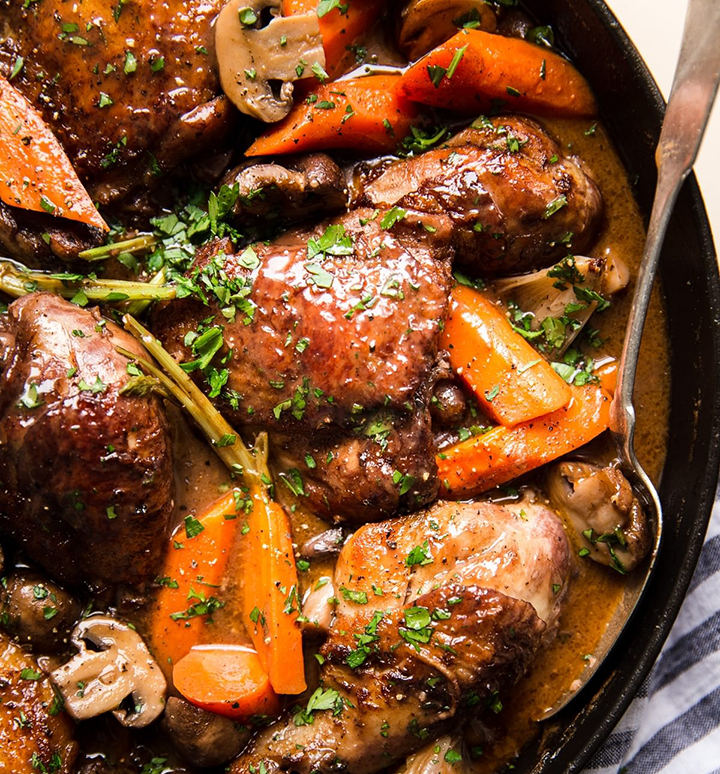
One of the joys of Beaujolais Nouveau is its versatility when it comes to food pairings. Its light body and vibrant acidity make it an excellent companion for a variety of dishes. Consider pairing it with classic French fare such as coq au vin or a plate of charcuterie. The wine’s fruity profile also makes it an ideal match for Thanksgiving dinner, complementing the array of flavors on the holiday table.
For those with a sweet tooth, Beaujolais Nouveau can be a surprising ally. Its fruit-forward nature makes it a delightful pairing with fruity desserts, such as a berry tart or poached pears.
The release of Beaujolais Nouveau has transcended its French origins and become a global celebration of wine and camaraderie. Wine lovers around the world eagerly anticipate the third Thursday of November, marking the official release date. Festivals, parties, and special events unfold as enthusiasts raise their glasses to toast the arrival of this unique and ephemeral wine.
Beaujolais Nouveau has become more than just a beverage; it’s a symbol of conviviality, tradition, and the joy of sharing. Winemakers, distributors, and consumers alike partake in the annual ritual, creating a sense of connection that transcends borders and cultures.
Embracing the Beaujolais Nouveau Tradition
I encourage enthusiasts to embrace the magic of Beaujolais Nouveau. Its lively and approachable nature, coupled with the rich history and cultural significance, makes it a wine worth savoring. Whether enjoyed at a festive gathering, a cozy dinner, or simply as a delightful accompaniment to the changing seasons, Beaujolais Nouveau captures the essence of celebration in a bottle. So, as the third Thursday of November passes by, let us raise our glasses to this special season favorite and the traditions that make the world of wine so enchanting.
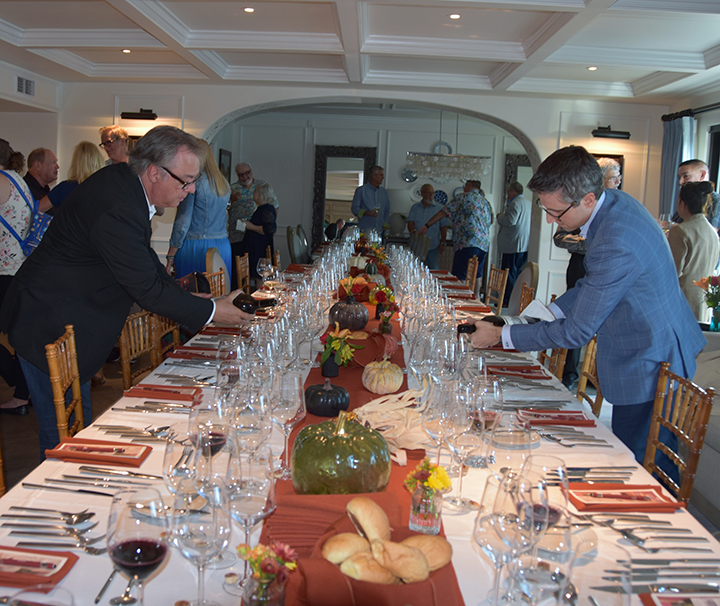
On October 28, 2023, an enchanting event unfolded in a private suite at Disney’s Riviera Resort, a night that will be fondly remembered by those lucky enough to attend. It marked the 35th Wedding Anniversary of Scott and Alison White, a couple known for their love of fine wine and fine company. Although their actual anniversary date was October 30th, they thoughtfully planned this special celebration a few days in advance to accommodate their dear friends and family with busy schedules. It turned out to be a decision that would create an unforgettable evening filled with elegance, exceptional wine, and camaraderie.
Place setting for the Chateau Montelena Penta-deca-vertical
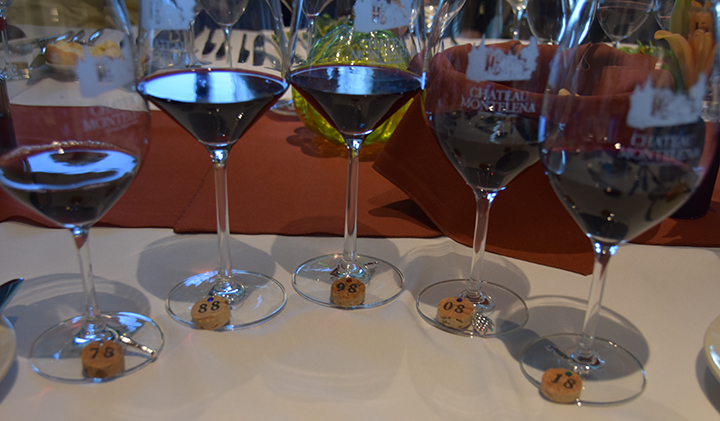
The centerpiece of the evening was a Chateau Montelena themed 5-course wine dinner featuring five decades of the legendary Cabernet Sauvignon wines of Chateau Montelena: 1978, 1988, 1998, 2008, and 2018. As each guest arrived, they were greeted with a glass of the 2020 Chateau Montelena Chardonnay, a delightful prelude to the remarkable evening that awaited them. The bright and beautifully floral wine flowed as guests mingled, setting the stage for a night of memorable moments.
Gregory Dean (SOMM&SOMM) and Chris Grossman, CSW (Chateau Montelena)
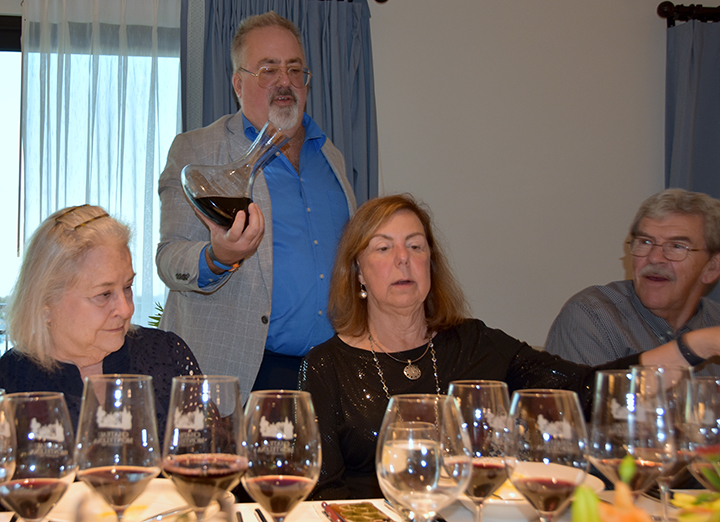
The uniqueness of this event became apparent when all five different Cabernet Sauvignons were poured at the beginning of the meal. This format allowed every vintage to be compared with all five courses. To enhance the experience and create a lasting memory, special tasting mats were thoughtfully provided for the 32 guests, inviting them to take notes and record their journey through these remarkable wines.
Our ties may not be by blood, but they’re definitely by bottle… and I dare say, that’s even stronger!
Gregory Dean
Adding an extra layer of enchantment to the evening, Chris Grossman, a Certified Specialist of Wine (CSW) from Chateau Montelena, was in attendance as the special guest. His presence was akin to having the gatekeeper of a vinous treasure trove share the secrets and stories behind each bottle. Chris regaled the guests with detailed information about each wine, unveiling the history and the little-known tales of the fabled Chateau Montelena. His insights and storytelling elevated the entire experience, making it all the more special.
Chris Grossman, CSW – Chateau Montelena
As for the culinary side of the evening, the menu was meticulously curated, offering a perfect marriage of flavors with the exceptional wines:
Beets Three Ways: The evening commenced with a dish that celebrated the versatility of beets, prepared three ways and complemented by fine herbs and red wine vinaigrette.
Roasted Butternut Squash Soup: The second course brought to the table a velvety roasted butternut squash soup, adorned with pepitas and pomegranate seeds.
Char-Crusted Swordfish: The third course introduced char-crusted swordfish, accompanied by creamed leeks and a cabernet reduction.
Cabernet-Braised Short Rib: The fourth course featured tender cabernet-braised short ribs, served with red wine-braised onions and polenta.
Reverse-Seared Ribeye: The grand finale was a succulent reverse-seared ribeye, presented with smoked gouda mac & cheese, charred Brussels sprouts, and a tantalizing blackberry sauce.
As the evening progressed, there was no shortage of opinions and expressions of how each wine paired with every dish. In fact, there were eight (8) sommeliers among the thirty-two (32) total guests. This created an atmosphere of wine knowledge euphoria 😉 With the penta-deca-vertical (a Scott White coined phrase) poured, each course was meticulously prepared and served. Here is my summary of how these wines paired with the dishes:
Beets Three Ways – The older, softer wines (1978 and 1988) were my favorite wines for this dish. The 1998 with the golden beets in this dish were definitely a favorite.
The 1978 Chateau Montelena Cabernet Sauvignon, a wine matured with time, gracefully complemented the “Beets Three Ways.” Its aged elegance showcased a symphony of flavors with subtle hints of blackberries, dried herbs, and a delicate touch of leather. This wine lent a refined depth to the dish. The earthy beets in their various preparations resonated with the wine’s complex character, creating a harmonious balance between sweet and savory, which was a testament to the beauty of well-aged Cabernet Sauvignon.
The 1988 Chateau Montelena Cabernet Sauvignon, known for its rich dark fruit flavors and velvety texture, engaged in a delightful dance with the “Beets Three Ways.” The wine’s fruity undertones accentuated the natural sweetness of the beets while its tobacco notes offered a contrasting depth. This pairing brought out the best in both wine and dish, creating a symphony of flavors where the earthy and peppery aspects of the beets were beautifully elevated by the wine’s round finish.
Roasted Butternut Squash Soup – This dish was earthy and rustic, so the older vintages seemed to be a natural fit. My favorite, however, was the 1998 with this particular dish.
The 1998 Chateau Montelena Cabernet Sauvignon, characterized by dark plum, tobacco, and cedar, offered a captivating interplay with the Roasted Butternut Squash Soup. The wine’s firm tannins and depth created a delightful contrast to the soup’s creaminess. The wine’s dark fruit elements harmonized with the soup’s sweetness, while its structural integrity accentuated the dish’s complexity. This pairing celebrated the diverse characteristics of both the wine and the cuisine, creating an engaging and rich experience.
Char-Crusted Swordfish – This dish was diverse enough to work well alongside any of the vintages. At one point I witnessed a guest enjoying this dish with the 2020 Chateau Montelena Chardonnay 😉 It’s this very reason that I leaned into a contrasting pairing as opposed to the classic complementing approach.
The 2008 Chateau Montelena Cabernet Sauvignon, recognized for its balanced blackberry, cassis, and hints of eucalyptus, offered a refreshing twist to the Char Crust Swordfish. The wine’s depth and the hints of eucalyptus provided a unique contrast to the dish. The wine’s dark fruit flavors harmonized with the swordfish’s flavors, while its structural integrity accentuated the overall complexity of the dish. This pairing showcased the wine’s ability to provide a dynamic and revitalizing counterpoint to seafood.
Cabernet-Braised Short Rib – This savory dish required a wine with pronounced fruit, body, and bolder tannins. The 2018 was a perfect fit!
The 2018 Chateau Montelena Cabernet Sauvignon, the most recent vintage, unveiled bold blackberry, currant, and dark chocolate notes, creating an opulent and luxurious pairing with the Cabernet-braised Short Rib. The wine’s dark fruit and chocolate undertones beautifully complemented the richness of the short rib, enhancing the overall experience. The red wine-braised onions and polenta found a luxurious partner in this vintage, creating a grand and flavorful conclusion to the dish. This pairing set a decadent tone for the rest of the wine dinner, emphasizing the wine’s versatility and its ability to elevate classic comfort food to new heights.
Reverse-Seared Ribeye – The final dish in the 5-course pairing would have easily stood up to any of the vintages in our penta-deca-vertical. My preference, however, was the 1978 vintage.
The 1978 Chateau Montelena Cabernet Sauvignon, with its well-aged complexity, presented a captivating contrast to the Reverse-seared Ribeye. This vintage’s notes of blackberries, dried herbs, and subtle leather added depth and sophistication to the rich, succulent ribeye. The wine’s smooth tannins and long finish created an elegant harmony with the dish, bringing out the ribeye’s bold flavors and creating a luxurious and timeless pairing.
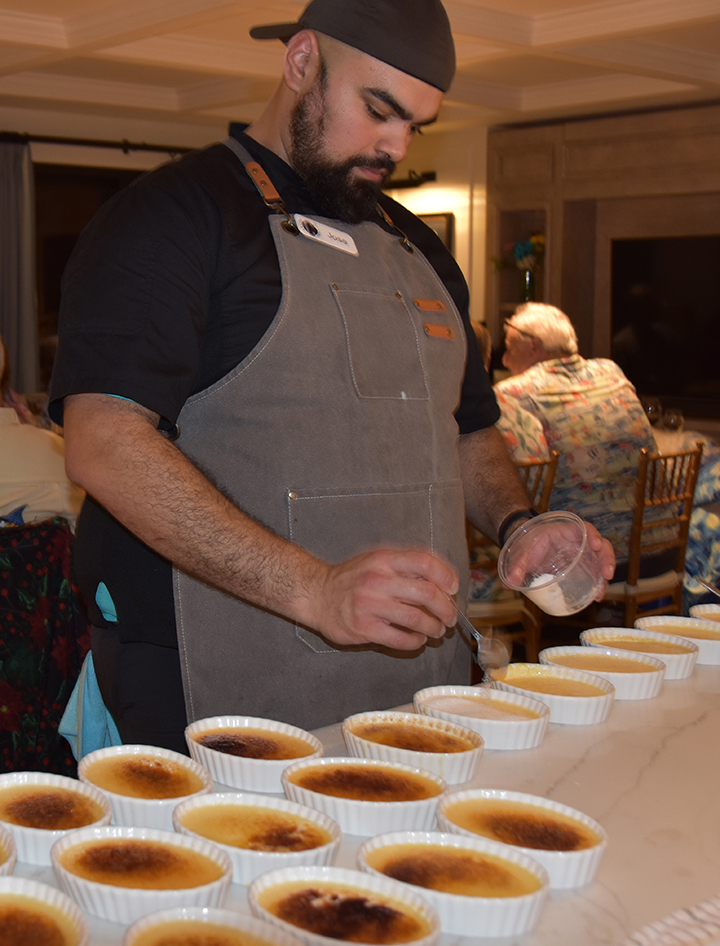
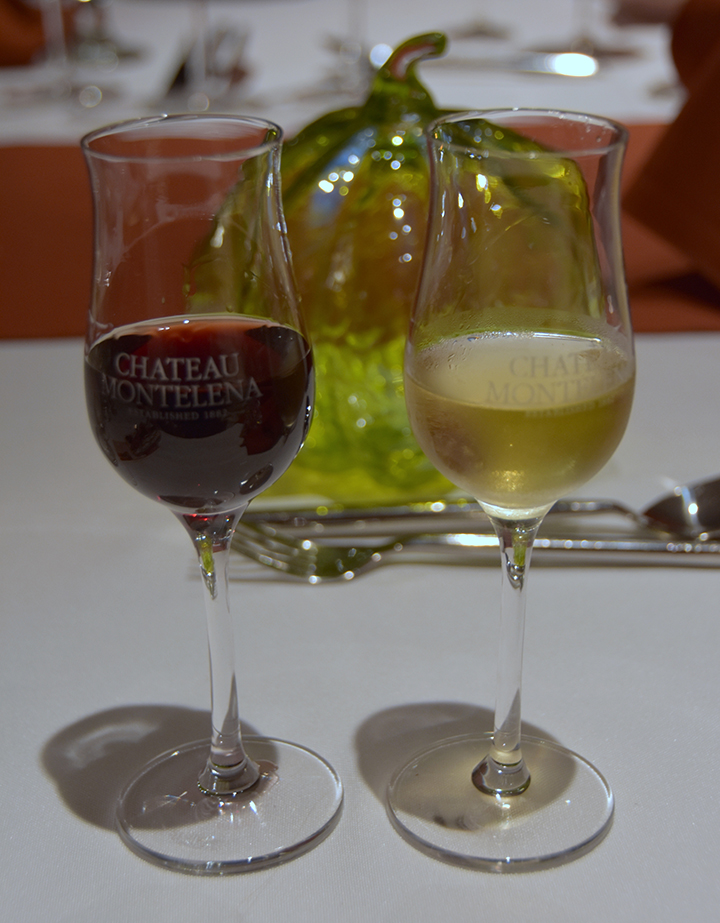
Just when the evening couldn’t possibly get better… dessert was served! It was a melody of sweet classics–including creme brûlée (a personal favorite). These dessert dishes were served to enjoy alongside a luscious Chateau Montelena Late Harvest and Chateau Montelena Ruby-style Port (very exclusive).
Chef Jose preparing Creme Brûlée
We could not have scripted a better evening with a better group of friends. Thanks Scott and Alison for the friendship and shared love of food and wine.
…So raise your glasses, give a hearty cheer, To Scott and Alison, who’ve persevered; Through all the years, come what may, Here’s to more laughter, on this special day!
From the 35th Anniversary Toast – Gregory Dean
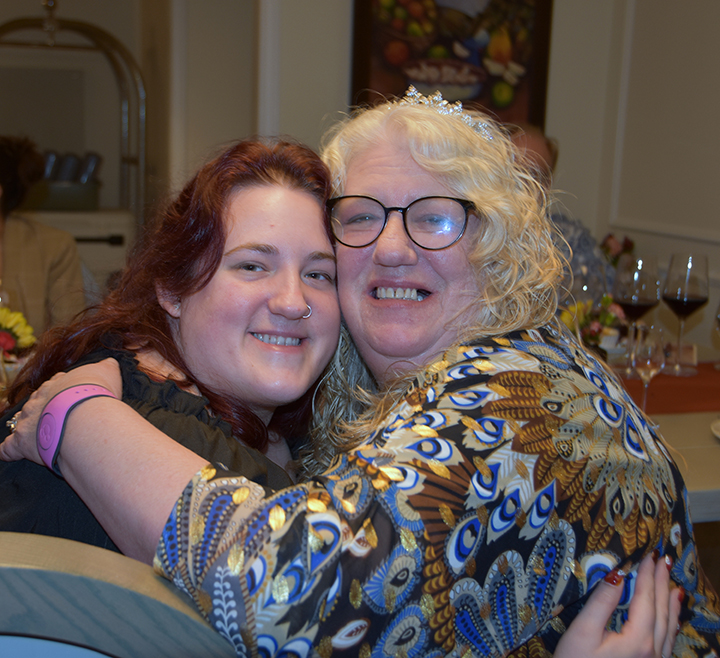
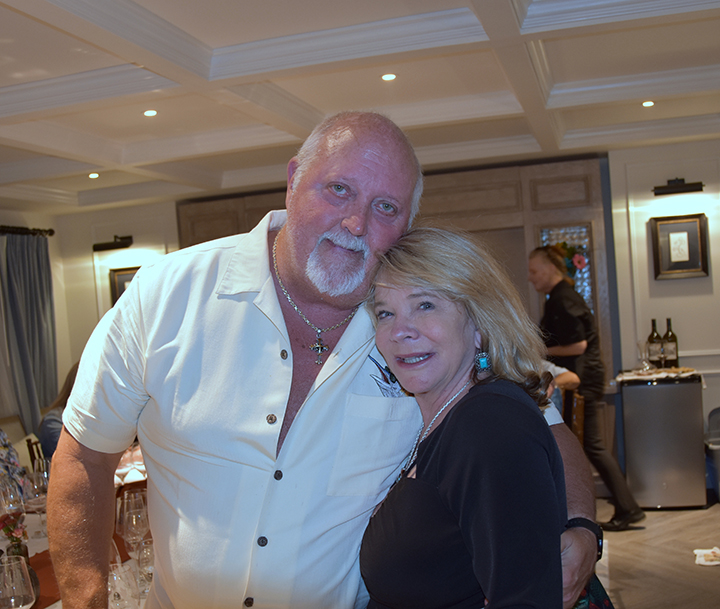
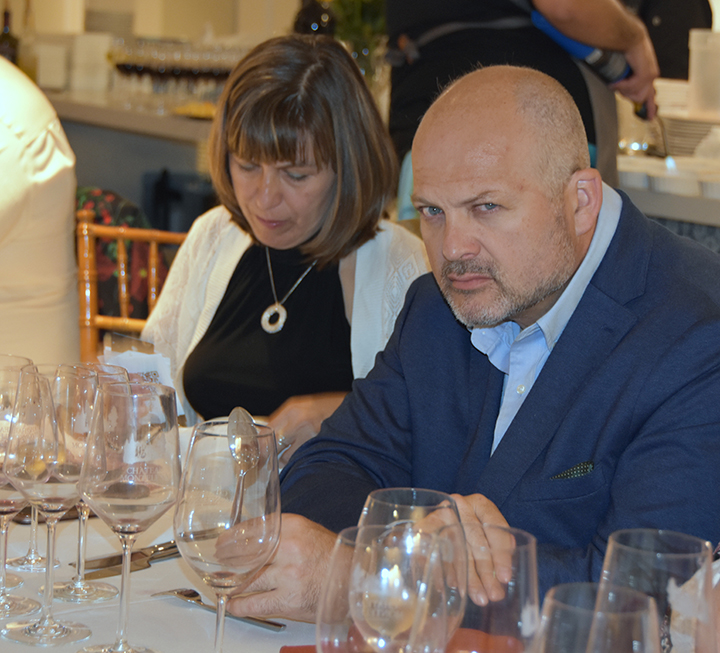
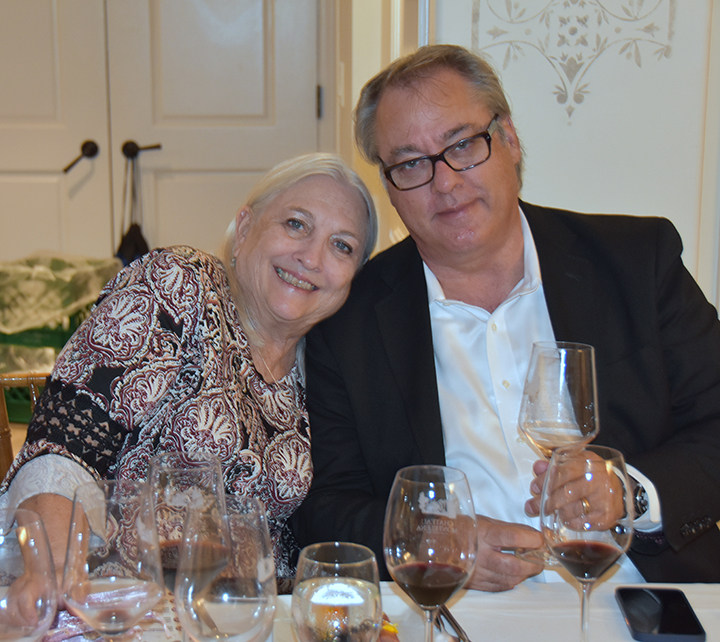
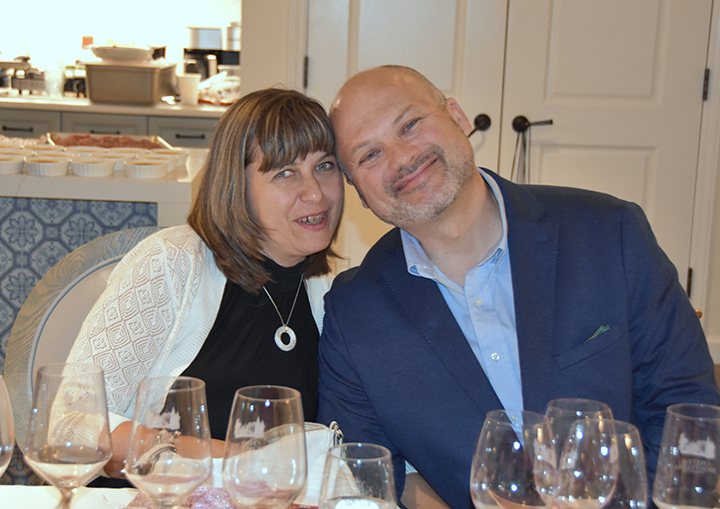
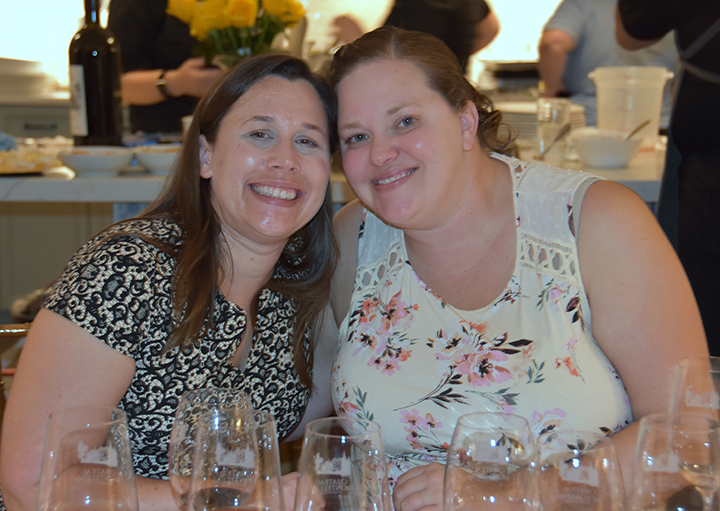
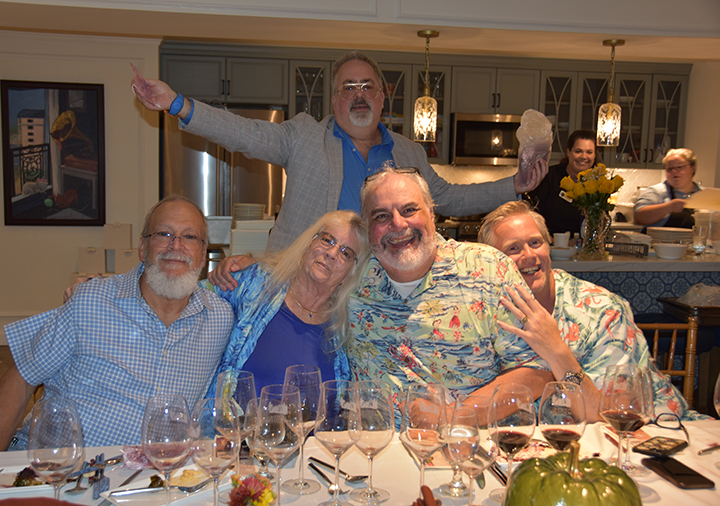
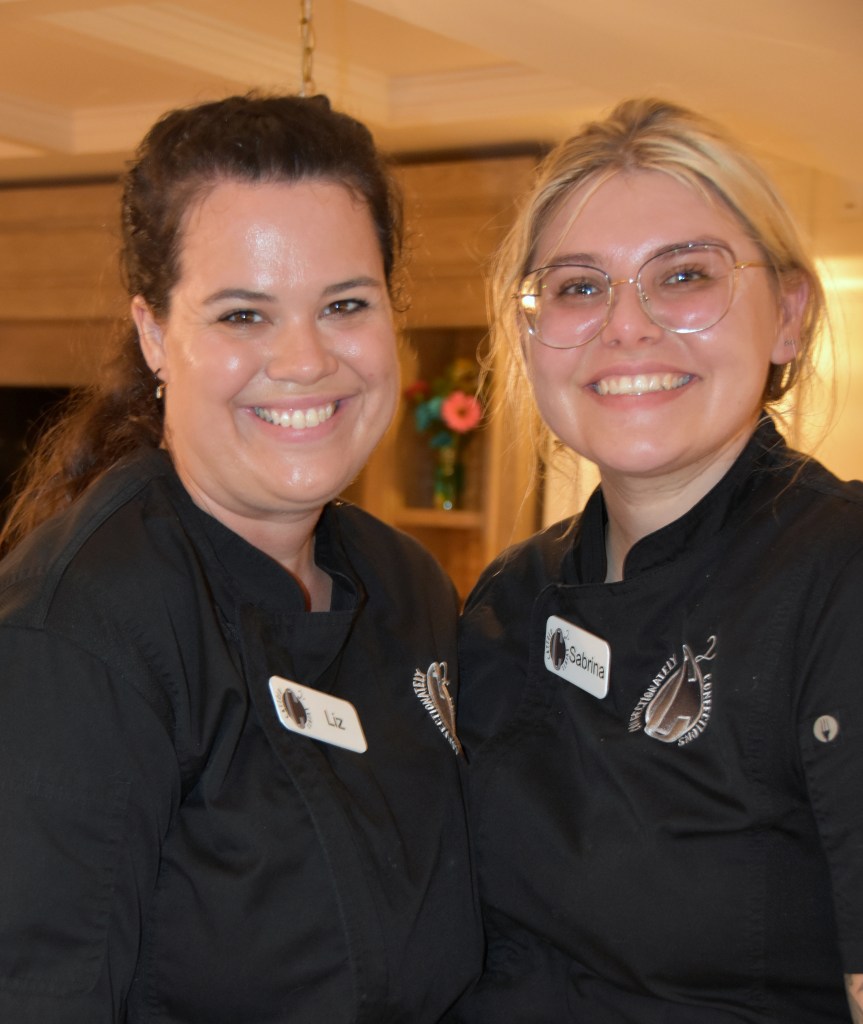
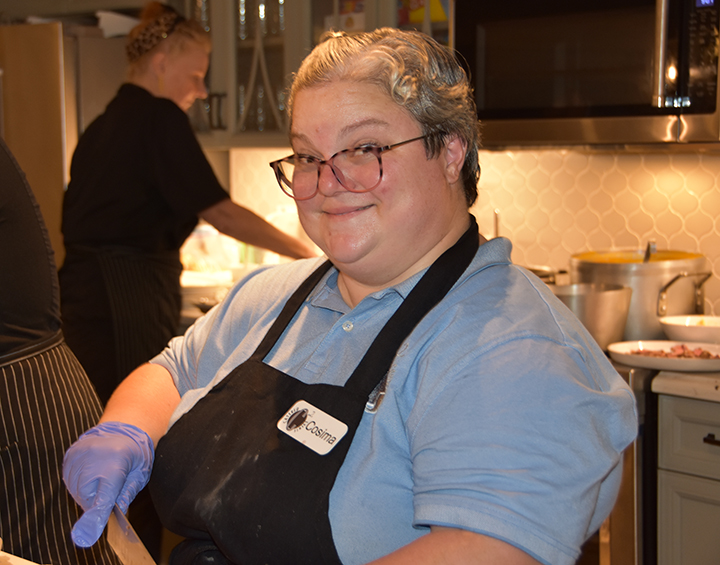
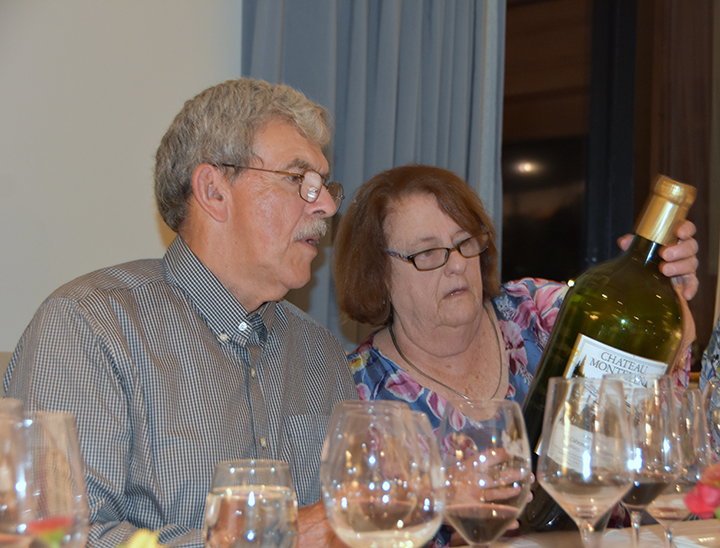
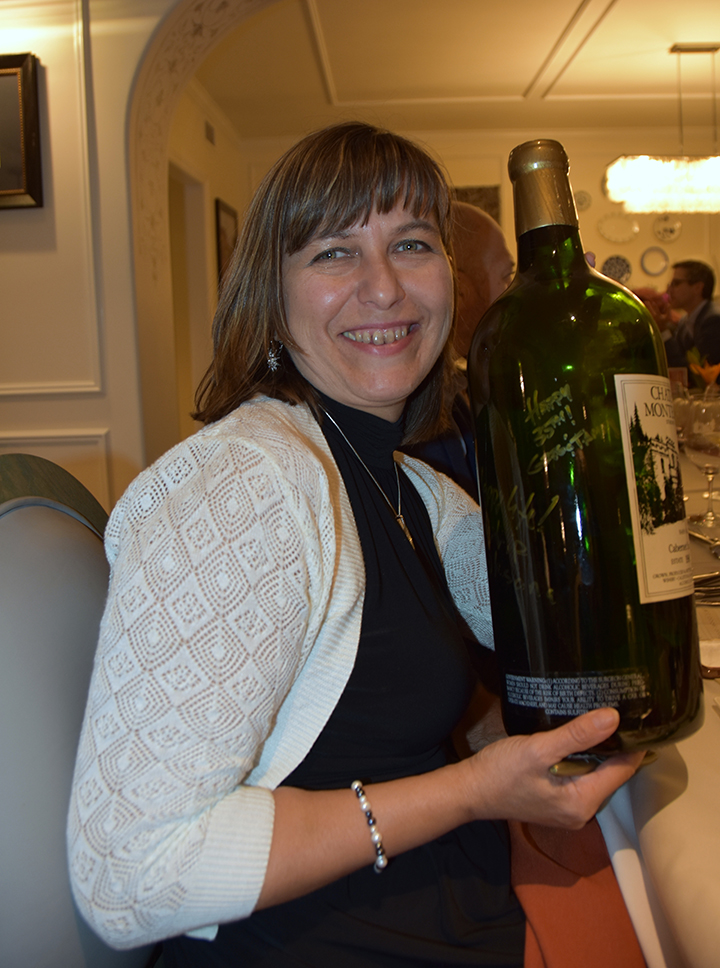
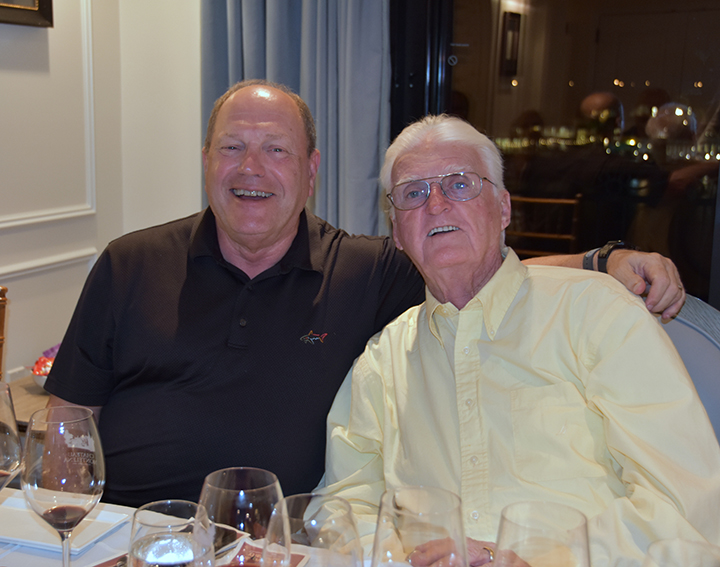
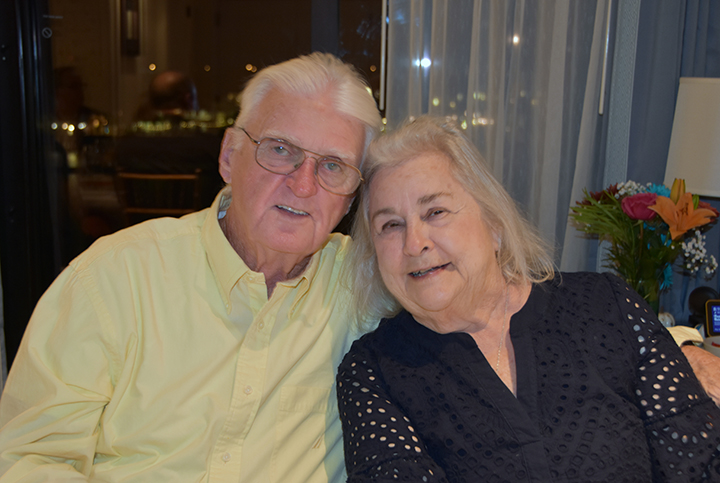
A few memories captured by Erin Toung. Thanks, Erin, for the wonderful photos 😉
Bordeaux is a timeless elixir of history, terroir, and tradition. It’s a name that resonates with wine enthusiasts worldwide and is synonymous with excellence in winemaking. Nestled along the serene banks of the Garonne River in southwestern France, the Bordeaux wine region is a hallowed ground for cork dorks ;), boasting a rich history, distinct terroirs, and a complex classification system that sets it apart as one of the world’s foremost wine-producing regions.
A Glimpse into Bordeaux’s Enigmatic Past
Bordeaux’s history as a wine-producing region dates back to Roman times when the first vineyards were planted. However, it was during the 12th century, under the rule of Eleanor of Aquitaine and her marriage to Henry II of England, that Bordeaux wines gained international recognition. The English became avid consumers of Bordeaux wines, creating a demand that laid the foundation for Bordeaux’s global reputation.
“…you are not to conclude I am a drinker. My measure is a perfectly sober 3 or 4 glasses at dinner, and not a drop at any other time. But as to those 3 or 4 glasses I am very fond.”
Thomas Jefferson
During the 17th century, Dutch engineers drained the marshlands and introduced a more systematic approach to winemaking, paving the way for Bordeaux’s vineyards to thrive. In the 18th century, Thomas Jefferson, the third President of the United States, became an ardent admirer of Bordeaux wines, further elevating their prestige. I had the opportunity several years ago to ogle over (look but don’t touch) two bottles from Jefferson’s collection. The bottles were locked inside a wire cage, covered in dust, each donning a small white price tag–$20,000.
Left Bank vs. Right Bank: A Tale of Two Terroirs
One of the key distinctions in Bordeaux lies in its geographical diversity, which results in two distinct terroirs: the Left Bank and the Right Bank. Here is the breakdown…
Left Bank
– Located to the west of the Gironde Estuary and the Garonne River.
– Predominantly features Cabernet Sauvignon as the dominant grape variety.
– Famous appellations include the Médoc, Pauillac, Margaux, and Saint-Julien.
– Produces wines known for their structured, tannic character and aging potential.
Right Bank
– Situated to the east of the Gironde Estuary and the Dordogne River.
– Merlot is the primary grape variety, complemented by Cabernet Franc and sometimes Malbec.
– Renowned appellations include Saint-Émilion and Pomerol.
– Produces wines characterized by their elegance, supple texture, and approachability in their youth.
Bordeaux Region in Southwest France
Bordeaux’s Classifications: A Pyramid of Prestige
Bordeaux boasts a complex classification system, which adds an extra layer of intrigue to its wines. The most famous classifications include:
1. Bordeaux AOC:
– The base level of classification, offering wines that showcase Bordeaux’s classic characteristics.
– These wines can come from anywhere within the Bordeaux region and are typically approachable and affordable.
2. Bordeaux Supérieur AOC:
– A step above the Bordeaux AOC, with stricter quality control standards.
– Often produced from older vines, resulting in more concentrated flavors.
3. Médoc and Graves Classifications:
– Within the Médoc and Graves regions, several châteaux are classified as Cru Bourgeois or Cru Artisan, signifying wines of consistently high quality.
4. Saint-Émilion Classification:
– Saint-Émilion has a unique classification system that is revised periodically.
– It includes three main categories: Grand Cru Classé, Premier Grand Cru Classé “B,” and Premier Grand Cru Classé “A.”
– These classifications indicate the quality and prestige of the wineries.
5. 1855 Classification of the Médoc:
– Arguably the most famous classification in Bordeaux, it was established for the Exposition Universelle de Paris.
– Divided into five growths or “crus,” with the Premier Cru being the highest tier.
– Châteaux such as Château Margaux and Château Latour hold this esteemed title.
The complete list of all five first growths include:
Bordeaux’s intricate classification system reflects the region’s unwavering commitment to maintaining the quality and reputation of its wines.
Bordeaux’s allure lies in its rich history, diverse terroirs, and complex classification system. Whether you’re sipping a bold Cabernet Sauvignon from the Left Bank or enjoying the velvety embrace of a Merlot-based wine from the Right Bank, Bordeaux offers a wine experience like no other. Its journey from ancient Roman vineyards to its present-day global prestige is a testament to the enduring artistry and craftsmanship of Bordeaux winemakers. With each bottle, Bordeaux encapsulates centuries of tradition, making it an enduring and timeless elixir for wine lovers around the world.






























 SOMM&SOMM
You must be logged in to post a comment.