Category: Wine Etiquette

  • Why Cabernet Sauvignon Pairs Perfectly with Steak

    Why Cabernet Sauvignon Pairs Perfectly with Steak

    The Science and Art of a Classic Pairing.

    Cabernet Sauvignon is known for its robust structure, high tannins, and full-bodied nature, which makes it a perfect pairing for steak. The science behind this lies in how the components of both the wine and the meat interact:

    • Tannins and Fat: Tannins, naturally occurring polyphenols in wine, bind to proteins. In a bold Cabernet Sauvignon, the high tannin content interacts with the rich fat of a steak, essentially softening the perception of tannins. Fat coats the mouth and mitigates the drying or astringent sensation of tannins, making the wine taste smoother.
    • Acidity and Protein: The acidity of Cabernet Sauvignon also plays a key role. A well-balanced Cabernet often has enough acidity to cut through the richness of the meat, particularly with fattier cuts like ribeye. This creates a harmonious balance where the wine refreshes the palate between bites, amplifying the savory flavors of the meat.
    • Intensity of Flavors: Cabernet Sauvignon, especially those from warmer climates, exhibits strong black fruit flavors (blackberry, cassis) along with earthy, herbaceous, and sometimes even smoky notes. Steak, especially when grilled or charred, mirrors this intensity with caramelized and umami-rich flavors, resulting in an elevation of both the food and wine.
    Photo by Jep Gambardella on Pexels.com

    Leveraging the Experience of Others

    Keeping an open mind when exploring wine pairings is essential, as it fosters a deeper appreciation for the diversity of flavors and combinations available. Discussions and debates about pairings often arise because everyone’s palate and experiences are unique. What works for one person might not resonate with another, and that’s the beauty of food and wine.

    Including perspectives like Scott White’s in this article highlights the value of differing viewpoints. His expertise with California Cabernets, for example, brings a unique lens to the table, reminding us that experimentation can uncover unexpected and delightful pairings. Scott and Alison White’s wine pairing dinners are epic. The Five Decade Chateau Montelena Wine Pairing Dinner was over the top.

    This diversity of thought enriches the overall understanding of the science and art of pairing.

    Gregory Dean, SOMM&SOMM

    Specific Cuts of Steak and Cabernet Pairings

    Photo by Nano Erdozain on Pexels.com
    Ribeye
    • Characteristics: A ribeye is richly marbled with fat, making it one of the most flavorful and tender cuts. The high fat content is perfectly suited to the strong tannins of Cabernet Sauvignon, particularly a bold Napa Cab.
    • Why It Works: The fat cuts the astringency of the wine, while the wine’s acidity and bold flavors counterbalance the richness of the steak. The char from grilling also complements the smoky, spicy, and earthy undertones of the wine.
    • Recommendation: Choose a Cabernet with some age on it to soften the tannins further and allow the wine’s tertiary characteristics (like leather and cedar) to pair with the steak’s charred exterior.

    SOMM&SOMM Recommends: 2019 Nickel & Nickel Quicksilver Vineyard Cabernet Sauvignon, Rutherford

    Scott White Recommends: 2021 Central Park West Cabernet Sauvignon

    Scott's Notes: "For me wine pairing is often all about the sauce. 

    But in the case of big flavored beef like ribeye or even NY strip the sauce is secondary. The beef usually is still the dominant flavor profile.

    For me its more about the fat content.

    So ribeye or NY strip needs a big, high tannin + acid cab... Like Trinchero Central Park West or St Francis Lagomarsino"
    New York Strip
    • Characteristics: A New York Strip has less fat than a ribeye but is still marbled enough to provide a good balance between tenderness and flavor.
    • Why It Works: With its slightly leaner profile, this cut benefits from a Cabernet Sauvignon with firm tannins and a more pronounced fruit-forward profile. A younger, fruit-driven Cab can bring out the savory qualities of the meat while still taming the wine’s tannins.
    • Recommendation: A fruit-forward Cab from a region like Paso Robles with more pronounced black cherry and plum notes will enhance the meat’s natural sweetness while balancing the firmness of the cut.

    SOMM&SOMM Recommends: 2021 DAOU Soul of a Lion Cabernet Sauvignon

    Scott White Recommends: 2018 St Francis Lagomarsino Russian River Valley

    Filet Mignon
    • Characteristics: Known for its tenderness rather than its flavor, filet mignon has very little fat and a more subtle beefy profile.
    • Why It Works (or Doesn’t): The lean nature of filet mignon requires a different approach. A high-tannin wine can overpower the delicacy of this cut. Instead, a softer Cabernet Sauvignon, perhaps one with some Merlot blended in or one that has been aged to mellow out the tannins, can provide enough structure without overwhelming the meat.
    • Recommendation: Consider a Bordeaux-style Cabernet blend where the softer fruit and mellow tannins complement the lean nature of the filet without overpowering it.

    SOMM&SOMM Recommends: 2021 Chateau Lecuyer Pomerol

    Scott White Recommends: 2019 Mondavi PNX Pinot Noir Carneros

    Scott's Notes: "Filet and to lesser extent sirloin has to be more subtle. Maybe some herbaceous notes like your old friend Silver Oak Alexander Valley. Especially with a chimichurri type sauce.  

    I would lean more to pinot for filet. I know thats a safer bet. I'm ok with traditional pairings."
    Sommelier and host, Scott White, serving sparkling wine from a Methuselah (6-liter bottle)

    When to Consider Other Wines

    While Cabernet Sauvignon works beautifully with most steaks, certain situations call for different wines:

    • Lean Cuts: For leaner cuts like a flank steak or sirloin, consider a wine with lower tannins and more acidity, such as a Zinfandel or Syrah. These wines bring more fruit and spice to the pairing, complementing leaner, tougher cuts that benefit from a little more juiciness in the glass.
    • Delicate Preparations: If your steak is served with a light sauce or prepared sous vide, the boldness of Cabernet may overpower the dish. Opt for a more restrained wine like a Pinot Noir or even a Tempranillo, which offers depth but with a lighter touch on the palate.

    Hypothetical Pairings for the Adventurous Foodie

    Seared Duck Breast – Navin75, CC BY-SA 2.0 via Wikimedia Commons

    Seared Duck Breast with Cabernet Sauvignon

    • Why It Works: Duck breast is rich and flavorful, similar to steak but with a gamier profile. A high-tannin Cabernet will cut through the duck’s fattiness, and the wine’s dark fruit (blackberry, plum) will highlight the duck’s inherent sweetness. The charred crust from searing complements the wine’s earthy, smoky undertones.
    • Twist: Add a cherry reduction sauce to echo the wine’s fruit character, creating an enhanced balance between the dish and the glass.

    Braised Short Ribs with Cabernet Franc

    • Why It Works: Short ribs are deeply flavorful and benefit from slow braising. Cabernet Franc, while less tannic than Cabernet Sauvignon, still provides enough structure to stand up to the richness of the meat. Its herbal and green pepper notes will contrast beautifully with the umami richness of the short ribs.
    • Twist: Consider serving the short ribs with a dark chocolate mole sauce to play off the wine’s earthy and cocoa-like finish.

    Lamb Shoulder with Cabernet Sauvignon

    • Why It Works: Lamb, especially a well-marbled shoulder, is rich, earthy, and slightly gamey, which pairs excellently with the tannins of a Cabernet Sauvignon. The wine’s herbal notes (like sage or thyme) echo the common herb seasonings of lamb.
    • Twist: Serve the lamb with a mint pesto or herbaceous chimichurri to highlight the green, herbal elements in the wine, creating a refreshing balance with the richness of the meat.

    SOMM&SOMM Recommends: 2020 Silver Oak Alexander Valley

    Scott White Recommends: 2019 Chateau Montelena Estate Cabernet Sauvignon

    Spicy Korean BBQ Beef Short Ribs with Syrah

    • Why It Works: The bold, spicy, and umami-rich flavors of Korean BBQ (gochujang, soy sauce, sesame oil) can overpower a typical Cabernet. Instead, Syrah’s spiciness, smoky undertones, and black fruit character make it a perfect match for the dish’s intense flavors.
    • Twist: The slight pepperiness of Syrah complements the heat of the BBQ, while its softer tannins keep the pairing from becoming overwhelming.
    Five Decade Chateau Montelena Wine Pairing Dinner

    Special thanks to fellow wine enthusiast, Scott White, for his unique perspective and insight into the art of the perfect pairing. These adventurous pairings demonstrate the interplay between fat, tannins, acidity, and flavor intensity. Understanding the science behind food and wine interactions allows sommeliers to push boundaries and craft unique, delicious experiences for the curious palate. Cheers🍷

    Cover photo credit: Photo by Farhad Ibrahimzade on Pexels.com

  • The Science of Wine Aging

    The Science of Wine Aging

    Wine aging is a complex and fascinating process that transforms the flavors, aromas, and textures of a wine over time. This transformation is influenced by a myriad of factors, including grape variety, tannins, acidity, and storage conditions. Let’s delve into the science behind wine aging, explore the factors that affect this process, and provide some tips on how to properly age wine at home. We’ll also discuss ideal pairings for aged wines and the best way to enjoy wines with pronounced tertiary characteristics.

    Photo by Julia Volk on Pexels.com
    Aging wine is both an art and a science, requiring an understanding of the factors that influence a wine’s evolution over time.

    Gregory Dean, SOMM&SOMM

    Factors Affecting Wine Aging

    1. Grape Variety
      The grape variety is fundamental in determining a wine’s aging potential. Varieties like Cabernet Sauvignon, Nebbiolo, and Syrah, which are high in tannins and acidity, are known for their ability to age gracefully. On the other hand, lighter varieties such as Pinot Noir or Gamay typically have a shorter aging window due to their lower tannin and acidity levels.
    2. Tannins
      Tannins are naturally occurring polyphenols found in grape skins, seeds, and stems. They provide structure to a wine and act as a preservative, protecting it from oxidation. Over time, tannins polymerize, becoming longer and softer, which results in a smoother mouthfeel. Wines with high tannin content, such as Bordeaux blends or Barolo, tend to age longer and more gracefully than those with low tannins.
    3. Acidity
      Acidity acts as a backbone in wine, providing freshness and vibrancy. It helps balance out other elements like sugar and tannins. Higher acidity levels can extend a wine’s lifespan by slowing down oxidation. White wines like Riesling or Chenin Blanc, known for their high acidity, can age remarkably well, developing complex tertiary characteristics over decades.
    4. Alcohol Content
      The level of alcohol in wine plays a subtle but important role in aging. Generally, wines with moderate alcohol levels (12-14%) age better than those with very high or very low levels. Alcohol acts as a preservative, but too much can overpower the wine’s other flavors and aromas, while too little might not protect the wine adequately over time.
    5. Residual Sugar
      Sweet wines, such as Sauternes, Port, or Tokaji Aszú, can age for decades due to their high sugar content. Sugar acts as a natural preservative, allowing these wines to develop extraordinary complexity over time.
    6. Storage Conditions
      Proper storage is crucial for aging wine effectively. Temperature, humidity, light, and bottle position all play a role:
    • Temperature: Wine should be stored at a consistent temperature, ideally between 50-59°F (10-15°C). Fluctuations can cause the wine to expand and contract, potentially damaging the cork and allowing oxygen to enter.
    • Humidity: Humidity levels around 70% are ideal for keeping the cork moist and preventing it from drying out and shrinking, which would also allow oxygen ingress.
    • Light: Ultraviolet light can degrade and prematurely age wine, so wines should be stored in a dark environment.
    • Bottle Position: Storing bottles on their sides keeps the wine in contact with the cork, preventing it from drying out and shrinking.

    Tips for Aging Wine at Home

    1. Choose the Right Wines
      Not all wines are meant to age. Opt for wines known for their aging potential, such as Bordeaux, Barolo, Burgundy, Rioja, and certain Chardonnays. Look for high-quality wines with good balance, concentration, and structure.
    2. Invest in Proper Storage
      A wine fridge or cellar is essential if you’re serious about aging wine. These provide a controlled environment where temperature and humidity levels remain constant. Avoid storing wine in kitchen cabinets or near windows, where temperature fluctuations and light exposure can be damaging.
    3. Monitor Closures
      Corks are the traditional choice for aging wines, but they can deteriorate over time. Ensure corks are intact and avoid bottles with synthetic corks or screw caps for long-term aging, as these closures do not allow the same micro-oxygenation process that natural corks do.
    4. Check Regularly
      It’s a good idea to inspect your wine periodically to ensure that the corks are not compromised, the storage conditions are consistent, and the wines are developing as expected.
    5. Know When to Open
      Aging wine is a balance between patience and timing. Some wines peak at 5-10 years, while others may need decades. Research the wine’s aging potential and keep notes on your tasting experiences to decide the best time to open.

    Related Article: Exploring Wine Enclosures: Cork, Screw Cap, and Beyond

    Perfect Pairings for Aged Wines

    Pairing aged wines requires careful consideration to complement their evolved flavor profiles:

    1. Red Bordeaux (Left Bank)
    • Aging Potential: 10-30+ years
    • Tertiary Characteristics: Cedar, leather, tobacco, dried fruit
    • Pairings: Aged cheeses like Comté or Gruyère, roasted lamb with rosemary, wild mushroom risotto, or beef Wellington.
    1. Barolo
    • Aging Potential: 15-40+ years
    • Tertiary Characteristics: Truffle, rose petals, tar, dried cherry
    • Pairings: Braised meats (e.g., osso buco), truffle pasta, game dishes, or aged Parmesan.
    1. Vintage Port
    • Aging Potential: 20-50+ years
    • Tertiary Characteristics: Figs, nuts, chocolate, caramel
    • Pairings: Stilton cheese, dark chocolate desserts, or roasted nuts.

    Related Article: The History, Tradition, and Elegance of Port Wine

    1. White Burgundy (Chardonnay)
    • Aging Potential: 10-20+ years
    • Tertiary Characteristics: Hazelnut, honey, brioche, dried apricot
    • Pairings: Lobster with beurre blanc, roast chicken with herbs, or mushroom dishes.
    1. German Riesling (Trocken or Kabinett)
    • Aging Potential: 15-30+ years
    • Tertiary Characteristics: Petrol, honey, dried citrus peel, lanolin
    • Pairings: Spicy Asian cuisine (like Thai or Szechuan), duck with orange sauce, or rich, creamy cheeses.

    Enjoying Wines with High Tertiary Characteristics

    Wines that have been aged to develop tertiary characteristics—those aromas and flavors that emerge over time, such as earth, mushroom, nuts, and dried fruits—should be approached with care to maximize enjoyment:

    1. Decanting:
      Older wines can have sediment, so decanting is recommended to separate the clear wine from the sediment. However, don’t over-decant; 30 minutes to an hour is often sufficient to let the wine breathe without losing its delicate aromas.
    2. Serve at the Right Temperature:
    • Reds: Serve slightly below room temperature, around 60-65°F (15-18°C).
    • Whites: Serve around 50-55°F (10-13°C).
    • Over-chilling will mute the complex flavors, while too warm can make the wine seem flabby or overly alcoholic.

    Related Article: Wine Service: Proper Serving Temperatures

    1. Use Proper Glassware:
      Use a glass with a wide bowl to allow the wine to open up and direct the wine to the appropriate parts of the palate. Bordeaux glasses are great for reds with high tannins, while Burgundy glasses are better for delicate, aromatic reds.
    2. Savor Slowly:
      Aged wines often have complex layers that unfold over time. Take small sips and allow the wine to linger on your palate, noticing how the flavors evolve from the initial taste to the finish.
    3. Consider the Atmosphere:
      Aged wines are best enjoyed in a calm, contemplative setting where you can fully appreciate their nuances. Avoid overpowering food aromas, loud environments, or distractions that can detract from the tasting experience.

    Related Article: Crafting the Perfect Wine Tasting Experience

    Photo by Maria Orlova on Pexels.com
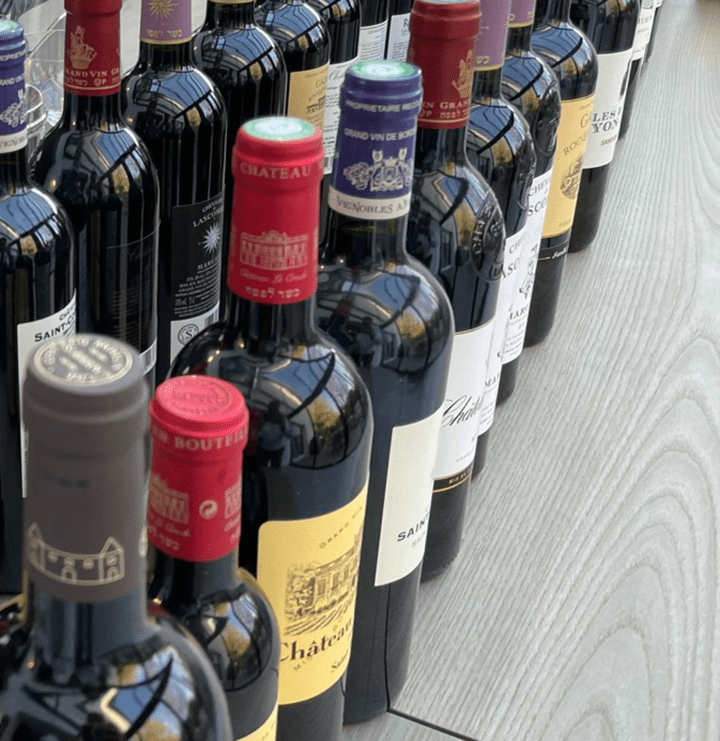
    Aging wine is both an art and a science, requiring an understanding of the factors that influence a wine’s evolution over time. By carefully selecting wines with aging potential, storing them under optimal conditions, and knowing when and how to enjoy them, you can experience the rich tapestry of flavors and aromas that only time can bring. Remember, the joy of aged wine lies not just in its taste but in the journey it has taken to reach your glass. Cheers to the adventure 🍷

  • The Unifying Power of Wine

    The Unifying Power of Wine

    Finding Common Ground in a Divided World.

    As a wine educator and sommelier, one of my greatest joys is witnessing the magic that unfolds when people come together to share a bottle of wine. There is something inherently beautiful about the way wine has the power to bring us together, allowing us to appreciate the nuances of flavor, aroma, and history in each glass. But, as with any gathering, there are times when the conversation veers into contentious territory—often politics. 

    In these moments, I am reminded of the importance of finding common ground. During this political season, the divide between parties can feel insurmountable, and the disagreements can overshadow the shared experience of enjoying wine. Yet, it is precisely in these moments of division that we need to remember the value of open-mindedness and the joy of coming together over a shared passion.

    The Art of Listening and Appreciating

    Much like wine tasting, where we take the time to savor and appreciate the complex layers of a fine vintage, conversations require a similar approach. Listening, truly listening, to another person’s perspective is an art. It involves setting aside preconceived notions and being open to understanding why someone believes what they do, even if it differs from our own views.

    In wine, we celebrate diversity—whether it’s the terroir of a French vineyard or the innovative techniques of a new-world winemaker. This appreciation for diversity should extend to our interactions with others. Just as we wouldn’t dismiss a wine without tasting it, we shouldn’t dismiss someone’s political views without understanding their experiences and reasons behind them.

    Avoiding the Debate Trap

    One of the most important lessons I’ve learned over the years is the futility of trying to change someone’s mind in a heated debate. Much like trying to convince a steadfast Merlot drinker to appreciate the complexities of Chardonnay, political beliefs are deeply personal and often resistant to change through argument alone.

    Instead of focusing on what divides us, we can choose to steer the conversation back to what unites us. Wine offers a perfect metaphor here. Think about how wine enhances a meal, elevating the experience with each sip and bite. Similarly, finding common ground in our conversations can enrich our interactions, leaving us with a sense of connection rather than division.

    Wine has a unique way of bringing people together, transcending boundaries and fostering a sense of community. It is in this spirit of unity that we should approach our gatherings, especially during politically charged times. By focusing on our shared love of wine, we can create an environment where differences are respected and appreciated, rather than sources of conflict.

    Consider the vineyard, where each grape variety contributes to the complexity of the final blend. Every voice and perspective adds depth to our collective experience. Just as no single grape makes a wine, no single viewpoint defines our humanity. By embracing this diversity, we can foster conversations that are rich, meaningful, and ultimately unifying.

    Let us choose unity over division, respect over conflict, and understanding over debate.

    Gregory Dean, SOMM&SOMM

    Cultivating Respect and Understanding

    At the heart of every great wine and every great conversation is respect. Respect for the craft, for the land, and for each other. During this political season, let us remember to cultivate this respect in our interactions. Approach each conversation with an open mind, not expecting to sway someone’s position, but to understand and appreciate their perspective.

    Wine teaches us patience and appreciation. It reminds us that the best experiences are those we share with others, in moments of connection and joy. As we navigate this season of division, let us hold onto the lessons wine offers: to savor the present moment, to listen with an open heart, and to find common ground in the shared beauty of life.

    In the end, wine brings us together, while politics often divides us. Let us choose unity over division, respect over conflict, and understanding over debate. In doing so, we honor not only the wine in our glasses but the richness of our shared humanity. Cheers to finding common ground, one glass at a time. Cheers 🍷

  • The Elegance of Wine Glasses

    The Elegance of Wine Glasses

    A Deep Dive into Rolled Edge vs. Cut Edge

    When it comes to the world of wine, the vessel you choose to enjoy your vintage in can profoundly influence the experience. Whether you’re a seasoned oenophile or a curious beginner, understanding the intricacies of wine glasses can elevate your appreciation of the wine itself. Among the many features of a wine glass, the edge – specifically whether it is rolled or cut – plays a surprisingly pivotal role.

    Every detail, down to the very edge, contributes to the symphony of senses that is wine tasting.

    Gregory Dean, SOMM&SOMM

    Rolled Edge vs. Cut Edge: The Basics

    Rolled Edge Wine Glasses

    A rolled edge wine glass features a lip that has been thickened by rolling the glass at the rim. This process creates a rounded, smooth edge. Rolled edges are often found in more durable, everyday glassware. They provide a comfortable drinking experience, as the thicker rim can be easier on the lips. However, the thicker edge may somewhat impede the direct flow of wine onto the palate, potentially dulling the sensory experience.

    Cut Edge Wine Glasses

    In contrast, a cut edge wine glass boasts a thin, sharp rim achieved by cutting the glass rather than rolling it. This style is prevalent in higher-end, sommelier-approved glassware. The fine edge allows the wine to flow smoothly and directly onto the tongue, enhancing the tasting experience by delivering more precise flavors and aromas.

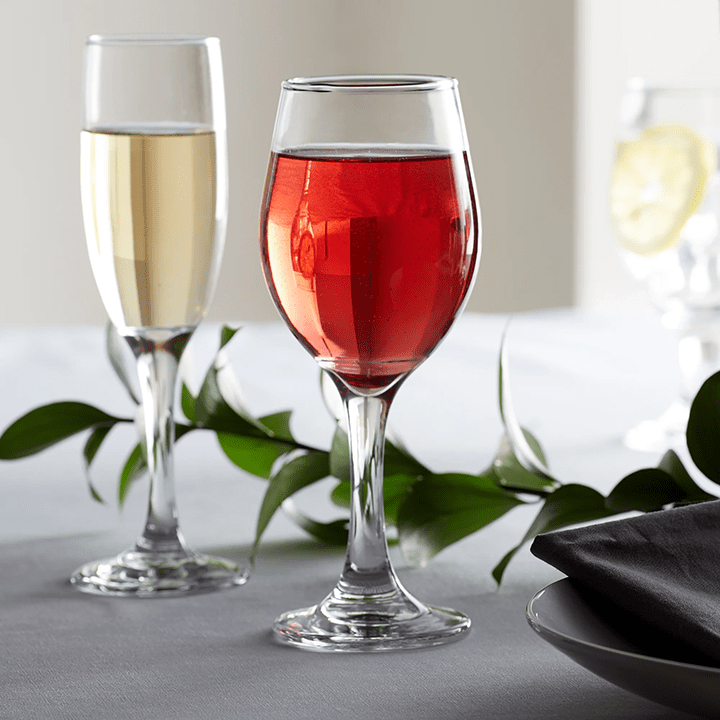
    Typical Rolled-edge Restaurant Wine Glasses

    When to Use Each Type

    Rolled Edge Uses

    – Casual Settings: Perfect for informal gatherings and outdoor events where durability and ease of use are prioritized over the nuanced tasting experience.

    – Everyday Use: Ideal for those who enjoy a glass of wine with dinner and prefer a sturdy, easy-to-clean option.

    Cut Edge Uses

    – Formal Occasions: Essential for wine tastings, dinners, and events where showcasing the wine’s full profile is the goal.

    – Wine Enthusiasts: Perfect for those who are passionate about wine and want to experience every subtle note and aroma.

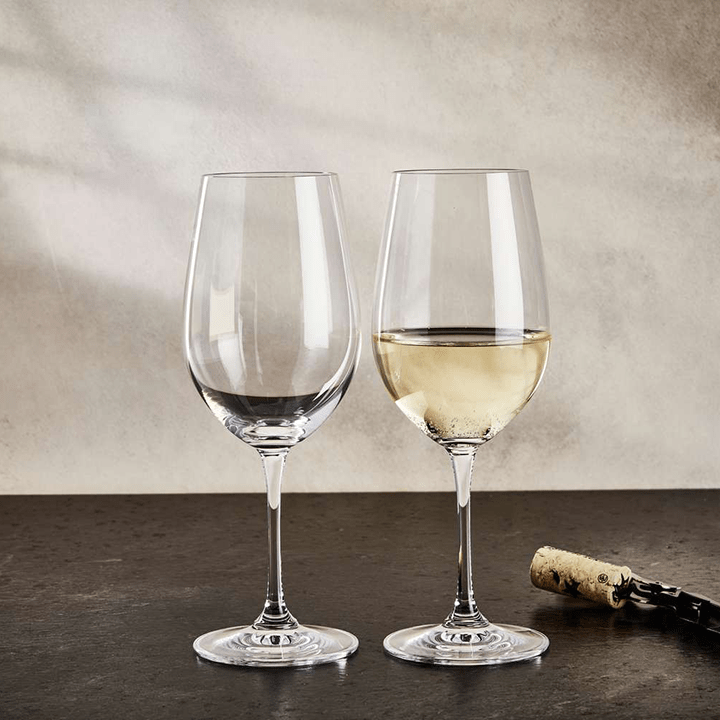
    Riedel Vinum Series Crystal Wine Glasses

    Glass Making Approaches and Formulas

    The material and craftsmanship behind wine glasses significantly influence their performance and the overall tasting experience. Let’s explore the primary materials used in fine glassware:

    Quartz Glass

    Quartz glass, or fused silica, is known for its exceptional clarity and resistance to thermal shock. It is less common in wine glasses due to its high cost and difficulty in molding. However, its superior clarity makes it a favorite in scientific applications and ultra-premium glassware.

    Soda-Lime Glass

    This is the most common type of glass, made from a combination of soda (sodium carbonate), lime (calcium oxide), and silica (silicon dioxide). Soda-lime glass is economical and durable, making it suitable for everyday use. However, it is generally less clear and brilliant than other types of glass.

    Lead Crystal

    Lead crystal, traditionally containing up to 30% lead oxide, is renowned for its brilliance and clarity. The lead content increases the refractive index, giving the glass a beautiful sparkle. Lead crystal is also more malleable when molten, allowing for intricate designs and thin rims. However, concerns about lead leaching have led to a decline in its use for drinkware.

    Lead-Free Crystal

    Modern advancements have produced lead-free crystal, which substitutes lead oxide with other metal oxides like barium or zinc. This material retains the desirable properties of traditional lead crystal – clarity, brilliance, and durability – without the health concerns. Lead-free crystal is now the standard for high-quality wine glasses.

    SOMM&SOMM Recommends: Riedel Vinum Crystal Glasses

    The Effect on the Wine-Tasting Experience

    The choice of glass material and design profoundly affects the wine-tasting experience:

    Clarity: Higher clarity materials, like lead or lead-free crystal, allow for better visual appreciation of the wine’s color and consistency. The ability to see the wine clearly can enhance the overall sensory experience.

    Thickness: Thinner rims, typical of cut edge glasses made from crystal, allow for a more delicate delivery of wine to the palate, enhancing the perception of flavors and aromas. Thicker, rolled rims, more common in soda-lime glass, can dull this precision but provide durability and comfort.

    Weight: Crystal glasses are typically lighter and more balanced than their soda-lime counterparts, which can enhance the tactile experience of swirling and sipping the wine.

    SOMM&SOMM Recommends: Zalto Denk’Art Universal Hand-Blown Crystal Glasses

    Science and Subjectivity

    Science tells us that the thinner, more precise rim of a cut edge glass improves the direct flow of wine, enhancing the sensory experience by delivering flavors and aromas more effectively. However, the subjective pleasure derived from using a particular glass often depends on personal preference and context.

    For some, the ritual of selecting a delicate, beautifully crafted cut edge crystal glass adds to the romance of wine drinking. For others, the comfort and reliability of a sturdy rolled edge glass hold equal charm.

    Photo by Diana u2728 on Pexels.com
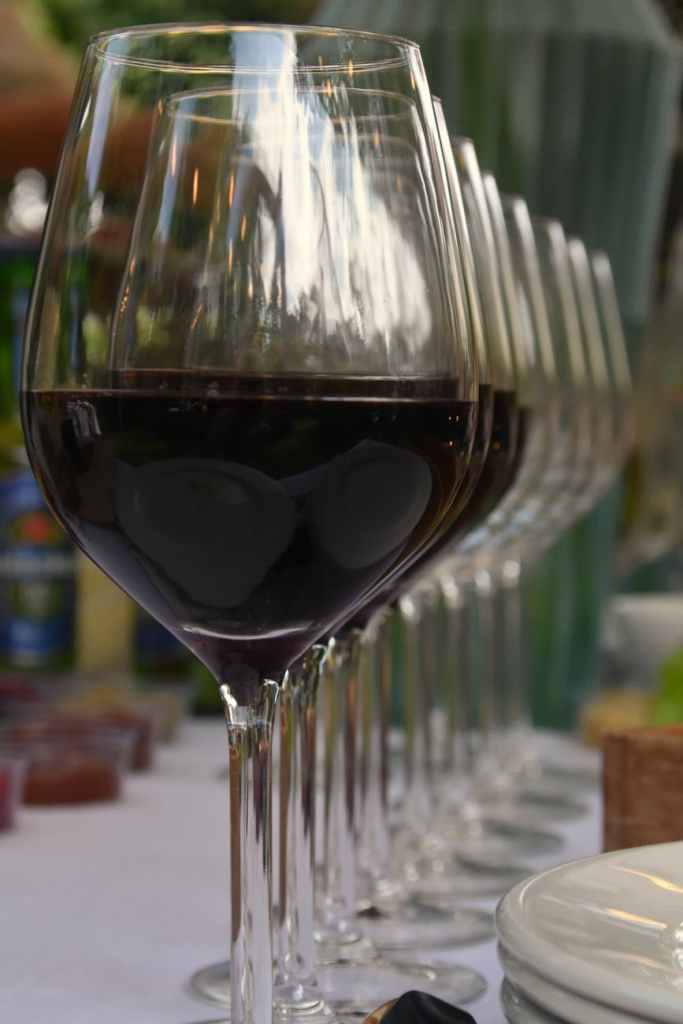
    Whether you lean towards the durable practicality of rolled edge glasses or the refined elegance of cut edge crystal, the choice of wine glass can profoundly influence your wine-tasting journey. Understanding the nuances between these types of glassware, as well as the materials and craftsmanship involved, allows you to tailor your wine experience to your preferences and occasions.

    So next time you uncork a bottle, consider not just the wine but the glass in which you’ll savor it. After all, every detail, down to the very edge, contributes to the symphony of senses that is wine tasting. Cheers 🍷

  • The Evolution of Wine Drinking Vessels

    The Evolution of Wine Drinking Vessels

    The act of enjoying wine is deeply intertwined with the vessels from which it is consumed. Throughout history, wine drinking vessels have evolved alongside human civilization, reflecting cultural practices, technological advancements, and aesthetic sensibilities. As a sommelier, understanding the history and nuances of wine glasses is paramount to enhancing the wine-tasting experience. Let’s embarks on a historical journey through time, exploring the evolution of wine drinking vessels and elucidating the significance of different styles of wine glasses.

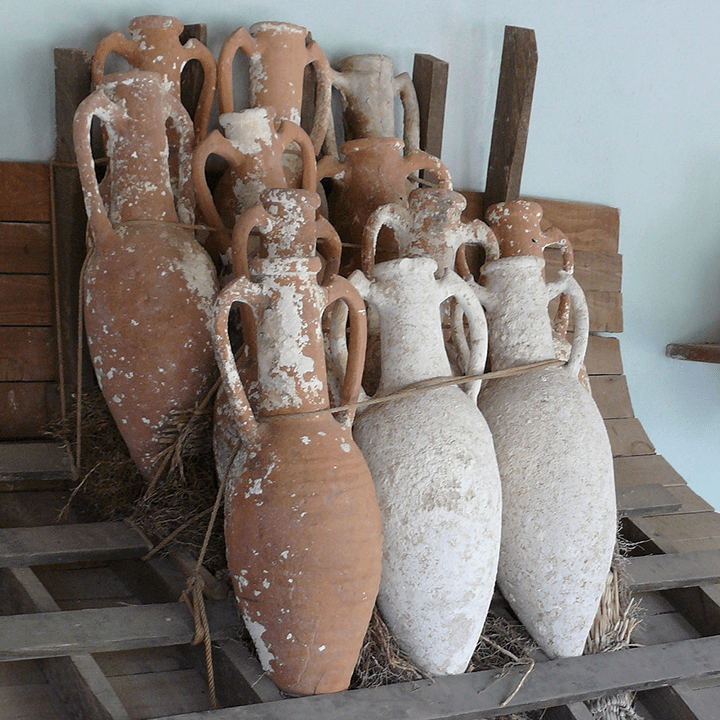
    Clay amphorae

    The origins of wine drinking vessels can be traced back to ancient civilizations such as Mesopotamia, Egypt, and Greece. In these early cultures, wine was revered as a symbol of divine nectar, and vessels used for its consumption were often crafted with intricate designs and symbolic motifs. Clay amphorae, rudimentary cups, and goblets made from materials like pottery, bronze, and precious metals were among the earliest vessels employed for drinking wine. These vessels served not only as functional tools but also as status symbols and expressions of cultural identity.

    Medieval Era to Renaissance

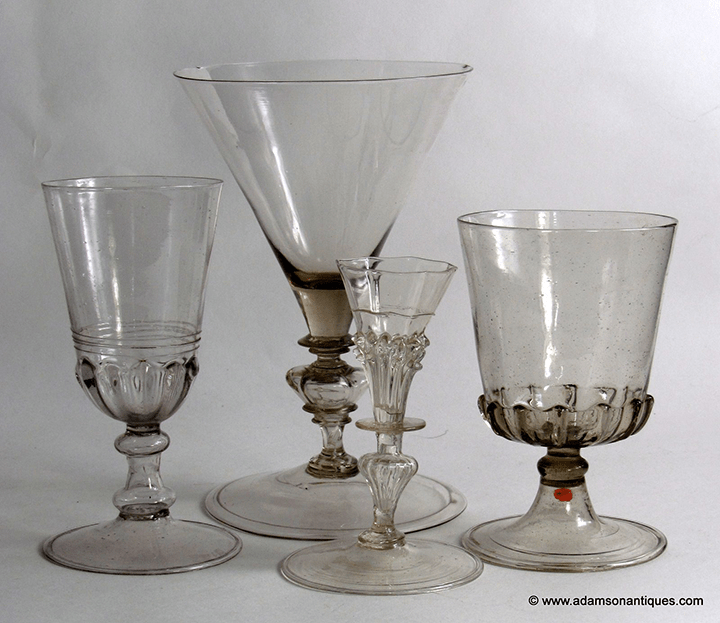
    During the medieval era, wine drinking vessels continued to evolve, influenced by the spread of Christianity and the refinement of glassmaking techniques. The chalice emerged as a prominent vessel for wine consumption, especially within religious ceremonies. With the advent of the Renaissance, a newfound appreciation for aesthetics and scientific inquiry spurred innovations in glassware production. Venetian glassmakers pioneered the art of crafting delicate, translucent glasses, paving the way for the emergence of the modern wine glass.

    16th and 17th century Facon de Venise wine glasses

    18th Century Enlightenment

    The Enlightenment period marked a significant shift in wine culture, as scientific principles began to inform the design of drinking vessels. The development of crystal glassware by English and German artisans allowed for greater clarity and refinement in wine glasses. The shape and size of wine glasses became increasingly standardized, with specific designs tailored to enhance the aromas and flavors of different wine varietals.

    Modern Era

    In the modern era, the diversity of wine glasses has expanded to accommodate the nuances of various wine styles. Stemware, characterized by a long stem and a bowl-shaped cup, has become the preferred choice for wine enthusiasts and professionals alike. Different styles of wine glasses, such as Bordeaux, Burgundy, and Champagne flutes, are designed to optimize the tasting experience by directing the flow of wine to specific areas of the palate. Additionally, innovations such as the ISO (International Standards Organization) wine tasting glass have sought to establish a universal standard for wine tasting competitions and evaluations.

    Like a finely crafted instrument, the right wine glass harmonizes with the nuances of each varietal, elevating every sip into a symphony of flavor and aroma.

    Gregory Dean, SOMM&SOMM

    Proper Use of Wine Glasses

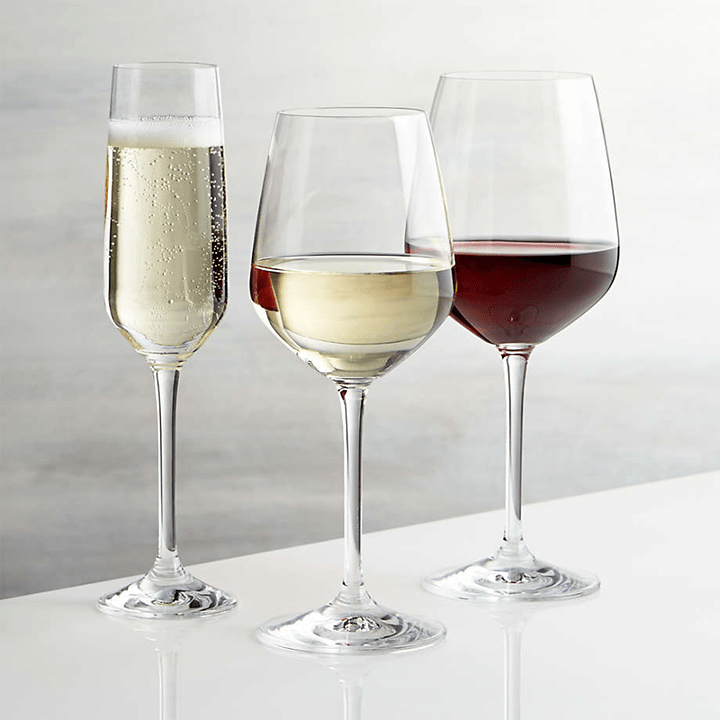
    Understanding the proper use of wine glasses is essential for maximizing the sensory experience of wine. Each style of wine glass is meticulously designed to accentuate the unique characteristics of specific wine varietals. For example, a Bordeaux glass with a tall, narrow bowl is ideal for red wines with complex aromas and tannic structure, allowing the wine to aerate and concentrate the aromas towards the nose. In contrast, a Champagne flute with a narrow, elongated shape preserves the effervescence and enhances the aroma of sparkling wines.

    The history of wine drinking vessels is a testament to humanity’s enduring fascination with wine and its cultural significance. From humble clay cups to exquisite crystal stemware, the evolution of wine glasses mirrors the evolution of human civilization itself. As a wine enthusiast, appreciating the diversity of wine glasses and understanding their proper usage is essential for elevating the wine-tasting experience. By embracing the rich history and craftsmanship behind wine drinking vessels, one can embark on a sensory journey that transcends time and taste. Cheers 🍷

  • Crafting a Romantic Food and Wine Experience for Valentine’s Day

    Crafting a Romantic Food and Wine Experience for Valentine’s Day

    As Valentine’s Day approaches, love is in the air, and what better way to celebrate romance than with a carefully curated food and wine experience? As a sommelier deeply passionate about creating memorable moments through the art of pairing, I invite you on a journey to tantalize your taste buds and ignite your senses with a selection of wines that complement intimate dishes and decadent desserts.

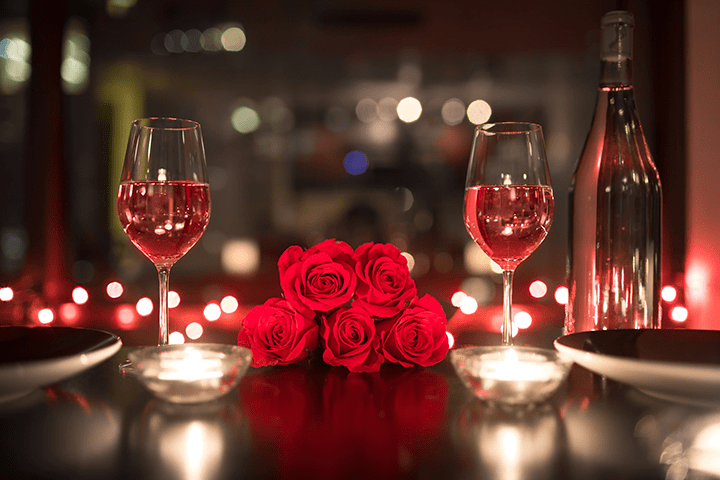
    Sparkling Wine Says Romance on Valentine’s Day

    While sparkling wines often take the spotlight during romantic occasions, there’s a plethora of red and white wines waiting to enhance the culinary symphony of your evening. Let’s delve into the heart of romance with classic pairings and venture into uncharted territory with some unconventional options to keep the sparks flying.

    Disclosure: This post includes some affiliate links. Should you click an affiliate link and make a purchase, we may receive a small commission at no extra cost to you.

    Classic Pairings

    Red Wine and Chocolate – A timeless duo, red wine and chocolate evoke feelings of indulgence and passion. Opt for a velvety smooth Merlot or a bold Cabernet Sauvignon to accompany rich dark chocolate desserts. The interplay of fruity notes and tannins creates a symphony of flavors that dance on the palate, leaving a lingering sensation of warmth and satisfaction.

    Cafe Delites Shrimp Scampi

    White Wine and Seafood – For a lighter yet equally enchanting pairing, consider a crisp Chardonnay or a vibrant Sauvignon Blanc with seafood dishes. Whether it’s succulent lobster tails drizzled with butter or delicate shrimp scampi, the refreshing acidity of these white wines balances the brininess of the sea, elevating each bite into a celestial experience.

    SOMM&SOMM Recommends: Cafe Delites Shrimp Scampi Recipe

    Rosé and Cheese – Rosé wines, with their delicate blush hues and refreshing acidity, harmonize beautifully with an array of cheeses. From creamy brie to tangy goat cheese, the versatility of rosé allows for a playful exploration of flavors. Let the soft, fruity notes of a Provencal rosé entwine with the creamy texture of cheese, creating a delightful contrast that tantalizes the senses.

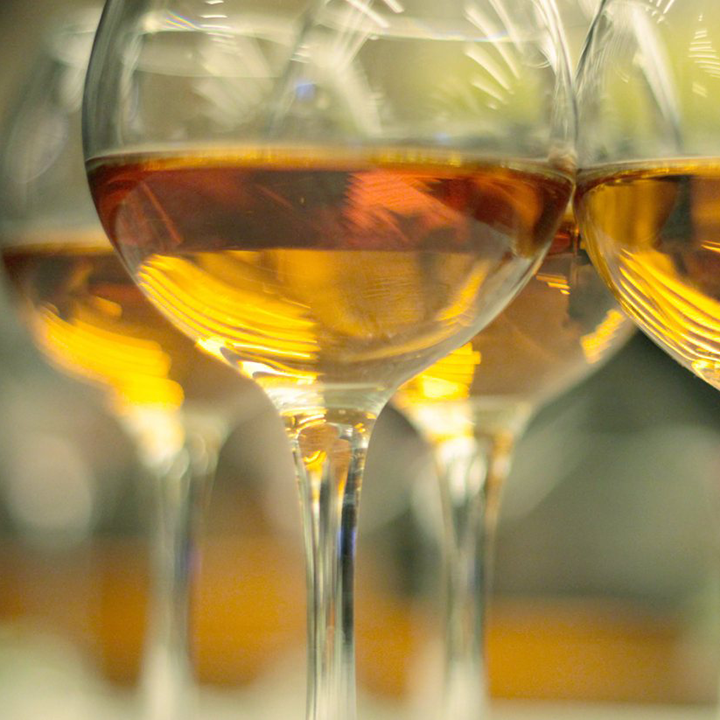
    Orange WIne

    Out-of-the-Box Options

    Orange Wine and Spicy Cuisine – Step outside the conventional and embrace the bold flavors of spicy cuisine with an unexpected partner – orange wine. Crafted from white grapes with extended skin contact, orange wine boasts complex aromas and a rich, textured palate. Pair it with fiery dishes like Thai curry or Mexican mole for a fiery fusion of flavors that ignites passion and adventure.

    Lambrusco and Charcuterie – Break away from tradition and embrace the effervescent charm of Lambrusco paired with a rustic charcuterie board. This Italian sparkling red wine, with its vibrant red fruit flavors and lively bubbles, complements the salty richness of cured meats and the earthy notes of aged cheeses. Let the symphony of flavors unfold as you explore the diverse textures and aromas, creating a tapestry of indulgence.

    Westgarth Wines

    Spotlight: Westgarth Wines is a great source for hard-to-find varietals and vintages. Whether building your wine portfolio or planning a special evening, check out Westgarth Wines Extensive Fine Wine Collection.

    Romantically-Inspired Wines and Foods

    In the realm of romantically-inspired wines, few evoke the passion of love stories like Amarone della Valpolicella. Crafted in the Veneto region of Italy, this full-bodied red wine is made from dried grapes, resulting in a luxurious elixir bursting with flavors of dried fruit, spice, and dark chocolate. Pair it with a decadent chocolate fondue for an unforgettable finale to your Valentine’s Day feast, indulging in the timeless allure of love and indulgence.

    Perfect Valentine’s Day Atmosphere

    As the evening unfolds and glasses clink in celebration of love, remember that the true magic lies in the connection shared over a table adorned with exquisite food and wine. Whether you choose to embrace classic pairings or embark on a culinary adventure with unconventional choices, let each sip and bite be a testament to the romance that blossoms when flavors intertwine, creating moments that linger in the heart long after the last drop is savored. And… speaking of blossoms, don’t forget the flowers!

    SOMM&SOMM Recommends: 1-800-FLORALS – ‘Say I Love You‘ bouquet

    In the world of food and wine, every pairing is a love story waiting to be told, and on Valentine’s Day, let your palate be the narrator of a tale woven with passion, indulgence, and the timeless allure of romance.

    Cheers to love, laughter, and unforgettable moments shared over a table set for two. 🥂

  • What is a Sommelier Anyway?

    What is a Sommelier Anyway?

    When you hear the term “sommelier,” you might picture a poised individual in a fine dining restaurant, expertly swirling a glass of wine while offering sophisticated descriptions of its aroma and taste. But what exactly is a sommelier, and what role do they play in the world of wine? Let’s embark on a delightful journey through the history, meaning, certifications, skills, and traditions associated with this esteemed profession.

    Origin and History

    The term “sommelier” originates from the Old French word “sommier,” which referred to a pack animal driver. However, in the context of wine, the meaning evolved to denote the person in charge of transporting and managing the precious wine supplies of medieval kings and nobility. Over time, the role expanded to include wine tasting and selection, leading to the modern-day definition of a wine steward or expert. Here are a few famous sommeliers from history and the reasons their legacy lives on:

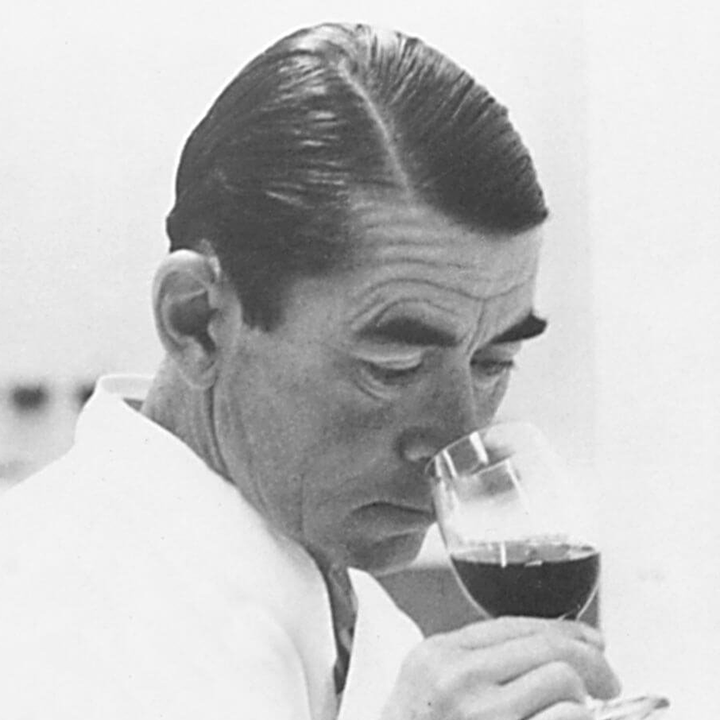
    André Tchelistcheff (December 7, 1901 – April 5, 1994)

    André Tchelistcheff

    Known as the “Dean of American Winemakers,” André Tchelistcheff was a pioneering figure in the American wine industry. Born in Russia in 1901, he moved to the United States and revolutionized winemaking techniques, particularly in California.

    Tchelistcheff’s expertise in viticulture and enology helped establish California wines on the global stage, earning him widespread recognition and admiration.

    Tchelistcheff’s legacy lives on through his groundbreaking work in improving winemaking practices, particularly in the Napa Valley region. His emphasis on quality, innovation, and attention to detail set the standard for generations of winemakers to come, shaping the trajectory of American wine culture.

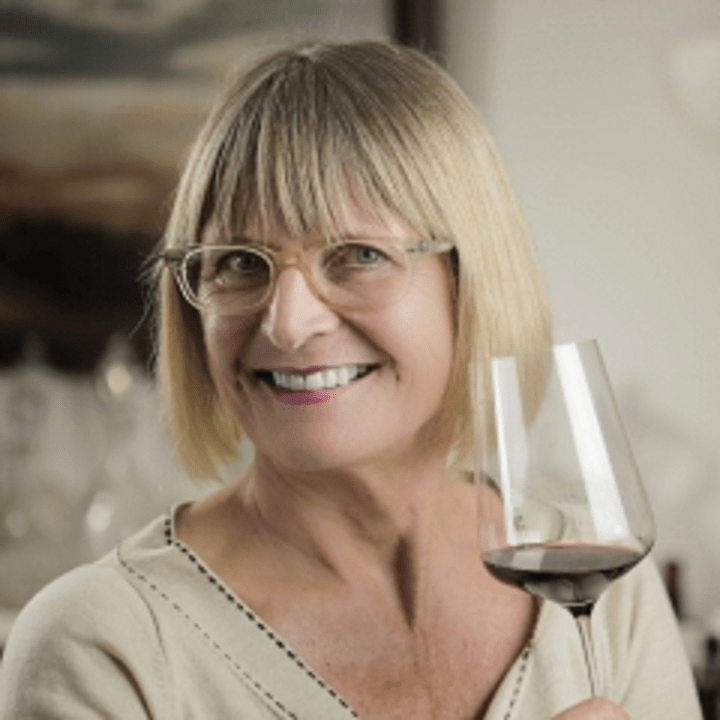
    Jancis Robinson (April 22, 1950 – )

    Jancis Robinson

    Jancis Robinson is a renowned British wine critic, journalist, and Master of Wine. Her influential career spans decades and has had a profound impact on the world of wine appreciation and education.

    Robinson is celebrated for her comprehensive wine knowledge, eloquent writing style, and commitment to promoting wine appreciation among enthusiasts of all levels.

    Robinson’s continues to build a legacy through her extensive body of work, including books, articles, and television programs, which have demystified the world of wine and made it more accessible to a wider audience. Her contributions to wine education and criticism continue to inspire aspiring sommeliers and wine enthusiasts worldwide.

    Georges-Auguste Escoffier (October 28, 1846 – February 12, 1935)

    Georges-Auguste Escoffier

    Georges-Auguste Escoffier, often referred to as the “Emperor of Chefs” and the “King of Chefs,” was a legendary French chef and restaurateur. While not solely a sommelier, Escoffier’s influence on modern gastronomy and dining culture is undeniable.

    He revolutionized French cuisine and restaurant service, introducing innovative culinary techniques and standards of excellence that continue to shape the hospitality industry.

    Escoffier’s legacy lives on through his timeless culinary principles, including his emphasis on precision, quality ingredients, and meticulous attention to detail. While he may not have been a sommelier in the traditional sense, his influence on fine dining and the art of hospitality has had a lasting impact on the role of wine service in restaurants around the world.

    These sommeliers and culinary luminaries have left indelible marks on the world of wine and dining, shaping its evolution and inspiring future generations of enthusiasts and professionals alike. Their legacies endure through their contributions to wine education, innovation, and the elevation of the dining experience.

    Certifications and Levels of Knowledge

    Becoming a certified sommelier involves rigorous training and examination. Various organizations, such as the Court of Master Sommeliers, the Wine & Spirit Education Trust (WSET), and the International Sommelier Guild, offer structured programs and exams to assess candidates’ knowledge and tasting abilities.

    The Court of Master Sommeliers, for instance, offers four levels of certification: Introductory, Certified, Advanced, and Master Sommelier. Each level requires a deeper understanding of wine regions, grape varieties, wine production techniques, and impeccable tasting skills.

    Skills Displayed During Wine Service

    A sommelier’s role during wine service extends beyond merely pouring wine into a glass. They are tasked with enhancing the dining experience through their knowledge, recommendations, and impeccable service. Specific skills displayed during wine service include:

    • Wine Pairing: Matching wines with food to complement flavors and enhance the overall dining experience.

    Decanting: Aerating wine to soften tannins and release aromas, particularly for older red wines.

    • Temperature Control: Ensuring wines are served at the appropriate temperature to preserve their flavors.

    • Glassware Selection: Choosing the right type of glassware to showcase the wine’s characteristics.

    • Cork Handling: Opening and presenting wine bottles with finesse, especially for aged or rare wines.

    Hosting a Wine-pairing Dinner at The Blue Flame

    Enhancing the Dining Experience

    A skilled sommelier can elevate a dining experience from enjoyable to extraordinary. By guiding guests through the wine selection process, sharing stories about vineyards and winemakers, and offering personalized recommendations based on individual preferences, sommeliers create memorable moments that linger long after the last sip.

    Tasting and Evaluation Skills

    Becoming a sommelier requires honing exceptional tasting and evaluation skills. Sommeliers must be able to assess wine qualities such as appearance, aroma, taste, body, acidity, and finish accurately. They undergo rigorous training to develop their palates, often participating in blind tastings to sharpen their ability to identify grape varieties, regions, and quality levels.

    Serving Champagne Properly is an Art

    Most Difficult Wine to Serve Properly

    While every wine presents its unique challenges, one of the most difficult wines to serve properly is Champagne or sparkling wine. Its effervescence requires precise handling to prevent excessive foaming and preserve the bubbles. Additionally, serving Champagne at the correct temperature is crucial to maintaining its freshness and liveliness.

    A sommelier is much more than a wine expert in a fancy restaurant. They are guardians of wine culture, storytellers of vineyard landscapes, and orchestrators of unforgettable dining experiences. Through their extensive knowledge, impeccable service, and passion for wine, sommeliers enhance our enjoyment and appreciation of one of life’s greatest pleasures. So, the next time you raise a glass of wine, remember to toast to the dedicated sommeliers who make each sip a moment to savor.

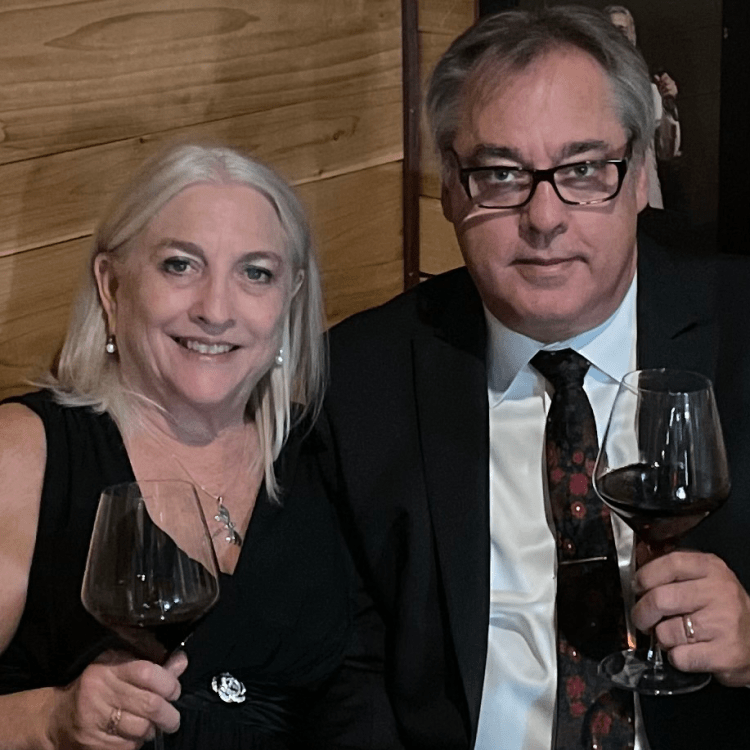
    Greg and Tammy Dean – SOMM&SOMM

    Cheers! 🥂

  • Crafting the Perfect Wine Tasting Experience

    Crafting the Perfect Wine Tasting Experience

    A well-curated wine tasting event is an exquisite journey that engages the senses and allows participants to appreciate the complexities of different varietals. Having hosted (and participated in) a few tasting events, SOMM&SOMM is here to guide you through the science behind choosing the order in which wines should be served to enhance the overall tasting experience.

    Disclosure: This post includes some affiliate links. Should you click an affiliate link and make a purchase, we may receive a small commission at no extra cost to you.

    Photo by liis piirmets on Pexels.com
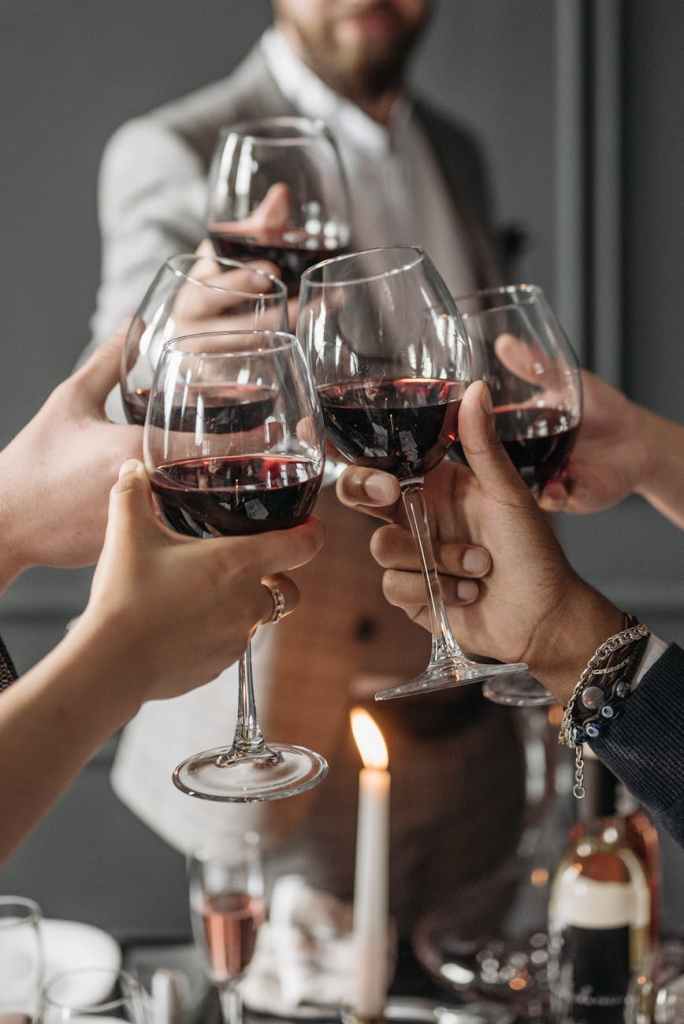
    The basic principles (3 rules)

    Sommelier Rule : Start with Whites before Reds – The general rule of thumb is to begin with white wines before moving on to reds. White wines are typically lighter and crisper, allowing the palate to acclimate to the subtleties of flavors without overwhelming it with bold tannins and robust characteristics. This progression ensures a smooth transition from lighter to fuller-bodied wines.

    Sommelier Rule : Consider Alcohol Content – When selecting the order of wines, it is essential to take alcohol content into account. Starting with lower alcohol wines helps prevent palate fatigue, allowing participants to fully appreciate the nuances of each wine. Gradually progressing towards higher alcohol wines ensures a balanced tasting experience.

    Sommelier Rule : Sweet vs. Dry – Another factor to consider is the sweetness level of the wines. Begin with dry wines and progress towards sweeter ones. Sweet wines can leave a lingering impression on the palate, making it challenging to appreciate the subtleties of drier varietals if served later in the lineup.

    Best Practices for Creating a Proper Lineup

    • Light to Full-Bodied – Arrange the wines from light to full-bodied. This helps participants ease into the tasting, preventing palate fatigue and ensuring that the more delicate characteristics of lighter wines are not overshadowed by bolder counterparts.

    • Consider Regional Variations – If you have a selection of wines from different regions, consider the traditional order of service for that region. For example, if showcasing French wines, follow the classic progression of Champagne, white Burgundy, red Burgundy, Bordeaux, and so on.

    • Mind the Oak Influence – If your selection includes oaked and unoaked wines, start with unoaked varieties. Oak can leave a lasting impression on the palate, and beginning with unoaked wines allows for a more nuanced tasting experience.

    Westgarth Wines

    Spotlight: Westgarth Wines is a great source for hard-to-find varietals and vintages. Whether building your wine portfolio or planning a themed wine tasting, check out Westgarth Wines Extensive Fine Wine Collection.

    Adjusting for Food and Wine Dinners

    When planning a food and wine dinner, the dynamics change slightly. Consider the following:

    1. Pairing Dynamics: Align the wine lineup with the progression of the courses. Lighter wines work well with appetizers and delicate dishes, while fuller-bodied wines complement heartier mains.
    2. Consider the Dominant Flavors: If a specific dish has dominant flavors, choose a wine that compliments or balances those flavors. For example, a buttery Chardonnay pairs well with creamy pasta dishes (Coquillettes Ham Tartufata).
    Photo by Pavel Danilyuk on Pexels.com
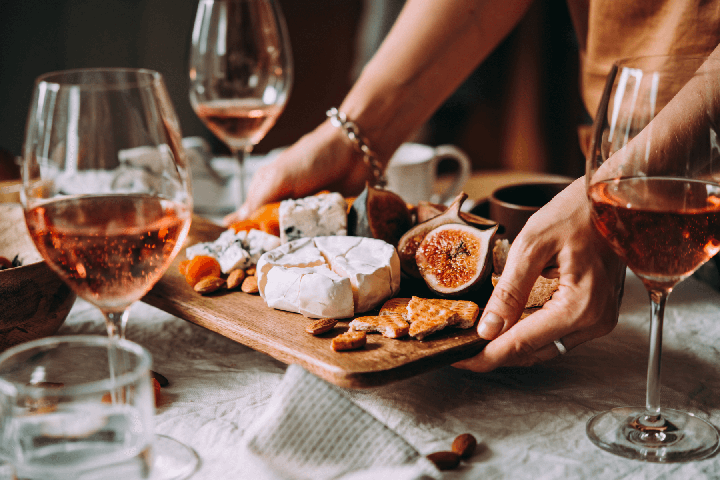
    Proper Etiquette for a Tasting

    Sip, don’t swallow. Encourage participants to take small sips and savor the flavors without swallowing immediately. This allows for a more comprehensive tasting experience. Use the right glassware. Provide appropriate glassware for each wine. The shape and size of the glass can significantly impact the perception of aromas and flavors. Provide water and neutral snacks. Have water available to cleanse the palate between tastings. Neutral snacks like crackers or bread can also help reset the palate.

    In conclusion, crafting the perfect wine tasting experience involves a thoughtful consideration of the order in which wines are served. By understanding the science behind this process and incorporating best practices, you can elevate any tasting event to a memorable and enjoyable occasion.

    Cheers 🥂

  • Navigating Wine Etiquette with Grace: A Guide for Holiday Gatherings

    Navigating Wine Etiquette with Grace: A Guide for Holiday Gatherings

    The holiday season is a time for joy, celebration, and, of course, the clinking of glasses filled with delightful wines. As sommeliers and wine educators, we understand the importance of creating a welcoming atmosphere for all wine enthusiasts, regardless of their level of expertise. In the spirit of the holidays, let’s explore some essential etiquette tips for bringing, drinking, and commenting on wine at festive gatherings.

    One of the fundamental principles of wine appreciation is acknowledging the diversity of palates

    Gregory Dean, SOMM&SOMM

    Respect Diverse Tastes

    People’s tastes vary widely, influenced by personal preferences, experiences, and cultural backgrounds. When bringing wine to a holiday party, opt for crowd-pleasers—versatile wines that can appeal to a range of preferences. However, it’s crucial to recognize that not everyone will adore the wines you’ve selected, and that’s perfectly acceptable.

    Be open-minded and appreciate that individuals may have different taste sensitivities. Avoid taking offense if someone doesn’t particularly enjoy a wine you’ve chosen. Instead, focus on the shared enjoyment of the holiday season and the joy of coming together.

    Commenting with Grace

    Engaging in conversations about wine and food pairings requires finesse, especially when differing opinions arise. If you find yourself faced with a wine or dish that doesn’t align with your personal taste, resist the urge to express outright criticism. Instead, employ diplomatic language to share your thoughts.

    For instance, you might say, “While I personally prefer a crisper white wine with seafood, this red wine offers a unique perspective that I can appreciate,” or “I find the bold flavors in this dish a bit overpowering for my taste, but I can see how it complements the wine for others.”

    The key is to express your preferences without diminishing others’ enjoyment. Remember, everyone’s palate is unique, and the beauty of wine lies in its subjective nature.

    Appreciate the Entire Experience

    Graciousness in Hosting

    If you are the host and someone brings a bottle of wine that doesn’t align with your planned menu, embrace the opportunity to showcase your hospitality. Thank them sincerely for the thoughtful gesture and find a moment to share the wine. You might even discover a hidden gem that enhances the overall experience for your guests.

    Encourage open dialogue about the wines being served, fostering an environment where guests feel comfortable sharing their thoughts. Emphasize the joy of exploration and the chance to broaden everyone’s understanding of different wine styles.

    Photo by Pavel Danilyuk on Pexels.com

    As we raise our glasses to celebrate the holidays, let us also raise our awareness of the diverse world of wine and the varied tastes that accompany it. By approaching wine with an open heart and an open mind, we can create a holiday atmosphere that is inclusive, gracious, and memorable for all. Cheers to a season filled with joy, appreciation, and the shared love of good company and good wine!

    Cheers 🍷