Category: Wine Etiquette

  • The Enchanting Wines of Entré-Deux-Mers

    The Enchanting Wines of Entré-Deux-Mers

    A Hidden Gem of French Viticulture

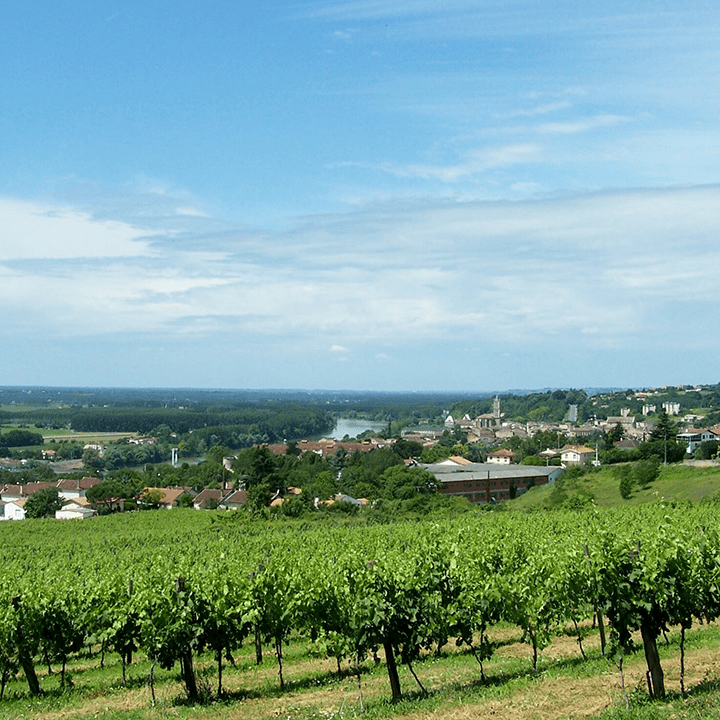
    In the illustrious tapestry of Bordeaux’s wine regions, few areas remain as underappreciated and misunderstood as Entré-Deux-Mers. Nestled between the Dordogne and Garonne rivers, this expanse of rolling hills, historic abbeys, and charming châteaux quietly produces some of the most intriguing wines in the world. Yet, it exists in the shadow of its prestigious neighbors: the Left Bank’s powerful Médoc reds and the Right Bank’s velvety Saint-Émilion and Pomerol blends (Tammy’s favorite). Entré-Deux-Mers, however, is a region of diversity, offering crisp whites, unique reds, and sweet treasures that deserve a place on your table and in your glass.

    SOMM&SOMM Related Article: Old World Regions: Bordeaux

    Where Monks and Merchants Shaped the Vines

    The name Entré-Deux-Mers, meaning “between two seas,” might seem misleading at first glance. Rather than seas, it references the two mighty rivers that define its geography. These waterways have long been trade routes, dating back to Roman times, when wine was already a cornerstone of local commerce. During the medieval period, monks played a pivotal role in cultivating the vineyards, leaving behind a legacy of meticulous viticulture that persists to this day.

    Local lore tells of wine-smuggling monks ferrying barrels of “fish wine” (a term used to describe crisp, acidic whites perfect for pairing with seafood) under the cover of night to avoid taxes imposed by Bordeaux merchants. Whether or not these tales are true, they capture the independent spirit of the region’s winemakers.

    The Styles of Entré-Deux-Mers

    Entré-Deux-Mers offers a spectrum of wines, from vibrant whites to robust reds and luscious sweet wines. Let’s explore these styles in greater detail.
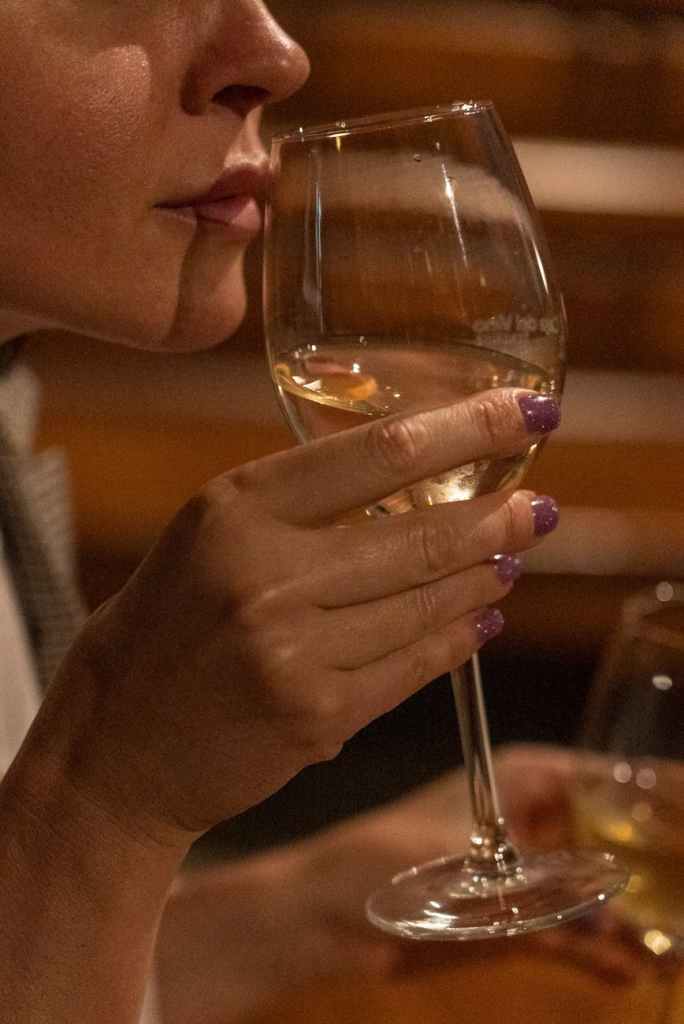
    Photo by Oleksandr P on Pexels.com

    Entré-Deux-Mers Blanc

    This is the hallmark wine of the region, an aromatic, crisp white blend dominated by Sauvignon Blanc, Sémillon, and Muscadelle. These wines are often vinified in stainless steel to preserve their fresh, zesty character.

    • Tasting Notes: Expect notes of grapefruit, green apple, and white flowers with a minerally backbone.
    • Pairings: Perfect with oysters, grilled fish, goat cheese, or a fresh herbed salad.
    • Recommendation: Look for Château Bonnet’s Entré-Deux-Mers Blanc, an approachable, quintessential example of the style.

    Bordeaux Rouge and Bordeaux Supérieur

    While not labeled as Entré-Deux-Mers, red wines from the region fall under broader Bordeaux appellations. These blends often feature Merlot, Cabernet Sauvignon, and Cabernet Franc, offering approachable and food-friendly profiles.

    • Tasting Notes: Black cherry, plum, and earthy spice dominate, with soft tannins in younger wines.
    • Pairings: A natural fit for roasted meats, charcuterie, or hearty stews.
    • Recommendation: Seek out Château Thieuley Bordeaux Rouge for an elegant and well-structured red.
    Harvesting Botrytis affected grapes at Château Dauphiné Rondillon

    Sweet Wines (Loupiac, Sainte-Croix-du-Mont)

    On the southern edges of Entré-Deux-Mers, the misty banks of the Garonne create the perfect conditions for noble rot, producing stunning sweet wines reminiscent of Sauternes but at a fraction of the price.

    • Tasting Notes: Honeyed apricot, candied orange peel, and luscious marmalade.
    • Pairings: Pair with foie gras, blue cheese, or fruit tarts.
    • Recommendation: The Cuvée d’Or du Château Dauphiné Rondillon is a delightful and affordable indulgence.

    Varietals and Wine Laws

    Entré-Deux-Mers Blanc is governed by strict AOC rules that mandate blends of Sauvignon Blanc, Sémillon, and Muscadelle, though minor contributions from Ugni Blanc and Colombard are permitted. The region’s reds fall under the broader Bordeaux and Bordeaux Supérieur classifications, which offer greater flexibility in blending.

    An intriguing facet of Entré-Deux-Mers is its experimentation with lesser-known varietals like Malbec (locally called Côt) and Petit Verdot. These grapes add depth and complexity to blends, hinting at the region’s potential to craft truly distinctive wines.

    Why Entré-Deux-Mers Matters

    Entré-Deux-Mers represents the essence of Bordeaux: a commitment to quality, history, and innovation. Unlike the grand châteaux of the Left and Right Banks, this region’s producers often work on a smaller scale, focusing on craftsmanship rather than global acclaim. The result? Wines that overdeliver on value and character.

    Fun Anecdotes and Lore

    Did you know that during the Hundred Years’ War, Entré-Deux-Mers became a battleground for more than just soldiers? Vineyards were often caught in the crossfire, yet resilient locals replanted time and again, showing the enduring spirit of the region.

    Bringing Entré-Deux-Mers to Your Table

    If you’ve yet to explore the wines of Entré-Deux-Mers, now is the time. Whether it’s a crisp white for your next seafood feast or a luscious sweet wine to accompany dessert, this region offers something for everyone. And don’t forget the reds—they might just surprise you with their depth and versatility.

    So, next time you’re perusing the Bordeaux aisle, take a chance on Entré-Deux-Mers. You might just discover a new favorite—and a story to tell with every sip. Santé 🍷

    Cover Image Credit: Henry SALOMÉ, CC BY-SA 4.0, via Wikimedia Commons
  • Pop, Fizz, Clink! The Art (and Science) of Opening Sparkling Wine Without a Flying Cork

    Pop, Fizz, Clink! The Art (and Science) of Opening Sparkling Wine Without a Flying Cork

    Ah, Champagne! The ultimate symbol of celebration, glamour, and joy—until it becomes a projectile aimed at your chandelier, your friend’s forehead, or your unsuspecting dog. Opening a bottle of bubbly can be thrilling, but it’s not a party trick unless you’re wielding a saber (more on that later). Let’s break down the proper, safe, and stylish way to pop that cork like a pro.

    Step 1: Chill Out (Literally!)

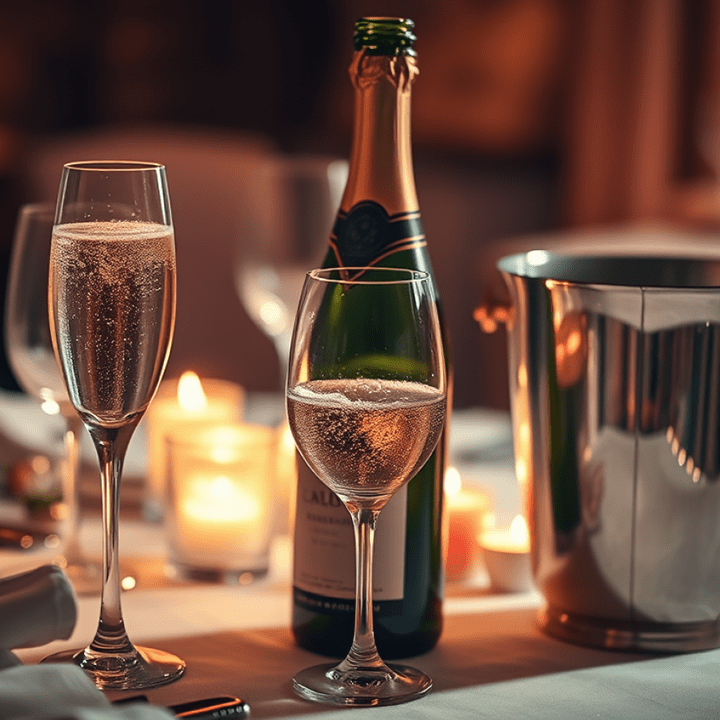
    Temperature is everything. Too warm, and your sparkling wine will gush like a fountain; too cold, and the nuanced flavors and bubbles won’t shine. Aim for 43-50°F (6-10°C). This means a couple of hours in the fridge or 30 minutes in an ice bucket filled with half water and half ice. Remember: calm bubbles are happy bubbles.

    Cork Dork Tip: If your sparkling wine is too warm and you’re in a pinch, wrap the bottle in a damp towel and pop it in the freezer for 15 minutes. But set a timer—we’re chilling wine, not making Champagne slushies.

    Photo by Moran Avni on Pexels.com

    Step 2: The Tools of the Trade

    Let’s talk glassware. While a flute may look classic, it’s not ideal for appreciating the wine’s aromas. A tulip-shaped glass or a standard white wine glass works wonders. If all you’ve got is a coffee mug…well, let’s pretend I didn’t hear that.

    Cork Dork Tip: Invest in proper glassware. It’s like giving your wine a stage to perform on instead of relegating it to karaoke night at the dive bar.

    Step 3: Unleash the Cage (Gently!)

    Now for the fun part. Remove the foil and locate the wire cage (officially called the muselet). Keep your thumb firmly on the cork while you untwist the cage—six half-turns, in case you’re counting. Leave the cage on the cork for better control. It’s your first line of defense against unintentional popping.

    Cork Dork Tip: If you’re feeling fancy, use this moment to drop a fun fact: the pressure inside a bottle of sparkling wine is equivalent to the tire pressure of a double-decker bus. That’s why the cork deserves your respect!

    Step 4: The Twist-Off (No Drama, Please)

    Here’s where many a cork dork shines. Tilt the bottle to a 45-degree angle, gripping the cork with one hand (and a towel, if you’re feeling fancy) and the base of the bottle with the other. Slowly twist the bottle—not the cork—while applying gentle counter-pressure. Listen for the “pffft” sound of escaping gas, not the party-popping “boom” of disaster.

    Cork Dork Tip: If the cork refuses to budge, don’t panic. A quick wrap of the cork in a warm towel can help loosen things up. Consider it wine’s version of a spa day.

    Photo by Rene Terp on Pexels.com

    Step 5: Pouring Perfection

    Pour in two stages to prevent overflow. A small amount first to let the foam settle, then top up to about two-thirds full. Bonus points if you can pour with a slight flair without spilling on Aunt Henrietta’s carpet.

    Cork Dork Tip: Tilt the glass at an angle while pouring to preserve those precious bubbles. Straight-on pouring is for amateurs (or soda).

    For the Extra (and Extra Formal) Moments

    For formal occasions, present the bottle label-forward before opening. This gives your guests a chance to admire your impeccable taste. Oh, and never—I repeat, never—point the cork at anyone. A Champagne cork can travel up to 50 miles per hour; this is a bottle of wine, not a weapon.

    Cork Dork Tip: Bonus style points for draping a napkin or towel over your pouring arm. It’s the sommelier’s version of a superhero cape.

    The Saber Method (For Show-offs and Special Occasions)

    Want to impress your guests? Saber that bottle like a true connoisseur with a flair for the dramatic. Using a dull blade or the blunt side of a chef’s knife, slide the blade along the seam of the bottle toward the lip with a firm, confident stroke. The cork and glass lip should break off cleanly. This method is best practiced outdoors—and away from your mother-in-law’s priceless crystal collection.

    Cork Dork Tip: Make sure your audience knows this isn’t just about bravado. Sabering has historical roots in Napoleonic France. When you’re done, casually drop the phrase, “Vive l’Empereur!” for dramatic effect.

    A Few More Cork Dork Pro Tips

    • Storage: Keep your sparkling wine stored horizontally and away from heat or light.
    • Pairing: Sparkling wine pairs beautifully with almost anything, from oysters and caviar to fried chicken and popcorn. Yes, really.
    • Serving: Keep an extra bottle or two chilled. One bottle for every two guests is a good rule of thumb.

    Cork Dork Tip: If you’re running out of Champagne, have a stash of Crémant (French), Cava (Spanish) or Prosecco (Italian) as a backup. They’re budget-friendly lifesavers.

    Bottom Line: Celebrate Safely and Stylishly

    Whether you’re popping a Prosecco on the couch, sabering a Cava in the backyard, or serving vintage Champagne at a black-tie event, the key is respect for the wine and your guests. A well-opened bottle sets the tone for the celebration, and nothing—nothing—beats the sound of a perfectly controlled “pffft” as you usher in a new year or toast to life’s moments big and small.

    So go forth, my fellow cork dorks, and conquer the art of bubbly with confidence, style, and perhaps just a little mischief. Cheers 🥂

    Disclaimer: Proceed With CautionSabering and opening sparkling wine may look glamorous, but they require attention and care. Always ensure bottles are properly chilled to reduce pressure, point them away from people or valuables, and handle with steady hands. Sabering, in particular, should only be attempted outdoors with the right tools and protective eyewear. This isn’t a TikTok challenge—safety comes first. If in doubt, leave the sabering to professionals and stick to the classic “pffft” opening method. Celebrate responsibly, and may your bubbles always be joyful!

  • Wines for Late Autumn and Early Winter

    Wines for Late Autumn and Early Winter

    Sipping Through the Seasons–The Holidays and Beyond.

    As the vibrant hues of autumn leaves fade into the frost-kissed landscapes of early winter, it’s time to embrace wines that embody the coziness of the season. From family gatherings to fireside chats, this time of year calls for rich, warming wines that bring people together. Here’s a lighthearted guide to selecting wines perfectly suited to late autumn and early winter vibes.

    Photo by Taryn Elliott on Pexels.com

    The Cozy Corner: Reds That Warm the Soul

    The cooler months are synonymous with robust red wines that feel like a warm hug. These wines pair effortlessly with hearty dishes, wool blankets, and crackling fires.

    Cabernet Sauvignon

    • Perfect for: Slow-cooked roasts, braised short ribs, or a rich lasagna.
    • With its bold tannins and dark fruit notes, Cabernet Sauvignon feels right at home during chilly nights. Try one from Napa Valley for a classic experience or experiment with South American options for an earthy twist.

    Syrah/Shiraz

    • Perfect for: Grilled lamb, smoked brisket, or venison stew.
    • Bursting with black pepper, plum, and smoky undertones, Syrah matches the rugged charm of late autumn.

    Zinfandel

    • Perfect for: BBQ meats, spicy chili, or glazed ham.
    • Its jammy fruit flavors and spicy kick make Zinfandel a crowd-pleaser for festive gatherings.
    No machine-readable author provided. Hoffkar assumed (based on copyright claims)., CC BY-SA 3.0, via Wikimedia Commons

    Florida’s Early Winter: Tropical Hints with Holiday Cheer

    For those basking in the mild 70°F “winters” of Florida (or similar climates), lighter wines with tropical vibes but seasonal depth strike the right balance.

    Viognier

    • Perfect for: Shrimp scampi, citrus-glazed chicken, or mango salsa.
    • This aromatic white wine bridges the gap between summery zest and cozy richness, perfect for coastal holiday parties.

    Chenin Blanc

    • Perfect for: A poolside turkey sandwich or a festive charcuterie board.
    • Opt for a South African Chenin Blanc for a slightly off-dry profile that suits Florida’s seasonal flair.

    Light Pinot Noir

    • Perfect for: Cedar-plank salmon or grilled turkey legs.
    • Bright red fruit with a touch of spice makes Pinot Noir versatile enough for Florida’s unique winter vibe.

    Fireside Chats & Relaxed Evenings: The Best Sippers

    Nothing beats a glass of something special when unwinding by the fire. Here are top picks for contemplative sipping:

    Port – Rich, sweet, and warming, a ruby or tawny Port is the ultimate fireside companion. Pair it with blue cheese or toasted nuts for a cozy treat.

    Madeira – With its caramelized nuttiness, Madeira feels luxurious. Opt for a medium-sweet Bual style, paired with roasted chestnuts or gingerbread cookies.

    Amarone della Valpolicella – This velvety Italian red has dried fruit flavors and a hint of cocoa, making it an indulgent pairing for dark chocolate or aged Parmesan.

    Family Gatherings: Classic Pairings for Festive Feasts

    Holiday tables brimming with traditional dishes demand wines that enhance the flavors without overpowering them.

    Turkey and Trimmings

    • Go for a Chardonnay (try a buttery Sonoma option) or Riesling (a semi-dry German Riesling for balance).
    • For reds, a Beaujolais Cru or Pinot Noir adds enough complexity without stealing the spotlight.

    Ham or Pork Roast

    • A fruity Grenache or a full-bodied Malbec pairs beautifully with the sweet and savory nature of ham.
    • For whites, try a bold Gewürztraminer, especially if there’s a honey glaze involved.

    Vegetarian Delights

    • Mushroom dishes and roasted root vegetables pair exquisitely with Barbera or Tempranillo.
    • For whites, a nutty Roussanne or White Burgundy elevates earthy flavors.
    Photo by Photo By: Kaboompics.com on Pexels.com

    Seasonal Activities & Their Perfect Pairings

    Every seasonal pastime has a wine that fits like a glove. Here’s a list to inspire your next bottle:

    • Tree Trimming: Prosecco or Cava. Light, fizzy, and celebratory, these sparkling wines keep spirits bright.
    • Pumpkin Pie Baking: Moscato d’Asti. Its sweetness and citrusy zing make pie-prepping festive.
    • Holiday Movie Marathons: Mulled wine or a spiced Glühwein. Curl up with a steaming mug of wine infused with cinnamon, cloves, and orange zest.

    Choose What Feels Right

    Whether you’re embracing early winter in Florida with a chilled Chenin Blanc or braving the Northeast cold with a bold Cabernet Sauvignon, the season is about warmth, comfort, and connection. Raise a glass to the season’s charm, and remember: the best wine is the one you enjoy most with the people you love. Cheers! 🥂

    Cover Photo Credit: Reinhold Möller, CC BY-SA 4.0, via Wikimedia Commons
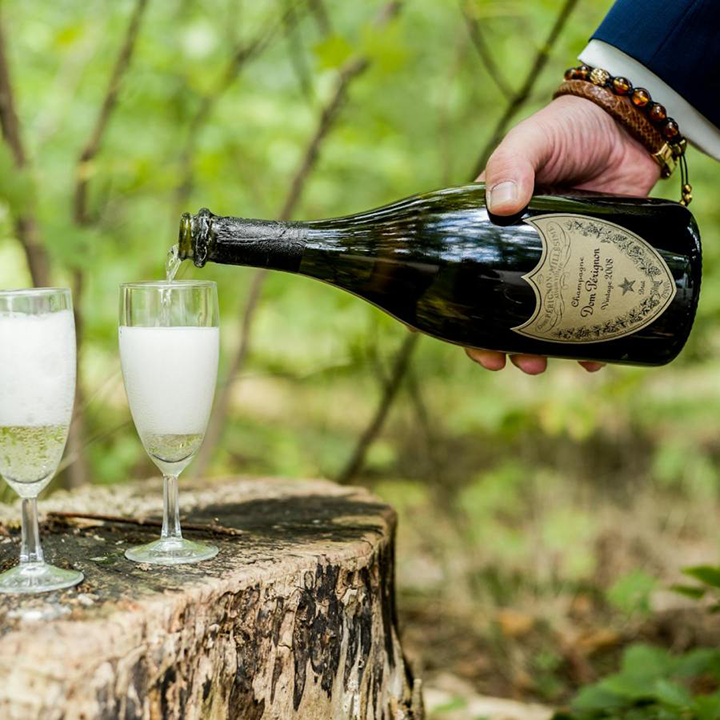
  • Thanksgiving Through the Glass

    Thanksgiving Through the Glass

    Wine Pairings from Morning Mimosas to Midnight Leftovers.

    Thanksgiving isn’t just about gathering around a table for a big dinner—it’s a day full of moments, from the morning preparations to the late-night desserts and those highly anticipated leftovers. As traditions evolve, the trend of pairing wines that enhance both classic and modern dishes continues to grow. Here’s an updated look at the best wine pairings from morning through midnight—and well into the days of leftovers.

    Tammy Dean and Bonnie Cooper, Thanksgiving preparations 2018

    Morning Preparations

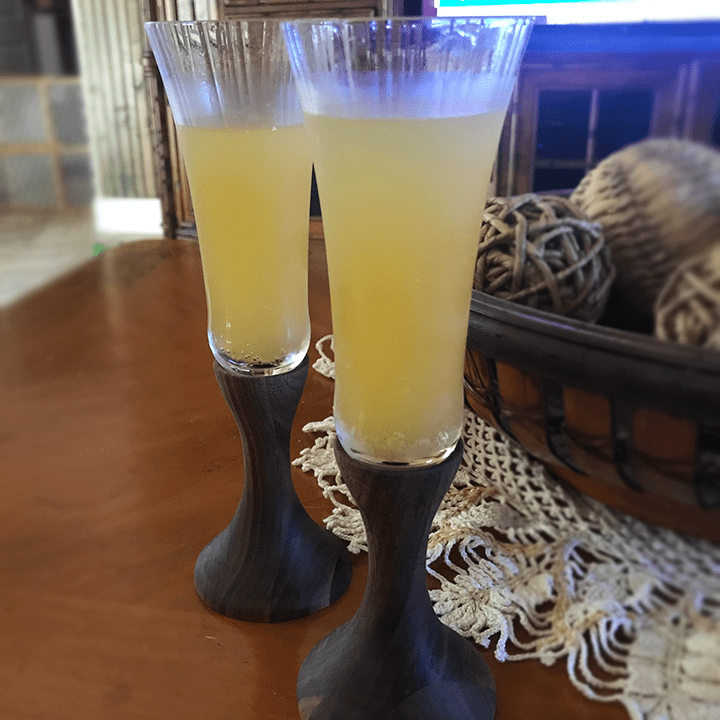
    Classic Mimosas in glasses handcrafted by Mike Weber

    Thanksgiving morning buzzes with the aromas of roasting and simmering, and there’s nothing like a glass of sparkling wine to add a celebratory touch. This year, mimosas get a refresh by pairing them with non-traditional juices like blood orange or pear. A quality Prosecco or Cava keeps these cocktails crisp and lively, balancing the richness of pre-dinner snacks and light breakfast pastries.

    For a more classic sparkling option, consider a Brut Rosé. Its subtle berry flavors add depth to lighter foods like smoked salmon and goat cheese on toast. For an elevated twist, the Iron Horse Wedding Cuvée (a Napa favorite) offers a vibrant start with rich strawberry notes that will carry you through the morning as the main dishes prepare.

    Here’s to Thanksgiving: where the glasses are as full as our hearts, the wines as varied as our favorite dishes, and the memories as rich as a perfect vintage. May each sip bring gratitude, laughter, and the joy of being together. Cheers to family, friends, and a feast worth savoring—sláinte!

    Gregory Dean, SOMM&SOMM

    The Main Event

    The Thanksgiving meal is a balancing act of savory, sweet, and sometimes bold flavors. This year, an emphasis on versatile wines is trending, along with the rise of lesser-known varieties that surprise and delight.

    Appetizers and Starters

    For appetizers, go with an off-dry Riesling or a Sauvignon Blanc to complement lighter bites and acidic dressings. Eroica Riesling or Grgich Hills Estate Sauvignon Blanc offers fresh acidity and mineral notes that won’t overwhelm the palate before the main meal. Riesling’s slight sweetness matches well with salty starters like mixed nuts, cheese plates, or charcuterie, while Sauvignon Blanc’s zest cuts through heavier, creamier dips.

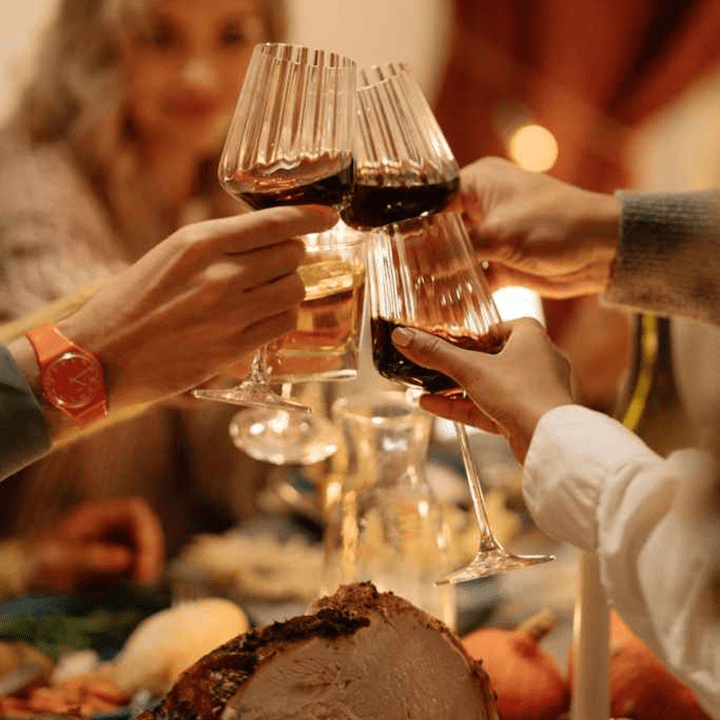
    Photo by Monstera Production on Pexels.com

    Turkey and Sides

    Turkey is a natural canvas for wine, but the variety of sides can complicate things. For a red, the Pinot Noir is the reigning star, especially if it’s from Oregon or Burgundy. These wines bring a perfect combination of red fruit and earthiness that complements both dark and white meat. The acidity of Pinot Noir also brightens up rich sides like stuffing, mushroom gravy, and roasted Brussels sprouts.

    Related Article: Tasting Experiences: A Taste of Adelsheim

    If you’re in the mood for white, Chardonnay offers flexibility, but consider choosing a less oaked variety, like those from Chablis, or a Napa classic like Chateau Montelena Chardonnay, known for its minerality. These wines bring out the buttery notes in mashed potatoes while providing a lively contrast to tart cranberry sauce.

    The New Favorites: Red Blends

    Many guests have a favorite red blend they reach for during holidays, and the Trinchero Napa Red Blend is a standout. It’s fruit-forward with just enough tannic structure to handle heavier dishes. The rise in popularity of red blends showcases a preference for wines that blend approachable flavors with enough complexity to match a wide variety of dishes.

    Photo by Element5 Digital on Pexels.com

    Sweet Endings Paired Perfectly

    For dessert, late-harvest wines bring out the best in pumpkin and pecan pies. The Far Niente Dolce Late Harvest from Napa, with its lush notes of apricot and honey, pairs beautifully with spiced pumpkin pie, while the nutty undertones of pecan pie harmonize with a tawny port or Pedro Ximénez sherry.

    An increasingly popular dessert option is a cheese course with dark chocolate, paired with a rich Port or Demi-Sec sparkling wine. The Demi-Sec is particularly versatile, adding a touch of sweetness without overpowering the dessert course.

    Leftovers and The Day After

    Thanksgiving leftovers have earned a special place in the holiday, and wine pairings here can turn even the most casual meal into a refined experience. Turkey sandwiches with cranberry sauce are delightful with a chilled Beaujolais-Villages or a lighter Gamay. If you’re making turkey soup or a casserole, opt for an unoaked Chardonnay or a crisp Sancerre—the acidity will cut through creamy textures without overwhelming subtle flavors.

    For those who love to continue the celebration, sparkling wine is the perfect reset, bringing freshness to rich dishes and reminding everyone that Thanksgiving is more than just one meal.

    This day, this moment, is a gift—let’s make the most of it, together. Happy Thanksgiving!

    Greg and Tammy Dean, SOMM&SOMM

    A special message to our friends and family

    As the last sips of wine are savored and the final remnants of Thanksgiving leftovers are enjoyed, remember that this day is about far more than the food on our plates or the wines in our glasses. It’s about the moments that fill our hearts—those imperfect, fleeting, sometimes challenging moments that we share with the people we call family. Life, in all its unpredictability, doesn’t come with guarantees. Grievances and misunderstandings pale in comparison to the warmth of laughter around the table, the shared stories, and the joy of simply being together. So, this Thanksgiving, let’s set aside the weight of past disagreements and come together with open hearts. Cherish the people around you, for the memories you create today are the ones you’ll hold dear long after the wine glasses are emptied and the dishes are put away. This day, this moment, is a gift—let’s make the most of it, together. Happy Thanksgiving 🍷

    Cover photo by cottonbro studio on Pexels.com

  • Thanksgiving: A Holiday of Tradition, Tolerance, and Tannins

    Thanksgiving: A Holiday of Tradition, Tolerance, and Tannins

    Warning: The following article may cause unexpected feelings of warmth, nostalgia, and a case of “something in my eye.” Proceed with tissues at the ready, and a glass of wine close by—it pairs well with heartfelt moments and a touch of holiday magic!

    Thanksgiving has long been a holiday that pulls us into the comforting embrace of tradition, with the tantalizing aroma of roast turkey and the cozy chaos of family dynamics. But if you look back at the origins of Thanksgiving, you’ll notice a curious inconsistency—the date itself isn’t set in stone. Let’s uncork the history of this holiday, savor its flavors, and reflect on how to navigate the complexities of a family gathering while ensuring the wine flows smoothly.

    The Original Thanksgiving: A Shifting Feast

    The first Thanksgiving wasn’t quite the yearly autumnal celebration we know today. The “original” Thanksgiving dates back to 1621, when the Pilgrims and the Wampanoag shared a three-day feast, celebrating the harvest and giving thanks for survival. This wasn’t an annual event but rather a one-time gathering. The notion of Thanksgiving as a regular holiday took shape much later, morphing through various proclamations and dates until 1863, when President Abraham Lincoln declared the final Thursday of November a national day of “Thanksgiving and Praise.”

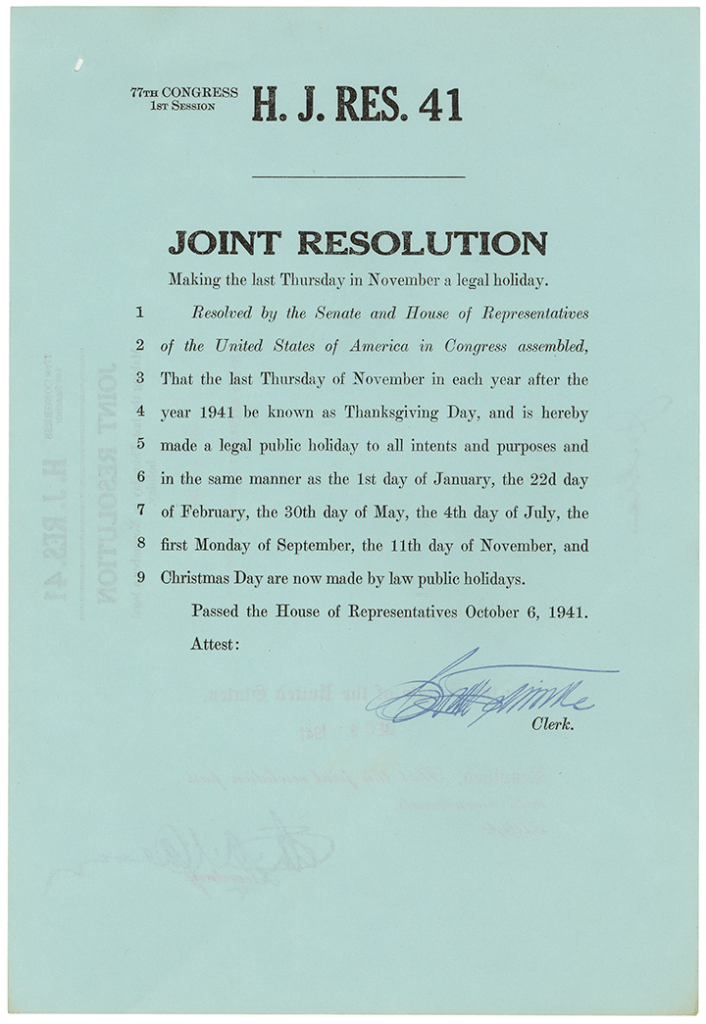
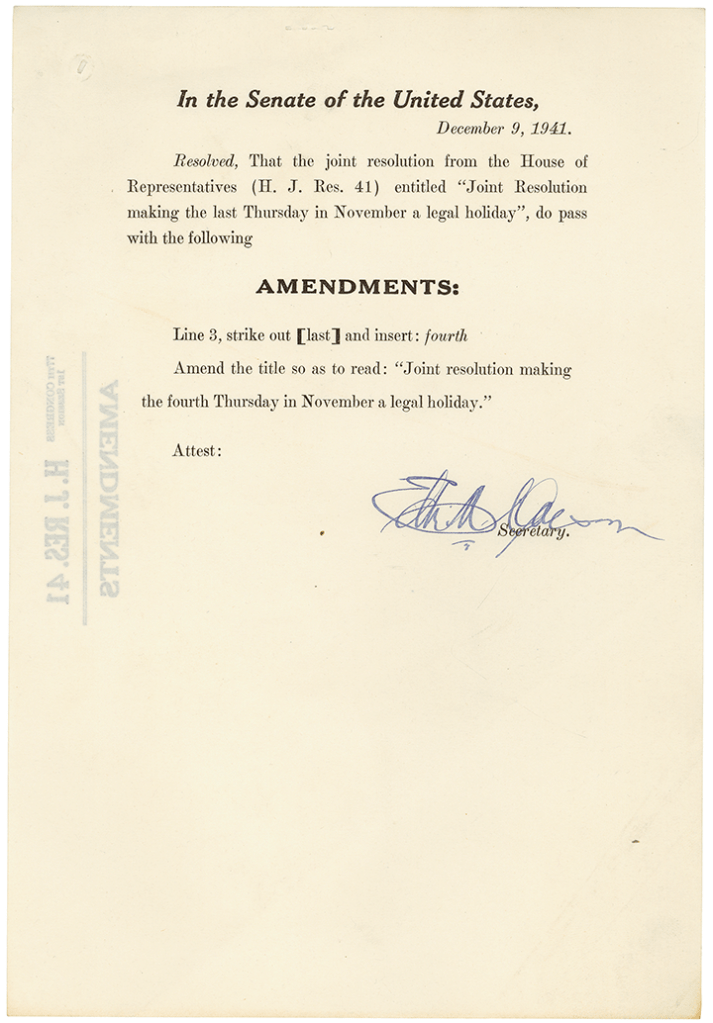
    However, it wasn’t until 1941 that the U.S. Congress officially settled on the fourth Thursday of November as the official holiday—ensuring Thanksgiving would always fall on a Thursday but allowing for the exact date to shift year by year. This decision had practical roots, allowing more time for Christmas shopping (and what better excuse for an extra bottle of wine at dinner?).

    Traditions with a Side of Turkey

    Thanksgiving traditions revolve around food—bountiful platters of turkey, stuffing, sweet potatoes, and pies. But the true core of the holiday lies in its purpose: to gather, reflect, and give thanks. Every family has its unique customs, from passing heirloom dishes to debating the best way to prepare the cranberry sauce (whole berries or smooth jelly?). The table itself, set with the finest (or most festive) tableware, symbolizes more than just a meal; it’s about unity, continuity, and sharing the bounty of the year.

    Photo by RDNE Stock project on Pexels.com

    When it comes to the wines that elevate this annual feast, a sommelier’s advice is to let the meal be your guide. Start with a sparkling wine, like a refreshing Prosecco or a fuller-bodied Franciacorta, to cleanse the palate and set a festive tone. For the turkey, nothing beats a Pinot Noir—its light body and cherry notes complement both white and dark meat without overpowering the sides. If you’re craving a white, Viognier or Chardonnay are fantastic companions, with the former offering floral notes that enhance herb stuffing and the latter providing a buttery richness that pairs wonderfully with mashed potatoes and gravy.

    SOMM&SOMM Related Article: Old World Regions: Burgundy

    As the dessert course arrives—laden with pumpkin pie, pecan pie, or apple crisp—consider a luscious Late Harvest Riesling or a Tawny Port to bring out the sweetness and toast the end of the meal.

    Family, Feasts, and Finding Harmony

    The food and wine are easy enough to handle—it’s the family dynamics that tend to complicate things. We’ve all heard the jokes about Thanksgiving dinners devolving into debates over politics, decades-old grievances resurfacing, or the inevitable tension that follows someone’s ill-timed comment. While these moments have become a lighthearted cliché, the reality is often far less amusing. For some families, these conflicts run so deep that they create divides too wide to bridge, leaving loved ones dining in separate corners instead of coming together around the same table.

    There’s a delicate balance between grieving and celebrating, honoring traditions and embracing change, connecting with family and respecting the distance we sometimes need.

    GREGORY DEAN, SOMM&SOMM

    The irony is that Thanksgiving, a day meant to celebrate gratitude and togetherness, often becomes a reflection of what’s missing. Petty disputes and stubborn pride can overshadow shared memories and accomplishments, turning what could be a time of joy into a painful reminder of fractured relationships. But what if we shifted the focus? What if, instead of rehashing old arguments, we used this day to honor those we’ve lost and to strengthen the bonds with those still here? There’s a delicate balance between grieving and celebrating, honoring traditions and embracing change, connecting with family and respecting the distance we sometimes need.

    Photo by RDNE Stock project on Pexels.com

    Here’s where tolerance, empathy, and perhaps a well-timed glass of wine come into play. Over the years, I’ve found that the right pairing of patience and perspective—much like the perfect wine with a meal—can be a bridge to reconciliation. After all, isn’t the heart of Thanksgiving about putting aside differences, pulling up a chair, and reflecting on the things that truly matter?

    Start with Gratitude, Literally
    Begin the meal with a toast to something positive. It doesn’t need to be a grand gesture, but a simple “cheers” to good food, shared moments, or a fond memory can set a warm tone. Choose a gentle, crowd-pleasing wine like a Sauvignon Blanc—light, crisp, and unlikely to provoke strong reactions.

    Pace Yourself and the Pourings
    Wine is meant to be enjoyed, not used as a shield or sword in family disputes. Encourage moderate consumption by serving in smaller glasses and offering water breaks between courses. A light-bodied red like Beaujolais Nouveau, which is released just in time for Thanksgiving, is a friendly choice that keeps things bright without going overboard.

    Be the Buffer, Not the Barrel
    If you see a conversation heading toward dangerous territory, redirect with something lighthearted or anecdotal—ideally something wine-related. “Did you know that wine pairing was practically invented to solve disputes? Imagine the 19th-century French debating terroir over a bottle!” A little humor goes a long way, especially if paired with a versatile crowd-pleaser like Zinfandel or Merlot.

    Acknowledge Losses Gently
    Thanksgiving is a time when empty chairs at the table are more intensely felt. If the subject arises, don’t shy away—acknowledge the grief. Raising a glass to absent friends and family with a rich and contemplative wine like a Cabernet Sauvignon can turn a potentially somber moment into a collective act of remembrance, binding everyone together in a quiet, shared reflection.

    Here’s to the chairs that are filled, and to those that are empty. To the laughter we’ve shared and the tears we’ve shed. For the moments we hold close and the loved ones who couldn’t be here tonight, but remain forever in our hearts. May we cherish each other a little more, forgive a little quicker, and never take for granted the time we have. Let’s raise a glass to the beauty of this moment—imperfect, fleeting, and exactly enough. To family, to friends, to memories, and to love that endures. Cheers!

    Gregory Dean, SOMM&SOMM

    Let the Wine Lead to Conversations, Not Arguments
    Use wine as a talking point. Discuss the meal’s pairing choices, reminisce about past holiday gatherings, or share a funny story involving a cork mishap (e.g. the time Tammy hit a pedestrian with a Champagne cork). Engaging your guests in a shared experience of tasting encourages connection, whether they’re aficionados or casual drinkers. A dessert wine like a Port or Sauternes is a delightful way to close the evening, accompanied by nostalgic stories rather than heated debates.

    Pouring Gratitude and Grace

    Thanksgiving is more than just a day—it’s a dance of old traditions and new experiences, food and family, joy and loss. It’s a reminder that even the most challenging gatherings can be softened by the simple act of sharing a meal and raising a glass. The wine you choose can enhance the flavors of the day, but more importantly, it can offer moments of pause, connection, and understanding.

    This year, as you plan your feast, remember that the date may shift, the menu may change, and the faces around the table may not be the same as years past. But the spirit of Thanksgiving—much like a well-aged bottle—is enduring, resilient, and best enjoyed with a little patience, a lot of love, and the perfect glass of wine. Cheers 🍷

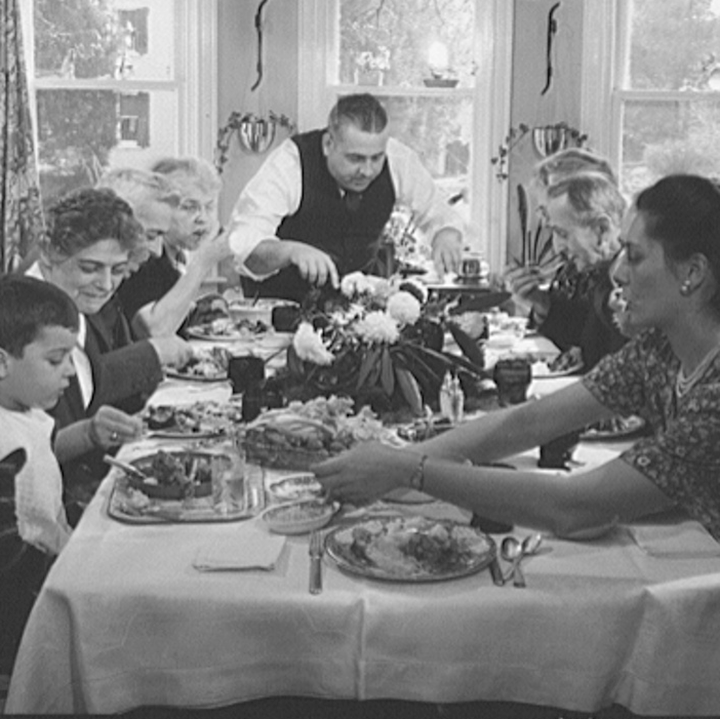
    Cover Photo Credit: Marjory Collins, Public domain, via Wikimedia Commons
  • Raise a Glass and Lower the Volume

    Raise a Glass and Lower the Volume

    A Sommelier’s Take on Finding Common Ground.

    Election Day. For many, it’s a spirited occasion where, beyond casting a ballot, we’re practically swimming in strong opinions. But today, I propose we table those heated discussions about who’s right, who’s wrong, and who should be running the show. Instead, let’s toast to something undeniably delightful: wine—and the way it has this uncanny power to bring us together.

    In the wine world, I’ve found the best conversations happen over a shared bottle, with glasses clinking, eyes bright, and laughs rolling out easily. Sure, we don’t always agree. In fact, a roomful of sommeliers and wine enthusiasts debating wine pairings can sound a lot like Congress during a filibuster. But, thankfully, our discussions have a much friendlier vibe, and they end with a pleasant buzz rather than a buzzkill.

    So let’s treat our political conversations like we do wine pairings—let’s savor, listen, and respect each other’s “palates.”

    Photo by Julia Kuzenkov on Pexels.com

    Find Your “Common Ground” Grape

    No matter your personal politics, there’s probably a wine we can all rally around. Are you a staunch Pinot Noir person? A die-hard Chardonnay defender? Or maybe you’re a Sauvignon Blanc champion? Great! Wine is a versatile beverage that invites a multitude of opinions without any door-slamming. Whether we’re swirling a glass of Napa Cab or toasting with a sparkling Prosecco, there’s one beautiful truth: no two people experience a wine the same way, and that’s precisely the beauty of it.

    Finding a wine you both enjoy is like discovering common ground. If we can agree that a well-chilled rosé makes for a great afternoon, can we not also accept that there’s beauty in our differences?

    Active Listening, Wine Tasting Style

    A good wine tasting, much like a good conversation, starts with listening. When someone picks up hints of “stone fruit,” we don’t interrupt to say, “Actually, that’s citrus.” We listen, nod, and take another sip ourselves. Perhaps the same could be said about how we engage in dialogue on Election Day—give people room to share their perspective without trying to “correct” their taste.

    Wine, after all, is subjective. So are opinions. But both deserve to be heard and respected. If someone says they’re getting a lot of oakiness and spice, don’t laugh at their palate. Respect their experience! The same goes for our broader opinions. Just as a good Cabernet can be layered with spice, fruit, and earthiness, our conversations should be layered with curiosity, open-mindedness, and empathy.

    When in Doubt, Debate Wine

    Let’s face it: few things lift the spirits like a lively discussion about wine and food pairings. So instead of clashing over policies, let’s settle down and debate something that’s sure to end on a happy note: what’s the best pairing for Thanksgiving turkey? Or, if we’re feeling bold, what’s the ultimate cheese for a Friday night wine board? Let’s debate the merits of Napa over Sonoma, or whether a Chardonnay needs oak. I guarantee no one will be walking away mad; at worst, you’ll just be craving a cheeseboard.

    And if you do find yourself disagreeing, pour a little more. It’s hard to stay tense over a glass of Sancerre.

    Here’s to Election Day! May our patience last as long as the line at the polls, may our conversations stay as smooth as a good Merlot, and may our disagreements be as fleeting as that last sip in the bottle. Cheers to democracy and to finally voting on something other than what’s for dinner!

    Gregory Dean, SOMM&SOMM

    Respect Palates and Preferences

    Just as we all bring unique palates to the table, we bring unique perspectives. When I introduce someone to wine, I don’t judge if they like Moscato over Merlot, or insist they “have to try” a funky orange wine. Wine, like conversation, should be shared with an open mind.

    As we go about our day, casting votes and making choices, let’s treat each other with that same respect. Pour a glass, lean in, and let’s make today less about division and more about connection. And remember, at the end of the day, it’s not who’s right or wrong but who brought the best bottle! Cheers to that 🍷

    Cover photo by Sora Shimazaki on Pexels.com

  • Guest Etiquette at Private Wine and Dining Events

    Guest Etiquette at Private Wine and Dining Events

    Navigating the Unexpected with Grace and Respect.

    Prologue – In recent months, I’ve had the pleasure of attending several beautifully orchestrated private events that left lasting memories—yet each one also included moments where a few guests struggled with appropriate etiquette during minor delays or unexpected changes. These situations highlighted how crucial guest conduct is, not only to the enjoyment of the hosts but to the overall atmosphere and experience for everyone present. Inspired by these recent events, this article outlines key etiquette practices for private invitation-only gatherings, helping guests understand how best to respond to unforeseen situations respectfully. By observing these simple guidelines, guests can elevate both their own experience and that of everyone around them, ensuring a gracious and memorable event.

    When you’re invited to an exclusive, meticulously planned private event—be it a themed wine tasting, anniversary celebration, or multi-course dinner—a lot of time, effort, and thought has gone into creating an unforgettable experience. However, even in the best-planned scenarios, things can occasionally go awry. Perhaps a wine has corked, a dish is delayed, or the host needs to adjust due to a kitchen mishap. How should you, as an invited guest, respond during these unexpected pauses? Let’s delve into the nuances of proper etiquette that ensure you remain both respectful and gracious while honoring the intention and spirit of the event.

    Understand the Unique Setting of a Private Invitation-Only Event

    Private events are, by nature, more intimate and personal than public ticketed events. The hosts often have carefully crafted every aspect, from the wine pairings and menu to the décor, making them an extension of the hosts’ personality and passions. As such, the expectations for guest behavior are elevated. Your presence signifies a personal connection and your respect for the effort and sentiment behind the event. The rule of thumb here is simple: If in doubt, act with the utmost respect and courtesy, putting the enjoyment of the group and the intent of the celebration above individual preferences.

    Maintain Focus and Stay Engaged with the Event

    During private wine or dining events, pausing to check messages or watching the game on a smartphone is disrespectful to both the host and fellow guests. Imagine, for instance, a guest attending a seated anniversary dinner who, upon an unexpected delay, disengages to check their phone or catch up on sports. Or worse, turn on the large screen flat screen TV in the room. This behavior disrupts the intimate ambiance, diminishes the significance of the gathering, and can make others feel less engaged as well.

    Instead, use pauses as an opportunity to immerse yourself in the experience:

    • Engage in Conversation: Often, pauses provide a chance to deepen connections with other guests. Inquiring about each other’s experiences with wines, travel stories, or family traditions related to food and wine can spark memorable conversations.
    • Reflect on Previous Courses: If there has already been a course or two, discuss your thoughts on the pairings, flavors, or the chef’s approach to each dish. This keeps the focus on the event and showcases your appreciation for the host’s choices.
    • Discuss the Host’s Choices: Highlighting aspects you appreciate—whether it’s a wine selection, a beautifully set table, or a unique food and wine pairing—shows respect for the thought and effort that went into the planning.

    These small gestures can enhance the experience for both you and those around you while keeping the momentum of the event alive.

    Appreciate the Host’s Efforts and Be Ready for Flexible Alternatives

    For events involving food and wine, unforeseen issues are sometimes inevitable. When you notice the hosts making adjustments, remain calm and understanding; they may be discreetly working with the kitchen or making substitutions to maintain the flow of the event. As a guest, it’s essential to appreciate their adaptability and refrain from drawing attention to the delay or issue.

    • Handle Wine Substitutions with Grace: If the host switches a wine due to corking or other issues, express enthusiasm for the alternate selection. Hosts appreciate guests who are flexible and open to exploring something new.
    • Adapt with the Hosts: Sometimes, food courses may be served out of the intended order, or a dish may differ slightly from what was planned. Embrace these moments as part of the evening’s unique experience and enjoy the improvisational nature of the service.
    • Keep the Mood Light: If the hosts make light of the situation, follow their lead. However, if they seem stressed, maintain a calm and positive demeanor, showing them that you’re there to support them.

    Avoid Overstepping with Unsolicited Opinions or Critiques

    In the case of a private event, hosts tend to put immense care into every detail, and casual remarks or critiques—especially during a disruption—can be discouraging or even offensive. While public events may allow for some flexibility in feedback or commentary, private events warrant more sensitivity.

    • Refrain from Criticizing Substitutions: If an alternate wine or dish doesn’t quite match your personal preference, keep that opinion private. Remember that the hosts likely made the substitution under challenging circumstances, and voicing disappointment can undermine their efforts.
    • Stay Positive About the Experience: If a dish doesn’t come out exactly as planned, find something enjoyable about it, whether it’s a surprising flavor, texture, or plating. Your positive outlook will help the host feel at ease, even when things don’t go according to plan.

    Express Genuine Appreciation for the Event’s Intention

    At invitation-only private events, gestures of gratitude and appreciation are crucial. A thoughtful host has created a one-of-a-kind experience, not only to celebrate the occasion but to share a part of themselves with the guests.

    • Acknowledge the Occasion: If it’s an anniversary or birthday, express your well wishes and reflect on your appreciation for being included. Mentioning the host’s efforts in creating the evening’s ambiance, selecting wines, and curating the menu helps highlight your enjoyment of the experience.
    • Offer a Toast or Thank You at the End of the Evening: A heartfelt toast or kind words directed at the host can go a long way, especially if they had to navigate unexpected challenges throughout the evening. For example, you might say, “Thank you for an incredible evening. The wine pairings were delightful, and every detail made the night so special. I’m grateful to have shared this memorable evening with you.”

    When in Doubt, Follow the Host’s Lead

    At private events, let the host set the tone. If they engage in casual conversation during a delay, follow their lead. If they attempt to smooth over a mishap with humor or grace, respond with light-heartedness. Respecting the host’s cues shows sensitivity to their efforts and respect for the moment. Similarly, if the host politely addresses the guests about the delay, offer understanding and encouragement.

    By aligning yourself with the host’s approach, you contribute to a cohesive and supportive atmosphere.

    While unexpected pauses or disruptions may be unavoidable, they’re often minor when handled with grace, patience, and respect. Private invitation-only events are crafted with love and care, and your behavior should reflect that. By staying engaged, adapting with flexibility, expressing appreciation, and taking cues from the host, you ensure that these occasions remain a celebration of connection, honor, and shared enjoyment. As a guest, remember that your role is as much about enjoying the experience as it is about celebrating and supporting the hosts who have invited you into their world. Cheers 🍷

    Epilogue Acting entitled or pretentious toward your hosts is not only rude but fundamentally misses the spirit of a private invitation. When you’re invited to share in an experience, it’s on equal footing with everyone else attending, regardless of who’s pouring the wine or setting the table. Treating hosts as “inferior” for taking on any role during the event—whether they’re refilling glasses, plating dishes, or ensuring everyone’s comfort—is especially disrespectful, as it disregards the personal investment they’ve made to create a memorable evening. Entitlement shows ingratitude, turning what should be a celebration of shared enjoyment into a display of poor manners. Embrace the experience as a collaborative and appreciative guest, honoring the hosts’ efforts rather than elevating yourself above them.

  • The Art and Ritual of Sabering Sparkling Wine: A Master Class

    The Art and Ritual of Sabering Sparkling Wine: A Master Class

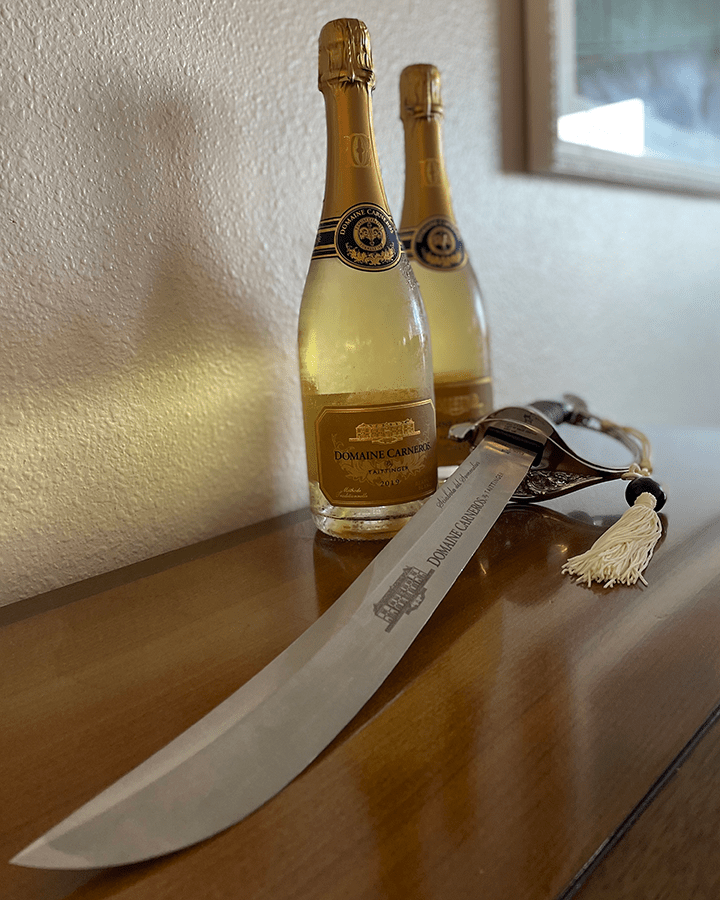
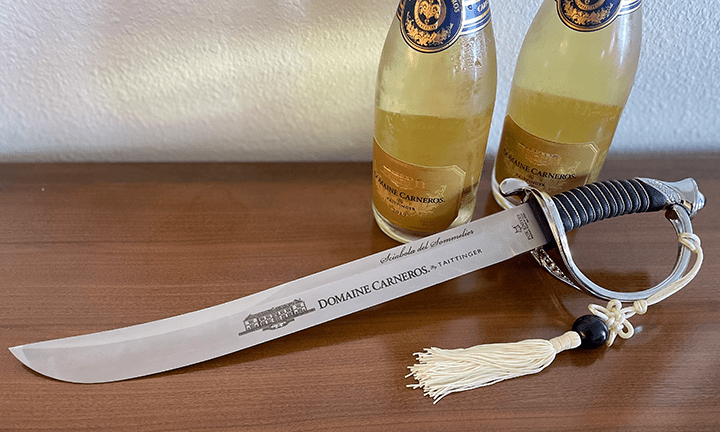
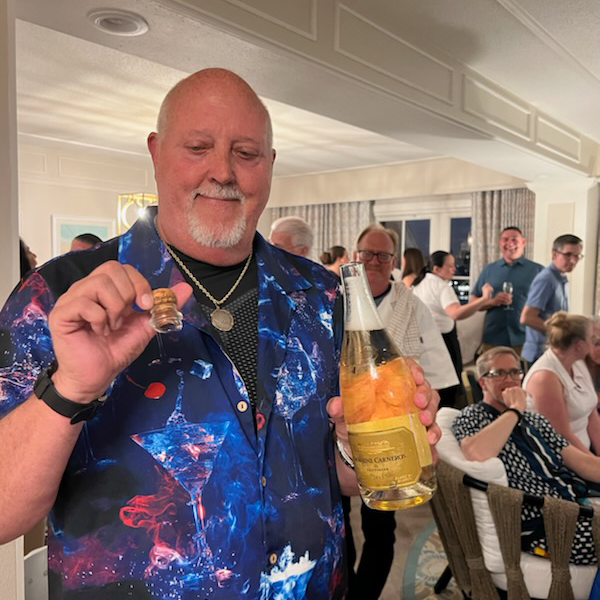
    The act of sabering—a tradition often accompanied by awe and anticipation—stems from a blend of history, skill, and sheer drama. When Scott White sabered his first bottle of Domaine Carneros Blanc de Blancs at the celebratory evening of his anniversary week, he carried on a tradition that dates back centuries. As Scott expertly removed the cork with a flourish, he set the stage for Dima Semenski and Brian Toung, both of whom followed his lead and celebrated their own first successful sabering of sparkling wine.

    Champagne! In victory, one deserves it; in defeat, one needs it

    Napoleon Bonaparte

    A Brief History of Sabering

    Sabering finds its roots in Napoleonic France. After the French Revolution, Napoleon Bonaparte and his cavalry celebrated victories by sabering bottles of champagne—a natural choice, as champagne’s association with celebration and triumph was already well-established. The use of a saber was both a convenient and symbolic choice for the soldiers, who found it easy to remove the cork while on horseback. Napoleon himself famously declared, “Champagne! In victory, one deserves it; in defeat, one needs it,” forever tying champagne with the joy and valor of his forces.

    The Technique of Sabering

    While sabering may seem like a dramatic display, it relies on the interplay between physics and precise technique rather than brute strength. Here’s a step-by-step guide to the process:

    1. Select the Right Bottle: Sabering works best with sparkling wines under high pressure, like champagne or quality California sparkling wines such as Domaine Carneros. The pressure inside (typically around 90 psi) helps to launch the cork cleanly when struck correctly.
    2. Chill the Bottle: A cold bottle is critical, as it helps to create a clean break. Ideally, the bottle should be chilled to around 45°F (7°C). I actually prefer the bottle to be chilled between 38°F and 45°F before immersing it inverted into an ice bath for about 30 minutes prior to sabering. The cold temperature prevents shattering by making the glass more brittle.
    3. Find the Seam: Every bottle has seams running vertically along opposite sides. The seam is a structural weakness, making it the ideal place to strike. Aligning the saber with the seam improves the likelihood of a smooth, even break.
    4. Prepare Your Saber: A proper saber has a blunt edge, though any heavy, blunt object (such as a chef’s knife) can work in a pinch. The key lies in a confident, smooth motion rather than a sharp edge.
    5. Angle the Bottle and Saber: Hold the bottle at a slight upward angle (around 45°) to keep the cork from ejecting downward. Position the saber just above the base of the bottle and prepare to slide it smoothly along the seam towards the neck.
    6. The Saber Strike: In a single fluid motion, slide the saber up the seam and hit the bottle’s lip where the neck meets the cork. The strike should be decisive but controlled. If done correctly, the cork and a small ring of glass should break away cleanly.
    7. Celebrate Responsibly: After the bottle has been sabered, the pour typically begins immediately. The rush of bubbles ensures that any loose glass is forced away from the neck.

    An Evening of Celebration: Scott’s First Sabering Experience

    At the Domaine Carneros sparkling wine kick-off party in the suite at Disney’s Boardwalk Inn, Scott’s first attempt at sabering marked a special moment. With his affinity for California wines, particularly those from the Napa region, Domaine Carneros was the perfect choice to ring in his anniversary celebration. Domaine Carneros Blanc de Blancs, known for its elegance and nuanced expression, sabered beautifully under Scott’s confident guidance.

    Scott’s demonstration inspired others, and soon Dima Semenski and Brian Toung followed suit, each achieving a clean break on their very first attempts. The trio’s successes underscored the power of skill, confidence, and a well-chilled bottle. Together, their sabering added an unforgettable touch to the evening, each sabered bottle a testament to the shared joy and expertise that sparkled as brightly as the wine itself.

    Brian Toung’s first (and certainly not his last) sabering a sparkling wine

    To those bold enough to take up the saber, to the friends and family who cheer them on, and to the sparkle that flows from every victorious strike—may we always have the courage to embrace tradition with flair, to celebrate with gusto, and to cherish the thrill of every new endeavor. Here’s to bravery, bubbles, and the memories we make with each daring attempt. Santé!

    Gregory Dean, SOMM&SOMM

    Sabering Today: A Timeless Tradition

    The tradition of sabering continues to enchant as a thrilling way to celebrate any occasion. Whether at a professional gathering or an intimate celebration, sabering has retained its power to elevate a moment into something truly memorable. As Scott, Dima, and Brian discovered, there is a camaraderie in sharing this time-honored ritual, bringing people together to toast the past and future with a perfectly sabered bottle of sparkling wine. Santé! 🥂

  • An Intricate Dance Between Poetry and Wine

    An Intricate Dance Between Poetry and Wine

    A Sensory and Emotional Parallel.

    Wine and poetry have long been intertwined in the human experience, both reflecting the depth of our emotions, the richness of history, and the subtleties of culture. Like a well-crafted poem, wine has the ability to evoke complex feelings, conjure vivid imagery, and carry us through a journey of taste and sensation. This article explores the emotional, historical, and ideological parallels between famous works of poetry and different wine styles, illustrating how these art forms echo each other in surprising and profound ways.

    Wine and poetry—two art forms that intertwine like vines in a vineyard, each sip, each verse, revealing deeper layers of beauty. One nourishes the soul, the other the spirit, both creating moments that linger like a perfect finish.

    Gregory Dean, SOMM&SOMM

    Romanticism and the Elegance of Pinot Noir

    Portrait of John Keats – William Hilton, Public domain, via Wikimedia Commons
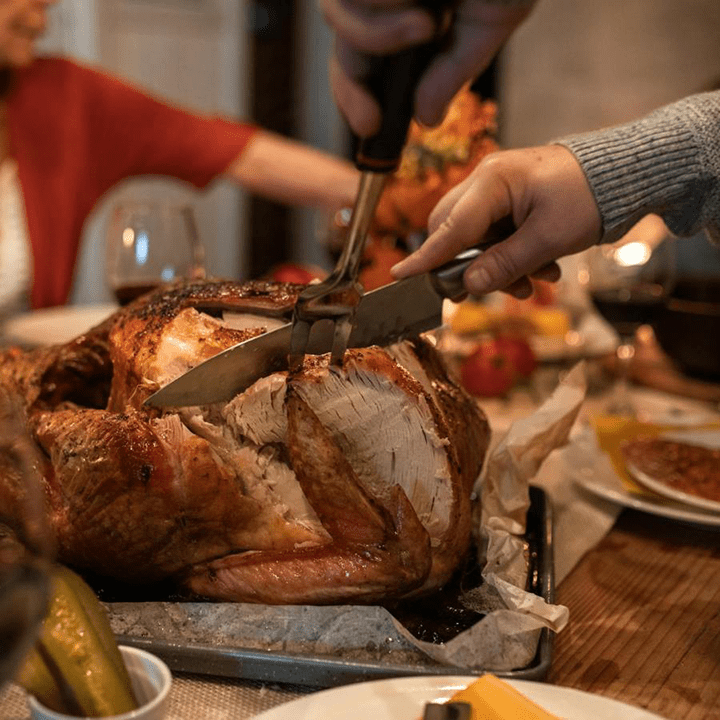
    Poet: John Keats
    Poem: “Ode to a Nightingale”
    Wine: Pinot Noir from Burgundy, France

    John Keats, a central figure of the Romantic movement, is known for his rich, sensory language and an obsession with transience, beauty, and nature. In his poem Ode to a Nightingale, Keats explores the bittersweet nature of existence, juxtaposing the fleeting beauty of life with the eternal, almost transcendent quality of the nightingale’s song. The poem, lush with imagery, oscillates between moments of intense joy and sorrow, much like the delicate balance in a fine Burgundy Pinot Noir.

    Pinot Noir, particularly from Burgundy, is a wine that thrives on nuance and subtlety. Its light body and complex structure evoke an emotional complexity similar to Keats’ poem. Much like Ode to a Nightingale, a good Burgundy Pinot Noir captures a sense of fleeting beauty. It can be ethereal, elegant, and haunting, with its perfumed red fruit, earthy undertones, and graceful acidity. Just as Keats’ work leaves readers with a lingering sense of melancholy and beauty, a glass of Pinot Noir leaves an indelible mark on the palate, making us reflect on its ephemeral nature.

    Modernism and the Complexity of Bordeaux Blends

    Poet: T.S. Eliot
    Poem: “The Waste Land”
    Wine: Left Bank Bordeaux

    T.S. Eliot’s The Waste Land stands as one of the most iconic works of Modernist poetry, delving into themes of fragmentation, disillusionment, and cultural decay in the aftermath of World War I. Its complexity lies in the many layers of references, shifting voices, and intertextuality, all blending into a single tapestry of chaos and order. This is akin to the grand structure and deep complexity found in the classic Left Bank Bordeaux blends, particularly from the prestigious appellations of Médoc or Pauillac.

    TS Eliot – Lady Morrell, Public domain, via Wikimedia Commons
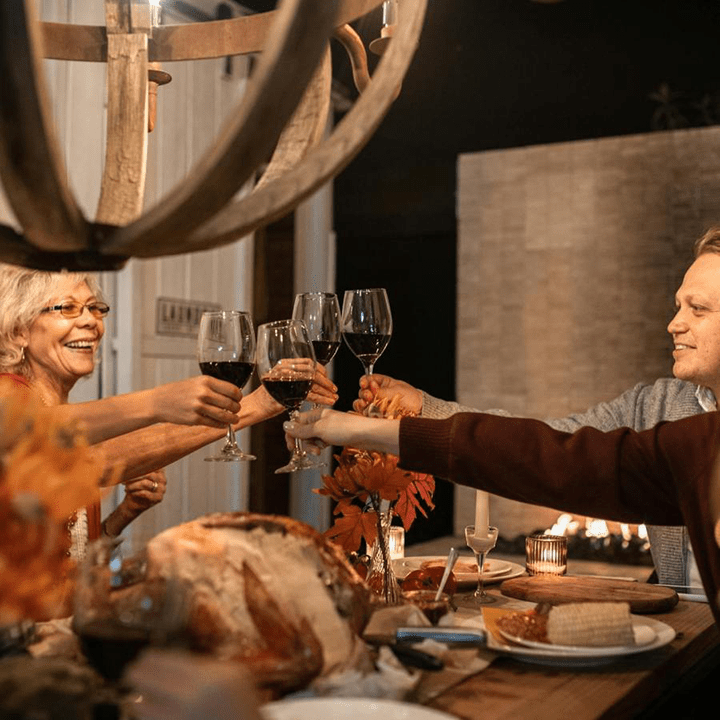
    A Bordeaux blend, usually composed of Cabernet Sauvignon, Merlot, and other Bordeaux varietals, brings together distinct elements to create a unified whole, much like Eliot’s fragmented verses. Cabernet Sauvignon provides structure and tannic grip, akin to the poem’s harsh imagery of a decaying world. Meanwhile, Merlot brings softness and fruit, like the rare moments of warmth in “The Waste Land”. Each varietal contributes something unique to the blend, but together, they create a wine with depth, longevity, and the capacity to evolve over time.

    Just as The Waste Land challenges the reader with its dense allusions and structure, a fine Bordeaux challenges the drinker to find harmony in its often austere tannins, powerful fruit, and earthy complexity. The wine, like Eliot’s work, rewards patience and contemplation, revealing more with each sip or read.
    Transcendentalism and the Natural Purity of Organic Orange Wine

    Poet: Walt Whitman
    Poem: “Song of Myself”
    Wine: Organic Orange Wine from Friuli, Italy

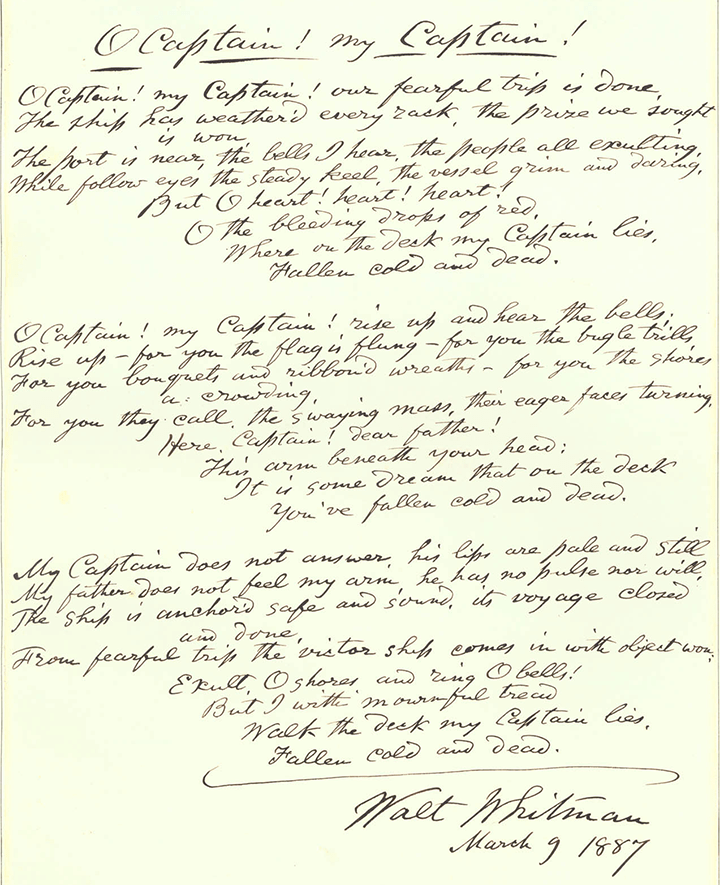
    Walt Whitman’s Song of Myself, a cornerstone of Transcendentalist poetry, celebrates the unity of humanity and nature, the self, and the universe. Whitman’s poetry is an ode to individualism, nature, and the interconnectedness of all things. The free-verse structure of the poem, with its expansive, inclusive tone, mirrors the natural, unfiltered essence of an organic orange wine, a style known for its minimal intervention winemaking that allows nature to express itself fully.

    Walt Whitman – Photo by George Collins Cox 1887
    Orange wine, made from white grapes fermented with their skins, often carries a unique oxidative quality, blending the freshness of white wine with the tannic structure typically found in reds. This ancient winemaking method, popular in regions like Friuli, Italy, speaks to a return to the land, to a more natural and authentic way of making wine. Just as Whitman sought to break down the artificial barriers between man and nature, orange wine blurs the lines between white and red, creating a harmonious blend of the two.

    There is an honesty in both Whitman’s words and the profile of orange wine. The slightly wild, untamed nature of this wine, with its hazy appearance, earthy notes, and textured mouthfeel, mirrors Whitman’s free spirit and unstructured poetry. Both the poem and the wine invite you to embrace the raw, unpolished beauty of the world.

    Handwritten Draft of Oh, Captain! My Captain! – Walt Whitman (1819-1892)

    Romanticism and the Lushness of German Riesling

    Poet: Johann Wolfgang von Goethe
    Poem: “The Sorrows of Young Werther”
    Wine: German Riesling from Mosel

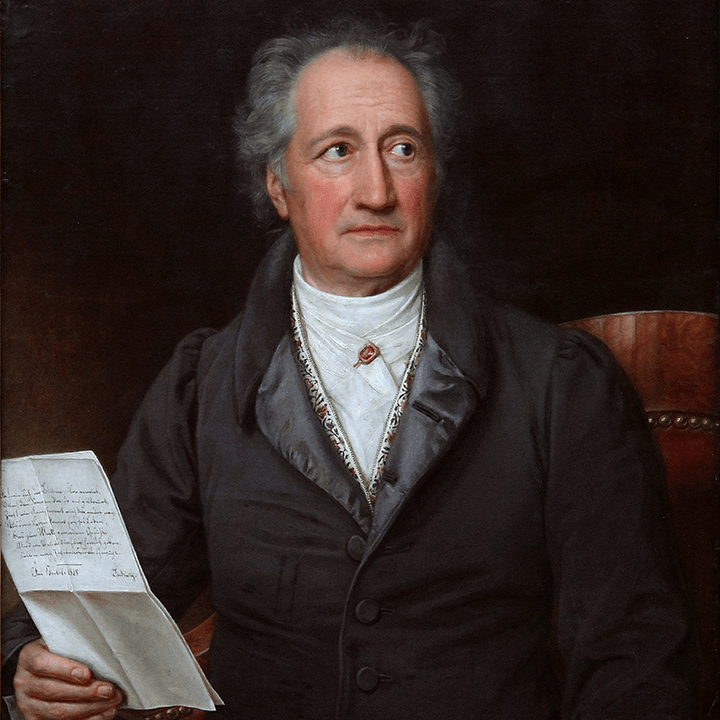
    Johann Wolfgang von Goethe (Stieler, 1828)

    Goethe’s “The Sorrows of Young Werther”, though technically a novel, is often praised for its poetic prose and its emotional depth, which made it an important work in the Romantic literary movement. The unbridled passion, intense longing, and melancholy of young Werther’s love is mirrored in the character of Mosel Riesling—one of the most expressive and emotionally charged wines in the world.

    Riesling from the steep slopes of the Mosel captures the tension between sweetness and acidity, embodying the complex emotional landscape Goethe navigates in his novel. The wine is often described as having a purity and precision that belies its rich, honeyed fruit flavors. Just as Werther’s love is overwhelming yet tinged with sadness, Mosel Riesling can be achingly beautiful, with its bright acidity cutting through lush, almost decadent notes of peach, apricot, and honey. The delicate minerality that runs through a Riesling is like the undercurrent of sorrow in Werther’s story, a reminder that beauty and pain often coexist.

    Symbolism and the Mystical Nature of Champagne

    Poet: Charles Baudelaire
    Poem: “L’Invitation au Voyage”
    Wine: Vintage Champagne

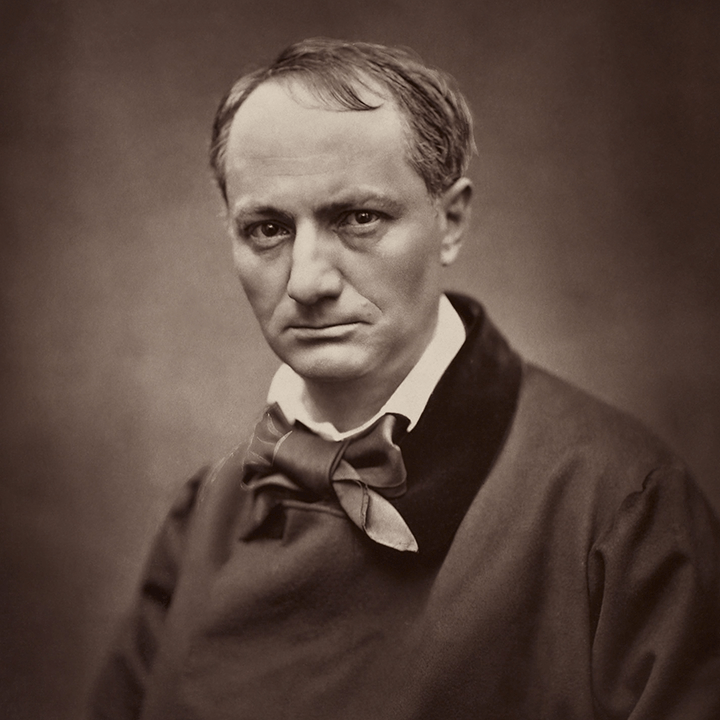
    Charles Baudelaire (Étienne Carjat, 1862)

    Charles Baudelaire, the enigmatic French poet, is often associated with the Symbolist movement, which emphasized the mystical, the dreamlike, and the emotive power of words. His poem “L’Invitation au Voyage” speaks of an idealized, almost otherworldly place of beauty, where everything is calm, luxurious, and sensuous. Vintage Champagne, particularly from houses like Dom Pérignon or Louis Roederer, captures this same sense of otherworldly perfection and elegance.

    Champagne has long been the wine of celebration and luxury, but vintage Champagne takes that association further, offering a sense of depth, mystery, and refinement. Much like Baudelaire’s poetry, a fine vintage Champagne creates an immersive experience, transporting the drinker to a place of beauty and pleasure. Its fine bubbles, complex aromas of brioche, almonds, and citrus, and its luxurious mouthfeel make it a sensory journey, echoing the poem’s longing for a distant paradise.

    Baudelaire’s poem, much like Champagne, invites indulgence in beauty, a brief escape from the mundane. But underneath the surface, both the wine and the poem carry a hint of melancholy, a recognition that such beauty is fleeting, much like the effervescence of a Champagne flute.

    Here’s to the intricate dance between poetry and wine, where words and flavors meet in a symphony of expression!

    Gregory Dean, SOMM&SOMM

    The Shared Language of Wine and Poetry

    Both wine and poetry offer us ways to express the inexpressible. They reflect the deepest corners of human emotion, from the lightest moments of joy to the most profound sorrows. In comparing famous works of poetry with various wine styles, we can see how both art forms communicate on the same emotional wavelength, providing a sensory journey that transcends mere consumption.

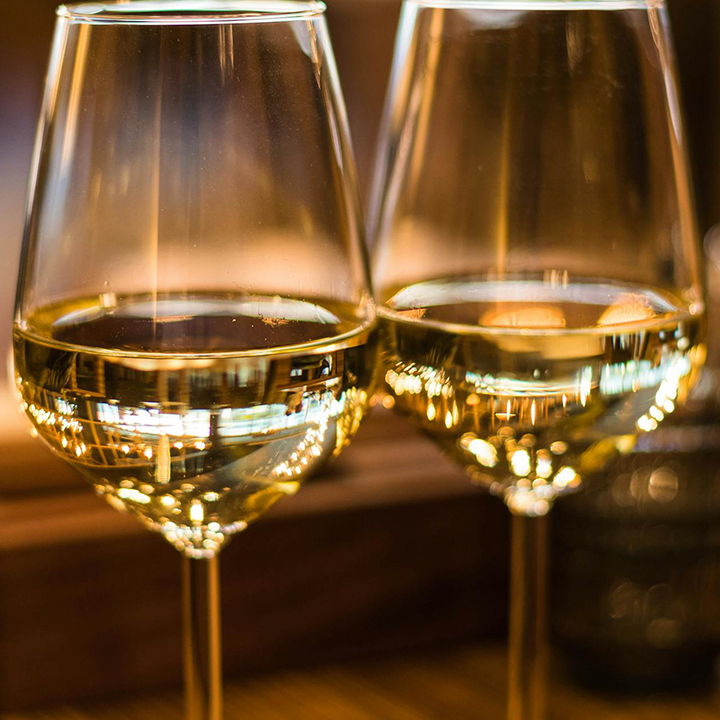
    Photo by Bade Saba on Pexels.com

    By exploring these correlations, we gain a richer understanding of how wine, like poetry, can evoke powerful feelings, speak to our history, and reveal the beauty of both nature and human creation. Wine, much like a well-written poem, is an invitation to slow down, to savor, and to reflect. Cheers 🍷

    Cover Photo Credit: Photo by Dulce Panebra on Pexels.com

  • A Sommelier’s Guide to Elevating Plant-Based Cuisine

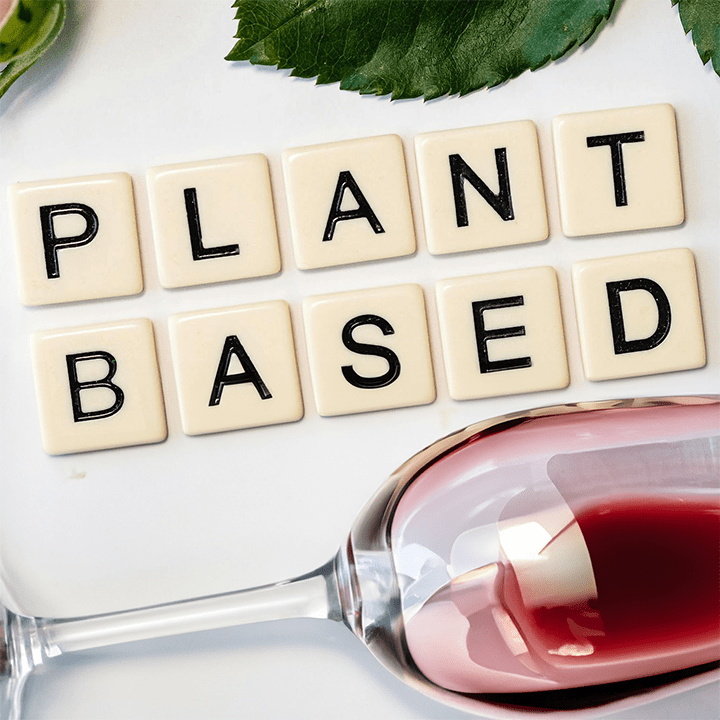
    A Sommelier’s Guide to Elevating Plant-Based Cuisine

    Pairing wine with vegan dishes presents unique challenges, primarily due to the absence of animal-derived ingredients like fat, proteins, and umami-rich components such as cheese or meat, which traditionally enhance the mouthfeel and balance of certain wines. However, with a scientific understanding of flavor chemistry and a sommelier’s intuition, we can create pairings that elevate the vegan dining experience, balancing acidity, tannins, sweetness, and texture in ways that complement plant-based dishes.

    Lack of Fat and Proteins

    Animal proteins and fats help soften the perception of tannins in wine, creating a smoother mouthfeel. Without these components, high-tannin wines can feel overly astringent when paired with vegan dishes. Therefore, lower-tannin reds or those with softer, more integrated tannins are preferable.

    Recommended Wine: Pinot Noir (Vegan-certified)

    • Reasoning: Pinot Noir’s lower tannin structure and bright acidity make it a versatile partner for many vegan dishes, especially those with earthy components.
    • Dish Pairing: Roasted Beet and Walnut Salad with Balsamic Reduction. The earthiness of beets and walnuts echoes the subtle complexity of the Pinot Noir, while the acidity of the balsamic reduction aligns with the wine’s vibrant structure.

    SOMM&SOMM Recommends: 2022 Hahn Founder’s Pinot Noir V22

    Umami Deficiency

    Animal-based dishes often contain high levels of umami, which balances out tannins and acidity. Vegan dishes, while lower in umami, can still develop it through ingredients like mushrooms, miso, soy sauce, and fermented foods.

    Recommended Wine: Chianti Classico (Sangiovese) (Vegan-certified)

    • Reasoning: Chianti Classico offers moderate tannins and bright acidity, with notes of cherry and tomato that complement umami-rich plant-based foods. Its savory character matches well with the umami derived from mushrooms or soy-based dishes.
    • Dish Pairing: Miso-glazed Grilled Portobello Mushrooms. The umami from the miso and mushrooms harmonizes with the rustic, earthy notes of Sangiovese, while the wine’s acidity cuts through the richness of the glaze.

    SOMM&SOMM Recommends: 2021 Querciabella Chianti Classico

    Acidity and Freshness

    Many vegan dishes are vegetable-forward, emphasizing fresh, raw, or lightly cooked ingredients with high acidity. Wines with balanced acidity are crucial to avoid overwhelming these delicate flavors.

    Recommended Wine: Sauvignon Blanc (Vegan-certified)

    • Reasoning: Sauvignon Blanc is known for its crisp, zesty acidity, which matches well with the fresh, green flavors often found in vegan dishes. Its herbal notes also complement dishes that feature herbs, citrus, or green vegetables.
    • Dish Pairing: Avocado and Citrus Salad with Arugula and Mint. The bright, tangy flavors in this dish are mirrored in the Sauvignon Blanc’s lime and green apple notes, while its acidity contrasts the richness of avocado.

    SOMM&SOMM Recommends: 2023 Justin Sauvignon Blanc

    Spice and Heat

    Many plant-based dishes feature spices, which can be challenging for wine pairings. Spice amplifies the perception of alcohol, so lower-alcohol, fruit-forward wines with a touch of sweetness often work best with spicier vegan dishes.

    Recommended Wine: Riesling (Off-dry) (Vegan-certified)

    • Reasoning: Off-dry Riesling has just enough sweetness to counterbalance the heat in spicy dishes while offering bright acidity to keep the palate refreshed. Its fruit-forward profile softens the impact of spices.
    • Dish Pairing: Spicy Thai Green Curry with Tofu. The slight sweetness and acidity in Riesling tame the curry’s heat while enhancing its complex flavors of lemongrass, coconut, and lime.

    SOMM&SOMM Recommends: 2022 Dr. Loosen Erdener Treppchen Riesling Kabinett

    Texture and Body

    Many vegan dishes, especially those using grains, legumes, or root vegetables, have substantial texture but lack the rich body of animal-based fats. Wines with texture and body are necessary to complement these heartier components without overwhelming them.

    Recommended Wine: Chenin Blanc (Sec) (Vegan-certified)

    • Reasoning: Chenin Blanc can have a rich, creamy texture while maintaining refreshing acidity. This makes it ideal for pairing with hearty vegan dishes that have substantial texture but are lower in fat.
    • Dish Pairing: Butternut Squash Risotto with Sage and Cashew Cream. The creaminess of the dish is enhanced by the wine’s textured body, while its acidity keeps the pairing from feeling overly rich.

    SOMM&SOMM Recommends: 2023 Domaine Vigneau Chevreau Vouvray Cuvee Silex Sec

    Sweetness and Dessert Pairings

    Vegan desserts often use natural sweeteners, and the absence of dairy can make them feel lighter. Pairing vegan desserts with wine requires a delicate balance, ensuring the wine is sweeter than the dish to avoid bitter or sour clashes.

    Recommended Wine: Moscato d’Asti (Vegan-certified)

    • Reasoning: Moscato d’Asti is a lightly sparkling, sweet wine with low alcohol content, making it ideal for pairing with fruit-based or lightly sweet vegan desserts. Its bright acidity prevents the pairing from feeling cloying.
    • Dish Pairing: Almond Milk Panna Cotta with Fresh Berries. The delicate sweetness of Moscato complements the panna cotta, while the wine’s effervescence adds an element of freshness to balance the richness.

    SOMM&SOMM Recommends: 2022 Saracco Moscato d’Asti

    What Makes Vegan-certified Wine… well, Vegan?

    Vegan-certified wine is distinct from conventional wine in its production process, specifically during clarification and fining, where traditional animal-derived agents are avoided. Most wines go through a fining process to remove unwanted particles, proteins, and other compounds that can cloud the wine or affect its flavor. Traditionally, winemakers have used substances like egg whites (albumin), casein (milk protein), gelatin (animal protein), and isinglass (fish bladder) as fining agents. These substances bind to the unwanted particles and help filter them out, but since they are derived from animals, they render the wine unsuitable for vegans.

    In vegan-certified wine, plant-based or mineral fining agents are used instead. These include materials like bentonite (a type of clay), activated charcoal, pea protein, and silica gel, which effectively clarify the wine without the use of animal by-products. Some winemakers may even skip the fining process entirely, opting for a natural sedimentation approach that allows particles to settle over time, leading to unfiltered, often more complex wines that still meet vegan standards.

    To ensure that a wine is truly vegan, it must be certified by organizations that confirm no animal products were used in any part of the production process. This extends beyond fining to include other elements, such as ensuring animal-derived materials weren’t used in vineyard fertilizers or in the production of additives like colorants. Vegan-certified wines allow consumers to enjoy a high-quality product while staying true to their ethical or dietary choices.

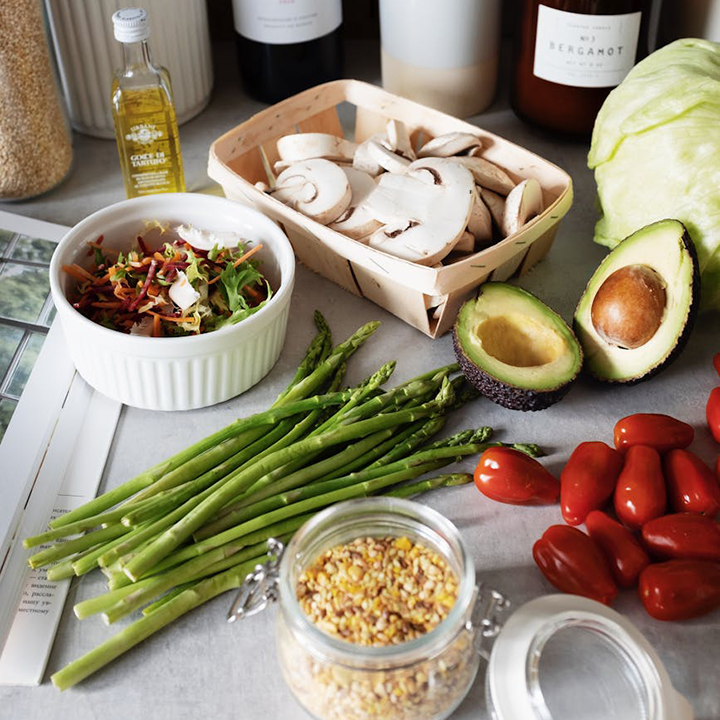
    Photo by Valeria Boltneva on Pexels.com

    Pairing vegan dishes with wine is a delicate dance of balancing acidity, texture, and flavor, compensating for the absence of animal fats and proteins by focusing on the structure and nuances of both food and wine. By understanding the scientific interactions between these elements, you can create harmonious pairings that elevate both the vegan dish and the wine. Cheers 🍷

    Cover photo credit: Photo by ready made on Pexels.com