
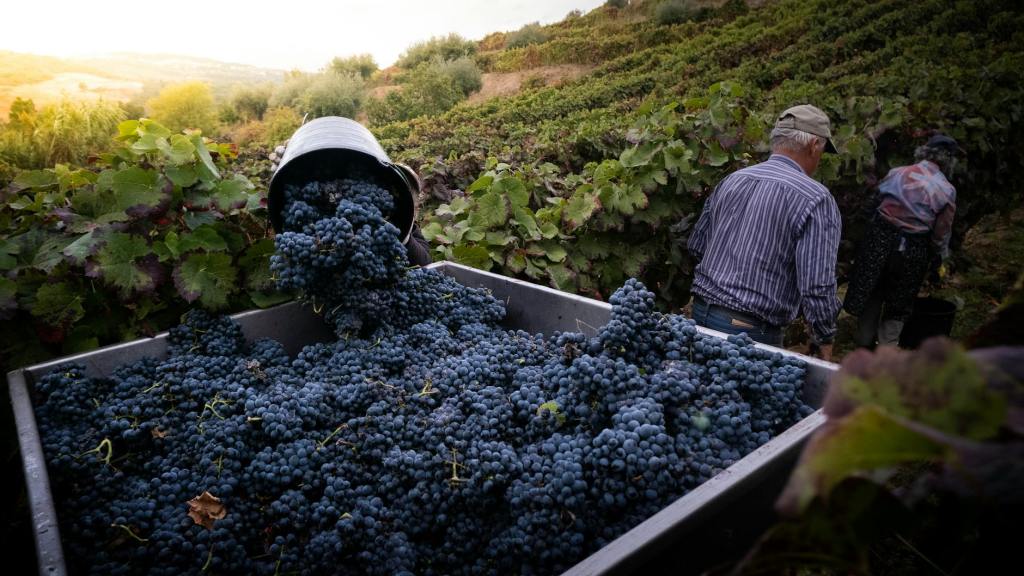
Winter is when vineyards sleep and cellars hum. Fermentations have finished, barrels are topped, and winemakers finally have the quiet space to obsess over the decisions that matter most. And few decisions matter more than what happens between harvest and fermentation—that brief, beautiful, dangerous moment when grapes are pressed.
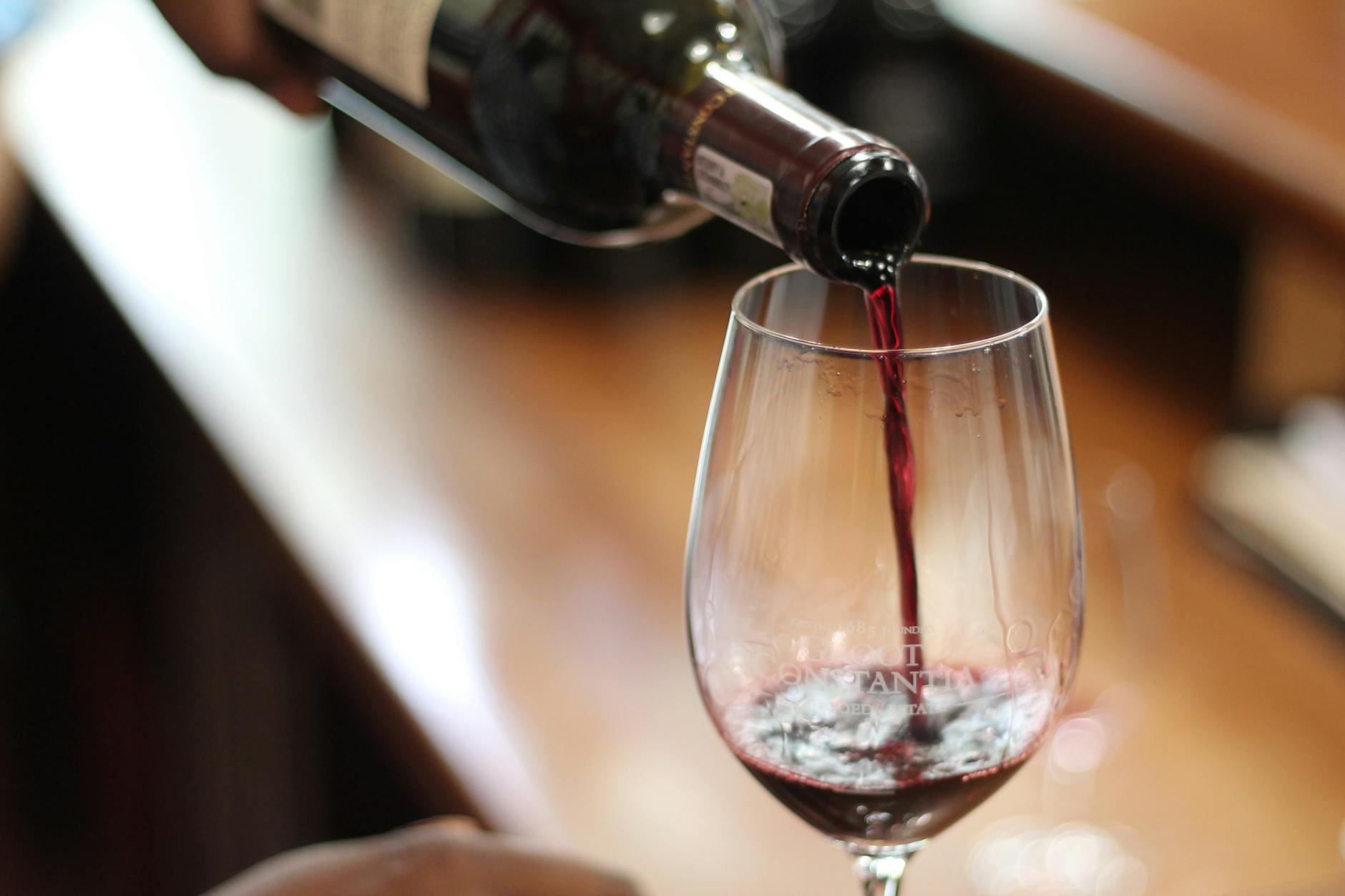
Pressing is where juice becomes wine’s first draft. It is also where texture, structure, aromatics, bitterness, elegance, and even legality begin to take shape.
If fermentation is the soul of wine, pressing is its bone structure.
Gregory Dean, SOMM&SOMM
So pour something contemplative, lean back, and let’s get delightfully nerdy.
Why Pressing Matters More Than You Think
At its simplest, pressing extracts juice from grapes. But at its most nuanced, pressing determines:
- Phenolic load (tannins, bitterness, texture)
- Aromatic purity vs. rusticity
- Color extraction
- Acid balance
- Ageability
- Style, classification, and sometimes legal eligibility
Every press decision answers one quiet question:
What do we want this wine to feel like?
The Anatomy of a Grape (Because This Matters)
Before we talk presses, let’s talk parts:
- Pulp: Mostly water, sugar, acids. This is the good stuff.
- Skins: Color, tannins, aroma compounds.
- Seeds: Bitter tannins, harsh phenolics.
- Stems: Green, vegetal tannins if included.
Pressing determines how much of each ends up in the juice. Gentle pressure favors pulp. Aggressive pressure starts dragging skins, seeds, and bitterness into the party.
Tools of Texture
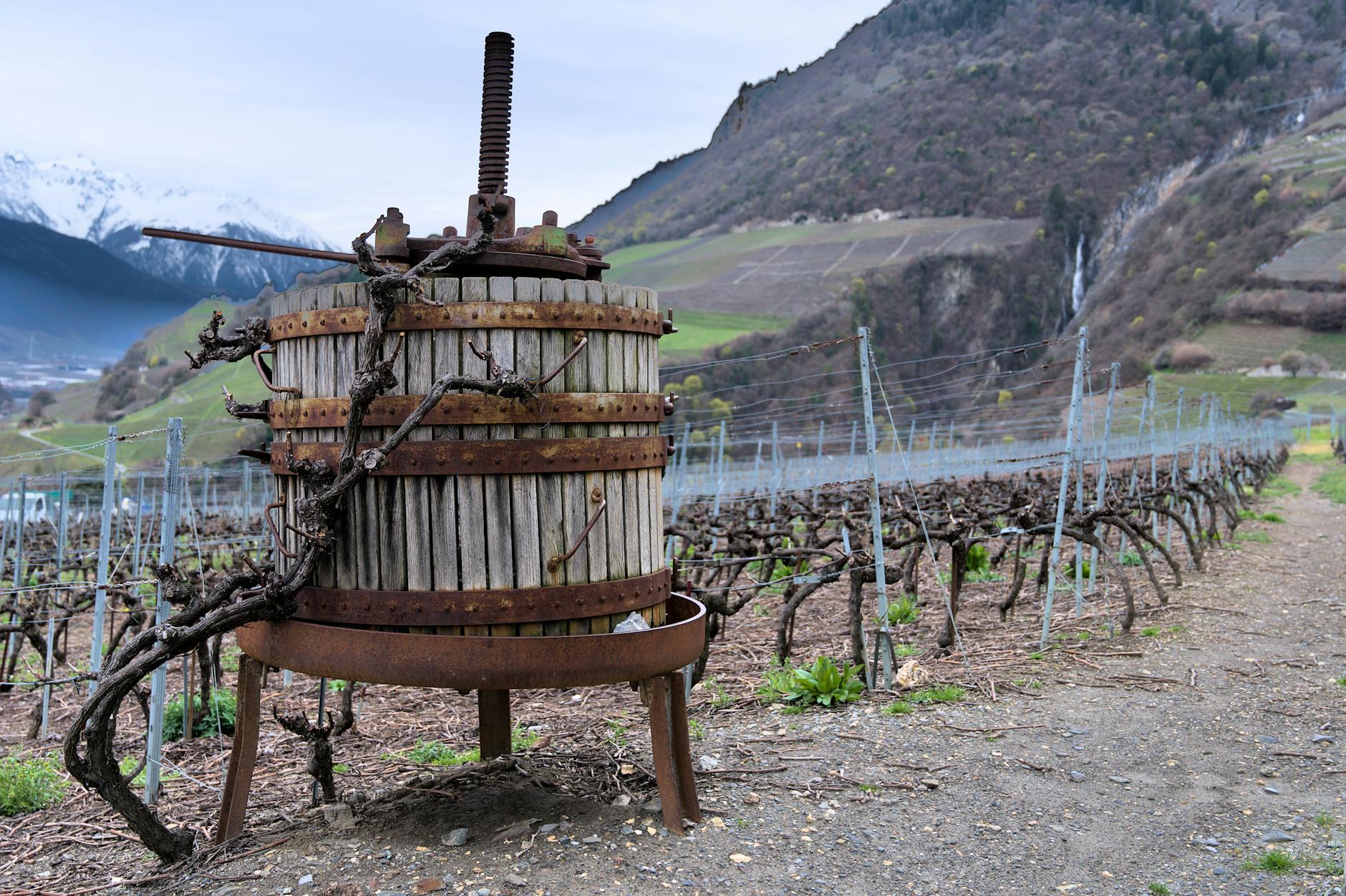
1. Basket Press (The Romantic Traditionalist)
How it works:
Grapes are loaded into a cylindrical basket. Pressure is applied from the top via a plate.
Why winemakers love it:
- Extremely gentle
- Low shear forces
- Minimal seed breakage
- Exceptional clarity and texture
Downside:
- Labor-intensive
- Lower juice yield
- Slower
Best for:
- High-end Pinot Noir
- Artisan Chardonnay
- Skin-contact whites
- Small-lot, texture-driven wines
Cork dork note: Basket presses extract juice in layers, allowing winemakers to separate fractions with surgical precision.
2. Pneumatic (Bladder) Press (The Modern Maestro)
How it works:
A rubber bladder inflates inside a closed drum, gently pressing grapes against perforated walls.
Why it dominates modern winemaking:
- Precise pressure control
- Programmable press cycles
- Inert gas options (oxygen control)
- Fractionated juice collection
Downside:
- Expensive
- Less romantic
Best for:
- Champagne
- Premium whites
- Rosé
- Any wine where elegance matters
This is the press of choice when purity and finesse outrank brute force.
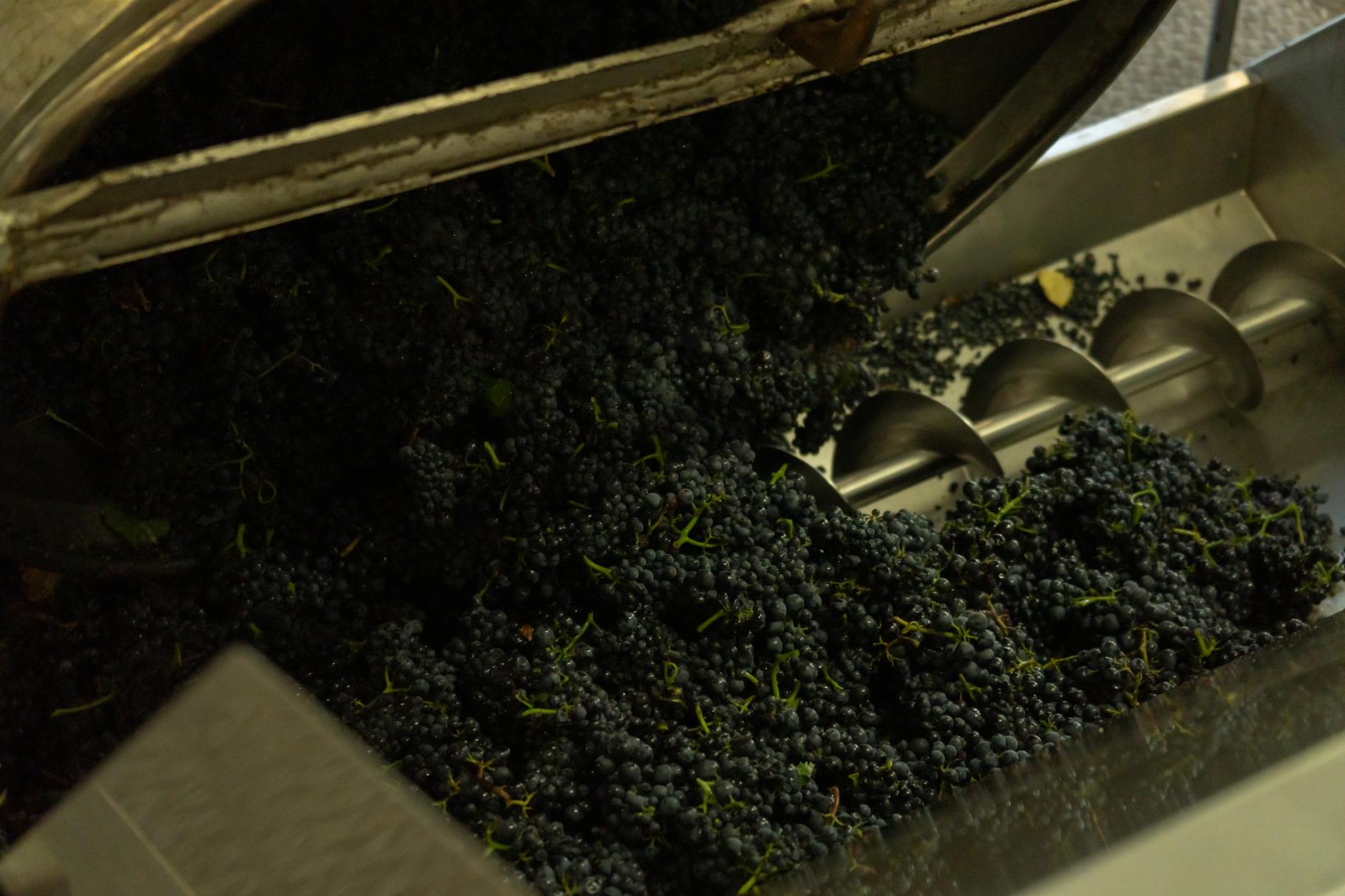
3. Continuous / Screw Press (The Industrial Workhorse)
How it works:
A rotating screw pushes grapes through a narrowing chamber.
Why it exists:
- High volume
- Fast
- Efficient
Why fine winemakers avoid it:
- Aggressive extraction
- Crushed seeds
- Elevated bitterness
- Oxidation risk
Best for:
- Bulk wine
- Distillation
- Juice production
If basket presses whisper and pneumatic presses speak calmly, screw presses shout.
A Class of Its Own
Champagne is not just wine made with bubbles. It is wine made under strict legal and philosophical discipline, and pressing sits at the center.
Why Champagne Pressing Is Different
Champagne grapes (primarily Pinot Noir, Meunier, and Chardonnay) are:
- Picked early
- High in acid
- Low in sugar
- Extremely sensitive to phenolic extraction
The goal is white juice from black grapes without bitterness or color.
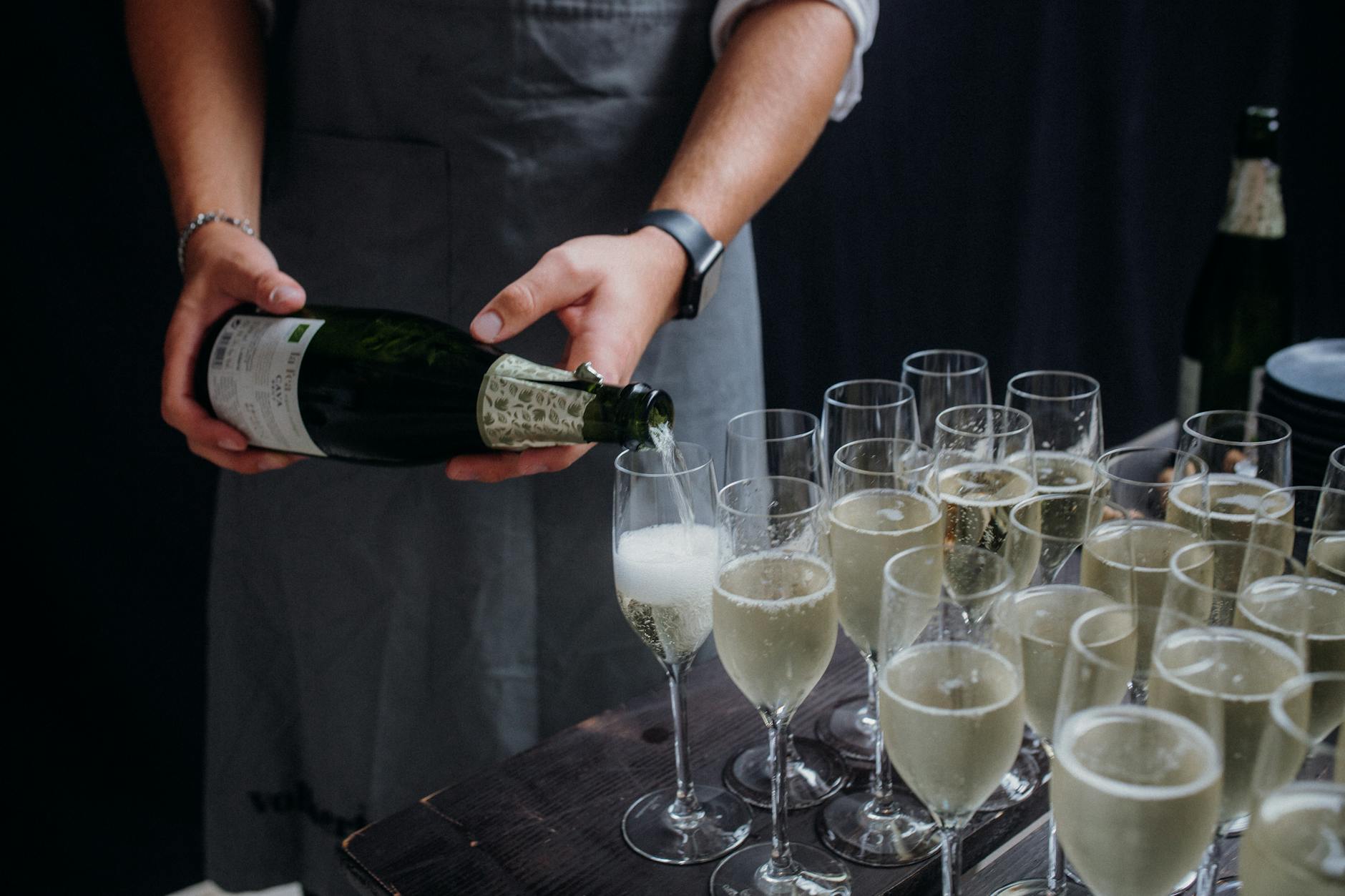
The Coquard Press (Champagne’s Crown Jewel)
Traditional Champagne houses used the Coquard press, a shallow basket press designed to:
- Minimize skin contact
- Apply ultra-gentle pressure
- Extract juice evenly
Modern Champagne often uses pneumatic presses, but the philosophy remains unchanged.
The Coquard Press
If Champagne has a soul, the Coquard press is where it learned restraint.
Developed specifically for the region, the Coquard is a shallow, wide basket press designed to extract juice slowly, evenly, and with almost monk-like discipline. Its low fill height prevents the crushing weight that darker, more aggressive presses impose on grapes, reducing skin rupture, seed breakage, and unwanted phenolic extraction.
Why does that matter? Because Champagne grapes are picked early, packed with acid, and incredibly sensitive. The goal is crystal-clear juice from black grapes without dragging color, bitterness, or texture along for the ride. The Coquard excels at producing pristine cuvée juice, the fraction reserved for the finest wines and longest aging.
Modern pneumatic presses may now dominate the region, but they still follow the Coquard’s philosophy:
gentle pressure, fractionated juice, and elegance over efficiency.
In Champagne, pressing isn’t about how much juice you get. It’s about knowing exactly when to stop.
The Sacred Fractions of Champagne Pressing
By law, Champagne pressing is fractionated:
1. Cuvée (The First Press)
- ~20.5 hL from 4,000 kg of grapes
- Purest juice
- Highest acid
- Lowest phenolics
- Longest aging potential
This is the backbone of great Champagne.
2. Taille (The Second Press)
- ~5 hL
- Slightly more color
- More phenolics
- Less finesse
Still usable, but handled carefully.
Anything Beyond?
Illegal for Champagne AOC.
That juice must be sold off, distilled, or declassified.
Juice Has a Timeline
Regardless of region, pressing typically unfolds in stages:
Free Run Juice
- Flows without pressure
- Aromatic
- Low phenolics
- Often kept separate
Light Press
- Gentle pressure
- Balanced structure
- Prime real estate for quality wine
Hard Press
- Higher pressure
- Increased bitterness
- More solids
- Used sparingly or blended cautiously
Press Wine
- Darker
- Tannic
- Powerful
- Sometimes used for structure in reds
Is one pressing better?
Not inherently. The magic lies in how and when they are blended.
Same Press, Different Goals
White Wine
- Pressed before fermentation
- Goal: clarity, acidity, aromatic purity
- Oxygen exposure is tightly controlled
Red Wine
- Pressed after fermentation
- Alcohol increases extraction
- Press wine can be bold, structured, and useful
Many winemakers treat press wine like spice: too much ruins the dish, but a touch adds depth.
When Nature Holds Back, Craft Steps Forward
Low-yield vintages have a way of revealing who the true artists are.
Frost, hail, drought, poor fruit set—when the vines give less, the cellar feels it immediately. Tanks look emptier. Press cycles feel longer. And every decision carries more weight. In these years, the temptation to chase volume is real, but the finest winemakers know that pressing harder is rarely the answer.
Instead, artistry shows up in how pressure is applied, not how much.
Rather than increasing press force, experienced hands often extend press cycles, allowing juice to release slowly and naturally. More time between press steps lets gravity do the work, coaxing additional juice without tearing seeds apart or dragging bitterness into the must. It’s a quieter extraction, but a smarter one.
Low-yield years also bring a finer lens to fractionation. Where generous vintages allow for easy discard of late press juice, lean years invite careful evaluation. Free run, early press, mid press, late press—each fraction is tasted, assessed, and trialed independently. Nothing is assumed. Nothing is wasted. Some lots may find their way into second wines, others into earlier-drinking cuvées, and some never make the final blend at all.
For red wines, press wine becomes a more prominent conversation. Its structure and density can be invaluable in a year where natural concentration is high but volume is low. Used judiciously, it adds backbone. Used carelessly, it overwhelms. The difference lies not in machinery, but in judgment.
Nowhere is restraint more codified than in Champagne. Even in punishing vintages, the laws remain unmoved. The cuvée and taille fractions are fixed, and juice beyond the legal yield simply cannot become Champagne. The response is never to force extraction, but to lean harder on reserve wines, blending skill, and patience. In Champagne, scarcity does not justify compromise—it demands mastery.
Ironically, low yields often require less aggression, not more. Smaller berries mean higher skin-to-juice ratios, faster phenolic pickup, and a narrower margin for error. The press becomes a scalpel, not a hammer.
This is where true winemakers separate themselves from technicians. Anyone can extract more juice. Only artists know when another drop costs too much.
Pressing, at its highest level, is not about efficiency. It is about listening—
to the fruit, to the vintage, and to the long arc of the wine yet to come.
When Physics Meets Bureaucracy
Pressing is not just technical—it’s legal.
Examples:
- Champagne: Strict yield and fraction limits
- PDOs in Europe: Juice yield caps per hectare
- Prosecco DOCG: Pressing methods influence classification
- Germany: Press fractions affect Prädikat eligibility
- Rosé regulations: Skin contact time and pressing method define legal style
Wine laws exist to protect typicity, but they also enforce restraint. You can’t press your way into greatness if the law won’t let you.
Pressing Is a Philosophy
Pressing is where restraint reveals itself.
It’s where great winemakers prove they understand that more extraction is rarely better, that elegance is coaxed, not forced, and that the finest wines are often born from what was not taken.
So next time you sip a crystalline Blanc de Blancs or a silken Pinot Noir, remember:
that wine’s finesse was decided long before yeast ever showed up.
And that, dear friends, is why pressing grapes is one of the quietest flexes in all of winemaking. 🍷
Did You Know?
In Champagne, time is the first enemy.
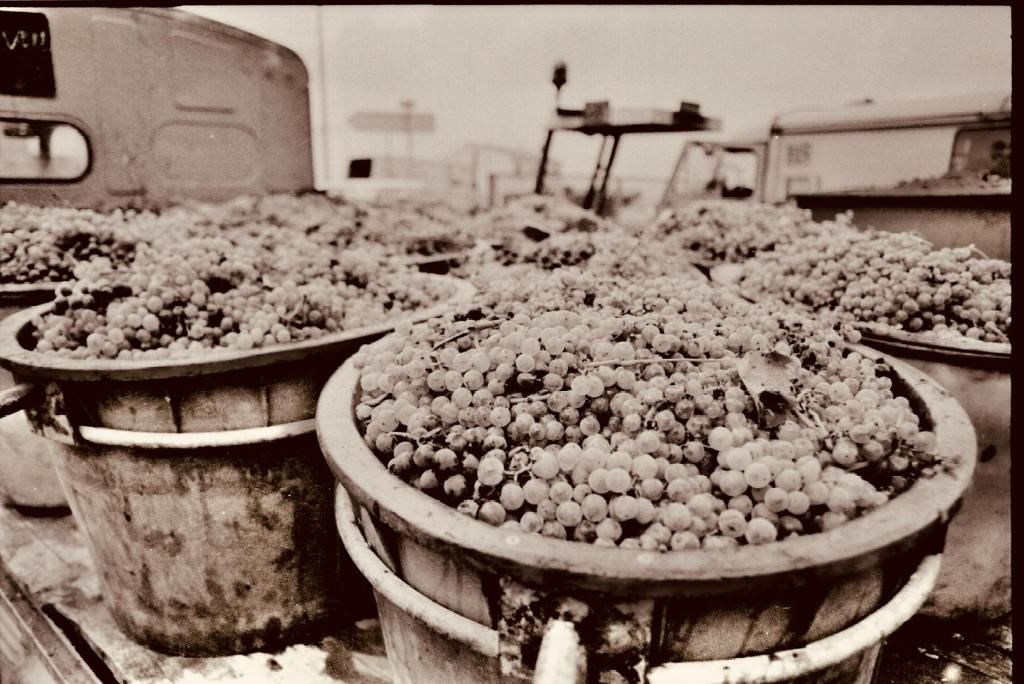
Grapes are typically pressed within a few hours of harvest, often inside 2–4 hours, and sometimes even sooner. Fruit is picked by hand, transported whole, and rushed to nearby press centers with almost military precision. The reason is simple: Champagne grapes are harvested early, high in acid, and extremely sensitive to color and phenolic extraction.
Letting grapes sit invites oxidation, bitterness, and pink-tinged juice from black varieties—exactly what Champagne is engineered to avoid. While the AOC doesn’t dictate an exact number of hours, the laws and logistics effectively demand same-day pressing, with no intentional skin contact.
In Champagne, pressing isn’t just gentle.
It’s urgent.
Miss the window, and the wine remembers.
Cover Photo by Pedro Rebelo Pereira on Pexels.com









 SOMM&SOMM
You must be logged in to post a comment.