Category: Wine Blog

  • Pair This, Not That: Summer Edition

    Pair This, Not That: Summer Edition

    BBQ Wine & Spirits Swaps for Maximum Sunshine Sips & Crowd-Pleasers.

    Summer. The time of smoky grills, sticky fingers, and sun-kissed gatherings. But let’s be honest — most backyard BBQs are stuck in a rut when it comes to the drink menu. You’re likely to find the same predictable coolers stuffed with light beer, boxed rosé, and maybe a poorly mixed Margarita sloshing around in a red Solo cup.

    It’s time to level up.

    Welcome to Pair This, Not That: Summer Edition, where we take your go-to summer drinks and swap them for something better — more vibrant, more crowd-pleasing, and just a touch unexpected. We’re bringing new energy to your backyard bash, beach day, or rooftop hang by helping you rethink your pairings with intention and a splash of sophistication.
    Pair This: Lambrusco with Dry-Rubbed Baby Backs

    Zinfandel is a classic, sure — but it can feel sticky and sluggish on a sweltering day. Enter Lambrusco, the sparkling red from Italy’s Emilia-Romagna region. It’s fizzy, fruity, and just tannic enough to match the sweet-spicy bark on your ribs. Slightly chilled, it’s a revelation.

    Why it works: The bubbles cut the fat, the fruit complements the rub, and the acidity refreshes the palate between bites.

    Try This Pairing:
    Dish: Dry-rubbed pork ribs with a brown sugar, smoked paprika, and chipotle blend
    Wine: Cleto Chiarli Lambrusco Grasparossa di Castelvetro — vibrant, dark berries, and dry

    Photo by The Castlebar on Pexels.com

    Pair This: Mezcal Paloma with Smash Burgers

    IPAs are popular grill-side, but the bitterness can clash with the caramelization on your patty. The solution? A smoky Mezcal Paloma — just enough fire to echo the grill, with citrusy sparkle to lift every bite.

    Why it works: Mezcal’s smoky backbone loves char. The grapefruit and lime bring brightness, and bubbles make it refreshing — a perfect match for seared, juicy beef.

    Mezcal Paloma Recipe

    • 2 oz joven mezcal (we love Del Maguey Vida)
    • 1 oz fresh grapefruit juice
    • 0.5 oz fresh lime juice
    • 0.5 oz agave syrup
    • Pinch of sea salt
    • Top with grapefruit soda (Fever Tree or Jarritos preferred)
    • Serve over ice with a salted rim and a grilled grapefruit wedge
    Photo by Nano Erdozain on Pexels.com

    Pair This: Chilled Cru Beaujolais with Sticky Drumsticks

    We all love a crisp rosé — but sticky, charred BBQ chicken needs a bit more muscle and complexity. Cru Beaujolais, like Morgon or Fleurie, is juicy, earthy, and vibrant, with enough savory backbone to stand up to sweet BBQ sauce.

    Why it works: Gamay offers bright red fruit with silky tannins and a touch of minerality, which harmonizes with sticky sauces and caramelized skin.

    Try This Pairing:
    Dish: Grilled BBQ chicken drumsticks with peach-bourbon glaze
    Wine: Jean Foillard Morgon Côte du Py — a natural, elegant, chilled red that will blow minds

    Photo by Macourt Media on Pexels.com

    Pair This: Dry Riesling with Elote

    Sauv Blanc is the obvious choice for grilled corn, but take it next level: grilled elote-style corn slathered with mayo, lime, cotija, and chili powder needs dry Riesling with nerve, not just zip.

    Why it works: Dry Riesling can handle spice, citrus, and creamy elements. Its petrol-mineral quality adds depth, and the acidity balances every bite.

    Try This Pairing:
    Dish: Mexican-style grilled corn with lime crema and tajín
    Wine: Dönnhoff Riesling Trocken — Germany’s clean, dry stunner with citrus and stone

    Photo by Airam Dato-on on Pexels.com

    Pair This: Txakolina with Spicy Shrimp Skewers

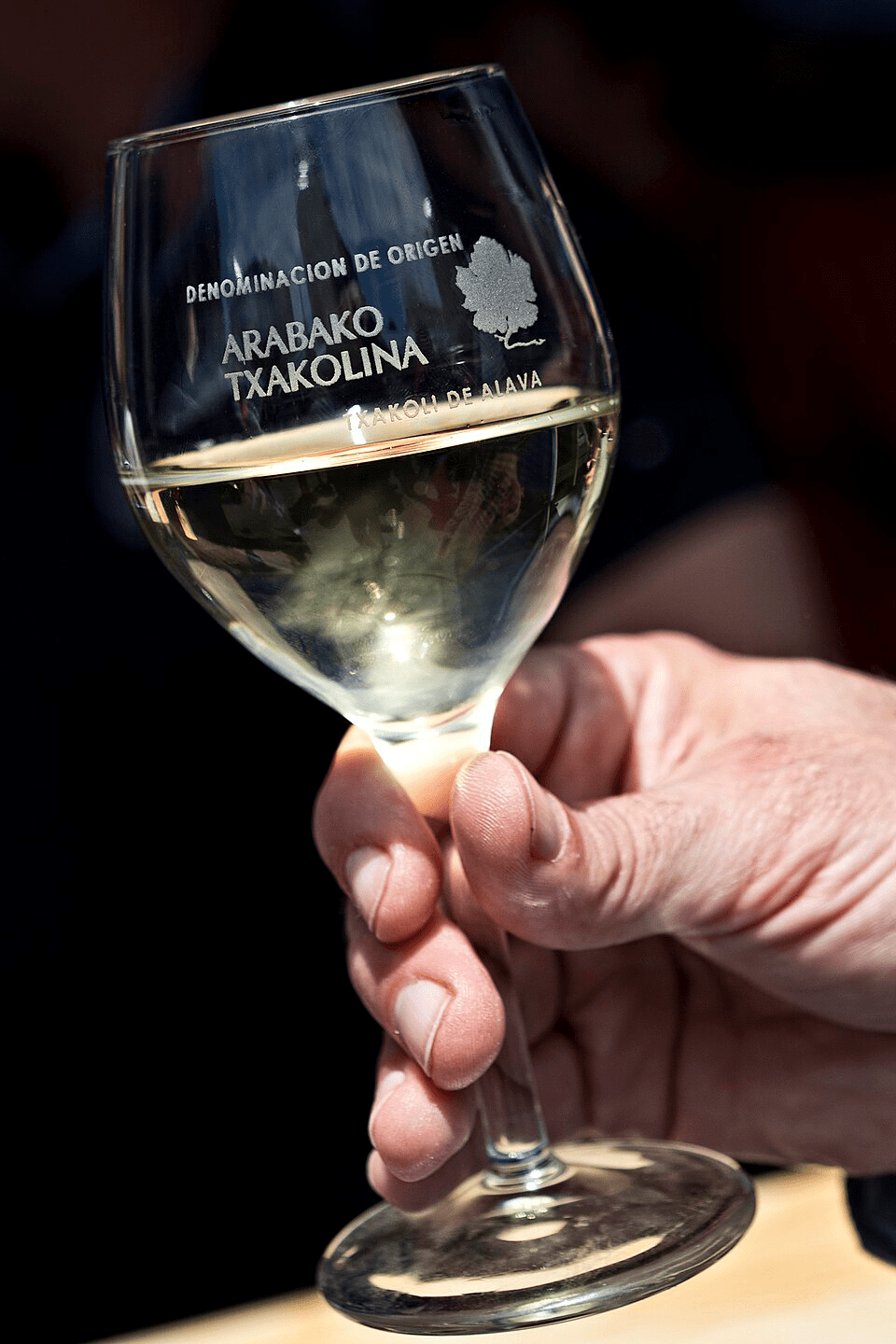
    Pinot Grigio often fades into the background. You need something with zing and a little sparkle. Enter Txakolina — the zingy, slightly spritzy Basque wine you’ve been missing.

    Why it works: High acidity, a touch of salinity, and effervescence = shrimp’s new best friend.

    Try This Pairing:
    Dish: Chili-lime grilled shrimp skewers
    Wine: Ameztoi Txakolina — crisp, citrusy, electric on the tongue

    Pair This: Watermelon & Basil Gin Fizz

    Instead of toothache-sweet slush, opt for something that feels like a frozen treat but keeps its structure. This Watermelon Basil Gin Fizz is light, herbaceous, and juicy — a cocktail that says picnic sophistication.

    Watermelon Basil Gin Fizz Recipe

    • 2 oz gin (we love Hendrick’s for its floral notes)
    • 1 oz fresh lime juice
    • 1 oz basil simple syrup (see below)
    • 2 oz fresh watermelon juice
    • Top with soda water
    • Shake, strain into a Collins glass with ice, and garnish with basil sprig

    Basil Simple Syrup:
    Simmer 1 cup sugar + 1 cup water + 1 cup fresh basil for 5 mins. Cool, strain, and bottle.

    Photo by Henrik Pfitzenmaier on Pexels.com

    Pair This: Peach Bourbon Smash with Grilled Stone Fruit

    Nothing says summer like stone fruit and bourbon, but ditch the neat pour for a Peach Smash that’s smoky, sweet, and made for golden hour sipping.

    Peach Bourbon Smash Recipe

    • 2 oz bourbon
    • 3 slices grilled peach
    • 0.75 oz lemon juice
    • 0.5 oz honey syrup (1:1)
    • Mint leaves
    • Muddle peach and mint, shake with ice, double strain over crushed ice
    • Garnish: grilled peach wedge + mint sprig

    Why it works: The grill’s caramelization meets bourbon’s vanilla warmth; mint and lemon bring brightness.

    Instead of: Marshmallow s’mores with sticky port
    Pair This: Toasted Coconut Ice Cream + Cream Sherry

    Summer deserves a cool, creamy ending. Toasted coconut gelato or ice cream with a pour of Amontillado or Cream Sherry hits nutty, buttery notes that mirror each other with elegance.

    Why it works: The oxidative aging of sherry delivers a toasted nut character that resonates with coconut, while the sweetness stays in balance.

    A Summer of Swaps

    The point of summer is fun, freedom, and freshness — so why stick with the same old wine and spirits? By making just a few creative swaps, you can surprise and delight your guests with unexpected pairings that enhance every grilled bite and sun-drenched laugh.

    Photo by Antoni Shkraba Studio on Pexels.com

    So go ahead — Pair This, Not That — and bring the same creativity to your backyard as you do to your glass. Cheers 🍷🍸☀️

    Cover Photo by Lazarus Ziridis on Pexels.com

  • Flamenco, Folklore, and Fine Print

    Flamenco, Folklore, and Fine Print

    Decoding Spanish Wine Laws.

    Ah, Spain. Land of siestas, fiestas, jamón ibérico, and—of course—vino that spans everything from rustic reds aged in dusty cellars to crisp Albariños served seaside with octopus. If you’ve already explored the strict hierarchies of French AOCs and Italy’s quality-focused DOCGs, prepare to dance to a slightly different beat—because Spain’s wine law is a flamenco of structuretradition, and a little rebel heart.

    Let’s swirl and sip our way through Spain’s classification system and how it compares to its Gallic and Italic cousins—with some myth-busting and lore-taming along the way.

    A Pyramid with Flamenco Shoes

    Spain’s wine classification system, like France’s and Italy’s, is built on a quality pyramid—but Spain’s version is both more relaxed in practice and more nuanced in regional autonomy.

    Here’s the main structure from base to peak:

    Vino de Mesa (Table Wine)

    The base of the pyramid, now rarely used or exported, these are basic wines with no geographical indication. Often simple blends.

    Fun Fact: Due to stricter laws for higher categories, some excellent wines (especially early on) chose to remain labeled as table wine—just like Italy’s famous Super Tuscans did in their rebellious youth.

    Vino de la Tierra (VdLT)

    Think of this like France’s Vin de Pays or Italy’s IGT. These wines have a geographical indication, but not the stringent rules of higher classifications.

    Debunking Time:
    “Vino de la Tierra is cheap and low-quality.”
    ❌ Nope!
    While it’s often priced affordably, many boutique producers use VdLT to work outside the box with international varietals or blends. It’s a creative sandbox—like a Tempranillo-Syrah blend from Castilla y León that sings louder than any DO neighbor.

    Denominación de Origen (DO)

    This is the workhorse of Spanish wine classification—similar to France’s AOC or Italy’s DOC. DO wines must follow specific regulations regarding grape types, yields, aging, and geographic sourcing.

    There are currently 70+ DOs, covering famed regions like:

    • Rueda – crisp, citrusy Verdejo
    • Rías Baixas – home of Albariño
    • Priorat – intense reds from old vines
    • La Mancha – one of the largest in Europe
    • Navarra – a rosado rebel with a growing reputation

    Denominación de Origen Calificada (DOCa or DOQ in Catalonia)

    Spain’s top-tier designation, reserved for wines from exceptionally consistent regions. So far, only two regions wear this crown:

    • Rioja DOCa
    • Priorat DOQ (in Catalonia)

    How it compares:

    • Like Italy’s DOCG and France’s Grand Cru AOC, DOCa wines must pass stricter quality and aging criteria, and the wineries must bottle their wines within the region itself.

    Lore-Tamer:
    “All the best Spanish wine is from Rioja.”
    🚫 Not anymore!
    While Rioja deserves its fame, Priorat, Bierzo, Ribera del Duero, and even Canary Island wines are winning hearts, medals, and Michelin-starred wine lists across the globe.

    Vino de Pago (VP) – The Spanish Wild Card

    Unique to Spain (introduced in 2003), this elite category doesn’t fit neatly into a pyramid. Instead, it elevates individual estates or vineyards that demonstrate top-tier quality and distinctiveness.

    To qualify, a pago must:

    • Have its own microclimate and terroir
    • Use estate-grown grapes only
    • Meet DO-level production standards or higher

    Examples include:

    Think: Spain’s answer to France’s Grand Cru single-vineyards—but regulated at the national level.

    Photo by Grape Things on Pexels.com

    Aging Gracefully

    Spain adds another twist: aging classifications that often appear on labels regardless of the region.

    Here’s the cheat sheet for red wines (rules vary slightly by region):

    LabelMinimum AgingBarrelBottle
    Crianza2 years6 months18 months
    Reserva3 years12 months24 months
    Gran Reserva5 years18 months42 months

    Note: White and rosado wines require less time overall.

    Fun Misconception:
    “Gran Reserva = Best wine.”
    🤔 Not always. Aging tells you how long it matured, not how good it is. Some wines age beautifully; others lose their soul if forced to sit too long. Context is key—and sometimes a fresh, fruit-forward Crianza pairs better with tapas than a leathery Gran Reserva.

    Autonomy and Identity

    One major difference between Spain and its neighbors? The autonomous power of regions. Spain’s 17 Autonomous Communities (like Galicia, Catalonia, Andalusia) have significant say in how their DOs are governed. Some even overlap political tensions—Catalonia’s DOs often distinguish themselves from national Spanish identity.

    This regional independence is part of what gives Spain such breathtaking diversity—in grapes, styles, and labeling practices.

    Native Grapes, No Apologies

    Spain is home to over 400 native grape varieties, though fewer than 20 dominate production. Among them:

    • Tempranillo – Spain’s signature red grape, known by many names (Tinta del País, Cencibel, Ull de Llebre).
    • Garnacha – The Spanish Grenache, spicy and ripe.
    • Albariño – Citrus-kissed white from Galicia.
    • Verdejo – Zesty, often underestimated.
    • Godello, Mencía, Bobal, Trepat – hidden gems waiting to be discovered.

    Lore-Tamer:
    “Spain = just Rioja reds.”
    ⛔ Nope. Spain offers volcanic whites from the Canaries, slate-soaked reds from Priorat, coastal charm in Albariño, and fizzy fun in Cava.

    Comparative Snapshot: Spain vs France vs Italy

    FeatureSpainFranceItaly
    Entry-LevelVino de MesaVin de FranceVino da Tavola
    PGI/IGT TierVino de la TierraIGP (Vin de Pays)IGT
    Main ClassificationDOAOC/AOPDOC
    Highest TierDOCa/DOQ, Vino de PagoGrand Cru, Premier Cru (AOC)DOCG
    Estate ClassificationVino de PagoChâteau system, Grand CruLess formalized
    Aging TermsCrianza, Reserva, Gran ReservaRegion-dependentRiserva, Superiore
    Regional AuthorityHigh autonomy in regionsCentralized via INAOMixed (Central and Regional)

    What Makes Spain Special?

    Photo by Mark Stebnicki on Pexels.com

    Spain’s wine laws balance tradition with experimentation, allowing producers the freedom to create expressive, terroir-driven wines—while offering enough structure to protect authenticity and regional identity.

    So whether you’re sipping a flinty Godello from Valdeorras, a powerful Garnacha from Aragón, or a seductive Tempranillo from Ribera del Duero, you’re drinking more than just fermented grape juice.

    You’re tasting a nation that knows its roots but isn’t afraid to dance to its own rhythm. 🍷

    Cover Photo by Grape Things on Pexels.com

  • How to Taste Wine Like a Somm (Even at a BBQ)

    How to Taste Wine Like a Somm (Even at a BBQ)

    Your casual guide to sipping smarter, grilling better, and chilling harder.

    There’s something undeniably joyful about a summer BBQ. The sizzle of meat, the scent of smoke, the laughter of friends, and the clink of glasses raised to the sky. But if you’re like most backyard BBQ warriors, you’re probably cracking open a beer or grabbing whatever rosé is cold. That’s fine, but what if we told you that the world of wine—yes, even at a BBQ—can elevate your entire experience?

    You don’t need a suit, a wine cave, or a master’s pin to taste wine like a sommelier. You just need curiosity, a few simple techniques, and an open mind (plus, a grill doesn’t hurt). Whether you’re smoking ribs or flipping veggie burgers, this guide will help you sip with style and pair like a pro.

    Photo by RDNE Stock project on Pexels.com

    First, Let’s Break Down “How to Taste Wine Like a Somm”

    Professional sommeliers use a technique called deductive tasting—fancy words for really paying attention. Here’s how to do it, BBQ-style:

    See

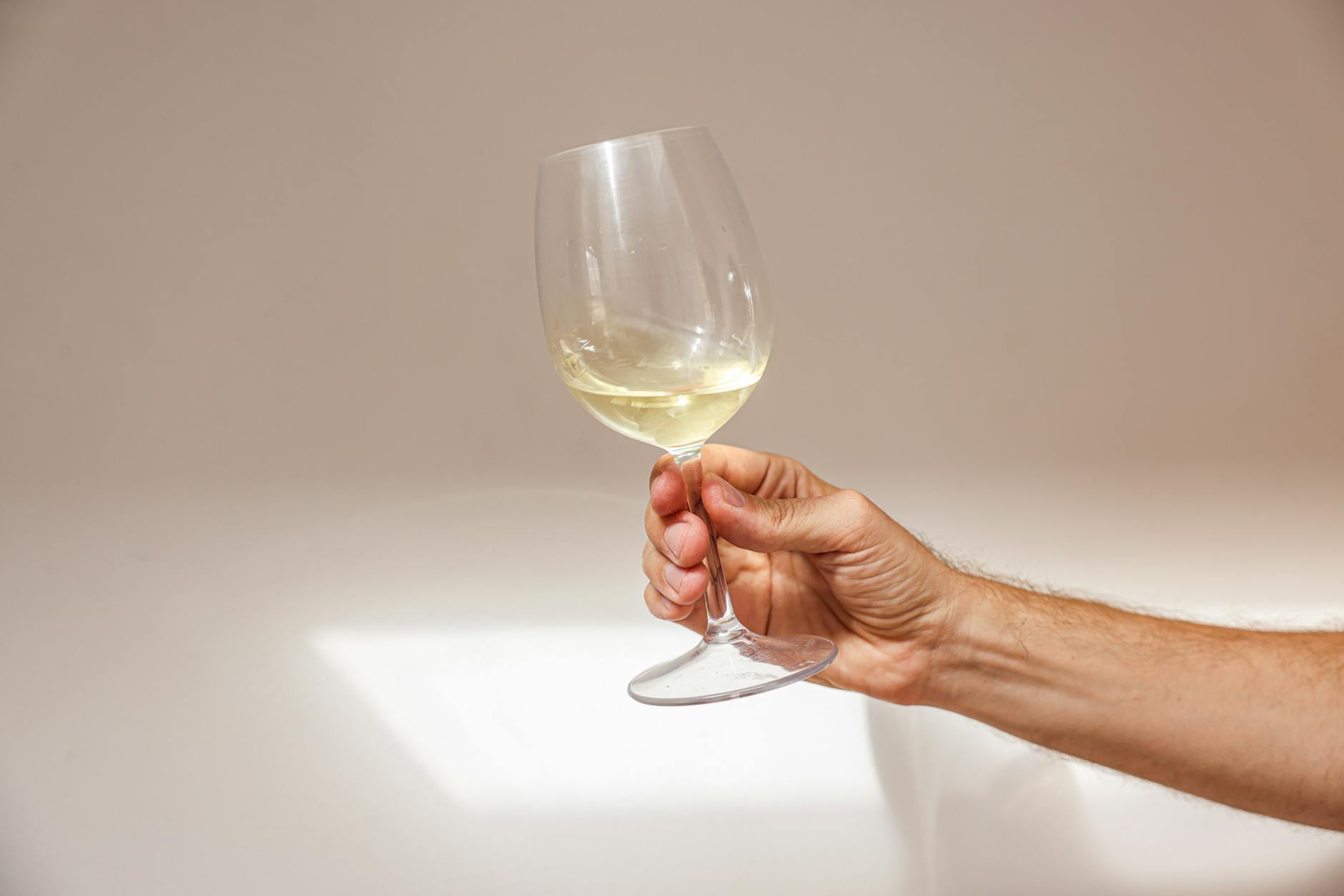
    Tilt your glass over a white surface and take a look. Is the wine pale and straw-colored (like a Sauvignon Blanc)? Or inky and opaque (like a Petite Sirah)? Color gives clues about age, grape variety, and style.

    SOMM&SOMM Tip: Older white wines deepen in color. Older reds tend to lighten and turn brick color at the rim.

    Smell

    Swirl the wine to release the aromas. Then take a moment—nose in, soft inhale. What do you smell? Fruit? Herbs? Smoke? Oak? Barbecue aromas will compete here, so step aside for a second if you need to.

    Sip

    Take a sip, swirl it in your mouth, and let it coat your palate. Is it tart? Juicy? Bitter? Dry? Pay attention to acidity, tannins, alcohol, body, and finish.

    SOMM&SOMM Tip: Try a bite of food, then a sip of wine. Then reverse it. Which brings out more flavor? That’s your pairing insight.

    Photo by Luis Quintero on Pexels.com

    Classic BBQ & Wine Pairings (With a Spin)

    🍔 Burgers + Syrah

    Forget the light Pinot this time—go bold. Syrah (or Shiraz from Australia) has black pepper, black fruit, and smoky notes that mirror char-grilled patties beautifully.

    Somm Spin: Add blue cheese and caramelized onions to your burger. Watch that Syrah sing.

    Smoky Blue Burgers

    • 1 lb ground chuck (80/20)
    • Salt, pepper, garlic powder
    • Crumbled blue cheese
    • Caramelized onions
    • Arugula and Dijon mustard

    Grill burgers to medium. Rest, then top with blue cheese and onions. Serve on brioche.

    🍗 Grilled Chicken Thighs + Chilled Beaujolais

    Beaujolais (made from the Gamay grape) is light, fruity, and best slightly chilled. Its acidity cuts through rich dark meat and BBQ sauce.

    Somm Spin: Try with a slightly spicy peach glaze.

    Quick Peach BBQ Glaze

    • 1 cup peach preserves
    • 1 tbsp apple cider vinegar
    • 1 tsp cayenne
    • Salt & pepper

    Brush onto chicken thighs halfway through grilling.

    🌽 Grilled Corn + Albariño

    Corn is sweet, smoky, and rich. Albariño, especially from Spain’s Rías Baixas region, offers zippy citrus, saline minerality, and stone fruit. This pairing feels like sunshine in a bottle.

    Somm Spin: Top corn with chili-lime butter and cotija cheese.

    Unexpected But Perfect Pairings

    🥓 Candied Bacon Skewers + Off-Dry Riesling

    This is the flavor bomb: salty, sweet, smoky, and spicy. Riesling’s crisp acidity and touch of residual sugar balance the salty-fatty goodness.

    Candied Bacon

    • Thick-cut bacon
    • Brown sugar
    • Black pepper
    • Cayenne

    Roll bacon strips in sugar and spice mix. Skewer and grill until caramelized.

    🍉 Grilled Watermelon + Lambrusco

    You heard that right. Grill slices of watermelon to concentrate their flavor and serve with lightly fizzy Lambrusco, which has a touch of sweetness, berries, and bubbles.

    Fun Fact: Lambrusco was once considered cheap and sweet, but today’s dry, artisanal versions from Emilia-Romagna are some of Italy’s best-kept secrets.

    🍥 Veggie Skewers + Dry Rosé

    Bell peppers, zucchini, mushrooms—these soak up grill flavor like pros. Pair with a Provence-style rosé for red berry brightness and herbal notes.

    Somm Spin: Sprinkle skewers with za’atar or herbes de Provence before grilling.

    Chillin’ with Chillable Reds

    BBQs are hot. Your wine shouldn’t be. Chill your reds. Not ice cold—just 55–60°F. Lighter reds like:

    • Gamay (Beaujolais)
    • Frappato (Sicily)
    • Zweigelt (Austria)
    • Cinsault (South Africa)

    These grapes give you bright fruit, low tannins, and that refreshing ahhhh you want in summer.

    Lore Alert: Ancient Romans chilled their wine with snow stored in underground pits. They knew how to throw a party, too.

    The BBQ Somm’s Tool Kit

    1. Acrylic stemware (so you’re not crying over broken glass)
    2. Wine chiller or ice bucket (because lukewarm reds = sadness)
    3. Decanter or wide carafe (aerate those young, tannic wines)
    4. Wine key (yes, bring a backup)
    5. Tasting notepad or app (optional, but fun)
    Photo by Jeremy Bishop on Pexels.com

    Hosting Tips from the Firepit

    • Start light, go bold: Begin with bubbly, white, or rosé, move to reds as the grill gets hotter.
    • Serve wine like beer: Keep things casual—don’t fuss. Pour, pass, share.
    • Label the bottles: Add handwritten tags with “Great with chicken!” or “Try with sausage!”
    • Mix in Magnums: More wine, more fun, and less refilling.

    BBQ + Wine = Shared Stories

    At the heart of every great BBQ isn’t just the food or the wine. It’s the stories we tell between bites. The laughter over spilled rosé. The new bottle someone brought. The neighbor who surprises everyone with a homemade salsa. The quiet sip you take at sunset, listening to cicadas.

    Wine shouldn’t just be good. It should be memorable.

    Gregory Dean, SOMM&SOMM

    Tasting wine like a somm doesn’t mean taking things too seriously. It means noticing more. Being present. Asking, “What does this remind me of?” and answering with a smile.

    So fire up the grill. Pop a cork. Swirl, sip, and share.

    Cheers to the summer of flavor.🍷

    Cover Photo by Pixabay on Pexels.com

  • Understanding French Wine Laws

    Understanding French Wine Laws

    A Journey Through Terroir, Tradition, and Quality.

    When wine lovers think of France, they often conjure images of majestic châteaux in Bordeaux, fog-shrouded slopes in Burgundy, and sun-soaked fields in Provence. But beneath the romance lies a rigorous—and sometimes perplexing—system of wine laws and classifications that govern everything from grape varieties to bottle shape. These rules are not just bureaucratic red tape; they’re the framework that has helped France maintain a global reputation for excellence.

    Photo by Liv Kao on Pexels.com

    Whether you’re swirling a silky red from the Rhône or sipping a crisp Muscadet from the Loire, there’s a system behind that wine—one that tells you where it came fromhow it was made, and what to expect. Let’s uncork the bottle and pour through the fascinating world of French wine laws, region by region.

    From Chaos to Codification

    To understand French wine law, we must rewind to the early 20th century. Rampant fraud during and after World War I saw low-quality wines being passed off as prestigious regional bottlings. To combat this, France developed a system to protect both producers and consumers.

    In 1935, the government formed the Institut National des Appellations d’Origine (INAO)—now called the INAO (Institut National de l’Origine et de la Qualité). Their job? Define, regulate, and enforce wine quality and authenticity through a new legal structure.

    This led to the creation of the Appellation d’Origine Contrôlée (AOC) system—the granddaddy of all French wine classifications.

    French Wine Quality Pyramid

    Modern French wines are now classified into three primary quality tiers:

    1. AOC (Appellation d’Origine Contrôlée) – The highest and most tightly regulated tier. Think of this as “terroir-bound” wine.
    2. IGP (Indication Géographique Protégée) – Looser restrictions, allowing more experimentation while still tied to a broader region.
    3. Vin de France – Table wine with minimal regulation. The Wild West of French wine.

    Each tier has a purpose, and great wine can be found in all three—but AOC wines carry the most prestige, especially from classic regions like Bordeaux, Burgundy, and Champagne.

    Photo by Vladimir Srajber on Pexels.com

    Bordeaux: Classification by Château, Not Terroir

    Bordeaux, France’s largest and most commercially dominant wine region, takes a top-down approach to classification. Unlike Burgundy (more on that shortly), Bordeaux wines are historically classified by estate, not by vineyard.

    The 1855 Classification (Left Bank)

    Created for the Paris Exposition under Napoleon III, this famous classification ranks 61 châteaux in Médoc and one from Graves (Haut-Brion), plus sweet wines from Sauternes and Barsac. These wines were grouped into five “growths” or crus, based on reputation and price at the time.

    • Premier Cru (First Growth): Château Lafite Rothschild, Château Latour, Château Margaux, Château Haut-Brion, and later Château Mouton Rothschild (elevated in 1973).
    • Second to Fifth Growths: A descending list of estates still highly regarded.

    This classification remains mostly unchanged and ignores terroir variation, focusing instead on estate prestige.

    Graves and Pomerol

    • Graves introduced its own classification in 1959.
    • Saint-Émilion has a dynamic classification system, updated roughly every 10 years, most recently in 2022.
    • Pomerol, home to the legendary Pétrus, has no official classification—its wines speak for themselves.

    Summary:

    • Focus: Prestige of the estate (Château).
    • Result: Classification may remain unchanged even if the wine quality fluctuates.

    A Quick Note on Graves Classification

    While Bordeaux’s 1855 Classification famously skipped over much of Graves, this historic region got its own moment in the spotlight in 1959. The Graves Classification includes both red and white wines—a rarity in Bordeaux—and focuses solely on producers in the northern Graves, now largely within the Pessac-Léognan AOC (created in 1987).

    Notably, all classified estates in Graves are unranked—there are no first, second, or fifth growths here. The list includes powerhouses like Château Haut-Brion (the only estate in both the 1855 and Graves classifications), Château Pape Clément, and Domaine de Chevalier.

    This classification may fly under the radar, but it represents some of Bordeaux’s most age-worthy whites and nuanced reds—making Graves a treasure for savvy wine lovers.

    Photo by Gu Bra on Pexels.com

    Burgundy: The Gospel of Terroir

    In contrast, Burgundy classifies by vineyard. It’s a bottom-up system, celebrating the land rather than the producer. You’ll often hear that “Burgundy is for lovers of nuance.”

    The Four Tiers of Burgundy:

    1. Grand Cru (1% of production) – The top-tier vineyards, like Romanée-Conti, Montrachet, and Clos de Vougeot.
    2. Premier Cru (10%) – Excellent vineyards within a village, such as Volnay 1er Cru “Champans”.
    3. Village Wines (36%) – Wines from a single village, such as Pommard or Meursault.
    4. Regional Wines (53%) – Broadest classification, e.g., Bourgogne Pinot Noir.

    Why This Matters:

    A vineyard like Clos Saint-Jacques in Gevrey-Chambertin may produce Premier Cru wines from multiple producers, each with a different style. It’s the plot of land that earns prestige, not the winemaker.

    Summary:

    • Focus: Terroir and microclimate.
    • Result: The vineyard’s position on a slope or soil type can dramatically affect quality and price.
    Photo by cottonbro studio on Pexels.com

    Other Regional Examples: Law and Lore

    Champagne: Blends and Brands

    Champagne has strict AOC rules: only certain grapes (mainly Chardonnay, Pinot Noir, and Pinot Meunier), méthode traditionnelle fermentation, and long aging on lees. Interestingly, most Champagne is blended across villages and vintages—a stylistic choice that makes it distinct.

    • Grand Cru Villages include Aÿ, Ambonnay, and Avize.
    • Non-Vintage (NV) Champagne must age a minimum of 15 months; vintage Champagne requires 3 years.

    Rhône Valley: A Tale of Two Halves

    • Northern Rhône (e.g., Hermitage, Côte-Rôtie): single varietal wines (mostly Syrah), steep slopes, small production.
    • Southern Rhône (e.g., Châteauneuf-du-Pape): blends (up to 13 grapes!), more liberal.

    Châteauneuf-du-Pape was the first French AOC (1936). The lore? The papacy moved to Avignon in the 14th century, and the popes developed a taste for local wines—hence the name “New Castle of the Pope.”

    Loire Valley: Label Labyrinth

    Known for its diversity, the Loire boasts appellations like:

    • Sancerre (Sauvignon Blanc)
    • Vouvray (Chenin Blanc, often sparkling or off-dry)
    • Muscadet Sèvre-et-Maine (Melon de Bourgogne) – famous for sur lie aging

    Related article: Perfect Pairings: Melon de Bourgogne w/Fettuccini With Clams and Dill

    Loire rules often reflect specific winemaking methods (e.g., sur lie) more than rigid hierarchies.

    Alsace: AOC Meets Germanic Order

    Despite its location in France, Alsace follows a style reminiscent of neighboring Germany:

    • Mostly varietal-labeled wines (Riesling, Gewürztraminer, Pinot Gris)
    • Only 51 Grand Cru vineyards, defined by soil and slope.
    • Vendanges Tardives and Sélection de Grains Nobles refer to late-harvest and botrytized wines.

    Alsace is also the only major French region where labels prominently display the grape variety.

    AOC vs. IGP: A Matter of Freedom

    IGP (formerly Vin de Pays)

    These wines fall between strict AOC control and generic Vin de France. Regions like Pays d’Oc allow experimentation:

    • Unusual grape combinations (Cabernet + Syrah? Sure.)
    • Non-traditional styles

    You’ll find creative winemakers here, often producing excellent wines outside traditional rules.

    Vin de France: The Rebel Artist

    These wines can come from anywhere in France and allow complete freedom in blending and labeling. They can’t show an appellation but may show grape variety and vintage, making them more accessible for casual drinkers. Some top producers use this category intentionally, to avoid AOC constraints.

    A Balancing Act of Tradition and Innovation

    French wine laws are not a maze meant to confuse, but rather a mosaic of history, geography, and philosophy. While Bordeaux emphasizes brand and estate, Burgundy honors soil and slope. Champagne values consistency, while Rhône and Loire embrace diversity.

    In France, a wine’s origin is its identity!

    Gregory Dean, SOMM&SOMM

    Understanding these laws allows wine lovers to decode the label and appreciate the craft behind every bottle. In France, a wine’s origin is its identity, and these legal systems—however complex—ensure that identity is preserved.

    So next time you’re in your local wine shop or exploring a wine list, let the appellation guide you. Behind that AOC or IGP acronym lies a rich story—one that began centuries ago and continues to evolve with every vintage. Santé!

    Cover photo: michael clarke stuff, CC BY-SA 2.0, via Wikimedia Commons

  • Frozen Cocktails Are Back—With a Twist

    Frozen Cocktails Are Back—With a Twist

    Why Slushie Season Isn’t Just for College Spring Break Anymore.

    Memorial Day has come and gone, and with it, a not-so-subtle shift in our cravings—from brooding reds and stirred-and-strong classics to something frosty, fun, and wildly refreshing. Yes, friends, frozen cocktails are back—and they’ve gotten a glow-up.

    No longer confined to the realm of sugary, syrup-soaked blender bombs, today’s frozen drinks are culinary cocktails with balance, craft, and (dare we say) sophistication. Whether you’re chilling poolside, planning a backyard bash, or just dodging the Florida humidity, it’s time to fire up the blender and embrace slush season—with a twist.

    The Icy Origins

    Frozen cocktails have a richer history than most give them credit for. In fact, the first frozen cocktail machine wasn’t invented for piña coladas—it was a repurposed soft-serve machine, famously used by Mariano Martinez in 1971 to serve frozen margaritas at his Dallas restaurant. Legend has it that Mariano was inspired by a 7-Eleven Slurpee machine, and the rest is cocktail history.

    Photo by Kim van Vuuren on Pexels.com

    But long before that, bartenders in Havana were hand-shaking and blending frozen daiquiris for sweltering summer sippers. Ernest Hemingway—yes, that Hemingway—was a loyal customer at El Floridita, where his bartender, Constantino Ribalaigua, became legendary for his blended drinks (the “Hemingway Special,” frozen with grapefruit juice and maraschino liqueur, lives on today).

    By the 1980s and ‘90s, frozen drinks were more party than palate—think cloying piña coladas, neon blue hurricanes, and anything served in a yard glass. But today’s frozen renaissance is reclaiming the category with real spirits, fresh ingredients, and grown-up flair.

    The Modern Frozen Cocktail Movement

    What sets today’s frozen drinks apart? It’s all about balance and texture. Rather than leaning on artificial mixes and excess sugar, the modern frozen cocktail scene champions:

    • Fresh juices (no bottled lime here)
    • Real fruit purées (or even roasted fruit for depth)
    • Herbs and spices for complexity
    • Bitters, vermouths, and aperitifs to layer flavor
    • Creative bases, from frozen Champagne to botanical gin

    And the machines? We’ve evolved. High-powered blenders (think Vitamix or Ninja), countertop slushie makers, and even batch-friendly freezer techniques make frozen drinks easy to execute at home—no bartender degree required.

    Photo by Dominika Polu00e1kovu00e1 on Pexels.com

    🔥 Summer’s Must-Try Frozen Twists

    Here are some of our favorite next-gen frozen cocktails—perfect for your post-Memorial Day revelry:

    Frozen Negroni Slush

    What it is: A bitter-sweet, icy twist on the classic Negroni
    Recipe tip: Blend equal parts Campari, sweet vermouth, and gin with a splash of orange juice and a touch of simple syrup. Add ice. Garnish with an orange twist.
    Why it works: The bitterness cuts the richness of summer foods—perfect with charcuterie or grilled sausages.

    Basil-Lime Frosé

    What it is: A garden-inspired take on the pink wine classic
    Recipe tip: Freeze a bottle of rosé into cubes. Blend with fresh basil syrup, lime juice, and strawberries.
    Why it works: Herbaceous and citrusy with just enough fruit—serve it with Caprese skewers or grilled shrimp.

    Mango Mezcal Margarita Slush

    What it is: A smoky, tropical, south-of-the-border stunner
    Recipe tip: Blend ripe mango, lime juice, agave, and a mix of mezcal and blanco tequila. Rim glass with Tajín.
    Why it works: Smoke + sweet + heat = beach bonfire in a glass.

    Spiked Frozen Arnold Palmer

    What it is: Boozy iced tea + lemonade for grown-up porch sipping
    Recipe tip: Blend chilled black tea, fresh lemon juice, honey syrup, and bourbon. Add ice, freeze, or shake until slushy.
    Why it works: It’s the iced tea of your summer dreams—with a Southern drawl.

    Champagne Granita with Elderflower & Mint

    What it is: A fizzy, floral dessert cocktail
    Recipe tip: Combine Champagne (or a dry sparkling wine), St-Germain, mint syrup, and lemon zest. Freeze and scrape into flakes.
    Why it works: Light, bright, and so elegant after grilled peaches or lemon tarts.

    Pairing Frozen Cocktails with Summer Vibes

    Frozen cocktails aren’t just about cooling down—they’re an experience, a mood, and sometimes, a moment of nostalgia. Here’s how to pair them beyond food:

    • Poolside + Piña Colada with Coconut Cream Ice Cubes
    • Outdoor Movie Night + Frozen Espresso Martini
    • Post-Gardening Wind-Down + Cucumber-Gin Slushy with Dill
    • Tinned Fish Picnic + Frozen Sherry Cobbler

    Yes. Frozen Sherry Cobbler. It’s a thing. And you’re welcome.

    Fact: The Sherry Cobbler is a historic cocktail that’s criminally underrated—and refreshingly easy to love. It dates back to the early 1800s and was once the most popular cocktail in America, praised for its chilled simplicity and citrusy brightness.

    Here’s a classic version plus a frozen twist to beat the summer heat.

    Classic Sherry Cobbler

    Ingredients:

    • 3 oz Amontillado or Oloroso Sherry
    • ½ oz simple syrup (1:1 ratio)
    • 2–3 orange wheels, muddled
    • Optional: 1–2 fresh seasonal berries (strawberry, blackberry)

    Instructions:

    1. In a shaker, muddle the orange wheels and berries (if using).
    2. Add sherry and simple syrup.
    3. Fill the shaker with ice and shake well—until very cold.
    4. Strain over crushed ice in a tall Collins or julep glass.
    5. Garnish with a mint sprigpowdered sugar dust, and an extra berry or citrus wedge.

    Pair With:

    Charcuterie, grilled peaches, deviled eggs, or tinned fish tapas like smoked mussels and sardines.

    Frozen Sherry Cobbler (Slushy Style)

    Ingredients:

    • 3 oz Pedro Ximénez (for sweetness) or Amontillado (for a drier version)
    • ½ oz lemon juice
    • ½ oz orange juice
    • ½ oz simple syrup
    • ½ cup frozen mixed berries
    • 1–1½ cups ice

    Instructions:

    1. Add all ingredients to a blender.
    2. Blend until smooth and slushy.
    3. Pour into a chilled goblet or stemless wine glass.
    4. Garnish with a citrus twist, fresh berries, and a mint bouquet.

    Pair With:

    Grilled chicken skewers with chimichurri, summer salads with feta and berries, or lemony seafood pastas.

    Final Thoughts from the Freezer

    The frozen cocktail revival is here to stay—not because it’s trendy, but because it’s delightfully effective at turning ordinary moments into celebrations. It’s cocktail culture without the pretense. It’s hot weather salvation in a coupe, rocks glass, or even a beach tumbler.

    Photo by Rodrigo Ortega on Pexels.com

    So dust off your blender, raid your herb garden, and give your favorite classic a frosty facelift.

    Because frozen cocktails are back—and this time, they’re cool for the right reasons 🍹

    Cover Photo by Kseniya Kobi on Pexels.com

  • Italy in the Glass

    Italy in the Glass

    Unlocking the 77 DOCGs, 330 DOCs, and the Curious Case of IGT.

    When it comes to wine, Italy is both a gift and a glorious puzzle. With 20 distinct regions, more than 2,000 native grape varieties, and a labyrinth of wine laws, it’s no wonder sommeliers get giddy at the mere sight of a hand-drawn Italian wine map. At the center of this puzzle are Italy’s quality classifications: DOCGDOC, and IGT—three little acronyms that carry centuries of tradition, rebellion, pride, and plenty of good vino.

    In this article, we’ll demystify the 77 (or is it 78?) Denominazioni di Origine Controllata e Garantita (DOCG) and 330 Denominazioni di Origine Controllata (DOC) appellations spread across Italy’s 20 wine regions. We’ll explore how the Indicazione Geografica Tipica (IGT) came to be, why it still matters today, and whether these labels are wine laws or wine lore. Spoiler: it’s a bit of both.

    Photo by Vincenzo Iorio on Pexels.com

    The Pyramid of Quality: DOCG vs. DOC vs. IGT

    Italy’s wine classification system forms a three-tiered pyramid introduced formally with the 1963 wine law, which was heavily inspired by France’s AOC system but with that uniquely Italian flair (and bureaucracy). Here’s the breakdown:

    DOCG – Denominazione di Origine Controllata e Garantita

    • Top-tier designation, introduced in 1980
    • Wines must meet the strictest regulations: grape type, yield, alcohol, aging, and geography
    • Subject to government tasting panels before release
    • Guarantee seal on the neck of each bottle
    • There are currently 77 DOCGs, though some lists include 78 depending on how you count shared or overlapping appellations (we’re looking at you, Cannellino di Frascati and Frascati Superiore)

    Examples:

    • Barolo DOCG (Piedmont) – 100% Nebbiolo, aged minimum 38 months
    • Brunello di Montalcino DOCG (Tuscany) – 100% Sangiovese Grosso, 5 years of aging
    • Amarone della Valpolicella DOCG (Veneto) – dried grape process (appassimento), powerful and rich

    DOC – Denominazione di Origine Controllata

    • Middle-tier, first established in 1966
    • Still regulated but slightly more flexible than DOCG
    • Also enforces rules on production zones, grapes, yields, and winemaking techniques
    • Includes many long-established regions or subregions not yet elevated to DOCG

    There are around 330 DOCs, which evolve frequently as regions apply for DOCG status or boundaries are adjusted.

    Examples:

    • Chianti DOC (Tuscany) – distinct from Chianti Classico DOCG
    • Etna DOC (Sicily) – volcanic reds and whites from Nerello Mascalese and Carricante
    • Lugana DOC (Lombardy/Veneto) – crisp whites from the Turbiana grape near Lake Garda

    IGT – Indicazione Geografica Tipica

    • Introduced in 1992 to acknowledge high-quality wines outside the rigid DOC/DOCG systems
    • Flexible in grape usage, blending, and winemaking—ideal for experimentation
    • Geographic indication is the main requirement
    • Originally a reaction to Super Tuscan wines that didn’t fit DOC rules despite exceptional quality

    Examples:

    • Toscana IGT – the birthplace of Super Tuscans like Sassicaia, Tignanello, and Ornellaia
    • Veneto IGT – widely used for innovative blends or single varietals like Merlot and Chardonnay
    • Sicilia IGT – often used for international grapes or modern styles of Nero d’Avola

    How Did We Get Here? A Sip of History

    Italy’s wine laws evolved from a country of regional customs into a unified classification system. In the early 20th century, counterfeit wines and inconsistent quality were widespread, leading to the 1963 law that created DOC and laid the groundwork for DOCG. But even that wasn’t enough.

    In the 1970s, innovative winemakers in Tuscany grew frustrated by the limitations of DOC laws. They began producing bold, Bordeaux-style blends with Cabernet and Merlot, aging them in French oak, and labeling them simply as “vino da tavola” (table wine). These “Super Tuscans”—once rebels—outshone many DOC wines and gained international fame.

    Italy responded in 1992 by creating the IGT category, legitimizing these high-quality outliers and restoring some order to the chaos.

    Photo by Riccardo Mazza on Pexels.com

    The 20 Wine Regions – A Brief Look

    Italy’s wine regions align with its administrative regions. Here are the 20 wine regions of Italy (North to South)

    RegionFamous For
    Valle d’AostaTiny production, alpine Nebbiolo (called Picotendro), Prié Blanc
    Piedmont (Piemonte)Barolo, Barbaresco, Dolcetto, Barbera, Moscato d’Asti
    LiguriaVermentino, Pigato, wines from terraced coastal vineyards
    Lombardy (Lombardia)Franciacorta (traditional method sparkling), Nebbiolo in Valtellina
    Trentino-Alto AdigeElegant whites (Gewürztraminer, Pinot Grigio), Germanic influence
    VenetoAmarone, Valpolicella, Soave, Prosecco
    Friuli-Venezia GiuliaOrange wines, Ribolla Gialla, Sauvignon Blanc, skin-contact whites
    Emilia-RomagnaLambrusco, Sangiovese, sparkling reds, food-friendly wines
    Tuscany (Toscana)Chianti, Brunello, Vino Nobile, Super Tuscans
    UmbriaSagrantino di Montefalco, Grechetto, Orvieto
    MarcheVerdicchio, Rosso Conero, Montepulciano blends
    LazioFrascati, Cesanese, ancient Roman white wine zones
    AbruzzoMontepulciano d’Abruzzo, Trebbiano
    MoliseSmall production, Biferno DOC, Tintilia grape revival
    CampaniaTaurasi, Fiano di Avellino, Greco di Tufo, Falanghina
    BasilicataAglianico del Vulture, high-altitude volcanic reds
    Puglia (Apulia)Primitivo, Negroamaro, full-bodied value reds
    CalabriaGaglioppo-based Cirò, Greco Bianco
    Sicily (Sicilia)Nero d’Avola, Etna wines, Grillo, Cerasuolo di Vittoria DOCG
    Sardinia (Sardegna)Vermentino di Gallura DOCG, Cannonau (Grenache)
    Photo by Brett Jordan on Pexels.com

    Is the Stamp of Quality a Marketing Ploy?

    Let’s be honest: a neck label with “DOCG” in shiny gold doesn’t guarantee your world will change with one sip. But it does serve a purpose.

    Benefits to Consumers:

    • Trust & transparency – You know where the wine is from and what’s inside
    • Production standards – DOCG wines are lab-tested and taste-tested
    • Cultural value – These labels preserve traditional winemaking and protect local identity

    But Don’t Be Fooled…

    • Some DOCs and IGTs outperform DOCGs in quality
    • DOCG upgrades are sometimes politically driven
    • Great wine can come from outside the system

    So yes, there’s a marketing angle—but it’s rooted in protecting regional identity, improving quality, and guiding consumers. Like any guide, it’s useful but not absolute.

    SOMM&SOMM TIP: How to Use the Pyramid When Buying Wine

    1. For traditionalists: Start with DOCG, especially Barolo, Brunello, Amarone.
    2. For adventurers: Explore DOCs in less-known regions like Umbria, Marche, or Molise.
    3. For rebels & innovators: Dive into IGTs—you’ll find unusual blends, single vineyard gems, and creative winemaking at great value.
    4. For budget-conscious buyers: DOC wines often strike the best balance between structure, tradition, and price.

    Embrace the Chaos with a Glass in Hand

    Italy’s wine classifications can seem maddening, but they’re part of the country’s charm. Each DOCG and DOC tells a story—of place, people, and pride. IGT reminds us that some rules are made to be broken. The pyramid isn’t perfect, but it’s a powerful lens through which to explore one of the world’s most diverse wine-producing nations.

    So the next time you pick up a bottle of Barolo or a renegade IGT Syrah from Sicily, remember: you’re not just drinking wine—you’re tasting history, rebellion, and a little bit of bureaucracy in a bottle.

    Cin cin, amici 🍷

    Cover photo by Pava, CC BY-SA 3.0 IT, via Wikimedia Commons

  • Equal Parts, Endless Magic

    Equal Parts, Endless Magic

    Celebrating the timeless art of the perfectly balanced cocktail.

    When it comes to the eternal dance between wine and cocktails, wine often takes center stage — with its terroir-driven complexity and built-in pairing charm. But there are moments when a cocktail, not wine, is the star the evening deserves (hard to believe–right?). Especially when it comes to a rare and beautiful class of drinks: the Equal Parts Cocktails.

    Simple to remember. Sophisticated to sip. This family of cocktails has fueled iconic moments from smoky speakeasies to the most refined brunches. And when the right dish meets the right glass? Pure magic.

    Today, we dive deep into the history, lore, recipes, and perfect pairings of the most celebrated equal-part cocktails — plus, we’ll uncover when and why cocktails trump wine at the table.

    Photo by Bianca Jelezniac on Pexels.com

    Why Choose a Cocktail Over Wine?

    Before we jump into shaker tins and coupe glasses, let’s get one thing clear: wine is incredible — but cocktails can offer precision, intensity, and immediate vibrancy that wine sometimes cannot.

    • Complexity in One Sip: Equal-part cocktails are built to showcase bold, diverse flavors in perfect harmony.
    • Palate Awakener: Their vivid acidity, herbal notes, and bittersweet elements “wake up” the palate, making them the perfect aperitif or pairing for bold foods.
    • Timing Matters: Brunches, cocktail hours, sultry late-night soirées — these are moments when a lively cocktail enhances the occasion more than a glass of wine ever could.

    The History of Equal-Part Cocktails

    The equal-parts formula finds its roots in the early 20th century, during the golden age of cocktails. The Prohibition Era (1920-1933) challenged bartenders to create drinks that masked rough spirits with a symphony of harmonious ingredients. The solution? Recipes that used precision balance — often, simply equal measures of four ingredients.

    This style exploded with classic cocktails like the Corpse Reviver No. 2 and later evolved into the Last Word, a legendary pre-Prohibition concoction that made its roaring comeback in the craft cocktail renaissance of the early 2000s.

    Equal parts = artistic freedom + foolproof structure.

    Classic Equal-Part Cocktails You Need to Know

    The Last Word

    History & Lore:
    Born at the Detroit Athletic Club in the 1920s, the Last Word was almost lost to history until Seattle bartender Murray Stenson resurrected it in the early 2000s. Now? It’s a cult classic among bartenders and cocktail nerds alike.

    Recipe:

    • ¾ oz Gin
    • ¾ oz Green Chartreuse
    • ¾ oz Maraschino Liqueur
    • ¾ oz Fresh Lime Juice

    Shake with ice and strain into a chilled coupe. Garnish with a cherry or a lime twist.

    Perfect Time to Serve:
    An adventurous aperitif to kick off dinner parties or to open a late summer garden gathering.

    Perfect Pairing:

    • Prosciutto-Wrapped Melon: Sweetness and salt balance the herbal Chartreuse and tart lime.
    • Goat Cheese Crostini: The creamy tang cuts through the cocktail’s high-toned complexity.
    Photo by Helena Lopes on Pexels.com

    Corpse Reviver No. 2

    History & Lore:
    The “Corpse Revivers” were intended as hangover cures, with the No. 2 being the most famous — a bright, zesty tonic to jolt you back to life. Harry Craddock immortalized it in The Savoy Cocktail Book (1930), with the delightful note: “Four of these taken in swift succession will unrevive the corpse again.”

    Recipe:

    • ¾ oz Gin
    • ¾ oz Cointreau (or another triple sec)
    • ¾ oz Lillet Blanc (or Cocchi Americano)
    • ¾ oz Fresh Lemon Juice
    • Dash of Absinthe (rinse the glass or add a couple drops)

    Shake well with ice, strain into an absinthe-rinsed coupe.

    Perfect Time to Serve:
    At a luxurious brunch (post-celebration) or before a decadent seafood dinner.

    Perfect Pairing:

    • Oysters on the Half Shell: The clean brine meets the cocktail’s citrus brightness beautifully.
    • Lobster Salad: Creamy, lemony shellfish dishes sing alongside this refreshing classic.

    Paper Plane

    History & Lore:
    Created in 2007 by Sam Ross (of Milk & Honey fame), the Paper Plane is a modern equal-parts marvel, riffing on the Last Word with bourbon warmth and bittersweet Amaro Nonino.

    Recipe:

    • ¾ oz Bourbon
    • ¾ oz Amaro Nonino
    • ¾ oz Aperol
    • ¾ oz Fresh Lemon Juice

    Shake with ice, strain into a coupe glass. No garnish needed — the color alone is gorgeous.

    Perfect Time to Serve:
    Fall evenings, cozy cocktail parties, or after a hearty autumn dinner.

    Perfect Pairing:

    • Charcuterie Board: Salty meats, funky cheeses, nuts, and dried fruits make perfect companions.
    • Duck Confit Tacos: Rich, gamey flavors balanced by the Paper Plane’s bittersweet lift.

    Honorable Mentions

    • Boulevardier: Equal parts bourbon, sweet vermouth, and Campari. (Think of it as the Negroni’s American cousin.)
    • Naked & Famous: Equal parts mezcal, yellow Chartreuse, Aperol, and lime juice. Smoky, herbal, and tangy.
    • White Negroni: Equal parts gin, Lillet Blanc, and Suze. Lightly bitter and stunningly elegant (featured in our second book: Sips & Stories: Cocktails of the Garden (2025)).
    Photo by Antoni Shkraba Studio on Pexels.com

    Tips for Serving Equal-Part Cocktails

    Always measure precisely — even 1/8 oz matters when balancing strong flavors.

    Serve in a pre-chilled coupe or Nick & Nora glass to maintain temperature and elegance.

    Small bites are ideal companions — these cocktails pack flavor that needs food with texture and fat to harmonize.

    When Balance is Bliss

    Equal-part cocktails embody the soul of perfect balance — between simplicity and sophistication, between power and poise. They’re a sommelier’s dream when the dish demands brightness, precision, or boldness that wine alone cannot deliver.

    So next time you’re planning a gathering, a date night, or simply need a reason to shake up something extraordinary, remember:
    Equal parts create unequaled moments.

    Cheers, friends!

    Cover Photo by ROMAN ODINTSOV on Pexels.com

  • Trendy Cocktails: The Martini

    Trendy Cocktails: The Martini

    Elegance in a glass.

    Few cocktails carry the mystique, elegance, and sheer cinematic cool of the Martini. It’s a drink that whispers power in boardrooms and purrs seduction in smoky lounges. Whether served bone-dry, extra dirty, or with a citrus twist, the Martini is less a cocktail and more a lifestyle—a reflection of taste, confidence, and unapologetic flair.

    Let’s take a proper dive into the history, culture, variations, and irresistible appeal of this liquid legend.

    A Spirited Mystery

    Like many classic cocktails, the Martini’s exact origin is murky—like a shaken one, some would say.

    The most popular theory traces it to the late 19th century with the Martinez, a sweeter precursor that included Old Tom gin, sweet vermouth, maraschino liqueur, and orange bitters. Others point to the Knickerbocker Hotel in New York, where bartender Martini di Arma di Taggia is said to have served the first dry gin Martini in the early 1900s to John D. Rockefeller.

    Regardless of who poured the first, one thing is clear: by the 1920s, the Martini had become the go-to drink for flappers, bootleggers, and high society alike.

    Photo by Taryn Elliott on Pexels.com

    Shaken vs. Stirred: The Great Divide

    Ah yes, the eternal debate.

    Stirred (Greg’s Favorite)

    • Pro: A properly stirred Martini is silky, crystal-clear, and elegant. Stirring gently chills and dilutes without bruising the gin or introducing air bubbles.
    • Con: Requires finesse and a bar spoon.

    Shaken (Tammy’s Favorite)

    • Pro: Quicker and sexier. Thanks, Bond. The resulting drink is colder, with ice shards and a cloudier appearance—some say it has more bite.
    • Con: “Bruises” the gin (read: aerates and dilutes it more), altering its nuanced aromas.

    Verdict? Both are valid. If you’re sipping a gin Martini with a reverence for botanicals, stir it. If you’re feeling cinematic or want a colder, rougher edge, shake away.

    Photo by Taryn Elliott on Pexels.com

    Martini Variations You Must Know

    Classic Dry Martini

    • 2½ oz London Dry Gin
    • ½ oz Dry Vermouth
    • Stir with ice. Strain into a chilled coupe. Garnish with a lemon twist or olive.
      (Note: Ratios can vary—some go 5:1, others 15:1. Adjust to taste.)

    Dirty Martini

    • 2½ oz Gin or Vodka
    • ½ oz Dry Vermouth
    • ½ oz Olive Brine (or more if you’re a savage)
    • Shake or stir. Strain into a coupe or Martini glass. Garnish with olives.

    Vesper Martini (Bond’s Favorite)

    • 3 oz Gin
    • 1 oz Vodka
    • ½ oz Lillet Blanc (or Cocchi Americano)
    • Shake until ice-cold. Strain and serve with a lemon twist.
      (“Shaken, not stirred,” just like Ian Fleming ordered in Casino Royale.)

    Martinis in Pop Culture

    The Martini is as much a character in books and film as any leading man or femme fatale.

    • James Bond may be the most famous Martini drinker, though purists scoff at his vodka-laden, shaken approach.
    • Dorothy Parker, ever the wit, quipped: “I like to have a Martini, two at the very most. After three I’m under the table, after four I’m under my host.”
    • In Mad Men, it was the official beverage of existential crises and Manhattan charm as the focus and fuel of the show’s iconic three-martini lunches.
    • Artists from Picasso to Hopper have alluded to Martini glasses in works capturing modernity, solitude, and sophistication.

    Even today, a Martini in hand telegraphs timeless cool, whether in a hipster bar in Brooklyn or a penthouse soirée in Paris.

    The Martini remains as crisp as a tailored tuxedo and as iconic as the figures who have sipped it. But no lore is more entertaining (or more debated) than the notoriously dry preferences of Winston Churchill.

    The British Bulldog was said to have such an aversion to vermouth that when mixing his Martini, he’d simply glance at an unopened bottle from across the room—or, more theatrically, bow in the direction of France—then proceed to pour nothing but gin into his glass. Whether truth or tall tale, Churchill’s “recipe” became the stuff of cocktail legend, a tongue-in-cheek protest against adulterating a proper gin with anything less than pure botanical might.

    Churchill wasn’t alone in his dry convictions. Ernest Hemingway preferred his Martinis icy cold and incredibly dry—famously favoring a version called the Montgomery, with a 15:1 gin-to-vermouth ratio (named for British Field Marshal Bernard Montgomery, who supposedly wouldn’t attack unless the odds were 15 to 1).

    The Martini has long inspired theatricality and ritual, from Noël Coward‘s quip that “a perfect Martini should be made by filling a glass with gin and waving it in the general direction of Italy,” to Alfred Hitchcock’s claim that a Martini only required a bottle of vermouth in the same room. In the world of Martinis, it’s not just what’s in the glass that matters—it’s the story that swirls around it.

    How to Enjoy a Martini (Without Regret)

    1. Glassware matters – A chilled coupe or classic Martini glass elevates the experience.
    2. Ice is your friend – Use large, fresh cubes to avoid over-dilution.
    3. Fresh vermouth – Keep it refrigerated. Oxidized vermouth is the graveyard of good Martinis.
    4. One is classy, two is daring, three is… questionable.
    5. Set the mood – Jazz. Dim lighting. Linen napkins. That smug sense of superiority? Optional.

    What to Eat With a Martini

    A Martini begs for something salty, briny, or umami-rich. Here are some slam dunks:

    • Oysters on the half shell – Raw and dressed simply with lemon or mignonette.
    • Blue cheese-stuffed olives – Or Castelvetrano olives, chilled.
    • Smoked salmon or gravlax – On rye toast with crème fraîche.
    • Caviar – If you’re feeling grandiose.
    • Prosciutto-wrapped melon – Sweet, salty, and clean.
    • Sushi – Especially tuna or yellowtail sashimi.

    And for dessert? Try a lemon posset or olive oil cake—subtle, citrusy treats that don’t overwhelm the palate.

    Modern Twists & Martini Mania

    The Martini has inspired a whole universe of spin-offs. The Espresso Martini (yes, it’s a Martini in name only), the Appletini, the French Martini (vodka, pineapple, Chambord), and countless other “-tinis” were born from its iconic shape and swagger.

    Yet, nothing beats the stripped-back, elegant structure of a real Martini. The way it hits your tongue and unlocks your senses. The way it makes any room feel like the final scene of a noir film.

    Why the Martini Still Matters

    The Martini is a paradox. It’s minimalist and maximalist. Fiercely traditional and endlessly customizable. It’s a drink of precision—measured, stirred, strained, and styled. Yet it invites improvisation, variation, and attitude.

    It’s the drink you order when you’re not just thirsty… you’re making a statement.

    So whether you’re a Bond aficionado, a vermouth nerd, or someone just discovering the magic of gin and glass, remember: the Martini isn’t just a cocktail. It’s a ritual.

    Cheers—and may your olives be chilled, your gin top-shelf, and your decisions as crisp as your drink.

    Gregory Dean, SOMM&SOMM

    Cover Photo by Tim Durand on Pexels.com

  • Varietal Spotlight: Gewürztraminer

    Varietal Spotlight: Gewürztraminer

    The Spicy Grape You’ll Love to Say–and Sip.

    Let’s be honest: just saying “Gewürztraminer” feels like a party trick. (It’s guh-VOORTS-trah-mee-ner, by the way.) But behind this tongue-twisting name lies one of the most expressive, aromatic, and misunderstood white grapes in the world of wine. As spring blooms and summer beckons, it’s time to clear a spot in your fridge—and your heart—for Gewürztraminer.

    This isn’t your average white wine. No, this is the electric silk scarf of the wine world—bright, bold, perfumed, and a little dramatic in all the best ways. It’s the grape equivalent of a jazz saxophone solo at a garden party: unexpected, sultry, and unforgettable.

    Marianne Casamance, CC BY-SA 4.0, via Wikimedia Commons

    Aromatic Origins and Spicy Roots

    Gewürztraminer literally means “spiced Traminer” in German, and its origins trace back to the ancient Traminer grape of the Alpine foothills, particularly the village of Tramin (Termeno) in northern Italy’s South Tyrol. While Gewürztraminer found its stylistic footing in the cool regions of Alsace, France, its true home is arguably the terroir itself—wherever it can show off its sultry perfume, spicy attitude, and plush texture.

    Today, Gewürztraminer is grown across the world—from the misty vineyards of Oregon and the Sonoma coast to the steep slopes of Germany’s Pfalz, the volcanic soils of New Zealand’s South Island, and even in Canada’s Okanagan Valley. Each region draws out a different side of its personality, like a well-traveled artist who learns a new dance in every country visited.

    Lychee, Roses, and a Hint of Sass

    Pop open a bottle and your nose will be greeted by a fragrant bouquet of rose petals, lychee fruit, ginger, and baking spices—often with tropical notes like passionfruit or mango dancing around the edges. On the palate, Gewürztraminer can range from dry to lusciously sweet, but it’s always full-bodied and plush with an unmissable sense of richness.

    Unlike your lean and zippy Sauvignon Blanc, Gewürztraminer is a white wine with curves. She lingers on the palate, smolders in the glass, and unapologetically commands your attention. Don’t expect high acidity—that’s not her thing. This is a low-acid grape with a velvet robe and a perfume bottle in hand.

    Same Grape, Different Groove

    • Alsace, France: The spiritual home of Gewürztraminer. Wines from Alsace (our personal favorite) are often off-dry to sweet, with intense aromatics, spice, and a rich mouthfeel. They pair beautifully with pungent cheeses, foie gras, and spiced dishes. Look for Grand Cru bottlings for age-worthy, structured versions.
    • Germany (Pfalz and Baden): Slightly cooler climate equals slightly more acidity. Expect floral elegance, stone fruits, and a drier style that pairs beautifully with grilled pork, sausages, or spaetzle.
    • Italy (Alto Adige/South Tyrol): Fresh, floral, and focused. The mountainous altitude and alpine air give a vibrant backbone to the wines. Think of this as a leaner, more mineral-driven interpretation with a spicy citrus twist.
    • United States (Sonoma, Mendocino, Finger Lakes): Ripe, full-bodied, and often a little drier than expected. These American Gewürztraminers can stand up to barbecue, Cajun shrimp, and even tacos al pastor.
    • New Zealand: Tropical fruit bomb with zingy ginger and a weighty texture. Great with Thai curry, poke bowls, or grilled pineapple and pork skewers.
    • Canada (Okanagan Valley): Crisp and aromatic with a delicate sweetness—perfect for pairing with Asian-fusion cuisine or rich pâté.

    Gewürztraminer Gets Weird (and Wins)

    This is a food lover’s wine—especially if you enjoy bold, fragrant, spicy, or umami-rich dishes. Gewürztraminer walks into a room where other wines fear to tread.

    • Spicy Thai and Indian cuisine – A classic. That lychee sweetness calms the fire while the aromatic intensity matches the herbs and spices.
    • Miso-glazed cod or tofu – Umami meets floral in this unexpected high-five of flavor.
    • Pungent cheeses – Think Munster, Taleggio, or a rind-washed affair. Gewürztraminer meets the challenge head-on.
    • Roast duck with apricot glaze – Rich meets richer, fruit meets spice, and your palate throws a party.
    • Charcuterie boards – Gewürztraminer stands tall beside prosciutto, pâté, and all your favorite pickled things.
    • Brunch – Yep. Poached eggs with smoked salmon and hollandaise, curried deviled eggs, or even a cinnamon roll and fresh fruit salad. It’s a brunch superstar.

    The Aromatic Rebel

    While Gewürztraminer lacks the vast PR machine of Chardonnay or the cult status of Pinot Noir, it holds a special place in the hearts of sommeliers and rebels alike. It’s a wine that refuses to be boxed in—stylistically flamboyant, regionally expressive, and endlessly fascinating.

    Legend has it that monks in Tramin cultivated early versions of the grape to match the aromatic intensity of their incense. Whether or not that’s true, there’s something undeniably sacred about its perfume. Each glass is a sensory blessing.

    So, Why Now?

    Because spring is here, and summer’s heat is just around the corner. Gewürztraminer, served chilled, offers refreshment and complexity in a single pour. It’s the wine for dinner on the patio, for spontaneous picnics, and for moments when life feels too short for boring wine.

    So here’s your mission: seek out a Gewürztraminer you’ve never tried before. Ask your local wine shop what’s new. Taste Alsace side-by-side with New Zealand. Host a Gewürz & Curry night. Or just pour a glass, breathe in those rose petals, and say the name out loud until you grin.

    Gewürztraminer. Spicy, aromatic, unforgettable.

    Just like you.

    Cover photo by Rolf Kranz, CC BY-SA 4.0, via Wikimedia Commons

  • Sangria: A Storied Sip Through Time, Terroir, and Tradition

    Sangria: A Storied Sip Through Time, Terroir, and Tradition

    Sangria isn’t just a fruity summer sipper—it’s a centuries-old wine tradition that’s steeped in history, shaped by terroir, and endlessly customizable. This refreshing wine punch has evolved from ancient practices into a beloved warm-weather drink enjoyed around the world.

    In this post, we’ll explore Sangria’s history, grape varietals, cultural cousins, and offer you a few vibrant recipes and pairings to make your own unforgettable pitcher this season.

    A Brief History of Sangria

    Roman Origins

    The roots of Sangria trace back to 200 B.C., when the Romans planted vineyards throughout the Iberian Peninsula. They often mixed wine with water, herbs, and fruits to improve flavor and ensure safe drinking. This laid the foundation for fruit-infused wine traditions across Europe.

    Moorish Influence & Medieval Spices

    In the Middle Ages, wine-based drinks like hippocras (wine spiced with cinnamon, ginger, and clove) became popular. The Moors introduced distillation to Spain, paving the way for brandy—now a key Sangria ingredient.

    The Rise of Sangria

    By the 18th century, Spain had embraced a red wine punch known as Sangria, named after sangre (Spanish for “blood”) due to its deep red hue. It gained popularity in the Americas in the 19th century and skyrocketed into global stardom after being served at the 1964 World’s Fair in New York.

    Photo by Aida Shukuhi on Pexels.com

    Wines & Grape Varietals Used in Sangria

    A great Sangria starts with good wine. Here are the key grapes to know:

    Red Wines for Classic Sangria

    • Garnacha (Grenache): Juicy, low-tannin, strawberry-forward
    • Tempranillo: Earthy, structured, with subtle spice and red fruit

    White Wines for Sangria Blanca

    • Albariño: Citrus-zesty, coastal, floral
    • Verdejo: Crisp, melon-like, herbal
    • Cava (Sparkling): Spain’s dry bubbly—adds zest and elegance

    Rosé Wines

    • Dry Spanish or Provençal rosés offer bright berry notes and beautiful color, perfect for spring and summer takes.

    Sangria’s Global Cousins: Wine-Based Refreshers Around the World

    🇪🇸 Tinto de Verano (Spain)

    Red wine + lemon soda. Simple, refreshing, less sweet than Sangria.

    🇪🇸 Kalimotxo (Basque Country)

    Red wine + cola with a twist of lime. Bold and unexpectedly delicious.

    🇺🇾 Clericó (Argentina, Uruguay)

    White wine-based punch with tropical fruits. Often served during holidays.

    🇩🇪 May Wine (Germany)

    White wine with sweet woodruff and strawberries—sipped in springtime.

    🇪🇸 Zurra (Spain)

    A richer, brandied variation of Sangria with stone fruits and sometimes fortified wines.

    Sangria Styles & Variations

    1. Traditional Red Sangria

    • Base: Garnacha or Tempranillo
    • Add: Oranges, apples, lemons, brandy, sugar
    • Taste: Juicy, bright, slightly spiced

    2. White Peach Sangria

    • Base: Albariño or dry Riesling
    • Add: Peaches, apples, pears, elderflower liqueur
    • Taste: Light, floral, elegant

    3. Rosé Berry Sangria

    • Base: Dry Rosé
    • Add: Strawberries, raspberries, orange slices, Aperol
    • Taste: Fruity, citrusy, vibrant pink hue

    4. Sparkling Sangria

    • Base: Cava or Prosecco
    • Add: Berries, citrus, mint, Grand Marnier
    • Taste: Effervescent and celebratory
    Photo by Charlotte May on Pexels.com

    How to Serve Sangria Like a Pro

    • Glassware: Stemless wine glasses or goblets
    • Presentation: Serve in clear pitchers to show off the fruit
    • Garnish: Fresh mint, basil, citrus wheels, edible flowers
    • Tip: Add ice to individual glasses, not the pitcher, to prevent dilution

    Perfect Pairings for Warm Weather Sangria

    • Classic Red Sangria: Tapas, grilled meats, Manchego cheese
    • White Peach Sangria: Shrimp ceviche, summer salads, goat cheese crostini
    • Rosé Sangria: Charcuterie, watermelon & feta salad, berry tarts
    • Sparkling Sangria: Brunch fare, fried appetizers, picnic plates

    Three Sangria Recipes to Try This Season

    🍊 Classic Red Sangria

    Ingredients:

    • 1 bottle Garnacha or Tempranillo
    • 1 orange, sliced
    • 1 lemon, sliced
    • 1 apple, diced
    • 2 oz Spanish brandy
    • 2 tbsp sugar
    • Splash of soda water (optional)

    Instructions:
    Macerate fruit and sugar for 15 minutes. Add wine and brandy. Chill 2–4 hours. Serve over ice.

    🍑 White Peach Sangria

    Ingredients:

    • 1 bottle Albariño or dry Riesling
    • 2 peaches, sliced
    • 1 green apple, sliced
    • 1 pear, sliced
    • 1 oz elderflower liqueur
    • 1 oz brandy
    • 1 tbsp honey

    Instructions:
    Combine all, stir well, and chill 4 hours. Garnish with fresh mint before serving.

    🍓 Rosé Berry Sangria

    Ingredients:

    • 1 bottle dry rosé
    • 1 cup strawberries, halved
    • 1/2 cup raspberries
    • 1 orange, sliced
    • 2 oz Aperol
    • Splash of lemon-lime soda

    Instructions:
    Combine ingredients, chill for 2 hours, and serve cold over ice.

    Raise a Glass to Spring & Summer

    Sangria is more than a drink—it’s a celebration of wine, fruit, and fellowship. It reflects the soul of the regions that created it and adapts effortlessly to fresh fruit, seasonal vibes, and local wines.

    Whether you’re hosting a brunch, planning a beach picnic, or simply relaxing on the porch, Sangria is your invitation to slow down, sip, and savor.

    Salud! 🍷

    🔗 Want more wine knowledge, pairing tips, and cocktail stories?

    Subscribe and/or follow us on Instagram @SOMMandSOMM for more recipes, regional wine deep-dives, and seasonal pairing guides.

    Cover Photo by Alec Adriano on Pexels.com