By the week before Thanksgiving, excitement (and maybe a little anxiety) starts to bubble up. The fridge is slowly filling, the guest list keeps shifting, and the dining table looks more like a staging area than a place to eat.
This is when the holiday starts to feel real — the point where anticipation meets aroma. And with a little planning (and the right bottle or two), this week can be just as enjoyable as the big day itself.
This is the day for trial runs — those little recipe experiments or make-ahead dishes. Invite a friend over, open a bottle, and turn testing into a mini celebration.
Wine pick:Beaujolais-Villages or Gamay Noir Playful and food-friendly, these reds match almost anything you might taste-test.
By Wednesday, the kitchen’s in full swing. The turkey’s thawed, the counters are covered, and someone’s already sampling the pie filling. This is when you need something comforting, easy, and familiar.
Wine of choice:Chardonnay (unoaked or lightly oaked) It’s rich enough for a cozy meal but won’t weigh you down.
Pair with:Herbed roast chicken, creamy soup, or even just buttered popcorn and a movie while the house fills with anticipation.
This is the night to unwind — to exhale before the big day.
There’s nothing like waking up on Thanksgiving morning to the smell of cinnamon and coffee, with the kitchen already humming. Before the chaos begins, take ten minutes to pause. Step outside, take in the crisp air, and toast to what’s ahead.
Wine for the moment:Sparkling Rosé or Prosecco Superiore Bubbles have a way of marking a moment. They remind you this is a celebration — not just a meal.
Pair with:Pumpkin muffins, cranberry scones, or fruit and cheese for a light breakfast spread.
It’s the small rituals that make the day memorable.
Wine and the Art of Anticipation
Wine has a way of slowing time — it nudges us to notice the details: the warmth of the oven, the laughter drifting from another room, the comfort of familiar aromas. This week is about those details.
Don’t wait for the big day to open something special. Celebrate the process — the prep, the planning, the people. Thanksgiving isn’t just about what’s on the table; it’s about what happens around it.
In our final article — Part III: “The Feast — A Thanksgiving Table Worth Toasting” — we’ll sit down at the table together. Expect classic pairings, fresh ideas, and a few surprises for every stage of the meal — from appetizers to dessert wines.
Until then, take this week slowly. Sip something seasonal. Laugh off the chaos. And remember: gratitude isn’t just for Thursday — it’s for every moment that leads up to it 🍷
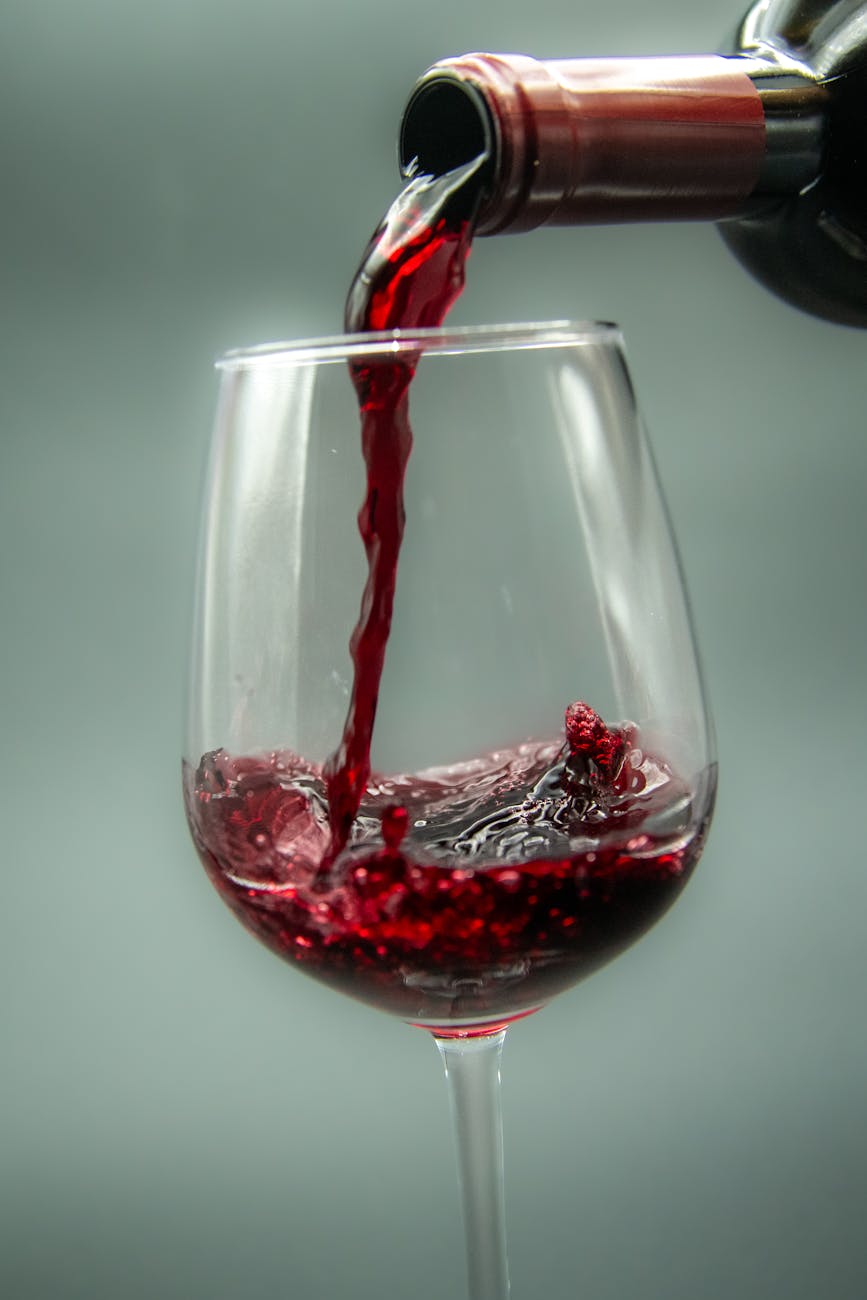
Cover Image: Photo by RDNE Stock project on Pexels.com
This three-part SOMM&SOMM Thanksgiving series is a celebration of gratitude, gathering, and the glass — designed to unfold just as the season does.
There’s a quiet beauty to early November. The Halloween decorations are packed away, the first cool fronts roll in, and suddenly the house feels like it’s waiting for something. For some, it’s the countdown to Christmas lights and shopping lists. But for many of us — those who live for the smell of roasting herbs, clinking glasses, and family stories that spill across the table — it’s the beginning of something more grounded: Thanksgiving season.
Somewhere along the way, this holiday has been tucked between the commercial fanfare of Halloween and Christmas, like the forgotten middle child of the holidays. But Thanksgiving deserves more. It’s a celebration of connection, of gratitude, of food shared and stories retold. It’s not about grand gestures or elaborate centerpieces — it’s about the simple act of gathering.
The Spirit of Thanksgiving
Before there were supermarkets and double ovens, Thanksgiving was born from gratitude — people giving thanks for harvest, survival, and community. It wasn’t a feast for show; it was a moment of pause. Somewhere amid our modern rush, that sense of quiet appreciation still exists — we just have to slow down enough to notice it.
Thanksgiving asks us to step away from our screens and schedules and gather with the people who make our world whole. Whether it’s family, friends, or the neighbors you only see once a year, it’s the one day when conversation, food, and drink matter more than the clock.
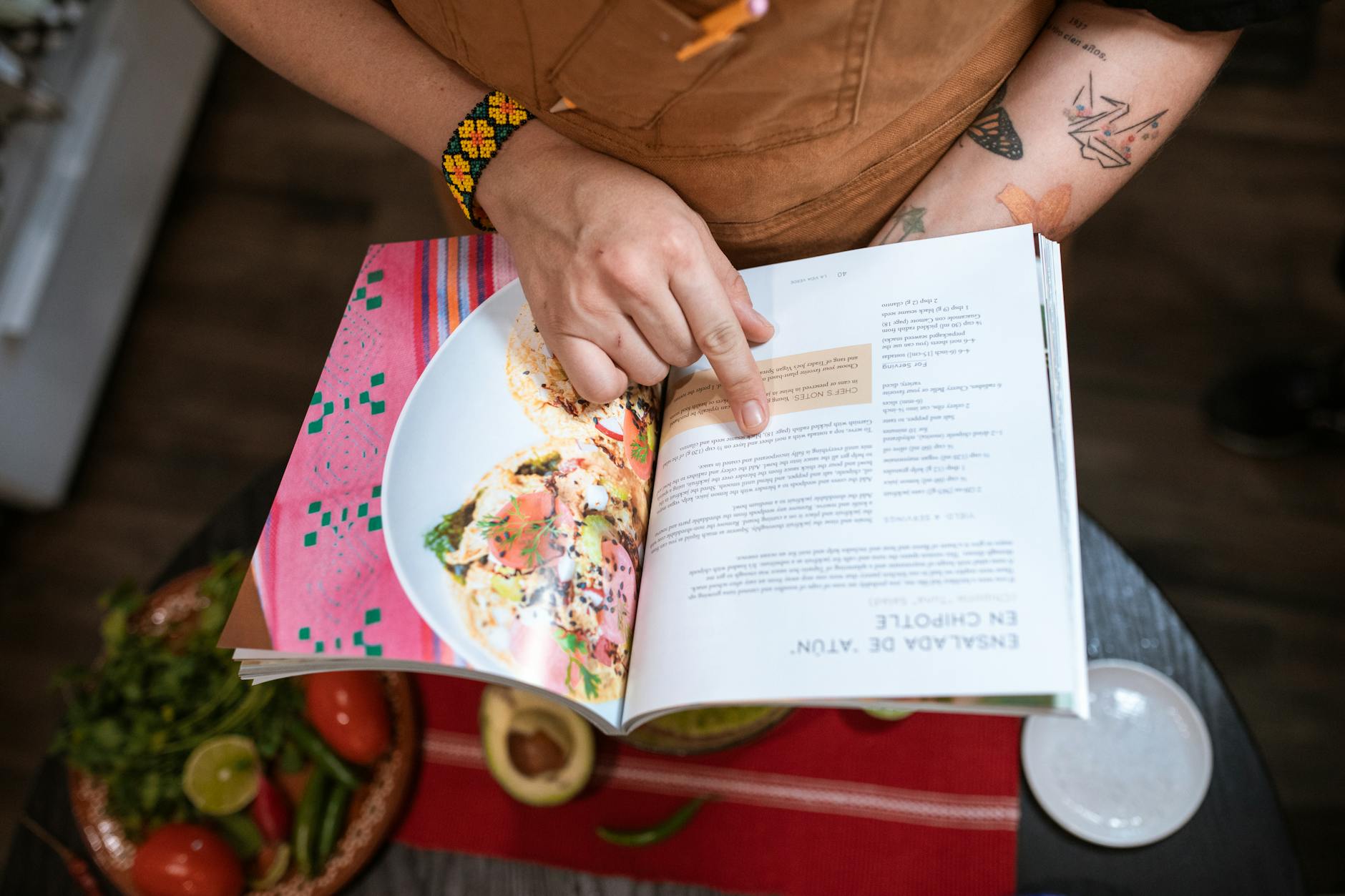
The weeks leading up to Thanksgiving are a perfect time to get back into the rhythm of the kitchen — and the cellar. Farmers’ markets are alive with squash, apples, and sweet potatoes. The first casseroles reappear, and “test runs” of favorite recipes start filling the air with familiar aromas.
It’s also the season to enjoy wines that ease us into the warmth of late autumn. Think of it as tuning your palate for what’s to come.
Try these cozy pre-holiday pairings:
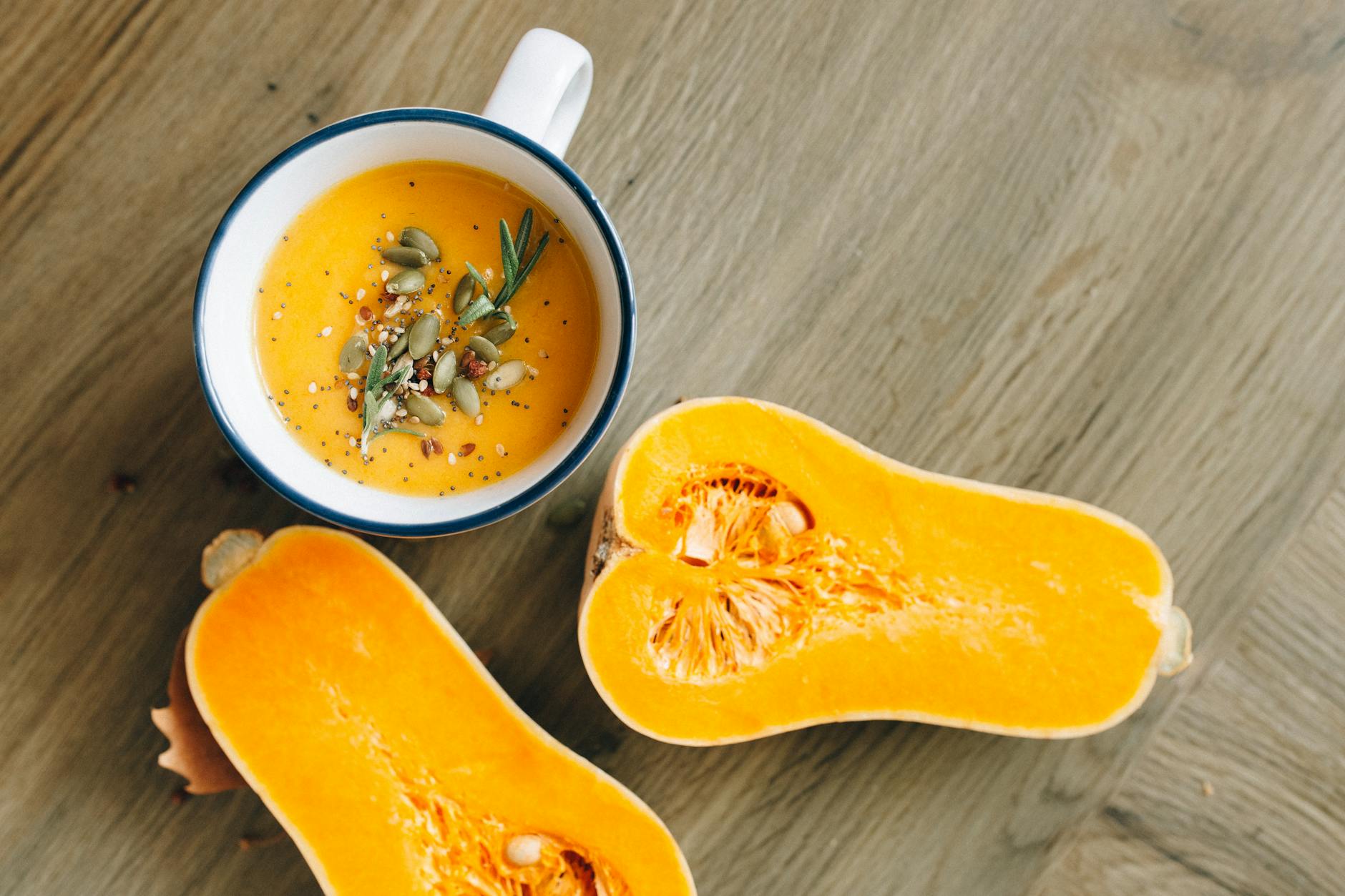
Roasted Butternut Squash Soup with Viognier: A rich, silky soup meets a wine with soft apricot and floral notes.
Mushroom Tartlets with Pinot Noir: Earthy and elegant, this combo practically defines autumn.
Apple and Brie Crostini with Sparkling Wine: Crisp, celebratory, and simple — ideal for impromptu gatherings.
These aren’t the wines you reserve for the main event — they’re for the small, beautiful in-between moments.
Let’s be honest — Thanksgiving can be a circus. There’s always a forgotten dish, a heated debate over football or politics, and that one relative who insists on bringing a “healthy” version of mashed potatoes. But these moments are part of the charm.
Every family has its quirks, just like every bottle has its surprises. The laughter, the noise, the imperfect timing — that’s the real flavor of the season. The best wines aren’t the most expensive; they’re the ones that taste better when shared.
So dust off the good glasses (or don’t), open something that makes you smile, and toast to the mess and magic of it all.
Over the next few weeks, we’ll take a deeper dive into the Thanksgiving experience — from the prep and planning to the meal itself. Each article will offer fresh pairing ideas, stories, and maybe a few borrowed family recipes.
For now, pour something seasonal, light a candle, and enjoy the calm before the carving. Thanksgiving isn’t just a day on the calendar — it’s a whole mood 🍷
Cover Photo by Anna Tukhfatullina Food Photographer/Stylist on Pexels.com
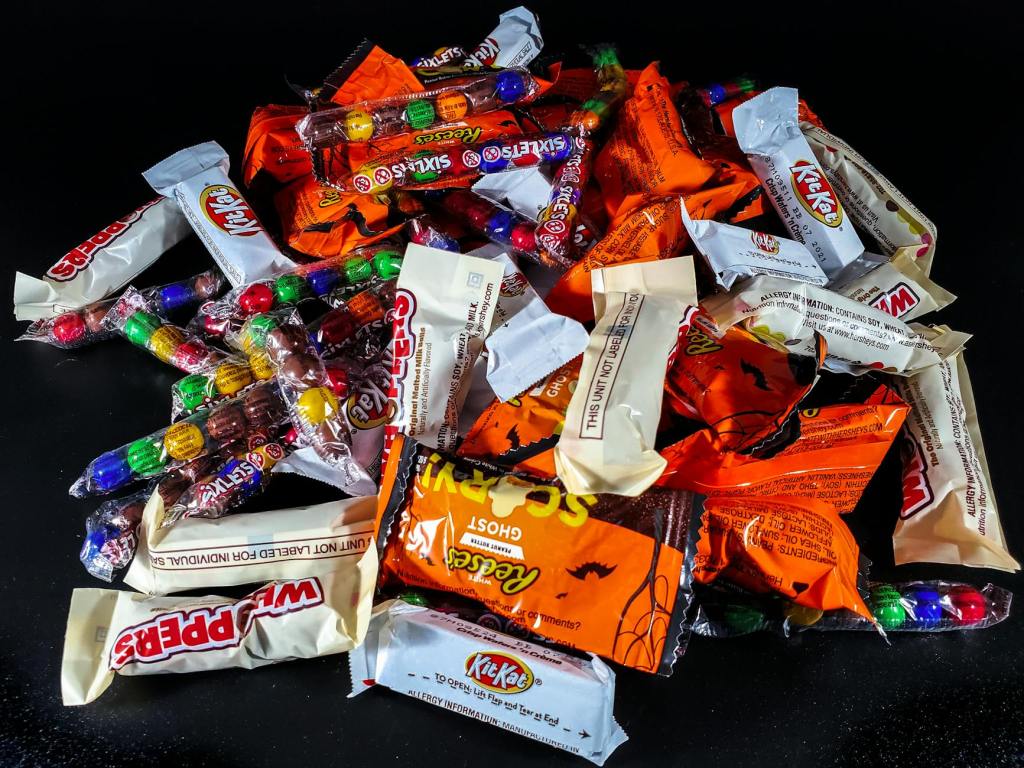
Halloween night: kids crash into sugar comas, the porch lights click off, and suddenly you’re left staring at a bowl of leftover candy… or the irresistible temptation of “parent tax” from your child’s trick-or-treat bag. (They’ll never notice three missing Snickers, right?)
While most people reach for milk or maybe a cold beer to tame the sweetness, sommeliers know the secret: wine can turn that guilty nibble into a pairing that’s equal parts science and sorcery. Here’s your ultimate grown-up guide to Halloween candy and wine—no costumes required.
Pairing: Tawny Port Why: Tawny’s caramelized nutty flavors mirror roasted peanuts, while its richness smooths out the chocolate. Think of it as peanut brittle with a PhD.
Snickers
Pairing: Banyuls (Fortified Grenache from Roussillon) Why: Chocolate, caramel, nougat, and peanuts are basically begging for a dessert wine with body. Banyuls checks every box, making Snickers feel Michelin-star worthy.
Twix
Pairing: Madeira (Bual style) Why: Biscuit crunch plus caramel is Madeira’s happy place. Bual Madeira’s nutty, oxidative character latches onto the cookie layer, while its acidity slices through caramel. Midnight snackers: prepare for joy.
Milky Way
Pairing: Demi-Sec Vouvray (Chenin Blanc, Loire) Why: Chenin’s baked apple and honey tones cozy up to the nougat while acidity keeps everything lively. Pairing magic in fun-size form.
Kit Kat
Pairing: Brut Rosé Champagne Why: Snap, fizz, pop. The bubbles cleanse, the rosé fruit lifts chocolate, and suddenly a humble Kit Kat feels like Paris Fashion Week.
M&Ms (Plain or Peanut)
Pairing: Ruby Port Why: Primary berry fruit for plain; roasted nut harmony for peanut. Both combos are dangerously addictive—consider hiding the bag from yourself.
Pairing: Lambrusco (Semi-Secco) Why: A little playful fizz balances chewy “chocolate-adjacent” flavor. Lambrusco is the trickster wine, turning this humble candy into a carnival.
Pairing: Mosel Riesling Kabinett Why: Riesling thrives on high acidity + residual sugar. The sour hit is tamed by Riesling’s sweetness, and the fruit flavors harmonize like a well-tuned string quartet.
Nerds
Pairing: Sparkling Brachetto d’Acqui (Italy) Why: Nerds are crunchy, tangy, and slightly chaotic. Brachetto, with its strawberry-soda vibes, makes this feel like a dessert cocktail at a Halloween carnival.
Gummy Bears (or Worms, if you’re ghoulish)
Pairing: Off-dry Rosé Sekt (Germany) Why: Juicy, bouncy gummies love a bright, berry-driven sparkling rosé. The bubbles bounce along with the gummy chew.
Pairing: Off-dry Gewürztraminer Why: Spicy aromatics cut through the waxy sugar bomb. You’ll never look at the triangular sugar pyramid the same way again.
Lollipops (Dum-Dums, Tootsie Pops, etc.)
Pairing: Demi-Sec Sparkling Wine (Crémant d’Alsace, Vouvray, or Cava) Why: Sucking on sugar wants bubbles. Add wine, and suddenly you’re the sophisticated kid on the block.
Smarties (U.S. version)
Pairing: Dry Lambrusco or Frizzante Rosé Why: Tart, chalky sweetness pairs with something equally zippy and refreshing. It’s the sommelier-approved palate cleanser of the candy haul.
When You’ve Really Raided the Bag…
At some point—maybe after the third glass—you’ll find yourself with a strange handful: a Milky Way, a handful of Skittles, and two rogue Tootsie Rolls. Here’s your move: Vin Santo(Tuscany). With its nutty, honeyed depth, Vin Santo doesn’t care what candy you throw at it—it’ll hold its own like the boss wine it is.
Halloween candy and wine might seem like a gimmick, but the rules of pairing don’t vanish when the costumes come out. Match sugar with sugar, balance fat with acidity, and use intensity to meet intensity. Suddenly, you’re not just sneaking candy—you’re hosting a private tasting in the glow of a jack-o’-lantern.
So the next time you “check” your kids’ haul while they sleep, or eye that bowl of leftovers like a haunted treasure chest, remember: it’s not theft, it’s pairing research.
To guilty pleasures, wickedly good wines, and Halloween indulgence—cheers! 🕸️🍷👻
🎃 Excerpt from “Confessions of a Halloween Professional”
You learn a few tricks after years in this business. The first lesson? Never leave your candy fate to chance. Relying on your kids’ trick-or-treat haul is like betting your wine cellar on a raffle ticket. That’s why true Halloween professionals—those of us with decades of “sweet-tooth field experience”—know the golden rule:
Always buy your favorite candy to hand out… and then conveniently “forget” a secret stash in the back of the pantry.
See, you’re not hoarding—you’re strategically allocating resources. When the doorbell finally stops ringing and the kids dump their loot across the living room floor like pirates counting treasure, you can smile, sip your wine, and feign disappointment.
“Oh no, you didn’t get any Reese’s this year? Tragic.”
Meanwhile, you know there’s a pristine bag still hiding behind the pasta sauce—your reward for a night of generosity, good parenting, and, of course, proper planning.
A Sommelier’s Perspective on a Misunderstood Masterpiece.
Few grapes embody both precision and passion like Riesling. For centuries, it has served as a mirror of its environment—expressing soil, slope, and sunlight with crystal clarity. Yet despite its reputation among sommeliers as one of the world’s most noble white varietals, Riesling has often been misjudged by casual drinkers. Too many still believe it’s synonymous with “sweet,” or worse—“simple.” Nothing could be further from the truth.
In reality, Riesling is among the most transparent and terroir-driven wines on the planet, capable of expressing everything from bone-dry austerity to honeyed decadence. It’s a grape that thrives on extremes—of climate, of acidity, of patience. And to truly appreciate Riesling, one must first understand the precision of German wine law and the beauty of its Prädikat system.
German wine law is among the most intricate in the world, and for Riesling lovers, it’s a roadmap to flavor. The system divides wines into quality levels based primarily on must weight—the sugar content of the grape juice before fermentation—rather than the sweetness of the finished wine.
Deutscher Wein
The most basic level—table wine, simple and typically not indicative of terroir. Rarely exported.
Landwein
Similar to France’s Vin de Pays, these are regional wines, often dry (trocken) or off-dry (halbtrocken), but still unassuming in style.
Qualitätswein (QbA) – “Quality Wine”
This is where Riesling begins to show its true colors. Qualitätswein must come from one of Germany’s 13 designated wine regions (Anbaugebiete) and meet strict standards for ripeness and quality. Chaptalization (adding sugar before fermentation to boost alcohol) is permitted at this level, but only to achieve balance—not sweetness.
Many of the crisp, mineral-driven Rieslings labeled as Trocken (dry) or Feinherb (off-dry) fall into this category. Think of it as Germany’s everyday elegance—structured, refreshing, and food-friendly.
Prädikatswein – “Wine with Distinction”
This is where the artistry truly begins. These wines are produced from grapes that reach specific natural sugar levels at harvest, with no chaptalization allowed. Within this elite category lies the Prädikat system, a six-tier hierarchy that captures the ripeness—and potential style—of the grapes.
Each level offers a glimpse into what nature and timing can achieve with the Riesling grape.
Kabinett
Light, elegant, and vibrant. Typically off-dry or dry with brisk acidity and low alcohol (8–11%). Expect green apple, lime zest, white peach, and slate minerality. Perfect Pairing: Fresh oysters, sushi, or a goat cheese salad. Think springtime in a glass.
Spätlese (Late Harvest)
Richer and riper, often with a delicate sweetness balanced by electric acidity. Aromas of ripe pear, nectarine, and honeyed citrus leap from the glass. Perfect Pairing: Spicy Thai dishes, seared scallops, or roast pork with apple chutney.
Auslese (Select Harvest)
Made from individually hand-selected grapes at peak ripeness, sometimes affected by noble rot (Botrytis cinerea). Lush and opulent with flavors of apricot, baked apple, and wildflower honey. Perfect Pairing: Foie gras, blue cheese, or simply enjoyed as dessert on its own.
Beerenauslese (Berry Select Harvest)
Botrytized berries concentrated by dehydration. Rich, viscous, and profoundly aromatic with candied pineapple, orange marmalade, and saffron. Perfect Pairing: Crème brûlée, Roquefort, or a quiet moment of indulgence.
Trockenbeerenauslese (Dry Berry Select Harvest)
The pinnacle of sweetness and rarity. Made from individually shriveled grapes that yield mere drops of nectar. Honey, fig, caramelized citrus, and beeswax define this elixir. Perfect Pairing: Patience. These wines are often cellared for decades, evolving like amber treasures.
Eiswein (Ice Wine)
Harvested from grapes naturally frozen on the vine, creating intense sweetness balanced by racing acidity. Notes of lemon curd, candied apple, and frozen peach. Perfect Pairing: Lemon tart, panna cotta, or a first snowfall.
From Law to Landscape
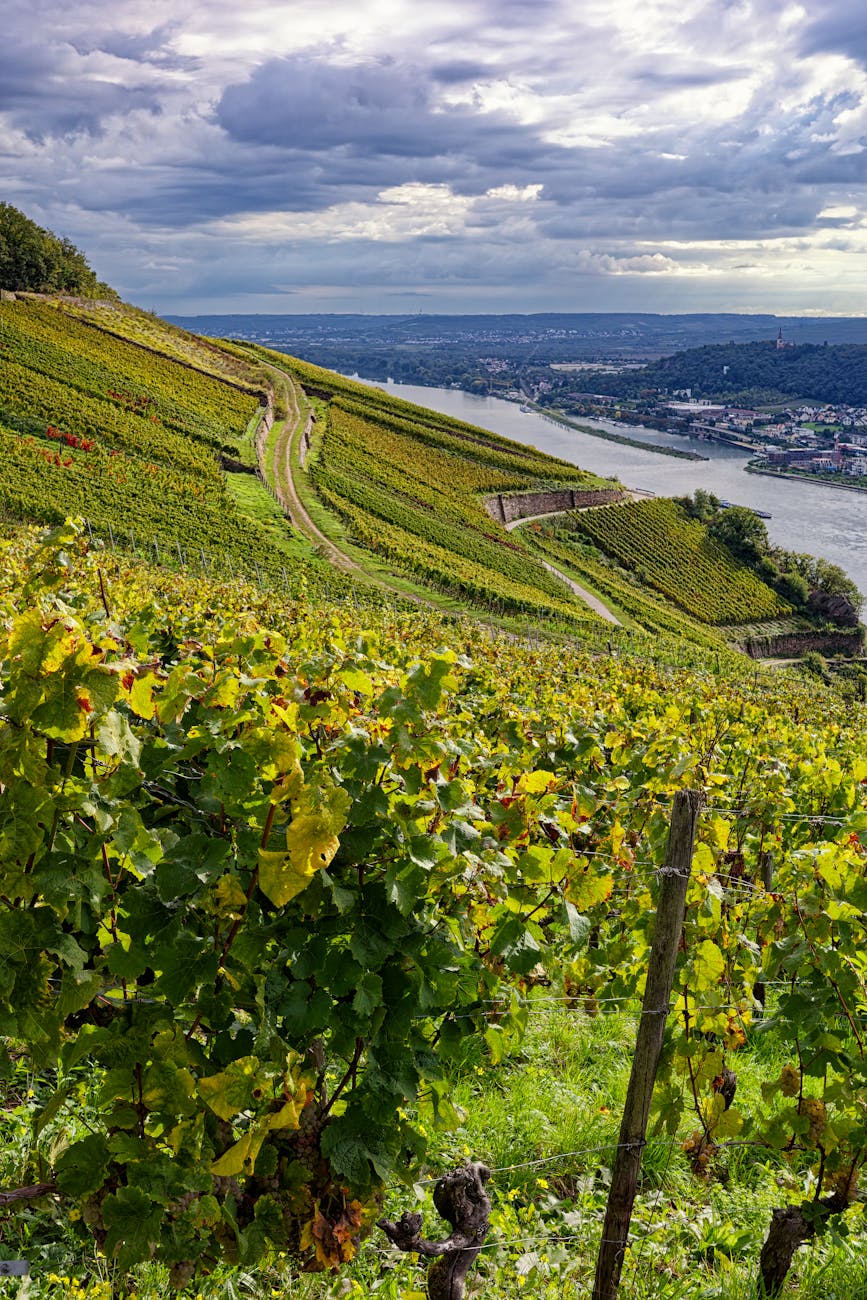
Germany’s strict wine laws set the framework for quality, but it’s the land itself that gives Riesling its unmistakable character. The country’s 13 Qualitätswein regions—Ahr, Baden, Franconia (Franken), Hessische Bergstraße, Mittelrhein, Mosel, Nahe, Pfalz, Rheingau, Rheinhessen, Saale-Unstrut, Saxony (Sachsen), and Württemberg—each tell a different story of climate, soil, and slope.
This time of year, as autumn deepens, vineyards in these regions are bustling with harvest activity. Grapes destined for Spätlese wines are often being picked now—left on the vine a bit longer to capture extra ripeness, flavor, and texture without sacrificing Riesling’s trademark acidity. These late-harvest wines offer notes of honeyed apple, ripe pear, and citrus zest, balanced by a refreshing spine of minerality that keeps the palate alive.
From the slate-rich soils of the Mosel to the sun-warmed terraces of the Pfalz, the combination of terroir and timing defines the magic of Riesling. Each bottle becomes a reflection not only of its region, but of the season itself—bright, crisp, and golden as the October leaves.
Germany’s 13 Qualitätswein Regions at a Glance
Region
Primary Style & Characteristics
Notable for Riesling
Ahr
One of the northernmost wine regions; steep slate slopes.
Elegant, mineral-driven whites (though better known for Pinot Noir).
Baden
Warmest region; diverse soils and microclimates.
Fuller-bodied, ripe Rieslings with lower acidity.
Franken (Franconia)
Limestone and gypsum soils; distinct bottle shape (Bocksbeutel).
Dry, earthy Rieslings with herbal notes and firm minerality.
Hessische Bergstraße
Smallest region, near Rheingau; early-ripening vineyards.
Fragrant Rieslings with floral aromatics and bright citrus.
Mittelrhein
Steep vineyards along the Rhine gorge.
Crisp, delicate Rieslings with lively acidity and stone fruit notes.
Mosel
Iconic slate slopes along the Mosel River.
Light-bodied, ethereal Rieslings with racy acidity and green apple zest.
Nahe
Diverse geology and microclimates.
Balanced Rieslings showing spice, fruit, and finesse.
Pfalz
Second largest; sunny and dry climate.
Riper, more fruit-forward Rieslings with hints of peach and apricot.
Rheingau
Historic and prestigious region along the Rhine.
Structured, age-worthy Rieslings with floral notes and fine acidity.
Rheinhessen
Largest region; rolling hills and fertile soils.
Versatile styles—from crisp dry to opulent sweet expressions.
Saale-Unstrut
Northern, cooler climate.
Delicate, high-acid Rieslings with subtle fruit.
Sachsen (Saxony)
Easternmost region, limited production.
Rare, refined Rieslings with citrus and mineral character.
Württemberg
Known for reds, but Riesling thrives in select sites.
Fresh, lightly floral Rieslings with moderate acidity.
Shattering the Riesling Misconception
The assumption that “Riesling = Sweet” stems from the flood of low-quality exports in the 1970s—often labeled Liebfraumilch—which were indeed sugary and simplistic. But true Riesling, particularly from regions like the Mosel, Rheingau, and Pfalz, demonstrates astonishing range.
A dry Mosel Riesling can rival a Chablis in its minerality, while a Spätlese or Auslese balances its sweetness with laser-like acidity that prevents any cloying sensation. In the hands of a skilled winemaker, sweetness is not a flaw—it’s a design choice, as deliberate and balanced as the brushstroke of an artist.
In fact, no other grape handles residual sugar with such grace. Riesling’s high natural acidity acts as a counterweight, giving even its sweetest expressions an exhilarating freshness.
Michal Osmenda from Brussels, Belgium, CC BY-SA 2.0, via Wikimedia Commons
The Sommelier’s Secret Weapon
Riesling is a sommelier’s dream because its versatility defies rules. Its acidity slices through fat, its aromatics complement spice, and its structure dances gracefully with difficult ingredients.
Pair Dry or Trocken Rieslings with:
Grilled seafood, lemon chicken, sushi, or vegetable tempura.
Pair Off-Dry or Spätlese Rieslings with:
Thai curry, barbecue pork, glazed ham, or spicy tuna tartare.
Pair Sweet Rieslings (Auslese and above) with:
Blue cheese, apple tart, foie gras, or simply conversation at sunset.
A Varietal Worth Rediscovering
Riesling is not just a grape—it’s a conversation between nature, time, and precision. It’s the sommelier’s paradox: capable of expressing both clarity and complexity, power and restraint, sweetness and structure.
For those who think they “don’t like Riesling,” I challenge you to explore its full spectrum. Start with a dry Kabinett Trocken from the Mosel, then move toward the honeyed glow of an Auslese or Eiswein. Each bottle tells a story of patience, craftsmanship, and devotion to balance.
Riesling is not for the unsophisticated—it’s for the curious, the attentive, and those willing to taste with both intellect and heart.
And once you do, you’ll understand why sommeliers around the world whisper what Germany has known for centuries: “Riesling isn’t just a wine—it’s the soul of a vineyard in a glass.” Cheers 🥂
There’s something inherently comforting about autumn—the way the air sharpens, the evenings stretch a little longer, and the familiar scent of cinnamon, baked apples, and bonfire smoke begins to hang in the air. In the cocktail world, that shift in season invites us to rethink our staples—trading mint for spice, citrus for orchard fruit, and effervescence for warmth.
Enter the Apple Cider Whiskey Sour—a modern twist on one of the oldest and most beloved cocktails in the canon.
The Evolution of the Whiskey Sour
The Whiskey Sour has been quenching thirsts and warming spirits since the mid-1800s. Its origins trace to sailors who blended citrus juice with spirits to stave off scurvy (and perhaps boredom) on long voyages. Eventually, bartenders refined the ratio of spirit, sugar, and acid into a formula so balanced it became a cornerstone of cocktail craftsmanship: 2 parts spirit, 1 part sour, 1 part sweet.
Our autumn adaptation doesn’t stray far from that golden ratio. Instead, it leans into the season, replacing part of the sweetness with fresh apple cider, a nod to harvest festivals, hayrides, and the comforting rhythm of fall.
The genius of a twist lies in evolution, not reinvention. You don’t abandon the foundation; you reinterpret it through a seasonal lens.
In this version, apple cider adds more than sweetness—it adds texture and nuance. Its natural tannins echo those found in whiskey, creating harmony in every sip. A dash of Angostura bitters introduces a whisper of baking spice, enhancing the cider’s character while grounding the citrus brightness.
Then there’s the garnish—a simple apple slice and cinnamon stick. It’s not just aesthetic; the cinnamon subtly infuses the drink as you sip, while the apple adds an aromatic cue that primes your palate for what’s to come.
Behind every great cocktail lies a lesson in chemistry. The lemon juice provides the acid backbone—cutting through the cider’s sweetness and brightening the whiskey’s depth. The simple syrup rounds out the sharp edges, acting as the bridge between citrus and spirit.
Choosing your whiskey determines the drink’s personality:
Bourbon brings caramel, vanilla, and a touch of sweetness.
Rye whiskey offers peppery spice and dry structure, elevating the drink with a little extra bite.
A shaker of ice transforms this balanced mix into a symphony—chilling, aerating, and diluting just enough to let every note sing.
Shake whiskey, lemon juice, cider, syrup, and bitters over ice for 15–20 seconds.
Strain into your glass, neat or over ice.
Garnish with an apple slice and cinnamon stick.
Sip, savor, repeat.
The Sensory Experience
Take a moment before your first sip. Inhale the aroma—the citrus sparkle, the baked-apple warmth, the earthy wood of whiskey and spice. Then taste: a bright entry of lemon gives way to a rich, rounded mid-palate of apple and oak, finishing with a clean, dry whisper of cinnamon.
This is a cocktail that evolves as it sits. The cinnamon garnish slowly releases its oils; the ice gently softens the acidity. Each sip becomes a slightly new expression of the season.
Pairing Suggestions
We often tell our readers that the Apple Cider Whiskey Sour is both a drink and a mood—but if you want to pair it, think rustic, autumnal, and cozy:
Food: roasted pork tenderloin with apples, maple-glazed carrots, or aged cheddar.
Cheese board: sharp white cheddar, smoked gouda, and a few candied pecans.
Dessert: apple crumble, spice cake, or a bourbon pecan pie (yes, please!).
It also plays beautifully with casual bites during a fall gathering—think caramel popcorn, roasted nuts, or applewood-smoked sausage.
The Story Behind the Sip
This cocktail started as a tribute to Tammy’s two great autumn loves—bourbon and apple cider. She’s a true Bourbon Girl, and when the first hint of fall hits, she dives headfirst into cider season like it’s a competitive sport. One evening, watching her savor a glass of bourbon while talking about the perfect cider blend, I had an idea: why not bring her favorites together in one glass?
The result was the Apple Cider Whiskey Sour—bright, rich, and perfectly balanced, just like her. From that first shake and pour, I knew it would become our go-to signal that autumn had officially arrived. Now, every fall, I make the first round while she grabs the blanket and picks the movie. Some traditions just taste too good to change.
The Season in a Glass
The Apple Cider Whiskey Sour is more than a drink—it’s the intersection of tradition and creativity. It captures what makes cocktail culture timeless: the ability to tell new stories using familiar ingredients.
In every sip, there’s a hint of nostalgia, a dash of innovation, and a celebration of balance—the same philosophy that inspires our entire Sips & Stories series.
So as the nights cool and the cider flows, raise your glass. Here’s to tradition with a twist. Here’s to stories worth sipping.
There’s something magical about football season. Whether it’s college Saturdays or NFL Sundays, friends and family gather around the big screen, jersey-clad and hungry, ready to cheer (and sometimes yell) at the TV. Beer has long been the default game-day drink of choice — frosty lagers with wings, hoppy IPAs with pizza, and maybe a stout with chili.
But what if we took those classic pairings and gave them a sommelier’s twist? Enter wine and cocktails: unexpected, exciting, and surprisingly perfect with your favorite tailgate snacks. Here’s how to substitute your standard pint with a pour that takes game-day cuisine to new levels.
Beer stand-in: Crisp Pilsner Upgrade: California Chardonnay or a Smoky Margarita
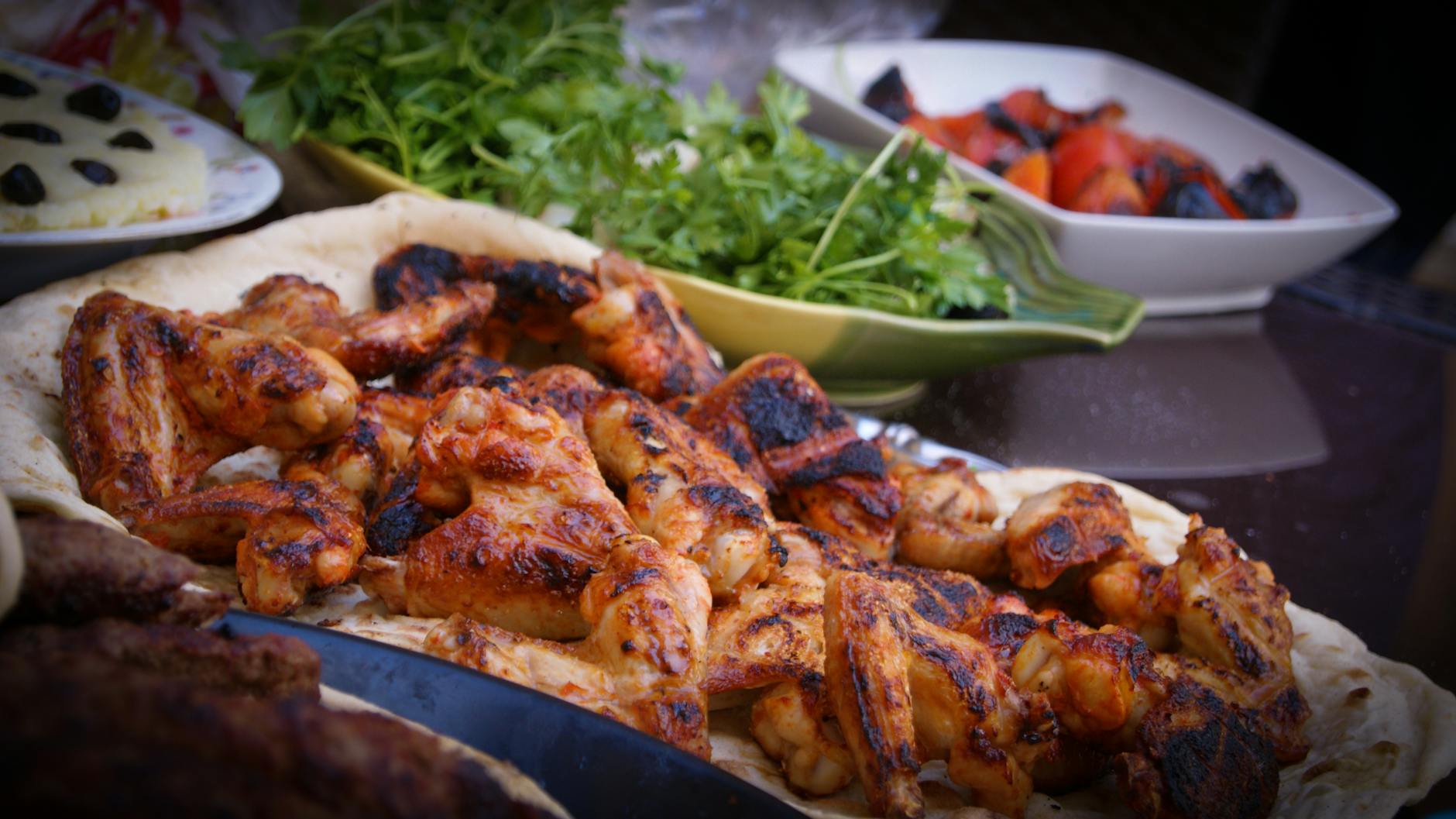
Buffalo wings love beer — but they also love balance. A California Chardonnay with just the right oak brings a buttery backbone to tame the spice while citrus and apple notes cut through the richness. If you prefer cocktails, shake up a Smoky Margarita: mezcal for depth, lime for brightness, and a splash of orange liqueur for sweet relief against the heat.
Smoky Margarita Recipe
2 oz mezcal
1 oz fresh lime juice
0.5 oz Cointreau (or triple sec)
0.5 oz agave nectar
Shake with ice, strain into a salt-rimmed glass, garnish with lime.
Beer stand-in: Hoppy IPA Upgrade: Chianti Classico or a Sparkling Negroni
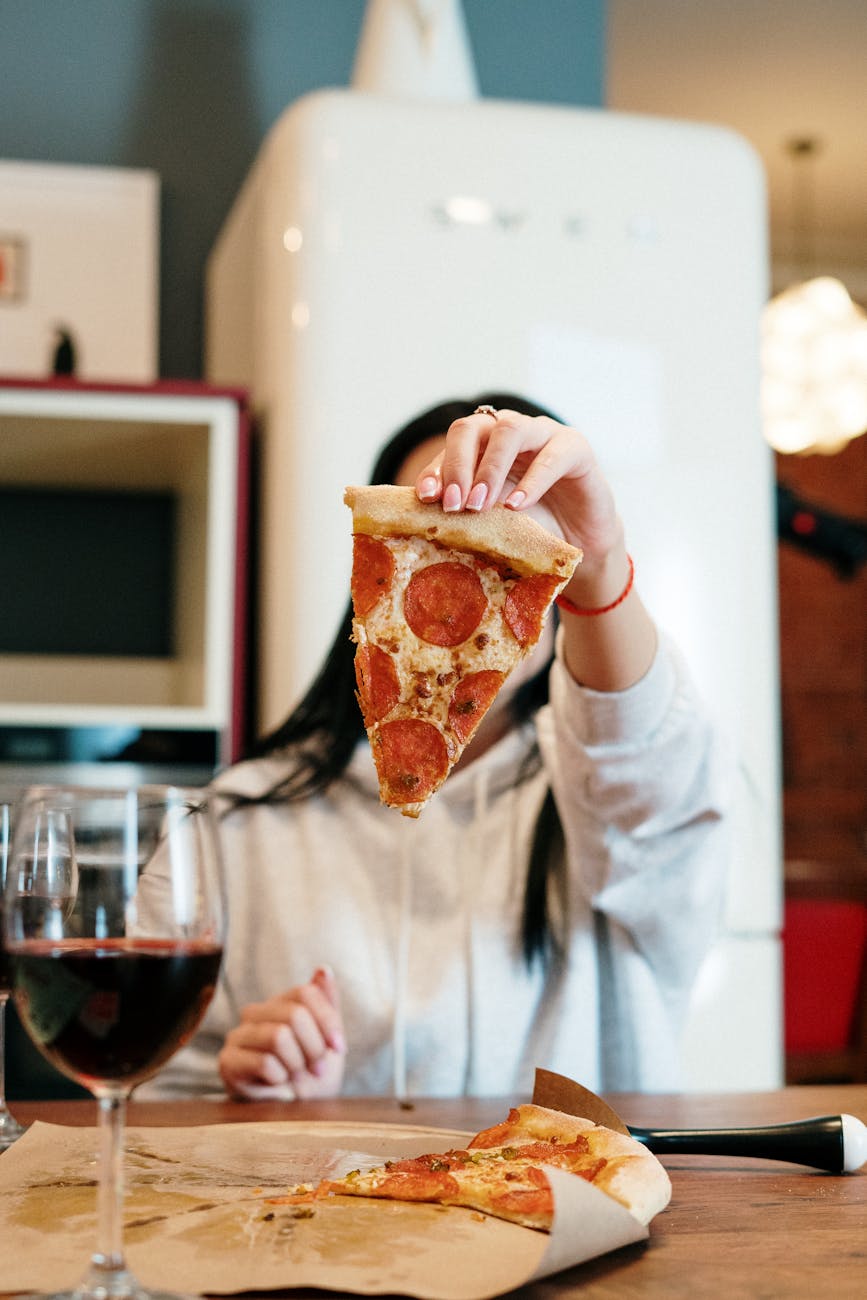
Pizza night is game day royalty. Instead of an IPA, pour a glass of Chianti Classico — the bright acidity of Sangiovese slices through gooey cheese while cherry and herbal notes sing with pepperoni or sausage. Want something more playful? A Negroni Sbagliato (with Prosecco instead of gin) is effervescent, bittersweet, and a nod to Italian flair.
👉 “Pro tip: it’s pronounced ‘Spah-lee-AH-toh.’ If you fumble it, just smile — after a sip or two, nobody’s keeping score anyway.” 🏈🍹
Negroni Sbagliato Recipe
1 oz Campari
1 oz sweet vermouth
2 oz Prosecco
Build in a glass over ice, stir gently, garnish with an orange slice.
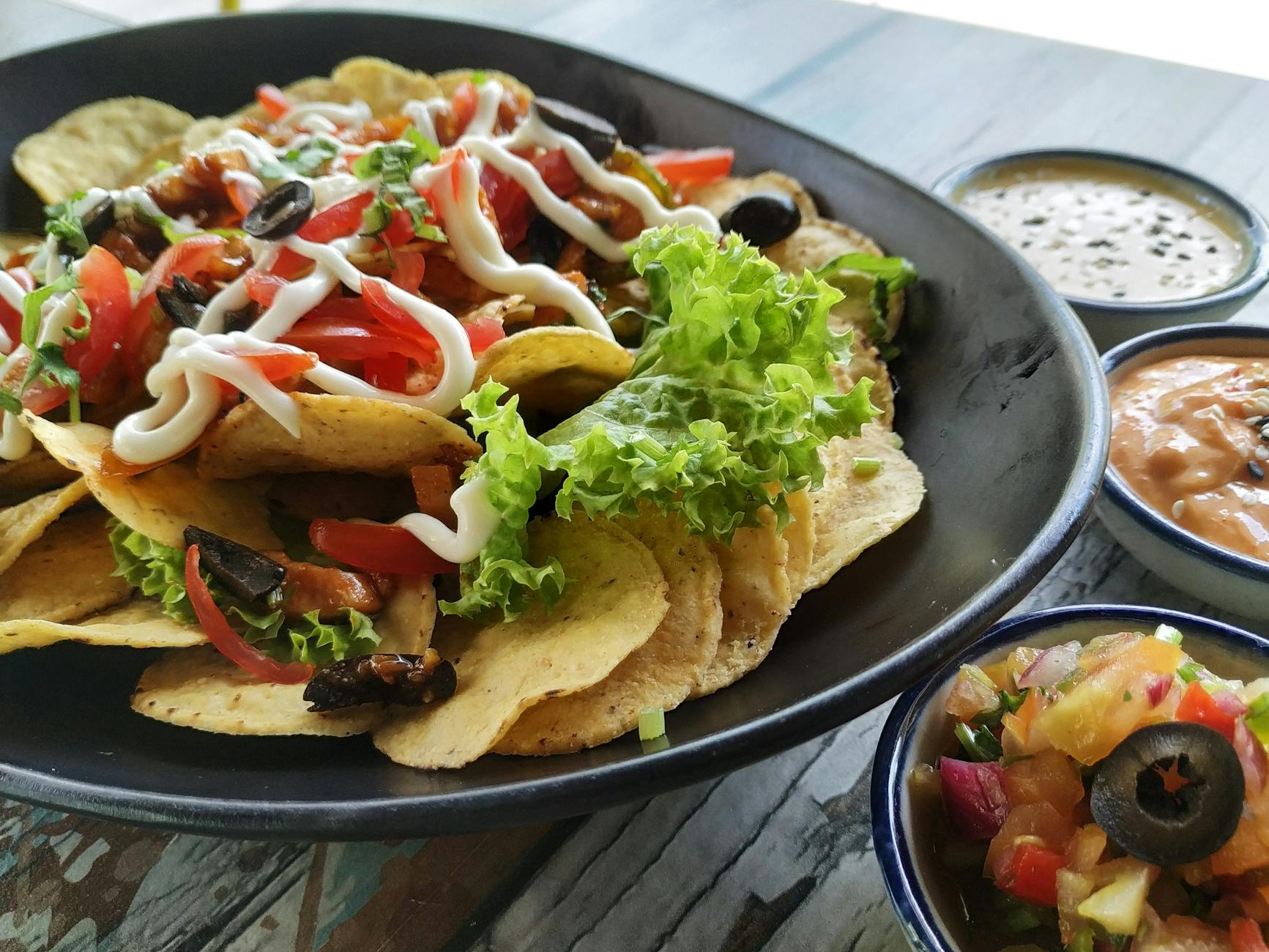
Beer stand-in: Mexican Lager Upgrade: Off-Dry Riesling or a Grapefruit Paloma
Nachos are all about layers: salty chips, gooey cheese, spicy jalapeños, and maybe some pulled pork. An off-dry German Riesling brings zesty citrus, floral aromatics, and just enough sweetness to tame the spice. Or shake things up with a Paloma — tequila, grapefruit soda, and lime for a refreshing, citrus-driven counterpoint.
Paloma Recipe
2 oz tequila blanco
0.5 oz lime juice
Top with grapefruit soda (Jarritos or Fresca work)
Salt rim optional, garnish with a grapefruit wedge.
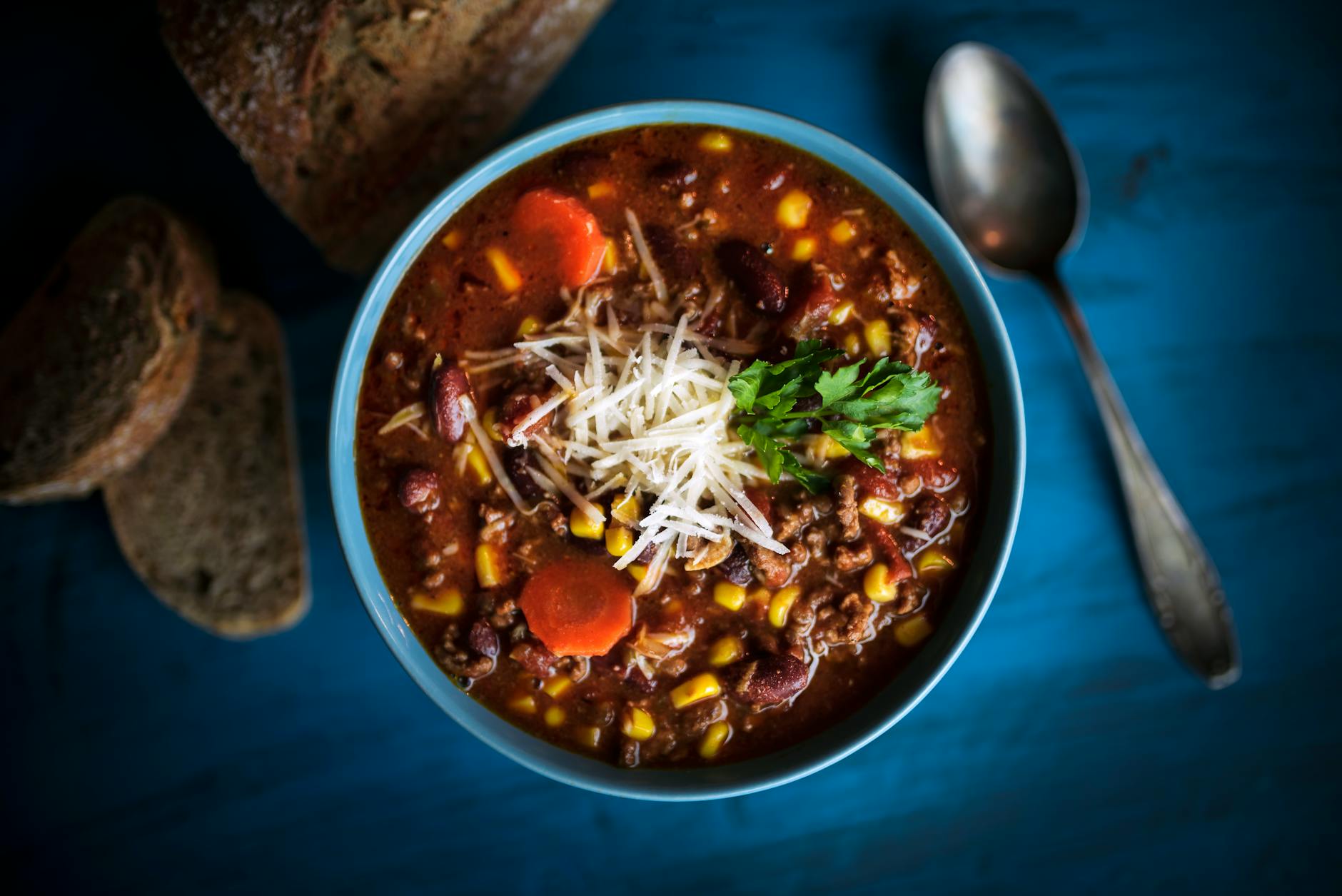
Beer stand-in: Stout Upgrade: California Zinfandel or a Classic Old Fashioned
Hearty, spicy chili is a Sunday staple. Instead of a stout, uncork a California Zinfandel — jammy black fruit and spice stand tall against smoky meats and heat. For cocktail fans, nothing beats an Old Fashioned: whiskey, bitters, sugar, and an orange twist. Its richness echoes the depth of the chili while keeping the palate refreshed.
Old Fashioned Recipe
2 oz bourbon or rye whiskey
1 sugar cube (or 0.25 oz simple syrup)
2 dashes Angostura bitters
Stir with ice, strain over a large cube, garnish with orange peel.
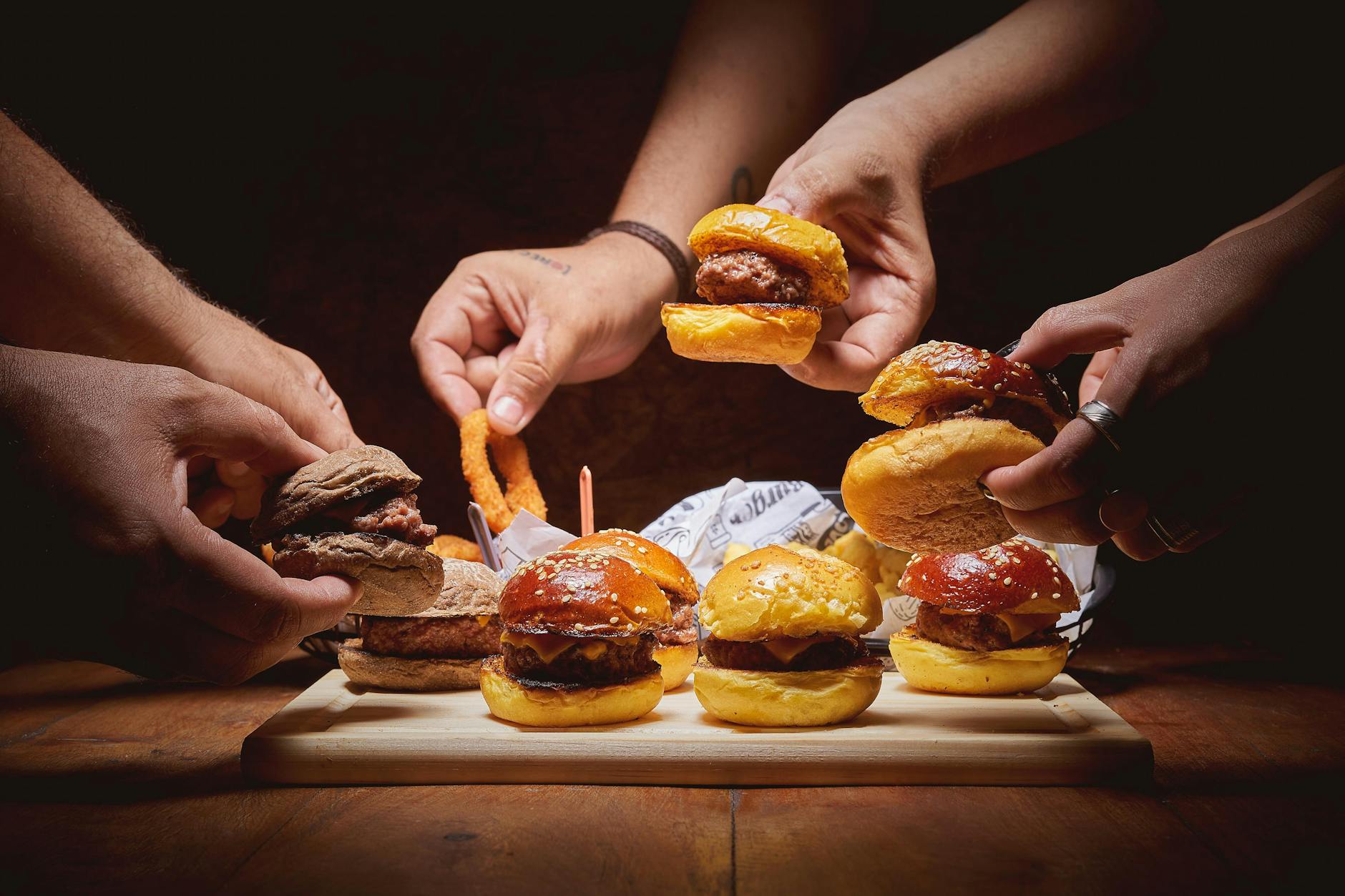
Beer stand-in: Amber Ale Upgrade: Sparkling Rosé or a French 75
Sliders may be small, but they’re packed with flavor — especially when piled high with cheese, pickles, and sauce. Sparkling Rosé cuts the richness with bubbles while berry notes match the savory-sweet balance of the burger. For a cocktail play, the French 75 adds gin botanicals and Champagne sparkle to the mix.
French 75 Recipe
1 oz gin
0.5 oz fresh lemon juice
0.5 oz simple syrup
Shake, strain into flute, top with 2 oz Champagne, garnish with lemon twist.
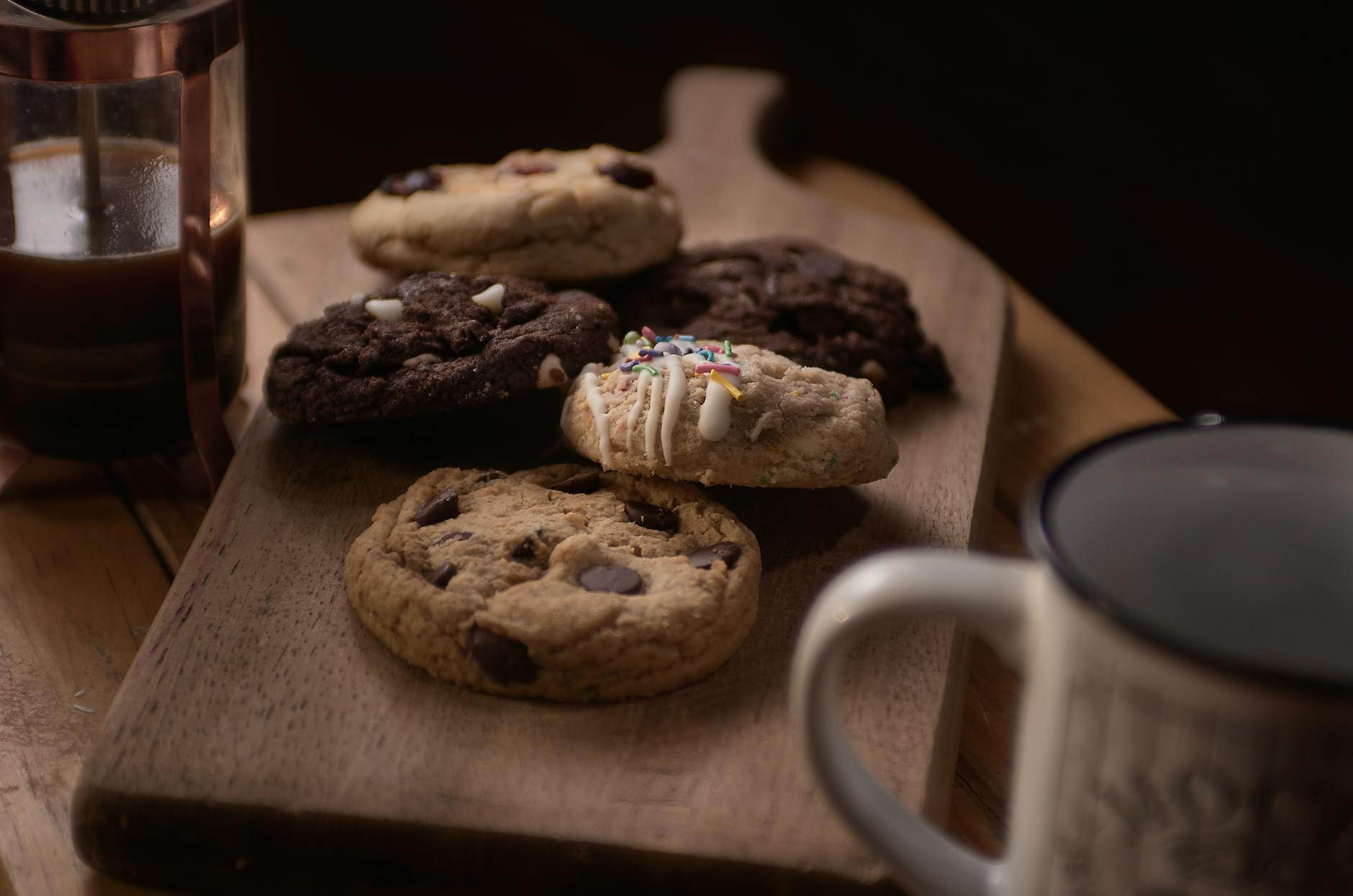
Don’t forget the fourth quarter sweet tooth. For brownies or cookies, swap milk stout for Ruby Port — sweet, fruity, and indulgent. Or kick into overtime with an Espresso Martini, a modern classic that blends vodka, coffee liqueur, and espresso — the perfect nightcap after a day of touchdowns.
Espresso Martini Recipe
2 oz vodka
0.5 oz coffee liqueur (Kahlúa)
1 oz freshly brewed espresso (cooled)
Shake hard with ice, strain into coupe, garnish with 3 coffee beans.
Here’s to touchdowns and tailgates, rivalries and replays, wings and wine, cocktails and camaraderie. May your team win — and may your glass never be empty. 🍷🏈🍸
Gregory and Tammy Dean, SOMM&SOMM
Cover Photo by Jean-Daniel Francoeur on Pexels.com
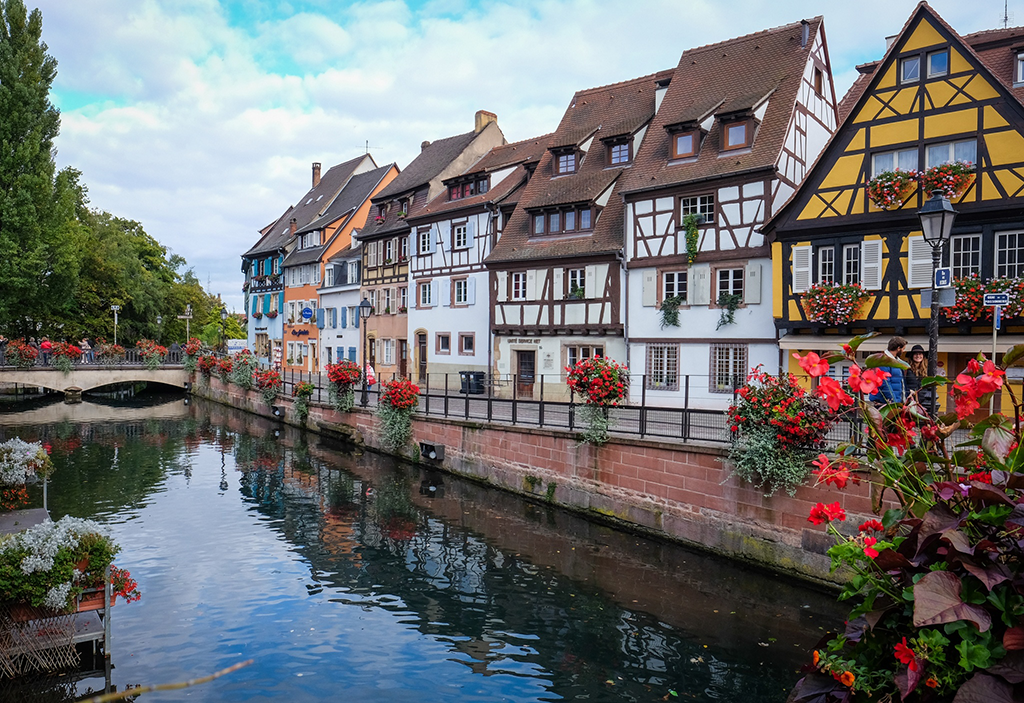
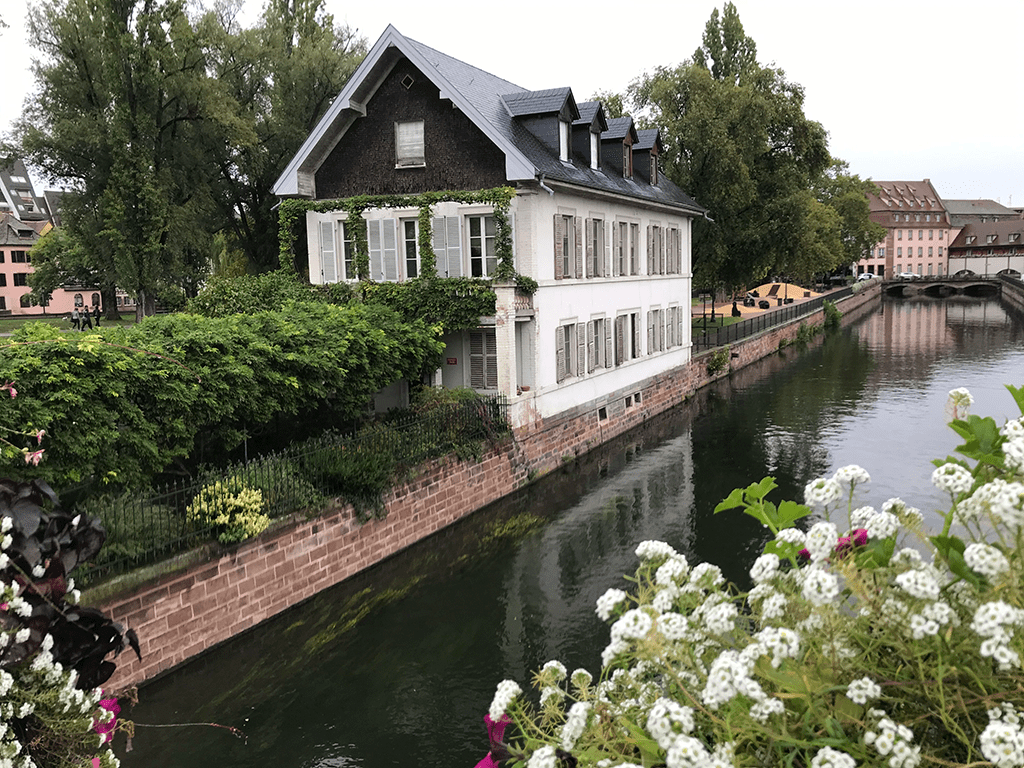
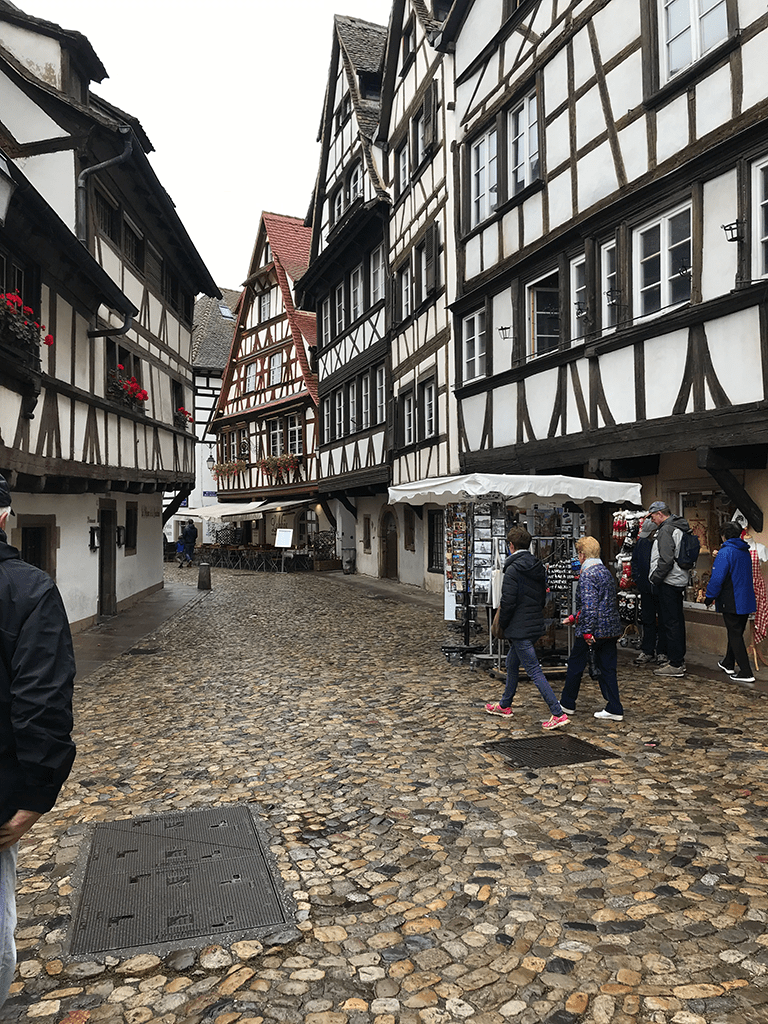
There are places you visit, and then there are places that live inside you forever. For Tammy and me, Alsace falls firmly into the latter category. Years ago, we wandered the cobblestone streets of Strasbourg, where half-timbered houses leaned like old friends, flower boxes spilled with color, and cathedral bells echoed against the Vosges mountains. We thought we were traveling for pleasure… and wine—and oh, the wine delivered—but what we found was culture, tradition, and flavors so intertwined they seemed inseparable.
Strasbourg, France (October 2019)
Alsace is a region where wine is not just agriculture—it’s identity. And at the center of this identity are the four noble grapes: Riesling, Gewürztraminer, Pinot Gris, and Muscat. These are not just grape varieties; they are storytellers of the land, each whispering its tale in a glass.
If Alsace has a crown jewel, it’s Riesling. Unlike its German cousins, Alsatian Riesling is bone-dry, linear, and precise. Think citrus zest, green apple, crushed stone, and a thrilling minerality that seems carved straight from the Vosges slopes.
Pairing tip: Riesling is your ultimate table diplomat. It shines alongside choucroute garnie (that glorious plate of sauerkraut, sausage, and pork), cutting through richness with refreshing acidity. It also plays beautifully with oysters, grilled fish, or even Thai cuisine if you’re in the mood to experiment.
Gewürztraminer – The Drama Queen
If Riesling is the king, Gewürztraminer is the diva of the court. Intensely aromatic and flamboyant, it bursts with rose petals, lychee, ginger, and exotic spice. Tammy once described it as “the perfume counter of the vineyard,” and I can’t think of a better metaphor.
Pairing tip: Bold wines need bold partners. Try it with Munster cheese, the pungent, washed-rind treasure of Alsace. The match is unforgettable—wine and cheese meeting on equal footing, neither backing down. It’s also superb with spicy Indian curries, Moroccan tagines, or richly spiced duck.
Many only know Pinot Grigio in its lighter Italian form, but Alsatian Pinot Gris is an entirely different soul—textured, smoky, and lush, with flavors of ripe pear, honey, almond, and sometimes even a whisper of truffle. It has a weight and gravitas that sneaks up on you, like a quiet poet at the edge of the party who suddenly steals the show.
Pairing tip: This is the wine you want with foie gras, roast duck, or mushroom risotto. Its richness and depth embrace earthy, savory flavors like a long, warm evening by the fire.
Muscat – The Trickster
Dry Muscat from Alsace is a delightful surprise. Bursting with fresh grape, floral, and herbal notes, it tastes almost as if you’re biting into a cluster straight off the vine. Unlike Muscats from elsewhere, it’s playful but not sweet—a charming apéritif and a sommelier’s secret weapon.
Pairing tip: Asparagus, the bane of wine pairings, finds its match in Alsace Muscat. The grape’s freshness and delicate aromatics tame the vegetal bite, making it one of the few wines I confidently pour with spring asparagus dishes.
One of the reasons Alsace stands out in France is its unique wine laws. Unlike Burgundy or Bordeaux, where wines are labeled by village or château, Alsace bottles proudly state the grape variety—a refreshing rarity in France. If the label reads Alsace Riesling, you know it’s 100% Riesling.
The hierarchy builds from there:
Alsace AOC: The broad regional designation, covering the majority of wines.
Alsace Grand Cru AOC: Reserved for 51 specific vineyards with stricter rules on yields, ripeness, and only noble grapes (with Zotzenberg’s historic exception allowing Sylvaner). The vineyard name is prominently displayed.
Vendange Tardive (VT): Late-harvest wines, rich and concentrated, often with honeyed sweetness.
Sélection de Grains Nobles (SGN): Botrytized dessert wines of incredible intensity, produced only in the best vintages.
These classifications don’t just regulate—they protect the integrity of the region’s wines, ensuring that when you pour a glass of Alsace, you’re tasting a true expression of place.
Still enjoying Alsatian wines while reflecting on our time there
Producers to Seek Out
If you want to experience the noble grapes at their best, here are some producers that never fail to impress:
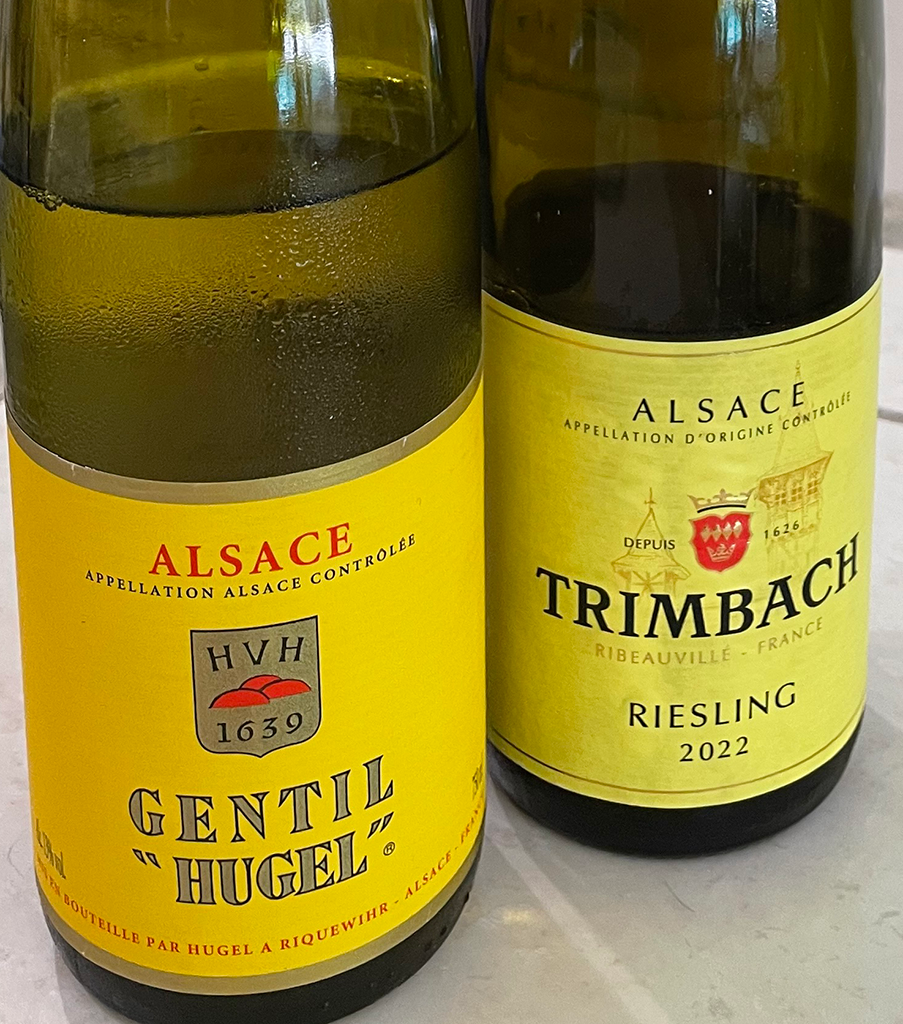
Trimbach – Benchmark dry Rieslings (look for Clos Ste. Hune if you want to experience one of the greatest Rieslings in the world). Their Pinot Gris and Gewürztraminer are equally classic.
Zind-Humbrecht – Known for intensely aromatic, powerful wines, often with a touch more ripeness and residual sugar. Their Grand Cru bottlings are legendary.
Hugel & Fils – Historic family estate, producing approachable yet serious wines. Their “Grossi Laüe” line highlights Alsace’s grandeur.
Albert Mann – A modern, biodynamic producer that balances tradition with innovation. Try their Grand Cru Rieslings and Pinot Gris.
Marcel Deiss – Famous for field blends (complantation) that showcase terroir rather than varietal—unique, complex wines outside the norm of Alsace labeling.
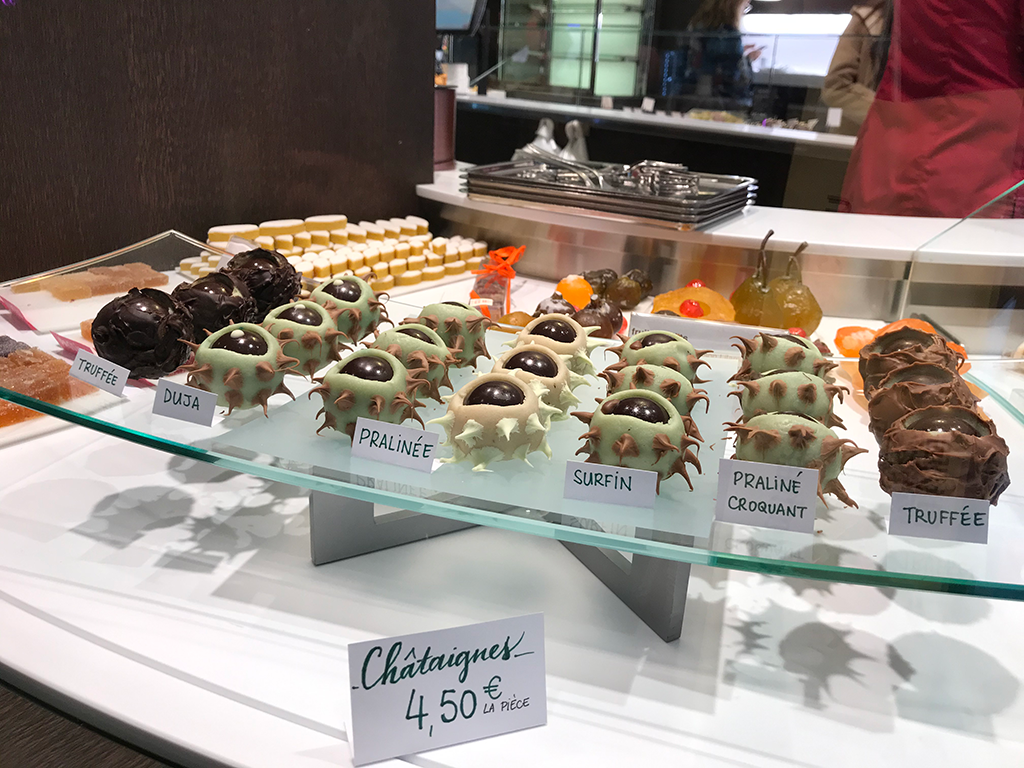
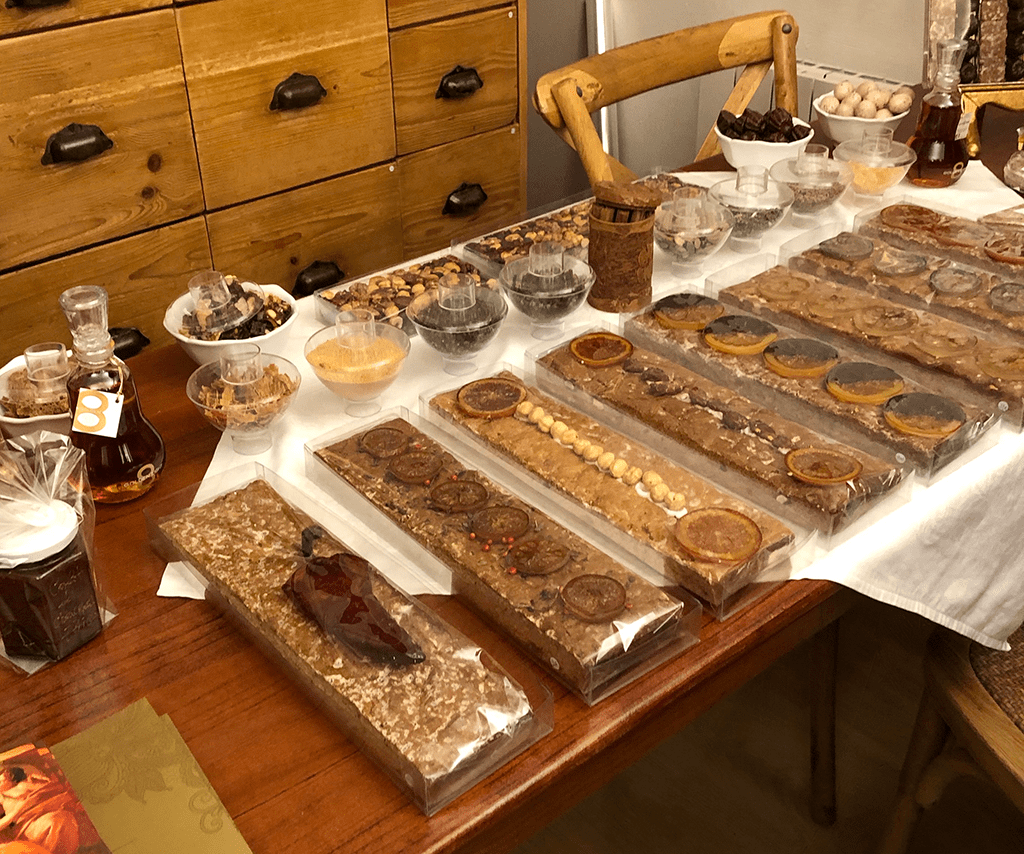
A glimpse of our visit to Alsace
Why Alsace Stays With Us
When Tammy and I reminisce about Alsace, it’s not just the glasses we lifted but the way each grape embodied a piece of the region itself. Riesling was the sharpness of Strasbourg’s cathedral spire. Gewürztraminer the riot of color in every flower box. Pinot Gris the soft, golden glow of dusk on the Rhine. Muscat the laughter spilling from a tavern where beer and wine happily share the same table.
Every time we open a bottle of Alsace, it feels like a postcard arriving from Strasbourg. And trust me, these postcards never fade. So here’s to Alsace—where Riesling sharpened our senses, Gewürztraminer stole the spotlight, Pinot Gris wrapped us in quiet warmth, and Muscat made us laugh out loud. To Strasbourg, to cobblestones and cathedral bells, and to every glass that brings us back there again—santé 🥂
SOMM&SOMM Takeaway: The noble grapes of Alsace aren’t just wines—they’re laws, landscapes, and culture in liquid form. To drink Alsace is to taste a region where identity and glass are inseparable.
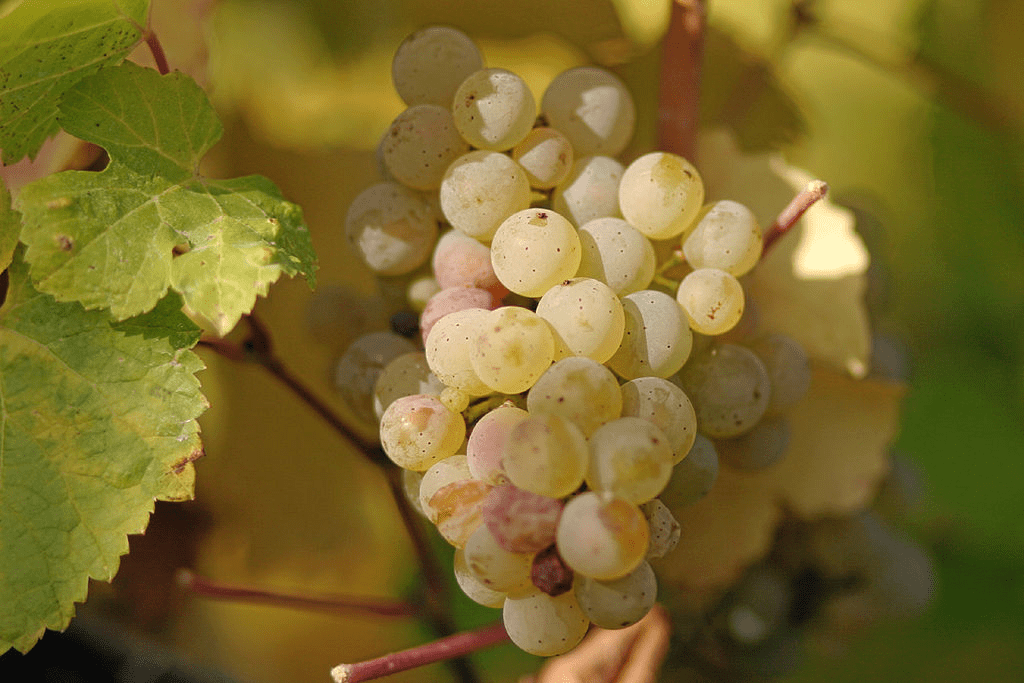
Information on cover photo: Riesling Grapes and Leaves – No machine-readable author provided. T.o.m.~commonswiki assumed (based on copyright claims)., CC BY-SA 3.0, via Wikimedia Commons
Every fall, as the leaves start to turn and the evenings grow cooler, the world’s attention turns to Munich, Germany. Beer steins are hoisted high, brass bands play traditional Bavarian tunes, and hearty dishes like pretzels, sausages, and roasted chicken take center stage. But Oktoberfest is far more than a giant beer party—it’s a cultural celebration steeped in history, tradition, and a touch of lore. Let’s raise a virtual stein together and explore what makes Oktoberfest the most famous beer festival on the planet.
Das Kronprinzenpaar Ludwig und Therese von Bayern vor Aschaffenburg (1818) – F. T. Berg, Public domain, via Wikimedia Commons
A Royal Wedding That Started It All
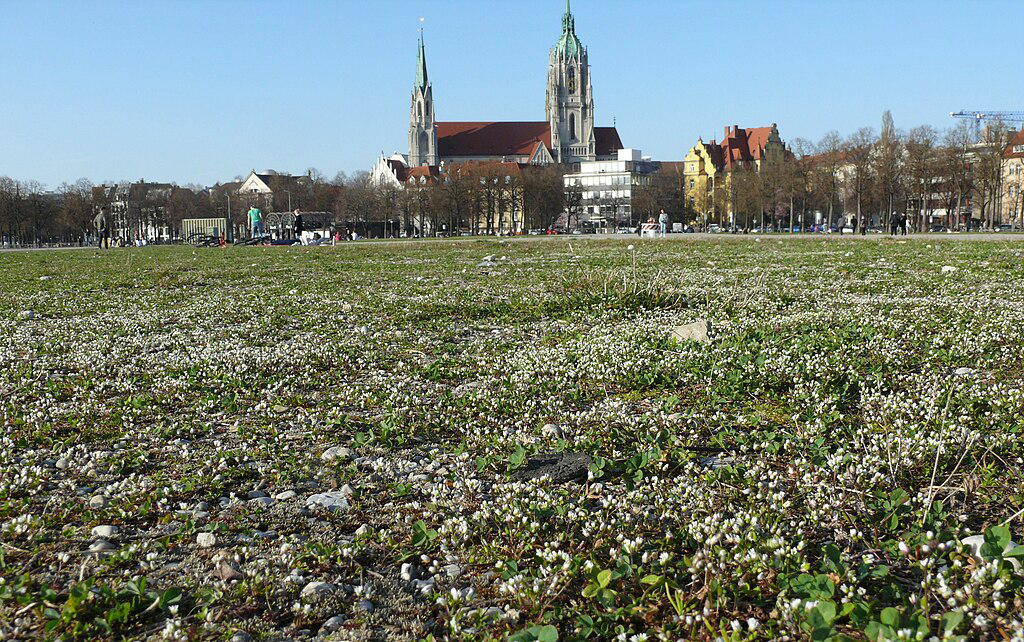
Oktoberfest traces its roots back to October 12, 1810, when Crown Prince Ludwig of Bavaria (later King Ludwig I) married Princess Therese of Saxony-Hildburghausen. The citizens of Munich were invited to join in the festivities, which took place on the fields in front of the city gates. To honor the bride, the fields were named Theresienwiese (“Theresa’s Meadow”), a name still used today.
Theresienwiese (“Theresa’s Meadow”) – Martinus KE, CC BY-SA 4.0, via Wikimedia Commons
The five-day celebration concluded with horse races, food, music, and, naturally, beer. The event was such a success that Munich decided to repeat it the following year, and so the tradition was born. Over time, agricultural fairs, parades, carnival rides, and of course, the brewing of special beers, transformed Oktoberfest into the global phenomenon we know today.
Why Does Oktoberfest Start in September?
Here’s a quirky twist: Oktoberfest doesn’t actually take place in October anymore—at least, not mostly. The festival now traditionally begins in late September and runs through the first Sunday in October. This change was made in the late 19th century to take advantage of warmer weather and longer days.
For 2025, Oktoberfest in Munich runs from September 20 to October 5. That’s over two weeks of music, merriment, and malty magic.
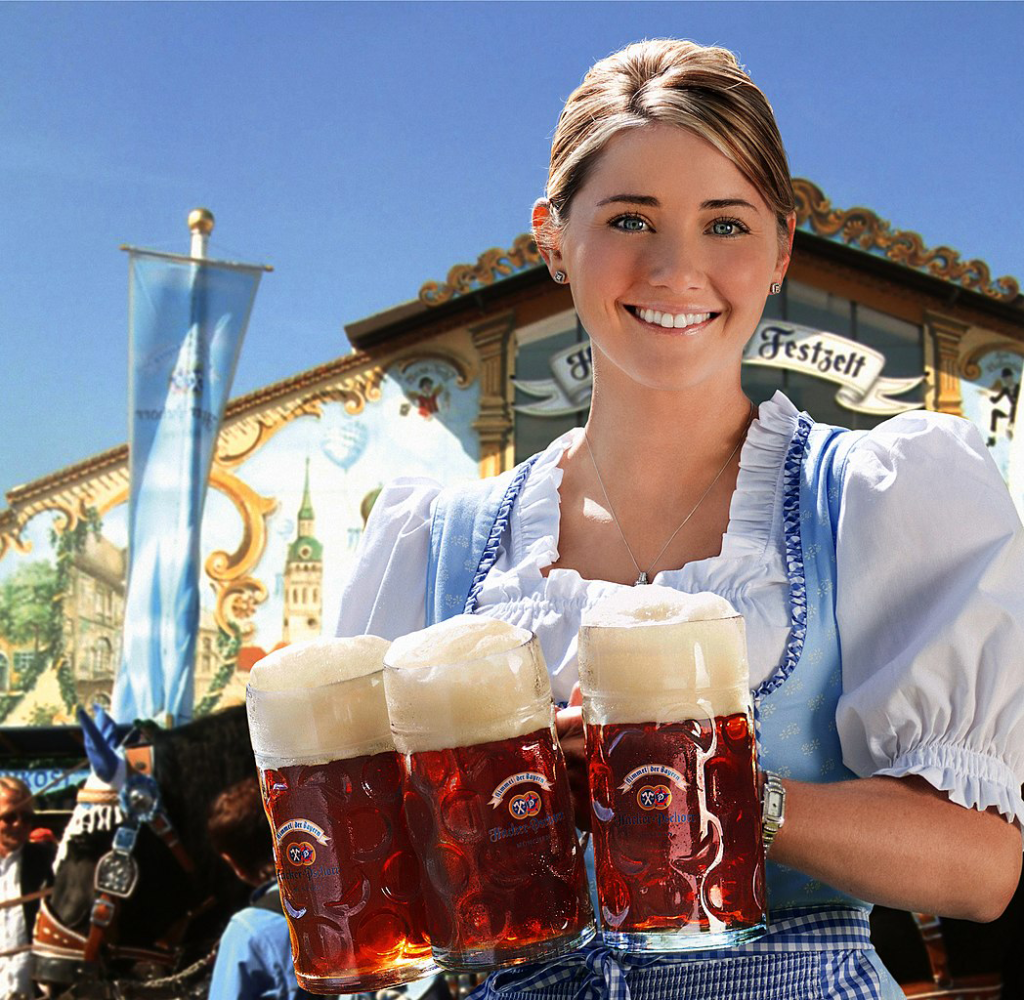
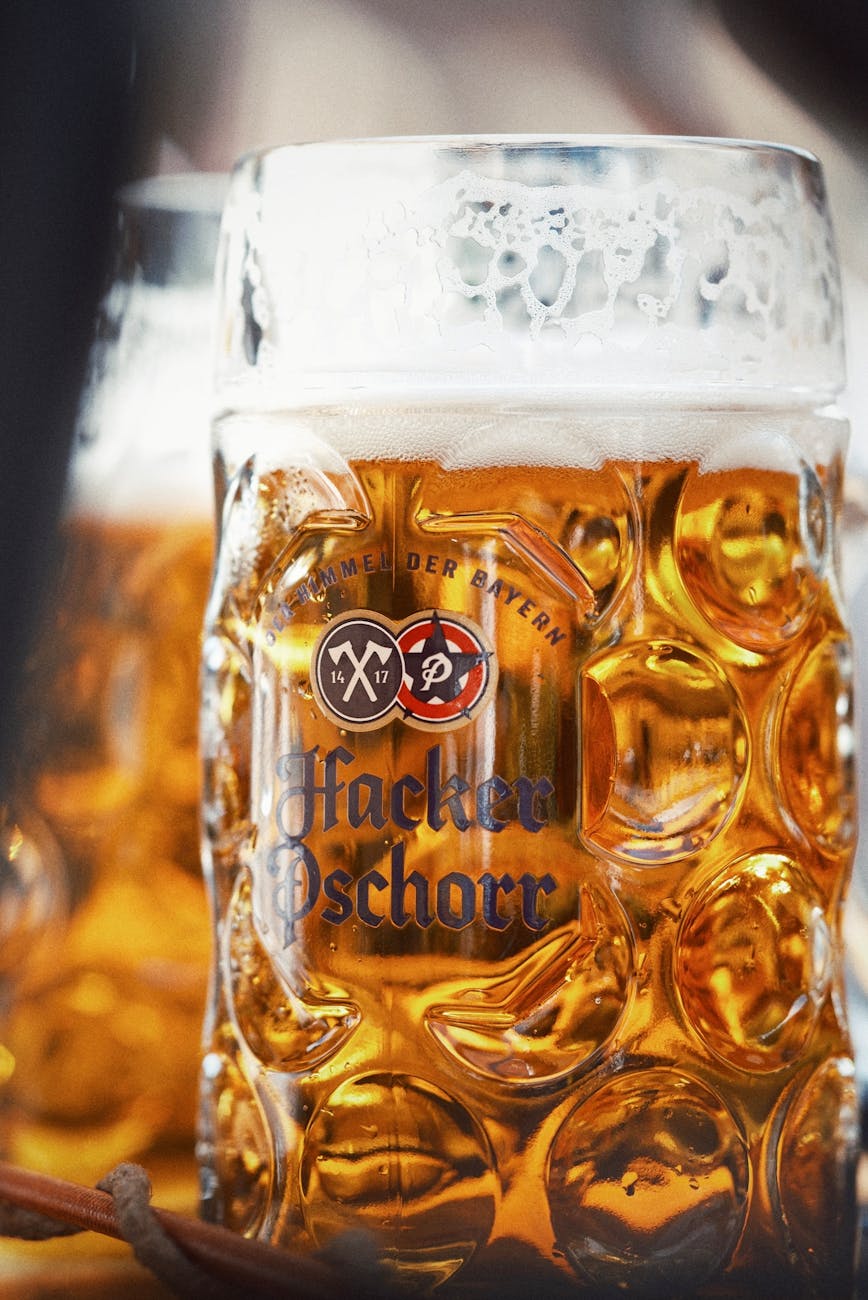
Hacker-Pschorr Oktoberfest Girl by Markburger83Derivative work: Lauro Sirgado (talk · contribs), CC BY-SA 3.0, via Wikimedia Commons
The Beers of Oktoberfest
Not just any beer earns the right to be poured in Munich’s festival tents. By decree, only beer brewed within Munich’s city limits by the “Big Six” breweries is allowed:
These breweries craft a special style known as Märzen, the traditional Oktoberfest beer.
Märzen: The Original Oktoberfestbier
The term Märzen comes from the month of March (März in German). Historically, this was the last month brewers could make beer before the summer heat spoiled fermentation. Märzens were brewed stronger, maltier, and slightly higher in alcohol, allowing them to age well through the summer. By September, these well-aged beers were ready to be enjoyed at harvest festivals—perfect timing for Oktoberfest.
Flavor-wise, Märzens showcase:
Amber to deep copper color
Rich, toasty malt character with notes of bread crust and caramel
Moderate bitterness, allowing the malt to shine
Clean lager finish, making them dangerously drinkable
Festbier: Today’s Lighter Style
Interestingly, while Märzen is the traditional Oktoberfestbier, the Munich tents now mostly serve a lighter, golden style called Festbier. This style was introduced in the 1970s to better suit modern tastes. Festbiers are slightly less malty, more drinkable, and usually clock in at 5.8–6.3% ABV. Think of them as a middle ground between a Märzen and a Helles lager.
Oktoberfest is as much about pageantry and culture as it is about beer. Some highlights include:
The Tapping of the First Keg: The festival officially begins when the Mayor of Munich taps the first keg in the Schottenhamel tent, declaring “O’zapft is!” (“It’s tapped!”).
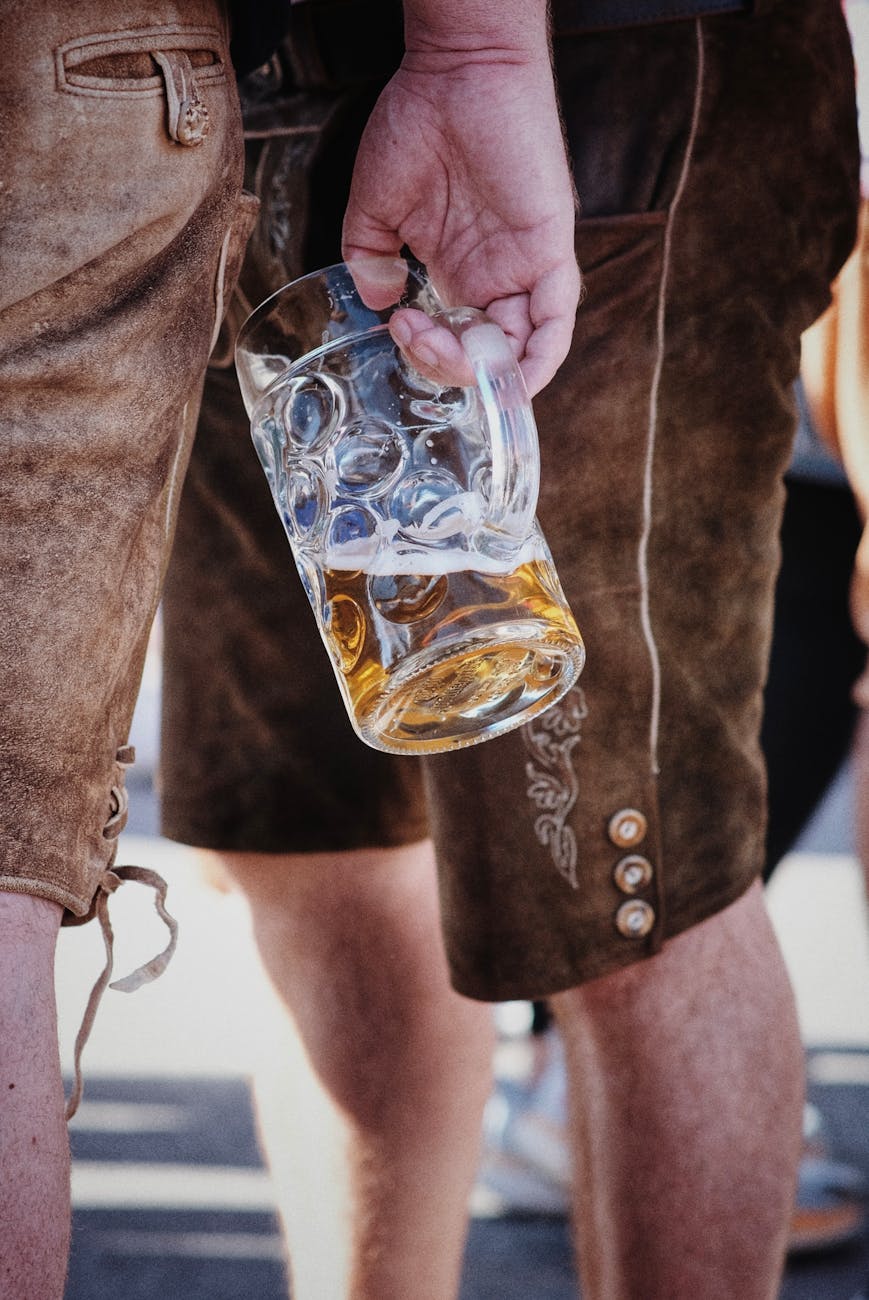
Traditional Attire: Bavarians don their finest Lederhosen (for men) and Dirndls (for women). These aren’t costumes, but cultural attire with deep roots in Bavarian heritage.
Music and Dancing: Oompah bands, folk music, and even pop songs keep the tents lively. Everyone knows the cheer “Ein Prosit der Gemütlichkeit”—a toast to cheer and good times.
Food Pairings: Roasted chicken (Hendl), giant pretzels (Brezn), sausages (Würstl), and pork knuckles (Schweinshaxe) fuel the fun, perfectly complementing the malty richness of the beers.
While Munich’s festival remains the heart of it all, Oktoberfest celebrations have spread globally. From Cincinnati, Ohio (home to one of the largest Oktoberfests outside Germany) to Brazil, Japan, and Australia, millions gather annually to celebrate Bavarian culture with beer, music, and food.
For wine lovers, don’t worry—there’s even a tent in Munich called the Weinzelt (Wine Tent), where Franconian wines and sparkling wines are served alongside beer. Proof that even at the world’s most famous beer festival, there’s a little space for grapes.
At its heart, Oktoberfest is as much about what’s on the plate as what’s in the stein. Just like wine, different beer styles bring out unique flavors in food. Here are some classic (and a few creative) pairings to elevate your celebration:
Märzen (Traditional Oktoberfestbier)
Flavor Profile: Malty, toasty, with caramel notes and a smooth finish.
Pairs Best With:
Roast Chicken (Hendl) – The crisp skin and juicy meat echo the beer’s caramelized malts.
Oktoberfest is more than a beer festival—it’s a story of community, heritage, and celebration. From its royal origins to today’s global gatherings, it bridges centuries of Bavarian tradition with modern festivity. Whether you’re sipping an amber Märzen, a golden Festbier, or raising a stein at your local Oktoberfest celebration, you’re joining a tradition over 200 years in the making.
As sommeliers, we spend our days chasing vintages, swirling glasses, and savoring terroir. But during Oktoberfest, we willingly trade corks for kegs and crystal for steins. Because whether it’s grape or grain, the truth is the same: it’s not what’s in the glass, but who’s at the table. So here’s to friends, flavor, and the joy of raising a glass together—Prost!” 🍻
Gregory and Tammy Dean, SOMM&SOMM
So this fall, dust off the Lederhosen, lace up the Dirndl, grab a pretzel, and raise a hearty “Prost!” 🍻
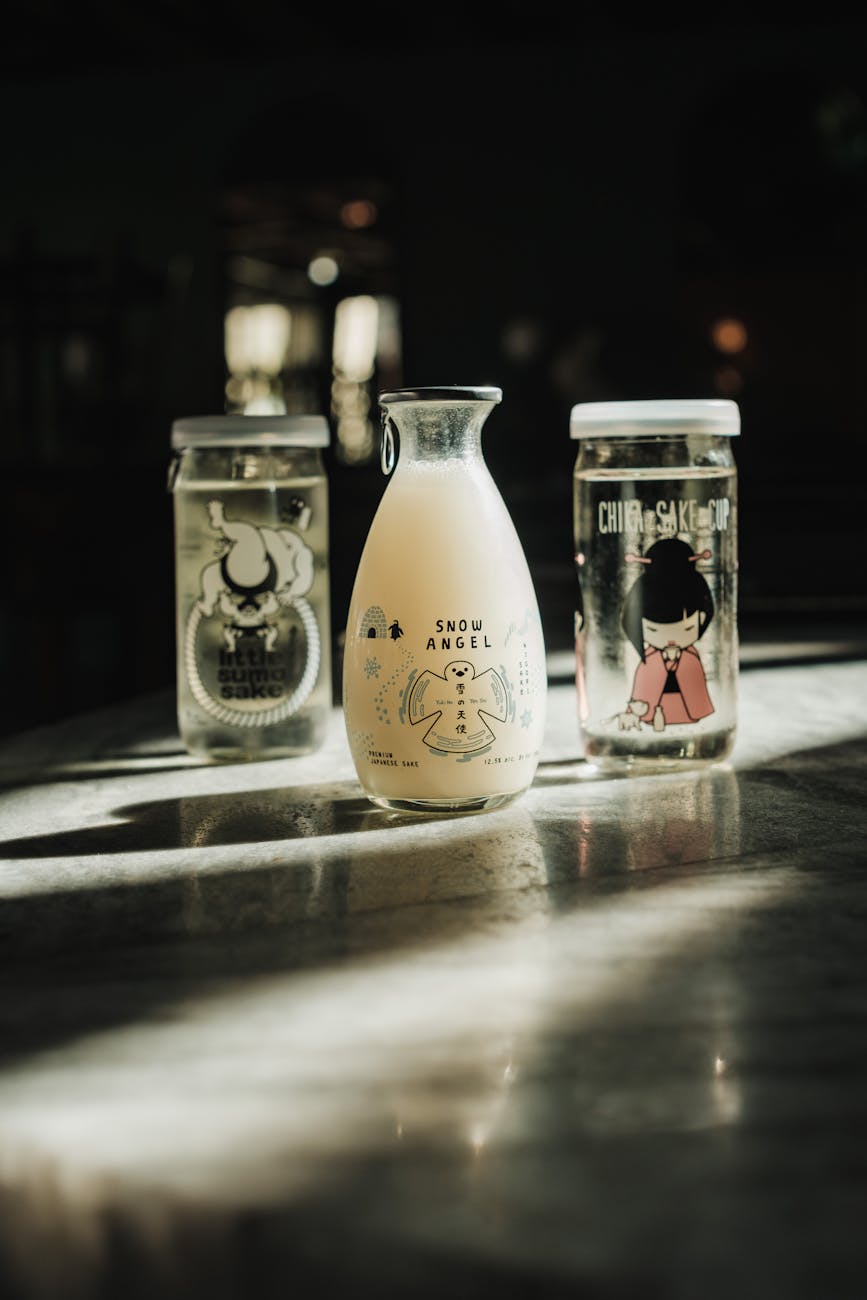
Sake is one of those beverages that sparks curiosity the moment it’s poured. Often described as “rice wine,” it sits in a category all its own—neither wine, beer, nor spirit, but a unique fermented drink with an ancient heritage. For sommeliers, wine educators, and enthusiasts alike, sake offers an opportunity to explore tradition, craftsmanship, and unexpected food pairings.
The Origins of Sake
The story of sake begins over 2,000 years ago in Japan. Early rice cultivation techniques—likely borrowed from China—allowed rice to be grown in abundance, and fermentation soon followed.
The earliest forms of sake were very different from what we know today. One of the oldest methods was kuchikami-no-sake, literally “mouth-chewed sake,” in which villagers chewed rice and nuts, then spit the mash into communal vessels. The enzymes in saliva helped convert starches into sugars, and natural yeast performed the fermentation. (Thankfully, brewing techniques evolved.)
By the 8th century, sake had become a central part of Shinto rituals and court ceremonies. Shrines brewed sake as offerings to the gods, and it became a symbol of purity and community. In fact, even today, sake is still deeply tied to spiritual traditions—shared at weddings, festivals, and new year celebrations as a blessing for harmony and prosperity.
The artistry lies in the brewer’s choices: how much rice to polish, what yeast strain to use, whether to pasteurize, and how to balance purity with umami.
Though often called a rice wine, sake production is actually closer to brewing beer, since starch must be converted into sugar before fermentation. The process is meticulous, and every step influences the final flavor:
Rice polishing (Seimai-buai) – Special sake rice (shuzō-kōtekimai) is milled to remove outer layers of protein and fat, leaving a starchy core. The more the rice is polished, the cleaner and more delicate the flavor.
Example: Ginjo and Daiginjo styles require at least 40–50% of the rice to be milled away.
Washing, soaking, steaming – The polished rice is carefully hydrated and steamed, ensuring the right texture for fermentation.
Koji-making – The soul of sake. A portion of rice is inoculated with Aspergillus oryzae mold, which produces enzymes to break starch into sugar. This process is done in a hot, humid room, with brewers tending the rice around the clock.
Beyond Sake: Aspergillus oryzae and the Magic of Soy Sauce
The same humble mold that transforms rice into the foundation for sake—Aspergillus oryzae—also plays a starring role in one of Japan’s most iconic seasonings: soy sauce. In soy sauce production, A. oryzae is cultivated on a mixture of steamed soybeans and roasted wheat, creating what’s known as koji. The enzymes produced by the mold break down proteins into amino acids and starches into simple sugars.
This enzymatic alchemy is what gives soy sauce its deep savory quality, rich umami, and characteristic complexity. After koji preparation, the mixture ferments slowly in brine for months or even years, developing the layered flavors that make soy sauce a cornerstone of Japanese cuisine—and an indispensable partner to sake at the dinner table.
Just as with sake, the artistry lies in balancing time, fermentation, and microbial activity to coax out flavors both bold and nuanced. The presence of A. oryzae in both beverages and condiments highlights Japan’s centuries-long mastery of fermentation as a way of elevating simple grains and beans into cultural treasures.
Shubo (starter culture) – Koji rice, water, yeast, and more steamed rice form the fermentation starter, which builds yeast strength and flavor precursors.
Moromi (main mash) – Over four days, rice, water, and koji are added in stages. This results in a simultaneous saccharification and fermentation—unique to sake.
Pressing, filtering, pasteurization, aging – Once fermentation is complete, sake is pressed to separate the liquid, filtered, pasteurized, and aged (typically for 6–12 months).
When choosing sake, a few key terms help decode what’s inside:
Seimai-buai – Rice polishing ratio (% of rice remaining after milling).
Nihonshu-do – Sake meter value (SMV). Indicates sweetness or dryness: negative = sweeter, positive = drier.
Acidity (San-do) – Higher acidity makes sake crisp and food-friendly.
Nama – Unpasteurized. Must be chilled.
Genshu – Undiluted. Higher alcohol, often rich and bold.
Temperature and Glassware
One of the joys of sake is its versatility in temperature:
Chilled (5–10°C / 40–50°F) – Best for delicate, aromatic styles (Ginjo, Daiginjo, Namazake).
Room temperature – Junmai and Honjozo shine here, showing full flavor and umami.
Warm (40–55°C / 104–131°F) – Brings comfort and amplifies savory notes in robust Junmai or Honjozo. Avoid heating aromatic Ginjo/Daiginjo—heat will mute their elegance.
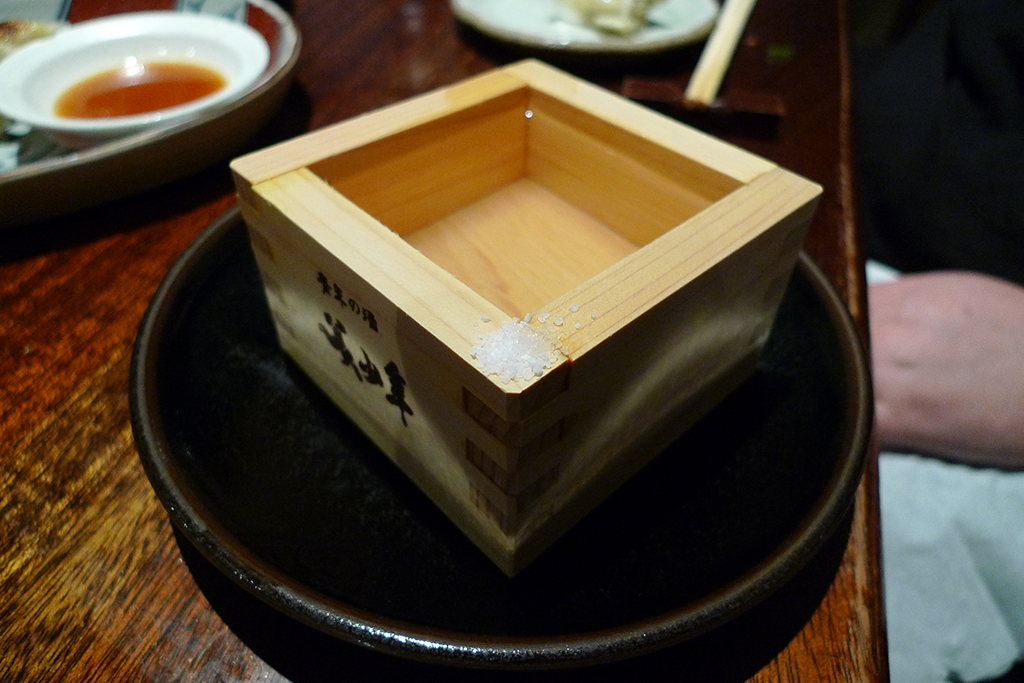
Masu box – Ewan Munro from London, UK, CC BY-SA 2.0, via Wikimedia Commons
Glassware also plays a role:
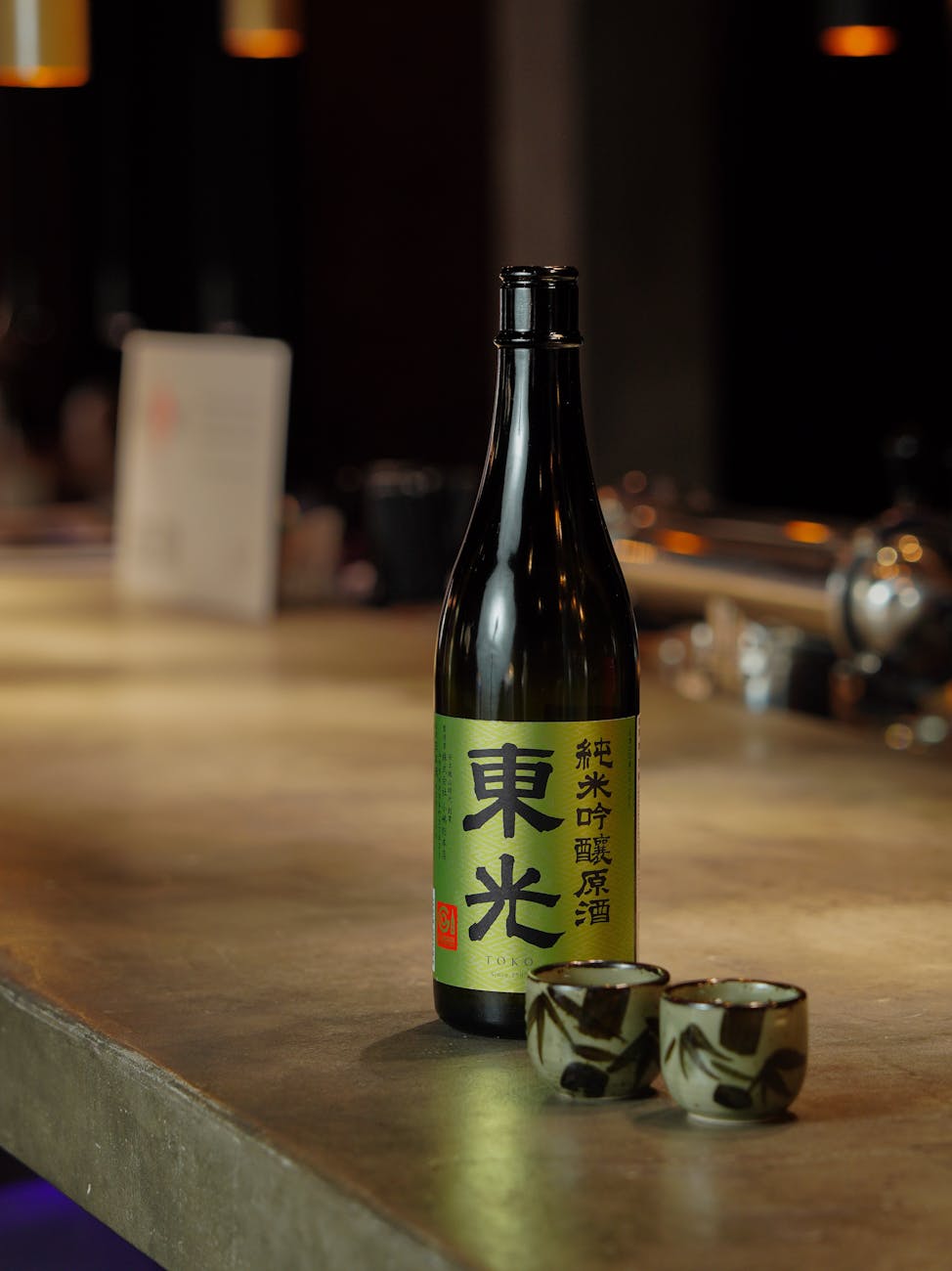
Traditional: small ceramic ochoko cups or wooden masu boxes.
Modern: wine glasses, which allow aromatic styles to blossom. Sommeliers often recommend using white wine glasses for premium Ginjo/Daiginjo.
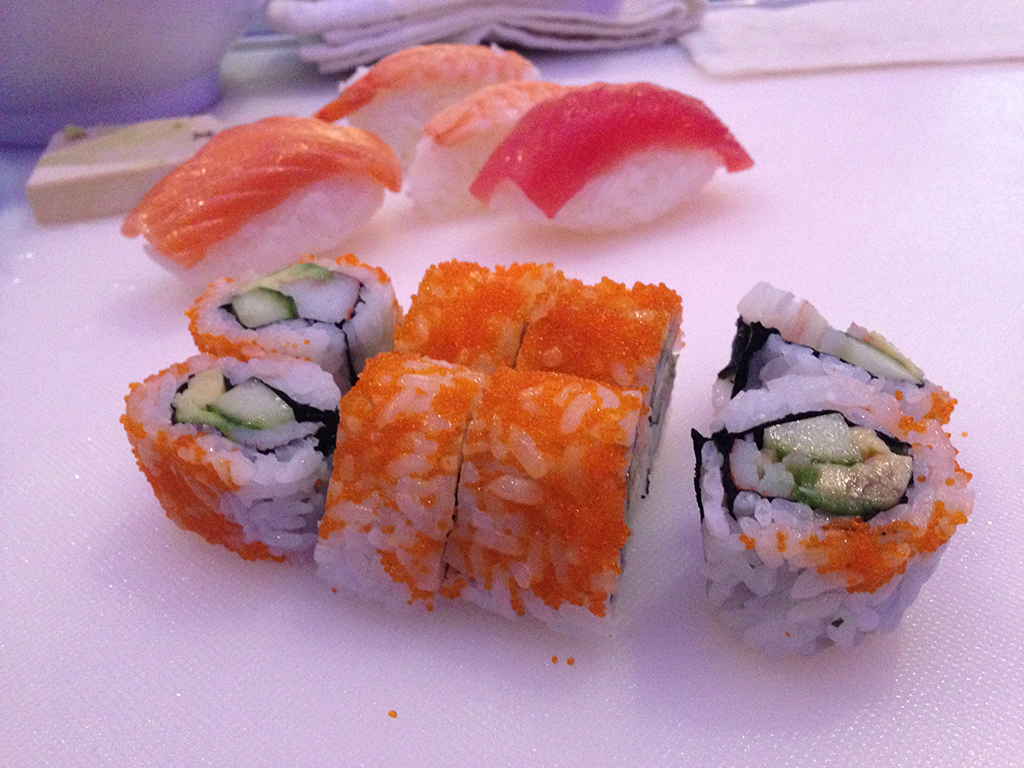
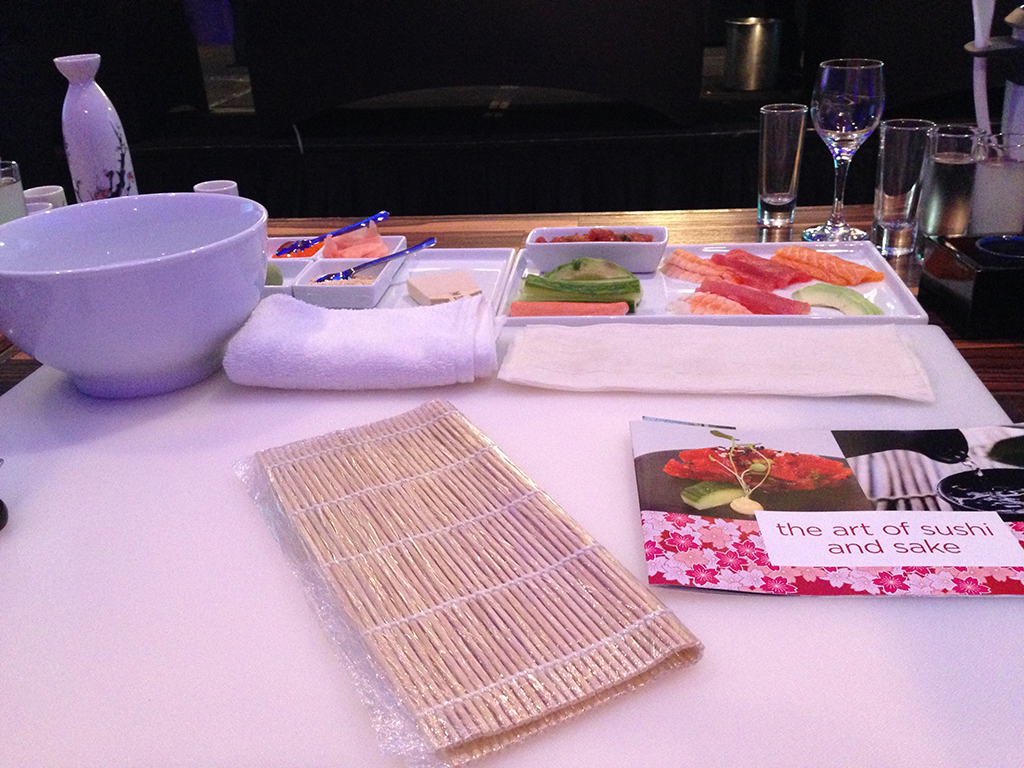
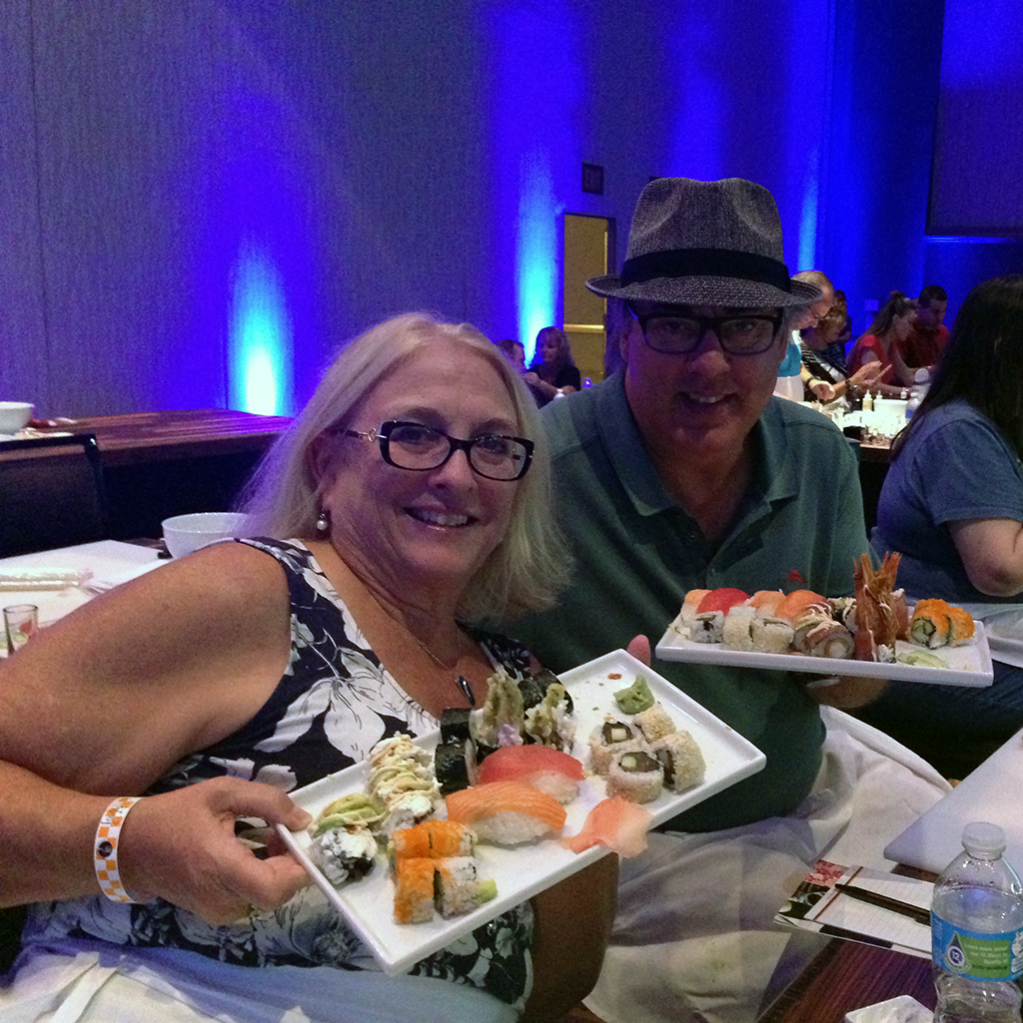
Attending Sushi-making & Sake-understanding class (2016)
Classic Pairings
Sake is famously versatile with food—its low acidity and umami-friendly profile make it shine where wine can struggle.
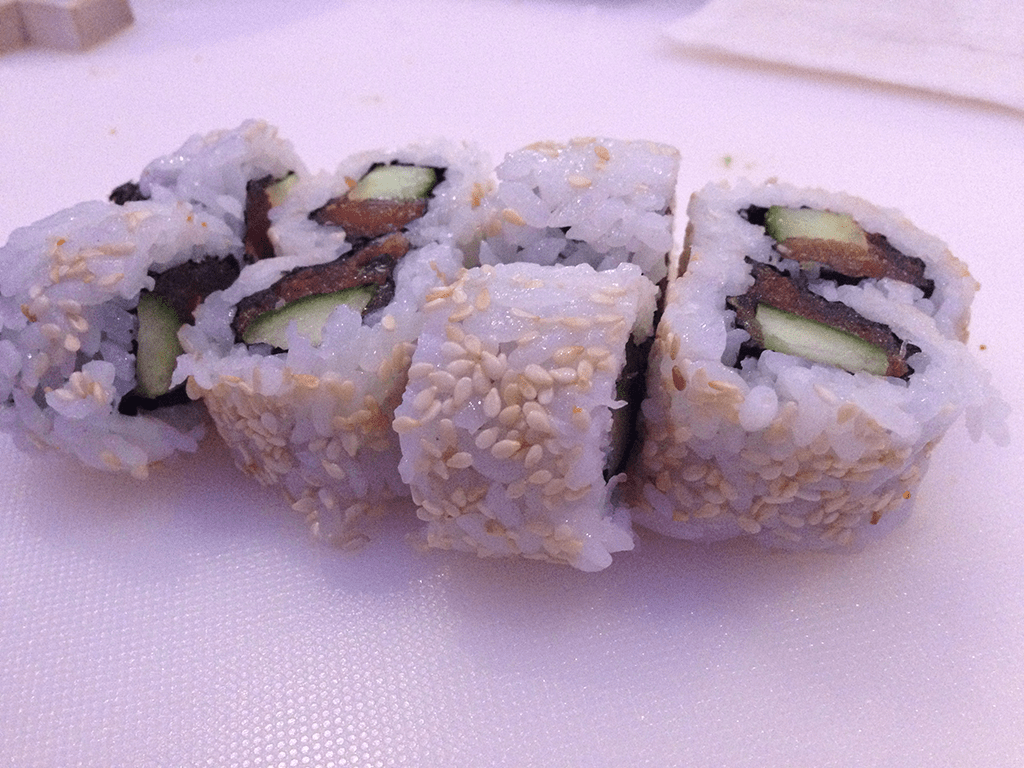
Sushi and sashimi (classic)
Tempura (light, crisp styles)
Grilled yakitori (umami-rich Junmai)
Hot pot dishes (nabe)
Surprise Pairings
Sake doesn’t stop at Japanese cuisine. With its balance of umami, sweetness, and subtle acidity, it pairs beautifully with international dishes:
Cheese – Creamy Brie with Daiginjo, blue cheese with aged Koshu.
Steak – Rich Junmai or Genshu cuts through the fat as well as Cabernet.
Spicy Thai or Indian – Nigori or lightly sweet sake balances heat.
BBQ – Smoky grilled pork or brisket with Honjozo or Koshu.
Chocolate desserts – Nigori sake works as a sweet complement.
Original and flavored Soju – Photo by Nguyu1ec5n Mu1eabn on Pexels.com
Soju vs. Sake: What’s the Difference?
It’s easy to confuse sake with soju, but they’re distinct:
Sake – Japanese, brewed, 12–16% ABV, made from rice and water, enjoyed like wine.
Soju – Korean, distilled, 16–25% ABV (sometimes higher), traditionally made from rice, sweet potato, or barley. Similar to vodka but softer and often lightly sweet.
Think of sake as closer to wine/beer, and soju as a spirit. Both, however, share cultural importance and are designed for communal enjoyment.
Photo by Josu00e9 luis Rivera correa on Pexels.com
Final Pour
Sake is more than an exotic curiosity—it’s a reflection of Japan’s culture, history, and artistry. From the precision of rice polishing to the warmth of shared rituals, sake continues to evolve while staying deeply rooted in tradition.
For sommeliers and enthusiasts alike, sake is an essential part of the conversation when guiding guests through beverage choices. Whether served chilled in a wine glass with sushi, warmed in an ochoko with grilled meats, or poured alongside cheese and chocolate, sake has earned its place on the global table.
Kanpai! 🍶
Worth Mentioning: Sake in the Sommelier’s Journey
One of the distinctions in wine education is how different organizations approach beverages beyond wine. The Court of Master Sommeliers (CMS) places strong emphasis on a broad understanding of not only wine, but also beer, spirits, and sake. This reflects the reality of the dining room, where guests often seek diverse options. By contrast, programs such as the WSET or Society of Wine Educators remain more wine-centric, with limited exploration of sake.
We were fortunate to dive deep into the world of sake during our CMS studies—learning not just its history and classifications, but how to serve, pair, and present it with confidence. That education continues to enrich our work today, allowing us to share sake’s beauty and versatility with guests who might otherwise overlook this extraordinary beverage.
When Cabernet Sauvignon and Merlot take the spotlight, it’s easy to forget the quiet genius standing in the wings: Cabernet Franc. Without this noble grape, the wine world would look very different. It’s the parent of both Cabernet Sauvignon and Merlot, yet it remains one of the most underrated varietals on the shelf.
Cabernet Franc is the sommelier’s secret weapon—perfumed, versatile, food-friendly, and surprisingly age-worthy. Let’s explore its origins, where it shines, and why it belongs in your glass.
Cabernet Franc first appeared in 17th-century France. Cardinal Richelieu is said to have brought cuttings to the Loire Valley, where monks tended it carefully in Bourgueil and Chinon. The grape was affectionately called “Breton”, named after Abbot Breton, one of its earliest champions.
Modern DNA profiling unlocked its true importance: Cabernet Franc is the parent of Cabernet Sauvignon (crossed with Sauvignon Blanc) and Merlot (crossed with Magdeleine Noire des Charentes). Without it, Bordeaux as we know it would not exist.
Where Cabernet Franc Shines
Loire Valley, France – The Spiritual Home
Regions: Chinon, Bourgueil, Saumur-Champigny
Style: Elegant, medium-bodied, with redcurrant, violet, graphite, and a touch of herbal freshness.
Aromas: Violet, graphite, raspberry, redcurrant, pencil shavings, pepper, and sometimes a signature green bell pepper note.
Palate: Medium body, moderate tannins, fresh acidity, with a spectrum from juicy red fruit to earthy spice.
Aging Potential: Excellent. With time, Cab Franc evolves into flavors of truffle, leather, and tobacco.
Food Pairing Ideas
Cabernet Franc’s elegance and acidity make it one of the most food-friendly red wines.
Duck breast with cherry gastrique → Loire Cab Franc
Goat cheese & charcuterie → Chinon
Mushroom & lentil ragù → Saumur-Champigny
Herb-marinated lamb chops → St-Émilion
Stuffed peppers or mushroom stroganoff → Friuli Cab Franc
Recipes to Try with Cabernet Franc
Duck Breast with Cherry-Red Wine Sauce
Pair With: Chinon or St-Émilion
Ingredients (serves 2):
2 duck breasts, skin scored
1 cup pitted cherries
½ cup Cabernet Franc
1 tbsp balsamic vinegar
1 tbsp butter
Salt & pepper
Season duck, sear skin-side down until crisp (8 min). Flip, cook 3–4 more minutes. Rest.
Deglaze pan with Cab Franc, add cherries & balsamic, reduce to syrup.
Whisk in butter, slice duck, serve with sauce.
Mushroom & Lentil Ragù (Vegetarian Comfort)
Pair With: Saumur-Champigny or Friuli Cabernet Franc
Ingredients (serves 4):
1 cup green lentils, cooked
2 tbsp olive oil
1 onion, diced
3 cloves garlic, minced
1 lb mushrooms (mixed), chopped
1 tsp thyme
1 cup vegetable stock
½ cup Cabernet Franc
Salt, pepper, parsley
Method:
Sauté onion & garlic in olive oil until golden. Add mushrooms & thyme, cook until browned.
Deglaze with Cab Franc, reduce. Add lentils & stock, simmer until thick.
Serve over creamy polenta or pasta.
Fun Facts & Lore
Cabernet Franc is sometimes called “the poet’s grape” in the Loire.
Without Cab Franc, we wouldn’t have Cabernet Sauvignon, Merlot, or Carmenère.
Sommeliers often call it their desert island red—it pairs with nearly everything.
Cabernet Franc tends to ripen earlier than Cabernet Sauvignon, making it valuable in cooler climates.
Final Pour
Cabernet Franc may never command the fame of Cabernet Sauvignon, but it brings an elegance, fragrance, and food-friendliness all its own. Whether you’re sipping a Loire Valley Chinon (my favorite), a Tuscan Paleo Rosso, or an Argentine El Enemigo, you’re drinking history—and the soul of Bordeaux itself.
Next time you’re browsing bottles, reach for the unsung hero. Your palate (and dinner table) will thank you. Cheers 🍷
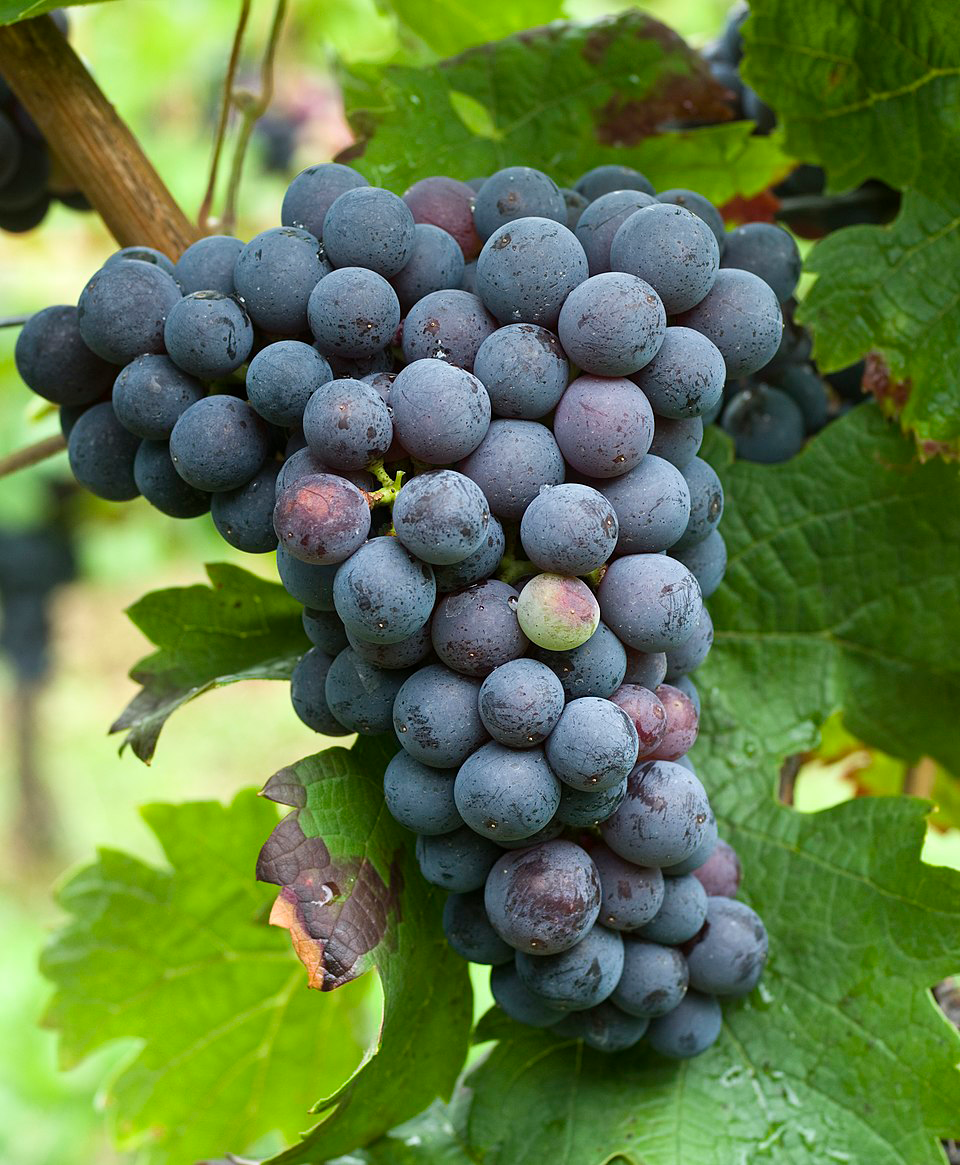
Cover photo by Ursula Brühl, Julius Kühn-Institut (JKI), Federal Research Centre for Cultivated Plants, Institute for Grapevine Breeding Geilweilerhof – 76833 Siebeldingen, GERMANY, CC BY-SA 4.0, via Wikimedia Commons





























 SOMM&SOMM
You must be logged in to post a comment.