Category: Varietal Spotlight

  • Varietal Spotlight: Pinot Grigio

    Varietal Spotlight: Pinot Grigio

    A Chameleon of the Vine.

    Few grapes have worn as many masks or traveled so extensively across terroirs and tables as Pinot Grigio. Often stereotyped as a light and simple white wine, Pinot Grigio is, in truth, a varietal of complexity and contradiction. Its genetics, nomenclature, and expressive range offer a story as nuanced as its finest bottlings. Whether known as Pinot Gris in France, Grauburgunder in Germany, or Szürkebarát in Hungary, this grey-skinned grape holds a passport stamped with centuries of intrigue.

    A Grey Mutation with Noble Roots

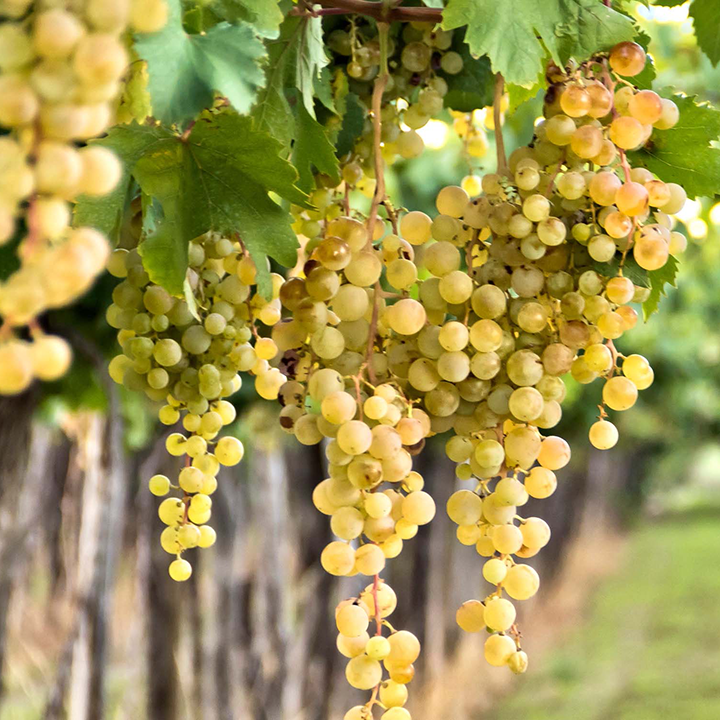
    Pinot Grigio is a white wine grape, though its skins range from bluish-grey to pinkish-brown, hence the name grigio, meaning “grey” in Italian. It is a mutation of Pinot Noir, its noble Burgundian cousin. The Pinot family is notoriously prone to clonal variation, which has given us Pinot Blanc, Pinot Meunier, and Pinot Gris, among others.

    The earliest documented mentions of Pinot Gris (its original name) date back to the Middle Ages in Burgundy, France. By the 14th century, it had migrated to Hungary—beloved by monks—and then further east and north into Germany, Switzerland, and eventually Italy.

    In Italy, the grape found its most iconic modern identity as Pinot Grigio, particularly in the cooler regions of the northeast, such as Alto Adige, Friuli-Venezia Giulia, and Veneto.

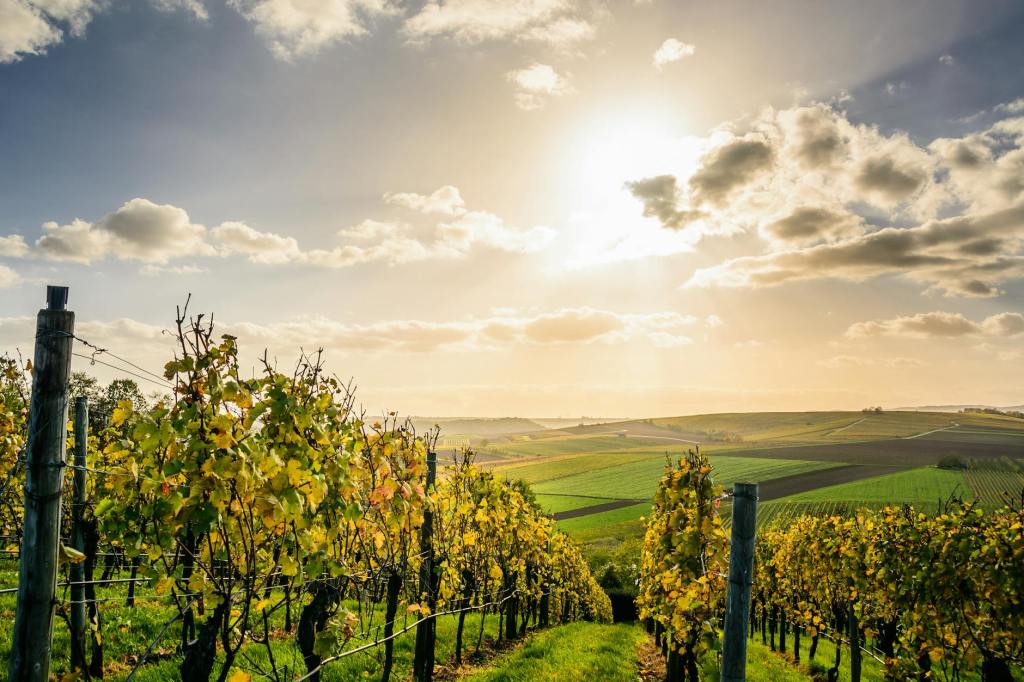
    Photo by karelle mtgr on Pexels.com

    Cultural Names & Expressions of Pinot Grigio

    Pinot Grigio’s global footprint has led to a rich array of local names and stylistic interpretations:

    • France: Pinot Gris
      In Alsace, it produces rich, spicy, full-bodied wines with notable viscosity and aging potential. Often off-dry to sweet in style, Alsatian Pinot Gris may include noble rot (botrytis) influence.
    • Italy: Pinot Grigio
      Known for a light-bodied, crisp, and zesty expression, often with notes of lemon, green apple, and almond. However, producers in Friuli and Alto Adige have pushed for more serious expressions, showcasing texture and complexity.
    • Germany: Grauburgunder or Ruländer
      These wines range from dry and mineral-driven to rich and sweet, depending on region and winemaking intention. The Pfalz and Baden regions produce particularly compelling versions.
    • Hungary: Szürkebarát (literally “Grey Monk”)
      Tends to be rounder and more aromatic, a nod to its Hungarian monastic roots and volcanic soils.
    • United States: Both Pinot Grigio and Pinot Gris are used
      Oregon is famous for emulating the Alsace style, producing lush, peachy wines, while California often leans toward the Italian-style—lighter and more citrus-forward.
    • Austria & Switzerland: Known occasionally as Grauer Burgunder
      Styles tend to follow the German model, though with more restrained fruit and alpine freshness.

    Flavor Profiles & Winemaking Styles

    The grape’s thin skin and low phenolic content lend itself to a range of expressions based on:

    • Climate: Cool climates tend to yield high acidity and light body; warmer climates enhance stone fruit and honeyed richness.
    • Vinification: Skin-contact (“Ramato” style), oak aging, or lees stirring can impart significant texture and complexity.
    • Terroir: Volcanic soils (like in Hungary or parts of Alsace) add mineral tension, while marl and limestone (seen in parts of Germany and France) can enhance structure and ageability.

    The Forgotten Copper-Hued Expression

    A special shoutout is deserved for Ramato (Italian for “coppery”)—a traditional Venetian style of Pinot Grigio made with extended skin contact, resulting in a rosé-like or orange wine hue. It offers flavors of dried apricot, tea leaf, orange peel, and spice, and is a fabulous bridge between white and red wine experiences.

    Famous and Notable Producers

    🇮🇹 Italy

    • Livio Felluga – Friuli-Venezia Giulia: elegant and structured Pinot Grigio.
    • Alois Lageder – Alto Adige: biodynamic and expressive wines.
    • Santa Margherita – Veneto: the name that put Pinot Grigio on the map in the U.S., popularizing the crisp, clean style.

    🇫🇷 France (Alsace)

    🇺🇸 United States

    • King Estate (Oregon) – Organic, food-friendly Pinot Gris.
    • J Vineyards (California) – Crisp and fruity Pinot Grigio expressions.
    Glass of Pinot Grigio – cogdogblog, CC BY 2.0, via Wikimedia Commons

    Pairing Pinot Grigio

    Pinot Grigio is one of the most versatile food wines. Here’s how to play with its many faces:

    Complementary Pairings (Match body and texture)

    • Light Italian Pinot Grigio:
      Mozzarella, white fish ceviche, lemony chicken piccata, arugula salads with citrus vinaigrette.
    • Ramato-style Pinot Grigio:
      Mushroom risotto, shrimp and grits, caramelized onion tart, garlic-roasted vegetables.
    • Alsace Pinot Gris:
      Duck with cherry reduction, Munster cheese, pork with peach chutney, spicy Thai curry.
    • Grauburgunder from Germany:
      Smoked pork, aged gouda, cabbage rolls, herb-roasted chicken.

    Contrasting Pairings (Balance or elevate through opposition)

    • Pair dry Pinot Grigio with rich creamy sauces (like Scott’s Creamy Dreamy Alfredo) to cut through fat.
    • Pair aromatic Pinot Gris with spicy dishes to mellow heat.
    • Pair acidic Pinot Grigio with fried foods to cleanse the palate.
    • Pair Ramato styles with umami-heavy dishes like soy-glazed salmon or miso ramen.

    A Grape Worth Rediscovery

    Though often dismissed as a mass-market crowd-pleaser, Pinot Grigio is a shapeshifter that reflects its origin with remarkable fidelity. Whether you’re sipping a breezy Veneto bottling by the pool, enjoying an umami-rich Ramato with aged cheeses, or savoring a noble Alsace Pinot Gris in a candlelit bistro, this varietal offers something for every palate—and every plate.

    To overlook it is to miss a grape with the depth of a philosopher and the charisma of a traveler. It’s time to reintroduce yourself to Pinot Grigio—not as a wine list default, but as a cultural adventure in a glass ♥️

    Cover image: Mark Smith, CC BY 2.0, via Wikimedia Commons

  • Varietal Spotlight: Pinot Noir

    Varietal Spotlight: Pinot Noir

    The Ancient and Temperamental King of Red Grapes.

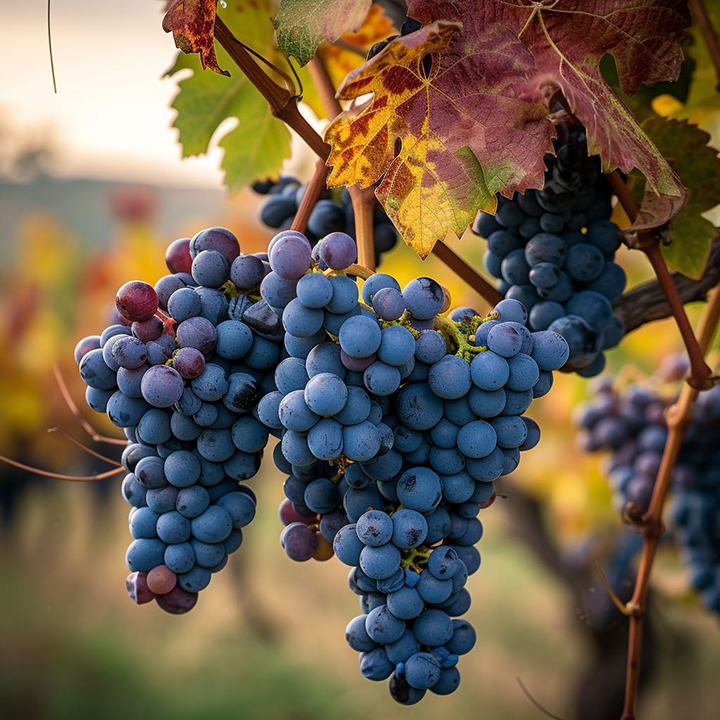
    Few grapes captivate the hearts of wine lovers and vintners quite like Pinot Noir. Revered for its ethereal elegance, complex flavors, and remarkable ability to reflect terroir, Pinot Noir is one of the oldest known grape varietals still cultivated today. This thin-skinned, temperamental grape has inspired obsession, frustration, and devotion in equal measure, from medieval monks in Burgundy to modern-day winemakers pushing the boundaries of its expression worldwide.

    Origins and Ancient History

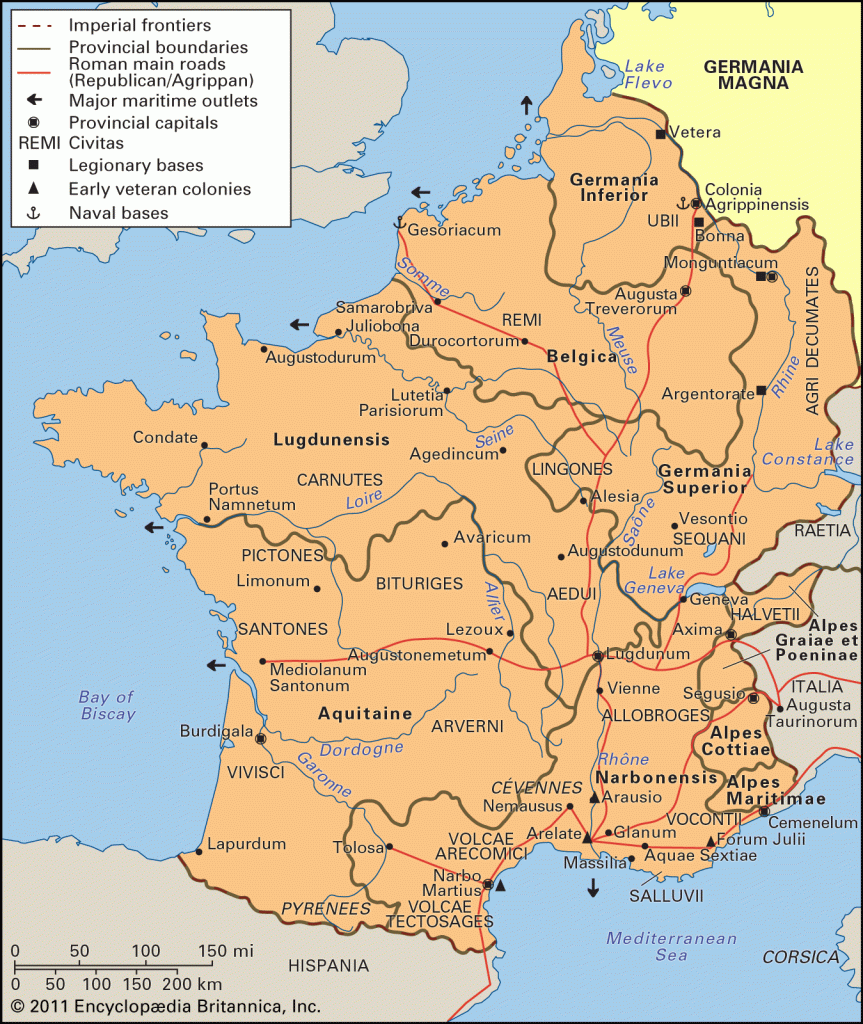
    Pinot Noir’s history can be traced back over 2,000 years to the Roman occupation of Gaul (modern-day France).

    Map of Gaul (Britannica, T. Editors of Encyclopaedia (2010, August 25). Gaul summary. Encyclopedia Britannica)

    The grape likely descends from Vitis vinifera vines cultivated by the Romans and was first mentioned in historical records around the 1st century AD. However, its true prominence emerged in the Middle Ages when Cistercian and Benedictine monks meticulously cultivated vineyards in Burgundy, recognizing the grape’s unique ability to convey a sense of place. These monastic orders developed the first concept of terroir, dividing Burgundy’s vineyards into climats, which still define the region today.

    The name “Pinot Noir” is derived from the French words pin (pine) and noir (black), a reference to the grape’s tightly clustered, pinecone-shaped bunches and dark skin. Despite its noble heritage, Pinot Noir’s genetic instability has led to over a thousand known clones and mutations, making it one of the most diverse grape families in viticulture.

    The Many Faces of Pinot Noir

    Because Pinot Noir mutates so easily, countless clones have been developed, each exhibiting distinct characteristics. Some of the most famous clones include:

    • Pommard (Clone 4 & 5): Originally from Burgundy’s Pommard region, these clones produce structured, powerful wines with darker fruit flavors and firmer tannins.
    • Dijon Clones (113, 115, 667, 777): Developed in Burgundy, these clones offer more refined fruit profiles, with silky textures and notes of red cherry, raspberry, and floral aromatics.
    • Wädenswil (Clone 2A): Popular in Oregon, this Swiss clone thrives in cool climates and is known for its vibrant acidity and floral perfume.
    • Martini Clone: A historic clone from California, this variety is known for its bright fruit flavors and early ripening qualities, particularly in Carneros and Russian River Valley.

    Pinot Noir also has close relatives in the Pinot family, including Pinot Blanc, Pinot Gris, and Pinot Meunier. These varietals share the same genetic lineage but have evolved with distinct characteristics. Pinot Blanc tends to be full-bodied with crisp acidity and flavors of apple and pear, while Pinot Gris exhibits richer textures and stone fruit notes. Pinot Meunier, frequently used in Champagne blends, offers fresh fruitiness and a more rustic profile.

    Alternate Names and Related Regions

    Pinot Noir is known by several names in different parts of the world. Some of its alternate names include:

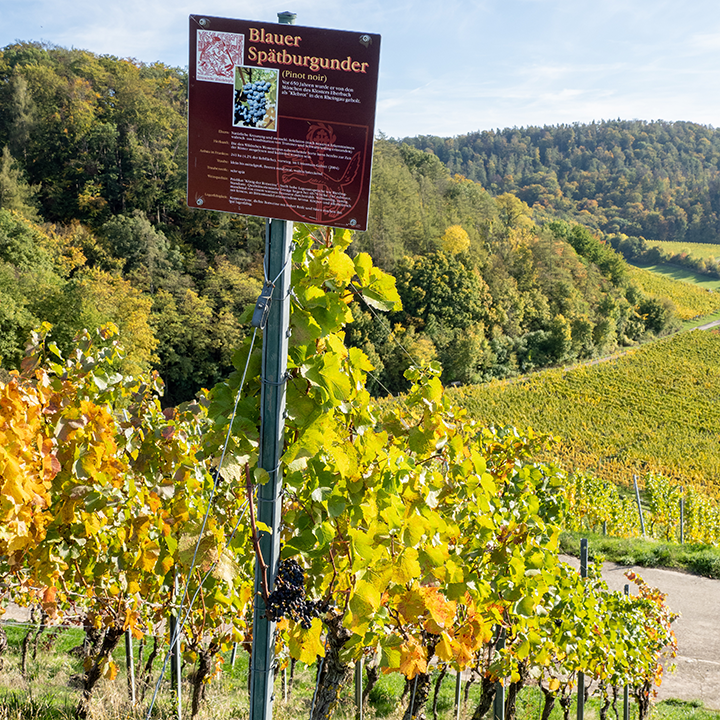
    • Spätburgunder (Germany)
    • Blauburgunder (Austria, Switzerland)
    • Pinot Nero (Italy)
    • Clevner (historical Alsace term)
    • Pinoz (Romania)

    Key regions where Pinot Noir thrives include:

    • France: Burgundy, Champagne, Alsace
    • United States: Oregon (Willamette Valley), California (Russian River Valley, Santa Lucia Highlands, Santa Barbara, Carneros)
    • Germany: Ahr, Baden, Pfalz
    • New Zealand: Central Otago, Martinborough
    • Italy: Alto Adige, Oltrepò Pavese
    • Switzerland: Valais, Graubünden
    • Australia: Yarra Valley, Tasmania
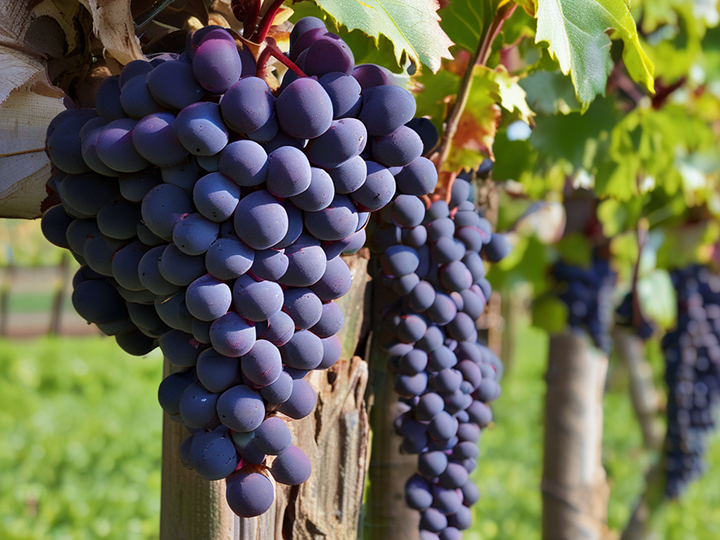
    Spätburgunder – Reinhold Möller, CC BY-SA 4.0, via Wikimedia Commons

    Pinot Noir’s Global Expressions

    Pinot Noir is often described as the most expressive varietal of terroir, meaning that it uniquely reflects the climate, soil, and winemaking techniques of its growing region. Let’s explore some of the most renowned Pinot Noir regions and their distinctive styles:

    Burgundy, France: The Benchmark

    Burgundy is the spiritual home of Pinot Noir, producing the world’s most revered expressions from Côte de Nuits and Côte de Beaune. Wines from these regions exhibit remarkable complexity, finesse, and age-worthiness. Grand Cru vineyards such as Romanée-Conti, La Tâche, and Chambertin produce wines of unparalleled depth and elegance, with layers of red and black fruit, earthy undertones, and a signature minerality that evolves beautifully over time.

    Oregon: The New-World Contender

    Oregon’s Willamette Valley has emerged as a premier Pinot Noir-producing region, often drawing comparisons to Burgundy. The cool, maritime climate fosters wines with vibrant acidity, red fruit dominance, and floral aromatics. Winemakers here prioritize sustainable and biodynamic farming, leading to some of the most expressive and terroir-driven New World Pinot Noirs.

    Related Article: Wine Experiences: A Taste of Adelsheim

    California: Bold and Fruit-Driven

    California’s diverse microclimates allow for multiple styles of Pinot Noir, ranging from the bright, elegant expressions of Sonoma’s Russian River Valley and Santa Lucia Highlands to the richer, more opulent styles of Santa Barbara and Carneros. Russian River Valley Pinot Noirs are known for their lush cherry and cola notes, while Santa Barbara wines often showcase baking spices and deep red fruit.

    New Zealand: The Rising Star

    New Zealand’s Pinot Noir, particularly from Central Otago and Martinborough, has gained international acclaim for its purity of fruit, bright acidity, and vibrant aromatics. Central Otago Pinot Noirs often exhibit dark cherry, plum, and spice notes, while Martinborough expressions lean towards a more earthy, structured profile.

    Germany: The Stealthy Powerhouse

    Known as Spätburgunder, German Pinot Noir has experienced a renaissance in recent years. Producers in the Ahr, Baden, and Pfalz regions are crafting elegant, cool-climate Pinot Noirs with floral aromatics, mineral-driven complexity, and refined tannins, rivaling some of the best from Burgundy.

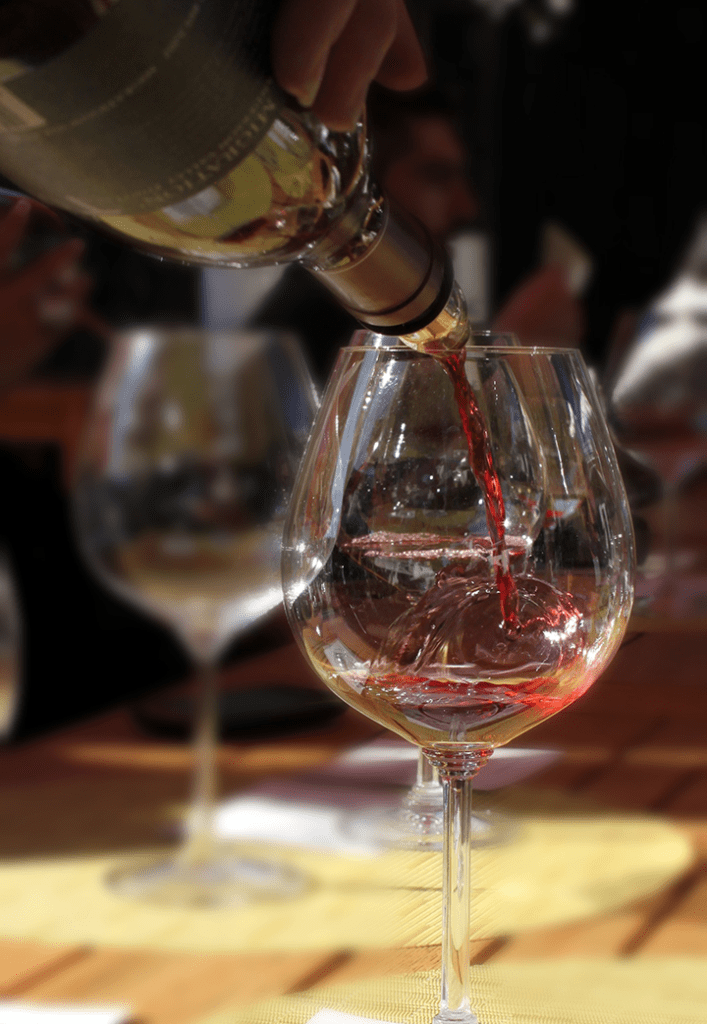
    Pouring Pinot Noir – Prayitno, USA, CC BY 2.0, via Wikimedia Commons

    The Perfect Complement

    Pinot Noir’s versatility makes it an excellent companion to a wide range of dishes. Its bright acidity, moderate tannins, and complex flavor profile allow it to pair beautifully with:

    • Poultry: Roast duck, turkey, or chicken with herbs
    • Game Meats: Venison, quail, and pheasant
    • Pork: Pork tenderloin, glazed ham, or charcuterie
    • Mushroom Dishes: Truffle risotto, mushroom ravioli, or wild mushroom ragout
    • Salmon and Tuna: Grilled, poached, or seared preparations
    • Soft Cheeses: Brie, Camembert, and Gruyère

    Fun Lore and Stories of Pinot Noir

    Pinot Noir has inspired countless stories, myths, and even Hollywood films. One of the most famous legends is that of the 18th-century Burgundian monk Dom Giguier, who claimed to have divine visions instructing him to cultivate Pinot Noir in specific vineyard plots (Giguier, 1763). Whether divine intervention or astute observation, these climats remain some of the most prized in the world.

    In more modern times, the 2004 film Sideways sparked an explosion of Pinot Noir’s popularity in the U.S., while simultaneously tanking Merlot sales. The protagonist’s passionate monologue about the elegance and fragility of Pinot Noir led to a significant surge in demand, particularly in California and Oregon.

    The Enduring Allure of Pinot Noir

    Pinot Noir remains one of the most beloved and challenging varietals in the world of wine. Its delicate nature, susceptibility to disease, and finicky growing conditions make it a difficult grape to cultivate, yet its rewards are unparalleled. Whether from the legendary vineyards of Burgundy, the misty valleys of Oregon, or the sun-kissed hills of California, Pinot Noir continues to captivate winemakers and enthusiasts alike. Its ability to tell the story of its origin with elegance and nuance ensures that its legacy will endure for generations to come. Cheers 🍷

    Cover Photo Credit: Jim Fischer from Portland, Oregon, USA, CC BY 2.0, via Wikimedia Commons
    References

    Giguier, D. (1763). Vineyard Cultivation and Divine Insight. Dijon, France: Burgundian Press.

  • Discovering the Elegance of Cortese di Gavi: A Northern Italian Treasure

    Discovering the Elegance of Cortese di Gavi: A Northern Italian Treasure

    Ah, the Province of Alessandria in Piedmont—home to one of Northern Italy’s crown jewels, the remarkable Cortese di Gavi. Gavi—a name synonymous with elegance and purity, yet it remains underappreciated in the shadow of more famous Italian white varietals. For a wine enthusiast, this is both a tragedy and an opportunity. Allow me to take you on a journey through the rolling hills of Gavi, where one of Italy’s finest white wines has been quietly defining finesse and charm for centuries.

    F Ceragioli, CC BY-SA 3.0, via Wikimedia Commons

    The Grape Behind the Magic

    Let’s begin with the grape itself: Cortese. This varietal is the very embodiment of Italian precision, producing wines that are crisp, aromatic, and vibrant. If wines could sing, Cortese di Gavi would be a soprano—its voice high, clear, and impossibly beautiful. Cultivated in Northern Italy since at least the 17th century, Cortese thrives in the marl and clay soils of Piedmont’s Gavi region, where the vineyards are blessed with an enviable mix of sun-drenched days and cooling maritime breezes. It’s a terroir-driven delight that effortlessly captures the spirit of its homeland.

    Gavi’s DOCG Status: A Badge of Honor

    Now, let’s talk DOCG—Denominazione di Origine Controllata e Garantita. Gavi earned this prestigious status in 1998, a well-deserved recognition of the region’s consistent quality and historical significance. DOCG isn’t just a shiny label; it’s a promise. A promise that every bottle meets the strictest standards and encapsulates the essence of its place of origin. For Gavi, this elevation marked a turning point, helping it stand shoulder-to-shoulder with Italy’s more celebrated white wines, like Soave and Verdicchio.

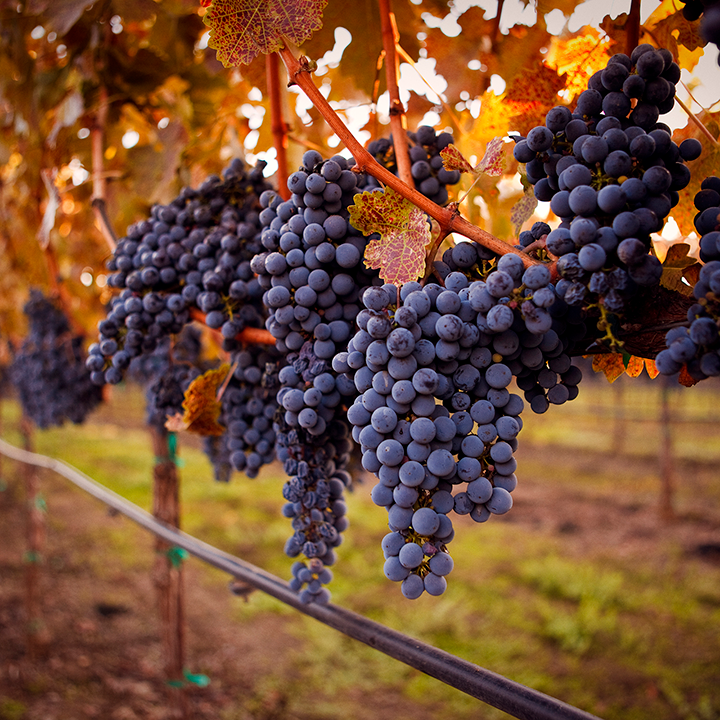
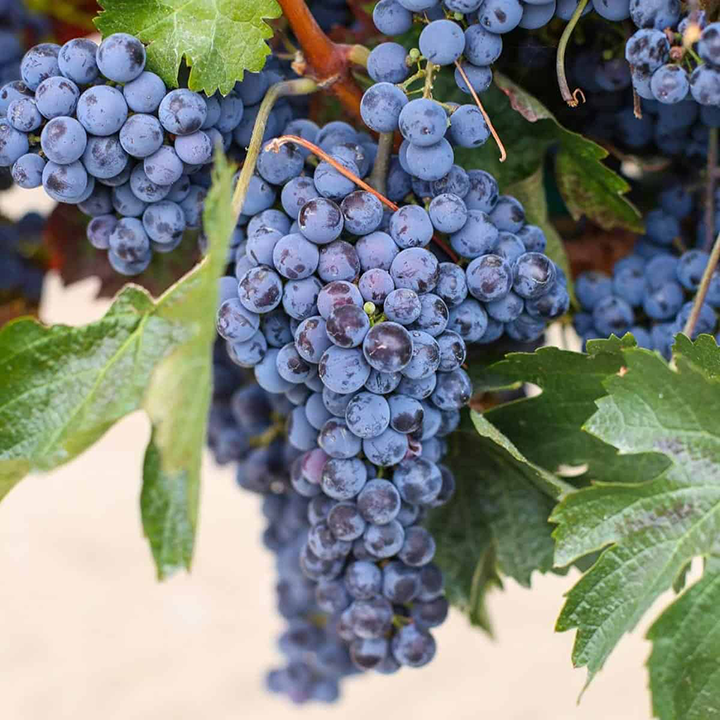
    Image Credit: Promesse de Fleurs – Cortese Grapes

    What Makes Cortese di Gavi Special?

    First, its style. Imagine a wine that greets your palate with a burst of lemon zest, green apple, and white peach, followed by whispers of almond and wildflowers. There’s an underlying minerality—a flinty backbone that provides structure and balance—making it the quintessential expression of elegance. Gavi isn’t just a refreshing summer sipper; it’s a wine with depth and sophistication, capable of enhancing any meal with its vibrant acidity and nuanced profile.

    A Sip of History

    Historically, Gavi has its fair share of lore. Did you know that Gavi’s wines were once a favorite at the royal courts of the House of Savoy? Even further back, the grape’s resilience was lauded by Piedmontese farmers who dubbed it “Cortese”—“courteous”—for its ability to consistently produce high-quality wines. This enduring reputation has carried through the centuries, culminating in its modern acclaim.

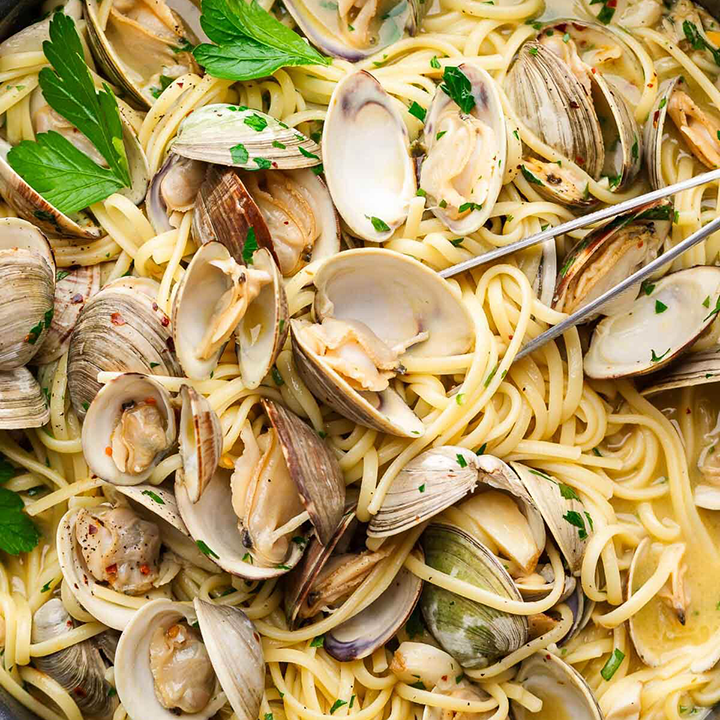
    Visit Sip & Feast and get James Delmage’s recipe for Spaghetti alle Vongole

    Perfect Pairings: Classic and Creative

    When it comes to food pairings, Cortese di Gavi is a sommelier’s playground. For the classics, you can’t go wrong with Ligurian cuisine. Think fresh seafood—grilled branzino, spaghetti alle vongole, or a delicate insalata di mare. The wine’s zippy acidity cuts through the richness of olive oil and enhances the natural sweetness of shellfish.

    But let’s get adventurous. Pair Gavi with Thai green curry, where its citrus notes complement the lime and lemongrass, or with sushi, particularly sashimi or a clean nigiri platter. Feeling bold? Try it with creamy chicken alfredo—the acidity acts as a palate cleanser, preventing the dish from becoming overly heavy.

    Versatility and Appeal

    What truly sets Gavi apart is its versatility. It’s a wine that can gracefully transition from aperitif to main course, adapting to a variety of flavors and textures without losing its charm. It’s no wonder that those in the know (sommeliers and wine enthusiasts alike) revere it as one of Italy’s most delightful surprises.

    A White Wine Powerhouse

    Northern Italy has long been a powerhouse of white wines, from the alpine clarity of Alto Adige’s Pinot Grigio to the creamy sophistication of Friuli’s Ribolla Gialla. Yet, Gavi holds its own with an understated confidence, proving that elegance doesn’t need to shout. Its story is one of quiet resilience and refinement—a reminder that sometimes the most extraordinary treasures are found off the beaten path.

    Fall Under Gavi’s Spell

    So, the next time you find yourself perusing the shelves, take a moment to consider the wines of Gavi. Pick up a bottle, pour yourself a glass, and savor the history, the terroir, and the craftsmanship. And when you taste that first sip of Cortese di Gavi, let yourself fall under its spell. Because trust me—this is one white wine that’s worth getting to know, sip by glorious sip. Saluti!

    Cover Image Credit: Jonathan Harker, CC BY-SA 4.0, via Wikimedia Commons

  • The Enchanting Wines of Entré-Deux-Mers

    The Enchanting Wines of Entré-Deux-Mers

    A Hidden Gem of French Viticulture

    In the illustrious tapestry of Bordeaux’s wine regions, few areas remain as underappreciated and misunderstood as Entré-Deux-Mers. Nestled between the Dordogne and Garonne rivers, this expanse of rolling hills, historic abbeys, and charming châteaux quietly produces some of the most intriguing wines in the world. Yet, it exists in the shadow of its prestigious neighbors: the Left Bank’s powerful Médoc reds and the Right Bank’s velvety Saint-Émilion and Pomerol blends (Tammy’s favorite). Entré-Deux-Mers, however, is a region of diversity, offering crisp whites, unique reds, and sweet treasures that deserve a place on your table and in your glass.

    SOMM&SOMM Related Article: Old World Regions: Bordeaux

    Where Monks and Merchants Shaped the Vines

    The name Entré-Deux-Mers, meaning “between two seas,” might seem misleading at first glance. Rather than seas, it references the two mighty rivers that define its geography. These waterways have long been trade routes, dating back to Roman times, when wine was already a cornerstone of local commerce. During the medieval period, monks played a pivotal role in cultivating the vineyards, leaving behind a legacy of meticulous viticulture that persists to this day.

    Local lore tells of wine-smuggling monks ferrying barrels of “fish wine” (a term used to describe crisp, acidic whites perfect for pairing with seafood) under the cover of night to avoid taxes imposed by Bordeaux merchants. Whether or not these tales are true, they capture the independent spirit of the region’s winemakers.

    The Styles of Entré-Deux-Mers

    Entré-Deux-Mers offers a spectrum of wines, from vibrant whites to robust reds and luscious sweet wines. Let’s explore these styles in greater detail.

    Photo by Oleksandr P on Pexels.com

    Entré-Deux-Mers Blanc

    This is the hallmark wine of the region, an aromatic, crisp white blend dominated by Sauvignon Blanc, Sémillon, and Muscadelle. These wines are often vinified in stainless steel to preserve their fresh, zesty character.

    • Tasting Notes: Expect notes of grapefruit, green apple, and white flowers with a minerally backbone.
    • Pairings: Perfect with oysters, grilled fish, goat cheese, or a fresh herbed salad.
    • Recommendation: Look for Château Bonnet’s Entré-Deux-Mers Blanc, an approachable, quintessential example of the style.

    Bordeaux Rouge and Bordeaux Supérieur

    While not labeled as Entré-Deux-Mers, red wines from the region fall under broader Bordeaux appellations. These blends often feature Merlot, Cabernet Sauvignon, and Cabernet Franc, offering approachable and food-friendly profiles.

    • Tasting Notes: Black cherry, plum, and earthy spice dominate, with soft tannins in younger wines.
    • Pairings: A natural fit for roasted meats, charcuterie, or hearty stews.
    • Recommendation: Seek out Château Thieuley Bordeaux Rouge for an elegant and well-structured red.
    Harvesting Botrytis affected grapes at Château Dauphiné Rondillon

    Sweet Wines (Loupiac, Sainte-Croix-du-Mont)

    On the southern edges of Entré-Deux-Mers, the misty banks of the Garonne create the perfect conditions for noble rot, producing stunning sweet wines reminiscent of Sauternes but at a fraction of the price.

    • Tasting Notes: Honeyed apricot, candied orange peel, and luscious marmalade.
    • Pairings: Pair with foie gras, blue cheese, or fruit tarts.
    • Recommendation: The Cuvée d’Or du Château Dauphiné Rondillon is a delightful and affordable indulgence.

    Varietals and Wine Laws

    Entré-Deux-Mers Blanc is governed by strict AOC rules that mandate blends of Sauvignon Blanc, Sémillon, and Muscadelle, though minor contributions from Ugni Blanc and Colombard are permitted. The region’s reds fall under the broader Bordeaux and Bordeaux Supérieur classifications, which offer greater flexibility in blending.

    An intriguing facet of Entré-Deux-Mers is its experimentation with lesser-known varietals like Malbec (locally called Côt) and Petit Verdot. These grapes add depth and complexity to blends, hinting at the region’s potential to craft truly distinctive wines.

    Why Entré-Deux-Mers Matters

    Entré-Deux-Mers represents the essence of Bordeaux: a commitment to quality, history, and innovation. Unlike the grand châteaux of the Left and Right Banks, this region’s producers often work on a smaller scale, focusing on craftsmanship rather than global acclaim. The result? Wines that overdeliver on value and character.

    Fun Anecdotes and Lore

    Did you know that during the Hundred Years’ War, Entré-Deux-Mers became a battleground for more than just soldiers? Vineyards were often caught in the crossfire, yet resilient locals replanted time and again, showing the enduring spirit of the region.

    Bringing Entré-Deux-Mers to Your Table

    If you’ve yet to explore the wines of Entré-Deux-Mers, now is the time. Whether it’s a crisp white for your next seafood feast or a luscious sweet wine to accompany dessert, this region offers something for everyone. And don’t forget the reds—they might just surprise you with their depth and versatility.

    So, next time you’re perusing the Bordeaux aisle, take a chance on Entré-Deux-Mers. You might just discover a new favorite—and a story to tell with every sip. Santé 🍷

    Cover Image Credit: Henry SALOMÉ, CC BY-SA 4.0, via Wikimedia Commons

  • Varietal Spotlight: Palomino

    Varietal Spotlight: Palomino

    A Deep Dive into Spain’s Iconic White Varietal.

    The Palomino grape holds a unique place in the world of wine, particularly as the star of Spain’s Jerez (Sherry) region. Known for producing some of the world’s most complex fortified wines, Palomino (known as Listán Blanco in other parts of Spain) boasts a fascinating history, unique viticultural challenges, and the ability to create versatile, highly nuanced wine styles. Despite its relative neutrality as a table wine grape, its true potential is unlocked through the influence of terroir and distinctive vinification techniques.

    Origins and History of Palomino

    The Palomino grape is indigenous to Andalusia, Spain, and its cultivation dates back centuries. Named after 13th-century Spanish knight Fernán Yáñez Palomino, who was honored for his role in reclaiming Andalusia from the Moors, the grape has a storied past that mirrors the history of Spanish winemaking itself. By the 17th and 18th centuries, Palomino had become the primary varietal used in Jerez winemaking, as its neutral profile allowed it to adapt beautifully to the solera and flor processes unique to Sherry production.

    Palomino’s renown grew as Sherry became a coveted export across Europe. English merchants played a critical role in its rise, as they imported large quantities to the UK and beyond, transforming Sherry into a staple of British society. Today, Palomino’s importance endures as the foundation for Fino, Manzanilla, Amontillado, Oloroso, and Palo Cortado Sherries, as well as a few still wines and emerging experimental styles.

    Characteristics of the Palomino Vine and Grape

    Palomino vines are characterized by their resilience and adaptability to dry, chalky soils, particularly in Jerez’s famed albariza soils. These calcium-rich, white chalk soils have excellent water retention, crucial in Andalusia’s arid climate. The vines produce large, tightly packed clusters of pale, yellow-green grapes that mature to high sugar levels, providing a relatively neutral flavor profile with low acidity.

    The neutrality of Palomino, often seen as a drawback for producing single-varietal wines, is transformed in the vinification process. In the right hands, it becomes an expressive vehicle for terroir. Its low acidity and lack of intense aromatics make it a blank canvas—one that, under the influence of flor yeast or oxidative aging, reveals an astonishing range of complex characteristics.

    Challenges of Viticulture and Vinification

    The viticultural challenges of Palomino lie in its sensitivity to soil type, susceptibility to rot in wetter climates, and the need for careful harvest timing. Albariza soils are essential, as they not only prevent drought stress but also regulate temperature. The dry climate of Jerez, with cool Atlantic breezes, supports the delicate balance required for healthy Palomino grapes.

    Vinification presents another set of challenges. The majority of Palomino’s value is realized in the Sherry production process, where it undergoes a unique journey. For Fino and Manzanilla styles, the flor (a special yeast layer) thrives in high temperatures and high humidity, feeding on glycerol, alcohol, and oxygen to produce a range of nutty, bready, and saline notes. Oxidative aging techniques yield darker, richer styles like Amontillado and Oloroso. Both techniques require the solera system, where younger wines are progressively blended with older ones, creating consistency and depth over years or even decades.

    Expressions of Palomino: Terroir and Styles

    • Fino and Manzanilla (Jerez and Sanlúcar de Barrameda): Bright, saline, and dry, with a pronounced aroma of almonds, dough, and green apples. Manzanilla, grown in Sanlúcar’s coastal climate, carries a distinct marine saltiness.
    • Amontillado: Begins as a Fino or Manzanilla but undergoes oxidative aging, creating a copper-hued wine with a complex profile of hazelnuts, dried fruits, and leather.
    • Oloroso: Fully oxidative from the start, resulting in a robust, amber wine with deep notes of toffee, figs, and spice.
    • Palo Cortado: Rare and enigmatic, bridging the finesse of Amontillado with the richness of Oloroso. Its production depends on whether flor spontaneously dies off, leading to oxidative aging.
    • Still wines: Occasionally produced in Jerez but with minimal influence outside of Spain. They are typically light, with subtle minerality and saline hints but lack the depth found in fortified expressions.

    Food Pairing Recommendations

    Palomino-based Sherries are ideal for both traditional pairings and creative culinary experimentation.

    1. Fino and Manzanilla: Perfect with tapas, almonds, Iberico ham, and oysters. Unconventional pairings include sushi, ceviche, or goat cheese salads, where their briny freshness accentuates the dishes’ flavors.
    2. Amontillado: Enhances flavors of roasted chicken, mushrooms, and nutty dishes like risotto with Parmesan. For an offbeat pairing, try it with umami-rich Asian dishes, like miso soup or stir-fried shiitakes.
    3. Oloroso: With its richness, it pairs beautifully with braised meats, barbecue, and dishes with complex spices, like Moroccan lamb tagine. For a surprising twist, serve it with beef pho, where its spiced undertones complement the broth’s depth.
    4. Palo Cortado: Its versatility makes it excellent with charcuterie, hard cheeses, and patés, but it can also handle richer seafood dishes. For an unexpected match, try it with roasted duck in a honey and spice glaze or Thai red curry.
    5. Still Palomino Wines: These are delicate but can pair well with light salads, grilled white fish, and soft cheeses. Their saline and mineral qualities also work with raw shellfish like clams or scallops.

    SOMM&SOMM Related Article: Demystifying Wine: Sherry

    Final Thoughts

    Palomino may seem unremarkable as a varietal, yet it is capable of producing some of the most complex and rewarding wines in the world. Its magic lies not in its raw fruit but in its transformation under the unique methods developed in Jerez. Whether savored with traditional Spanish fare or explored in bold, modern pairings, Palomino-based wines offer a remarkable range for the curious sommelier and the adventurous diner alike.

    Cover Image Credit: Michal Osmenda from Brussels, Belgium, CC BY 2.0, via Wikimedia Commons
  • Demystifying Wine: Sherry

    Demystifying Wine: Sherry

    The Forgotten Gem: Understanding the Seven Types of Sherry Wine.

    Sherry wine, one of the world’s oldest and most storied styles, hails from the Jerez region in southern Spain. Known for its diversity and complex flavor profiles, Sherry has a bit of a reputation problem—often relegated to dusty shelves or seen as “grandma’s wine.” But for those in the know, Sherry offers a wide spectrum of styles, from bone-dry and briny to lusciously sweet, making it a remarkably versatile option for food pairings.

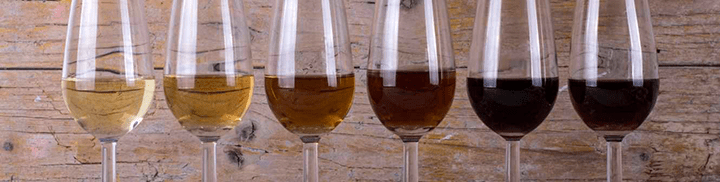
    Six types of Sherry (missing Cream Sherry): Fino, Manzanilla, Amontillado, Palo Cortado, Oloroso, Pedro Ximénez (PX)

    The Seven Styles of Sherry

    The beauty of Sherry lies in its remarkable range, produced under strict legal classifications that determine how the wine is aged, blended, and finished. Each type showcases distinct characteristics that can surprise even seasoned wine enthusiasts.

    Fino

    • Key Notes: Pale straw color, bone dry, light, and fresh.
    • Aging: Biological aging under flor.
    • Varietals: Palomino.
    • Characteristics: Fino is the lightest of the Sherries, with an alcohol content around 15-16%. It develops a unique layer of yeast called flor, which shields the wine from oxygen and gives it a tangy, almond-like flavor with a saline finish.
    • Food Pairing: Tapas, olives, almonds, and seafood like shrimp or oysters.

    Manzanilla

    • Key Notes: Similar to Fino but with a coastal brininess.
    • Aging: Biological aging under flor in the coastal town of Sanlúcar de Barrameda.
    • Varietals: Palomino.
    • Characteristics: While technically a subset of Fino, Manzanilla has a distinct salty tang from the maritime influence, making it a touch lighter and zestier.
    • Food Pairing: Anchovies, salted fish, fried seafood, or sushi.

    Amontillado

    • Key Notes: Nutty, oxidative, and complex.
    • Aging: Starts under flor, then moves to oxidative aging.
    • Varietals: Palomino.
    • Characteristics: Amontillado begins its life as a Fino, aged under flor for a few years, but the yeast eventually dies off, allowing oxygen to interact with the wine. This adds layers of nuttiness, caramel, and dried fruit flavors.
    • Food Pairing: Grilled meats, mushrooms, or hard cheeses like aged Manchego.

    Palo Cortado

    • Key Notes: Mysterious blend of Fino and Amontillado characteristics.
    • Aging: Starts under flor, but undergoes early oxidative aging.
    • Varietals: Palomino.
    • Characteristics: Palo Cortado is the enigma of Sherry, often starting as a Fino or Amontillado but then evolving into something unique. It combines the finesse of Fino with the depth of Amontillado, offering flavors of hazelnuts, orange peel, and toffee.
    • Food Pairing: Duck, game birds, or rich stews.

    Oloroso

    • Key Notes: Bold, rich, and intensely oxidative.
    • Aging: Oxidative from the start.
    • Varietals: Palomino.
    • Characteristics: Oloroso Sherry is aged entirely without flor, allowing for complete exposure to oxygen. It is deeper in color with flavors of roasted nuts, toffee, leather, and dried fruits. With a higher alcohol content (17-20%), it’s one of the bolder Sherry styles.
    • Food Pairing: Lamb, aged cheeses, or roasted vegetables.

    Pedro Ximénez (PX)

    • Key Notes: Lusciously sweet, syrupy, with intense dried fruit flavors.
    • Aging: Oxidative aging.
    • Varietals: Pedro Ximénez.
    • Characteristics: PX Sherry is made from sun-dried Pedro Ximénez grapes, which concentrate the sugars and produce a deeply sweet, raisin-like wine. The wine is rich, with notes of figs, dates, molasses, and chocolate.
    • Food Pairing: Blue cheese, rich desserts, or even poured over vanilla ice cream.

    Cream Sherry

    • Key Notes: Sweet, smooth, often a blend of Oloroso with sweetened PX.
    • Aging: Oxidative aging, with blending.
    • Varietals: Palomino and Pedro Ximénez.
    • Characteristics: Cream Sherry is an approachable, sweetened version of Oloroso, designed to balance sweetness and nuttiness. It’s rich and smooth, often seen as a dessert wine.
    • Food Pairing: Chocolate cake, custards, or with fruit tarts.

    SOMM&SOMM Recommends: Sherry Tasting Trio with Tasting Video

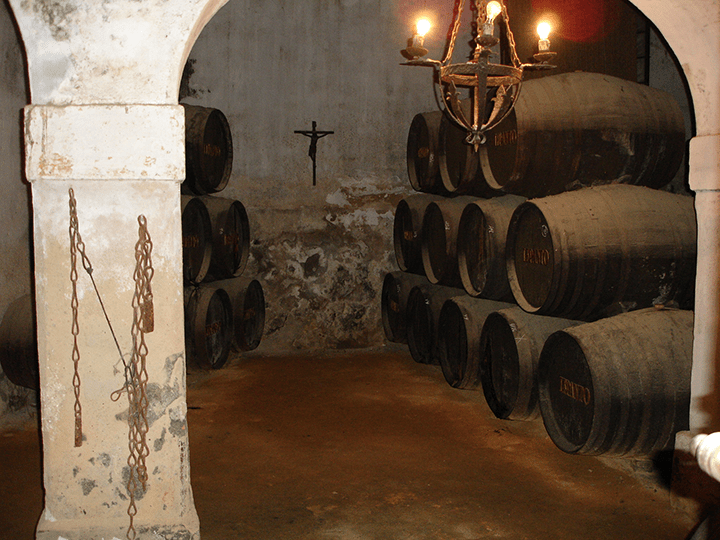
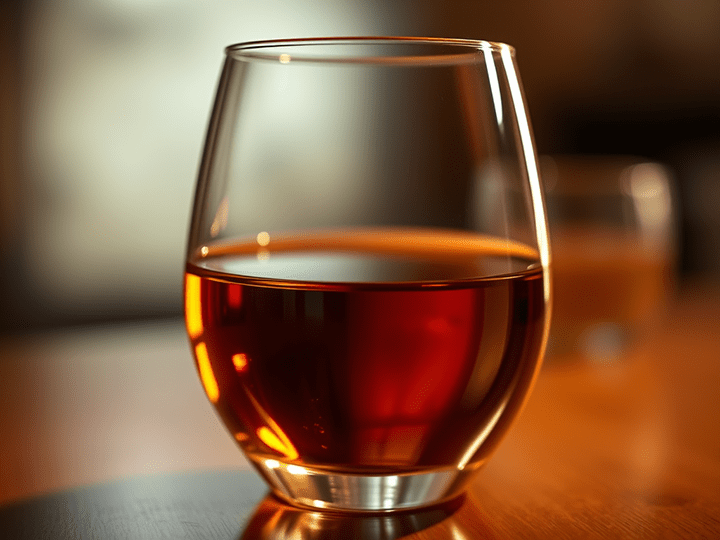
    Solera at Bodegas Tío Pepe – El Pantera, CC BY-SA 3.0, via Wikimedia Commons
    The Solera System: The Art of Aging

    What sets Sherry apart from other wines is the Solera system, a fractional blending method that ensures consistency and complexity across vintages. In the Solera system, older wines are systematically blended with younger wines, creating a continuous aging process. Each year, a portion of the oldest wine is drawn off for bottling, while younger wines replenish the barrels, allowing the character of the wine to evolve gradually.

    This process creates a remarkable depth in Sherry, where wines are often aged for decades, taking on complex, layered flavors that reflect both the region’s history and the patience of its winemakers.

    Flor Aging – El Pantera, CC BY-SA 3.0, via Wikimedia Commons
    Flor: A Yeast Like No Other

    The role of flor in Sherry production is critical, especially in lighter styles like Fino and Manzanilla. This yeast floats on the surface of the wine, protecting it from oxidation while contributing to the wine’s distinctive flavor profile. The salty, yeasty notes often associated with these styles are direct results of this biological aging. This technique is somewhat similar to the sur lie aging in Champagne, where wine is aged on the dead yeast cells, although sur lie focuses more on enhancing texture and brioche-like flavors.

    Sherry’s Image Problem

    So why is Sherry often overlooked? Part of the issue lies in its old-fashioned reputation. For years, Sherry has been pigeonholed as an “old person’s drink,” especially with the perception of sweet, cloying Cream Sherries that once dominated the market. But the dry styles, especially Fino, Manzanilla, and Amontillado, have so much more to offer. The complexity, versatility, and food-friendliness of these wines are woefully underappreciated.

    There’s also the fact that Sherry doesn’t fit neatly into most wine drinkers’ expectations. It’s not a light, easy-drinking white, nor is it a robust red. It occupies a unique space, which requires a more adventurous palate to fully appreciate.

    Sherry in Pairings: Rediscovering a Lost Art

    If you want to experiment with Sherry in your next wine pairing, consider going beyond the obvious. Here are some fresh ideas:

    • Fino or Manzanilla: These bone-dry, saline wines are fantastic with charcuterie, shellfish, and even sushi. The briny character complements the umami richness of seafood.
    • Amontillado: Try it with earthy mushroom dishes or rich pork belly. The nuttiness and depth of flavor create a fascinating interplay with these savory ingredients.
    • PX: Dessert wines often steal the show, but PX takes it to another level. Serve it with blue cheese or use it to top off a vanilla ice cream sundae for a memorable finish.

    The next time you’re hosting a pairing dinner, don’t shy away from including a Sherry. It’s a conversation starter, and with its range of flavors and styles, you can find a bottle that complements just about any dish. Maybe, just maybe, Sherry will finally earn the spotlight it deserves. Cheers 🍷

  • The Synonyms of Wine

    The Synonyms of Wine

    A Journey Through Grape Varietals and Their Many Names.

    One of the most confounding yet fascinating aspects of wine study is the dizzying number of synonyms for grape varietals. Understanding how a single grape can go by multiple names depending on where it’s grown is a challenge even for seasoned sommeliers. The intricacies of geography, tradition, and history create a web of alternate names, turning what seems simple into a complex puzzle. In this article, we’ll explore some of the world’s most popular grape varietals, their synonyms, the countries that recognize these varietals, and the historical context behind these alternate names.

    Cinsault planted in 1886, Bechthold Vineyard, Lodi – Randy Caparoso, CC BY-SA 4.0 via Wikimedia Commons

    Why Do Varietals Have Synonyms?

    There are several reasons why grape varietals have different names:

    • Historical Reasons: Wine has been produced for millennia, and over time, different regions developed their own local names for the same grape. These names stuck, even as the world became more connected.
    • Geographical Influence: Certain names are tied to the local culture or language. Grapes grown in a particular region often take on names that resonate with the area’s history or language, even though they might be genetically identical to a grape in another part of the world.
    • Trade and Law: In some cases, regulations require specific names to be used for varietals, often to protect local wine industries. The European Union, for instance, enforces strict rules regarding Protected Designations of Origin (PDO), which can dictate what a grape can be called depending on where it is grown.

    Popular Varietals and Their Synonyms

    Let’s dive into some of the most well-known varietals and their confusing array of aliases.

    Old Vine Shiraz – Verita, CC BY 3.0 via Wikimedia Commons
    Syrah / Shiraz

    • Synonyms: Shiraz (Australia, South Africa), Hermitage (older term in France)
    • Main Regions: France (Rhône Valley), Australia, South Africa, United States (California)

    The Syrah grape is one of the most storied varietals in the world, producing wines with deep color, bold flavors, and age-worthy structure. The alternate name “Shiraz” is most commonly associated with Australia, where the grape thrives in warm climates like Barossa Valley and McLaren Vale. But why two names? The French name, Syrah, reflects the grape’s origin in the Rhône Valley, whereas Shiraz is a name that was adapted by Australian winemakers in the 19th century. There’s a popular myth that Shiraz comes from the ancient city of Shiraz in Persia, but no evidence supports that the grape originated there. However, the name stuck in the New World.

    SOMM&SOMM Recommends: Guigal Crozes Hermitage 2020

    Grenache Noir – Magnetto, CC BY-SA 3.0 via Wikimedia Commons
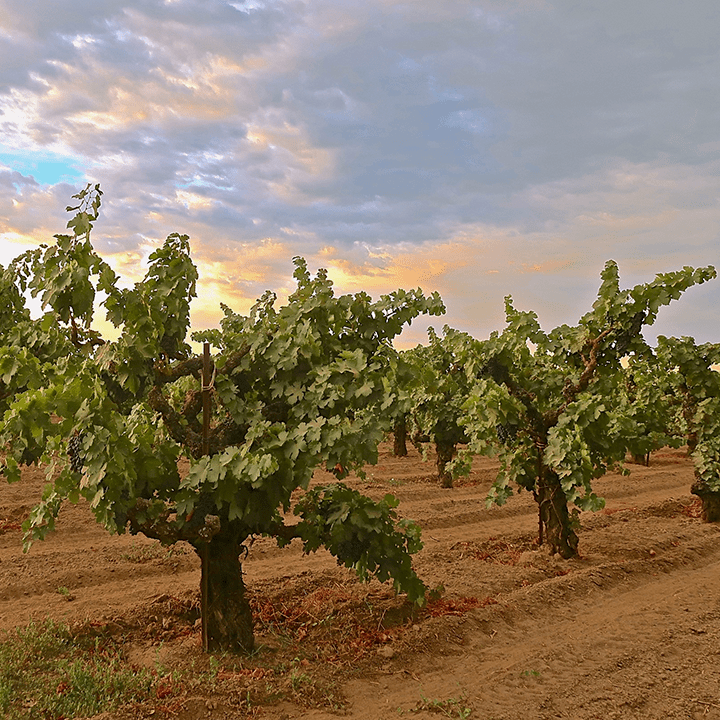
    Grenache / Garnacha

    • Synonyms: Garnacha (Spain), Cannonau (Italy – Sardinia), Alicante (Spain and France)
    • Main Regions: Spain, France (Rhône, Provence), Italy (Sardinia), Australia

    The name Grenache is widely recognized in France, where the grape forms the backbone of many Rhône blends, like Châteauneuf-du-Pape. In Spain, it goes by its native name, Garnacha, and is a key grape in the production of Rioja and Priorat wines. In Sardinia, it’s known as Cannonau, a name that speaks to the island’s Italian and Spanish influence throughout history. The grape’s versatility and ability to produce high-alcohol wines make it a favorite in many regions, but the variety of names reflects its extensive travel across Europe over the centuries.

    SOMM&SOMM Recommends: Sella & Mosca Cannonau di Sardegna Riserva 2020

    Tempranillo Vines at Clos la Plana Vineyard – Mick Stephenson, CC BY-SA 3.0 via Wikimedia Commons
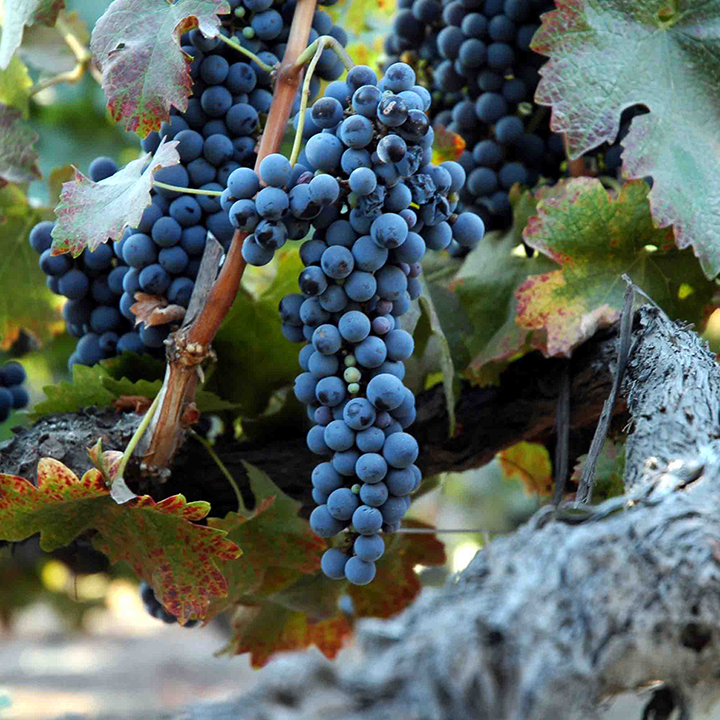
    Tempranillo / Tinta Roriz / Aragonez

    • Synonyms: Tinta Roriz (Portugal), Aragonez (Portugal), Cencibel (Spain)
    • Main Regions: Spain (Rioja, Ribera del Duero), Portugal (Douro Valley), United States

    Tempranillo is Spain’s signature red grape, responsible for the world-famous wines of Rioja and Ribera del Duero. But in Portugal, it goes by the name Tinta Roriz in the Douro Valley, where it is a key component in Port wine. In southern Portugal, the same grape is called Aragonez, likely a reference to its origins near the Spanish region of Aragón. Tempranillo, derived from the Spanish word “temprano” (meaning early), refers to the grape’s tendency to ripen earlier than other red varietals. The multiple names illustrate the Iberian Peninsula’s diverse winemaking history and regional pride.

    SOMM&SOMM Recommends: Cune Gran Reserva 2017

    Pinot Noir in Santenay Region of Burgundy – PRA, CC BY-SA 3.0 via Wikimedia Commons

    Pinot Noir / Spätburgunder

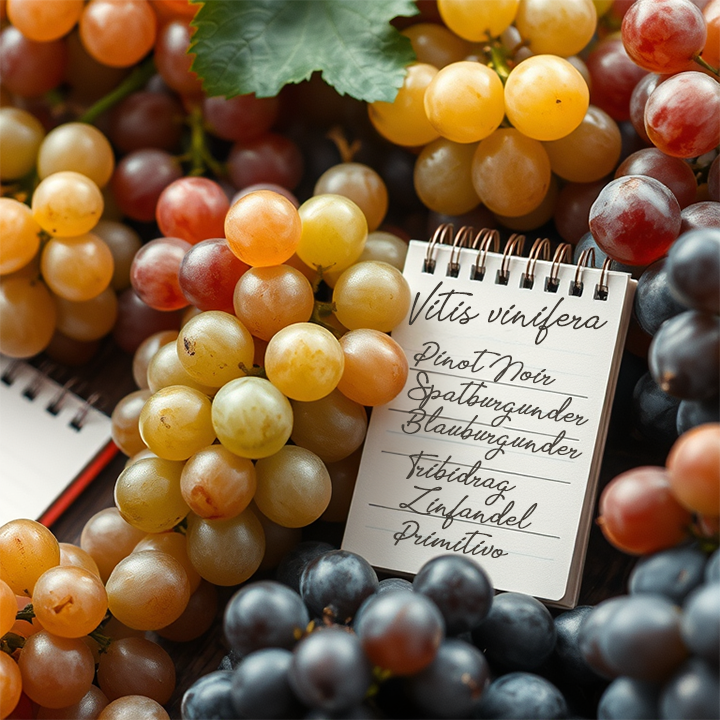
    • Synonyms: Spätburgunder (Germany), Blauburgunder (Austria, Italy), Pinot Nero (Italy)
    • Main Regions: France (Burgundy), Germany, Austria, United States (Oregon, California)

    The beloved Pinot Noir is known for producing elegant, complex wines in cool-climate regions like Burgundy, France, and Oregon, USA. In Germany, however, the grape is known as Spätburgunder, which translates to “late Burgundy,” a nod to the grape’s origin. In Austria and Northern Italy, it’s often referred to as Blauburgunder. The variations in name across Europe reflect the grape’s long migration from its French homeland, with each region adopting its own terminology based on language and local tradition.

    SOMM&SOMM Recommends: Weingut Ziereisen Schulen Spatburgunder 2019

    Zinfandel – Missvain, CC BY 4.0 via Wikimedia Commons
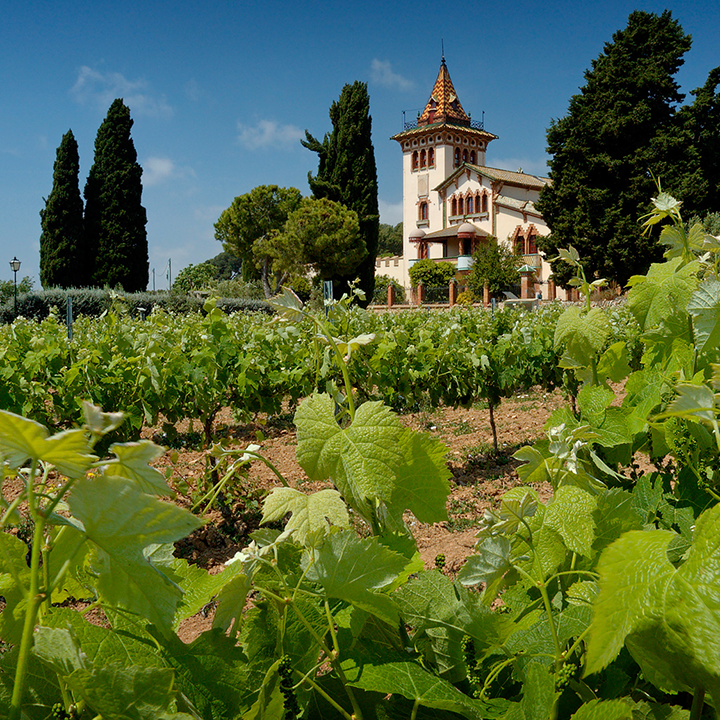
    Zinfandel / Primitivo

    • Synonyms: Primitivo (Italy), Tribidrag (Croatia)
    • Main Regions: United States (California), Italy (Puglia), Croatia

    Zinfandel has become synonymous with California wine, known for its jammy, fruit-forward style. However, genetic testing revealed that Zinfandel and Italy’s Primitivo are one and the same. The grape likely originated in Croatia, where it is known as Tribidrag, one of its oldest recorded names. How did it end up with so many aliases? The grape was brought to the United States in the 19th century, where it was mistakenly identified as a distinct varietal and named Zinfandel. Meanwhile, Italian growers had already embraced the grape as Primitivo, a name reflecting its early ripening qualities.

    SOMM&SOMM Recommends: Varvaglione Primitivo di Manduria Papale Linea Oro 2019

    Sauvignon Blanc – User:Vl, CC BY-SA 3.0 via Wikimedia Commons

    Sauvignon Blanc / Fumé Blanc

    • Synonyms: Fumé Blanc (United States – Loire Valley influence)
    • Main Regions: France (Loire Valley, Bordeaux), New Zealand, United States (California)

    Sauvignon Blanc is one of the most widely planted white grape varietals, prized for its high acidity and distinctive green, herbaceous flavors. In the U.S., particularly in California, Sauvignon Blanc is sometimes labeled as Fumé Blanc, a term coined by winemaker Robert Mondavi in the 1960s. He wanted to create a marketing distinction for his oak-aged version of the grape, taking inspiration from the French Pouilly-Fumé, a famous Sauvignon Blanc-based wine from the Loire Valley. Though both names refer to the same grape, the term Fumé Blanc evokes a sense of Old World elegance and smoky complexity.

    SOMM&SOMM Recommends: Pascal Jolivet Blanc Fume Sauvignon Blanc 2022

    The Complexity of Learning Wine’s Many Names

    As a sommelier, mastering the countless synonyms for grape varietals can feel like learning a new language—actually, several languages! For example, understanding that Monastrell in Spain is the same grape as Mourvèdre in France and Mataro in Australia requires not only memorization but an appreciation for the history and geography that shaped these names. These alternate names are often steeped in local culture, which adds to their charm but also to the complexity of wine education.

    Tips for Remembering Synonyms:

    • Contextual Learning: Studying the geography and history of a region can help make the names stick. Knowing that Primitivo came from Croatia as Tribidrag makes it easier to remember.
    • Tasting with Focus: When tasting wines from different regions, focus on varietals with synonyms. Taste a French Syrah alongside an Australian Shiraz and note the differences and similarities.
    • Storytelling: Linking a varietal to its story helps with retention. Knowing the tale of Robert Mondavi’s invention of Fumé Blanc gives the name more meaning.

    Here’s to the thrilling challenges of learning wine, and to the rich cultures that make every bottle a story worth savoring. Cheers!

    Gregory Dean, SOMM&SOMM

    The world of wine is full of fascinating nuances, and grape varietal synonyms are just one of the many complexities that make it endlessly interesting. Whether it’s a French Syrah transforming into an Australian Shiraz or a Spanish Garnacha becoming an Italian Cannonau, these alternate names tell the stories of migration, tradition, and regional pride. Embracing this challenge is part of the joy of studying wine, and while it may take time to memorize them all, each name offers a window into the culture and history of the regions that make wine such a rich and diverse world to explore. Cheers 🍷

  • Why Cabernet Sauvignon Pairs Perfectly with Steak

    Why Cabernet Sauvignon Pairs Perfectly with Steak

    The Science and Art of a Classic Pairing.

    Cabernet Sauvignon is known for its robust structure, high tannins, and full-bodied nature, which makes it a perfect pairing for steak. The science behind this lies in how the components of both the wine and the meat interact:

    • Tannins and Fat: Tannins, naturally occurring polyphenols in wine, bind to proteins. In a bold Cabernet Sauvignon, the high tannin content interacts with the rich fat of a steak, essentially softening the perception of tannins. Fat coats the mouth and mitigates the drying or astringent sensation of tannins, making the wine taste smoother.
    • Acidity and Protein: The acidity of Cabernet Sauvignon also plays a key role. A well-balanced Cabernet often has enough acidity to cut through the richness of the meat, particularly with fattier cuts like ribeye. This creates a harmonious balance where the wine refreshes the palate between bites, amplifying the savory flavors of the meat.
    • Intensity of Flavors: Cabernet Sauvignon, especially those from warmer climates, exhibits strong black fruit flavors (blackberry, cassis) along with earthy, herbaceous, and sometimes even smoky notes. Steak, especially when grilled or charred, mirrors this intensity with caramelized and umami-rich flavors, resulting in an elevation of both the food and wine.
    Photo by Jep Gambardella on Pexels.com

    Leveraging the Experience of Others

    Keeping an open mind when exploring wine pairings is essential, as it fosters a deeper appreciation for the diversity of flavors and combinations available. Discussions and debates about pairings often arise because everyone’s palate and experiences are unique. What works for one person might not resonate with another, and that’s the beauty of food and wine.

    Including perspectives like Scott White’s in this article highlights the value of differing viewpoints. His expertise with California Cabernets, for example, brings a unique lens to the table, reminding us that experimentation can uncover unexpected and delightful pairings. Scott and Alison White’s wine pairing dinners are epic. The Five Decade Chateau Montelena Wine Pairing Dinner was over the top.

    This diversity of thought enriches the overall understanding of the science and art of pairing.

    Gregory Dean, SOMM&SOMM

    Specific Cuts of Steak and Cabernet Pairings

    Photo by Nano Erdozain on Pexels.com
    Ribeye
    • Characteristics: A ribeye is richly marbled with fat, making it one of the most flavorful and tender cuts. The high fat content is perfectly suited to the strong tannins of Cabernet Sauvignon, particularly a bold Napa Cab.
    • Why It Works: The fat cuts the astringency of the wine, while the wine’s acidity and bold flavors counterbalance the richness of the steak. The char from grilling also complements the smoky, spicy, and earthy undertones of the wine.
    • Recommendation: Choose a Cabernet with some age on it to soften the tannins further and allow the wine’s tertiary characteristics (like leather and cedar) to pair with the steak’s charred exterior.

    SOMM&SOMM Recommends: 2019 Nickel & Nickel Quicksilver Vineyard Cabernet Sauvignon, Rutherford

    Scott White Recommends: 2021 Central Park West Cabernet Sauvignon

    Scott's Notes: "For me wine pairing is often all about the sauce. 

    But in the case of big flavored beef like ribeye or even NY strip the sauce is secondary. The beef usually is still the dominant flavor profile.

    For me its more about the fat content.

    So ribeye or NY strip needs a big, high tannin + acid cab... Like Trinchero Central Park West or St Francis Lagomarsino"
    New York Strip
    • Characteristics: A New York Strip has less fat than a ribeye but is still marbled enough to provide a good balance between tenderness and flavor.
    • Why It Works: With its slightly leaner profile, this cut benefits from a Cabernet Sauvignon with firm tannins and a more pronounced fruit-forward profile. A younger, fruit-driven Cab can bring out the savory qualities of the meat while still taming the wine’s tannins.
    • Recommendation: A fruit-forward Cab from a region like Paso Robles with more pronounced black cherry and plum notes will enhance the meat’s natural sweetness while balancing the firmness of the cut.

    SOMM&SOMM Recommends: 2021 DAOU Soul of a Lion Cabernet Sauvignon

    Scott White Recommends: 2018 St Francis Lagomarsino Russian River Valley

    Filet Mignon
    • Characteristics: Known for its tenderness rather than its flavor, filet mignon has very little fat and a more subtle beefy profile.
    • Why It Works (or Doesn’t): The lean nature of filet mignon requires a different approach. A high-tannin wine can overpower the delicacy of this cut. Instead, a softer Cabernet Sauvignon, perhaps one with some Merlot blended in or one that has been aged to mellow out the tannins, can provide enough structure without overwhelming the meat.
    • Recommendation: Consider a Bordeaux-style Cabernet blend where the softer fruit and mellow tannins complement the lean nature of the filet without overpowering it.

    SOMM&SOMM Recommends: 2021 Chateau Lecuyer Pomerol

    Scott White Recommends: 2019 Mondavi PNX Pinot Noir Carneros

    Scott's Notes: "Filet and to lesser extent sirloin has to be more subtle. Maybe some herbaceous notes like your old friend Silver Oak Alexander Valley. Especially with a chimichurri type sauce.  

    I would lean more to pinot for filet. I know thats a safer bet. I'm ok with traditional pairings."
    Sommelier and host, Scott White, serving sparkling wine from a Methuselah (6-liter bottle)

    When to Consider Other Wines

    While Cabernet Sauvignon works beautifully with most steaks, certain situations call for different wines:

    • Lean Cuts: For leaner cuts like a flank steak or sirloin, consider a wine with lower tannins and more acidity, such as a Zinfandel or Syrah. These wines bring more fruit and spice to the pairing, complementing leaner, tougher cuts that benefit from a little more juiciness in the glass.
    • Delicate Preparations: If your steak is served with a light sauce or prepared sous vide, the boldness of Cabernet may overpower the dish. Opt for a more restrained wine like a Pinot Noir or even a Tempranillo, which offers depth but with a lighter touch on the palate.

    Hypothetical Pairings for the Adventurous Foodie

    Seared Duck Breast – Navin75, CC BY-SA 2.0 via Wikimedia Commons

    Seared Duck Breast with Cabernet Sauvignon

    • Why It Works: Duck breast is rich and flavorful, similar to steak but with a gamier profile. A high-tannin Cabernet will cut through the duck’s fattiness, and the wine’s dark fruit (blackberry, plum) will highlight the duck’s inherent sweetness. The charred crust from searing complements the wine’s earthy, smoky undertones.
    • Twist: Add a cherry reduction sauce to echo the wine’s fruit character, creating an enhanced balance between the dish and the glass.

    Braised Short Ribs with Cabernet Franc

    • Why It Works: Short ribs are deeply flavorful and benefit from slow braising. Cabernet Franc, while less tannic than Cabernet Sauvignon, still provides enough structure to stand up to the richness of the meat. Its herbal and green pepper notes will contrast beautifully with the umami richness of the short ribs.
    • Twist: Consider serving the short ribs with a dark chocolate mole sauce to play off the wine’s earthy and cocoa-like finish.

    Lamb Shoulder with Cabernet Sauvignon

    • Why It Works: Lamb, especially a well-marbled shoulder, is rich, earthy, and slightly gamey, which pairs excellently with the tannins of a Cabernet Sauvignon. The wine’s herbal notes (like sage or thyme) echo the common herb seasonings of lamb.
    • Twist: Serve the lamb with a mint pesto or herbaceous chimichurri to highlight the green, herbal elements in the wine, creating a refreshing balance with the richness of the meat.

    SOMM&SOMM Recommends: 2020 Silver Oak Alexander Valley

    Scott White Recommends: 2019 Chateau Montelena Estate Cabernet Sauvignon

    Spicy Korean BBQ Beef Short Ribs with Syrah

    • Why It Works: The bold, spicy, and umami-rich flavors of Korean BBQ (gochujang, soy sauce, sesame oil) can overpower a typical Cabernet. Instead, Syrah’s spiciness, smoky undertones, and black fruit character make it a perfect match for the dish’s intense flavors.
    • Twist: The slight pepperiness of Syrah complements the heat of the BBQ, while its softer tannins keep the pairing from becoming overwhelming.
    Five Decade Chateau Montelena Wine Pairing Dinner

    Special thanks to fellow wine enthusiast, Scott White, for his unique perspective and insight into the art of the perfect pairing. These adventurous pairings demonstrate the interplay between fat, tannins, acidity, and flavor intensity. Understanding the science behind food and wine interactions allows sommeliers to push boundaries and craft unique, delicious experiences for the curious palate. Cheers🍷
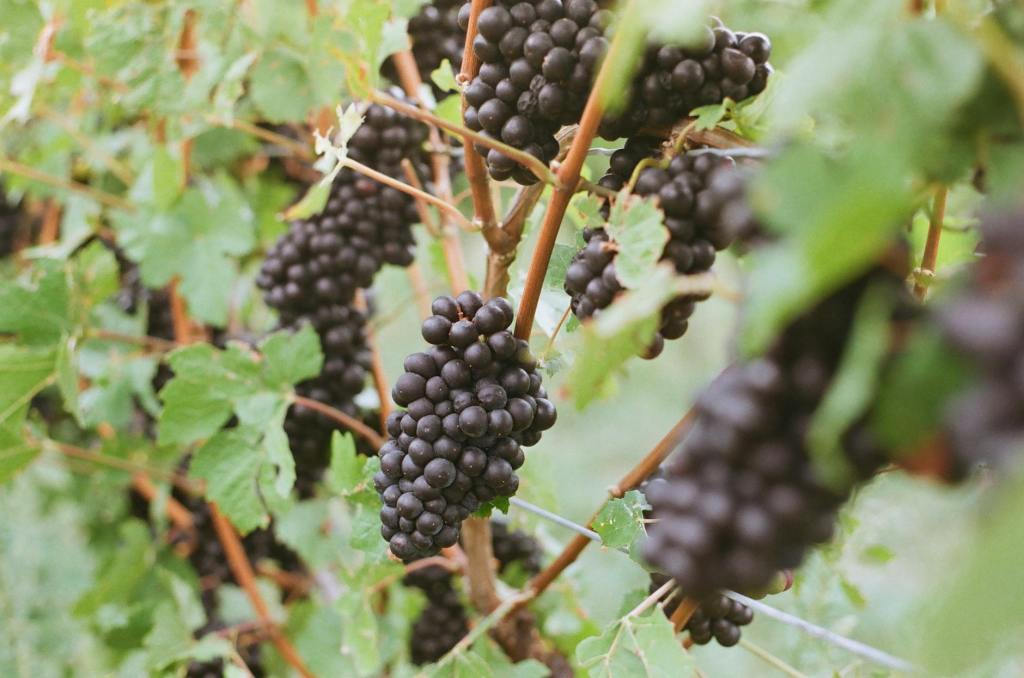
    Cover photo credit: Photo by Farhad Ibrahimzade on Pexels.com

  • The Genealogy of Grape Varietals

    The Genealogy of Grape Varietals

    Unveiling the Mysteries of Wine’s Most Celebrated Grapes

    In the world of wine, the grape is the star of the show, the foundation upon which all great wines are built. But have you ever wondered about the lineage of these illustrious berries? Let’s embark on a journey through the genealogy of the top 10 grape varietals, exploring their origins, the fascinating science behind them, and a sprinkle of myth and lore that makes each one even more intriguing.

    Photo by David on Pexels.com

    Understanding Hybrid, Cross, and Clone Varietals

    Before diving into the individual stories, it’s essential to understand some key terms:

    Hybrid: A hybrid grape is a cross between two different species (e.g. Vitis vinifera – Vitis lambrusca). These often arise to combine the best traits of each parent species, like disease resistance or cold hardiness.

    Cross: A cross, or crossbreed, is a grape created from two different varieties within the same species (Vitis vinifera – Vitis vinifera). This is common in Vitis vinifera, the primary species used in wine production.

    Clone: A clone is a genetically identical copy of a single grapevine. Clones arise through vegetative propagation, where cuttings from a vine are rooted to create new vines with the exact genetic makeup of the original.

    The Top 10 Grape Varietals and Their Genealogy

    Cabernet Sauvignon

    1. Cabernet Sauvignon

       – Species: Vitis vinifera

       – Genealogy: This noble grape is a natural cross between Cabernet Franc and Sauvignon Blanc, discovered in the 17th century in Bordeaux, France.

       – Myth and Lore: Legend has it that the grape first grew wild on the graves of fallen warriors, gaining strength from their spirits.

    Chardonnay

    2. Chardonnay

       – Species: Vitis vinifera

       – Genealogy: Originating from a cross between Pinot Noir and Gouais Blanc, Chardonnay has roots dating back to the Middle Ages in Burgundy, France.

       – Myth and Lore: Monks in Burgundy believed Chardonnay vines were a gift from the heavens, planted by angels to produce divine wines.

    Photo by Abynaya on Pexels.com

    3. Pinot Noir

       – Species: Vitis vinifera

       – Genealogy: Pinot Noir is an ancient variety, with genetic studies suggesting it dates back over 2,000 years, originating in the Burgundy region of France.

       – Myth and Lore: Some say that Pinot Noir vines were nurtured by druids, who believed the grape possessed mystical properties.

    Merlot

    4. Merlot

       – Species: Vitis vinifera

       – Genealogy: A descendant of Cabernet Franc and Magdeleine Noire des Charentes, Merlot emerged in the Bordeaux region in the 18th century.

       – Myth and Lore: Merlot was once thought to be the favorite grape of mermaids, who would sip its juice and sing songs of love and loss.

    Syrah/Shiraz

    5. Syrah/Shiraz

       – Species: Vitis vinifera

       – Genealogy: Syrah’s origins trace back to a cross between Dureza and Mondeuse Blanche, discovered in the Rhône Valley, France.
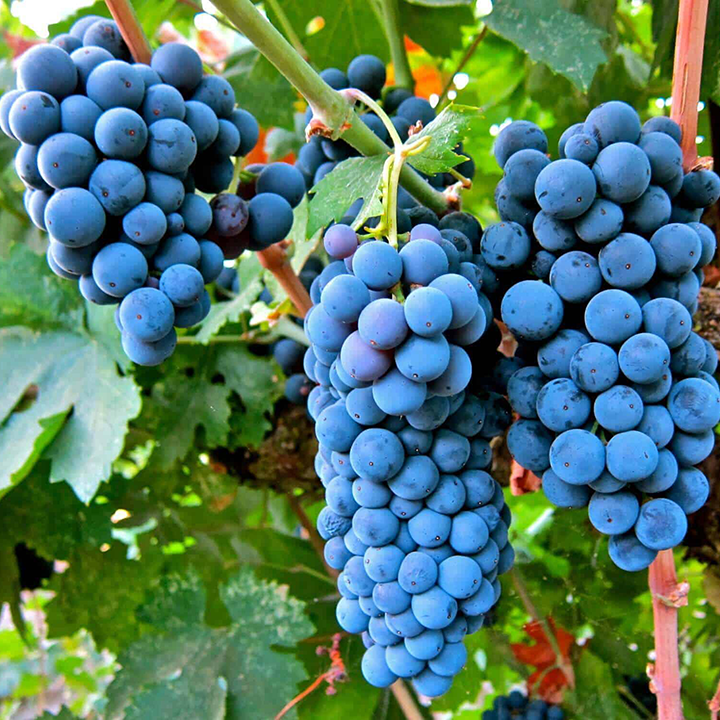
       – Myth and Lore: Ancient Persian legends tell of Syrah as a grape born from the tears of the god Syra, weeping for his lost love.

    Sauvignon Blanc

    6. Sauvignon Blanc

       – Species: Vitis vinifera

       – Genealogy: This grape is one of the parents of Cabernet Sauvignon, with its origins in the Loire Valley of France.

       – Myth and Lore: It is said that Sauvignon Blanc vines were found growing near the lair of a wise old fox who guarded them fiercely, believing the grapes held the secret to eternal youth.

    Zinfandel

    7. Zinfandel

       – Species: Vitis vinifera

       – Genealogy: Genetically identical to the Croatian grape Crljenak Kaštelanski and the Italian Primitivo, Zinfandel made its way to California in the mid-19th century.

       – Myth and Lore: Early settlers in California believed Zinfandel vines were protected by earth spirits who ensured bountiful harvests.

    Riesling

    8. Riesling

       – Species: Vitis vinifera

       – Genealogy: Riesling’s origins can be traced to the Rhine region of Germany, first documented in the 15th century.

       – Myth and Lore: German folklore suggests that Riesling vines were tended by elves, who imbued the grapes with a delicate sweetness.

    Tempranillo

    9. Tempranillo

       – Species: Vitis vinifera

       – Genealogy: Native to Spain, Tempranillo’s exact origins are unclear, but it has been cultivated on the Iberian Peninsula for over 2,000 years.

       – Myth and Lore: Spanish knights believed that drinking Tempranillo before battle would grant them courage and strength.

    Malbec

    10. Malbec

        – Species: Vitis vinifera

        – Genealogy: Originating in France, Malbec is a natural cross between Magdeleine Noire des Charentes and Prunelard. It gained fame in Argentina, where it thrived in the high altitudes.

        – Myth and Lore: In Argentine folklore, Malbec was blessed by the spirits of the Andes mountains, who ensured its rich, robust flavor.

    The Science and Magic of Varietal Creation

    Hybrid Varietals – Hybrids often arise from the need to improve specific traits. For example, Vidal Blanc is a hybrid of Ugni Blanc (Vitis vinifera) and a hybrid grape variety, created to withstand harsh Canadian winters.

    Cross Varietals – Crossbreeding within the same species can lead to remarkable discoveries, as seen with Pinotage, a cross between Pinot Noir and Cinsault, developed in South Africa in 1925 to create a robust grape suited to the local climate.

    Clones – Clones like the Dijon clones of Pinot Noir, selected for their specific traits such as small berries or disease resistance, demonstrate how subtle genetic variations can lead to significant differences in the wine’s profile.

    The genealogy of grape varietals is a blend of science and storytelling, where each grape’s journey from ancient roots to modern vineyards is as captivating as the wines they produce. Whether shaped by nature or nurtured by mythical beings, these varietals continue to enchant wine lovers around the globe, one sip at a time. So, the next time you raise a glass, remember the rich history and fascinating lineage that brought that wine to your table. Cheers 🍷

  • Varietal Spotlight: Zinfandel

    Varietal Spotlight: Zinfandel

    Unveiling the Rich Tapestry of Zinfandel

    Amidst the vast and diverse landscape of wine varietals, few evoke as much intrigue and delight as Zinfandel. With its roots deeply intertwined with American viticultural history, Zinfandel has captivated palates around the globe with its versatility, bold flavors, and intriguing heritage. Join me on a journey as we delve into the intricacies of this enigmatic grape, exploring its origins, diverse expressions, and ideal pairings, just in time to elevate your summer barbecues.

    The origins of Zinfandel have long been a subject of debate among wine enthusiasts and historians. While it is widely acknowledged as a quintessentially American grape variety, its exact ancestry remained shrouded in mystery until recent advancements in genetic research.

    Photo by Luciann Photography on Pexels.com

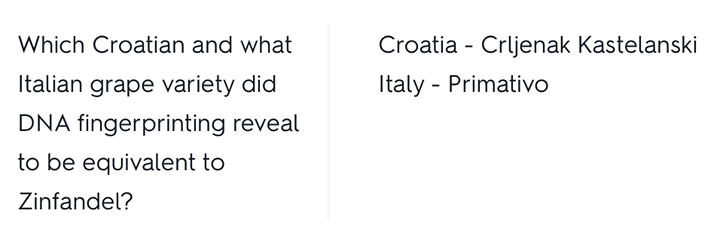
    Recent DNA analysis has revealed that Zinfandel is genetically identical to the Croatian grape variety known as Crljenak Kaštelanski (pronunciation: Tserl-yee-ehnak Kash-tell-ann-skee), as well as the Italian Primitivo (pronunciation: pri-meh-TEE-Voh). This revelation has shed light on the grape’s journey across continents, tracing its lineage from the Dalmatian Coast of Croatia to the sun-drenched vineyards of California.

    Required Knowledge for WSET Level 3

    Additional Info: Carole Meredith Solves the Mystery of Zinfandel (The V&E Trellis Wire, Spring 2002)

    Zinfandel first gained prominence in California during the Gold Rush era of the 19th century when it became the most widely planted grape variety in the state. Its robust vines thrived in the Mediterranean-like climate of California, giving rise to some of the most iconic wines in American history.

    Varieties and Characteristics

    Zinfandel is celebrated for its remarkable diversity, with a spectrum of expressions ranging from light and fruity to bold and full-bodied. This versatility stems from various factors including terroir, winemaking techniques, and aging practices.

    Red Zinfandel: The most iconic expression of Zinfandel, red Zinfandel wines are characterized by their deep ruby hues, vibrant fruit flavors, and spicy undertones. Notes of blackberry, raspberry, and plum are often interwoven with hints of black pepper, cinnamon, and licorice, creating a complex and multifaceted palate. Red Zinfandels can vary in intensity, with some displaying bold tannins and high alcohol content, while others exude elegance and finesse.

    White Zinfandel: White Zinfandel emerged as a serendipitous offshoot of its red counterpart. In the 1970s, winemakers accidentally left Zinfandel juice in contact with the grape skins for an extended period, resulting in a blush-colored wine with residual sweetness. This happy accident gave birth to White Zinfandel, a refreshing and approachable wine known for its light body, crisp acidity, and fruity aromatics. Unlike its robust red counterpart, White Zinfandel is best enjoyed in its youth, showcasing flavors of strawberry, watermelon, and citrus.

    In every sip of Zinfandel lies the essence of paradox; bold yet delicate, rustic yet refined, echoing the journey of life itself in its nuanced flavors.

    Gregory Dean, SOMM&SOMM

    While Zinfandel is cultivated in various wine regions across the globe, certain appellations have emerged as bastions of excellence for this noble grape.

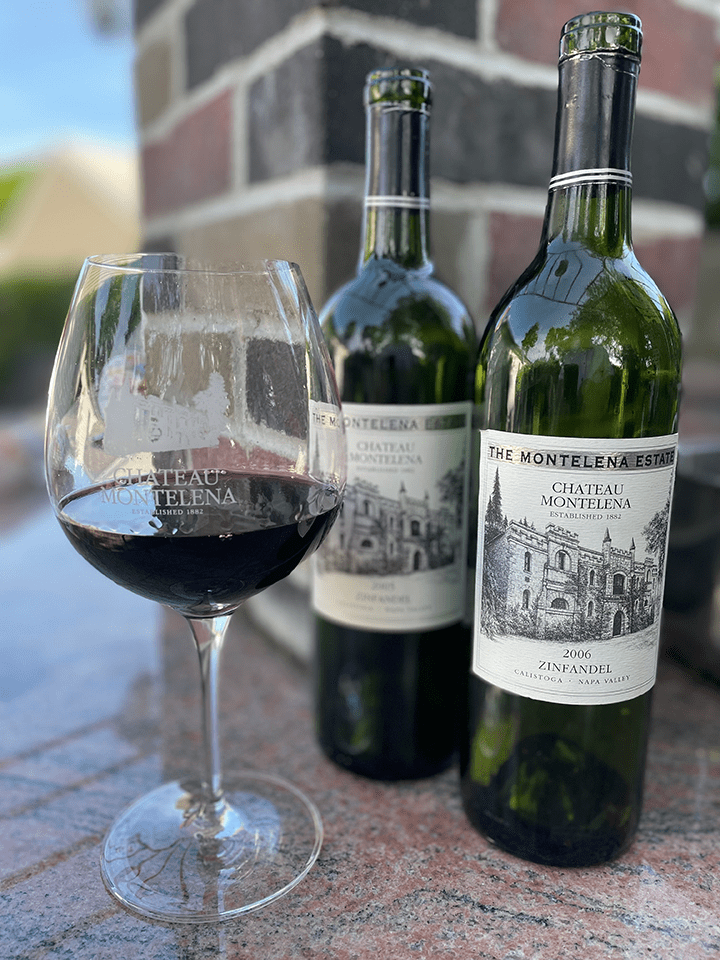
    A vertical of Chateau Montelena Zinfandel was on the menu a summer barbecue hosted by sommelier, Scott White

    California (Napa Valley and Sonoma County): California remains the epicenter of Zinfandel production, with Napa Valley and Sonoma County standing out as premier regions for cultivating this varietal. The warm days and cool nights of these coastal regions provide an ideal microclimate for Zinfandel, allowing the grapes to achieve optimal ripeness while retaining acidity and balance. Wines from Napa Valley tend to be rich and opulent, with concentrated fruit flavors and velvety textures, while those from Sonoma County showcase vibrant acidity and distinctive terroir-driven nuances.

    SOMM&SOMM Recommends: 2021 Chateau Montelena Zinfandel

    SOMM&SOMM Recommends: 2015 Seghesio Zinfandel Home Ranch

    SOMM&SOMM Recommends: 2021 St. Francis Old Vines Zinfandel ‘Tres Viejos’

    Old Vine Zinfandel

    Mendocino County (The Home of Old Vines): Within California, Mendocino County holds a special place in the hearts of Zinfandel aficionados, thanks to its abundance of ancient vines. These gnarled and weather-beaten vines, some over a century old, yield grapes of unparalleled depth and complexity, resulting in wines of extraordinary character and age-worthiness. Mendocino County Zinfandels are revered for their intensity, structure, and ability to express the unique terroir of their vineyard sites.

    Elevating Summer Barbecues

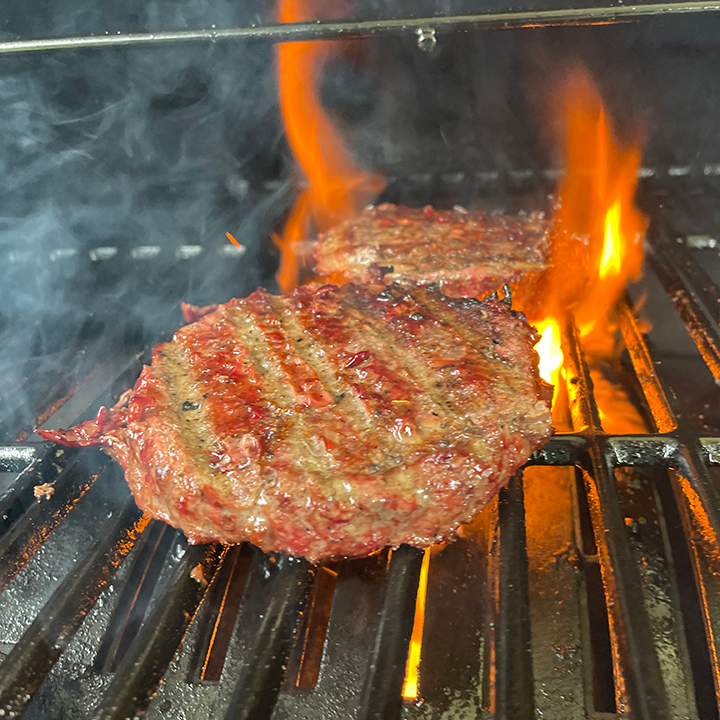
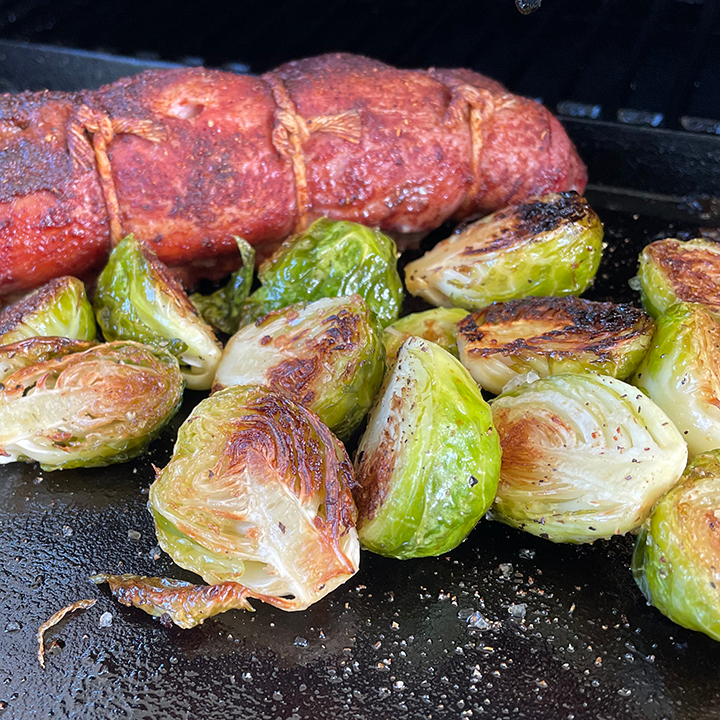
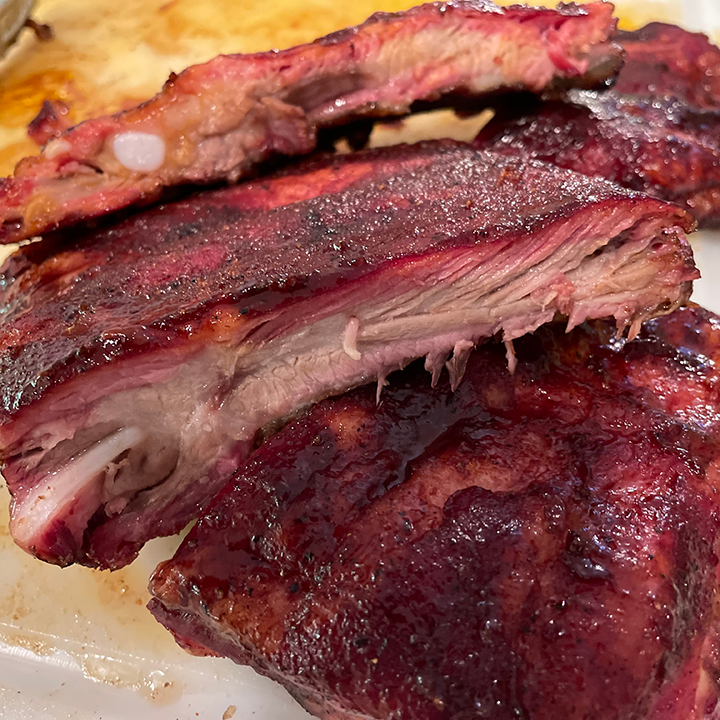
    Zinfandel’s bold flavors and vibrant acidity make it an ideal companion for a wide array of summer barbeque fare. Whether you’re grilling juicy steaks, smoky ribs, or tangy barbecue chicken, Zinfandel’s robust character and spicy nuances are sure to complement and enhance the flavors of your meal. Here’s a few images from past Summer barbecues.

    For a classic pairing, try serving a bold, full-bodied Zinfandel alongside a sizzling rack of barbeque ribs. The wine’s ripe fruit flavors and zesty acidity will cut through the richness of the meat, while its peppery notes will harmonize with the smoky barbecue sauce.

    For a lighter option, consider pairing White Zinfandel with grilled shrimp skewers or a crisp summer salad. The wine’s refreshing acidity and fruit-forward profile will provide a delightful contrast to the charred flavors of the seafood, while its subtle sweetness will complement the fresh, vibrant ingredients of the salad.

    No exploration of Zinfandel would be complete without a nod to its colorful history and enduring legacy. From the heady days of the Gold Rush to the modern renaissance of American winemaking, Zinfandel has remained a steadfast symbol of resilience and innovation.

    Legend has it that during Prohibition, enterprising bootleggers would smuggle Zinfandel grapes across state lines disguised as “table grapes,” allowing intrepid winemakers to continue producing their beloved elixir in secret. This defiance of authority only served to fuel Zinfandel’s mystique, cementing its status as the quintessential American wine.

    Zinfandel is the quintessential American wine

    Zinfandel stands as a testament to the enduring allure of wine, bridging continents and centuries with its rich tapestry of flavors and stories. Whether enjoyed as a bold red or a refreshing blush, Zinfandel invites us to savor the moment and celebrate the joy of discovery with every sip. So, raise a glass to Zinfandel, and let its timeless charm transport you on a journey of endless possibilities. Cheers 🍷