Category: Uncategorized

  • The Evolution of Tertiary Notes in Wine

    The Evolution of Tertiary Notes in Wine

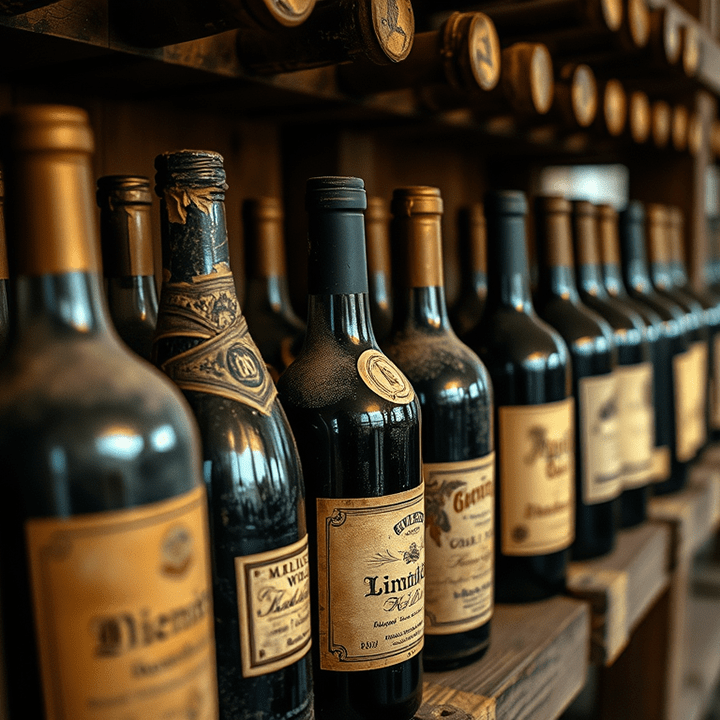
    Tertiary notes in wine arise through bottle aging, bringing depth and complexity as a wine matures. These notes offer a glimpse into the evolution of flavors that go beyond the fruit and winemaking, revealing the passage of time.

    Photo by Ion Ceban @ionelceban on Pexels.com

    What Are Tertiary Notes?

    Tertiary characteristics develop after the wine has been bottled and allowed to age. This stage is often where the magic happens, as the wine’s primary and secondary notes begin to fade, and more complex, earthy, and savory elements take center stage. Tertiary notes reflect oxidation, maturation, and the slow chemical changes that occur as the wine ages.

    Key Influences on Tertiary Notes

    Aging Time

    • Extended aging allows the fruit to mellow, revealing deeper, more nuanced flavors.
    • Red wines, in particular, develop dried fruit, leather, tobacco, or forest floor notes as they mature.

    Oxidation

    • Over time, exposure to small amounts of oxygen helps develop nutty or savory notes. This is especially true for wines aged under cork.

    Bottle Conditions

    • The storage environment—temperature, light, humidity—can significantly influence the development of tertiary notes.
    Examples of Tertiary Aromas
    • Dried Fruit: As the wine ages, fresh fruit aromas evolve into dried fig, raisin, or prune, particularly in red wines like Amarone or aged Port.
    • Earthy/Savory: Leather, tobacco, forest floor, truffle, or mushroom are common in well-aged wines like Barolo or Rioja Gran Reserva.
    • Nutty/Caramelized: Especially common in oxidative wines like Sherry or Madeira, these notes include walnut, almond, toffee, or caramel.

    Identifying Tertiary Notes in Wine

    To recognize tertiary notes, time and patience are key:

    1. Smell for Depth: Aged wines will have a more subdued, nuanced aroma. Instead of fresh fruit, you may detect dried fruit, leather, or tobacco.
    2. Taste for Mellow Flavors: A well-aged wine will have softer tannins, less pronounced acidity, and flavors that reflect the earth or savory elements.
    3. Look for Color Change: Red wines develop a brick or garnet hue, while whites darken into golden amber tones, signaling the presence of tertiary characteristics.

    As wine ages, it transcends its origins, offering a complex symphony of evolved flavors—where dried fruit, earth, and time-worn elegance come together in harmony, leaving behind the vigor of youth for the wisdom of age.

    Gregory Dean, SOMM&SOMM

    By understanding the progression from primary to secondary and tertiary notes, wine enthusiasts can fully appreciate the transformative journey a wine takes, unlocking new layers of complexity at each stage. Cheers 🍷
  • Celebrating a Milestone

    Celebrating a Milestone

    Reflecting on Our 100th Article on SOMM&SOMM.

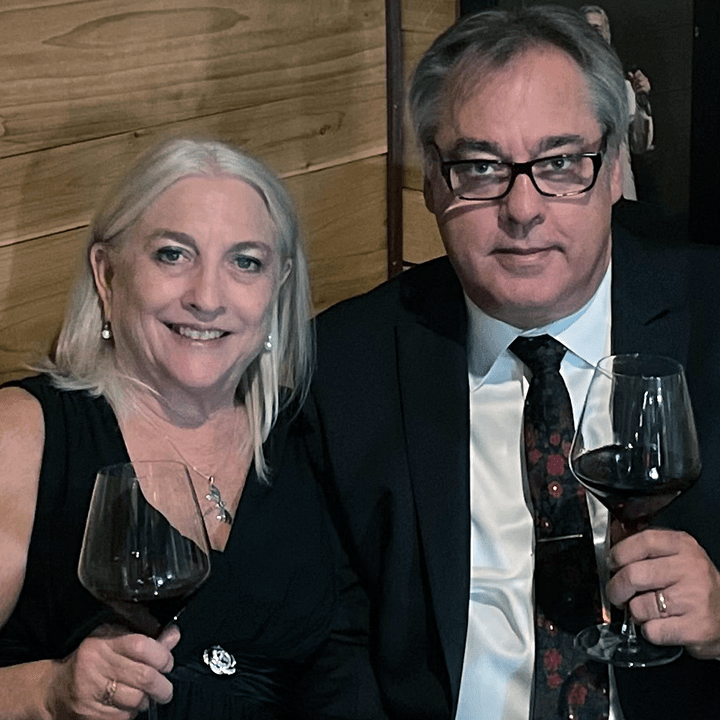
    When Tammy and I first embarked on our journey with SOMM&SOMM, we had no idea where it would lead. We were driven by a shared passion for wine, food, and the endless stories they tell. Today, as we publish our 100th article, it’s hard not to reflect on the path that has brought us here and the purpose that continues to guide us.

    Writing these articles has been more than just a creative outlet or a way to share knowledge. Each piece we’ve crafted has mirrored the steps in our ongoing sommelier journey. Whether we’re deep into the nuances of a specific region, exploring the intricacies of a particular wine style, or uncovering the secrets behind an obscure varietal, these articles have served as a way to solidify what we’ve learned. They’ve become part of our study, our practice, and our way of ensuring that the ever-expanding world of wine stays anchored in our minds.

    Wine is not just a drink; it’s a lifelong education.

    Gregory Dean, SOMM&SOMM

    The more we learn, the more we realize how much there is still to discover. Wine laws shift, new trends bring forgotten varietals back into the spotlight, and technology reshapes how wines are made and appreciated. The landscape is always changing, and that’s what makes it so fascinating. We continue this effort not just because there’s so much more to explore, but because the journey itself is the reward.

    Exploring Latitude Parallels: A Journey Through Parallel Wine Regions

    100th Article Published on SOMM&SOMM

    The 100th article is a milestone, but it’s far from a conclusion. It’s a marker on a road that stretches far into the horizon, with more twists, turns, and discoveries waiting just beyond the next vineyard or in the depths of the next cellar.

    Greg & Tammy, SOMM&SOMM

    We also want to take a moment to express our deepest gratitude to our friends and family. Your enthusiasm, shared passion, and countless conversations over wine have enriched our lives and deepened our appreciation for this incredible world. Whether we’ve sipped and savored together at our home, in a cozy wine bar, or at one of our events, you’ve been an integral part of this journey. Your presence makes every glass more enjoyable, every discovery more meaningful, and every moment more cherished.

    Thank you to everyone who has joined us on this journey. Whether you’ve read one article or all 100, your support and curiosity fuel our passion. Here’s to the next 100, and the countless glasses of wine we’ll share along the way.

    Cheers,

    Greg & Tammy, SOMM&SOMM