Category: Reviews

  • How One Hotel Restaurant Made Our 44th Anniversary Unforgettable

    How One Hotel Restaurant Made Our 44th Anniversary Unforgettable

    Tammy and I travel for food and drink the way others chase sunsets — with an agenda, a notebook, and an appetite for the unexpected. On a three-day jaunt to St. Augustine to celebrate our 44th wedding anniversary we found plenty to love, but one evening at Castillo Craft Bar + Kitchen quietly rearranged the star chart: this was not simply a nice hotel meal. It was a masterclass in what service, craft cocktails, and properly thought-out cooking can do when they cooperate.

    The Prosecco Welcome — and a Thoughtful Surprise

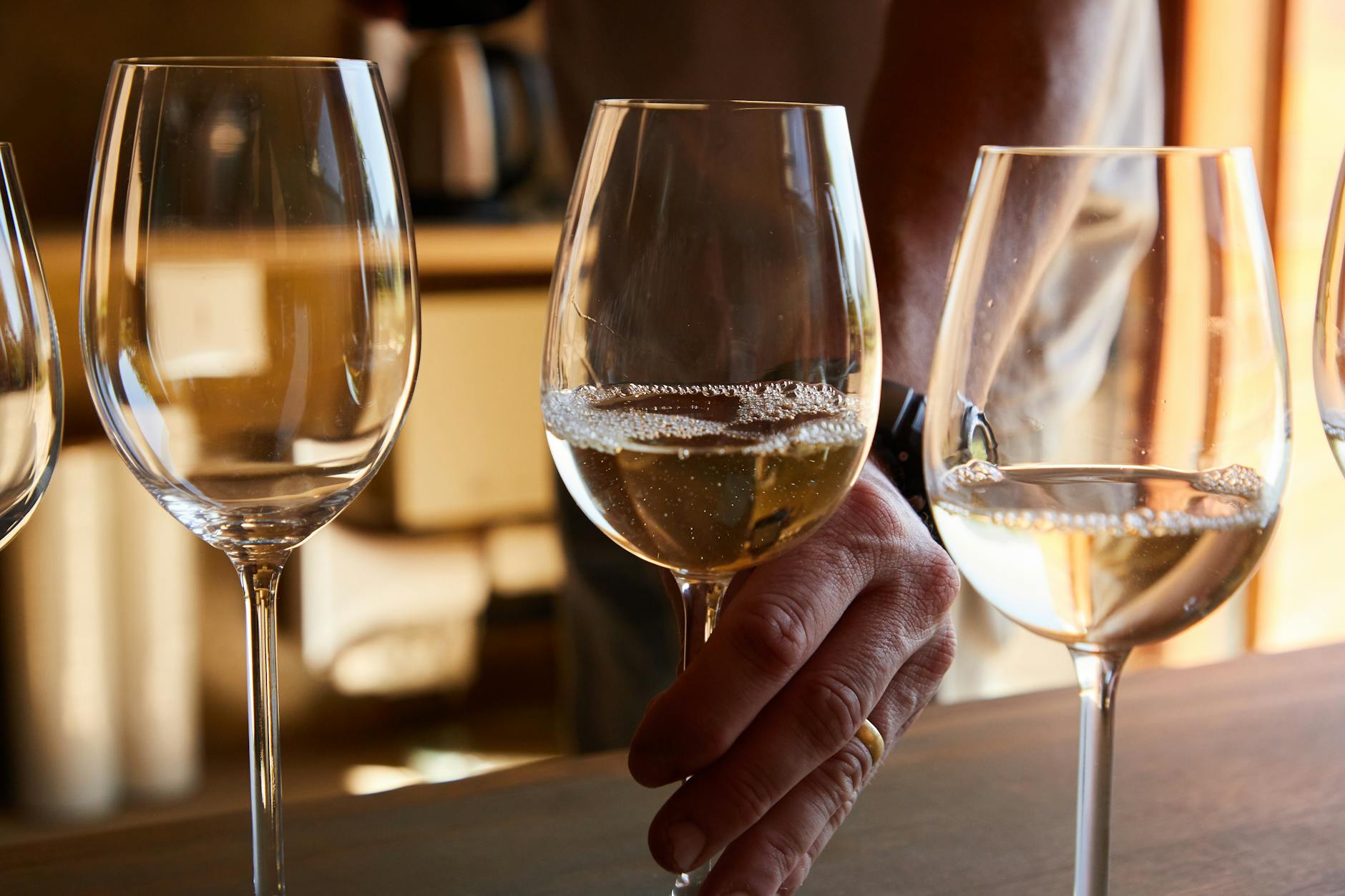
    Earlier that afternoon, we discovered a chilled bottle of Prosecco waiting in our room’s refrigerator — a quiet gesture from the team that set the tone before we even stepped into the restaurant. When we did arrive (an hour ahead of our reservation), we were greeted with a fresh glass of Prosecco, introduced to the staff, and seated by the window.

    Then came the moment that sealed Castillo’s reputation in our minds: shortly after we were seated, a lively family of 13 or 14 adults and children was placed nearby. The children, understandably, vied for attention while the adults settled into animated conversation. Within minutes, the restaurant manager, Daniel, intervened with effortless class. He moved us to a private dining room with a single table for twelve — effectively giving us the most private, romantic setting in the house. It was an astute and gracious move, and one we will never forget.

    Cocktails with Gravitas

    We decided to begin with classics: Tammy ordered an Aviation, I a Paper Plane. Both were mixed with respect for tradition. The Aviation balanced lemon’s tart brightness with the nutty-cherry note of maraschino and a whisper of crème de violette — floral but never perfumey. The Paper Plane, a test of proportion, was taut and bittersweet, bourbon’s warmth underpinning Aperol’s orange bitterness and amaro’s herbal pull. Two classics rendered with conviction.

    Quick Sidebar… you know we love craft cocktails! Our books are now available on Amazon
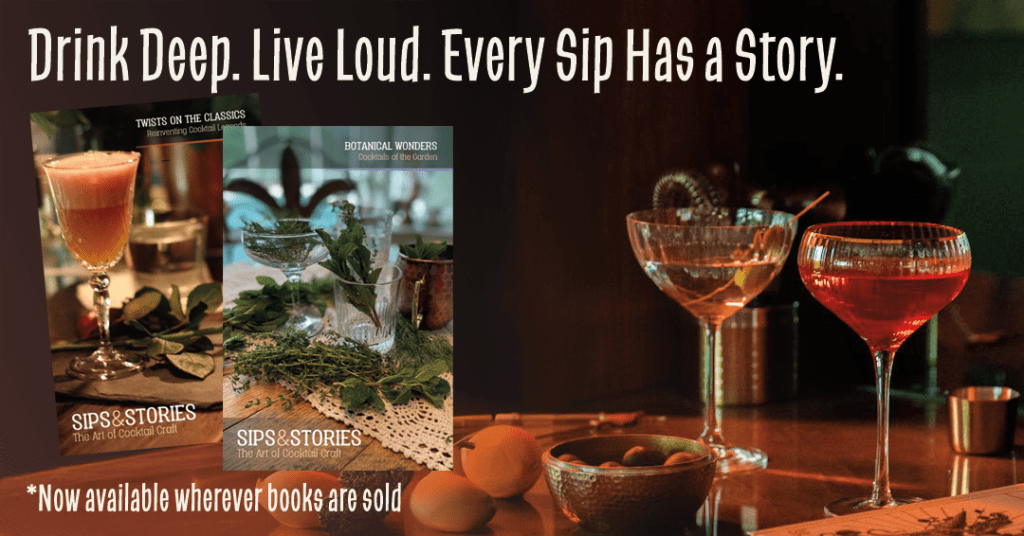
    Amazon: SIPS & STORIES: Twists on the Classics

    Amazon: SIPS & STORIES: Botanical Wonders

    Starters with Intention

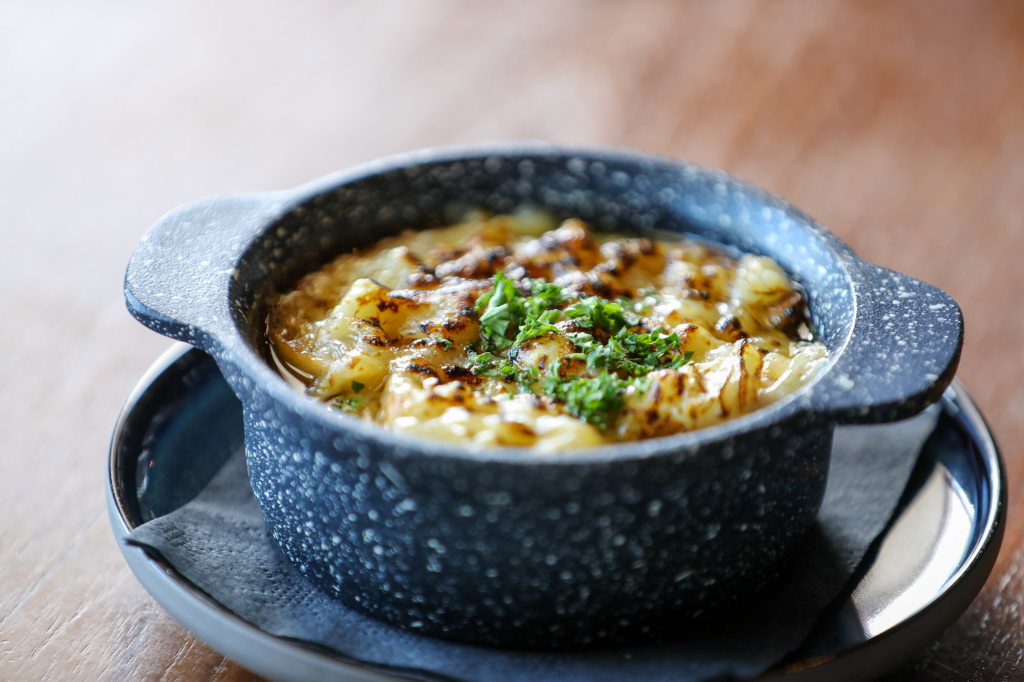
    • Spanish Onion Soup (Castillo’s twist): Dry sherry lifted the base of caramelized onions, Manchego added a salty sheep’s-milk edge, and Gruyère brought nutty depth. The bread held texture rather than sinking into soggy oblivion. Purposeful, not gimmicky.
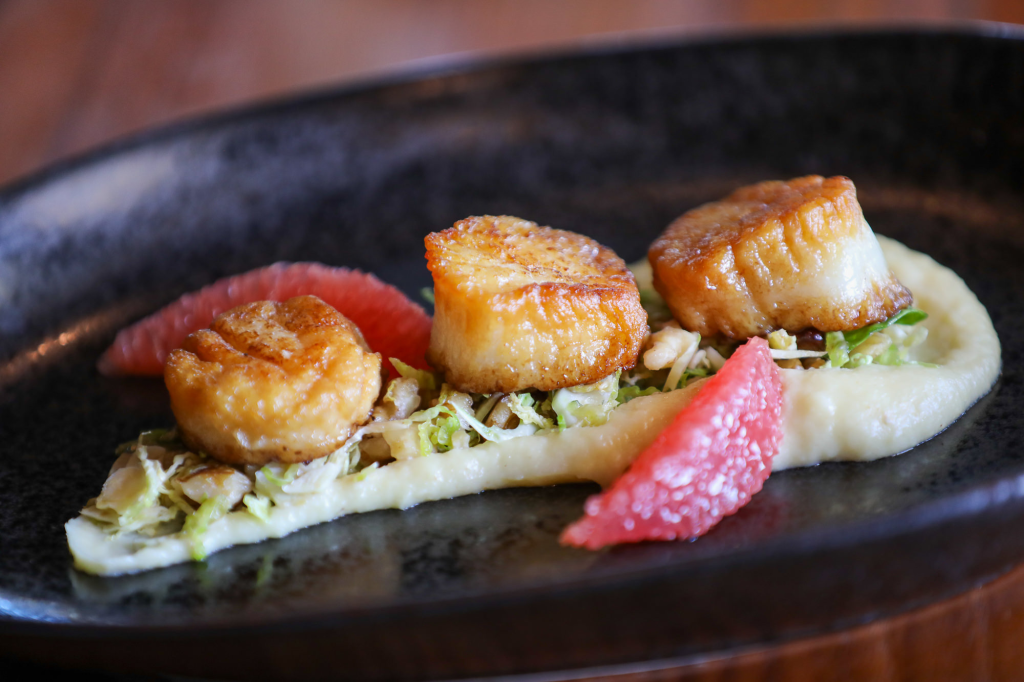
    • Pan-Seared Scallops: Golden exterior, luminous center — textbook scallops. Grapefruit and Brussels slaw delivered acid and bitterness; toasted walnuts brought texture and a subtle caramelized edge; parsnip purée offered a sweet earthiness. A dish of balance and contrast.
    The Mains — Precision and Poise

    We ordered separately and shared:

    • Dry-Aged Duck Breast — with confit, potato purée, seared tomato and mushrooms, and a cherry-coffee demi-glace. The duck was properly seared and the fat rendered cleanly. The demi-glace married classic cherry with a clever roasted coffee bitterness that harmonized with the mushrooms. A modern, inventive take that never felt like a stunt.
    • 6-oz Filet Mignon — with potato purée, root vegetables, charred mushrooms, and a blackberry-port demi. Filet is mild by nature; the demi provided fruit depth without over-reduction. Charred mushrooms contributed savory grounding.

    The Wine Choice

    We chose a Burgundy Pinot Noir. Its red cherry and earthy underbrush notes paired seamlessly with the duck’s cherry-coffee sauce, while its acidity and gentle tannins refreshed each bite of filet and demi. A Cabernet would have bullied the plates; Pinot offered conversation instead of domination.

    Sweet Farewell and Spirited Encore

    Dessert arrived in the form of raspberry-filled chocolate truffles — tartness wrapped in richness, a refined way to close. But the evening wasn’t over. Daniel and his team drew us into conversation about mixology, inviting us to sample cocktails destined for the next menu. To be trusted with in-progress creations, to taste and talk shop with equal enthusiasm, was the rarest gift of all: inclusion.
    A Recommendation from a Picky Pair

    Castillo Craft Bar + Kitchen may technically be a hotel restaurant, but that label undersells it. Here, cocktails are crafted with reverence, dishes are built on contrasts and precision, and service is the invisible framework that allows it all to shine. The thoughtful surprise of Prosecco, Angelica’s professional warmth, Daniel’s extraordinary attentiveness in relocating us to a private space, and the invitation to taste what’s to come all combined to turn our 44th anniversary into a celebration of craft and care.

    For those who care about detail, timing, and the artistry behind both food and drink, Castillo Craft Bar + Kitchen is not just a place to dine — it’s a destination to remember. Cheers 🥂

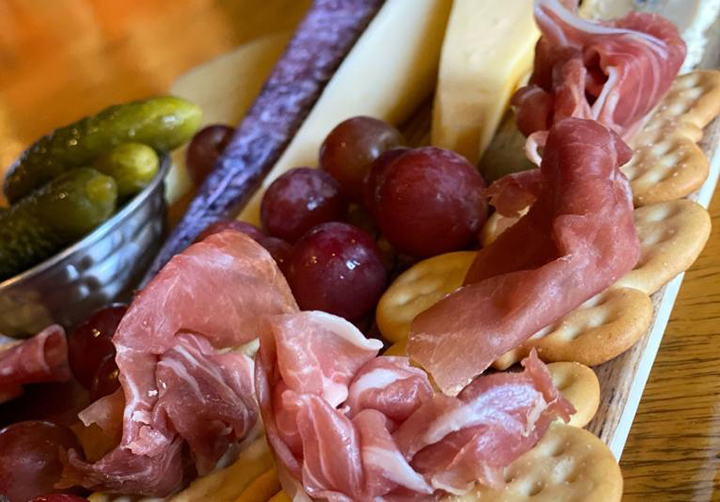
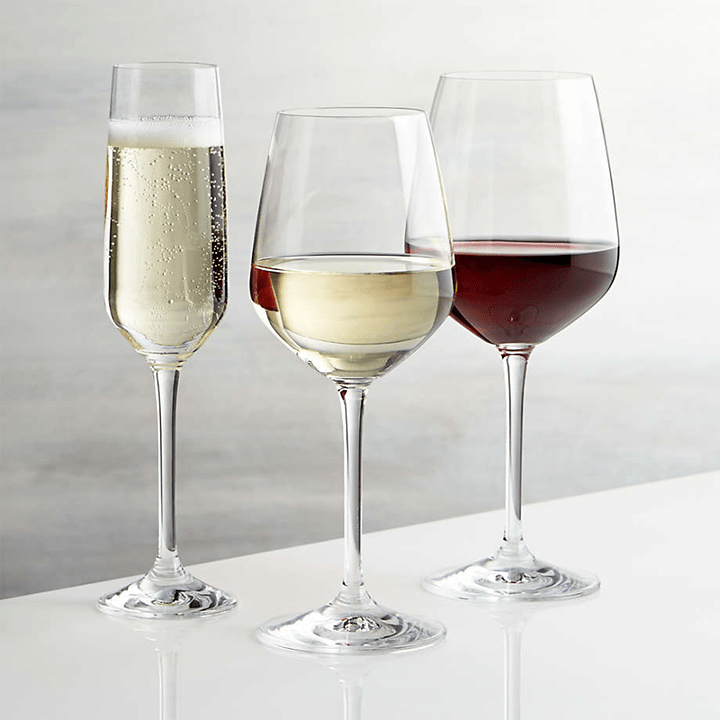
    Note on images: We were so engaged with the staff and enamored by the experience that we didn’t stop to take photos during our anniversary dinner. Fortunately, the images featured throughout this article are sourced from Castillo Craft Bar + Kitchen’s website, which offers up-to-date visuals that accurately reflect the atmosphere, cuisine, and presentation we enjoyed.
  • Forbidden Fruit

    Forbidden Fruit

    The Banned Grapes of Wine History.

    In a world where wine is both a pleasure and a regulated agricultural product, the grapes that fill your glass are not always a matter of tradition, terroir, or taste—but of law. The wines you sip, cellar, or celebrate with are shaped not only by centuries of viticultural evolution but also by sweeping legislation that determines what may—and may not—be grown, labeled, and sold as wine.

    Among the many curiosities of global wine law lies a particularly juicy topic: forbidden fruit—grape varieties that have been banned or heavily restricted, particularly in the European Union. Their names whisper through the back alleys of viticultural history like outlawed poets: NoahOthelloIsabelleJacquezClinton, and Herbemont.

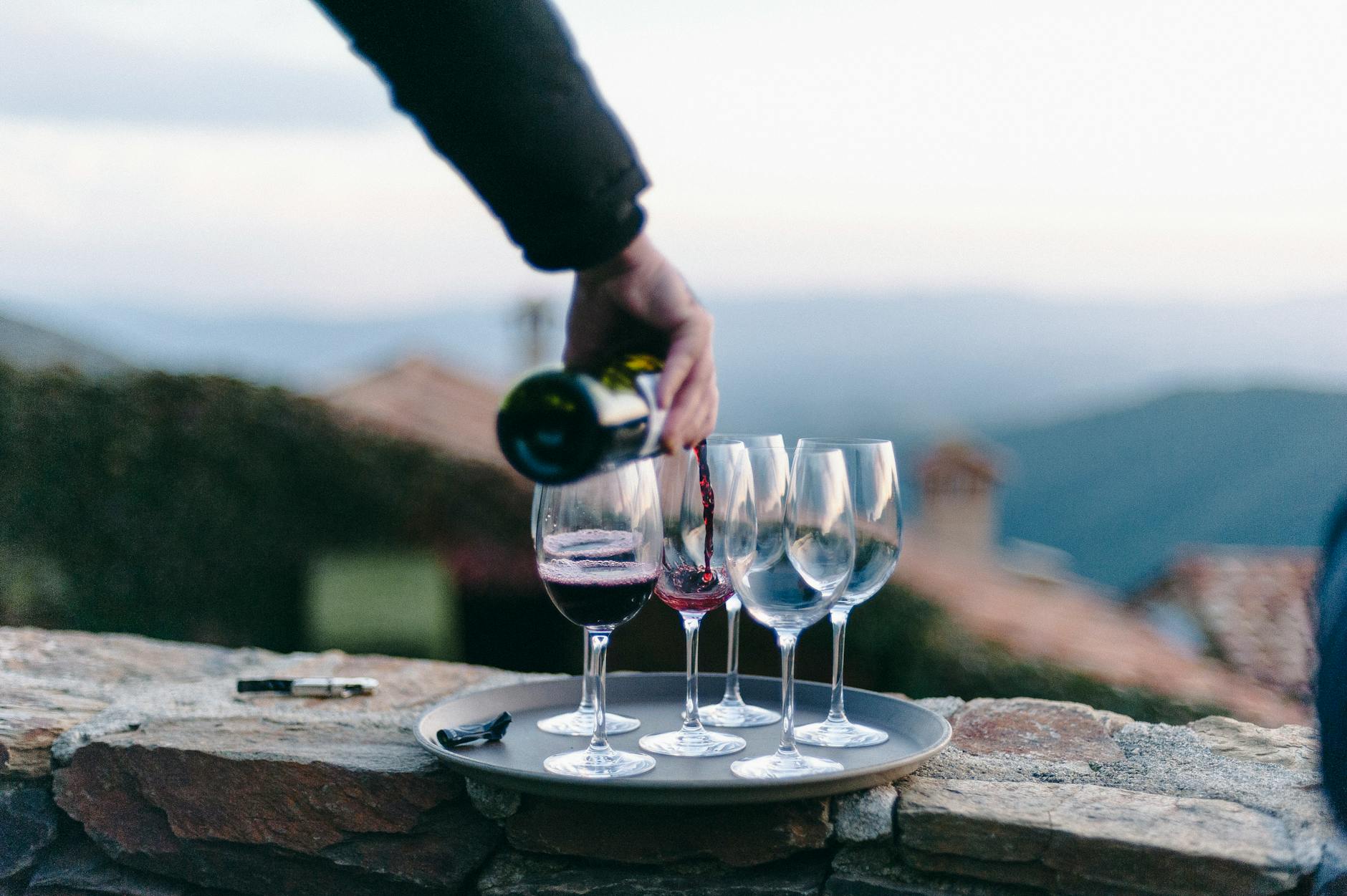
    Photo by Alina Skazka on Pexels.com

    These grapes, many of them American in origin or hybridized with American species, were once planted across Europe, often out of necessity. Today, they are outlawed under Article 81 of EU Regulation 1308/2013, which governs the production and classification of wine grape varieties in the Union. The regulation states:

    “Only wine grape varieties meeting the following conditions may be classified by Member States:
    (a) the variety concerned belongs to the species Vitis vinifera or comes from a cross between the species Vitis vinifera and other species of the genus Vitis;
    (b) the variety is not one of the following: NoahOthelloIsabelleJacquezClinton, and Herbemont.”

    Let’s explore the forbidden fruit of wine—the banned grapes themselves, their unique characteristics, why they were planted in the first place, and what caused their ultimate prohibition. These are not just curiosities; they are the ghosts of a viticultural rebellion, and their legacy still haunts the fringes of wine culture today.

    The Historical Context

    In the late 19th century, Vitis vinifera vineyards across Europe were devastated by the Phylloxera epidemic, a microscopic root-feeding insect inadvertently introduced from North America. With no resistance to this louse, Europe’s noble vines died en masse. Desperation led vintners to seek salvation in the very continent that brought the plague—North America.

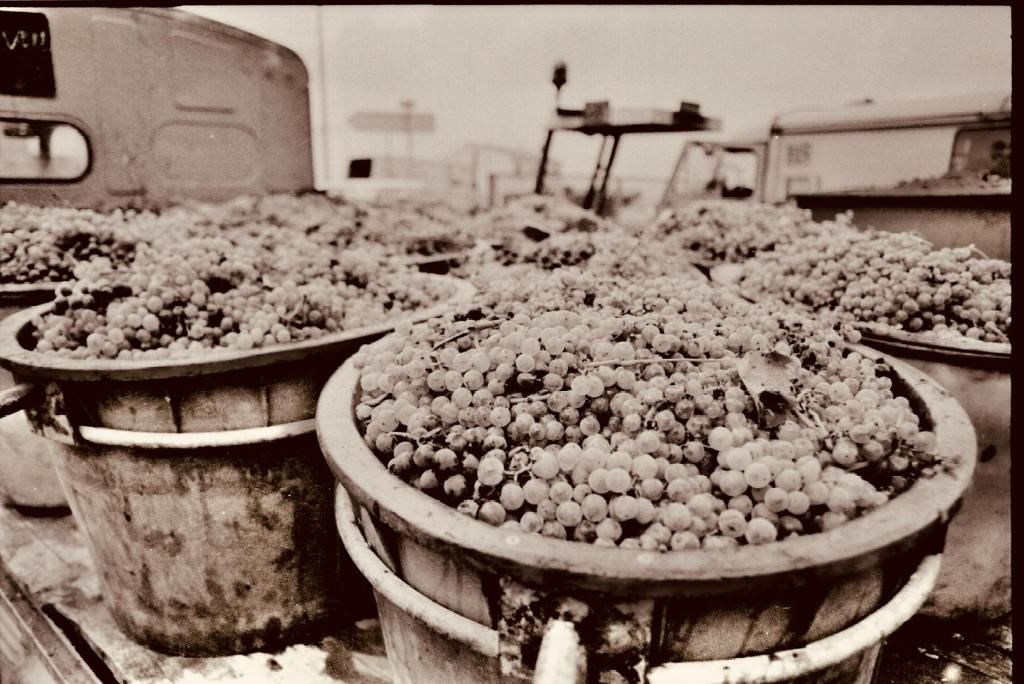
    American grape varieties like Vitis labruscaVitis riparia, and their hybrids offered something miraculous: phylloxera resistance. Initially, some of these American vines were planted directly in European soil to replace dead vines and maintain wine production. Many grew vigorously and bore fruit prolifically. But their success was short-lived.

    Noah Grapes – Photo by Nuc77, CC BY-SA 3.0, via Wikimedia Commons

    Six Forbidden Grape Varieties

    Noah

    Origin: A hybrid of Vitis riparia × Vitis labrusca
    Flavors: Pungent, foxy (a musky, earthy flavor common in V. labrusca), often described as wild strawberry or candied grape
    Why It Was Banned:

    • Intense foxy aroma and taste considered undesirable and un-winelike
    • Thin-skinned berries prone to rot in certain climates
    • Associated with poor-quality table wines in post-Phylloxera France

    Othello

    OriginVitis labrusca hybrid, possibly including Vitis vinifera genetics
    Flavors: Deeply pigmented with earthy, gamey notes and labrusca musk
    Why It Was Banned:

    • As with other hybrids, its sensory profile did not meet European expectations for fine wine
    • Resistance to European fermentation techniques (longer ferment times, unpredictable aromatics)
    • Accused of contributing to public intoxication due to strong, rustic flavors that masked alcohol strength

    Isabelle

    OriginVitis labrusca × Vitis vinifera
    Flavors: Strawberry, bubblegum, purple grape juice
    Why It Was Banned:

    • High methanol content feared to be harmful in large doses (though this has been contested)
    • Overpowering aromas viewed as unrefined by French authorities
    • Once widespread in Italy and Southern France, it became a symbol of cheap, rural wine

    Jacquez (a.k.a. Black Spanish)

    Origin: Possibly a cross of Vitis aestivalisV. vinifera, and V. cinerea
    Flavors: Dark berry, spicy, tannic, with notes of underbrush
    Why It Was Banned:

    • Despite some early promise, it was considered too unconventional
    • Part of the hybrid scare that followed Isabelle and Noah
    • Viewed as incompatible with traditional European wine culture

    Clinton

    OriginVitis riparia × Vitis labrusca
    Flavors: Herbaceous, sour cherry, strong wild grape flavor
    Why It Was Banned:

    • Extreme foxy aroma off-putting to most European palates
    • Used primarily in rural, peasant wines during the Phylloxera crisis
    • Perceived as lacking refinement and fermentation stability

    Herbemont

    Origin: Possibly a hybrid of Vitis vinifera and Vitis aestivalis
    Flavors: Musky, perfumed, and surprisingly delicate in some climates
    Why It Was Banned:

    • Less widespread than the others, but lumped into the ban due to hybrid ancestry
    • Suspected methanol risks and lack of predictable vinification
    • Part of a general effort to restore vinifera-only wine law supremacy
    Photo by Laker on Pexels.com

    The Real Reasons Behind the Ban

    While flavor and fermentation challenges were the most visible justifications for banning these grapes, the real reasons go deeper. These include:

    Cultural Superiority and Market Protection

    Post-Phylloxera, France in particular wanted to reclaim wine as a refined agricultural product, not a rural necessity. American and hybrid grapes represented chaos—a collapse of tradition. By the 20th century, wine laws began to frame hybrids as a threat to the AOC system and the image of French wine.

    Fear of Methanol Toxicity

    Some hybrids, particularly labrusca crosses, were accused of producing higher levels of methanol during fermentation. However, modern science suggests the levels were likely within safe margins if fermented correctly. Still, the fear took root—and the narrative stuck.

    Economic Centralization

    France and later the EU wanted to consolidate the wine industry around traditional grapes, often to protect exports and standardize quality. Hybrids were associated with rustic, small-scale producers. The bans effectively curtailed these competitors.

    Sensory Profiling

    The term “foxy,” used to describe labrusca hybrids, became shorthand for unacceptable. The bias was less scientific than aesthetic—a rejection of New World taste in favor of the European palate.

    Are These Grapes Really Dangerous or Just Different?

    In recent years, many winemakers, particularly natural wine producers and sustainable agriculture advocates, have questioned these bans. Some point to:

    • The resilience of these grapes in the face of climate change
    • Their low-input agricultural potential (less need for pesticides)
    • The possibility of redefining wine taste beyond the rigid expectations of 20th-century Europe

    Regions in the U.S., Canada, and even some rebel producers in France and Italy have continued to experiment—often quietly—with these grapes.

    The Future of Forbidden Fruit

    As the wine world grapples with climate change, disease pressure, and evolving consumer taste, the question lingers:

    Should the laws of the past dictate the palate of the future?

    Already, new EU regulations have begun allowing more hybrid crossings for certain uses (especially sparkling and low-alcohol wines), and experimental vineyards are pushing boundaries. The forbidden fruit, once cast out of Eden, is being quietly replanted.
    One notable example comes from the Azores, where winemaker António Maçanita embraces the outlawed Isabella grape in a wine named “Isabella a Proibida”. The grape, banned under EU wine laws for use in classified quality wines (PDO/PGI), is grown on ancient pergola-trained vines on the island of Pico.

    This wine pays tribute to the past, celebrating the resilience of a grape long maligned by regulators but still cherished by local growers. Such wines are challenging assumptions and redefining what quality, character, and authenticity mean in a changing world.

    Here’s a quick reference visual that outlines the main Vitis species used in wine production (or breeding).

    Vitis Species and Associated Grape Varietals

    Vitis SpeciesCommon TraitsExample Varietals
    Vitis viniferaEuropean origin; preferred for fine wine; low disease resistanceCabernet Sauvignon, Chardonnay, Riesling, Tempranillo, Nebbiolo
    Vitis labruscaNative to eastern North America; “foxy” aroma; cold-hardyConcord, Niagara, Isabella, Catawba
    Vitis ripariaExtremely cold-hardy; used in rootstocks and hybridsUsed for breeding: Marechal Foch, Frontenac
    Vitis aestivalisHigh disease resistance; poor graft compatibility; non-foxyNorton (Cynthiana), Herbemont
    Vitis berlandieriHigh lime tolerance; used mainly in rootstocksRootstock parent: 41B, 5BB
    Vitis rupestrisDeep root system; phylloxera resistant; drought-tolerantRootstock parent: St. George, 110R
    Vitis amurensisNative to East Asia; extremely cold-hardy; growing in popularity in China & RussiaRondo (hybrid), Koshu (disputed origins)
    Interspecific HybridsCombines vinifera and American species; disease-resistant; sometimes bannedBaco Noir, Chambourcin, Seyval Blanc, Jacquez

    A Toast to the Outcasts

    The next time you sip a glass of classic Bordeaux or Burgundy, spare a thought for the outlawed grapes that helped keep wine alive during one of its darkest hours. They may not be in your glass—but they are in your history.

    And if you’re ever offered a bottle of forbidden wine, made in defiance of convention and law, don’t refuse it. Raise a glass and taste the rebellion. Cheers 🍷

    Further Reading & Tasting Tips

    • Seek out Black Spanish (Jacquez) wines from Texas or Mexico.
    • Try a hybrid wine from Canada or Vermont (Frontenac, Marquette, or Baco Noir).
    • Look for limited-edition natural wines using heritage hybrids in France’s Loire Valley or Italy’s north.
    • Read “The Botanist and the Vintner” by Christy Campbell for Phylloxera-era drama.

    Cover Photo by Emmanuel Codden on Pexels.com

  • How Modern Winemaking Sacrifices Soul for Consistency

    How Modern Winemaking Sacrifices Soul for Consistency

    In a world that celebrates convenience and uniformity, wine—once the purest expression of nature, time, and place—has increasingly become just another consumer good. Something repeatable. Predictable. Safe. It’s no longer shocking to find wines on supermarket shelves that taste exactly the same from one year to the next, regardless of vintage variation, weather catastrophes, or harvest conditions. But the question isn’t just how they do it. The question is why we let it happen.

    The answer lies in a complex web of regulatory loopholes, mass production incentives, and a calculated disregard for terroir in favor of branding.

    Let’s pull the cork on this bottle of truth.

    Photo by David on Pexels.com

    The Myth of Yearly Uniformity

    Vintage matters. Or at least, it should.

    Each year offers a different symphony of weather patterns, soil moisture, sunlight hours, and grape health. In the hands of a winemaker dedicated to authenticity, these variables are not burdens—they are stories. They are a vintage’s voice.

    But when a brand demands a Pinot Noir that tastes identical whether it’s 2019 or 2023, something must give. And that something is integrity.

    Mainstream wines that offer this seamless “sameness” do so by manipulating the very fabric of the wine itself—pushing, pulling, blending, and fining until any trace of vintage expression is bleached out, polished, and made palatable for the masses.

    Photo by Arthur Brognoli on Pexels.com

    What They Don’t Teach in Tasting Rooms

    Let’s talk technique. Below are just a few of the most common manipulations used to turn wine into a product, rather than a place.

    Cross-Regional and Cross-Vintage Blending

    Many large-scale producers legally blend grapes and wines from multiple regions and years—even if the bottle proudly proclaims a specific AVA or vintage.

    • In the U.S., for a wine to list a vintage on the label, only 85% of the wine needs to be from that year (if an AVA is listed, 95% of the wine must be from that year).
    • To list a varietal like Cabernet Sauvignon, just 75% of the wine must be that grape.
    • For AVA labeling (like Napa Valley), 85% of the grapes must come from that AVA, leaving 15% open to grapes from cheaper, less expressive areas.

    Reference: Wine Labeling: Appellation of Origin (TTB)

    That’s 15–25% wiggle room per bottle. Multiply that across millions of cases, and what you have is a flavor profile engineered through spreadsheets rather than soil.

    Fining and Filtering to Death

    Fining—originally intended to clarify wine and reduce unwanted elements—has become a blunt instrument of manipulation.

    Modern mass-market wines are heavily fined with substances like:

    • PVPP (polyvinylpolypyrrolidone) – a synthetic polymer that strips bitterness and browning pigments.
    • Gelatin, egg whites, isinglass – protein-based agents that strip tannins, texture, and character.
    • Bentonite clay – used to strip proteins but also body and nuance.

    The result? A wine stripped of its edges, its energy, its very fingerprint.

    Photo by MART PRODUCTION on Pexels.com

    Additive Alchemy

    Winemaking additives are the dirty little secret of the industry. In many countries (including the U.S.), wineries are not required to list additives on labels. This means consumers have no idea that their wine might contain:

    • Mega Purple – a concentrated grape juice colorant and sweetener that “corrects” wines lacking color or fruit.
    • Gum arabic – used to add “mouthfeel” to thin, insipid wines.
    • Tartaric acid or potassium bicarbonate – used to balance acid levels when nature doesn’t cooperate.
    • Oak chips, staves, powders, essences – injected to mimic barrel aging without the cost or time.

    What do these additives share? They mute the differences. They help standardize wines so that every bottle fits the brand’s flavor promise, regardless of vineyard or year.

    Related Article: Understanding Additives in Wine: A Comprehensive Guide

    Reverse Osmosis & Spinning Cone Technology

    These advanced (and expensive) tools are used to:

    • Remove alcohol (if it’s too high).
    • Concentrate flavors (if it’s too weak).
    • Adjust volatile acidity.
    • Strip out flaws—but along the way, also strip out nuance.

    What you’re left with is a Frankenstein wine… crafted not by the vineyard, but by a lab technician’s gentle dial-turn.

    Quantity Over Quality: Who Benefits?

    This isn’t an artisanal choice. It’s a business model.

    Major conglomerates (you know the ones) move wine by the millions of cases. To them, consistency is the product. Terroir is the enemy. A bad weather year in Sonoma? No problem—blend in juice from Lodi or even Australia. Acid too low? Add some. Tannin too coarse? Strip it out. Consumer doesn’t like the 2020 vintage? Make it taste like the 2019.

    This model rewards branding, not balance. Marketing, not mastery.

    And consumers, trained to expect sameness, continue to buy the bottles they recognize.

    But There Is Another Way…

    The antidote is not elitism or snobbery—it’s education. We owe it to the next generation of wine lovers to show them the beauty of vintage variation, the quirks of terroir, the soulful surprise of a wine that tells the truth.

    To the winemakers who listen to the land—who embrace the sun and the storms, the struggle and the soil. You bottle more than wine… you bottle truth.

    Gregory Dean, SOMM&SOMM

    We should be teaching people that it’s okay for a wine to be different each year. That’s what makes wine alive.

    Seek out producers who:

    • Farm sustainably or biodynamically.
    • Embrace vintage differences rather than hide them.
    • Make transparent wine, with minimal additives.
    • Are proud to tell you exactly what’s in the bottle.

    Sommelier’s Tip: How to Spot a Manipulated Wine

    Want to avoid mass-produced, overly manipulated wines? Here are a few sommelier-tested clues:

    • Too Consistent: If a wine tastes exactly the same every vintage, it’s probably blended or adjusted to meet a flavor profile—not to reflect nature.
    • Generic Origin: Look for vague labels like “California Red” or “American White.” These allow broad blending across states and years.
    • Missing Vintage or Varietal Details: No vintage? No specific vineyard or AVA? That’s usually a sign of high-volume blending.
    • Overly Glossy Tasting Notes: Descriptions like “smooth,” “jammy,” “silky,” and “velvety” are often marketing red flags, masking overuse of additives.
    • Ultra-Cheap Price with Oak Claims: If it says “barrel-aged” but costs under $10, you’re likely drinking oak flavoring—not true barrel character.

    When in doubt, trust your palate—and your curiosity. If a wine tastes oddly perfect, it may just be perfectly fake.

    Final Pour

    Mainstream wine has become a symphony of sameness, manipulated into palatable mediocrity for profit. But wine is not meant to be the same every year. It is meant to reflect a moment in time—of weather, of soil, of sweat and struggle and sunlight. When we sterilize that, we lose the poetry of it all.

    The next time you taste a wine that dares to be different, that speaks of rain in the vineyard or a scorching summer, raise your glass in gratitude.

    To those who honor terroir, vintage, and the story of every vine—your work reminds us that beauty lies in honesty. Here’s to the soul of real wine. Santé! 🍷

    Gregory Dean, SOMM&SOMM

    Because that’s not just wine.

    That’s truth in a bottle 🍷

    Cover Image: Photo by cottonbro studio on Pexels.com

  • In Like a Lion, Out Like a Lamb: The Wines of March

    In Like a Lion, Out Like a Lamb: The Wines of March

    March is a month of contrasts—ferocious in its arrival, gentle in its departure. It’s the bridge between winter’s final roar and spring’s first whisper. The old proverb, “In like a lion, out like a lamb,” perfectly captures this transitional moment in the calendar, and what better way to explore these shifting moods than through the lens of wine?

    The Lion’s Roar: Bold Wines for the Start of March

    The beginning of March is often unpredictable—blustery winds, lingering frosts, and the occasional storm. This is a time for wines with power and presence, bottles that command attention much like the lion that heralds the month’s entrance.

    Barolo – The King of Wines
    Hailing from Italy’s Piedmont region, Barolo is a wine with a fierce reputation. Made from Nebbiolo grapes, it boasts high tannins, robust acidity, and flavors of dark cherry, leather, and rose petals. Barolo’s intensity matches the raw energy of early March, a time when winter refuses to surrender without a fight.

    Northern Rhône Syrah – Storm in a Glass
    The wild winds of early March echo the untamed spirit of Syrah from France’s Northern Rhône Valley. Wines from appellations like Côte-Rôtie and Hermitage showcase bold blackberry, black pepper, and smoky meat notes—an ideal counterpart to the tempestuous start of the month.

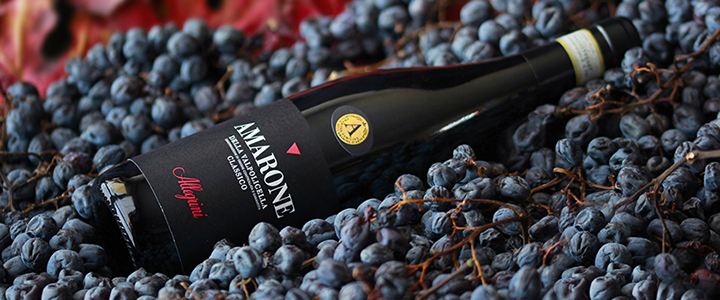
    Amarone della Valpolicella – Winter’s Last Stand
    This opulent Italian wine, crafted from dried Corvina grapes, delivers deep, dried fruit flavors with a rich, velvety texture. It’s a decadent farewell to winter’s hearty cuisine, pairing beautifully with slow-braised meats and aged cheeses.

    The Ides of March: A Historical Pause

    March is also famous for its literary and historical drama, none more ominous than the Ides of March. This date, March 15th, was immortalized in Shakespeare’s Julius Caesar when a soothsayer warned, “Beware the Ides of March.” It marked the assassination of Caesar and a turning point in Roman history.

    For a toast to history, uncork a bottle of Falerno del Massico, a wine with ancient Roman roots. This Campanian gem, praised by Pliny the Elder, was once considered the nectar of emperors. With its structured tannins and layered flavors of dark berries and spice, it’s a wine worthy of an imperial banquet—or a clandestine plot.

    Read more about the interesting history of Falernian wine.

    The Lamb’s Whisper: Soft Wines for the End of March

    As March softens and spring’s first blooms appear, our palates crave something lighter, fresher, and more delicate. The transition to milder weather calls for wines that reflect the gentle nature of March’s departure.

    Loire Valley Chenin Blanc – The Spring Awakening
    With bright acidity and notes of quince, honeysuckle, and fresh pear, Chenin Blanc from Vouvray or Savennières is like the first warm breeze of the season. It pairs effortlessly with lighter fare like fresh salads, goat cheese, and seafood.

    Beaujolais – The Joyful Bloom
    Made from Gamay, Beaujolais offers vibrant red fruit flavors and a silky texture, making it a perfect choice for the transition into spring. Enjoy it slightly chilled with charcuterie, roasted chicken, or a picnic under the first sunny skies of the season.

    Provence Rosé – The Sunset Wine
    March’s final days bring us closer to the rosé-drenched afternoons of spring and summer. A crisp, pale pink Provence Rosé, with notes of wild strawberries and herbs, mirrors the gentle fading of the lion’s roar into the lamb’s peaceful retreat.

    The Vineyards in March: A Time of Renewal

    In the vineyards, March is a time of awakening. The quiet dormancy of winter gives way to the first signs of bud break, where tiny green shoots emerge from the vines. In the Southern Hemisphere, harvest is in full swing, with winemakers carefully selecting grapes at their peak ripeness. It’s a time of both preparation and celebration—a moment to reflect on the past while embracing the promise of what’s to come.

    Related article: Winemaking in the Spring: From Bud Break to Flowering

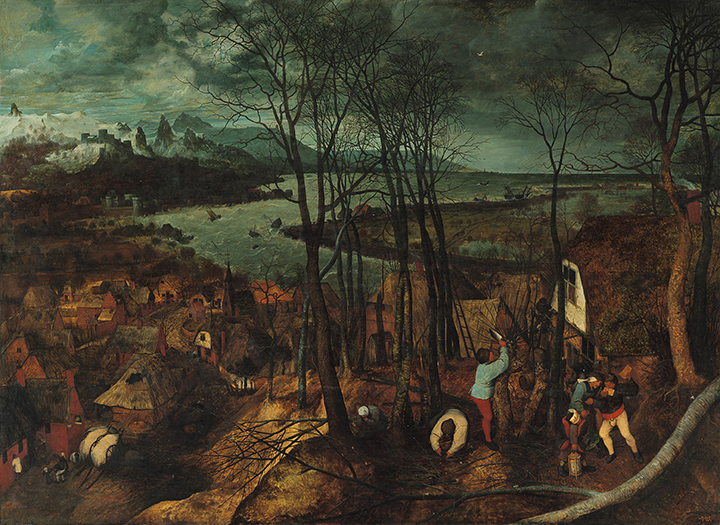
    Pieter Brueghel the Elder, Public domain, via Wikimedia Commons

    March in Art, Music, and Literature

    March has long inspired artists and musicians. From Tchaikovsky’s The Seasons: March—a lively, galloping piano piece—to paintings like Pieter Bruegel’s The Gloomy Day, which captures the raw transition from winter to spring, this month has been immortalized through many creative lenses. In literature, the Brontë sisters often used March’s wild and unpredictable nature as a metaphor for emotional turmoil and transformation.

    A Month to Savor

    March is a journey—a transformation from bold to delicate, from stormy to serene. It’s a month that calls for wines to match its shifting moods, from the commanding presence of Barolo to the gentle embrace of Provence Rosé. So, whether you’re braving the last chill of winter or toasting to the first warm rays of spring, there’s a perfect glass waiting to accompany you through this marvelous, mercurial month. Cheers 🍷

  • Uncorking the Wine Lovers of the World

    Uncorking the Wine Lovers of the World

    A Few Fun Personas.

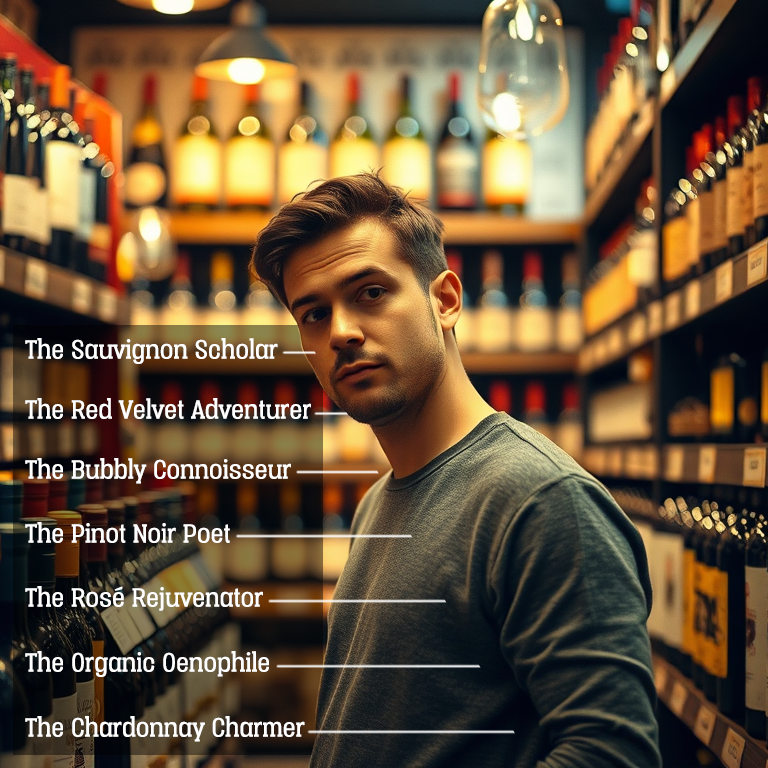
    Ever wondered what your wine of choice says about you? Based on years of observing the nuances and quirks of wine drinkers and merging that with the persona-building precision of marketing (my day job for years 🙂), here’s a toast to the charming (and possibly recognizable) personas behind the glass. This is a lighthearted look at who you might be, based on the wines that make you swoon. Grab a glass, relax, and find yourself in these delightful characters!

    The Sauvignon Scholar

    Favorite Wines: Crisp Sauvignon Blancs, especially from New Zealand and California.

    These are the intrepid thinkers with an enthusiasm for data, facts, and just the right bit of zest. Much like their wine of choice, they’re sharp, refreshing, and (perhaps unknowingly) a little bit enlightening. The Sauvignon Scholar often relishes lively debates—think Socrates meets Martha Stewart, only with a cheese platter in hand.

    A Day in the Life:
    Mornings are organized to perfection. By 8 a.m., their coffee is measured to the gram, and a neatly lined spreadsheet tracks their to-dos. By lunchtime, they’re tackling the New York Times crossword (in ink, naturally). Evening? Time to uncork a bottle of Sauvignon Blanc and dive into a crime thriller—preferably one set in the vineyards of Marlborough. They dream of starting a true-crime podcast… if only their schedule allowed it.

    The Red Velvet Adventurer

    Favorite Wines: Rich, bold Cabernet Sauvignons and smooth Malbecs.

    The Red Velvet Adventurer is a lover of bold flavors and even bolder experiences. They might seem a bit mysterious at first (especially with that cabernet-colored scarf), but peel back a layer, and they’re the life of any gathering. Known to indulge in fascinating tales about “that one time in Argentina,” they’re passionate and deeply invested in everything they do.

    A Day in the Life:
    They’re up early, powering through a workout—HIIT or bust—before setting off on the day’s adventure. By 3 p.m., they’re browsing an art gallery or maybe booking a weekend escape to Napa. When evening arrives, they savor a Cabernet Sauvignon, pondering their next venture: skydiving? A pottery class? Either way, they’ll have a glass in hand and a story to tell.

    The Bubbly Connoisseur

    Favorite Wines: Champagne, Prosecco, and all things sparkling.

    The Bubbly Connoisseur brings lightness and enthusiasm wherever they go. Life is a celebration, and every day deserves a little sparkle—whether it’s a Tuesday evening or New Year’s Eve. Often the connector in a group, they’re everyone’s favorite person to sit next to at dinner because their laughter is as effervescent as their drink.

    A Day in the Life:
    9 a.m., they’re cheerfully greeting everyone at their Pilates class, followed by a jaunt to the farmers’ market for fresh blooms. By noon, they’re planning their next soiree—charcuterie boards, vintage glassware, the works. Come 5 p.m., they’re sipping Prosecco and FaceTiming their friends, insisting on “just one more glass!” because life, after all, should be filled with bubbles.

    The Pinot Noir Poet

    Favorite Wines: Delicate, nuanced Pinot Noirs, particularly those from Oregon or Burgundy.

    This gentle soul finds beauty in the subtle things and knows the magic of a perfectly aged vintage. They’re reflective, artistic, and a bit romantic, savoring life at a slower pace and appreciating the complexity of a Pinot as if it were a piece of art. Often seen journaling or strumming an acoustic guitar, they know how to bring calm to any storm.

    A Day in the Life:
    They start the day in contemplation, meditating with their rescue dog and journaling intentions for the day. Afternoons involve browsing a used bookstore or walking along a misty coast, enveloped in thoughts about the interconnectedness of life. By evening, they’re savoring a glass of Pinot Noir while working on their poetry collection. They’re convinced the wine tastes a bit better with jazz playing softly in the background.

    The Rosé Rejuvenator

    Favorite Wines: Refreshing rosés from Provence, but also curious about other light, vibrant varieties.

    With a well-developed knack for enjoying life’s simpler moments, the Rosé Rejuvenator is always on the hunt for “rosé all day” vibes. Effortlessly cool, they’re known for balancing work and play, and they’re often spotted brunching with friends or wandering in nature. They’re optimists with a talent for finding silver linings.

    A Day in the Life:
    Their morning begins with a matcha latte (iced, even in winter), a session of yoga, and a scroll through travel inspirations. Come afternoon, they’re making plans for a sunset picnic by the water, complete with a cooler stocked with their favorite rosé. They’re the friend who insists on taking a selfie with everyone, holding up a glass of rosé to capture the “golden hour” glow.

    The Organic Oenophile

    Favorite Wines: Biodynamic and natural wines, favoring unfiltered or small-batch varieties.

    A purist at heart, the Organic Oenophile values authenticity and transparency, whether it’s in their wine or their friendships. They’re well-versed in phrases like “zero-zero” and know the exact coordinates of their favorite vineyard. Earthy yet refined, they’re often mistaken for a philosopher or an off-duty vintner.

    A Day in the Life:
    The day begins with green juice and a stroll to the local co-op. Their afternoons involve perusing rare plant shops or making sourdough starter from scratch. As evening falls, they’re sipping on a cloudy orange wine, waxing poetic about sustainability. You’ll often find them hosting low-waste dinner parties where the only thing more interesting than the conversation is the wine.

    The Chardonnay Charmer

    Favorite Wines: Big, bold, buttery Chardonnays from Napa, but they’re not opposed to an unoaked Chablis either.

    The Chardonnay Charmer is warm, welcoming, and confident in their tastes. They’re often at the center of any group, offering wisdom, wit, and a knack for turning strangers into friends. At home, they have a cozy reading nook and an impressive assortment of stemware.

    A Day in the Life:
    They start their day by lighting a candle and enjoying a leisurely breakfast, even on weekdays. By 2 p.m., they’re organizing the book club or planning a brunch, complete with buttery Chardonnay pairings. When evening comes, they’re curled up with their favorite memoir and a glass of oaked Chardonnay, fully embracing each sip like a warm hug.

    Here’s to celebrating the wide world of wine lovers! Whether you’re a Sauvignon Scholar or a Rosé Rejuvenator, may your glass always be full, and may you continue to savor the little things that make each sip uniquely you. Cheers 🍷

    Gregory Dean, SOMM&SOMM
  • Demystifying Wine: Sherry

    Demystifying Wine: Sherry

    The Forgotten Gem: Understanding the Seven Types of Sherry Wine.

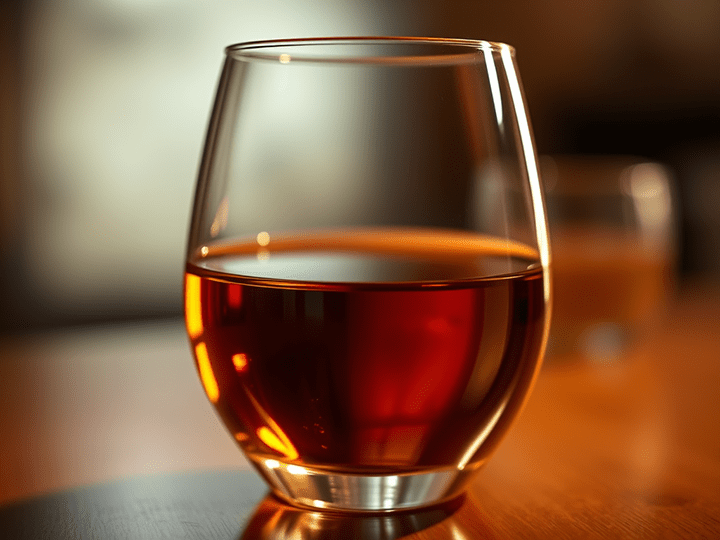
    Sherry wine, one of the world’s oldest and most storied styles, hails from the Jerez region in southern Spain. Known for its diversity and complex flavor profiles, Sherry has a bit of a reputation problem—often relegated to dusty shelves or seen as “grandma’s wine.” But for those in the know, Sherry offers a wide spectrum of styles, from bone-dry and briny to lusciously sweet, making it a remarkably versatile option for food pairings.

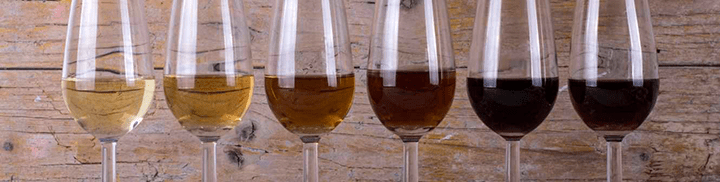
    Six types of Sherry (missing Cream Sherry): Fino, Manzanilla, Amontillado, Palo Cortado, Oloroso, Pedro Ximénez (PX)

    The Seven Styles of Sherry

    The beauty of Sherry lies in its remarkable range, produced under strict legal classifications that determine how the wine is aged, blended, and finished. Each type showcases distinct characteristics that can surprise even seasoned wine enthusiasts.

    Fino

    • Key Notes: Pale straw color, bone dry, light, and fresh.
    • Aging: Biological aging under flor.
    • Varietals: Palomino.
    • Characteristics: Fino is the lightest of the Sherries, with an alcohol content around 15-16%. It develops a unique layer of yeast called flor, which shields the wine from oxygen and gives it a tangy, almond-like flavor with a saline finish.
    • Food Pairing: Tapas, olives, almonds, and seafood like shrimp or oysters.

    Manzanilla

    • Key Notes: Similar to Fino but with a coastal brininess.
    • Aging: Biological aging under flor in the coastal town of Sanlúcar de Barrameda.
    • Varietals: Palomino.
    • Characteristics: While technically a subset of Fino, Manzanilla has a distinct salty tang from the maritime influence, making it a touch lighter and zestier.
    • Food Pairing: Anchovies, salted fish, fried seafood, or sushi.

    Amontillado

    • Key Notes: Nutty, oxidative, and complex.
    • Aging: Starts under flor, then moves to oxidative aging.
    • Varietals: Palomino.
    • Characteristics: Amontillado begins its life as a Fino, aged under flor for a few years, but the yeast eventually dies off, allowing oxygen to interact with the wine. This adds layers of nuttiness, caramel, and dried fruit flavors.
    • Food Pairing: Grilled meats, mushrooms, or hard cheeses like aged Manchego.

    Palo Cortado

    • Key Notes: Mysterious blend of Fino and Amontillado characteristics.
    • Aging: Starts under flor, but undergoes early oxidative aging.
    • Varietals: Palomino.
    • Characteristics: Palo Cortado is the enigma of Sherry, often starting as a Fino or Amontillado but then evolving into something unique. It combines the finesse of Fino with the depth of Amontillado, offering flavors of hazelnuts, orange peel, and toffee.
    • Food Pairing: Duck, game birds, or rich stews.

    Oloroso

    • Key Notes: Bold, rich, and intensely oxidative.
    • Aging: Oxidative from the start.
    • Varietals: Palomino.
    • Characteristics: Oloroso Sherry is aged entirely without flor, allowing for complete exposure to oxygen. It is deeper in color with flavors of roasted nuts, toffee, leather, and dried fruits. With a higher alcohol content (17-20%), it’s one of the bolder Sherry styles.
    • Food Pairing: Lamb, aged cheeses, or roasted vegetables.

    Pedro Ximénez (PX)

    • Key Notes: Lusciously sweet, syrupy, with intense dried fruit flavors.
    • Aging: Oxidative aging.
    • Varietals: Pedro Ximénez.
    • Characteristics: PX Sherry is made from sun-dried Pedro Ximénez grapes, which concentrate the sugars and produce a deeply sweet, raisin-like wine. The wine is rich, with notes of figs, dates, molasses, and chocolate.
    • Food Pairing: Blue cheese, rich desserts, or even poured over vanilla ice cream.

    Cream Sherry

    • Key Notes: Sweet, smooth, often a blend of Oloroso with sweetened PX.
    • Aging: Oxidative aging, with blending.
    • Varietals: Palomino and Pedro Ximénez.
    • Characteristics: Cream Sherry is an approachable, sweetened version of Oloroso, designed to balance sweetness and nuttiness. It’s rich and smooth, often seen as a dessert wine.
    • Food Pairing: Chocolate cake, custards, or with fruit tarts.

    SOMM&SOMM Recommends: Sherry Tasting Trio with Tasting Video

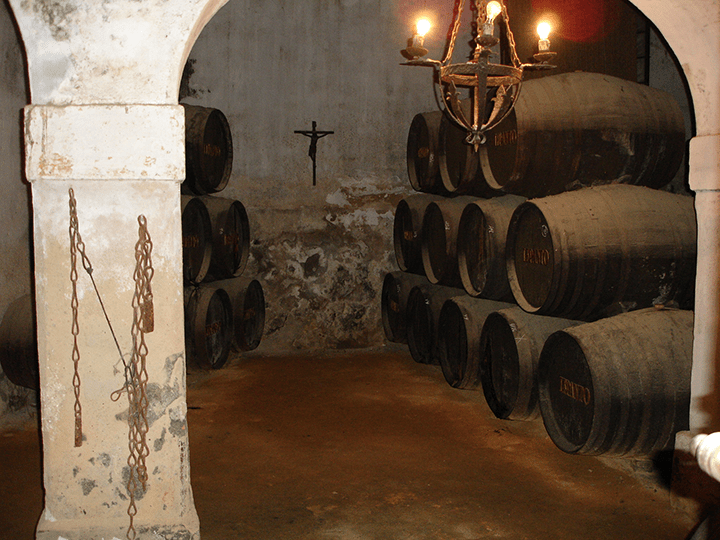
    Solera at Bodegas Tío Pepe – El Pantera, CC BY-SA 3.0, via Wikimedia Commons

    The Solera System: The Art of Aging

    What sets Sherry apart from other wines is the Solera system, a fractional blending method that ensures consistency and complexity across vintages. In the Solera system, older wines are systematically blended with younger wines, creating a continuous aging process. Each year, a portion of the oldest wine is drawn off for bottling, while younger wines replenish the barrels, allowing the character of the wine to evolve gradually.

    This process creates a remarkable depth in Sherry, where wines are often aged for decades, taking on complex, layered flavors that reflect both the region’s history and the patience of its winemakers.

    Flor Aging – El Pantera, CC BY-SA 3.0, via Wikimedia Commons

    Flor: A Yeast Like No Other

    The role of flor in Sherry production is critical, especially in lighter styles like Fino and Manzanilla. This yeast floats on the surface of the wine, protecting it from oxidation while contributing to the wine’s distinctive flavor profile. The salty, yeasty notes often associated with these styles are direct results of this biological aging. This technique is somewhat similar to the sur lie aging in Champagne, where wine is aged on the dead yeast cells, although sur lie focuses more on enhancing texture and brioche-like flavors.

    Sherry’s Image Problem

    So why is Sherry often overlooked? Part of the issue lies in its old-fashioned reputation. For years, Sherry has been pigeonholed as an “old person’s drink,” especially with the perception of sweet, cloying Cream Sherries that once dominated the market. But the dry styles, especially Fino, Manzanilla, and Amontillado, have so much more to offer. The complexity, versatility, and food-friendliness of these wines are woefully underappreciated.

    There’s also the fact that Sherry doesn’t fit neatly into most wine drinkers’ expectations. It’s not a light, easy-drinking white, nor is it a robust red. It occupies a unique space, which requires a more adventurous palate to fully appreciate.

    Sherry in Pairings: Rediscovering a Lost Art

    If you want to experiment with Sherry in your next wine pairing, consider going beyond the obvious. Here are some fresh ideas:

    • Fino or Manzanilla: These bone-dry, saline wines are fantastic with charcuterie, shellfish, and even sushi. The briny character complements the umami richness of seafood.
    • Amontillado: Try it with earthy mushroom dishes or rich pork belly. The nuttiness and depth of flavor create a fascinating interplay with these savory ingredients.
    • PX: Dessert wines often steal the show, but PX takes it to another level. Serve it with blue cheese or use it to top off a vanilla ice cream sundae for a memorable finish.

    The next time you’re hosting a pairing dinner, don’t shy away from including a Sherry. It’s a conversation starter, and with its range of flavors and styles, you can find a bottle that complements just about any dish. Maybe, just maybe, Sherry will finally earn the spotlight it deserves. Cheers 🍷

  • Domaine Carneros Sparkling Party

    Domaine Carneros Sparkling Party

    A Toast to Tradition and Togetherness.

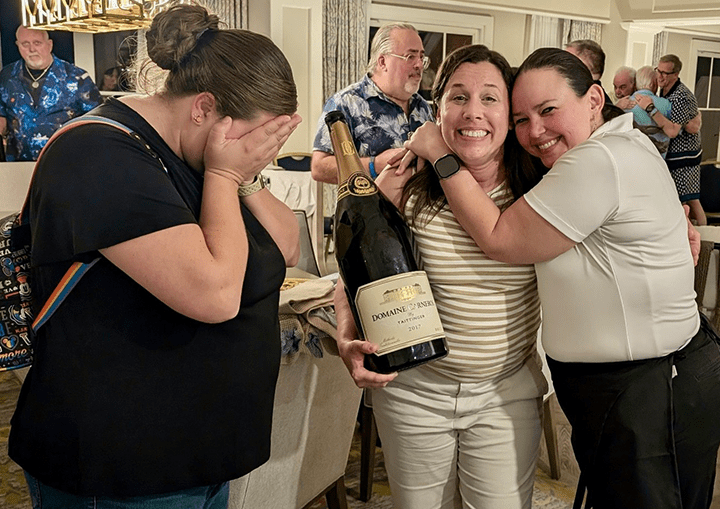
    As a grand kickoff to Scott and Alison White’s week-long 36th-anniversary festivities, this year’s Sparkling Party brought together family and friends at Disney’s Boardwalk Resort for an evening overflowing with camaraderie, exquisite food, and the celebrated Domaine Carneros sparkling wines. This year’s feature: three impressive six-liter bottles of the 2017 Taittinger Domaine Carneros Brut, each bottle holding the lively energy and character that made it the evening’s “magic elixir.”

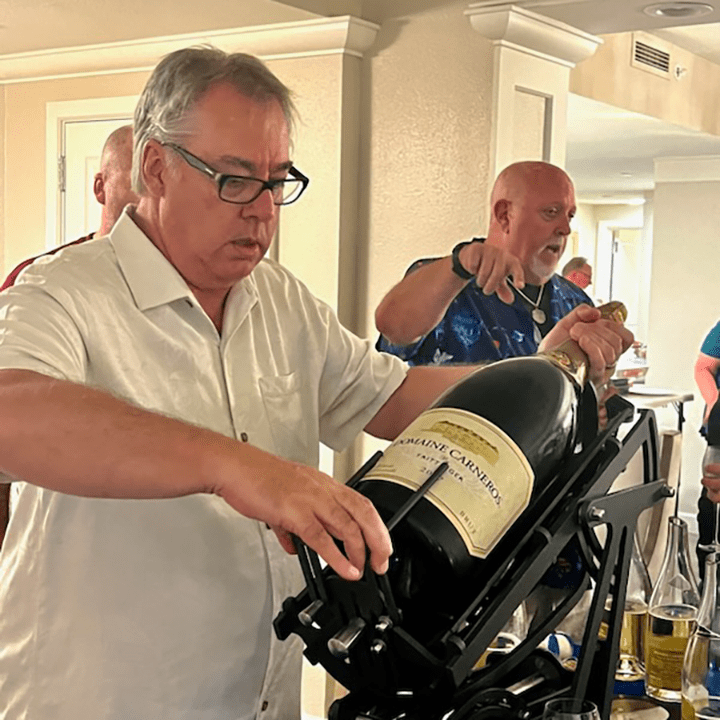
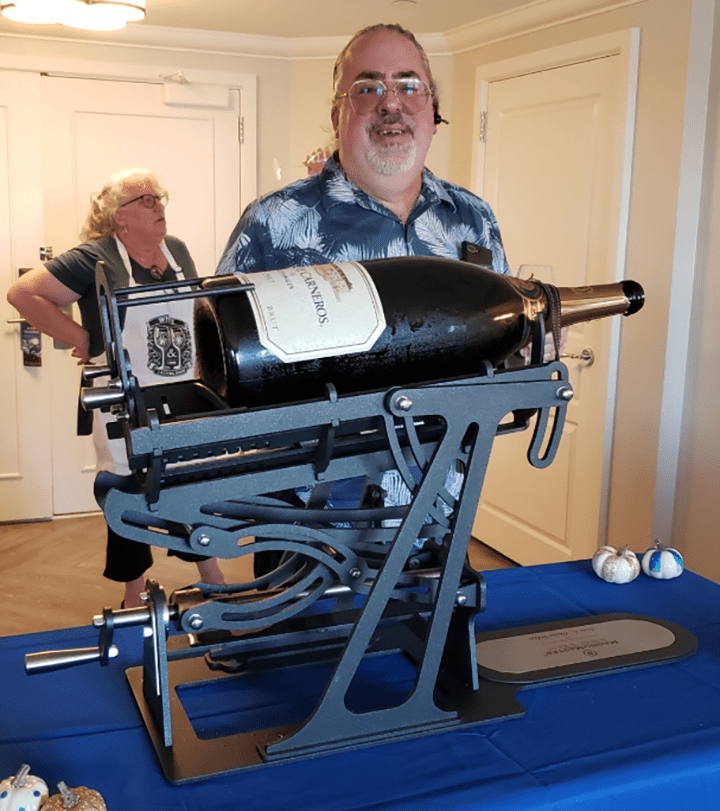
    Scott White sabers a bottle of Domaine Carneros

    Sabering the Sparkling: A Celebration in Every Strike

    Scott White, an aficionado of Napa’s finest wines, proudly opened the evening with a daring sabering of the first large-format bottle, a feat he performed for the first time, thrilling his guests. With Scott’s deft, confident strike, a burst of effervescence flowed as the cork and neck were swept away, marking a spirited beginning to the evening. Following in Scott’s footsteps were Brian Toung and Dima Semenski, who each took up the saber with both excitement and skill, making clean cuts that set the night’s festive tone. Their efforts epitomized the camaraderie and celebration that this party—and the art of sabering itself—so beautifully embody.

    Read about these three sabertiers: The Art and Ritual of Sabering Sparkling Wine: A Master Class

    A Sparkling Legacy

    The Domaine Carneros Brut, from the esteemed 2017 vintage, poured with an elegance that complemented the gathering’s lively spirit. Its fine mousse and balanced acidity elevated every bite, pairing especially well with the variety of appetizers thoughtfully prepared for the event. The Brut’s light brioche, citrus, and apple notes mingled with the menu, enhancing every pairing as each course was unveiled.

    A Feast for the Ages

    This year’s menu was a true banquet, carefully curated to pair harmoniously with the sparkling wines. The cold plates—shrimp cocktail, lump crab, and salmon crackers—offered a fresh, clean introduction, perfectly suited to the Brut’s zesty minerality. A charcuterie and cheese plate was rich in flavor, providing a range of textures and tastes that beautifully highlighted the wine’s toasty notes.

    The fruit platter, with ripe strawberries, juicy pears, and the indulgent blue cheese and candied walnut pairings, was a refreshing contrast to the sparkling wine’s crisp acidity. Caprese skewers and veggie plates kept the palate lively, while deviled eggs added a creamy, savory delight.

    The hot dishes were a masterpiece in their own right, showcasing beloved classics and a few surprises. Bacon-wrapped scallops, a crowd favorite, brought out the subtle smokiness in the Domaine Carneros Brut, while mini quiches with bacon and Swiss and savory onion and goat cheese phylo cups matched the wine’s complexity sip for sip. Brie and fig phylo cups, with their luxurious combination of creamy brie and sweet fig, proved to be another highlight alongside the sparkling wine’s effervescence.

    The Pompon sandwiches, featuring Argentinian sausage, and Pizza Piena, an Italian-style pie, added rich heartiness to the mix, a delightful pairing with the structured yet delicate bubbles of the Brut. Abundantly flavored dishes, such as stuffed mushrooms, pot stickers, and Spanish albondigas (meatballs), held their own next to the sparkling wine, creating a symphony of flavors that each sip of Domaine Carneros only heightened.

    Dessert and the Perfect Pairing

    To bring the evening to a sweet close, a stunning array of desserts was served alongside the Domaine Carneros Demi-Sec. The Demi-Sec, with its slight sweetness and softer acidity, was the ideal match for the variety of treats on offer. Each bite, from rich pastries to light fruit-based desserts, found its perfect complement in the Demi-Sec’s balanced sweetness, with flavors that lingered delicately on the palate.

    A Toast to the Sparkling Party

    As the night wound down, a few guests enjoyed glasses of Armagnac, raising a final toast to friendship, to Scott and Alison’s enduring love, and to the memories shared and created anew. With Domaine Carneros sparkling wine in hand and laughter filling the air, the evening was a testament to tradition, good company, and the pure joy of savoring exceptional wine and food in celebration of life’s finest moments. Cheers 🥂

  • Pour & Explore – Southern France

    Pour & Explore – Southern France

    An Enchanting Evening at 95 and Vine

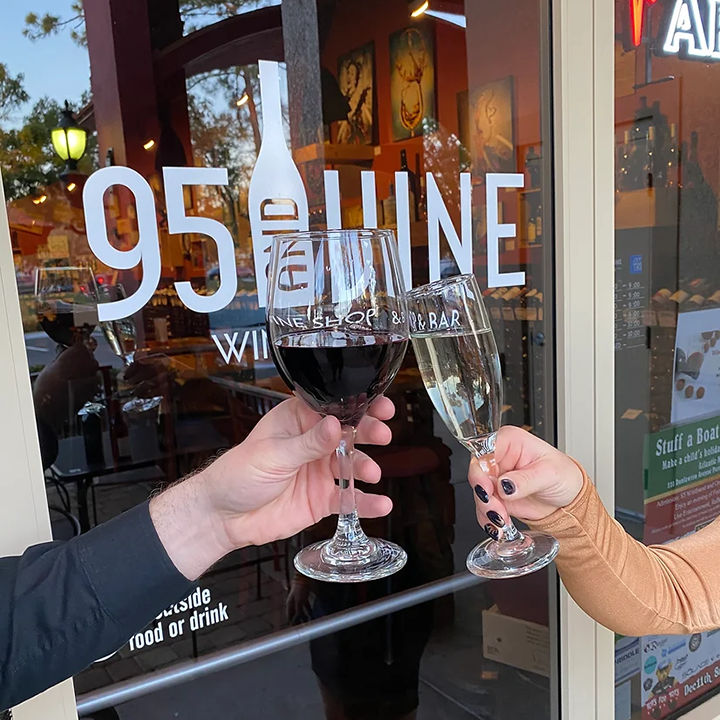
    As a professional sommelier and wine educator, I had the pleasure of hosting the ‘Pour & Explore – Southern France’ event at the charming 95 and Vine in Port Orange, FL. The evening was a resounding success, with a full house of enthusiastic wine lovers eager to explore the diverse and rich wines of Southern France. The atmosphere was electric, filled with curiosity and excitement.

    95 and Vine: The Perfect Venue

    From the moment I stepped into 95 and Vine, I knew it was the perfect venue for our event. The ambiance was both elegant and inviting, creating an ideal setting for an evening of wine exploration. The knowledgeable and professional team at 95 and Vine, led by the dedicated owner Martin Clark, ensured that every detail was meticulously attended to. From the beautifully set tables to the seamless pouring of each wine, the evening flowed effortlessly.

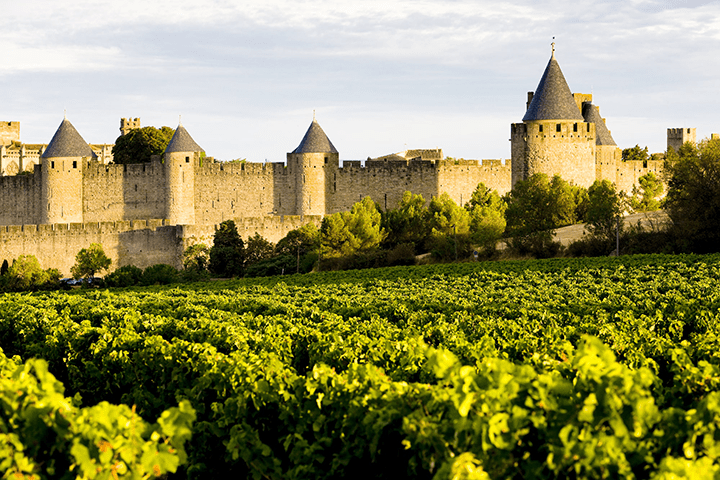
    Six Wines Carefully Selected to Represent the Diversity of Southern France

    The Wines

    2023 La Chapelle du Bastion – Picpoul de Pinet

    Region: Picpoul de Pinet, Languedoc

    We began our journey with the 2023 La Chapelle du Bastion Picpoul de Pinet. This crisp and refreshing white wine from the Languedoc region was a delightful introduction. I shared insights about the region’s maritime influence and limestone soils, which contribute to the wine’s bright acidity and mineral notes. Guests appreciated the zesty citrus flavors and crisp finish, especially when paired with the creative wine-inspired light fare on 95 and Vine’s menu.

    2022 Bila-Haut – Cotes du Roussillon – Blanc

    Region: Côtes du Roussillon, Roussillon

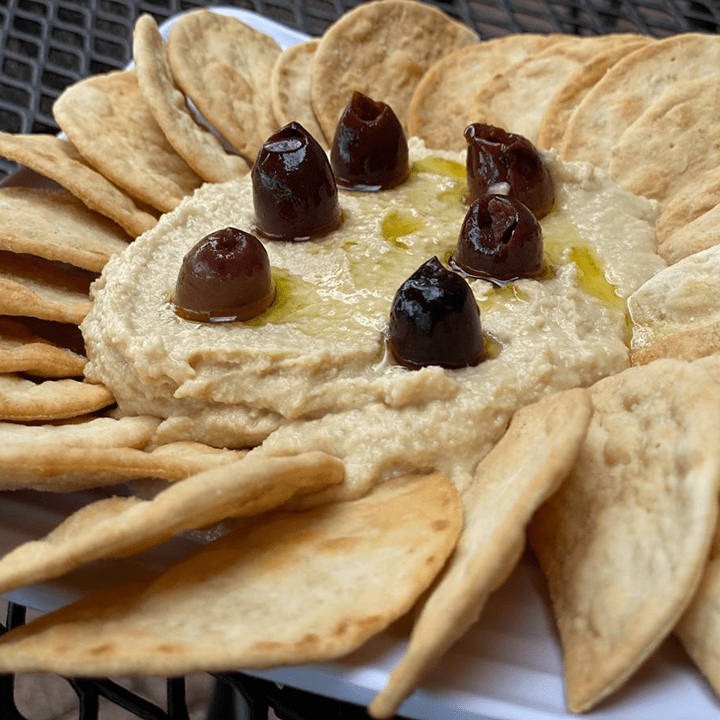
    Next, we traveled to the sun-drenched vineyards of Roussillon with the 2022 Bila-Haut Cotes du Roussillon Blanc. This white blend captivated everyone with its rich aromas of stone fruit and floral notes. I highlighted the region’s diverse terroir, shaped by the Mediterranean climate and rugged terrain. The wine’s balanced acidity and layered flavors were a perfect match for 95 and Vine’s hummus plate.

    2021 La Coste Rosé D’une Nuit

    Region: Provence

    The third wine, 2021 La Coste Rosé D’une Nuit from Provence, brought a touch of elegance and romance to our tasting. This pale pink rosé, with its delicate notes of red berries and citrus, quickly became a crowd favorite. I described Provence’s long history of rosé production and its dedication to quality winemaking. The wine’s light, refreshing character complemented the savory elements of the charcuterie board beautifully.

    Languedoc-Roussillon

    2021 Château Puech-Haut – Argali Rouge

    Region: Languedoc

    Transitioning to red wines, the 2021 Château Puech-Haut Argali Rouge from Languedoc showcased the region’s ability to produce bold, expressive wines. This blend of Syrah and Grenache offered rich aromas of dark fruit and spices, with a smooth, velvety texture. I emphasized the Languedoc’s dynamic winemaking traditions and its emphasis on innovation. The Argali Rouge’s robust flavors paired perfectly with the charcuterie board’s cured meats, providing a satisfying and memorable tasting experience.

    2022 Famille Lancon La Solitude – Côtes du Rhône

    Region: Côtes du Rhône

    The 2022 Famille Lancon La Solitude from Côtes du Rhône brought a touch of classic Rhône Valley elegance to the evening. This red blend, with its harmonious mix of Grenache, Syrah, and Mourvèdre, impressed guests with its complexity and balance. I delved into the rich history of the Côtes du Rhône region and its reputation for producing high-quality wines. The wine’s depth of flavor and smooth tannins paired excellently with the diverse selection of flatbreads.

    2020 Brotte – Les Hauts de Barville Châteauneuf-du-Pape

    Region: Châteauneuf-du-Pape, Rhône

    We concluded our tasting with the prestigious 2020 Brotte Les Hauts de Barville Châteauneuf-du-Pape. This powerful and elegant red wine, with its complex aromas of black fruit, herbs, and spices, was the highlight of the evening. I shared the storied history of Châteauneuf-du-Pape and its significance in the world of wine. The wine’s rich, full-bodied character offered a perfect ending to an unforgettable evening.

    A Memorable Experience

    Throughout the event, the guests were engaged and inquisitive, asking thoughtful questions and sharing their impressions of each wine. The charcuterie board, available upon request, was a delightful accompaniment, with carefully selected cheeses, meats, and other delicacies that perfectly complemented the wines. The positive feedback from attendees underscored the success of the evening, highlighting the enjoyable and educational experience we shared.

    Special thanks go to Martin Clark, the owner of 95 and Vine, for inviting me to lead this event and for his unwavering support in making it a memorable occasion. The success of ‘Pour & Explore – Southern France’ sets the stage for future events, with hopes of continuing to explore other wine regions and sharing the joy of wine with more enthusiasts.

    As the evening came to a close, guests left with a greater appreciation for the wines of Southern France and a sense of anticipation for the next ‘Pour & Explore’ event at 95 and Vine. I look forward to our next journey together through the world of wine. 🍷

  • The Elegance of Wine Glasses

    The Elegance of Wine Glasses

    A Deep Dive into Rolled Edge vs. Cut Edge

    When it comes to the world of wine, the vessel you choose to enjoy your vintage in can profoundly influence the experience. Whether you’re a seasoned oenophile or a curious beginner, understanding the intricacies of wine glasses can elevate your appreciation of the wine itself. Among the many features of a wine glass, the edge – specifically whether it is rolled or cut – plays a surprisingly pivotal role.

    Every detail, down to the very edge, contributes to the symphony of senses that is wine tasting.

    Gregory Dean, SOMM&SOMM

    Rolled Edge vs. Cut Edge: The Basics

    Rolled Edge Wine Glasses

    A rolled edge wine glass features a lip that has been thickened by rolling the glass at the rim. This process creates a rounded, smooth edge. Rolled edges are often found in more durable, everyday glassware. They provide a comfortable drinking experience, as the thicker rim can be easier on the lips. However, the thicker edge may somewhat impede the direct flow of wine onto the palate, potentially dulling the sensory experience.

    Cut Edge Wine Glasses

    In contrast, a cut edge wine glass boasts a thin, sharp rim achieved by cutting the glass rather than rolling it. This style is prevalent in higher-end, sommelier-approved glassware. The fine edge allows the wine to flow smoothly and directly onto the tongue, enhancing the tasting experience by delivering more precise flavors and aromas.

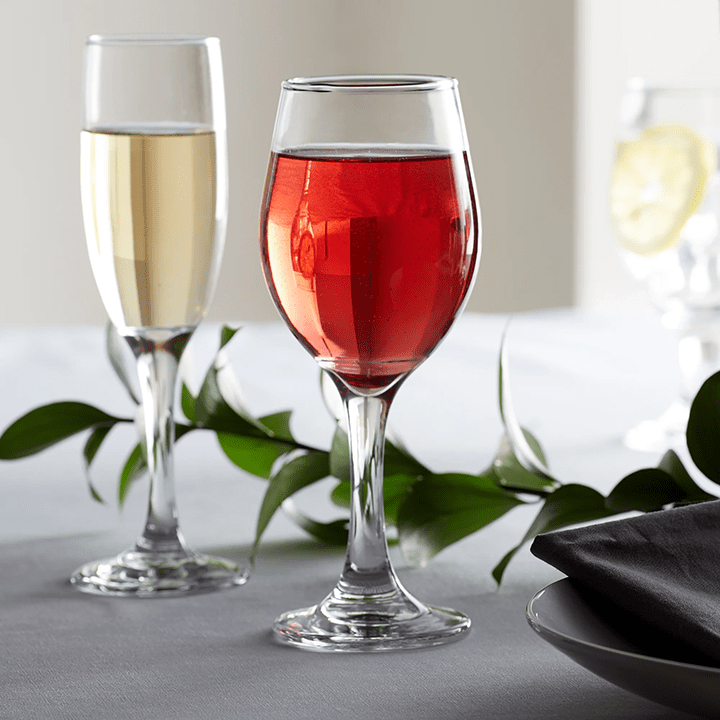
    Typical Rolled-edge Restaurant Wine Glasses

    When to Use Each Type

    Rolled Edge Uses

    – Casual Settings: Perfect for informal gatherings and outdoor events where durability and ease of use are prioritized over the nuanced tasting experience.

    – Everyday Use: Ideal for those who enjoy a glass of wine with dinner and prefer a sturdy, easy-to-clean option.

    Cut Edge Uses

    – Formal Occasions: Essential for wine tastings, dinners, and events where showcasing the wine’s full profile is the goal.

    – Wine Enthusiasts: Perfect for those who are passionate about wine and want to experience every subtle note and aroma.

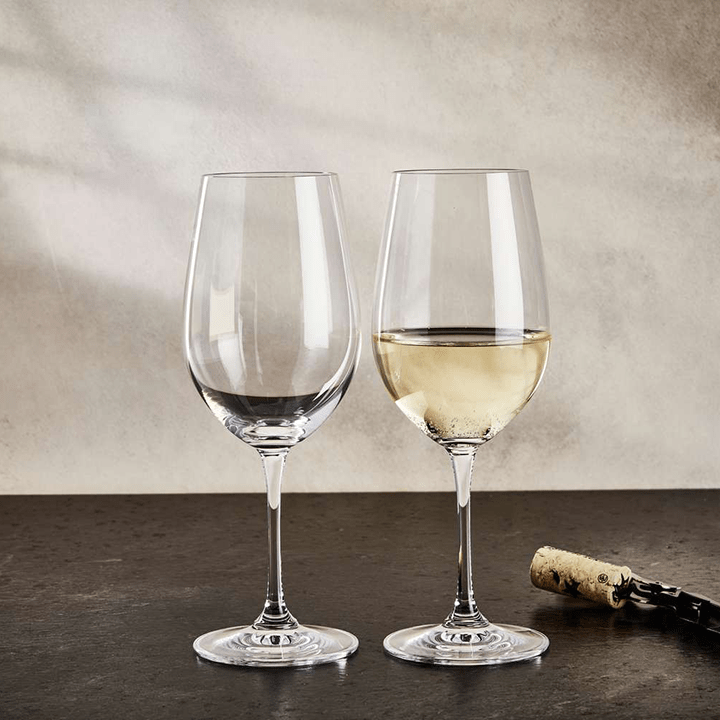
    Riedel Vinum Series Crystal Wine Glasses

    Glass Making Approaches and Formulas

    The material and craftsmanship behind wine glasses significantly influence their performance and the overall tasting experience. Let’s explore the primary materials used in fine glassware:

    Quartz Glass

    Quartz glass, or fused silica, is known for its exceptional clarity and resistance to thermal shock. It is less common in wine glasses due to its high cost and difficulty in molding. However, its superior clarity makes it a favorite in scientific applications and ultra-premium glassware.

    Soda-Lime Glass

    This is the most common type of glass, made from a combination of soda (sodium carbonate), lime (calcium oxide), and silica (silicon dioxide). Soda-lime glass is economical and durable, making it suitable for everyday use. However, it is generally less clear and brilliant than other types of glass.

    Lead Crystal

    Lead crystal, traditionally containing up to 30% lead oxide, is renowned for its brilliance and clarity. The lead content increases the refractive index, giving the glass a beautiful sparkle. Lead crystal is also more malleable when molten, allowing for intricate designs and thin rims. However, concerns about lead leaching have led to a decline in its use for drinkware.

    Lead-Free Crystal

    Modern advancements have produced lead-free crystal, which substitutes lead oxide with other metal oxides like barium or zinc. This material retains the desirable properties of traditional lead crystal – clarity, brilliance, and durability – without the health concerns. Lead-free crystal is now the standard for high-quality wine glasses.

    SOMM&SOMM Recommends: Riedel Vinum Crystal Glasses

    The Effect on the Wine-Tasting Experience

    The choice of glass material and design profoundly affects the wine-tasting experience:

    Clarity: Higher clarity materials, like lead or lead-free crystal, allow for better visual appreciation of the wine’s color and consistency. The ability to see the wine clearly can enhance the overall sensory experience.

    Thickness: Thinner rims, typical of cut edge glasses made from crystal, allow for a more delicate delivery of wine to the palate, enhancing the perception of flavors and aromas. Thicker, rolled rims, more common in soda-lime glass, can dull this precision but provide durability and comfort.

    Weight: Crystal glasses are typically lighter and more balanced than their soda-lime counterparts, which can enhance the tactile experience of swirling and sipping the wine.

    SOMM&SOMM Recommends: Zalto Denk’Art Universal Hand-Blown Crystal Glasses

    Science and Subjectivity

    Science tells us that the thinner, more precise rim of a cut edge glass improves the direct flow of wine, enhancing the sensory experience by delivering flavors and aromas more effectively. However, the subjective pleasure derived from using a particular glass often depends on personal preference and context.

    For some, the ritual of selecting a delicate, beautifully crafted cut edge crystal glass adds to the romance of wine drinking. For others, the comfort and reliability of a sturdy rolled edge glass hold equal charm.

    Photo by Diana u2728 on Pexels.com

    Whether you lean towards the durable practicality of rolled edge glasses or the refined elegance of cut edge crystal, the choice of wine glass can profoundly influence your wine-tasting journey. Understanding the nuances between these types of glassware, as well as the materials and craftsmanship involved, allows you to tailor your wine experience to your preferences and occasions.

    So next time you uncork a bottle, consider not just the wine but the glass in which you’ll savor it. After all, every detail, down to the very edge, contributes to the symphony of senses that is wine tasting. Cheers 🍷

  • Varietal Spotlight: Zinfandel

    Varietal Spotlight: Zinfandel

    Unveiling the Rich Tapestry of Zinfandel

    Amidst the vast and diverse landscape of wine varietals, few evoke as much intrigue and delight as Zinfandel. With its roots deeply intertwined with American viticultural history, Zinfandel has captivated palates around the globe with its versatility, bold flavors, and intriguing heritage. Join me on a journey as we delve into the intricacies of this enigmatic grape, exploring its origins, diverse expressions, and ideal pairings, just in time to elevate your summer barbecues.

    The origins of Zinfandel have long been a subject of debate among wine enthusiasts and historians. While it is widely acknowledged as a quintessentially American grape variety, its exact ancestry remained shrouded in mystery until recent advancements in genetic research.

    Photo by Luciann Photography on Pexels.com

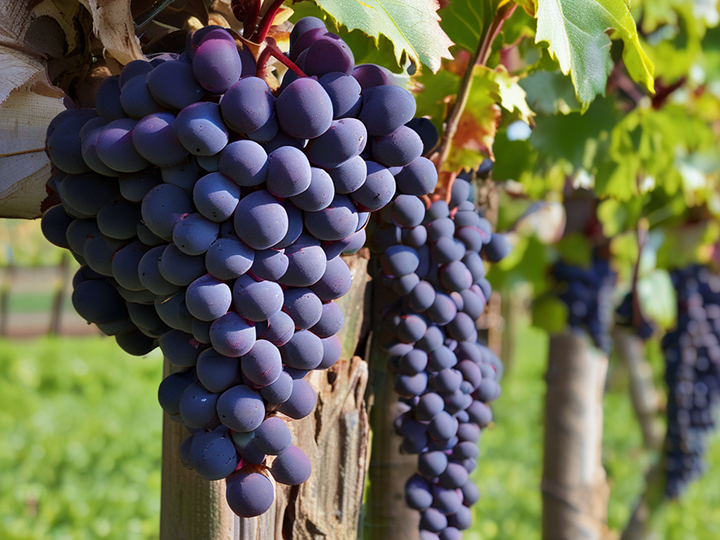
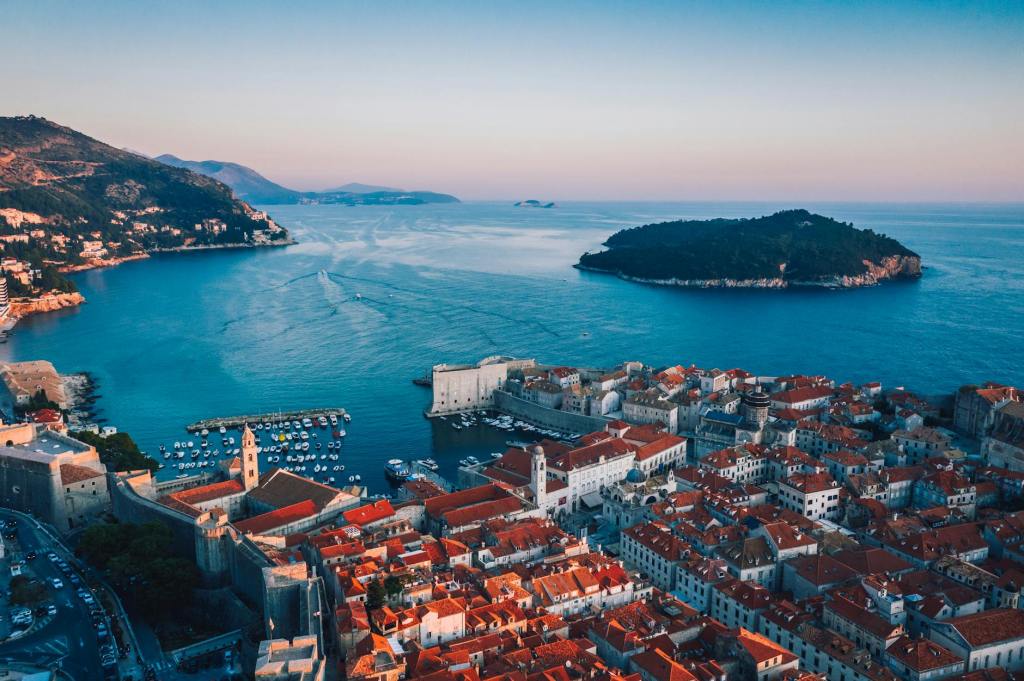
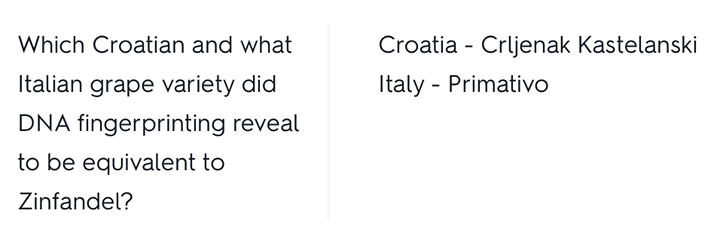
    Recent DNA analysis has revealed that Zinfandel is genetically identical to the Croatian grape variety known as Crljenak Kaštelanski (pronunciation: Tserl-yee-ehnak Kash-tell-ann-skee), as well as the Italian Primitivo (pronunciation: pri-meh-TEE-Voh). This revelation has shed light on the grape’s journey across continents, tracing its lineage from the Dalmatian Coast of Croatia to the sun-drenched vineyards of California.

    Required Knowledge for WSET Level 3

    Additional Info: Carole Meredith Solves the Mystery of Zinfandel (The V&E Trellis Wire, Spring 2002)

    Zinfandel first gained prominence in California during the Gold Rush era of the 19th century when it became the most widely planted grape variety in the state. Its robust vines thrived in the Mediterranean-like climate of California, giving rise to some of the most iconic wines in American history.

    Varieties and Characteristics

    Zinfandel is celebrated for its remarkable diversity, with a spectrum of expressions ranging from light and fruity to bold and full-bodied. This versatility stems from various factors including terroir, winemaking techniques, and aging practices.

    Red Zinfandel: The most iconic expression of Zinfandel, red Zinfandel wines are characterized by their deep ruby hues, vibrant fruit flavors, and spicy undertones. Notes of blackberry, raspberry, and plum are often interwoven with hints of black pepper, cinnamon, and licorice, creating a complex and multifaceted palate. Red Zinfandels can vary in intensity, with some displaying bold tannins and high alcohol content, while others exude elegance and finesse.

    White Zinfandel: White Zinfandel emerged as a serendipitous offshoot of its red counterpart. In the 1970s, winemakers accidentally left Zinfandel juice in contact with the grape skins for an extended period, resulting in a blush-colored wine with residual sweetness. This happy accident gave birth to White Zinfandel, a refreshing and approachable wine known for its light body, crisp acidity, and fruity aromatics. Unlike its robust red counterpart, White Zinfandel is best enjoyed in its youth, showcasing flavors of strawberry, watermelon, and citrus.

    In every sip of Zinfandel lies the essence of paradox; bold yet delicate, rustic yet refined, echoing the journey of life itself in its nuanced flavors.

    Gregory Dean, SOMM&SOMM

    While Zinfandel is cultivated in various wine regions across the globe, certain appellations have emerged as bastions of excellence for this noble grape.

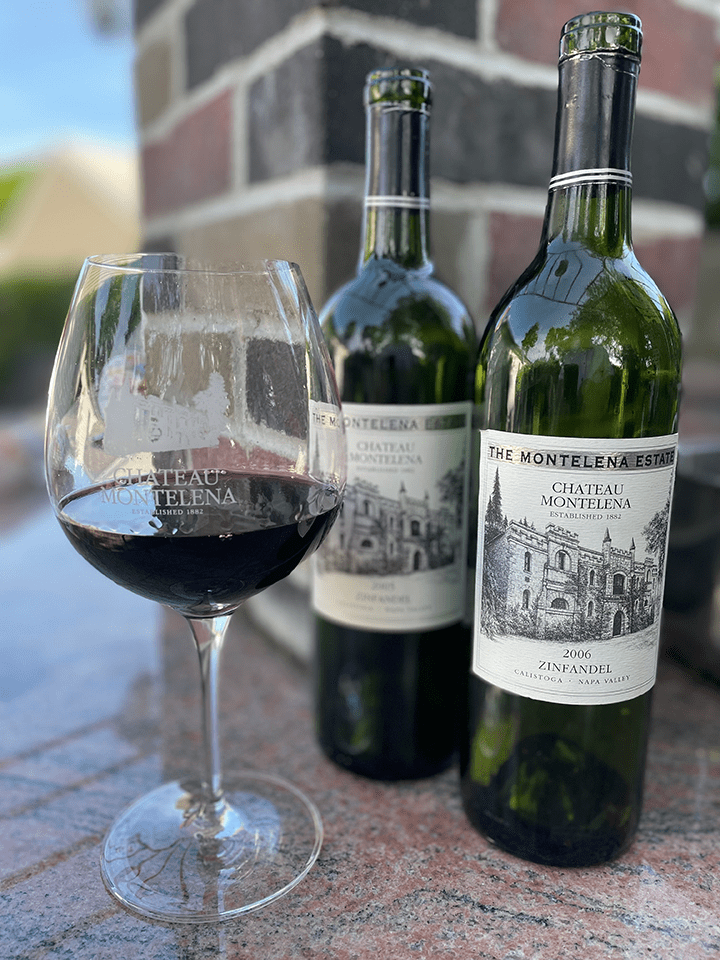
    A vertical of Chateau Montelena Zinfandel was on the menu a summer barbecue hosted by sommelier, Scott White

    California (Napa Valley and Sonoma County): California remains the epicenter of Zinfandel production, with Napa Valley and Sonoma County standing out as premier regions for cultivating this varietal. The warm days and cool nights of these coastal regions provide an ideal microclimate for Zinfandel, allowing the grapes to achieve optimal ripeness while retaining acidity and balance. Wines from Napa Valley tend to be rich and opulent, with concentrated fruit flavors and velvety textures, while those from Sonoma County showcase vibrant acidity and distinctive terroir-driven nuances.

    SOMM&SOMM Recommends: 2021 Chateau Montelena Zinfandel

    SOMM&SOMM Recommends: 2015 Seghesio Zinfandel Home Ranch

    SOMM&SOMM Recommends: 2021 St. Francis Old Vines Zinfandel ‘Tres Viejos’

    Old Vine Zinfandel

    Mendocino County (The Home of Old Vines): Within California, Mendocino County holds a special place in the hearts of Zinfandel aficionados, thanks to its abundance of ancient vines. These gnarled and weather-beaten vines, some over a century old, yield grapes of unparalleled depth and complexity, resulting in wines of extraordinary character and age-worthiness. Mendocino County Zinfandels are revered for their intensity, structure, and ability to express the unique terroir of their vineyard sites.

    Elevating Summer Barbecues

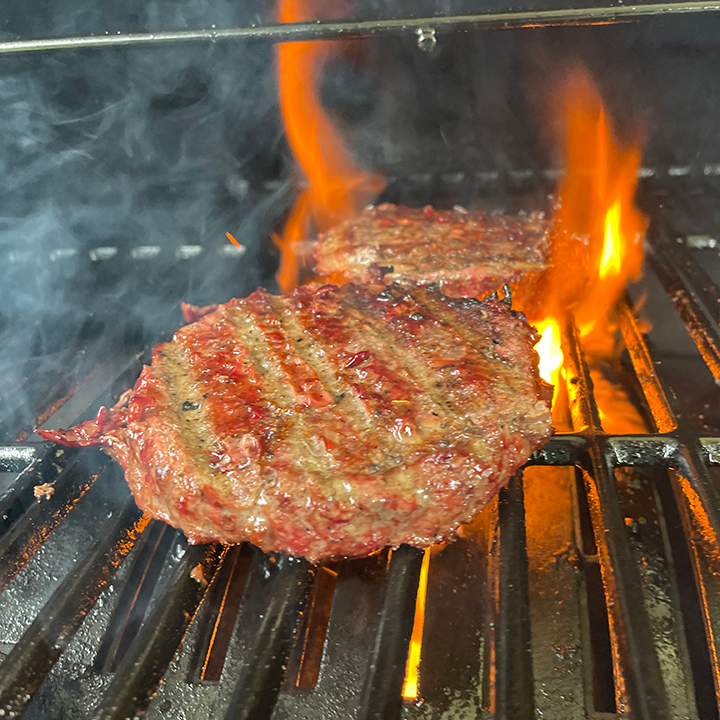
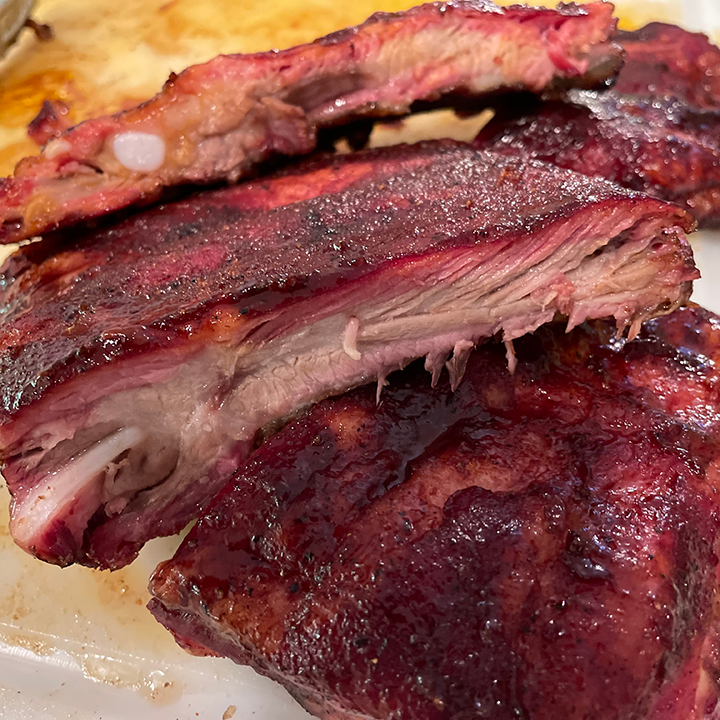
    Zinfandel’s bold flavors and vibrant acidity make it an ideal companion for a wide array of summer barbeque fare. Whether you’re grilling juicy steaks, smoky ribs, or tangy barbecue chicken, Zinfandel’s robust character and spicy nuances are sure to complement and enhance the flavors of your meal. Here’s a few images from past Summer barbecues.

    For a classic pairing, try serving a bold, full-bodied Zinfandel alongside a sizzling rack of barbeque ribs. The wine’s ripe fruit flavors and zesty acidity will cut through the richness of the meat, while its peppery notes will harmonize with the smoky barbecue sauce.

    For a lighter option, consider pairing White Zinfandel with grilled shrimp skewers or a crisp summer salad. The wine’s refreshing acidity and fruit-forward profile will provide a delightful contrast to the charred flavors of the seafood, while its subtle sweetness will complement the fresh, vibrant ingredients of the salad.

    No exploration of Zinfandel would be complete without a nod to its colorful history and enduring legacy. From the heady days of the Gold Rush to the modern renaissance of American winemaking, Zinfandel has remained a steadfast symbol of resilience and innovation.

    Legend has it that during Prohibition, enterprising bootleggers would smuggle Zinfandel grapes across state lines disguised as “table grapes,” allowing intrepid winemakers to continue producing their beloved elixir in secret. This defiance of authority only served to fuel Zinfandel’s mystique, cementing its status as the quintessential American wine.

    Zinfandel is the quintessential American wine

    Zinfandel stands as a testament to the enduring allure of wine, bridging continents and centuries with its rich tapestry of flavors and stories. Whether enjoyed as a bold red or a refreshing blush, Zinfandel invites us to savor the moment and celebrate the joy of discovery with every sip. So, raise a glass to Zinfandel, and let its timeless charm transport you on a journey of endless possibilities. Cheers 🍷