Category: Recipes

  • Exploring the History and Tradition of Vin Santo Wine

    Exploring the History and Tradition of Vin Santo Wine

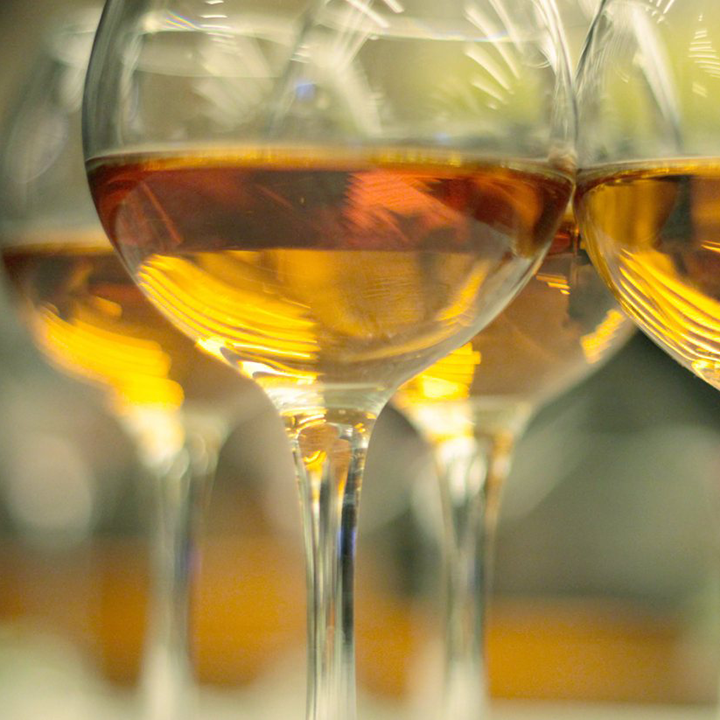
    In the rolling hills of Tuscany, amidst the golden vineyards and centuries-old traditions, lies a treasure deeply rooted in history and culture—the enchanting Vin Santo wine. With its rich amber hues and complex flavors, Vin Santo embodies the essence of Italy’s winemaking heritage, weaving together centuries of tradition into each precious drop.
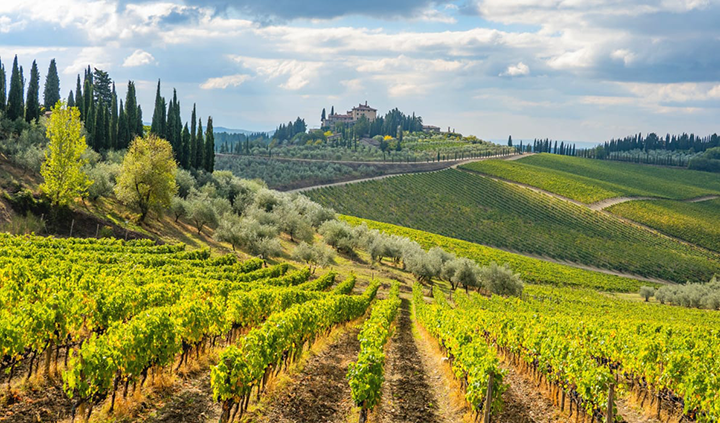
    Beautiful rolling hills of Tuscany

    A Journey Through Time: Origins of Vin Santo

    The origins of Vin Santo can be traced back to medieval times, where its story intertwines with the religious and cultural tapestry of Italy. Legend has it that Vin Santo, meaning “holy wine” in Italian, was first crafted by monks in the Tuscan hillsides. These devout custodians of viticulture discovered that by allowing grapes to dry on straw mats in warm attics, the sugars concentrated, resulting in a sweet, luscious wine.

    The process of making Vin Santo is deeply intertwined with the concept of ‘appassimento,’ a traditional method of drying grapes to concentrate their sugars and flavors. This technique, which originated in ancient Rome, was revived and perfected by Tuscan winemakers, leading to the creation of Vin Santo’s signature style.

    The Art of Vinification: Crafting Vin Santo

    Vin Santo is primarily crafted from white grape varieties such as Trebbiano and Malvasia, although red grape varieties like Sangiovese are also used in some regions. The grapes are harvested at optimal ripeness before being carefully laid out on straw mats or hung in well-ventilated lofts to dry. This drying process, known as ‘appassimento,’ can last for several months, allowing the grapes to gradually shrivel and concentrate their sugars.

    Once sufficiently dried, the grapes are gently pressed, yielding a highly concentrated juice with elevated sugar levels. This luscious must is then transferred to small oak barrels, known as caratelli or ‘little barrels,’ where it undergoes a slow and patient fermentation. Unlike most wines, Vin Santo is left to ferment naturally, relying on ambient yeasts to work their magic over the course of several years.

    The aging process is a hallmark of Vin Santo production, with the wine maturing in small barrels for a minimum of three to five years, though some examples age for much longer. During this time, the wine develops its distinctive aromas and flavors, evolving from vibrant fruitiness to complex notes of dried fruits, nuts, honey, and spices.

    The Variations of Vin Santo: Tradition and Terroir

    While Vin Santo is most commonly associated with Tuscany, its production extends to other regions of Italy, each with its own unique interpretation of this revered wine. In addition to the classic Vin Santo di Chianti, which hails from the heart of Tuscany, other notable variations include Vin Santo del Chianti Classico, Vin Santo di Montepulciano, and Vin Santo di Carmignano.

    These variations reflect not only regional differences in grape varieties and winemaking techniques but also the influence of terroir—the unique combination of soil, climate, and geography that shapes each wine’s character. For example, Vin Santo del Chianti Classico is celebrated for its elegance and balance, while Vin Santo di Montepulciano boasts a more robust and structured profile.

    The Ritual of Enjoyment: Serving Vin Santo

    Vin Santo is more than just a wine; it’s a symbol of conviviality and tradition, often shared during special occasions and festive gatherings. The ritual of serving Vin Santo is as important as the wine itself, with time-honored customs dictating its presentation and enjoyment.

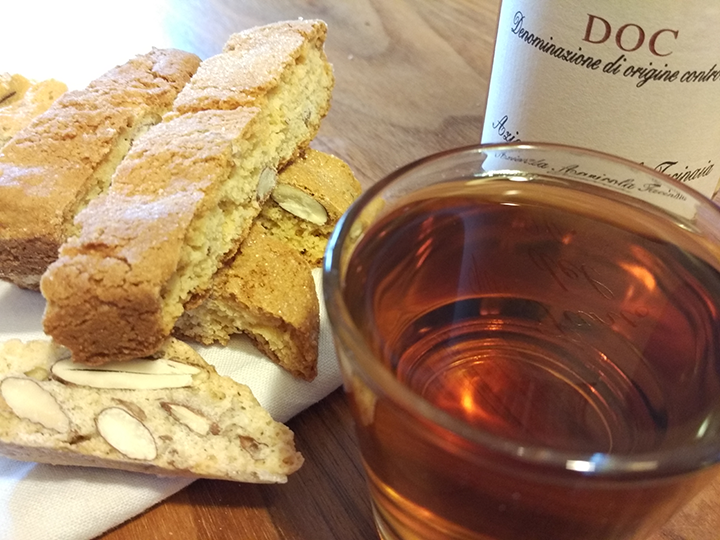
    Vin Santo and Biscotti

    Traditionally served in small, tulip-shaped glasses, Vin Santo is accompanied by biscotti or ‘cantucci,’ almond biscuits specifically designed to complement its sweetness. The ritual of dipping the biscotti into the wine, allowing them to soak up its ambrosial nectar, is a sensory experience that enhances the wine’s flavors and textures.

    Vin Santo is also a versatile wine that pairs beautifully with a variety of foods, from aged cheeses and foie gras to desserts such as panna cotta and almond cakes. Its natural sweetness and complex aromas make it a delightful accompaniment to both savory and sweet dishes, earning it a place of honor on tables around the world. Vin Santo is the wine traditionally used in tiramisu 🙂
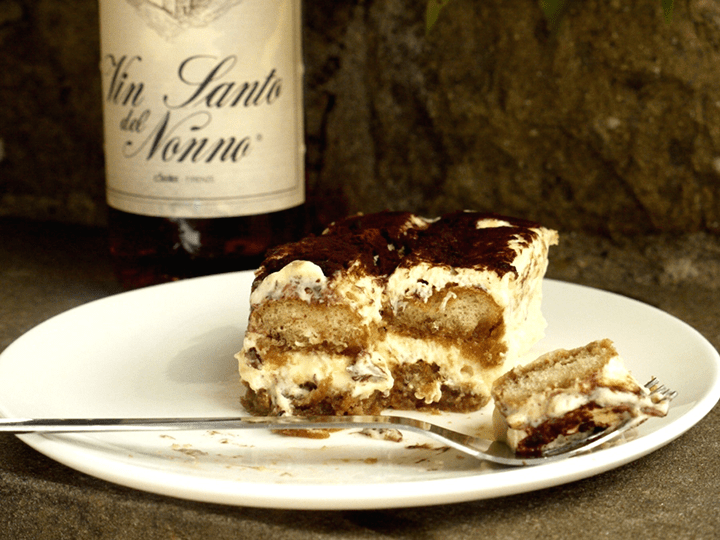
    Tiramisu with Vin Santo

    Preserving Tradition: The Future of Vin Santo

    In an era of rapidly changing tastes and trends, the tradition of Vin Santo remains a steadfast beacon of Italy’s winemaking heritage. While modern advancements have brought innovations to the production process, the essence of Vin Santo—its connection to the land, its reverence for tradition, and its timeless allure—remains unchanged.

    As we raise our glasses to toast the legacy of Vin Santo, we honor not only the craftsmanship of generations past but also the promise of generations to come. In each sip of this sacred elixir, we taste the history, the tradition, and the timeless beauty of Italian winemaking—a legacy that continues to inspire and enchant wine lovers around the world.

    Cheers🍷

  • Crafting a Romantic Food and Wine Experience for Valentine’s Day

    Crafting a Romantic Food and Wine Experience for Valentine’s Day

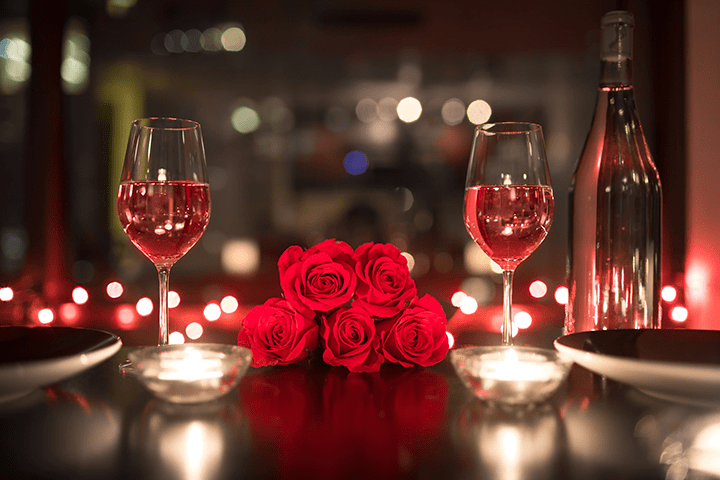
    As Valentine’s Day approaches, love is in the air, and what better way to celebrate romance than with a carefully curated food and wine experience? As a sommelier deeply passionate about creating memorable moments through the art of pairing, I invite you on a journey to tantalize your taste buds and ignite your senses with a selection of wines that complement intimate dishes and decadent desserts.

    Sparkling Wine Says Romance on Valentine’s Day

    While sparkling wines often take the spotlight during romantic occasions, there’s a plethora of red and white wines waiting to enhance the culinary symphony of your evening. Let’s delve into the heart of romance with classic pairings and venture into uncharted territory with some unconventional options to keep the sparks flying.

    Disclosure: This post includes some affiliate links. Should you click an affiliate link and make a purchase, we may receive a small commission at no extra cost to you.

    Classic Pairings

    Red Wine and Chocolate – A timeless duo, red wine and chocolate evoke feelings of indulgence and passion. Opt for a velvety smooth Merlot or a bold Cabernet Sauvignon to accompany rich dark chocolate desserts. The interplay of fruity notes and tannins creates a symphony of flavors that dance on the palate, leaving a lingering sensation of warmth and satisfaction.

    Cafe Delites Shrimp Scampi

    White Wine and Seafood – For a lighter yet equally enchanting pairing, consider a crisp Chardonnay or a vibrant Sauvignon Blanc with seafood dishes. Whether it’s succulent lobster tails drizzled with butter or delicate shrimp scampi, the refreshing acidity of these white wines balances the brininess of the sea, elevating each bite into a celestial experience.

    SOMM&SOMM Recommends: Cafe Delites Shrimp Scampi Recipe

    Rosé and Cheese – Rosé wines, with their delicate blush hues and refreshing acidity, harmonize beautifully with an array of cheeses. From creamy brie to tangy goat cheese, the versatility of rosé allows for a playful exploration of flavors. Let the soft, fruity notes of a Provencal rosé entwine with the creamy texture of cheese, creating a delightful contrast that tantalizes the senses.

    Orange WIne

    Out-of-the-Box Options

    Orange Wine and Spicy Cuisine – Step outside the conventional and embrace the bold flavors of spicy cuisine with an unexpected partner – orange wine. Crafted from white grapes with extended skin contact, orange wine boasts complex aromas and a rich, textured palate. Pair it with fiery dishes like Thai curry or Mexican mole for a fiery fusion of flavors that ignites passion and adventure.

    Lambrusco and Charcuterie – Break away from tradition and embrace the effervescent charm of Lambrusco paired with a rustic charcuterie board. This Italian sparkling red wine, with its vibrant red fruit flavors and lively bubbles, complements the salty richness of cured meats and the earthy notes of aged cheeses. Let the symphony of flavors unfold as you explore the diverse textures and aromas, creating a tapestry of indulgence.

    Westgarth Wines

    Spotlight: Westgarth Wines is a great source for hard-to-find varietals and vintages. Whether building your wine portfolio or planning a special evening, check out Westgarth Wines Extensive Fine Wine Collection.

    Romantically-Inspired Wines and Foods

    In the realm of romantically-inspired wines, few evoke the passion of love stories like Amarone della Valpolicella. Crafted in the Veneto region of Italy, this full-bodied red wine is made from dried grapes, resulting in a luxurious elixir bursting with flavors of dried fruit, spice, and dark chocolate. Pair it with a decadent chocolate fondue for an unforgettable finale to your Valentine’s Day feast, indulging in the timeless allure of love and indulgence.

    Perfect Valentine’s Day Atmosphere

    As the evening unfolds and glasses clink in celebration of love, remember that the true magic lies in the connection shared over a table adorned with exquisite food and wine. Whether you choose to embrace classic pairings or embark on a culinary adventure with unconventional choices, let each sip and bite be a testament to the romance that blossoms when flavors intertwine, creating moments that linger in the heart long after the last drop is savored. And… speaking of blossoms, don’t forget the flowers!

    SOMM&SOMM Recommends: 1-800-FLORALS – ‘Say I Love You‘ bouquet

    In the world of food and wine, every pairing is a love story waiting to be told, and on Valentine’s Day, let your palate be the narrator of a tale woven with passion, indulgence, and the timeless allure of romance.

    Cheers to love, laughter, and unforgettable moments shared over a table set for two. 🥂

  • Trendy Cocktails: Blooming Elegance

    Trendy Cocktails: Blooming Elegance

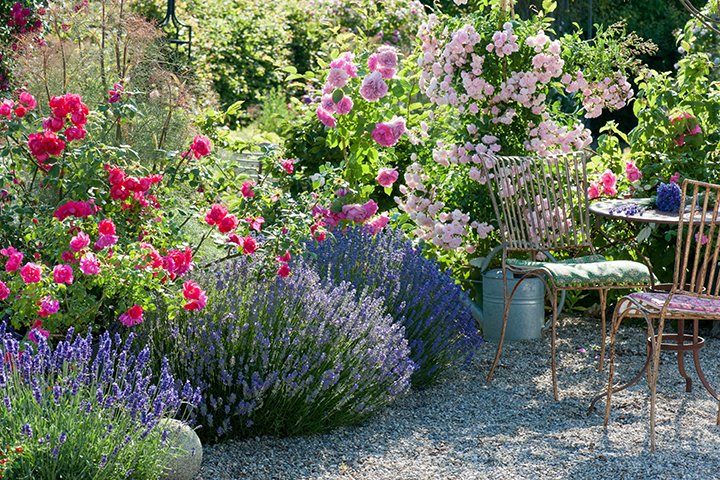
    When it comes to timeless cocktails, the martini stands in a league of its own. But what happens when you infuse this iconic drink with the essence of an English garden? Enter the “Blooming Elegance” – a floral riff on the classic martini that promises to transport your taste buds to a fragrant paradise.

    English Garden

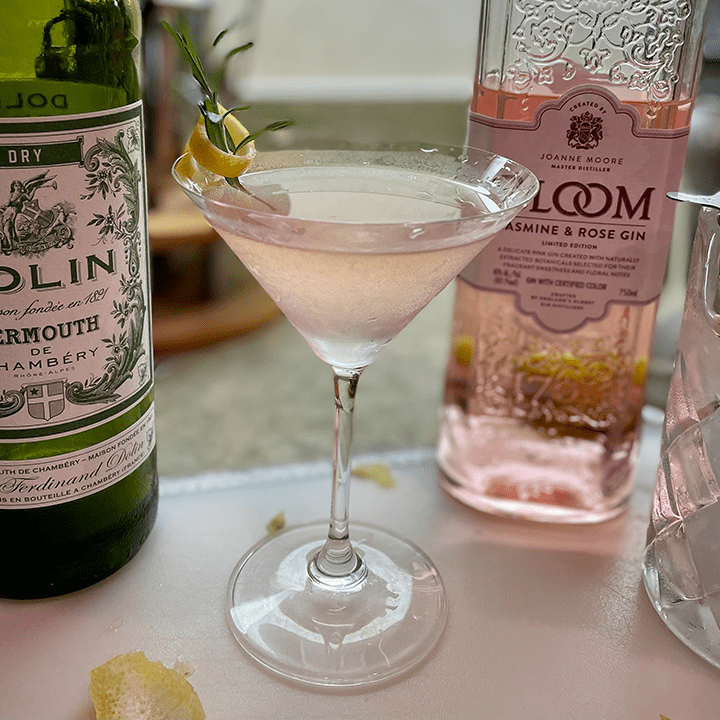
    The “Blooming Elegance” cocktail combines the sophistication of a classic martini with the delicate flavors of an English garden. The star of this show is the Bloom Jasmine & Rose Gin, a botanical masterpiece that infuses the spirit with the enchanting aromas of roses and jasmine. Complemented by a touch of Tito’s Vodka for smoothness, St. Germain Elderflower Liqueur for a subtle sweetness, and Dolin Dry Vermouth for balance, this cocktail is a symphony of floral notes that dance on the palate. A hint of lemon juice brightens the ensemble, creating a refreshing and well-rounded drink.

    Blooming Elegance

    – 2 oz. Bloom Jasmine & Rose Gin

    – 1/2 oz. Tito’s Vodka

    – 1/2 oz. St. Germain Elderflower Liqueur

    – 1/2 oz. Dolin Dry Vermouth

    – 1/8 oz. Lemon Juice

    Stir all ingredients on ice. Strain into a chilled martini glass. Garnish with a twist of lemon peel and a sprig of rosemary. 🍸

    Smoked Salmon Canapés

    Food Pairing Recommendations

    The “Blooming Elegance” cocktail’s floral and aromatic profile makes it an excellent companion to light and fresh dishes. Consider pairing it with a goat cheese and watercress salad, smoked salmon canapés, or even a platter of sushi with delicate fish flavors. The cocktail’s nuanced taste will complement the subtle notes of these dishes, creating a harmonious dining experience.

    A Brief History of the Martini

    The martini, a cocktail that has stood the test of time, has a history as rich and varied as its recipes. Originating in the late 19th century, the martini’s precise origins are somewhat disputed. Some credit bartender Jerry Thomas with its creation, while others trace its roots to the Knickerbocker Hotel in New York City.

    Traditionally made with gin and dry vermouth, the martini’s popularity soared during the Prohibition era, where gin became the spirit of choice due to its ease of production. Over the years, the martini has evolved, with variations incorporating vodka, different vermouths, and a myriad of garnishes.

    The “Blooming Elegance” cocktail not only pays homage to the classic martini but elevates it to new heights with the infusion of floral notes from the English garden. As you sip on this refined concoction, you’re not just enjoying a drink; you’re experiencing a symphony of flavors that transcends time and tradition. Cheers to the evolution of the martini and the endless possibilities that unfold in the world of mixology!

  • Champagne Unveiled: A Journey through Bubbles, Elegance, and Celebration

    Champagne Unveiled: A Journey through Bubbles, Elegance, and Celebration

    Champagne, often synonymous with celebrations and luxury, stands as the epitome of sparkling wine craftsmanship. Originating from the picturesque Champagne region in France, this effervescent elixir has woven itself into the fabric of joyous occasions worldwide. As a professional sommelier and wine educator, I invite you on a journey to discover the nuances of Champagne, explore its historical roots, distinguish it from other sparkling wines, and indulge in the art of serving and toasting.

    Champagne Vineyards

    Historical Roots of Champagne

    The captivating tale of Champagne’s origin dates back to the 17th century. Legend has it that the Benedictine monk Dom Pérignon discovered the method to capture the bubbles in wine, turning a potential winemaking disaster into a delightful revelation. While this story adds a touch of romance to the narrative, historical records attribute the development of the traditional method of sparkling wine production to multiple contributors in the Champagne region.

    In the early 19th century, Champagne houses such as Veuve Clicquot and Moët et Chandon played pivotal roles in refining the méthode champenoise, which involves a secondary fermentation in the bottle. This technique became the hallmark of Champagne production, distinguishing it from other sparkling wines.

    Distinguishing Champagne from Other Sparkling Wines

    While Champagne is the undisputed star, various other sparkling wines offer distinctive profiles and styles. Prosecco (created using the Charmat Method), hailing from Italy, is known for its fresh and fruity character. One of our favorite sparkling wines from Italy, also made using the traditional method (metodo classico), is the Lombardy region’s own Franciacorta. Spain’s Cava, crafted using the traditional method, exhibits citrusy and toasty notes. The German Sekt often showcases a delicate sweetness, while English sparkling wines gain recognition for their quality, influenced by the cool climate and chalky soils.

    What sets Champagne apart is the rigorous production standards outlined by the AOC (Appellation d’Origine Contrôlée) regulations. Grapes, primarily Chardonnay, Pinot Noir, and Pinot Meunier, must come from the Champagne region, and production follows strict guidelines to ensure consistency and excellence.

    Photo by JESHOOTS.com on Pexels.com

    Tips on Serving Sparkling Wine for the Holidays

    As the holiday season approaches, serving sparkling wine with finesse can elevate the festivities. Here are some tips to enhance your sparkling wine experience:

    1. Temperature Matters: Serve Champagne chilled, ideally between 45°F to 48°F (7°C to 9°C). An ice bucket filled with water and ice is an excellent way to keep it at the perfect temperature.

    2. Choosing the Right Glassware: Opt for a flute or tulip-shaped glass to preserve the effervescence and concentrate the aromas. The narrow design helps maintain the bubbles and showcases the wine’s complexity.

    3. Gentle Pouring: To preserve the bubbles, pour sparkling wine down the side of the glass. Hold the glass at an angle and let the liquid glide gently into the flute.

    Popular Champagne Cocktails and Recipes

    Champagne isn’t confined to celebratory toasts; it’s a versatile libation that can be crafted into delightful cocktails. Here are a few popular recipes to elevate your Champagne experience:

    1. Classic Champagne Cocktail:

    Ingredients:

    •    1 sugar cube
    •    Angostura bitters
    •    Champagne
    •    Lemon twist (for garnish)

    Instructions: Soak the sugar cube in a few dashes of Angostura bitters. Drop the cube into a Champagne flute. Pour chilled Champagne over the sugar cube. Garnish with a lemon twist.

    2. French 75:

    Ingredients:

    • 1 oz gin
    • 0.5 oz simple syrup
    • 0.5 oz lemon juice
    • Champagne
    • Lemon twist (for garnish)

    Instructions: Shake gin, simple syrup, and lemon juice with ice. Strain into a Champagne flute. Top with Champagne. Garnish with a lemon twist.

    3. Mimosa:

    Ingredients:

    • 2 oz orange juice
    • Champagne

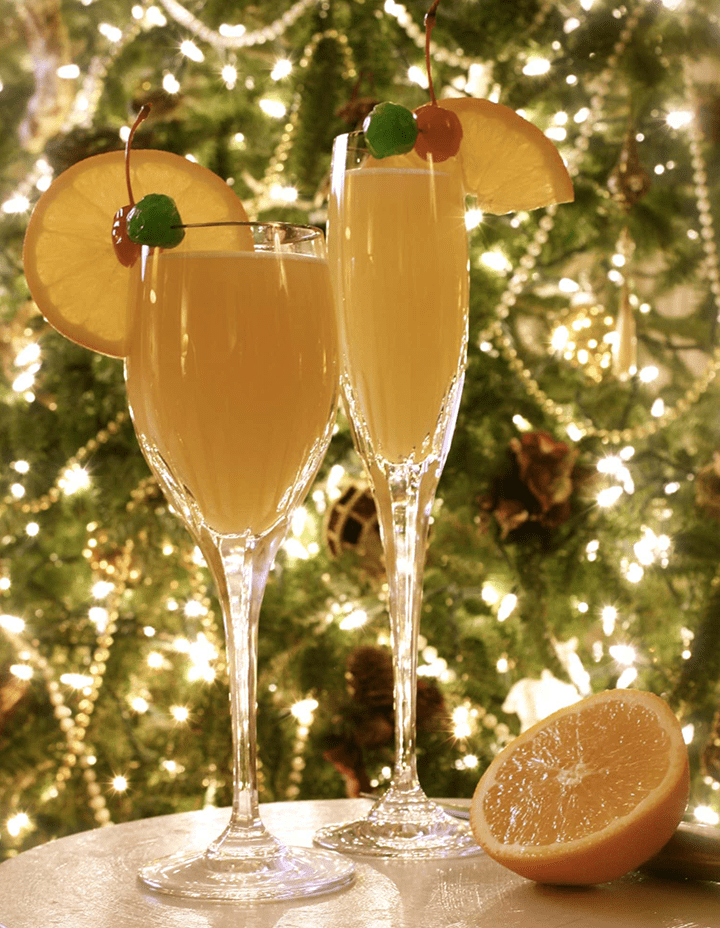
     Instructions: Pour orange juice into a Champagne flute. Top with chilled Champagne.

    Photo by cottonbro studio on Pexels.com

    Proper Approach to a Classic Champagne Toast

    A Champagne toast is a timeless tradition that brings people together in celebration. To ensure a memorable and elegant toast, consider the following:

    1. Selecting the Right Champagne: Choose a quality Champagne that suits the occasion. A brut or extra brut is a safe choice for toasting, offering a balance of sweetness and acidity.

    2. Chilled to Perfection: Ensure the Champagne is appropriately chilled. A cold glass of bubbly is not only refreshing but enhances the effervescence.

    3. Hold the Glass Correctly: Grasp the Champagne flute by the stem to prevent the transfer of heat from your hand to the wine. This helps maintain the ideal serving temperature.

    4. Raise, Clink, and Sip: Raise your glass, make eye contact, and gently clink glasses with others. Take a moment to express your sentiments before taking a sip.

    Let us raise our glasses high in celebration of this joyous moment. Here’s to love that knows no bounds, to friendships that stand the test of time, and to the adventures that await us in the coming years. May our hearts be filled with gratitude, our days with laughter, and our glasses with the effervescent elixir of life. Cheers to the past, the present, and the future – may it be as sparkling and delightful as the bubbles dancing in this champagne. Cheers!

    Gregory Dean, SOMM&SOMM

    In conclusion, Champagne is a beverage of celebration, history, and craftsmanship. From its humble beginnings in the Champagne region to its global acclaim, this effervescent wine continues to captivate enthusiasts. Whether sipped on its own, blended into cocktails, or used for toasts, Champagne remains a symbol of elegance and festivity, enriching moments both grand and intimate. 🥂

  • Wine Styles: Late Harvest Wines

    Wine Styles: Late Harvest Wines

    Late harvest wines represent a pinnacle of winemaking craftsmanship, showcasing the artful balance between sweetness and acidity. These wines are crafted from grapes left on the vine longer than usual, allowing them to ripen further and intensify their flavors. Late harvest wines come in various styles, each offering a unique tasting experience. Among them, the influence of noble rot (botrytis) on certain grapes adds an extra layer of complexity and richness.

    Styles of Late Harvest Wines

    Lur Saluces Chateau de Fargues – Photo Credit: Fred Swan, JJBuckley.com

    Sauternes (France)

    Sauternes is an iconic late harvest wine from the Bordeaux region of France. It is primarily made from Semillon, Sauvignon Blanc, and Muscadelle grapes. The grapes are affected by botrytis cinerea, a fungus that concentrates the sugars and flavors, resulting in a luscious, honeyed wine with vibrant acidity. Château d’Yquem is the most renowned producer of Sauternes.

    SOMM&SOMM recommends: Chateau Suduiraut Sauternes

    Trockenbeerenauslese (Germany)

    In Germany, Trockenbeerenauslese (TBA) wines are produced from individually selected, overripe grapes affected by noble rot. These wines are intensely sweet, with high levels of sugar and acidity. Riesling is the predominant grape variety, and TBAs are often considered some of the finest expressions of German winemaking.

    SOMM&SOMM recommends: 2019 Alois Kracher Trockenbeerenauslese No. 4 Zweigelt

    Eiswein (Canada and Germany)

    Ice wine (Canada) is made from grapes that have naturally frozen on the vine. The grapes are harvested and pressed while still frozen, extracting only the concentrated sugars. Canadian Ice Wine, particularly from the Niagara Peninsula, is renowned for its balanced sweetness and acidity. Germany also produces Eiswein using a similar method.

    SOMM&SOMM recommends: Dr. Loosen Riesling Eiswein

    Vin Santo (Italy)

    In Italy, Vin Santo is a traditional Tuscan late harvest wine made from white grapes like Trebbiano and Malvasia. The grapes are dried on straw mats before pressing, leading to a rich and nutty wine. Vin Santo is often enjoyed as a dessert wine, accompanied by biscotti. On a related note, Vin Santo is the traditional wine used in a classic Tuscany-style Tiramisù.

    Botrytis Cinerea and Its Impact

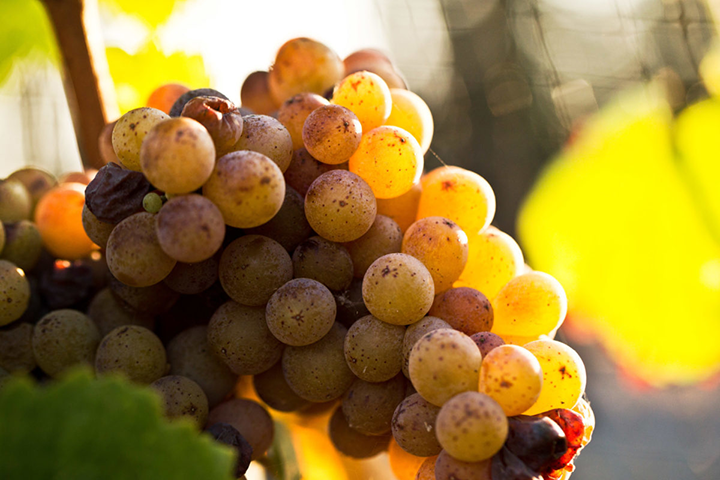
    Botrytis cinerea, commonly known as noble rot, plays a crucial role in the production of some of the world’s finest sweet wines. This beneficial fungus pierces the grape skin, allowing water to evaporate and concentrating sugars and flavors. In addition to enhancing sweetness, noble rot imparts distinctive honey, apricot, and botrytized character to the wine.

    Dessert Pairings for Late Harvest Wines

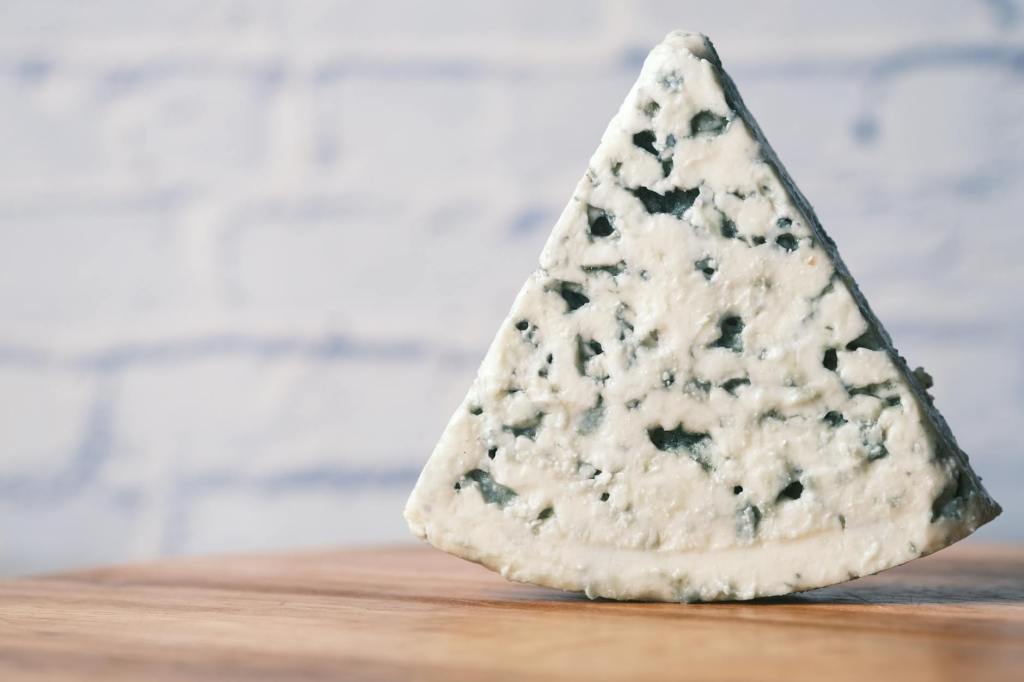
    Roquefort Cheese – Photo by Towfiqu barbhuiya on Pexels.com

    Sauternes: Foie Gras and Roquefort Cheese

    Sauternes pairs wonderfully with rich and savory flavors. Foie gras, with its buttery texture and complex taste, complements the sweetness of Sauternes. Roquefort, a blue cheese with a bold flavor profile, creates a delightful contrast that highlights the wine’s acidity.

       Recipe: Foie Gras with Sauternes Reduction

       – Sear foie gras slices in a hot pan until golden.

       – Deglaze the pan with Sauternes, reducing it to a syrupy consistency.

       – Drizzle the reduction over the foie gras and serve with toasted brioche.

    Trockenbeerenauslese: Peach Melba

    The vibrant acidity of Trockenbeerenauslese cuts through the richness of a classic Peach Melba. The combination of poached peaches, vanilla ice cream, and raspberry sauce creates a harmonious blend of flavors.

       Recipe: Trockenbeerenauslese Poached Peaches

       – Poach peaches in Trockenbeerenauslese, sugar, and vanilla.

       – Serve the peaches over vanilla ice cream and drizzle with a raspberry sauce.

    Ice Wine: Apple Tarte Tatin

    The natural sweetness of Ice Wine complements the caramelized apples in a classic Tarte Tatin. The acidity in the wine balances the dish, creating a delightful contrast.

       Recipe: Ice Wine Caramel Sauce

       – Reduce Ice Wine in a pan until syrupy.

       – Combine with melted butter and brown sugar for a decadent caramel sauce.

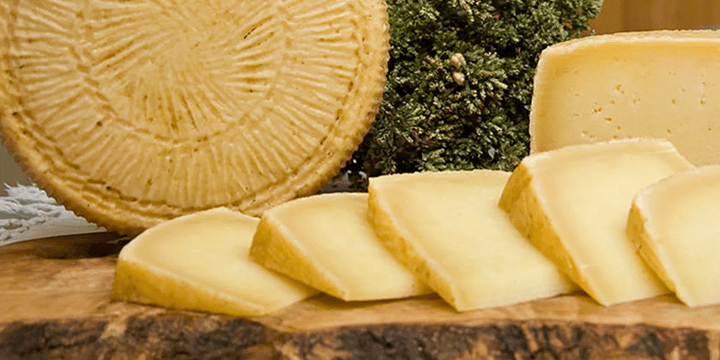
    Pecorino Cheese – Rlucia, CC BY 3.0, via Wikimedia Commons

    Vin Santo: Cantuccini and Pecorino Cheese

    Vin Santo’s nutty and caramelized notes find a perfect match in the crunchy sweetness of Cantuccini (Italian almond biscuits). Pair it with Pecorino cheese for a delightful Tuscan experience.

       Recipe: Homemade Cantuccini

       – Mix almonds, flour, sugar, and eggs to form a dough.

       – Shape into logs, bake, and slice into biscotti. Serve with Vin Santo.

    Late harvest wines, with their diverse styles and intricate flavors, offer a captivating journey for wine enthusiasts. Whether it’s the noble rot-infused complexity of Sauternes or the intense sweetness of Trockenbeerenauslese, these wines are a testament to the artistry of winemakers. Paired with classic desserts, the experience becomes a symphony of taste, revealing the cultural and culinary richness that surrounds these exceptional wines. Cheers to the indulgence of late harvest wines and the delightful moments they create! 🍷

  • Cheers to the Holidays! Festive Wine-inspired Libations

    Cheers to the Holidays! Festive Wine-inspired Libations

    The holiday season is upon us, and what better way to celebrate than with a glass of wine in hand? Whether you’re hosting a festive gathering or cozying up by the fireplace, red, white, and sparkling wines offer a versatile canvas for crafting delightful holiday libations. Let’s explore the characteristics of each type of wine and discover some whimsical holiday toasts to elevate your celebration.

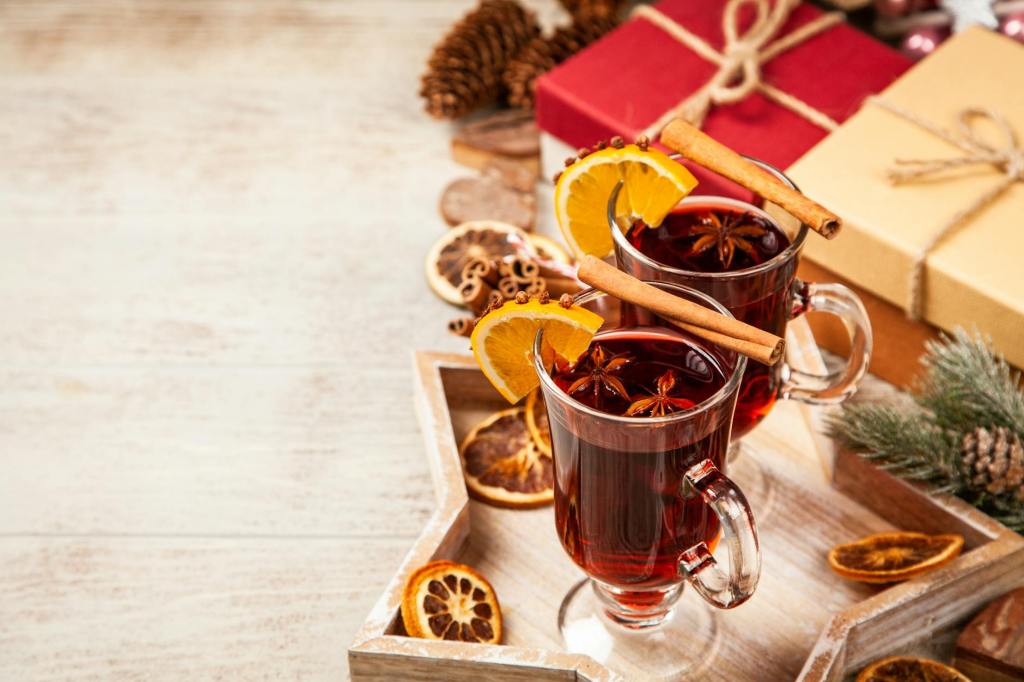
    Red Wine Revelry: Mulled Wine Magic – Photo by George Dolgikh on Pexels.com

    Red Wine

    Red wine, with its robust flavors and warming qualities, is a natural choice for creating cozy holiday drinks. One classic concoction is Mulled Wine, a spiced and heated red wine that fills the air with delightful aromas. To make this festive brew, combine red wine with spices like cinnamon, cloves, and orange peel. Serve it warm in mugs, and garnish with a cinnamon stick for an extra touch of holiday spirit. It’s worth taking a look at this classic Vin Chaud recipe!

    To mulled wine and fireside tales, may warmth fill our hearts as the holiday spirit prevails!

    SOMM&SOMM
    White Wine Wonder: Winter Sangria Surprise – fraicheliving.com/winter-sangria/

    White Wine

    White wine, known for its crisp and refreshing profile, can be transformed into a Winter Sangria that will dazzle your taste buds. Combine white wine with seasonal fruits like pomegranate seeds, cranberries, and sliced apples. Add a splash of brandy and a hint of sparkling water for effervescence. The result is a visually stunning and palate-pleasing libation perfect for holiday gatherings. Julie’s White Christmas Sangria is worth exploring.

    To Winter Sangria, a symphony of flavors that dance on our tongues, may our holiday season be as vibrant and joyful!

    SOMM&SOMM
    Sparkling Splendor: Champagne Cocktails for Celebrations

    Sparkling Wine

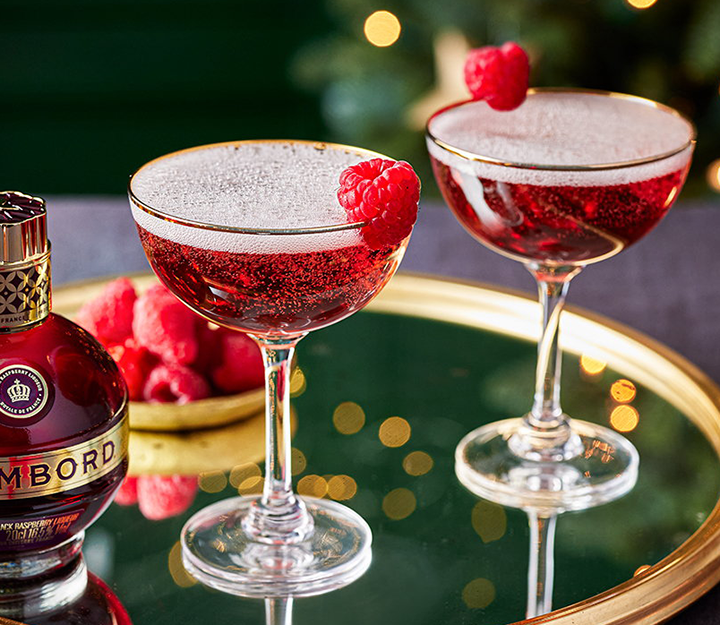
    Sparkling wine, synonymous with celebrations, takes center stage in elegant Champagne cocktails. Create a festive Mimosa by combining sparkling wine with fresh orange juice or opt for a classic Kir Royale by adding a touch of crème de cassis. For a more daring twist, try a Pomegranate Prosecco Punch, featuring sparkling Italian wine mixed with pomegranate juice and a splash of elderflower liqueur.

    To effervescence and efflorescence, may our spirits sparkle as bright as the bubbles in our glasses this holiday season!

    SOMM&SOMM

    Red, white, and sparkling wines provide a delightful canvas for crafting holiday libations that suit every palate. Whether you’re curled up by the fire with a mug of Mulled Wine, clinking glasses filled with Winter Sangria, or toasting with a sparkling Champagne cocktail, these festive drinks add an extra layer of joy to the holiday season. So, raise your glass, savor the flavors, and cheers to the magic of the holidays!

  • Perfect Pairings: Exploring Holiday Traditions and Wine

    Perfect Pairings: Exploring Holiday Traditions and Wine

    As winter descends upon us, the world comes alive with a myriad of cultural celebrations, each boasting its own unique dishes that reflect the rich tapestry of traditions. From Christmas and Hanukkah to Kwanzaa, Las Posadas, Soyal, and Winter Solstice, these holidays showcase the diversity of global festivities. For many, it is a gastronomic journey of the traditional dishes of these celebrations. With our corkscrews at the ready, we’re excited to reveal wine pairings that will add an extra layer of joy to your holiday table.

    Christmas Celebrated December 25 – Photo by Nicole Michalou on Pexels.com

    Christmas

    Christmas is celebrated with a festive spread that varies from country to country. In many Western cultures, roast turkey or ham takes center stage. For a classic pairing, a well-balanced red wine like Merlot or Cabernet Sauvignon complements the richness of the meat. In regions where fish is the star, such as Scandinavia, a crisp and acidic Sauvignon Blanc or Pinot Grigio enhances the delicate flavors.

    For desserts like Christmas pudding or fruitcake, consider a sweet and fortified wine like Port or a late-harvest Zinfandel. SOMM&SOMM recommends opting for a tawny Port with its nutty undertones to harmonize with the spiced complexity of these traditional treats.

    Recommended wines:

    Duckhorn Vineyards Carneros Napa Valley Merlot (Classic)

    Graham’s 20 Year Tawny Port (SOMM&SOMM)

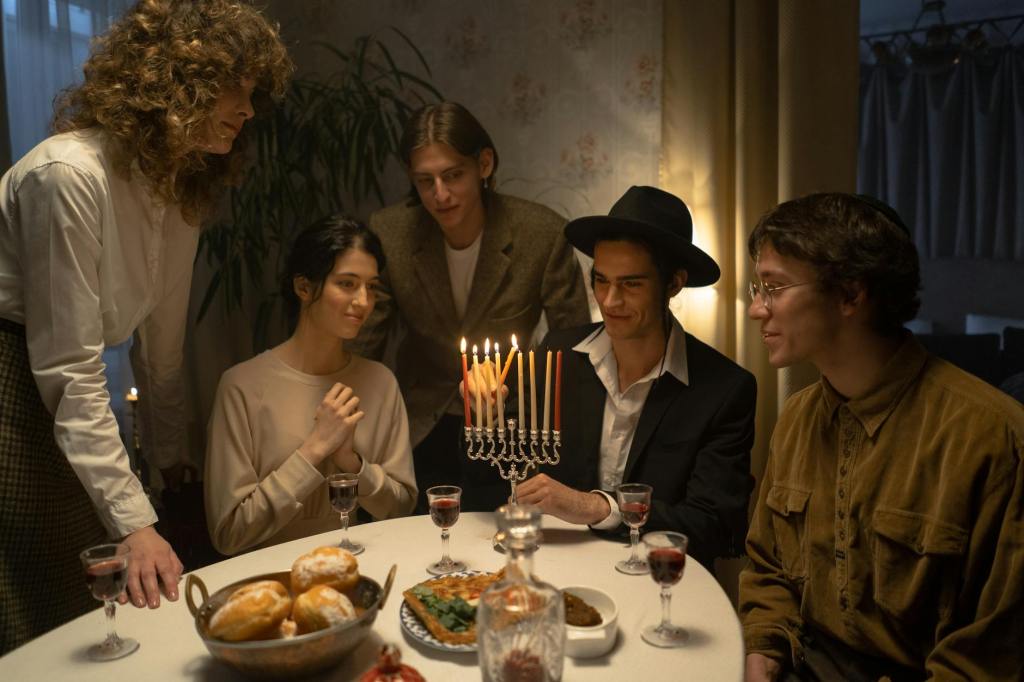
    Hanukkah Celebrated December 10-18 – Photo by cottonbro studio on Pexels.com

    Hanukkah

    Hanukkah, the Festival of Lights, is celebrated with dishes that pay homage to the miracle of oil. Latkes, crispy potato pancakes, and sufganiyot, jelly-filled doughnuts, are holiday staples. A sparkling wine, such as Champagne or Prosecco, provides a lively contrast to the fried delights. The effervescence cuts through the oil, cleansing the palate for the next delicious bite.

    For the main course, whether it’s brisket or roasted chicken, a medium to full-bodied red wine like a Cabernet Sauvignon or a Merlot complements the savory richness of the meat. SOMM&SOMM suggests choosing a wine with soft tannins and a hint of spice to elevate the experience.

    Recommended wines:

    Hagafen Merlot (OU Kosher) (Classic)

    Baron Herzog Alexander Valley Special Reserve Cabernet Sauvignon (OU Kosher)(SOMM&SOMM)

    Kwanzaa Celebrated December 26 – January 1 – Photo by Askar Abayev on Pexels.com

    Kwanzaa

    Kwanzaa, a celebration of African heritage, features a feast known as Karamu. Traditional dishes include jerk chicken, collard greens, and jollof rice. For the bold flavors of jerk chicken, a Zinfandel or a Syrah provides a perfect balance of fruitiness and spice.

    Collard greens pair well with a white wine like a Viognier or a Chardonnay. SOMM&SOMM recommends selecting a wine with good acidity to cut through the richness of the greens. For jollof rice, a versatile red blend or a Sangiovese complements the tomato-based dish, enhancing its depth of flavor.

    Recommended wines:

    Seghesio Sonoma Zinfandel (Classic)

    Chateau Montelena Napa Valley Chardonnay (SOMM&SOMM)

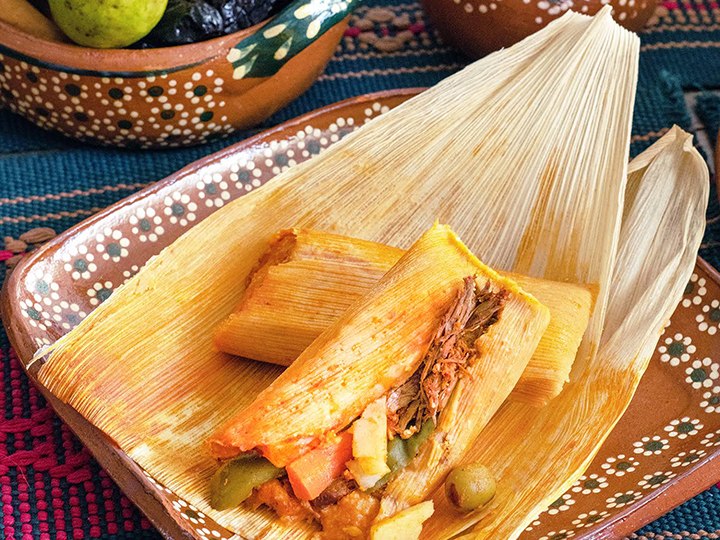
    Las Posadas Celebrated December 16-24 – yummly.com/recipe/Beef-and-Red-Chile-Tamales

    Las Posadas

    In Mexico, the nine-night celebration of Las Posadas features tamales, bacalao (salted cod), and ponche, a warm fruit punch. For tamales, a light and fruity red wine like a Beaujolais or a Tempranillo complements the masa and various fillings. Bacalao calls for a crisp and refreshing white wine such as Albariño or Sauvignon Blanc to cut through the saltiness.

    Ponche Navideño, with its blend of fruits and spices, pairs well with a sweet and aromatic wine like a Gewürztraminer or a Moscato. SOMM&SOMM suggests selecting a wine with a touch of spice to harmonize with the festive flavors of this Mexican holiday punch.

    Recommended wines:

    Valserrano Rioja Gran Reserva (Classic)

    Michele Chiarlo Nivole Moscato d’Asti (SOMM&SOMM)

    Soyal Celebrated December 22

    Soyal

    Soyal, celebrated by the Hopi and other Native American tribes, involves rituals and feasting to welcome the winter solstice. Traditional dishes include blue corn mush, succotash, and roasted meats. Blue corn mush pairs well with a light and earthy white wine like a Chenin Blanc or a Grüner Veltliner.

    Succotash, a medley of beans and corn, harmonizes with a crisp and herbal Sauvignon Blanc or a Vermentino. For roasted meats like venison or bison, a robust red wine such as Malbec or Syrah complements the gamey flavors. SOMM&SOMM recommends choosing a wine with bold tannins and dark fruit notes.

    Recommended wines:

    Hiedler Thal Gruner Veltliner (Classic)

    Catena Alta Malbec (SOMM&SOMM)

    Winter Solstice

    The Winter Solstice, celebrated around the world on December 21, marks the shortest day and longest night of the year. Traditional dishes include hearty stews, root vegetables, and spiced desserts. For stews, a rustic red wine like a Grenache or a Côtes du Rhône enhances the savory and aromatic qualities of the dish.

    Root vegetables pair well with a medium to full-bodied white wine such as a Viognier or a Roussanne. SOMM&SOMM suggests selecting a wine with a touch of oak to complement the earthy flavors. Spiced desserts, like gingerbread or mulled wine poached fruits, call for a sweet and spicy dessert wine such as a late-harvest Gewürztraminer or a Vin Santo.

    Recommended wines:

    Chateau De Nages Heritage Rouge Vieilles Vignes (Classic)

    Truchard Estate Roussanne (SOMM&SOMM)

    Photo by Nicole Michalou on Pexels.com

    This holiday season, let your table be a reflection of the rich and diverse tapestry of global traditions. Whether you’re savoring the flavors of Christmas, Hanukkah, Kwanzaa, Las Posadas, Soyal, or the Winter Solstice, expert wine pairings can elevate your festive feast. With the guidance of a sommelier, each sip will be a celebration of the unique cultural heritage that makes the holiday season a truly global and joyous affair. Cheers to a world of flavors and a season filled with warmth and merriment! 🍷

  • Perfect Pairings: Thanksgiving Traditions and Wine

    Perfect Pairings: Thanksgiving Traditions and Wine

    As the holiday season approaches, it’s time to gather around the table for the quintessential Thanksgiving feast. From roast turkey to sweet potato casserole, each dish brings its own unique flavors to the celebration. Elevate your Thanksgiving experience this year by exploring both traditional and unconventional wine pairings that will delight your palate and impress your guests. Read on as we journey through classic Thanksgiving dishes, guided by our passion as sommeliers (SOMM&SOMM), as we explore the perfect symphony of tastes.

    Classic Turkey and Stuffing

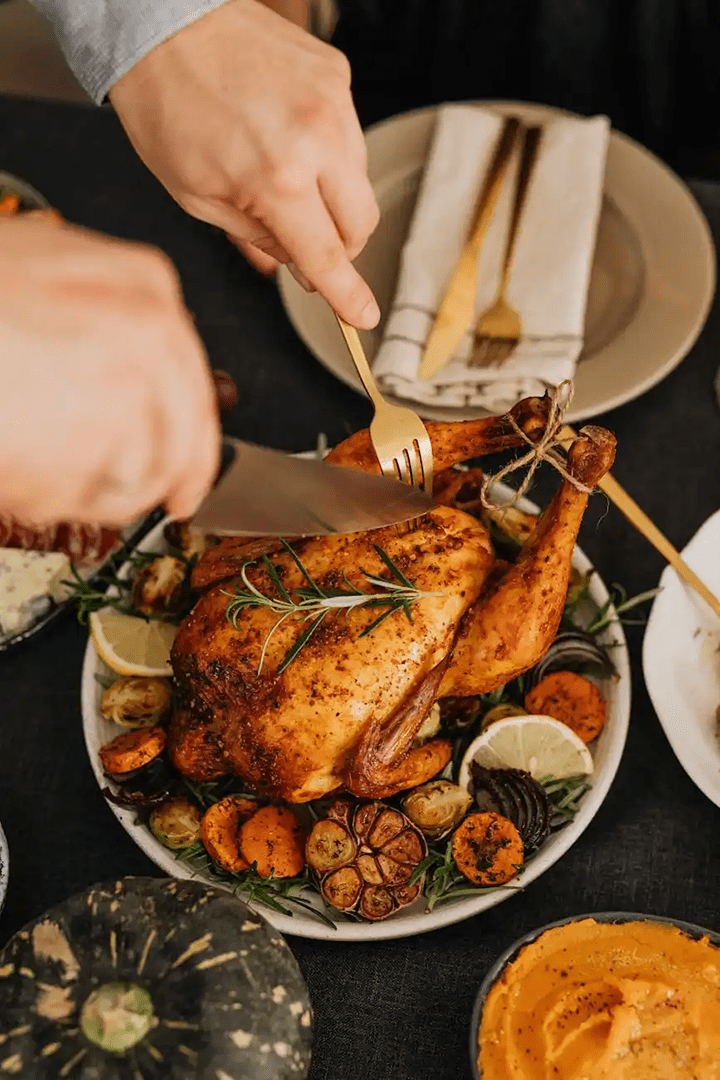
    The star of the Thanksgiving show is undoubtedly the roast turkey. Its savory, succulent meat pairs beautifully with a variety of wines. For a traditional choice, consider a medium to full-bodied white wine like a classic Chardonnay or a Viognier. These wines complement the turkey’s texture and enhance the subtle flavors of the bird.

    For a twist, try a Pinot Noir or a Grenache. These red wines bring out the earthy notes in the stuffing and create a harmonious balance with the turkey’s richness. SOMM&SOMM recommends choosing a Pinot Noir with a hint of spice to add complexity to the pairing.

    Recommended wines:

    Chateau Montelena Napa Valley Chardonnay (Classic)

    Machard Gramont Pommard 1er Cru ‘Clos Blanc’ (SOMM&SOMM)

    Ruths Chris Sweet Potato Casserole

    Sweet Potato Casserole

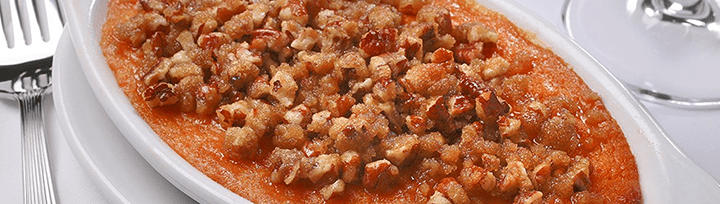
    Sweet potato casserole, adorned with a layer of gooey marshmallows or crunchy pecans (Ruth’s Chris Sweet Potato Casserole Recipe), dances on the palate with a combination of sweet and savory notes. To complement this dish, opt for a white wine with a touch of sweetness, such as a Riesling or a Gewürztraminer. These wines balance the sweetness of the dish without overpowering it.

    For a more unconventional choice, consider a rosé or a light-bodied red wine like Gamay. SOMM&SOMM suggests selecting a wine with bright acidity to cut through the sweetness of the casserole, creating a delightful contrast that will leave your taste buds wanting more.

    Recommended wines:

    Pierre Sparr Mambourg Grand Cru Gewurztraminer (Classic)

    Debeaune Morgon Belles Grives (SOMM&SOMM)

    Mashed Potatoes and Gravy

    Creamy mashed potatoes and rich gravy are the comforting soul of any Thanksgiving meal. A classic Chardonnay with buttery notes is a safe and satisfying choice. Its smooth texture complements the creamy potatoes and enhances the richness of the gravy.

    For a bolder pairing, go for a sparkling wine or a Champagne. The effervescence cuts through the heaviness of the potatoes and cleanses the palate, preparing it for the next delicious bite. SOMM&SOMM recommends selecting a brut or extra brut style for a clean and refreshing experience.

    Recommended wines:

    Rombauer Carneros Chardonnay (Classic)

    De Saint-Gall Blanc De Blancs Grand Cru Vintage Champagne (SOMM&SOMM)

    Pumpkin Pie

    No Thanksgiving feast is complete without a slice of pumpkin pie. The warm spices and creamy pumpkin filling call for a wine that can stand up to its bold flavors. A late-harvest Riesling or a Moscato d’Asti perfectly complements the sweetness of the pie.

    For an unexpected pairing, try a tawny port or a sweet sherry. These fortified wines add depth and complexity, creating a memorable finale to your Thanksgiving meal. SOMM&SOMM suggests opting for a tawny port with notes of caramel and nuts to enhance the nutty crust of the pie.

    Recommended wines:

    Michele Chiarlo Nivole Moscato d’Asti (Classic)

    Graham’s 20 Yr Tawny (SOMM&SOMM)

    This Thanksgiving, let your taste buds embark on a culinary adventure by exploring diverse wine pairings that elevate the classic flavors of the holiday. Whether you stick to tradition or venture into the realm of unconventional pairings, the expert guidance of a sommelier ensures a symphony of tastes that will make your Thanksgiving feast truly extraordinary.

    Photo by fauxels on Pexels.com

    Cheers to a holiday filled with good food, great company, and the perfect glass of wine! 🍷

  • Trendy Cocktails: Jade Rambutan

    Trendy Cocktails: Jade Rambutan

    Welcome back, SOMM&SOMM cocktail enthusiasts, to another delightful edition of the Trendy Cocktails series, where we explore the world of innovative drinks and the intriguing ingredients that make them so special. Today, we’re diving into the lush world of rambutan, the star of our uniquely refreshing concoction, the Jade Rambutan martini-style cocktail!

    Rambutan (Nephelium Lappaceum)

    A Tropical Treasure

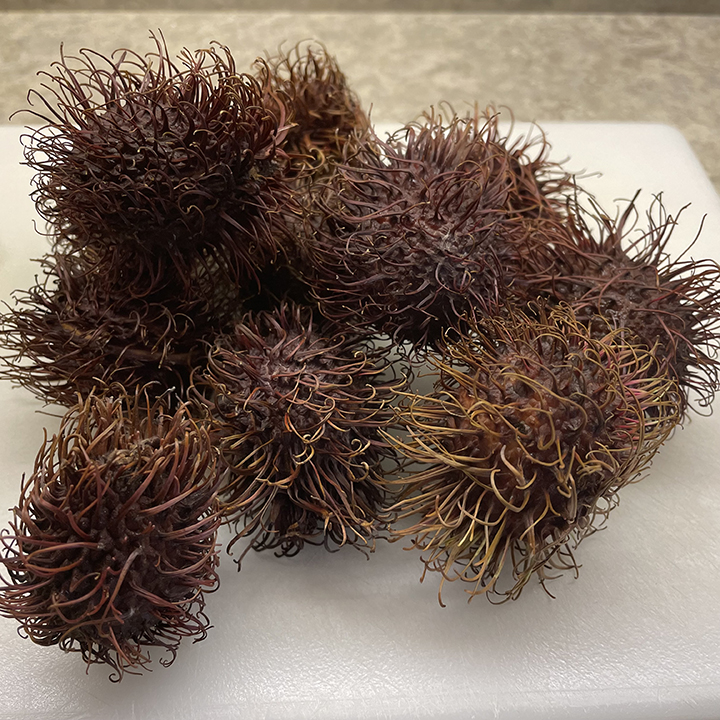
    First things first, let’s uncover the origins of this exotic fruit that adds a burst of tropical flair to our cocktail. Rambutan, scientifically known as Nephelium lappaceum, is a small, tropical fruit that hails from the Southeast Asian rainforests, particularly in Indonesia, Malaysia, and Thailand. Its name even comes from the Malay word “rambut,” which means “hair,” aptly describing the fruit’s spiky, hairy exterior.

    Getting to Know Rambutan

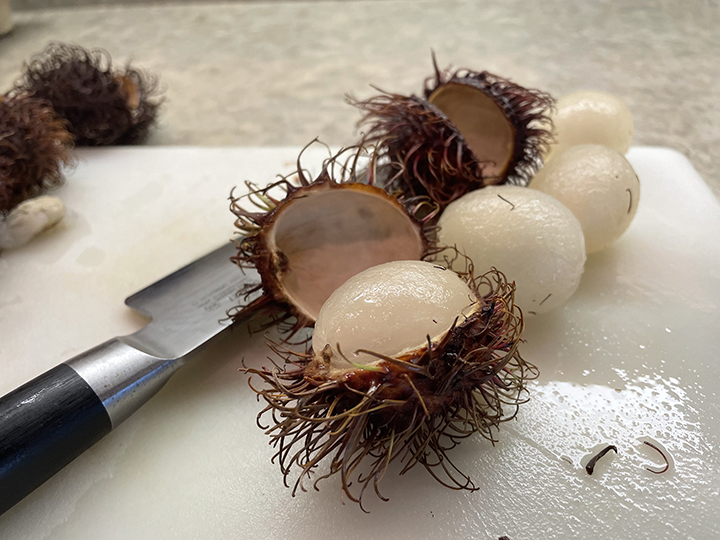
    Wasn’t sure what I was looking at when Tammy walked in the door with the latest make-something-from-this-strange-and-unusual-fruit surprise ingredient. It looked like something between a sea urchin and the outer shell on a horse chestnut. Regardless, I was up to the challenge.

    – Exterior: Picture a vibrant, red or yellow spiky ball. That’s the rambutan! The spines may look intimidating, but they’re soft and pliable, making them easy to peel.

    – Interior: Beneath that exotic shell lies a juicy, translucent flesh. The taste? A harmonious blend of sweet and slightly acidic, often compared to lychee, another tropical delight.

    – Seed: At the core of this fruit lies a large, inedible seed. But fear not, once you navigate that, the succulent flesh is yours to enjoy!

    Now that we’ve acquainted ourselves with this tropical treasure, let’s dive into how to make our signature Rambutan Syrup – a crucial element of the Jade Rambutan cocktail.

    Crafting Rambutan Syrup: Easy and Exotic

    Ingredients:

    – 1 cup sugar

    – 1 cup water

    – 12 peeled and pitted rambutan

    Instructions:

    1. Peel and Pit: Gently remove the spiky skin of the rambutan, revealing the juicy fruit inside. Carefully remove the seed, as we’re only interested in the luscious flesh.

    2. Muddle: Place your rambutan into a bowl. Using a muddler or the back of a spoon, gently crush the fruit to release its sweet essence.

    3. Create the Syrup: In a saucepan, combine the sugar, water, and muddled rambutan. Bring the mixture to a simmer over medium heat, stirring until the sugar fully dissolves.

    4. Simmer and Strain: Allow the syrup to simmer for about 5 minutes, infusing the rich rambutan flavor into the syrup. Remove it from the heat and let it cool. Finally, strain the syrup to remove any remaining fruit bits.

    And there you have it – your homemade Rambutan Syrup, ready to infuse the Jade Rambutan cocktail with its tropical charm.

    The Jade Rambutan Cocktail: A Sip of the Exotic

    Now that we’ve unlocked the secret of Rambutan Syrup, let’s put it to good use in our exotic and enticing cocktail.

    Ingredients:

    – 1 oz. Coconut Rum

    – 1 oz. Rambutan Syrup (recipe above)

    – ¾ oz. Fresh Lime Juice

    – ¼ oz. Midori Melon Liqueur

    Instructions:

    1. Shake It Up: In a cocktail shaker, combine the coconut rum, freshly squeezed lime juice, and our homemade Rambutan Syrup. Add ice, seal the shaker, and give it a vigorous shake. 

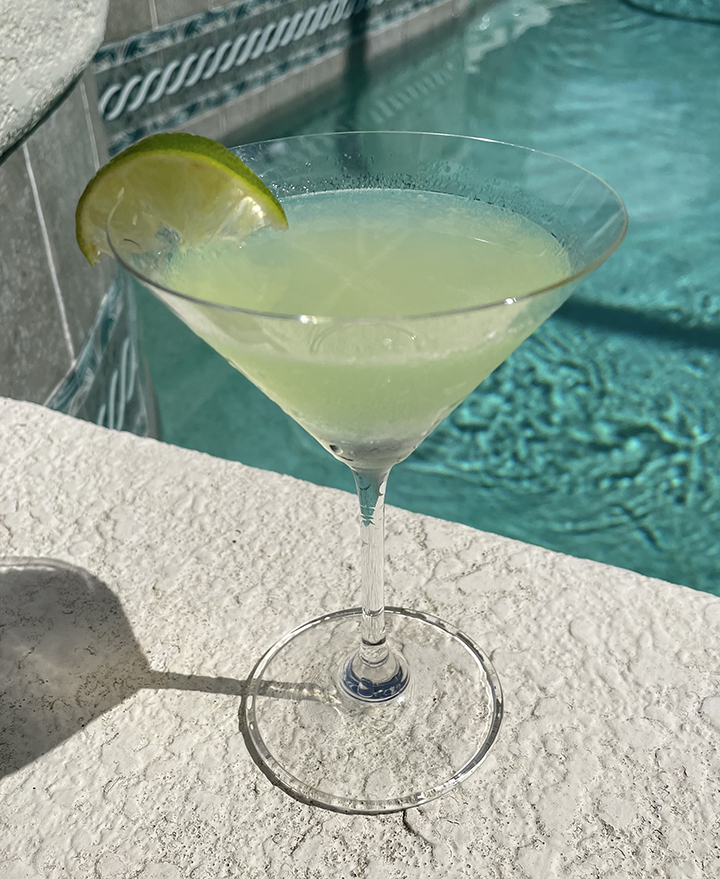
    2. Strain and Serve: Strain the delightful concoction into a chilled cocktail glass. Float a touch of Midori Melon Liqueur on top to create the mesmerizing jade hue.

    3. Garnish: For an extra touch of exotic charm, garnish with a slice of fresh rambutan or a twist of lime peel.

    With the Jade Rambutan cocktail in hand, you’re ready to embark on a tropical taste adventure. The exotic allure of rambutan, blended with the creamy coconut rum and zesty lime, and crowned with the vibrant Midori Melon Liqueur, promises a sip of paradise in every glass.

    So, next time you’re looking to add a touch of the tropics to your happy hour, reach for the rambutan and whip up a Jade Rambutan cocktail. It’s a true treasure from the Southeast Asian rainforests, served in style.

    Cheers to the exotic and the extraordinary! 😉

  • Trendy Cocktails: Distiller’s Punch

    Trendy Cocktails: Distiller’s Punch

    Every now and again you find new inspiration from old classics. In the case of this cocktail–the Distiller’s Punch–my inspiration came from an evening of mixology with Tammy. She began with her riff on the classic Sidecar, but with bourbon instead of the traditional Cognac (I prefer Remi Martin VSOP in the original). The Cointreau and fresh squeezed lemon juice really completed this cocktail. Not to be outdone, and following the theme of fruit-forward bourbon cocktails, I decided to make the classic Man o’ War. This Kentucky Derby inspired drink (named after a racehorse) is similar to the bourbon sidecar, with the addition of another bourbon-friendly ingredient–sweet vermouth.

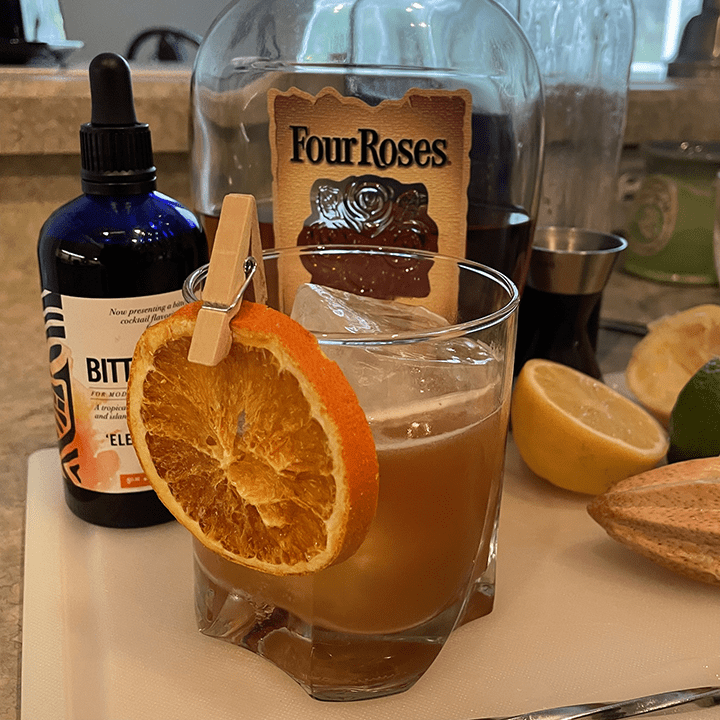
    With the previous two cocktail fresh in our minds, we began discussing the lack of bourbon and whiskey in tropical cocktails or tiki drinks (not the same thing ;)). It didn’t take long to find an interesting Mai-Tai inspired cocktail from the Halekulani Hotel in Hawaii. The Halekulani Cocktail is filled with tropical fruit juices and bourbon… yes… bourbon! After reviewing several variations of this cocktail–all of which used different proportions of orange, pineapple and lemon juices–I decided to riff. The Distiller’s Punch contains lime juice instead of orange juice because it seemed to work better with the Four Roses Small Batch Select Bourbon 😉

    While this cocktail could be given a Hawaiian name, such as ‘Aniani Lani’ (translation: glass of heaven), I decided to pay homage to the bourbon lovers and call it Distiller’s Punch.

    Distiller’s Punch

    2 oz. Bourbon (I used Four Roses Small Batch Select)

    1/2 oz. Fresh Lemon Juice

    1/2 oz. Fresh Lime Juice

    1/2 oz. Pineapple Juice

    1/4 oz. Grenadine (made from scratch)

    1/4 oz. Brown Sugar Simple Syrup

    2 dashes Tiki Bitters (Bittermen’s ‘Elemakule’ Tiki Bitters)

    Add all ingredients to a shaker, add ice and shake for 30 seconds. Serve over an over-sized ice cube (or ice ball). Garnish and enjoy!

    Cheers 😉