Category: Recipes

  • Part II: Pouring the Prelude

    Part II: Pouring the Prelude

    The Week Before Thanksgiving.

    By the week before Thanksgiving, excitement (and maybe a little anxiety) starts to bubble up. The fridge is slowly filling, the guest list keeps shifting, and the dining table looks more like a staging area than a place to eat.

    This is when the holiday starts to feel real — the point where anticipation meets aroma. And with a little planning (and the right bottle or two), this week can be just as enjoyable as the big day itself.
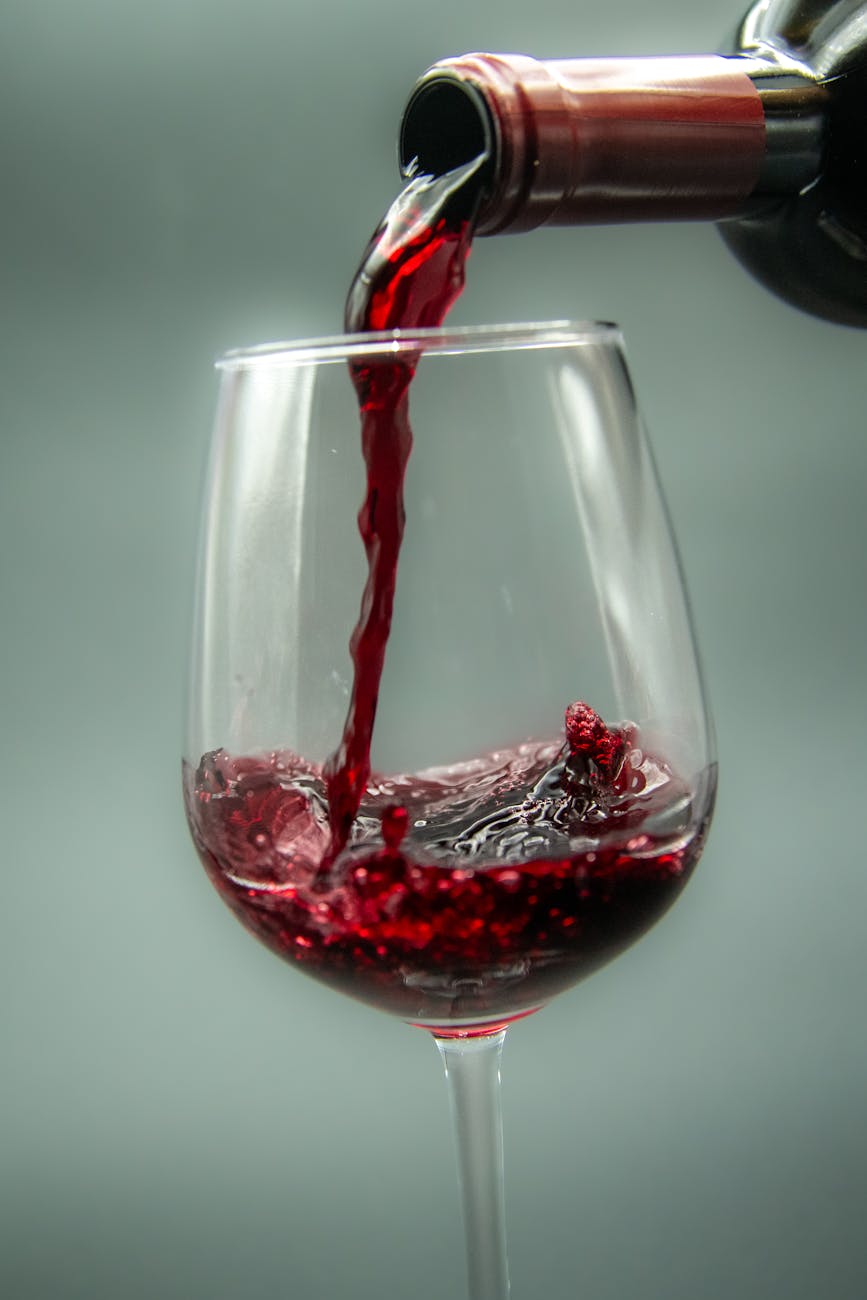
    Photo by RDNE Stock project on Pexels.com

    Monday: Lists and Light Wines

    Monday is the calm before the culinary storm. The fridge still has space, your to-do list is organized, and there’s time to think.

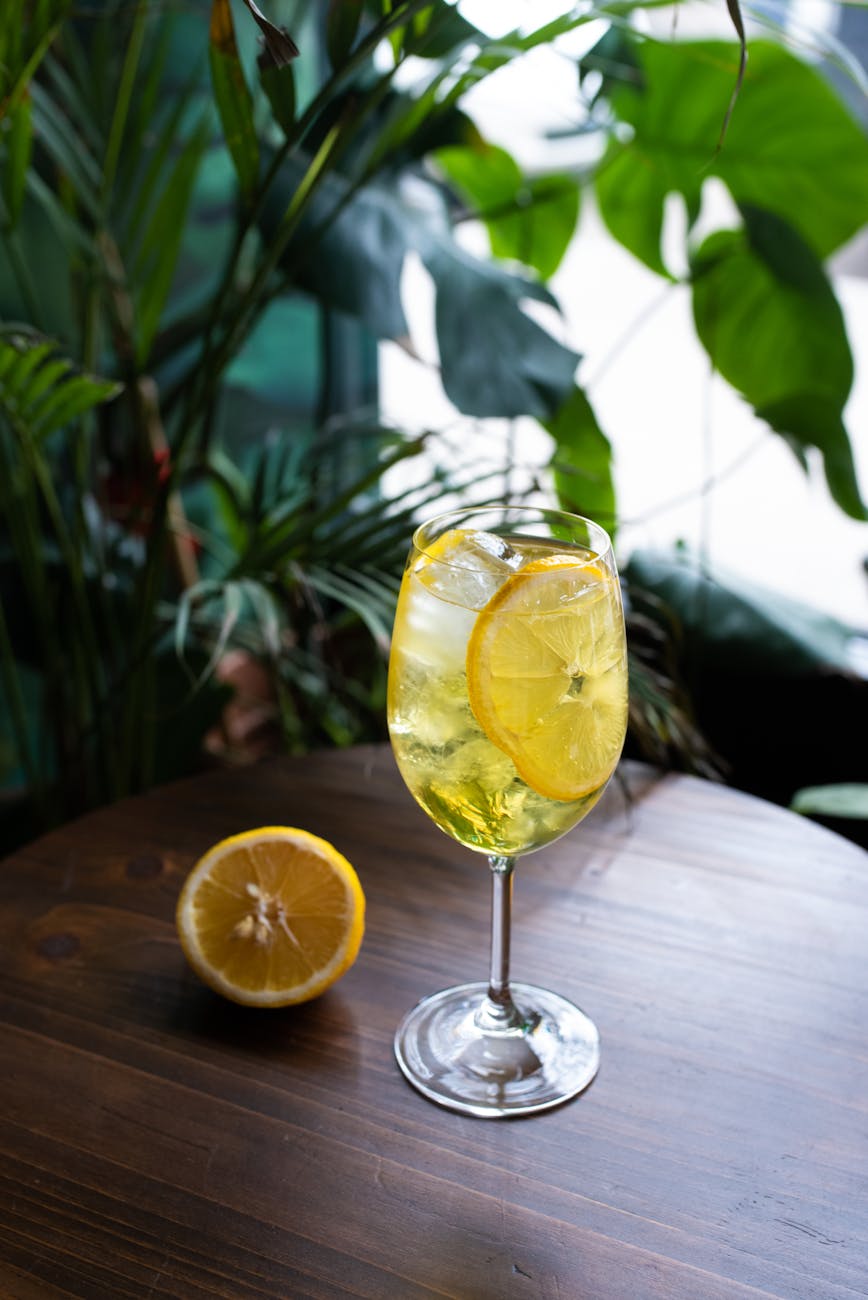
    Wine to sip while planning: Sancerre or Grüner Veltliner
    Bright, refreshing, and focused — they keep you alert while dreaming about the feast ahead.

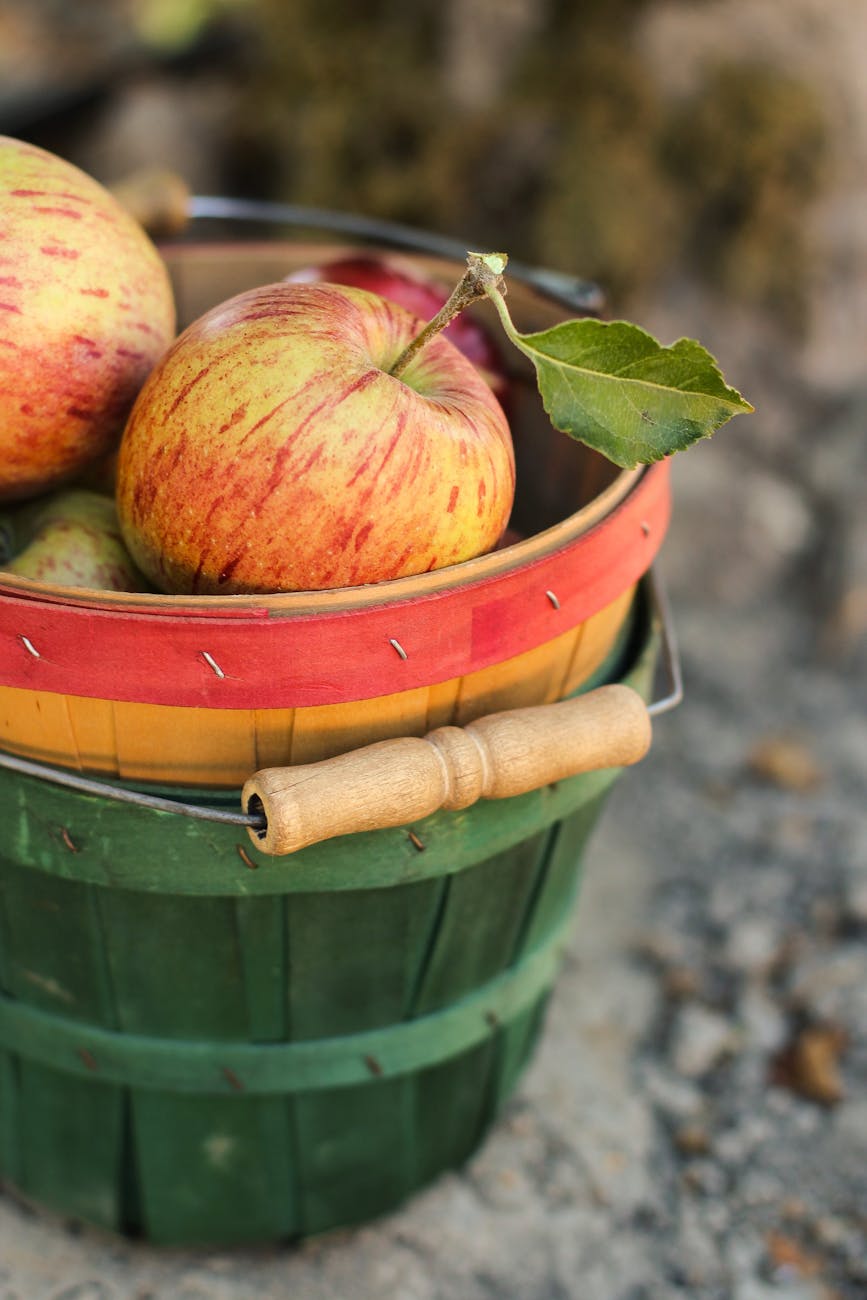
    Easy pairing: Goat cheese and roasted beet salad or a quick apple and cheddar plate.

    It’s not a celebration yet — it’s about easing into the rhythm of the week, with a glass that says, “I’ve got this.”

    Photo by Daria Obymaha on Pexels.com

    Tuesday: Test Kitchen Tuesday

    This is the day for trial runs — those little recipe experiments or make-ahead dishes. Invite a friend over, open a bottle, and turn testing into a mini celebration.

    Wine pick: Beaujolais-Villages or Gamay Noir
    Playful and food-friendly, these reds match almost anything you might taste-test.

    Try with: Cranberry-glazed meatballs, stuffing muffins, or baked brie with herbs.

    These are wines that remind you cooking is supposed to be fun — not stressful.
    Photo by Nataliya Vaitkevich on Pexels.com

    Wednesday: The Night Before

    By Wednesday, the kitchen’s in full swing. The turkey’s thawed, the counters are covered, and someone’s already sampling the pie filling. This is when you need something comforting, easy, and familiar.

    Wine of choice: Chardonnay (unoaked or lightly oaked)
    It’s rich enough for a cozy meal but won’t weigh you down.

    Pair with: Herbed roast chicken, creamy soup, or even just buttered popcorn and a movie while the house fills with anticipation.

    This is the night to unwind — to exhale before the big day.
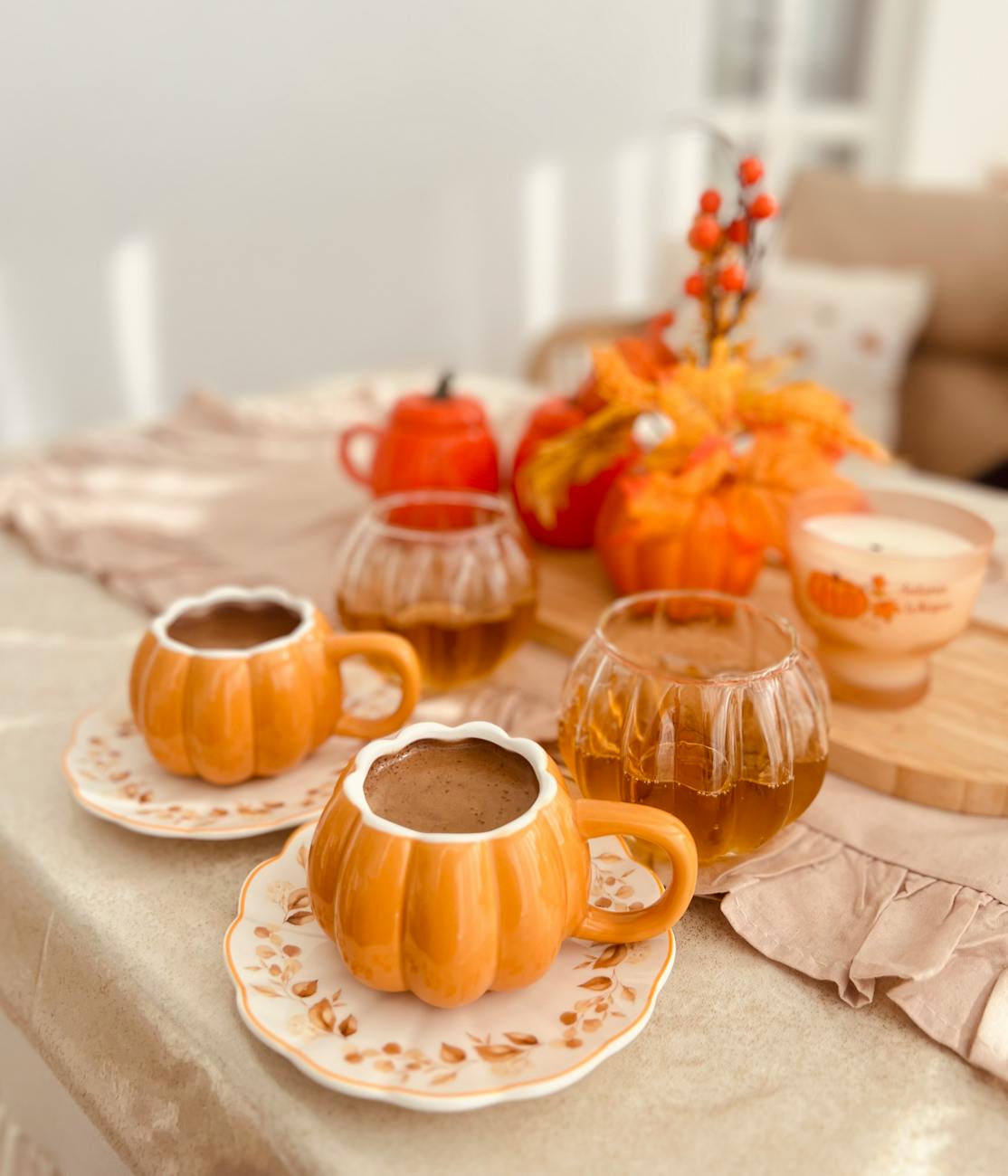
    Photo by yasminizm on Pexels.com

    Thursday Morning: A Sparkling Start

    There’s nothing like waking up on Thanksgiving morning to the smell of cinnamon and coffee, with the kitchen already humming. Before the chaos begins, take ten minutes to pause. Step outside, take in the crisp air, and toast to what’s ahead.

    Wine for the moment: Sparkling Rosé or Prosecco Superiore
    Bubbles have a way of marking a moment. They remind you this is a celebration — not just a meal.

    Pair with: Pumpkin muffins, cranberry scones, or fruit and cheese for a light breakfast spread.

    It’s the small rituals that make the day memorable.

    Wine and the Art of Anticipation

    Wine has a way of slowing time — it nudges us to notice the details: the warmth of the oven, the laughter drifting from another room, the comfort of familiar aromas. This week is about those details.

    Don’t wait for the big day to open something special. Celebrate the process — the prep, the planning, the people. Thanksgiving isn’t just about what’s on the table; it’s about what happens around it.

    Photo by cottonbro studio on Pexels.com

    Coming Next: The Feast

    In our final article — Part III: “The Feast — A Thanksgiving Table Worth Toasting” — we’ll sit down at the table together. Expect classic pairings, fresh ideas, and a few surprises for every stage of the meal — from appetizers to dessert wines.

    Until then, take this week slowly. Sip something seasonal. Laugh off the chaos. And remember: gratitude isn’t just for Thursday — it’s for every moment that leads up to it 🍷

    Cover Image: Photo by RDNE Stock project on Pexels.com

  • Trendy Cocktails: Apple Cider Whiskey Sour

    Trendy Cocktails: Apple Cider Whiskey Sour

    Autumn’s Perfect Pour.

    There’s something inherently comforting about autumn—the way the air sharpens, the evenings stretch a little longer, and the familiar scent of cinnamon, baked apples, and bonfire smoke begins to hang in the air. In the cocktail world, that shift in season invites us to rethink our staples—trading mint for spice, citrus for orchard fruit, and effervescence for warmth.

    Enter the Apple Cider Whiskey Sour—a modern twist on one of the oldest and most beloved cocktails in the canon.

    The Evolution of the Whiskey Sour

    The Whiskey Sour has been quenching thirsts and warming spirits since the mid-1800s. Its origins trace to sailors who blended citrus juice with spirits to stave off scurvy (and perhaps boredom) on long voyages. Eventually, bartenders refined the ratio of spirit, sugar, and acid into a formula so balanced it became a cornerstone of cocktail craftsmanship:
    2 parts spirit, 1 part sour, 1 part sweet.

    Our autumn adaptation doesn’t stray far from that golden ratio. Instead, it leans into the season, replacing part of the sweetness with fresh apple cider, a nod to harvest festivals, hayrides, and the comforting rhythm of fall.

    Photo by Sharefaith on Pexels.com

    The Art of the Twist

    The genius of a twist lies in evolution, not reinvention. You don’t abandon the foundation; you reinterpret it through a seasonal lens.

    In this version, apple cider adds more than sweetness—it adds texture and nuance. Its natural tannins echo those found in whiskey, creating harmony in every sip. A dash of Angostura bitters introduces a whisper of baking spice, enhancing the cider’s character while grounding the citrus brightness.

    Photo by Pixabay on Pexels.com

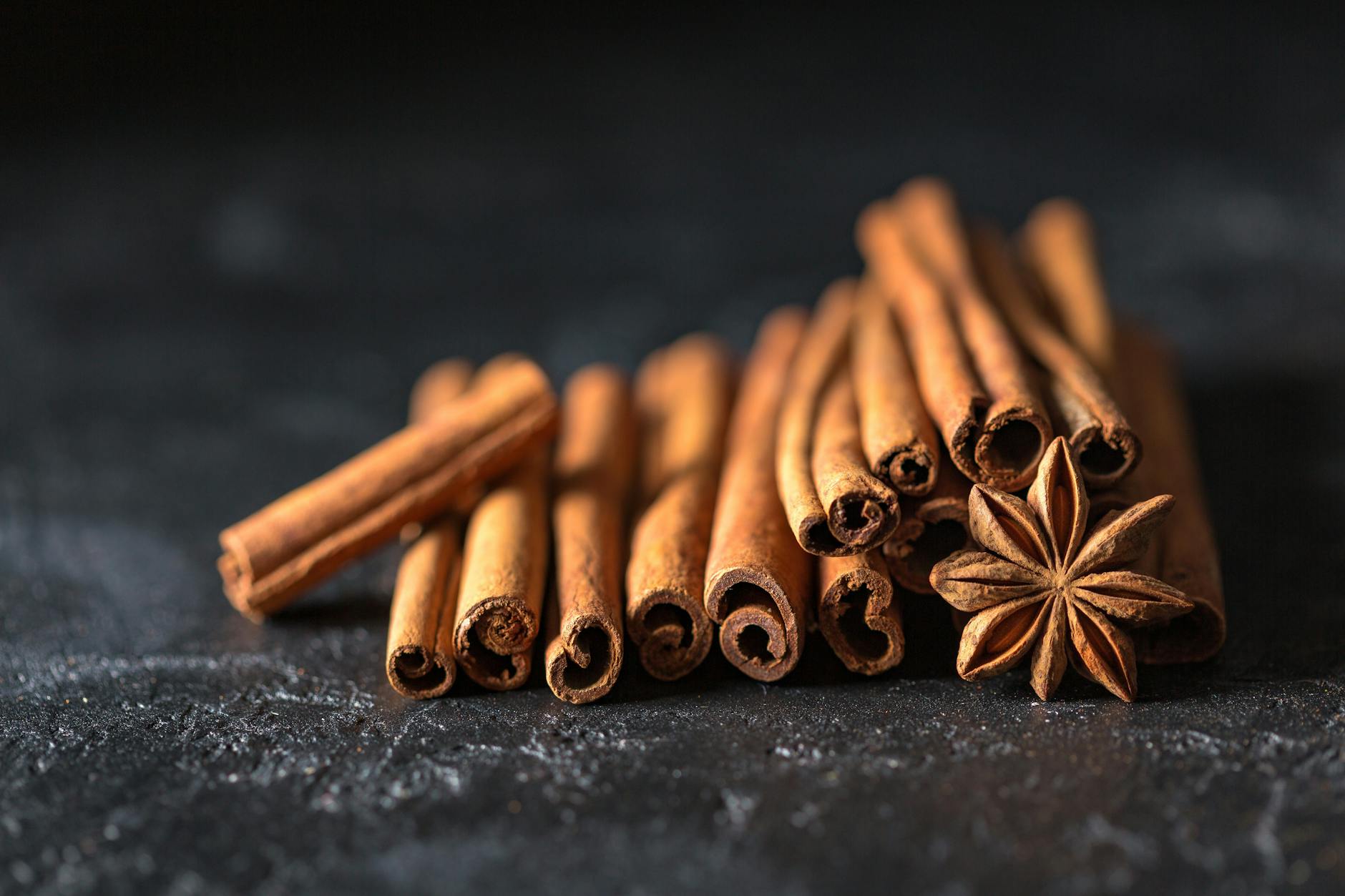
    Then there’s the garnish—a simple apple slice and cinnamon stick. It’s not just aesthetic; the cinnamon subtly infuses the drink as you sip, while the apple adds an aromatic cue that primes your palate for what’s to come.

    Photo by Kathrine Birch on Pexels.com

    The Science of Balance

    Behind every great cocktail lies a lesson in chemistry. The lemon juice provides the acid backbone—cutting through the cider’s sweetness and brightening the whiskey’s depth. The simple syrup rounds out the sharp edges, acting as the bridge between citrus and spirit.

    Choosing your whiskey determines the drink’s personality:

    • Bourbon brings caramel, vanilla, and a touch of sweetness.
    • Rye whiskey offers peppery spice and dry structure, elevating the drink with a little extra bite.

    A shaker of ice transforms this balanced mix into a symphony—chilling, aerating, and diluting just enough to let every note sing.

    Recipe Recap

    Apple Cider Whiskey Sour

    By Gregory & Tammy Dean, SOMM&SOMM
    From Sips & Stories: Twists on the Classics (Vol. I)


    (Yield: 1 cocktail)

    Ingredients

    • 2 oz whiskey (bourbon or rye)
    • 1 oz fresh lemon juice
    • 1 oz apple cider
    • ½ oz simple syrup (adjust to taste)
    • Dash of Angostura bitters (optional)
    • Apple slice and cinnamon stick (for garnish)
    1. Chill your glass. (Rocks or coupe—your choice.)
    2. Shake whiskey, lemon juice, cider, syrup, and bitters over ice for 15–20 seconds.
    3. Strain into your glass, neat or over ice.
    4. Garnish with an apple slice and cinnamon stick.

    Sip, savor, repeat.

    The Sensory Experience

    Take a moment before your first sip. Inhale the aroma—the citrus sparkle, the baked-apple warmth, the earthy wood of whiskey and spice. Then taste: a bright entry of lemon gives way to a rich, rounded mid-palate of apple and oak, finishing with a clean, dry whisper of cinnamon.

    This is a cocktail that evolves as it sits. The cinnamon garnish slowly releases its oils; the ice gently softens the acidity. Each sip becomes a slightly new expression of the season.

    Pairing Suggestions

    We often tell our readers that the Apple Cider Whiskey Sour is both a drink and a mood—but if you want to pair it, think rustic, autumnal, and cozy:

    • Food: roasted pork tenderloin with apples, maple-glazed carrots, or aged cheddar.
    • Cheese board: sharp white cheddar, smoked gouda, and a few candied pecans.
    • Dessert: apple crumble, spice cake, or a bourbon pecan pie (yes, please!).
    Photo by Regina Ferraz on Pexels.com

    It also plays beautifully with casual bites during a fall gathering—think caramel popcorn, roasted nuts, or applewood-smoked sausage.

    The Story Behind the Sip

    This cocktail started as a tribute to Tammy’s two great autumn loves—bourbon and apple cider. She’s a true Bourbon Girl, and when the first hint of fall hits, she dives headfirst into cider season like it’s a competitive sport. One evening, watching her savor a glass of bourbon while talking about the perfect cider blend, I had an idea: why not bring her favorites together in one glass?

    The result was the Apple Cider Whiskey Sour—bright, rich, and perfectly balanced, just like her. From that first shake and pour, I knew it would become our go-to signal that autumn had officially arrived. Now, every fall, I make the first round while she grabs the blanket and picks the movie. Some traditions just taste too good to change.

    The Season in a Glass

    The Apple Cider Whiskey Sour is more than a drink—it’s the intersection of tradition and creativity. It captures what makes cocktail culture timeless: the ability to tell new stories using familiar ingredients.

    In every sip, there’s a hint of nostalgia, a dash of innovation, and a celebration of balance—the same philosophy that inspires our entire Sips & Stories series.

    So as the nights cool and the cider flows, raise your glass.
    Here’s to tradition with a twist.
    Here’s to stories worth sipping.

    Cheers 🥃

  • Game Day Pairings

    Game Day Pairings

    Wine & Cocktails for the Armchair Quarterback.

    There’s something magical about football season. Whether it’s college Saturdays or NFL Sundays, friends and family gather around the big screen, jersey-clad and hungry, ready to cheer (and sometimes yell) at the TV. Beer has long been the default game-day drink of choice — frosty lagers with wings, hoppy IPAs with pizza, and maybe a stout with chili.

    Photo by Vitaly Gariev on Pexels.com

    But what if we took those classic pairings and gave them a sommelier’s twist? Enter wine and cocktails: unexpected, exciting, and surprisingly perfect with your favorite tailgate snacks. Here’s how to substitute your standard pint with a pour that takes game-day cuisine to new levels.

    Photo by Omar Mahmood on Pexels.com

    Wings & Chardonnay (or a Margarita Twist)

    Beer stand-in: Crisp Pilsner
    Upgrade: California Chardonnay or a Smoky Margarita

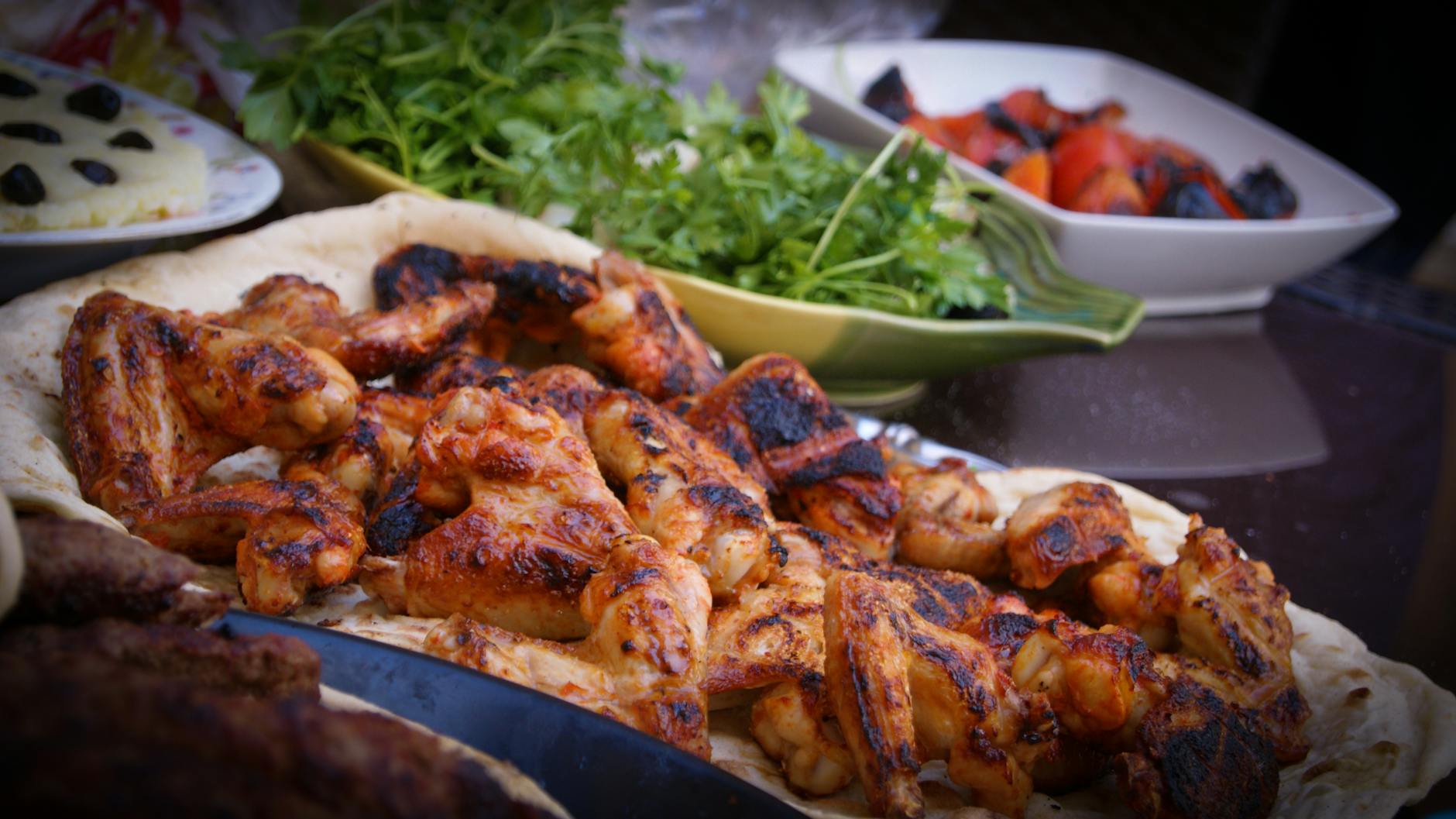
    Buffalo wings love beer — but they also love balance. A California Chardonnay with just the right oak brings a buttery backbone to tame the spice while citrus and apple notes cut through the richness. If you prefer cocktails, shake up a Smoky Margarita: mezcal for depth, lime for brightness, and a splash of orange liqueur for sweet relief against the heat.

    Smoky Margarita Recipe

    • 2 oz mezcal
    • 1 oz fresh lime juice
    • 0.5 oz Cointreau (or triple sec)
    • 0.5 oz agave nectar
    • Shake with ice, strain into a salt-rimmed glass, garnish with lime.

    Try also: SOMM&SOMM Classic Margarita Recipe

    Photo by cottonbro studio on Pexels.com

    Pizza & Chianti Classico (or Negroni Sbagliato)

    Beer stand-in: Hoppy IPA
    Upgrade: Chianti Classico or a Sparkling Negroni

    Pizza night is game day royalty. Instead of an IPA, pour a glass of Chianti Classico — the bright acidity of Sangiovese slices through gooey cheese while cherry and herbal notes sing with pepperoni or sausage. Want something more playful? A Negroni Sbagliato (with Prosecco instead of gin) is effervescent, bittersweet, and a nod to Italian flair.

    👉 “Pro tip: it’s pronounced ‘Spah-lee-AH-toh.’ If you fumble it, just smile — after a sip or two, nobody’s keeping score anyway.” 🏈🍹

    Negroni Sbagliato Recipe

    • 1 oz Campari
    • 1 oz sweet vermouth
    • 2 oz Prosecco
    • Build in a glass over ice, stir gently, garnish with an orange slice.
    Photo by Anthony Leong on Pexels.com

    Nachos & Riesling (or a Paloma)

    Beer stand-in: Mexican Lager
    Upgrade: Off-Dry Riesling or a Grapefruit Paloma

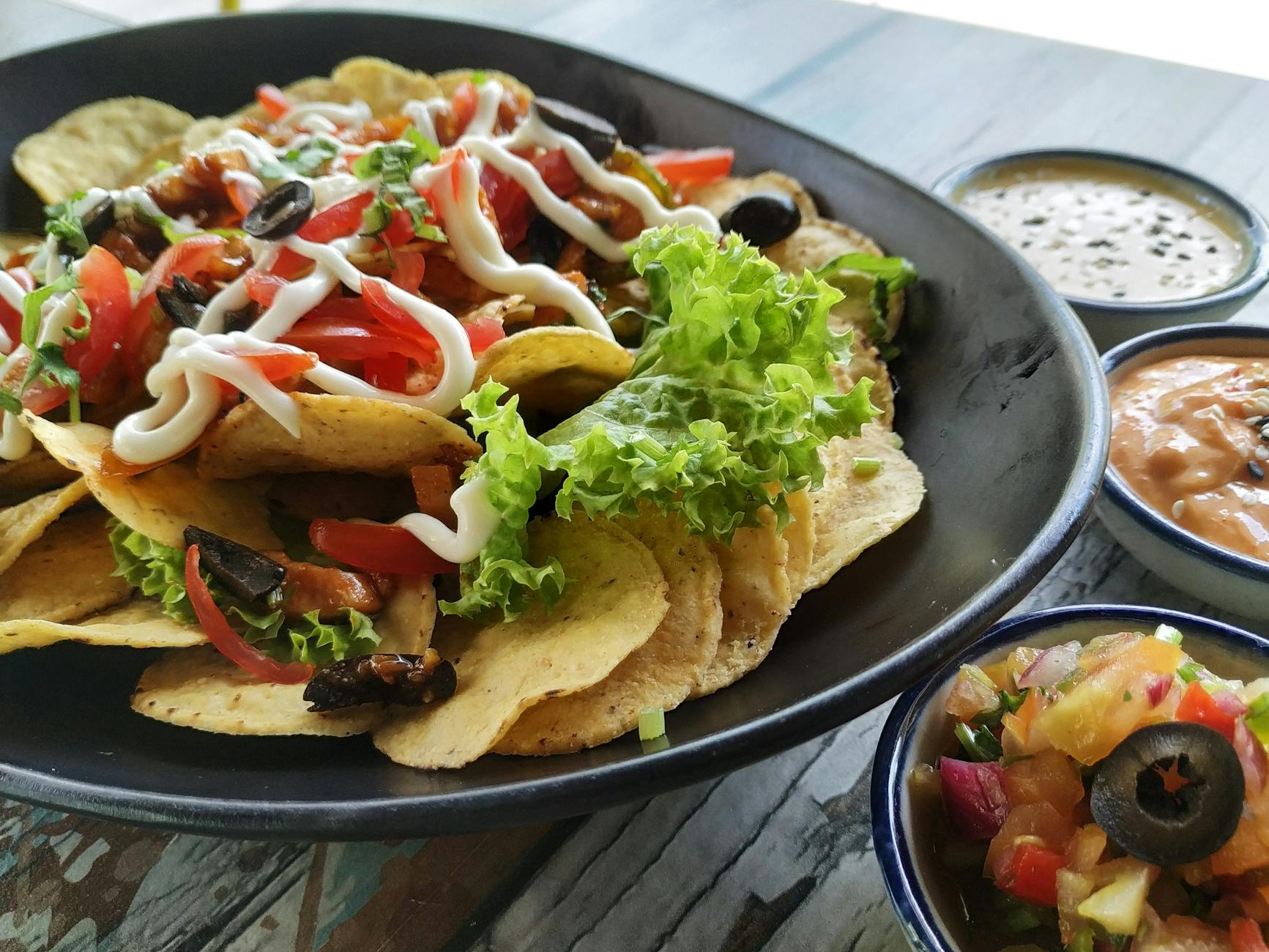
    Nachos are all about layers: salty chips, gooey cheese, spicy jalapeños, and maybe some pulled pork. An off-dry German Riesling brings zesty citrus, floral aromatics, and just enough sweetness to tame the spice. Or shake things up with a Paloma — tequila, grapefruit soda, and lime for a refreshing, citrus-driven counterpoint.

    Paloma Recipe

    • 2 oz tequila blanco
    • 0.5 oz lime juice
    • Top with grapefruit soda (Jarritos or Fresca work)
    • Salt rim optional, garnish with a grapefruit wedge.
    Photo by Piotr Arnoldes on Pexels.com

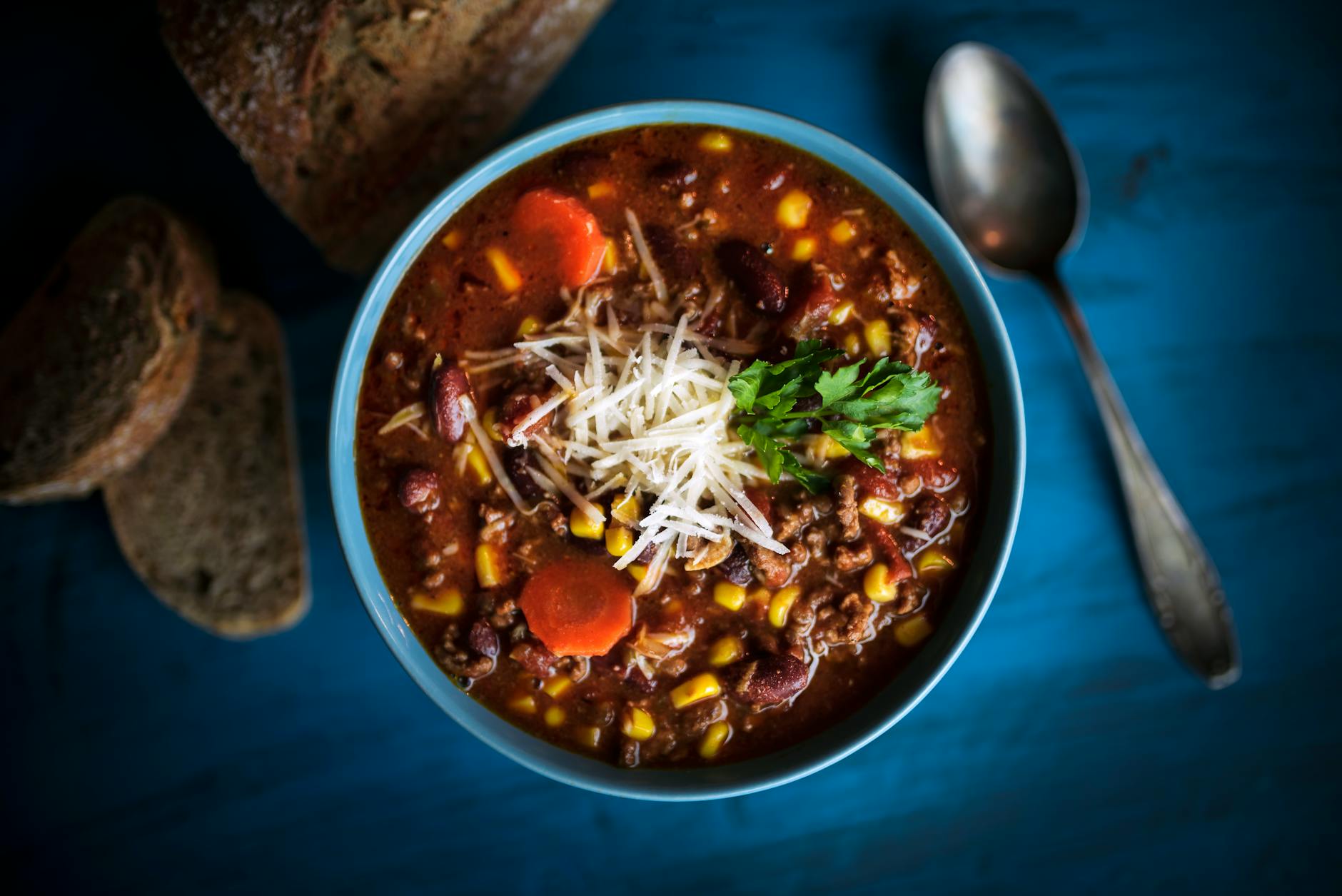
    Chili & Zinfandel (or Old Fashioned)

    Beer stand-in: Stout
    Upgrade: California Zinfandel or a Classic Old Fashioned

    Hearty, spicy chili is a Sunday staple. Instead of a stout, uncork a California Zinfandel — jammy black fruit and spice stand tall against smoky meats and heat. For cocktail fans, nothing beats an Old Fashioned: whiskey, bitters, sugar, and an orange twist. Its richness echoes the depth of the chili while keeping the palate refreshed.

    Old Fashioned Recipe

    • 2 oz bourbon or rye whiskey
    • 1 sugar cube (or 0.25 oz simple syrup)
    • 2 dashes Angostura bitters
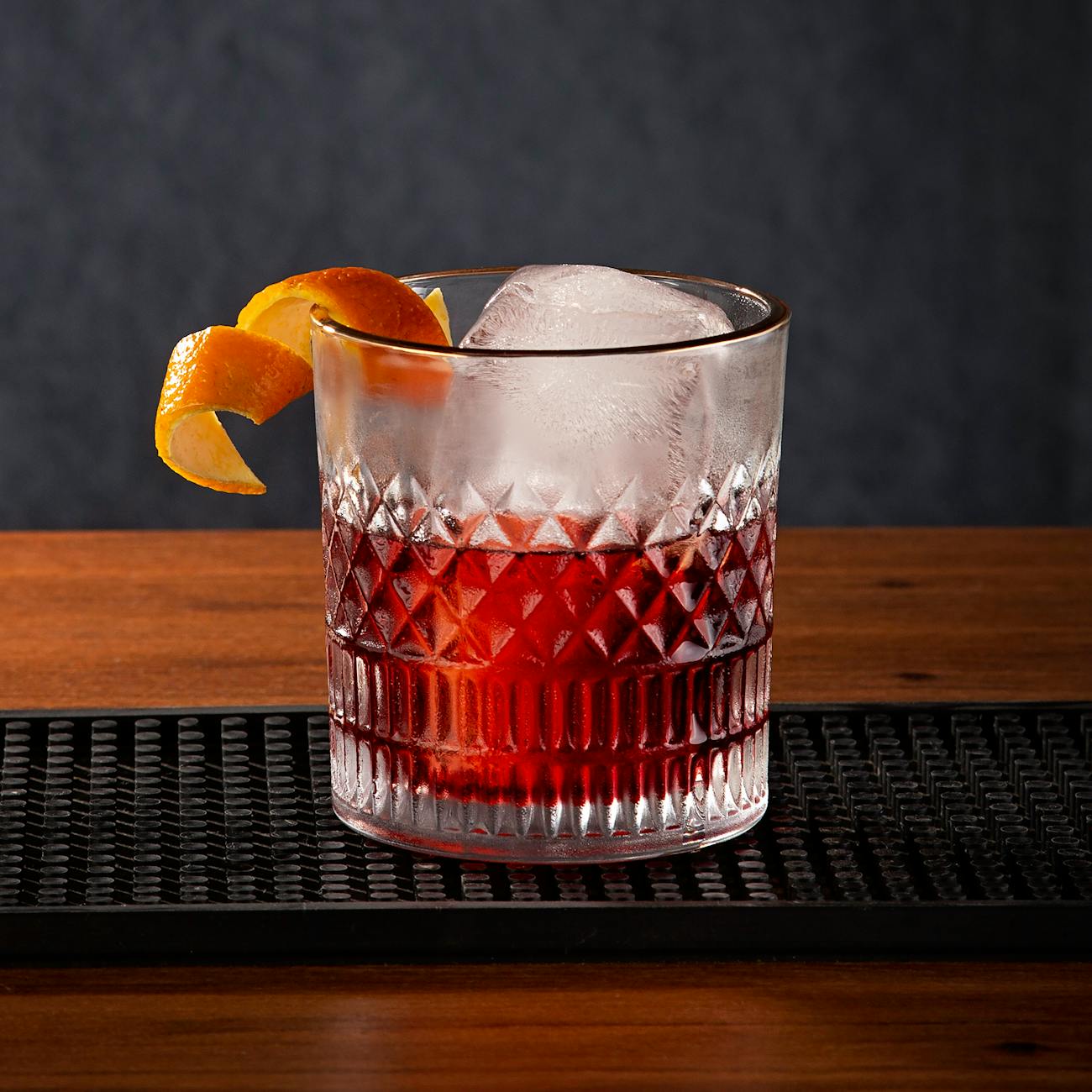
    • Stir with ice, strain over a large cube, garnish with orange peel.
    Photo by Juan Santos on Pexels.com

    Sliders & Sparkling Rosé (or French 75)

    Beer stand-in: Amber Ale
    Upgrade: Sparkling Rosé or a French 75

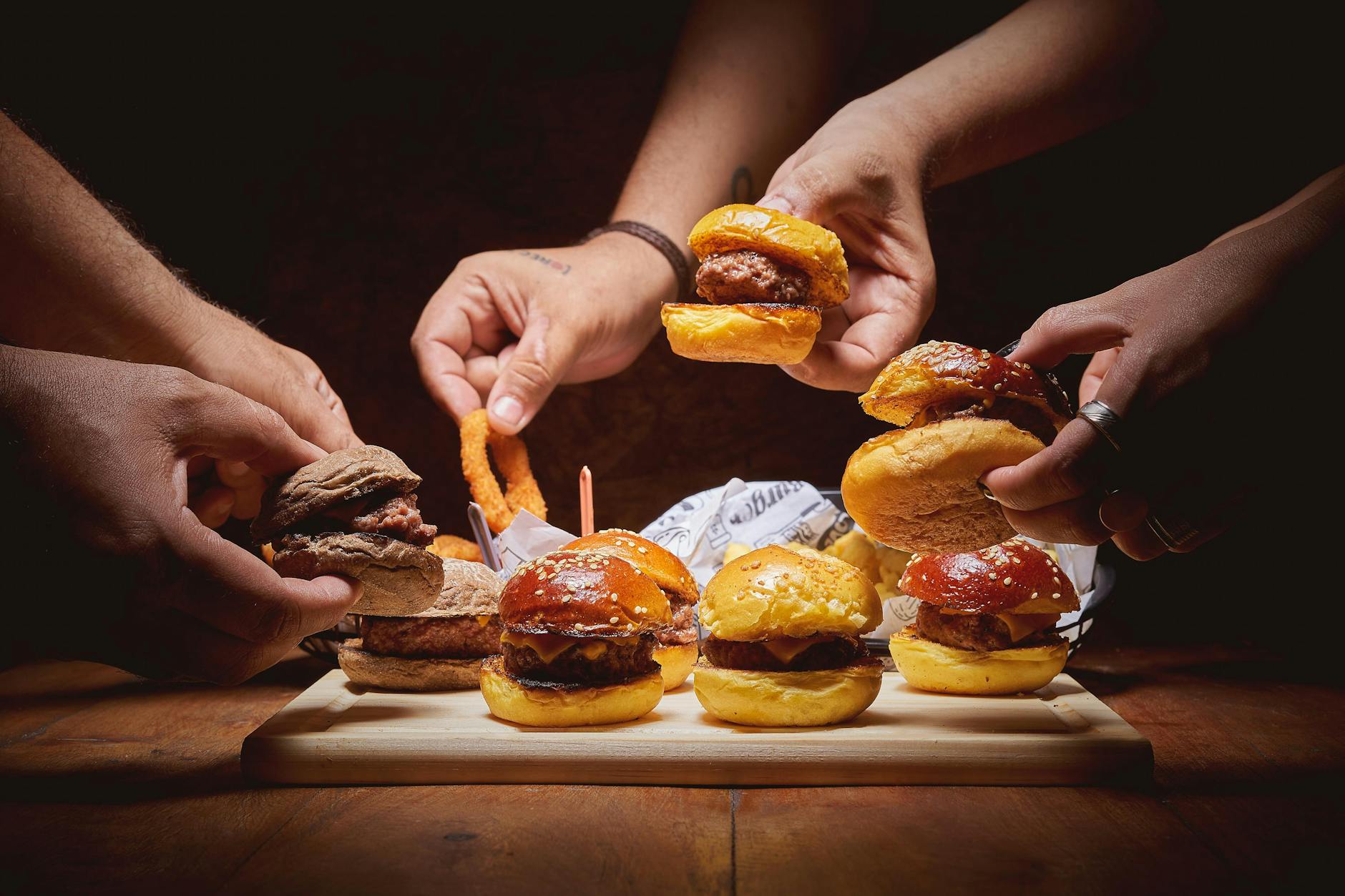
    Sliders may be small, but they’re packed with flavor — especially when piled high with cheese, pickles, and sauce. Sparkling Rosé cuts the richness with bubbles while berry notes match the savory-sweet balance of the burger. For a cocktail play, the French 75 adds gin botanicals and Champagne sparkle to the mix.

    French 75 Recipe

    • 1 oz gin
    • 0.5 oz fresh lemon juice
    • 0.5 oz simple syrup
    • Shake, strain into flute, top with 2 oz Champagne, garnish with lemon twist.
    Photo by Alejandro Aznar on Pexels.com

    Final Play: Dessert & Port (or Espresso Martini)

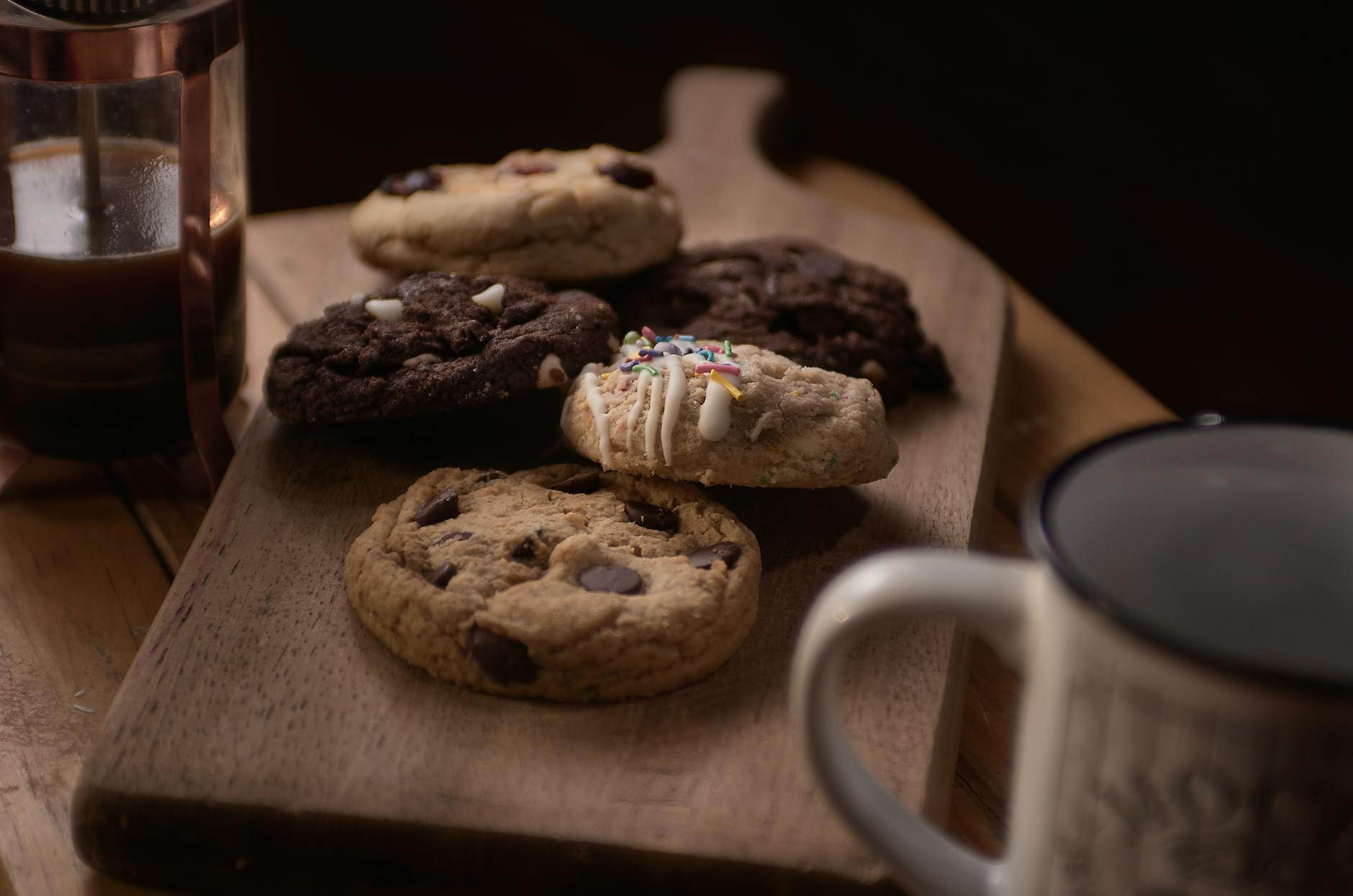
    Don’t forget the fourth quarter sweet tooth. For brownies or cookies, swap milk stout for Ruby Port — sweet, fruity, and indulgent. Or kick into overtime with an Espresso Martini, a modern classic that blends vodka, coffee liqueur, and espresso — the perfect nightcap after a day of touchdowns.

    Espresso Martini Recipe

    • 2 oz vodka
    • 0.5 oz coffee liqueur (Kahlúa)
    • 1 oz freshly brewed espresso (cooled)
    • Shake hard with ice, strain into coupe, garnish with 3 coffee beans.

    Here’s to touchdowns and tailgates, rivalries and replays, wings and wine, cocktails and camaraderie. May your team win — and may your glass never be empty. 🍷🏈🍸

    Gregory and Tammy Dean, SOMM&SOMM

    Cover Photo by Jean-Daniel Francoeur on Pexels.com

  • Varietal Spotlight: Cabernet Franc

    Varietal Spotlight: Cabernet Franc

    The Unsung Hero of the Vineyard.

    When Cabernet Sauvignon and Merlot take the spotlight, it’s easy to forget the quiet genius standing in the wings: Cabernet Franc. Without this noble grape, the wine world would look very different. It’s the parent of both Cabernet Sauvignon and Merlot, yet it remains one of the most underrated varietals on the shelf.

    Cabernet Franc is the sommelier’s secret weapon—perfumed, versatile, food-friendly, and surprisingly age-worthy. Let’s explore its origins, where it shines, and why it belongs in your glass.

    Photo by Andrew Patrick Photo on Pexels.com

    Origins & History

    Cabernet Franc first appeared in 17th-century France. Cardinal Richelieu is said to have brought cuttings to the Loire Valley, where monks tended it carefully in Bourgueil and Chinon. The grape was affectionately called “Breton”, named after Abbot Breton, one of its earliest champions.

    Modern DNA profiling unlocked its true importance: Cabernet Franc is the parent of Cabernet Sauvignon (crossed with Sauvignon Blanc) and Merlot (crossed with Magdeleine Noire des Charentes). Without it, Bordeaux as we know it would not exist.

    Where Cabernet Franc Shines

    Loire Valley, France – The Spiritual Home

    Agne27, CC BY-SA 3.0, via Wikimedia Commons

    Pairing Tip: Loire Cab Franc is perfection with roast chicken, duck breast, or chèvre (goat cheese).

    Bordeaux, France – The Architect of Blends

    In the Right Bank (Pomerol & St-Émilion), Cabernet Franc adds aromatics and finesse to Merlot-driven blends.

    • Iconic Example: Château Cheval Blanc (St-Émilion), often 60% Cabernet Franc.
    • Flavor Profile: Black cherry, cedar, crushed gravel.
    • Best With: Lamb, venison, or a rich beef bourguignon.

    Italy – Rustic Charm Meets Power

    • Friuli-Venezia Giulia: Savory, herbal, and earthy.
    • Tuscany (Bolgheri): Super Tuscan producers use Cab Franc for power and polish.

    Must-Try Bottles:

    Food Match: Wild boar ragù, porcini risotto, or bistecca alla Fiorentina.

    New World – A Rising Star

    • United States: Napa, Sonoma, Washington, and New York’s Finger Lakes deliver everything from ripe berry-driven Cab Franc to Loire-inspired elegance.
    • Argentina (Uco Valley): Bold and mineral, with vibrant fruit. Try El Enemigo Cabernet Franc.
    • South Africa (Stellenbosch): Spice-driven, earthy examples from producers like Warwick Estate.
    Photo by ROMAN ODINTSOV on Pexels.com

    In the Glass: Tasting Profile

    • Aromas: Violet, graphite, raspberry, redcurrant, pencil shavings, pepper, and sometimes a signature green bell pepper note.
    • Palate: Medium body, moderate tannins, fresh acidity, with a spectrum from juicy red fruit to earthy spice.
    • Aging Potential: Excellent. With time, Cab Franc evolves into flavors of truffle, leather, and tobacco.

    Food Pairing Ideas

    Cabernet Franc’s elegance and acidity make it one of the most food-friendly red wines.

    •  Duck breast with cherry gastrique → Loire Cab Franc
    •  Goat cheese & charcuterie → Chinon
    •  Mushroom & lentil ragù → Saumur-Champigny
    •  Herb-marinated lamb chops → St-Émilion
    •  Stuffed peppers or mushroom stroganoff → Friuli Cab Franc

    Recipes to Try with Cabernet Franc

    Duck Breast with Cherry-Red Wine Sauce

    Pair With: Chinon or St-Émilion

    Ingredients (serves 2):

    • 2 duck breasts, skin scored
    • 1 cup pitted cherries
    • ½ cup Cabernet Franc
    • 1 tbsp balsamic vinegar
    • 1 tbsp butter
    • Salt & pepper
    1. Season duck, sear skin-side down until crisp (8 min). Flip, cook 3–4 more minutes. Rest.
    2. Deglaze pan with Cab Franc, add cherries & balsamic, reduce to syrup.
    3. Whisk in butter, slice duck, serve with sauce.

    Mushroom & Lentil Ragù (Vegetarian Comfort)

    Pair With: Saumur-Champigny or Friuli Cabernet Franc

    Ingredients (serves 4):

    • 1 cup green lentils, cooked
    • 2 tbsp olive oil
    • 1 onion, diced
    • 3 cloves garlic, minced
    • 1 lb mushrooms (mixed), chopped
    • 1 tsp thyme
    • 1 cup vegetable stock
    • ½ cup Cabernet Franc
    • Salt, pepper, parsley

    Method:

    1. Sauté onion & garlic in olive oil until golden. Add mushrooms & thyme, cook until browned.
    2. Deglaze with Cab Franc, reduce. Add lentils & stock, simmer until thick.
    3. Serve over creamy polenta or pasta.

    Fun Facts & Lore

    • Cabernet Franc is sometimes called “the poet’s grape” in the Loire.
    • Without Cab Franc, we wouldn’t have Cabernet Sauvignon, Merlot, or Carmenère.
    • Sommeliers often call it their desert island red—it pairs with nearly everything.
    • Cabernet Franc tends to ripen earlier than Cabernet Sauvignon, making it valuable in cooler climates.

    Final Pour

    Cabernet Franc may never command the fame of Cabernet Sauvignon, but it brings an elegance, fragrance, and food-friendliness all its own. Whether you’re sipping a Loire Valley Chinon (my favorite), a Tuscan Paleo Rosso, or an Argentine El Enemigo, you’re drinking history—and the soul of Bordeaux itself.

    Next time you’re browsing bottles, reach for the unsung hero. Your palate (and dinner table) will thank you. Cheers 🍷

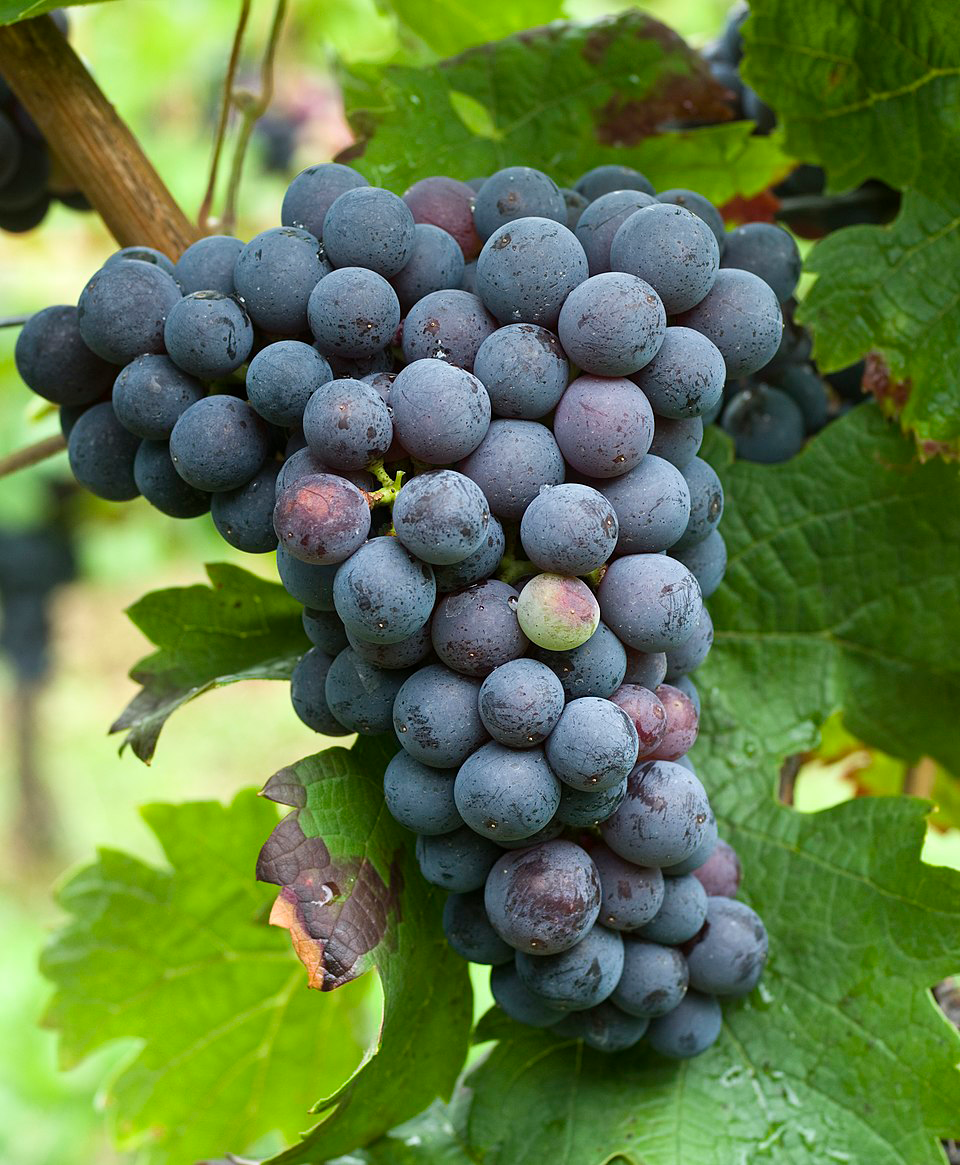
    Cover photo by Ursula Brühl, Julius Kühn-Institut (JKI), Federal Research Centre for Cultivated Plants, Institute for Grapevine Breeding Geilweilerhof – 76833 Siebeldingen, GERMANY, CC BY-SA 4.0, via Wikimedia Commons

  • Portugal Uncorked

    Portugal Uncorked

    Exploring the Heart and Soul of Portuguese Wines.

    When people hear “Portugal,” their minds often jump to Port—those rich, fortified wines enjoyed by candlelight or at the end of a decadent meal. But to focus solely on Port is to miss the vast and vibrant wine world that Portugal offers. From crisp whites kissed by the Atlantic breeze to sultry reds born from sun-drenched valleys, Portugal is one of Europe’s most exciting, diverse, and underrated wine-producing countries.

    A Glimpse Into Portugal’s Wine Legacy

    Portugal’s winemaking history stretches back over 4,000 years. The Phoenicians, Romans, Moors, and even the Knights Templar played a part in shaping the country’s viticultural heritage. Unlike many European countries that focus heavily on international varietals, Portugal leans proudly into its indigenous grapes—with over 250 native varieties cultivated across a tapestry of microclimates and terroirs.

    The result? Wines that are authentically Portuguese—flavorful, food-friendly, and full of character.

    Key Portuguese Wine Regions & Their Distinctive Wines

    Photo by Olga Shenderova on Pexels.com

    Vinho Verde (Minho) – Crisp, Zesty, Youthful Whites

    Located in the lush, green northwest, Vinho Verde literally means “green wine,” but the name refers to the wine’s youthfulness rather than its color.

    • Signature Grapes: Alvarinho (Albariño in Spain), Loureiro, Arinto
    • Style: Light-bodied, often slightly effervescent with high acidity
    • Tasting Notes: Lime, green apple, melon, fresh herbs
    • Perfect Pairing: Grilled sardines, shrimp ceviche, Vietnamese spring rolls

    Recipe Pairing: Portuguese Shrimp Rice (Arroz de Marisco)
    A tomato-based seafood rice dish brimming with clams, mussels, and prawns. Vinho Verde cuts through the richness with zippy freshness.

    Douro Valley – Rugged Reds & Legendary Ports

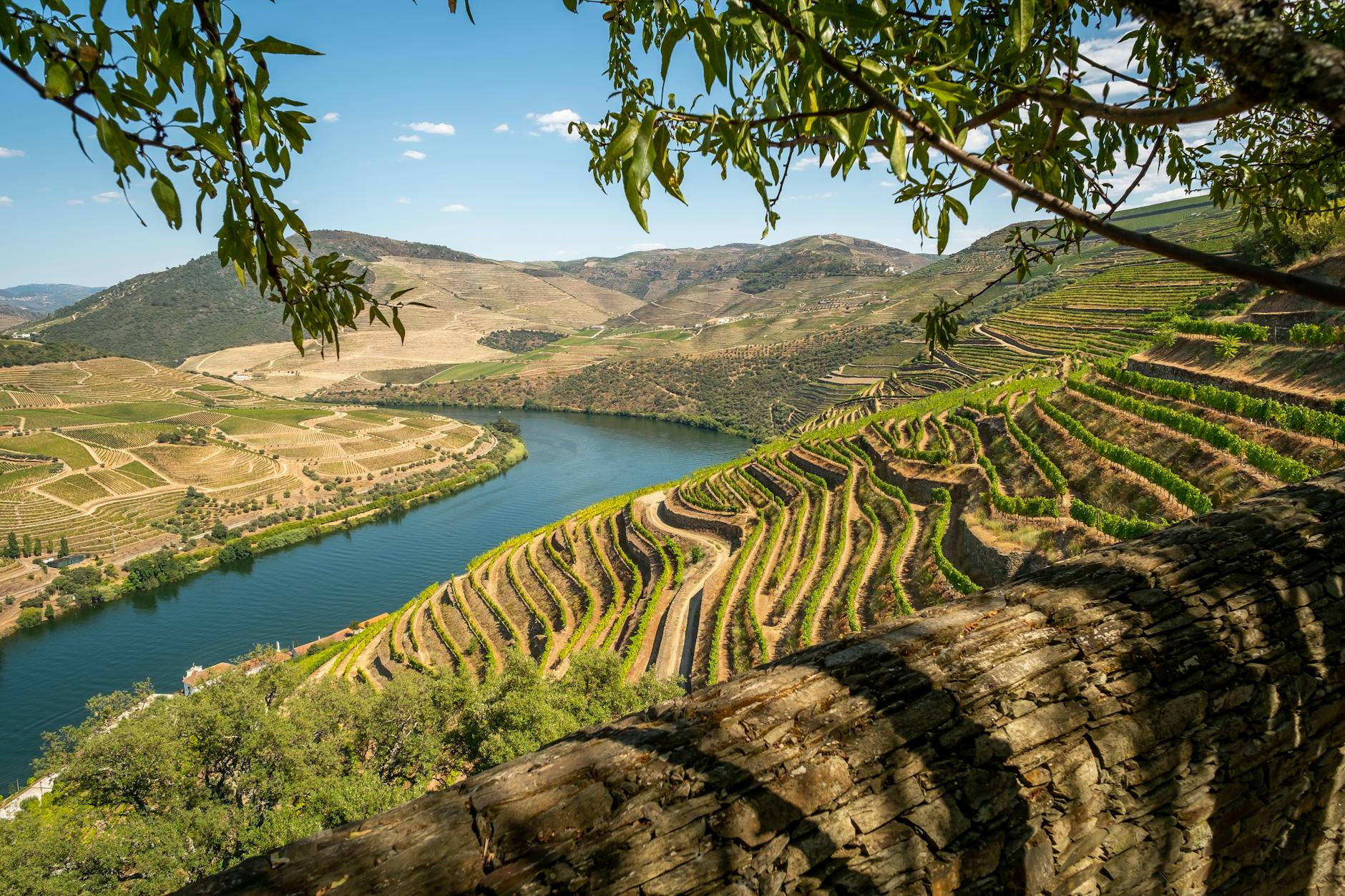
    One of the oldest demarcated wine regions in the world (est. 1756), the Douro is home to breathtaking terraced vineyards carved into steep schist hillsides. Though known for Port, it also produces powerful dry red wines.

    • Signature Grapes: Touriga Nacional, Tinta Roriz (Tempranillo), Touriga Franca
    • Style: Bold, structured reds with dark fruit and floral elegance
    • Tasting Notes: Black cherry, violet, slate, cocoa
    • Perfect Pairing: Lamb stew, grilled ribeye, mushroom risotto
    Photo by Andrew McLeod on Pexels.com

    Recipe Pairing: Portuguese Lamb Stew (Ensopado de Borrego)
    Slow-cooked lamb with garlic, red wine, and bay leaves. A Douro red complements the intensity with grace and power.

    Dão – Elegant, Age-Worthy Reds

    Tucked inland, the Dão region is often dubbed the “Burgundy of Portugal” for its finesse and structure.

    • Signature Grapes: Touriga Nacional, Alfrocheiro, Jaen (Mencía)
    • Style: Earthy, medium- to full-bodied reds with freshness and ageability
    • Tasting Notes: Raspberry, leather, dried herbs, mineral
    • Perfect Pairing: Duck breast, truffle pasta, mushroom-lentil burgers

    Alentejo – Warm, Generous, Sun-Kissed Wines

    Covering nearly a third of the country, Alentejo’s sun-baked plains yield juicy, approachable reds and ripe whites. Often the gateway region for those new to Portuguese wines.

    • Signature Grapes: Antão Vaz, Aragonês (Tempranillo), Trincadeira
    • Style: Plush reds and full-bodied whites
    • Tasting Notes: Baked plum, vanilla, almond, honeysuckle
    • Perfect Pairing: BBQ chicken, pork tenderloin, creamy polenta

    Bairrada – Sparkling Gems and Baga’s Boldness

    Coastal Bairrada is the land of sparkling wines and the quirky red grape Baga, which produces tannic, high-acid reds that age magnificently.

    • Signature Grapes: Baga (red), Maria Gomes, Bical (white)
    • Style: Lean sparkling wines, and tannic, age-worthy reds
    • Tasting Notes: Cranberry, tobacco, tart cherry, wet earth
    • Perfect Pairing: Duck confit, aged Manchego (my favorite), Portuguese suckling pig (Leitão)

    Setúbal Peninsula – Fortified Muscat Magic

    Known for Moscatel de Setúbal, a fortified sweet wine made from Muscat of Alexandria.

    • Tasting Notes: Orange blossom, caramelized fig, spice
    • Pairing Tip: Enjoy with blue cheese, orange tart, or cinnamon custard pastries

    The Undiscovered Whites of Portugal

    Beyond Vinho Verde, Portugal’s white wines are fascinating and food-loving. Look for:

    • Encruzado (Dão): Balanced and age-worthy, similar to white Burgundy.
    • Antão Vaz (Alentejo): Rich, creamy whites with citrus and stone fruit.
    • Arinto (all over): High-acid, lemony whites with aging potential.

    These whites shine with shellfish, creamy cheeses, roast chicken, or herbed pork.

    Photo by Charlotte May on Pexels.com

    Sangria Portuguesa: A Rustic & Robust Red Sangria

    A summer favorite—this recipe puts a Portuguese twist on sangria by using a bold red from the Douro or Alentejo, and infusing it with the flavors of the Iberian countryside.

    Sangria do Douro

    • 1 bottle Douro Red Wine (Touriga Nacional blend)
    • 1/4 cup Aguardente (or brandy)
    • 1/4 cup orange liqueur (like Licor Beirão or Cointreau)
    • 1/4 cup fresh orange juice
    • 2 tablespoons brown sugar
    • 1 cinnamon stick
    • 1 sliced orange
    • 1 sliced apple
    • 1/2 cup sliced red grapes
    • 1/2 cup sparkling water (or tonic) for a refreshing fizz
    • Optional: fresh mint sprigs
    1. In a large pitcher, combine sugar, fruit, cinnamon, and juice. Muddle lightly.
    2. Add red wine, aguardente, and orange liqueur. Stir well.
    3. Chill for 4+ hours or overnight.
    4. Just before serving, add sparkling water and stir gently.
    5. Garnish with mint and serve over ice.

    Pair with:

    • Spicy grilled chorizo
    • Tapas-style cheeses and olives
    • Roast chicken with peri-peri seasoning

    Related Article: Sangria: A Storied Sip Through Time, Terroir, and Tradition

    Portuguese Cheese & Wine: A Match Made in the Douro

    • Queijo da Serra + Dão Red: Creamy, nutty sheep’s milk cheese with earthy reds.
    • Azeitão + Arinto: A rich, buttery cheese offset by citrusy freshness.
    • São Jorge + Alentejo Red: Hard cow’s milk cheese with meaty, bold reds.
    Photo by Maria das Dores on Pexels.com

    Why Portugal Deserves Your Glass

    Portuguese wines offer unmatched value, diversity, and authenticity. They bridge old-world charm with fresh energy, and speak proudly of their roots. Whether you’re sipping a chilled glass of Vinho Verde on the porch or pairing a brooding Douro red with grilled lamb, you’re experiencing centuries of history in a single glass.

    So the next time you’re exploring a wine shop, skip the predictable and say “sim” to Portugal. Saúde! 🍷

    SOMM&SOMM Recommended Wines to Try:

    Cover Photo by Kampus Production on Pexels.com

  • Beyond Bordeaux

    Beyond Bordeaux

    Emerging Regions and Grapes to Know.

    Bordeaux, Napa, Tuscany—we love them, we know them, we celebrate them. But what if I told you that some of the most exhilarating wines today are coming from volcanic islands, foggy valleys, or vineyards nestled between deserts and ocean? And what if I told you that grapes you’ve barely heard of are producing wines that rival—and in some cases outperform—the greats?

    Welcome to the vinous underworld of Assyrtiko, Chenin Blanc, and a global constellation of rising stars. This isn’t wine snobbery. This is wine discovery. This is beyond Bordeaux.

    Photo by gravity cut on Pexels.com

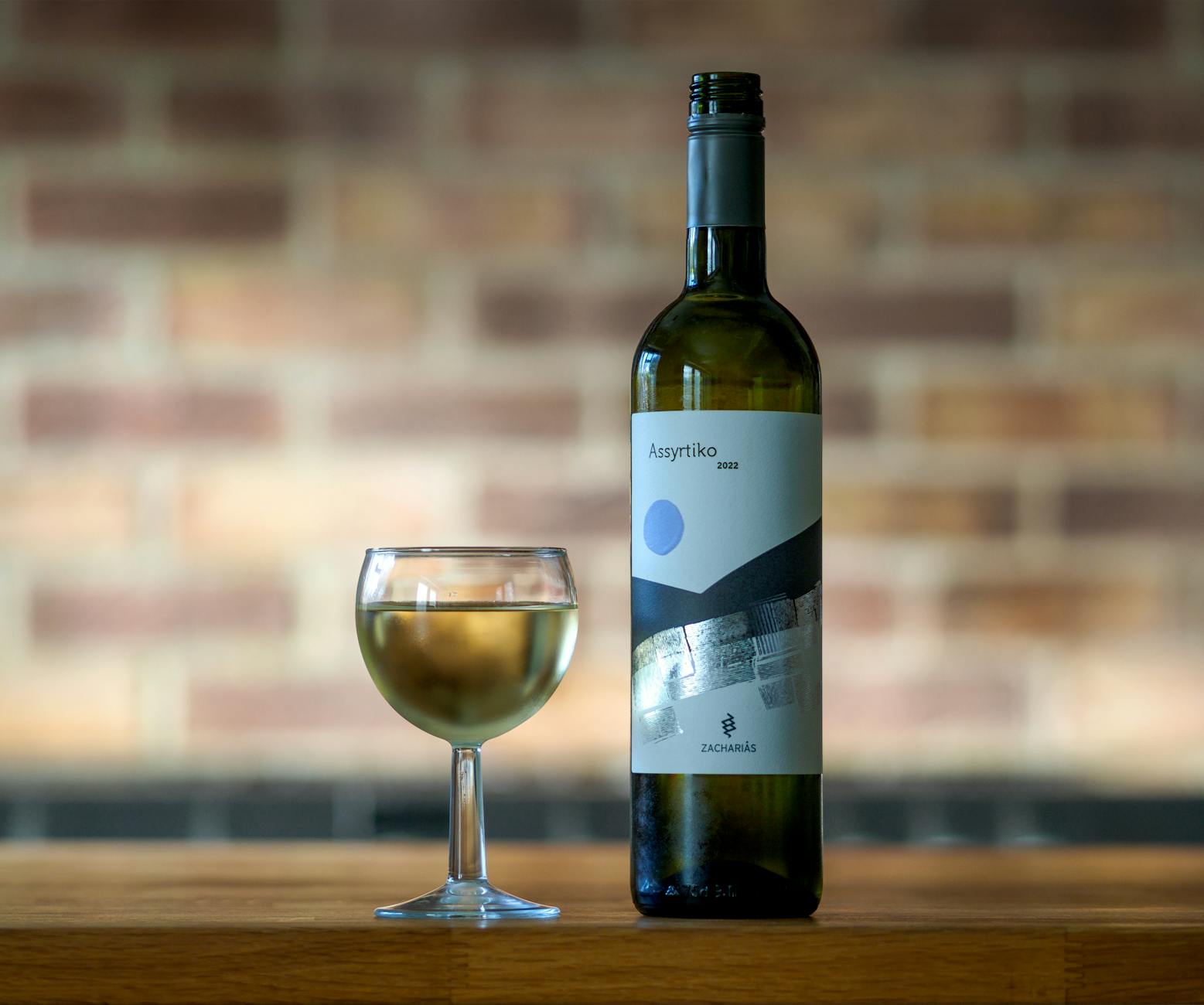
    Assyrtiko – Greece’s Salty, Sun-Kissed Secret

    Origin: Santorini, Greece
    Style: Bone-dry, citrus-driven white with volcanic minerality and thrilling acidity

    How to Pronounce Assyrtiko (Without Spitting Your Spanakopita):
    It’s Ah-SEER-tee-koh, not “A-sir-tick-oh,” “Ass-er-what-now,” or “A-sushi-taco” (yes, we’ve heard it all).

    Just remember:
    It’s crisp, not cryptic.
    Greek to you? Not anymore!

    Say it right and the bottle just might pour itself. 😄

    The Story

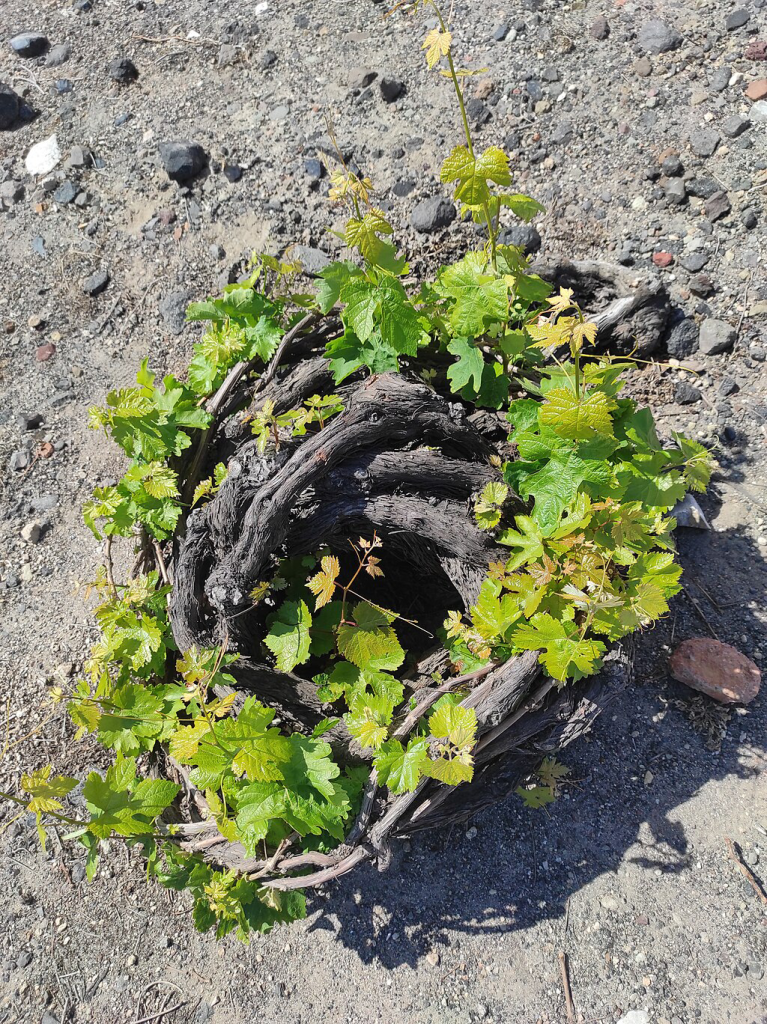
    Born on the sun-drenched, wind-scoured island of Santorini, Assyrtiko is a survivor. These ancient vines, many over 70 years old and ungrafted due to phylloxera-free volcanic soil, are trained in a unique “kouloura” (basket) shape to protect the grapes from fierce Aegean winds.

    In the Glass

    Imagine squeezing a lemon over a pile of wet rocks while standing on a Mediterranean cliffside 😂. That’s Assyrtiko. It’s bracing. Salty. Electric. A wine that doesn’t ask for your opinion—it commands your attention.

    Flavors: Lemon peel, flint, saline, white peach
    Pairings: Grilled octopus (I’m looking at you, Dima), oysters, feta-stuffed peppers, lemon chicken, or sushi with a citrus ponzu

    Where Else to Find It

    • Drama & Macedonia (Northern Greece): Rounder, fruitier expressions
    • Australia (Clare Valley, McLaren Vale): New World spice and texture
    • California (Paso Robles, Lodi): Experimental vineyards are testing the grape’s heat tolerance

    SOMM&SOMM Tip: Want to impress at your next seafood dinner? Bring an Assyrtiko. It’s the Chablis-lover’s Greek cousin.

    Agne27, CC BY-SA 3.0, via Wikimedia Commons

    Chenin Blanc – The Shape-Shifter from the Loire (and Beyond)

    Origin: Loire Valley, France
    Style: Anything from bone-dry to unctuously sweet to méthode traditionnelle sparkling

    The Story

    Once dismissed as a workhorse white in bulk wine, Chenin Blanc is having a renaissance. It’s the ultimate chameleon—able to take on almost any style and terroir. In the Loire, it’s noble and restrained. In South Africa, it’s exuberant and tropical. In California, it’s quietly staking its claim as the “next big thing.”

    In the Glass

    Chenin Blanc offers an orchestra of orchard fruit, flowers, acidity, and a waxy texture that makes sommeliers swoon. Dry or sweet, still or sparkling, there’s a Chenin for every mood.

    Flavors: Green apple, quince, lanolin, honeysuckle, citrus zest
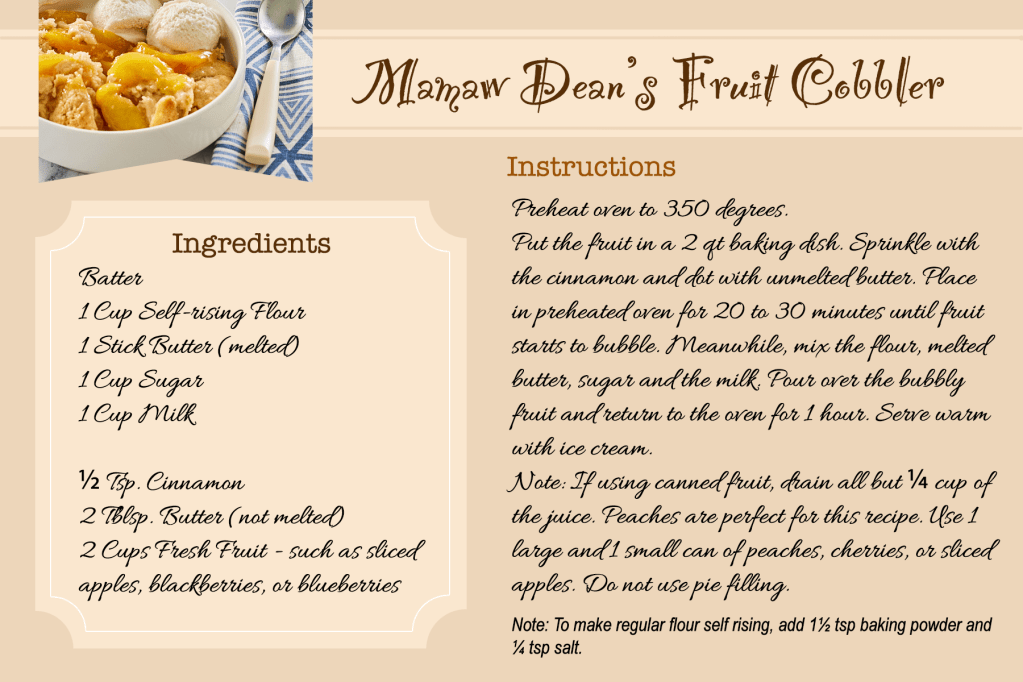
    Pairings: Thai curry, pork chops with apples, roast duck, spicy ramen, goat cheese, or peach cobbler (for off-dry versions)

    Dean Family Recipe 😉

    Where It Shines

    • Loire Valley (Vouvray, Savennières): Regal and layered
    • South Africa (Stellenbosch, Swartland): Zesty, tropical, and textural
    • California (Clarksburg, Mendocino): Bright with honeysuckle and stone fruit
    • India (Nasik Valley): Light-bodied and floral, perfect with spicy dishes

    SOMM&SOMM Tip: Always check the label for sweetness level. A dry Savennières and a demi-sec Vouvray are two very different animals—but equally delicious in their own way.

    Beyond the Grapes – Global Terroirs You Need to Know

    Let’s go even further beyond the usual suspects. Here are four emerging wine regions—and their must-try grapes—that should be on every wine lover’s radar:

    Valle de Guadalupe, Mexico

    Signature Grapes: Nebbiolo, Tempranillo, Chenin Blanc
    Style: Bold reds and zesty whites with desert-meets-ocean personality
    Why It Matters: Baja California’s Valle de Guadalupe is like Napa in the 1970s—experimental, passionate, and still defining itself. Hot days, cool nights, and ocean breezes create a perfect storm of ripeness and elegance.

    Try: Monte Xanic Chenin Colombard blend – refreshing, floral, and great with fish tacos.

    Tokaj, Hungary (but Not Just for Sweet Wines!)

    Signature Grapes: Furmint, Hárslevelű
    Style: Bone-dry, mineral whites that can age for decades
    Why It Matters: While famous for its dessert wines, Tokaj is finally getting recognition for its dry styles—Furmint especially, which offers Riesling-like acidity with the texture of white Burgundy.

    Try: Dry Furmint with roast chicken or miso-glazed cod.

    Uruguay

    Signature Grapes: Tannat, Albariño
    Style: Structured reds, salty whites
    Why It Matters: This small South American country is quietly producing elegant Tannat (yes, the beastly grape from Madiran) with softer tannins, plus gorgeous coastal Albariño that rivals Galicia’s best.

    Try: Garzón Albariño with ceviche or grilled shrimp.

    England

    Signature Grapes: Chardonnay, Pinot Noir (Sparkling Wine)
    Style: Traditional method sparkling with high acidity and chalky minerality
    Why It Matters: English sparkling wine is no longer a joke—it’s a juggernaut. With chalk soils like Champagne and a warming climate, producers in Sussex and Kent are now winning international blind tastings.

    Photo by Petra Ryan on Pexels.com

    Try: Nyetimber or Gusbourne Brut with fish and chips (seriously).

    Why You Should Drink Beyond Bordeaux

    We’re not saying give up your Bordeaux blends, your Brunellos, or your Barolos. We’re saying your palate deserves a passport. There’s never been a better time to explore terroirs that aren’t bound by tradition. These regions and grapes—Assyrtiko, Chenin Blanc, Furmint, Tannat, Albariño, and beyond—are writing a new chapter in the world of wine. One where the map is still being drawn.

    Photo by cottonbro studio on Pexels.com
    So next time you shop or dine, go off the grid. Ask for something weird. Order something unpronounceable. And raise a glass to the next great classic.

    Cheers to the future of wine 🍷

    Gregory and Tammy Dean are sommeliers, wine educators, and co-creators of the SIPS & STORIES book series. When they’re not exploring emerging wine regions or debating whether Assyrtiko is better than Chablis (spoiler: sometimes it is), they’re helping wine lovers drink better, bolder, and beyond the expected.

    Cover photo by ongchinonn, CC0, via Wikimedia Commons

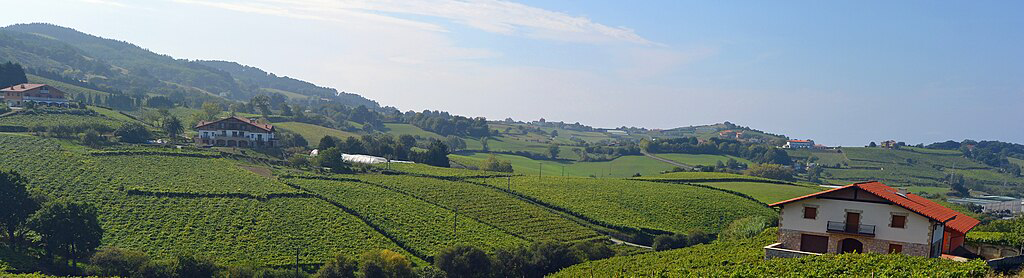
  • Varietal Spotlight: Txakoli

    Varietal Spotlight: Txakoli

    Spain’s Slightly Fizzy, Totally Zesty Coastal Secret.

    Picture this: You’re sitting on a seaside terrace in the Basque Country of northern Spain. A server approaches with a green bottle, lifts it shoulder-high, and pours a stream of white wine into your glass from a foot above. You hear a faint hiss, a subtle fizz, and then—boom—Txakoli (pronounced cha-koh-LEE) hits your palate with a zippy, citrusy splash like a wave crashing over coastal rocks.

    Txakoli isn’t just a wine. It’s a vibe. A ritual. A slightly spritzy, bone-dry, and utterly refreshing local treasure that, somehow, still flies under the radar internationally. But not for long. Because once you’ve tasted its brisk acidity and sea-salty tang, your palate will be hooked for life.

    Origins of Txakoli

    Txakoli hails from Basque Country, a region defined by rugged coastlines, lush green hills, and a fiercely proud culture that speaks its own language (Euskara). The wine has been made here for centuries, often by families for local consumption. For a long time, it was dismissed as rustic peasant wine—never meant to leave the village.

    But that’s changed dramatically. Modern producers have embraced quality winemaking techniques, and Txakoli (or Chacolí, in Spanish) is now one of the most exciting white wines in Europe, perfect for the modern drinker who’s over oaky butter bombs and sweet Rieslings.

    Euskaldunaa, CC BY-SA 4.0, via Wikimedia Commons

    Three Main Denominations of Txakoli

    Getariako Txakolina (DO Getaria):

    The most famous and classic style. Pale, slightly fizzy, green-apple fresh, and made primarily from the Hondarrabi Zuri grape. This is the one you’ve seen being aerated from a height at seaside pintxo bars.

    Bizkaiko Txakolina (DO Biscay):

    More inland. The wines tend to be rounder and more aromatic, with floral and stone fruit notes. Less spritzy but still very fresh.

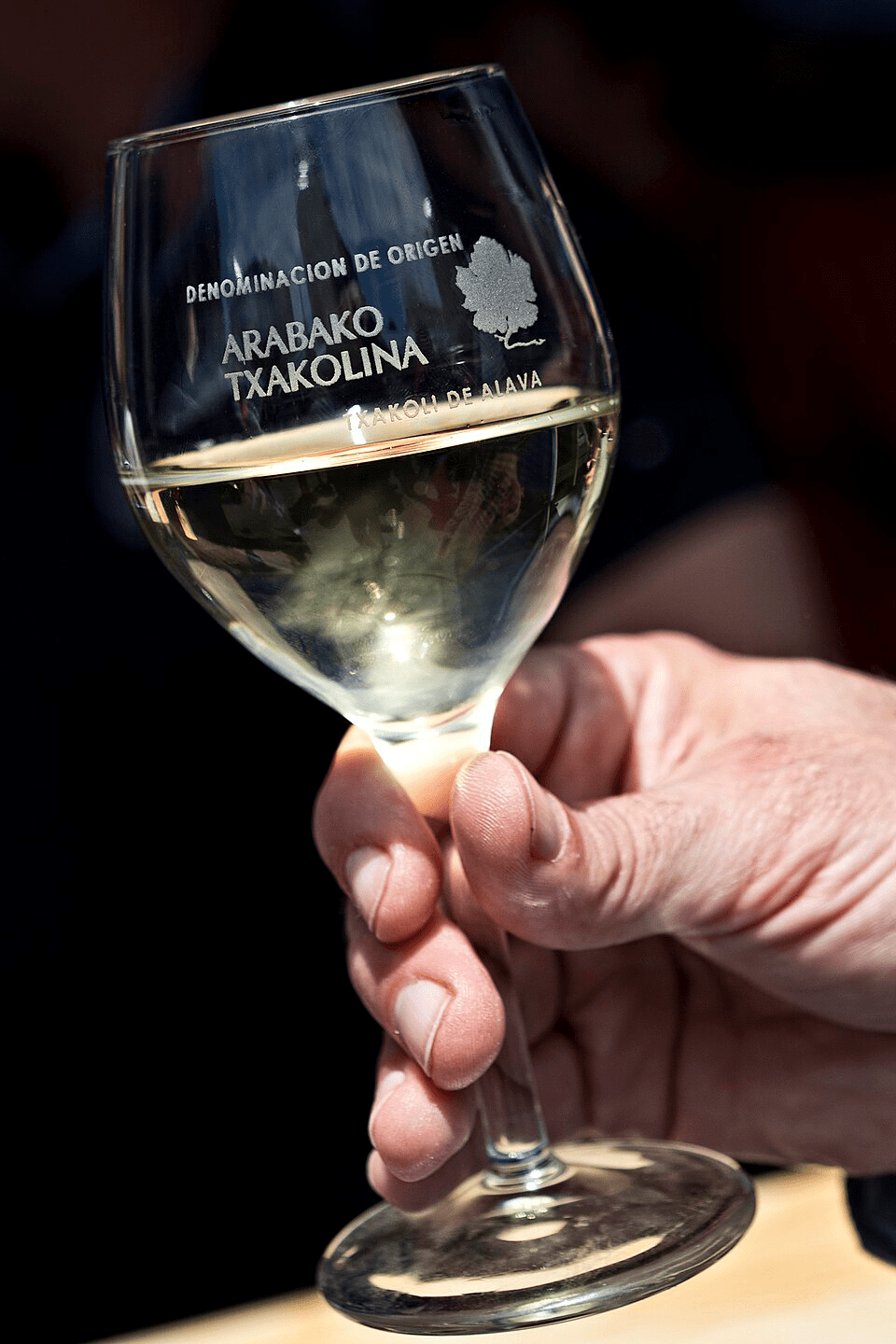
    Arabako Txakolina (DO Álava):

    The smallest and highest elevation region. Here, Txakoli can show more elegance and minerality. Perfect for those who appreciate wines with depth and structure.

    Image by Juan Carlos Latxaga, CC BY-SA 4.0, via Wikimedia Commons

    The Grapes of the Basque Gods

    Txakoli is typically made from indigenous Basque grape varieties:

    • Hondarrabi Zuri (white) – The star of the show. Produces crisp, high-acid whites with notes of lemon peel, green herbs, and sea salt.
    • Hondarrabi Beltza (red) – A rare red variety used in small quantities or for rosado (rosé). Think peppery, tart cherry reds with a coastal vibe.

    Some producers blend small amounts of Gros Manseng or Petit Courbu, but the best examples lean heavily on Hondarrabi Zuri for its unique character.

    Photo by Pavel Danilyuk on Pexels.com
    What to Expect in the Glass

    Txakoli is not your average white. It’s:

    • Pale straw to nearly green in color
    • Slightly effervescent (naturally fizzy—no bubbles added!)
    • Super dry and low in alcohol (usually 10.5–11.5%)
    • Zingy with acidity, citrus zest, and salinity

    Typical tasting notes:

    • Lemon peel, green apple, lime blossom
    • Fresh herbs, fennel, white flowers
    • Wet stone, sea spray, salty air

    Serve well chilled, in a white wine glass or tumbler. If you want to go full Basque, pour from high and don’t overfill the glass. You want that aeration to wake it up and soften the acidity.

    To the sea breeze in a bottle,
    the fizz that makes us giggle,
    and a wine that dances like it’s got tapas in its soul—
    Salud to Txakoli!” 🥂

    Gregory Dean, SOMM&SOMM
    MottaW, CC BY-SA 4.0, via Wikimedia Commons

    Txakoli Is a Match Made for Tapas

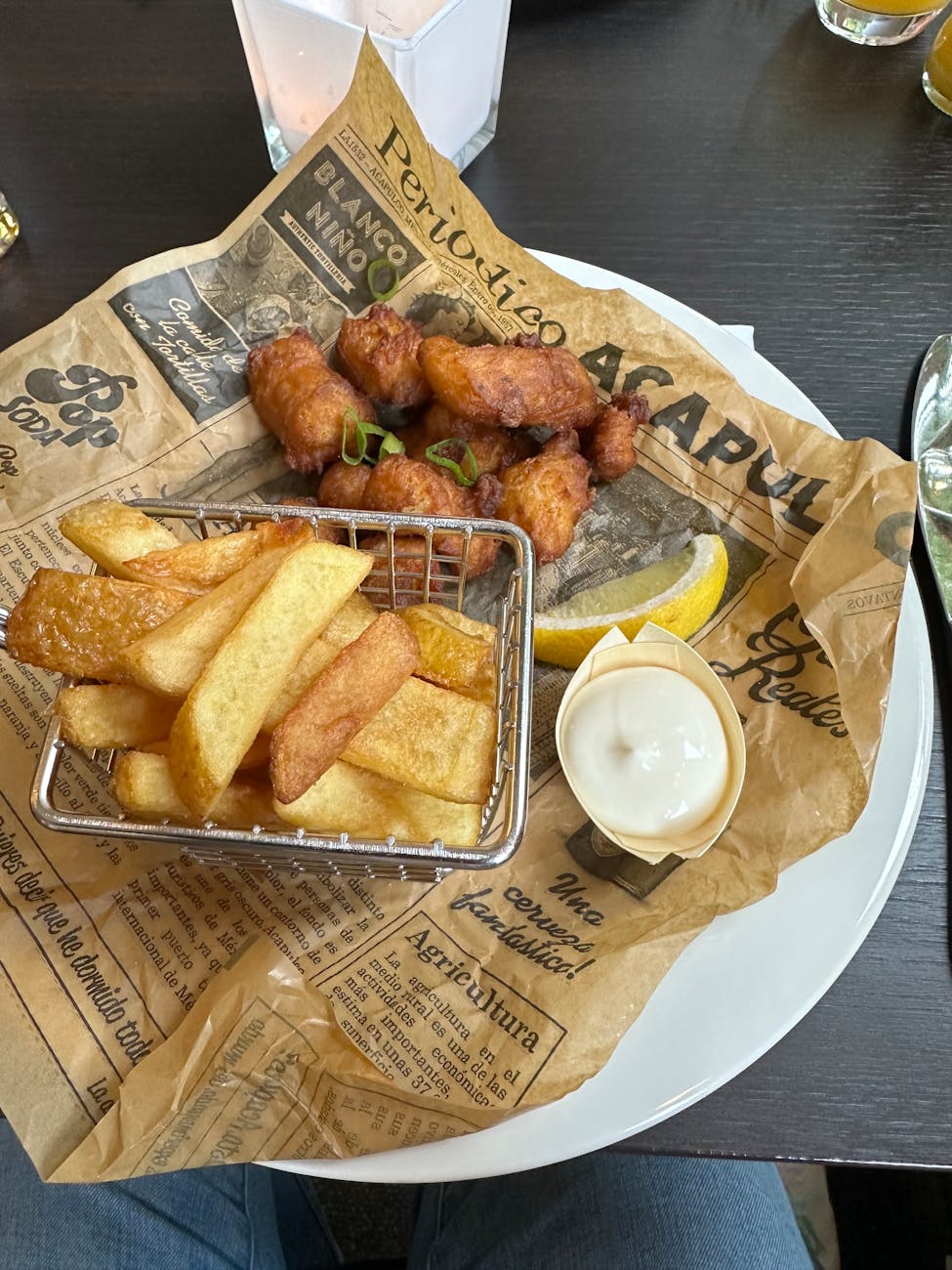
    This wine practically begs to be served with Basque bar snacks and fresh seafood. The slight fizz and bright acidity cut through oil, salt, and fat like a lemon-wielding ninja.

    Top Pairings:

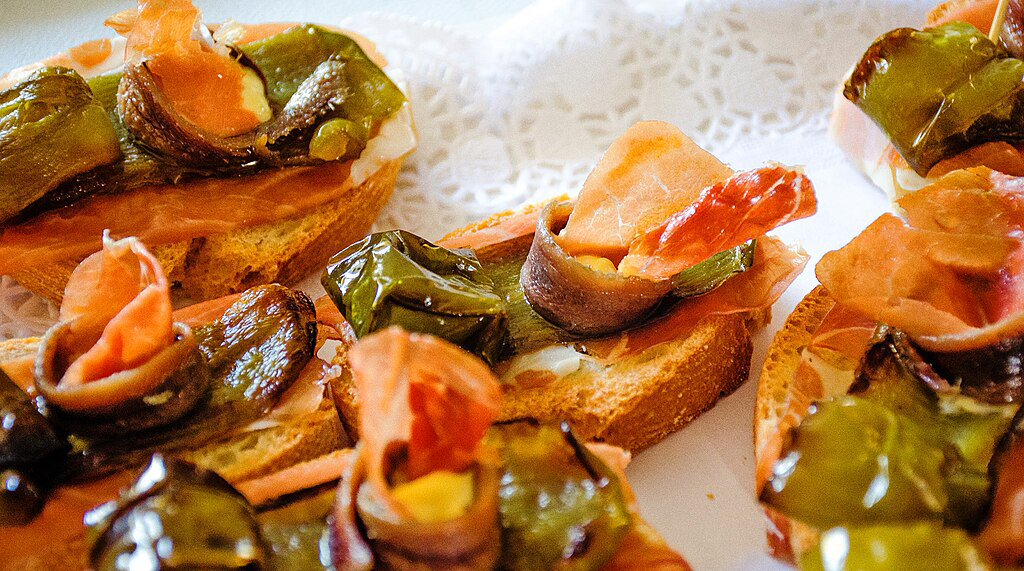
    • Anchovies on toast with lemon and olive oil
    • Bacalao croquetas (salt cod fritters)
    • Grilled sardines with garlic and parsley
    • Marinated mussels or clams
    • Jamón Ibérico (yes, Txakoli can tango with cured ham!)
    • Cheese-stuffed piquillo peppers

    Simple Recipes to Sip Alongside

    Basque-Style Anchovy Toast (Gilda-Inspired)

    When we say a dish is “Gilda-inspired,” we’re paying homage to the original pintxo (small snack) from the Basque Country known as la Gilda (pronounced HEEL-dah).

    • 6 good-quality anchovy fillets (in olive oil)
    • 6 green olives (manzanilla or Castelvetrano)
    • 6 small pickled guindilla peppers
    • Crusty bread, sliced and toasted
    • Extra virgin olive oil
    1. Thread an olive, a guindilla, and an anchovy onto a toothpick.
    2. Place on toasted bread, drizzle with olive oil.
    3. Sip your Txakoli and feel like you’re in San Sebastián.

    Quick Grilled Octopus with Lemon & Paprika

    • 1 pre-cooked octopus tentacle (many stores carry this vacuum-packed)
    • 1 tbsp olive oil
    • 1/2 tsp smoked paprika
    • Juice of 1/2 lemon
    • Sea salt
    1. Heat a grill or cast iron pan. Brush the octopus with oil.
    2. Grill 2–3 minutes per side until charred.
    3. Sprinkle with paprika, squeeze lemon over, and add flaky salt.
    4. Serve hot with a glass of chilled Getariako Txakolina.

    Don’t Let Txakoli Stay a Secret

    In the world of white wines, Txakoli is the cool friend who brings the music to the party but doesn’t care if you notice. Light, lively, and a little wild, it embodies everything we love about non-mainstream varietals: history, identity, refreshment, and food-friendliness—all in one bottle.

    It’s time to put down that Pinot Grigio and pick up a bottle of Txakoli. Bonus points if you can pronounce Hondarrabi Zuri after your second glass. Salud 🥂

    Cover Image by Aiaraldea Gaur eta Hemen, CC BY-SA 2.0, via Wikimedia Commons

  • Varietal Spotlight: Assyrtiko

    Varietal Spotlight: Assyrtiko

    Greece’s White-Hot Secret That’s Been Hiding in Plain Sight.

    Ever get the feeling your palate is ready for a vacation? Somewhere bright, breezy, and kissed by sea spray? Let me introduce you to Assyrtiko (ah-SEER-tee-koh)—Greece’s fiercely fresh, gloriously gastronomic white grape that’s like a splash of Aegean sunlight in your glass. It’s been quietly thriving for centuries, but now it’s time to give this under-the-radar varietal the spotlight it deserves.

    Photo by Brett Jordan on Pexels.com

    If you think of Greek wine and your mind races to retsina or sweet dessert wines, get ready to reboot. Assyrtiko is the backbone of some of the most thrilling, mineral-driven white wines in the world—and it’s finally starting to get the global recognition it deserves.

    Born of Ash and Wind

    Assyrtiko is one of the few white grape varieties in the world that thrives in volcanic soil, and its true home—its soul, if you will—is the island of Santorini. A place where vines grow in ashen soil under the wrath of wind, sun, and salt, and yet yield wines of jaw-dropping acidity and structure.

    This grape has been cultivated in Santorini for more than 3,500 years, making it a direct descendant of ancient Greek viticulture. And here’s a mind-blower: thanks to the volcanic, phylloxera-resistant soil, many of the vines are centuries old and own-rooted, producing grapes with intense concentration and character.

    Kouloura Assyrtiko – AkatsukiKuro, CC0, via Wikimedia Commons

    In Santorini, vintners have developed a unique vine-training method called kouloura—basket-shaped wreaths of vines trained low to the ground, like leafy nests that cradle the grapes and protect them from fierce island winds. It’s not just functional; it’s poetic.

    The best wines don’t always come from the most obvious places.

    Gregory Dean, SOMM&SOMM

    Assyrtiko Beyond Santorini

    While Santorini remains the crown jewel of Assyrtiko production, the grape has spread to other parts of Greece—often with great success. Let’s explore a few standout regions:

    • Drama & Kavala (Northern Greece): Here, Assyrtiko displays more citrusy, orchard-fruit notes with balanced minerality and rounder texture.
    • Peloponnese: Often blended with other whites like Moschofilero or Roditis for fresh, floral-driven wines.
    • Attica & Epanomi: Produce fruitier and fuller-bodied Assyrtiko expressions that appeal to lovers of New World Chardonnay or Chenin Blanc.
    • Crete: Offers a juicy, softer version with stone fruit and herbal notes, perfect for everyday drinking.

    The grape has even migrated internationally—plantings exist in Australia (Clare Valley), South Africa, and even the U.S. (California’s Lodi AVA). But nowhere does it scream “home” quite like Santorini.

    Photo by Engin Akyurt on Pexels.com
    Flavor Profile & Styles

    What makes Assyrtiko so distinct is its ability to retain laser-sharp acidity even in searingly hot climates. This makes for whites that are electric yet complex—think of Chablis on a Mediterranean vacation.

    Typical Tasting Notes:

    • Lemon zest, lime, green apple, and underripe peach
    • Crushed seashells, wet stone, volcanic ash
    • Subtle herbal and saline notes (think thyme, sea breeze, and oyster shell)

    Styles of Assyrtiko:

    1. Unoaked, Dry: The purest expression—citrusy, mineral, and crisp. Perfect seafood companion.
    2. Oaked: Aged in acacia or French oak for added texture, body, and spice. Think grilled octopus and aged cheeses.
    3. Nykteri: Traditional Santorini style made from late-harvested grapes, often aged in oak. More alcohol, fuller body—perfect with roasted lamb or mushroom dishes.
    4. Sweet/Vinsanto-style: Made from sun-dried Assyrtiko grapes, aged for years. Honey, figs, dates—a dessert wine that rivals the best of Vin Santo or Sauternes.

    When the Wine Becomes a Greek Chorus

    If wine could speak, Assyrtiko would shout: “Give me salt! Give me lemon! Give me grilled things from the sea!”
    It’s an insanely food-friendly varietal—bright enough to cut through rich dishes, yet structured enough to handle bold flavors.

    Top Pairing Ideas:

    • Grilled octopus with olive oil, lemon & oregano
    • Whole roasted fish with capers and herbs
    • Dolmades (stuffed grape leaves) with avgolemono sauce
    • Lamb souvlaki with tzatziki and grilled pita
    • Feta & watermelon salad (Assyrtiko LOVES briny cheese and citrus fruits)

    Simple Greek Recipes to Pair with Assyrtiko

    Grilled Branzino with Lemon & Herbs

    • 2 whole branzino (cleaned and scaled)
    • 2 lemons (sliced into rounds)
    • 4 sprigs fresh oregano or thyme
    • 2 tbsp olive oil
    • Salt & pepper to taste
    1. Stuff fish cavity with lemon slices and herbs. Drizzle with olive oil and season generously.
    2. Grill over medium-high heat for 5–6 minutes per side until skin is crispy and flesh is opaque.
    3. Serve with lemon wedges and a chilled glass of unoaked Assyrtiko.

    Greek Zucchini Fritters (Kolokithokeftedes)

    • 2 medium zucchinis, grated
    • 1/2 cup crumbled feta
    • 2 tbsp chopped mint
    • 2 green onions, finely sliced
    • 1 egg
    • 1/4 cup flour
    • Salt & pepper
    • Olive oil for frying
    1. Salt grated zucchini and let sit for 10 mins. Squeeze out excess moisture.
    2. Mix with feta, mint, onion, egg, flour, and seasoning.
    3. Form small patties and pan-fry in olive oil until golden on both sides.
    4. Serve with tzatziki and a crisp glass of Santorini Assyrtiko.

    A Wine with a Past and a Future

    Assyrtiko is the wine equivalent of Greek myth—ancient, elemental, and just a little bit heroic. In a world full of over-hyped Sauvignon Blancs and cookie-cutter Chardonnays, this grape offers adventure in a glass. It’s proof that the best wines don’t always come from the most obvious places.

    So next time you want to impress your dinner guests, drop the word “Assyrtiko” into conversation, pour them a glass, and watch their eyebrows lift in pleasant surprise.

    Because once you’ve tasted this sun-soaked stunner, you’ll realize the secret’s too good to keep. Cheers 🍷

    Next in the Varietal Spotlight Series: “Txakoli: Spain’s Slightly Fizzy, Totally Zesty Coastal Secret”
    Stay tuned, and keep sipping off the beaten path.

  • Gen Z and the Aperitif Revival

    Gen Z and the Aperitif Revival

    The clinking of ice, the soft fizz of tonic, the amber swirl of vermouth in a vintage glass—these are not just relics of an old-world European café culture. They’re back, and Gen Z is leading the charge. From TikTok-worthy Spritz recipes to obscure amari and local vermouths popping up in home bars, the aperitif is experiencing a full-fledged renaissance.

    Photo by Lazarus Ziridis on Pexels.com
    You may also like SOMM&SOMM article: The Rum Renaissance

    But is this resurgence just another fleeting trend or a lifestyle shift? And how can we—seasoned sippers and new enthusiasts alike—elevate this delicious ritual? Let’s dive into the heart of the modern aperitivo.

    What Is an Aperitif Anyway?

    Aperitifs are drinks traditionally served before a meal to stimulate the appetite. The term comes from the Latin aperire, meaning “to open.” These beverages are typically lower in alcohol (usually between 11-25%), often dry or bitter, and designed to awaken the senses rather than overwhelm them. They are cousins—but not twins—to digestifs, which are consumed after meals to aid digestion and are typically richer, stronger, and sweeter (think Cognac, Amaro, Port).

    Photo by Regina Tommasi on Pexels.com

    Common Types of Aperitifs:

    • Vermouth (dry or blanc) – fortified, aromatized wine; try Dolin Blanc or Carpano Dry
    • Aperitivo bitters – Campari, Aperol, Select, and obscure gems like Contratto or Cappelletti
    • Lillet Blanc, Rosé, and Rouge – French wine-based aperitifs infused with citrus and quinine
    • Sherry (Fino or Manzanilla) – bone-dry Spanish fortified wines, excellent with tapas
    • Dry sparkling wines – Prosecco, Cava, Crémant, or brut Champagne
    • Amaro (light styles) – While traditionally digestifs, some low-ABV amari like Amaro Nonino or Montenegro walk the aperitif line

    Gen Z and the Aperitivo Renaissance

    Why now? Why this category?

    But first—who is Gen Z?

    Gen Z, short for Generation Z, refers to people born roughly between 1997 and 2012. They are digital natives who grew up with smartphones, social media, and on-demand everything. Known for their creativity, inclusivity, and emphasis on mental health and authenticity, Gen Z values experiences over possessions and often challenges traditional norms—from career paths to how (and what) they drink. They’re shaping trends across fashion, tech, and even the food and beverage world—like reviving the aperitif hour with a modern, mindful twist.

    Low-ABV Lifestyle

    Health-conscious and moderation-minded, Gen Z tends to lean toward “sessionable” drinks that allow for social sipping without the aftershock. Aperitifs hit that sweet spot.

    Aesthetic and Ritual

    The modern aperitivo hour is as much about the look and feel as the liquid. Vintage glassware, tinned fish boards, playlists, and sun-drenched settings turn it into a lifestyle. It’s #SpritzOClock on every platform.

    Discovery Culture

    From rare vermouths to hyper-regional aperitivi like Rinomato or Mattei Cap Corse, Gen Z is less loyal to brands and more interested in storytelling. Aperitifs are steeped in history, botanicals, and place—perfect for exploration.

    Photo by Gonzalo Acuu00f1a on Pexels.com
    Spritz 2.0

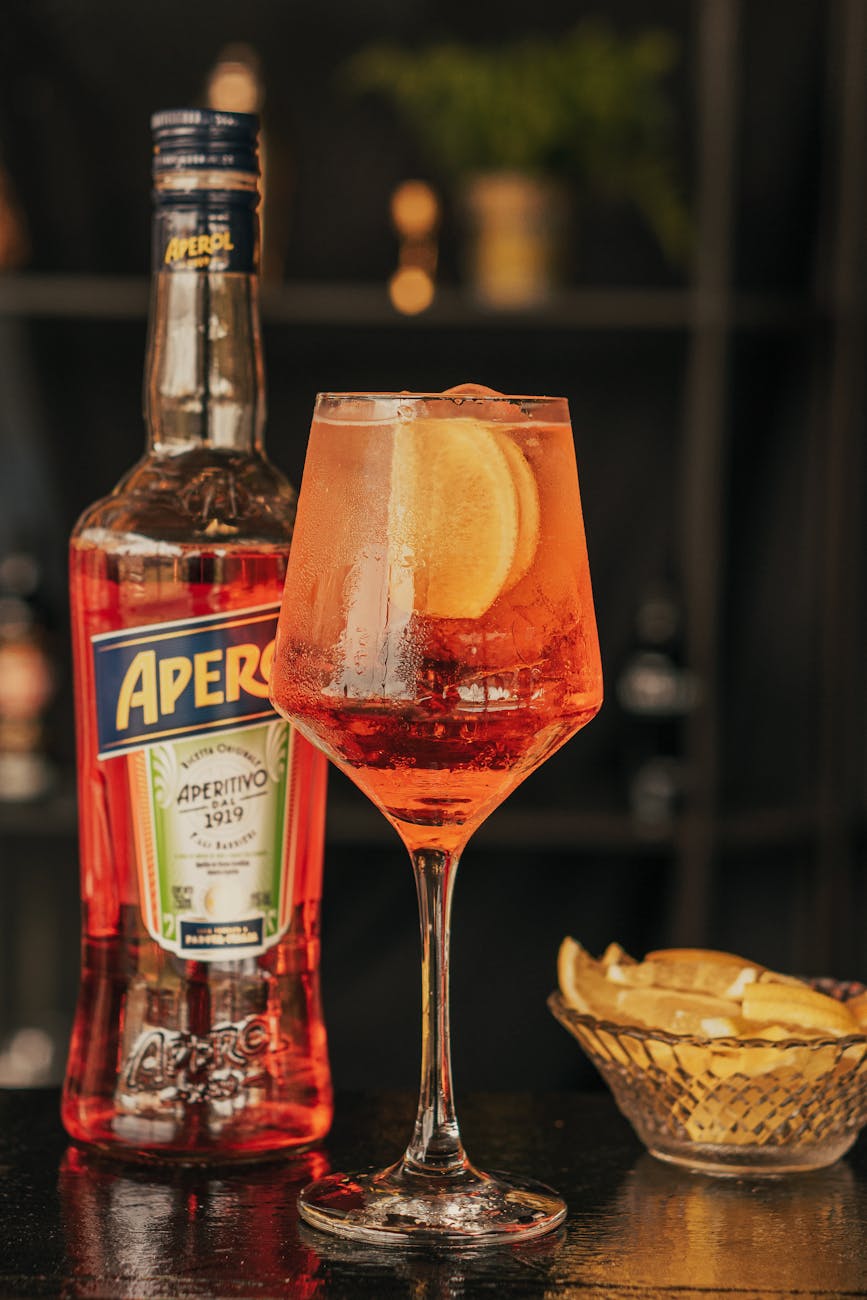
    The Aperol Spritz may have been the gateway, but the new wave of spritzes is bold, bitter, herbaceous, and often customized. Think “Spritz 2.0.”

    Try These Modern Takes:

    • White Negroni Spritz – Suze, dry vermouth, tonic, grapefruit peel
    • Lavender Lillet Spritz – Lillet Blanc, lemon, lavender bitters, soda water
    • Cappelletti & Prosecco – A deeper, more complex take than Aperol
    • Sherry Spritz – Manzanilla sherry, lemon tonic, cucumber ribbon
    • Amaro Spritz – Montenegro with soda and a dash of orange bitters

    Want something totally different? Try a Sakura Spritz with Japanese umeshu, sparkling yuzu soda, and mint.

    The Aperitif as Ritual

    An aperitivo is not just a drink—it’s a moment. Here’s how to elevate the experience:

    The Setting

    Golden hour lighting, low music, and relaxed attire. Indoors or outdoors, the vibe matters.

    Glassware

    Use proper (or playfully mismatched) stemware. Coupe glasses, Nick & Noras, or vintage tumblers add gravitas.

    Ice Matters

    Use clear, large-format ice where possible. It melts slower, looks better, and keeps the drink crisp.

    Garnishes

    Citrus peels, herbs, edible flowers—small touches that engage the senses.

    Photo by David Melgar on Pexels.com
    Aperitif Pairings & Accompaniments

    Food is key. In Italy, you’d get olives, potato chips, and maybe a few nuts with your drink. But we can do better—and still keep it simple.

    Try Pairing With:

    • Marcona almonds and anchovy-stuffed olives – great with dry vermouth
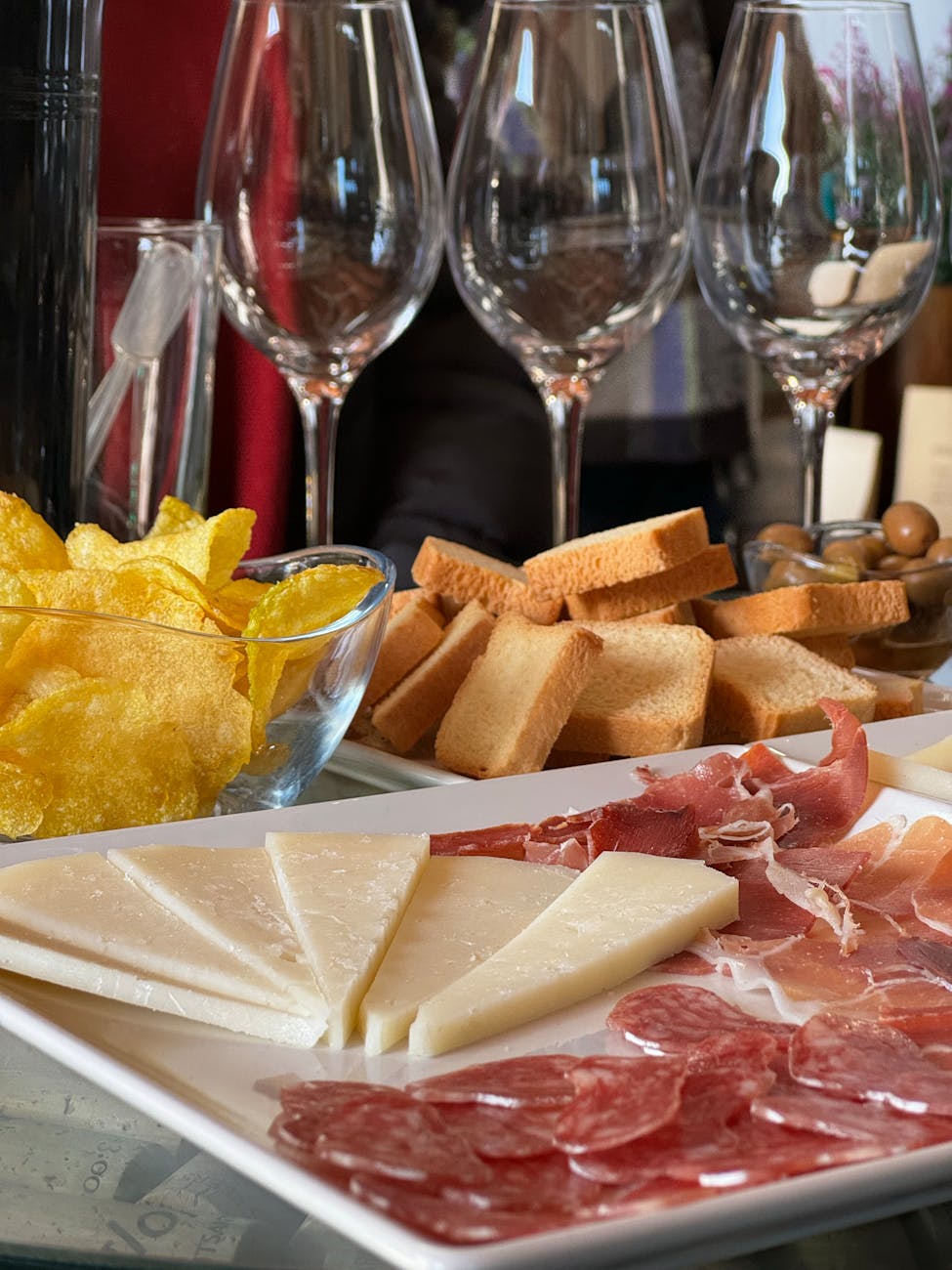
    • Jamón Ibérico and Manchego – classic with fino sherry
    • Radishes with butter and sea salt – elegant with a Lillet Blanc spritz
    • White bean dip with lemon and rosemary – pairs well with a bitter amaro spritz
    • Crostini with ricotta, honey, and herbs – lovely with a rosé vermouth

    For something playful and Gen Z-approved? Tinned fish boards with smoked mussels, mackerel pâté, and crusty bread are all the rage. Pair with a crisp French Quinquina like Dubonnet Blanc or a coastal white vermouth from Galicia.

    Obscure Aperitifs Worth Discovering

    You’ve heard of Campari. But here are a few you should know:

    • Suze (France) – bitter gentian root liqueur; electric yellow and deeply earthy
    • Chinato (Italy) – Barolo aromatized with quinine and spices
    • Rinomato (Italy) – a balanced, bitter aperitivo with citrus and alpine herbs
    • Byrrh (France) – red wine-based quinquina with plum and spice notes
    • Mattei Cap Corse (Corsica) – white quinquina with citrus and wormwood
    • Uncouth Vermouth (USA) – seasonal Brooklyn-made vermouths with foraged ingredients
    Photo by Marcelo Verfe on Pexels.com

    Classic Aperitif Cocktails You Need to Know

    • Negroni – Gin, Campari, sweet vermouth
    • Boulevardier – Bourbon, Campari, sweet vermouth
    • Americano – Campari, sweet vermouth, soda
    • Vesper Martini – Gin, vodka, Lillet Blanc
    • Adonis – Fino sherry, sweet vermouth, orange bitters
    • Bamboo – Dry sherry, dry vermouth, dash of bitters

    Unique Aperitif Recipes to Try

    The Garden Path

    • 1 oz Lillet Blanc
    • 1 oz Dolin Blanc Vermouth
    • 2 dashes celery bitters
    • 3 oz cucumber soda
    • Garnish: cucumber ribbon + mint

    Flavor: Cool, herbal, floral—a picnic in a glass.

    Sunset in Amalfi

    • 1 oz Cappelletti
    • 0.5 oz blood orange juice
    • 3 oz Prosecco
    • Splash soda
    • Garnish: thyme sprig and orange twist

    Flavor: Bitter, bright, citrus-forward.

    Basque Country Spritz

    • 1 oz Basque vermouth (e.g., Txurrut)
    • 1 oz manzanilla sherry
    • 3 oz tonic
    • Garnish: lemon wedge + cracked pepper

    Flavor: Saline, herbal, slightly funky.

    Fad or Here to Stay?

    The modern aperitivo hour is more than a fad. It’s a cultural correction—away from overproof, overdone cocktails and toward intentional, social, and stylish sipping. With sustainability, localism, and health all shaping Gen Z’s buying decisions, the aperitif’s lower ABV, European pedigree, and wide range of flavors make it uniquely relevant.

    It may have roots in the 19th century, but its soul fits perfectly into a 21st-century glass.

    The new aperitivo hour isn’t just a drink. It’s a declaration: slow down, sip something beautiful, snack thoughtfully, and toast to the joy of the in-between. Cheers 🥃

    Cover Photo by DC, CC BY-SA 3.0, via Wikimedia Commons

  • The Rise of the Tinned Fish Date Night

    The Rise of the Tinned Fish Date Night

    How to Elevate the Viral Trend into a Deliciously Sophisticated Affair.

    What once sat dusty on pantry shelves as an end-of-the-world staple is now having its glam moment: tinned fish. From chic coastal wine bars to TikTok and curated picnic boxes, conservas (as the Europeans call them) are making waves as the centerpiece of casual, romantic, and surprisingly elevated date nights.

    This isn’t your grandfather’s tuna sandwich filler. Think: Spanish octopus in olive oil, Portuguese sardines with piri piri, French mackerel in mustard sauce, and smoked mussels kissed with paprika. They come dressed to impress in artistic tins and are often as beautiful to look at as they are delicious.

    Photo by alleksana on Pexels.com
    So is this a fad or a lasting trend? Like charcuterie boards, we’re betting on the latter. Tinned fish taps into nostalgia, convenience, sustainability, and global culinary intrigue. It’s affordable luxury, and when paired with the right wines and accompaniments, it becomes an artful experience. Let’s explore how to turn this modest ingredient into a memorable date night.

    A Bit of Salty Lore

    Tinned fish dates back to the 19th century in France, when Nicolas Appert invented a method of preserving food in sealed containers, originally intended for Napoleon’s army. By the time it hit Spain and Portugal, however, it became gastronomically refined, particularly in Galicia and Basque country, where harvesting and preserving seafood became an artisanal craft.

    In Portugal, beautifully labeled tins of sardines and cod liver are displayed like jewelry. In Spain, vermouth bars serve berberechos (cockles) and anchovies as delicacies. Even Hemingway, while sipping vermouth in Pamplona, likely nibbled on anchovies in oil. This is no passing phase—this is a modern embrace of a deeply rooted tradition.

    Photo by alleksana on Pexels.com
    Planning the Ultimate Tinned Fish Date Night

    Set the Scene: Coastal Vibes at Home

    • Mood: Think European seaside café. Use linen napkins, ceramic tapas dishes, wood boards, and flickering candles.
    • Music: Bossa nova, French jazz, or Spanish guitar.
    • Setting: Indoors for cozy intimacy or alfresco if the weather allows.

    Choose Your Conservas Carefully

    Mix textures, flavors, and sea creatures. Aim for 3-5 tins for a full experience. Look for:

    • Briny & Bright: Spanish cockles or razor clams in brine.
    • Rich & Buttery: Portuguese sardines in olive oil or tomato.
    • Umami & Deep: Smoked mussels, mackerel in escabeche.
    • Decadent & Unique: Tuna belly (ventresca), sea urchin roe, or eel in soy.

    Pairing Accoutrements

    Elevate each tin with thoughtful accompaniments:

    • Breads: Baguette slices, crackers, or grilled sourdough.
    • Condiments: Dijon mustard, cornichons, lemon wedges, or chili oil.
    • Vegetables: Pickled red onions, olives, marinated peppers, or shaved fennel.
    • Cheese: Manchego or soft goat cheese for contrast.
    • Garnishes: Fresh dill, chives, or microgreens.

    Wine Pairing by Fish Type

    Sardines, Mackerel, & Anchovies

    These oily fish demand crisp acidity.

    Octopus & Squid in Olive Oil or Garlic

    Delicate textures need something clean and aromatic.

    Mussels, Clams, & Cockles

    Briny and oceanic—think “sea spray in a tin.”

    Tuna Belly or Eel in Sauce

    These are rich and indulgent, deserving of more structured pairings.

    You Choose the Vibe

    Casual Approach

    Spread it out picnic-style. Use mismatched plates, pour wine from tumblers, and laugh while exploring flavor combinations. Perfect for rooftop dates or rainy-day movie nights.

    SOMM&SOMM Tip: Don’t overthink it. Serve cold, room temp, or straight from the tin with a smile.

    Elegant Affair

    Serve each conserva as a course. Create composed bites with garnishes. Pour wines in proper stems and describe the pairing like you’re hosting a private tasting.

    SOMM&SOMM Tip: Treat it like a seafood tasting menu. Make a printed card with fish origin and wine notes.

    Photo by Arina Krasnikova on Pexels.com

    A Sweet Finish

    After such an umami-laden experience, refresh the palate with something light:

    • Dessert Idea: Lemon olive oil cake or citrus sorbet.
    • Pair With: A chilled Moscato d’Asti or dry vermouth spritz.

    Try Tammy’s favorite… a Lillet Blanc Spritz!

    Tammy’s Lillet Lemon Dessert Spritz

    A soft, sparkling citrus-herb kiss to end a salty-sea affair

    • 2 oz Lillet Blanc
    • ¾ oz Lemon verbena syrup (or lemon balm simple syrup)*
    • ½ oz Fresh lemon juice
    • 2 oz Moscato d’Asti (or a demi-sec sparkling wine)
    • Splash of soda water
    • Expressed lemon twist, curled into the glass
    • Optional: Edible flower or sprig of lemon balm for garnish

    *To make lemon verbena syrup: Simmer 1 cup sugar, 1 cup water, and a handful of fresh lemon verbena leaves. Cool, strain, and refrigerate.

    1. In a stemmed glass filled with ice, combine Lillet Blanc, lemon syrup, and fresh lemon juice.
    2. Stir gently to chill and blend.
    3. Add Moscato d’Asti and a splash of soda water for balance.
    4. Express a lemon twist over the top and tuck into the glass.

    Garnish with an edible flower or a fragrant sprig of lemon balm.

    A Tinned Love Story

    Tinned fish date night is not just a trend—it’s a beautifully simple, globally inspired experience that invites creativity, romance, and a deep appreciation for how humble ingredients can shine with the right drink in hand.

    Whether you’re introducing someone to the world of conservas or deep-diving into your favorite fishy fare with a longtime partner, these tins of love are perfect vessels for flavor and connection.

    Photo by Towfiqu barbhuiya on Pexels.com

    So break out the fish forks, pop open that bottle of Albariño, and savor the sea—one elegant tin at a time.

    SOMM&SOMM Tip: For a splurge, try Spanish Bonito del Norte tuna in olive oil with a glass of vintage Champagne. Add shaved truffle if you’re feeling decadent. You won’t regret it.

    Here are a few suggestions on where to order conservas for your next (or very first) tinned fish date night:

    Lata (Premium Tinned Fish), FishNook Tinned Seafood Co., Patagonia Provisions

    Cover photo by Bex Walton from London, England, CC BY 2.0, via Wikimedia Commons