Category: Wine Cocktails

  • The Space Between the Seasons

    The Space Between the Seasons

    What to Drink in Late Winter, When Spring is Still a Promise.

    Late February is a quiet moment.

    The holidays are behind us. Valentine’s Day has packed up its chocolate and expectations. Winter is still very much present, but something has shifted. The light lingers. The cold feels less aggressive. You open the window for a minute, not because it’s warm, but because you want to remember what warm feels like.

    This is not the season for showstoppers. It’s a time for balance. For wines and cocktails that know how to sit comfortably between comfort and freshness, warmth and lift. The space between the seasons rewards subtlety.
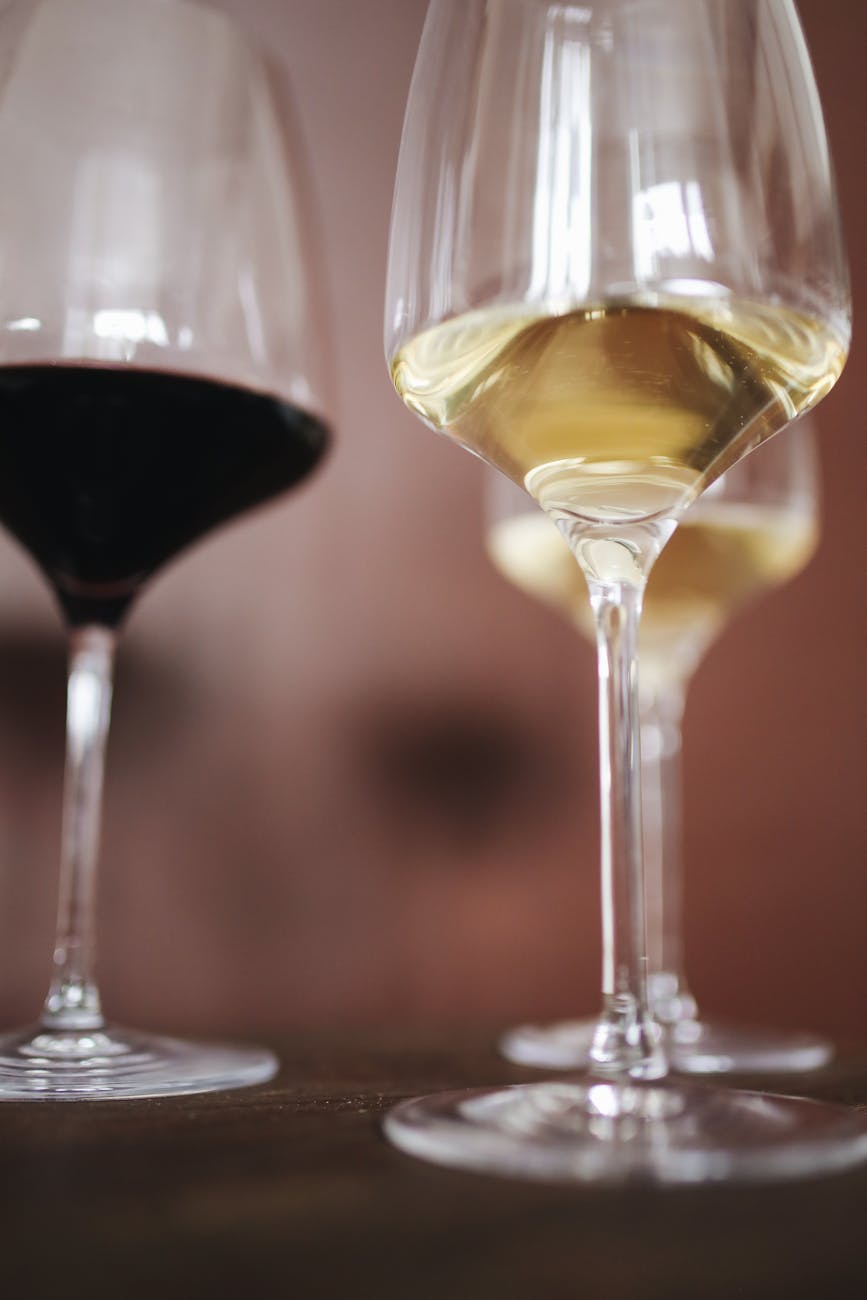
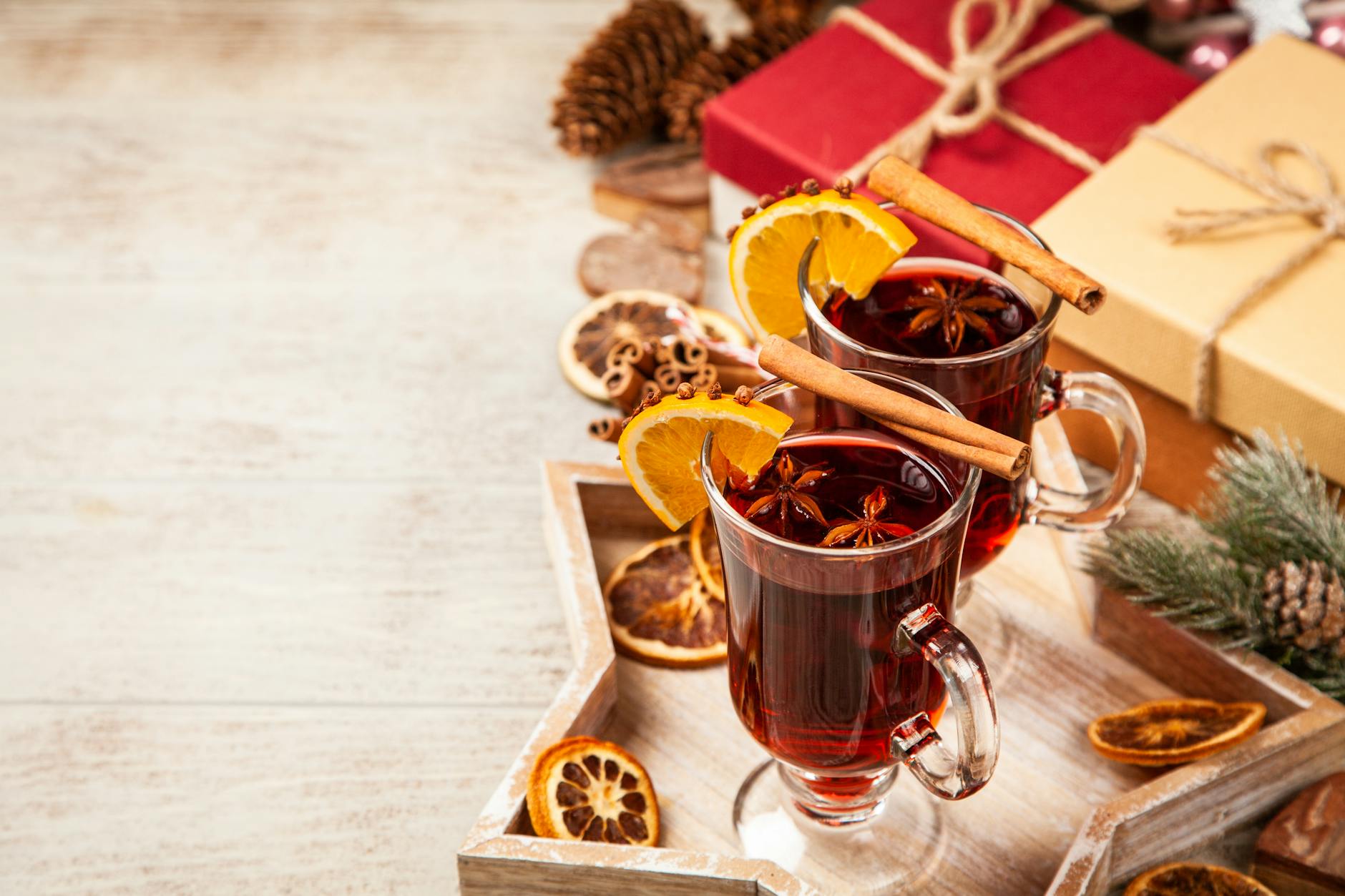
    Photo by Polina Tankilevitch on Pexels.com

    Wines That Feel at Home Right Now

    Some bottles just make sense in late winter. They still work with roasted dishes and cool evenings, but they don’t feel like they’re clinging to the season on the way out.

    A good Chenin Blanc from the Loire is a perfect place to start. Dry styles from Vouvray, Savennieres, or Montlouis carry bright acidity and minerality, but there’s often a quiet honeyed depth underneath. It feels refreshing without being sharp, textured without being heavy. Pour it with roasted chicken finished with lemon and thyme, pork with apples, or a wedge of soft, slightly funky cheese, and it feels exactly right for this moment.

    Northern Rhône Syrah is another late-winter staple. Not the plush, fruit-driven versions you find in warmer climates, but the peppery, savory expressions from places like Crozes-Hermitage or Saint-Joseph. These wines lean into olive, smoke, and black pepper, giving you structure and warmth without weight. They are especially good with roasted mushrooms, duck breast, or pork seasoned with herbs rather than spice.

    Rioja also shines this time of year, particularly Crianza or Reserva. There’s something comforting about a wine that has already done a bit of waiting. The fruit feels settled, the oak is integrated, and everything moves a little slower in the glass. Rioja pairs beautifully with sausages, paprika-spiced dishes, or a tray of roasted root vegetables pulled straight from the oven (Tammy’s favorite).

    And then there’s dry Riesling. Late winter is when Riesling reminds you how versatile it really is. High acid keeps things lively, but there’s enough texture to stand up to richer dishes. German Trocken styles, Alsace bottlings, or dry examples from Washington or the Finger Lakes work effortlessly with pork, roasted carrots with cumin, or dishes that bring ginger and citrus into the mix.

    Related SOMM&SOMM Article: The Noble Grapes of Alsace

    If winter wines had a sweet spot, this would be it. Nothing too heavy. Nothing too lean. Just bottles that know how to meet you where you are.
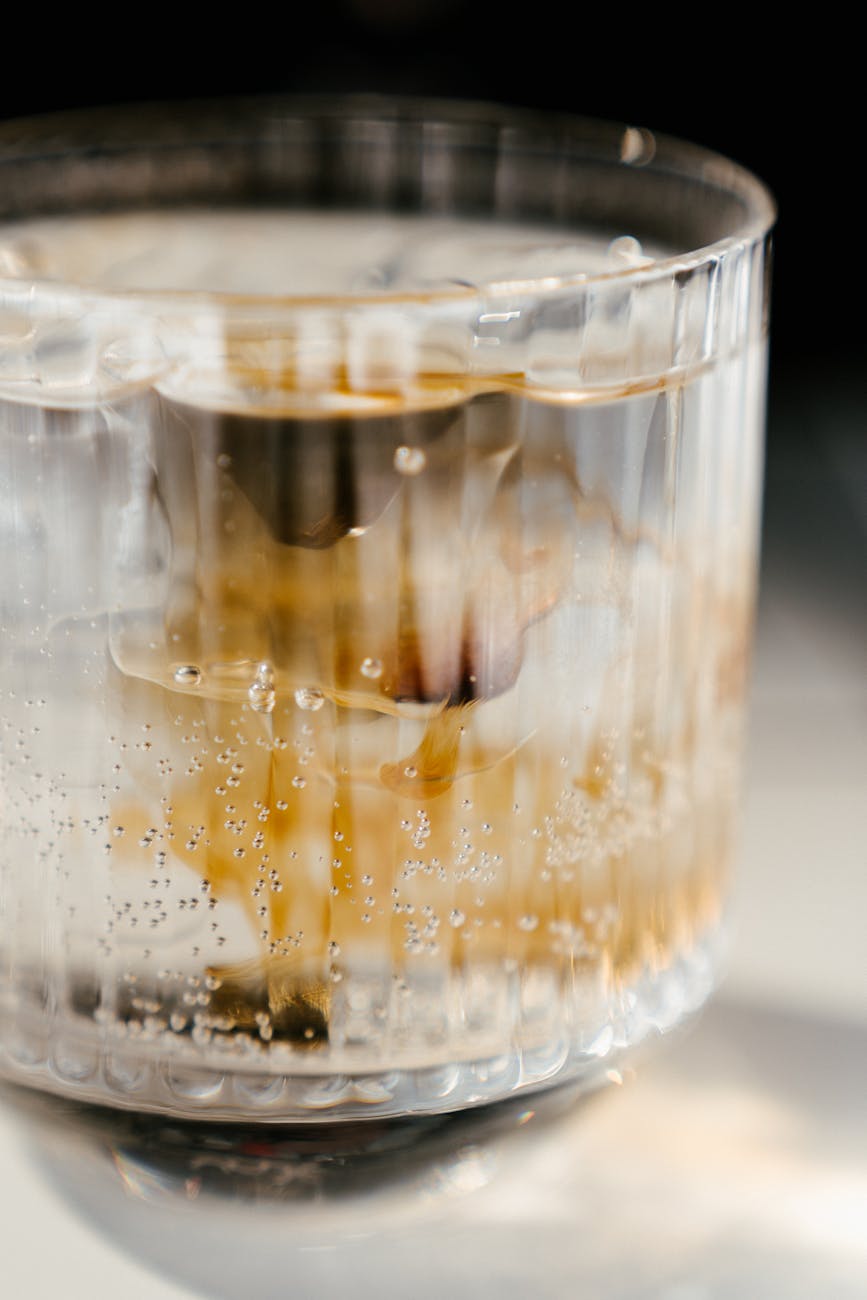
    Photo by cottonbro studio on Pexels.com

    Cocktails for Evenings That Still Get Dark Early

    Cocktails in late February should feel like a gentle exhale. Warming, yes, but not overwhelming. Structured, but open enough to hint at what’s ahead.

    An Armagnac highball is a perfect example. Armagnac tends to be a little more rustic and expressive than Cognac, and when stretched with soda and citrus, it becomes surprisingly elegant. It keeps its warmth, but gains lift and freshness.

    Armagnac Citrus Highball

    • 2 oz Armagnac
    • 4 to 5 oz chilled soda water
    • Lemon or orange peel

    Build over ice in a tall glass, stir gently, and finish with expressed citrus peel.

    A rosemary Old Fashioned still nods to winter, but the herbal note starts pulling the drink forward. It’s familiar, but greener, softer, and less about sweetness.

    Rosemary Old Fashioned

    • 2 oz bourbon or rye
    • 0.25 oz rosemary simple syrup (recipe below)
    • 2 dashes aromatic bitters

    Stir with ice, strain over a large cube, and garnish with a rosemary sprig.

    Rosemary Simple Syrup (Keep This One Around)

    Fresh rosemary brings a soft piney note that feels right at home in late winter. To make the syrup, combine equal parts sugar and water in a small saucepan, add a few sprigs of fresh rosemary, and bring it just to a gentle simmer. Turn off the heat, let it steep until fragrant, then strain and cool.

    It keeps in the refrigerator for about two weeks and works just as well in a whiskey sour, a gin cocktail, or even stirred into hot tea on a cold night.

    For nights when you want something lighter altogether, a sherry and tonic is hard to beat. Dry Fino or Manzanilla sherry brings salinity and brightness, tonic adds lift, and the whole drink feels refreshingly grown-up without demanding commitment.

    Sherry and Tonic

    • 3 oz dry sherry
    • 3 oz tonic water
    • Lemon twist or green olive

    Build over ice and stir gently.

    This is the kind of drink you reach for when winter fatigue sets in, but you are not quite ready to let go of structure.
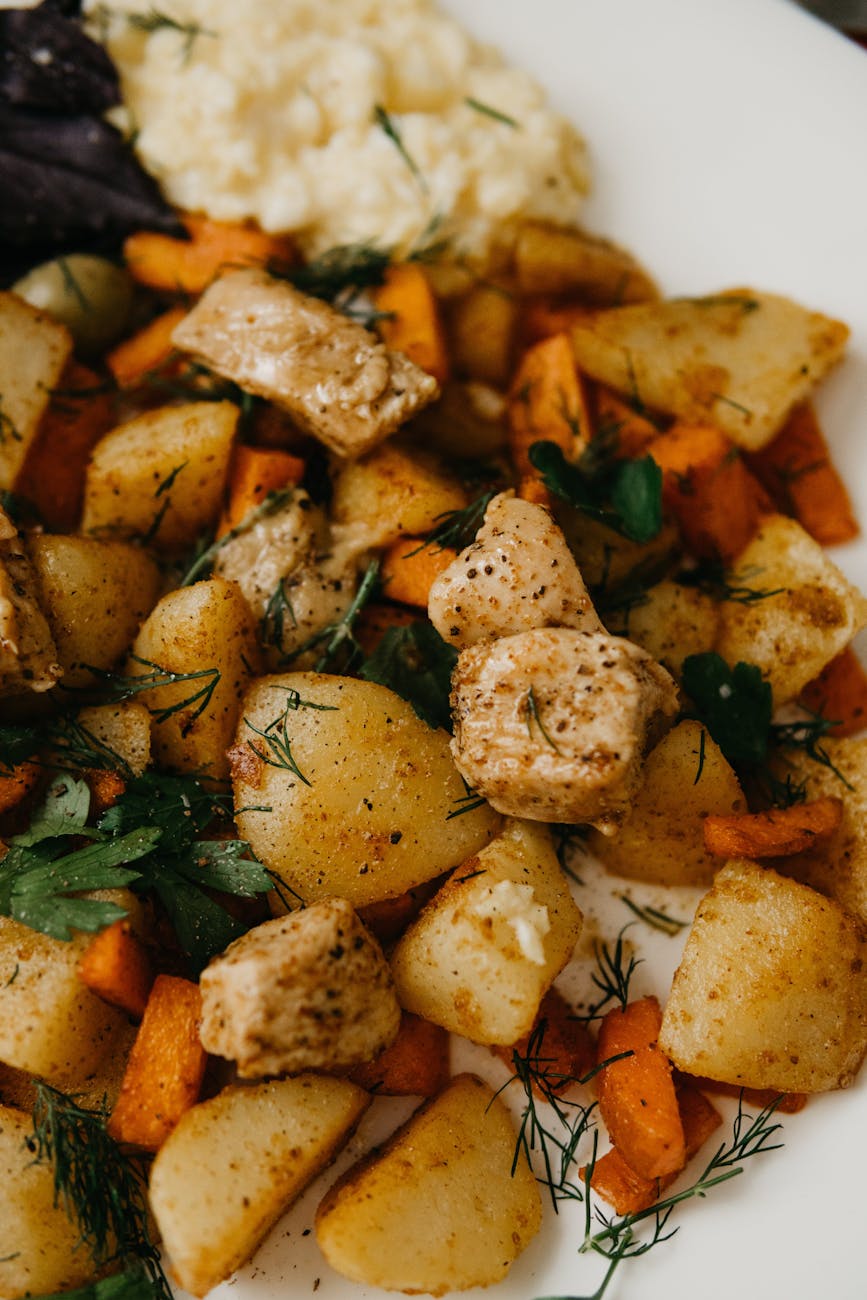
    Photo by AnimGraph Lab on Pexels.com

    Food That Knows the Season Is Changing

    Late winter cooking doesn’t abandon comfort, it just lightens its grip.

    Roasted vegetables finished with citrus. Braised dishes brightened with herbs. Creamy sauces traded for olive oil and stock. These small shifts make meals feel fresher without losing their grounding.

    Think roasted cauliflower with lemon and tahini, herb-marinated chicken thighs, lentils dressed with good olive oil and vinegar, or charred greens with garlic and anchovy. These dishes live happily alongside the wines and cocktails that define this in-between moment.
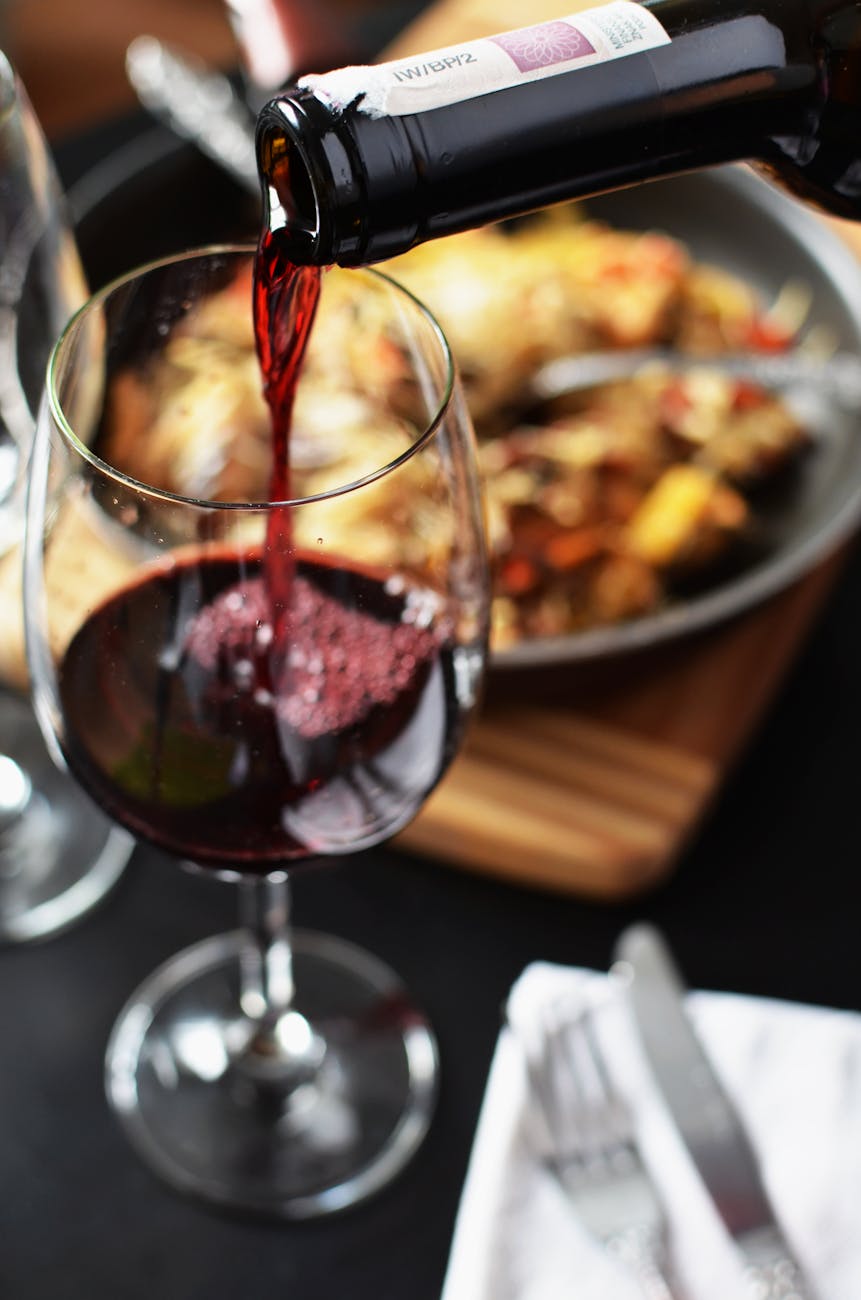
    Photo by Breakingpic on Pexels.com

    The Final Pour

    Late February doesn’t need a reason to drink well.

    It’s a season without a headline, and that’s exactly the point. Winter is still here. Spring is close enough to feel. The best pours right now don’t rush either one.

    Open something thoughtful. Pour something balanced. Let the season unfold at its own pace 🍷

    Cover Photo by Nothing Ahead on Pexels.com

  • Love, Legends, and a Proper Glass of Wine

    Love, Legends, and a Proper Glass of Wine

    Valentine’s Day has somehow become a collision of romance, chocolate, prix-fixe menus, and mild panic. But long before heart-shaped boxes and awkward reservations at 7:15 pm, this holiday had a much stranger and more interesting backstory.

    A Brief and Slightly Unhinged History of Valentine’s Day

    The origins of Valentine’s Day are tangled, like a box of old love letters tied with questionable ribbon.

    Some trace it back to Lupercalia, an ancient Roman fertility festival involving feasting, matchmaking lotteries, and rituals best left in history books. Later, the Church attempted to clean things up by honoring St. Valentine, or possibly several Valentines, because history couldn’t settle on just one.

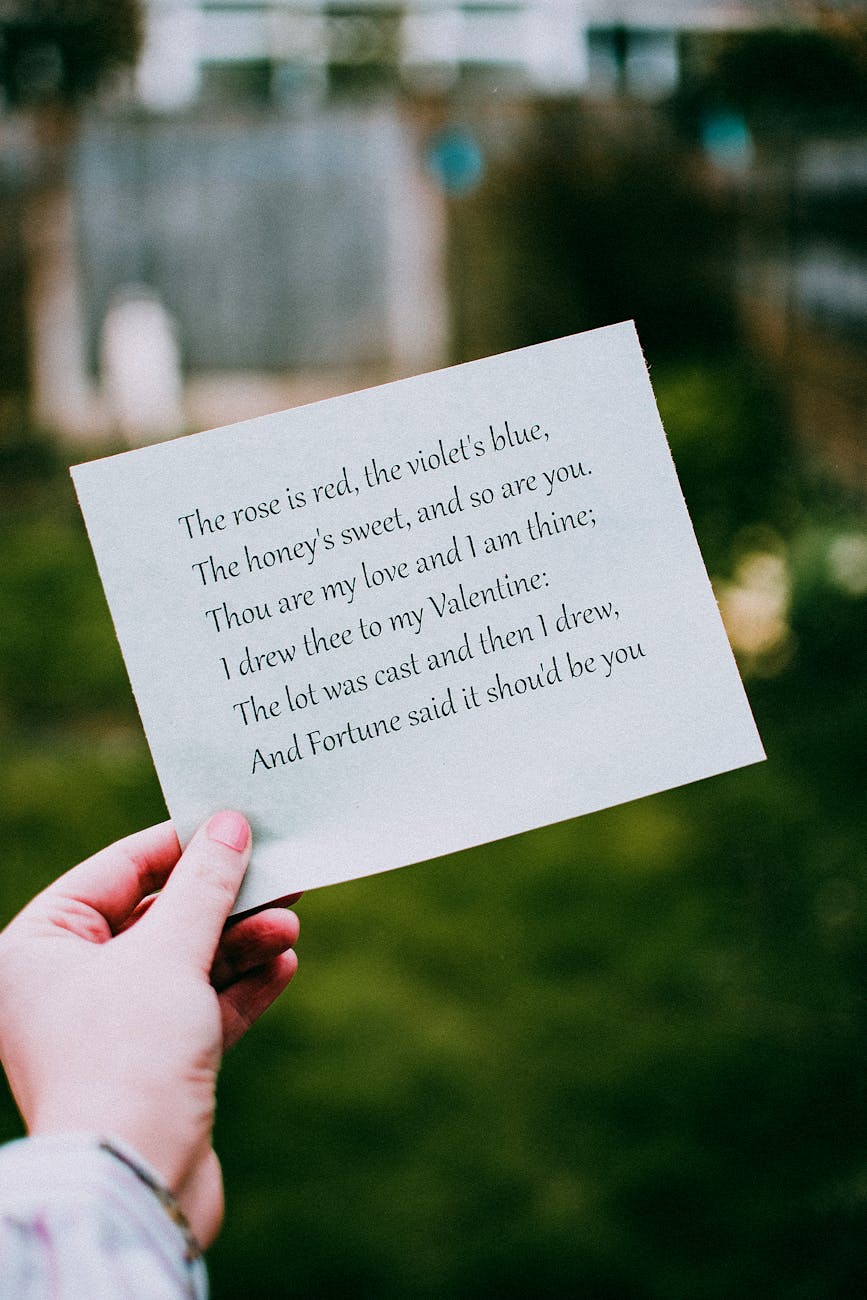
    The most romantic legend? Valentine secretly married couples against the wishes of Emperor Claudius II, who believed single men made better soldiers. When Valentine was imprisoned, he allegedly sent a note signed, “From your Valentine.” That line stuck. The beheadings, thankfully, did not.

    Photo by Lisa from Pexels on Pexels.com

    By the Middle Ages, Valentine’s Day was associated with courtly love, handwritten poetry, and exchanging small tokens of affection. Somewhere along the way, wine became involved, which may be the most important evolution of all.

    Wine Pairings for Love in All Its Forms

    Valentine’s Day wine should be romantic without trying too hard. No one wants a wine that feels like it’s wearing too much cologne.

    Photo by Anna Galimova on Pexels.com

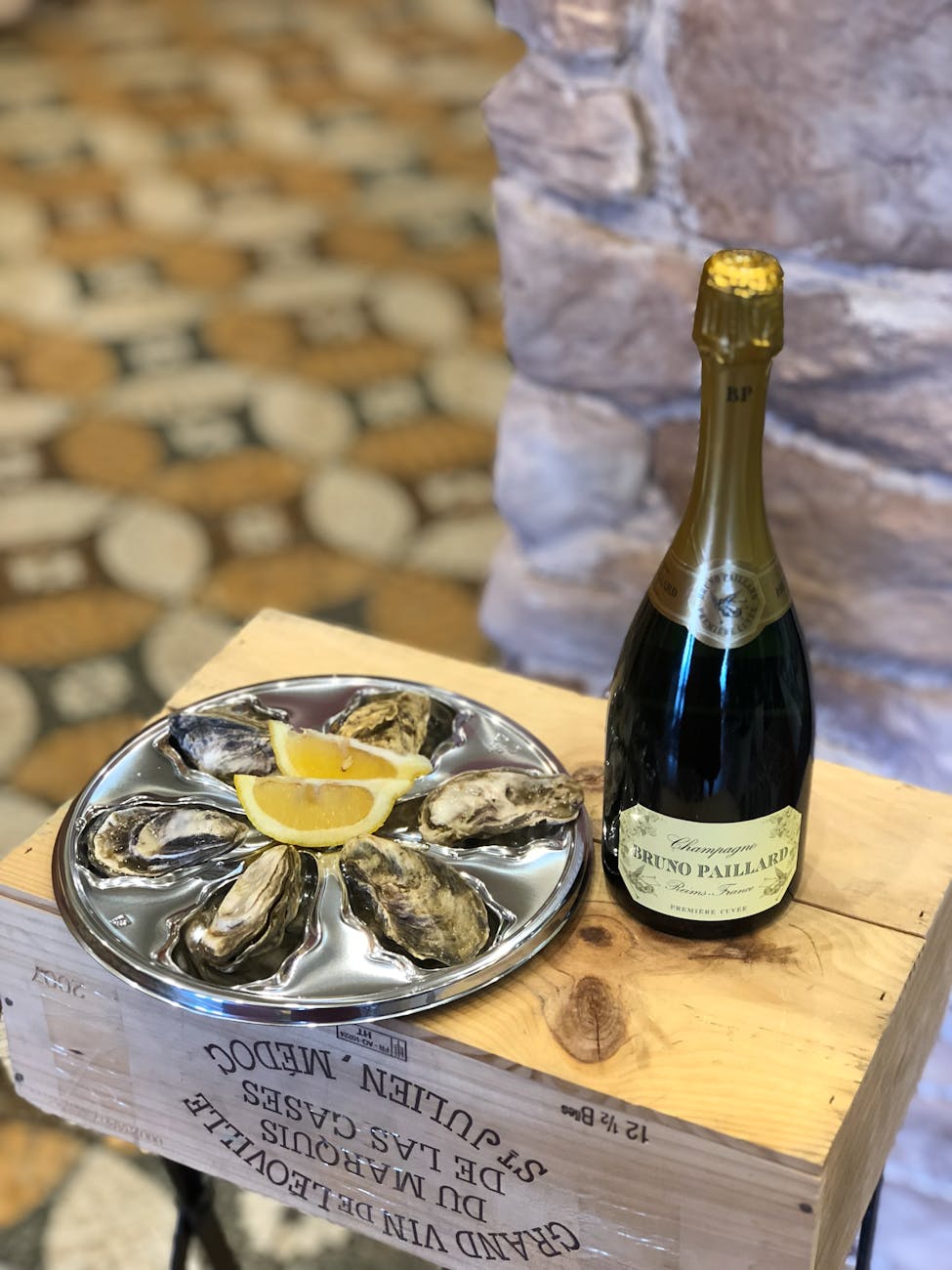
    Oysters and Sparkling Wine

    Classic for a reason. Oysters have long been considered an aphrodisiac, likely because they pair so beautifully with sparkling wine.

    In the glass: Champagne, Crémant, or a Brut sparkling wine
    Why it sings: Bright acidity, saline minerality, and bubbles that keep things lively

    If oysters feel intimidating, shrimp cocktail or scallop crudo works just as well. Romance should never feel like homework.

    Steak, Mushroom Risotto, or Truffle Pasta

    This is where Valentine’s dinners usually land, and honestly, it’s a good place to be.

    What to drink: Pinot Noir, Nebbiolo, or a softer style of Syrah
    Why it’s magic: These wines balance earthiness and elegance without overpowering the dish or the moment

    Cabernet Sauvignon can work, but only if it’s not trying to dominate the conversation.

    Chocolate and Berries

    Chocolate is a trap for wine if you choose poorly. Dry reds rarely survive it.

    Reach for: Ruby Port, Brachetto d’Acqui, Banyuls, or a lightly sweet Lambrusco
    Why it fits: Sweetness meets sweetness, fruit stays vibrant, and no one feels betrayed

    If you insist on dark chocolate, fortified wines are your safest love language.

    The Cozy Night In

    Sometimes Valentine’s Day is pajamas, takeout, and not leaving the couch.

    Pour this: Off-dry Riesling, Beaujolais, or a chillable red
    Why it makes sense: Low pressure, high comfort, and endlessly food-friendly

    This is the wine equivalent of saying, “I like you exactly as you are.”

    A Valentine’s Day Cocktail: Love Letters at Dusk

    This cocktail is floral, lightly bitter, gently sweet, and just complex enough to feel intentional without being overwrought.

    Love Letters at Dusk

    1.5 oz gin
    0.75 oz Aperol
    0.5 oz elderflower liqueur
    0.75 oz fresh lemon juice
    2 dashes rose water
    Sparkling wine to top

    Add gin, Aperol, elderflower liqueur, lemon juice, and rose water to a shaker with ice. Shake briefly. Strain into a chilled coupe or wine glass. Top with sparkling wine.

    Garnish with a lemon twist or an edible flower if you’re feeling poetic.

    Tasting note: The gin brings structure, Aperol adds a gentle bitterness, elderflower softens the edges, and the bubbles keep things playful. It’s romantic without being cloying, much like a good relationship.

    Photo by Anna Tarazevich on Pexels.com

    Final Thoughts on Love, Wine, and Not Overthinking It

    Valentine’s Day doesn’t need to be perfect. It just needs to be thoughtful. A good bottle of wine, a shared meal, and a moment of genuine connection will always outshine fixed menus and forced romance.

    Whether you’re celebrating decades together, a brand-new spark, or simply your love of good food and drink, raise a glass to love in all its forms.

    Because at the end of the day, wine has always been about bringing people closer. And if that isn’t romantic, nothing is. 🍷❤️

    Cover Photo by Katerina Holmes on Pexels.com

  • Tawny vs. Ruby Port

    Tawny vs. Ruby Port

    Winter’s Warmest Debate (and How to Drink Them Both Like a Pro).

    When winter settles in and the thermostat drops a few degrees lower than comfort would prefer, fortified wines step confidently into the spotlight. They don’t whisper; they glow. And among them, Port is having another well-deserved moment. Again.

    But as bottles come off shelves and into glasses, one question reliably resurfaces fireside and at tasting tables alike:
    What’s the real difference between Ruby Port and Tawny Port—and how should I be enjoying each?

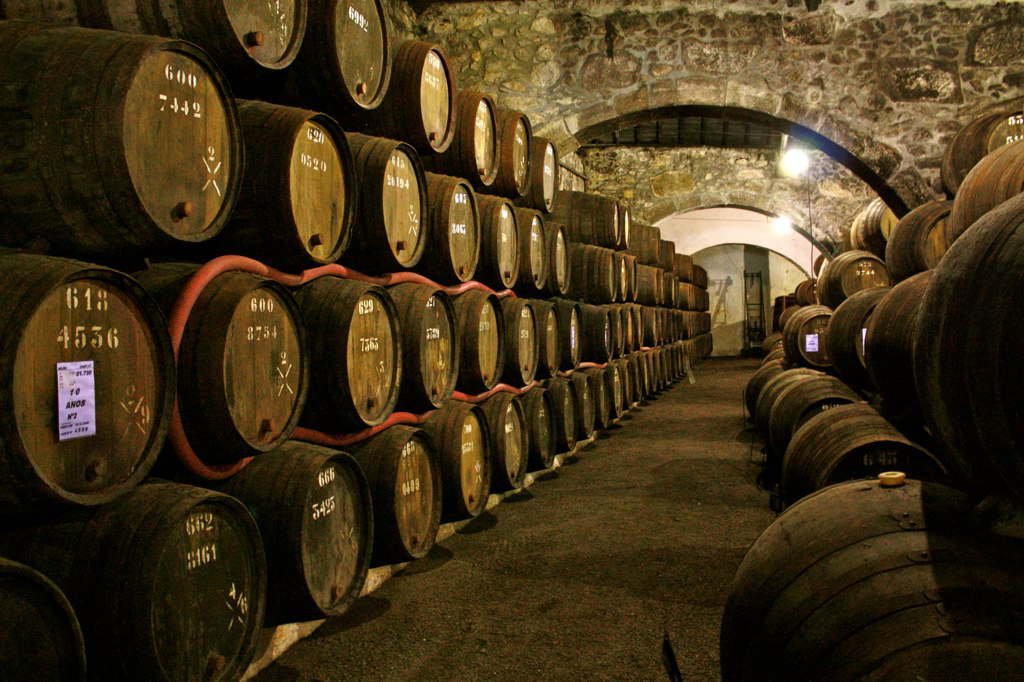
    Croft Port Wine Cellar – Ricardo Martins, CC BY 2.0, via Wikimedia Commons

    A Shared Origin, Two Very Different Journeys

    All true Port comes from Portugal’s Douro Valley and begins life much the same way:

    • Indigenous grapes
    • Fermentation halted early by the addition of grape spirit (aguardente)
    • Residual sugar preserved
    • Alcohol boosted to roughly 19–20%

    From there, aging choices—not grapes—define Ruby versus Tawny.

    Ruby Port: Youth, Power, and Primary Fruit

    Think: fireplace crackle, dark berries, and velvet curtains.

    Ruby Port is all about freshness and intensity. After fermentation, it’s aged briefly—usually 2–3 years—in large stainless steel tanks or concrete vats. These vessels limit oxygen exposure, preserving the wine’s deep color and fruit-forward personality.

    What’s in the glass?

    • Color: Deep ruby to purple-black
    • Aromas: Blackberry compote, black cherry, cassis, plum
    • Palate: Lush, sweet, bold, youthful
    • Finish: Rich, direct, fruit-driven

    Ruby Port is unapologetically exuberant. It doesn’t want to evolve quietly—it wants to perform.

    Best ways to enjoy Ruby Port

    • Slightly cool (60–65°F) to balance sweetness
    • In a classic Port glass or small wine glass
    • As a dessert wine or a decadent after-dinner sipper

    Ruby Port pairings (winter-approved)

    • Flourless chocolate cake
    • Dark chocolate truffles
    • Blue cheese (especially Stilton or Gorgonzola)
    • Chocolate-dipped dried figs
    • Black forest–style desserts

    Why it works: Sugar and fruit tame bitterness, while alcohol lifts richness off the palate.

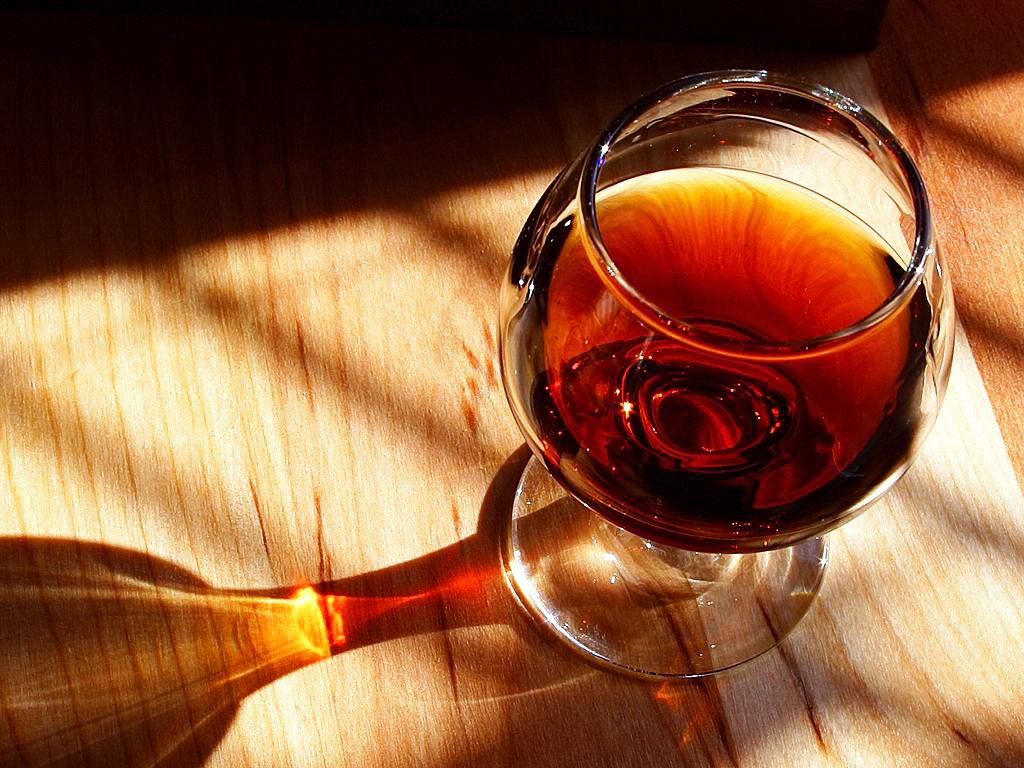
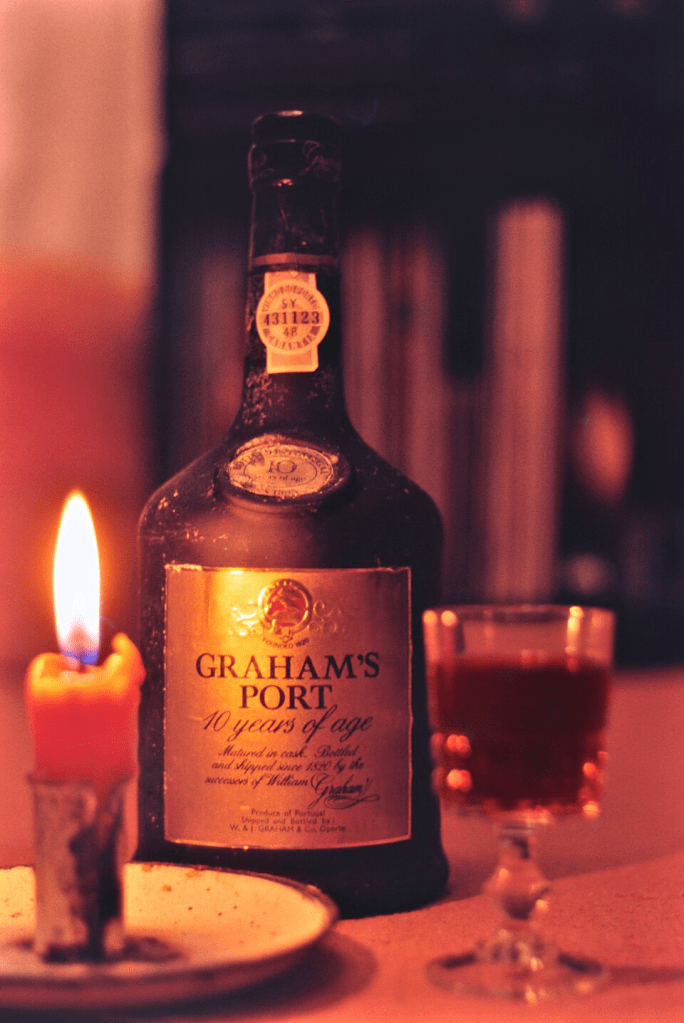
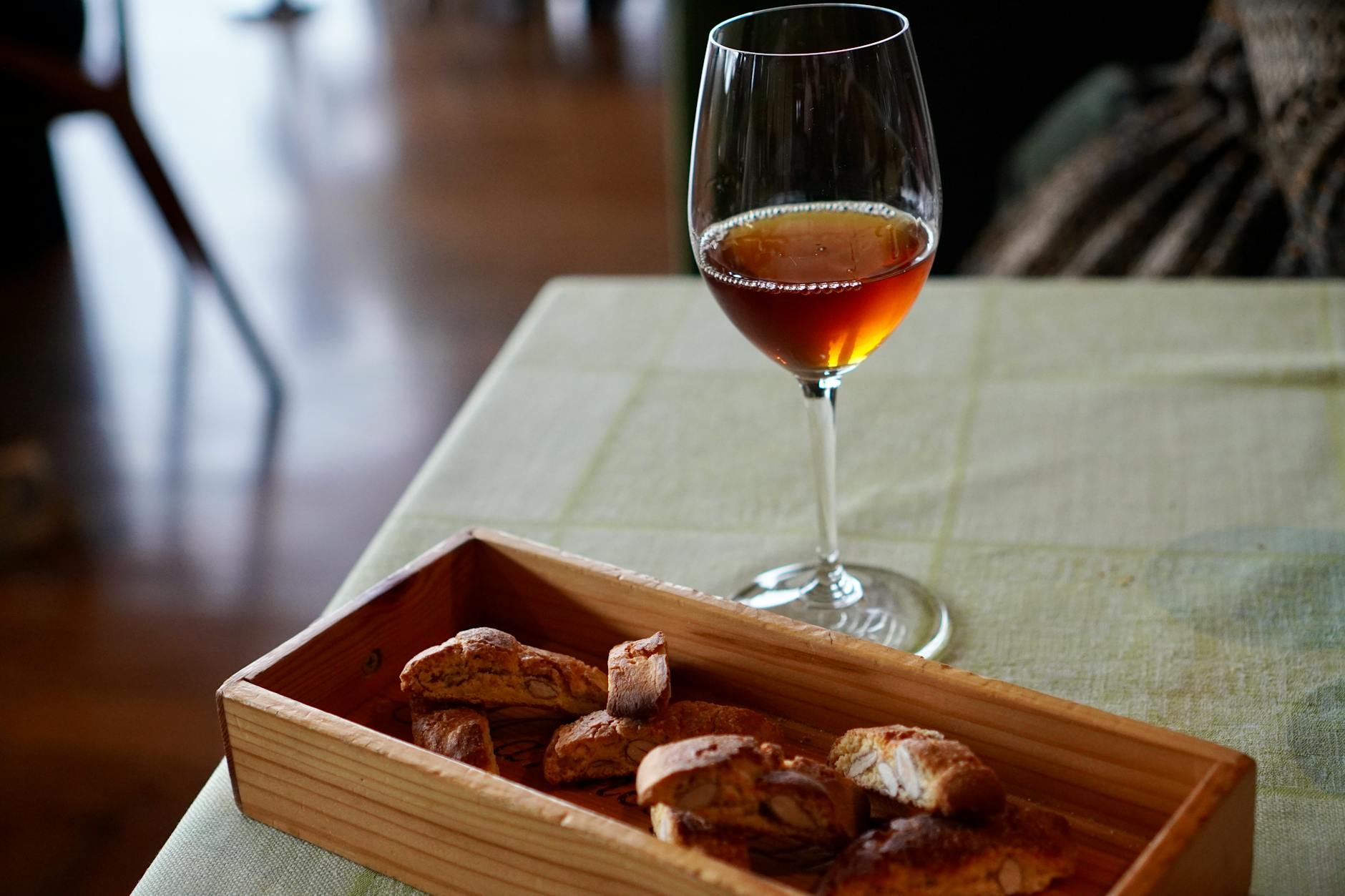
    Tawny Port – pedrik, CC BY 2.0, via Wikimedia Commons

    Tawny Port: Time, Oxidation, and Graceful Complexity

    Think: leather-bound books, toasted nuts, and candlelight.

    Tawny Port takes a slower, more contemplative path. It’s aged in small oak barrels, where gentle oxidation transforms both color and flavor. Over time, ruby hues fade to amber, mahogany, and tawny—hence the name.

    You’ll often see age indications: 10, 20, 30, or 40 Year Tawny. These aren’t exact ages, but stylistic averages representing increasing complexity.

    Related article: The Organoleptic Process

    What’s in the glass?

    • Color: Amber, copper, tawny
    • Aromas: Toasted almond, hazelnut, caramel, dried fig, orange peel
    • Palate: Silky, layered, less sweet-seeming
    • Finish: Long, nutty, contemplative

    Tawny Port doesn’t shout. It invites you closer.

    Best ways to enjoy Tawny Port

    • Lightly chilled (55–60°F)—especially higher-aged Tawny
    • In smaller pours; complexity rewards patience
    • As a standalone meditation wine or paired thoughtfully

    Tawny Port pairings (cold-weather classics)

    • Pecan pie or walnut tart
    • Crème brûlée
    • Aged cheeses (Comté, aged Gouda, Manchego)
    • Roasted nuts with rosemary
    • Apple or pear desserts with caramel

    Why it works: Oxidative notes mirror toasted, nutty flavors while acidity keeps sweetness in check.

    Ruby vs. Tawny: The Quick Take

    Ruby PortTawny Port
    Fruit-forwardNutty & oxidative
    Aged brieflyBarrel-aged for years
    Bold & youthfulElegant & complex
    Chocolate pairingsNut, caramel & cheese pairings
    Great in cocktailsExceptional chilled or neat

    Winter-Worthy Port Cocktails (Yes, Really)

    Port is a fortified wine—but don’t underestimate its versatility behind the bar. These cocktails are cozy, refined, and dangerously easy to love.

    The Winter Port Old Fashioned (Ruby)

    • 2 oz Ruby Port
    • ¼ oz bourbon or aged rum
    • 1 barspoon maple syrup
    • 2 dashes aromatic bitters

    Stir with ice, strain over a large cube.
    Garnish with an orange peel and brandied cherry.

    Ruby Port brings fruit and sweetness; the spirit adds structure without overpowering.

    Tawny Port Manhattan (Low-Proof Elegance)

    • 2 oz Tawny Port
    • 1 oz rye whiskey
    • 2 dashes orange bitters

    Stir with ice, strain into a coupe.
    Garnish with expressed orange peel.

    Tawny’s nutty oxidation mimics aged vermouth, making this cocktail plush yet balanced.

    Photo by TomBen on Pexels.com

    Which Port Should You Choose?

    • Choose Ruby Port when you want bold fruit, indulgent desserts, or a cocktail-friendly fortified wine.
    • Choose Tawny Port when you crave nuance, quiet warmth, and something that feels like winter slowing down.

    Better yet—keep both on hand. Winter is long, evenings are cold, and Port was designed for exactly this moment 😉

    To warming what’s inside while the season cools what’s out. May your glass be small, your Port be generous, and winter feel just a little shorter. 🍷

    Gregory Dean, SOMM&SOMM

    Cover photo credit: Jon Sullivan, Public domain, via Wikimedia Commons

  • A Spirited Christmas Carol

    A Spirited Christmas Carol

    Cocktails of the past, present, and future.

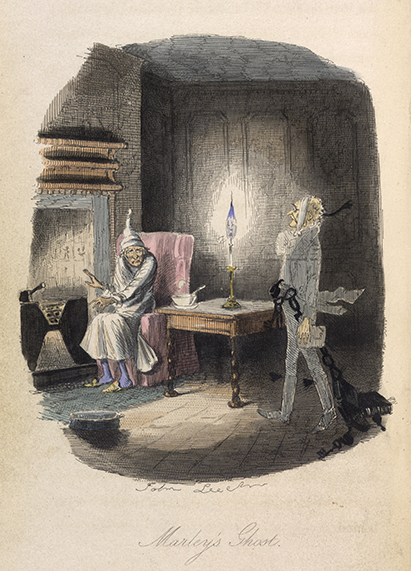
    There is no season so rich with memory, merriment, and hope as December. Dickens knew it well. In fact, he didn’t just write a moral tale—he wrote the greatest cocktail metaphor ever told (though he may not have realized it while scribbling with ink-stained fingers and a stiff glass of gin beside him).

    Marley’s Ghost – John Leech, Public domain, via Wikimedia Commons

    Because like the spirits that visit Ebenezer Scrooge, our holiday cocktail traditions exist in three forms: the drinks we cherishthe drinks we celebrate with now, and the creations that hint at where mixology is headed next.

    Photo by picjumbo.com on Pexels.com

    So, slip into your warmest chair, cue the carolers in your imagination, and raise a glass to the spectral trio that defines the season.

    Mr. Fezziwig’s Ball – John Leech, CC0, via Wikimedia Commons

    The Ghost of Christmas Past — The Classic Spirit

    Before fancy garnishes and smoky showmanship, there were fireside ladles, communal mugs, and spirits strong enough to thaw London’s winter chill. The Ghost of Christmas Past isn’t showy. It favors warmth, depth, and a touch of history, inviting us to sip slowly and remember.

    Photo by George Dolgikh on Pexels.com

    Featured Cocktail: Hot Gin Punch

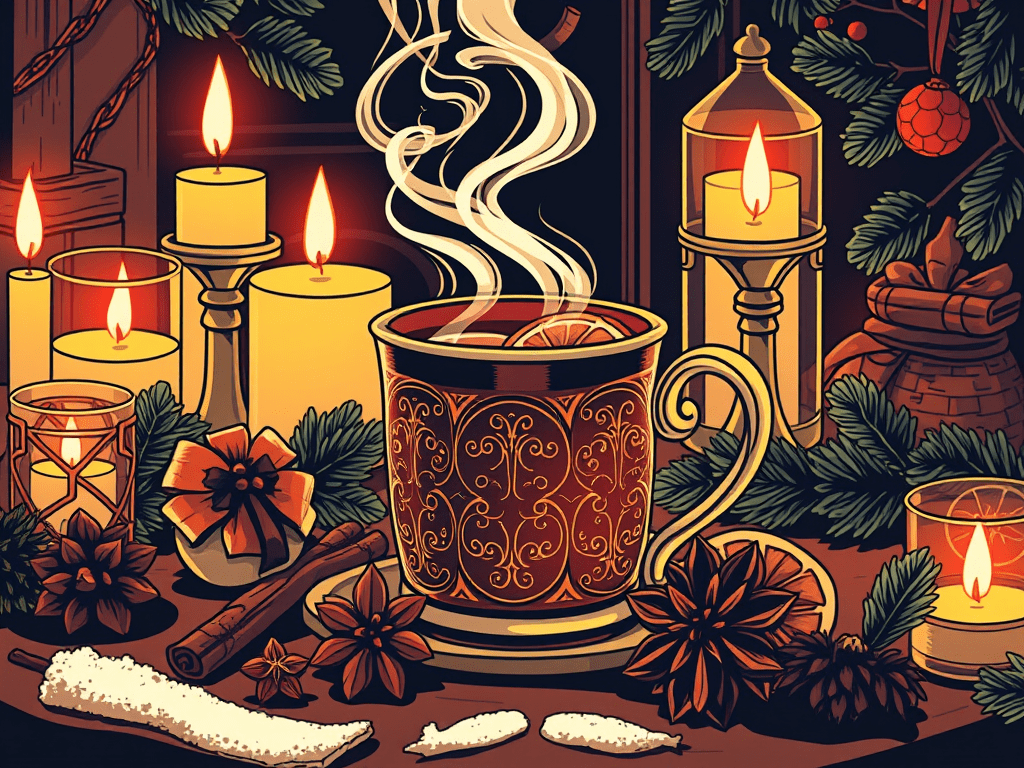
    A Victorian winter staple, Hot Gin Punch was ladled out at holiday gatherings and revelrous parties much like Fezziwig’s grand affair. Imagine citrus oils mingling with warming spices, dark sugars melting into juniper heat… it’s Dickens in a glass.

    Ingredients

    • London Dry Gin
    • Earl Grey tea
    • Brown sugar
    • Fresh lemon & orange slices
    • Clove, cinnamon, nutmeg
    • Dash of red wine (optional, but historically delightful)

    Method
    Warm all ingredients gently in a pot (never boiling—Scrooge would approve of restraint). Ladle into teacups or punch glasses, garnish with citrus studded with clove.

    Sip Story
    This is the drink that would have warmed Scrooge’s frozen heart long before Jacob Marley’s chains rattled through the door.

    Perfect Pairing: Roasted chestnuts or fig-pudding brownie bites.

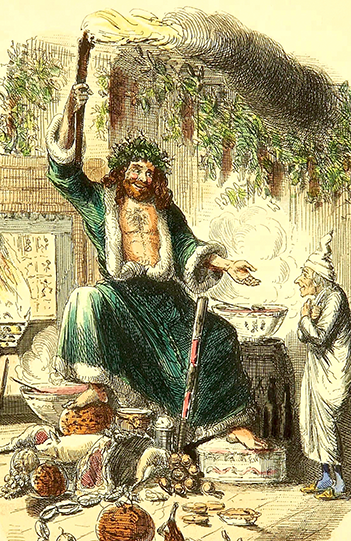
    Ghost of Christmas Present – John Leech (1843), Public domain, via Wikimedia Commons

    The Ghost of Christmas Present — The Festive Spirit

    This spirit bursts through the door with food in one hand and a goblet in the other. It laughs loudly. It believes in seconds—of dessert and cocktails. It delights in fresh cranberries, bright citrus, warm spices, and joyful excess. It’s the embodiment of Fezziwig, twirling until ribbons fly.

    Photo by Augustin Mazaud on Pexels.com

    Featured Cocktail: Spiced Cranberry Rum Sour

    A modern crowd-pleaser built for laughter, clinking glasses, and impromptu toasts from your favorite overly emotional uncle.

    Ingredients

    • Dark rum
    • Fresh lemon juice
    • Spiced cranberry syrup (cranberries + clove + orange peel + cinnamon)
    • Egg white (or aquafaba for a lighter, plant-based foam)
    • Orange bitters

    Method
    Shake all ingredients vigorously (the proper holiday shake is an elbow workout). Strain into a coupe and top with a dot or swirl of cranberry syrup.

    Sip Story
    This glass invites singing, dancing, and the sort of cheer that even Bob Cratchit wouldn’t dare water down.

    Perfect Pairing: Cranberry-orange baked brie crostini or candied pecans.

    The Ghost of Christmas Yet-to-Come — The Innovative Spirit

    Minimalist, mysterious, and a little thrilling—this ghost doesn’t reveal much. But its presence hints at the direction of cocktail culture: sustainability, global botanicals, unexpected flavor pairings, and dramatic presentation. Its message? The future is bold and intentional.

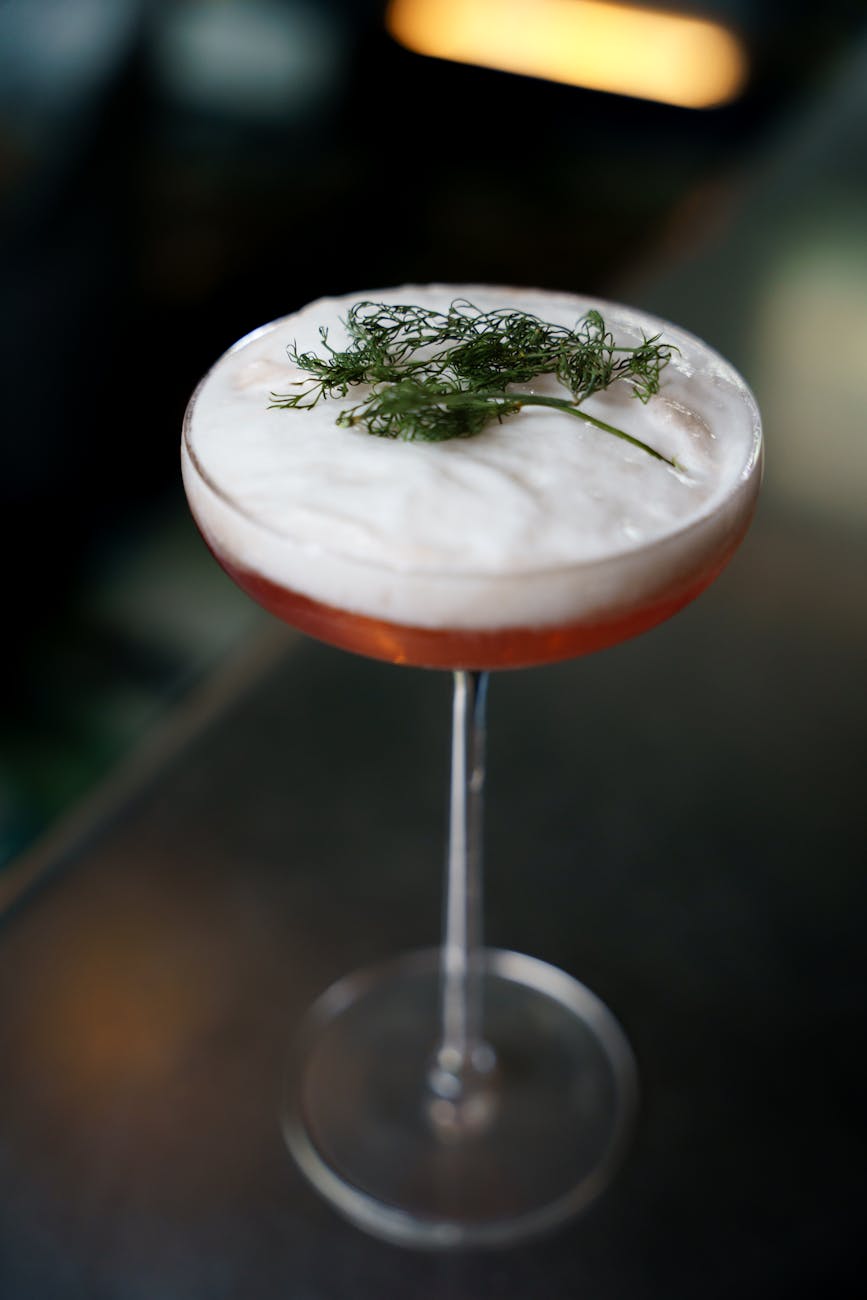
    Photo by Nestor Luis on Pexels.com

    Featured Cocktail: Smoked Herbal Aquavit Martini

    Aquavit, a caraway- and dill-driven spirit with centuries of Nordic heritage, is stepping into the modern spotlight. It speaks of a world where gin isn’t the only botanically expressive star in town.

    Ingredients

    • Aquavit
    • Dry vermouth
    • Dash of absinthe
    • Optional: smoked glass or rosemary smoke bubble

    Method
    Stir over ice until chilled and silky. Strain into a chilled martini glass. Add smoke theatrics if you feel like the Ghost is watching.

    Sip Story
    A drink that whispers more than it speaks—inviting curiosity about what cocktails we’ll be sharing a decade from now.

    Perfect Pairing: Sea-salt rye crisps with dill-cucumber cheese spread.

    A Small Pour for Scrooge

    When writing about spirits, we can’t ignore the man who changed his ways. He deserves a dessert cocktail to mark his redemption.

    Scrooge’s Walnut Flip

    Rich, velvety, nutty, and lightly sweet—proving that anyone, even a miser, can soften with enough holiday warmth.

    Key Notes

    • Amontillado sherry
    • Toasted walnut liqueur
    • Cream & egg yolk
    • Nutmeg finish

    A drink that starts stern and ends sweet. Sound familiar?

    Photo by ROMAN ODINTSOV on Pexels.com

    Raise a Glass to the Spirits That Visit Us

    We drink not just to celebrate, but to remember, and to imagine. The holidays deliver all three, wrapped like Scrooge’s journey—from memory, to gratitude, to possibility.

    So this season, sip the past with reverence, drink the present with joy, and toast to the future with curiosity.

    Cheers to the spirits who visit us—and the ones we pour. 🥂

    Inspired by Charles Dickens’ A Christmas Carol (1843). This article offers educational and interpretive commentary on classic literature through the lens of wine and spirits.

  • Old World Regions: Veneto

    Old World Regions: Veneto

    Italy’s Northern Powerhouse of Wine, Culture & Quiet Brilliance.

    December is a reflective month — the harvest is done, cellars are buzzing with fermentations, and wine lovers around the world begin to ask a beautiful question: What did this year give us to drink?

    If there’s any region in Italy that deserves our attention during this season of pause and appreciation… it’s Veneto — a land where misty hills meet ancient canals, and where wine isn’t simply grown… it’s lived.

    Veneto isn’t a “wine region” — it’s twenty lifetimes of wine styles packed into one territory. From joyful Prosecco to profound Amarone. From crisp Soave to salty Lugana. From unknown grapes to international classics. Veneto is northern Italy’s quiet giant — and the more you explore it, the more it rewards you.

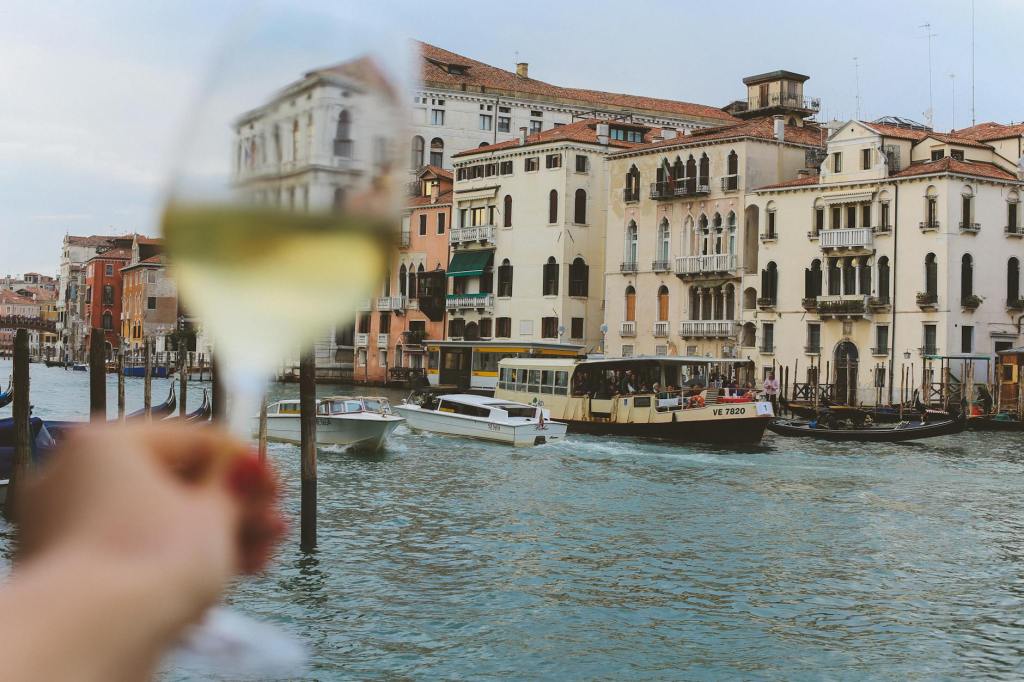
    Photo by Lizzie Prokhorova on Pexels.com

    A Glass-Shaped Map of Veneto

    Think of Veneto as three wine landscapes:

    AreaCharacterSignature Styles
    The Plains (Venice, Verona surroundings)Fresh, easy-drinkingProsecco, Pinot Grigio, Bardolino
    The Hills (Valpolicella, Soave, Conegliano)**Mineral-driven, structuredSoave, Valpolicella, Amarone, Recioto
    The Lakes (Garda area)**Saline, floral, softLugana, Chiaretto Rosé

    Veneto alone produces more wine than any other region in Italy — over 25% of the nation’s total production. But here’s the secret: quantity doesn’t overshadow quality. Some of the world’s most loved and most profound wines are born here.

    Classics of Veneto (Must-Know Wines)

    1. Prosecco DOC / DOCG — Italy’s Sparkling Smile

    • Grape: Glera
    • Profile: Pear, green apple, floral, light, friendly
    • Best With: Fried seafood, sushi, popcorn with truffle salt
    • Elevated Cocktail:
      Sgroppino — Prosecco + lemon sorbet + vodka. Yes… dreamy.

    2. Soave DOC / Soave Classico DOC — The Renaissance White

    • Grape: Garganega
    • Profile: Almonds, lemon zest, white peach, minerals
    • Why Sommeliers Love It: With age, it can taste like white Burgundy at a fraction of the price.
    • Pairing Idea:

    Try Soave Superiore if you want depth. Try Recioto di Soave if you want sweet bliss with blue cheese.

    3. Valpolicella Family — The Beating Heart of Veneto Reds

    Valpolicella isn’t a single wine — it is a ladder of complexity:

    StyleTechniqueFlavor Profile
    Valpolicella ClassicoFreshCherry, herbs
    Ripasso“Passed over” Amarone skinsDark fruit + spice
    Amarone della ValpolicellaDried grapesPowerful, intense
    Recioto della ValpolicellaSweet versionLuscious, velvety

    Somm Tip: This region invented appassimento — drying grapes to concentrate sugars & flavors. Amarone is an opus: raisins, chocolate, smoke, black cherry, licorice, leather. A winter fireplace wine.

    Food Pairings:

    Featured Wine Cocktail:
    👉 Amarone Manhattan – 1 oz Amarone, 1 oz Rye whiskey, dash of bitters, orange peel.

    4. Lugana DOC — Lake Garda’s Whisper

    • Grape: Turbiana (genetically related to Verdicchio)
    • Profile: Floral, saline, lemon curd, almond
    • Pairing Perfection:
      • Lake fish
      • Sushi
      • Caprese salad
      • Fresh mozzarella

    If you like Chablis or Pinot Grigio, try Lugana. You’ll find more flavor, more soul, and more story.

    5. Less Known… But So Worth Knowing

    RegionGrapeStyleWhy It Matters
    BreganzeVespaioloDry / sweetHidden gem. The sweet version with gorgonzola is legendary.
    Colli EuganeiMoscato GialloAromaticGreat with spicy Thai or Indian food.
    MontelloBordeaux blendsStructured redsItaly meets Bordeaux but still Italian in spirit.
    CustozaBlendCrisp whiteBetter alternative to mass Pinot Grigio.
    Photo by Enzo Iorio on Pexels.com

    The Veneto Pairing Table

    WineIdeal PairingMood
    ProseccoFried calamariCelebration or Sunday brunch
    Soave ClassicoSpring vegetablesFresh & reflective
    Valpolicella RipassoPizza or lasagnaCozy & casual
    AmaroneRoast meats, contemplationWinter fireside
    ReciotoDark chocolateDessert & decadence
    LuganaRaw seafoodCalm, lakeside evening
    Breganze TorcolatoBlue cheeseSweet & savory elegance
    Photo by Andrea Piacquadio on Pexels.com

    Wine Cocktails from Veneto

    Give your guests (or yourself) something unexpected:

    CocktailIngredientsServes With
    SgroppinoProsecco + lemon sorbet + vodkaBrunch
    Americano RosaChiaretto rosé + Campari + sodaSunset
    Amarone ManhattanAmarone + rye + bittersLate-night jazz
    Soave SpritzSoave + soda + basilGarden afternoons

    Add mint, rosemary or thyme for an aromatic lift. Veneto pairs beautifully with herbs.

    The Soul of Veneto

    Veneto doesn’t chase trends. It honors history and refines technique. From the Roman era to contemporary Michelin-starred tables, its wines remain rooted in place and focused on pleasure.

    It’s not loud. It’s not flashy. And that’s precisely why sommeliers adore it.

    👉 With every bottle from here, there’s space to pause, think, and feel.
    Perhaps, in December, that’s the kind of wine we need most.

    Wines to Try This Month

    • Pieropan Soave Classico
    • Tommasi Amarone della Valpolicella
    • Zenato Lugana
    • Masi Campofiorin (Ripasso-style)
    • Breganze Torcolato (if you can find it — worth the hunt)
    Photo by cottonbro studio on Pexels.com

    Final Pour

    The Veneto isn’t just Italy’s top producer — it is one of its most complicated and most rewarding. Familiar or obscure, sparkling or profound, its wines tell stories of mist-covered valleys, lake breezes, volcanic soils, and families who have made wine for centuries.

    The best way to understand Veneto is simple:
    Drink it slowly… and let it speak.

    Salute — to the North, and to December’s quiet reflections. 🍷✨

    Cover Photo by alleksana on Pexels.com