Category: Cocktails

  • Spirits & Stuff: Tequila

    Spirits & Stuff: Tequila

    Mexico’s Liquid Gold and the Spirit of Rebellion.

    Few spirits carry the mystique, complexity, and cultural significance of tequila. Born from volcanic soil and centuries of tradition, tequila is more than just a drink—it’s a symbol of Mexico’s resilience, artistry, and heritage. From its storied origins to modern innovations like cristalino, tequila continues to evolve while remaining deeply rooted in its past. Whether sipped neat, mixed into a cocktail, or celebrated in folklore, this agave spirit commands a place of honor in the world of fine beverages.

    Photo by Isabella Mendes on Pexels.com

    From Spanish Prohibition to Mexican Pride

    Wine and tequila share an unexpected historical link, forged through the laws of colonial Spain. When the Spanish arrived in Mexico in the early 16th century, they brought with them a love for wine and the European grapevine. However, King Philip II, fearing competition with Spanish wines, banned winemaking in the New World—except for sacramental use by the church. Deprived of their ability to craft wine, locals turned to indigenous fermentation traditions, refining the distillation of fermented agave juice into what we now know as tequila.

    This ban inadvertently fueled the rise of tequila, as Mexicans, undeterred by Spanish restrictions, perfected their agave spirits. By the 18th century, tequila had cemented itself as Mexico’s national spirit, and its production became an art form passed down through generations. Today, tequila stands as a testament to Mexico’s ingenuity and defiance, much like wine does in Old World traditions.

    Jimador using a coa to cut a piña – Ernesto Catedral, CC BY-SA 4.0, via Wikimedia Commons

    The Making of Tequila: From Agave to Spirit

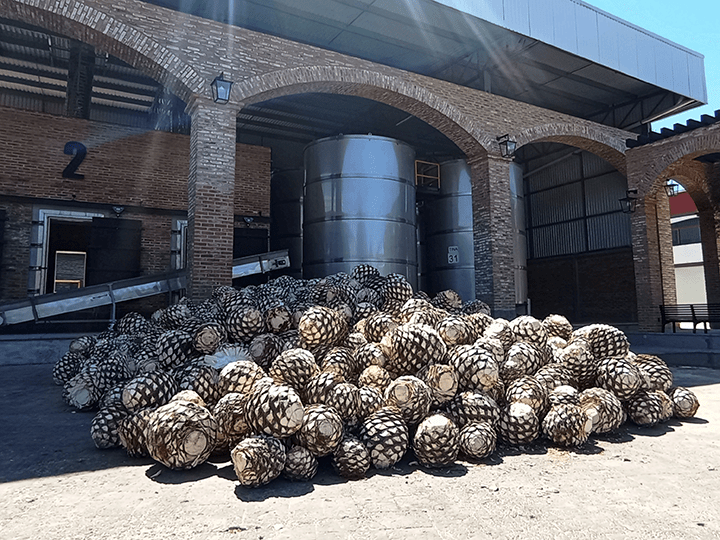
    True tequila begins its journey in the sun-drenched fields of Jalisco, where blue Weber agave plants grow for six to ten years before harvest. Jimadores, the skilled harvesters, use a coa (a specialized blade) to trim the plant down to its heart, or piña. These piñas are then slow-roasted in brick ovens or steamed in autoclaves to convert starches into fermentable sugars.

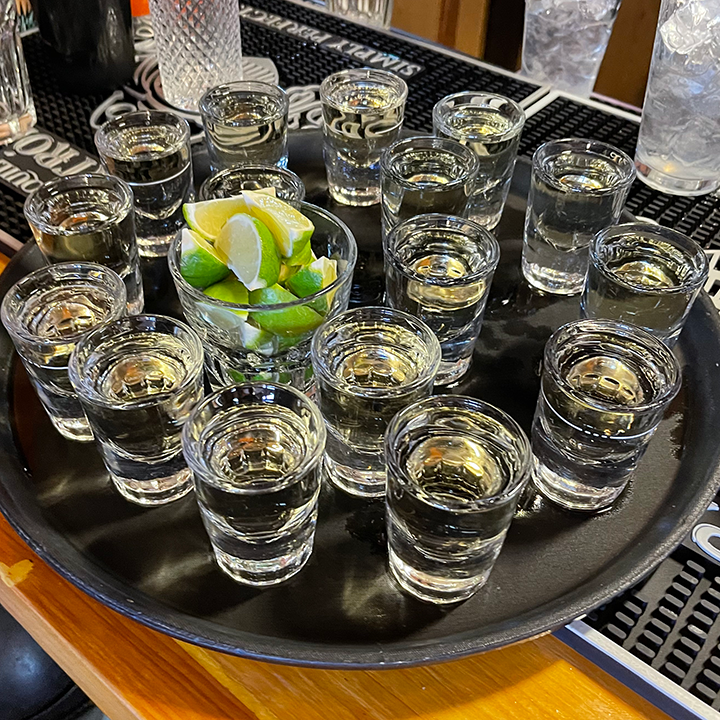
    Tequila is made from agave, agave is a plant, and that makes this drink a salad. So here’s to staying healthy—one shot at a time!

    Gregory Dean, SOMM&SOMM

    After roasting, the cooked agave is crushed—traditionally by a stone wheel called a tahona or by modern roller mills. The extracted juice, or aguamiel, is then fermented in open or closed vats, sometimes with wild yeasts to add complexity. The fermented liquid is distilled twice (or even three times in rare cases) in copper pot or stainless steel stills to reach the required alcohol content.

    Juan Carlos Fonseca Mata, CC BY-SA 4.0, via Wikimedia Commons

    The Styles of Tequila: Understanding the Variants

    Tequila comes in five primary styles, each with distinct characteristics based on aging and production methods:

    1. Blanco (Silver/Plata) – Unaged or aged for less than two months in stainless steel or neutral oak, blanco tequila captures the pure essence of agave. Expect bright, peppery, citrusy notes with a crisp, clean finish.
    2. Reposado (Rested) – Aged between two months and one year in oak barrels, reposado tequila gains depth, subtle caramel, vanilla, and spice notes while retaining agave’s fresh character.
    3. Añejo (Aged) – Aged between one and three years in small oak barrels, añejo tequila develops a richer, smoother profile, with pronounced notes of oak, chocolate, dried fruit, and baking spices.
    4. Extra Añejo (Ultra-Aged) – Aged for over three years, extra añejo tequila rivals fine cognacs and aged whiskies, offering deep, complex layers of wood, tobacco, leather, and dark chocolate.
    5. Cristalino (Clear Aged Tequila) – A relatively new category, cristalino tequila is aged like an añejo or extra añejo but then filtered through activated charcoal to remove color. This results in a spirit with the smoothness and complexity of an aged tequila but the clarity and lightness of a blanco.

    Cristalino: Trend or Fad?

    Cristalino has gained immense popularity in recent years, appealing to drinkers who love the refinement of aged tequila but prefer the aesthetic and mixability of a clear spirit. While some purists argue that stripping the color also removes some of the nuanced character, others appreciate the velvety texture and refined oak influence.

    Ultimately, cristalino’s staying power will depend on consumer tastes, but given its growing presence in premium bars and high-end tequila houses, it seems more than just a passing trend.

    Tequila Cocktails: Elevating the Spirit

    While tequila is often enjoyed neat, its versatility shines in cocktails. Here are three exceptional drinks that highlight its unique qualities:

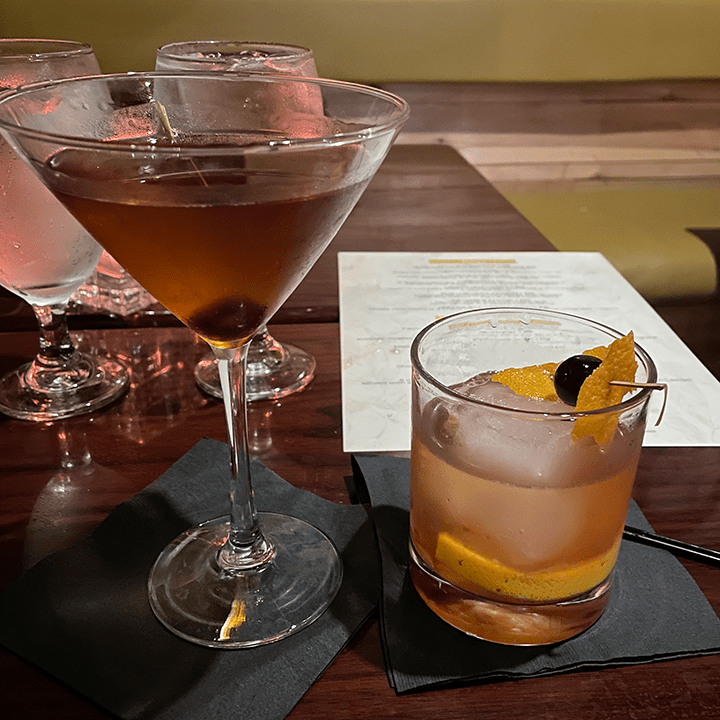
    El Rey Old Fashioned

    A refined twist on a classic whiskey cocktail, perfect for showcasing añejo tequila.

    • 2 oz añejo tequila
    • 1/4 oz agave syrup
    • 2 dashes Angostura bitters
    • Orange peel for garnish
      Stir ingredients with ice and strain into a rocks glass over a large ice cube. Express orange peel oils over the glass and drop in as garnish.

    Smoky Paloma

    A mezcal-infused take on Mexico’s beloved Paloma, balancing citrus, smoke, and sweetness.

    • 1.5 oz tequila blanco
    • 0.5 oz mezcal
    • 2 oz fresh grapefruit juice
    • 0.5 oz lime juice
    • 0.5 oz agave syrup
    • Club soda to top
    • Grapefruit wheel for garnish
      Shake all ingredients except soda with ice, strain into a highball glass filled with fresh ice, and top with soda. Garnish with a grapefruit wheel.

    Verde Margarita

    A herbal, refreshing take on the classic Margarita with vibrant green flavors.

    • 2 oz tequila reposado
    • 1 oz fresh lime juice
    • 0.75 oz cilantro-jalapeño syrup (blend equal parts sugar and water with cilantro and jalapeño, then strain)
    • 0.5 oz Cointreau
      Shake with ice, strain into a salt-rimmed glass over fresh ice, and garnish with a lime wheel and cilantro sprig.

    Here’s to tonight—when tequila makes us fearless, our jokes funnier, and our dance moves legendary. And here’s to tomorrow—when coffee and regret remind us why we don’t do this every night!
    Gregory Dean, SOMM&SOMM
    Missvain, CC BY 4.0, via Wikimedia Commons

    A Spirit Worth Celebrating

    Tequila is not just a drink—it’s a story of innovation, resilience, and national pride. From its colonial-era roots as a wine replacement to its modern role as a sophisticated spirit, tequila continues to captivate and evolve. Whether you enjoy it neat, aged, in a cutting-edge cocktail, or as a conversation piece, there’s no denying tequila’s rightful place among the world’s finest spirits. Salud! 🥃

    Cover photo credit: Adrián Cerón, CC BY-SA 4.0, via Wikimedia Commons

  • A Sip Through Time: The Origin of Aperitifs

    A Sip Through Time: The Origin of Aperitifs

    The Art, History, and Enjoyment of the World’s Most Civilized Pre-Dinner Tradition.

    Aperitifs—those captivating, appetite-awakening drinks enjoyed before a meal—trace their roots to ancient times, when herbal infusions were used as medicinal tonics. The Latin word aperire, meaning “to open,” perfectly captures the purpose of an aperitif: to stimulate the palate and prepare the stomach for the meal ahead. From the vermouths of Italy to the bitter liqueurs of France, the world of aperitifs is a refined and storied tradition that continues to thrive today.

    The earliest known aperitif-style drinks can be traced back to Hippocrates, who concocted a bitter wine infused with wormwood as a digestive aid. This ancient elixir eventually inspired the creation of vermouth in 18th-century Italy. Meanwhile, in France, the 19th century saw the rise of iconic aperitifs such as Lillet and Dubonnet, beloved by aristocrats and artists alike. The European café culture of the Belle Époque further cemented the aperitif as a social ritual, where Parisians sipped bitter, herbal, and citrus-infused concoctions while exchanging ideas and indulging in lively conversation.

    The Styles and Characteristics of Aperitifs

    Aperitifs generally fall into one of the following categories, each offering distinct flavors and purposes:

    Vermouths (Italy & France)

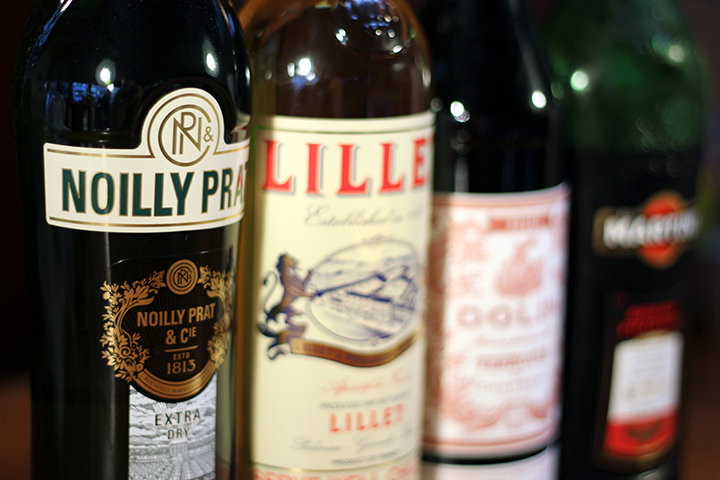
    Aromatized and fortified wines infused with botanicals, vermouths can be dry (perfect for a Martini) or sweet (ideal for a Negroni). French vermouths, such as Noilly Prat, tend to be drier and lighter, while Italian vermouths, like Carpano Antica, are richer and sweeter.

    Bitter Liqueurs (Amari, Quinquinas, and Gentian-Based Aperitifs)

    From Campari’s bold citrus-bitter profile to Suze’s floral gentian root notes, bitter liqueurs balance bitterness with herbal complexity. Dubonnet, famously favored by Queen Elizabeth II, adds a touch of quinine for depth.

    Anise-Based Aperitifs (France & Italy)

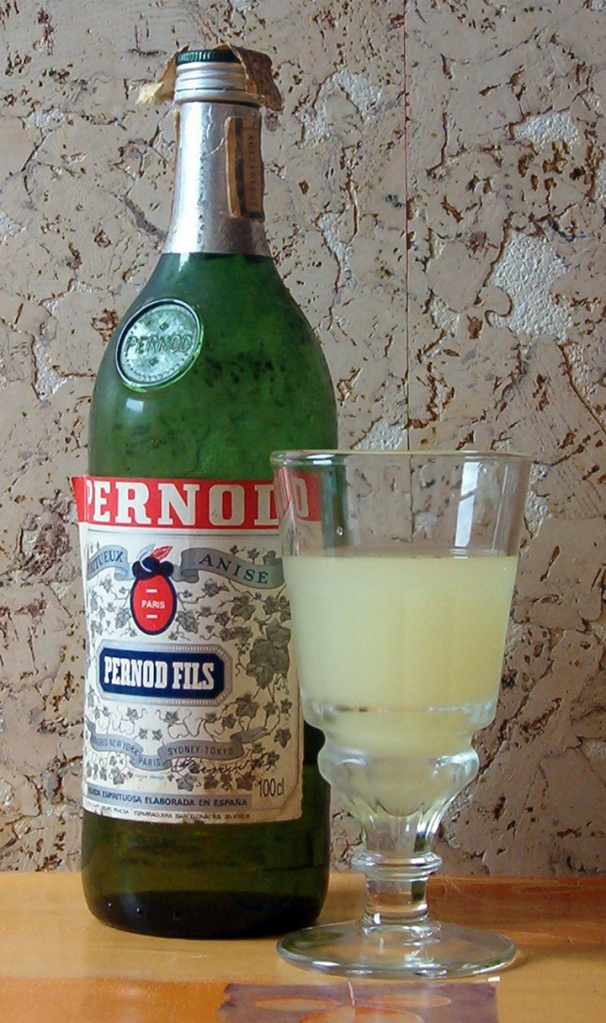
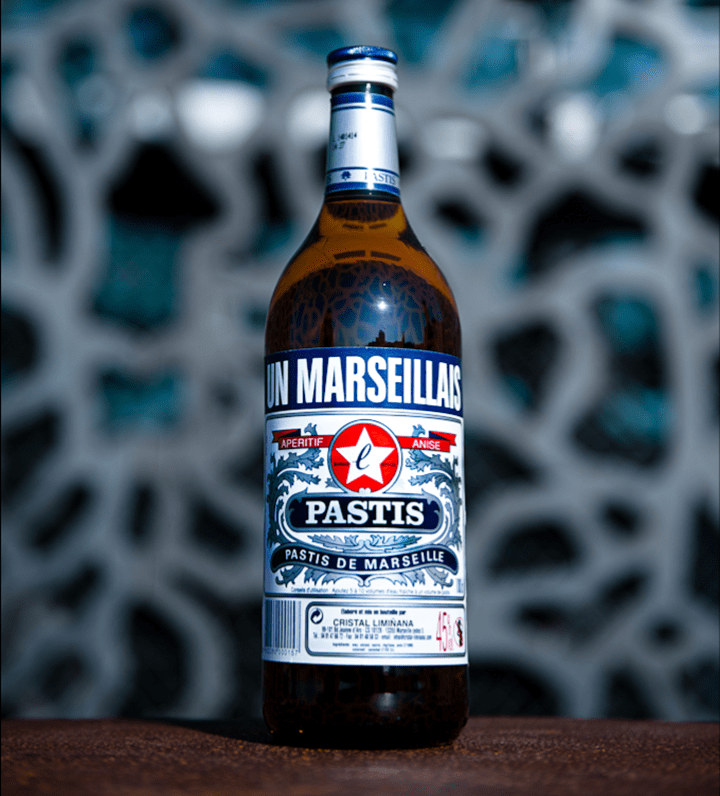
    Pastis, Pernod, and Ricard are hallmarks of the French Provençal tradition, while Italy offers Sambuca. These anise-flavored spirits cloud when mixed with water, a transformation called the “louche.”

    Wine-Based Aperitifs (Lillet, Byrrh, and Pineau des Charentes)

    These softer aperitifs blend fortified wine with botanicals or fruit essence, creating a gentler yet equally intriguing drinking experience. Lillet Blanc, a Bordeaux-based classic, was a favorite of James Bond in Casino Royale.

    Phoney, CC BY-SA 3.0, via Wikimedia Commons

    Serving Aperitifs: Classic & Creative Presentations

    The simplest way to enjoy an aperitif is to serve it chilled or over ice with a citrus twist. However, for those looking to expand their experience, here are some unique ways to enjoy aperitifs:

    • Vermouth Spritz – A lighter, lower-alcohol alternative to an Aperol Spritz, mixing dry vermouth, tonic, and an orange slice.
    • Pastis Provençal – Served with ice-cold water in a 5:1 ratio to highlight its herbal complexity.
    • Lillet Rouge & Ginger – A bold yet refreshing mix of Lillet Rouge and ginger beer, garnished with a sprig of rosemary.
    Cristalanis, CC BY-SA 4.0, via Wikimedia Commons

    Cocktails Using Aperitifs for Colder Months

    Aperitifs are not just for summer evenings on a Mediterranean terrace; they can be the perfect foundation for winter-friendly cocktails, offering warmth, spice, and herbal depth. Here are three creative cocktails for the colder months:

    The Alpine Glow

    A warming, citrus-spiced take on a classic Manhattan.

    • 1 oz sweet vermouth (Carpano Antica recommended)
    • 1 oz Amaro Montenegro
    • 1.5 oz rye whiskey
    • 2 dashes orange bitters
    • Garnish: Orange twist and star anise

    Stir ingredients with ice and strain into a coupe glass. Garnish with an orange twist and a floating star anise.

    Suze & Cider Hot Toddy

    A gentian-forward twist on a winter classic.

    • 1 oz Suze
    • 2 oz hot apple cider
    • 0.5 oz honey
    • 0.5 oz lemon juice
    • Garnish: Cinnamon stick

    Mix Suze, hot cider, honey, and lemon in a mug. Stir well and garnish with a cinnamon stick.

    Dubonnet Royale

    A luxurious, bubbly cocktail inspired by the late Queen’s favorite aperitif.

    Build in a flute glass by adding Dubonnet and Cointreau, then top with Champagne. Garnish with an orange twist.

    The Enduring Magic of Aperitifs

    Whether you sip a bitter Negroni, a delicate Lillet spritz, or a warming vermouth-based cocktail, the aperitif remains a timeless invitation to pause, savor, and anticipate the pleasures of the table. So, in the spirit of the legendary aperitif lovers—from Hemingway to Queen Elizabeth—raise a glass and toast to the rich tradition of pre-dinner drinking. Santé! Cin cin! 🍷

    Cover photo credit: Photo by Polina Kovaleva on Pexels.com

  • A Lobster Boil Extravaganza

    A Lobster Boil Extravaganza

    Night Two of Scott and Alison White’s 36th Anniversary Celebration.

    Following the sparkling excitement of the previous evening, Scott and Alison White hosted a classic lobster boil, a feast fit for both food lovers and wine enthusiasts alike. Paired with the refined and storied Chardonnays of Chateau Montelena, this second night celebrated the richness of California’s wine legacy alongside the timeless joy of a seafood feast.

    Tammy alongside the 9-liter bottle of 2015 Chateau Montelena Chardonnay

    The Grand Opening: Chateau Montelena Chardonnay

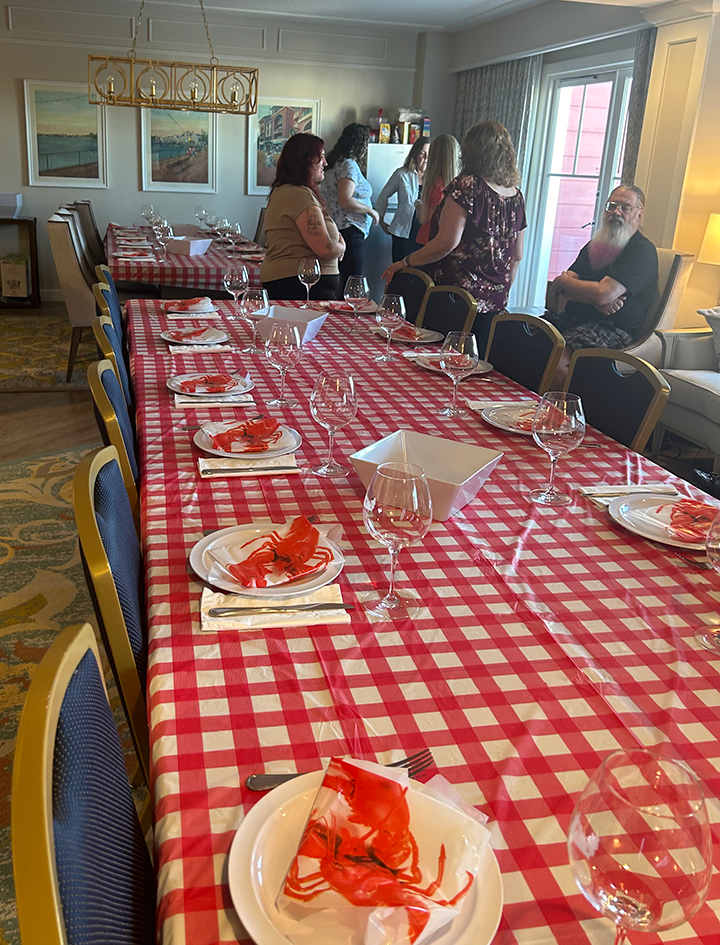
    The evening began with a spectacular sight: a 9-liter bottle of 2015 Chateau Montelena Chardonnay displayed in a custom mechanical wine cradle, lovingly known as “the rocket launcher.” This impressive vessel was racked and poured, allowing the room to be filled with the elegance and character of the 2015 vintage. Guests were seated at tables stretching the length of the suite’s common area, creating a warm communal ambiance as glasses were filled.

    A Culinary Labor of Love

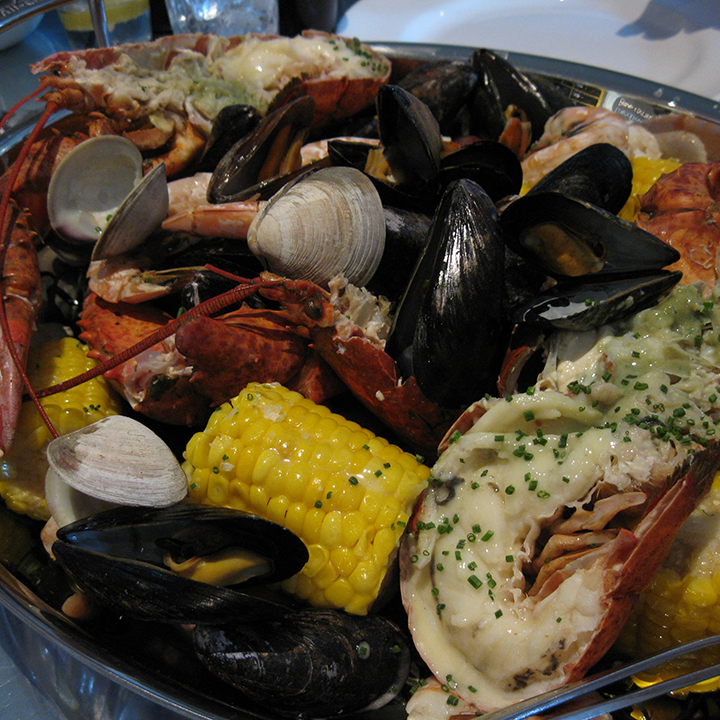
    Scott and Alison, along with the renowned Russ Ahrens (Instagram: @drunkenchef82), spent the entire day in the kitchen to prepare the lobster boil’s main attractions. The result was an extraordinary spread, with over 120 lobster tails, cheese-filled bratwursts, tender potatoes, succulent shrimp, corn on the cob, fresh clams, mussels, and cheddar bay biscuits—each element adding to the bounty and flavor of the evening.

    As guests indulged in the feast, the 2015 Chateau Montelena Chardonnay’s balanced acidity and rich, citrusy notes complemented the buttery lobster tails and briny seafood with finesse. The flavors melded beautifully, with the Chardonnay’s hints of stone fruit and subtle oak rounding out each bite.

    A Vintage Comparison: The 2015 and 2010 Chateau Montelena Chardonnay

    After the 2015 was savored and the 9-liter bottle emptied, Scott introduced a five-liter bottle of the 2010 Chateau Montelena Chardonnay. This vintage, with slightly more age, offered a glimpse into how Chateau Montelena wines evolve over time, displaying richer textures and deeper complexity. Spirited discussions ensued, as guests compared the vintages’ qualities—the 2010 bringing forth mellow oak notes, balanced with a lively acidity that contrasted with the younger 2015.

    Though both vintages had their fans, the 2015 emerged as the overall favorite. Scott, always prepared, uncorked a 750 ml bottle of the 2015 to confirm the consensus, and the wine’s balance and versatility secured its place as the perfect pairing for the lobster boil.

    Sweet Celebrations: October Birthdays and Dessert Wines

    Adding a personal touch, the evening’s desserts honored October birthdays for Alyssa, Scott and Alison’s daughter, and Jay, Scott’s brother. Two classic white birthday cakes graced the table, one with a smooth buttercream frosting and the other with a rich chocolate buttercream. The wine pairings were equally thoughtful, featuring the caramelized depth of Bodegas Alvear Pedro Ximénez Solera 1927, the berry-rich notes of a 2016 St. Francis Port, and the Domaine Carneros Demi-Sec sparkling wine from the previous night.

    Russ Ahrens (Instagram: @drunkenchef82) enjoying a New York Sour

    A Perfect Finish: Armagnac and Classic Cocktails

    As the night wound down, guests enjoyed a few final toasts with Armagnac and carefully crafted cocktails, each a fitting finale to a night of laughter, good food, and extraordinary wines. Scott enjoyed an Old Fashioned, while Russ savored a New York Sour, closing the evening with the warmth of shared stories and an appreciation for another unforgettable night.

    Left to Right: 375 ml, 750 ml, 750 ml, 5 liter, 6 liter, and 9 liter bottles

    To the bounty before us, the friends beside us, and the wines that elevate every bite. May our glasses stay full, our laughter ring loud, and our memories grow richer with each passing year. Cheers to good food, great wine, and even better company!

    Gregory Dean, SOMM&SOMM

    This lobster boil celebration, a beautiful blend of food, wine, and friendship, set a high standard for the week’s festivities and served as a reminder of the beauty in celebrating life’s moments with those we hold dear. Cheers 🍷

    Cover photo by: inuyaki.com, CC BY-SA 2.0, via Wikimedia Commons

  • Game Day Grub and Grapes

    Game Day Grub and Grapes

    Winning Wine and Cocktail Pairings for Your October Tailgate.

    October is here, and so are the cravings for heartier dishes that match the brisk air, camaraderie, and weekend football gatherings. As tailgaters fire up their grills and slow-cookers, classic fare like chili, wings, ribs, and stews become the go-to choices for feeding a crowd. But let’s take these crowd-pleasers to the next level with the perfect wine pairings and a couple of cocktails sure to score big at your next tailgate.

    Wine and Food Pairings for Hearty Tailgate Dishes

    Spicy Chili + Zinfandel or Off-Dry Riesling
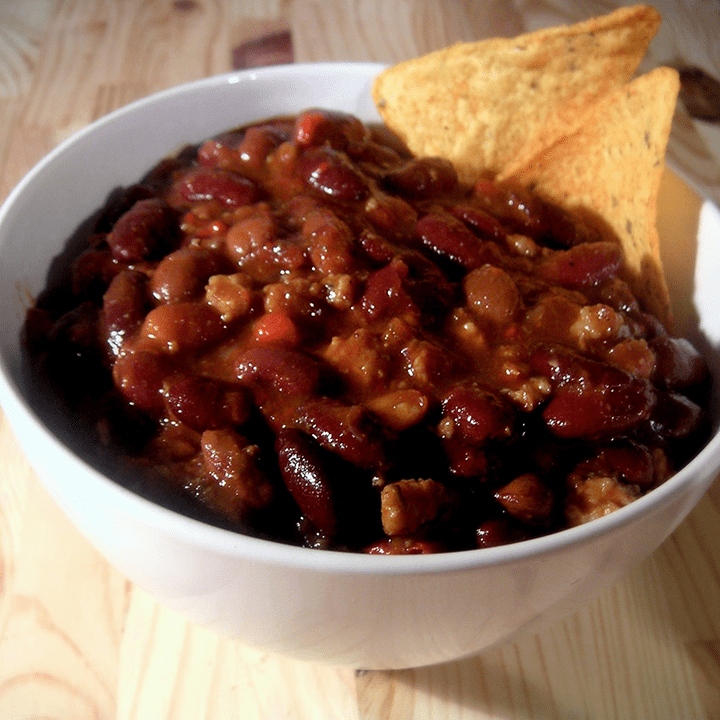
    Few things warm the soul like a steaming bowl of chili on a crisp October afternoon. Whether you’re loading up on beef, beans, or going for a veggie version, chili’s complex layers of flavor (and spice) call for a wine that can keep pace.

    • Zinfandel: The go-to for those who love bold, fruity reds. Zinfandel’s ripe blackberries, raspberries, and touch of sweet spice tame the heat and complement chili’s smoky notes from cumin, paprika, and charred peppers. Avoid the overly jammy versions; seek out ones with balanced acidity to cut through the richness.
    • Off-Dry Riesling: For those craving a white, Riesling’s delicate sweetness and vibrant acidity act as a cooling agent for chili’s heat. The natural sugars help counterbalance the spice, while the lime zest and apricot flavors offer a refreshing contrast.

    SOMM&SOMM Recommends: 2021 Seghesio Cortina Zinfandel

    SOMM&SOMM Recommends: 2021 Dr. Loosen Erdener Treppchen Riesling Spatlese

    Pulled Pork – Thogru, CC BY-SA 3.0 via Wikimedia Commons

    BBQ Pulled Pork + Syrah
    Pulled pork, whether slathered in a tangy BBQ sauce or slow-cooked with a hint of smokiness, begs for a wine with enough depth to match the savory goodness.

    • Syrah: This bold red offers the structure and body to complement the layers of flavors in pulled pork. Syrah’s black pepper, smoky bacon, and dark fruit notes accentuate the savory spices and richness of the meat. If you’re using a sweeter sauce, pick a Syrah with less oak and more fruit-forward notes to balance the flavors.

    SOMM&SOMM Recommends: 2021 Chateau de Saint Cosme Crozes-Hermitage

    Beef Stew – jeffreyw, CC BY 2.0 via Wikimedia Commons

    Hearty Beef Stew + Malbec
    A tailgate classic, beef stew’s hearty, comforting qualities demand a wine that can stand up to the richness of slow-cooked beef, root vegetables, and herbs.

    • Malbec: With its deep plum, black cherry, and cocoa flavors, Malbec’s tannins help cut through the richness, while the wine’s inherent juiciness complements the stew’s savory profile. Argentine Malbec, in particular, works wonders here with its earthy undertones and subtle hints of spice.

    SOMM&SOMM Recommends: 2020 Catena Alta Malbec

    Photo by Sergio Arreola on Pexels.com

    Spicy Buffalo Wings + Sparkling Wine
    Buffalo wings are a game-day favorite, but pairing these spicy bites with alcohol can be tricky. Higher-alcohol wines or cocktails can intensify the heat, leaving your mouth on fire instead of enjoying the flavors. So, what’s the solution?

    • Sparkling Wine: The crisp bubbles in a dry sparkling wine or Prosecco serve as a delightful counterpoint to the fiery sauce. The acidity and effervescence cleanse the palate, while a hint of fruit sweetness from the wine helps balance the heat. Plus, let’s face it: bubbles make everything more festive.

    SOMM&SOMM Recommends: LaLuca Valdobbiadene Prosecco Superiore

    The Challenge of Pairing Wine with Spicy Foods

    Spicy game day favorites like Buffalo wings, hot sausages, and jalapeño-laden nachos can make pairing a challenge because alcohol intensifies the sensation of heat. Wines with high tannins or elevated alcohol content (think Cabernet Sauvignon or Shiraz) can exacerbate the burn, turning what should be a delightful pairing into a flavor clash. That’s why it’s essential to look for wines with lower alcohol, higher acidity, and a touch of sweetness to help balance the heat. When in doubt, sparkling wines or slightly off-dry whites are safe bets.

    Tailgate-Ready Cocktails

    Spicy Margarita
    No tailgate is complete without a margarita twist. This Spicy Margarita brings the heat but balances it with zesty citrus and a touch of sweetness.

    Ingredients:

    • 2 oz silver tequila (or mezcal for a smoky twist)
    • 1 oz lime juice
    • 1 oz orange liqueur (Cointreau or triple sec)
    • ½ oz agave syrup (adjust to taste)
    • 2 slices jalapeño
    • Tajín seasoning for the rim (optional)

    Instructions:

    • Rub a lime wedge around the rim of your glass and dip in Tajín seasoning.
    • Muddle the jalapeño slices in a shaker.
    • Add tequila, lime juice, orange liqueur, and agave syrup. Shake with ice until well-chilled.
    • Strain into a glass with ice and garnish with a slice of jalapeño.

    The spicy kick pairs beautifully with anything from wings to grilled sausages, while the citrusy tang provides a refreshing balance to richer dishes.

    Autumn Bourbon Cider
    For a cozy cocktail that’s sure to please, this bourbon-based concoction pairs beautifully with tailgate classics like BBQ or burgers.

    Ingredients:

    • 2 oz bourbon
    • 4 oz apple cider (preferably fresh)
    • ½ oz lemon juice
    • Dash of cinnamon or nutmeg
    • Apple slice for garnish

    Instructions:

    • In a shaker, combine bourbon, apple cider, lemon juice, and cinnamon with ice.
    • Shake well and strain into a glass with ice.
    • Garnish with an apple slice and a cinnamon stick.

    The warm flavors of bourbon and spiced apple are perfect for cooler weather and pair effortlessly with fall favorites like pulled pork sandwiches or chili.

    Final Play: What Not to Do

    Avoid pairing your spicy wings, chili, or sausage with high-alcohol wines or spirits unless you enjoy setting your mouth on fire! Alcohol intensifies capsaicin—the active ingredient in chili peppers—which can make already spicy dishes unbearable. So, when serving dishes with a lot of heat, think low alcohol, high flavor—your palate will thank you.

    Whether it’s bold, fruity Zinfandels for chili or refreshing bubbles for wings, pairing the right wine or cocktail can take your tailgate game to the next level. Here’s to cooler weather, warmer food, and winning combinations🍷

  • Trendy Cocktails: The Manhattan

    Trendy Cocktails: The Manhattan

    A Timeless Classic with a Modern Twist.

    Few cocktails evoke the sense of sophistication, history, and timeless appeal quite like the Manhattan. This venerable drink has stood the test of time, charming both seasoned cocktail enthusiasts and newcomers alike. As a seasoned mixologist and craft cocktail enthusiast, I’ve often found myself drawn to the Manhattan—not just for its rich flavors, but also for the myriad of variations that allow for endless creativity. Let’s delve into the history, lore, and evolution of this iconic cocktail, along with some delectable recipes and food pairings.

    A Sip of History: The Origins of the Manhattan

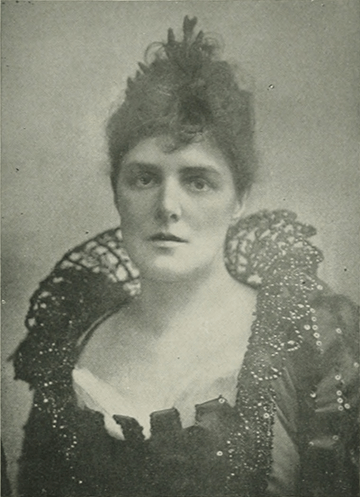
    Lady Randolph Churchill

    The Manhattan cocktail’s origin story is as intriguing as the drink itself. The most popular legend dates back to the early 1870s at the Manhattan Club in New York City. The tale goes that Lady Randolph Churchill (Winston Churchill’s mother) requested a special cocktail for a banquet in honor of Samuel J. Tilden, a presidential candidate. The bartender mixed a drink using rye whiskey, sweet vermouth, and bitters, which became an instant hit among the guests. The cocktail was named after the club, and the Manhattan was born.

    However, some cocktail historians argue that this story is more fiction than fact, as Lady Churchill was in England at the time. Regardless of the true origins, the Manhattan quickly became a staple in bars across America, cementing its place in cocktail history.

    The Classic Recipe

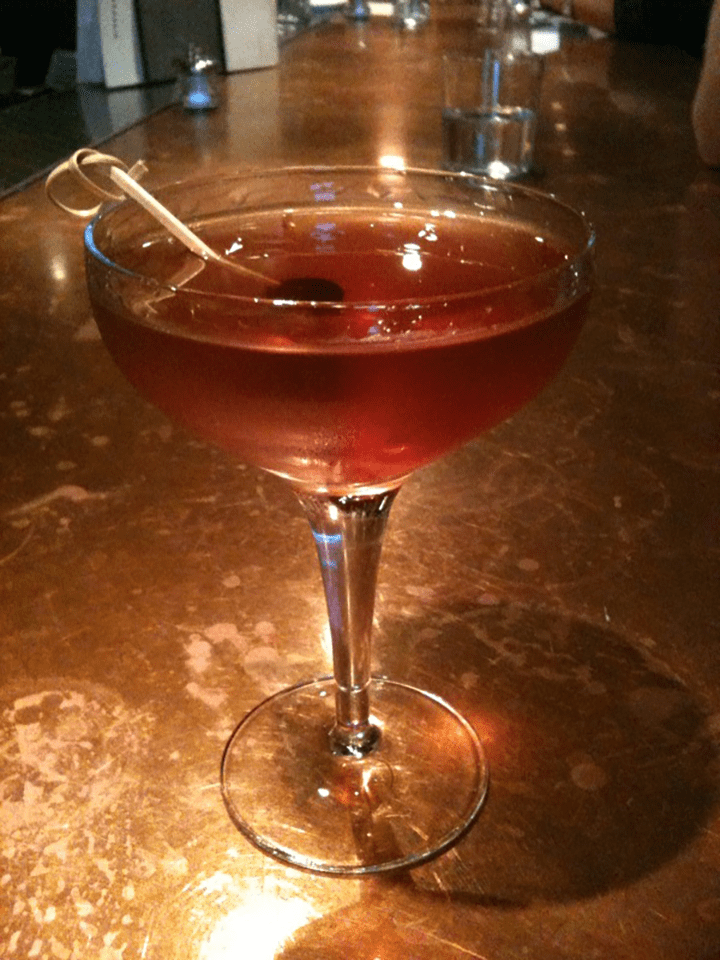
    Classic Manhattan – Babbage, CC BY-SA 4.0 via Wikimedia Commons

    The traditional Manhattan is a simple yet elegant concoction. Here’s the classic recipe that has delighted palates for over a century:

    Ingredients:

    • 2 oz rye whiskey (or bourbon, if you prefer a sweeter profile)
    • 1 oz sweet vermouth
    • 2 dashes Angostura bitters
    • Maraschino cherry or a twist of orange peel for garnish

    Instructions:

    1. Fill a mixing glass with ice.
    2. Pour in the rye whiskey, sweet vermouth, and bitters.
    3. Stir gently for about 30 seconds to chill and properly dilute the drink.
    4. Strain the mixture into a chilled coupe or martini glass.
    5. Garnish with a maraschino cherry or a twist of orange peel.

    Variations on a Theme: Riffs on the Manhattan

    As with any classic cocktail, the Manhattan has inspired countless variations, each adding its unique twist while honoring the original’s spirit.

    1. The Perfect Manhattan

    • This variation uses equal parts sweet and dry vermouth, giving the drink a balanced flavor profile. The recipe is otherwise the same, but the equal mix of vermouths adds a delightful complexity.

    2. The Rob Roy

    • A Scottish cousin of the Manhattan, the Rob Roy swaps out rye whiskey for Scotch. This variation is smoky and robust, perfect for those who enjoy a more intense flavor.

    3. The Black Manhattan

    • The Black Manhattan replaces sweet vermouth with Averna, an Italian amaro. This gives the cocktail a darker, more bitter edge, making it a favorite among those who appreciate a more complex, herbaceous drink.

    4. The Manhattan Sour

    • For a refreshing twist, add a splash of fresh lemon juice and a float of red wine to your Manhattan. The citrus adds brightness, while the wine brings an additional layer of depth and a beautiful visual presentation.

    5. The Tuxedo Manhattan

    • This variation adds a dash of absinthe and orange bitters to the classic recipe, creating a cocktail with an extra kick and a hint of anise flavor.

    Food Pairings: Elevating the Manhattan Experience

    The Manhattan’s bold flavors make it an ideal companion for a variety of dishes. Here are some pairing suggestions that will enhance your next Manhattan experience:

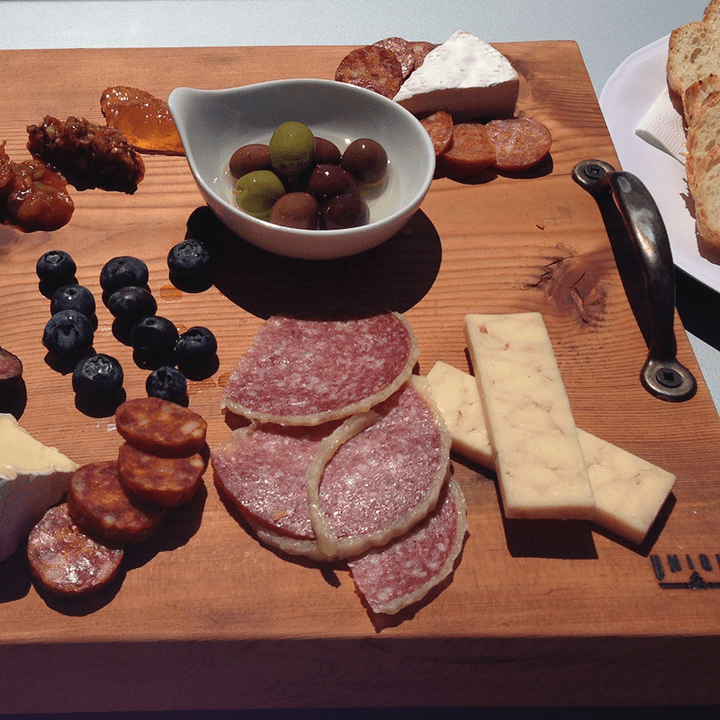
    Charcuterie – CK Golf from Vancouver, Canada, CC BY-SA 2.0 via Wikimedia Commons

    1. Charcuterie and Cheese Platters

    • The salty, savory flavors of cured meats and aged cheeses pair beautifully with the rich, spicy notes of a Manhattan. Opt for sharp cheddar, blue cheese, or Gouda alongside prosciutto or salami.

    2. Steak and Roasted Meats

    • A perfectly cooked steak, whether ribeye or filet mignon, is an excellent match for the robust flavors of a Manhattan. The cocktail’s rye or bourbon base complements the umami of the meat, while the vermouth and bitters balance the richness.

    3. Dark Chocolate Desserts

    • For a decadent treat, pair your Manhattan with a dark chocolate torte or flourless chocolate cake. The bittersweet chocolate and the cocktail’s complex sweetness create a harmonious blend of flavors.

    4. Smoked Salmon

    • The smoky, briny taste of smoked salmon is an unexpected but delightful partner to a Manhattan. The cocktail’s herbal notes from the vermouth and bitters cut through the richness of the fish.

    5. Grilled Portobello Mushrooms

    • For a vegetarian option, grilled portobello mushrooms offer a meaty texture and earthy flavor that pairs well with the Manhattan’s deep, complex profile.

    The Manhattan’s Place in Modern Mixology

    In recent years, the Manhattan has seen a resurgence in popularity as more people embrace classic cocktails. This renaissance has brought the Manhattan back into the limelight, with bartenders and home mixologists alike experimenting with new ingredients and techniques. From barrel-aging the cocktail to infusing the whiskey with exotic spices, the possibilities for reinvention are endless.

    The Manhattan’s enduring appeal lies in its versatility. Whether you prefer it with the traditional rye whiskey or enjoy exploring its many variations, the Manhattan remains a cocktail that invites creativity while honoring its rich heritage.

    So the next time you’re in the mood for a cocktail that exudes elegance and history, reach for the ingredients to craft a Manhattan. Whether you stick with the classic recipe or decide to experiment with a modern twist, you’re sure to enjoy a drink that has captivated cocktail lovers for generations. Cheers 🍸

    Cover photo credits: Graeme Maclean from Glasgow, UK, CC BY 2.0 via Wikimedia Commons

  • Sipping Sunshine

    Sipping Sunshine

    A Guide to Pairing Summer-Friendly Wines with Summer Fruits

    Summer is a time for sun-kissed days, breezy nights, and the vibrant flavors of fresh fruits and crisp wines. Whether you’re lounging by the pool, hosting a backyard barbecue, or enjoying a lazy afternoon on the patio, the right wine can elevate the season’s delicious bounty to new heights. Join me on a delightful journey as we explore the best wine and fruit pairings that celebrate the essence of summer. Plus, for the adventurous among us, I’ll share a refreshing sangria recipe that will be the star of your summer soirées.

    SOMM&SOMM Recommends Berries and Bubbles

    Photo by Jill Burrow on Pexels.com

    Strawberries and Rosé

    There’s something undeniably romantic about strawberries and rosé. The juicy sweetness of ripe strawberries complements the delicate floral notes and crisp acidity of a dry rosé. Look for a Provence-style rosé with hints of strawberry, peach, and citrus for a match made in heaven.

    Raspberries and Sparkling Wine

    Raspberries, with their tart and tangy profile, are perfect companions to the effervescence of sparkling wine. A brut Champagne or a refreshing Prosecco will enhance the bright acidity of the raspberries, creating a harmonious balance. For an extra touch of elegance, drop a few raspberries into your glass and let them dance in the bubbles.

    SOMM&SOMM Recommends Stone Fruits and White Wines

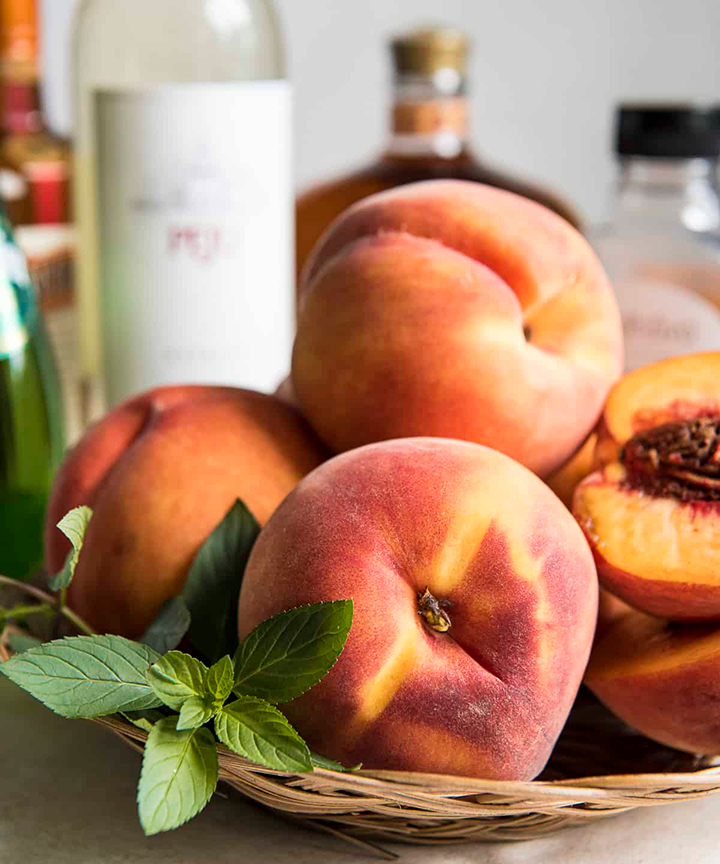
    Peaches!

    Peaches and Riesling

    The luscious, juicy sweetness of a perfectly ripe peach is beautifully mirrored by the vibrant fruitiness of a Riesling. A well-balanced Riesling, with its notes of apricot, honey, and citrus, can highlight the natural sweetness of peaches while offering a refreshing finish.

    Apricots and Viognier

    Apricots, with their slightly tart and aromatic nature, pair wonderfully with the rich and fragrant qualities of Viognier. This full-bodied white wine, often with flavors of peach, apricot, and floral undertones, enhances the fruit’s natural character, creating a symphony of summer flavors.

    SOMM&SOMM Recommends Melons and Crisp Whites

    Beautifully ripe watermelon

    Watermelon and Sauvignon Blanc

    Watermelon is the quintessential summer fruit—juicy, refreshing, and slightly sweet. Its subtle flavor is beautifully uplifted by the zesty, citrusy notes of Sauvignon Blanc. Opt for a New Zealand Sauvignon Blanc with its signature grassy and tropical fruit profile for a delightful pairing.

    Cantaloupe and Pinot Grigio

    Cantaloupe’s mellow sweetness and slightly musky aroma are complemented by the light, crisp, and refreshing nature of Pinot Grigio. The wine’s hints of green apple, pear, and citrus create a delicate balance that enhances the fruit’s flavor without overpowering it.

    SOMM&SOMM Recommends Adventurous Pairings for the Bold

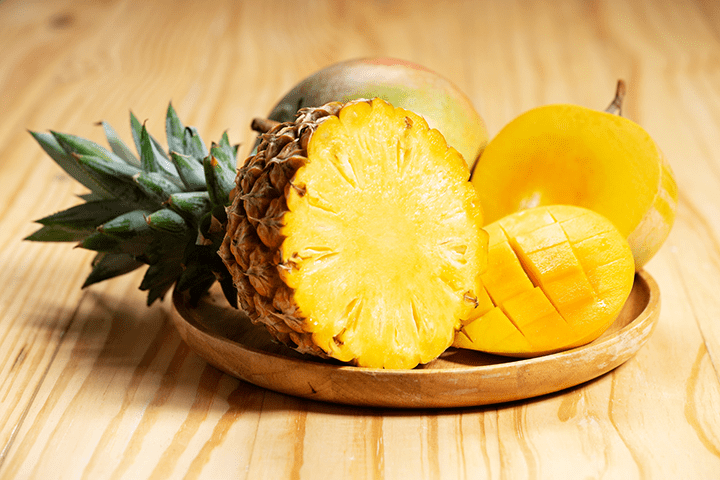
    Pineapple and mango

    Pineapple and Gewürztraminer

    For those who love bold and exotic flavors, pairing pineapple with Gewürztraminer is a must-try. This aromatic white wine, with its lychee, rose, and spice notes, beautifully balances the sweet-tart profile of pineapple, creating an explosion of tropical flavors.

    Mango and Albariño

    Mangoes are rich, sweet, and bursting with tropical goodness. Pairing them with Albariño, a Spanish white wine known for its high acidity and bright citrus flavors, creates a vibrant and refreshing combination that highlights the best of both.

    Sun-kissed Summer Sangria

    Sun-Kissed Summer Sangria

    Ingredients:

    – 1 bottle of dry white wine (such as Sauvignon Blanc or Pinot Grigio)

    – 1/4 cup brandy

    – 1/4 cup orange liqueur (such as Cointreau or Triple Sec)

    – 1/4 cup simple syrup (adjust to taste)

    – 1 orange, thinly sliced

    – 1 lemon, thinly sliced

    – 1 lime, thinly sliced

    – 1 cup fresh strawberries, hulled and sliced

    – 1 cup fresh pineapple chunks

    – 1 cup fresh blueberries

    – 1 peach, pitted and sliced

    – 1 to 2 cups sparkling water or club soda

    – Fresh mint leaves for garnish

    Instructions:

    1. In a large pitcher, combine the white wine, brandy, orange liqueur, and simple syrup. Stir well to mix.

    2. Add the orange, lemon, and lime slices to the pitcher, followed by the strawberries, pineapple, blueberries, and peach slices.

    3. Stir gently to combine the fruit with the liquid. Cover the pitcher and refrigerate for at least 2 hours, allowing the flavors to meld.

    4. Just before serving, add the sparkling water or club soda to the pitcher for a refreshing fizz. Stir gently to combine.

    5. Pour the sangria into glasses filled with ice, making sure to include some of the fruit in each glass.

    6. Garnish with fresh mint leaves and enjoy the refreshing taste of summer!

    Pairing summer wines with summer fruits is an art that brings out the best in both. The vibrant flavors of fresh fruits combined with the nuanced profiles of carefully selected wines can create unforgettable taste experiences. Whether you’re indulging in a classic combination or exploring adventurous pairings, the joy of summer is captured in every sip and bite. So, gather your friends, pick your favorite fruits and wines, and celebrate the season with these delightful pairings. Cheers to a summer filled with sunshine and sips of perfection! 🥂

  • The Art of Island Cocktails

    The Art of Island Cocktails

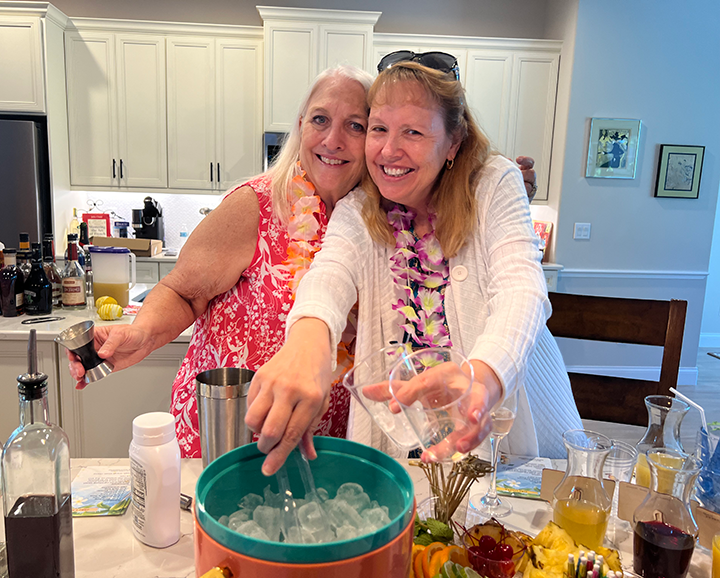
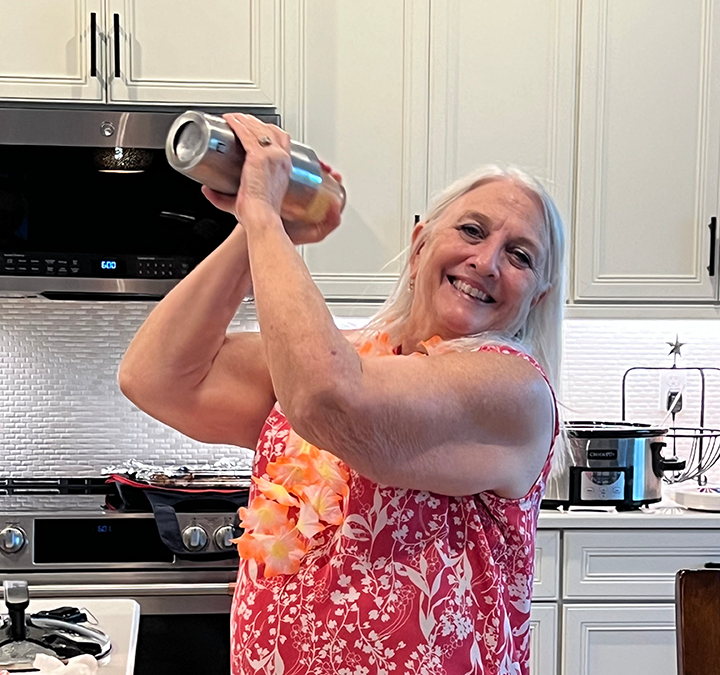
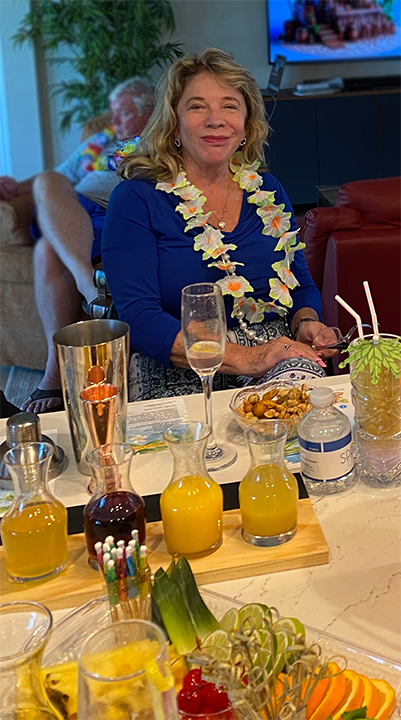
    In the dim glow of flickering imaginary tiki torches and the tantalizing scent of exotic spices wafting through the air, ten adventurous souls gathered for an exclusive evening of island-inspired libations and culinary delights. Hosted in the beautiful home of Bonnie Cooper and narrated by cocktail enthusiasts–Greg and Tammy (e.g. SOMM&SOMM), the stage was set for an unforgettable exploration into the art of Tiki drinks.

    A Plethora of Juices and Garnishes

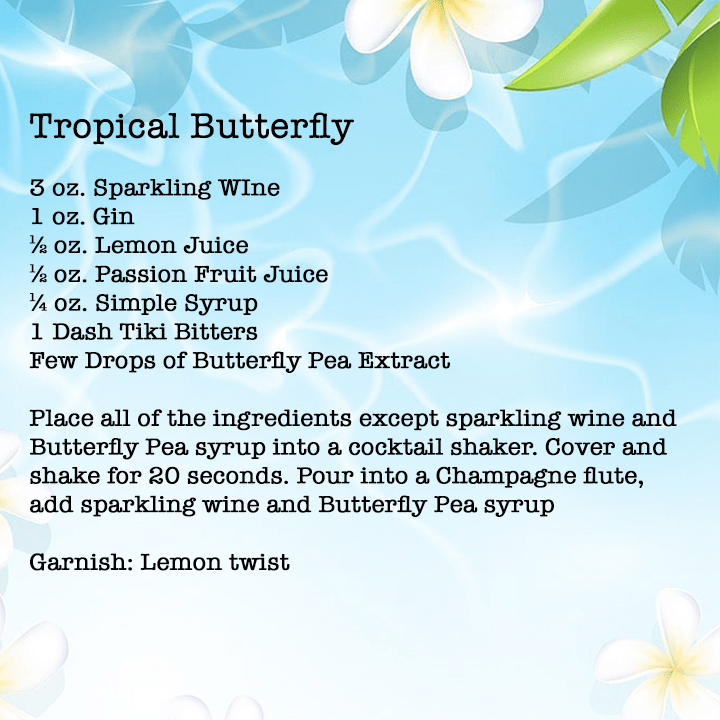
    The evening kicked off with a tantalizing welcome cocktail, the “Tropical Butterfly.” Drawing inspiration from the classic French 75, this enchanting concoction took a tropical twist with the addition of passion fruit and butterfly pea flower extract. As guests savored the vibrant hues and refreshing flavors, the hosts set the stage for the evening’s festivities, promising a journey through the rich history and diverse flavors of island cocktails.

    Tropical Butterfly Cocktail Recipe
    Ok… Let’s Make Some Cocktails!

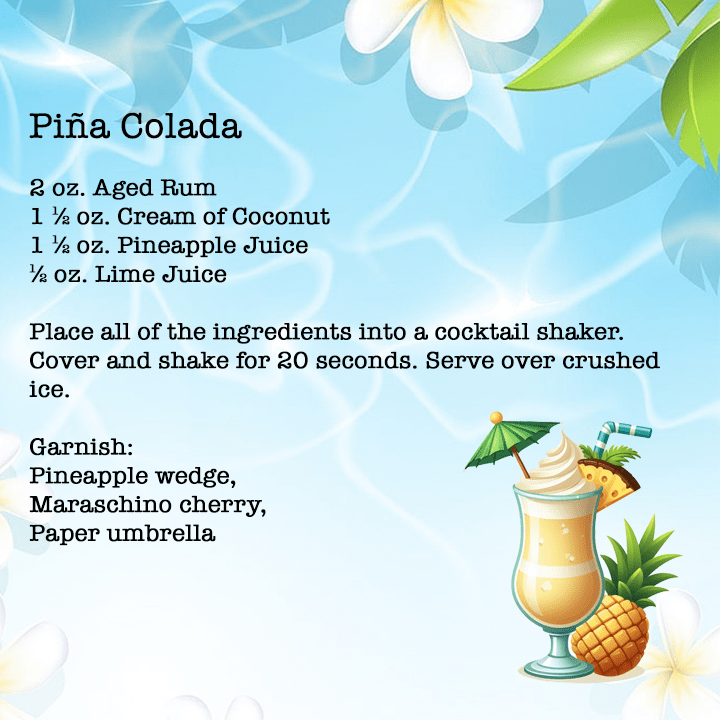
    With anticipation building, the guests eagerly embarked on their mixological (yes, I said it) adventure, starting with the quintessential classic: the Piña Colada. Originating from Puerto Rico, this timeless blend of rum, coconut cream, and pineapple juice was elevated with a hint of lime for balance, captivating the palates of all who indulged. As laughter filled the air and glasses clinked in delight, it became evident that this beloved concoction was indeed a crowd favorite.

    Piña Colada Cocktail Recipe

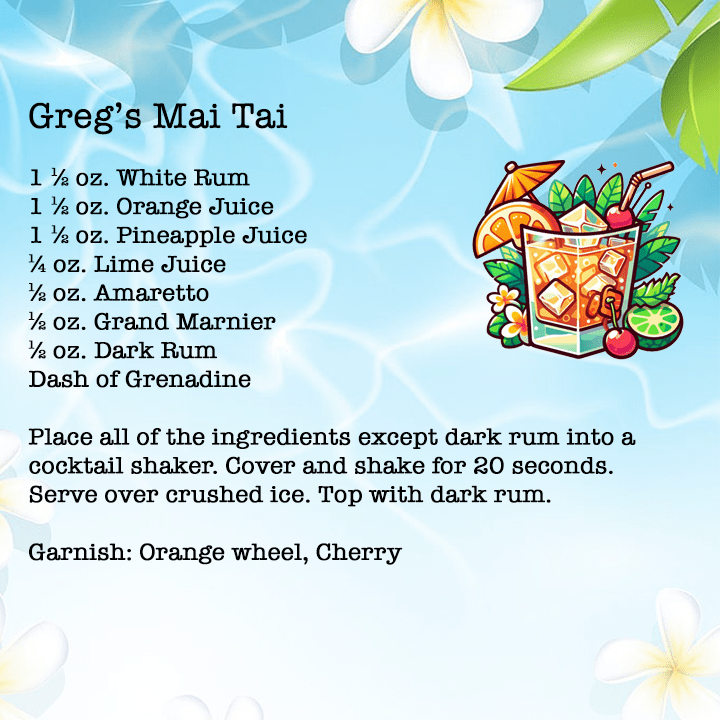
    Next on the menu was the legendary Trader Vic Mai Tai, a true icon of Tiki culture. Guests were offered the opportunity to compare the original recipe with a unique variation crafted exclusively for the event. While both iterations dazzled with their exotic flavors of rum, lime, and almond, the subtle nuances offered a fascinating glimpse into the art of mixology, showcasing the endless possibilities for creativity within the Tiki repertoire.

    Venturing further into the realm of island libations, the evening unfolded with the tantalizing allure of a classic Sex on the Beach cocktail. Paying homage to the playful spirit of 1970s cocktails, this fruity concoction offered a tantalizing blend of vodka, peach schnapps, cranberry, and orange juices—a delightful nod to the era of disco and decadence.

    Sex on the Beach Cocktail

    As the night progressed, guests were transported to the bustling streets of Singapore with the iconic Singapore Sling, a timeless blend of gin, cherry liqueur, and citrus, enlivened with a splash of soda water. This classic cocktail, originating from the renowned Raffles Hotel, captured the essence of colonial-era indulgence, inviting guests to savor each sip with reverence for its storied past.

    Singapore Sling Cocktail

    Rounding out the evening was the rich and robust Halekulani cocktail, a bourbon-based libation infused with the tropical flavors of passion fruit and lime. Named after the famed Hawaiian hotel, this sophisticated elixir offered a fitting finale to a night of sensory exploration and culinary delight.

    Halekulani Cocktail

    Amidst the spirited chatter and laughter of friends, we indulged in a sumptuous array of Polynesian delicacies, from succulent pulled pork with huli huli sauce to savory fried rice and more. Each bite paired seamlessly with the vibrant flavors of the evening’s cocktails, creating a symphony of taste and texture that lingered long after the final toast.

    What a Fun Evening!

    As the night drew to a close, and the last embers of the imaginary tiki torches flickered into darkness, guests departed with memories of an evening filled with laughter, camaraderie, and the intoxicating allure of island escapism. With plans already underway for future events celebrating the art of mixology, it was clear that this enchanting journey through Polynesian cocktails was just the beginning of many more adventures to come.

    Huli pau 🍹

  • Trendy Cocktails: Blooming Elegance

    Trendy Cocktails: Blooming Elegance

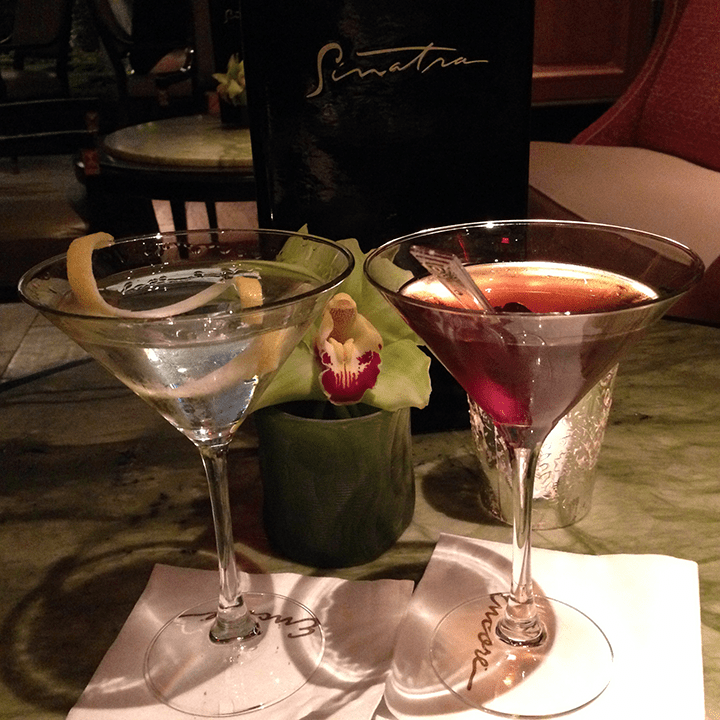
    When it comes to timeless cocktails, the martini stands in a league of its own. But what happens when you infuse this iconic drink with the essence of an English garden? Enter the “Blooming Elegance” – a floral riff on the classic martini that promises to transport your taste buds to a fragrant paradise.

    English Garden

    The “Blooming Elegance” cocktail combines the sophistication of a classic martini with the delicate flavors of an English garden. The star of this show is the Bloom Jasmine & Rose Gin, a botanical masterpiece that infuses the spirit with the enchanting aromas of roses and jasmine. Complemented by a touch of Tito’s Vodka for smoothness, St. Germain Elderflower Liqueur for a subtle sweetness, and Dolin Dry Vermouth for balance, this cocktail is a symphony of floral notes that dance on the palate. A hint of lemon juice brightens the ensemble, creating a refreshing and well-rounded drink.

    Blooming Elegance

    – 2 oz. Bloom Jasmine & Rose Gin

    – 1/2 oz. Tito’s Vodka

    – 1/2 oz. St. Germain Elderflower Liqueur

    – 1/2 oz. Dolin Dry Vermouth

    – 1/8 oz. Lemon Juice

    Stir all ingredients on ice. Strain into a chilled martini glass. Garnish with a twist of lemon peel and a sprig of rosemary. 🍸

    Smoked Salmon Canapés

    Food Pairing Recommendations

    The “Blooming Elegance” cocktail’s floral and aromatic profile makes it an excellent companion to light and fresh dishes. Consider pairing it with a goat cheese and watercress salad, smoked salmon canapés, or even a platter of sushi with delicate fish flavors. The cocktail’s nuanced taste will complement the subtle notes of these dishes, creating a harmonious dining experience.

    A Brief History of the Martini

    The martini, a cocktail that has stood the test of time, has a history as rich and varied as its recipes. Originating in the late 19th century, the martini’s precise origins are somewhat disputed. Some credit bartender Jerry Thomas with its creation, while others trace its roots to the Knickerbocker Hotel in New York City.

    Traditionally made with gin and dry vermouth, the martini’s popularity soared during the Prohibition era, where gin became the spirit of choice due to its ease of production. Over the years, the martini has evolved, with variations incorporating vodka, different vermouths, and a myriad of garnishes.

    The “Blooming Elegance” cocktail not only pays homage to the classic martini but elevates it to new heights with the infusion of floral notes from the English garden. As you sip on this refined concoction, you’re not just enjoying a drink; you’re experiencing a symphony of flavors that transcends time and tradition. Cheers to the evolution of the martini and the endless possibilities that unfold in the world of mixology!

  • Champagne Unveiled: A Journey through Bubbles, Elegance, and Celebration

    Champagne Unveiled: A Journey through Bubbles, Elegance, and Celebration

    Champagne, often synonymous with celebrations and luxury, stands as the epitome of sparkling wine craftsmanship. Originating from the picturesque Champagne region in France, this effervescent elixir has woven itself into the fabric of joyous occasions worldwide. As a professional sommelier and wine educator, I invite you on a journey to discover the nuances of Champagne, explore its historical roots, distinguish it from other sparkling wines, and indulge in the art of serving and toasting.

    Champagne Vineyards

    Historical Roots of Champagne

    The captivating tale of Champagne’s origin dates back to the 17th century. Legend has it that the Benedictine monk Dom Pérignon discovered the method to capture the bubbles in wine, turning a potential winemaking disaster into a delightful revelation. While this story adds a touch of romance to the narrative, historical records attribute the development of the traditional method of sparkling wine production to multiple contributors in the Champagne region.

    In the early 19th century, Champagne houses such as Veuve Clicquot and Moët et Chandon played pivotal roles in refining the méthode champenoise, which involves a secondary fermentation in the bottle. This technique became the hallmark of Champagne production, distinguishing it from other sparkling wines.

    Distinguishing Champagne from Other Sparkling Wines

    While Champagne is the undisputed star, various other sparkling wines offer distinctive profiles and styles. Prosecco (created using the Charmat Method), hailing from Italy, is known for its fresh and fruity character. One of our favorite sparkling wines from Italy, also made using the traditional method (metodo classico), is the Lombardy region’s own Franciacorta. Spain’s Cava, crafted using the traditional method, exhibits citrusy and toasty notes. The German Sekt often showcases a delicate sweetness, while English sparkling wines gain recognition for their quality, influenced by the cool climate and chalky soils.

    What sets Champagne apart is the rigorous production standards outlined by the AOC (Appellation d’Origine Contrôlée) regulations. Grapes, primarily Chardonnay, Pinot Noir, and Pinot Meunier, must come from the Champagne region, and production follows strict guidelines to ensure consistency and excellence.

    Photo by JESHOOTS.com on Pexels.com

    Tips on Serving Sparkling Wine for the Holidays

    As the holiday season approaches, serving sparkling wine with finesse can elevate the festivities. Here are some tips to enhance your sparkling wine experience:

    1. Temperature Matters: Serve Champagne chilled, ideally between 45°F to 48°F (7°C to 9°C). An ice bucket filled with water and ice is an excellent way to keep it at the perfect temperature.

    2. Choosing the Right Glassware: Opt for a flute or tulip-shaped glass to preserve the effervescence and concentrate the aromas. The narrow design helps maintain the bubbles and showcases the wine’s complexity.

    3. Gentle Pouring: To preserve the bubbles, pour sparkling wine down the side of the glass. Hold the glass at an angle and let the liquid glide gently into the flute.

    Popular Champagne Cocktails and Recipes

    Champagne isn’t confined to celebratory toasts; it’s a versatile libation that can be crafted into delightful cocktails. Here are a few popular recipes to elevate your Champagne experience:

    1. Classic Champagne Cocktail:

    Ingredients:

    •    1 sugar cube
    •    Angostura bitters
    •    Champagne
    •    Lemon twist (for garnish)

    Instructions: Soak the sugar cube in a few dashes of Angostura bitters. Drop the cube into a Champagne flute. Pour chilled Champagne over the sugar cube. Garnish with a lemon twist.

    2. French 75:

    Ingredients:

    • 1 oz gin
    • 0.5 oz simple syrup
    • 0.5 oz lemon juice
    • Champagne
    • Lemon twist (for garnish)

    Instructions: Shake gin, simple syrup, and lemon juice with ice. Strain into a Champagne flute. Top with Champagne. Garnish with a lemon twist.

    3. Mimosa:

    Ingredients:

    • 2 oz orange juice
    • Champagne

     Instructions: Pour orange juice into a Champagne flute. Top with chilled Champagne.

    Photo by cottonbro studio on Pexels.com

    Proper Approach to a Classic Champagne Toast

    A Champagne toast is a timeless tradition that brings people together in celebration. To ensure a memorable and elegant toast, consider the following:

    1. Selecting the Right Champagne: Choose a quality Champagne that suits the occasion. A brut or extra brut is a safe choice for toasting, offering a balance of sweetness and acidity.

    2. Chilled to Perfection: Ensure the Champagne is appropriately chilled. A cold glass of bubbly is not only refreshing but enhances the effervescence.

    3. Hold the Glass Correctly: Grasp the Champagne flute by the stem to prevent the transfer of heat from your hand to the wine. This helps maintain the ideal serving temperature.

    4. Raise, Clink, and Sip: Raise your glass, make eye contact, and gently clink glasses with others. Take a moment to express your sentiments before taking a sip.

    Let us raise our glasses high in celebration of this joyous moment. Here’s to love that knows no bounds, to friendships that stand the test of time, and to the adventures that await us in the coming years. May our hearts be filled with gratitude, our days with laughter, and our glasses with the effervescent elixir of life. Cheers to the past, the present, and the future – may it be as sparkling and delightful as the bubbles dancing in this champagne. Cheers!

    Gregory Dean, SOMM&SOMM

    In conclusion, Champagne is a beverage of celebration, history, and craftsmanship. From its humble beginnings in the Champagne region to its global acclaim, this effervescent wine continues to captivate enthusiasts. Whether sipped on its own, blended into cocktails, or used for toasts, Champagne remains a symbol of elegance and festivity, enriching moments both grand and intimate. 🥂

  • Cheers to the Holidays! Festive Wine-inspired Libations

    Cheers to the Holidays! Festive Wine-inspired Libations

    The holiday season is upon us, and what better way to celebrate than with a glass of wine in hand? Whether you’re hosting a festive gathering or cozying up by the fireplace, red, white, and sparkling wines offer a versatile canvas for crafting delightful holiday libations. Let’s explore the characteristics of each type of wine and discover some whimsical holiday toasts to elevate your celebration.

    Red Wine Revelry: Mulled Wine Magic – Photo by George Dolgikh on Pexels.com

    Red Wine

    Red wine, with its robust flavors and warming qualities, is a natural choice for creating cozy holiday drinks. One classic concoction is Mulled Wine, a spiced and heated red wine that fills the air with delightful aromas. To make this festive brew, combine red wine with spices like cinnamon, cloves, and orange peel. Serve it warm in mugs, and garnish with a cinnamon stick for an extra touch of holiday spirit. It’s worth taking a look at this classic Vin Chaud recipe!

    To mulled wine and fireside tales, may warmth fill our hearts as the holiday spirit prevails!

    SOMM&SOMM
    White Wine Wonder: Winter Sangria Surprise – fraicheliving.com/winter-sangria/

    White Wine

    White wine, known for its crisp and refreshing profile, can be transformed into a Winter Sangria that will dazzle your taste buds. Combine white wine with seasonal fruits like pomegranate seeds, cranberries, and sliced apples. Add a splash of brandy and a hint of sparkling water for effervescence. The result is a visually stunning and palate-pleasing libation perfect for holiday gatherings. Julie’s White Christmas Sangria is worth exploring.

    To Winter Sangria, a symphony of flavors that dance on our tongues, may our holiday season be as vibrant and joyful!

    SOMM&SOMM
    Sparkling Splendor: Champagne Cocktails for Celebrations

    Sparkling Wine

    Sparkling wine, synonymous with celebrations, takes center stage in elegant Champagne cocktails. Create a festive Mimosa by combining sparkling wine with fresh orange juice or opt for a classic Kir Royale by adding a touch of crème de cassis. For a more daring twist, try a Pomegranate Prosecco Punch, featuring sparkling Italian wine mixed with pomegranate juice and a splash of elderflower liqueur.

    To effervescence and efflorescence, may our spirits sparkle as bright as the bubbles in our glasses this holiday season!

    SOMM&SOMM

    Red, white, and sparkling wines provide a delightful canvas for crafting holiday libations that suit every palate. Whether you’re curled up by the fire with a mug of Mulled Wine, clinking glasses filled with Winter Sangria, or toasting with a sparkling Champagne cocktail, these festive drinks add an extra layer of joy to the holiday season. So, raise your glass, savor the flavors, and cheers to the magic of the holidays!