Tag: food

  • Tawny vs. Ruby Port

    Tawny vs. Ruby Port

    Winter’s Warmest Debate (and How to Drink Them Both Like a Pro).

    When winter settles in and the thermostat drops a few degrees lower than comfort would prefer, fortified wines step confidently into the spotlight. They don’t whisper; they glow. And among them, Port is having another well-deserved moment. Again.

    But as bottles come off shelves and into glasses, one question reliably resurfaces fireside and at tasting tables alike:
    What’s the real difference between Ruby Port and Tawny Port—and how should I be enjoying each?

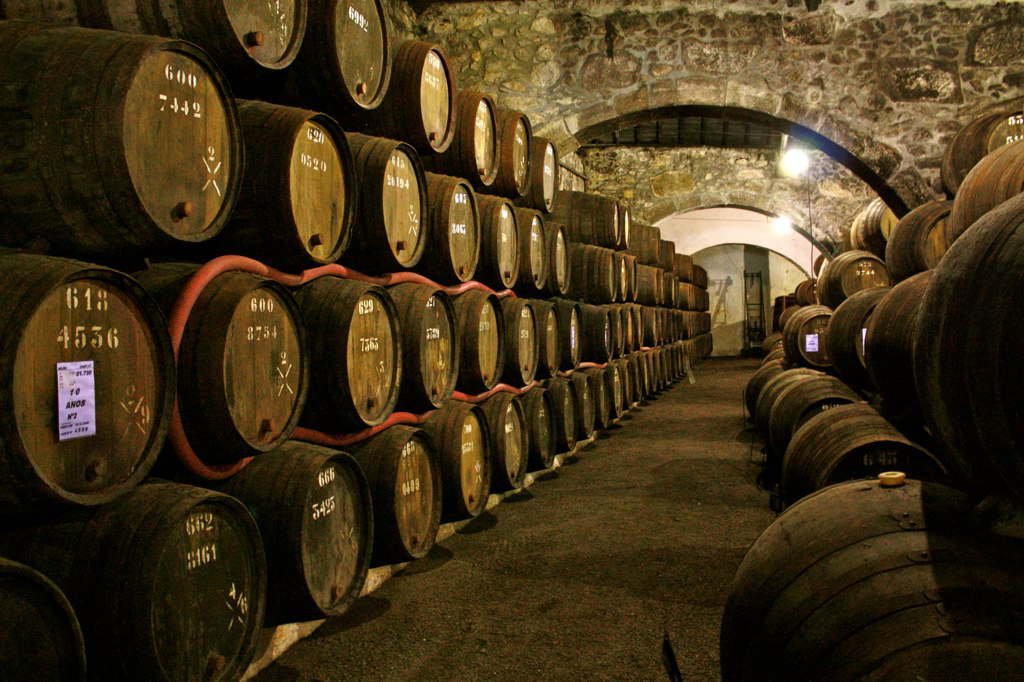
    Croft Port Wine Cellar – Ricardo Martins, CC BY 2.0, via Wikimedia Commons

    A Shared Origin, Two Very Different Journeys

    All true Port comes from Portugal’s Douro Valley and begins life much the same way:

    • Indigenous grapes
    • Fermentation halted early by the addition of grape spirit (aguardente)
    • Residual sugar preserved
    • Alcohol boosted to roughly 19–20%

    From there, aging choices—not grapes—define Ruby versus Tawny.

    Ruby Port: Youth, Power, and Primary Fruit

    Think: fireplace crackle, dark berries, and velvet curtains.

    Ruby Port is all about freshness and intensity. After fermentation, it’s aged briefly—usually 2–3 years—in large stainless steel tanks or concrete vats. These vessels limit oxygen exposure, preserving the wine’s deep color and fruit-forward personality.

    What’s in the glass?

    • Color: Deep ruby to purple-black
    • Aromas: Blackberry compote, black cherry, cassis, plum
    • Palate: Lush, sweet, bold, youthful
    • Finish: Rich, direct, fruit-driven

    Ruby Port is unapologetically exuberant. It doesn’t want to evolve quietly—it wants to perform.

    Best ways to enjoy Ruby Port

    • Slightly cool (60–65°F) to balance sweetness
    • In a classic Port glass or small wine glass
    • As a dessert wine or a decadent after-dinner sipper

    Ruby Port pairings (winter-approved)

    • Flourless chocolate cake
    • Dark chocolate truffles
    • Blue cheese (especially Stilton or Gorgonzola)
    • Chocolate-dipped dried figs
    • Black forest–style desserts

    Why it works: Sugar and fruit tame bitterness, while alcohol lifts richness off the palate.

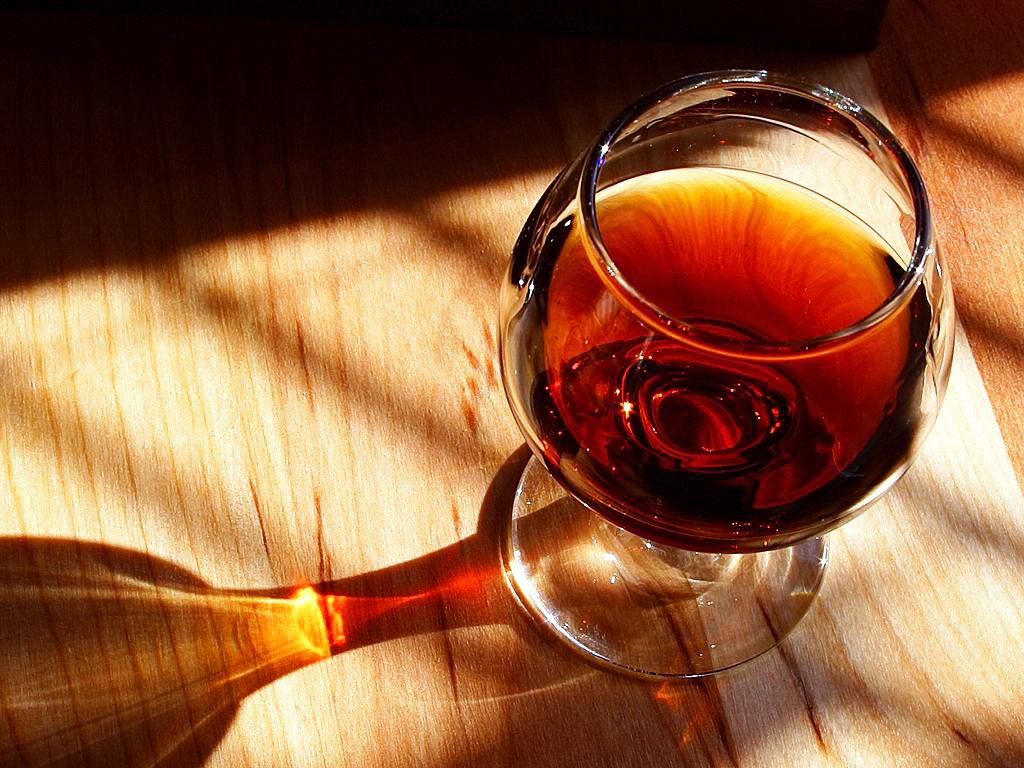
    Tawny Port – pedrik, CC BY 2.0, via Wikimedia Commons

    Tawny Port: Time, Oxidation, and Graceful Complexity

    Think: leather-bound books, toasted nuts, and candlelight.

    Tawny Port takes a slower, more contemplative path. It’s aged in small oak barrels, where gentle oxidation transforms both color and flavor. Over time, ruby hues fade to amber, mahogany, and tawny—hence the name.

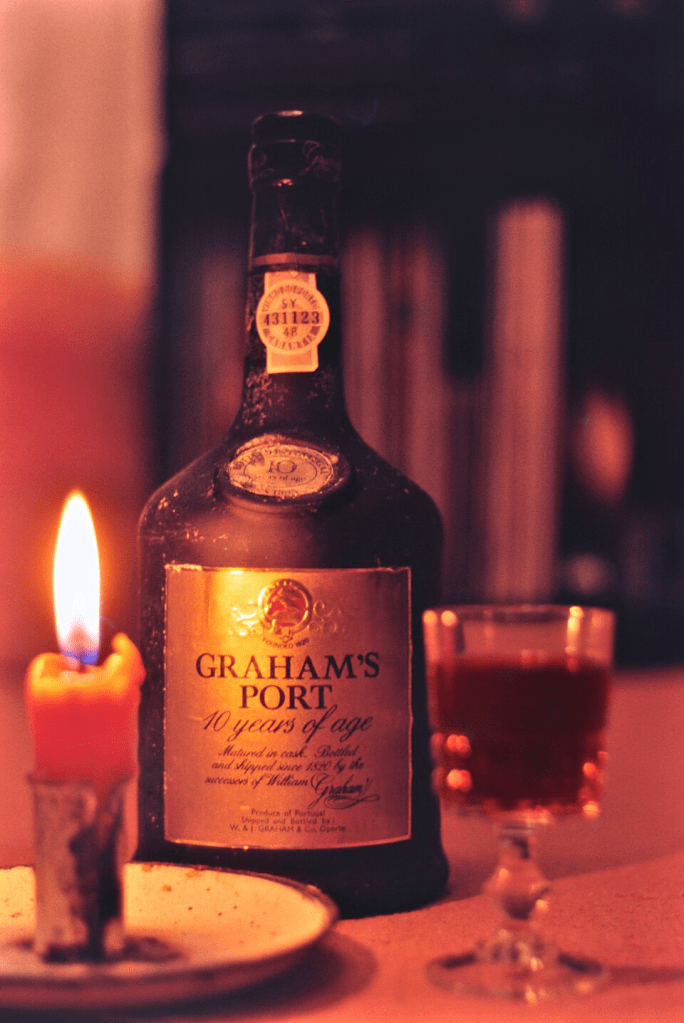
    You’ll often see age indications: 10, 20, 30, or 40 Year Tawny. These aren’t exact ages, but stylistic averages representing increasing complexity.

    Related article: The Organoleptic Process

    What’s in the glass?

    • Color: Amber, copper, tawny
    • Aromas: Toasted almond, hazelnut, caramel, dried fig, orange peel
    • Palate: Silky, layered, less sweet-seeming
    • Finish: Long, nutty, contemplative

    Tawny Port doesn’t shout. It invites you closer.

    Best ways to enjoy Tawny Port

    • Lightly chilled (55–60°F)—especially higher-aged Tawny
    • In smaller pours; complexity rewards patience
    • As a standalone meditation wine or paired thoughtfully

    Tawny Port pairings (cold-weather classics)

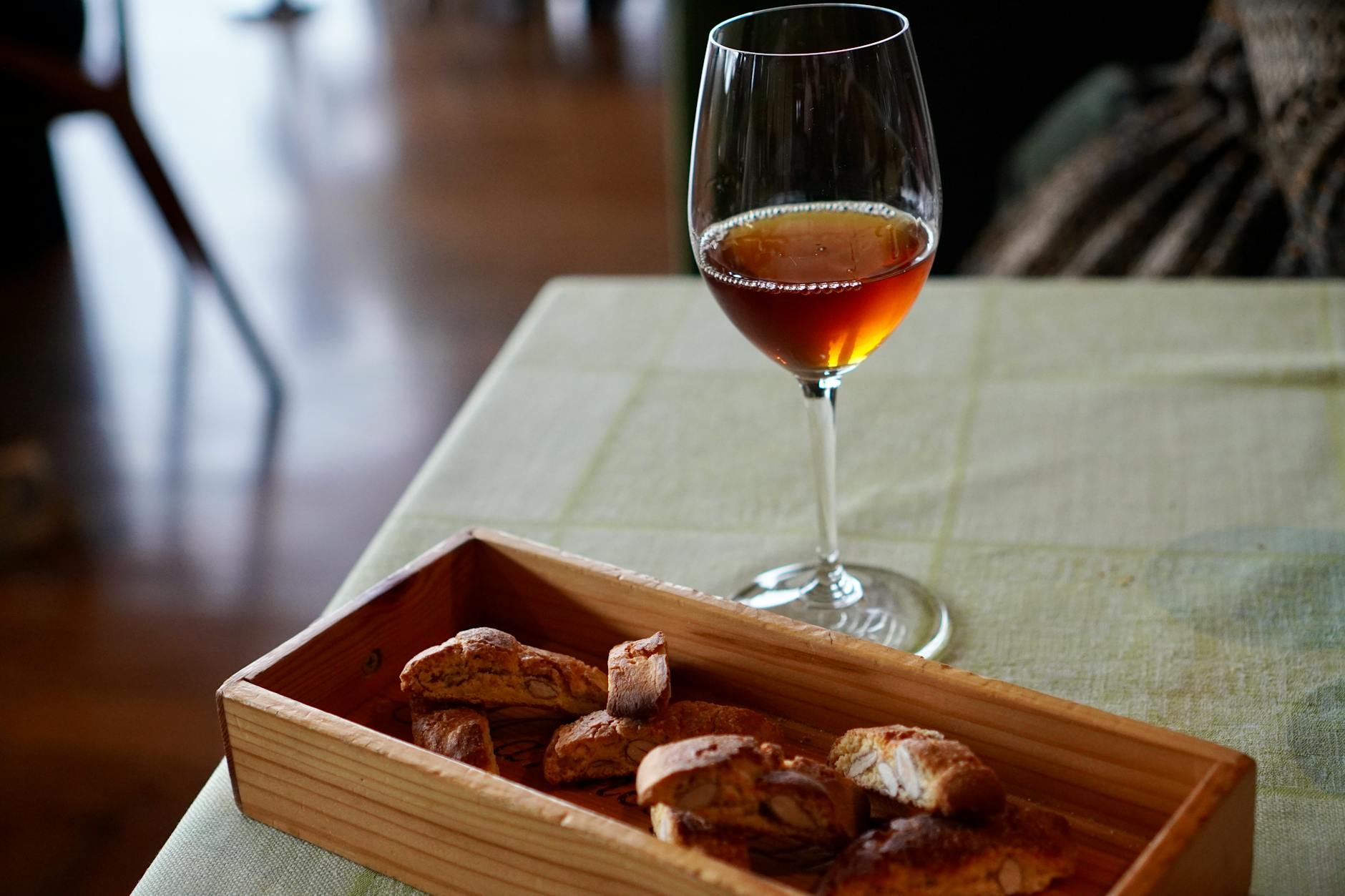
    • Pecan pie or walnut tart
    • Crème brûlée
    • Aged cheeses (Comté, aged Gouda, Manchego)
    • Roasted nuts with rosemary
    • Apple or pear desserts with caramel

    Why it works: Oxidative notes mirror toasted, nutty flavors while acidity keeps sweetness in check.

    Ruby vs. Tawny: The Quick Take

    Ruby PortTawny Port
    Fruit-forwardNutty & oxidative
    Aged brieflyBarrel-aged for years
    Bold & youthfulElegant & complex
    Chocolate pairingsNut, caramel & cheese pairings
    Great in cocktailsExceptional chilled or neat

    Winter-Worthy Port Cocktails (Yes, Really)

    Port is a fortified wine—but don’t underestimate its versatility behind the bar. These cocktails are cozy, refined, and dangerously easy to love.

    The Winter Port Old Fashioned (Ruby)

    • 2 oz Ruby Port
    • ¼ oz bourbon or aged rum
    • 1 barspoon maple syrup
    • 2 dashes aromatic bitters

    Stir with ice, strain over a large cube.
    Garnish with an orange peel and brandied cherry.

    Ruby Port brings fruit and sweetness; the spirit adds structure without overpowering.

    Tawny Port Manhattan (Low-Proof Elegance)

    • 2 oz Tawny Port
    • 1 oz rye whiskey
    • 2 dashes orange bitters

    Stir with ice, strain into a coupe.
    Garnish with expressed orange peel.

    Tawny’s nutty oxidation mimics aged vermouth, making this cocktail plush yet balanced.

    Photo by TomBen on Pexels.com

    Which Port Should You Choose?

    • Choose Ruby Port when you want bold fruit, indulgent desserts, or a cocktail-friendly fortified wine.
    • Choose Tawny Port when you crave nuance, quiet warmth, and something that feels like winter slowing down.

    Better yet—keep both on hand. Winter is long, evenings are cold, and Port was designed for exactly this moment 😉

    To warming what’s inside while the season cools what’s out. May your glass be small, your Port be generous, and winter feel just a little shorter. 🍷

    Gregory Dean, SOMM&SOMM

    Cover photo credit: Jon Sullivan, Public domain, via Wikimedia Commons

  • The 12 Wines of Christmas

    The 12 Wines of Christmas

    A Guide to Sipping Through the Season.

    The air is crisp, the carols are floating through grocery store speakers with unmistakable cheer, and your inner wine geek is itching for a holiday-themed deep dive. And right in the heart of December, there’s no better time to revisit one of the season’s most enduring traditions: The Twelve Days of Christmas.

    But where did this curious list of gifts—from partridges to leaping lords—actually come from? And how did it inspire our very own 12 Wines of Christmas, a tasting journey designed to guide your holiday sips from the first day straight through Epiphany?

    These traditions get mixed up like holiday ribbons, so let’s untangle them.

    Photo by Douglas Mendes on Pexels.com

    Where Did the 12 Days of Christmas Come From?

    Long before it was a catchy (and increasingly absurd) carol, The Twelve Days of Christmas was a meaningful Christian observance marking the timeframe between the birth of Christ (December 25th) and the arrival of the Magi (January 6th).

    These were days of celebration—feasts, merriment, reflection, and in some regions, gift-giving. The number twelve wasn’t random; it symbolized completeness, renewal, and spiritual wholeness. Each day carried its own significance, depending on cultural and religious tradition, and it all culminated with Epiphany, often considered the true finale of the holiday season.

    The song itself?
    It first appeared in print in England in 1780 as part of a children’s memory-and-forfeit game. No music. Just a chant-like verse meant to test how well you could recall the list in order. Over time, composers set it to the tune we know today—building a festive crescendo of gifts that get stranger and more lavish with each passing day.

    Photo by Pavel Danilyuk on Pexels.com

    12 Days of Christmas vs. the Advent Calendar

    Before we pour ahead, let’s clear up a classic Christmas confusion.

    Advent is the period before Christmas—a countdown of preparation, beginning on the fourth Sunday before December 25th. Advent calendars, whether filled with chocolates, toys, skincare samples, or tiny bottles of spirits (a favorite around here), are meant to help you anticipate the big day.

    The 12 Days of Christmas, on the other hand, begin on Christmas Day. It’s not a countdown. It’s a celebration.

    Think of Advent as the slow build-up…
    …and the Twelve Days as the extended after-party.

    Photo by Vladimir Konoplev on Pexels.com

    Introducing the 12 Wines of Christmas

    A Sommelier’s Day-by-Day Guide to Sipping Through the Season

    🎁 Day 1 (Dec 25) – A Partridge in a Pear Tree

    Wine: Vouvray Demi-Sec (Chenin Blanc)
    Why: Orchard fruit, honey, and that holiday-friendly acidity.
    Optional Cocktail: Pear French 75 – gin, lemon, pear liqueur, topped with sparkling Vouvray.

    🎁 Day 2 – Two Turtle Doves

    Wine: Côtes du Rhône Rouge
    Why: A blend built on harmony—two grapes (Grenache + Syrah) leading the dance.
    Optional Cocktail: Winter Kir Royale with crème de cassis and Rhône rosé bubbles.

    🎁 Day 3 – Three French Hens

    Wine: Beaujolais Cru (Morgon or Moulin-à-Vent)
    Why: French, festive, and an ideal pairing for leftover turkey sandwiches.

    🎁 Day 4 – Four Calling Birds

    Wine: Oaked Chardonnay from Sonoma or Burgundy
    Why: A nod to the “calling”—big flavors, toasty oak, buttered brioche vibes.
    Optional Cocktail: Chardonnay Hot Toddy (trust me, it works—gentle heat + spice).

    Chardonnay Hot Toddy

    • 4 oz lightly oaked Chardonnay (Sonoma Coast, Mâconnais, or similar)
    • ½ oz honey syrup (1:1 honey + water)
    • ½ oz fresh lemon juice
    • 1 cinnamon stick
    • 1 clove
    • Thin lemon wheel

    Instructions

    1. Warm the Chardonnay on low heat with the cinnamon stick and clove—do not boil.
    2. Remove from heat and stir in honey syrup and lemon juice.
    3. Pour into a heatproof mug.
    4. Garnish with a lemon wheel and the cinnamon stick.

    Flavor Profile: Gentle spice, soft oak, plush citrus, and comforting warmth.

    🎁 Day 5 – Five Golden Rings

    Wine: Champagne
    Why: Golden bubbles for the most iconic line in the song.
    Optional Cocktail: Gold Rush Royale – bourbon, lemon, honey, topped with brut Champagne.

    Gold Rush Royale

    • 1 oz bourbon
    • ¾ oz fresh lemon juice
    • ¾ oz honey syrup
    • 3 oz brut Champagne (or dry sparkling wine)
    • Lemon twist for garnish

    Instructions

    1. Shake bourbon, lemon juice, and honey syrup with ice.
    2. Strain into a chilled coupe.
    3. Top with Champagne.
    4. Express a lemon twist over the glass and drop it in.

    Flavor Profile: Bright, honeyed, gently herbal, and celebration-ready.

    🎁 Day 6 – Six Geese a-Laying

    Wine: Gewürztraminer
    Why: A playful nod to the aromas—rose, lychee, spice—perfect with rich holiday brunches.

    🎁 Day 7 – Seven Swans a-Swimming

    Wine: Albariño
    Why: Aquatic theme + saline, refreshing acidity = a perfect mid-festivity reset.

    🎁 Day 8 – Eight Maids a-Milking

    Wine: Cream Sherry (Amontillado or Medium)
    Why: Nutty, silky, slightly creamy—holiday perfection.
    Optional Cocktail: Sherry Flip – elegant, old-school, and oh-so-seasonal.

    🎁 Day 9 – Nine Ladies Dancing

    Wine: Lambrusco (Dry)
    Why: Effervescence + vibrant fruit = a wine that practically twirls in your glass.

    🎁 Day 10 – Ten Lords a-Leaping

    Wine: Brunello di Montalcino
    Why: Structured, noble, full of energy—this wine leaps with aristocratic swagger.

    🎁 Day 11 – Eleven Pipers Piping

    Wine: Islay Scotch-Cask Finished Red Wine (or simply: enjoy the Scotch!)
    Why: Smoky, spicy, bold—perfect for the pipers’ dramatic flair.
    Optional Cocktail: Smoked New York Sour – red wine float + peated whisky.

    Smoked New York Sour

    • 2 oz peated Scotch (lightly peated works best)
    • 1 oz fresh lemon juice
    • ¾ oz simple syrup
    • ½ oz dry red wine (Malbec or Syrah works beautifully)
    • Lemon peel

    Instructions

    1. Shake Scotch, lemon juice, and simple syrup with ice.
    2. Strain into a rocks glass over fresh ice.
    3. Gently float the red wine over the back of a spoon.
    4. Garnish with lemon peel.

    Flavor Profile: Smoky, tart, layered, and visually stunning.

    🎁 Day 12 – Twelve Drummers Drumming

    Wine: Port (Vintage or LBV)
    Why: Big, bold, booming flavor—an appropriate finale to the holiday symphony.
    Optional Cocktail: Ruby Port Espresso Martini – a surprisingly spectacular twist.

    Ruby Port Espresso Martini

    • 1 oz Ruby Port
    • 1 oz vodka
    • 1 oz fresh espresso (or cold brew concentrate)
    • ½ oz coffee liqueur
    • Optional: ¼ oz simple syrup for sweetness
    • Coffee beans for garnish

    Instructions

    1. Shake all liquid ingredients vigorously with ice.
    2. Strain into a chilled martini glass.
    3. Garnish with three coffee beans.

    Flavor Profile: Balanced between fruity and roasty, with a velvety richness

    Photo by Nadin Sh on Pexels.com

    A Festive Finale

    As the last notes of the carol fade and the final drops in each glass give way to a new year, the 12 Wines of Christmas remind us that the joy of the season isn’t found in extravagance—it’s found in the small, thoughtful rituals we savor along the way.

    Whether you follow the list sip by sip, swap in your own favorites, or shake up a festive cocktail instead, each day offers a moment to pause, celebrate, and connect.

    Here’s to raising a glass to tradition, to curiosity, and to the simple magic that happens when wine, story, and season all come together.

    May your holidays be bright, your cellar well-stocked, and your spirit joyfully lifted—one delicious day at a time. Cheers 🍷

    Cover Photo by Arjunn. la on Pexels.com

  • Old World Regions: Veneto

    Old World Regions: Veneto

    Italy’s Northern Powerhouse of Wine, Culture & Quiet Brilliance.

    December is a reflective month — the harvest is done, cellars are buzzing with fermentations, and wine lovers around the world begin to ask a beautiful question: What did this year give us to drink?

    If there’s any region in Italy that deserves our attention during this season of pause and appreciation… it’s Veneto — a land where misty hills meet ancient canals, and where wine isn’t simply grown… it’s lived.

    Veneto isn’t a “wine region” — it’s twenty lifetimes of wine styles packed into one territory. From joyful Prosecco to profound Amarone. From crisp Soave to salty Lugana. From unknown grapes to international classics. Veneto is northern Italy’s quiet giant — and the more you explore it, the more it rewards you.

    Photo by Lizzie Prokhorova on Pexels.com

    A Glass-Shaped Map of Veneto

    Think of Veneto as three wine landscapes:

    AreaCharacterSignature Styles
    The Plains (Venice, Verona surroundings)Fresh, easy-drinkingProsecco, Pinot Grigio, Bardolino
    The Hills (Valpolicella, Soave, Conegliano)**Mineral-driven, structuredSoave, Valpolicella, Amarone, Recioto
    The Lakes (Garda area)**Saline, floral, softLugana, Chiaretto Rosé

    Veneto alone produces more wine than any other region in Italy — over 25% of the nation’s total production. But here’s the secret: quantity doesn’t overshadow quality. Some of the world’s most loved and most profound wines are born here.

    Classics of Veneto (Must-Know Wines)

    1. Prosecco DOC / DOCG — Italy’s Sparkling Smile

    • Grape: Glera
    • Profile: Pear, green apple, floral, light, friendly
    • Best With: Fried seafood, sushi, popcorn with truffle salt
    • Elevated Cocktail:
      Sgroppino — Prosecco + lemon sorbet + vodka. Yes… dreamy.

    2. Soave DOC / Soave Classico DOC — The Renaissance White

    • Grape: Garganega
    • Profile: Almonds, lemon zest, white peach, minerals
    • Why Sommeliers Love It: With age, it can taste like white Burgundy at a fraction of the price.
    • Pairing Idea:

    Try Soave Superiore if you want depth. Try Recioto di Soave if you want sweet bliss with blue cheese.

    3. Valpolicella Family — The Beating Heart of Veneto Reds

    Valpolicella isn’t a single wine — it is a ladder of complexity:

    StyleTechniqueFlavor Profile
    Valpolicella ClassicoFreshCherry, herbs
    Ripasso“Passed over” Amarone skinsDark fruit + spice
    Amarone della ValpolicellaDried grapesPowerful, intense
    Recioto della ValpolicellaSweet versionLuscious, velvety

    Somm Tip: This region invented appassimento — drying grapes to concentrate sugars & flavors. Amarone is an opus: raisins, chocolate, smoke, black cherry, licorice, leather. A winter fireplace wine.

    Food Pairings:

    Featured Wine Cocktail:
    👉 Amarone Manhattan – 1 oz Amarone, 1 oz Rye whiskey, dash of bitters, orange peel.

    4. Lugana DOC — Lake Garda’s Whisper

    • Grape: Turbiana (genetically related to Verdicchio)
    • Profile: Floral, saline, lemon curd, almond
    • Pairing Perfection:
      • Lake fish
      • Sushi
      • Caprese salad
      • Fresh mozzarella

    If you like Chablis or Pinot Grigio, try Lugana. You’ll find more flavor, more soul, and more story.

    5. Less Known… But So Worth Knowing

    RegionGrapeStyleWhy It Matters
    BreganzeVespaioloDry / sweetHidden gem. The sweet version with gorgonzola is legendary.
    Colli EuganeiMoscato GialloAromaticGreat with spicy Thai or Indian food.
    MontelloBordeaux blendsStructured redsItaly meets Bordeaux but still Italian in spirit.
    CustozaBlendCrisp whiteBetter alternative to mass Pinot Grigio.
    Photo by Enzo Iorio on Pexels.com

    The Veneto Pairing Table

    WineIdeal PairingMood
    ProseccoFried calamariCelebration or Sunday brunch
    Soave ClassicoSpring vegetablesFresh & reflective
    Valpolicella RipassoPizza or lasagnaCozy & casual
    AmaroneRoast meats, contemplationWinter fireside
    ReciotoDark chocolateDessert & decadence
    LuganaRaw seafoodCalm, lakeside evening
    Breganze TorcolatoBlue cheeseSweet & savory elegance
    Photo by Andrea Piacquadio on Pexels.com

    Wine Cocktails from Veneto

    Give your guests (or yourself) something unexpected:

    CocktailIngredientsServes With
    SgroppinoProsecco + lemon sorbet + vodkaBrunch
    Americano RosaChiaretto rosé + Campari + sodaSunset
    Amarone ManhattanAmarone + rye + bittersLate-night jazz
    Soave SpritzSoave + soda + basilGarden afternoons

    Add mint, rosemary or thyme for an aromatic lift. Veneto pairs beautifully with herbs.

    The Soul of Veneto

    Veneto doesn’t chase trends. It honors history and refines technique. From the Roman era to contemporary Michelin-starred tables, its wines remain rooted in place and focused on pleasure.

    It’s not loud. It’s not flashy. And that’s precisely why sommeliers adore it.

    👉 With every bottle from here, there’s space to pause, think, and feel.
    Perhaps, in December, that’s the kind of wine we need most.

    Wines to Try This Month

    • Pieropan Soave Classico
    • Tommasi Amarone della Valpolicella
    • Zenato Lugana
    • Masi Campofiorin (Ripasso-style)
    • Breganze Torcolato (if you can find it — worth the hunt)
    Photo by cottonbro studio on Pexels.com

    Final Pour

    The Veneto isn’t just Italy’s top producer — it is one of its most complicated and most rewarding. Familiar or obscure, sparkling or profound, its wines tell stories of mist-covered valleys, lake breezes, volcanic soils, and families who have made wine for centuries.

    The best way to understand Veneto is simple:
    Drink it slowly… and let it speak.

    Salute — to the North, and to December’s quiet reflections. 🍷✨

    Cover Photo by alleksana on Pexels.com

  • Sips of the Season: Christmas Songs & Wines That Share Their Soul

    Sips of the Season: Christmas Songs & Wines That Share Their Soul

    Because some memories need both lyrics and a glass.

    We’ve survived Black Friday. We’ve outsmarted Cyber Monday. The wrapping paper is still in the closet—but the spirit? The spirit has arrived.

    It’s time to dust off the classic Christmas records (or fine—open the streaming app), lower the lights, and pour something worthy of the season. Somewhere between the sip and the song… a truth emerges:

    Every classic Christmas song tastes like a different wine.
    Each holds a memory.
    Each deserves the right pour.

    So this year—don’t just listen. Pair.

    Photo by Street Donkey on Pexels.com

    🎵 “White Christmas” – Bing Crosby

    Wine Pairing: Chablis (Burgundy, France – Unoaked Chardonnay)

    The Vibe in the Glass

    Crisp. Elegant. Pure as freshly fallen snow. This wine doesn’t perform—it remembers. Like the song, it carries nostalgia with quiet grace.

    Set the Scene

    Dim lighting. A white candle. A slow sip in hand. The kind of evening where you begin to remember things you didn’t realize you forgot.

    Pair With:

    Photo by Frans van Heerden on Pexels.com

    🎵 “The Christmas Song (Chestnuts Roasting)” – Nat King Cole

    Wine Pairing: Aged Tawny Port

    The Story in the Sip

    This is the sound of slowing down. Toasted nuts, caramel warmth, soft edges—everything about this wine feels like turning the final page of a good year.

    Press Play, Close Your Eyes

    Fireplace optional. Reflection required. Let one memory find you tonight.

    Pair With:

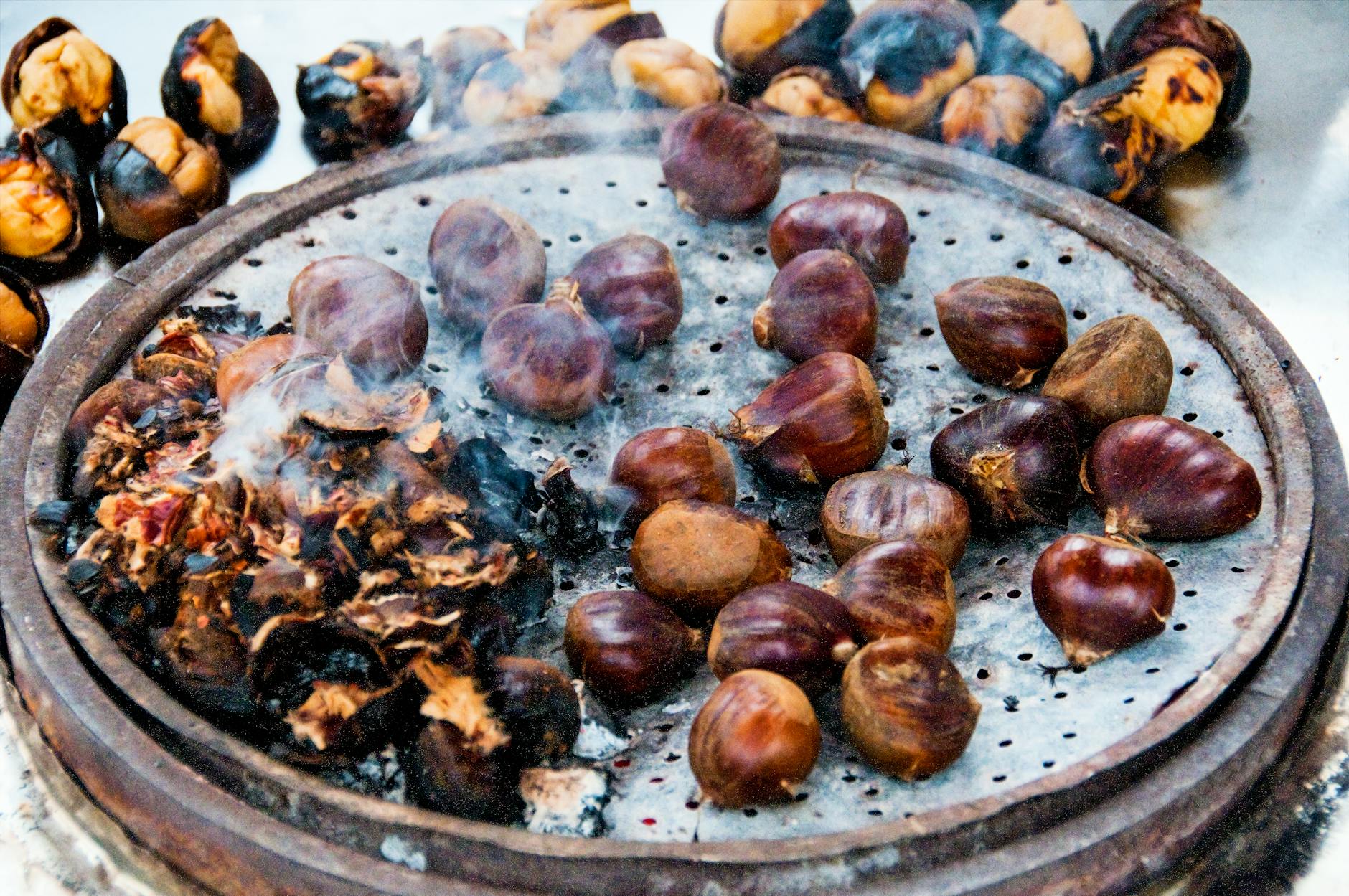
    • Roasted chestnuts
    • Pecan pie or walnut tart
    • Blue cheese & fig jam
    • A journal and a pen 😉
    Photo by lil artsy on Pexels.com

    🎵 “All I Want for Christmas Is You” – Mariah Carey

    Wine Pairing: Prosecco Rosé (Veneto, Italy)

    This Pour Hits the Same Notes

    Fun. Flirty. Impossible to ignore. It’s the holiday anthem that arrives every year whether we ask for it or not—and secretly, we’re glad it does.

    Let the Moment Unfold

    Best with friends. Best with laughter. Volume high. Guilt low.

    Pair With:

    • Goat cheese & cranberry crostini
    • Spicy shrimp cocktail
    • Prosciutto-wrapped melon
    • The holiday playlist on shuffle 😉
    Photo by Alena Yanovich on Pexels.com

    🎵 “Silent Night” – Traditional

    Wine Pairing: German Riesling (Kabinett or Spätlese)

    Memory in a Bottle

    Soft sweetness. Reverent acidity. A hush in every sip. This wine isn’t just flavor—it’s peace, poured slowly.

    Sip Slowly Here

    Tree lights only. Maybe snowfall outside. This glass belongs to the quiet hour.

    Pair With:

    • Honey-baked ham
    • Baked brie
    • Apple tart
    • Instrumental carols (Yes, please)
    Photo by Syed Qaarif Andrabi on Pexels.com

    🎵 “Rockin’ Around the Christmas Tree” – Brenda Lee

    Wine Pairing: Beaujolais Nouveau

    Where This Wine Takes You

    Straight to the party. Bright fruit, lively acidity, and a touch of mischief—just like the song.

    Pour This When…

    The first guest arrives. The dancing begins. Or the kitchen becomes the dance floor.

    Pair With:

    Photo by Burak The Weekender on Pexels.com

    🎵 “Have Yourself a Merry Little Christmas” – Judy Garland

    Wine Pairing: Burgundy Pinot Noir

    The Story in the Sip

    Soft melancholy wrapped in warmth. Cherry, earth, and memory. A wine that listens while you speak.

    Your Christmas Slow-Motion Moment

    A blanket. A quiet room. A moment to admit this year meant something.

    Pair With:

    Photo by Karola G on Pexels.com

    🎵 “Feliz Navidad” – José Feliciano

    Wine Pairing: Albariño (Rías Baixas, Spain)

    The Vibe in the Glass

    Sunshine in December. Citrus, zest, laughter. It reminds us: not all Christmases are white—and joy comes in many languages.

    Press Play, Close Your Eyes

    Best enjoyed while cooking with people you love. Kitchen dancing encouraged.

    Pair With:

    Photo by Guilman on Pexels.com

    🎵 “O Holy Night” – Classic Choral or Celine Dion

    Wine Pairing: Vintage Blanc de Blancs Champagne

    Memory in a Bottle

    This wine awakens stillness. Fine bubbles, sacred silence, and a swell of emotion. A spiritual pour for a spiritual song.

    Set the Scene

    Stand. Face the tree. Let the final note linger.

    Pair With:

    Photo by Anna Shvets on Pexels.com

    🎵 “Jingle Bell Rock” – Bobby Helms

    Wine Pairing: California Zinfandel

    This Pour Hits the Same Notes

    Bold. Spicy. A little wild. This wine walks into the kitchen like it owns the place—and we love it for that.

    Let the Moment Unfold

    Turn the lights up. Turn the music louder. Cook with flair.

    Pair With:

    • BBQ wings
    • Black pepper steak
    • Bold cheddar
    • Cinnamon-spiced anything (Woo hoo)

    To the songs we grew up with,
    to the wines that help us remember,
    and to the quiet moments in between—
    cheers to Christmas in every sip. 🎄🍷

    Gregory Dean, SOMM&SOMM
    Photo by cottonbro studio on Pexels.com

    The Encore

    One final pairing—
    No lyrics.
    No melody.
    Just the sound of the season…
    and the last sip in your glass.

    That’s when the season really begins. Cheers 🍷

    If You Enjoyed This Pairing of Music & Wine…

    Pour another glass and explore how the senses connect across other art forms. These featured articles invite you to listen, read, and see wine in new ways:

    • Sipping the Notes — a jazz-inspired journey where saxophones, bass lines, and swing rhythms find their match in the glass.
    • An Intricate Dance Between Poetry & Wine — a lyrical exploration of how verses and varietals intertwine, revealing emotion through structure.
    • The Artistry of Wine — paint strokes, palettes, and regional expressions come together—an ode to the canvas found within a vineyard.

    Each article honors the same belief:
    Wine doesn’t just pair with food.
    It pairs with moments, movements, music, and meaning.

    Let your senses wander. Something memorable might be waiting in the next glass. 🍷🎷📜🖼️

    Cover Photo by Jill Wellington on Pexels.com

  • Part III: The Feast

    Part III: The Feast

    A Thanksgiving Table Worth Toasting.

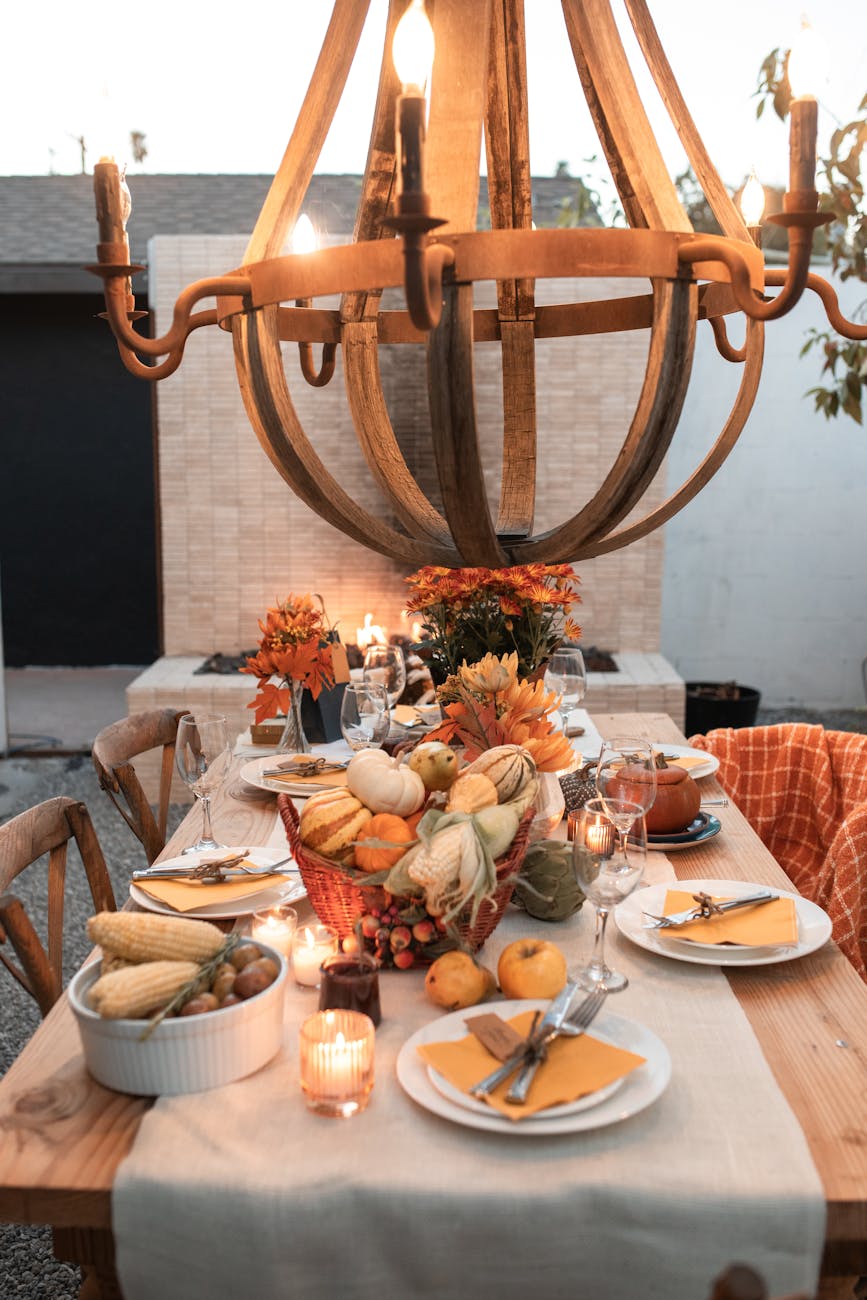
    Thanksgiving isn’t a performance — it’s a gathering. A coming together of stories, laughter, imperfections, and flavors that somehow always seem to fit. It’s the moment the whole season has been building toward, the quiet gratitude of the early November days giving way to the joyful noise of family and friends.

    And if you’ve savored the prelude — the week of reflection, cooking, and slow anticipation — you already know that Thanksgiving isn’t about rushing. It’s about tasting every note of the day, just as you would a well-crafted wine.

    Photo by RDNE Stock project on Pexels.com

    The Spirit of the Feast

    At its heart, Thanksgiving is an act of gratitude — a tradition born from the idea of sharing abundance and giving thanks for another year’s harvest. Before grocery stores and gadgets, before recipes were measured in cups and teaspoons, it was simply a meal shared between people who depended on one another.

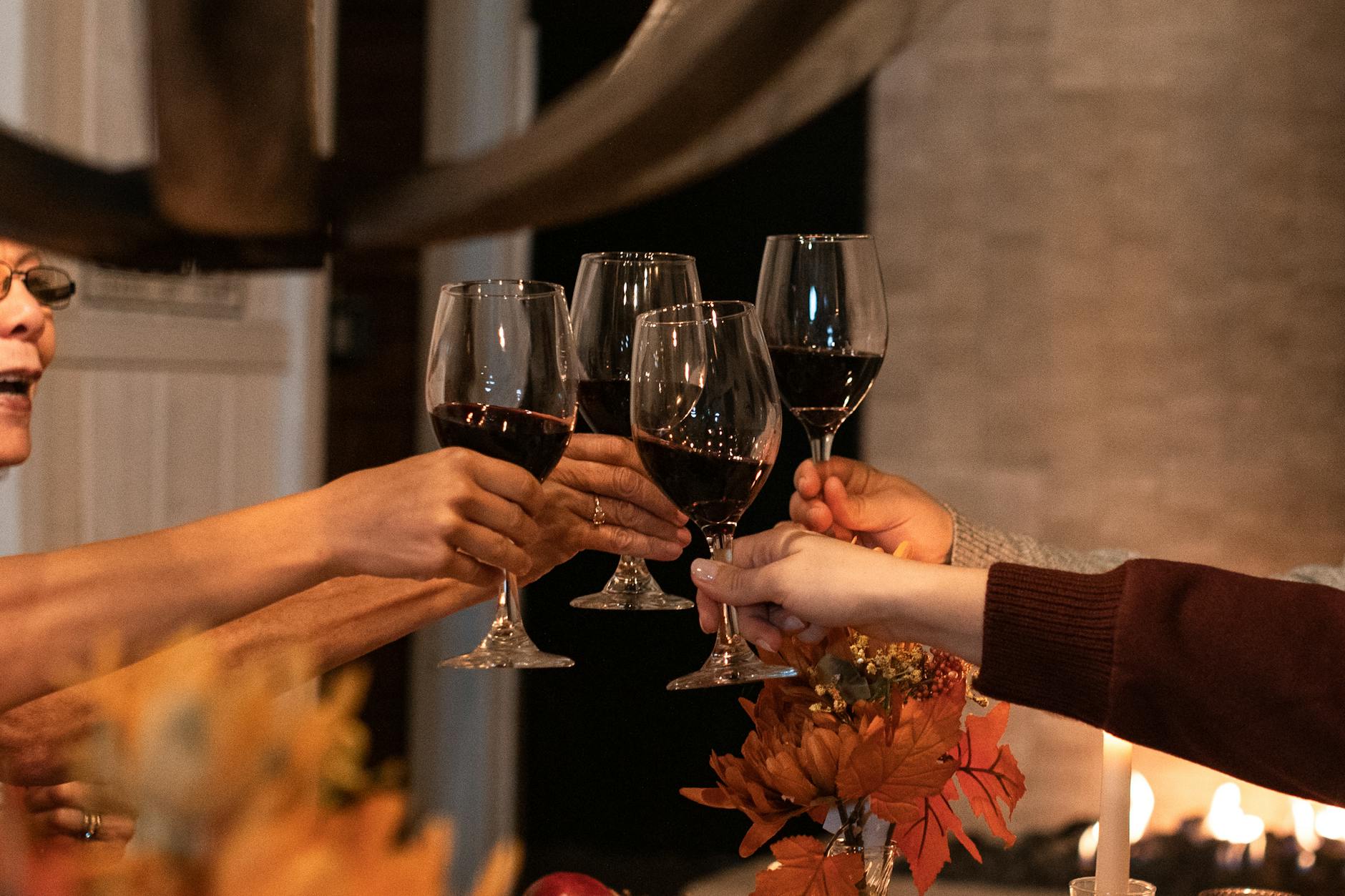
    In that sense, the Thanksgiving table isn’t just a feast — it’s a reminder that community and generosity are timeless. Every dish tells a story. Every bottle uncorked is an offering. Every toast is a small, shimmering act of appreciation.

    Photo by RDNE Stock project on Pexels.com

    The Wines of the Table

    Thanksgiving is famously one of the most wine-friendly meals of the year, but it’s also one of the most challenging. Sweet meets savory, spice meets butter, and no two plates look the same. The secret isn’t to find one perfect pairing — it’s to fill the table with wines that invite conversation and complement the diversity of flavors on every fork.

    Here’s how to think about the day, course by course.

    The Welcome Toast — Light and Lively

    The first pour sets the tone. Keep it bright, crisp, and full of energy — a gentle awakening for the palate and a nod to celebration itself.

    SOMM&SOMM Recommends:

    Pair with: Light bites — spiced nuts, baked brie, stuffed mushrooms, or shrimp cocktail.
    Sommelier’s notes: The bubbles cut through salt and richness, preparing the palate for the meal ahead while lifting spirits from the very first sip.

    The Starters — Texture and Warmth

    As the first plates appear — roasted squash soup, cranberry salads, caramelized root vegetables — it’s time for wines that echo autumn itself.

    SOMM&SOMM Recommends:

    • Riesling (off-dry from Mosel or Finger Lakes)
    • Chenin Blanc from Vouvray or South Africa

    Pair with: Sweet-savory starters like glazed carrots, roasted apples, or savory tarts.
    Sommelier’s notes: A touch of sweetness complements early-course flavors and balances any spice or tartness.

    The Main Event — Harmony Over Dominance

    Turkey is the canvas; the sides are the art. Between gravy, herbs, and stuffing, you’ll want wines that harmonize rather than compete.

    SOMM&SOMM Recommends:

    • Pinot Noir (Oregon, Burgundy, or Santa Barbara)
    • Grenache or GSM blends from the Rhône or Paso Robles
    • Chardonnay (unoaked for brightness, lightly oaked for comfort)

    Pair with: Turkey, stuffing, mashed potatoes, and all the trimmings.
    Sommelier’s notes: Pinot Noir’s bright acidity and soft tannins play well with almost every dish. Chardonnay, when balanced, provides the creamy bridge between rich and delicate flavors.

    The Unexpected Pairings — For the Adventurous

    Thanksgiving is also the perfect excuse to open something surprising.

    SOMM&SOMM Recommendations:

    • Dry Rosé from Provence or Bandol
    • Lambrusco (dry or off-dry)
    • Zinfandel from Lodi or Dry Creek Valley

    Pair with: Hearty sides, smoked meats, or sweet-savory stuffing.
    Sommelier’s notes: Rosé bridges red and white worlds beautifully. Lambrusco’s bubbles and berry notes bring fun to the table, while Zinfandel amplifies the warmth of holiday spices.

    Photo by Pixabay on Pexels.com

    The Sweet Finish — Grace in the Glass

    Dessert deserves its own quiet moment — the table calm, candles low, and the laughter softer now.

    SOMM&SOMM Recommends:

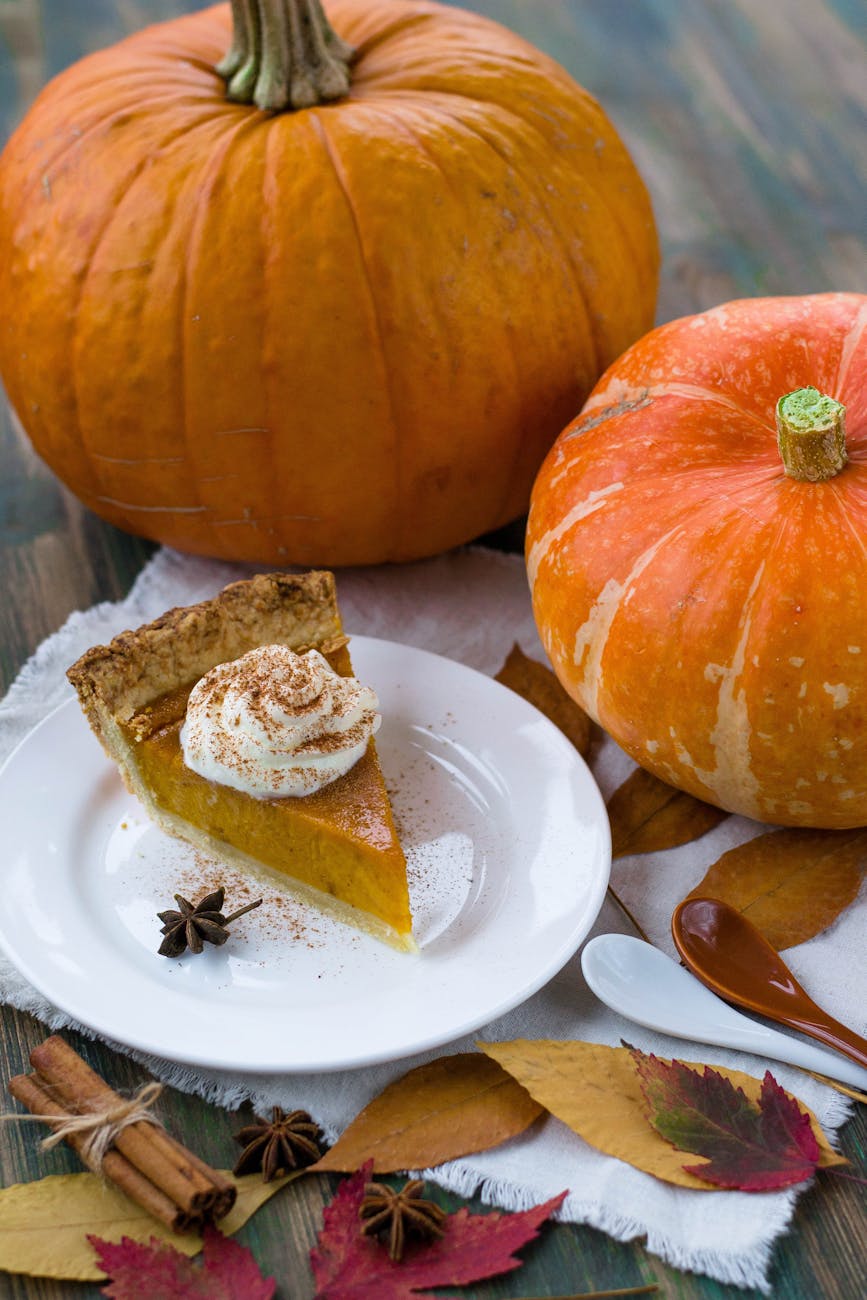
    Pair with: Pumpkin pie, pecan tart, apple crisp, or cheese boards with dried fruit.
    Sommelier’s notes: These wines mirror the season’s sweetness, adding depth to desserts without overwhelming them.

    Tammy’s Pumpkin Pie

    PASTRY FOR SINGLE-CRUST PIE

    • 1 ¼ cups All-Purpose Flour
    • ¼ tsp Salt
    • ½ cup (1 stick) Cold Unsalted Butter, cut into ½ inch pieces
    • 3 to 4 tablespoons Cold Water, as needed

    Combine flour, salt and butter in bowl.  Rub butter into flour mixture to resemble cornmeal. Add 3 tablespoons cold water and stir using fork or electric mixer, adding more water as needed, until dough is just hydrated and comes together. Shape the dough into a ball and flatten slightly. Wrap in wax paper and chill for 30 minutes. Roll dough into a circle about 1/8 inch thick. Lightly grease the pan. Place the rolled dough in the pan and crimp the edges. No need to pre-bake this crust.

    FILLING

    • 2 cups Mashed Cooked Pumpkin
    • 1 12 oz can Evaporated Milk
    • 2 Eggs
    • ¾ cup Packed Brown Sugar
    • ½ tsp Ground Cinnamon
    • ½ tsp Fresh Grated Nutmeg
    • ½ tsp Ground Ginger
    • ½ tsp Salt

    Preheat oven to 400 degrees

    Separate eggs and beat whites until soft peaks form.

    Beat the pumpkin, egg yolks, evaporated milk, eggs, brown sugar, and spices with an electric mixer until well blended. Fold in the beaten egg whites. Pour into the pie crust and bake for 40 minutes or until knife inserted comes out clean.

    Wine Beyond the Glass

    As the plates empty and the conversation lingers, you start to realize: Thanksgiving isn’t really about the food or the wine. It’s about the shared space between them — the way stories unfold between sips, how laughter softens over dessert, and how gratitude seems to fill every empty glass.

    Wine simply becomes the language of connection — a way to express joy, generosity, and the beauty of being together.

    Thanksgiving isn’t about getting to what’s next — it’s about honoring what’s now.

    Gregory Dean, SOMM&SOMM

    A Toast to What Matters

    In a world that moves too fast, Thanksgiving reminds us to slow down. It’s not the opening act of Christmas or the final note of fall. It’s its own moment — rich, deliberate, and full of heart.

    So pour the good bottle. Use the nice glasses. Light the candles and let the meal stretch long into the evening. Because Thanksgiving isn’t about getting to what’s next — it’s about honoring what’s now.

    Here’s to the people who fill your table, the stories that flavor your meal, and the wines that remind you why gratitude is best served slow.

    SOMM&SOMM Thanksgiving Series

    Photo by Craig Adderley on Pexels.com

    A Closing Note from SOMM&SOMM

    As we raise our glasses this Thanksgiving, it’s worth remembering that not every chair at the table will be filled. Some seats will stay empty — for loved ones who’ve passed, for those too far away, or for relationships still finding their way back to warmth.

    It’s in those quiet spaces — the pauses between laughter, the flicker of a candle beside an untouched plate — that Thanksgiving reveals its deeper meaning. Gratitude isn’t about perfection. It’s about presence. It’s about honoring both the joy and the ache, the abundance and the absence, and still finding reason to give thanks.

    Perhaps that’s why this holiday can feel overlooked or even avoided. It asks us to slow down, to feel, to remember. It doesn’t glitter like Christmas or thrill like Halloween — it simply invites us to be human. To gather, to share, to forgive, and to savor the fleeting beauty of now.

    So wherever you find yourself this season — whether surrounded by a crowd or holding close to a single memory — may your glass be full, your heart be open, and your gratitude unhurried.

    – With love and thanks,
    Greg & Tammy Dean, SOMM&SOMM

    Cover Photo by Monstera Production on Pexels.com

  • Part II: Pouring the Prelude

    Part II: Pouring the Prelude

    The Week Before Thanksgiving.

    By the week before Thanksgiving, excitement (and maybe a little anxiety) starts to bubble up. The fridge is slowly filling, the guest list keeps shifting, and the dining table looks more like a staging area than a place to eat.

    This is when the holiday starts to feel real — the point where anticipation meets aroma. And with a little planning (and the right bottle or two), this week can be just as enjoyable as the big day itself.

    Photo by RDNE Stock project on Pexels.com

    Monday: Lists and Light Wines

    Monday is the calm before the culinary storm. The fridge still has space, your to-do list is organized, and there’s time to think.

    Wine to sip while planning: Sancerre or Grüner Veltliner
    Bright, refreshing, and focused — they keep you alert while dreaming about the feast ahead.

    Easy pairing: Goat cheese and roasted beet salad or a quick apple and cheddar plate.

    It’s not a celebration yet — it’s about easing into the rhythm of the week, with a glass that says, “I’ve got this.”

    Photo by Daria Obymaha on Pexels.com

    Tuesday: Test Kitchen Tuesday

    This is the day for trial runs — those little recipe experiments or make-ahead dishes. Invite a friend over, open a bottle, and turn testing into a mini celebration.

    Wine pick: Beaujolais-Villages or Gamay Noir
    Playful and food-friendly, these reds match almost anything you might taste-test.

    Try with: Cranberry-glazed meatballs, stuffing muffins, or baked brie with herbs.

    These are wines that remind you cooking is supposed to be fun — not stressful.

    Photo by Nataliya Vaitkevich on Pexels.com

    Wednesday: The Night Before

    By Wednesday, the kitchen’s in full swing. The turkey’s thawed, the counters are covered, and someone’s already sampling the pie filling. This is when you need something comforting, easy, and familiar.

    Wine of choice: Chardonnay (unoaked or lightly oaked)
    It’s rich enough for a cozy meal but won’t weigh you down.

    Pair with: Herbed roast chicken, creamy soup, or even just buttered popcorn and a movie while the house fills with anticipation.

    This is the night to unwind — to exhale before the big day.

    Photo by yasminizm on Pexels.com

    Thursday Morning: A Sparkling Start

    There’s nothing like waking up on Thanksgiving morning to the smell of cinnamon and coffee, with the kitchen already humming. Before the chaos begins, take ten minutes to pause. Step outside, take in the crisp air, and toast to what’s ahead.

    Wine for the moment: Sparkling Rosé or Prosecco Superiore
    Bubbles have a way of marking a moment. They remind you this is a celebration — not just a meal.

    Pair with: Pumpkin muffins, cranberry scones, or fruit and cheese for a light breakfast spread.

    It’s the small rituals that make the day memorable.

    Wine and the Art of Anticipation

    Wine has a way of slowing time — it nudges us to notice the details: the warmth of the oven, the laughter drifting from another room, the comfort of familiar aromas. This week is about those details.

    Don’t wait for the big day to open something special. Celebrate the process — the prep, the planning, the people. Thanksgiving isn’t just about what’s on the table; it’s about what happens around it.

    Photo by cottonbro studio on Pexels.com

    Coming Next: The Feast

    In our final article — Part III: “The Feast — A Thanksgiving Table Worth Toasting” — we’ll sit down at the table together. Expect classic pairings, fresh ideas, and a few surprises for every stage of the meal — from appetizers to dessert wines.

    Until then, take this week slowly. Sip something seasonal. Laugh off the chaos. And remember: gratitude isn’t just for Thursday — it’s for every moment that leads up to it 🍷

    Cover Image: Photo by RDNE Stock project on Pexels.com

  • Part I: Giving Thanks (and Maybe a Little Grace)

    Part I: Giving Thanks (and Maybe a Little Grace)

    This three-part SOMM&SOMM Thanksgiving series is a celebration of gratitude, gathering, and the glass — designed to unfold just as the season does.

    There’s a quiet beauty to early November. The Halloween decorations are packed away, the first cool fronts roll in, and suddenly the house feels like it’s waiting for something. For some, it’s the countdown to Christmas lights and shopping lists. But for many of us — those who live for the smell of roasting herbs, clinking glasses, and family stories that spill across the table — it’s the beginning of something more grounded: Thanksgiving season.

    Somewhere along the way, this holiday has been tucked between the commercial fanfare of Halloween and Christmas, like the forgotten middle child of the holidays. But Thanksgiving deserves more. It’s a celebration of connection, of gratitude, of food shared and stories retold. It’s not about grand gestures or elaborate centerpieces — it’s about the simple act of gathering.

    The Spirit of Thanksgiving

    Before there were supermarkets and double ovens, Thanksgiving was born from gratitude — people giving thanks for harvest, survival, and community. It wasn’t a feast for show; it was a moment of pause. Somewhere amid our modern rush, that sense of quiet appreciation still exists — we just have to slow down enough to notice it.

    Thanksgiving asks us to step away from our screens and schedules and gather with the people who make our world whole. Whether it’s family, friends, or the neighbors you only see once a year, it’s the one day when conversation, food, and drink matter more than the clock.

    Photo by Wendy Wei on Pexels.com

    Warming Up for the Season

    The weeks leading up to Thanksgiving are a perfect time to get back into the rhythm of the kitchen — and the cellar. Farmers’ markets are alive with squash, apples, and sweet potatoes. The first casseroles reappear, and “test runs” of favorite recipes start filling the air with familiar aromas.

    It’s also the season to enjoy wines that ease us into the warmth of late autumn. Think of it as tuning your palate for what’s to come.

    Try these cozy pre-holiday pairings:

    • Roasted Butternut Squash Soup with Viognier: A rich, silky soup meets a wine with soft apricot and floral notes.
    • Mushroom Tartlets with Pinot Noir: Earthy and elegant, this combo practically defines autumn.
    • Apple and Brie Crostini with Sparkling Wine: Crisp, celebratory, and simple — ideal for impromptu gatherings.

    These aren’t the wines you reserve for the main event — they’re for the small, beautiful in-between moments.

    Photo by cottonbro studio on Pexels.com

    Perfectly Imperfect Gatherings

    Let’s be honest — Thanksgiving can be a circus. There’s always a forgotten dish, a heated debate over football or politics, and that one relative who insists on bringing a “healthy” version of mashed potatoes. But these moments are part of the charm.

    Every family has its quirks, just like every bottle has its surprises. The laughter, the noise, the imperfect timing — that’s the real flavor of the season. The best wines aren’t the most expensive; they’re the ones that taste better when shared.

    So dust off the good glasses (or don’t), open something that makes you smile, and toast to the mess and magic of it all.

    Photo by Andrea Piacquadio on Pexels.com

    What’s Next

    Over the next few weeks, we’ll take a deeper dive into the Thanksgiving experience — from the prep and planning to the meal itself. Each article will offer fresh pairing ideas, stories, and maybe a few borrowed family recipes.

    For now, pour something seasonal, light a candle, and enjoy the calm before the carving. Thanksgiving isn’t just a day on the calendar — it’s a whole mood 🍷

    Cover Photo by Anna Tukhfatullina Food Photographer/Stylist on Pexels.com

  • Wickedly Good Pairings

    Wickedly Good Pairings

    Wines that Haunt Halloween Candy.

    Halloween night: kids crash into sugar comas, the porch lights click off, and suddenly you’re left staring at a bowl of leftover candy… or the irresistible temptation of “parent tax” from your child’s trick-or-treat bag. (They’ll never notice three missing Snickers, right?)

    While most people reach for milk or maybe a cold beer to tame the sweetness, sommeliers know the secret: wine can turn that guilty nibble into a pairing that’s equal parts science and sorcery. Here’s your ultimate grown-up guide to Halloween candy and wine—no costumes required.

    Photo by Pixabay on Pexels.com

    Chocolate-Based Treats

    Reese’s Peanut Butter Cups

    Pairing: Tawny Port
    Why: Tawny’s caramelized nutty flavors mirror roasted peanuts, while its richness smooths out the chocolate. Think of it as peanut brittle with a PhD.

    Snickers

    Pairing: Banyuls (Fortified Grenache from Roussillon)
    Why: Chocolate, caramel, nougat, and peanuts are basically begging for a dessert wine with body. Banyuls checks every box, making Snickers feel Michelin-star worthy.

    Twix

    Pairing: Madeira (Bual style)
    Why: Biscuit crunch plus caramel is Madeira’s happy place. Bual Madeira’s nutty, oxidative character latches onto the cookie layer, while its acidity slices through caramel. Midnight snackers: prepare for joy.

    Milky Way

    Pairing: Demi-Sec Vouvray (Chenin Blanc, Loire)
    Why: Chenin’s baked apple and honey tones cozy up to the nougat while acidity keeps everything lively. Pairing magic in fun-size form.

    Kit Kat

    Pairing: Brut Rosé Champagne
    Why: Snap, fizz, pop. The bubbles cleanse, the rosé fruit lifts chocolate, and suddenly a humble Kit Kat feels like Paris Fashion Week.

    M&Ms (Plain or Peanut)

    Pairing: Ruby Port
    Why: Primary berry fruit for plain; roasted nut harmony for peanut. Both combos are dangerously addictive—consider hiding the bag from yourself.

    Butterfinger

    Pairing: Tokaji Aszú (Hungary)
    Why: Flaky, crunchy peanut butter layers demand complexity. Tokaji brings apricot, honey, and botrytis richness, elevating Butterfinger into haute cuisine. Yes, really.

    Tootsie Rolls

    Pairing: Lambrusco (Semi-Secco)
    Why: A little playful fizz balances chewy “chocolate-adjacent” flavor. Lambrusco is the trickster wine, turning this humble candy into a carnival.

    Photo by Photo By: Kaboompics.com on Pexels.com

    Fruity, Sour, and Chewy Treats

    Skittles

    Pairing: Moscato d’Asti
    Why: Low ABV, effervescent sweetness, and tropical notes let you “taste the rainbow” without collapsing under sugar overload.

    Starburst

    Pairing: Rosé of Provence (off-dry)
    Why: Strawberry, watermelon, citrus—these flavors practically scream rosé. Bonus: the wine’s slight dryness balances Starburst’s neon-sugar pop.

    Sour Patch Kids

    Pairing: Mosel Riesling Kabinett
    Why: Riesling thrives on high acidity + residual sugar. The sour hit is tamed by Riesling’s sweetness, and the fruit flavors harmonize like a well-tuned string quartet.

    Nerds

    Pairing: Sparkling Brachetto d’Acqui (Italy)
    Why: Nerds are crunchy, tangy, and slightly chaotic. Brachetto, with its strawberry-soda vibes, makes this feel like a dessert cocktail at a Halloween carnival.

    Gummy Bears (or Worms, if you’re ghoulish)

    Pairing: Off-dry Rosé Sekt (Germany)
    Why: Juicy, bouncy gummies love a bright, berry-driven sparkling rosé. The bubbles bounce along with the gummy chew.

    Photo by Terrance Barksdale on Pexels.com

    Classic Chocolate Bars

    Hershey’s Kisses

    Pairing: Tawny Port (again) or Maury Sec (Southern France)
    Why: Simple milk chocolate meets oxidized nutty sweetness = instant upgrade. Pop, sip, repeat until the foil pile gives you away.

    3 Musketeers

    Pairing: Amontillado Sherry
    Why: Light nougat meets Sherry’s caramel and nutty edge. It’s the most “grown-up” this candy will ever feel.

    Photo by Skyler Ewing on Pexels.com

    Hard Candy & Miscellaneous Mischief

    Candy Corn

    Pairing: Off-dry Gewürztraminer
    Why: Spicy aromatics cut through the waxy sugar bomb. You’ll never look at the triangular sugar pyramid the same way again.

    Lollipops (Dum-Dums, Tootsie Pops, etc.)

    Pairing: Demi-Sec Sparkling Wine (Crémant d’Alsace, Vouvray, or Cava)
    Why: Sucking on sugar wants bubbles. Add wine, and suddenly you’re the sophisticated kid on the block.

    Smarties (U.S. version)

    Pairing: Dry Lambrusco or Frizzante Rosé
    Why: Tart, chalky sweetness pairs with something equally zippy and refreshing. It’s the sommelier-approved palate cleanser of the candy haul.

    When You’ve Really Raided the Bag…

    At some point—maybe after the third glass—you’ll find yourself with a strange handful: a Milky Way, a handful of Skittles, and two rogue Tootsie Rolls. Here’s your move: Vin Santo (Tuscany). With its nutty, honeyed depth, Vin Santo doesn’t care what candy you throw at it—it’ll hold its own like the boss wine it is.

    Photo by Pixabay on Pexels.com

    Final Spellbinding Sip

    Halloween candy and wine might seem like a gimmick, but the rules of pairing don’t vanish when the costumes come out. Match sugar with sugar, balance fat with acidity, and use intensity to meet intensity. Suddenly, you’re not just sneaking candy—you’re hosting a private tasting in the glow of a jack-o’-lantern.

    Photo by Aleksandar Cvetanovic on Pexels.com

    So the next time you “check” your kids’ haul while they sleep, or eye that bowl of leftovers like a haunted treasure chest, remember: it’s not theft, it’s pairing research.

    To guilty pleasures, wickedly good wines, and Halloween indulgence—cheers! 🕸️🍷👻

    Cover Photo by Terrance Barksdale on Pexels.com

  • Game Day Pairings

    Game Day Pairings

    Wine & Cocktails for the Armchair Quarterback.

    There’s something magical about football season. Whether it’s college Saturdays or NFL Sundays, friends and family gather around the big screen, jersey-clad and hungry, ready to cheer (and sometimes yell) at the TV. Beer has long been the default game-day drink of choice — frosty lagers with wings, hoppy IPAs with pizza, and maybe a stout with chili.

    Photo by Vitaly Gariev on Pexels.com

    But what if we took those classic pairings and gave them a sommelier’s twist? Enter wine and cocktails: unexpected, exciting, and surprisingly perfect with your favorite tailgate snacks. Here’s how to substitute your standard pint with a pour that takes game-day cuisine to new levels.

    Photo by Omar Mahmood on Pexels.com

    Wings & Chardonnay (or a Margarita Twist)

    Beer stand-in: Crisp Pilsner
    Upgrade: California Chardonnay or a Smoky Margarita

    Buffalo wings love beer — but they also love balance. A California Chardonnay with just the right oak brings a buttery backbone to tame the spice while citrus and apple notes cut through the richness. If you prefer cocktails, shake up a Smoky Margarita: mezcal for depth, lime for brightness, and a splash of orange liqueur for sweet relief against the heat.

    Smoky Margarita Recipe

    • 2 oz mezcal
    • 1 oz fresh lime juice
    • 0.5 oz Cointreau (or triple sec)
    • 0.5 oz agave nectar
    • Shake with ice, strain into a salt-rimmed glass, garnish with lime.

    Try also: SOMM&SOMM Classic Margarita Recipe

    Photo by cottonbro studio on Pexels.com

    Pizza & Chianti Classico (or Negroni Sbagliato)

    Beer stand-in: Hoppy IPA
    Upgrade: Chianti Classico or a Sparkling Negroni

    Pizza night is game day royalty. Instead of an IPA, pour a glass of Chianti Classico — the bright acidity of Sangiovese slices through gooey cheese while cherry and herbal notes sing with pepperoni or sausage. Want something more playful? A Negroni Sbagliato (with Prosecco instead of gin) is effervescent, bittersweet, and a nod to Italian flair.

    👉 “Pro tip: it’s pronounced ‘Spah-lee-AH-toh.’ If you fumble it, just smile — after a sip or two, nobody’s keeping score anyway.” 🏈🍹

    Negroni Sbagliato Recipe

    • 1 oz Campari
    • 1 oz sweet vermouth
    • 2 oz Prosecco
    • Build in a glass over ice, stir gently, garnish with an orange slice.
    Photo by Anthony Leong on Pexels.com

    Nachos & Riesling (or a Paloma)

    Beer stand-in: Mexican Lager
    Upgrade: Off-Dry Riesling or a Grapefruit Paloma

    Nachos are all about layers: salty chips, gooey cheese, spicy jalapeños, and maybe some pulled pork. An off-dry German Riesling brings zesty citrus, floral aromatics, and just enough sweetness to tame the spice. Or shake things up with a Paloma — tequila, grapefruit soda, and lime for a refreshing, citrus-driven counterpoint.

    Paloma Recipe

    • 2 oz tequila blanco
    • 0.5 oz lime juice
    • Top with grapefruit soda (Jarritos or Fresca work)
    • Salt rim optional, garnish with a grapefruit wedge.
    Photo by Piotr Arnoldes on Pexels.com

    Chili & Zinfandel (or Old Fashioned)

    Beer stand-in: Stout
    Upgrade: California Zinfandel or a Classic Old Fashioned

    Hearty, spicy chili is a Sunday staple. Instead of a stout, uncork a California Zinfandel — jammy black fruit and spice stand tall against smoky meats and heat. For cocktail fans, nothing beats an Old Fashioned: whiskey, bitters, sugar, and an orange twist. Its richness echoes the depth of the chili while keeping the palate refreshed.

    Old Fashioned Recipe

    • 2 oz bourbon or rye whiskey
    • 1 sugar cube (or 0.25 oz simple syrup)
    • 2 dashes Angostura bitters
    • Stir with ice, strain over a large cube, garnish with orange peel.
    Photo by Juan Santos on Pexels.com

    Sliders & Sparkling Rosé (or French 75)

    Beer stand-in: Amber Ale
    Upgrade: Sparkling Rosé or a French 75

    Sliders may be small, but they’re packed with flavor — especially when piled high with cheese, pickles, and sauce. Sparkling Rosé cuts the richness with bubbles while berry notes match the savory-sweet balance of the burger. For a cocktail play, the French 75 adds gin botanicals and Champagne sparkle to the mix.

    French 75 Recipe

    • 1 oz gin
    • 0.5 oz fresh lemon juice
    • 0.5 oz simple syrup
    • Shake, strain into flute, top with 2 oz Champagne, garnish with lemon twist.
    Photo by Alejandro Aznar on Pexels.com

    Final Play: Dessert & Port (or Espresso Martini)

    Don’t forget the fourth quarter sweet tooth. For brownies or cookies, swap milk stout for Ruby Port — sweet, fruity, and indulgent. Or kick into overtime with an Espresso Martini, a modern classic that blends vodka, coffee liqueur, and espresso — the perfect nightcap after a day of touchdowns.

    Espresso Martini Recipe

    • 2 oz vodka
    • 0.5 oz coffee liqueur (Kahlúa)
    • 1 oz freshly brewed espresso (cooled)
    • Shake hard with ice, strain into coupe, garnish with 3 coffee beans.

    Here’s to touchdowns and tailgates, rivalries and replays, wings and wine, cocktails and camaraderie. May your team win — and may your glass never be empty. 🍷🏈🍸

    Gregory and Tammy Dean, SOMM&SOMM

    Cover Photo by Jean-Daniel Francoeur on Pexels.com

  • The Noble Grapes of Alsace

    The Noble Grapes of Alsace

    A Sommelier’s Love Letter to Strasbourg.

    There are places you visit, and then there are places that live inside you forever. For Tammy and me, Alsace falls firmly into the latter category. Years ago, we wandered the cobblestone streets of Strasbourg, where half-timbered houses leaned like old friends, flower boxes spilled with color, and cathedral bells echoed against the Vosges mountains. We thought we were traveling for pleasure… and wine—and oh, the wine delivered—but what we found was culture, tradition, and flavors so intertwined they seemed inseparable.

    Strasbourg, France (October 2019)

    Alsace is a region where wine is not just agriculture—it’s identity. And at the center of this identity are the four noble grapesRiesling, Gewürztraminer, Pinot Gris, and Muscat. These are not just grape varieties; they are storytellers of the land, each whispering its tale in a glass.

    Photo by Nikola Tomau0161iu0107 on Pexels.com

    Riesling – The King of Alsace

    If Alsace has a crown jewel, it’s Riesling. Unlike its German cousins, Alsatian Riesling is bone-dry, linear, and precise. Think citrus zest, green apple, crushed stone, and a thrilling minerality that seems carved straight from the Vosges slopes.

    Pairing tip: Riesling is your ultimate table diplomat. It shines alongside choucroute garnie (that glorious plate of sauerkraut, sausage, and pork), cutting through richness with refreshing acidity. It also plays beautifully with oysters, grilled fish, or even Thai cuisine if you’re in the mood to experiment.

    Gewürztraminer – The Drama Queen

    If Riesling is the king, Gewürztraminer is the diva of the court. Intensely aromatic and flamboyant, it bursts with rose petals, lychee, ginger, and exotic spice. Tammy once described it as “the perfume counter of the vineyard,” and I can’t think of a better metaphor.

    Pairing tip: Bold wines need bold partners. Try it with Munster cheese, the pungent, washed-rind treasure of Alsace. The match is unforgettable—wine and cheese meeting on equal footing, neither backing down. It’s also superb with spicy Indian curries, Moroccan tagines, or richly spiced duck.

    Try our Perfect Pairing: Gewürztraminer w/Sweet and Sour Chicken

    Pinot Gris – The Quiet Poet

    Many only know Pinot Grigio in its lighter Italian form, but Alsatian Pinot Gris is an entirely different soul—textured, smoky, and lush, with flavors of ripe pear, honey, almond, and sometimes even a whisper of truffle. It has a weight and gravitas that sneaks up on you, like a quiet poet at the edge of the party who suddenly steals the show.

    Pairing tip: This is the wine you want with foie gras, roast duck, or mushroom risotto. Its richness and depth embrace earthy, savory flavors like a long, warm evening by the fire.

    Muscat – The Trickster

    Dry Muscat from Alsace is a delightful surprise. Bursting with fresh grape, floral, and herbal notes, it tastes almost as if you’re biting into a cluster straight off the vine. Unlike Muscats from elsewhere, it’s playful but not sweet—a charming apéritif and a sommelier’s secret weapon.

    Pairing tip: Asparagus, the bane of wine pairings, finds its match in Alsace Muscat. The grape’s freshness and delicate aromatics tame the vegetal bite, making it one of the few wines I confidently pour with spring asparagus dishes.

    Related SOMM&SOMM Article: Demystifying Wine + Food for Real-Life Moments

    Why the Laws Matter in Alsace

    One of the reasons Alsace stands out in France is its unique wine laws. Unlike Burgundy or Bordeaux, where wines are labeled by village or château, Alsace bottles proudly state the grape variety—a refreshing rarity in France. If the label reads Alsace Riesling, you know it’s 100% Riesling.

    The hierarchy builds from there:

    • Alsace AOC: The broad regional designation, covering the majority of wines.
    • Alsace Grand Cru AOC: Reserved for 51 specific vineyards with stricter rules on yields, ripeness, and only noble grapes (with Zotzenberg’s historic exception allowing Sylvaner). The vineyard name is prominently displayed.
    • Vendange Tardive (VT): Late-harvest wines, rich and concentrated, often with honeyed sweetness.
    • Sélection de Grains Nobles (SGN): Botrytized dessert wines of incredible intensity, produced only in the best vintages.

    These classifications don’t just regulate—they protect the integrity of the region’s wines, ensuring that when you pour a glass of Alsace, you’re tasting a true expression of place.

    Related SOMM&SOMM Article: Understanding French Wine Laws

    Still enjoying Alsatian wines while reflecting on our time there

    Producers to Seek Out

    If you want to experience the noble grapes at their best, here are some producers that never fail to impress:

    • Trimbach – Benchmark dry Rieslings (look for Clos Ste. Hune if you want to experience one of the greatest Rieslings in the world). Their Pinot Gris and Gewürztraminer are equally classic.
    • Zind-Humbrecht – Known for intensely aromatic, powerful wines, often with a touch more ripeness and residual sugar. Their Grand Cru bottlings are legendary.
    • Domaine Weinbach – Elegant, precise wines with a poetic touch, particularly Riesling Schlossberg Grand Cru and Gewürztraminer Furstentum.
    • Hugel & Fils – Historic family estate, producing approachable yet serious wines. Their “Grossi Laüe” line highlights Alsace’s grandeur.
    • Albert Mann – A modern, biodynamic producer that balances tradition with innovation. Try their Grand Cru Rieslings and Pinot Gris.
    • Marcel Deiss – Famous for field blends (complantation) that showcase terroir rather than varietal—unique, complex wines outside the norm of Alsace labeling.

    Why Alsace Stays With Us

    When Tammy and I reminisce about Alsace, it’s not just the glasses we lifted but the way each grape embodied a piece of the region itself. Riesling was the sharpness of Strasbourg’s cathedral spire. Gewürztraminer the riot of color in every flower box. Pinot Gris the soft, golden glow of dusk on the Rhine. Muscat the laughter spilling from a tavern where beer and wine happily share the same table.

    Every time we open a bottle of Alsace, it feels like a postcard arriving from Strasbourg. And trust me, these postcards never fade. So here’s to Alsace—where Riesling sharpened our senses, Gewürztraminer stole the spotlight, Pinot Gris wrapped us in quiet warmth, and Muscat made us laugh out loud. To Strasbourg, to cobblestones and cathedral bells, and to every glass that brings us back there again—santé 🥂

    SOMM&SOMM Takeaway: The noble grapes of Alsace aren’t just wines—they’re laws, landscapes, and culture in liquid form. To drink Alsace is to taste a region where identity and glass are inseparable.

    Information on cover photo: Riesling Grapes and Leaves – No machine-readable author provided. T.o.m.~commonswiki assumed (based on copyright claims)., CC BY-SA 3.0, via Wikimedia Commons