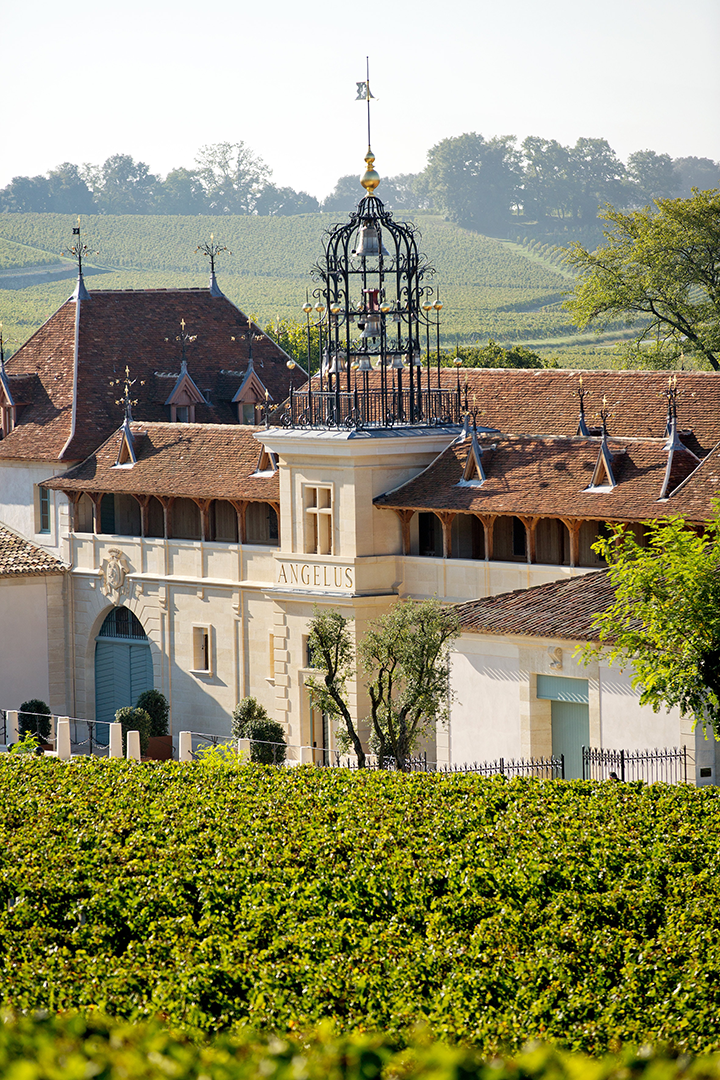
We had just barely finished celebrating the New Year when I first heard the news. In a very bold but predictable move, the famed Chateau Angélus withdrew from the 2022 Saint-Émilion ranking. Yep, in an instant… the volatile classifications of Saint-Émilion are again facing scrutiny. So, why all the drama?
Unlike the 1855 Classifications of Medoc and Graves on Bordeaux’s famed ‘Left Bank,’ the Saint-Émilion rankings are revisited approximately every 10 years. The last few reclassifications, however, have given way to public scrutiny and backlash from the wine community. While the idea of a constantly-evolving classification is noble, there is simply no way to avoid questions surrounding credibility when there is a clear conflict-of-interest.
“The optics alone screams controversy.”
-Gregory Dean
Hubert de Boüard, co-owner of Chateau Angélus, has been under fire for several years because of his participation in the national wine appellations committee. The optics alone screams controversy. In the very competitive world of wine, every advantage matters. I don’t believe, however, Hubert de Boüard was doing anything more than offering his many years of winemaking passion, experience and knowledge to help Saint-Émilion maintain the status and reputation it deserves.
The Saint-Émilion wine classification began in 1955–one hundred years after the very famous 1855 Bordeaux Classification–with the promise of revising status and standing every 10 years (or so). To date, there have been six classifications. The most recent was in 2012 and included eighteen First Grands Crus Classés. Four of the eighteen were First Grands Crus Classés A–including Chateau Angélus, Chateau Ausone, Chateau Chevel Blanc, and Chateau Pavie.
Currently (January 2022), Chateau Pavie is the only remaining Grands Crus Classés A estate from the 2012 classification. Chateau Ausone and Chateau Chevel Blanc withdrew in July 2021. It is an unfortunate fact that these classifications–as well as certain high-profile wine scores–influence popularity and pricing. Being elevated to the highest classification can instantly change a consumer’s perception of a particular Saint-Émilion chateau… but at the same time, a demotion to a lower classification can impact the winemaker’s bottom line.
That being said, the fact that these estates chose to distance themselves from the Saint-Émilion wine classification speaks volumes about how the benefits have become overshadowed by what has seemingly become a biased process. At least that’s what one court declared by fining Hubert de Boüard for his involvement in national wine appellations committee.
The evolving classification of Saint-Émilion will continue to motivate estates to maintain quality and consistency (that’s a good thing). Until tighter rules for regulating the classification process are implemented, it will remain the center of controversy in the ‘Right Bank’ of Bordeaux.


Leave a reply to The Wine Lover’s Foggy Memory – SOMM&SOMM Cancel reply