Tag: WSET

  • Demystifying Wine + Food for Real-Life Moments

    Demystifying Wine + Food for Real-Life Moments

    The Art & Science of Perfect Pairings.

    Wine and food pairing is one of the most celebrated and misunderstood arts in the culinary world. It’s where science meets instinct, and where a great meal becomes unforgettable. If you’ve ever panicked while choosing a wine for a dinner party with mismatched dishes, you’re not alone. I’ve been there—grilled lamb on one plate, Thai curry on another, someone asking for Chardonnay, and someone else who’s allergic to sulfites.

    In my journey through the Court of Master Sommeliers (CMS), Wine & Spirit Education Trust (WSET), and the Society of Wine Educators (SWE), I found each program offers gems of pairing wisdom, yet no single one gives you the full toolbox. That’s why I’ve stitched together the best parts of all three—and then some—to help you master the magic of pairing food and wine like a seasoned pro (without needing a diploma or a decanter shaped like a swan).

    First, the Science

    At its core, food and wine pairing is all about balancecontrast, and harmony. Think of it like composing a song—each flavor, texture, and temperature is an instrument, and your goal is a well-orchestrated experience.

    Let’s break down the key components that matter when pairing wine with food:

    Acidity

    Wines with high acidity (like Sauvignon Blanc, Riesling, Champagne, or Chianti) can cut through richness, refresh the palate, and balance fat.
    ✔ Perfect with: Goat cheese, fried chicken, oysters, butter sauces, vinaigrettes.

    SOMM&SOMM Tip (WSET): Acid balances acid. A tomato-based dish needs a wine with matching acidity—or the wine will taste flat.

    Sweetness

    Sweetness in wine can tame heat and offset spice, but it can also clash with salty or bitter foods.
    ✔ Perfect with: Spicy Thai, Indian curries, blue cheese, or desserts that are less sweet than the wine.

    SOMM&SOMM Insight (CMS): Always ensure the wine is sweeter than the dish when pairing with dessert. Otherwise, the wine will taste bitter or sour.

    Tannin

    Tannin is the astringent compound from grape skins and oak that creates a drying sensation. It loves fat and protein.
    ✔ Perfect with: Steak, duck, hard cheeses, anything umami-rich.

    SOMM&SOMM Wisdom (SWE): Tannin clashes with spicy or acidic foods. Avoid pairing big reds with vinegary dressings or chili heat.

    Alcohol

    Higher alcohol amplifies heat. Use with caution when spicy food is involved.
    ✔ Perfect with: Hearty fare (e.g., barbecue, roasted meats), not ideal for hot peppers or wasabi.

    SOMM&SOMM Caution (CMS): Beware the “burn”—pairing a 15% ABV Shiraz with Sichuan noodles can be a one-way ticket to regret.

    Body

    The weight or texture of the wine should match the weight of the food.
    ✔ Light with light, bold with bold.

    SOMM&SOMM Rule of Thumb (WSET): Pinot Noir with salmon = yes, please. Cabernet Sauvignon with sole meunière = culinary crime.
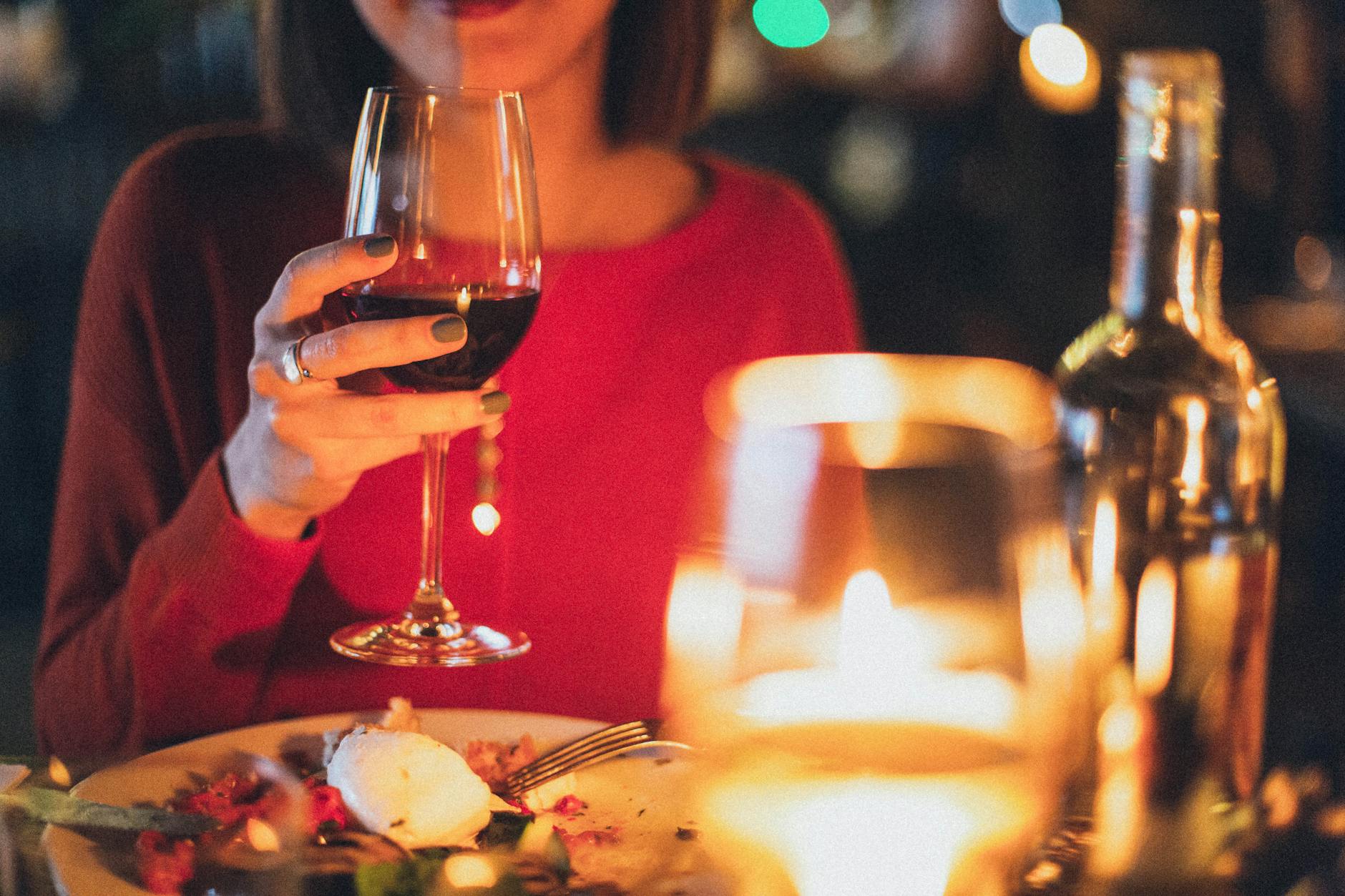
    Photo by Elina Sazonova on Pexels.com

    The Challenge: One Table, Many Dishes, Many People

    The biggest headache isn’t foie gras vs. Muscat or sushi vs. Sancerre—it’s what do I serve when everyone’s eating something different?

    The Solution: Go for Versatile Wines.
    These crowd-pleasers have enough acidity, fruit, and balance to play well with a wide range of foods.

    • Sparkling Wine (Champagne, Cava, Crémant): High acid, low tannin, bubbles = perfect with everything from fried chicken to sushi to triple cream cheese.
    • Riesling (Off-dry): Sweetness + acid = curry whisperer, pork tenderloin’s best friend, amazing with tacos al pastor.
    • Pinot Noir: Low tannin, high acid, earthy red fruit = mushrooms, roast poultry, salmon, lentils.
    • Rosé (dry): Works with charcuterie, grilled veggies, seafood, and awkward potluck moments.

    What Is Umami—and Why Does It Matter?

    Umami is the “fifth taste”—a savory, meaty richness found in aged cheese, mushrooms, soy sauce, tomatoes, cured meats, seaweed, etc. It enhances bitterness and astringency in wine while dulling fruit and sweetness.

    Pairing Tip: Wines with high tannin or oak clash with umami-rich foods.
    ✔ Good Matches: Pinot Noir, Beaujolais, Grüner Veltliner, dry Riesling, aged Champagne.
    ✘ Avoid: Young, heavily oaked Cabernet or Syrah.

    Example: That truffle risotto screams for a mature Barolo or Burgundy—not a new world Shiraz.

    What About Spicy Food?

    Heat changes everything. Chili compounds (capsaicin) magnify tannin, oak, and alcohol. That’s a recipe for a fiery disaster.

    Top Tips for Pairing with Heat:

    • Low alcohol, off-dry white wines = best friends
      ✔ Riesling (Kabinett), Gewürztraminer, Chenin Blanc, Lambrusco.
    • Chillable, fruity reds: Gamay, Zweigelt, chilled Grenache.
    • Sparkling wines: Carbonation + touch of sugar = magic with spicy fried chicken.

    Avoid: High alcohol, high tannin, heavily oaked wines.

    Photo by Valeria Boltneva on Pexels.com

    And Fried Food?

    Fried food is fatty, crispy, salty, and usually hot. You need a wine that can cut through the oil and refresh the palate.

    ✔ Best Pairings:

    • Champagne / Sparkling wines (yes, again) – the bubbles cleanse the palate.
    • Dry Riesling – zingy, bright, and citrusy.
    • Albariño or Vermentino – light-bodied, slightly saline, perfect with fish ‘n chips.
    • Lambrusco (dry or off-dry) – excellent with fried chicken or tempura.

    Real-World Pairing Shortcuts

    Here are a few real-world hacks and examples I use all the time with guests, family, and friends:

    Pizza Night

    • Red Sauce + Cheese Pizza: Chianti, Barbera, or Dolcetto.
    • White Pizza with Garlic + Mushrooms: Pinot Grigio or aged Chardonnay.
    • Meat Lovers: Zinfandel or Syrah.

    Sushi or Sashimi

    • Dry RieslingGrüner Veltliner, or Ginjo Sake.
    • Toro or richer rolls? Try Champagne or even a soft Chablis.

    Burgers

    • Beef + Cheddar: Merlot, Zinfandel, or Malbec.
    • Mushroom Swiss: Pinot Noir or Syrah.
    • Spicy Jalapeño Burger: Off-dry Riesling or chilled Lambrusco.

    Final Thoughts from a Sommelier’s Mindset

    If you remember nothing else, remember this:

    When in doubt, match the intensity and aim for balance. Then serve what you love.

    Gregory Dean, SOMM&SOMM

    Every formal wine education program agrees on the why of pairing. They just disagree on how to describe it. Whether it’s CMS’s “structure-based pairing,” WSET’s “systematic approach,” or SWE’s “practical consumer translation,” the goal is the same: Elevate the experience.

    My Golden Rules

    1. Match acid with acid.
    2. Sweet food needs sweeter wine.
    3. Tannin loves fat and protein.
    4. Spice needs sweetness, not strength.
    5. Sparkling wine goes with almost everything (and makes people happy).
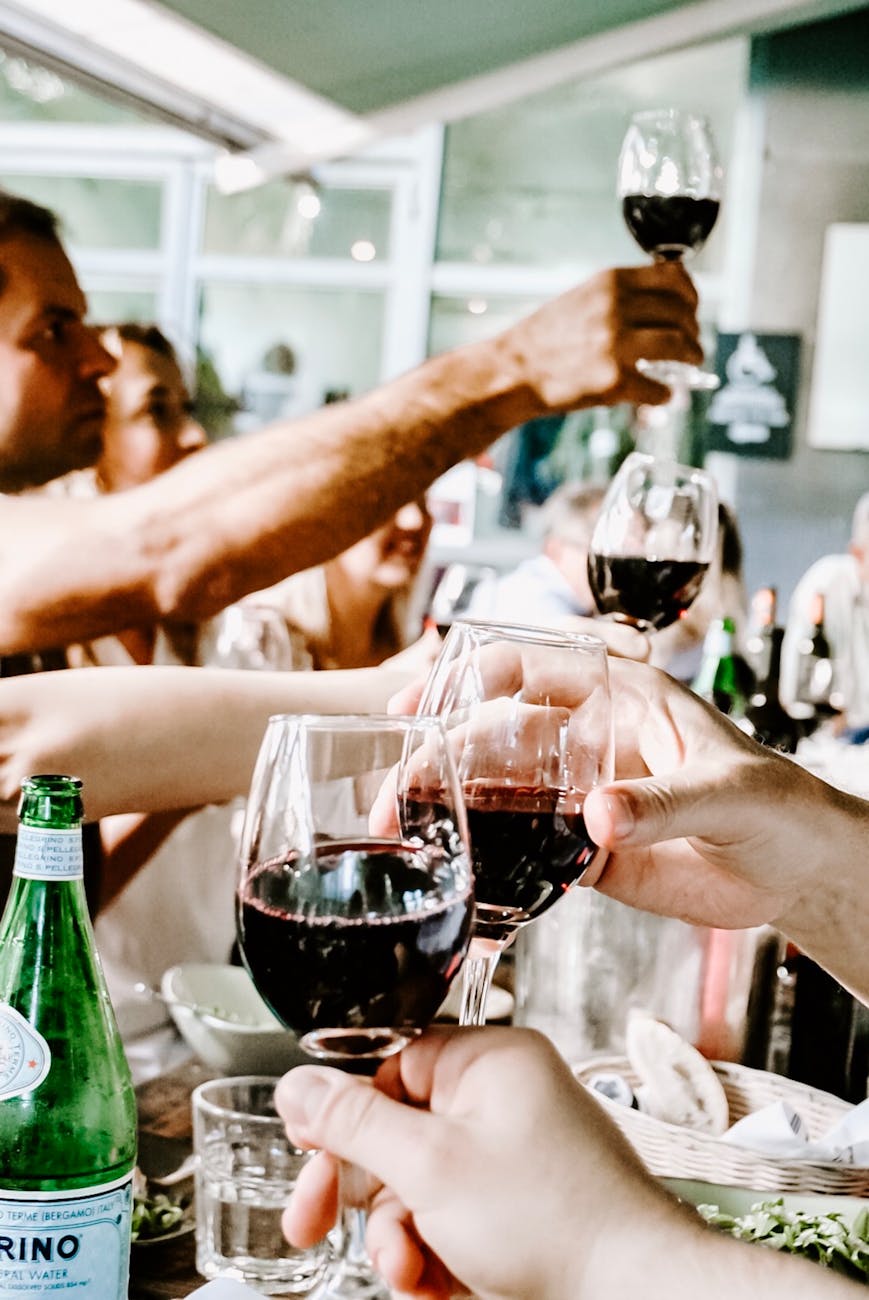
    Photo by Julia Kuzenkov on Pexels.com

    🥂 A Toast to You, Brave Pairing Adventurer

    “May your reds never clash, your whites always refresh,
    Your pairings delight, and your guests say ‘Oh YES!’
    To the spicy, the fried, the funky, the bold—
    May your wine pairings always be gold.”

    Cheers! 🍷

    Choosing Your Wine Education Path: Which Program Fits You Best?

    Court of Master Sommeliers (CMS):
    Best for: Hospitality pros, service-minded sommeliers, and those working the floor.
    Why it shines: Strong focus on deductive blind tasting, food & wine pairing in real-time, and tableside service. Great for restaurant wine directors and those who thrive in high-pressure, fast-paced environments.

    Wine & Spirit Education Trust (WSET):
    Best for: Academics, structured learners, and wine marketers or importers.
    Why it shines: Methodical, globally recognized framework focused on theory, tasting technique, and global wine business. Ideal if you love organized study, exams, and a deep dive into theory over service.

    Society of Wine Educators (SWE):
    Best for: Educators, writers, and wine communicators.
    Why it shines: Emphasis on teaching, knowledge sharing, and approachable education. Great for those leading classes, writing content, or creating wine programs with a consumer-first mindset.

    💡Quick Tip: If you’re torn—start with WSET for the theory, add CMS if you’re service-focused, and consider SWE if you want to teach or create content.

    Still unsure? Think about where you want to use your knowledge—and let your glass (and goals) guide you! 🥂

  • Multifaceted Journey of Becoming a Wine Professional

    Multifaceted Journey of Becoming a Wine Professional

    In the realm of oenology, the path to becoming a wine professional is as complex and diverse as the flavors and aromas found within a fine Bordeaux. It’s a journey that requires not only a refined palate but also a deep understanding of numerous academic disciplines. From history to geography, geology to viticulture, and beyond, the pursuit of wine expertise is a multifaceted odyssey that demands dedication, curiosity, and a voracious appetite for knowledge.

    Embark on your own journey to becoming more knowledgable about wine… You’ll be glad you did!

    At the heart of any wine professional’s education lies an appreciation for history. Understanding the rich tapestry of wine’s past is essential for contextualizing its present and forecasting its future. From the ancient vineyards of Mesopotamia to the illustrious estates of Bordeaux, the story of wine is woven into the fabric of human civilization. By delving into historical texts, archival records, and archaeological findings, aspiring sommeliers gain insights into the evolution of winemaking techniques, the rise and fall of wine empires, and the cultural significance of wine throughout the ages.

    Geography serves as another cornerstone of wine education. A deep understanding of the world’s wine regions, their climates, soils, and topographies, is crucial for comprehending the diverse array of wines produced across the globe. Whether it’s the chalky hillsides of Champagne, the sun-drenched vineyards of Napa Valley, or the rugged terrain of the Douro Valley, each winegrowing region imparts its unique terroir onto the grapes, influencing the character and quality of the wines produced.

    Geology also plays a pivotal role in the study of wine. By examining the geological composition of vineyard soils, wine professionals can discern how different mineral deposits affect grapevine growth and wine flavor profiles. From limestone to granite, schist to volcanic ash, the geological diversity of wine regions contributes to the complexity and nuance of the wines they produce.

    Viticulture and viniculture, the sciences of grape growing and winemaking, respectively, provide the technical foundation upon which wine professionals build their expertise. From vineyard management practices to cellar techniques, mastering these disciplines requires hands-on experience, as well as a thorough understanding of plant biology, microbiology, chemistry, and fermentation processes.

    In addition to these core disciplines, the study of wine often extends to encompass spirits, beer, and sake. Organizations like The Court of Master Sommeliers recognize the interconnectedness of these libations and require candidates to demonstrate proficiency across a spectrum of alcoholic beverages. Whether it’s discerning the nuances of single malt Scotch whisky, exploring the complexities of Belgian Trappist ales, or understanding the craftsmanship behind Japanese sake, a well-rounded wine professional must possess a broad knowledge base that extends beyond the grapevine.

    In the infinite depths of the vineyard, the pursuit of wine knowledge is a journey without end, where every sip uncovers a new chapter in the timeless story of taste and appreciation.

    Gregory Dean, SOMM&SOMM

    During intense wine-study sessions and exams, aspiring sommeliers are challenged to draw upon the breadth and depth of their academic pursuits. They must identify wines blind, articulate tasting notes with precision, and navigate the intricacies of food and wine pairing with finesse. From memorizing wine lists to mastering the art of service, the demands placed upon wine professionals are as rigorous as they are rewarding.

    The Court of Master Sommeliers, Wine & Spirit Trust (WSET), and the Society of Wine Educators all provide training and certifications in wine knowledge, service, and education. While each program offers their own learning paths and methodology towards tasting and evaluation, make no mistake–it takes a commitment to learning to succeed. Each level becomes more difficult, but it is worth the effort 😉

    The journey to becoming a wine professional is a holistic endeavor that encompasses a diverse array of academic disciplines. From history and geography to geology, viticulture, and viniculture, each facet of wine education contributes to a deeper understanding of this timeless elixir. By embracing the complexity of wine and committing to a lifelong pursuit of knowledge, aspiring sommeliers can embark on a transformative journey that will enrich both their palates and their lives. Cheers to the passionate pursuit of wine excellence! 🍷

  • What is a Sommelier Anyway?

    What is a Sommelier Anyway?

    When you hear the term “sommelier,” you might picture a poised individual in a fine dining restaurant, expertly swirling a glass of wine while offering sophisticated descriptions of its aroma and taste. But what exactly is a sommelier, and what role do they play in the world of wine? Let’s embark on a delightful journey through the history, meaning, certifications, skills, and traditions associated with this esteemed profession.

    Origin and History

    The term “sommelier” originates from the Old French word “sommier,” which referred to a pack animal driver. However, in the context of wine, the meaning evolved to denote the person in charge of transporting and managing the precious wine supplies of medieval kings and nobility. Over time, the role expanded to include wine tasting and selection, leading to the modern-day definition of a wine steward or expert. Here are a few famous sommeliers from history and the reasons their legacy lives on:

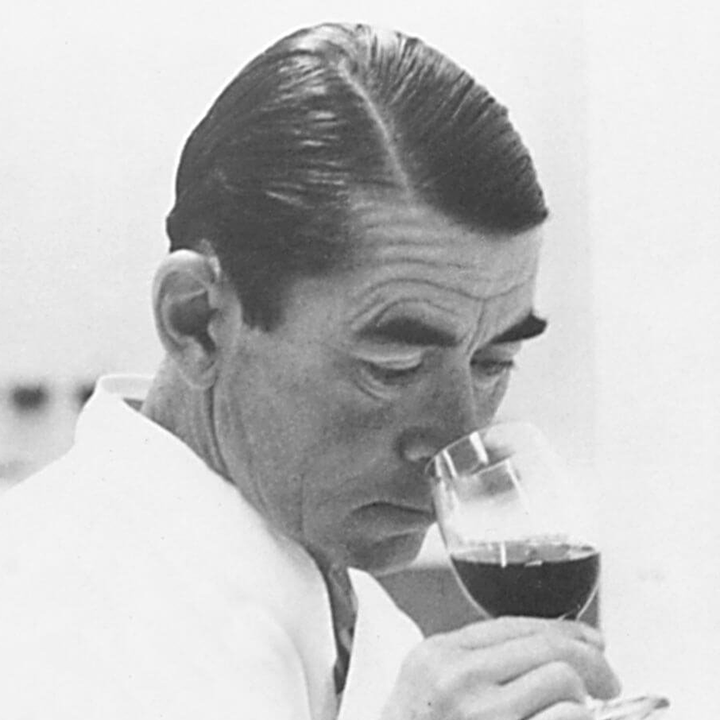
    André Tchelistcheff (December 7, 1901 – April 5, 1994)

    André Tchelistcheff

    Known as the “Dean of American Winemakers,” André Tchelistcheff was a pioneering figure in the American wine industry. Born in Russia in 1901, he moved to the United States and revolutionized winemaking techniques, particularly in California.

    Tchelistcheff’s expertise in viticulture and enology helped establish California wines on the global stage, earning him widespread recognition and admiration.

    Tchelistcheff’s legacy lives on through his groundbreaking work in improving winemaking practices, particularly in the Napa Valley region. His emphasis on quality, innovation, and attention to detail set the standard for generations of winemakers to come, shaping the trajectory of American wine culture.

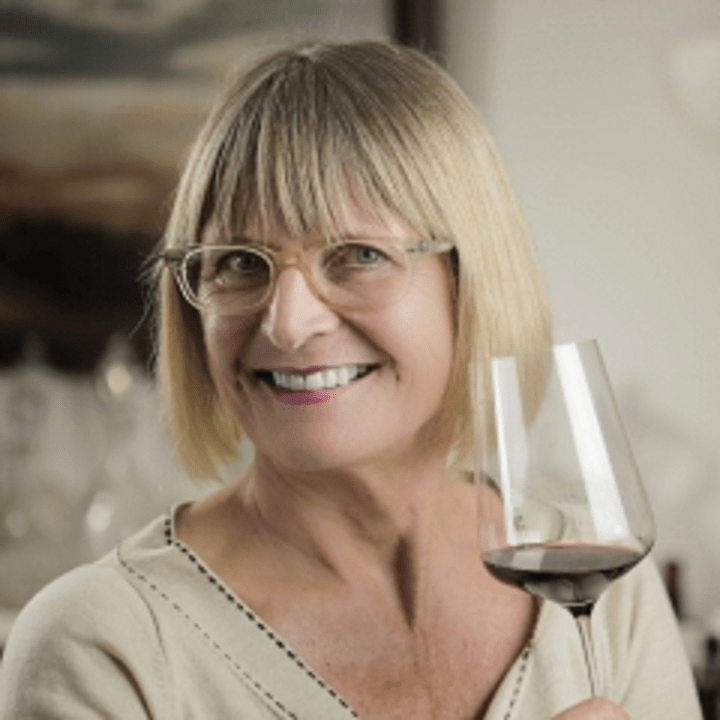
    Jancis Robinson (April 22, 1950 – )

    Jancis Robinson

    Jancis Robinson is a renowned British wine critic, journalist, and Master of Wine. Her influential career spans decades and has had a profound impact on the world of wine appreciation and education.

    Robinson is celebrated for her comprehensive wine knowledge, eloquent writing style, and commitment to promoting wine appreciation among enthusiasts of all levels.

    Robinson’s continues to build a legacy through her extensive body of work, including books, articles, and television programs, which have demystified the world of wine and made it more accessible to a wider audience. Her contributions to wine education and criticism continue to inspire aspiring sommeliers and wine enthusiasts worldwide.

    Georges-Auguste Escoffier (October 28, 1846 – February 12, 1935)

    Georges-Auguste Escoffier

    Georges-Auguste Escoffier, often referred to as the “Emperor of Chefs” and the “King of Chefs,” was a legendary French chef and restaurateur. While not solely a sommelier, Escoffier’s influence on modern gastronomy and dining culture is undeniable.

    He revolutionized French cuisine and restaurant service, introducing innovative culinary techniques and standards of excellence that continue to shape the hospitality industry.

    Escoffier’s legacy lives on through his timeless culinary principles, including his emphasis on precision, quality ingredients, and meticulous attention to detail. While he may not have been a sommelier in the traditional sense, his influence on fine dining and the art of hospitality has had a lasting impact on the role of wine service in restaurants around the world.

    These sommeliers and culinary luminaries have left indelible marks on the world of wine and dining, shaping its evolution and inspiring future generations of enthusiasts and professionals alike. Their legacies endure through their contributions to wine education, innovation, and the elevation of the dining experience.

    Certifications and Levels of Knowledge

    Becoming a certified sommelier involves rigorous training and examination. Various organizations, such as the Court of Master Sommeliers, the Wine & Spirit Education Trust (WSET), and the International Sommelier Guild, offer structured programs and exams to assess candidates’ knowledge and tasting abilities.

    The Court of Master Sommeliers, for instance, offers four levels of certification: Introductory, Certified, Advanced, and Master Sommelier. Each level requires a deeper understanding of wine regions, grape varieties, wine production techniques, and impeccable tasting skills.

    Skills Displayed During Wine Service

    A sommelier’s role during wine service extends beyond merely pouring wine into a glass. They are tasked with enhancing the dining experience through their knowledge, recommendations, and impeccable service. Specific skills displayed during wine service include:

    • Wine Pairing: Matching wines with food to complement flavors and enhance the overall dining experience.

    Decanting: Aerating wine to soften tannins and release aromas, particularly for older red wines.

    • Temperature Control: Ensuring wines are served at the appropriate temperature to preserve their flavors.

    • Glassware Selection: Choosing the right type of glassware to showcase the wine’s characteristics.

    • Cork Handling: Opening and presenting wine bottles with finesse, especially for aged or rare wines.

    Hosting a Wine-pairing Dinner at The Blue Flame

    Enhancing the Dining Experience

    A skilled sommelier can elevate a dining experience from enjoyable to extraordinary. By guiding guests through the wine selection process, sharing stories about vineyards and winemakers, and offering personalized recommendations based on individual preferences, sommeliers create memorable moments that linger long after the last sip.

    Tasting and Evaluation Skills

    Becoming a sommelier requires honing exceptional tasting and evaluation skills. Sommeliers must be able to assess wine qualities such as appearance, aroma, taste, body, acidity, and finish accurately. They undergo rigorous training to develop their palates, often participating in blind tastings to sharpen their ability to identify grape varieties, regions, and quality levels.

    Serving Champagne Properly is an Art

    Most Difficult Wine to Serve Properly

    While every wine presents its unique challenges, one of the most difficult wines to serve properly is Champagne or sparkling wine. Its effervescence requires precise handling to prevent excessive foaming and preserve the bubbles. Additionally, serving Champagne at the correct temperature is crucial to maintaining its freshness and liveliness.

    A sommelier is much more than a wine expert in a fancy restaurant. They are guardians of wine culture, storytellers of vineyard landscapes, and orchestrators of unforgettable dining experiences. Through their extensive knowledge, impeccable service, and passion for wine, sommeliers enhance our enjoyment and appreciation of one of life’s greatest pleasures. So, the next time you raise a glass of wine, remember to toast to the dedicated sommeliers who make each sip a moment to savor.

    Greg and Tammy Dean – SOMM&SOMM

    Cheers! 🥂

  • Wine Education: WSET Level 2

    Wine Education: WSET Level 2

    While many (or most) individuals choose a wine education and certification path specific to their goals–such as hospitality/service, consultant, distributor, etc.–I thirst for a broad yet detailed knowledge of all things wine. So, it just makes sense to add the award-winning WSET courses and curriculum to my perpetual wine-knowledge-seeking journey 😉

    The Wine & Spirit Education Trust (WSET) offers four wine-focused courses and qualifications–including WSET Level 1 Award in Wines, WSET Level 2 Award in Wines, WSET Level 3 Award in Wines, and the prestigious WSET Level 4 Diploma in Wines. As expected, each subsequent course is more demanding than its predecessor. From the very first level, individuals are introduced to a systematic approach to tasting and evaluating wine. Throughout all the courses, this approach evolves into a very important methodology required for successful blind-tasting during the exams and beyond.

    Having first-hand knowledge of the tasting science taught by The Society of Wine Educators and the deductive tasting methodology of The Court of Master Sommeliers, I can appreciate the sometimes-not-so-subtle differences between these two and WSET’s Systematic Approach to Tasting (SAT). WSET’s approach to tasting is easier to grasp than the others, but they all use the same three core steps–individually describe and evaluate the wine by sight, smell and taste.

    I chose the Napa Valley Wine Academy for my WSET courses. While there are several options, I liked the reputation of this organization. The WSET Level 2 Award in Wines course was online (also available in person), and fit my busy schedule. The online course consists of a five-week structured program including four live video conferences with an instructor. Traditionally, at the conclusion of the five-week program, you sit for a proctored timed exam. The student has one hour to answer 50 questions. The exam questions reinforce the information learned during the previous five weeks. For me, however, the timing between course completion and exam was greatly compressed.

    While selecting all of the options during enrollment, and thinking the course was “self-paced,” I scheduled the exam with ProctorU roughly two-and-a-half weeks from my start date. So… as soon as the course materials arrived I began. Just after the second week, I sat for the exam 🙂

    Now… onto Level 3 (10-week course). Only this time it is a requirement to take the exam in-person. Cheers!

  • Enthusiast to Sommelier: Parallel Studies

    Enthusiast to Sommelier: Parallel Studies

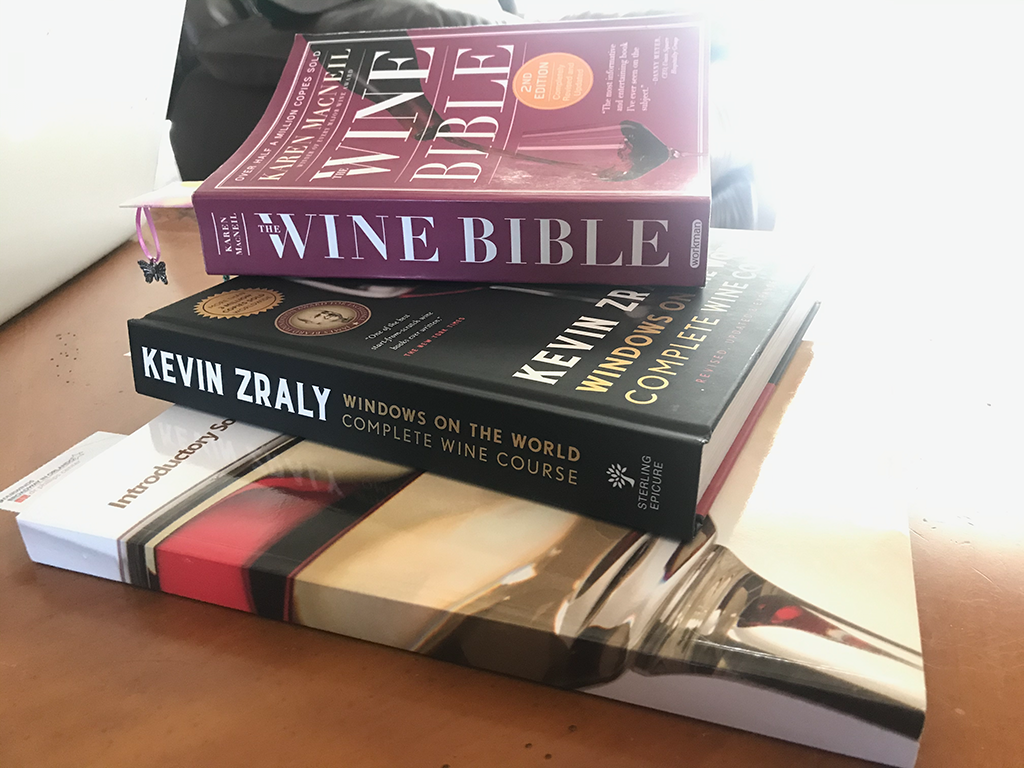
    Our quest to join the ranks of sommelier-hood has certainly been riddled with challenges. We became serious with our studies in the early summer of 2020. As you probably know–because you were also affected by the pandemic–most public events were either scaled back, made virtual, or cancelled. The Introductory Sommelier Course & Examination was no exception. At first, it was rescheduled to a later date. Then cancelled. We are in a holding pattern while we wait for the in-person courses to resume (or go virtual).

    Meanwhile… to keep the momentum, we’ve toyed with the idea of parallel studies. And, why not? After multiple passes through the study materials prescribed by The Court of Master Sommeliers, information is beginning to stick. So, why not study curriculum from another reputable wine education and professional advancement organization–such as the Wine & Spirit Education Trust (WSET)? Is too much knowledge really a concern? I don’t think so 😉

    At first glance it looks as if the knowledge and skills required to pass each level of The Court of Master Sommeliers tests and certifications are not aligned with WSET levels. The biggest difference is with the service-centric aspects of the highly regarded Court of Master Sommeliers program. Specifically, it is imperative to understand (and be able to perform) the proper techniques for serving wine. This includes the ritualistic approach to decanting, as well as the formal serving of Champagne (to name a few). The WSET programs do not focus on service, but instead allows students the opportunity to specialize in a specific area.

    It’s about to get intense 😉

    Next article in this series: Enthusiast to Sommelier: Holding Pattern

    First article in this series: Enthusiast to Sommelier: Getting Started