Tag: winery

  • The Sound of Rain and the Pour of Wine

    The Sound of Rain and the Pour of Wine

    April is here, draped in a mist of expectation. Rain is no longer a threat to plans but a gift to the world, saturating the soil, feeding life, and inspiring poets to ink their thoughts with delight. As the gentle drum of droplets taps against the windowpane, it’s an invitation to reflect, relax, and recharge.

    Rain plays its part in the vineyards, a necessary yet delicate dance. In the early stages of the growing season, moderate rainfall nourishes the soil, promoting healthy vine growth and preparing the plants for fruitful harvests to come. But too much rain, particularly close to harvest, can dilute grape flavors and cause rot. Balance, as with all things wine-related, is key.
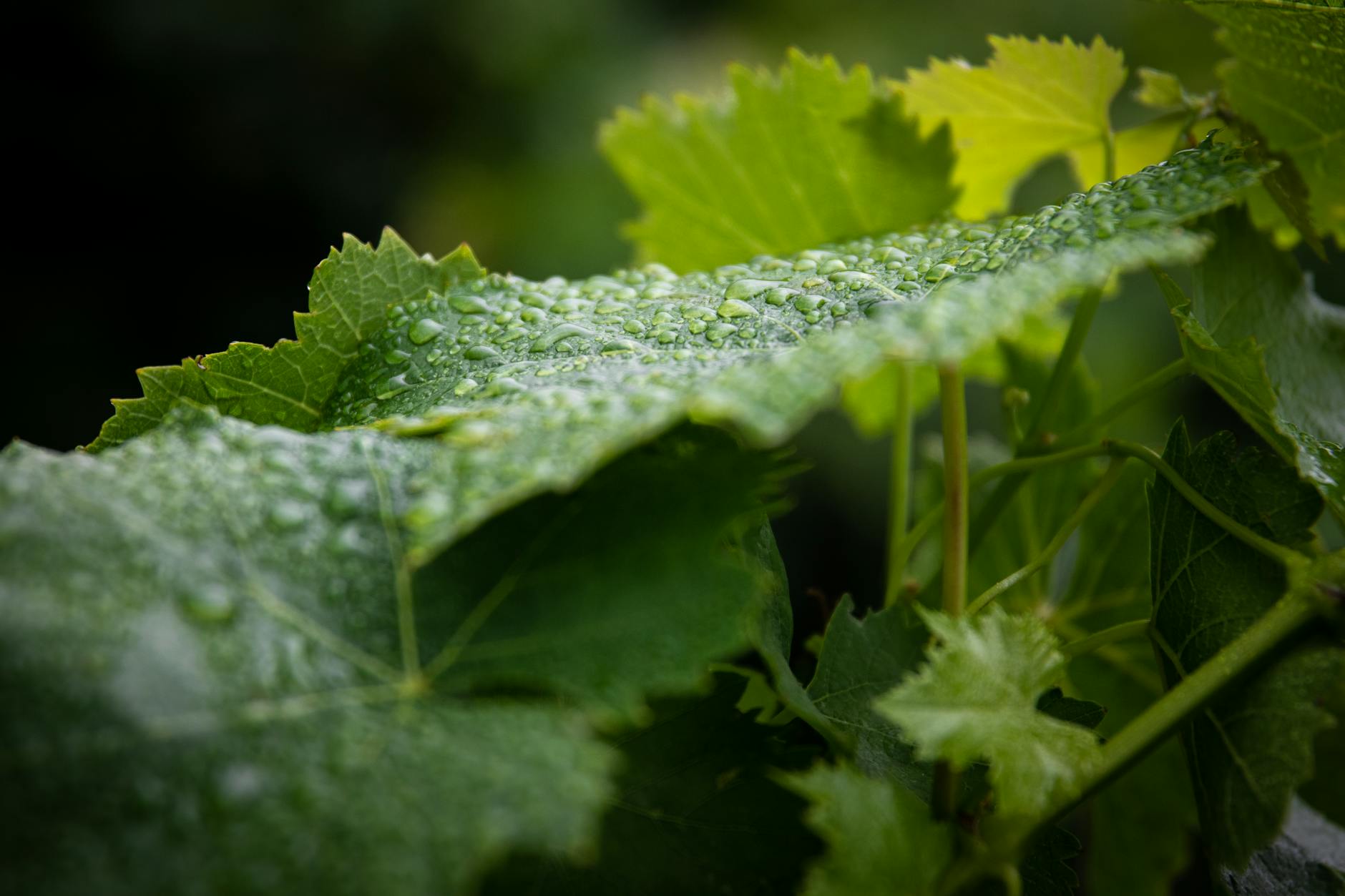
    Photo by Magda Ehlers on Pexels.com

    To the vintner, rain can be a blessing or a curse. To the wine lover, however, rain is often pure serenity—a tranquil backdrop that heightens the sensory experience of a good glass of wine. There’s something inherently soothing about cradling a glass of Pinot Noir while gazing at the misty horizon, the air cool and crisp, the world slowed down.

    The Art of Pairing Wine with Rain

    The mood of rain varies, from the soft drizzle that barely kisses the earth to the torrential downpour that leaves the world drenched. Each type of rain, much like each style of wine, has its own character.

    • Light Drizzle: The kind of rain that leaves droplets clinging to flower petals and grass blades. This gentle rain calls for a crisp, aromatic white wine—something bright and floral, like a Riesling from Mosel or a Sauvignon Blanc from Sancerre. The vibrant acidity and fresh citrus notes mirror the revitalization occurring outside. Pair these wines with goat cheese crostini, lemon-dressed arugula salad, or smoked salmon canapés.
    • Steady Rain: When rain patters consistently against rooftops and pools along sidewalks, it’s time for a wine that complements the comforting rhythm. A Chardonnay from Burgundy—especially a lightly oaked expression—offers just enough roundness to provide comfort without overwhelming the senses. Alternatively, a Loire Valley Chenin Blanc with its luscious texture and honeyed undertones can be a cozy companion. Pair these wines with buttery garlic shrimp, roasted chicken with thyme, or creamy mushroom risotto.
    • Thunderstorm: When the sky darkens and the storm rolls in, there’s a raw intensity that calls for a wine with equal presence. A bold Syrah from Northern Rhône or a Cabernet Sauvignon from Napa Valley offers depth, spice, and structure—something to huddle around as lightning illuminates the sky. Pair these wines with slow-braised short ribs, rich charcuterie boards, or dark chocolate truffles.
    • Soft Mist: Rare and ethereal, a misty day is best paired with something delicate and nuanced. A Pinot Noir from Oregon’s Willamette Valley delivers red fruit notes with a graceful finish, perfect for slow sipping while the fog lingers. Pair this wine with herb-roasted vegetables, duck breast with cherry glaze, or earthy beet and goat cheese salad.
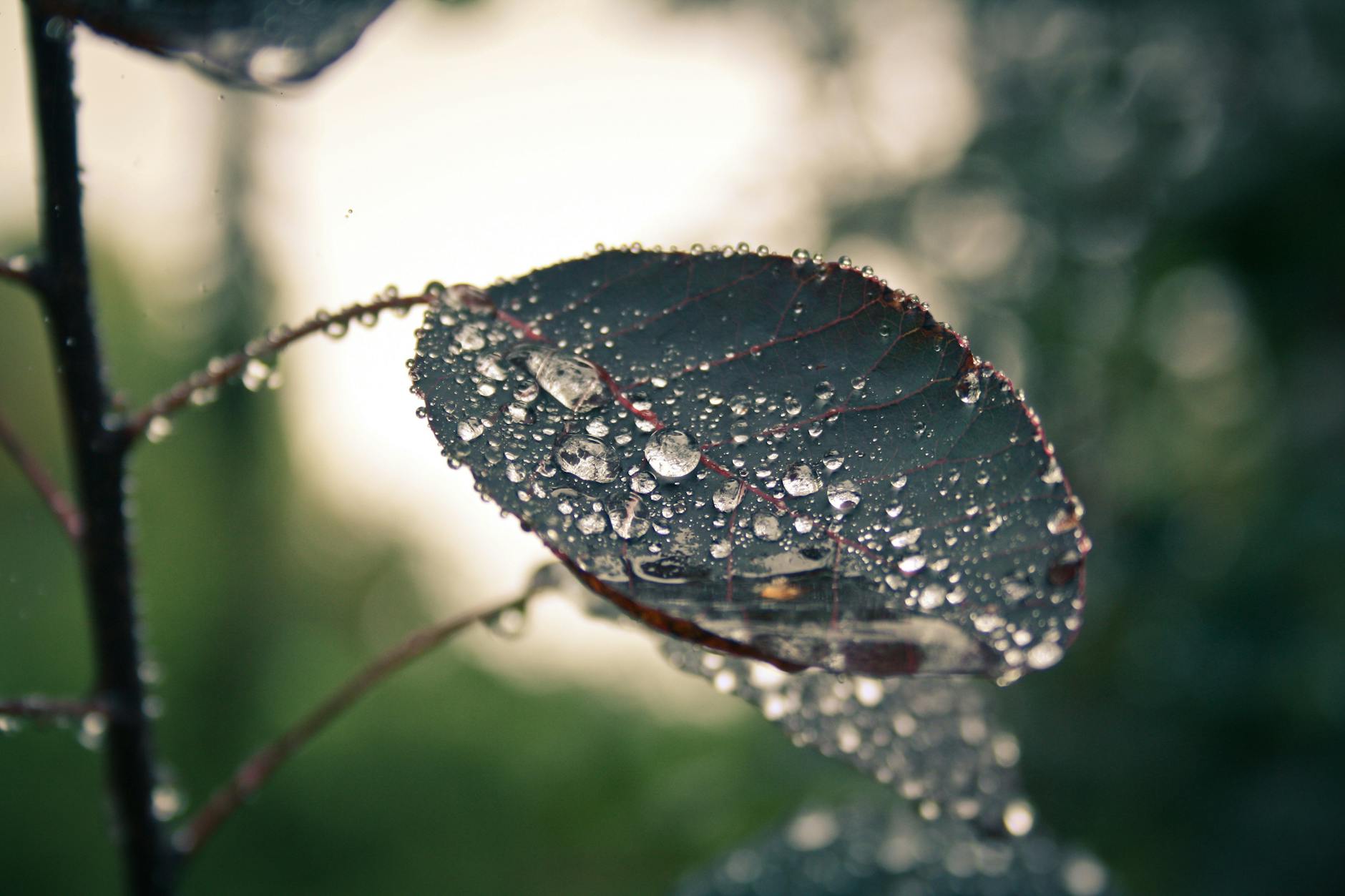
    Photo by Pixabay on Pexels.com

    The Soundtrack of Rain

    Rainfall has an unmatched ability to soften the edges of the world. Its sound is hypnotic, a natural metronome that invites reflection. Whether the rain is a whisper or a roar, it enhances the experience of enjoying wine—each sip becomes deeper, more contemplative, more cherished.

    The sensory experience of rain and wine paired together creates a meditative moment, free from the constant hum of societal noise. It’s a reminder to pause and reflect, to savor simplicity over complexity.

    Stay Hydrated and Enjoy the Quiet Moments

    April showers remind us that rejuvenation often comes in cycles. Just as the rain nourishes the vineyards, moments of calm feed the soul. The art of pairing wine with rain is less about rules and more about mindfulness, embracing the atmosphere and your emotions.
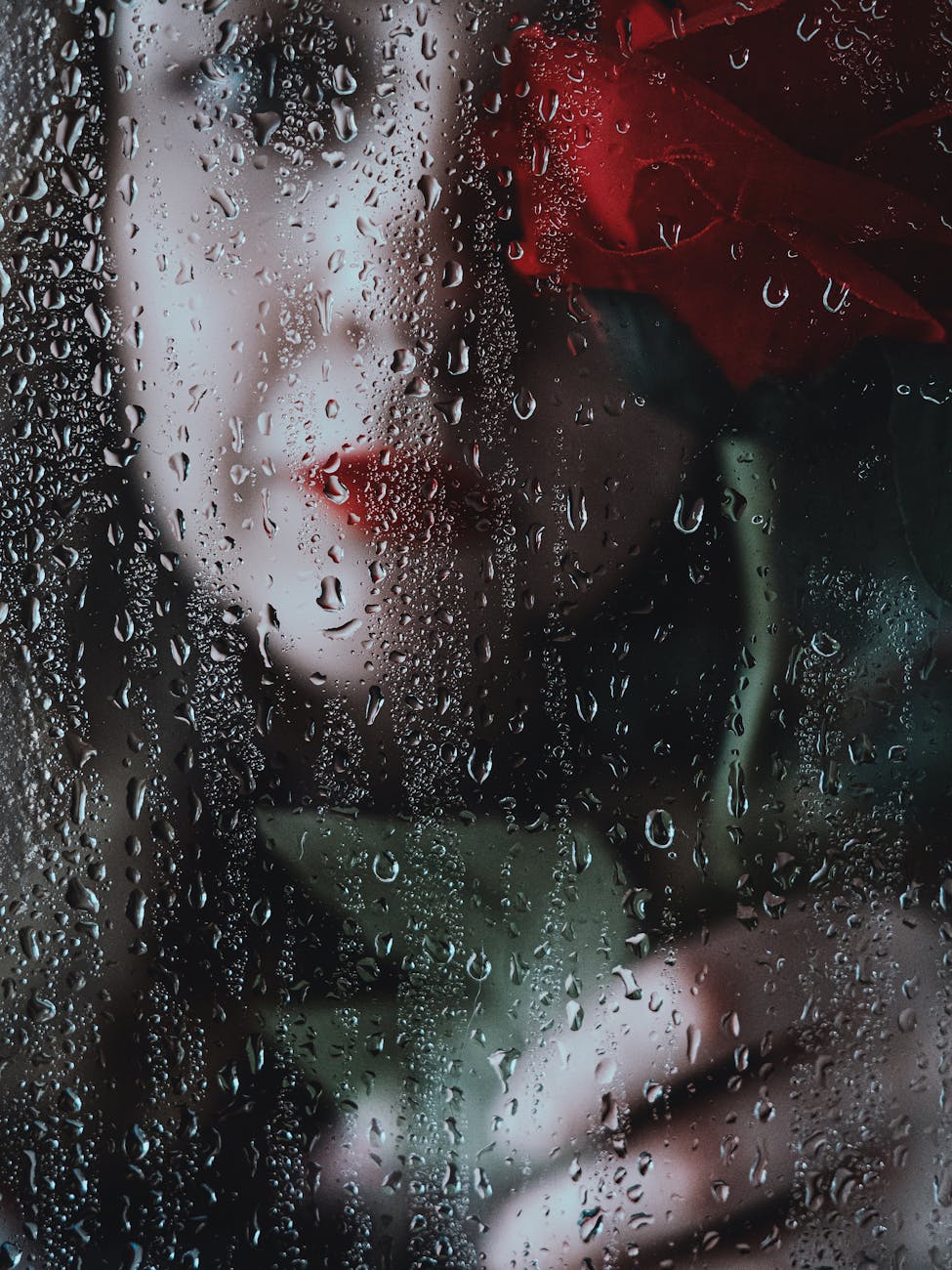
    Photo by Lisa from Pexels on Pexels.com

    So, the next time the skies darken and the rain begins to fall, pour yourself a glass that matches the mood and let yourself be swept away by the gentle cadence of the world outside. After all, the rain is simply nature’s way of reminding us to slow down and savor.

    Stay hydrated, and we’ll all get through. 😉

  • Raise a Glass and Lower the Volume

    Raise a Glass and Lower the Volume

    A Sommelier’s Take on Finding Common Ground.

    Election Day. For many, it’s a spirited occasion where, beyond casting a ballot, we’re practically swimming in strong opinions. But today, I propose we table those heated discussions about who’s right, who’s wrong, and who should be running the show. Instead, let’s toast to something undeniably delightful: wine—and the way it has this uncanny power to bring us together.

    In the wine world, I’ve found the best conversations happen over a shared bottle, with glasses clinking, eyes bright, and laughs rolling out easily. Sure, we don’t always agree. In fact, a roomful of sommeliers and wine enthusiasts debating wine pairings can sound a lot like Congress during a filibuster. But, thankfully, our discussions have a much friendlier vibe, and they end with a pleasant buzz rather than a buzzkill.

    So let’s treat our political conversations like we do wine pairings—let’s savor, listen, and respect each other’s “palates.”

    Photo by Julia Kuzenkov on Pexels.com

    Find Your “Common Ground” Grape

    No matter your personal politics, there’s probably a wine we can all rally around. Are you a staunch Pinot Noir person? A die-hard Chardonnay defender? Or maybe you’re a Sauvignon Blanc champion? Great! Wine is a versatile beverage that invites a multitude of opinions without any door-slamming. Whether we’re swirling a glass of Napa Cab or toasting with a sparkling Prosecco, there’s one beautiful truth: no two people experience a wine the same way, and that’s precisely the beauty of it.

    Finding a wine you both enjoy is like discovering common ground. If we can agree that a well-chilled rosé makes for a great afternoon, can we not also accept that there’s beauty in our differences?

    Active Listening, Wine Tasting Style

    A good wine tasting, much like a good conversation, starts with listening. When someone picks up hints of “stone fruit,” we don’t interrupt to say, “Actually, that’s citrus.” We listen, nod, and take another sip ourselves. Perhaps the same could be said about how we engage in dialogue on Election Day—give people room to share their perspective without trying to “correct” their taste.

    Wine, after all, is subjective. So are opinions. But both deserve to be heard and respected. If someone says they’re getting a lot of oakiness and spice, don’t laugh at their palate. Respect their experience! The same goes for our broader opinions. Just as a good Cabernet can be layered with spice, fruit, and earthiness, our conversations should be layered with curiosity, open-mindedness, and empathy.

    When in Doubt, Debate Wine

    Let’s face it: few things lift the spirits like a lively discussion about wine and food pairings. So instead of clashing over policies, let’s settle down and debate something that’s sure to end on a happy note: what’s the best pairing for Thanksgiving turkey? Or, if we’re feeling bold, what’s the ultimate cheese for a Friday night wine board? Let’s debate the merits of Napa over Sonoma, or whether a Chardonnay needs oak. I guarantee no one will be walking away mad; at worst, you’ll just be craving a cheeseboard.

    And if you do find yourself disagreeing, pour a little more. It’s hard to stay tense over a glass of Sancerre.

    Here’s to Election Day! May our patience last as long as the line at the polls, may our conversations stay as smooth as a good Merlot, and may our disagreements be as fleeting as that last sip in the bottle. Cheers to democracy and to finally voting on something other than what’s for dinner!

    Gregory Dean, SOMM&SOMM

    Respect Palates and Preferences

    Just as we all bring unique palates to the table, we bring unique perspectives. When I introduce someone to wine, I don’t judge if they like Moscato over Merlot, or insist they “have to try” a funky orange wine. Wine, like conversation, should be shared with an open mind.

    As we go about our day, casting votes and making choices, let’s treat each other with that same respect. Pour a glass, lean in, and let’s make today less about division and more about connection. And remember, at the end of the day, it’s not who’s right or wrong but who brought the best bottle! Cheers to that 🍷

    Cover photo by Sora Shimazaki on Pexels.com

  • The History, Tradition, and Elegance of Port Wine

    The History, Tradition, and Elegance of Port Wine

    Port wine, a fortified wine hailing from the Douro Valley in Portugal, stands as a testament to centuries of winemaking expertise and tradition. Its rich flavors, deep history, and diverse styles make it a cherished beverage among enthusiasts and connoisseurs worldwide.

    Photo by Yesim G. Ozdemir on Pexels.com

    History and Heritage

    The story of Port wine dates back to the late 17th century when British wine merchants sought alternatives to French wines due to political conflicts. They turned to Portugal and discovered the robust wines of the Douro Valley. The addition of brandy to stabilize the wine during transportation led to the creation of what we now know as Port.

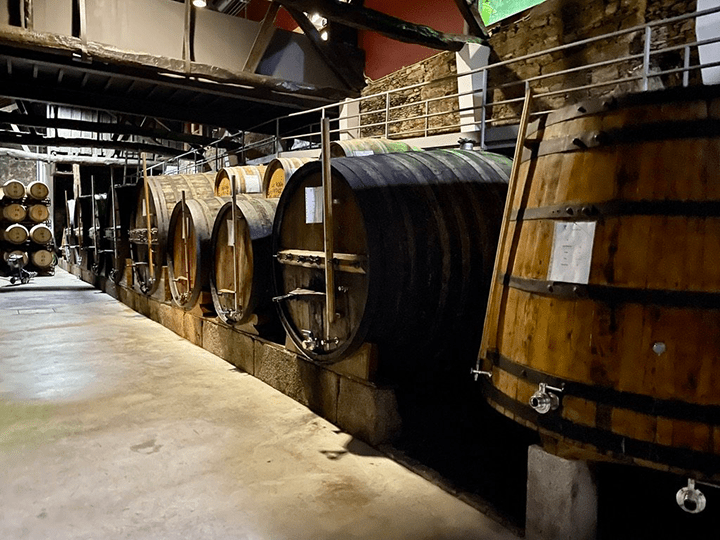
    The unique microclimate and terroir of the Douro Valley, with its steep terraced vineyards and schist soil, contribute to the distinctive character of Port wine. Over the centuries, Port production methods have evolved, but many traditional practices endure, preserving the essence of this revered beverage.

    Port wine comes in a variety of styles, each offering its own distinctive characteristics:

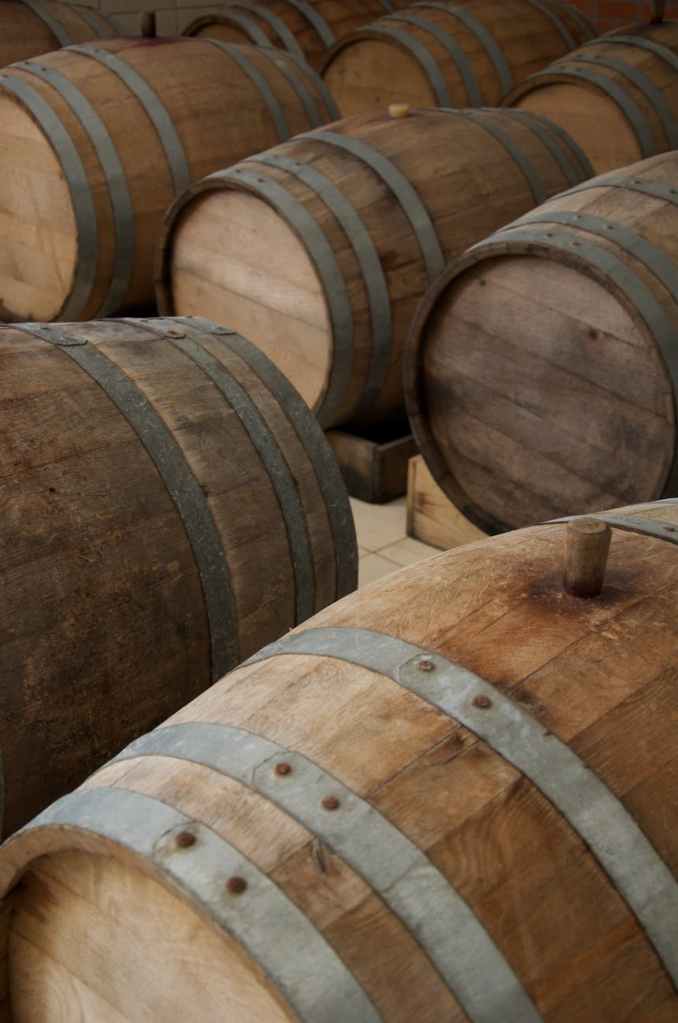
    Ruby Port – Young and vibrant, with fruity flavors of cherries and berries, Ruby Port is aged for a relatively short time in oak barrels to retain its freshness.

    Tawny Port – Aged in oak barrels for extended periods, Tawny Port develops a mellow complexity, with notes of caramel, nuts, and dried fruits. The aging process also imparts a tawny color to the wine.

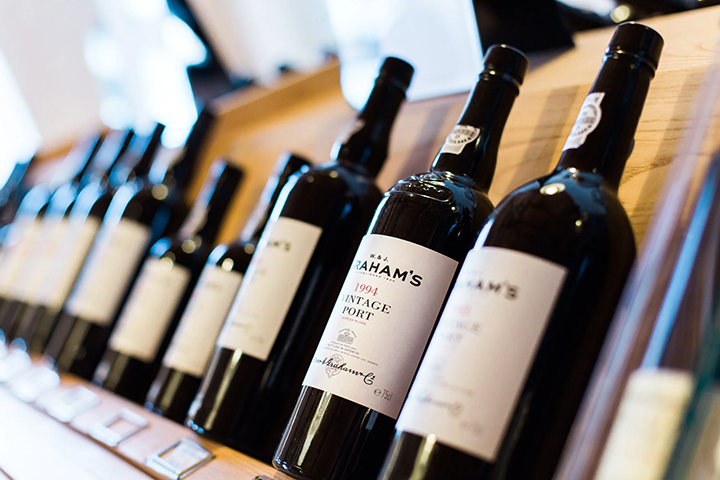
    Vintage Port

    Vintage Port – Considered the pinnacle of Port quality, Vintage Port is made from the best grapes of a single exceptional harvest. It requires aging in the bottle for many years to reach its full potential, resulting in a wine of great depth, concentration, and complexity.

    Late Bottled Vintage (LBV) Port – Similar to Vintage Port but aged longer in barrels before bottling, LBV Port offers a more approachable and affordable alternative with many of the same qualities as Vintage Port.

    White Port – Made from white grape varieties, White Port ranges from dry to sweet and exhibits flavors of citrus, honey, and nuts. It is often enjoyed as an aperitif or in cocktails.

    Fortification Timing and the Effects on the Profile

    Pre-fermentation and post-fermentation fortification are two distinct methods used in winemaking to fortify wines, particularly in the production of fortified wines like Port. While both methods involve the addition of a neutral grape spirit (typically brandy) to increase the alcohol content of the wine, they differ in timing and their effects on the wine’s flavor profile.

    Pre-fermentation Fortification:

    Pre-fermentation fortification involves adding grape spirit to the grape must (crushed grapes and juice) before fermentation begins. This halts the fermentation process by raising the alcohol level to a point where the yeast responsible for fermentation cannot survive. As a result, the wine retains a higher level of residual sugar, as the fermentation process is halted before all the sugars are converted to alcohol.

    Effects:

    1. Retention of Sweetness: Because fermentation is stopped before all the sugars are converted to alcohol, pre-fermentation fortified wines tend to have higher levels of residual sugar, resulting in a sweeter profile.
    2. Fruitier Aromas and Flavors: The presence of residual sugar can enhance the perception of fruity aromas and flavors in the wine.
    3. Lower Alcohol Content: Compared to post-fermentation fortification, pre-fermentation fortified wines typically have a lower alcohol content since the fermentation process is stopped earlier.

    Post-fermentation Fortification:

    Post-fermentation fortification, as the name suggests, involves adding grape spirit to the wine after fermentation is complete. This allows the wine to ferment fully, converting all available sugars into alcohol before fortification.

    Effects:

    1. Dryer Profile: Since fermentation proceeds to completion before fortification, post-fermentation fortified wines tend to have lower levels of residual sugar, resulting in a drier profile compared to pre-fermentation fortified wines.
    2. Higher Alcohol Content: Post-fermentation fortified wines generally have a higher alcohol content compared to their pre-fermentation counterparts because fermentation proceeds to completion before fortification.
    3. More Complex Flavor Profile: With the fermentation process allowed to complete, post-fermentation fortified wines may exhibit a more complex flavor profile, with a balance of fruitiness, acidity, and alcohol.

    Choosing between Pre-fermentation and Post-fermentation Fortification:

    The choice between pre-fermentation and post-fermentation fortification depends on the desired style of the wine. Winemakers may opt for pre-fermentation fortification to create sweeter, fruitier styles with lower alcohol content, while post-fermentation fortification may be chosen for drier, more complex wines with higher alcohol levels.

    While both pre-fermentation and post-fermentation fortification involve the addition of grape spirit to increase alcohol content, they differ in timing and resulting flavor profiles. Pre-fermentation fortification halts fermentation before completion, resulting in sweeter, fruitier wines with lower alcohol content, while post-fermentation fortification allows fermentation to complete before fortification, resulting in drier, more complex wines with higher alcohol content.

    Proper Serving and Pairing

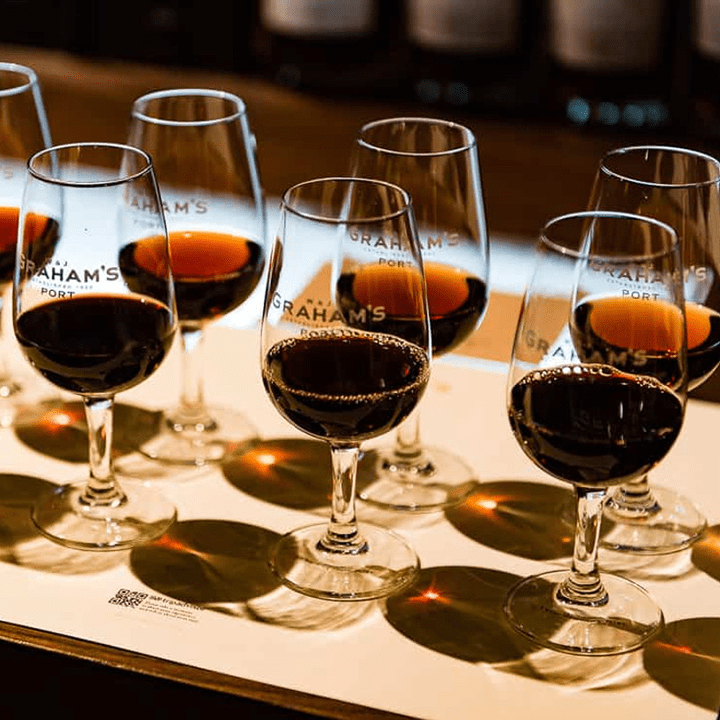
    To fully appreciate the nuances of Port wine, proper serving techniques are essential. Port should be served slightly chilled, around 16-18°C (60-64°F), to accentuate its flavors and aromas without masking them.

    When it comes to pairing, Port’s versatility shines. Ruby Ports pair well with chocolate desserts, while Tawny Ports complement caramelized nuts and aged cheeses. Vintage Ports are best enjoyed on their own or with strong cheeses like Stilton. White Ports make refreshing aperitifs and pair beautifully with seafood or spicy dishes.

    Port Tongs and a Bottle of Vintage Port

    The Art of Port Tongs

    One of the most intriguing traditions associated with Port wine is the use of Port tongs. Dating back to the 18th century, Port tongs are long, slender metal implements used to open bottles of Vintage Port without a corkscrew. This method, known as “porting,” requires skill and precision.

    To use Port tongs, the neck of the bottle is heated evenly with the tong’s fiery end until it is glowing red-hot. After a few moments, the red-hot tong is applied to the bottle’s neck, causing it to crack cleanly just below the cork. The cork and a portion of the neck are removed, leaving the wine intact and ready to be enjoyed.

    While the use of Port tongs is primarily ceremonial today, it serves as a reminder of Port wine’s rich heritage and the craftsmanship involved in its production. It also adds a touch of drama and spectacle to the ritual of opening a bottle of Vintage Port, making it an unforgettable experience for enthusiasts and collectors alike.

    Port wine continues to captivate wine lovers around the world with its timeless appeal, diverse styles, and rich cultural heritage. Whether enjoyed on its own or paired with food, Port offers a taste of tradition and sophistication that transcends generations. And for those seeking to add an extra dash of drama to their Port experience, the art of Port tongs awaits, ready to elevate any special occasion. Saúde 🍷