
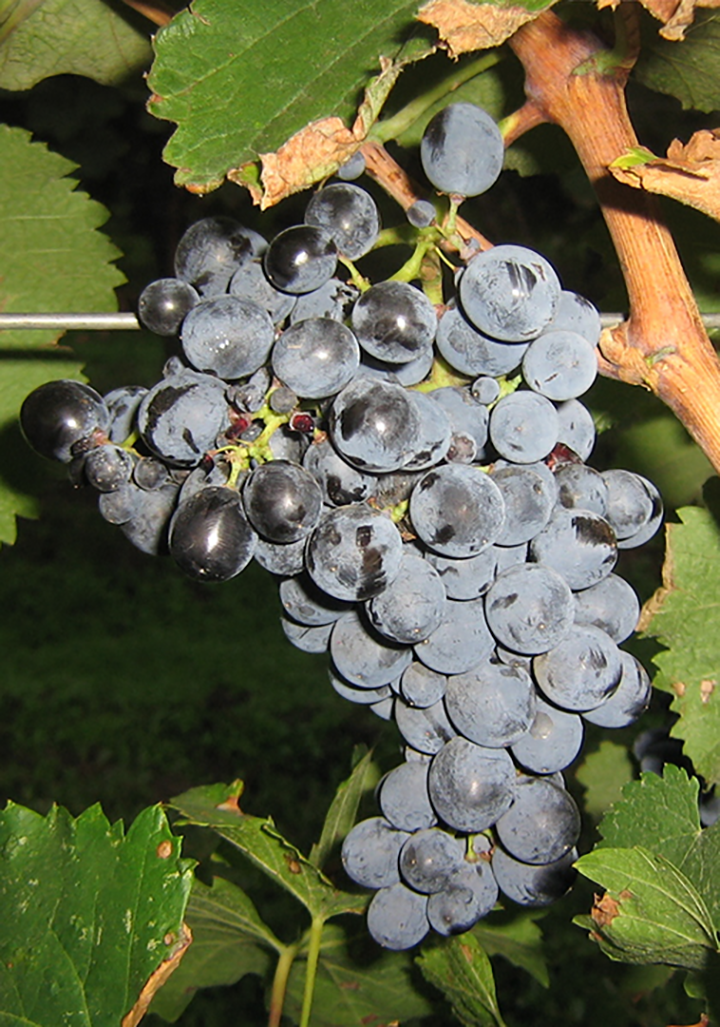
In the vast and intricate world of wine, there exists a category of grapes that is shrouded in mystery and rarity: the teinturier (pronounced teen-TOUR-ee-er) grapes. These unique varieties stand out among their counterparts due to their distinct characteristic of having red-colored flesh, which sets them apart from the majority of grape varieties whose flesh is typically clear or lightly pigmented. In this exploration, we embark on a journey to uncover the enigmatic nature of teinturier grapes, delving into their origins, unique characteristics, varieties, tasting notes, and the stories that surround them.
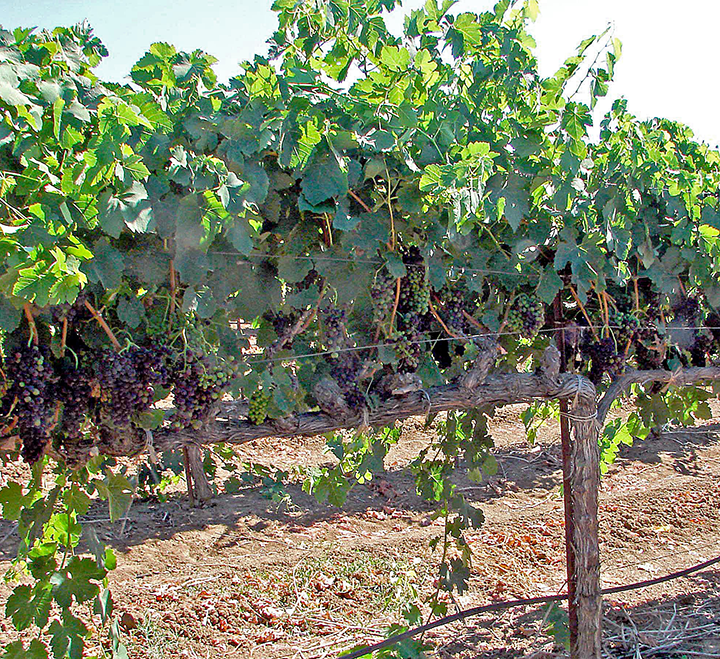
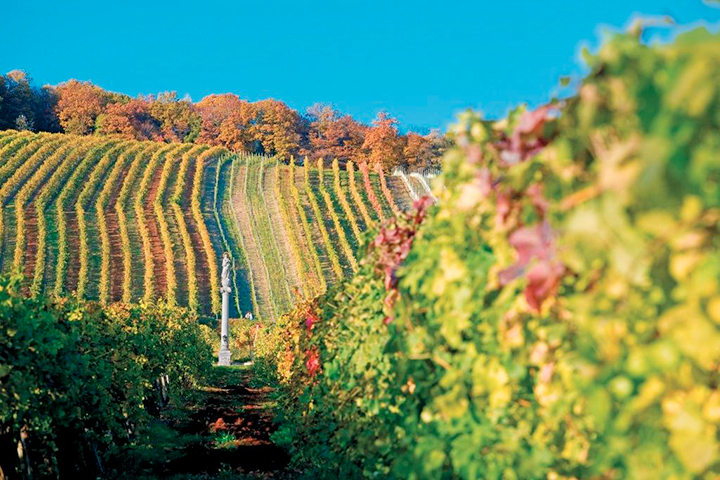
Cover photo credits: Lebowskyclone, CC BY-SA 3.0 https://creativecommons.org/licenses/by-sa/3.0, via Wikimedia Commons
Origins and Characteristics
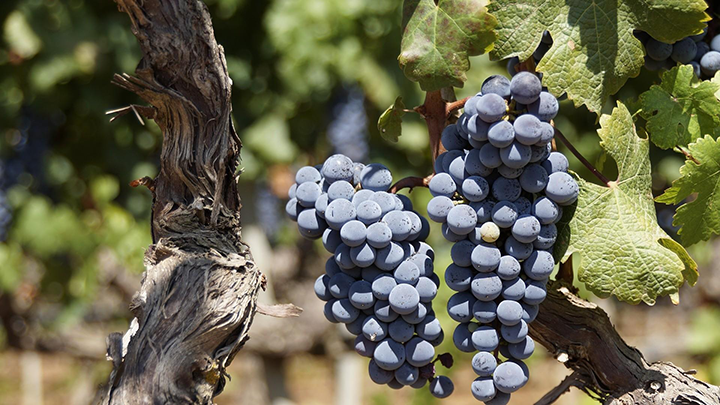
The term “teinturier” is derived from the French word for “dyer,” which aptly describes the intense coloration these grapes impart to wine. Unlike most red grape varieties, where the color comes primarily from the skins during fermentation, teinturier grapes possess deeply pigmented flesh, resulting in wines with exceptionally rich coloration and depth.
One of the most notable characteristics of teinturier grapes is their rarity. While there are thousands of grape varieties cultivated worldwide, only a small fraction belong to the teinturier category. This rarity adds to their allure and intrigue among wine enthusiasts and connoisseurs.
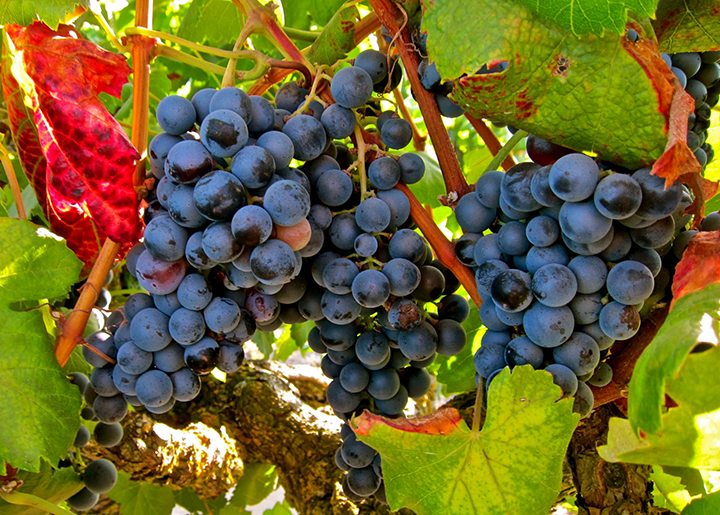
Varieties of Teinturier Grapes
Several grape varieties fall into the category of teinturier grapes, each offering its own unique characteristics and flavor profiles. Some of the most prominent varieties include:
1. Alicante Bouschet: Among the most well-known teinturier grapes, Alicante Bouschet boasts deep red flesh and intense coloration. Originating in France in the late 19th century, this grape is prized for its robust flavors of dark fruits, such as blackberry and plum, coupled with firm tannins and a full-bodied structure.
2. Saperavi: Hailing from the country of Georgia, Saperavi is a teinturier grape renowned for its inky color and bold, complex flavors. This variety often exhibits notes of black cherry, black pepper, and hints of smoke, with a velvety texture and a long, lingering finish.
3. Rubired: Developed in California, Rubired is a teinturier grape widely used in winemaking for its deep color extraction and rich flavor profile. Wines made from Rubired grapes are characterized by their plush texture, ripe berry flavors, and a touch of spice, making them ideal for blending or as standalone varietal wines.
4. Graciano: While not exclusively a teinturier grape, Graciano is known for its deeply pigmented juice, which contributes to the intense coloration of wines when blended with other grape varieties. Originating in Spain, Graciano imparts wines with vibrant acidity, notes of dark fruits, and a savory, herbal undertone.
Tasting Notes and Pairings
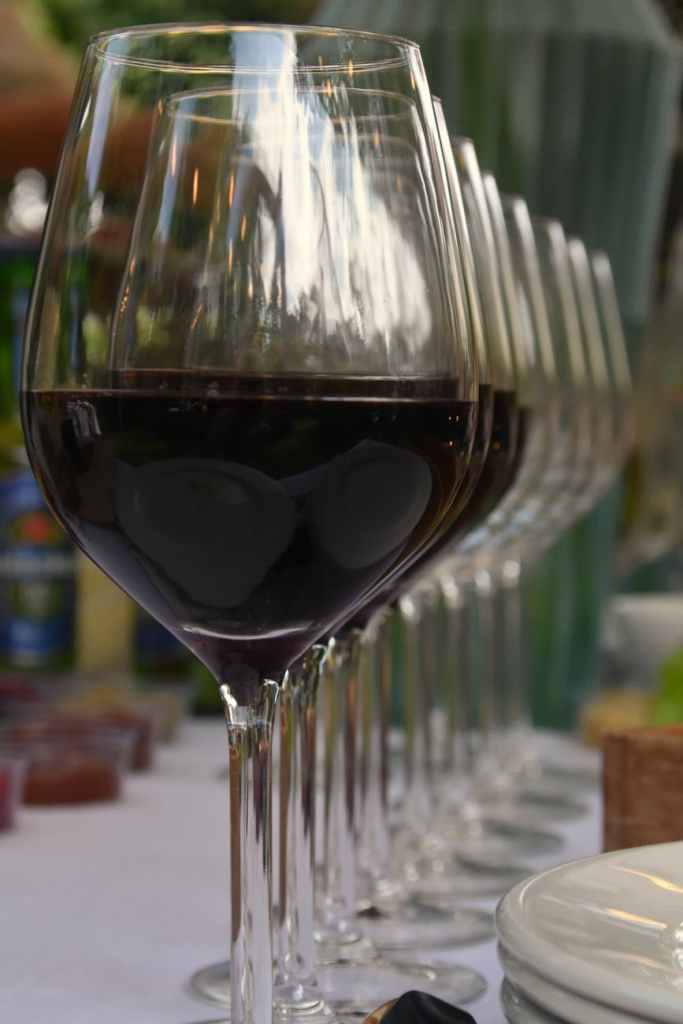
Teinturier wines are prized for their deep color, bold flavors, and distinctive characteristics. When tasting wines made from teinturier grapes, one can expect to encounter a spectrum of flavors and aromas, ranging from dark fruits and spices to savory notes and earthy undertones.
Alicante Bouschet wines often exhibit flavors of ripe blackberry, plum, and dark chocolate, with firm tannins and a robust structure. Pairing these wines with grilled meats, hearty stews, or aged cheeses complements their bold flavors and enhances the overall dining experience.
Saperavi wines boast a complex profile of black cherry, black pepper, and smoky notes, with a velvety texture and well-integrated tannins. These wines pair beautifully with dishes such as lamb tagine, roasted duck, or mushroom risotto, where their depth of flavor can shine.
Rubired wines are characterized by their plush texture, ripe berry flavors, and hints of spice, making them versatile for pairing with a variety of cuisines. Whether enjoyed alongside barbecue ribs, spicy chili, or creamy pasta dishes, Rubired wines add a layer of richness and depth to the dining experience.
Graciano wines offer vibrant acidity, dark fruit flavors, and a savory, herbal character, making them ideal companions for dishes such as grilled steak, paella, or roasted vegetable medleys. The wine’s acidity cuts through rich flavors, while its earthy undertones complement a wide range of ingredients.
Beyond their exceptional qualities in winemaking, teinturier grapes are also steeped in stories, myths, and quips that add an element of fascination to their narrative. Legend has it that Alicante Bouschet was created by a French viticulturist who sought to develop a grape variety with intense coloration during a time when blending wines was a common practice. Similarly, the origins of Saperavi trace back to ancient Georgia, where it is believed to have been cultivated for over 8,000 years, earning its status as one of the oldest grape varieties in existence.
As we delve deeper into the world of teinturier grapes, we uncover not only their rare and unique characteristics but also the rich tapestry of history, culture, and tradition that surrounds them. From the sun-drenched vineyards of Spain to the lush landscapes of California, these grapes continue to captivate and inspire winemakers and enthusiasts alike, offering a glimpse into the extraordinary diversity and complexity of the wine world.
Teinturier grapes stand as a testament to the endless possibilities and wonders of winemaking, showcasing the artistry and ingenuity of those who cultivate and craft them into the exquisite wines that grace our tables and tantalize our palates. As we raise our glasses to toast to these remarkable grapes, let us savor the richness of their flavors, the depth of their colors, and the stories that surround them, celebrating the beauty and complexity of the world of wine. Salute! 🍷





















 SOMM&SOMM
You must be logged in to post a comment.