Tag: Wine Tasting

  • The History, Tradition, and Elegance of Port Wine

    The History, Tradition, and Elegance of Port Wine

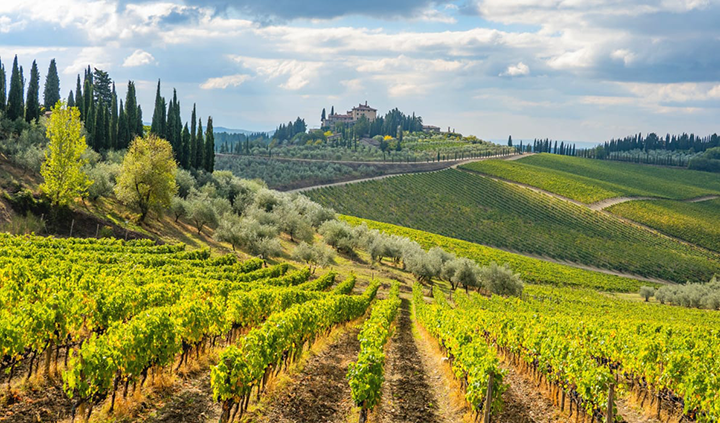
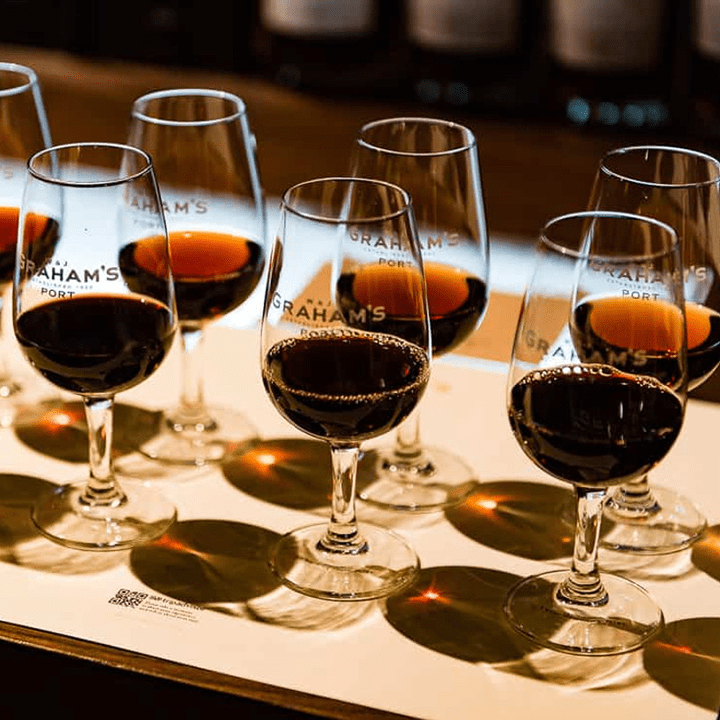
    Port wine, a fortified wine hailing from the Douro Valley in Portugal, stands as a testament to centuries of winemaking expertise and tradition. Its rich flavors, deep history, and diverse styles make it a cherished beverage among enthusiasts and connoisseurs worldwide.

    Photo by Yesim G. Ozdemir on Pexels.com

    History and Heritage

    The story of Port wine dates back to the late 17th century when British wine merchants sought alternatives to French wines due to political conflicts. They turned to Portugal and discovered the robust wines of the Douro Valley. The addition of brandy to stabilize the wine during transportation led to the creation of what we now know as Port.

    The unique microclimate and terroir of the Douro Valley, with its steep terraced vineyards and schist soil, contribute to the distinctive character of Port wine. Over the centuries, Port production methods have evolved, but many traditional practices endure, preserving the essence of this revered beverage.

    Port wine comes in a variety of styles, each offering its own distinctive characteristics:

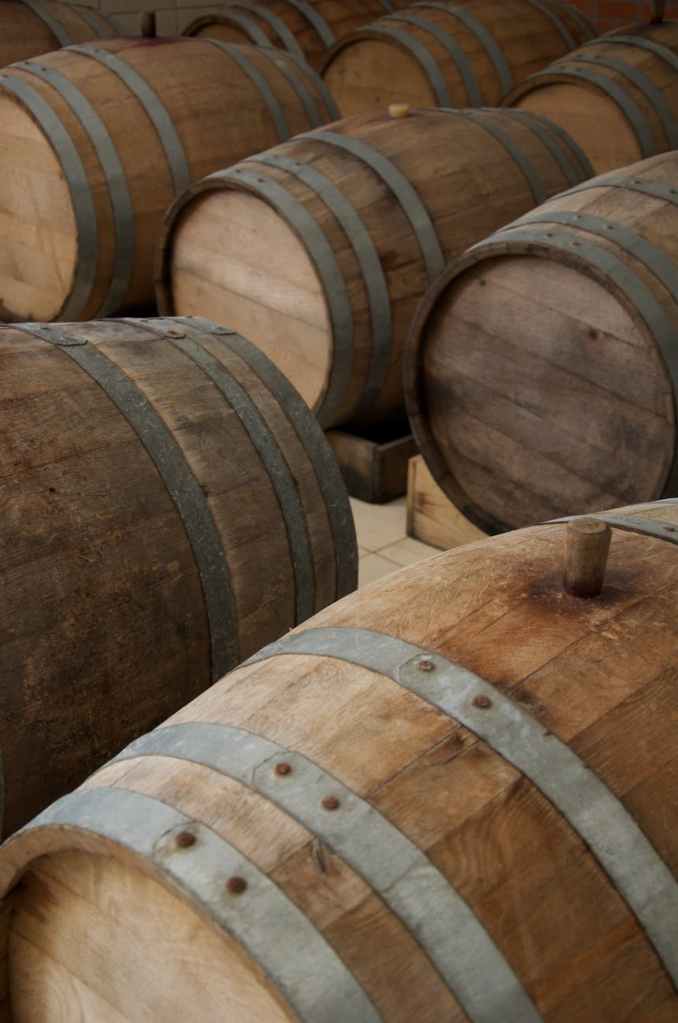
    Ruby Port – Young and vibrant, with fruity flavors of cherries and berries, Ruby Port is aged for a relatively short time in oak barrels to retain its freshness.

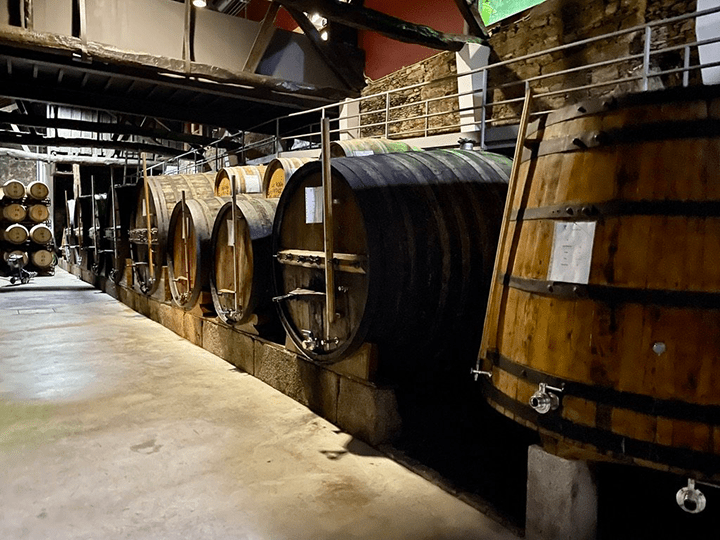
    Tawny Port – Aged in oak barrels for extended periods, Tawny Port develops a mellow complexity, with notes of caramel, nuts, and dried fruits. The aging process also imparts a tawny color to the wine.

    Vintage Port

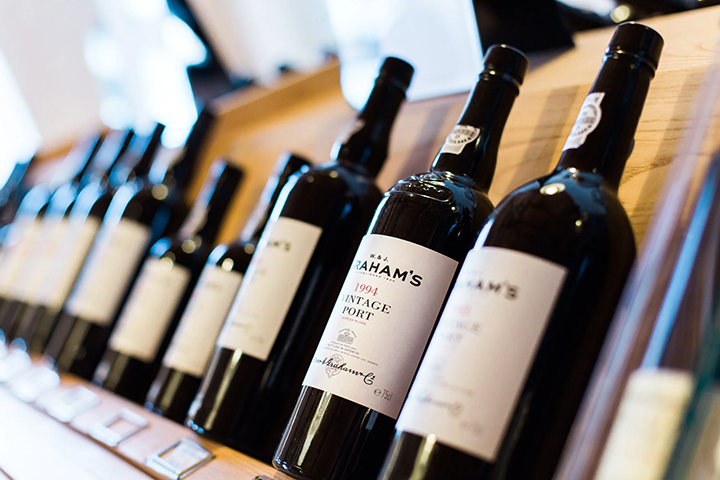
    Vintage Port – Considered the pinnacle of Port quality, Vintage Port is made from the best grapes of a single exceptional harvest. It requires aging in the bottle for many years to reach its full potential, resulting in a wine of great depth, concentration, and complexity.

    Late Bottled Vintage (LBV) Port – Similar to Vintage Port but aged longer in barrels before bottling, LBV Port offers a more approachable and affordable alternative with many of the same qualities as Vintage Port.

    White Port – Made from white grape varieties, White Port ranges from dry to sweet and exhibits flavors of citrus, honey, and nuts. It is often enjoyed as an aperitif or in cocktails.

    Fortification Timing and the Effects on the Profile

    Pre-fermentation and post-fermentation fortification are two distinct methods used in winemaking to fortify wines, particularly in the production of fortified wines like Port. While both methods involve the addition of a neutral grape spirit (typically brandy) to increase the alcohol content of the wine, they differ in timing and their effects on the wine’s flavor profile.

    Pre-fermentation Fortification:

    Pre-fermentation fortification involves adding grape spirit to the grape must (crushed grapes and juice) before fermentation begins. This halts the fermentation process by raising the alcohol level to a point where the yeast responsible for fermentation cannot survive. As a result, the wine retains a higher level of residual sugar, as the fermentation process is halted before all the sugars are converted to alcohol.

    Effects:

    1. Retention of Sweetness: Because fermentation is stopped before all the sugars are converted to alcohol, pre-fermentation fortified wines tend to have higher levels of residual sugar, resulting in a sweeter profile.
    2. Fruitier Aromas and Flavors: The presence of residual sugar can enhance the perception of fruity aromas and flavors in the wine.
    3. Lower Alcohol Content: Compared to post-fermentation fortification, pre-fermentation fortified wines typically have a lower alcohol content since the fermentation process is stopped earlier.

    Post-fermentation Fortification:

    Post-fermentation fortification, as the name suggests, involves adding grape spirit to the wine after fermentation is complete. This allows the wine to ferment fully, converting all available sugars into alcohol before fortification.

    Effects:

    1. Dryer Profile: Since fermentation proceeds to completion before fortification, post-fermentation fortified wines tend to have lower levels of residual sugar, resulting in a drier profile compared to pre-fermentation fortified wines.
    2. Higher Alcohol Content: Post-fermentation fortified wines generally have a higher alcohol content compared to their pre-fermentation counterparts because fermentation proceeds to completion before fortification.
    3. More Complex Flavor Profile: With the fermentation process allowed to complete, post-fermentation fortified wines may exhibit a more complex flavor profile, with a balance of fruitiness, acidity, and alcohol.

    Choosing between Pre-fermentation and Post-fermentation Fortification:

    The choice between pre-fermentation and post-fermentation fortification depends on the desired style of the wine. Winemakers may opt for pre-fermentation fortification to create sweeter, fruitier styles with lower alcohol content, while post-fermentation fortification may be chosen for drier, more complex wines with higher alcohol levels.

    While both pre-fermentation and post-fermentation fortification involve the addition of grape spirit to increase alcohol content, they differ in timing and resulting flavor profiles. Pre-fermentation fortification halts fermentation before completion, resulting in sweeter, fruitier wines with lower alcohol content, while post-fermentation fortification allows fermentation to complete before fortification, resulting in drier, more complex wines with higher alcohol content.

    Proper Serving and Pairing

    To fully appreciate the nuances of Port wine, proper serving techniques are essential. Port should be served slightly chilled, around 16-18°C (60-64°F), to accentuate its flavors and aromas without masking them.

    When it comes to pairing, Port’s versatility shines. Ruby Ports pair well with chocolate desserts, while Tawny Ports complement caramelized nuts and aged cheeses. Vintage Ports are best enjoyed on their own or with strong cheeses like Stilton. White Ports make refreshing aperitifs and pair beautifully with seafood or spicy dishes.

    Port Tongs and a Bottle of Vintage Port

    The Art of Port Tongs

    One of the most intriguing traditions associated with Port wine is the use of Port tongs. Dating back to the 18th century, Port tongs are long, slender metal implements used to open bottles of Vintage Port without a corkscrew. This method, known as “porting,” requires skill and precision.

    To use Port tongs, the neck of the bottle is heated evenly with the tong’s fiery end until it is glowing red-hot. After a few moments, the red-hot tong is applied to the bottle’s neck, causing it to crack cleanly just below the cork. The cork and a portion of the neck are removed, leaving the wine intact and ready to be enjoyed.

    While the use of Port tongs is primarily ceremonial today, it serves as a reminder of Port wine’s rich heritage and the craftsmanship involved in its production. It also adds a touch of drama and spectacle to the ritual of opening a bottle of Vintage Port, making it an unforgettable experience for enthusiasts and collectors alike.

    Port wine continues to captivate wine lovers around the world with its timeless appeal, diverse styles, and rich cultural heritage. Whether enjoyed on its own or paired with food, Port offers a taste of tradition and sophistication that transcends generations. And for those seeking to add an extra dash of drama to their Port experience, the art of Port tongs awaits, ready to elevate any special occasion. Saúde 🍷
  • Unveiling the Controversial World of MegaPurple and Grape Concentrates in Wine

    Unveiling the Controversial World of MegaPurple and Grape Concentrates in Wine

    Lately, I have found myself in conversations about a controversial yet widely used tool known as MegaPurple, along with similar grape concentrates. These additives have sparked debates within the industry, raising questions about their impact on wine quality, authenticity, and consumer trust. As a sommelier dedicated to unraveling the intricacies of wine, it is imperative to delve into this contentious topic, shedding light on its origins, purpose, and implications.

    What is MegaPurple and Grape Concentrate?

    MegaPurple is a proprietary blend of concentrated grape juice derived from red grape varieties, primarily used in winemaking to enhance color, body, and sweetness. Currently produced by Vie-Del Company, this product gained popularity in the early 2000s (originally owned by Constellation Brands) as a cost-effective solution for wineries facing challenges in achieving desired characteristics in their wines.

    Similar grape concentrates, although not as widely recognized as MegaPurple, are utilized by winemakers globally. These concentrates are typically obtained through the process of reducing grape juice, thereby intensifying flavors, sugars, and color compounds.

    Purpose and Usage

    The primary purpose of MegaPurple and grape concentrates lies in their ability to rectify deficiencies in wine, particularly those arising from unfavorable growing conditions, suboptimal grape ripening, or stylistic preferences of winemakers. These additives serve multiple functions:

    Color Enhancement

    MegaPurple and grape concentrates are revered for their capability to intensify the hue of red wines, imparting a deep, rich color that appeals to consumers’ visual senses. This is particularly valuable in regions where grape ripening conditions may not yield optimal pigment development.

    Body and Mouthfeel

    By boosting sugar levels, these additives contribute to a fuller body and enhanced mouthfeel in wines, thereby masking potential thinness or lack of structure.

    Sweetness Adjustment

    Winemakers utilize MegaPurple and grape concentrates to achieve desired levels of sweetness in their wines, catering to varying consumer preferences, from bone dry to lusciously sweet.

    Cost Efficiency

    From an economic standpoint, these additives offer a cost-effective solution for wineries, allowing them to rectify wine deficiencies without resorting to expensive vineyard management practices or additional barrel aging.

    Controversy and Criticism

    Despite their widespread usage, MegaPurple and grape concentrates have garnered significant criticism from various quarters within the wine community:

    Like an overbearing conductor drowning out the subtleties of a symphony, artificial flavors and concentrates in wine obscure the terroir-driven nuances, leaving behind a hollow echo of authenticity

    Gregory Dean – SOMM&SOMM

    Authenticity Concerns – Opponents argue that the use of these additives compromises the authenticity and integrity of wines, blurring the distinction between naturally crafted wines and those manipulated through artificial means.

    Impact on Terroir – Advocates for terroir-driven winemaking express apprehensions about the influence of MegaPurple and grape concentrates on the expression of terroir, fearing that these additives may overshadow the unique characteristics imparted by vineyard site and microclimate.

    Health and Transparency – Consumer advocacy groups have raised concerns regarding the transparency of labeling practices, advocating for clear disclosure of the use of additives such as MegaPurple and grape concentrates to enable informed consumer choices. Moreover, questions about potential health implications associated with these additives have also been raised, prompting further scrutiny.

    Market Perception – The use of MegaPurple and grape concentrates has contributed to debates surrounding market perception and consumer education, highlighting the need for transparency and dialogue within the wine industry.

    Lesser-Known Ingredients and Processes

    In addition to MegaPurple and grape concentrates, several lesser-known ingredients and processes are employed in winemaking, each with its own implications:

    Photo by cottonbro studio on Pexels.com

    Mega-Reduction – This technique involves the reduction of grape juice through heating, concentrating sugars, flavors, and color compounds. While similar to the production of MegaPurple, mega-reduction offers winemakers a customized approach to adjusting wine characteristics.

    Maceration Techniques – Winemakers employ various maceration techniques, such as extended skin contact or cold soaking, to extract color, tannins, and flavor compounds from grape skins. These methods play a crucial role in shaping the sensory profile of wines, contributing to complexity and structure.

    Microbial Additions – Yeast and bacterial cultures are utilized in winemaking to initiate fermentation, impart specific flavor profiles, or promote microbial stability. While commonly accepted, the selection of microbial additives can influence the sensory attributes and aging potential of wines.

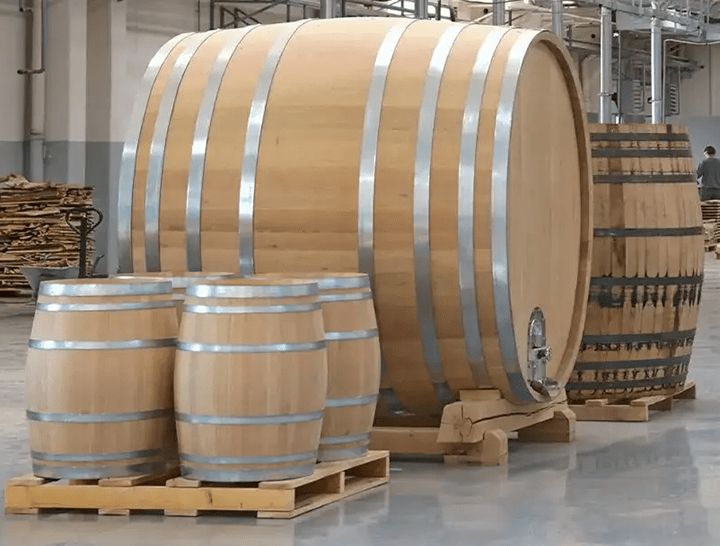
    Oak Alternatives – In lieu of traditional oak barrels, winemakers may employ oak alternatives such as chips, staves, or powders to impart oak-derived flavors and aromas to wines. This practice offers flexibility in flavor profile manipulation while mitigating costs and production time.

    The use of MegaPurple and grape concentrates in winemaking remains a contentious subject, reflecting broader debates surrounding authenticity, transparency, and market perception within the wine industry. As a sommelier committed to advancing wine education and fostering appreciation for the artistry of winemaking, it is imperative to navigate these complexities with discernment and critical inquiry. By fostering dialogue, transparency, and a deeper understanding of winemaking practices, we can empower consumers to make informed choices while preserving the rich diversity and heritage of wines worldwide.

    Cheers🍷

  • Teinturier Grapes: A Deep Dive into Rarity and Richness

    Teinturier Grapes: A Deep Dive into Rarity and Richness

    In the vast and intricate world of wine, there exists a category of grapes that is shrouded in mystery and rarity: the teinturier (pronounced teen-TOUR-ee-er) grapes. These unique varieties stand out among their counterparts due to their distinct characteristic of having red-colored flesh, which sets them apart from the majority of grape varieties whose flesh is typically clear or lightly pigmented. In this exploration, we embark on a journey to uncover the enigmatic nature of teinturier grapes, delving into their origins, unique characteristics, varieties, tasting notes, and the stories that surround them.

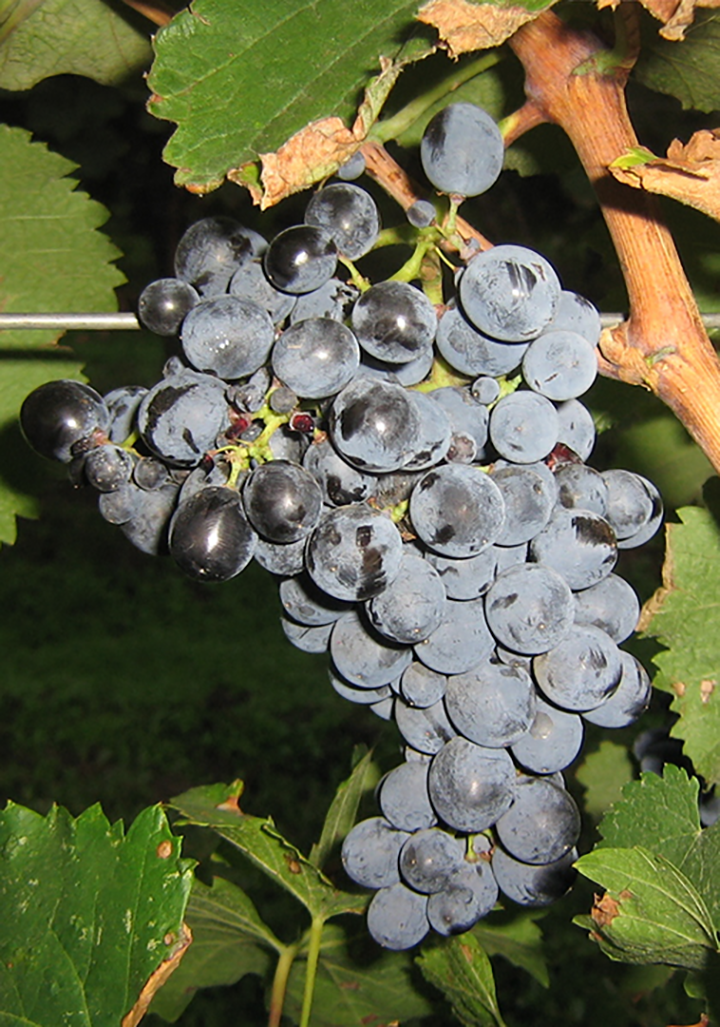
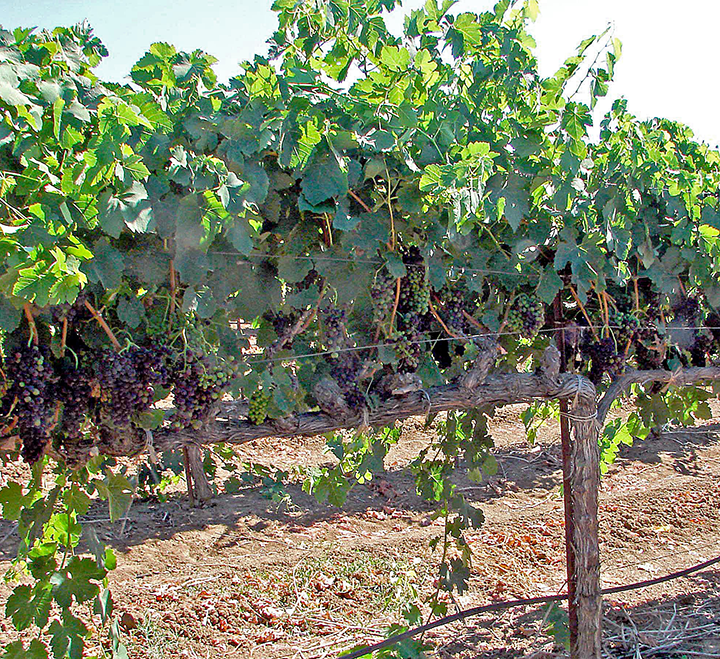
    Cover photo credits: Lebowskyclone, CC BY-SA 3.0 https://creativecommons.org/licenses/by-sa/3.0, via Wikimedia Commons

    Origins and Characteristics

    The term “teinturier” is derived from the French word for “dyer,” which aptly describes the intense coloration these grapes impart to wine. Unlike most red grape varieties, where the color comes primarily from the skins during fermentation, teinturier grapes possess deeply pigmented flesh, resulting in wines with exceptionally rich coloration and depth.

    One of the most notable characteristics of teinturier grapes is their rarity. While there are thousands of grape varieties cultivated worldwide, only a small fraction belong to the teinturier category. This rarity adds to their allure and intrigue among wine enthusiasts and connoisseurs.

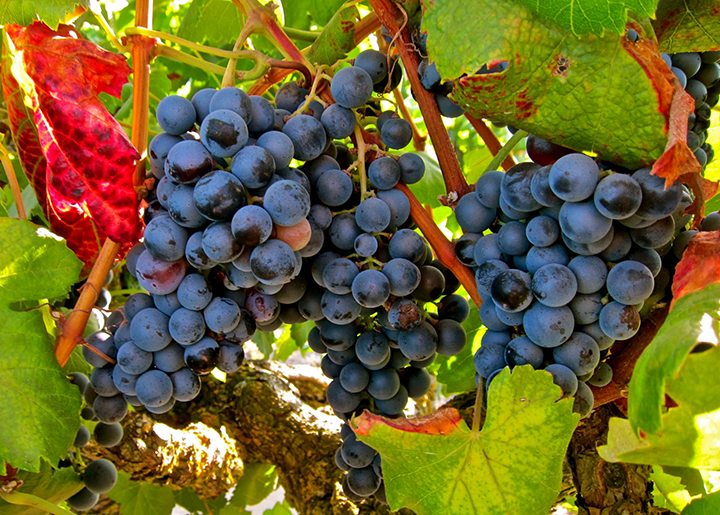
    Alicante Bouschet (photo: Good Food Revolution)

    Varieties of Teinturier Grapes

    Several grape varieties fall into the category of teinturier grapes, each offering its own unique characteristics and flavor profiles. Some of the most prominent varieties include:

    1. Alicante Bouschet: Among the most well-known teinturier grapes, Alicante Bouschet boasts deep red flesh and intense coloration. Originating in France in the late 19th century, this grape is prized for its robust flavors of dark fruits, such as blackberry and plum, coupled with firm tannins and a full-bodied structure.

    2. Saperavi: Hailing from the country of Georgia, Saperavi is a teinturier grape renowned for its inky color and bold, complex flavors. This variety often exhibits notes of black cherry, black pepper, and hints of smoke, with a velvety texture and a long, lingering finish.

    3. Rubired: Developed in California, Rubired is a teinturier grape widely used in winemaking for its deep color extraction and rich flavor profile. Wines made from Rubired grapes are characterized by their plush texture, ripe berry flavors, and a touch of spice, making them ideal for blending or as standalone varietal wines.

    4. Graciano: While not exclusively a teinturier grape, Graciano is known for its deeply pigmented juice, which contributes to the intense coloration of wines when blended with other grape varieties. Originating in Spain, Graciano imparts wines with vibrant acidity, notes of dark fruits, and a savory, herbal undertone.

    Tasting Notes and Pairings

    Teinturier wines are prized for their deep color, bold flavors, and distinctive characteristics. When tasting wines made from teinturier grapes, one can expect to encounter a spectrum of flavors and aromas, ranging from dark fruits and spices to savory notes and earthy undertones.

    Alicante Bouschet wines often exhibit flavors of ripe blackberry, plum, and dark chocolate, with firm tannins and a robust structure. Pairing these wines with grilled meats, hearty stews, or aged cheeses complements their bold flavors and enhances the overall dining experience.

    Saperavi wines boast a complex profile of black cherry, black pepper, and smoky notes, with a velvety texture and well-integrated tannins. These wines pair beautifully with dishes such as lamb tagine, roasted duck, or mushroom risotto, where their depth of flavor can shine.

    Rubired wines are characterized by their plush texture, ripe berry flavors, and hints of spice, making them versatile for pairing with a variety of cuisines. Whether enjoyed alongside barbecue ribs, spicy chili, or creamy pasta dishes, Rubired wines add a layer of richness and depth to the dining experience.

    Graciano Varietal from Rioja

    Graciano wines offer vibrant acidity, dark fruit flavors, and a savory, herbal character, making them ideal companions for dishes such as grilled steak, paella, or roasted vegetable medleys. The wine’s acidity cuts through rich flavors, while its earthy undertones complement a wide range of ingredients.

    Beyond their exceptional qualities in winemaking, teinturier grapes are also steeped in stories, myths, and quips that add an element of fascination to their narrative. Legend has it that Alicante Bouschet was created by a French viticulturist who sought to develop a grape variety with intense coloration during a time when blending wines was a common practice. Similarly, the origins of Saperavi trace back to ancient Georgia, where it is believed to have been cultivated for over 8,000 years, earning its status as one of the oldest grape varieties in existence.

    As we delve deeper into the world of teinturier grapes, we uncover not only their rare and unique characteristics but also the rich tapestry of history, culture, and tradition that surrounds them. From the sun-drenched vineyards of Spain to the lush landscapes of California, these grapes continue to captivate and inspire winemakers and enthusiasts alike, offering a glimpse into the extraordinary diversity and complexity of the wine world.

    Teinturier grapes stand as a testament to the endless possibilities and wonders of winemaking, showcasing the artistry and ingenuity of those who cultivate and craft them into the exquisite wines that grace our tables and tantalize our palates. As we raise our glasses to toast to these remarkable grapes, let us savor the richness of their flavors, the depth of their colors, and the stories that surround them, celebrating the beauty and complexity of the world of wine. Salute! 🍷

  • Exploring Tuscan Elegance: A Journey through Cantine Guidi’s Wine Portfolio

    Exploring Tuscan Elegance: A Journey through Cantine Guidi’s Wine Portfolio

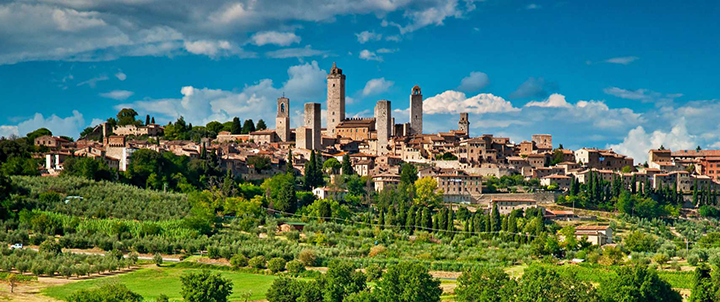
    In the heart of Tuscany, amidst the rolling hills and historic vineyards, lies a hidden gem known as Cantine Guidi. Under the guidance of their father, Avio Guidi, and led by fourth-generation winemakers Giacomo and Nicola Guidi, this esteemed winery has been crafting exceptional wines that encapsulate the essence of the region for decades. Recently, I had the privilege of attending a special wine tasting event hosted by WineNot? orchestrated by the gracious owners and sommeliers, Mike and Lorale Mullins. This intimate gathering, limited to just 20 individuals, offered an unparalleled opportunity to delve into the world of Cantine Guidi and immerse ourselves in the artistry of winemaking.

    We want to make our wines drink all over the world and that every person drinking them can discover the soul of our family and of Tuscany

    Nicola Guida
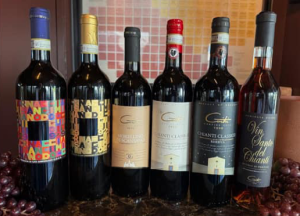
    Cantine Guidi Tasting Lineup

    Nicola Guidi began our tasting journey with the Cantine Guidi Vernaccia di San Gimignano D.O.C.G., a crisp and refreshing white wine that immediately captivated the senses. With its delicate floral aromas and vibrant citrus notes, this wine embodies the essence of Tuscan terroir. The limestone-rich soils of San Gimignano impart a distinctive minerality, while the cool climate ensures optimal acidity. Paired with fresh seafood or light pasta dishes, this Vernaccia di San Gimignano is a true delight.

    Next on the lineup was the Cantine Guidi Vernaccia di San Gimignano Riserva D.O.C.G., a step above its predecessor in terms of complexity and depth. Aged to perfection, this wine boasts layers of ripe stone fruit, honeyed undertones, and a subtle hint of almonds. The extended oak aging adds a touch of richness and texture, making it an ideal companion to creamy risottos or poultry dishes.

    San Gimignano is often referred to as Tuscany’s “Medieval Manhattan”

    Transitioning to reds, we savored the Morellino di Scansano D.O.C.G., a wine that showcases the versatility of Sangiovese grapes in the Maremma region. With its medium body and velvety tannins, this Morellino di Scansano offers an array of red berry flavors, accented by hints of herbs and spices. Its vibrant acidity makes it a versatile pairing for a variety of dishes, from grilled meats to hearty stews.

    Moving on to the Cantine Guidi Chianti Classico D.O.C.G., we were treated to a quintessential expression of Tuscan red wine. Crafted from Sangiovese grapes grown in the historic Chianti Classico region, this wine exudes elegance and finesse. Bursting with ripe cherry and plum flavors, complemented by notes of violet and earth, it is a true testament to the terroir of Tuscany. Pair it with classic Italian dishes such as pasta with tomato-based sauces (Greg’s Marinara Sauce) or aged cheeses for an unforgettable dining experience.

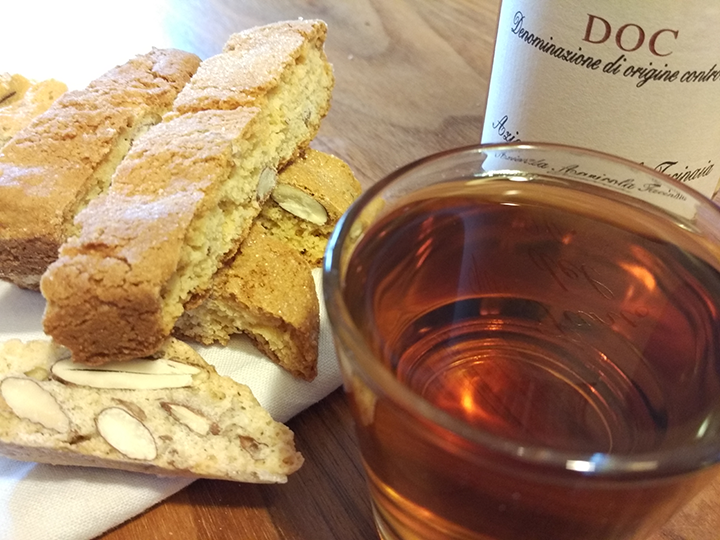
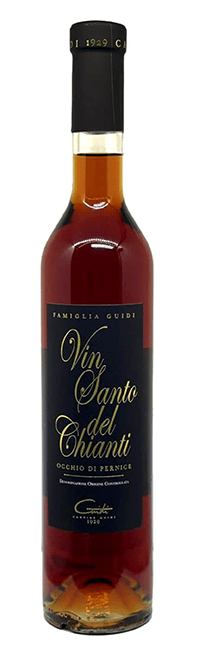
    Vin Santo

    The tasting culminated with the Cantine Guidi Chianti Riserva D.O.C.G., a wine of exceptional depth and complexity. Made from carefully selected grapes and aged in oak barrels, this Chianti Riserva offers an enticing bouquet of dark fruit, tobacco, and leather. Its velvety texture and lingering finish make it a perfect match for hearty meat dishes or aged cheeses.

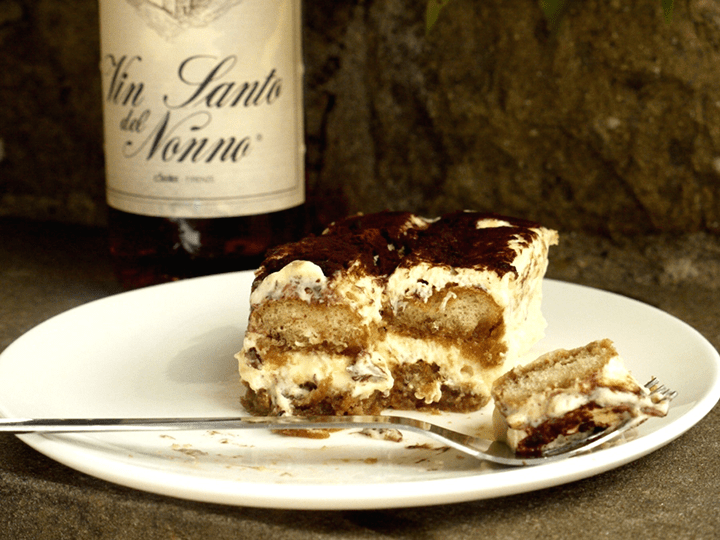
    Last but certainly not least, we indulged in the Vin Santo del Chianti D.O.C., a true Tuscan treasure. This sweet dessert wine, made from sun-dried grapes, captivated our palates with its luscious notes of caramelized nuts, dried fruits, and honey. Sipped slowly, it served as a fitting finale to our tasting journey, leaving a lasting impression of Tuscan hospitality and craftsmanship.

    We strongly believe that we start from the origins and along the way we grow and change based on the needs of our land; in fact, it is sustainability and ethics that motivate the choices we make every day.

    Cantine Guidi 1929

    Throughout the tasting, Nicola Guidi’s passion for winemaking shone through, as he shared insights into his family’s legacy and the unique terroir of each wine. From the sun-drenched vineyards of San Gimignano to the rugged hills of Chianti, every bottle tells a story of tradition, innovation, and dedication to quality.

    WineNot? West – 1108 W Granada Blvd, Ormond Beach, FL 32174

    As we bid farewell to WineNot? and its gracious hosts, Mike and Lorale Mullins, I couldn’t help but reflect on the unforgettable experience we had shared. Through the artistry of Cantine Guidi’s wines, we had embarked on a sensory journey through the timeless landscapes of Tuscany, savoring each moment and leaving with a newfound appreciation for the beauty of Italian winemaking. Saluti 🍷

  • Winemaking in Spring: From Bud Break to Flowering

    Winemaking in Spring: From Bud Break to Flowering

    First article in the series–The Seasons of Winemaking.

    Spring is a crucial season for winemaking, as it marks the beginning of the annual growth cycle of the grapevines. During this time, the vines awaken from their winter dormancy and start to produce new shoots, leaves, and flowers. The viticulturists and winemakers have to monitor and manage the vineyard carefully to ensure the health and quality of the grapes that will be harvested in the fall.

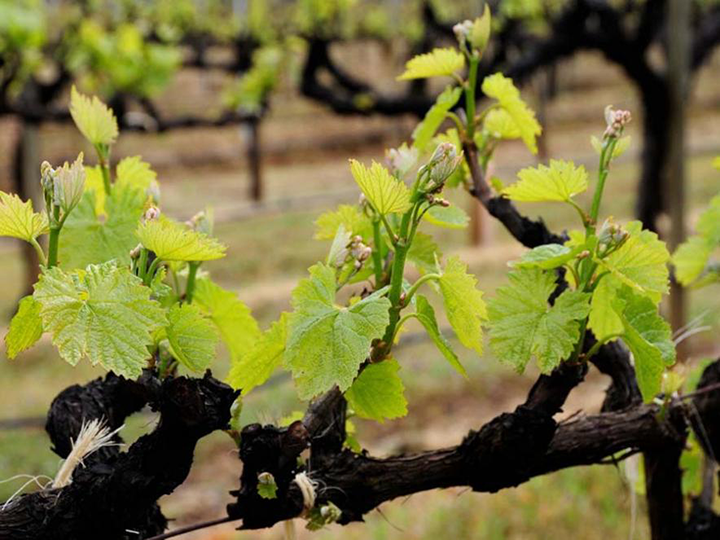
    Bud break at Jordan Winery, Alexander Valley

    Bud Break

    Bud break is the first visible sign of growth in the vineyard, usually occurring in March or April in the Northern Hemisphere, and September or October in the Southern Hemisphere. It happens when the buds on the dormant canes swell and burst, revealing tiny green shoots that will eventually become branches. Bud break is influenced by several factors, such as the grape variety, the climate, the soil, and the pruning method. Some varieties, such as Chardonnay and Pinot Noir, tend to bud earlier than others, such as Cabernet Sauvignon and Syrah. This means that they are more susceptible to frost damage, which can kill the young shoots and reduce the yield.

    To prevent frost damage, viticulturists may use various techniques, such as heaters, wind machines, sprinklers, or helicopters, to circulate warm air or water around the vines. They may also delay pruning until late winter or early spring, to avoid stimulating early bud break. Pruning is an essential task that involves cutting off excess or unwanted wood from the previous year, to shape the vine and control its vigor. Pruning also determines the number and position of the buds that will produce the grapes, and thus affects the quantity and quality of the harvest.

    Bud break is celebrated in different ways around the world, often with religious or spiritual ceremonies. For example, in Burgundy, France, the monks of the Clos de Vougeot monastery used to bless the vines and pray for a good harvest on the day of bud break. In Chile, the Fiesta de la Vendimia (Harvest Festival) begins with a mass and a blessing of the first must (grape juice) by the local priest. In Napa Valley, California, some wineries host bud break parties and tastings for their club members and guests.

    Shoot Growth

    After bud break, the shoots grow rapidly, reaching up to a meter in length by the end of spring. They develop leaves, tendrils, and lateral branches, forming the canopy of the vine. The leaves are the main source of energy for the vine, as they capture sunlight and perform photosynthesis, converting carbon dioxide and water into sugars and oxygen. The sugars are stored in the roots, trunk, and canes, and are used for growth and ripening. The tendrils are curly structures that help the vine cling to the trellis or support system, and maintain its vertical position. The lateral branches are secondary shoots that emerge from the leaf axils, and may produce additional clusters of grapes.

    The viticulturists and winemakers have to manage the canopy carefully, to balance the amount of sunlight, air, and moisture that reaches the grapes. Too much shade can reduce the sugar and flavor development, and increase the risk of fungal diseases. Too much sun can cause sunburn or dehydration, and affect the color and aroma of the grapes. To achieve the optimal canopy, they may use various techniques, such as:

    – Tying or tucking the shoots to the trellis wires, to keep them upright and organized.

    – Thinning or removing excess shoots, leaves, or lateral branches, to reduce overcrowding and improve ventilation.

    – Topping or trimming the tips of the shoots, to limit their growth and redirect the energy to the grapes.

    – Spraying or dusting the vines with organic or synthetic substances, to protect them from pests and diseases.

    Flowering stage of the grapevine

    Flowering

    Flowering is the next major stage in the vineyard, usually occurring in May or June in the Northern Hemisphere, and November or December in the Southern Hemisphere. It happens when the tiny green clusters of flowers on the shoots open and release pollen. The flowers are hermaphroditic, meaning that they have both male and female parts, and can self-pollinate. However, they may also rely on wind or insects to transfer pollen from one flower to another. The pollination process leads to fertilization, which results in the formation of seeds and berries. The berries are initially hard and green, and contain high levels of acidity and tannins.

    Flowering is celebrated in various ways around the world, often with music and dancing. For example, in Germany, the Blütenfest (Flower Festival) is held in several wine regions, featuring parades, concerts, and wine tastings. In Italy, the Festa dei Fiori (Flower Festival) is celebrated in many towns and villages, with floral decorations, folk performances, and local delicacies. In Argentina, the Fiesta Nacional de la Flor (National Flower Festival) is held in Escobar, a town known for its flower production and nurseries. The festival includes a flower parade, a queen contest, and a display of regional wines.

    Flowering is a critical and delicate phase, as it determines the potential crop size and quality. The number of flowers that successfully pollinate and set fruit is called the fruit set, and it can vary from 30% to 70% depending on the grape variety and the weather conditions. Warm, dry, and calm weather is ideal for flowering, as it facilitates pollination and prevents shattering or falling off of the flowers. Cold, wet, or windy weather can hinder flowering, and cause poor fruit set, uneven ripening, or coulure (the failure of the berries to develop after fertilization).

    Important fruit set stage in the growth cycle

    To ensure a good fruit set, viticulturists and winemakers may use various techniques, such as:

    – Choosing grape varieties that are suited to the climate and soil of the region, and that have consistent and reliable flowering behavior.

    – Adjusting the pruning and canopy management practices, to influence the timing and duration of flowering, and to expose the flowers to optimal sunlight and air circulation.

    – Applying plant hormones or biostimulants, to enhance the flowering and fruit set process, and to correct any deficiencies or imbalances in the vine.

    In summary, spring is a vital season for winemaking, as it marks the start of the grapevine’s growth cycle. From bud break to flowering, the viticulturists and winemakers have to monitor and manage the vineyard carefully, to ensure the health and quality of the grapes. They have to deal with various challenges, such as frost, pests, diseases, and weather fluctuations, and use various techniques, such as pruning, canopy management, and plant hormones, to influence the flowering and fruit set process.

    This article is the first in a series of four articles that dives into the seasons and stages of winemaking, from blossom to bottle and everything in between. In the next article, we will explore the summer season, when the grapes undergo veraison and ripening, and the viticulturists and winemakers prepare for the harvest. Stay tuned for more insights into the fascinating world of winemaking. 🍇🍷

  • Unveiling the Art of Vine Training: Crafting Fine Wines through Precision

    Unveiling the Art of Vine Training: Crafting Fine Wines through Precision

    The world of winemaking is an intricate dance between nature and human intervention. Among the many factors that vintners meticulously consider, vine training stands out as a critical element in shaping the destiny of grapevines and, consequently, the wines they produce. In this exploration, we delve into some common vine training approaches, unraveling the reasons behind winemakers’ choices, and uncovering the correlations between vine training methods and wine regions or traditions.

    Guyot System of Vine Training

    Guyot System: A Classic Elegance

    The Guyot system, with its single or double horizontal arms and vertical shoot positioning, exudes classic elegance. Often favored for its simplicity, it allows for efficient sunlight exposure and air circulation, promoting grape ripening and reducing the risk of diseases. Found in regions like Bordeaux, the Guyot system is associated with the structured and age-worthy red wines that have become synonymous with the area.

    Description: The Guyot system involves training the grapevines with one or two fruiting canes and a spur.

    Reasons for Adoption: Efficient in balancing vine vigor and controlling yields. It is adaptable to various climates and provides good fruit exposure.

    Popularity: Widely used in regions like Tuscany and parts of Australia.

    Impact of Weather and Location: Guyot is versatile and suitable for both cool and warm climates. It allows for adaptation based on vineyard conditions.

    Varietals: Cabernet Franc and Sangiovese thrive under Guyot, benefiting from the controlled vine growth.

    Machine Harvesting: Guyot is compatible with machine harvesting, contributing to its popularity.

    Cordon-trained Spur Pruned Vineyard

    Spur Pruning: Precision in Pinot Noir

    Particularly popular in Burgundy, the home of Pinot Noir, spur pruning involves short, lateral branches that produce the grape clusters. This method allows for precise control over the grape yield, ensuring concentration of flavors. The resulting wines are known for their delicacy, complexity, and a distinct expression of terroir.

    Trellis Systems: Adapting to Modern Demands

    Trellis systems, including Vertical Shoot Positioning (VSP) and Smart-Dyson, are common in regions with high humidity and vigorous vine growth. VSP, for instance, is widely used in New Zealand. These systems facilitate air circulation, reducing the risk of mold and mildew. The wines from these regions often exhibit vibrant fruit flavors and crisp acidity.

    Vertical Shoot Positioned Trellis System

    1. Vertical Shoot Positioning (VSP):

       – Description: VSP involves training the grapevines vertically, with shoots growing upward. It is a widely adopted method, especially in cooler climates. Canes are typically tied to wires, allowing for better sunlight exposure and air circulation.

       – Reasons for Adoption: VSP is favored for its efficiency in managing canopy growth, which aids in sunlight penetration, essential for even ripening. This method also facilitates mechanized vineyard operations and harvesting.

       – Popularity: VSP is highly popular, particularly in regions with cool climates, such as Burgundy and Oregon.

       – Impact of Weather and Location: VSP is well-suited for areas with moderate climates, as it helps maximize sun exposure. In cooler regions, it helps mitigate the risk of frost damage by elevating buds above potential frost pockets.

       – Varietals: Pinot Noir and Chardonnay thrive under VSP due to the controlled canopy and improved ripening conditions.

       – Machine Harvesting: VSP is compatible with machine harvesting, making it a preferred choice for large-scale vineyards.

    2. Smart-Dyson:

       – Description: This method involves training the vines in a circular fashion, resembling an open umbrella. It was developed to address challenges in canopy management.

       – Reasons for Adoption: Smart-Dyson aims to optimize sunlight exposure and air circulation while minimizing disease pressure. It allows for better control over yields and grape quality.

       – Popularity: Commonly used in regions like Bordeaux and parts of California, where Bordeaux varietals are predominant.

       – Impact of Weather and Location: Smart-Dyson can be adapted to different climates, but it is particularly useful in regions with warm temperatures, as it helps prevent sunburn on grapes.

       – Varietals: Cabernet Sauvignon and Merlot are often trained using the Smart-Dyson method, benefiting from the balanced canopy.

       – Machine Harvesting: While possible, machine harvesting might be more challenging due to the unique canopy structure.

    Pergola Training in the Vineyard

    Pergola System: Embracing Tradition in Italy

    Italy, known for its rich winemaking history, often embraces the traditional pergola system. With vines trained overhead in a canopy-like fashion, this method protects grapes from excessive sunlight and enhances air circulation. Wines from regions like Valpolicella reflect the tradition, offering a unique combination of richness and freshness.

    Espalier: Artistry in Elegance

    Espalier, a technique that involves training vines along a flat, vertical surface, is a testament to the artistry in winemaking. Commonly found in Champagne, this method allows for precise control over grape exposure to sunlight. Champagnes crafted with espalier-trained vines showcase finesse, delicate bubbles, and nuanced flavors.

    Correlation between Vine Training and Wine Characteristics

    The correlation between vine training and wine characteristics is profound. The architecture of the vine directly influences factors such as sunlight exposure, air circulation, and grape ripening, which, in turn, shape the flavor profile, structure, and aging potential of the wines. Regions with specific climate conditions often adopt vine training approaches that mitigate challenges unique to their environment, leading to distinct wine styles.

    In the intricate tapestry of winemaking, vine training emerges as a pivotal brushstroke, allowing winemakers to paint a canvas of flavors, aromas, and textures. The careful selection of vine training approaches reflects a deep understanding of the interplay between nature and craftsmanship. As wine enthusiasts, exploring the connection between vine training and the wines we cherish enhances our appreciation for the artistry behind each bottle.

  • Exploring Italy’s IGT Wines: A Journey into History, Innovation, and Flavor

    Exploring Italy’s IGT Wines: A Journey into History, Innovation, and Flavor

    Italy’s rich winemaking tradition is celebrate globally, and its diverse classifications reflect the unique terroirs and grape varieties that define each region. Among these classifications, IGT, or Indicazione Geografica Tipica, stands as a symbol of innovation, blending tradition with modernity in the world of Italian wine.

    History of IGT

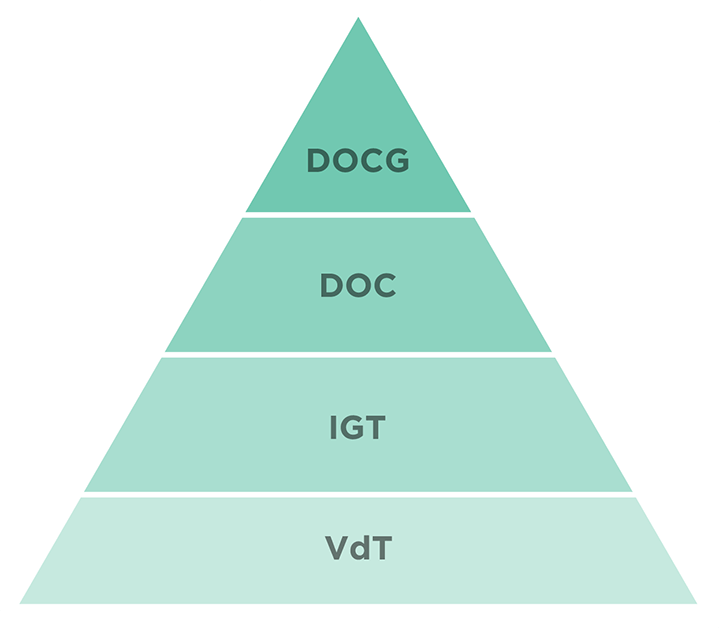
    The IGT classification was introduced in 1992 as a response to the rigid regulations of DOC (Denominazione di Origine Controllata) and DOCG (Denominazione di Origine Controllata e Garantita). While DOC and DOCG focus on preserving traditional winemaking practices and specific grape varieties, IGT provides winemakers with more flexibility, allowing for experimentation and the use of non-traditional grape varieties.

    Italian Wine Classifications

    Alignment With Other Classifications

    IGT wines fall between DOC and Vino da Tavola (table wine) in terms of regulations. While DOC and DOCG wines adhere to strict geographical and varietal guidelines, IGT wines offer a more expansive canvas for winemakers, allowing them to explore new grape varieties and winemaking techniques.

    Disclosure: This post includes some affiliate links. Should you click an affiliate link and make a purchase, we may receive a small commission at no extra cost to you.

    Super Tuscans from the Wine Cellar of BOCCANEGRA

    Super Tuscan Wines within the IGT Category

    One of the most famous innovations within the IGT classification is the creation of “Super Tuscan” wines. These wines challenged the traditional norms by blending indigenous and international grape varieties, often using Cabernet Sauvignon, Merlot, or Syrah alongside Sangiovese. Some leading-edge Super Tuscans within the IGT classification include:

    • Sassicaia: Hailing from the Bolgheri region, Sassicaia is a pioneer in the Super Tuscan movement. This Cabernet Sauvignon-dominant wine boasts intense black fruit, elegant tannins, and a long, lingering finish.
    • Ornellaia: A blend of Cabernet Sauvignon, Merlot, and Cabernet Franc, Ornellaia showcases a harmonious marriage of power and finesse. Notes of dark berries, spice, and a velvety texture make it a standout IGT wine.
    • Tignanello: Produced by Antinori, Tignanello is a groundbreaking Super Tuscan featuring Sangiovese, Cabernet Sauvignon, and Cabernet Franc. It exudes ripe red fruit, supple tannins, and a well-balanced structure.

    SOMM&SOMM Recommends: 2012 Bolgheri Sassicaia

    SOMM&SOMM Recommends: 2012 Ornellaia

    Westgarth Wines

    Tasting Notes and Evaluation

    Super Tuscan IGT wines are known for their bold and complex profiles. Expect aromas of dark fruits, such as blackberry and cherry, intertwined with nuances of spice, leather, and tobacco. The palate often reveals a robust body, firm tannins, and a persistent finish.

    Wild Boar Ragu over Pappardelle

    Food Pairing Recommendations

    Pairing IGT wines with the right dishes enhances the overall dining experience. Given their robust nature, Super Tuscan IGT wines complement rich and flavorful dishes, such as:

     – Grilled T-bone steak with rosemary-infused olive oil

    Wild boar ragu served over pappardelle pasta

    – Aged Pecorino cheese with truffle honey

    Photo by Alex Staudinger on Pexels.com

    Italy’s IGT classification has not only allowed winemakers to push boundaries but has also given birth to iconic Super Tuscan wines. Embracing a fusion of tradition and innovation, these wines continue to captivate wine enthusiasts worldwide, offering a taste of the rich diversity and creativity that defines Italian winemaking.

    Salute! 🍷

  • Crafting the Perfect Wine Tasting Experience

    Crafting the Perfect Wine Tasting Experience

    A well-curated wine tasting event is an exquisite journey that engages the senses and allows participants to appreciate the complexities of different varietals. Having hosted (and participated in) a few tasting events, SOMM&SOMM is here to guide you through the science behind choosing the order in which wines should be served to enhance the overall tasting experience.

    Disclosure: This post includes some affiliate links. Should you click an affiliate link and make a purchase, we may receive a small commission at no extra cost to you.

    Photo by liis piirmets on Pexels.com

    The basic principles (3 rules)

    Sommelier Rule : Start with Whites before Reds – The general rule of thumb is to begin with white wines before moving on to reds. White wines are typically lighter and crisper, allowing the palate to acclimate to the subtleties of flavors without overwhelming it with bold tannins and robust characteristics. This progression ensures a smooth transition from lighter to fuller-bodied wines.

    Sommelier Rule : Consider Alcohol Content – When selecting the order of wines, it is essential to take alcohol content into account. Starting with lower alcohol wines helps prevent palate fatigue, allowing participants to fully appreciate the nuances of each wine. Gradually progressing towards higher alcohol wines ensures a balanced tasting experience.

    Sommelier Rule : Sweet vs. Dry – Another factor to consider is the sweetness level of the wines. Begin with dry wines and progress towards sweeter ones. Sweet wines can leave a lingering impression on the palate, making it challenging to appreciate the subtleties of drier varietals if served later in the lineup.

    Best Practices for Creating a Proper Lineup

    • Light to Full-Bodied – Arrange the wines from light to full-bodied. This helps participants ease into the tasting, preventing palate fatigue and ensuring that the more delicate characteristics of lighter wines are not overshadowed by bolder counterparts.

    • Consider Regional Variations – If you have a selection of wines from different regions, consider the traditional order of service for that region. For example, if showcasing French wines, follow the classic progression of Champagne, white Burgundy, red Burgundy, Bordeaux, and so on.

    • Mind the Oak Influence – If your selection includes oaked and unoaked wines, start with unoaked varieties. Oak can leave a lasting impression on the palate, and beginning with unoaked wines allows for a more nuanced tasting experience.

    Westgarth Wines

    Spotlight: Westgarth Wines is a great source for hard-to-find varietals and vintages. Whether building your wine portfolio or planning a themed wine tasting, check out Westgarth Wines Extensive Fine Wine Collection.

    Adjusting for Food and Wine Dinners

    When planning a food and wine dinner, the dynamics change slightly. Consider the following:

    1. Pairing Dynamics: Align the wine lineup with the progression of the courses. Lighter wines work well with appetizers and delicate dishes, while fuller-bodied wines complement heartier mains.
    2. Consider the Dominant Flavors: If a specific dish has dominant flavors, choose a wine that compliments or balances those flavors. For example, a buttery Chardonnay pairs well with creamy pasta dishes (Coquillettes Ham Tartufata).
    Photo by Pavel Danilyuk on Pexels.com

    Proper Etiquette for a Tasting

    Sip, don’t swallow. Encourage participants to take small sips and savor the flavors without swallowing immediately. This allows for a more comprehensive tasting experience. Use the right glassware. Provide appropriate glassware for each wine. The shape and size of the glass can significantly impact the perception of aromas and flavors. Provide water and neutral snacks. Have water available to cleanse the palate between tastings. Neutral snacks like crackers or bread can also help reset the palate.

    In conclusion, crafting the perfect wine tasting experience involves a thoughtful consideration of the order in which wines are served. By understanding the science behind this process and incorporating best practices, you can elevate any tasting event to a memorable and enjoyable occasion.

    Cheers 🥂

  • Unlocking the Secrets of Wine Storage

    Unlocking the Secrets of Wine Storage

    Wine, a timeless elixir that has captivated civilizations for centuries, is a complex beverage that evolves over time. As a wine enthusiast or professional wine educator, understanding the intricacies of wine storage is crucial for preserving the nuances and flavors of different styles of wine. In this article, we will delve into the various styles of wine, the factors influencing a wine’s ability to age, and how winemaking techniques can play a pivotal role in determining a wine’s longevity.

    Different Styles of Wine

    Red Wines known for their rich and robust flavors, typically have a higher tannin content. Tannins act as natural preservatives, contributing to the aging potential of red wines. Varieties such as Cabernet Sauvignon, Merlot, and Shiraz are renowned for their ability to evolve gracefully over time.

    White Wines with their crisp and refreshing profiles, are generally consumed in their youth. However, certain white wines, such as oaked Chardonnay or high-quality Rieslings, can benefit from aging. The key is to strike a balance between acidity, sweetness, and structure.

    Sparkling Wines like Champagne, are celebrated for their effervescence and vibrancy. These wines are best consumed within a few years of release, as their freshness and bubbles diminish with time. Proper storage is crucial to prevent premature aging and ensure the sparkling quality is maintained.

    Sparkling Wine Storage

    Factors Influencing Wine Aging

    Temperature and Humidity – Maintaining a consistent temperature is paramount for proper wine storage. Ideally, wines should be stored between 55-65°F (13-18°C). Fluctuations in temperature can lead to premature aging or spoilage. Additionally, a humidity level of 60-70% prevents corks from drying out, ensuring a proper seal.

    Light and Vibration – Exposure to light, especially ultraviolet (UV) rays, can cause chemical reactions in wine, resulting in off-putting aromas and flavors. Vibrations, such as those from appliances or foot traffic, can disturb sediment in aging wines. A serene and dimly lit storage environment is optimal.

    Corks and Seals – The type of closure used in a bottle can significantly impact aging. Natural cork allows for a small amount of oxygen exchange, aiding in the development of complex flavors. Synthetic corks and screw caps provide a more airtight seal, slowing down the aging process. However, each closure has its advantages and drawbacks.

    Winemaking Techniques and Preservation

    Tannin Management – Winemakers can influence the aging potential of red wines by managing tannins during the production process. Gentle pressing, careful selection of oak barrels, and proper maceration techniques contribute to a wine’s structure and longevity.

    Acidity and pH Levels – White wines with higher acidity and lower pH levels generally have a better chance of aging gracefully. Winemakers can adjust acidity levels during production to enhance a wine’s longevity.

    Photo by Tugay Kocatu00fcrk on Pexels.com

    Oak Aging – The choice of oak barrels and the duration of oak aging impact a wine’s flavor, structure, and aging potential. Well-integrated oak can contribute to a wine’s complexity, while excessive oak influence may overpower the natural characteristics.

    Filtration and Stabilization – Winemakers employ filtration and stabilization techniques to remove unwanted particles and microbes. While these processes ensure wine stability, they may also strip the wine of some elements that contribute to aging potential.

    Wine storage is a delicate art that requires a deep understanding of the diverse styles of wine, the science behind aging, and the impact of winemaking techniques. By paying attention to temperature, light, and other storage conditions, enthusiasts and professionals alike can unlock the full potential of their prized bottles. Let us raise a glass to the magic that unfolds within each carefully preserved bottle. Cheers!

  • Discovering the Rich Tapestry of Austrian Wines

    Discovering the Rich Tapestry of Austrian Wines

    Austria, a country nestled in the heart of Europe, boasts a winemaking history that dates back centuries. With its diverse terroir, unique grape varieties, and a commitment to quality, Austrian wines have been gaining international acclaim. In this exploration, we will delve into the main wine regions, native varietals, distinctive styles, and noteworthy vintages that make Austria a captivating destination for wine enthusiasts.

    Wine Regions of Austria

    Austria is divided into four primary wine regions, each characterized by its distinct terroir and grape varieties:

    Grüner Veltliner

    Niederösterreich (Lower Austria): This expansive region along the Danube River is home to renowned sub-regions like Wachau, Kamptal, and Kremstal. Grüner Veltliner and Riesling are the stars here, thriving in the cool climate and diverse soils, from loess to primary rock.

    Burgenland: Located in the eastern part of Austria, Burgenland is known for its red wines, particularly those produced from the indigenous grape variety Blaufränkisch. Neusiedlersee, a large lake in the region, influences the climate, creating ideal conditions for sweet wines like Trockenbeerenauslese.

    Steiermark (Styria): This southern region is recognized for its Sauvignon Blanc and Morillon (Chardonnay). The landscape is diverse, with vineyards ranging from steep slopes to rolling hills. Steiermark’s wines are often characterized by a vibrant acidity and minerality.

    Gemischter Satz – Photo by Lois Lammerhuber, Weintourismus

    Wien (Vienna): The Austrian capital, Vienna, has its own unique wine region within the city limits. The local Gemischter Satz, a field blend of different grape varieties, is a traditional Viennese wine style that reflects the city’s multicultural history.

    Sankt Laurent

    Native Varietals

    Austria takes pride in its native grape varieties, which contribute to the country’s distinctive wine identity. The most notable include:

    Grüner Veltliner: Often considered Austria’s flagship white grape, Grüner Veltliner produces crisp, aromatic wines with flavors ranging from green apple to white pepper. It is the most widely planted grape variety in the country.

    Riesling: Known for its elegance and age-worthiness, Austrian Riesling showcases a beautiful balance of acidity and fruitiness. The Wachau region, in particular, is celebrated for its Riesling expressions.

    Blaufränkisch: A red grape variety that thrives in Burgenland, Blaufränkisch produces wines with dark fruit flavors, spice, and a distinctive earthy character. It is the backbone of many of the region’s powerful red blends.

    Sankt Laurent: Another red variety, Sankt Laurent, is valued for its velvety texture and red fruit notes. It is often used to create elegant, age-worthy red wines.

    Sankt Laurent was named after St. Lawrence’s Day – the 10th of August – the day on which the grapes begin to change color

    http://www.austrianwine.com

    A Taste of Austria’s Diversity

    Austria offers a wide range of wine styles, from dry whites to luscious sweet wines. Some unique styles to explore include:

    Gelber Muskateller (Yellow Muscat): This aromatic grape variety produces floral and perfumed wines with a captivating bouquet. It is often vinified into dry, aromatic whites.

    Eiswein (Ice Wine): In exceptional years, Austrian winemakers craft Eiswein from grapes naturally frozen on the vine. These sweet wines are a true delicacy, balancing intense sweetness with acidity.

    Gemischter Satz: As mentioned earlier, this traditional Viennese style involves planting and harvesting different grape varieties together. The resulting wines are complex, reflecting the diversity of the vineyard.

    When it comes to vintages, Austrian wines are known for their consistency and age-worthiness. However, the standout years, such as 2015, 2017, and 2019, have produced wines with exceptional balance and concentration.

    Sacher-Torte

    Austrian Wine and Culinary Pairings

    Pairing Austrian wines with local dishes is a delightful experience that enhances the flavors of both the food and the wine. Here are some recommendations:

    Grüner Veltliner with Wiener Schnitzel: The crisp acidity and citrus notes of Grüner Veltliner complement the fried goodness of Wiener Schnitzel, Austria’s iconic breaded veal cutlet.

    Blaufränkisch with Game Meat: The robust and spicy character of Blaufränkisch pairs wonderfully with game dishes, bringing out the rich flavors of venison or wild boar.

    Sankt Laurent with Duck: The velvety texture and red fruit profile of Sankt Laurent harmonize beautifully with the succulence of roasted duck.

    Eiswein with Desserts: The intense sweetness and acidity of Eiswein make it a perfect match for desserts like Sacher-Torte or apple strudel.

    Austria’s Winemaking Heritage

    Austria’s winemaking history dates back to Roman times, with monasteries playing a crucial role in preserving and advancing viticultural practices. In recent decades, Austrian winemakers have embraced modern techniques while maintaining a deep respect for tradition. This balance has contributed to the country’s success on the international stage.

    South Styrian Wine Road in Austria. Image Credit: Julius Silver/Courtesy of Austrian Tourism

    A Unique Wine Landscape

    Surrounded by wine-producing heavyweights like Germany, Italy, and France, Austria holds its own with its distinctive terroir and grape varieties. The country’s commitment to quality, sustainable viticulture, and expressive winemaking have earned it a respected place among its European counterparts.

    Austria’s wines are a treasure trove of diversity, offering something for every palate. Whether you are drawn to the zesty Grüner Veltliners of Niederösterreich, the robust reds of Burgenland, or the unique Gemischter Satz of Vienna, Austrian wines are sure to captivate and leave a lasting impression. So, embark on a journey through the vineyards of Austria and savor the terroir, tradition, and innovation that define this remarkable wine-producing nation. Prost!