
Wine, a timeless elixir that has captivated civilizations for centuries, is a complex beverage that evolves over time. As a wine enthusiast or professional wine educator, understanding the intricacies of wine storage is crucial for preserving the nuances and flavors of different styles of wine. In this article, we will delve into the various styles of wine, the factors influencing a wine’s ability to age, and how winemaking techniques can play a pivotal role in determining a wine’s longevity.
Different Styles of Wine
Red Wines known for their rich and robust flavors, typically have a higher tannin content. Tannins act as natural preservatives, contributing to the aging potential of red wines. Varieties such as Cabernet Sauvignon, Merlot, and Shiraz are renowned for their ability to evolve gracefully over time.
White Wines with their crisp and refreshing profiles, are generally consumed in their youth. However, certain white wines, such as oaked Chardonnay or high-quality Rieslings, can benefit from aging. The key is to strike a balance between acidity, sweetness, and structure.
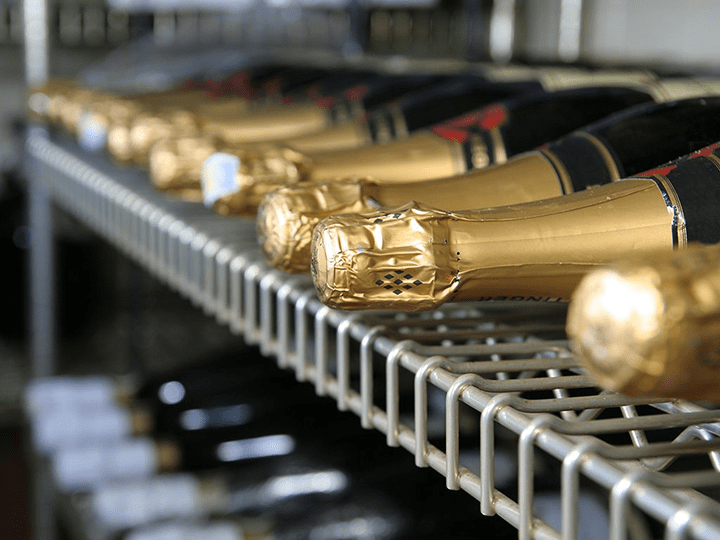
Sparkling Wines like Champagne, are celebrated for their effervescence and vibrancy. These wines are best consumed within a few years of release, as their freshness and bubbles diminish with time. Proper storage is crucial to prevent premature aging and ensure the sparkling quality is maintained.
Factors Influencing Wine Aging
Temperature and Humidity – Maintaining a consistent temperature is paramount for proper wine storage. Ideally, wines should be stored between 55-65°F (13-18°C). Fluctuations in temperature can lead to premature aging or spoilage. Additionally, a humidity level of 60-70% prevents corks from drying out, ensuring a proper seal.
Light and Vibration – Exposure to light, especially ultraviolet (UV) rays, can cause chemical reactions in wine, resulting in off-putting aromas and flavors. Vibrations, such as those from appliances or foot traffic, can disturb sediment in aging wines. A serene and dimly lit storage environment is optimal.
Corks and Seals – The type of closure used in a bottle can significantly impact aging. Natural cork allows for a small amount of oxygen exchange, aiding in the development of complex flavors. Synthetic corks and screw caps provide a more airtight seal, slowing down the aging process. However, each closure has its advantages and drawbacks.
Winemaking Techniques and Preservation
Tannin Management – Winemakers can influence the aging potential of red wines by managing tannins during the production process. Gentle pressing, careful selection of oak barrels, and proper maceration techniques contribute to a wine’s structure and longevity.
Acidity and pH Levels – White wines with higher acidity and lower pH levels generally have a better chance of aging gracefully. Winemakers can adjust acidity levels during production to enhance a wine’s longevity.

Oak Aging – The choice of oak barrels and the duration of oak aging impact a wine’s flavor, structure, and aging potential. Well-integrated oak can contribute to a wine’s complexity, while excessive oak influence may overpower the natural characteristics.
Filtration and Stabilization – Winemakers employ filtration and stabilization techniques to remove unwanted particles and microbes. While these processes ensure wine stability, they may also strip the wine of some elements that contribute to aging potential.
Wine storage is a delicate art that requires a deep understanding of the diverse styles of wine, the science behind aging, and the impact of winemaking techniques. By paying attention to temperature, light, and other storage conditions, enthusiasts and professionals alike can unlock the full potential of their prized bottles. Let us raise a glass to the magic that unfolds within each carefully preserved bottle. Cheers!


 SOMM&SOMM
You must be logged in to post a comment.