
When you hear the term “sommelier,” you might picture a poised individual in a fine dining restaurant, expertly swirling a glass of wine while offering sophisticated descriptions of its aroma and taste. But what exactly is a sommelier, and what role do they play in the world of wine? Let’s embark on a delightful journey through the history, meaning, certifications, skills, and traditions associated with this esteemed profession.
Origin and History
The term “sommelier” originates from the Old French word “sommier,” which referred to a pack animal driver. However, in the context of wine, the meaning evolved to denote the person in charge of transporting and managing the precious wine supplies of medieval kings and nobility. Over time, the role expanded to include wine tasting and selection, leading to the modern-day definition of a wine steward or expert. Here are a few famous sommeliers from history and the reasons their legacy lives on:
André Tchelistcheff (December 7, 1901 – April 5, 1994)
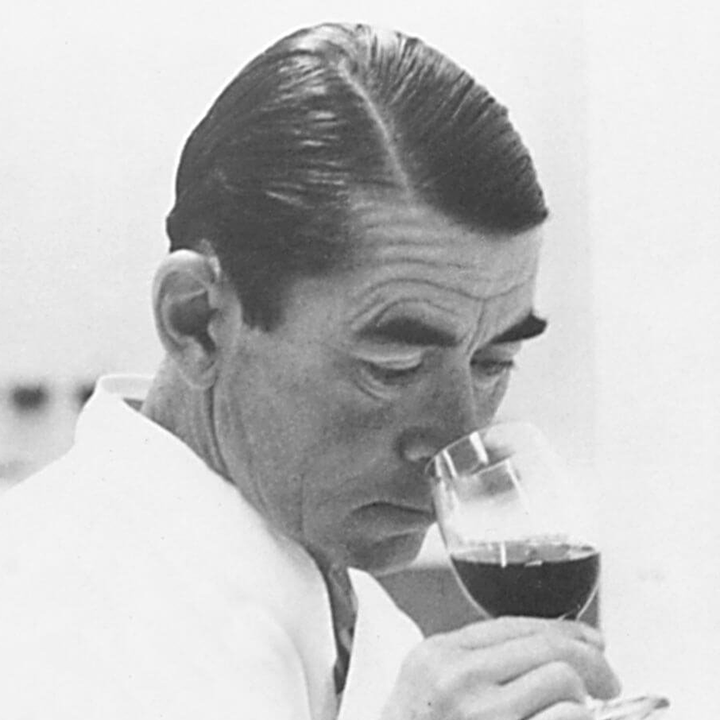
Known as the “Dean of American Winemakers,” André Tchelistcheff was a pioneering figure in the American wine industry. Born in Russia in 1901, he moved to the United States and revolutionized winemaking techniques, particularly in California.
Tchelistcheff’s expertise in viticulture and enology helped establish California wines on the global stage, earning him widespread recognition and admiration.
Tchelistcheff’s legacy lives on through his groundbreaking work in improving winemaking practices, particularly in the Napa Valley region. His emphasis on quality, innovation, and attention to detail set the standard for generations of winemakers to come, shaping the trajectory of American wine culture.
Jancis Robinson (April 22, 1950 – )
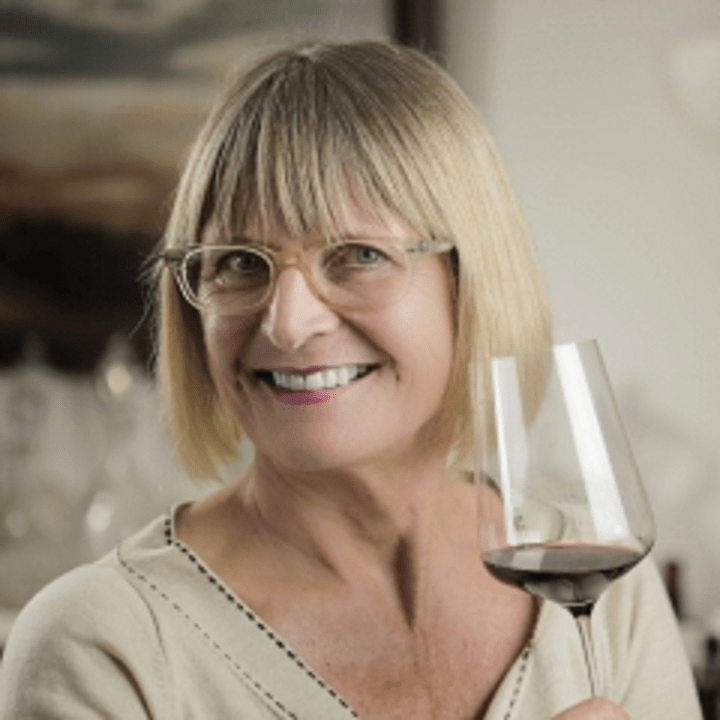
Jancis Robinson is a renowned British wine critic, journalist, and Master of Wine. Her influential career spans decades and has had a profound impact on the world of wine appreciation and education.
Robinson is celebrated for her comprehensive wine knowledge, eloquent writing style, and commitment to promoting wine appreciation among enthusiasts of all levels.
Robinson’s continues to build a legacy through her extensive body of work, including books, articles, and television programs, which have demystified the world of wine and made it more accessible to a wider audience. Her contributions to wine education and criticism continue to inspire aspiring sommeliers and wine enthusiasts worldwide.
Georges-Auguste Escoffier (October 28, 1846 – February 12, 1935)

Georges-Auguste Escoffier, often referred to as the “Emperor of Chefs” and the “King of Chefs,” was a legendary French chef and restaurateur. While not solely a sommelier, Escoffier’s influence on modern gastronomy and dining culture is undeniable.
He revolutionized French cuisine and restaurant service, introducing innovative culinary techniques and standards of excellence that continue to shape the hospitality industry.
Escoffier’s legacy lives on through his timeless culinary principles, including his emphasis on precision, quality ingredients, and meticulous attention to detail. While he may not have been a sommelier in the traditional sense, his influence on fine dining and the art of hospitality has had a lasting impact on the role of wine service in restaurants around the world.
These sommeliers and culinary luminaries have left indelible marks on the world of wine and dining, shaping its evolution and inspiring future generations of enthusiasts and professionals alike. Their legacies endure through their contributions to wine education, innovation, and the elevation of the dining experience.
Certifications and Levels of Knowledge
Becoming a certified sommelier involves rigorous training and examination. Various organizations, such as the Court of Master Sommeliers, the Wine & Spirit Education Trust (WSET), and the International Sommelier Guild, offer structured programs and exams to assess candidates’ knowledge and tasting abilities.
The Court of Master Sommeliers, for instance, offers four levels of certification: Introductory, Certified, Advanced, and Master Sommelier. Each level requires a deeper understanding of wine regions, grape varieties, wine production techniques, and impeccable tasting skills.
Skills Displayed During Wine Service
A sommelier’s role during wine service extends beyond merely pouring wine into a glass. They are tasked with enhancing the dining experience through their knowledge, recommendations, and impeccable service. Specific skills displayed during wine service include:
• Wine Pairing: Matching wines with food to complement flavors and enhance the overall dining experience.
• Decanting: Aerating wine to soften tannins and release aromas, particularly for older red wines.
• Temperature Control: Ensuring wines are served at the appropriate temperature to preserve their flavors.
• Glassware Selection: Choosing the right type of glassware to showcase the wine’s characteristics.
• Cork Handling: Opening and presenting wine bottles with finesse, especially for aged or rare wines.

Enhancing the Dining Experience
A skilled sommelier can elevate a dining experience from enjoyable to extraordinary. By guiding guests through the wine selection process, sharing stories about vineyards and winemakers, and offering personalized recommendations based on individual preferences, sommeliers create memorable moments that linger long after the last sip.
Tasting and Evaluation Skills
Becoming a sommelier requires honing exceptional tasting and evaluation skills. Sommeliers must be able to assess wine qualities such as appearance, aroma, taste, body, acidity, and finish accurately. They undergo rigorous training to develop their palates, often participating in blind tastings to sharpen their ability to identify grape varieties, regions, and quality levels.

Most Difficult Wine to Serve Properly
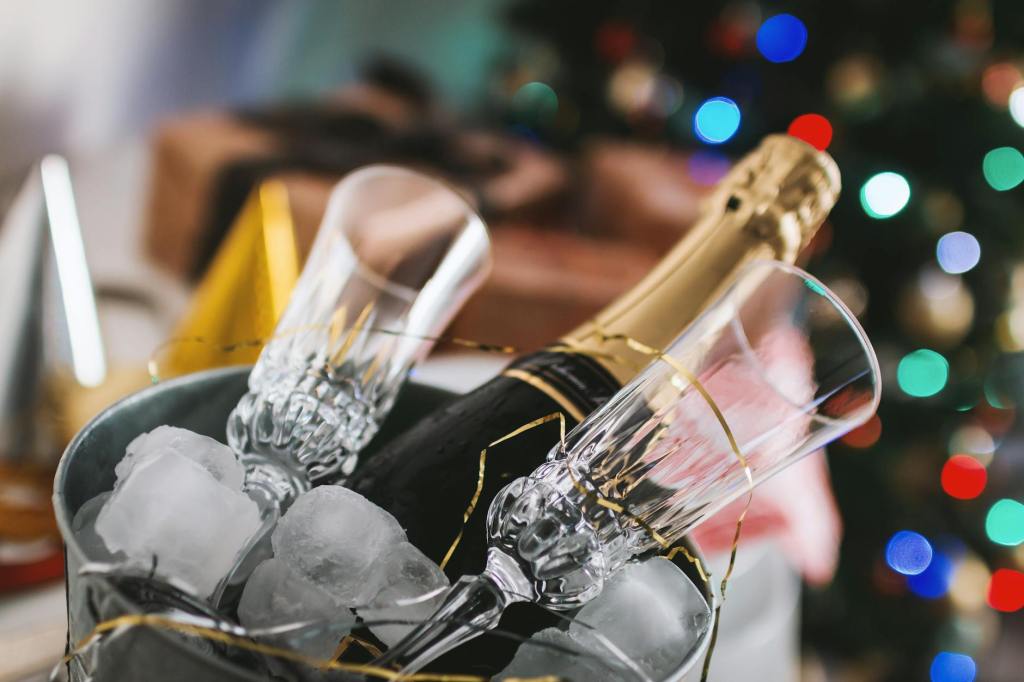
While every wine presents its unique challenges, one of the most difficult wines to serve properly is Champagne or sparkling wine. Its effervescence requires precise handling to prevent excessive foaming and preserve the bubbles. Additionally, serving Champagne at the correct temperature is crucial to maintaining its freshness and liveliness.
A sommelier is much more than a wine expert in a fancy restaurant. They are guardians of wine culture, storytellers of vineyard landscapes, and orchestrators of unforgettable dining experiences. Through their extensive knowledge, impeccable service, and passion for wine, sommeliers enhance our enjoyment and appreciation of one of life’s greatest pleasures. So, the next time you raise a glass of wine, remember to toast to the dedicated sommeliers who make each sip a moment to savor.
Cheers! 🥂


 SOMM&SOMM
You must be logged in to post a comment.