Tag: wine-pairing

  • Demystifying Wine + Food for Real-Life Moments

    Demystifying Wine + Food for Real-Life Moments

    The Art & Science of Perfect Pairings.

    Wine and food pairing is one of the most celebrated and misunderstood arts in the culinary world. It’s where science meets instinct, and where a great meal becomes unforgettable. If you’ve ever panicked while choosing a wine for a dinner party with mismatched dishes, you’re not alone. I’ve been there—grilled lamb on one plate, Thai curry on another, someone asking for Chardonnay, and someone else who’s allergic to sulfites.

    In my journey through the Court of Master Sommeliers (CMS), Wine & Spirit Education Trust (WSET), and the Society of Wine Educators (SWE), I found each program offers gems of pairing wisdom, yet no single one gives you the full toolbox. That’s why I’ve stitched together the best parts of all three—and then some—to help you master the magic of pairing food and wine like a seasoned pro (without needing a diploma or a decanter shaped like a swan).

    First, the Science

    At its core, food and wine pairing is all about balancecontrast, and harmony. Think of it like composing a song—each flavor, texture, and temperature is an instrument, and your goal is a well-orchestrated experience.

    Let’s break down the key components that matter when pairing wine with food:

    Acidity

    Wines with high acidity (like Sauvignon Blanc, Riesling, Champagne, or Chianti) can cut through richness, refresh the palate, and balance fat.
    ✔ Perfect with: Goat cheese, fried chicken, oysters, butter sauces, vinaigrettes.

    SOMM&SOMM Tip (WSET): Acid balances acid. A tomato-based dish needs a wine with matching acidity—or the wine will taste flat.

    Sweetness

    Sweetness in wine can tame heat and offset spice, but it can also clash with salty or bitter foods.
    ✔ Perfect with: Spicy Thai, Indian curries, blue cheese, or desserts that are less sweet than the wine.

    SOMM&SOMM Insight (CMS): Always ensure the wine is sweeter than the dish when pairing with dessert. Otherwise, the wine will taste bitter or sour.

    Tannin

    Tannin is the astringent compound from grape skins and oak that creates a drying sensation. It loves fat and protein.
    ✔ Perfect with: Steak, duck, hard cheeses, anything umami-rich.

    SOMM&SOMM Wisdom (SWE): Tannin clashes with spicy or acidic foods. Avoid pairing big reds with vinegary dressings or chili heat.

    Alcohol

    Higher alcohol amplifies heat. Use with caution when spicy food is involved.
    ✔ Perfect with: Hearty fare (e.g., barbecue, roasted meats), not ideal for hot peppers or wasabi.

    SOMM&SOMM Caution (CMS): Beware the “burn”—pairing a 15% ABV Shiraz with Sichuan noodles can be a one-way ticket to regret.

    Body

    The weight or texture of the wine should match the weight of the food.
    ✔ Light with light, bold with bold.

    SOMM&SOMM Rule of Thumb (WSET): Pinot Noir with salmon = yes, please. Cabernet Sauvignon with sole meunière = culinary crime.
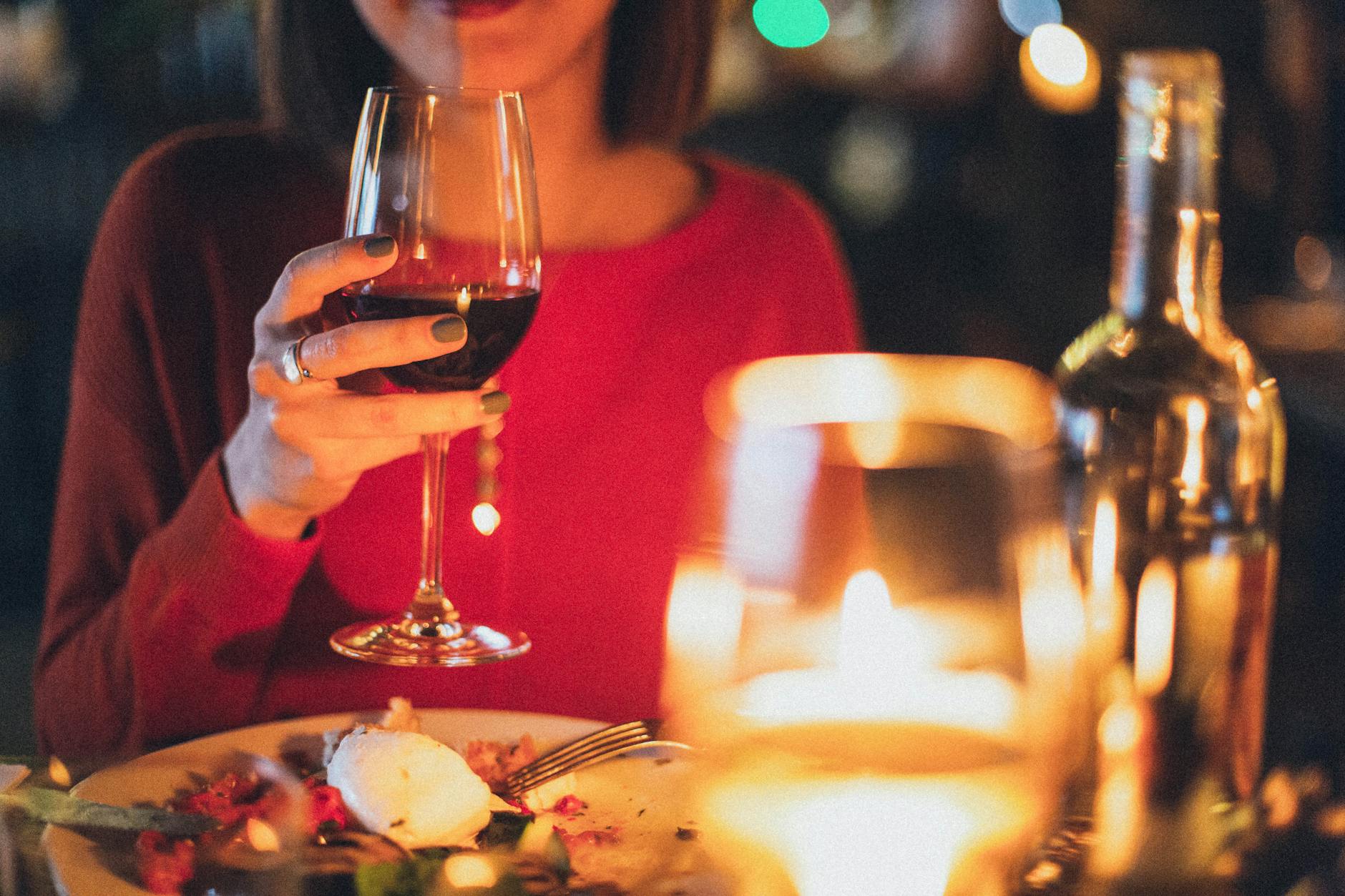
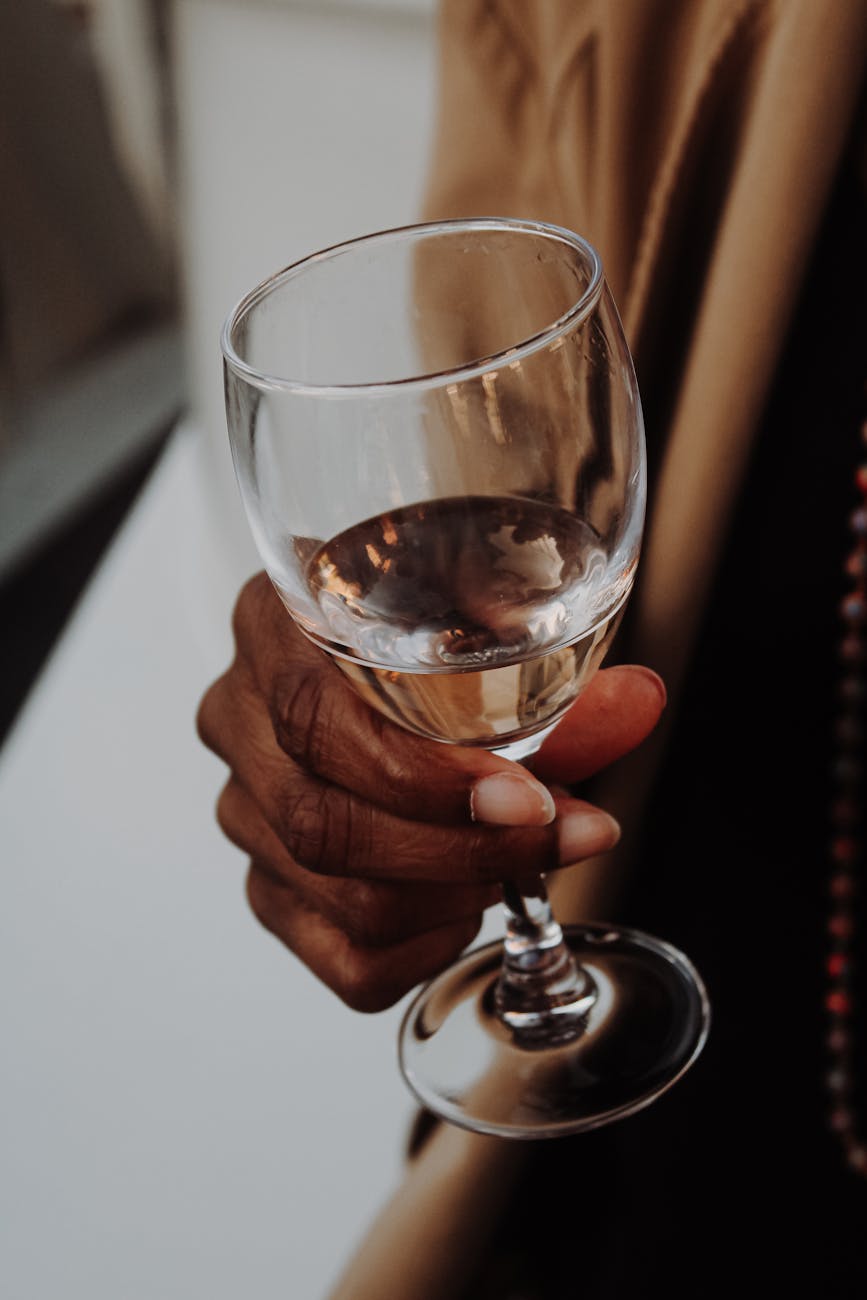
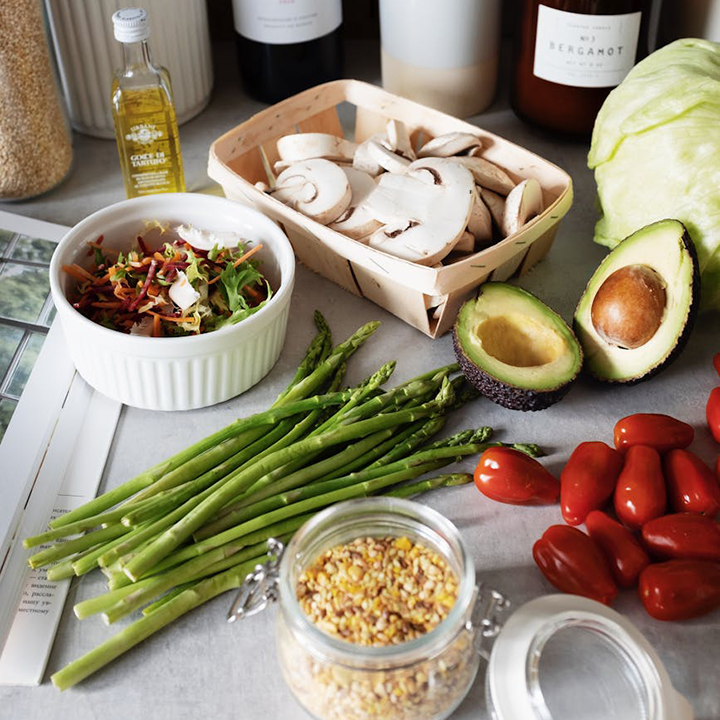
    Photo by Elina Sazonova on Pexels.com

    The Challenge: One Table, Many Dishes, Many People

    The biggest headache isn’t foie gras vs. Muscat or sushi vs. Sancerre—it’s what do I serve when everyone’s eating something different?

    The Solution: Go for Versatile Wines.
    These crowd-pleasers have enough acidity, fruit, and balance to play well with a wide range of foods.

    • Sparkling Wine (Champagne, Cava, Crémant): High acid, low tannin, bubbles = perfect with everything from fried chicken to sushi to triple cream cheese.
    • Riesling (Off-dry): Sweetness + acid = curry whisperer, pork tenderloin’s best friend, amazing with tacos al pastor.
    • Pinot Noir: Low tannin, high acid, earthy red fruit = mushrooms, roast poultry, salmon, lentils.
    • Rosé (dry): Works with charcuterie, grilled veggies, seafood, and awkward potluck moments.

    What Is Umami—and Why Does It Matter?

    Umami is the “fifth taste”—a savory, meaty richness found in aged cheese, mushrooms, soy sauce, tomatoes, cured meats, seaweed, etc. It enhances bitterness and astringency in wine while dulling fruit and sweetness.

    Pairing Tip: Wines with high tannin or oak clash with umami-rich foods.
    ✔ Good Matches: Pinot Noir, Beaujolais, Grüner Veltliner, dry Riesling, aged Champagne.
    ✘ Avoid: Young, heavily oaked Cabernet or Syrah.

    Example: That truffle risotto screams for a mature Barolo or Burgundy—not a new world Shiraz.

    What About Spicy Food?

    Heat changes everything. Chili compounds (capsaicin) magnify tannin, oak, and alcohol. That’s a recipe for a fiery disaster.

    Top Tips for Pairing with Heat:

    • Low alcohol, off-dry white wines = best friends
      ✔ Riesling (Kabinett), Gewürztraminer, Chenin Blanc, Lambrusco.
    • Chillable, fruity reds: Gamay, Zweigelt, chilled Grenache.
    • Sparkling wines: Carbonation + touch of sugar = magic with spicy fried chicken.

    Avoid: High alcohol, high tannin, heavily oaked wines.

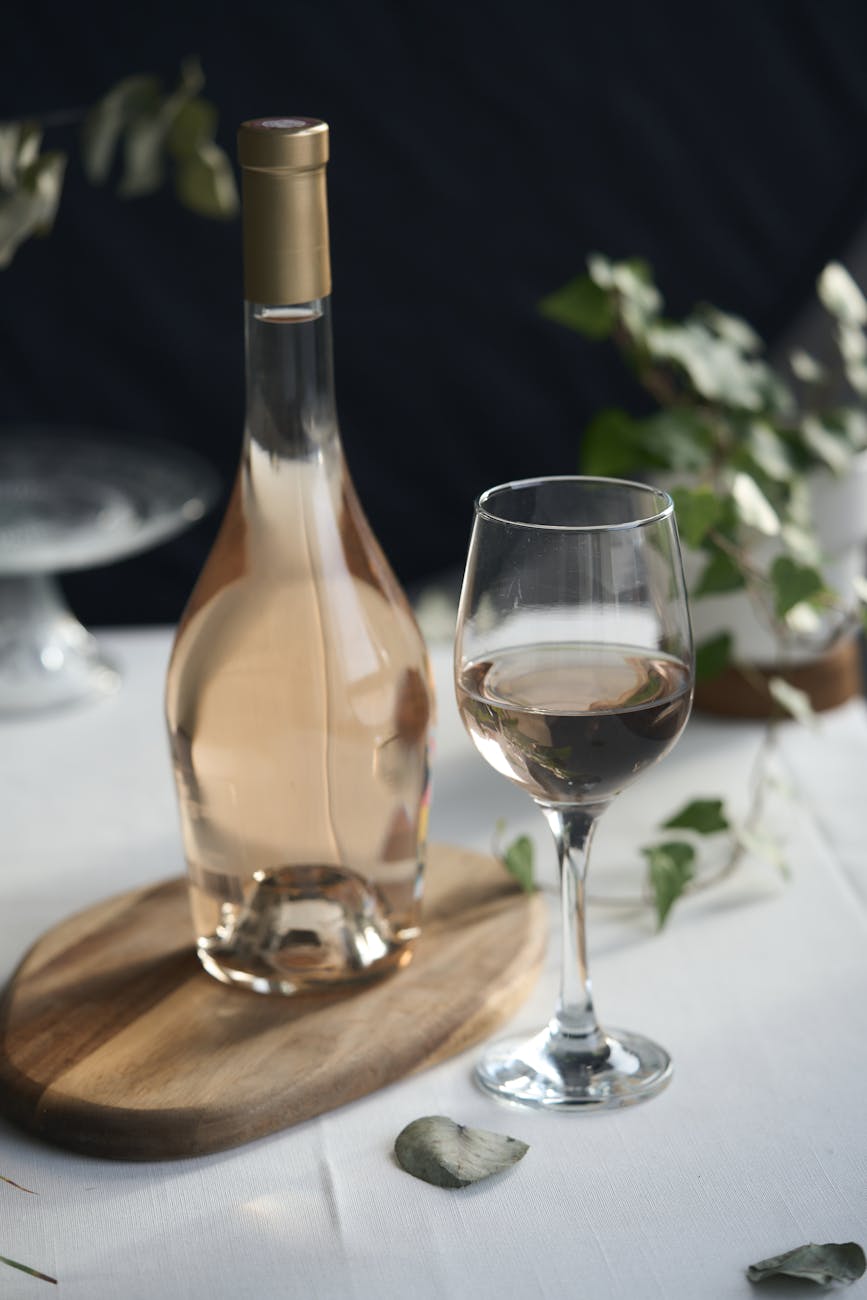
    Photo by Valeria Boltneva on Pexels.com

    And Fried Food?

    Fried food is fatty, crispy, salty, and usually hot. You need a wine that can cut through the oil and refresh the palate.

    ✔ Best Pairings:

    • Champagne / Sparkling wines (yes, again) – the bubbles cleanse the palate.
    • Dry Riesling – zingy, bright, and citrusy.
    • Albariño or Vermentino – light-bodied, slightly saline, perfect with fish ‘n chips.
    • Lambrusco (dry or off-dry) – excellent with fried chicken or tempura.

    Real-World Pairing Shortcuts

    Here are a few real-world hacks and examples I use all the time with guests, family, and friends:

    Pizza Night

    • Red Sauce + Cheese Pizza: Chianti, Barbera, or Dolcetto.
    • White Pizza with Garlic + Mushrooms: Pinot Grigio or aged Chardonnay.
    • Meat Lovers: Zinfandel or Syrah.

    Sushi or Sashimi

    • Dry RieslingGrüner Veltliner, or Ginjo Sake.
    • Toro or richer rolls? Try Champagne or even a soft Chablis.

    Burgers

    • Beef + Cheddar: Merlot, Zinfandel, or Malbec.
    • Mushroom Swiss: Pinot Noir or Syrah.
    • Spicy Jalapeño Burger: Off-dry Riesling or chilled Lambrusco.

    Final Thoughts from a Sommelier’s Mindset

    If you remember nothing else, remember this:

    When in doubt, match the intensity and aim for balance. Then serve what you love.

    Gregory Dean, SOMM&SOMM

    Every formal wine education program agrees on the why of pairing. They just disagree on how to describe it. Whether it’s CMS’s “structure-based pairing,” WSET’s “systematic approach,” or SWE’s “practical consumer translation,” the goal is the same: Elevate the experience.

    My Golden Rules

    1. Match acid with acid.
    2. Sweet food needs sweeter wine.
    3. Tannin loves fat and protein.
    4. Spice needs sweetness, not strength.
    5. Sparkling wine goes with almost everything (and makes people happy).
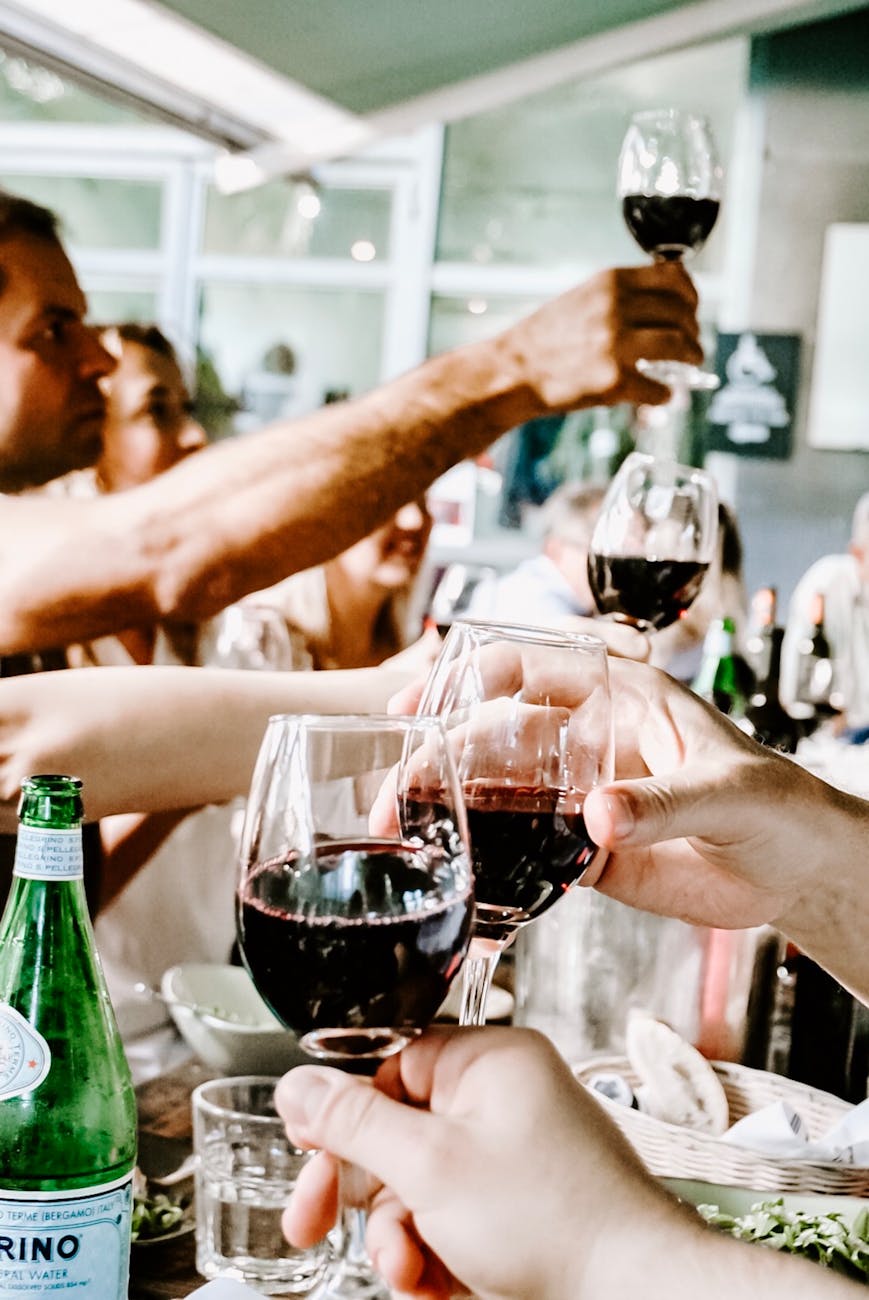
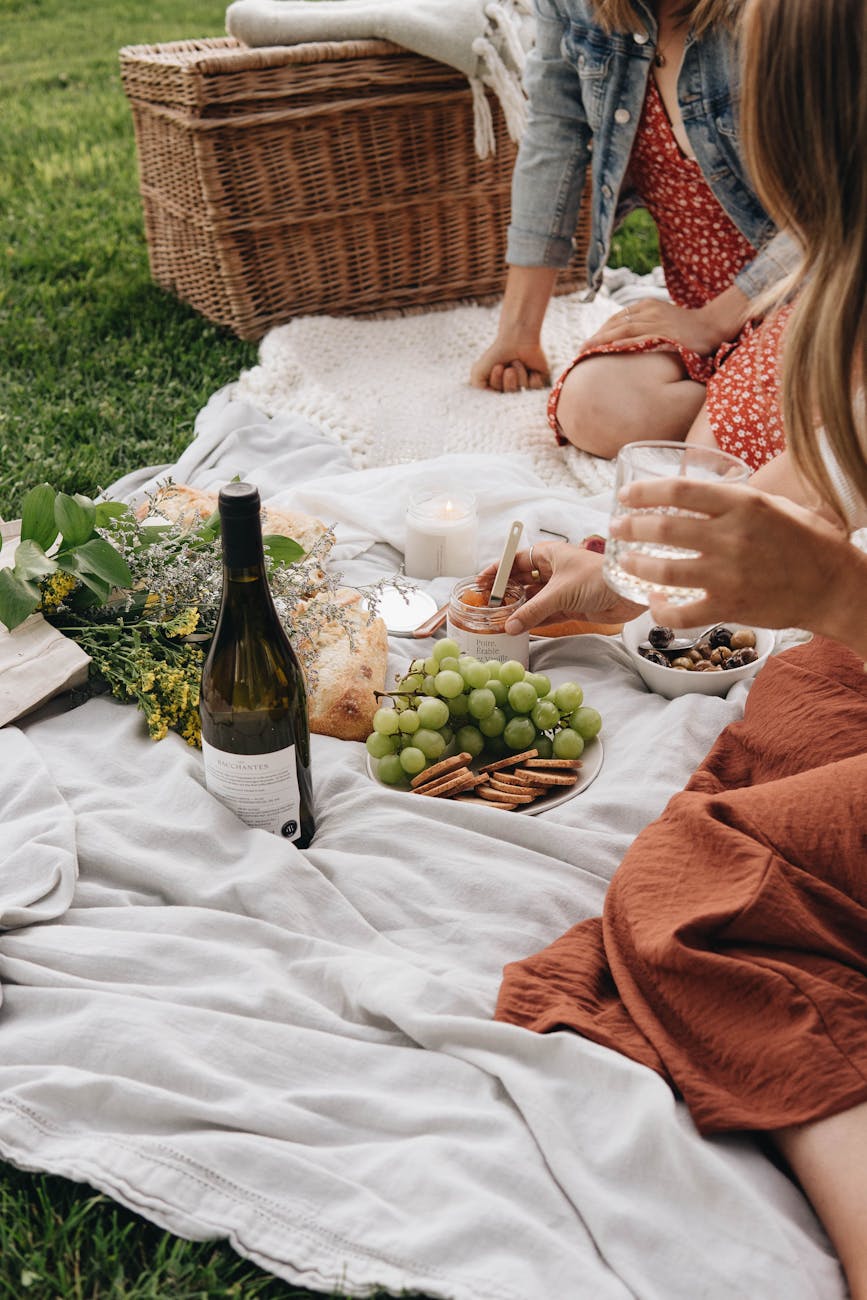
    Photo by Julia Kuzenkov on Pexels.com

    🥂 A Toast to You, Brave Pairing Adventurer

    “May your reds never clash, your whites always refresh,
    Your pairings delight, and your guests say ‘Oh YES!’
    To the spicy, the fried, the funky, the bold—
    May your wine pairings always be gold.”

    Cheers! 🍷

    Choosing Your Wine Education Path: Which Program Fits You Best?

    Court of Master Sommeliers (CMS):
    Best for: Hospitality pros, service-minded sommeliers, and those working the floor.
    Why it shines: Strong focus on deductive blind tasting, food & wine pairing in real-time, and tableside service. Great for restaurant wine directors and those who thrive in high-pressure, fast-paced environments.

    Wine & Spirit Education Trust (WSET):
    Best for: Academics, structured learners, and wine marketers or importers.
    Why it shines: Methodical, globally recognized framework focused on theory, tasting technique, and global wine business. Ideal if you love organized study, exams, and a deep dive into theory over service.

    Society of Wine Educators (SWE):
    Best for: Educators, writers, and wine communicators.
    Why it shines: Emphasis on teaching, knowledge sharing, and approachable education. Great for those leading classes, writing content, or creating wine programs with a consumer-first mindset.

    💡Quick Tip: If you’re torn—start with WSET for the theory, add CMS if you’re service-focused, and consider SWE if you want to teach or create content.

    Still unsure? Think about where you want to use your knowledge—and let your glass (and goals) guide you! 🥂

  • Varietal Spotlight: Pinot Grigio

    Varietal Spotlight: Pinot Grigio

    A Chameleon of the Vine.

    Few grapes have worn as many masks or traveled so extensively across terroirs and tables as Pinot Grigio. Often stereotyped as a light and simple white wine, Pinot Grigio is, in truth, a varietal of complexity and contradiction. Its genetics, nomenclature, and expressive range offer a story as nuanced as its finest bottlings. Whether known as Pinot Gris in France, Grauburgunder in Germany, or Szürkebarát in Hungary, this grey-skinned grape holds a passport stamped with centuries of intrigue.

    A Grey Mutation with Noble Roots

    Pinot Grigio is a white wine grape, though its skins range from bluish-grey to pinkish-brown, hence the name grigio, meaning “grey” in Italian. It is a mutation of Pinot Noir, its noble Burgundian cousin. The Pinot family is notoriously prone to clonal variation, which has given us Pinot Blanc, Pinot Meunier, and Pinot Gris, among others.

    The earliest documented mentions of Pinot Gris (its original name) date back to the Middle Ages in Burgundy, France. By the 14th century, it had migrated to Hungary—beloved by monks—and then further east and north into Germany, Switzerland, and eventually Italy.

    In Italy, the grape found its most iconic modern identity as Pinot Grigio, particularly in the cooler regions of the northeast, such as Alto Adige, Friuli-Venezia Giulia, and Veneto.

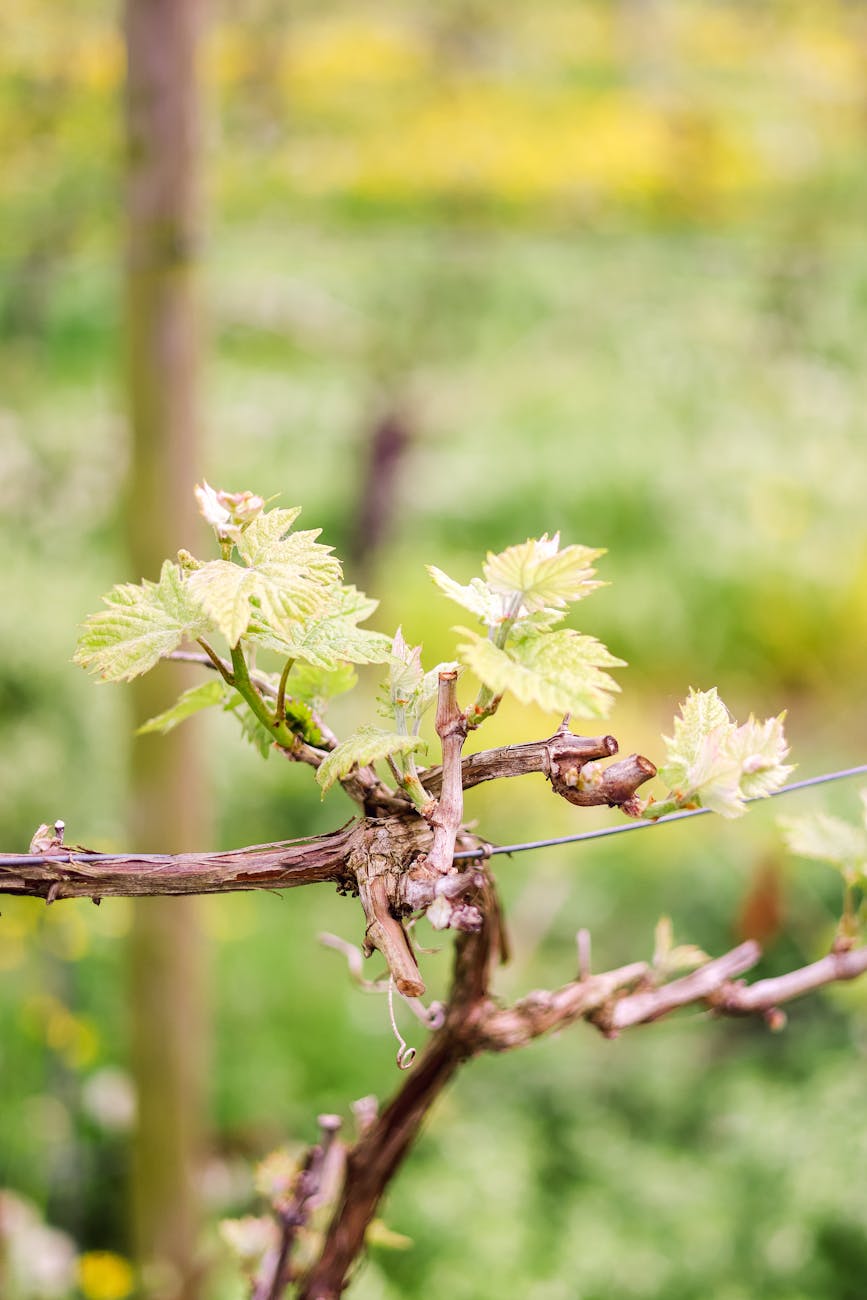
    Photo by karelle mtgr on Pexels.com

    Cultural Names & Expressions of Pinot Grigio

    Pinot Grigio’s global footprint has led to a rich array of local names and stylistic interpretations:

    • France: Pinot Gris
      In Alsace, it produces rich, spicy, full-bodied wines with notable viscosity and aging potential. Often off-dry to sweet in style, Alsatian Pinot Gris may include noble rot (botrytis) influence.
    • Italy: Pinot Grigio
      Known for a light-bodied, crisp, and zesty expression, often with notes of lemon, green apple, and almond. However, producers in Friuli and Alto Adige have pushed for more serious expressions, showcasing texture and complexity.
    • Germany: Grauburgunder or Ruländer
      These wines range from dry and mineral-driven to rich and sweet, depending on region and winemaking intention. The Pfalz and Baden regions produce particularly compelling versions.
    • Hungary: Szürkebarát (literally “Grey Monk”)
      Tends to be rounder and more aromatic, a nod to its Hungarian monastic roots and volcanic soils.
    • United States: Both Pinot Grigio and Pinot Gris are used
      Oregon is famous for emulating the Alsace style, producing lush, peachy wines, while California often leans toward the Italian-style—lighter and more citrus-forward.
    • Austria & Switzerland: Known occasionally as Grauer Burgunder
      Styles tend to follow the German model, though with more restrained fruit and alpine freshness.

    Flavor Profiles & Winemaking Styles

    The grape’s thin skin and low phenolic content lend itself to a range of expressions based on:

    • Climate: Cool climates tend to yield high acidity and light body; warmer climates enhance stone fruit and honeyed richness.
    • Vinification: Skin-contact (“Ramato” style), oak aging, or lees stirring can impart significant texture and complexity.
    • Terroir: Volcanic soils (like in Hungary or parts of Alsace) add mineral tension, while marl and limestone (seen in parts of Germany and France) can enhance structure and ageability.

    The Forgotten Copper-Hued Expression

    A special shoutout is deserved for Ramato (Italian for “coppery”)—a traditional Venetian style of Pinot Grigio made with extended skin contact, resulting in a rosé-like or orange wine hue. It offers flavors of dried apricot, tea leaf, orange peel, and spice, and is a fabulous bridge between white and red wine experiences.

    Famous and Notable Producers

    🇮🇹 Italy

    • Livio Felluga – Friuli-Venezia Giulia: elegant and structured Pinot Grigio.
    • Alois Lageder – Alto Adige: biodynamic and expressive wines.
    • Santa Margherita – Veneto: the name that put Pinot Grigio on the map in the U.S., popularizing the crisp, clean style.

    🇫🇷 France (Alsace)

    🇺🇸 United States

    • King Estate (Oregon) – Organic, food-friendly Pinot Gris.
    • J Vineyards (California) – Crisp and fruity Pinot Grigio expressions.
    Glass of Pinot Grigio – cogdogblog, CC BY 2.0, via Wikimedia Commons

    Pairing Pinot Grigio

    Pinot Grigio is one of the most versatile food wines. Here’s how to play with its many faces:

    Complementary Pairings (Match body and texture)

    • Light Italian Pinot Grigio:
      Mozzarella, white fish ceviche, lemony chicken piccata, arugula salads with citrus vinaigrette.
    • Ramato-style Pinot Grigio:
      Mushroom risotto, shrimp and grits, caramelized onion tart, garlic-roasted vegetables.
    • Alsace Pinot Gris:
      Duck with cherry reduction, Munster cheese, pork with peach chutney, spicy Thai curry.
    • Grauburgunder from Germany:
      Smoked pork, aged gouda, cabbage rolls, herb-roasted chicken.

    Contrasting Pairings (Balance or elevate through opposition)

    • Pair dry Pinot Grigio with rich creamy sauces (like Scott’s Creamy Dreamy Alfredo) to cut through fat.
    • Pair aromatic Pinot Gris with spicy dishes to mellow heat.
    • Pair acidic Pinot Grigio with fried foods to cleanse the palate.
    • Pair Ramato styles with umami-heavy dishes like soy-glazed salmon or miso ramen.

    A Grape Worth Rediscovery

    Though often dismissed as a mass-market crowd-pleaser, Pinot Grigio is a shapeshifter that reflects its origin with remarkable fidelity. Whether you’re sipping a breezy Veneto bottling by the pool, enjoying an umami-rich Ramato with aged cheeses, or savoring a noble Alsace Pinot Gris in a candlelit bistro, this varietal offers something for every palate—and every plate.

    To overlook it is to miss a grape with the depth of a philosopher and the charisma of a traveler. It’s time to reintroduce yourself to Pinot Grigio—not as a wine list default, but as a cultural adventure in a glass ♥️

    Cover image: Mark Smith, CC BY 2.0, via Wikimedia Commons

  • Floral & Herbaceous Wines for the Season

    Floral & Herbaceous Wines for the Season

    As the days grow longer and the first hints of warmth dance through the air, our palates begin to crave fresh, vibrant flavors that celebrate the awakening of spring. The crisp snap of asparagus, the delicate sweetness of peas, and the bright zing of lemon zest all signal the arrival of a new season—one that calls for wines that are just as lively and refreshing.

    This is the time to explore wines with floral and herbaceous notes that mirror the beauty of blooming gardens and fresh greenery. From aromatic whites like Muscat, Torrontés, Gewürztraminer, and Grüner Veltliner to elegant reds like Gamay and Pinot Noir, these selections capture the essence of spring in every sip.

    Photo by Mathilde Langevin on Pexels.com

    Floral & Herbaceous Whites for Spring

    Muscat: The Essence of Spring Blossoms

    Muscat is one of the most perfumed grape varieties, bursting with floral aromas of orange blossom, honeysuckle, and jasmine. It often carries a touch of sweetness, making it an excellent match for lightly spiced dishes and fresh spring salads.

    Pair with: A spring pea and mint risotto, or a citrusy shrimp ceviche with orange and grapefruit segments.

    Torrontés: Argentina’s Aromatic Gem

    This highly aromatic white wine from Argentina is known for its striking floral notes of rose petal and geranium, balanced by zesty citrus and herbal undertones. With its refreshing acidity, Torrontés is perfect for pairing with light, aromatic dishes.

    Pair with: Grilled asparagus drizzled with lemon-infused olive oil or a Thai-inspired coconut and lemongrass soup.

    Tom Kha Gai Soup image from 40 Aprons published recipe

    Gewürztraminer: A Perfumed and Spicy Delight

    Gewürztraminer is an exotic and intensely perfumed white wine, often exuding aromas of lychee, rose, and ginger. Its slight oiliness on the palate makes it a great match for flavorful, slightly spicy dishes.

    Pair with: A fresh goat cheese and honey tart with edible flowers or a fragrant Moroccan tagine with apricots and almonds.

    Grüner Veltliner: A Herbal & Peppery Classic

    Austria’s beloved white wine, Grüner Veltliner, is an herbaceous powerhouse with notes of white pepper, green apple, and fresh herbs. Its crisp acidity makes it an ideal match for the green flavors of spring.

    Pair with: A classic spring asparagus salad with lemon zest and shaved Parmesan or a light, herb-crusted fish dish with dill and tarragon.

    Light and Lush Reds for Spring

    Gamay: The Ultimate Spring Red

    Gamay, best known from Beaujolais, is a bright, fruit-forward red with floral notes of violets and wildflowers, underscored by soft red berry flavors. With its light body and juicy acidity, Gamay is a versatile food-pairing wine.

    Pair with: A fresh herb and mushroom tart or a spring vegetable stir-fry with soy and sesame.

    Pinot Noir: A Delicate and Earthy Companion

    Pinot Noir is a classic springtime red, offering elegant floral aromas of rose and peony, combined with earthy undertones of forest floor and fresh strawberries. It has a silky texture and lively acidity, making it a fantastic choice for lighter spring fare.

    Pair with: Lemon-herb roasted chicken with spring peas or a fennel and citrus salad with toasted almonds.

    Photo by Filipp Romanovski on Pexels.com

    Bringing Spring to Your Glass and Plate

    Spring is a time of renewal, and your wine selection should reflect the freshness and energy of the season. Whether you’re sipping on a floral Torrontés alongside a citrusy seafood dish or enjoying the bright fruit of Gamay with a spring vegetable tart, these wines elevate the flavors of the season and invite you to fully embrace the beauty of spring.

    So, gather your fresh herbs, crisp greens, and floral aromatics, and let these wines awaken your senses as you toast to the season of renewal! Cheers to spring 🍷

    Cover image credit: Photo by Manuel Mouzo on Pexels.com

  • A Sommelier’s Guide to Elevating Plant-Based Cuisine

    A Sommelier’s Guide to Elevating Plant-Based Cuisine

    Pairing wine with vegan dishes presents unique challenges, primarily due to the absence of animal-derived ingredients like fat, proteins, and umami-rich components such as cheese or meat, which traditionally enhance the mouthfeel and balance of certain wines. However, with a scientific understanding of flavor chemistry and a sommelier’s intuition, we can create pairings that elevate the vegan dining experience, balancing acidity, tannins, sweetness, and texture in ways that complement plant-based dishes.

    Lack of Fat and Proteins

    Animal proteins and fats help soften the perception of tannins in wine, creating a smoother mouthfeel. Without these components, high-tannin wines can feel overly astringent when paired with vegan dishes. Therefore, lower-tannin reds or those with softer, more integrated tannins are preferable.

    Recommended Wine: Pinot Noir (Vegan-certified)

    • Reasoning: Pinot Noir’s lower tannin structure and bright acidity make it a versatile partner for many vegan dishes, especially those with earthy components.
    • Dish Pairing: Roasted Beet and Walnut Salad with Balsamic Reduction. The earthiness of beets and walnuts echoes the subtle complexity of the Pinot Noir, while the acidity of the balsamic reduction aligns with the wine’s vibrant structure.

    SOMM&SOMM Recommends: 2022 Hahn Founder’s Pinot Noir V22

    Umami Deficiency

    Animal-based dishes often contain high levels of umami, which balances out tannins and acidity. Vegan dishes, while lower in umami, can still develop it through ingredients like mushrooms, miso, soy sauce, and fermented foods.

    Recommended Wine: Chianti Classico (Sangiovese) (Vegan-certified)

    • Reasoning: Chianti Classico offers moderate tannins and bright acidity, with notes of cherry and tomato that complement umami-rich plant-based foods. Its savory character matches well with the umami derived from mushrooms or soy-based dishes.
    • Dish Pairing: Miso-glazed Grilled Portobello Mushrooms. The umami from the miso and mushrooms harmonizes with the rustic, earthy notes of Sangiovese, while the wine’s acidity cuts through the richness of the glaze.

    SOMM&SOMM Recommends: 2021 Querciabella Chianti Classico

    Acidity and Freshness

    Many vegan dishes are vegetable-forward, emphasizing fresh, raw, or lightly cooked ingredients with high acidity. Wines with balanced acidity are crucial to avoid overwhelming these delicate flavors.

    Recommended Wine: Sauvignon Blanc (Vegan-certified)

    • Reasoning: Sauvignon Blanc is known for its crisp, zesty acidity, which matches well with the fresh, green flavors often found in vegan dishes. Its herbal notes also complement dishes that feature herbs, citrus, or green vegetables.
    • Dish Pairing: Avocado and Citrus Salad with Arugula and Mint. The bright, tangy flavors in this dish are mirrored in the Sauvignon Blanc’s lime and green apple notes, while its acidity contrasts the richness of avocado.

    SOMM&SOMM Recommends: 2023 Justin Sauvignon Blanc

    Spice and Heat

    Many plant-based dishes feature spices, which can be challenging for wine pairings. Spice amplifies the perception of alcohol, so lower-alcohol, fruit-forward wines with a touch of sweetness often work best with spicier vegan dishes.

    Recommended Wine: Riesling (Off-dry) (Vegan-certified)

    • Reasoning: Off-dry Riesling has just enough sweetness to counterbalance the heat in spicy dishes while offering bright acidity to keep the palate refreshed. Its fruit-forward profile softens the impact of spices.
    • Dish Pairing: Spicy Thai Green Curry with Tofu. The slight sweetness and acidity in Riesling tame the curry’s heat while enhancing its complex flavors of lemongrass, coconut, and lime.

    SOMM&SOMM Recommends: 2022 Dr. Loosen Erdener Treppchen Riesling Kabinett

    Texture and Body

    Many vegan dishes, especially those using grains, legumes, or root vegetables, have substantial texture but lack the rich body of animal-based fats. Wines with texture and body are necessary to complement these heartier components without overwhelming them.

    Recommended Wine: Chenin Blanc (Sec) (Vegan-certified)

    • Reasoning: Chenin Blanc can have a rich, creamy texture while maintaining refreshing acidity. This makes it ideal for pairing with hearty vegan dishes that have substantial texture but are lower in fat.
    • Dish Pairing: Butternut Squash Risotto with Sage and Cashew Cream. The creaminess of the dish is enhanced by the wine’s textured body, while its acidity keeps the pairing from feeling overly rich.

    SOMM&SOMM Recommends: 2023 Domaine Vigneau Chevreau Vouvray Cuvee Silex Sec

    Sweetness and Dessert Pairings

    Vegan desserts often use natural sweeteners, and the absence of dairy can make them feel lighter. Pairing vegan desserts with wine requires a delicate balance, ensuring the wine is sweeter than the dish to avoid bitter or sour clashes.

    Recommended Wine: Moscato d’Asti (Vegan-certified)

    • Reasoning: Moscato d’Asti is a lightly sparkling, sweet wine with low alcohol content, making it ideal for pairing with fruit-based or lightly sweet vegan desserts. Its bright acidity prevents the pairing from feeling cloying.
    • Dish Pairing: Almond Milk Panna Cotta with Fresh Berries. The delicate sweetness of Moscato complements the panna cotta, while the wine’s effervescence adds an element of freshness to balance the richness.

    SOMM&SOMM Recommends: 2022 Saracco Moscato d’Asti

    What Makes Vegan-certified Wine… well, Vegan?

    Vegan-certified wine is distinct from conventional wine in its production process, specifically during clarification and fining, where traditional animal-derived agents are avoided. Most wines go through a fining process to remove unwanted particles, proteins, and other compounds that can cloud the wine or affect its flavor. Traditionally, winemakers have used substances like egg whites (albumin), casein (milk protein), gelatin (animal protein), and isinglass (fish bladder) as fining agents. These substances bind to the unwanted particles and help filter them out, but since they are derived from animals, they render the wine unsuitable for vegans.

    In vegan-certified wine, plant-based or mineral fining agents are used instead. These include materials like bentonite (a type of clay), activated charcoal, pea protein, and silica gel, which effectively clarify the wine without the use of animal by-products. Some winemakers may even skip the fining process entirely, opting for a natural sedimentation approach that allows particles to settle over time, leading to unfiltered, often more complex wines that still meet vegan standards.

    To ensure that a wine is truly vegan, it must be certified by organizations that confirm no animal products were used in any part of the production process. This extends beyond fining to include other elements, such as ensuring animal-derived materials weren’t used in vineyard fertilizers or in the production of additives like colorants. Vegan-certified wines allow consumers to enjoy a high-quality product while staying true to their ethical or dietary choices.

    Photo by Valeria Boltneva on Pexels.com

    Pairing vegan dishes with wine is a delicate dance of balancing acidity, texture, and flavor, compensating for the absence of animal fats and proteins by focusing on the structure and nuances of both food and wine. By understanding the scientific interactions between these elements, you can create harmonious pairings that elevate both the vegan dish and the wine. Cheers 🍷

    Cover photo credit: Photo by ready made on Pexels.com