
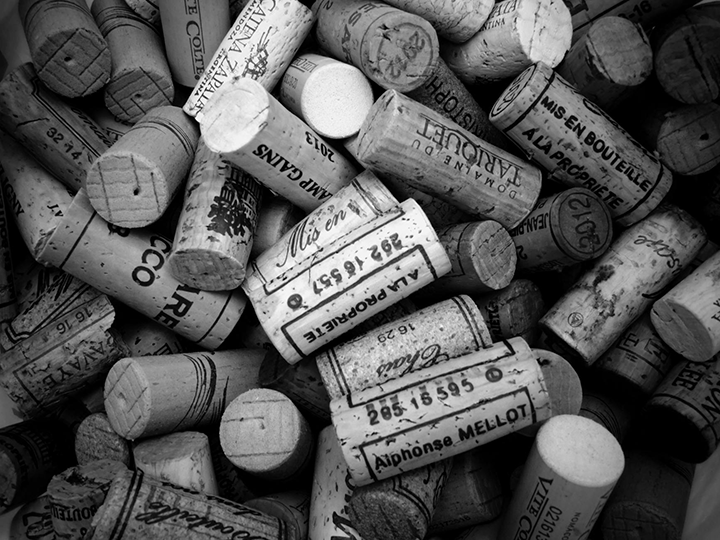
In the world of wine, the choice of enclosure is often a topic of debate among enthusiasts, professionals, and consumers alike. Traditionally, cork has been the enclosure of choice for wine bottles, but in recent years, the rise of screw caps has challenged this longstanding tradition. This article aims to delve into the characteristics, benefits, and drawbacks of both cork and screw cap enclosures, debunking myths and misconceptions along the way. Additionally, we will explore the history of cork usage, the current state of cork shortages, and highlight specific wines or styles that may benefit from one enclosure over the other.
Cover photo credit: Photo by SevenStorm JUHASZIMRUS on Pexels.com
Cork Enclosures: A Tradition Steeped in History
Cork, derived from the bark of the cork oak tree (Quercus suber), has been used as a wine enclosure for centuries. Its unique cellular structure, comprised of millions of tiny air pockets, allows it to compress and create a tight seal when inserted into a bottle. This natural elasticity makes cork an ideal choice for aging wines, as it allows for a small amount of oxygen to interact with the wine, aiding in its development over time.
Benefits of Cork Enclosures
• Tradition and Prestige: Cork has a long-standing tradition in the wine industry and is often associated with higher-end wines, lending an air of prestige and tradition to the bottle.
• Breathability: Cork’s natural properties allow for micro-oxygenation, which can enhance the aging process of certain wines, particularly those intended for long-term cellaring.
• Sensory Experience: Many wine enthusiasts appreciate the ritual of uncorking a bottle, as it adds to the overall sensory experience of enjoying wine.
Pitfalls of Cork Enclosures
• Cork Taint: One of the most significant drawbacks associated with cork enclosures is the potential for cork taint, caused by the presence of trichloroanisole (TCA). This compound can impart undesirable aromas and flavors, often described as musty or moldy, ruining the wine.
• Variability: Natural cork can exhibit variability in quality, leading to inconsistencies in sealing and potential oxidation of the wine.
• Environmental Concerns: Harvesting cork oak trees for their bark can have environmental implications, although sustainably managed cork forests mitigate this impact to some extent.
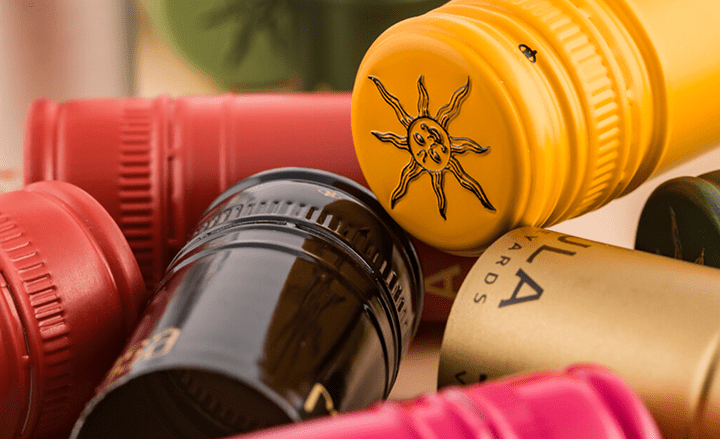
Screw Cap Enclosures: Modern Convenience Meets Functionality
Screw caps, also known as Stelvin closures, offer a convenient alternative to traditional cork enclosures. Initially introduced in the 1960s, screw caps have gained popularity, particularly for wines intended for early consumption or those that do not require extended aging. Wine purists would be surprised to learn that the Stelvin closure was invented in Burgundy, France 🙂
Benefits of Screw Cap Enclosures
• Consistency: Screw caps provide a consistent and reliable seal, virtually eliminating the risk of cork taint and oxidation.
• Convenience: Screw caps are easy to open and reseal, making them ideal for wines meant to be consumed shortly after bottling.
• Preservation of Freshness: Screw caps minimize oxygen exposure, preserving the wine’s freshness and fruit-forward characteristics, especially in aromatic white wines and light-bodied reds.
Pitfalls of Screw Cap Enclosures
• Perceived Quality: Despite their practical advantages, screw caps are sometimes associated with lower-quality wines or perceived as lacking the prestige of cork closures, particularly in certain traditional wine regions.
• Limited Aging Potential: While suitable for early consumption wines, screw caps may not be ideal for wines intended for long-term aging, as they limit oxygen ingress, which can impede the wine’s development.
• Environmental Impact: While screw caps themselves are recyclable, the production and disposal of plastic liners within the caps can have environmental implications.
Debunking Myths and Addressing Misconceptions
Myth: Screw caps are only suitable for inexpensive wines.
Fact: While screw caps are commonly used for more affordable wines, many premium producers around the world are opting for screw caps to preserve the integrity and freshness of their wines.
Myth: Cork closures are superior for aging wine.
Fact: While cork closures have traditionally been associated with aging potential, screw caps have demonstrated effectiveness in preserving wine quality over time, particularly for wines meant for early consumption.
Myth: All cork closures lead to cork taint.
Fact: While cork taint is a legitimate concern with natural cork closures, advancements in cork production, such as agglomerated corks and technical corks, have reduced the incidence of cork taint significantly.
The Current State of Cork Shortages
In recent years, the wine industry has faced challenges related to cork shortages due to factors such as climate change, disease affecting cork oak trees, and increased competition for cork resources from other industries. As a result, alternative closures like screw caps have become more attractive to wineries seeking consistent and reliable enclosures for their wines.
While cork and screw caps are the most widely recognized wine enclosures, there are several other alternatives that have gained traction in the industry. These alternatives offer unique benefits and cater to specific needs within the wine market. Let’s explore a few of them:
1. Synthetic Corks:
Synthetic corks are made from materials such as plastic or composite materials designed to mimic the properties of natural cork. They offer consistency in performance and eliminate the risk of cork taint. Synthetic corks are often used for wines that are intended for early consumption but may lack the prestige associated with natural cork.
2. Glass Stoppers:
Glass stoppers provide an elegant and aesthetically pleasing alternative to traditional closures. They create a secure seal and offer excellent oxygen barrier properties, preserving the wine’s freshness. Glass stoppers are favored for premium wines and limited editions, enhancing the overall packaging experience for consumers.
3. Zork Closure:
The Zork closure is a hybrid closure combining the convenience of a screw cap with the aesthetic appeal of cork. It features a plastic cap with a resealable cork-like insert, offering the benefits of both closures. Zork closures are popular for sparkling wines and still wines intended for immediate consumption.
4. Crown Caps:
Crown caps, similar to those used on beer bottles, are occasionally used for wine bottles, particularly for sparkling wines and wines meant for early consumption. While not as traditional as cork or as convenient as screw caps, crown caps provide a secure seal and are easy to open.
5. Diam Corks:
Diam corks are a type of technical cork made from natural cork particles that are treated to remove impurities and eliminate the risk of cork taint. They offer the sensory experience of natural cork with the consistency and reliability of synthetic closures. Diam corks are gaining popularity among wineries seeking alternatives to traditional cork closures.
6. Vinolok:
Vinolok closures are glass closures with a metal or plastic cap that provides an airtight seal. They offer a visually striking alternative to traditional closures and are often used for premium wines and limited editions. Vinolok closures are reusable and can be customized to enhance branding and aesthetics.
These alternative closures offer wineries and consumers a diverse range of options beyond cork and screw caps, catering to different preferences, packaging requirements, and market segments within the wine industry. Whether it’s the convenience of screw caps, the tradition of cork, or the innovation of alternative closures, each enclosure plays a crucial role in preserving and presenting wines to consumers around the world.
Choosing the Right Enclosure for Different Wine Styles
While both cork and screw cap enclosures offer distinct advantages, certain wine styles may benefit from one enclosure over the other:
– Wines for Aging: Complex red wines intended for long-term cellaring may benefit from the slight oxygen exchange facilitated by cork closures, allowing for gradual development and integration of flavors.
– Fresh and Aromatic Wines: White wines, particularly those prized for their aromatic profiles and vibrant fruit character, often thrive under screw cap closures, preserving their freshness and intensity.
– Everyday Drinking Wines: For wines meant to be enjoyed in their youth, regardless of style, screw cap closures provide convenience and assurance of freshness without the need for additional aging.
In the ongoing debate between cork and screw cap enclosures, it’s essential to recognize that both options have their place in the wine industry. While cork closures carry a sense of tradition and romance, screw caps offer practicality and reliability, particularly for wines intended for early consumption. As technology and sustainability practices evolve, both closures continue to play vital roles in preserving and enhancing the enjoyment of wine, debunking myths and misconceptions along the way. Ultimately, the choice of enclosure depends on factors such as wine style, intended aging potential, and individual preferences, ensuring a diverse and dynamic landscape in the world of wine packaging. Cheers 🍷
 SOMM&SOMM
You must be logged in to post a comment.