Tag: Wine Blog

  • Where Wine Belongs

    Where Wine Belongs

    The Enduring Pleasure of Drinking Wine Outdoors.

    Some of the most memorable bottles are not opened beneath chandeliers or beside polished tables. They are poured where conversation competes with birdsong, where the evening breeze carries the scent of fresh-cut grass, and where the setting becomes as much a part of the wine as the vineyard that produced it.

    wine glasses and bread on a table
    Photo by Anastasia Lashkevich on Pexels.com

    A Glass Without Walls

    Wine has always found its way outdoors.

    Long before tasting rooms, temperature-controlled cellars, and elaborate stemware collections, wine was carried into vineyards, village squares, fishing boats, and family gardens. It accompanied harvest celebrations beneath open skies and traveled with merchants across continents. It was shared beneath olive trees, beside rivers, and around campfires long before anyone debated the proper shape of a Bordeaux glass.

    Perhaps that is why wine feels so comfortable outside.

    Removing walls changes more than the scenery. It changes the experience itself. The pace slows. Conversations become less formal. Meals linger. A bottle that might have seemed ordinary at the dining room table suddenly becomes unforgettable simply because it was opened beneath a canopy of live oaks as the sun disappeared below the horizon.

    The wine has not changed.

    Everything around it has.

    hand holding glass of white wine
    Photo by George Frewat on Pexels.com

    The Vineyard Never Had a Ceiling

    It is easy to forget that every bottle begins outdoors.

    Before a cork is pulled or a corkscrew ever touches the capsule, the wine has already spent months exposed to changing weather, shifting sunlight, cool mornings, and warm afternoons. Every vintage is shaped by the open sky.

    The vines respond to rainfall, not irrigation schedules alone. They rely upon breezes that dry the canopy after summer storms. They benefit from cool nights that preserve acidity and warm days that encourage ripening. Even subtle differences in elevation or the direction a hillside faces can influence how a wine ultimately tastes.

    Perhaps enjoying wine outdoors creates an unspoken connection to that origin.

    For a brief moment, the bottle returns to the environment where its story first began.

    man and woman sitting on gray concrete pavement
    Photo by cottonbro studio on Pexels.com

    A Different Pace

    Dining indoors often follows a schedule. The meal arrives, courses progress, and eventually the evening comes to a close.

    Outside, time seems less interested in the clock.

    A conversation pauses as someone notices the changing colors of the sky. Another glass is poured without anyone suggesting it. Children chase fireflies while friends debate whether the wine shows more citrus or stone fruit as it slowly warms in the glass.

    The gathering becomes less about tasting notes and more about shared experience.

    That has always been one of wine’s greatest gifts.

    Unlike many beverages, wine encourages lingering. It rewards curiosity but never demands it. A bottle may inspire thoughtful discussion, yet it is equally content becoming part of the background while laughter carries the evening forward.

    Let the Season Choose the Wine

    Summer often encourages us to reach automatically for crisp whites or refreshing rosés, and for good reason. Bright acidity and lower serving temperatures complement warm afternoons beautifully.

    Yet drinking outdoors invites greater flexibility than many people realize.

    A lightly chilled Pinot Noir can be every bit as refreshing as a Sauvignon Blanc when paired with grilled salmon or roasted vegetables. Cru Beaujolais often reveals remarkable freshness after spending twenty minutes in an ice bucket. Dry Riesling offers enough acidity to accompany everything from seafood to spicy cuisine, while a well-made sparkling wine rarely feels out of place regardless of what appears on the table.

    Rather than asking which wines belong outdoors, it may be better to ask which wines encourage another conversation.

    Those are usually the right bottles to bring.

    chilled champagne bottles in ice bucket outdoors
    Photo by Bruno Mattos on Pexels.com

    Temperature Matters More Than We Think

    One of the greatest misconceptions about outdoor wine service is that colder is always better.

    Serving temperature influences aroma as much as flavor.

    A white wine that is ice cold may appear refreshing at first, but excessive chilling suppresses many of the delicate aromas that give it personality. Likewise, a red wine left in the summer heat can quickly lose its balance as alcohol becomes more prominent and fresh fruit gives way to heaviness.

    The goal is not perfection.

    It is moderation.

    A simple ice bucket with equal parts ice and water cools a bottle far more efficiently than ice alone. Keeping opened bottles shaded from direct sunlight preserves freshness, while allowing a chilled red to warm slightly in the glass often reveals layers that would otherwise remain hidden.

    Wine rewards small acts of attention.

    Choosing the Right Glass

    Outdoor gatherings often inspire practicality. Acrylic stemware, sturdy tumblers, and reusable cups all have their place, particularly where broken glass presents a concern.

    Yet when circumstances allow, proper stemware quietly enhances the experience.

    The bowl concentrates aromas while the stem keeps warm hands from raising the wine’s temperature too quickly. The difference may seem subtle until two glasses of the same wine are compared side by side.

    Fortunately, enjoying wine outdoors has become easier than ever. Modern outdoor stemware is remarkably well designed, allowing many of the advantages of traditional glasses while offering the durability that picnics, patios, and boats often require.

    The finest glass is ultimately the one that allows everyone to relax.

    After all, no one remembers an evening because the stemware was perfect.

    They remember the people gathered around it.

    Pair the Place Before the Plate

    Traditional food pairing begins with the meal.

    Outdoor entertaining suggests another approach.

    Consider the setting first.

    A shaded garden invites wines that are aromatic and graceful. A breezy afternoon beside the coast naturally complements wines with bright acidity and mineral character. An evening around a fire pit welcomes reds with gentle spice and moderate structure, while a picnic beneath towering oaks often calls for bottles that ask little of the drinker beyond another sip.

    The surroundings influence our perception more than we realize.

    The sound of waves, the scent of charcoal, the warmth of fading sunlight, even the texture of the air all become quiet companions to the wine.

    Great pairings are not always between food and bottle.

    Sometimes they exist between wine and place.

    wine bottles and glasses on bar counter
    Photo by Helena Lopes on Pexels.com

    The Beauty of Imperfection

    Outdoor entertaining rarely unfolds exactly as planned.

    A breeze scatters napkins across the lawn. Someone forgets the corkscrew and improvises. The cheese becomes warmer than expected. A passing summer shower sends everyone scrambling toward the porch with glasses in hand, laughing more than hurrying.

    Oddly enough, these are often the evenings we remember most clearly.

    Wine has never required flawless conditions.

    Some of history’s most celebrated wine regions have produced extraordinary bottles while enduring unpredictable weather, challenging terrain, and generations of uncertainty. A little wind at the picnic table is hardly cause for concern.

    The pursuit of perfection has never been wine’s greatest virtue.

    Hospitality has.

    A Bottle Worth Sharing

    By the end of July, summer has settled into a comfortable rhythm. The long evenings have become familiar, gardens are thriving, and outdoor tables carry the gentle signs of a season well enjoyed.

    It is a fitting time to remember that wine has never been intended as a performance.

    It is not measured by the rarity of the vintage, the height of the score, or the complexity of the tasting note.

    It is measured by the conversations it encourages, the meals it accompanies, and the memories it quietly helps create.

    Perhaps that is why some bottles seem impossible to forget.

    Not because they were extraordinary wines.

    But because they were opened outdoors, shared generously, and allowed to become part of an evening that no one wanted to end.

    From the SOMM&SOMM Table

    As July gives way to August, resist the temptation to save your favorite bottle for a special occasion. Carry it onto the porch, into the garden, beside the water, or beneath the shade of a favorite tree. Pour a glass before the sun begins to set, invite someone to join you, and let the evening unfold at its own pace.

    The finest place to enjoy a bottle of wine may not be where the table is set most elegantly.

    It may simply be wherever the sky becomes your ceiling 🍷

    Cover photo by Pixabay on Pexels.com

  • The Fourth Wine of Summer

    The Fourth Wine of Summer

    The Wine We Know and the Wine We Understand.

    Some wines enter our lives through study. Others arrive through experience. Occasionally, if we are lucky, they arrive twice.

    For years, Tavel lived comfortably in the first category for me.

    As a sommelier student and throughout various wine courses and certifications, I learned the facts well enough. I knew that Tavel was one of France’s historic rosé appellations tucked into the Southern Rhône. I knew that its vineyards sat just west of Avignon and that its proximity to the papal court had earned it the nickname The Wine of Popes. Most intriguingly, I knew that generations of growers referred to it as The Fourth Wine.

    White wine.

    Red wine.

    Rosé.

    And then Tavel.

    Photo by Véronique PAGNIER, CC BY-SA 3.0, via Wikimedia Commons

    It was a wonderful phrase, and one that stayed with me long after the examinations were complete. I understood what the textbooks were telling me. I understood why the region mattered historically. I understood the rules, the grapes, and the geography.

    What I had not yet done was understand the wine itself.

    When the Textbooks Finally Made Sense

    That changed recently during a tasting with a wine representative.

    There was no grand lesson attached to the bottle. No discussion of papal history. No stories of medieval vineyards basking beneath the Provençal sun. For him, it was simply another wine in the portfolio and another bottle to pour as we worked our way through the lineup.

    Then came the first sip.

    Suddenly, years of study became experience.

    The textbooks made sense.

    Photo by jean-louis Zimmermann, CC BY 2.0, via Wikimedia Commons

    The color was the first clue. This was no pale, fleeting rosé designed to disappear into a sunny afternoon beside the pool. The wine arrived in shades of ruby grapefruit and watermelon with a depth that immediately demanded attention.

    Then came the texture.

    This was the part the study guides had struggled to convey.

    There was weight here. Structure. Presence. The wine carried itself with confidence while retaining the freshness and energy that make rosé such a natural companion for warm weather. It possessed some of the refreshment of white wine and some of the culinary versatility of red wine while refusing to fully become either one.

    For the first time, I understood why the growers of Tavel had spent centuries insisting that their wines belonged in a category all their own.

    The Fourth Wine was not a romantic expression.

    It was an honest description.

    The Fourth Wine

    The history of Tavel stretches back much further than most drinkers realize.

    The Romans cultivated vineyards here. Kings favored its wines. Writers praised them. Yet somehow Tavel has remained quietly in the background while other regions captured the spotlight and the headlines.

    Perhaps that is part of its charm.

    The wines of Tavel have never seemed particularly interested in trends.

    Unlike many rosé-producing regions, Tavel dedicates itself entirely to rosé. There are no red wines carrying the appellation’s name and no whites sharing the stage. The village has spent generations refining a single expression and doing so with remarkable confidence.

    Photo by levork (Julian Fong), CC BY-SA 2.0, via Wikimedia Commons

    Grenache typically forms the backbone of the blend, supported by Syrah, Cinsault, Mourvèdre, and several other Rhône varieties. Depending on the producer, aromas may move through wild strawberry, raspberry, blood orange, dried herbs, lavender, and occasionally a touch of white pepper or stone.

    The Mediterranean seems to find its way into the glass.

    What separates Tavel, however, is not simply flavor.

    It is presence.

    This is rosé with shoulders.

    palais des papes at sunset in avignon france
    Photo by Bingqian Li on Pexels.com

    The Wine of Popes

    History only makes the story better.

    A short distance away sits Avignon, where the papacy established residence during much of the fourteenth century. For nearly seventy years, the center of the Catholic world shifted from Rome to southern France, and the vineyards surrounding the city found themselves supplying wine to one of the most influential courts in Europe.

    The wines of Tavel quickly found favor at the papal table.

    One can understand why.

    These were not delicate rosés intended solely for aperitif service. They possessed the structure to accompany roasted meats, game, herbs, and the rich cuisine of medieval France. They were substantial wines built for the table and for conversation.

    The title Wine of Popes followed naturally.

    One suspects there were worse endorsements available in fourteenth-century Europe.

    delicious charcuterie board with cheese and fruits
    Photo by Patti M on Pexels.com

    Built for the Summer Table

    What surprised me most, however, was not the history or even the profile of the wine.

    It was the versatility.

    delicious grilled chicken with green peppers
    Photo by kandhi bharata on Pexels.com

    Tavel may be one of the most naturally food-friendly wines I have encountered in recent years. The structure that once appealed to the papal courts of Avignon remains every bit as relevant today. Seafood, roasted poultry, grilled pork, Mediterranean vegetables, charcuterie, herb-driven cuisine, and even lighter preparations of lamb all seem perfectly comfortable in its company.

    That breadth is unusual.

    Many summer wines excel in very specific situations. Tavel feels less restrictive. It occupies a fascinating middle ground, carrying enough freshness for warm weather while offering enough substance to engage with a remarkably wide range of foods.

    It refreshes without disappearing beneath food.

    It offers character without heaviness.

    It feels substantial without ever becoming serious business.

    A Place in the Rotation

    Perhaps that explains why I have found myself recommending it repeatedly this summer.

    More accurately, it explains why I recently decided that it deserves a place in the regular summer rotation.

    As sommeliers and wine students, we encounter remarkable wines every year. Some impress us. Some educate us. Some earn our admiration from a distance.

    Only a handful quietly begin making plans of their own.

    Tavel has become one of those wines for me.

    Not because it is elusive.

    Not because it carries centuries of history.

    Not because popes once enjoyed it.

    Those details certainly add to its charm.

    It earned its place because it performs the difficult balancing act that so many summer wines attempt and so few achieve. It brings refreshment to the season while retaining the structure and personality that make wine interesting in the first place.

    Most importantly, it leaves me wanting to share the discovery.

    Curiously, I have not yet done so.

    The bottles I have opened so far have been educational encounters rather than communal ones. Friends and family have yet to be introduced to this small corner of the Southern Rhône and its centuries-old argument for becoming wine’s fourth category.

    That moment will come.

    Some wines invite admiration.

    Others invite conversation.

    Tavel feels very much like the latter.

    For now, it remains a recent curiosity and an unexpected favorite, quietly earning its place among the bottles most likely to find their way into the refrigerator as Florida settles into the long warmth of late summer.

    Not a new discovery.

    A new understanding.

    Sometimes that is even better 🍷

    Cover photo by Véronique PAGNIER, CC BY-SA 3.0, via Wikimedia Commons

  • Chasing Fireflies and Firewater

    Chasing Fireflies and Firewater

    Summer Reflections on Spirits, Simplicity, and the Magic Beyond the Porch Light.

    There is something about a Southern summer evening that refuses to be rushed.

    Perhaps it is the heat finally surrendering after a long day. Perhaps it is the chorus of cicadas rising from the trees or the familiar creak of a porch swing settling into rhythm. Whatever the reason, summer evenings seem to operate on their own timetable, encouraging us to slow down and appreciate moments that might otherwise pass unnoticed.

    As a child, I measured those evenings not by the clock but by the appearance of fireflies (a.k.a. lightnin’ bugs).

    silhouette of children playing together during sunset
    Photo by Hurrah suhail on Pexels.com

    Their tiny flashes signaled the beginning of a different part of the day. Dinner had ended. The chores were finished. The sun had slipped below the horizon, leaving behind streaks of orange and purple. The world seemed to exhale, and for a brief window before darkness fully arrived, the ordinary became something almost magical.

    Years later, I have come to realize that many of my favorite beverages occupy a similar space.

    Wine, whiskey, and cocktails often receive attention for their complexity. Enthusiasts debate tasting notes, production methods, and aging regimens with near-religious fervor. There is certainly value in understanding these details. Knowledge deepens appreciation, and every bottle has a story worth telling.

    Yet the bottles we remember most are rarely those that impressed us with technical perfection.

    Instead, they become intertwined with a particular evening, a particular meal, or a particular conversation.

    men doing high five while drinking
    Photo by Gustavo Fring on Pexels.com

    Ask someone about the best bourbon they ever tasted, and chances are they will describe the people they were with before they describe the whiskey itself.

    The same is true for wine. A modest bottle shared among friends often leaves a deeper impression than a prestigious vintage consumed in isolation. The experience becomes inseparable from the beverage, and the memory acquires a richness that no tasting note can fully capture.

    Summer may be the season that illustrates this truth most clearly.

    There is an understandable tendency to focus on what belongs in the glass. Retail displays fill with rosé, crisp white wines, canned cocktails, and recipes for refreshing summer drinks. Entire marketing campaigns are built around seasonal consumption.

    What receives less attention is the setting.

    glasses of wine on a wooden railing
    Photo by cottonbro studio on Pexels.com

    A chilled Sauvignon Blanc enjoyed indoors under fluorescent lighting is not quite the same wine when served on a shaded patio overlooking a garden. A whiskey highball becomes something different when accompanied by the scent of charcoal drifting from a nearby grill. Even a simple gin and tonic seems elevated when enjoyed beneath a sky slowly filling with stars.

    The beverage matters, of course. But context matters more than we often admit.

    Perhaps that explains the enduring appeal of some of the simplest drinks ever created.

    The whiskey highball remains one of the world’s great summer cocktails not because it is complicated but because it isn’t. Whiskey, ice, and sparkling water combine to create something refreshing without demanding attention. It complements the moment rather than competing with it.

    corked wine decanter ice bucket and cocktail glasses with fruits on a table
    Photo by 𝙊𝙎𝙑𝘼𝙇𝘿𝙊 𝙍𝙊𝙈𝙄𝙏𝙊 on Pexels.com

    The same can be said for sangria, porch punches, and countless family recipes that have survived for generations. Their purpose has never been to showcase the skill of the bartender. Their purpose is to bring people together.

    Hospitality has always been more important than mixology.

    The older I get, the more I appreciate that distinction.

    We live in a time when experiences are frequently documented before they are fully enjoyed. Every exceptional meal is photographed. Every rare bottle is shared online. Every gathering seems to arrive with an unspoken expectation that it should be memorable.

    Ironically, the moments we cherish most are often the ones that occurred without any such intention.

    A spontaneous conversation that lasted longer than expected.

    A bottle opened for no particular reason.

    An evening that offered nothing extraordinary beyond good company and the luxury of being fully present.

    Those are the moments that linger.

    Those are the moments that return years later when a familiar aroma rises from a glass.

    Those are the moments that remind us why we gather around tables in the first place.

    enchanting fireflies in a serene forest setting
    Photo by marclyc li on Pexels.com

    As July settles into its hottest days and summer begins its gradual march toward autumn, I find myself thinking once again about those fireflies. Their season is remarkably brief. Blink, and you can miss it. Yet perhaps that brevity is precisely what makes their appearance so special.

    The finest summer evenings share that quality. They cannot be preserved, replicated, or stored away for later enjoyment. They exist only in the moment, asking nothing more of us than our attention.

    So open a bottle you enjoy. Invite a friend. Sit outside if the weather permits. Listen to the sounds of the season and watch the last traces of daylight fade from the sky.

    If a few fireflies happen to appear beyond the porch light, consider it a reminder that some of life’s greatest pleasures have always been wonderfully uncomplicated.

    The drink may help mark the occasion.

    The evening itself is what you’ll remember.

    Cheers 🥃

    A Personal Note

    While writing this article, I found myself thinking about summer evenings from my childhood in Tennessee. Long before I knew anything about wine, bourbon, or hospitality, I was fortunate enough to witness one of nature’s most remarkable spectacles—the synchronous fireflies of the Smoky Mountains.

    As darkness settled over the mountains, thousands of tiny lights would begin flashing in unison, illuminating entire hillsides before disappearing back into the night. At the time, I assumed every child experienced such magic. Only later did I learn that people travel from around the world to witness what I had taken for granted.

    Perhaps that is why summer evenings still hold a special place in my heart. Whether it’s a glass of bourbon shared on a porch, a bottle of wine enjoyed among friends, or simply watching the first fireflies emerge at dusk, I’m reminded that life’s most memorable moments are rarely the most elaborate. More often, they’re the ones that ask us to slow down, pay attention, and appreciate the wonder that has been there all along.

    — Gregory Dean, SOMM&SOMM

  • More Than Umbrellas and Rum

    More Than Umbrellas and Rum

    Discovering the Art, History, and Magic of Tropical Cocktails.

    Summer has a rhythm all its own.

    The days grow longer, backyard pools become gathering places, and weekends seem to stretch effortlessly into evenings filled with laughter, good food, and something refreshing in the glass. For many people, summer cocktails begin and end with margaritas, frozen daiquiris, or whatever happens to be cold and convenient.

    Yet there is an entire world of tropical cocktails waiting beyond the blender.

    A world built upon craftsmanship, creativity, hospitality, and perhaps a touch of escapism.

    That world is tiki.

    Related SOMM&SOMM article: The Art of Island Cocktails

    Mention tiki cocktails and most people immediately picture paper umbrellas, carved mugs, and brightly colored drinks overflowing with fruit. While those elements certainly have their place, they tell only a small part of the story. Beneath the playful presentation lies one of the most sophisticated traditions in cocktail culture—a tradition built upon carefully blended rums, fresh citrus, exotic spices, and recipes that often rival culinary creations in complexity.

    Like great wine, great tiki cocktails are about balance. The garnish may capture your attention, but it is the harmony of flavors that earns your respect.

    brown wooden house on beach
    Photo by Darren Lawrence on Pexels.com

    The Birth of an American Fantasy

    The story of tiki begins not in the South Pacific, but in America.

    Following the repeal of Prohibition in 1933, an adventurous entrepreneur named Ernest Raymond Beaumont Gantt opened a small Hollywood bar inspired by his travels throughout the Caribbean and Pacific regions. Reinventing himself as Donn Beach, he created an environment unlike anything Americans had experienced before.

    Guests stepped through the doors and entered another world.

    Bamboo walls replaced city streets. Exotic artifacts decorated the room. Rum flowed freely. The outside world faded into the background.

    interior of a cafe with a tropical interior design
    Photo by Edouard G on Pexels.com

    The timing could not have been better. America was emerging from the Great Depression, and people were eager for experiences that offered a temporary escape from everyday life. Donn Beach understood something that remains true today: hospitality is not simply about serving food and beverages. It is about creating moments.

    Soon another visionary entered the scene. Victor Bergeron, better known as Trader Vic, expanded the concept and helped introduce tropical cocktails to a broader audience. Friendly rivalry between the two pioneers led to innovation, experimentation, and the creation of many cocktails still enjoyed today.

    The result was not a faithful recreation of Polynesian culture, but rather an American interpretation of tropical paradise—a fantasy destination where worries disappeared and every drink felt like a vacation.

    Vincent Navarro, CC BY-SA 4.0, via Wikimedia Commons

    What Makes a Cocktail “Tiki”?

    Many drinkers assume tiki cocktails are simply rum mixed with fruit juice.

    In reality, authentic tiki drinks are among the most carefully constructed cocktails ever developed.

    A classic tiki recipe may include multiple styles of rum, fresh citrus juices, syrups, bitters, spices, and specialty liqueurs. Each ingredient serves a purpose. Remove one element and the entire balance shifts.

    Consider the role of rum.

    Just as a winemaker might blend Cabernet Sauvignon, Merlot, and Petit Verdot to create a more complete wine, tiki bartenders often blend multiple rums within a single cocktail. A Jamaican rum may contribute ripe tropical fruit notes, while a Barbados rum provides structure and elegance. A Demerara rum adds richness and depth.

    The goal is not to showcase a single ingredient.

    The goal is harmony.

    This philosophy separates authentic tiki from the overly sweet tropical drinks that became popular during the latter half of the twentieth century. True tiki cocktails are not intended to taste like fruit punch. They are designed to deliver layers of flavor that evolve from first sip to last.

    photo of a brown cocktail drink
    Photo by Dasha Klimova on Pexels.com

    The Classics Every Cocktail Enthusiast Should Know

    The Mai Tai

    No tiki cocktail has suffered more misunderstanding than the Mai Tai.

    Order one at many beachside bars and you may receive a neon-colored concoction filled with pineapple juice, orange juice, grenadine, and enough sugar to power a small city.

    The original recipe is remarkably elegant.

    A traditional Mai Tai combines aged rum, orange curaçao, fresh lime juice, orgeat, and a touch of sweetness. The result is bright, nutty, aromatic, and beautifully balanced.

    Classic Mai Tai

    • 2 oz aged Jamaican rum
    • ½ oz orange curaçao
    • ¾ oz fresh lime juice
    • ½ oz orgeat syrup
    • ¼ oz simple syrup

    Shake with ice and serve over crushed ice. Garnish with fresh mint and a spent lime shell.

    More than eighty years after its creation, it remains one of the finest rum cocktails ever conceived.

    The Zombie

    If the Mai Tai represents elegance, the Zombie represents excess.

    Created by Donn Beach in the 1930s, the Zombie became famous for its potency. Early versions combined multiple rums, citrus juices, cinnamon syrup, falernum, and bitters into a deceptively smooth cocktail capable of surprising even experienced drinkers.

    Legend suggests that some tiki bars limited guests to one or two Zombies per evening. Whether entirely true or slightly embellished over time, the reputation remains well deserved.

    The Navy Grog

    Inspired by the rum rations once enjoyed by sailors, the Navy Grog demonstrates tiki’s ability to transform humble ingredients into something extraordinary.

    Combining multiple rums with grapefruit, lime, and honey syrup, the cocktail delivers remarkable complexity while maintaining refreshing simplicity.

    The Painkiller

    Perhaps no tiki-inspired cocktail is better suited to a summer afternoon.

    Painkiller

    • 2 oz dark rum
    • 4 oz pineapple juice
    • 1 oz orange juice
    • 1 oz cream of coconut

    Shake thoroughly and serve over ice. Finish with freshly grated nutmeg.

    The nutmeg is not optional. It provides an aromatic layer that transforms the entire drinking experience.

    tropical fruit cocktail with pineapple garnish
    Photo by Nano Erdozain on Pexels.com

    Why Garnishes Matter More Than You Think

    One of the most overlooked aspects of tiki culture is the role of garnish.

    Too often, garnishes are dismissed as decoration. In reality, they are an essential component of the cocktail.

    Fresh mint contributes aroma before the glass reaches your lips. Citrus peels release fragrant oils. Grated spices introduce warmth and complexity. Pineapple fronds, edible flowers, and creative presentations enhance anticipation and elevate the guest experience.

    Wine professionals understand that aroma significantly influences flavor perception. The same principle applies to cocktails.

    A well-executed tiki garnish is not an accessory.

    It is part of the recipe.

    The Danger of Judging a Cocktail by Its Reputation

    Few cocktail categories suffer from more misconceptions than tiki.

    Mention tropical cocktails and many drinkers immediately think of overly sweet drinks served in giant glasses, loaded with artificial flavors, fluorescent colors, and enough sugar to guarantee a headache before sunset. For some, those impressions come from experiences decades ago when powdered drink mixes, bottled sour mix, and canned juices became common shortcuts behind the bar. Others have simply accepted someone else’s opinion that tiki drinks are unserious, unsophisticated, or designed primarily to mask alcohol.

    Unfortunately, those assumptions cause many cocktail enthusiasts to overlook one of the most fascinating categories in mixology.

    beverages in a clear glass with straw
    Photo by FOX ^.ᆽ.^= ∫ on Pexels.com

    The reality is that authentic tiki cocktails have far more in common with fine culinary traditions than they do with frozen drink machines. The classic recipes developed by Donn Beach, Trader Vic, and other pioneers relied upon fresh citrus, carefully balanced syrups, multiple rum blends, spices, bitters, and techniques that remain influential among today’s top bartenders.

    In many ways, tiki suffers from the same challenge as sweet wines, boxed wines, rosé, or even certain spirit categories. Public perception is often shaped by the least impressive examples rather than the best ones.

    A poorly made tiki cocktail can certainly be cloying and forgettable. Then again, a poorly made Manhattan, Margarita, or Old Fashioned can be equally disappointing. The category is rarely the problem. Execution usually is.

    One of the great joys of exploring food and beverage culture is discovering how often conventional wisdom gets it wrong. The drink style you dismiss today may ultimately become one of your favorites tomorrow.

    The next time someone tells you they don’t enjoy tiki cocktails, it may be worth asking a simple question:

    “Have you ever had a real one?”

    The answer is often more revealing than expected.

    The Modern Tiki Renaissance

    Today’s bartenders are rediscovering tiki and elevating it in exciting ways.

    Rum programs have become increasingly sophisticated, showcasing expressions from Jamaica, Barbados, Martinique, Guyana, and beyond. Ingredients once considered obscure have entered the mainstream, including pandan, tamarind, black sesame, ube, and house-made spice syrups.

    Many cocktail bars are also exploring lower-alcohol tropical drinks featuring sherry, vermouth, amaro, and sparkling wine. These cocktails maintain tiki’s signature complexity while remaining ideal for long afternoons by the pool.

    Perhaps most encouraging is the growing emphasis on authenticity. Bartenders are studying historical recipes, researching rum production methods, and reviving techniques that helped define tiki’s golden age.

    The result is a category experiencing renewed respect from both professionals and enthusiasts.

    From the SOMM&SOMM Art of Island Cocktails Class (April 2024)

    Elevating Tiki at Home

    Creating exceptional tiki cocktails at home requires less equipment than many people assume.

    The biggest improvements often come from three simple changes.

    First, use fresh citrus juice. Bottled lime juice has no place in serious tiki cocktails.

    Second, invest in quality ice. Crushed ice influences texture, temperature, and dilution in ways that dramatically affect the finished drink.

    Third, experiment with rum blending. Combining different styles of rum introduces complexity that no single bottle can achieve on its own.

    Small adjustments often produce remarkable results.

    A Signature Summer Cocktail

    For readers looking to explore beyond the classics, consider this original creation.

    Sunset Cannonball

    • 1 oz aged Jamaican rum
    • 1 oz Barbados rum
    • 1 oz passion fruit puree
    • ¾ oz fresh lime juice
    • ½ oz cinnamon syrup
    • ¼ oz allspice dram

    Shake vigorously and pour over crushed ice.

    Garnish with a bouquet of mint, a pineapple frond, and freshly grated nutmeg.

    The combination of tropical fruit, warm spice, and layered rum character creates a cocktail perfectly suited to long summer evenings.

    The Stories Behind the Sips

    The greatest tiki cocktails have never been solely about ingredients.

    People rarely remember the exact recipe years later. They remember who shared the drink. They remember the laughter that echoed across the pool deck. They remember the sunset, the stories, and the feeling that for a few brief hours life slowed down.

    Perhaps that is the enduring appeal of tiki.

    At its heart, tiki culture celebrates hospitality. It encourages creativity, conversation, and community. It invites us to transform ordinary afternoons into memorable experiences.

    In a world that often feels rushed, there is something wonderfully refreshing about that philosophy.

    So this summer, dust off the shaker. Stock up on fresh limes. Experiment with rum. Build an extravagant garnish. Invite a few friends over.

    Because somewhere between the first cocktail and the last glimpse of sunlight reflecting across the water, you may discover what Donn Beach understood nearly a century ago:

    The finest tropical cocktails do more than quench thirst.

    They create memories.

    And those are always worth raising a glass to.

    Until next time, keep exploring, keep pairing, and keep sharing stories—one sip at a time 🍹

    Gregory Dean, SOMM&SOMM

    Cover Photo by © Stefan Giesbert (www.cocktailpodcast.de)

  • A Toast to 250 Years

    A Toast to 250 Years

    Reflections on America’s Journey.

    Two hundred and fifty years ago, a bold idea was uncorked.

    It arrived not as a certainty, but as an aspiration. It was imperfect, controversial, and tested by circumstance from the very beginning. Yet in the summer of 1776, a group of individuals gathered around a shared belief that people should have a voice in shaping their own future. They committed those ideals to parchment, knowing full well that words alone would not guarantee success.

    As we commemorate the 250th Anniversary of America’s Declaration of Independence, it is tempting to focus solely on fireworks, parades, and patriotic celebrations. Those traditions certainly have their place. Yet milestone anniversaries also invite reflection. They encourage us to pause long enough to appreciate not only where we have arrived, but how we arrived there.

    Writing the Declaration of Independence (1776) – Jean Leon Gerome Ferris, Public domain, via Wikimedia Commons

    As sommeliers, we spend much of our lives studying the influence of time.

    We understand that greatness rarely appears overnight. A vineyard requires decades to reveal its character. A cellar rewards patience. The finest wines are not defined by perfect growing seasons but by resilience through difficult ones. They tell stories of drought and abundance, setbacks and triumphs, mistakes and lessons.

    Nations, too, are shaped by time.

    The American story has never been one of uninterrupted success. It is a narrative marked by extraordinary achievements and profound shortcomings. It is a history of innovation, courage, sacrifice, and determination, but also one that includes struggles for equality, justice, and opportunity that continue today.

    The measure of a nation is not whether it is flawless. No nation is.

    Rather, the measure lies in its willingness to confront its imperfections and continue striving toward its highest ideals.

    us a flag on brown wooden wall
    Photo by cottonbro studio on Pexels.com

    Over the last 250 years, America has contributed remarkable advancements in science, medicine, technology, agriculture, education, exploration, and the arts. Its universities, entrepreneurs, researchers, and dreamers have helped shape the modern world. Its citizens have repeatedly demonstrated an ability to rebuild, reinvent, and reimagine what is possible.

    Yet none of these accomplishments exist in isolation.

    flags of countries in front of the united nations office at geneva
    Photo by Xabi Oregi on Pexels.com

    The story of America is deeply intertwined with the stories of countless other nations. Ideas, traditions, inventions, cuisines, cultures, and people have crossed oceans and borders to enrich the American experience. Likewise, the pursuit of freedom, self-governance, and human dignity is not uniquely American. It is a universal aspiration that has inspired generations across every continent.

    This is worth remembering because these reflections are being read far beyond American shores.

    To our readers across more than fifty countries: your nations have their own stories of perseverance. Your communities have faced challenges, celebrated victories, and contributed immeasurably to the advancement of humanity. Every country carries lessons worth sharing and achievements worthy of recognition.

    The American experiment is one chapter in a much larger human story.

    person woman laboratory research
    Photo by Edward Jenner on Pexels.com

    The last 250 years have witnessed extraordinary progress around the globe. Millions have been lifted from poverty. Medical breakthroughs have extended lives. Communication technologies have connected distant cultures. Opportunities once reserved for the few have become accessible to many. While challenges remain, there is ample evidence that people of different backgrounds, beliefs, and nationalities are capable of creating a better future together.

    That may be the most important lesson of all.

    At its best, hospitality teaches us something that transcends food, wine, and spirits. Around a shared table, differences become conversations rather than divisions. Curiosity replaces assumption. Stories are exchanged. Perspectives are broadened. Respect grows.

    A great table does not require everyone to agree.

    It simply requires everyone to listen.

    Perhaps that is a fitting thought as America celebrates its semiquincentennial. The Declaration of Independence was not the conclusion of a journey. It was the beginning of one. Two and a half centuries later, the work continues—not only in America, but everywhere people strive to build stronger communities, expand opportunity, and leave the world better than they found it.

    The future, like a young wine, remains unwritten.

    Its character will be shaped by the choices we make today.

    Image by Carol M. Highsmith, Public domain, via Wikimedia Commons

    So wherever you may be reading this—from a bustling city, a quiet countryside, a coastal village, or a vineyard nestled among rolling hills—raise a glass not only to one nation’s anniversary, but to the enduring human capacity for hope, progress, and renewal.

    To 250 years of courage.

    To those who came before us and those who will follow.

    To freedom balanced by responsibility.

    To progress guided by humility.

    To friendship across borders.

    And to the belief that our finest chapters may still lie ahead.

    Cheers 🥂

    Greg and Tammy Dean, SOMM&SOMM

    Cover Image (Declaration of Independence, 1819) by John Trumbull, Public domain, via Wikimedia Commons

  • 250 Years in the Making

    250 Years in the Making

    The Drinks That Fueled a Revolution.

    In 2026, America celebrates a milestone few nations ever reach: 250 years since the signing of the Declaration of Independence.

    Two and a half centuries have passed since a group of colonists challenged the most powerful empire on earth and declared that people possessed rights that governments could not simply take away. Today, many of those freedoms are woven so deeply into daily life that they can seem ordinary. Freedom of speech. Freedom of religion. The right to participate in self-government. These ideas were anything but ordinary in 1776.

    pass and stow bell on sunny street
    Photo by Brett Sayles on Pexels.com

    As America marks its Semiquincentennial—yes, that’s the official term for a 250th anniversary—it is worth remembering that history was not made by statues and portraits. It was made by people.

    People who gathered around tables.

    People who debated politics over meals.

    People who shared drinks while discussing the future of a nation that did not yet exist.

    For wine and spirits enthusiasts, America’s founding offers a fascinating glimpse into the beverages that accompanied one of history’s greatest political transformations.

    Not because wine and spirits caused the Revolution.

    But because they help tell its story.

    historic wooden structure in sunny florida park
    Photo by Esteban Carriazo on Pexels.com

    The Original Social Network

    Long before social media, podcasts, and twenty-four-hour news channels, there were taverns.

    Colonial taverns were not merely places to drink. They served as restaurants, hotels, meeting halls, post offices, and community centers. News spread from table to table. Business deals were struck. Political movements gained momentum.

    If you wanted to know what was happening in Boston, Philadelphia, Williamsburg, or Charleston, you often started at the local tavern.

    Many of the conversations that shaped the American Revolution occurred in these establishments.

    The founders may be remembered for their speeches and writings, but countless discussions that influenced those ideas took place over tankards, punch bowls, and glasses of wine.

    historical reenactment in washington crossing
    Photo by Gene Samit on Pexels.com

    The King’s Tax and the Colonists’ Thirst

    Taxes played a central role in the growing tensions between Britain and the colonies.

    While Americans often remember taxes on tea, many forget that imported wines and spirits were also caught in the web of imperial regulation and taxation. Trade restrictions and customs duties became symbols of a broader struggle over representation and self-determination.

    The issue was never simply the cost of a beverage.

    It was the principle.

    Who had the authority to impose taxes?

    Who had a voice in government?

    Who determined the future of the colonies?

    These questions eventually became larger than commerce and led directly to demands for independence.

    person holding a silver cup
    Photo by cottonbro studio on Pexels.com

    The Revolutionary Wine

    If one wine deserves the title of “America’s Revolutionary Wine,” it is Madeira.

    Produced on a small Portuguese island in the Atlantic Ocean, Madeira possessed a remarkable ability to survive long ocean voyages. In an age before refrigeration and modern transportation, this made it a prized import throughout the colonies.

    The wine appeared at celebrations, public gatherings, and private dinners. It was enjoyed by merchants, politicians, military officers, and wealthy landowners.

    Legend holds that Madeira was used to toast the signing of the Declaration of Independence. Whether every detail of that story is perfectly accurate matters less than the broader truth: Madeira had become deeply woven into colonial life.

    It was more than a beverage.

    It was part of the culture that surrounded the nation’s birth.

    Today’s wine lovers can still experience that connection. A glass of quality Madeira offers flavors of roasted nuts, dried fruits, caramel, citrus peel, and spice that have captivated drinkers for centuries.

    Few wines allow you to taste history quite so literally.

    a person holding a brown wooden barrel
    Photo by cottonbro studio on Pexels.com

    Rum and the Atlantic World

    Before bourbon became America’s signature spirit, rum held that distinction.

    Colonial America consumed vast quantities of rum, much of it produced from Caribbean molasses. Distilleries operated throughout the colonies, particularly in New England, where rum became an important component of trade and daily life.

    Rum punch appeared at social gatherings large and small. Sailors drank it. Merchants traded it. Taverns poured it.

    The spirit became so intertwined with colonial commerce that disruptions to trade reverberated throughout the economy.

    In many ways, understanding rum helps explain how interconnected the colonies had become with the wider Atlantic world.

    american flag hanging on a wall
    Photo by Rachel Claire on Pexels.com

    The Birth of American Whiskey

    The Revolution did not merely create a new nation.

    It also accelerated the development of uniquely American traditions.

    As settlers pushed westward, transporting grain to distant markets proved difficult. Converting grain into whiskey made practical sense. The resulting spirit was easier to transport, easier to store, and often more valuable than the grain itself.

    Over time, those frontier distilling traditions evolved into what would eventually become bourbon and rye whiskey.

    The roots of America’s most iconic spirit can be traced directly to the generations who built the young republic.

    Every bottle tells a small part of that story.

    a group of friends drinking beer
    Photo by Pavel Danilyuk on Pexels.com

    Raising a Glass to Perspective

    Anniversary celebrations often focus on accomplishments, and America certainly has many worth celebrating.

    But 250 years of history also include mistakes, contradictions, struggles, and unfinished work.

    The founders were neither flawless heroes nor villains. They were complex human beings navigating challenges that would shape generations to come.

    Understanding that complexity does not diminish their achievements.

    It strengthens our appreciation for them.

    The freedoms many Americans enjoy today were not inevitable. They emerged through debate, sacrifice, courage, compromise, and perseverance.

    That is worth remembering.

    And perhaps that is the most appropriate toast of all.

    Whether your glass contains Madeira, rum, bourbon, wine, beer, or simply water, America’s 250th Anniversary offers an opportunity to reflect on the people who came before us, the principles they fought for, and the responsibilities that come with preserving them.

    Two hundred and fifty years later, the conversation continues.

    Thankfully, there is still room at the table 🥃

    Cover Photo by Tara Winstead on Pexels.com

  • Summer in a Glass

    Summer in a Glass

    Pairing Wine with the Moments That Matter.

    Summer officially arrives today.

    For some, that means vacations.

    For others, it means beach trips, family cookouts, pool parties, fishing excursions, and evenings spent chasing the last rays of sunlight across the backyard.

    For Floridians, it means stepping outside and immediately wondering if the sun has somehow moved closer to Earth 😉

    Whatever summer means to you, it arrives with a change in rhythm.

    Life slows down.

    Schedules become a little less rigid.

    Weekends become a little more sacred.

    And perhaps most importantly, the opportunities to gather with friends and family become more frequent.

    people toasting wine glasses at the beach
    Photo by Kampus Production on Pexels.com

    As wine professionals, we spend a great deal of time discussing food pairings. We talk about acidity, tannins, body, sweetness, texture, and balance. We debate whether a particular wine is better suited to grilled fish or roasted chicken, creamy sauces or citrus-driven dishes.

    Those conversations matter.

    But sometimes I think we overlook something equally important.

    Wine should pair with moments.

    The best wine for a summer afternoon isn’t necessarily determined by what’s on the plate. It may be determined by where you are sitting, what you’re doing, who you’re sharing it with, and how you hope to feel.

    A wine enjoyed while floating lazily in a swimming pool serves a different purpose than one shared around a charcoal grill. The bottle opened during a sunset gathering on the porch should create a different experience than one accompanying a seafood feast overlooking the water.

    The wine becomes part of the memory.

    And summer is full of memories waiting to happen.

    relaxing summer day on striped pool float
    Photo by Tomi Saputra on Pexels.com

    The Pool Float: Mastering the Art of Doing Nothing

    Few summer activities are as universally appreciated as floating in a pool.

    There is something wonderfully unproductive about it.

    No deadlines.

    No obligations.

    No projects.

    Just sunshine, cool water, and the occasional reminder that someone forgot to reapply sunscreen.

    Poolside wines should share that same carefree attitude.

    Heavy reds and high-alcohol wines often feel exhausting in the heat. Summer relaxation calls for wines that refresh rather than challenge.

    This is where Portugal’s Vinho Verde shines.

    Produced in the lush, green vineyards of northwestern Portugal, Vinho Verde is often light-bodied, citrus-driven, and occasionally carries a slight natural spritz. Flavors of lime, green apple, lemon zest, and fresh herbs create a profile that feels almost purpose-built for hot afternoons.

    Its lower alcohol content is one of its greatest strengths. While many wines demand your full attention, Vinho Verde simply asks you to enjoy yourself.

    A chilled bottle beside the pool has a remarkable ability to make an ordinary afternoon feel like a vacation.

    beach umbrella on the shore
    Photo by Fran Bertucci on Pexels.com

    The Beach Chair: Salt Air and Sunshine

    The beach creates one of the most fascinating wine environments imaginable.

    Salt hangs in the air.

    The breeze carries hints of the ocean.

    The sunlight reflects endlessly off the water.

    Everything feels brighter.

    Even flavor perception changes.

    Many sommeliers and chefs have long observed that coastal environments seem to heighten our appreciation for acidity and minerality. Whether scientific fact or sensory illusion, there is little debate that certain wines simply feel more at home near the ocean.

    Few examples illustrate this better than Albariño.

    Grown primarily in Spain’s Galicia region along the Atlantic coast, Albariño offers aromas of citrus blossom, white peach, lime, and fresh melon. Beneath the fruit lies a subtle saline quality that often reminds drinkers of sea spray and ocean breezes.

    Pair it with shrimp, oysters, fish tacos, or simply a comfortable chair facing the water.

    Some wines taste like places.

    Albariño tastes like summer at the beach.

    a group of friends clinking glasses
    Photo by Kampus Production on Pexels.com

    The Backyard Grill: Where Everybody Becomes an Expert

    Every cookout has one.

    The self-appointed grill master.

    You know the person.

    The individual who transforms lighting charcoal into a ceremonial event and speaks confidently about airflow, smoke management, heat zones, and grilling philosophy as if preparing for a doctoral dissertation.

    Summer would not be the same without them.

    Fortunately, barbecue gives us one of wine’s greatest pairing opportunities.

    Smoke changes everything.

    The caramelization created by grilling introduces sweetness, complexity, spice, and depth. Suddenly, wines that may feel overpowering indoors become perfectly balanced outdoors.

    This is where Zinfandel earns its reputation as one of America’s great barbecue wines.

    Rich flavors of blackberry, raspberry preserves, baking spice, black pepper, and dark fruit stand comfortably alongside ribs, brisket, burgers, and grilled sausages. The wine possesses enough personality to stand up to bold flavors without overwhelming the food.

    Like the grill master himself, Zinfandel is not shy.

    Unlike the grill master, however, it rarely tells the same story twice.

    The Family Cookout: Controlled Chaos and Lasting Memories

    Family gatherings follow remarkably predictable patterns.

    Someone arrives early.

    Someone arrives late.

    A child inevitably runs through the house covered in something sticky.

    An uncle tells the same story he told last year.

    Everyone listens anyway.

    These gatherings often feature an extraordinary variety of foods. Burgers share table space with pasta salads, baked beans, fresh fruit, potato chips, grilled vegetables, and family recipes that have somehow survived four generations without written instructions.

    The challenge is finding a wine capable of navigating all of it.

    Enter rosé.

    For years, rosé suffered from misconceptions that it was either too sweet, too simple, or somehow less serious than other wines. Today’s rosés have firmly disproven those myths.

    Whether crafted from Grenache, Syrah, Mourvèdre, Sangiovese, Pinot Noir, or countless other varieties, dry rosé delivers one of the most versatile drinking experiences in the wine world.

    It refreshes like a white wine while carrying enough structure to complement grilled foods.

    Most importantly, it encourages conversation.

    And conversation may be the most important pairing at any family gathering.

    two glasses of white wine
    Photo by Tugay Kocatürk on Pexels.com

    Sunset on the Porch: Summer’s Daily Finale

    There is a magical moment that occurs on summer evenings.

    The heat begins to fade.

    The sky softens.

    Conversations slow.

    Nobody feels particularly rushed.

    The day gradually releases its grip.

    This is not a moment for powerful wines.

    It is a moment for elegant wines.

    A well-made Chardonnay from Sonoma Coast, Santa Barbara, Oregon, or Chablis possesses a remarkable ability to mirror the transition from day to evening. Balanced acidity, restrained fruit, subtle texture, and measured complexity invite reflection rather than analysis.

    The same can be said for Chenin Blanc, white Burgundy, and carefully crafted Viognier.

    These wines do not demand attention.

    They reward it.

    seafood meal on plate with white wine on side
    Photo by Sarda Bamberg on Pexels.com

    The Seafood Feast: Summer’s Greatest Culinary Celebration

    Every season has its signature meals.

    Summer belongs to seafood.

    Whether it is a backyard shrimp boil, fresh oysters, grilled fish, lobster tails, or a mountain of crab legs spread across a newspaper-covered table, seafood seems to bring people together in a way few foods can.

    One of my favorite summer companions for these occasions remains Torrontés.

    Argentina may be known worldwide for Malbec, but Torrontés deserves equal recognition among white wine lovers. Intensely aromatic notes of jasmine, orange blossom, honeysuckle, citrus, and tropical fruit leap from the glass.

    The surprise comes on the palate.

    Despite its floral perfume, quality Torrontés is often crisp, dry, and refreshing.

    The contrast creates a wine that feels sophisticated without becoming complicated.

    Like summer itself, it manages to be both vibrant and effortless.

    close up shot of a person pouring wine on a glass
    Photo by KoolShooters on Pexels.com

    The Evening Wind-Down: Celebrating the Ordinary

    Not every bottle needs an occasion.

    In fact, some of the best bottles are opened for no reason at all.

    A quiet evening.

    A comfortable chair.

    A few friends.

    A gentle breeze.

    Perhaps this is why sparkling wine remains one of the most misunderstood categories in the world.

    Many people save bubbles for celebrations.

    The French have long understood a better approach.

    Open them more often.

    Champagne, Crémant, Cava, Prosecco, and traditional-method sparkling wines have an extraordinary ability to elevate ordinary moments. The bubbles create energy. The acidity refreshes. The experience feels special, even when nothing particularly special is happening.

    Especially when nothing particularly special is happening.

    people toasting wine
    Photo by Kampus Production on Pexels.com

    Pairing Wine with Life

    As sommeliers, we often teach people how to pair wine with food.

    That skill remains important.

    But perhaps the greater lesson is learning how to pair wine with life itself.

    The right bottle can enhance a sunset.

    It can elevate a conversation.

    It can transform a cookout into a memory and a family gathering into a tradition.

    Summer offers countless opportunities to slow down and appreciate those moments.

    Choose wines that belong in them.

    Because the best summer wine is not necessarily the most expensive bottle, the rarest vintage, or the highest score.

    It is the one that feels perfectly at home in the moment you’re living.

    And those moments, like summer itself, never last quite long enough 🍷

    Summer in a Glass

    Tammy Dean
    Poet and Sommelier, SOMM&SOMM

    Golden bubbles rising to the top,
    Add some juice and watch them pop.
    It is summertime at last,
    Liquid sunshine in my glass.

    Family and friends gathering by the pool,
    Time to cool off with a botanical mule.
    Rub the rosemary, slap the mint;
    Drink it slow, take the hint.

    Gin and tonic is so nice,
    In a tall glass with lots of ice.
    Squeeze some lime, add a straw—
    So simple to make, never a flaw.

    Afternoon clouds are a-coming, my Lordy,
    Looking a little dark and stormy.
    Grab the rum and the ginger beer;
    The thunder is getting closer, my dear.

    The rain is over, the sun is bright,
    The wine is cold, crisp, and light.
    A hint of citrus fills the air;
    Sit back, relax without a care.

    Another summer day is done,
    But, oh, we had so much fun.
    Tomorrow we have to mow the grass,
    But then back to summer in a glass.

    Cover Photo by ClickerHappy on Pexels.com

  • Varietal Spotlight: Torrontés

    Varietal Spotlight: Torrontés

    Argentina’s Perfumed Secret and the White Wine of Early Summer.

    When most wine lovers think of Argentina, the mind immediately drifts toward towering Andes vineyards, sizzling parrilladas, and plush, dark-fruited Malbec. For decades, Malbec has served as Argentina’s global ambassador — bold, seductive, and unmistakably linked to the country’s modern wine identity. Yet quietly flourishing in the shadow of Malbec is a white grape that may capture Argentina’s soul even more intimately: Torrontés.

    If Malbec is Argentina’s velvet smoking jacket, Torrontés is its linen summer suit.

    Gregory Dean, SOMM&SOMM

    Bright, aromatic, floral, and refreshingly expressive, Torrontés delivers one of the wine world’s most captivating sensory contradictions. It smells lavishly sweet — bursting with jasmine, orange blossom, lychee, honeysuckle, and ripe stone fruit — yet on the palate it often finishes crisp, dry, and electric. That tension between exuberant aromatics and refreshing structure is precisely what makes Torrontés such an irresistible warm-weather wine.

    For sommeliers, Torrontés occupies a fascinating niche. It offers many of the floral signatures associated with Gewürztraminer or Muscat, yet often carries the acidity and freshness of Albariño or Sauvignon Blanc. It is simultaneously exotic and accessible, luxurious yet refreshing. It is a wine capable of elevating everything from ceviche to Thai curry while remaining one of the most underappreciated values in the wine world.

    And perhaps most importantly, it tells the story of Argentina itself.

    Photo by Jnurin Justin Nurin, CC BY-SA 3.0, via Wikimedia Commons

    A Grape Born in the New World

    Unlike Malbec — which famously journeyed from southwest France to Argentina in the 19th century — Torrontés is not simply a transplanted European variety. Modern DNA analysis has revealed something far more intriguing.

    Torrontés is essentially Argentina’s own grape.

    Ampelographers now believe Torrontés resulted from a natural crossing between the ancient Spanish grape Mission (known locally as Criolla Chica) and Muscat of Alexandria. This crossing likely occurred after Spanish colonists brought vines to South America during the 16th century.

    That genealogy explains Torrontés beautifully:

    • From Muscat of Alexandria comes the intensely aromatic floral perfume.
    • From Criolla Chica comes adaptability, acidity retention, and resilience in high-altitude climates.

    The result is a grape uniquely suited to Argentina’s dramatic terroirs.

    Even more fascinating, there are actually three recognized Torrontés varieties in Argentina:

    Torrontés Riojano

    The finest and most celebrated expression. Despite the name, it is not connected to Spain’s Rioja region. This is the Torrontés most sommeliers reference when discussing premium Argentine white wines.

    Expect:

    • Jasmine and rose petals
    • White peach
    • Meyer lemon
    • Lychee
    • Orange blossom
    • Crisp acidity
    • Slight phenolic bitterness on the finish

    Torrontés Sanjuanino

    Typically softer and broader with less aromatic intensity. Often grown in San Juan where warmer conditions produce rounder wines.

    Expect:

    • Riper tropical fruit
    • Lower acidity
    • Softer floral character
    • More approachable commercial styles

    Torrontés Mendocino

    The rarest and least commercially important. Usually less aromatic and more neutral, though pockets of old vines still exist.

    These distinctions matter because Torrontés is highly sensitive to altitude, sunlight, and harvest timing. Tiny changes in site selection can radically alter the wine’s aromatic profile and balance.

    Photo by aaeptein, CC BY 2.0, via Wikimedia Commons

    The Key to Great Torrontés

    To understand elite Torrontés, one must understand altitude.

    Many of Argentina’s greatest Torrontés vineyards sit between 5,000 and 8,000 feet above sea level, particularly in Salta’s Calchaquí Valleys. These are some of the highest vineyards on Earth.

    The conditions are extreme:

    • Intense UV radiation
    • Massive diurnal temperature swings
    • Dry desert air
    • Rocky, mineral-rich soils
    • Minimal rainfall

    Those dramatic shifts between scorching daytime temperatures and frigid nights allow grapes to achieve full aromatic ripeness while preserving acidity. The result is wines of remarkable aromatic intensity without becoming flabby or overly alcoholic.

    This is why Torrontés from Salta often possesses such startling purity and lift. The wines practically leap from the glass.

    For sommeliers, Salta Torrontés can become a blind tasting trap. The nose may suggest an off-dry Alsatian Gewürztraminer or even Muscat, yet the palate snaps dry with vibrant acidity and mineral tension.

    That disconnect is part of the magic.

    Related SOMM&SOMM Article: The Noble Grapes of Alsace

    Photo by Yozh, CC BY-SA 4.0, via Wikimedia Commons

    The Aromatic Illusion

    Torrontés teaches one of wine’s greatest sensory lessons: aroma does not equal sweetness.

    Because the grape is so explosively aromatic, inexperienced drinkers often assume the wine contains residual sugar. Yet many premium examples are fermented bone dry.

    The brain encounters aromas associated with sweetness:

    • Honeysuckle
    • Orange blossom
    • Peach nectar
    • Lychee
    • Rosewater

    Then suddenly the palate reveals:

    • Citrus zest
    • Salinity
    • Bitter grapefruit pith
    • Dry mineral structure

    This contrast creates incredible food versatility because the wine can complement spicy cuisine without the heaviness associated with sweeter wines.

    A well-made Torrontés should never feel cloying. The best examples dance.

    Regional Expressions of Torrontés

    Salta: The Grand Cru Expression

    Salta produces Argentina’s most profound Torrontés wines, particularly from Cafayate.

    These wines tend to be:

    • Intensely aromatic
    • High acid
    • Mineral-driven
    • Structured
    • Age-worthy

    Descriptors often include:

    • White flowers
    • Crushed rocks
    • Lemon oil
    • Green herbs
    • Peach skin
    • Lime blossom

    Some premium examples develop fascinating petrol and dried chamomile notes with age, reminiscent of mature Riesling.

    Pairing possibilities become almost endless:

    • Peruvian ceviche
    • Yuzu crudo
    • Thai basil chicken
    • Vietnamese lemongrass shrimp
    • Green curry
    • Moroccan preserved lemon dishes
    • Sushi with citrus kosho

    A sommelier might confidently pair Salta Torrontés with dishes traditionally reserved for Riesling or Grüner Veltliner.

    Mendoza: Softer and More Commercial

    Mendoza’s Torrontés tends to be broader and fruit-forward due to warmer conditions and different vineyard elevations.

    Expect:

    • Pear
    • Melon
    • Tropical fruit
    • Softer acidity
    • Rounder texture

    These wines are often approachable young and ideal for casual summer drinking.

    Perfect pairings include:

    • Grilled shrimp tacos
    • Summer salads
    • Goat cheese
    • Peach burrata
    • Chicken piccata
    • Light seafood pasta

    San Juan: Sun-Kissed and Exotic

    San Juan’s warmer climate can push Torrontés into more exotic territory.

    Here the wines often show:

    • Mango
    • Pineapple
    • Orange oil
    • Honeyed floral notes
    • Fuller body

    These expressions work beautifully alongside:

    • Caribbean cuisine
    • Jerk chicken
    • Coconut curries
    • Spicy pork dishes
    • Tamarind-glazed seafood
    seafood meal on plate with white wine on side
    Photo by Sarda Bamberg on Pexels.com

    Winemaking Styles and Modern Interpretations

    For years, Torrontés suffered from simplistic production methods that emphasized perfume at the expense of balance. Overcropping and late harvesting created wines that felt blowsy, bitter, and overly perfumed.

    Modern Argentine producers have dramatically refined the category.

    Today’s top producers focus on:

    • Earlier harvesting
    • Controlled temperatures
    • Lees aging
    • Concrete fermentation
    • Minimal oxidation
    • Precision viticulture

    The results are extraordinary.

    Stainless Steel Torrontés

    The most common style.

    Bright, fresh, and aromatic with:

    • Citrus blossom
    • Green melon
    • Lime zest
    • White peach

    Perfect for immediate consumption and ideal for summer service programs.

    Lees-Aged Torrontés

    Some producers experiment with sur lie aging to add texture and complexity.

    These wines develop:

    • Creamier mid-palates
    • Almond notes
    • Chamomile
    • Beeswax
    • Saline depth

    These more serious examples can stand beside richer seafood preparations like lobster with saffron beurre blanc or roasted halibut.

    Skin-Contact Torrontés

    Orange wine producers have discovered Torrontés is exceptionally compelling with extended maceration.

    Its naturally aromatic skins produce wines with:

    • Tea tannins
    • Bitter orange
    • Dried flowers
    • Apricot skin
    • Savory spice

    These wines become ideal for adventurous pairings:

    The Sommelier’s Secret Weapon

    One reason sommeliers adore Torrontés is its ability to solve difficult pairing situations.

    Spicy dishes often destroy many wines:

    • High alcohol amplifies heat.
    • Heavy oak clashes with aromatics.
    • Massive tannins become metallic.

    Torrontés succeeds because it combines:

    • Moderate alcohol
    • Intense aromatics
    • Bright acidity
    • Low tannin
    • Dry finish

    It behaves almost like a bridge between aromatic whites and acid-driven whites.

    Exceptional pairings include:

    And perhaps unexpectedly, Torrontés can shine with brunch.

    Imagine:

    This is early summer wine at its finest.

    Cover photo by nomad_sw18, CC BY 2.0, via Wikimedia Commons

    Myths, Lore, and Fascinating Tidbits

    Torrontés has accumulated its fair share of misconceptions and romantic myths over the centuries.

    One enduring legend claims the grape was secretly cultivated by Jesuit missionaries high in the Andes because its intoxicating floral aroma symbolized “the perfume of paradise.” While historically unverified, the story persists throughout parts of northern Argentina.

    Another common myth is that Torrontés is genetically related to Spain’s Torrontés grapes from Galicia. In reality, they are entirely different varieties sharing only a name.

    There is also a persistent belief among tourists visiting Argentina that Torrontés must be sweet because of its nose. Many first-time drinkers experience genuine surprise after the first sip.

    Sommeliers often exploit this beautifully during tastings:
    “Smell this wine and guess whether it’s sweet or dry.”

    The reveal almost always sparks conversation.

    And while Malbec dominates exports, many Argentine winemakers privately consider Torrontés their true signature grape because no other country expresses it with the same authenticity or consistency.

    Serving and Cellaring

    Torrontés is generally best enjoyed young when its aromatics are vibrant and lifted. Most bottles perform beautifully within 2–4 years of vintage.

    However, elite high-altitude examples from Salta can age surprisingly well for 5–8 years, gaining:

    • Honeycomb notes
    • Dried herbs
    • Chamomile
    • Petrol nuances
    • Nutty complexity

    Serve slightly warmer than basic Sauvignon Blanc:

    • Around 48–52°F

    Too cold and the aromatics become muted.

    Related SOMM&SOMM Article: Wine Service: Proper Serving Temperatures

    Glassware matters as well. Aromatic white wine stems or even smaller Burgundy bowls allow Torrontés to fully express its explosive nose.

    Why Torrontés Matters

    In a wine world increasingly dominated by international sameness, Torrontés feels gloriously distinct.

    It does not chase Chardonnay richness.
    It does not mimic Sauvignon Blanc sharpness.
    It does not imitate Pinot Grigio neutrality.

    Instead, it proudly embraces its own identity:
    perfumed, vibrant, refreshing, and unmistakably Argentine.

    For wine educators, Torrontés offers a masterclass in aromatic deception and terroir expression.
    For sommeliers, it becomes a versatile pairing weapon.
    For casual drinkers, it offers immediate pleasure and tremendous value.
    For warm evenings and early summer gatherings, it may be one of the most joyful wines imaginable.

    Malbec may remain Argentina’s king.

    But Torrontés?
    Torrontés is its poetry in bloom.

    Cover photo by Jameson Fink, CC BY 2.0, via Wikimedia Commons

  • Vodka: Crystal Clear, Deeply Complex

    Vodka: Crystal Clear, Deeply Complex

    From Frozen Traditions and Rustic Rye Fields to Iconic Cocktails, Cultural Rituals, and the Spirit That Quietly Conquered the World.

    Vodka has an image problem.

    For some drinkers, vodka is little more than “neutral alcohol” — a spirit chosen specifically because it doesn’t taste like much. It is the default mixer at crowded parties, the backbone of countless cocktails, and the spirit people order when they “don’t really like liquor.”

    Yet that reputation ignores thousands of years of history, culture, craftsmanship, and tradition.

    Because vodka, at its best, is not bland at all.

    It is one of the oldest and most culturally important spirits in the world. It has fueled royal courts, inspired political revolutions, anchored family traditions, comforted fishermen through brutal winters, and helped define the social fabric of entire nations. In many cultures, vodka is not simply alcohol. It is hospitality. Ceremony. Celebration. Storytelling.

    And like wine, whiskey, or tequila, vodka can absolutely express place, ingredient, texture, and craftsmanship — if you know what to look for.

    The irony is that vodka became so globally successful that many people stopped paying attention to it.

    That is a shame.

    Because beneath the icy clarity lies one of the most fascinating spirits on Earth.

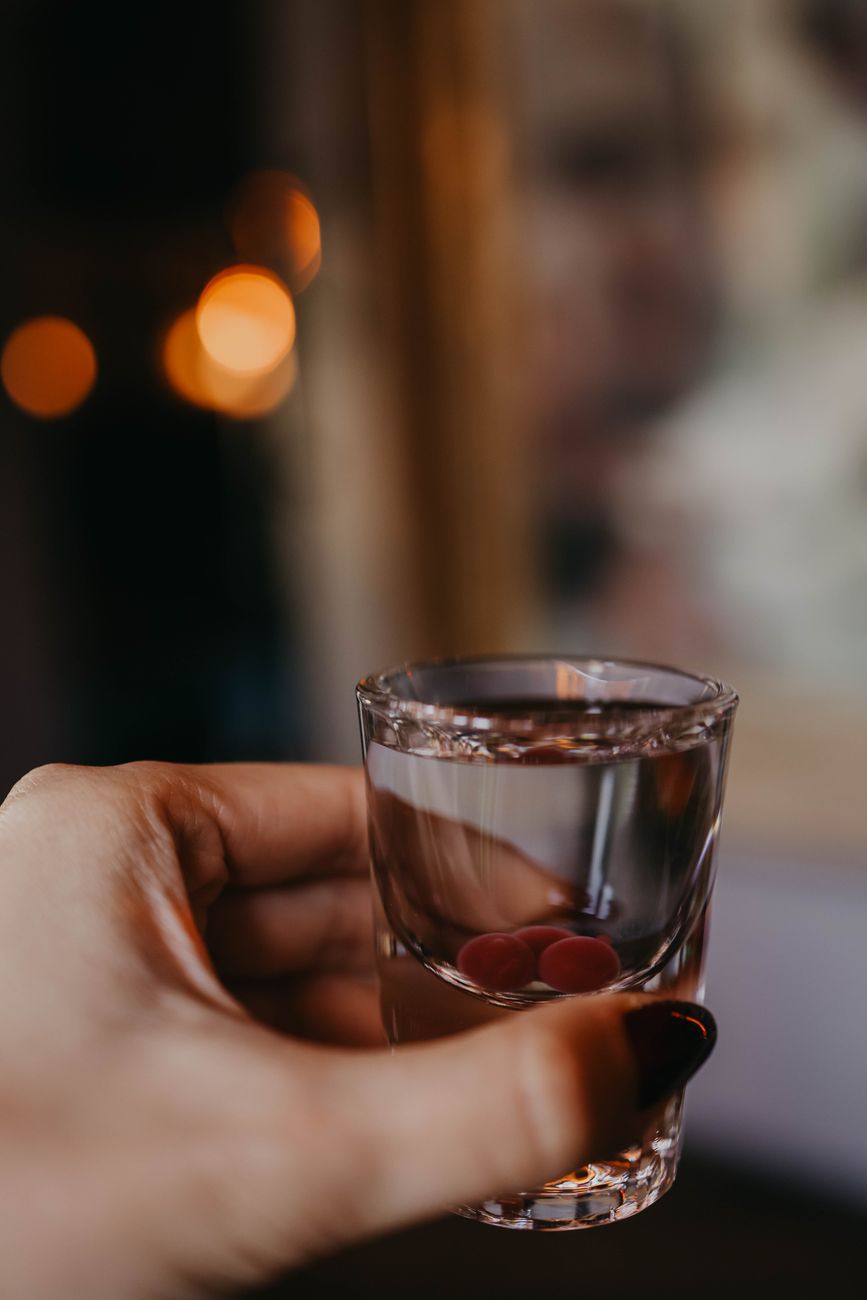
    vodka glasses in hands
    Photo by wan fat on Pexels.com

    A Spirit Born Everywhere

    Vodka’s origins are famously disputed, particularly between Poland and Russia, both of which passionately claim to be vodka’s birthplace. Historical references to distilled grain spirits appear throughout Eastern Europe as early as the Middle Ages, though those early versions would be almost unrecognizable compared to many modern vodkas.

    They were not ultra-filtered, endlessly distilled luxury spirits in glowing bottles.

    They were rustic.

    Peppery. Earthy. Grain-driven. Sometimes oily. Often fiery.

    The word “vodka” itself derives from the Slavic word voda, meaning “water,” or more affectionately, “little water.” It sounds harmless enough until one realizes entire governments once depended heavily on vodka taxation to survive.

    And honestly, humans discovering distillation was almost inevitable. Nearly every culture with access to starch or sugar eventually created some form of clear distilled spirit. Rye, wheat, potatoes, corn, grapes, rice, honey, sugar beets — if it could ferment, somebody somewhere eventually decided to distill it.

    That flexibility remains one of vodka’s defining traits.

    Unlike tequila, which must come from blue agave, or bourbon, which must contain mostly corn, vodka can emerge from almost anything. This adaptability helped vodka spread globally, but it also created one of the spirit’s greatest myths:

    “All vodka tastes the same.”

    Spend five minutes with a serious vodka producer and you will quickly discover how wrong that statement really is.

    alcohol in a glass
    Photo by Valeria Klys on Pexels.com

    The Different Styles of Vodka

    Vodka may not shout like peaty Scotch or funky rum, but it absolutely has personality. The differences are often more about texture, weight, spice, minerality, and finish than explosive flavor.

    Traditional rye vodka, particularly from Poland, tends to be dry, peppery, and subtly bready. It often carries a spicy warmth that pairs beautifully with smoked fish, cured meats, and mustard-heavy dishes. Many vodka purists consider rye the classic expression of the spirit.

    Potato vodka is entirely different. Richer and creamier, it often has a luxurious texture that surprises whiskey drinkers encountering it for the first time. There is weight to it — a subtle earthy density that makes it wonderfully satisfying in colder weather.

    Wheat vodka became enormously popular because of its softer profile. Smooth, slightly sweet, and approachable, wheat vodkas helped shape the modern cocktail boom, especially in the United States and France.

    Corn vodka, particularly common in North America, often leans clean and gentle, while grape-based vodkas can carry delicate floral and silky characteristics that feel almost elegant enough to confuse blind tasters.

    Vodka speaks quietly compared to whiskey.

    But it still speaks.

    The Great Vodka Marketing Machine

    Modern vodka branding spent decades convincing consumers that the “best” vodka was the one with the least flavor.

    Five times distilled.
    Ten times filtered.
    Diamond filtered.
    Glacier water.
    Oxygen infused.

    At some point, vodka labels began sounding less like spirits and more like luxury appliance advertisements.

    Of course, filtration and precision matter. Poorly made vodka can be harsh, bitter, and unpleasant. But many traditional distillers believe modern vodka became too neutral. Excessive filtration strips away not only impurities, but also texture and character.

    Historically, vodka was never meant to taste like absolutely nothing.

    A good rye vodka should still whisper rye.
    A potato vodka should still feel substantial.
    Otherwise, what exactly is left besides alcohol?

    This divide between “neutral purity” and “expressive craftsmanship” remains one of the most fascinating conversations in modern spirits.

    person pouring water on clear drinking glass
    Photo by cottonbro studio on Pexels.com

    When Vodka Isn’t Really Vodka

    Vodka’s cousins around the world reveal just how broad the category can become.

    In Japan, shochu is often distilled from rice, barley, or sweet potatoes, but unlike vodka, it is typically distilled to lower proof specifically to preserve flavor and aroma.

    In South Korea, soju occupies a fascinating middle ground — softer, slightly sweeter, and lower in alcohol, making it dangerously easy to drink.

    Scandinavian aquavit begins with a vodka-like base before embracing herbs and spices like dill and caraway, while Balkan rakia proudly leans into fruit character and rustic tradition.

    All of these spirits share vodka’s basic DNA.

    But they also reveal something important:

    Neutrality was never historically the goal.

    Character was.

    traditional russian cuisine on restaurant table
    Photo by Van Mailian on Pexels.com

    The Proper Way to Drink Vodka

    Forget neon shots and whipped cream-flavored gimmicks for a moment.

    Traditional vodka service is one of the great culinary experiences in the spirits world.

    In Eastern Europe, vodka is rarely consumed alone. It arrives ice cold — often straight from the freezer — alongside smoked fish, pickled vegetables, dark rye bread, sausages, mushrooms, caviar, or salty cheeses. The food, known broadly in some regions as zakuski, is essential to the experience.

    A sip of icy rye vodka followed by smoked salmon and mustard is revelatory. The vodka cuts through richness while amplifying texture and spice. Pickles brighten the palate. Dark bread grounds everything with earthy depth.

    The rhythm becomes almost ceremonial:

    Toast. Sip. Eat. Laugh. Repeat 😉

    That communal element is central to vodka culture. In many traditions, refusing a toast can even be considered rude. Vodka is meant to gather people together around the table.

    And yes — vodka absolutely belongs in the freezer.

    The cold thickens the texture, softens alcohol harshness, and creates a velvety mouthfeel that makes quality vodka feel almost luxurious. Good vodka from the freezer becomes silky and elegant.

    Cheap vodka simply becomes cold.

    classic martini with olives in elegant bar setting
    Photo by Eddie O. on Pexels.com

    Vodka’s Greatest Cocktails

    Vodka conquered the cocktail world because it is endlessly adaptable. It can support, soften, brighten, or disappear entirely depending on the drink.

    And sometimes that versatility creates magic.

    The Vodka Martini

    The Vodka Martini helped define postwar cocktail culture. Cleaner and softer than gin, it appealed to drinkers seeking sophistication without aggressive botanicals.

    Classic Vodka Martini Recipe

    • 2½ oz vodka
    • ½ oz dry vermouth
    • Lemon twist or olives

    Stir with ice until brutally cold, then strain into a chilled martini glass.

    Simple drinks leave nowhere to hide. Use quality vodka.

    The Moscow Mule

    Ironically, one of vodka’s most famous cocktails became popular largely because of brilliant marketing involving copper mugs in the 1940s.

    Thankfully, the drink is genuinely excellent.

    Moscow Mule Recipe

    • 2 oz vodka
    • ½ oz fresh lime juice
    • Ginger beer

    Build over ice in a copper mug or Collins glass.

    Bright, spicy, refreshing, and endlessly drinkable.

    a dark cocktail in a glass
    Photo by Mark von Arb on Pexels.com

    The Espresso Martini

    Created by legendary bartender Dick Bradsell in the 1980s, the Espresso Martini remains one of the defining modern cocktails.

    Espresso Martini Recipe

    • 2 oz vodka
    • 1 oz fresh espresso
    • ¾ oz coffee liqueur
    • ¼ oz simple syrup

    Shake aggressively with ice and strain into a coupe glass.

    The foam on top should look almost like crema on a fine espresso.

    The Forgotten Vodka Classic: The Gypsy Queen

    Before vodka became associated primarily with ultra-clean martinis and sugary nightclub drinks, bartenders often used it in cocktails that allowed subtle herbal and spice notes to shine.

    One of the best forgotten examples is the Gypsy Queen.

    Elegant, aromatic, and surprisingly sophisticated, the cocktail combines vodka with the French herbal liqueur Bénédictine. The result is silky, lightly spiced, and layered with honeyed herbal complexity.

    It feels almost like the bridge between a Martini and an old-world digestif.

    Gypsy Queen Recipe

    • 2 oz vodka
    • 1 oz Bénédictine
    • Dash of bitters

    Stir with ice until thoroughly chilled and strain into a coupe glass.

    Simple on paper, but deeply nuanced in the glass.

    This is the kind of cocktail that reminds people vodka does not always need to disappear into a drink. Sometimes its restraint is precisely what allows other ingredients to shine gracefully without overwhelming the palate.

    The Pairing Nobody Talks About

    Vodka may actually be one of the world’s great food spirits.

    Because it lacks heavy oak, sugar, or aggressive botanicals, vodka interacts beautifully with salty, smoky, acidic, and briny foods. It cleanses the palate without overpowering dishes.

    Some classic pairings include:

    • Smoked salmon with dill
    • Caviar and crème fraîche
    • Pickled mushrooms
    • Potato pancakes
    • Kielbasa and mustard
    • Oysters
    • Herring
    • Sharp cheeses
    • Dark rye bread

    A freezer-cold rye vodka beside smoked fish may convert even dedicated whiskey drinkers.

    Vodka Vault at the Red Square in MGM Grand Las Vegas – May 10, 2015

    Vodka Deserves Better

    Vodka’s greatest strength may also be its greatest curse.

    It is so familiar that many drinkers stopped paying attention to it.

    But vodka is not merely “neutral spirit.” It is agriculture, chemistry, tradition, ritual, and hospitality distilled into crystal clarity. It reflects the cultures that produce it — from the rye fields of Poland to the frozen traditions of Russia, from Scandinavian precision to modern American experimentation.

    At its best, vodka is subtle rather than loud.

    And subtlety is often misunderstood.

    The next time someone insists vodka has no flavor, pour them a proper rye vodka straight from the freezer beside smoked fish, dark bread, sharp mustard, and pickles.

    Then watch their expression after the first sip.

    Preferably after the second toast.

    Cover Photo by Valeria Boltneva on Pexels.com

  • The Most Misunderstood Buzzword in the Vineyard

    The Most Misunderstood Buzzword in the Vineyard

    There are few phrases in the modern wine world more romanticized, misunderstood, weaponized, and casually thrown around than “dry-farmed wine.” Somewhere between “natural wine,” “low sulfites,” and “minerality,” dry farming has become one of those magical terms consumers latch onto in hopes of finding purity in a bottle.

    And lately, it has become the darling of wellness influencers, wine-adjacent lifestyle brands, and people convinced that a vineyard’s irrigation practices are somehow responsible for their Saturday morning headache.

    As sommeliers, wine educators, and wine lovers, we hear it all:

    “I can only drink dry-farmed wines.”

    “Dry-farmed wines don’t give me headaches.”

    “If the label doesn’t say dry-farmed, it probably isn’t.”

    “Dry farming means no sulfites, right?”

    And perhaps the most amusing of all:

    “Well, it definitely can’t be from California.”

    Ah yes… because apparently Europe invented sunshine and water scarcity.

    So let’s uncork this conversation properly.

    Because dry farming is real. It matters. It can profoundly influence wine character and vineyard expression.

    But it is also deeply misunderstood.

    a vast vineyard of grapes
    Photo by Markus Winkler on Pexels.com

    What Is Dry Farming?

    At its core, dry farming is exactly what it sounds like:

    A vineyard is grown without supplemental irrigation during the growing season.

    The vines survive solely on naturally occurring rainfall and the moisture retained in the soil.

    That’s it.

    No mystical rituals.
    No secret biodynamic moon chants.
    No guarantee of “clean wine.”
    No immunity from hangovers.

    Simply put, the vine receives no added water after establishment.

    The vineyard must rely on:

    • Winter rainfall
    • Deep root systems
    • Soil water retention
    • Climate conditions
    • Vineyard management practices

    Dry farming is both ancient and traditional. In fact, for most of wine history, all vineyards were dry farmed because modern irrigation systems didn’t exist.

    a glass of wine next to a bottle of wine
    Photo by Brett Jordan on Pexels.com

    Ironically… Some of the World’s Greatest Wines Are Automatically Dry-Farmed

    Here’s where many consumers get confused.

    In numerous classic European wine regions, irrigation is heavily restricted or outright illegal under appellation law.

    Meaning?

    The producers often don’t put “dry farmed” on the label because:

    1. It’s already assumed.
    2. It’s legally mandated.
    3. It would be like bragging that your restaurant uses heat to cook food.

    Many appellation systems view irrigation as something that can artificially inflate yields and dilute terroir expression.

    Classic examples include vineyards in:

    Some of the oldest, most revered vineyards on Earth are dry farmed simply because they always have been.

    No trendy sticker required.

    panorama of garden pathway
    Photo by Tim Mossholder on Pexels.com

    Wait… California Has Dry-Farmed Vineyards?

    Absolutely.

    And some of the most fascinating examples come from old-vine vineyards throughout:

    • Sonoma County
    • Mendocino County
    • Paso Robles
    • Lodi

    Many historic vineyards planted before widespread drip irrigation were naturally dry farmed for decades.

    The reality is that California’s climate makes dry farming difficult—but not impossible.

    It requires:

    • Appropriate rootstocks
    • Older vines
    • Water-retentive soils
    • Lower yields
    • Careful canopy management
    • Significant farming expertise

    Dry farming in California is often a deliberate philosophical choice rather than a legal obligation.

    And yes… some California producers love reminding you about it.

    Repeatedly.

    Usually in fonts resembling an organic granola package.

    Why Dry Farming Matters

    Now here’s the important part:

    Dry farming can produce remarkable wines.

    When vines must search deeply for water, several things often happen:

    1. Deeper Root Systems

    Vines develop extensive roots that penetrate deep into the soil and subsoil.

    This can:

    • Improve drought resilience
    • Increase mineral uptake
    • Enhance site expression
    • Create greater vintage consistency

    Deep roots also reduce dependence on surface moisture fluctuations.

    2. Naturally Lower Yields

    Water stress generally reduces berry size and overall crop load.

    Smaller berries mean:

    • Higher skin-to-juice ratio
    • More concentrated flavors
    • Greater tannin structure
    • More intense aromatics

    This is one reason dry-farmed wines often taste more focused and savory.

    3. More Transparent Terroir

    The French concept of terroir—the combination of soil, climate, exposure, geology, and farming—is often amplified in dry-farmed vineyards.

    Without irrigation:

    • The vine responds directly to seasonal conditions
    • Soil composition becomes more evident
    • Vintage variation becomes more pronounced

    The wines may feel more “alive” and site-specific.

    a man in plaid suit looking at the glass of red wine he is holding
    Photo by Pavel Danilyuk on Pexels.com

    But Dry Farming Is Not Automatically Better

    This is where nuance matters.

    Dry farming is not a universal quality guarantee.

    In the wrong environment, it can produce:

    • Excessively stressed vines
    • Unbalanced ripeness
    • Harsh tannins
    • Dehydrated fruit
    • Reduced acidity
    • Overly alcoholic wines

    A vine pushed beyond healthy stress becomes compromised.

    Great viticulture is about balance—not suffering.

    A responsible grower may irrigate strategically to preserve:

    • Vine health
    • Acidity
    • Phenolic ripeness
    • Long-term vineyard sustainability

    Especially in an era of climate change and prolonged drought.

    The Headache Myth: Let’s Talk About Sulfites

    Now we arrive at the internet’s favorite villain:

    Sulfur.

    Or more accurately:

    Sulfites.

    Consumers often assume:

    • Dry-farmed wine = low sulfites
    • Low sulfites = no headaches
    • European wines = magically headache-free

    Unfortunately, biology is more complicated than TikTok 🙂

    Sulfites Are Natural

    Sulfites occur naturally during fermentation.

    Every wine contains them.

    Even wines labeled “no added sulfites” still contain naturally occurring sulfites.

    Without sulfur, many wines would oxidize, spoil, or become microbiologically unstable.

    Sulfur is one of the most important tools in winemaking.

    Are Sulfites Causing Your Headache?

    For most people?

    Probably not.

    True sulfite sensitivity is relatively rare and is most commonly associated with severe asthma reactions—not ordinary wine headaches.

    More likely culprits include:

    • Alcohol dehydration
    • Histamines
    • Tyramine sensitivity
    • Sugar levels
    • Poor sleep
    • Overconsumption
    • Congeners
    • Drinking low-quality wine quickly
    • Mixing beverages

    Or, perhaps most devastatingly…

    You simply had four giant pours of 15.8% ABV Zinfandel while debating biodynamics until 1:30 a.m.

    Science remains undefeated.

    Related SOMM&SOMM article: Demystifying Sulfites in Wine

    “Natural Wine” and Dry Farming Are Not the Same Thing

    Another misconception:

    Dry farming does not automatically mean:

    • Organic
    • Biodynamic
    • Natural wine
    • Low intervention
    • No sulfur additions

    A conventionally farmed vineyard can be dry farmed.

    A natural wine producer may still irrigate.

    These are entirely separate practices.

    Modern wine marketing often blurs these distinctions because consumers increasingly seek authenticity, sustainability, and transparency.

    But wine terminology matters.

    What Do Dry-Farmed Wines Taste Like?

    This is the exciting part.

    While there is no universal flavor profile, dry-farmed wines often show:

    Reds

    • Darker concentration
    • Firmer structure
    • Earthy/savory notes
    • More tension
    • Smaller-fruited character
    • Herbal complexity

    Whites

    • Intense aromatics
    • Saline/mineral character
    • Higher textural density
    • Precision and energy

    The wines may feel less “plush” and more architectural.

    Less fruit-forward.
    More nuanced.
    More site-driven.

    At their best, they possess remarkable balance and authenticity.

    two glasses of white wine
    Photo by Tugay Kocatürk on Pexels.com

    Regions Famous for Dry-Farmed Viticulture

    Some of the world’s iconic dry-farmed regions include:

    Santorini

    Ancient basket-trained Assyrtiko vines surviving on sea mist and volcanic soils.

    Priorat

    Brutally steep slate vineyards producing concentrated Garnacha and Cariñena.

    Douro Valley

    Historic terraces where Port and dry reds emerge from intensely rugged conditions.

    Barossa Valley

    Home to some of the oldest dry-farmed Shiraz vines on Earth.

    Paso Robles

    A modern American leader in thoughtful dry-farmed viticulture.

    The Real Conversation We Should Be Having

    Dry farming is not about virtue signaling.

    It is not a magic health label.

    It is not proof of superior morality, cleaner wine, or guaranteed quality.

    It is a farming philosophy.

    One rooted in:

    • Water conservation
    • Vineyard resilience
    • Site transparency
    • Traditional viticulture
    • Concentration and balance

    Sometimes it produces profound wines.

    Sometimes irrigation is the wiser choice.

    The best growers understand the difference.

    And perhaps the most important lesson?

    The absence of “dry farmed” on a label tells you almost nothing.

    Many of the world’s greatest wines have quietly followed these practices for centuries without ever feeling the need to market them.

    Because in much of the wine world, dry farming isn’t a trend.

    It’s simply called farming.

    unrecognizable man with glass of white wine
    Photo by Maria Orlova on Pexels.com

    Final Pour

    Wine culture loves absolutes.

    Consumers search endlessly for shortcuts:

    • Organic = better
    • Natural = healthier
    • Old vines = superior
    • Low sulfites = headache free
    • Dry farmed = pure

    But wine, like people, resists simplistic categorization.

    The beauty of wine lies in nuance.

    A vineyard’s irrigation strategy is just one thread in an enormously complex tapestry involving:

    • Climate
    • Soil
    • Rootstock
    • Farming
    • Fermentation
    • Oak
    • Vintage
    • Human decisions
    • Time

    So the next time someone proudly announces they only drink dry-farmed wine because sulfites give them headaches…

    Pour them a classic red from Burgundy or Barolo.

    Then gently remind them:

    Those vineyards likely never needed the label in the first place.

    Cover Photo by Line Knipst on Pexels.com